
Reading view

The 2026 Transformation of Al Ain: A New Era for Abu Dhabi’s Cultural Heart
The 2026 Transformation of Al Ain: A New Era for Abu Dhabi’s Cultural Heart

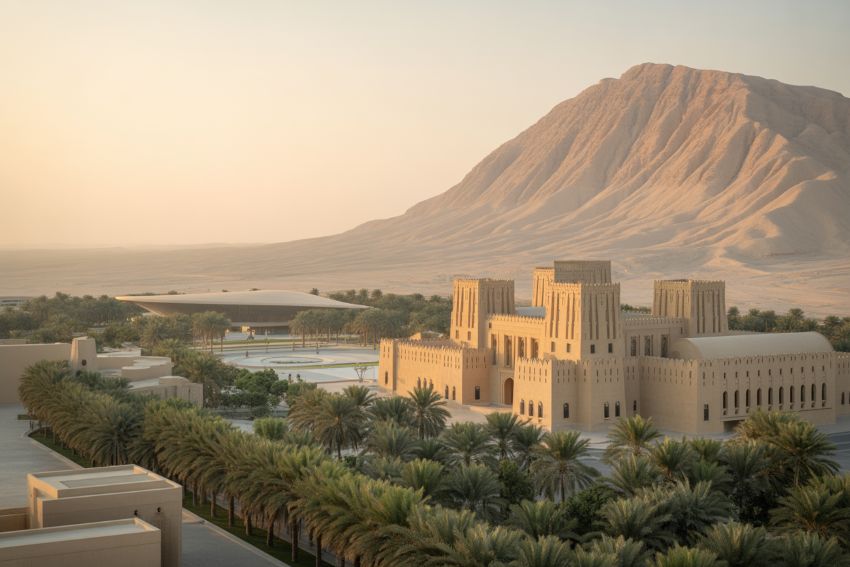
The Al Ain Region’s landscape is set to undergo significant transformation as comprehensive strategic plans for 2026 are implemented. During a recent high-level meeting, His Highness Sheikh Hazza bin Zayed Al Nahyan, the Ruler’s Representative in the Al Ain Region, meticulously reviewed the future of the region’s cultural and tourism industries. This briefing was held by a distinguished delegation led by the Chairman of the Department of Culture and Tourism – Abu Dhabi (DCT Abu Dhabi). The primary goal of these discussions was to position Al Ain as a premier destination that combines its deep-rooted history with modern leisure facilities.

Strategic Framework and Economic Impact

The pivotal role of the tourism and culture sectors in fostering sustainable development was highlighted throughout the session. It was noted that these industries are being positioned as central pillars for strategic investment within the emirate. By prioritizing these sectors, a multifaceted benefit is expected to be delivered to the local community, ranging from economic growth to the enrichment of social and cultural life. The integration of visitor experiences is being designed to ensure that the appeal of the Al Ain Region is strengthened for both domestic travellers and international tourists. Furthermore, the commitment to these sectors is viewed as a catalyst for improving the overall quality of life and the generation of new employment opportunities for the local workforce.

Revitalizing Heritage and UNESCO Sites

A significant portion of the development strategy is dedicated to the preservation and enhancement of historical landmarks. Updates were provided on the rehabilitation of the Al Ain Museum, an institution vital to the preservation of the UAE’s narrative. Additionally, the tourism appeal of the region’s famous oases and UNESCO World Heritage sites is being actively enhanced through sensitive development projects. These sites are regarded not merely as relics of the past but as living landscapes that must be maintained and promoted to safeguard the region’s unique identity. The environmental assets of Al Ain are being integrated into the broader tourism map to ensure that conservation efforts and visitor engagement go hand in hand.

Expanding Leisure and Family Destinations

While heritage remains a cornerstone, the expansion of family-orientated entertainment is also being prioritized to broaden the region’s demographic reach. Plans were reviewed for the modernization and development of iconic locations, including Hili Fun City and the Al Ain Zoo. Retail and lifestyle hubs, specifically Al Jimi Mall, are also included in the scope of these enhancements. Moreover, the natural wonder of Jebel Hafeet is being targeted for further leisure development, ensuring that the mountain remains a primary attraction for those seeking adventure and scenic beauty. These projects are intended to create a comprehensive leisure ecosystem that caters to diverse tastes and age groups.

Aligning with Abu Dhabi Tourism Strategy 2030

The initiatives presented are strictly aligned with the overarching objectives of the Abu Dhabi Tourism Strategy 2030. This long-term roadmap is designed to reinforce the emirate’s presence on the global tourism stage. By investing in the Al Ain Region, a firm commitment is being demonstrated toward achieving an integrated development model. The efforts led by DCT Abu Dhabi are focused on striking a delicate balance between modernizing leisure offerings and preserving the rich heritage that defines the area. This strategic alignment ensures that every project contributes to a unified vision of sustainable and culturally conscious growth.

A Vibrant Calendar of Cultural Festivals

The cultural profile of Al Ain is also being bolstered through an expanded calendar of annual events and festivals. These programmes are designed to attract a steady flow of visitors throughout the year and to provide a platform for traditional arts and literature. Key events such as the Traditional Handicrafts Festival and the Al Ain Book Festival are being utilized to celebrate local artistry and intellectual heritage. Additionally, community-centric celebrations like the Mother of the Nation Festival, the Dar Al Zain Festival, and Ghaitah Al Ain are being integrated into the tourism strategy. These festivals are recognized for their ability to reinforce the region’s status as a prominent cultural hub while providing immersive experiences for all attendees.

Collaborative Governance and Implementation

The scale of this vision is supported by a collaborative effort between government bodies and leading private sector entities. The recent meeting was attended by a high-level group including His Excellency Sheikh Mohammed bin Hamdan bin Zayed Al Nahyan and the Chairman of DCT Abu Dhabi. The presence of the Group CEOs of Aldar and Miral further emphasizes the public-private synergy required to bring these large-scale projects to fruition. Through this unified approach, the infrastructure, hospitality, and entertainment components of the Al Ain Region are being developed in tandem to ensure a seamless and world-class visitor journey.

A Global Destination in the Making

As 2026 approaches, the Al Ain Region is preparing to take its place as a top destination on the global cultural tourism map. The strategic investments and rehabilitation projects reviewed by the leadership demonstrate a commitment to preserving the past while building a prosperous future. Al Ain is being transformed into a site where history and modernity coexist peacefully by emphasising sustainable development, community benefits, and an enhanced visitor experience. The ongoing efforts of DCT Abu Dhabi and its partners ensure that the “Garden City” continues to thrive as a beacon of Emirati culture and a must-see destination for visitors from all over the world.

The post The 2026 Transformation of Al Ain: A New Era for Abu Dhabi’s Cultural Heart appeared first on Travel And Tour World.

The Future of Transportation in Dubai: How Car Rentals Are Revolutionizing Travel

The Future of Transportation in Dubai: How Car Rentals Are Revolutionizing Travel

Dubai, a vibrant hub in the UAE, has long been a favourite destination for tourists, business travellers, and international events. As the city continues to grow and draw millions of visitors every year, the demand for convenient and efficient transportation options has risen dramatically. While taxis and public transport remain popular, more and more travellers are opting to rent a car in Dubai. This shift is being driven by the increasing desire for flexibility, comfort, and the ability to take control of their own travel schedules. Renting a car gives visitors the freedom to explore the city at their own pace, without the constraints of public transport or waiting for taxis.

Dubai’s Road Infrastructure: Built for Driving

Dubai’s infrastructure is designed with ease of travel in mind. The city boasts a network of wide highways, modern road systems, and clearly marked routes, making it one of the easiest places to navigate by car. While public transport options are continually expanding, personal vehicles remain the most efficient way to travel, particularly for those staying for extended periods. The city’s roadways are well-maintained, and driving conditions are typically ideal, with less congestion compared to other major cities in the world.

For tourists visiting Dubai, renting a car provides unparalleled freedom. It allows them to explore various neighbourhoods, shopping districts, pristine beaches, and cultural attractions at their own pace. Whether it’s a day of sightseeing or attending business meetings, having access to a rental vehicle ensures that travellers can maximize their time in the city without worrying about fixed routes, delays, or waiting for taxis.

The Role of Digital Platforms in Simplifying Car Rentals

With the advent of digital technology, booking a car rental in Dubai has never been easier. Online platforms have revolutionized the rental process, allowing customers to compare prices, read reviews, and understand rental terms before making a reservation. This digital shift has led to a more transparent and user-friendly experience, reducing uncertainty for visitors.

Travellers can now complete their bookings online, which ensures that everything is in place upon arrival. These platforms provide clear pricing structures, enabling visitors to avoid unexpected charges and better plan their budget. The convenience of booking online also allows travellers to secure the best deals and choose the perfect vehicle that fits their needs, whether they are visiting for leisure or business.

Why Renting a Car in Dubai Is Beneficial

Car rentals in Dubai are not just about convenience; they offer several practical benefits that make them an attractive option for both tourists and business travellers alike. Here are some of the key advantages:

Control Over Travel Plans

Renting a car gives travellers greater control over their daily activities. They can choose where and when to go, without having to adhere to public transportation schedules or wait for a taxi. Whether it’s visiting Dubai’s iconic landmarks or exploring lesser-known gems, having a rental car allows visitors to create a travel itinerary that suits their personal preferences.

Comfort in Extreme Weather

Dubai’s climate is known for its high temperatures, particularly during the summer months. Renting a car offers a comfortable way to travel in the heat, with air-conditioned vehicles ensuring that travellers stay cool as they move between destinations. This is especially important for those who are not accustomed to hot climates and prefer to avoid walking long distances in the heat.

Easy Access to Attractions Outside the City Center

While Dubai’s city centre is home to numerous attractions, there are plenty of exciting places to visit beyond the urban limits. Renting a car opens up access to popular destinations like the desert, Ras Al Khor Wildlife Sanctuary, and nearby emirates such as Sharjah and Abu Dhabi. With a rental car, visitors can explore Dubai’s diverse surroundings at their leisure, without the need for additional transport arrangements.

Cost Predictability for Long Stays

For visitors planning extended stays in Dubai, renting a car can be more cost-effective than relying on taxis or other modes of transport. With long-term rental options, travellers can save money while ensuring they always have access to a vehicle when needed. Fixed daily or weekly rental rates offer predictability in terms of travel costs, making it easier to budget for transportation during the trip.

Changing Travel Habits: Independence and Digital Convenience

The growing trend of renting cars in Dubai is a reflection of changing travel habits. In an increasingly digital world, tourists and business travellers alike are looking for more independent, efficient, and transparent ways to navigate their destinations. The desire for flexibility, comfort, and ease of access to transportation options is now a top priority for many visitors.

As Dubai continues to grow in popularity as a global business and tourism hub, the demand for car rental services is expected to increase further. The ability to rent a car provides tourists and business professionals with a sense of control over their schedules, allowing them to balance work commitments, sightseeing, and leisure activities seamlessly.

Car Rentals Supporting Tourism and Business in Dubai

The car rental industry in Dubai plays a significant role in supporting both tourism and business activities in the city. For tourists, rental cars offer an easy and flexible way to experience all that Dubai has to offer, from world-renowned shopping malls to cultural landmarks like the Burj Khalifa, the Dubai Museum, and the Dubai Opera. The convenience of renting a car ensures that visitors can explore the city at their own pace without relying on crowded buses or taxis.

For business travellers, renting a car is often essential for getting to meetings and events efficiently. Dubai’s business districts, such as Downtown Dubai, Dubai International Financial Centre (DIFC), and Dubai Media City, are spread out across the city, and having access to a rental vehicle allows professionals to attend meetings without wasting time in transit.

Future Outlook for Car Rentals in Dubai

As Dubai’s infrastructure evolves and its global reputation continues to rise, car rental services will remain a cornerstone of the city’s transportation system. The growing demand for personal mobility, combined with the ease of booking through online platforms, ensures that car rentals will continue to thrive. This trend not only meets the needs of the increasing number of tourists but also serves the growing demands of business travellers and residents alike.

Dubai’s dedication to improving and expanding its transport options promises a future where the car rental experience will only get better. We can expect to see even more innovative services, flexible rental choices, and an increased availability of electric vehicles, all aimed at supporting sustainability goals. As the city grows and strives to provide a smooth, hassle-free travel experience, car rentals will remain a vital part of how people navigate Dubai.

The post The Future of Transportation in Dubai: How Car Rentals Are Revolutionizing Travel appeared first on Travel And Tour World.

Khyber Pakhtunkhwa’s First Integrated Tourism Zone in Thandiani to Boost Sustainable Ecotourism and Economic Growth

Khyber Pakhtunkhwa’s First Integrated Tourism Zone in Thandiani to Boost Sustainable Ecotourism and Economic Growth

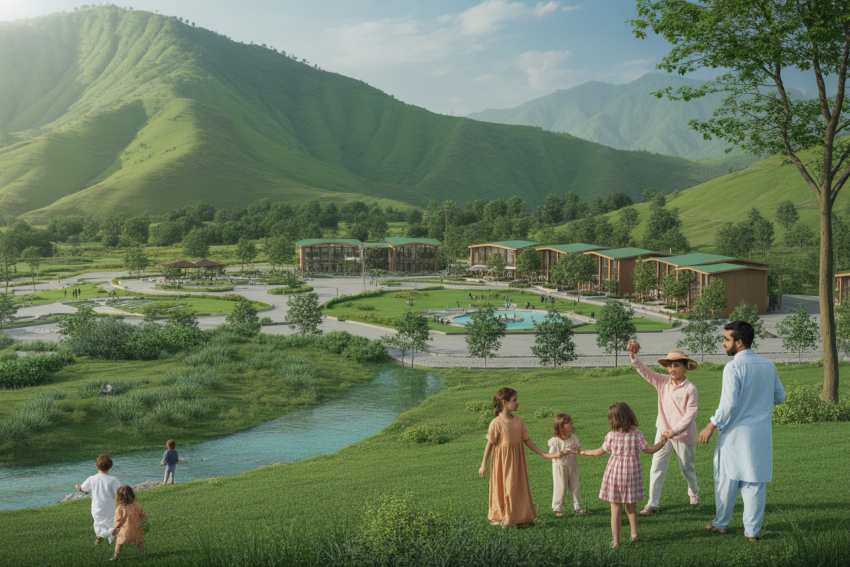
Under the leadership of Chief Minister Muhammad Sohail Afridi, the Khyber Pakhtunkhwa government has embarked on an ambitious journey to enhance the region’s tourism industry. The Thandiani Integrated Tourism Zone (ITZ), the first of its kind in the region, is being developed through a dynamic public-private partnership (PPP). This pioneering project aims to transform Thandiani, renowned for its refreshing climate, into a modern ecotourism hub. With private investment fuelling the initiative, it is poised to spark sustainable tourism growth while bringing valuable economic opportunities to the region.

Spanning 400 kanals, the Thandiani Integrated Tourism Zone will offer a diverse range of facilities, including recreational, commercial, and welfare spaces, making it a destination for all types of visitors. This project is set to become a benchmark for future tourism developments in Pakistan, aligning with the country’s vision of leveraging tourism for long-term economic prosperity.

Key Features of the Thandiani Tourism Project

The project in Thandiani is a comprehensive development plan that will include four distinct zones, each with a unique offering. Three key packages have been introduced, covering a wide array of tourism projects designed to attract diverse visitors.

Among the major components of this project, 14 tourism-related initiatives have been outlined. These include the construction of three new hotels or condotels, providing a total of 263 hotel and resort keys. The hotels are intended to cater to both high-end and mid-range travellers, ensuring a broad appeal to the growing domestic and international tourism market.

The project also includes service apartments, recreational areas, shopping malls, commercial complexes, and amusement parks. These facilities are aimed at enhancing the overall tourist experience by offering a mix of leisure, entertainment, and shopping opportunities. Additionally, the development will include welfare facilities and parking spaces, ensuring convenience and accessibility for visitors. Family service apartments will provide long-term accommodation options for those wishing to stay in Thandiani for extended periods, making the destination an ideal spot for both short-term getaways and longer vacations.

Ongoing Development of Other Integrated Tourism Zones in Khyber Pakhtunkhwa

Thandiani is not the only destination where the Khyber Pakhtunkhwa government is working to develop integrated tourism zones. The region has several other ongoing projects, each aimed at creating eco-friendly and sustainable tourism hubs. The Gunool Tourism Zone in Mansehra, Mankial in Swat, and Madaklasht in Chitral are all under development, with each location having its own distinct features designed to cater to various types of tourists.

The Gunool project spans 480 kanals, Mankial covers 754 kanals, and Madaklasht spans 540 kanals. Combined, these projects represent a total investment of PKR 12.3 billion, which is being directed toward transforming these areas into thriving tourism hotspots. These developments will focus on creating sustainable infrastructure, ecotourism initiatives, and other amenities aimed at enhancing the overall tourism experience.

The combined focus on multiple locations within Khyber Pakhtunkhwa illustrates the government’s dedication to revitalizing the region’s tourism sector and making it a key contributor to the local and national economy.

Economic Impact and Revenue Generation

The Thandiani Integrated Tourism Zone is projected to be a significant revenue generator for the province, with a total expected revenue of at least PKR 23 billion. This projection, however, does not set an upper limit, meaning that the actual revenue could surpass expectations if the project proves to be as successful as anticipated.

Tourism is seen as a major pillar of economic stability for the region, with long-term benefits expected in terms of employment, infrastructure development, and the overall growth of the local economy. As private investment drives the project, it is expected to create numerous job opportunities, not only in the tourism sector but also in the construction, retail, and service industries.

Moreover, the establishment of new tourism zones, particularly those that focus on ecotourism, will help create sustainable practices within the sector. This is expected to preserve the natural environment of these regions while providing economic opportunities to local communities. The integration of modern infrastructure with eco-friendly principles will serve as a blueprint for future tourism developments across the country.

Importance of Public-Private Partnership (PPP) in Tourism Development

The role of public-private partnerships in the success of the Thandiani Integrated Tourism Zone cannot be overstated. This model allows for the pooling of resources and expertise between the public and private sectors, ensuring that the project is both financially viable and effectively executed. The public sector provides the necessary regulatory support, while private partners bring in the capital, technical expertise, and management capabilities required to transform Thandiani into a world-class tourism destination.

Such collaborations have the potential to set new standards for tourism development in Pakistan, particularly in the Khyber Pakhtunkhwa region. By leveraging the strengths of both sectors, these integrated tourism zones can attract both national and international tourists, generating significant economic returns while preserving the region’s natural beauty.

Vision for Sustainable Tourism

Chief Minister Sohail Afridi emphasized that the provincial government is working in alignment with the vision of former Prime Minister Imran Khan, who envisioned tourism as a foundation for Pakistan’s economic stability. As part of this vision, the Thandiani Integrated Tourism Zone and other similar projects across Khyber Pakhtunkhwa are being developed with a strong emphasis on sustainability.

Eco-friendly practices are at the heart of these developments, ensuring that tourism does not come at the cost of the environment. This focus on sustainability is crucial in a country that has immense natural beauty and resources, making ecotourism a key aspect of its long-term development strategy.

The integration of sustainable practices in tourism development is expected to not only protect the environment but also create a positive image of Pakistan as a responsible and eco-conscious tourism destination. As the world becomes more environmentally conscious, such initiatives will play a vital role in attracting tourists who prioritize sustainability in their travel choices.

Conclusion

The Thandiani Integrated Tourism Zone marks an exciting milestone in Khyber Pakhtunkhwa’s journey to build a sustainable and thriving tourism sector. By bringing together both the public and private sectors, this project is set to open doors to new economic opportunities, upgrade the region’s infrastructure, and create a blueprint for sustainable tourism across Pakistan.

With its focus on eco-friendly development, diverse range of amenities, and an ideal location, Thandiani is poised to become one of the country’s top tourism destinations. This initiative, alongside other ongoing projects in the province, signals the beginning of a fresh era for Pakistan’s tourism industry—one where economic growth and environmental preservation go hand in hand.

The post Khyber Pakhtunkhwa’s First Integrated Tourism Zone in Thandiani to Boost Sustainable Ecotourism and Economic Growth appeared first on Travel And Tour World.

Pokhara Lakeside Area to Become Safer and More Tourism-Friendly with New Joint Initiatives

Pokhara Lakeside Area to Become Safer and More Tourism-Friendly with New Joint Initiatives

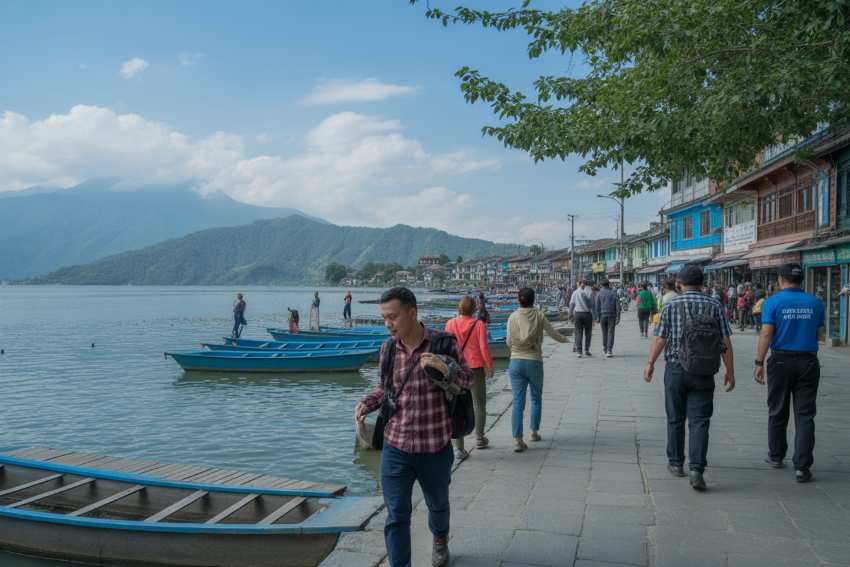
Pokhara, celebrated for its stunning landscapes and tranquil vibe, is taking proactive steps to improve the safety and overall experience for its visitors. As the heart of both domestic and international tourism, the Lakeside area plays a central role, and now, the Pokhara Tourism Council, working alongside local stakeholders, is focused on making it an even better place for tourists. Their goal is simple: to create a safer, cleaner, and more inviting environment. The initiative aims to tackle key areas such as safety, security, cleanliness, and maintaining order, ensuring that everyone can enjoy all that Pokhara has to offer with peace of mind.

A Collaborative Effort for Better Tourism Experience

The newly launched campaign is being implemented with a focus on collaboration between various local agencies. The Pokhara Tourism Council, under the leadership of its Chairperson, has teamed up with several important institutions, including the Ward Police Office, Tourism Police, Metropolitan Police, and ward officials. These organizations have joined forces to address growing concerns related to the safety and comfort of tourists visiting the area.

The collective efforts of these stakeholders aim to create a tourist-friendly atmosphere by tackling issues such as street vending, public disturbances, and unsanctioned activities that may hinder the smooth movement of visitors around the Lakeside area. The local authorities are particularly focusing on improving the safety and security of the area during the evenings, when tourist activity peaks.

Safety and Security Focus

The primary goal of the campaign is to ensure a safe environment for tourists by actively monitoring the area, particularly during the high-traffic hours of the evening. Security personnel from various organizations, including the Tourism Police and Metropolitan Police, will be regularly patrolling the Lakeside area. Through on-site monitoring and increased police presence, the campaign will curb any disruptive behaviour or unwanted activities that could pose risks to tourists.

Additionally, security measures will be reinforced through community engagement and awareness programmes aimed at promoting responsible behaviour and respect for local norms. This comprehensive approach ensures that both visitors and locals can coexist in a safe and harmonious environment, without compromising the appeal of the region.

Focus on Cleanliness and Hygiene

One of the core elements of the initiative is improving the overall cleanliness and sanitation of the Lakeside area. With an increasing number of visitors to the city each year, the need to maintain a pristine environment has become more urgent. The campaign includes efforts to control waste management, curb littering, and improve the appearance of public spaces, especially in areas frequented by tourists.

Local authorities are placing an emphasis on public awareness campaigns that encourage both locals and tourists to dispose of waste responsibly. Along with waste management, the cleaning of public facilities, including restrooms, will be prioritized to ensure that tourists have access to clean and sanitary conditions throughout their visit.

Controlling Street Vending and Public Disruptions

Street vending, while an integral part of many tourist destinations, has been identified as a potential barrier to the smooth movement of tourists in Pokhara’s Lakeside area. The campaign includes efforts to regulate street vendors and ensure that their activities do not cause inconvenience to tourists. This will be achieved through the enforcement of designated vending zones and regulations that help to maintain the flow of foot traffic and keep pathways clear.

The objective is not to eliminate street vendors but to regulate their activities to ensure that they do not interfere with the tourism experience. This will also contribute to a more orderly environment where tourists can enjoy their visit without the stress of navigating crowded or obstructed streets.

Improving Visitor Interaction with Local Community

One of the campaign’s broader goals is to create a positive interaction between the local community and visitors. Tourism is a vital source of income for the people of Pokhara, and as such, it is essential that the relationship between tourists and the local population remains cordial.

To achieve this, the initiative focuses on promoting cultural understanding and respect for local customs. Tourism-related organizations will play an active role in educating visitors about the culture and traditions of the area. This will be achieved through information sessions and outreach efforts that provide tourists with helpful tips for being respectful and mindful during their stay.

By fostering positive interactions, the campaign aims to make Lakeside not only a beautiful destination but also a place where both locals and tourists feel comfortable and appreciated.

The Long-Term Impact of the Initiative

While the campaign is initially focused on enhancing safety, cleanliness, and orderliness in the Lakeside area, its long-term impact could have far-reaching effects for the entire tourism industry in Pokhara. By creating a safer and more pleasant environment for tourists, these initiatives are expected to contribute to increased tourism in the region, boosting local businesses and generating greater revenue for the community.

Moreover, the collaboration between various agencies and the local community sets a precedent for future initiatives aimed at improving tourism infrastructure and enhancing the overall visitor experience in Pokhara. This model of cooperation can be expanded to other areas of the city, ensuring that tourism growth is sustainable and beneficial for everyone involved.

Conclusion

To wrap up, the collaborative efforts in Pokhara’s Lakeside area mark an exciting turning point in making the destination safer, cleaner, and more organized for tourists. The combined work of the Pokhara Tourism Council, local law enforcement, and tourism organizations is a testament to the city’s commitment to overcoming the challenges facing its tourism sector. This initiative not only aims to enhance the overall visitor experience but also strives to strengthen the bond between tourists and the local community, promising lasting benefits for the region’s tourism industry.

As Pokhara continues to attract more visitors, these efforts are laying a solid foundation for the Lakeside area to remain a welcoming, safe, and vibrant place for travellers from across the globe.

The post Pokhara Lakeside Area to Become Safer and More Tourism-Friendly with New Joint Initiatives appeared first on Travel And Tour World.

Greater Anglia’s Inspiration Train Brings 200 Years of Rail History to Colchester, Clacton-on-Sea and Hertford East

Greater Anglia’s Inspiration Train Brings 200 Years of Rail History to Colchester, Clacton-on-Sea and Hertford East

The ‘Inspiration’ Train, part of the national Railway 200 programme, is travelling across the Greater Anglia network, bringing an engaging exhibition commemorating the 200th anniversary of the modern railway. This travelling showcase, which has already attracted large crowds in Norwich and Lowestoft, will continue its journey, stopping at various stations throughout the region.

A Historical Journey

The exhibition celebrates the monumental milestone of the Stockton and Darlington Railway’s opening in 1825, regarded as the world’s first modern passenger railway. The event marked a pivotal moment in transport history, forever altering the way people and goods moved across regions. Railways have played an essential role in shaping the social and economic fabric of the UK, and the ‘Inspiration’ Train offers a window into this transformative journey.

The train itself does not transport passengers between locations. Instead, it serves as an exhibition space that invites the public to explore the evolution of railways, from their inception to their contemporary role in today’s world. Aimed at engaging all ages, the exhibition has garnered considerable interest, particularly among families, local communities, and those curious about rail’s pivotal place in shaping both urban and rural landscapes.

Popularity at Cambridge Station

During its recent stop at Cambridge station, the train proved a major draw, with more than 1,500 visitors over two days. This success has further fueled interest in the travelling exhibition, and additional stops are planned across the region, ensuring that more communities can experience the display.

With the 2026 tour extending to Colchester, Clacton-on-Sea, and Hertford East, the exhibition will continue to showcase how railways have helped connect communities, foster economic development, and influence regional growth throughout the last two centuries. The exhibition aims to leave a lasting legacy by inspiring the next generation of transport professionals.

Upcoming Tour Dates and Locations

Following its successful stint in Cambridge, the ‘Inspiration’ Train will be making the following stops:

  • Colchester Station: Tuesday 3 and Wednesday 4 February 2026
  • Clacton-on-Sea Station: Thursday 5 and Friday 6 February 2026
  • Hertford East Station: Saturday 7 and Sunday 8 February 2026

Each location will feature a day-long exhibit open to visitors from 10 a.m. to 4 p.m., with the final entry allowed at 4 p.m. Visitors can expect to spend around an hour exploring the exhibition. The display is designed to be an interactive and immersive experience, offering visitors a chance to delve into the past, present, and future of rail transport.

A Focus on Education and Future Careers

While the exhibition caters to rail enthusiasts, it also serves a wider educational purpose. Visitors will have the opportunity to explore the historical impact of railways on local economies and communities. The exhibition also emphasizes the importance of encouraging young people to consider careers in the transport and engineering sectors, fields crucial to the continuing evolution of modern transport systems.

A key aspect of the exhibition is its focus on inspiring the younger generation. Engaging displays will highlight the crucial role that rail has played in shaping the country’s development, from its early days to the digital age of high-speed trains. Young people interested in engineering, transport, and sustainable development are encouraged to view the railway industry as a viable and rewarding career path. To ensure broad access, a virtual version of the exhibition will be available for those unable to attend in person.

Why Rail Still Matters

The ‘Inspiration’ Train demonstrates how railways continue to contribute to the nation’s economic development and mobility. Railways, as one of the most energy-efficient forms of transport, play an essential role in the UK’s efforts to meet sustainability targets. The exhibition emphasizes the industry’s vital role in reducing carbon emissions, making it not only a transportation innovation but also a key player in the country’s push toward greener, more sustainable transport solutions.

Furthermore, railways have always connected people in more than just a physical sense. The Greater Anglia network, for example, has facilitated connections across rural and urban areas, supporting regional tourism, trade, and commuting. For many, the railway is still a lifeline that enables access to work, education, and leisure opportunities.

Virtual and School Group Engagement

Recognizing the limitations of travel, the exhibition offers a virtual version to ensure broader access to those unable to attend the exhibition in person. This is an excellent opportunity for schools and individuals to learn about the rich history of rail transport. Several local school groups are already scheduled to visit during the Colchester and Clacton stops, ensuring that students can actively participate in the event.

In addition to offering educational materials, the exhibition will showcase the cultural impact of railways on local communities. Whether highlighting local landmarks, industries, or personal stories, the ‘Inspiration’ Train provides a comprehensive overview of how railways have been woven into the daily lives of countless individuals.

Future Developments and Legacy

The Railway 200 programme has not only focused on celebrating the past but also on the future of rail transport. By promoting the next generation of engineers and transport experts, the programme serves as a catalyst for continued growth in the railway sector. The ‘Inspiration’ Train is expected to leave a lasting legacy in the communities it visits, inspiring new ideas and ambitions.

As the tour continues, it will further highlight how railways are adapting to the changing world, offering a glimpse into the future of transport. From high-speed trains to advanced technological solutions, the exhibition invites visitors to consider what the next 200 years of rail transport might look like.

Conclusion

The ‘Inspiration’ Train is more than just an exhibition; it is a celebration of two centuries of rail history, an exploration of modern engineering marvels, and an invitation to the next generation to contribute to the future of the railway industry. As it travels across Greater Anglia’s network, it provides a one-of-a-kind opportunity to connect with rail history while also inspiring future innovators.

Local communities can better understand how far rail transport has come and how much it continues to shape lives and landscapes by visiting the exhibitions in Colchester, Clacton-on-Sea, and Hertford East. This exhibit is a must-see for anyone interested in the profound impact railways have had and continue to have on the world.

The post Greater Anglia’s Inspiration Train Brings 200 Years of Rail History to Colchester, Clacton-on-Sea and Hertford East appeared first on Travel And Tour World.

Cebu City to Launch Cultural Heritage Tours as Part of Tourism Revitalization

Cebu City to Launch Cultural Heritage Tours as Part of Tourism Revitalization

The Cebu City government is implementing cultural heritage tours as a key component of its tourism strategy. The Cebu City Tourism Commission has announced a plan to create comprehensive guided tours of the region’s historical landmarks in order to highlight its rich history and culture. This new initiative is intended not only to attract international tourists but also to engage the local community, particularly youth, in learning more about Cebu’s cultural and historical significance.

A Growing Focus on Local Tourism
This project follows a positive response to the “Paglantaw: A Heritage Tour of Old Cebu”, which was part of the recent Association of Southeast Asian Nations (ASEAN) Tourism Forum held in the city. The event gave delegates the chance to explore Cebu’s cultural landmarks, with a focus on its historical and religious sites. The success of this immersive tour has laid the groundwork for Cebu City’s new tourism strategy, which aims to establish a deeper connection between local residents and their rich cultural heritage.

The Cebu City Mayor shared that the tourism commission has been working on the plans for these tours, emphasizing that the initiative is not exclusively for foreign tourists. The new project is meant to bridge the gap between locals, especially the youth, and the city’s historical and cultural assets. According to the Mayor, these tours will offer more than just historical facts—they will serve as a means to educate and foster pride in Cebu’s diverse cultural history.

Exploring Cebu’s Heritage: Key Landmarks Included in the Tours
The upcoming heritage tours are expected to feature several prominent landmarks that highlight Cebu’s long-standing historical significance. These will include iconic sites such as Magellan’s Cross, Basilica Minore del Santo Niño, and the Cebu Metropolitan Cathedral. In addition, visitors will also get a glimpse of Patria de Cebu, the Heritage of Cebu Monument in Barangay Parian, Fort San Pedro, National Museum of the Philippines – Cebu, and Casa Gorordo. These landmarks have stood the test of time, playing vital roles in shaping Cebu’s cultural identity.

As part of the tour experience, the use of tartanillas—traditional horse-drawn carriages that were once the preferred mode of transport for the wealthy families of Cebu—will offer a unique and immersive journey through the old streets of the city. This addition to the tours will allow visitors to connect with the past in a way that modern transport cannot replicate, offering a taste of life as it was during Cebu’s colonial era.

Institutionalizing the Heritage Tour Project
The plans for these tours are still in the preparatory stages, with institutionalization set to begin in March 2026. This timeline follows the Charter Day activities, which will serve as a precursor to the formal launch of the programme. During the ASEAN Tourism Forum, the Cebu City government was able to gain international attention for the city’s tourism efforts, especially through discussions with representatives from Malaysia, South Korea, China, and Russia. These engagements are expected to lead to deeper tourism collaborations and partnerships.

Building International Relations and Tourism Partnerships
Mayor Nestor Archival, who attended the ASEAN Tourism Forum, held important meetings with several foreign ministers from various nations. These discussions focused not only on the promotion of Cebu’s cultural heritage tours but also on ways to improve tourism relations between the Philippines and other countries in the region. In particular, the mayor noted that foreign ministers expressed keen interest in Cebu’s tourism offerings and have even extended invitations for future visits. They have also shown enthusiasm for direct travel links, especially between Cebu and Russia, which is seen as a promising market for increasing tourist arrivals.

The potential for direct flights from Russia to Cebu was also a significant talking point during a meeting with the Russian Ambassador to the Philippines. This move could significantly boost tourism and provide a more direct connection between Cebu and Russian tourists, further promoting Cebu as an international tourism hub.

The ASEAN Tourism Forum: A Platform for Regional Collaboration
The ASEAN Tourism Forum, which took place in Cebu from January 28 to 30, 2026, was an important event for the tourism sector in Southeast Asia. The forum offered a platform for tourism stakeholders across the region to share insights, discuss emerging trends, and form strategies to strengthen regional tourism. Cebu’s hosting of the forum not only underscored its growing importance as a tourism destination but also placed the city at the centre of regional discussions about tourism development.

The event featured a series of tourism exhibits and networking opportunities, where delegates from various countries, including Malaysia, South Korea, China, and Russia, participated in discussions on the future of tourism in the region. Cebu’s success in hosting such a high-profile event is seen as a testament to the city’s growing capabilities as a tourism destination and its commitment to developing its local heritage and culture as part of its long-term tourism strategy.

Future Prospects for Cebu’s Tourism Development
Looking forward, the Cebu City government’s new tourism strategy, focused on heritage and culture, aims to make the city a more attractive destination for both international and domestic tourists. This initiative is part of a broader vision to improve the overall tourist experience in Cebu and foster a deeper connection between visitors and the city’s rich cultural heritage.

The success of the heritage tours and the discussions held during the ASEAN Tourism Forum are expected to have a lasting impact on Cebu’s tourism landscape. With growing interest from international partners and the city’s proactive efforts to integrate culture and tourism, Cebu is positioning itself as a key player in the Southeast Asian tourism market. Moreover, the city’s plans to integrate sustainable tourism practices into its offerings will help ensure that the growth of the tourism sector benefits both visitors and local communities alike.

Conclusion
Cebu’s latest cultural tourism initiative represents a significant advancement in the city’s efforts to promote its rich history and cultural identity. Cebu not only preserves its heritage by offering immersive, guided tours of the city’s most iconic landmarks, but it also allows both local and international visitors to experience the city’s unique cultural landscape. With strong government support and positive international attention, Cebu is poised to become a more prominent player in Southeast Asia’s tourism industry.

The post Cebu City to Launch Cultural Heritage Tours as Part of Tourism Revitalization appeared first on Travel And Tour World.

Oman Celebrates Cultural Heritage at Nizwa Fort with ‘Bridges: Oman – Identity and Civilisation’ Event, Enhancing Visitor Understanding of Omani Traditions

Oman Celebrates Cultural Heritage at Nizwa Fort with ‘Bridges: Oman – Identity and Civilisation’ Event, Enhancing Visitor Understanding of Omani Traditions

The Directorate General of Endowments and Religious Affairs in Dakhliyah recently launched a four-day cultural event called ‘Bridges: Oman – Identity and Civilisation‘ at the historic Nizwa Fort. The event, which aims to promote Oman’s rich cultural identity and civilisational heritage, is being held at one of the country’s most significant historical landmarks, which was carefully chosen for its high volume of local and international visitors. The event, which showcases Oman’s cultural values and traditions in an engaging and visitor-friendly format, serves as an important avenue for cultural outreach, making it an ideal opportunity to reach a diverse audience.

The Nizwa Fort, one of Oman’s most popular tourist destinations, sees a large number of visitors every day, making it an ideal location to introduce visitors to aspects of Omani culture, traditions, and customs. As part of Oman’s ongoing effort to bridge cultural understanding, the event provides a diverse experience divided into four major sections, each focusing on a different aspect of the country’s identity.

Oman’s Identity and Cultural Heritage at the Heart of the Event

The ‘Bridges: Oman – Identity and Civilisation’ event has been designed to provide an immersive experience for its visitors, with each section focusing on an important pillar of Omani culture. The first area, the Omani Identity Corner, focuses on the foundational aspects of Omani character. It presents the rich customs and social traditions that define the country and its people. Visitors are introduced to Oman’s deep cultural roots, offering them a chance to better understand the way traditions are interwoven with the daily lives of Omanis. This corner also delves into the collective memory of Oman’s past, offering visitors a glimpse into how the country’s identity has evolved over time.

The Islamic Publications Corner is another key feature of the event. It offers visitors a comprehensive overview of Islam’s values, with a focus on its teachings of tolerance and peace. Books and informational materials are available for those interested in understanding the Islamic faith more deeply, highlighting its role as a source of social cohesion in Omani society. This corner aims to bridge cultural gaps by introducing visitors to the core values that are important to Omanis and how those values shape daily life in the country.

The Role of Women and Hospitality in Omani Society

Another significant section of the event, the Muslim Women’s Corner, highlights the contributions and role of women in Omani society, showcasing how the country’s traditions allow women to play an integral role in its development. This corner focuses on the historical and ongoing contributions of women in Oman and how their roles are deeply rooted in Islamic teachings, where women are given respect and dignity in all aspects of life. Visitors are offered insights into how women have helped shape the cultural, social, and economic landscape of Oman, helping to further their understanding of the progress Oman has made in gender equality and women’s empowerment.

The Hospitality Corner is dedicated to one of Oman’s most cherished traditions—its renowned hospitality. The section offers an introduction to the traditional practices of welcoming guests, a crucial aspect of Omani society. Omani hospitality, with its deep cultural significance, is celebrated through displays of traditional Omani welcome practices, such as serving dates and coffee, which are integral parts of a guest’s visit. The corner provides an authentic experience of how Omanis traditionally greet guests, offering visitors an opportunity to witness the country’s exceptional hospitality first-hand.

Importance of Nizwa and Its Historical Significance

Nizwa was specifically chosen as the location for the event due to its cultural and tourism significance. As one of the oldest cities in Oman, Nizwa holds immense historical value, making it the perfect backdrop for an event that aims to celebrate Oman’s identity and heritage. The city is known for its impressive fortifications, including the Nizwa Fort, which has stood the test of time and played a vital role in Oman’s history. Its strategic location and deep cultural significance make it a hub for both domestic and international visitors who seek to explore the country’s historical landmarks.

The event in Nizwa aims to enhance cultural dialogue and provide visitors with an in-depth understanding of Oman’s social fabric. It targets a wide array of people, from local Omanis to international visitors of all ages and nationalities, and provides them with a better understanding of Oman’s rich cultural heritage and its role in the global community. The event’s main objective is to highlight Oman’s historical roots, its Islamic values, and its unique cultural identity, all of which are fundamental to understanding the country as a whole.

A Platform for Cultural Exchange and Awareness

The Bridges: Oman – Identity and Civilisation event is not only about showcasing Omani culture but also about fostering an environment where different cultures can interact and learn from one another. It offers an open platform for cultural exchange, where Oman’s history, traditions, and values can be shared and appreciated by people from all walks of life. In doing so, the event aims to break down cultural barriers and promote a better understanding of Oman and its people on a global scale.

The initiative has been implemented in several locations across Oman in the past, and its success has been well received by the public. With each event, Oman has strived to present its true cultural image, allowing visitors to experience the nation’s deep-rooted values in a meaningful way. The current edition in Nizwa, with its well-established tourism infrastructure and historical importance, provides an ideal setting for building these cultural bridges.

Enhancing Oman’s Global Presence

‘Bridges: Oman – Identity and Civilisation’ at Nizwa Fort celebrates Oman’s culture, history, and hospitality, providing a diverse cultural experience for both tourists and locals. The event effectively highlights the pillars of Omani society and gives visitors valuable insights into the country’s traditions. As Oman strengthens its position as a key tourism destination in the region, initiatives like these help to showcase the country’s rich cultural identity to the world. By providing such experiences, Oman not only educates visitors but also promotes cultural dialogue and understanding on a global scale, which will contribute to the country’s continued success in the tourism industry.

The post Oman Celebrates Cultural Heritage at Nizwa Fort with ‘Bridges: Oman – Identity and Civilisation’ Event, Enhancing Visitor Understanding of Omani Traditions appeared first on Travel And Tour World.

Massive 180-Ton Nephritoid Stone Unveiled as New Tourist Attraction in Issyk-Kul Region, Kyrgyzstan, Promising a Unique Geological Wonder for Travellers

Massive 180-Ton Nephritoid Stone Unveiled as New Tourist Attraction in Issyk-Kul Region, Kyrgyzstan, Promising a Unique Geological Wonder for Travellers

In the heart of Kyrgyzstan’s Issyk-Kul region, a fascinating natural wonder has recently been revealed, promising to captivate both locals and visitors. A colossal stone weighing an impressive 180 tonnes and thought to be a nephritoid has been officially declared a new tourist attraction, providing a one-of-a-kind experience for those looking to discover Central Asia’s hidden treasures. This discovery, which is about three kilometres from the village of Chon-Kyzyl-Suu in the Jeti-Oguz district, is expected to attract attention not only for its size but also for its rich geological history.

A Geological Marvel with a Rich History

The story of the stone’s discovery dates back to 2013–2014, when it was accidentally found by local residents who were exploring the region’s rugged landscape. At first, the unusual shape and striking colour of the stone raised curiosity among those who stumbled upon it, especially the local geologists. The initial belief was that the stone could be a piece of nephrite, a mineral prized for its lustrous green hue and significant value in the world of gemstones.

However, further investigations by experts revealed that the stone was not nephrite but rather a nephritoid—another unique geological formation that, while not as valuable as nephrite, still carried immense scientific and visual appeal. Despite the change in classification, the nephritoid stone’s allure remained strong, sparking the imagination of those who came across it. The geological interest it generated made the stone even more fascinating, leading to its eventual recognition as a potential tourist attraction.

The Threat of Theft and the Stone’s Hidden Years

The stone’s unveiling, however, did not come without its challenges. Following its discovery, the nephritoid rock became a target for dealers and private collectors due to its distinctiveness and rarity. Fearing that the stone might be stolen, it was buried for several years to protect it from theft. During this time, local residents and officials worked tirelessly to advocate for the stone’s proper preservation and transformation into a formal tourist attraction.

The decision to bury the stone was a precautionary measure, taken to ensure that this remarkable natural monument would not disappear into private hands. The story of the stone’s temporary burial and the collective efforts to keep it protected became part of its growing legend. Over time, the community’s push for its excavation gained more momentum, and finally, in recent years, the stone was once again uncovered, allowing it to take its place as a celebrated feature of the region’s growing tourism sector.

A New Tourist Magnet for Issyk-Kul

Now that the stone has been revealed once again, it has been officially declared a new tourist attraction in the Jeti-Oguz district. The decision to showcase this geological marvel was driven by its unique features—its sheer size, its unusual colour, and its historical significance. The stone, which weighs over 180 tonnes, serves as a symbol of Kyrgyzstan’s rich natural heritage and offers an exciting opportunity for travellers seeking a one-of-a-kind adventure.

As part of a broader effort to promote ecotourism and cultural heritage in the region, the stone’s inclusion in the local tourism landscape has been hailed as a major step forward. The natural beauty of the Issyk-Kul region, coupled with the stone’s captivating story, is expected to attract both domestic and international tourists who are eager to explore the less-travelled parts of Kyrgyzstan. For those visiting Issyk-Kul, the nephritoid stone now offers an exceptional photo opportunity and a chance to experience the rugged beauty of the region firsthand.

The Role of Local Communities in Preserving Heritage

The discovery and eventual unveiling of the nephritoid stone is not just a geological event but also a testament to the determination and dedication of the local community. For years, residents of Chon-Kyzyl-Suu and surrounding areas have pushed for the stone to be properly recognized and preserved. Their tireless efforts, along with the collaboration of local authorities, have played a crucial role in ensuring that this extraordinary natural object has been protected and is now being celebrated as a central feature of the region’s tourism.

This collective effort reflects a broader trend of community-driven tourism initiatives that seek to highlight and preserve the unique cultural and natural heritage of Kyrgyzstan. By turning the nephritoid stone into a tourist attraction, local communities are not only safeguarding a piece of their history but also contributing to the economic development of the region through sustainable tourism practices.

The Future of Tourism in Issyk-Kul Region

With the nephritoid stone now officially recognized as a tourist attraction, the Issyk-Kul region is poised to see an influx of visitors eager to explore this new wonder. As Kyrgyzstan continues to develop its tourism sector, the region’s natural beauty, combined with historical sites like the nephritoid stone, will play a key role in attracting travellers from around the world.

This development aligns with the country’s broader efforts to boost tourism, especially in lesser-known areas like Jeti-Oguz. With initiatives to promote ecotourism, heritage tourism, and adventure tourism, Kyrgyzstan is positioning itself as a unique destination for those looking to experience the unspoiled landscapes of Central Asia.

As tourists flock to the region, the nephritoid stone will likely become a central stop on many itineraries, offering a glimpse into the geological and cultural richness of Kyrgyzstan. Its status as a new tourist attraction is a reminder of the country’s vast potential as a destination for travellers seeking both natural beauty and cultural depth.

A Symbol of Natural Wonders and Community Resilience

The unveiling of the 180-tonne nephritoid stone in Kyrgyzstan’s Issyk-Kul region represents a watershed moment in the country’s tourism history. The stone not only highlights Kyrgyzstan’s geological marvels, but it also demonstrates the power of community-led efforts to protect and preserve natural heritage. As a new tourist attraction, it represents the region’s ability to capture the imaginations of visitors and establish itself as a must-see destination in Central Asia.

The post Massive 180-Ton Nephritoid Stone Unveiled as New Tourist Attraction in Issyk-Kul Region, Kyrgyzstan, Promising a Unique Geological Wonder for Travellers appeared first on Travel And Tour World.

How the Philippines is Attracting More Russian Tourists with Direct Flights and New Initiatives

How the Philippines is Attracting More Russian Tourists with Direct Flights and New Initiatives

The Philippines is actively working to make itself an even more appealing destination for Russian tourists as part of its broader efforts to boost international travel. During the 5th Meeting of ASEAN Plus Russian Federation Tourism Ministers in Cebu City, Tourism Secretary Christina Garcia Frasco shared several exciting initiatives aimed at drawing more Russian visitors to explore the country’s stunning destinations. This collaboration seeks to strengthen the bond between the Philippines and Russia, encouraging more tourism while ensuring sustainability, top-tier experiences, and long-term economic growth.

New Initiatives to Facilitate Russian Tourism

One of the key measures presented was the introduction of direct charter flights between Russian cities and the Philippines. Airlines like Iraero now connect destinations such as Irkutsk and Khabarovsk to Kalibo, Aklan, significantly reducing travel time for Russian tourists. These flights facilitate easier access to popular tourist sites like Boracay and Cebu, both of which are well-known for their pristine beaches and vibrant cultural attractions. The new direct connections are expected to enhance the convenience for Russian tourists, further solidifying the Philippines’ place as a top travel destination in Southeast Asia.

The government also aims to ensure that the Philippines offers a more personalized experience for Russian visitors. To cater to the linguistic needs of Russian tourists, a new initiative will offer Russian-language training to tour guides. This will provide an immersive experience, making communication more accessible and fostering deeper cultural exchanges between Russian visitors and local communities. This approach reflects the Philippines’ commitment to providing world-class, inclusive tourism experiences that cater to the diverse needs of international travellers.

Additionally, the Philippine government is introducing travel-study programmes that combine leisure with practical learning. These programmes will offer a unique opportunity for Russian tourists to explore the Philippines while engaging in educational activities that benefit both personal growth and cultural appreciation. By providing these programmes, the Philippines is tapping into the rising global demand for experiential tourism, where travellers seek more than just sightseeing but also opportunities for learning and cultural engagement.

Strengthening Diplomatic Ties through Tourism

Tourism Secretary Frasco emphasized that tourism functions as a powerful form of diplomacy. It not only enhances cultural ties between nations but also stimulates long-term recovery for local economies. The success of these initiatives will depend on reliable connectivity, consistent standards, and the ability of local personnel to deliver exceptional tourism experiences. By focusing on these factors, the Philippines aims to establish a sustainable tourism framework that benefits both visitors and host communities.

The commitment to a long-term tourism strategy is reflected in the recently adopted ASEAN-Russian Federation Tourism Cooperation Work Plan for 2026–2030. This plan outlines key priorities, including the promotion of sustainable tourism, digital transformation, and workforce development. It also seeks to enhance destination promotion through coordinated marketing efforts between ASEAN countries and Russia, creating stronger thematic linkages that will encourage longer stays and more diverse travel circuits.

A Collaborative Approach to Tourism Growth

The ASEAN-Russian Federation Tourism Cooperation Work Plan underscores the importance of public-private partnerships in driving tourism growth. The Philippines, along with its ASEAN counterparts, is keen to leverage digital platforms to promote the region as a preferred travel destination for Russian tourists. By embracing digital tools and platforms, both governments and businesses can reach wider audiences, attract more visitors, and offer innovative, tailored tourism experiences.

One of the notable aspects of the work plan is the emphasis on creating sub-regional travel circuits and thematic travel itineraries. These itineraries are designed to offer longer stays, providing tourists with the opportunity to explore multiple destinations across the region. The Philippines, with its diverse cultural and natural attractions, is well-positioned to be a central part of these multi-country itineraries, further integrating itself into the broader ASEAN tourism network.

Rising Travel Flows: Positive Outlook for Russian Tourists

Statistics presented during the meeting highlighted the growing trend of travel between ASEAN countries and Russia. From January to September 2025, over 2.1 million Russian tourists visited ASEAN countries, signalling a recovery in regional tourism. At the same time, Russia welcomed 54,000 visitors from ASEAN countries, showing the mutual benefit of strengthened ties. These figures reflect a positive outlook for the future of tourism between Russia and the Philippines, especially with the newly introduced initiatives that make travel more accessible and seamless.

Sustainable Tourism and Long-Term Vision

The Philippines has consistently emphasized the importance of sustainable tourism, ensuring that its tourism initiatives align with the broader goal of environmental stewardship and community development. By prioritizing eco-friendly practices, the Philippines is committed to maintaining its natural beauty and cultural heritage while accommodating a growing number of international visitors.

The long-term vision for tourism in the Philippines is one of resilience and inclusivity. As the Philippines continues to develop its tourism infrastructure and services, it seeks to ensure that tourism benefits extend beyond economic growth, reaching local communities and contributing to the preservation of cultural and environmental assets. This approach will not only support tourism recovery but also help to shape a more sustainable and equitable tourism industry in the future.

A Bright Future for Philippine Tourism

To sum up, the Philippines’ initiatives to draw more Russian tourists are part of a larger strategy to use tourism not only as an economic catalyst but also as a means of strengthening diplomatic ties. By improving connectivity, offering customized travel experiences, and promoting sustainable tourism practices, the Philippines is setting itself up as an exciting and diverse destination for Russian travellers looking for unique, enriching experiences. As both nations work together towards the objectives laid out in the ASEAN-Russian Federation Tourism Cooperation Work Plan, the outlook for tourism between Russia and the Philippines is bright. This collaboration promises to create lasting benefits for both countries’ economies and their people, paving the way for a future of stronger ties and shared growth.

The post How the Philippines is Attracting More Russian Tourists with Direct Flights and New Initiatives appeared first on Travel And Tour World.

Discover the Magic of Zambia’s Green Season at Puku Ridge in South Luangwa National Park: A Luxurious Safari Experience Amidst Vibrant Landscapes and Wildlife

Discover the Magic of Zambia’s Green Season at Puku Ridge in South Luangwa National Park: A Luxurious Safari Experience Amidst Vibrant Landscapes and Wildlife

Nestled in the heart of South Luangwa National Park in Zambia’s Eastern Province, the green season stands out as one of the most magical times to experience an African safari. This season brings life back to the land, with rainfall nourishing the earth and transforming the once-dry plains into lush, vibrant landscapes. The rivers and waterways, now brimming with fresh water, weave through the park, creating a rich tapestry of nature at its finest. And at the heart of this transformation lies Puku Ridge, a luxury safari lodge that has become synonymous with the breathtaking beauty of the season and the wealth of wildlife that it brings.

Puku Ridge enjoys a prime location, perched above the Kakumbi Plains and overlooking the Luangwa River floodplain. This vantage point offers sweeping views where guests can watch the wildlife roam across the wilderness. This remote area of South Luangwa National Park has flourished under years of careful conservation, and today it’s recognised as one of Zambia’s most captivating destinations. Here, nature and luxury blend seamlessly, providing an experience that allows travellers to truly connect with the wild while enjoying the comforts of a world-class lodge.

A Sanctuary Elevated Above the Plains

Puku Ridge’s architectural presence was conceived to mirror the contours of the land while honouring its natural splendour. The lodge is situated atop an elevated ridge, overlooking a floodplain that becomes a magnet for wildlife when rainfall replenishes waterholes and channels. This location, removed from more frequented safari zones, has enabled a sense of exclusivity and tranquillity that is rarely found elsewhere.

The lodge itself was reconstructed in recent years with a vision that prioritised sustainable design and integration with the environment. Natural materials and elevated walkways were incorporated, and spaces were configured to maximise views across the plain. Guest accommodation is spread across elegantly appointed tents that are designed to facilitate uninterrupted engagement with the natural surroundings. Private plunge pools, outdoor viewing decks, and floor‑to‑ceiling openings ensure that the wilderness is experienced in every moment, with minimal barriers between guests and the landscape beyond.

Lush Renewal: What the Green Season Brings

In Zambia, the green season typically spans the months when rainfall is most consistent, usually from November through April. During this period, the dusty terrain of the dry season is transformed. Soils soften, riverbeds fill, and grasslands flourish. The floodplain that extends below Puku Ridge becomes a mosaic of shallow pools and verdant growth that attracts herbivores in search of fresh grazing.

The landscape itself is rejuvenated, and sweeping vistas of undulating grasses and wildflowers are seen across Kakumbi Dambo. This lush backdrop is contrasted with dramatic storm clouds and dynamic light patterns, which together create some of the region’s most compelling conditions for both photography and wildlife observation.

Birdlife populations swell as migratory species return, and resident birds revel in abundant food resources. Raptors, kingfishers, herons, and a remarkable diversity of smaller species are frequently observed across the plains and waterways. The result is an avian spectacle that complements the larger mammals roaming the park.

Wildlife Encounters Elevated by Moisture and Growth

While South Luangwa National Park is renowned year‑round for its density and diversity of wildlife, the green season offers a different rhythm to animal behaviour. With water more widely available, animals disperse more evenly across the plains. Herds of antelope, zebra, and elephant traverse the grasslands, seeking fresh grazing. Large predators, including lions and leopards, are often observed in ambush positions or patrolling their territories amid the tall grasses.

The Luangwa River and the smaller seasonal channels that crisscross the floodplain serve as essential lifelines. Hippos and crocodiles inhabit deeper water stretches, and their presence adds an aquatic dimension to game drives that is absent during the dry season. Although game concentrations become less predictable than they are when water is scarce, the variety of species encountered and the vibrancy of their interactions are seen by many travellers as unparalleled.

Safari Activities Refined by the Season

At Puku Ridge, wildlife viewing is facilitated through a blend of safari modalities tailored to the green season’s conditions. Traditional game drives are conducted in open‑sided vehicles guided by experienced rangers and trained trackers. These excursions are arranged to maximise sightings and to educate travellers on the ecology of the region.

Walking safaris are also featured more prominently during the green season. The verdant undergrowth and abundance of life beneath hoof and claw reveal hidden details that can be overlooked from a vehicle. Guided by professionals well‑versed in both flora and fauna, guests gain insight into the intricate web of ecosystems that supports the park’s larger inhabitants.

Night drives add another layer of discovery, as nocturnal species emerge under the cover of dusk. Smaller mammals, nocturnal birds, and elusive predators often become visible in the cooler hours, expanding the range of wildlife encounters that can be documented and enjoyed.

Immersive Luxury: Accommodation Designed for the Wild

Accommodation at Puku Ridge is intentionally limited to a small number of luxury tents, ensuring that the experience remains personalised and unhurried. Each tent is positioned to provide sweeping views over the Kakumbi floodplain, inviting guests to observe wildlife activity from dawn until dusk without leaving the comfort of their lodging.

Private plunge pools allow for moments of solitude amid nature, and expansive verandas serve as platforms for sunrise coffee or sunset aperitifs. Interiors are appointed with natural fabrics, local textiles, and design elements that evoke the spirit of the African bush while maintaining a high standard of sophistication.

Indoor and outdoor spaces are integrated to provide a sense of continuity between the interior and the landscape outside. Outdoor showers and viewing decks mean that even everyday routines are enriched by proximity to wildlife and weather phenomena.

Conservation and Sustainable Practices

Sustainability is central to Puku Ridge’s operational philosophy. The lodge’s development was conducted with environmental sensitivity in mind, and ecological stewardship is evident throughout its facilities. Recycled and locally sourced materials were employed during reconstruction, and wildlife‑friendly lighting and energy practices have been adopted to reduce impact after dark.

The lodge serves as a base for conservation education, and its guides are trained to interpret not only animal behaviour but also the importance of habitat preservation and park management policies. South Luangwa National Park itself is managed under frameworks established by the Zambia Wildlife Authority (ZAWA) and supported by the Ministry of Tourism, Environment and Natural Resources, both of which promote sustainable tourism and biodiversity protection.

Seasonal Considerations and Travel Planning

While the green season presents myriad rewards, it also calls for thoughtful travel planning. Roads and tracks can become softer with rain, and certain areas might be less accessible without appropriate vehicles. However, most safari operators and luxury lodges, including Puku Ridge, are equipped to manage rainy season conditions with well‑maintained vehicles and experienced staff.

The lush landscapes and reduced visitor numbers are widely considered to compensate for logistical challenges. Many travellers choose the green season precisely because of the dramatic scenery, heightened birdlife presence, and the unique photographic opportunities that arise from dynamic weather conditions.

A Green Season Safari to Remember

The green season at Puku Ridge in South Luangwa National Park marks a truly special time in Zambia’s natural rhythm. As the rains arrive, the landscape is transformed, and the vibrant plains come alive with lush greenery. Wildlife spreads out across this newfound paradise, creating an immersive and dynamic safari experience. The luxury accommodations blend seamlessly with the surroundings, offering guests the unique feeling of being both part of the wilderness and cocooned in comfort.

For those seeking a safari that combines the thrill of nature with the indulgence of modern luxury, Puku Ridge during the green season offers something unforgettable. Each year, as Zambia’s landscapes and wildlife renew, this season continues to be one of the best times to witness the enchanting beauty and magic of Africa’s wild heart.

[Image Source: South Luangwa National Park Official Website]

The post Discover the Magic of Zambia’s Green Season at Puku Ridge in South Luangwa National Park: A Luxurious Safari Experience Amidst Vibrant Landscapes and Wildlife appeared first on Travel And Tour World.

UK Health Security Agency Issues Travel Alert Over Nipah Virus Outbreaks in Asia, Urges Precautionary Measures for Tourists

UK Health Security Agency Issues Travel Alert Over Nipah Virus Outbreaks in Asia, Urges Precautionary Measures for Tourists

As the Nipah virus continues to spread across parts of Asia, the UK Health Security Agency (UKHSA) has issued an important travel alert, urging travellers to take extra precautions. This dangerous virus has been affecting several regions in South and Southeast Asia, putting tourists at significant health risk. With the situation evolving, health authorities are stressing the importance of following strict safety measures to avoid infection. In this article, we’ll walk you through the key details about the Nipah virus, what it means for travellers, and the steps you can take to keep yourself safe during your trip.

Understanding the Nipah Virus: A Deadly Threat to Public Health

Nipah virus is a highly dangerous zoonotic disease, meaning it is naturally transmitted from animals to humans. This virus is primarily carried by fruit bats, but other animals can also serve as hosts. The recent outbreaks have been concentrated in parts of India, particularly West Bengal, where local health authorities have reported a surge in cases. Other countries such as Bangladesh and Malaysia have also experienced outbreaks of the virus in the past, with the virus remaining a persistent threat in the region.

What makes Nipah virus particularly concerning is its extremely high mortality rate. Medical estimates suggest that between 40 and 75 per cent of people infected with the virus may die. Even those who manage to survive may suffer from long-term neurological complications, including persistent seizures, confusion, and significant personality changes. The virus can lead to serious medical conditions such as encephalitis (inflammation of the brain), which may prove fatal in severe cases.

Symptoms and Incubation Period of Nipah Virus: What to Watch For

The symptoms of Nipah virus infection typically appear within four to 21 days after exposure to the virus. Early symptoms can often resemble a severe flu-like illness, including high fever, headache, dizziness, and muscle pain. In some cases, these symptoms progress rapidly into more severe manifestations, such as difficulty breathing or the onset of encephalitis. The disease can also cause pneumonia and, in the worst cases, lead to coma and death.

Because the virus can cause such rapid deterioration, it is crucial for anyone visiting areas where Nipah outbreaks have been reported to be vigilant and take appropriate precautions. Those who experience symptoms of the virus, particularly after visiting affected areas, should seek medical help immediately.

How Nipah Virus Spreads: Routes of Transmission and Risk Factors

Nipah virus primarily spreads through direct contact with the bodily fluids of infected animals, most commonly fruit bats. It can also be transmitted by consuming fruit or fruit products that have been contaminated with bat saliva or urine. Infected bats are known to drop contaminated fruit, which can then be consumed by humans, leading to infection.

Moreover, the virus can spread between humans through close contact with bodily fluids such as saliva, urine, or blood. Therefore, it is essential to avoid close contact with anyone showing symptoms of the disease, especially in regions where the virus is known to be circulating. This human-to-human transmission has been a major contributing factor in the spread of Nipah virus in previously affected regions.

Preventive Measures for Travellers: How to Stay Safe in Endemic Areas

Travellers planning to visit regions where Nipah virus outbreaks have been reported are urged to follow specific safety guidelines to reduce their risk of exposure. The UKHSA and health experts recommend that tourists take the following preventive measures:

  1. Avoid Contact with Bats and Sick Animals: Since fruit bats are the natural hosts of the virus, tourists should avoid areas where bats are known to congregate. Additionally, it is crucial to steer clear of sick animals, including other wildlife and domestic animals, as they may carry the virus.
  2. Wash and Peel All Fruit Thoroughly: If travelling to areas where Nipah virus is present, it is essential to wash and peel all fruit carefully before consumption. This is particularly important, as fruit may have been contaminated by bat saliva or waste.
  3. Avoid Raw Date Palm Juice: In some regions, date palm juice, a popular local delicacy, has been linked to Nipah virus outbreaks. It is important to avoid consuming raw or partially fermented date palm juice unless it has been boiled, as this process helps to kill any potential viral contamination.
  4. Seek Medical Attention for Symptoms: Any traveller who develops symptoms of the virus—particularly in areas where Nipah outbreaks are active—should seek immediate medical assistance. It is essential to consult with a healthcare professional, who can provide guidance on proper care and testing.
  5. Notify Healthcare Providers Upon Return to the UK: If symptoms appear after returning from a Nipah-affected region, it is vital to inform healthcare providers of the travel history. This enables the healthcare system to take the necessary precautions and provide the most appropriate treatment.

Current Medical Landscape: No Specific Vaccine or Treatment for Nipah Virus

At present, there is no specific vaccine or proven treatment available for Nipah virus infection. Treatment is primarily supportive, with medical professionals focusing on managing symptoms and providing care to affected individuals. In cases of severe infection, patients may require intensive care to support their breathing and neurological function.

Given the absence of a specific treatment or vaccine, the focus remains on preventive measures, especially in high-risk areas. Travellers are encouraged to follow the recommended precautions carefully and stay informed about any local health advisories issued by government health agencies or the UKHSA.

Protecting Yourself While Travelling to Nipah Virus-Affected Areas

Nipah virus presents a significant health threat in certain parts of South and Southeast Asia, with a high mortality rate and potential long-term neurological effects for those who survive. If you’re planning to visit areas where the virus has been reported, the UK Health Security Agency (UKHSA) strongly advises you to follow certain safety precautions. These include avoiding close contact with animals, thoroughly washing any fruit you consume, and seeking immediate medical attention if any symptoms develop.

Currently, there’s no vaccine or specific treatment available for the virus, but by taking simple precautions, you can greatly reduce your risk of infection. Staying informed and remaining vigilant, especially when travelling to regions with recent outbreaks, is essential for your safety.

By following the recommended guidelines, you’ll not only protect your health but also enjoy your travels with peace of mind. It’s important to stay updated on the latest health advisories and consult a healthcare provider if you have any concerns. Remember, travelling responsibly means being prepared and aware of potential health risks, and Nipah virus is one of the many challenges we must navigate in today’s world of global travel. Safe travels!

The post UK Health Security Agency Issues Travel Alert Over Nipah Virus Outbreaks in Asia, Urges Precautionary Measures for Tourists appeared first on Travel And Tour World.

Al-Huruj Desert Rally Brings Tourism and Adventure to Zallah: A Celebration of Libyan Culture and Heritage

Al-Huruj Desert Rally Brings Tourism and Adventure to Zallah: A Celebration of Libyan Culture and Heritage

The Al-Huruj Desert Rally, a highly anticipated event in Zallah municipality, will debut on February 5th, 2026. This thrilling three-day rally will feature both car and desert bike racing through the vast desert landscapes of southern Libya. The event is expected to be a major attraction for both adventurers and cultural explorers, with participants coming from all over the country.

A Thrilling Rally Across Libya’s Desert

Zallah, located in the heart of Libya, will serve as the backdrop for the first Al-Huruj Desert Rally. The event is scheduled to take place 27 kilometres from the city centre, in an area known for its stunning natural landscapes, including vast sand dunes, rugged valleys, and untouched desert terrain. The rally is expected to be a significant draw for both amateur and professional participants in the world of mechanical sports, with competitors coming from various corners of Libya – including the east, south, and west. The variety of terrains promises a challenging and exciting experience for those taking part.

The rally will be held over three consecutive days, allowing participants and spectators alike to immerse themselves in the action. Both amateurs and seasoned professionals will take part in the event, which aims to celebrate the thrilling world of desert racing. Competitors will tackle the sand dunes and rocky terrains, pushing their vehicles to the limit while offering spectators a unique view of the harsh yet beautiful desert landscapes.

A Rich Cultural Celebration

Beyond the competitive nature of the rally itself, the event will also be a celebration of Libyan culture and heritage. The opening ceremony will be hosted at the historic Zallah Castle, which serves as a prominent cultural landmark in the region. This venue is expected to add a unique atmosphere to the rally, as it blends history with the excitement of modern-day racing.

In addition to the rally, there will be various cultural performances and exhibitions throughout the event. Folk art troupes will showcase traditional Libyan music and dance, bringing local customs to life for the visitors. Knights will also perform, bringing to mind the rich history of Libya’s warriors, while the rally participants will be celebrated for their skill and courage in taking on the desert’s harsh terrain.

The festival will also feature several heritage and historical pavilions, where visitors can learn more about Libya’s culture, art, and history. Art exhibitions will display pieces of plastic art, while traditional crafts and industries will be on display, offering a deeper look into the country’s artisanal traditions. Evening art shows and poetry nights are also planned, providing entertainment and cultural insight into the spirit of Libya.

Zallah’s Natural Beauty and Tourist Attractions

Zallah, with its vast landscapes and historical landmarks, is an area rich in natural beauty and cultural significance. The municipality is home to a variety of tourist attractions that span across deserts, mountains, and valleys. These diverse landscapes offer ample opportunities for outdoor exploration and adventure, making it a prime destination for tourists looking to immerse themselves in nature.

In addition to its natural wonders, Zallah is known for its historical and archaeological landmarks. The region boasts a long and rich history, with numerous sites that highlight its cultural importance. These include ancient ruins, castles, and other historical structures that date back centuries, providing visitors with a glimpse into the past.

Zallah is also home to several natural reserves that protect a wide range of wildlife. The area is a haven for both resident and migratory birds, making it a popular spot for birdwatchers and nature enthusiasts. The rally, with its focus on adventure and tourism, aims to highlight these attractions and encourage visitors to explore the area’s rich history and breathtaking landscapes.

Promoting Sustainable Tourism

The Al-Huruj Desert Rally not only highlights Libya’s natural beauty but also serves as a platform to promote sustainable tourism in the region. The event is designed to attract international attention to Zallah’s unique offerings, showcasing the municipality’s potential as a tourist destination. By bringing visitors from across Libya and the world, the rally will help boost the local economy and raise awareness about the region’s cultural and natural assets.

Additionally, the rally is expected to contribute to the development of local infrastructure, providing long-term benefits to the community. As more tourists and visitors flock to the region, there will be increased demand for services, accommodations, and amenities, helping to create jobs and stimulate the local economy.

A Unique Blend of Adventure and Culture

The Al-Huruj Desert Rally is expected to become a major event on Libya’s tourism calendar. With an exciting mix of mechanical sports, cultural celebrations, and breathtaking desert landscapes, the rally has something for everyone, from adventurers to culture lovers. The event will not only highlight the talents of desert racers but will also serve as a platform for celebrating Libya’s rich heritage and natural beauty.

As Zallah prepares for this historic event, the rally is expected to draw visitors from all over Libya and beyond, providing a unique opportunity to experience the country’s diverse landscapes, history, and traditions. With a focus on promoting sustainable tourism, the rally is expected to have a long-term impact on the region, helping to position Zallah as a top tourist destination in Libya.

The post Al-Huruj Desert Rally Brings Tourism and Adventure to Zallah: A Celebration of Libyan Culture and Heritage appeared first on Travel And Tour World.
Siquijor, Philippines Introduces Tourism Ecological Fee to Support Environmental Sustainability and Preserve Island’s Cultural Heritage

Siquijor, Philippines Introduces Tourism Ecological Fee to Support Environmental Sustainability and Preserve Island’s Cultural Heritage

Beginning February 1, 2026, visitors to Siquijor will be required to pay a tourism ecological fee, demonstrating the island’s efforts to protect its natural environment and cultural heritage. The government of Siquijor, through the Department of Tourism, has implemented this initiative to fund environmental conservation programmes and improve tourism infrastructure.

Siquijor, a picturesque island in the Philippines’ Negros Island Region, is well-known for its pristine beaches, crystal-clear waterfalls, and historical churches. As tourism continues to thrive on the island, the new fee aims to ensure that future generations can enjoy the island’s beauty while protecting its delicate ecosystems.

A Step Toward Sustainable Tourism

According to an announcement made by the Siquijor Tourism Office on their official Facebook page, the introduction of the tourism ecological fee is part of a broader initiative to promote sustainable tourism development. The funds collected from this fee will be directed towards ecological sustainability projects, preservation of Siquijor’s natural resources, and improvement of the tourism infrastructure to better cater to both local and foreign tourists.

In the statement, the local government stressed the importance of maintaining the island’s clean, safe, and sustainable environment. By imposing this minimal fee, authorities aim to fund projects that will help mitigate the environmental challenges brought by increased tourism, including waste management, habitat preservation, and improving the overall tourist experience.

Fee Structure and Exemptions

Under the new policy, domestic and foreign tourists will be charged a fee of P50 per person. However, senior citizens and students will be eligible for a reduced fee of P40 each. Children aged six and below, as well as residents of Siquijor, are exempt from the fee as long as they present a valid identification card or barangay certificate to prove their residence.

While the initiative has received positive feedback from many, some tourists and residents have raised concerns about its implementation. Several social media users questioned the transparency of the programme, asking whether the collected fees would be effectively utilized to improve facilities like toilets and changing areas at local attractions. Others expressed concerns about logistical challenges, particularly for tourists who may not possess a local ID but are residents of the island.

In response to these concerns, Siquijor Tourism clarified that the collected funds will be used explicitly for the environmental protection and cultural preservation of the island. They explained that the fee is “minimal compared to other island destinations” and that the goal is to ensure Siquijor remains a sustainable and liveable place for future generations.

Transparency and Accountability

A key issue raised by some individuals was the need for transparency and accountability in the implementation of this initiative. Visitors expressed their desire for clear signs that the funds collected through the fee are being put to good use, especially when it comes to the improvement of tourist facilities and services. Many suggested that the government should provide regular updates on the progress of the projects funded by the fees, ensuring that the funds are used appropriately.

The Siquijor Tourism Office responded by reiterating that the ecological fee is not intended for immediate infrastructure projects but rather for long-term sustainability efforts. They emphasized that Siquijor, being a small island with delicate ecosystems, needs proactive funding to address environmental risks that could affect both the tourism industry and the quality of life for local residents.

The government assured the public that the tourism fee would go towards key programs, including waste management, the protection of marine life, and the preservation of the island’s historical and cultural landmarks. Siquijor Tourism stated that without these funds, the island could face serious environmental challenges that would compromise its reputation as a premier tourist destination.

Payment Process and Collection Points

To facilitate the collection of the tourism ecological fee, a payment system has been set up at the Siquijor Port’s Ticketing Office. Upon arrival at the island, visitors will be required to pay the fee before proceeding to their chosen accommodations or attractions. The government hopes that this streamlined process will help ensure compliance while making it easy for tourists to contribute to the sustainability efforts of the island.

While some may view the fee as an added burden, the tourism office has assured visitors that the fee will ultimately benefit them by preserving the island’s natural beauty and enhancing their travel experience. By investing in Siquijor’s ecological sustainability, the government aims to make the island a model for responsible tourism in the Philippines.

A Vision for Sustainable Tourism

Siquijor’s implementation of the tourism ecological fee is a timely and proactive step towards ensuring that the island remains a beautiful and sustainable destination for many years to come. Siquijor, one of the Philippines’ most popular tourist destinations, is central to this initiative due to its natural beauty, distinct cultural heritage, and thriving tourism industry.

The new fee, while small, is expected to play an important role in protecting the island’s fragile ecosystems, improving tourist infrastructure, and promoting long-term growth in sustainable tourism. By contributing to these efforts, visitors can help preserve the characteristics that make Siquijor a must-see destination in the Philippines.

Travellers should check the Siquijor Tourism Office’s official channels for more information on the fee collection process as well as updates on sustainability projects. Siquijor’s goal is to preserve its natural treasures for future generations to explore and enjoy through collaboration and responsible tourism.

The post Siquijor, Philippines Introduces Tourism Ecological Fee to Support Environmental Sustainability and Preserve Island’s Cultural Heritage appeared first on Travel And Tour World.
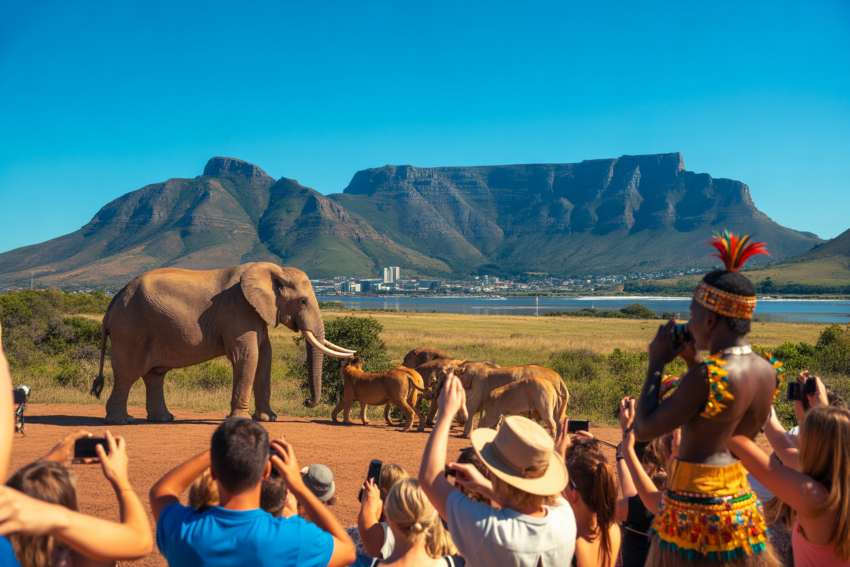
Rukuri Platform Revolutionizes Employment in Maldives Tourism Sector, Enhancing Job Opportunities and Trust Between Employers and Employees

Rukuri Platform Revolutionizes Employment in Maldives Tourism Sector, Enhancing Job Opportunities and Trust Between Employers and Employees

The Maldives’ tourism industry has grown rapidly and stabilised in recent years, and to keep up with these changes, a new platform called Rukuri has been introduced. Rukuri, founded by Island Recruits, aims to bring transparency, efficiency, and ease to the Maldives’ tourism industry, which is a critical component of the country’s economy.

The introduction of Rukuri coincides with the Maldives’ efforts to manage its growth and further professionalise its tourism workforce. Rukuri’s goal is to streamline the hiring process and make it more accessible to both employers and job seekers in the Maldives by consolidating all employment opportunities and communications on a single platform.

Simplifying the Employment Process for Employers and Employees

The primary objective of the Rukuri platform is to make the process of finding, applying for, and managing employment opportunities in the tourism industry as easy as possible. With its user-friendly interface, Rukuri aims to address the growing demand for job vacancies across the country’s resorts, guesthouses, restaurants, and other tourism services.

Employers in the Maldives can now post job vacancies, review candidate profiles, and track applications all in one place, reducing the time and effort involved in hiring. For job seekers, the platform provides a transparent and accessible way to browse available positions and apply directly to employers. This eliminates the need for multiple applications to be submitted to different employers, making the job search process much more streamlined.

Transparent, Real-Time Tracking of Employment Status

One of the standout features of Rukuri is its ability to track the employment process in real time. Job seekers can monitor the progress of their applications, while employers can easily check on the status of candidates. This transparent approach aims to build trust between both parties and ensure a smoother recruitment process.

By providing visibility into the various stages of recruitment, Rukuri offers both employers and employees greater peace of mind. Employers can make faster decisions on hiring, while candidates have a clear understanding of where they stand in the process. This transparency is expected to foster stronger relationships and reduce the uncertainty often associated with job applications.

Expediting the Hiring Process

Another major advantage of Rukuri is its ability to expedite the hiring process. Employers can now announce positions, check candidates’ profiles, and manage their hiring process more efficiently. This means fewer delays in filling crucial positions within the tourism sector, ensuring that businesses can maintain smooth operations without prolonged recruitment periods.

Rukuri has been designed to streamline every step of the hiring process, making it easier for businesses to find qualified candidates in a timely manner. By improving the overall speed of recruitment, the platform aims to support the growing tourism demand and ensure that the industry continues to thrive.

Catering to Short-Term and Freelance Employment

In addition to full-time positions, Rukuri also caters to freelancers and short-term job seekers. This feature allows individuals looking for temporary work in the Maldives’ tourism industry to find opportunities quickly. Whether it’s for seasonal work, project-based roles, or part-time employment, Rukuri’s platform accommodates a variety of employment needs.

For businesses in the tourism sector, this flexibility is invaluable. Employers can find qualified short-term staff to meet fluctuating demand, such as during peak tourist seasons or for specific events. This functionality makes Rukuri a versatile tool for both employers and employees.

Building a Trustworthy and Verified Employment Environment

The Rukuri platform is not only focused on efficiency but also on building trust within the tourism employment market. By incorporating a system for verifying profiles and checking references, Rukuri ensures that both employers and job seekers can be confident in their professional interactions.

The platform’s reference-checking feature allows employers to verify the work experience of candidates before making hiring decisions, while job seekers can also check the legitimacy of the businesses they are applying to. This added layer of verification reduces the risk of fraud and ensures a higher level of professionalism in the Maldives’ tourism job market.

Empowering Maldivian Workers

In addition to improving the recruitment process, Rukuri is also focused on empowering the Maldivian workforce. By facilitating easier access to job opportunities and providing a centralized platform for career management, Rukuri enables Maldivian workers to take control of their careers. This can help to address the challenge of finding long-term, sustainable employment within the tourism industry.

The platform also offers workers the tools to track their progress, update their profiles, and manage their employment history all in one place. This level of control is expected to boost worker confidence and satisfaction, leading to a more stable workforce in the Maldives.

A Future-Oriented Solution for Tourism Employment

As the Maldives’ tourism sector expands, the Rukuri platform offers a modern and sustainable solution for managing employment in this critical industry. Rukuri has successfully addressed traditional challenges in the Maldives tourism job market, such as employment transparency, efficiency, and trust, by leveraging digital technology.

As tourism in the Maldives grows and evolves, platforms such as Rukuri will become increasingly important in ensuring that both employers and job seekers have the resources they require to succeed. Rukuri’s user-friendly interface, real-time tracking, and emphasis on transparency position it to become an essential resource for the Maldives’ tourism sector in the coming years.

The post Rukuri Platform Revolutionizes Employment in Maldives Tourism Sector, Enhancing Job Opportunities and Trust Between Employers and Employees appeared first on Travel And Tour World.

Grocery Store Tourism Emerges as a Global Travel Trend in 2026, Shaping How We Explore Local Culture Through Everyday Shopping

Grocery Store Tourism Emerges as a Global Travel Trend in 2026, Shaping How We Explore Local Culture Through Everyday Shopping

In 2026, a new trend emerged that is capturing the attention of travellers all over the world: grocery store tourism. While tourists have traditionally gravitated towards famous landmarks, museums, and iconic attractions, there is an increasing interest in visiting local grocery stores as part of the travel experience. This trend is redefining how we explore new destinations, providing an affordable and one-of-a-kind way to delve deeper into a place’s culture.

According to Hilton research, 77% of travellers already participate in grocery store tourism, and 35% intend to visit a local supermarket on their next trip. The trend is gaining traction, with destinations around the world seeing an influx of tourists eager to explore the food aisles and discover the cultural offerings that supermarkets provide.

Why Grocery Store Tourism is Gaining Popularity

The appeal of grocery store tourism can be traced to several factors. The increasing costs of visiting iconic sites, such as the Louvre in Paris, which recently raised its entry fees by 45% for non-European visitors, have left many tourists seeking alternative, wallet-friendly experiences. Grocery stores, on the other hand, offer a low-cost entry point to explore local life.

Supermarkets are often seen as a microcosm of a destination’s culture, where the foods, products, and shopping habits reflect the daily lives of locals. For many travellers, walking through the aisles of a grocery store provides a window into the habits, preferences, and lifestyle of a new place. From fresh produce to unique snacks, supermarket shelves tell a story about the flavours and foods that define a region.

The Power of Visual Retail in Social Media

The rise of social media has played a significant role in fuelling grocery store tourism. Platforms like TikTok and Instagram have become essential tools for discovering trending locations, and grocery stores are no exception. The colourful displays, unique packaging, and artisanal products found in grocery stores provide visually appealing content that is highly shareable on social media.

Grocery stores are not only places for locals to pick up their groceries; they are now destinations in their own right, thanks to the highly visual nature of food retail. Eye-catching displays of fresh produce, specially designed packaging, and local delicacies make grocery stores perfect for tourists looking to snap that perfect social media picture.

Iconic Examples of Grocery Store Tourism

Across the globe, certain grocery stores have become tourist hotspots in their own right. For example, the famous Erewhon store in Los Angeles has attracted a cult following, particularly after celebrity endorsements. Hailey Bieber’s promotion of the Strawberry Glaze Skin Smoothie, priced at £12 in-store or £74 for the DIY kit, put the store on the map for tourists looking to experience a slice of LA’s health-conscious culture.

Visitors to Erewhon aren’t just looking to shop for everyday items – they are there to immerse themselves in the “lifestyle” that the store represents. From organic spirulina popcorn to artisanal honey, the products on display reflect a unique blend of health, wellness, and exclusivity that has caught the attention of influencers, celebrities, and everyday travellers alike.

In the UK, Jeremy Clarkson’s Diddly Squat Farm Shop has become another example of how grocery stores are transforming into tourist attractions. Located in the Cotswolds, this farm shop became a must-visit destination after Clarkson’s hit show Clarkson’s Farm gained a massive following. The shop, which offers locally produced goods, has turned into a popular spot for fans of the show to experience the rural charm and authenticity of the region.

Local Markets as Cultural Hotspots

While large supermarkets like Erewhon and Diddly Squat may dominate the grocery store tourism trend, local markets are also significant players. In many countries, grocery stores and local markets provide an insight into the everyday culture of the region. Visiting these markets allows travellers to experience not only the products but also the interactions that make a community unique.

For example, in Tokyo, Japan, the bustling streets lined with convenience stores and food markets showcase the country’s dedication to quality and freshness. Meanwhile, in Spain, visitors can discover the wealth of local ingredients, from fresh seafood to traditional tapas, at local grocery stores and markets.

These experiences allow tourists to bring home more than just souvenirs – they can take with them a taste of the local culture and everyday life. By simply visiting a grocery store, travellers gain access to a side of the destination that traditional tourist attractions may not provide.

The Emotional Connection of Grocery Stores

In addition to offering a unique cultural experience, grocery stores also create an emotional connection for many travellers. Food is one of the most accessible ways to experience a place, as it engages all of the senses. The tactile nature of choosing fruits and vegetables, the sounds of busy checkout lines, and the scents of fresh bread or spices all contribute to an immersive experience.

Many tourists are drawn to the sense of nostalgia that grocery stores evoke. For example, the local supermarket may remind them of childhood visits with their parents or provide a comforting sense of familiarity in an unfamiliar place. In an age of globalisation, grocery stores often offer the comforting reminder that, no matter where you are, food is a universal experience.

Grocery Store Tourism as a Trend for 2026 and Beyond

As we approach 2026, grocery store tourism is expected to become one of the most popular travel trends. Its combination of affordability, accessibility, and cultural immersion has made it a popular choice among travellers seeking authentic experiences. Whether it’s visiting a well-known store like Erewhon, exploring a local market in Asia, or visiting a beloved farm shop in the United Kingdom, grocery store tourism provides a new way to experience the world around us.

With social media increasing the appeal of these locations and consumers becoming more interested in the stories behind the products they buy, grocery store tourism will continue to shape how we travel and connect with new places.

The post Grocery Store Tourism Emerges as a Global Travel Trend in 2026, Shaping How We Explore Local Culture Through Everyday Shopping appeared first on Travel And Tour World.

South Africa Tourism Surge: Structural Reforms Propel Growth to Historic Heights

South Africa Tourism Surge: Structural Reforms Propel Growth to Historic Heights

South Africa tourism industry has seen an impressive boost, welcoming a record-breaking 10.48 million international visitors in 2025 — the highest number ever recorded. This marks a 17.6% increase in arrivals from the previous year, highlighting the strong recovery from the pandemic’s impact. This growth is a clear result of South Africa’s strategic reforms, which have not only made travel easier but also enhanced the country’s appeal, positioning it as a top contender in the global tourism market.

A Turning Point for South Africa’s Tourism Industry

The surge in international visitors is not merely a rebound but a sign of the country’s shift towards a more tourism-centric economic strategy. The government has placed tourism at the heart of its economic recovery plan, recognizing its potential to drive job creation, support local economies, and position South Africa as a global leader in the tourism sector. Tourism Minister Patricia de Lille has emphasized that tourism is no longer viewed as just a leisure industry; it is now a central pillar of the country’s economic policy. This shift is seen in the active efforts to simplify visa processes, improve infrastructure, and create an environment conducive to investment in the sector.

Structural Reforms Fueling Tourism Growth

A pivotal factor contributing to the growth has been the implementation of structural reforms, particularly in the area of visa facilitation. One of the most significant changes has been the introduction of an Electronic Travel Authorization (ETA) system, which aims to streamline the visa application process for key international markets. This digital transformation replaces the traditional paper-based system, providing a quicker and more efficient route for visitors to enter the country. The introduction of the ETA has been seen as a game-changer for South Africa, making it easier for international tourists to visit without long delays or bureaucratic hurdles.

These visa reforms are expected to create substantial economic benefits, including job creation. The South African government estimates that the ETA system could generate up to 100,000 jobs as tourism-related employment grows in line with the influx of international visitors. This is a significant step in addressing the country’s unemployment challenges while promoting a vibrant and sustainable tourism sector.

Expanding Connectivity and Aviation Routes

South Africa’s improved tourism performance is also attributed to enhanced air connectivity. In 2025, several new flight routes were introduced, connecting South Africa to major cities in Europe, Asia, and the Americas. For example, Qantas launched a direct flight from Perth to Johannesburg, while Air France increased seasonal flights to Cape Town, reflecting growing demand from global markets. These expansions in air routes make it easier for tourists to access South Africa from across the world, further solidifying its position as a key global destination.

The government has worked closely with airlines and industry stakeholders to ensure that South Africa remains well-connected, not only to established markets but also to emerging ones in Asia and Latin America. This strategy is part of a broader initiative to diversify the source markets for South African tourism, reducing the sector’s dependence on a few traditional markets and fostering long-term growth.

The Tourism Growth Partnership Plan

A cornerstone of South Africa’s tourism strategy is the Tourism Growth Partnership Plan for 2025–2030, a comprehensive blueprint for the future of the industry. This plan focuses on five strategic pillars: improved access and visa processing, increased air connectivity, enhanced destination marketing, product diversification, and improved safety measures for tourists. The plan emphasizes public-private partnerships as a critical element for achieving long-term tourism goals, ensuring that both government and industry players work together to foster an environment conducive to growth.

The plan also calls for regional diversification in tourism offerings, encouraging visitors to explore more than just the well-known tourist hubs like Cape Town and Johannesburg. South Africa’s rich cultural heritage, vast wildlife reserves, and scenic landscapes make it an ideal destination for both adventure and leisure tourism. As part of the growth strategy, the government is working to develop and market new tourist attractions and experiences across the country, ensuring that all regions benefit from the tourism boom.

Tourism as a Catalyst for Economic Growth and Job Creation

Tourism in South Africa has been a significant contributor to the country’s economic recovery and has played a crucial role in job creation. The sector is responsible for directly supporting over 1.8 million jobs, and for every 13 international visitors, one new job is created in tourism-related industries. The growth of the tourism industry is not only supporting employment but also contributing to South Africa’s gross domestic product (GDP), with significant knock-on effects in hospitality, transport, retail, and cultural sectors.

The tourism sector has become an important economic engine, driving inclusive growth and providing opportunities for local businesses, particularly in regions that have traditionally struggled with high unemployment rates. As tourism continues to expand, it is expected that even more South Africans will benefit from the sector’s growth, particularly through community-based tourism initiatives that offer authentic cultural experiences to visitors.

Recognition on the Global Stage

South Africa’s tourism recovery has not gone unnoticed on the global stage. In 2025, the country was awarded the title of “Best Destination: Africa” by a renowned travel publication, a testament to the effectiveness of its tourism strategies and the growing recognition of its attractions. This award reflects the hard work of the government, tourism bodies, and private sector partners in promoting South Africa as a world-class destination.

Such recognition has not only helped attract more international visitors but has also bolstered South Africa’s reputation as a leader in African tourism. As the global travel industry continues to recover, South Africa’s growing appeal among international tourists positions the country for long-term success in the competitive tourism market.

Looking Ahead: Ambitious Tourism Targets for 2030

With the successful implementation of reforms and the continued growth of the sector, South Africa is now setting its sights on even higher goals. The government has set an ambitious target to welcome 15 million international visitors by 2030, which would further cement the country’s position as one of the top tourism destinations in Africa and the world. These projections are based on ongoing efforts to improve infrastructure, expand tourism offerings, and foster international partnerships.

The government is also working to ensure that tourism growth is sustainable, with a focus on eco-friendly tourism practices and preserving the country’s unique natural and cultural heritage for future generations. As South Africa continues to build on its recent successes, the tourism sector is expected to play an increasingly important role in the country’s overall economic development.

South Africa’s Tourism Future

In conclusion, South Africa’s tourism industry is steadily climbing, fueled by thoughtful reforms, easier access for travellers, and a focused marketing strategy. After navigating the pandemic, the country has emerged as one of the most sought-after global destinations. With continued investments in infrastructure, better connectivity, and a diverse range of tourism experiences, the future of South African tourism looks incredibly promising. As the government sets its sights on ambitious targets for 2030, the sector will remain a key driver of economic growth, creating jobs and offering significant benefits for local communities across the nation.

The post South Africa Tourism Surge: Structural Reforms Propel Growth to Historic Heights appeared first on Travel And Tour World.
❌