
Reading view

US Joins Brazil, Canada, UK, Japan, South Korea, and More as Electric Air Taxis Edge Closer to Reality Boosting Sustainable Travel and Mobility: Everything You Need to Know
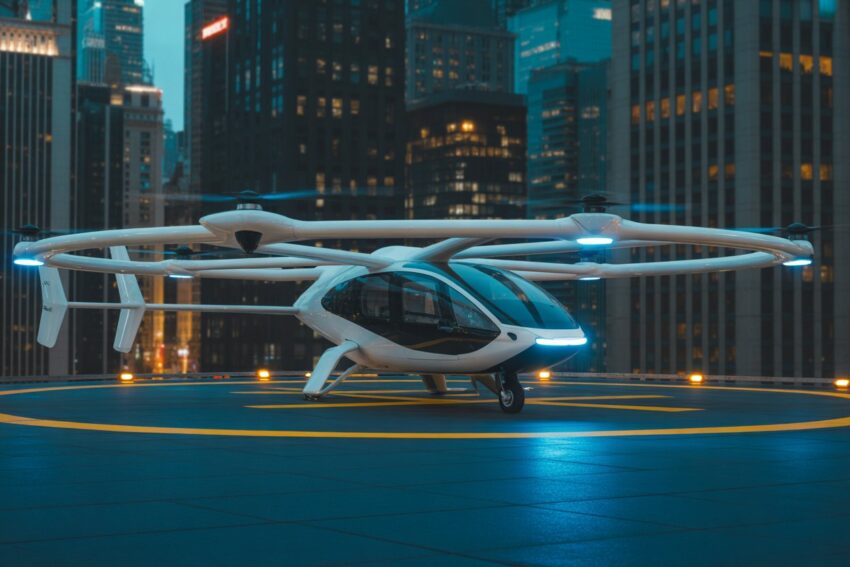
US Joins Brazil, Canada, UK, Japan, South Korea, and More as Electric Air Taxis Edge Closer to Reality Boosting Sustainable Travel and Mobility: Everything You Need to Know
US, Brazil, Canada, UK, Japan, South Korea, Electric Air Taxis,

Electric air taxis are on the horizon as the globe moves toward more environmentally friendly modes of transportation. In developing this innovative technology, the United States has joined an increasing number of nations, including Brazil, Canada, the United Kingdom, Japan, South Korea, and more. These cities will transform urban transportation by providing quicker, greener, and more efficient travel choices as electric vertical takeoff and landing (eVTOL) aircraft quickly become a reality. The potential of these zero-emission cars to lower carbon footprints and offer convenient, fast transit between airports and city centers is poised to transform travel and tourism in the future.

Countries such as the United States, Brazil, Canada, United Kingdom, Japan, and South Korea are leading the way in advancing this innovative technology. With sustainability at the heart of the development, electric air taxis will not only help reduce carbon emissions but will also boost the growth of sustainable tourism, offering travelers a faster, greener, and more accessible way to reach airports and tourist hotspots.

United States: Leading the Charge in Electric Air Mobility

US, Brazil, Canada, UK, Japan, South Korea, Electric Air Taxis,

The United States is at the forefront of the electric air taxi revolution, with several companies and regulatory bodies actively working to bring eVTOL aircraft to the skies. With the U.S. government’s proactive approach to developing Advanced Air Mobility (AAM), the country is positioned to launch electric air taxis in the coming years, radically changing how urban transportation works.

Key Developments:

  • U.S. Department of Transportation released the National Advanced Air Mobility (AAM) Strategy in December 2025, outlining a formal framework for integrating eVTOL aircraft into national airspace. The plan focuses on airspace management, infrastructure development, and safety standards, with trial flights expected to begin in mid-2026.
  • Joby Aviation, a major player in the U.S. market, has completed over 9,000 test miles and is progressing through Stage 4 of the FAA certification process. Joby plans to launch commercial services in 2027, initially focusing on major cities like Los Angeles, San Francisco, and New York. The S4 eVTOL aircraft, which will serve as Joby’s primary vehicle, is designed to carry 4 passengers over distances of up to 150 miles with zero emissions.
  • Vertical Aerospace launches its U.S. tour in New York City with the introduction of its Valo electric air taxi, a zero-emission aircraft capable of flying 100 miles at 150 mph; the aircraft is set to be certified by 2028, with plans for sustainable airport-to-city center connections, boosting tourism and urban mobility.
  • Archer Aviation has partnered with United Airlines and is developing the Midnight eVTOL. The company plans to achieve FAA certification by 2026, with commercial operations expected shortly after. Archer aims to offer quick, sustainable connections between airports and city centers, reducing travel times and improving accessibility for tourists.

Vertical Aerospace Launches U.S. Tour with Valo: A Step Toward Sustainable Electric Air Travel

Vertical Aerospace has launched the U.S. tour of its electric air taxi, Valo, in New York City, bringing it to the U.S. for the first time. This marks a major milestone in the electric aviation revolution, offering a glimpse of the future of sustainable travel.

The Valo is a certification-ready aircraft, designed to carry four passengers with zero emissions and travel up to 100 miles at speeds of 150 mph. With a premium cabin and the option to expand to six seats, Valo aims to reduce fares and offer a sustainable, eco-friendly alternative to traditional transport.

Impact on Sustainable Travel and Tourism

Alongside its U.S. tour, Vertical Aerospace is working with Bristow Group and Skyports Infrastructure to develop electric air travel routes in New York. These will provide airport transfers, event travel, and sightseeing tours, cutting travel time and offering a greener alternative for tourists and locals alike. By connecting major airports to Manhattan in minutes, Valo will offer faster, cleaner mobility, boosting sustainable tourism in the city.

Valo’s certification is expected by 2028, with American Airlines among its key airline partners.

As electric air taxis become more widespread in the U.S., tourism will benefit greatly. Tourists will be able to travel between airports and city centers in minutes, significantly enhancing their overall travel experience. With the potential to save time, reduce carbon emissions, and make cities more accessible, electric air taxis will improve both the sustainability and convenience of travel.

CompanyProgressKey DatesCommercial Launch Target
Joby AviationFAA Certification ProgressFAA Certification by 20262027
Archer AviationPartnership with United AirlinesTest Flights by 20262027
Vertical AerospaceU.S. Tour Launch with ValoNew York, Jan 20262028

Brazil: Preparing for Takeoff with Eve Air Mobility

US, Brazil, Canada, UK, Japan, South Korea, Electric Air Taxis,

Brazil is making great strides in electric air mobility, with Eve Air Mobility, a subsidiary of Embraer, leading the way. Eve recently completed the first full-scale prototype flight of its eVTOL aircraft in December 2025, marking a significant milestone for the country in terms of sustainable travel.

Key Developments:

  • Eve Air Mobility completed its first full-scale prototype flight in December 2025, a key achievement in the development of eVTOL air taxis in Brazil. The aircraft is designed to carry four passengers over a distance of 60 miles.
  • Certification Timeline: Eve is aiming for type certification by 2027, with commercial services expected to begin by the end of 2027. These services will likely start in São Paulo, where electric air taxis will provide airport-to-city center connections.
  • Brazil’s National Civil Aviation Agency (ANAC) is working with Eve to ensure the eVTOL aircraft meet all necessary regulatory requirements, ensuring that the aircraft is safe for public use.

For tourism, electric air taxis in Brazil will significantly reduce travel time between airports and major tourist destinations. With faster and more sustainable transport options, tourists will find it easier to explore Brazil’s top attractions, such as Rio de Janeiro and the Amazon Rainforest. The environmental impact will also be much lower compared to traditional fossil-fuel-powered transport, helping to further boost sustainable tourism in Brazil.

ProgressKey DatesCommercial Launch Target
Eve Air Mobility Prototype FlightDecember 20252027
Certification Process with ANACOngoing2027

Canada: Early Development & Market Projections

US, Brazil, Canada, UK, Japan, South Korea, Electric Air Taxis,

While Canada may not see commercial electric air taxi services immediately, the country is heavily involved in the research, development, and regulatory groundwork needed for eVTOL aircraft. Companies like Horizon Aircraft are leading the way in hybrid-electric VTOL aircraft development.

Key Developments:

  • Horizon Aircraft, a Canadian company, is working on the Cavorite X7, a hybrid-electric VTOL aircraft designed for regional flights. The first flight of the Cavorite X7 is expected to take place in 2026, with commercial services slated for 2030.
  • Transport Canada is in the process of developing regulatory frameworks for eVTOL aircraft and advanced air mobility (AAM). The government is working to ensure that Canada has the necessary infrastructure, certification processes, and safety standards to support electric air taxis in the coming decade.

As electric air taxis are rolled out in Canada, the tourism sector will benefit greatly. By providing faster, cleaner connections to major tourist cities and national parks, electric air taxis will improve accessibility to Canada’s stunning natural landscapes while supporting the country’s commitment to sustainable travel.

ProgressKey DatesCommercial Launch Target
Horizon Aircraft Cavorite X7 Prototype20262030
Transport Canada Regulatory Framework20262030s

United Kingdom: Poised for Launch with Strategic Partnerships

US, Brazil, Canada, UK, Japan, South Korea, Electric Air Taxis,

The United Kingdom is advancing quickly toward commercial eVTOL operations, with several partnerships and regulatory milestones paving the way for the launch of electric air taxis. The UK Civil Aviation Authority (CAA) has already published a roadmap for eVTOL certification, and Joby Aviation is working closely with Virgin Atlantic to provide electric air taxi services in the UK.

Key Developments:

  • In June 2025, the UK Civil Aviation Authority (CAA) published a roadmap for eVTOL certification, outlining the steps needed to safely introduce these aircraft into the country’s airspace. The UK government’s Future of Flight Action Plan envisions eVTOL services launching by 2028.
  • Joby Aviation and Virgin Atlantic have announced plans to operate electric air taxi services in the UK, connecting major airports to city centers. These services are expected to begin by 2028, once the necessary certifications are obtained.

As eVTOL aircraft become a reality in the UK, tourists will benefit from faster access to the country’s most popular destinations. With connections between airports and tourist hotspots like London, Manchester, and Edinburgh, electric air taxis will transform how visitors travel within the UK.

ProgressKey DatesCommercial Launch Target
Joby Aviation & Virgin Atlantic Partnership20252028
CAA Certification RoadmapJune 20252028

Japan: Expo 2025 Demos and AAM Developments

US, Brazil, Canada, UK, Japan, South Korea, Electric Air Taxis,

Japan is preparing for electric air taxis with the upcoming 2025 Osaka World Expo, where eVTOL aircraft will be demonstrated to the public. The country’s commitment to advanced air mobility is clear, and commercial operations are expected to begin by 2028.

Key Developments:

  • Joby Aviation and ANA Holdings will showcase eVTOL aircraft during the 2025 Osaka World Expo. This will be one of the first major public demonstrations of electric air taxis in Japan.
  • The Japan Civil Aviation Bureau (JCAB) has already established a regulatory framework for advanced air mobility, with plans for commercial services to begin by 2028.

For tourists traveling to Japan, electric air taxis will provide fast, environmentally friendly transportation between airports and popular tourist destinations such as Kyoto, Osaka, and Tokyo. This will significantly reduce travel time and make tourist experiences more accessible.

ProgressKey DatesCommercial Launch Target
Expo 2025 Osaka eVTOL Demos20252028
JCAB Regulatory Framework20252028

South Korea: Industry Partnerships and Market Development Roadmap

US, Brazil, Canada, UK, Japan, South Korea, Electric Air Taxis,

South Korea is rapidly advancing its electric air mobility goals, with major partnerships and a strong regulatory roadmap in place. In October 2025, Archer Aviation partnered with Korean Air to bring 100 eVTOL aircraft to South Korea’s cities.

Key Developments:

  • Archer Aviation and Korean Air announced a partnership in October 2025, with the goal of introducing 100 eVTOL aircraft into South Korea’s transportation network.
  • South Korea’s government has been developing an AAM roadmap, with test flights set to begin in 2027 and commercial operations planned for the late 2020s.

As electric air taxis take to the skies in South Korea, tourists will benefit from quick, affordable air travel, reducing traffic congestion and providing easy access to city centers and popular tourist sites.

ProgressKey DatesCommercial Launch Target
Archer Aviation & Korean Air PartnershipOctober 20252028
South Korea AAM Regulatory FrameworkOngoing2028

Conclusion: A Sustainable Future for Air Travel

The development of electric air taxis is no longer just an idea—it’s quickly becoming a reality. As Joby Aviation, Eve Air Mobility, Archer Aviation, and other innovators push forward with the certification process, electric air taxis are poised to become a key part of the transportation landscape in cities around the world. These eVTOL aircraft will reduce travel times, cut emissions, and provide an eco-friendly alternative to traditional travel options, benefiting both tourism and urban mobility.

In countries like the United States, Brazil, Canada, the United Kingdom, Japan, and South Korea, eVTOL aircraft are set to reshape how we get around, making travel quicker, more convenient, and more sustainable. As we approach 2026–2028, the skies are on the verge of being filled with electric air taxis, offering faster, cleaner travel for consumers and tourists alike.

CountryProgressCommercial Launch Target
USAFAA Certification Progress2026–2027
BrazilEve Air Mobility Prototype2027
CanadaHorizon Aircraft Prototype2030s
UKJoby and Virgin Atlantic Partnership2028
JapanExpo 2025 Demos2028
South KoreaArcher Aviation & Korean Air Partnership2028

As electric air taxis take to the skies, we will witness the future of travel unfold before us. These technologies are transforming cities and offering tourists and commuters a sustainable, convenient, and efficient way to navigate urban landscapes—boosting both tourism and sustainable mobility. The sky truly is the limit.

The US joins Brazil, Canada, the UK, Japan, South Korea, and more in advancing electric air taxis. This revolutionary technology promises to boost sustainable travel and mobility, transforming urban transportation worldwide.

The United States, Brazil, Canada, the United Kingdom, Japan, South Korea, and other countries are leading the way in revolutionising urban transportation as electric air taxis become a reality. By providing efficient, environmentally friendly substitutes for conventional transportation, this technology has the potential to greatly increase sustainable travel and mobility. The future of travel appears to be quicker, greener, and more accessible because to these nations’ increasing commitment to integrating eVTOL aircraft, opening the door to a new age in international movement.

The post US Joins Brazil, Canada, UK, Japan, South Korea, and More as Electric Air Taxis Edge Closer to Reality Boosting Sustainable Travel and Mobility: Everything You Need to Know appeared first on Travel And Tour World.

Travel Chaos as American Airlines, Delta, United, and LATAM Face 32 Cancellations and 88 Delays Across São Paulo, Rio de Janeiro, New York, Miami, Los Angeles, and More US Cities

Travel Chaos as American Airlines, Delta, United, and LATAM Face 32 Cancellations and 88 Delays Across São Paulo, Rio de Janeiro, New York, Miami, Los Angeles, and More US Cities

Travelers at Brazilian airports are being greatly inconvenienced as delay and cancellation statistics soar for three of the country’s most important airports. The three most important airports in Brazil, Sao Paulo-Congonhas, Viracopos International, and Santos Dumont Regional, are facing widespread delays and cancellations, which are impacting hundreds of passengers.

With the greatest impact in domestic travel, delays of 58 and cancellations of 12 are being recorded at Sao Paulo-Congonhas. Father of delays and cancellations in Viracopos International airport which lies in Campinas, there are reported 16 delays and 11 cancellations. Last but not the least, Santos Dumont Regional Airport in Rio de Janeiro has recorded 14 delays and 9 cancellations, thus, further complicating the journey for those who wish to travel.

Impact on Passengers and Airlines

With these delays and cancellations, passengers are facing uncertainty and frustration. Many are left scrambling for alternative flight options, while others are forced to extend their time in the airports, which can lead to missed connections or further disruptions. The airports are providing updates, but the wait times for rebooking and accommodations can add to the inconvenience.

For airlines, the knock-on effects are substantial. Delays lead to the reshuffling of flight schedules, affecting not only the affected flights but also those scheduled to depart afterward. Furthermore, additional operational costs are incurred as airlines work to accommodate passengers in the wake of cancellations and delays.

Airlines operating at these airports are reportedly facing challenges in managing the situation, and most are working closely with local authorities to provide timely updates and rebookings for affected passengers. Despite this, many travelers have been left disappointed and are now reconsidering their future flight plans.

Impact on Tourism

The tourism industry, particularly in São Paulo and Rio de Janeiro, which are prime tourist destinations in Brazil, is feeling the ripple effect of the disruptions. These two cities attract millions of visitors every year, from international tourists attending events like the Carnival to business travelers attending conferences and meetings. The delays and cancellations today could have a profound effect on tourism, as visitors may miss out on planned excursions, tours, or business commitments.

When delays occur at major international gateways, tourists are often forced to adjust their itineraries. For those visiting for limited periods, any change in flight schedules could mean missed experiences, especially in a city with such rich cultural offerings as Rio de Janeiro or São Paulo. Travel disruptions are particularly damaging for international visitors, who may find it challenging to rebook their flights, leading to unnecessary stress during their stay. For those attending important business events, delayed flights could jeopardize schedules and even result in missed business opportunities.

Government and Airport Response

The Brazilian government has been actively monitoring the situation, working with airport authorities to reduce the impact on travelers. Both the Brazilian National Civil Aviation Agency (ANAC) and the airports’ operations teams are addressing the issues and ensuring that passengers are informed about the delays. Passengers have been urged to check their flight statuses regularly on official airline websites and mobile apps. In addition, some passengers have been provided with hotel accommodations in cases where the delays are extensive.

Despite the challenges, the situation is being managed by the airports’ teams, who are coordinating efforts to alleviate the pressure on affected travelers. Authorities are also in constant communication with airlines to prioritize rebookings and other services. Nevertheless, the consequences of these disruptions will likely extend beyond today, with potential knock-on effects on the airport’s daily operations and flight schedules.

Conclusion

On any given day in airports around the world, we see the shaky nature of air travel, and today was no exception as delays and cancellations took place at São Paulo-Congonhas, Viracopos International, and Santos Dumont airports. Because of the large scale interruptions, authorities from the airport and the airline are attempting to lessen the disruptions passengers are facing, but the inconveniences are large. Because of this, travelers are encouraged to disruptions of travel that are not likely to change such as the ones we are facing. In two of Brazil’s most famous cities, it will begin to impact an already strained global travel economy. Brazil’s aviation system is currently facing large cancellations and delays, hoping it is only temporary in the near future.

Today, in an effort to handle the disruptions, passengers are advised, to the extent possible, to monitor descriptive announcements given by officials and stay updated on their flight status via government and airline webpages, as well as the airport app.

Source: FlightAware and affected airports

The post Travel Chaos as American Airlines, Delta, United, and LATAM Face 32 Cancellations and 88 Delays Across São Paulo, Rio de Janeiro, New York, Miami, Los Angeles, and More US Cities appeared first on Travel And Tour World.

US Joins Canada, Brazil, Mexico, Russia, Japan and More in Facing New Travel Barriers as EU Set to Unveils Sweeping New Visa Policy Changes to Enhance Security and Combat Geopolitical Threats: Everything You Need to Know

US Joins Canada, Brazil, Mexico, Russia, Japan and More in Facing New Travel Barriers as EU Set to Unveils Sweeping New Visa Policy Changes to Enhance Security and Combat Geopolitical Threats: Everything You Need to Know
US, Canada, Brazil, Mexico, Russia, Japan, EU, Visa,

Travellers from major nations including the US, Canada, Brazil, Mexico, Russia, Japan, and more will be impacted by the extensive new visa policy reforms that the European Union (EU) is due to announce amid escalating geopolitical tensions. These adjustments are aimed to boost security across Europe and counteract geopolitical threats, with targeted limitations for nationals from countries considered as posing concerns to EU security. In addition to streamlining access for reputable professionals and company owners, the new visa regulations will influence travel restrictions for people of these nations, impacting leisure, business, and tourist travel. Travellers need to be aware of these important policy changes as the EU adjusts to a more complicated global environment.

The new changes come as the EU works to secure its borders against rising threats, while also streamlining the visa process for trusted travelers and skilled professionals. As the US, Canada, Brazil, Mexico, Russia, and Japan represent some of the largest source countries for travelers to Europe, this new policy will have significant effects on visa applications, travel restrictions, and entry requirements for nationals from these countries.

Targeted Restrictive Visa Measures: Responding to Geopolitical Threats

US, Canada, Brazil, Mexico, Russia, Japan, EU, Visa,

The EU is taking a more aggressive stance in response to geopolitical threats with the introduction of targeted restrictive visa measures. These measures allow the EU to act swiftly and decisively in cases where a third country’s actions pose a direct risk to EU security, public policy, or international relations.

Countries like Russia, China, and others facing political isolation or geopolitical tensions could see their nationals subjected to visa denials or restrictions. For instance, Russia, which has been involved in various geopolitical conflicts, may face more severe restrictions on tourism and leisure travel from its nationals. Similarly, if tensions escalate between the EU and countries like Brazil or Mexico, visa applications for non-essential travel could be suspended or restricted.

For countries like the US, Canada, and Japan, the immediate impact may be minimal unless geopolitical conflicts escalate, but the EU’s visa policy will ensure that these countries are not excluded from the strategic measures designed to safeguard Europe’s interests.

The EU is aiming for swift action in these instances by creating a framework that will allow the European Commission to suspend or reject visa applications from specific travelers, such as officials or diplomatic passport holders from countries that pose a security threat. This could mean longer wait times or denials for non-essential travelers from Brazil, Mexico, or Russia if these countries engage in activities deemed threatening to European security.

Strengthening Travel Document Security: Ensuring Authenticity and Reducing Fraud

US, Canada, Brazil, Mexico, Russia, Japan, EU, Visa,

A key element of the EU’s revised visa policy is the enhancement of travel document security. To prevent the falsification and counterfeiting of travel documents, the EU will move towards a more secure, centralized system for fingerprint verification across Member States.

For countries like the United States, Canada, and Japan, this will mean that travel documents will be subject to enhanced scrutiny when travelers apply for visas to enter the Schengen Area. New EU-wide guidelines will be introduced to ensure all third-country travel documents meet the EU’s strict security standards. This is particularly important for non-EU nationals traveling from countries like China, Russia, and Mexico, where there have been past instances of document fraud.

The EU is also considering the creation of a centralized EU-level system for fingerprint verification, replacing the current bilateral connections between individual Member States. This will significantly improve the efficiency of the process, especially for nationals from countries like the US and Brazil who travel frequently to the EU.

Local Visa Adaptations: Navigating Changing Geopolitical Realities

US, Canada, Brazil, Mexico, Russia, Japan, EU, Visa,

The EU has also introduced a more flexible approach to visa regulations, allowing for local adaptations based on geopolitical events and security concerns. If there is a sharp increase in arrivals from certain non-EU countries that are not cooperating on readmission agreements, the EU will have the ability to impose stricter visa rules and requirements for travelers from those countries.

For example, Brazil and Mexico could face more stringent rules for visa applications if there is uncontrolled migration or a lack of cooperation in managing border security. This could mean that tourists and business travelers from these countries will face longer processing times and additional documentation requirements before entering the EU.

Conversely, the EU plans to introduce more strategic criteria for adapting these local visa rules, ensuring that countries like the US and Canada, with strong diplomatic relations and border security cooperation, continue to benefit from efficient visa processing.

Humanitarian Visas: Maintaining Flexibility for Vulnerable Groups

US, Canada, Brazil, Mexico, Russia, Japan, EU, Visa,

Despite the increased focus on security and border control, the EU remains committed to humanitarian values. Human rights defenders, dissidents, and independent journalists from countries like Russia, China, and Mexico will still have the opportunity to apply for humanitarian visas.

The EU intends to ensure that vulnerable travelers are not excluded from its visa system, but this flexibility will only apply in exceptional circumstances. For instance, travelers from Russia or China who are fleeing political persecution may still be granted access to the EU, but the process will involve more scrutiny and documentation to ensure the individual’s safety and humanitarian need.

Digital Visas: Streamlining Entry for Trusted Travelers

US, Canada, Brazil, Mexico, Russia, Japan, EU, Visa,

One of the most exciting developments in the EU’s new visa policy is the shift towards digital visas. By 2026, travelers from countries like the US, Canada, and Japan will be able to complete their visa applications entirely online, eliminating the need for traditional visa stickers.

The European Travel Information and Authorisation System (ETIAS) will also be rolled out, which will pre-screen travelers before they even board their flights. This system will speed up border checks and improve overall security by flagging high-risk travelers before they reach Europe.

For trusted travelers with strong visa histories, the EU plans to issue longer-validity multiple-entry visas. This will reduce administrative burdens and provide easier access to business professionals and frequent visitors.

Attracting Skilled Talent and Entrepreneurs to Europe

US, Canada, Brazil, Mexico, Russia, Japan, EU, Visa,

As part of the EU’s vision for the future, the visa policy is being revamped to attract skilled talent, entrepreneurs, and startup founders from countries like India, Japan, and the US. The EU Talent Pool will help match these skilled professionals with job opportunities across the Union, ensuring that Europe remains competitive in the global market.

The EU’s visa reforms will provide fast-track processing for skilled workers and entrepreneurs, particularly in STEM fields, helping European businesses tap into global talent pools.

What Does This Mean for Travelers?

For tourists and business travelers from the US, Canada, Brazil, and Russia, these visa changes will lead to longer wait times, stricter entry requirements, and potential restrictions on non-essential travel. However, skilled professionals and entrepreneurs will benefit from faster processing, streamlined entry, and the introduction of digital visas.

While the EU aims to enhance security and combat geopolitical threats, it also wants to remain an attractive destination for talent and business collaboration. As these changes take effect, travelers from major non-EU countries will need to stay informed about the new requirements and adopt new travel strategies to ensure smooth and efficient access to Europe.

EU Visa Policy Changes

ChangeDetails
1. Targeted Restrictive Visa MeasuresThe EU will introduce targeted visa restrictions for nationals of countries engaged in geopolitical conflicts, hybrid attacks, or weaponizing migration. This includes restrictions on tourist and non-essential travel.
2. Strengthening Travel Document SecurityThe EU will enhance security by introducing a centralized system for verifying travel documents, focusing on fingerprints and document authenticity. This will impact US, Canada, Brazil, and China travelers.
3. Local Visa AdaptationsMember States will have the flexibility to adapt visa rules locally in response to increased migration flows or lack of cooperation on readmission from specific countries, such as Russia or Mexico.
4. Humanitarian VisasHumanitarian visas will remain for human rights defenders, dissidents, and journalists, allowing them to enter the EU on humanitarian grounds, with more documentation required for verification.
5. Digital Visas and Streamlined ProcessingBy 2026, the EU will fully roll out digital visas, replacing traditional visa stickers. This will simplify the visa process for frequent travelers and trusted professionals from countries like the US, Canada, and Japan.
6. Attracting Skilled TalentThe EU will introduce fast-track visas for highly skilled workers, entrepreneurs, and researchers to attract talent, especially from countries like India, Japan, and the US.
7. Multiple-Entry VisasThe EU will offer longer validity multiple-entry visas for trusted travelers with reliable visa histories, especially business professionals from Canada, Japan, and the US.
8. Humanitarian FlexibilityWhile introducing stricter visa measures, the EU will maintain flexibility for vulnerable travelers, ensuring that human rights defenders from Russia, China, and other politically unstable regions can still access the EU.
9. Coordinated Visa Rules for BusinessThe EU will work with businesses to establish common lists of trusted companies for fast-track processing of business visas, especially for highly skilled professionals traveling from the US and Canada.
10. Strengthening Visa Fraud PreventionThe EU will strengthen sanctions for visa fraud and illegal migration, with new cross-border information systems to prevent fraudulent visa applications from countries like Russia and Brazil.

Top Countries Visiting Europe in 2025

US, Canada, Brazil, Mexico, Russia, Japan, EU, Visa,

As the EU introduces these new visa policies, it’s important to look at the source countries that contribute the most to European tourism. In 2025, countries like the United States, China, and Japan will continue to be the biggest contributors to European tourism. Here’s a breakdown of the top non-EU countries whose citizens are visiting Europe the most:

1. United States

  • Visitor Numbers: ~12 million visitors
  • Americans continue to be the largest source market for tourism to Europe. Top destinations include France, Italy, and the United Kingdom.

2. China

  • Visitor Numbers: ~9 million visitors
  • Chinese tourists are significant visitors to France, Italy, and Germany, driven by a love for culture and luxury tourism.

3. Japan

  • Visitor Numbers: ~4 million visitors
  • Japanese tourists are frequent visitors to France, Italy, and the UK.

4. Australia

  • Visitor Numbers: ~4.5 million visitors
  • Australians often make the long journey to France, Italy, and the United Kingdom.

5. South Korea

  • Visitor Numbers: ~3.5 million visitors
  • South Korean tourists visit France, Germany, and the UK, drawn by cultural and business exchanges.

6. India

  • Visitor Numbers: ~3 million visitors
  • Indian travelers have been steadily increasing, especially to the UK, France, and Germany.

7. Canada

  • Visitor Numbers: ~2.5 million visitors
  • Canadians are frequent travelers to France, Italy, and the United Kingdom.

8. Russia

  • Visitor Numbers: ~2 million visitors
  • Russian tourists have historically traveled to Turkey, France, and Germany.

9. Brazil

  • Visitor Numbers: ~1.5 million visitors
  • Brazilian tourists visit Portugal, Spain, and Italy regularly.

10. Mexico

  • Visitor Numbers: ~1 million visitors
  • Mexican tourists travel to France, Spain, and Italy, often for cultural and leisure reasons.

Key Takeaways

The EU’s new visa policy is a strategic response to growing geopolitical challenges and an increasingly complex global travel landscape. While the changes aim to enhance security and counter geopolitical threats, they also focus on attracting talent and simplifying the visa process for legitimate travelers.

For countries involved in rising geopolitical tensions, these visa changes may result in new barriers, particularly for tourists and non-essential travelers. However, business professionals, researchers, and entrepreneurs will see easier access to Europe, with digital systems and longer-validity visas streamlining the entry process.

As these new measures roll out, travelers and businesses will need to stay informed and adapt to the EU’s more secure and strategic visa system.

The EU is unveiling sweeping new visa policy changes to enhance security and combat geopolitical threats. As a result, countries like the US, Canada, Brazil, Mexico, Russia, Japan, and more will face new travel barriers aimed at addressing these rising concerns.

In conclusion, the EU’s broad new visa policy reforms are a direct response to the escalating geopolitical risks around the globe. As nations like the US, Canada, Brazil, Mexico, Russia, Japan, and others confront increasing travel hurdles, these policies aim to boost security and preserve European interests. While the reforms may cause obstacles for travellers from some states, they also emphasise the EU’s commitment to combating global dangers while ensuring that legal travel and trained professionals are not hampered. Such adjustments are necessary to preserve the region’s security and stability in light of the changing global landscape.

The post US Joins Canada, Brazil, Mexico, Russia, Japan and More in Facing New Travel Barriers as EU Set to Unveils Sweeping New Visa Policy Changes to Enhance Security and Combat Geopolitical Threats: Everything You Need to Know appeared first on Travel And Tour World.

A New Perspective on Rio: Why Tourists Are Choosing Favelas Over Famous Landmarks

A New Perspective on Rio: Why Tourists Are Choosing Favelas Over Famous Landmarks

As tourism continues to boom in Rio de Janeiro, with record numbers of visitors flocking to the Brazilian city, an emerging trend is gaining popularity among travelers: exploring the city’s favelas, once considered off-limits or stigmatised, for an authentic look into the local culture and art.

While the city’s famous attractions, such as the Christ the Redeemer statue and Copacabana Beach, remain major draws for millions, an increasing number of visitors are turning to the favelas to experience the vibrant and often-overlooked parts of Rio. These low-income communities are becoming cultural beacons, offering tourists the chance to see another side of the city through the eyes of local residents.

Favelas: From Stigmatised Areas to Cultural Attractions

Historically, favelas in Rio were viewed through a lens of poverty and violence, often creating a stigma that kept both locals and tourists away. However, in recent years, these communities have seen a shift, with residents opening their doors to tourists in an effort to share their stories, culture, and artistry.

Among the most well-known favelas that have embraced tourism is Rocinha, the largest and most populated favela in Rio. Once a place most outsiders feared to enter, Rocinha has become a key destination for travelers seeking a deeper understanding of Rio’s complex urban fabric. Today, local guides like Vitor Oliveira are leading tours through the narrow alleys and colorful streets, showing visitors the creativity, resilience, and warmth that define these communities.

Rising Tourism in Rio: Numbers and Trends

The trend of visiting the favelas coincides with Rio de Janeiro’s booming tourism sector. According to Rio City Hall, the city welcomed 12.5 million tourists in 2025, including 2.1 million international visitors. This marked a significant increase of 44.8% in international tourists compared to the previous year. The surge in visitors has contributed an estimated 7.8 billion reais (around €1.26 billion) to Rio’s economy, underscoring the importance of tourism to the city’s financial health.

This tourism growth has sparked a change in how people view Rio’s neighborhoods. Favelas, once isolated from the city’s mainstream tourism industry, are now seen as valuable cultural experiences, offering visitors a chance to engage with local life more intimately.

The Role of Local Guides in Shaping the Tourist Experience

For many tourists, the experience of visiting a favela is about more than just sightseeing; it’s about understanding the lived experiences of the people who call these areas home. Local guides play a vital role in shaping this experience, as they are able to provide personal insights and historical context that deepen visitors’ understanding of the communities.

Guides like Vitor Oliveira not only highlight the artistic contributions of local residents but also share stories of resilience and the challenges faced by these communities. Oliveira’s tours provide tourists with a rare glimpse into the dynamic lives of favela residents, from the young artists and musicians working to put their neighborhoods on the map to the entrepreneurs who have created businesses that support the community.

For travelers looking for something beyond the typical tourist experience, favela tours offer an opportunity to engage with Rio’s culture in a meaningful way. Visitors can see firsthand how the favelas are home to thriving social networks, where local traditions and contemporary urban life come together to create a unique cultural identity.

Tourism’s Impact on Favela Communities

The growing interest in favela tourism has been a double-edged sword for local communities. On one hand, the income generated from tourism is helping to support local businesses, improve infrastructure, and create job opportunities for residents. For many, it has become a way to showcase the rich culture of their neighborhoods while benefiting economically.

On the other hand, there are concerns about the commercialization of these communities and the potential for tourism to exploit the residents’ hardships. It is crucial that the tourism sector in the favelas be managed responsibly to ensure that the benefits are shared with the community and that the authenticity of the local culture is preserved.

Local tours are often designed to be respectful, with guides emphasizing the importance of cultural exchange and responsible tourism. They help ensure that visitors are not just passive observers, but active participants in understanding the stories, struggles, and strengths of favela communities.

A New Kind of Tourism for Rio

The shift towards favela tourism represents a growing interest in experiential and culturally immersive travel. Tourists are increasingly looking for authentic, off-the-beaten-path experiences that allow them to connect with the real life of the destinations they visit. In Rio de Janeiro, the favelas offer just that—a chance to see a different side of the city, where art, community, and culture flourish despite adversity.

As tourism in Rio continues to grow, the favelas are becoming key players in the city’s tourism landscape. By embracing tourism, these communities are not only generating much-needed income but also reclaiming their narrative, showing visitors that there is more to Rio de Janeiro than its famous beaches and luxury resorts.

Conclusion: Embracing a New Tourism Future

As more tourists turn to the favelas for an authentic look at Rio de Janeiro, the city is changing the way it interacts with visitors. Favela tours offer a deeper, more intimate understanding of the city, moving beyond the typical tourist attractions. With local guides leading the way, tourists can explore the rich cultural tapestry of these communities, witnessing firsthand the resilience and vibrancy that define them. The future of tourism in Rio seems to be shifting, as travelers seek more meaningful connections, and the favelas stand ready to share their stories with the world.

The post A New Perspective on Rio: Why Tourists Are Choosing Favelas Over Famous Landmarks appeared first on Travel And Tour World.
❌