
Reading view

Southwest Airlines Companion Pass Promotion: Fly with a Companion for Free in 2026
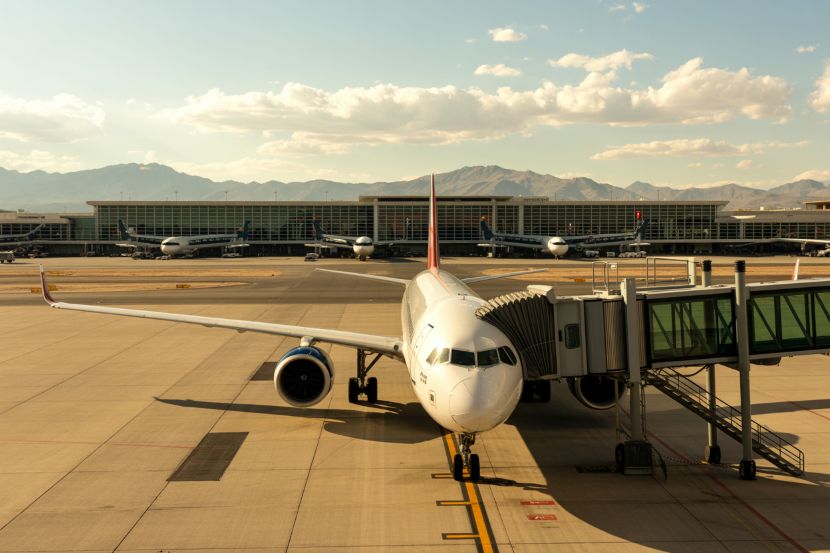
Southwest Airlines Companion Pass Promotion: Fly with a Companion for Free in 2026

The U.S. travel market received an exciting update when Southwest Airlines reinstated its Companion Pass promotion which had been discontinued for an exclusive period in February 2026. The special promotion permits Rapid Rewards members of Southwest Airlines to obtain the highly sought-after Companion Pass which permits them to travel with a companion at no cost on specific flights.

The Companion Pass is one of the most valuable perks in the airline industry, offering the chance for two people to travel for the price of one, only paying for taxes and fees starting at USD 5.60 per flight. The offer applies to any flight booked through Southwest Airlines that meets the promotion’s terms and conditions.

This promotion is ideal for customers looking to travel with a loved one, a friend, or a colleague without worrying about the high costs often associated with flying multiple people on the same itinerary. Rapid Rewards members who qualify can designate a companion to fly with them for free throughout the promotional period, giving them more flexibility to plan and enjoy trips across Southwest’s network of destinations.

Promotion Details and Eligibility Criteria

To take advantage of this special offer, Rapid Rewards members must first register for the promotion on Southwest Airlines’ official website. Once registered, travellers will need to book a round-trip flight or two one-way qualifying flights between February 2 and February 6, 2026. The flights must be completed by March 31, 2026, for customers to qualify for the Companion Pass.

Once eligibility is confirmed, passengers can designate a companion to join them on flights between August 10, 2026, and October 7, 2026. The Companion Pass allows the registered member to add a companion to any qualifying flight they’ve booked, including flights purchased with Rapid Rewards points or paid flights.

A Unique Opportunity for U.S. Travellers

The reintroduction of the Companion Pass promotion offers significant savings for couples, families, or business partners planning to travel across Southwest’s extensive network of U.S. cities and popular destinations. Southwest Airlines operates over 100 destinations across the United States, including major hubs like Los Angeles, Chicago, New York, Dallas, and Denver, as well as international destinations such as Mexico and the Caribbean.

Southwest’s flexible flight booking policies make it easier for passengers to use their Companion Pass on any eligible flights, whether they are looking to fly on domestic or international routes. This makes the promotion appealing to both seasonal travellers and those with business trips planned for later in the year.

Benefits for Frequent Flyers and New Members

One of the key advantages of the Companion Pass promotion is that it applies to both new and existing members of the Rapid Rewards program. Even if travellers have not yet accumulated enough points to earn a Companion Pass under the usual qualification requirements, they can still benefit from this limited-time offer by booking eligible flights within the promotion window.

In addition to the Companion Pass, Rapid Rewards members can continue to enjoy the perks of the loyalty program, including access to reward flights, priority boarding, and the ability to earn points toward future travel.

How It Impacts the Travel Experience for Southwest Passengers

This limited-time promotion not only provides value to current Rapid Rewards members but also attracts new travellers who are interested in joining Southwest’s loyalty programme to take advantage of its competitive benefits. Whether for business travel, family vacations, or romantic getaways, the Companion Pass provides a level of cost-effectiveness and convenience that many other airlines do not offer.

For those considering international travel, the Companion Pass can help reduce the overall cost of multi-destination trips, especially with Southwest’s network reaching popular locations in Mexico, the Caribbean, and Central America. Travellers can also use their Rapid Rewards points for travel, further enhancing the program’s value and accessibility.

A Great Value for Travellers Looking to Save

Southwest Airlines’ Companion Pass promotion for February 2026 offers a valuable opportunity for Rapid Rewards members to travel with a companion for free, enhancing the overall travel experience. By offering flexible travel dates and seamless booking options, the promotion provides a compelling reason for both new and seasoned travellers to make the most of this limited-time offer.

With a travel period extending through October 2026, Southwest Airlines ensures that the Companion Pass benefits are available to a wide range of travellers, which enables customers to plan their vacations and business trips while they save money on extra flight expenses. The program introduces new users to the complete advantages of Southwest’s Rapid Rewards system for their upcoming travel.

The post Southwest Airlines Companion Pass Promotion: Fly with a Companion for Free in 2026 appeared first on Travel And Tour World.
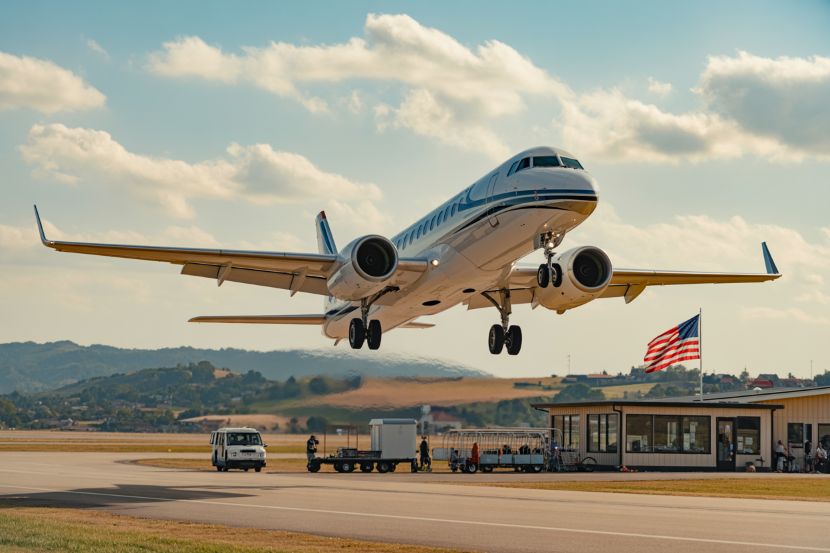
New Interline Agreement Between JetBlue and Contour Airlines Makes Travel Easier

New Interline Agreement Between JetBlue and Contour Airlines Makes Travel Easier

JetBlue and Contour Airlines have established an interline agreement to enhance flight connections for regional travellers throughout the United States. The airlines established this partnership to enable their passengers to create complete travel plans, which include all scheduled flights from both companies to more than 100 US destinations.

The agreement, launched in February 2026, makes it easier for passengers from smaller communities to reach larger cities and broader travel networks. It simplifies ticketing and baggage handling, making travel more accessible and efficient for people in rural and underserved markets.

A New Path for Regional Travel

Contour Airlines, known for its regional services, connects smaller U.S. towns to major metropolitan hubs, operating flights between more than 30 destinations. This new interline agreement with JetBlue significantly enhances the connectivity of these regional services, allowing passengers to travel on a single itinerary without the hassle of separate bookings.

With JetBlue’s expansive network, the partnership ensures that Contour passengers will have access to more flight options, connecting them to major cities such as New York, Boston, Orlando, and beyond. The ease of booking a single-ticket journey that includes both airlines will undoubtedly benefit travellers looking for faster and smoother connections.

What Does This Agreement Mean for Passengers?

Under the new agreement, travellers can now purchase tickets for interline flights directly through Contour’s booking platforms or via major travel agencies. Passengers can enjoy the convenience of a single, coordinated journey with checked baggage transferred seamlessly to their final destination, whether on JetBlue or Contour operated flights.

For passengers flying from smaller airports served by Contour, this agreement offers a significant upgrade in terms of accessibility. Previously, those travelling on regional routes often had to arrange separate connections to reach larger cities, adding time, cost, and hassle to their journey. With this interline agreement, passengers now benefit from streamlined travel planning and more efficient routes, as well as the opportunity to experience JetBlue’s renowned customer service and broader destination options.

Boosting Travel for Small Communities

The focus of this partnership is on improving access for residents in smaller, rural communities. By connecting them to a vast array of cities served by JetBlue’s extensive network, the agreement opens up a world of travel opportunities for those who might have previously had limited options. This enhanced connectivity not only benefits individuals but also helps stimulate tourism and economic opportunities in these regions by making travel to and from these communities easier.

Why This Matters for the U.S. Travel Landscape

In a time when regional connectivity is essential for the growth of domestic tourism, this agreement reflects a significant step towards making travel across the United States more inclusive and accessible. As JetBlue continues to expand its reach, its partnership with Contour is expected to help bridge the gap between small communities and major travel hubs, ensuring that no destination is out of reach.

For JetBlue, this is an opportunity to expand its customer base by tapping into underserved regions, while Contour benefits from offering passengers a wider array of destinations and a smoother travel experience. The partnership also positions both airlines to offer competitive and comprehensive services to a broader range of travellers.

The Bigger Picture: A Growing U.S. Airline Network

This collaboration also signals a growing trend in the U.S. airline industry, where partnerships like these are becoming increasingly common. Airlines are recognising the need for collaboration rather than competition in order to meet the needs of the modern traveller, who demands convenient, flexible, and seamless travel options.

For the passengers, this means less complexity when booking their flights, more access to international connections, and increased ease of travel. As the trend toward partnerships and alliances continues, more opportunities will arise for travellers to reach new and diverse destinations.

A New Era of Travel Connectivity in the U.S.

The new interline agreement between JetBlue and Contour Airlines creates a new ability to connect regional airports throughout the United States. The partnership will develop better travel options for all travelers in the United States especially those who live in remote areas and small communities. The current travel situation needs partnerships to create a future where people can travel without difficulties to all destinations and travel systems.

The post New Interline Agreement Between JetBlue and Contour Airlines Makes Travel Easier appeared first on Travel And Tour World.

Querétaro Calling: Volaris Airlines Unites Families and Explorers with New Nonstop San Antonio Service

Querétaro Calling: Volaris Airlines Unites Families and Explorers with New Nonstop San Antonio Service

Querétaro is a place where every cobblestone street tells a story of heritage and hope. For many in San Antonio, this new flight is more than just a convenience. It is a long-awaited embrace from a distant relative. It is the smell of fresh tortillas in a sun-drenched plaza. Volaris Airlines is now turning those distant dreams into a reality you can touch. This path connects our vibrant Texas community to the colonial soul of Mexico.

Strengthening Tourism Through Aviation

The San Antonio Aviation Department recently shared exciting news for world travelers. Volaris Airlines will start nonstop service to Querétaro on June 2, 2026. This route marks a major win for the local tourism industry. It opens a direct door to one of Mexico’s most beautiful regions.

The city government confirms flights will run three times a week. Travelers can fly on Tuesdays, Thursdays, and Sundays. Each flight leaves San Antonio at 10:20 a.m. This timing is perfect for tourists. You can land and enjoy a traditional Mexican lunch.

A Boost for Local and International Travel

Airport officials see this as a vital expansion. Director of Airports Jesus Saenz noted that Mexico is a top market. He stated that the demand for these flights remains very high. He expressed great excitement about growing the airport’s reach.

The City of San Antonio aims to make travel easy. This new service joins existing options from Viva. Together, these airlines offer flights six days a week. This creates incredible flexibility for vacationers. More flights mean more people can discover the beauty of Querétaro.

Why Querétaro is a Must-Visit Destination

Querétaro is a treasure trove for history buffs. The city center is a UNESCO World Heritage site. It features stunning Spanish colonial architecture. Visitors love the massive stone aqueduct. It is a symbol of engineering and beauty.

Tourism boards highlight the region’s famous Wine and Cheese route. You can tour lush vineyards. You can taste artisanal cheeses in charming villages. The Sierra Gorda mountains offer amazing hiking trails. There is something for every type of explorer.

Strategic Growth at San Antonio International

San Antonio International Airport is growing fast. This is the second major announcement this year. Earlier, Breeze Airways added three new U.S. destinations. These include Raleigh-Durham, Memphis, and Pensacola.

The city government is investing in airport safety too. They are upgrading runways to handle more traffic. These improvements make San Antonio a premier travel hub. Better infrastructure leads to a better experience for tourists.

Economic Impact of Increased Flight Access

New flights bring more than just people. They bring economic growth. Tourism creates jobs in both cities. It supports hotels, restaurants, and local shops.

Aviation data from government reports shows a clear trend. Nonstop flights increase the number of visitors significantly. People prefer direct routes over long layovers. Volaris Airlines is making the journey seamless. This helps both economies thrive together.

The Power of Partnership

The airline industry is changing. Volaris and Viva merged in late 2025. They still use their own brand names. This merger provides more resources for better service.

City leaders believe this partnership stabilizes the market. It ensures reliable travel for years to come. San Antonio remains committed to international partnerships. These ties strengthen the cultural bond between the U.S. and Mexico.

Planning Your Summer Adventure

The June launch is perfectly timed for summer breaks. Families can plan extended stays in the Mexican highlands. The weather in Querétaro is often mild and pleasant. It offers a nice escape from the Texas heat.

Booking early is always a smart move. Travelers can find great deals on the Volaris website. The 10:20 a.m. departure time is very popular. It allows for a stress-free morning at the airport.

A Journey of the Heart

Travel is about the moments that take your breath away. It is about finding a home away from home. When you board that Volaris flight, you are chasing a new adventure. You are choosing to see the world with open eyes. Querétaro is waiting to welcome you with open arms. Your next great story begins at the departure gate in San Antonio. Pack your bags and let your spirit fly toward the horizon. The magic of Mexico is now just one short flight away.

The post Querétaro Calling: Volaris Airlines Unites Families and Explorers with New Nonstop San Antonio Service appeared first on Travel And Tour World.

Dallas Fort Worth (DFW) Ascends to 18th in Global Airport Rankings: A Masterclass in AI Innovation, Net-Zero Aviation, and the Future of the Texas Superhub

Dallas Fort Worth (DFW) Ascends to 18th in Global Airport Rankings: A Masterclass in AI Innovation, Net-Zero Aviation, and the Future of the Texas Superhub

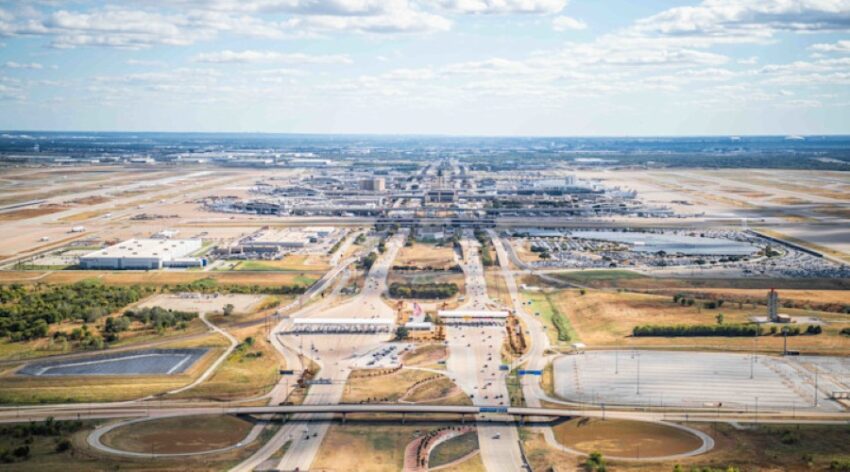
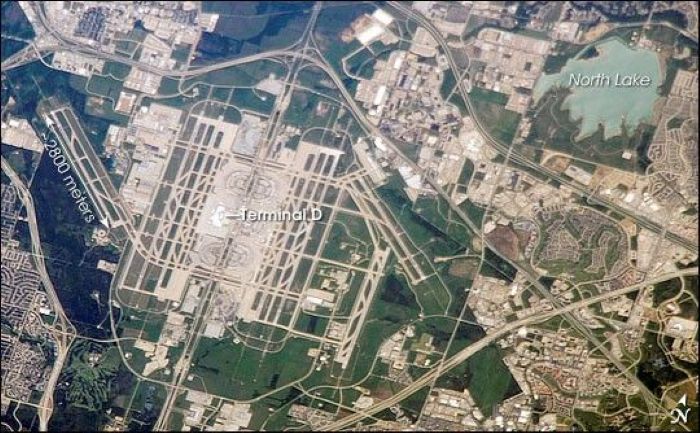
As the world of aviation reaches new heights in 2026, Dallas Fort Worth International Airport (DFW) has firmly established itself as a global leader in innovation and efficiency. Recently recognized by Travel and Tour World as the 18th best airport in the world, and the 7th best in the Americas, this Texas-sized superhub is undergoing a massive transformation under its “DFW Forward” initiative. Spanning over 26.9 square miles, the airport serves as a critical gateway, connecting North Texas to nearly 200 domestic and 80 international destinations.

A New Era of Global Ranking: The Smart Airport Leader

The 2026 ranking by Travel and Tour World reflects a fundamental change in how the aviation industry measures success. Rather than focusing solely on terminal aesthetics, the criteria prioritized the “depth of intelligence” integrated into daily operations. Dallas Fort Worth (DFW) was specifically lauded as a Smart Airport Leader, securing the 18th spot globally and the 7th spot in the Americas.

This distinction stems from the airport’s transition from experimental technology to the scaled, real-world execution of artificial intelligence and automated ecosystems. By moving AI and biometrics into the realm of mission-critical infrastructure, the airport has set a benchmark for how modern hubs manage the complex interplay of passenger flow, aircraft movement, and environmental responsibility.

Flight Operations: The 13-Bank Revolution

As of April 2026, the operational heart of DFW—its massive American Airlines hub—has undergone its most significant scheduling overhaul in a decade. To better serve its average of 100,000 peak daily customers, the airline expanded its daily schedule from nine clustered flight “banks” to thirteen separate banks.

This strategic shift serves several vital purposes:

  • Reduced Congestion: By spreading flights more evenly throughout the daylight hours, the airport has reduced the extreme pressure on security checkpoints and terminal walkways.
  • Connection Reliability: The new structure offers travelers a wider array of departure options and more resilient connection windows, significantly lowering the risk of missed flights due to minor delays.
  • Airspace Efficiency: Smoothing out the peaks and valleys of aircraft movements has improved the efficiency of the North Texas airspace, contributing to better on-time performance for the more than 930 daily departing flights.

Infrastructure and the “Modular” Future of Terminal F

The physical transformation of Dallas Fort Worth (DFW) is most evident in the construction of its sixth terminal, Terminal F. This $1.6 billion project is a marvel of modern engineering, utilizing modular construction on an unprecedented scale.

Instead of traditional on-site building, massive megastructure modules—some the size of football fields and weighing as much as twelve widebody aircraft—were prefabricated off-site. These modules were then transported across the airfield and set onto pre-built foundations. This method has allowed the airport to accelerate its growth with minimal disruption to active flight operations.

When the first phase opens, Terminal F will provide a 400,000-square-foot concourse and 15 new gates. To maintain seamless transit, the SkyLink automated people mover is being extended with a dedicated station for the new terminal, ensuring that the average connection time between any two points in the airport remains under two minutes.

Artificial Intelligence and Digital Twins

Technologically, DFW has moved into the “digital twin” era. The airport utilizes a highly sophisticated digital replica of its entire 26.9-square-mile campus to simulate and optimize everything from traffic flow to utility usage.

  • Predictive Maintenance: AI-driven sensors monitor baggage systems and escalators, predicting failures before they occur to ensure a frictionless journey.
  • Computer Vision: LiDAR and advanced camera analytics are used for “Intelligent Airfield Management,” optimizing the path of aircraft from the runway to the gate to save fuel and time.
  • Smart Baggage: The airport is pioneering the use of Automated Guided Vehicles (AGVs) and robotics within its baggage handling facilities, using AI to identify and sort luggage with near-perfect accuracy.

Security Measures: Frictionless and Fortified

Security at DFW in 2026 is designed to be felt but not seen. The airport has integrated Biometric Identity Solutions across its international terminals, allowing for “curb-to-gate” processing where a passenger’s face acts as their boarding pass and passport.

In the security lanes, 3D scanners and thermal imaging have become the standard, permitting travelers to pass through checkpoints without removing electronics or liquids. To protect the vast amount of data being processed, DFW operates on a private 5G network, ensuring that critical security communications remain secure and uninterrupted by the thousands of personal devices connecting to public Wi-Fi.

Sustainability: The Path to Net-Zero 2030

While much of the aviation industry looks toward 2050 for carbon neutrality, Dallas Fort Worth (DFW) is on an accelerated path to reach Net-Zero Carbon Emissions by 2030. Having already been recognized as the first carbon-neutral airport in North America, its 2026 initiatives include:

  • Electric Central Utility Plant (eCUP): This $300 million facility provides sustainably powered heating and cooling to the terminals, reducing natural gas consumption by nearly 80%.
  • Renewable Energy: The airport’s entire electrical grid is powered by 100% renewable sources.
  • Circular Economy: DFW has implemented a massive organic waste composting program and transitioned its entire landside bus fleet to 100% renewable natural gas sourced from local landfills.
  • Hybrid Emergency Response: The airport is among the first in the nation to deploy hybrid Aircraft Rescue and Firefighting (ARFF) vehicles, further greening its critical safety operations.

Passenger Experience and Cultural Immersiveness

The passenger experience in 2026 is defined by a blend of Texas hospitality and high-tech convenience. Under the “DFW Forward” plan, the airport has launched a global call for artists to create immersive digital video installations within Terminal F and the renovated Terminal C. These digital corridors are designed to provide a calming, culturally rich environment for travelers.

Furthermore, the “Smart Retail” ecosystem allows passengers to use the DFW Mobile App to order food or shop from any terminal, with autonomous delivery robots capable of bringing items directly to a traveler’s gate. This commitment to service was reinforced when the Airports Council International (ACI) named DFW the best large airport in North America for customer experience for the third consecutive year.

Looking Forward: Advanced Air Mobility

As DFW solidifies its 18th-place global ranking, it is already looking toward the horizon. The airport is actively preparing for Advanced Air Mobility (AAM), with plans to integrate electric air taxis into its transportation network by 2028. This forward-thinking approach ensures that Dallas Fort Worth remains not just a transit point, but a cornerstone of the future of global travel.

(Image Source: dfw airport)

The post Dallas Fort Worth (DFW) Ascends to 18th in Global Airport Rankings: A Masterclass in AI Innovation, Net-Zero Aviation, and the Future of the Texas Superhub appeared first on Travel And Tour World.
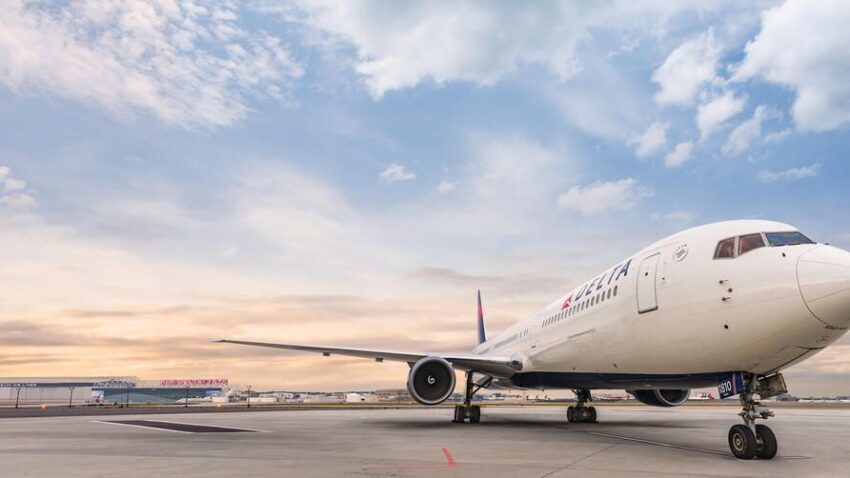
Frontier Airlines’ Shocking Emergency Landings in New York, Miami, Las Vegas, and More—What You Need to Know!

Frontier Airlines’ Shocking Emergency Landings in New York, Miami, Las Vegas, and More—What You Need to Know!

During this period multiple flights were diverted because of onboard threats. In November 2022 an alarming security breach occurred when a passenger boarded Frontier flight 1761 with box cutters on a journey from Cincinnati to Tampa. The cabin crew followed protocol by securing the cockpit and the aircraft was diverted to Atlanta, where law‑enforcement agencies detained the suspect and no injuries were reported[1]. A year later a chaotic scene unfolded on November 16 2023 when a woman suffered an apparent breakdown on a flight from Houston to Denver. Her behaviour terrified those on board and the plane was diverted to Dallas so she could be removed[2]. These episodes underline how security threats and unruly passengers have triggered rapid responses. In both cases the cabin crew and air traffic control worked together to divert the aircraft and law‑enforcement officers were ready on the ground to ensure passenger safety and maintain order[1].

Mechanical failures: brakes, wheels and engines

Frontier Airlines faced several mechanical emergencies that forced planes to return or divert. On July 28 2024 an Airbus A320‑200neo (flight 688) en route from Denver to Washington National reported a stuck brake. The crew climbed to a safe altitude, declared an emergency and returned to Denver where the aircraft landed safely[3]. On October 5 2024 flight 1326 from San Diego to Las Vegas experienced a strong odour and several system failures as it descended. The tyres burst on landing and flames emerged near the brakes. Firefighters responded quickly, the fire was extinguished and all passengers disembarked via stairs without injuries【956620738815061†L41-L137】. Investigation later suggested an electrical fault in the braking system. Another mechanical mishap occurred on April 15 2025 when flight 1329 from Orlando to San Juan suffered a hard landing. A nose gear wheel separated and debris entered an engine. The crew went around, burned fuel and then made a safe landing; passengers exited on portable stairs[4].

Multiple engine‑related emergencies occurred. On January 20 2025 flight 3379 from Philadelphia to Miami was cruising at 36 000 ft when an engine began to vibrate. The crew shut down the affected engine and diverted to Raleigh/Durham, landing without injury[5]. A few months later, on June 21 2025, flight 3508 departing Atlanta for Orlando received an engine oil warning during climb, prompting a return to Atlanta for a safe landing[6]. On December 15 2025 an Airbus A321neo departing Cleveland suffered a compressor stall about fifteen minutes after take‑off. The crew shut down the engine and landed back at Cleveland without incident[7].

On October 30 2025 flight 3546 approaching John F. Kennedy International Airport experienced an engine problem during landing. The FAA implemented a ground stop at JFK because of the engine issue and weather conditions. The aircraft landed safely and the cause of the malfunction was investigated[8]. Finally, on December 25 2025 flight 2083 from Atlanta to San Juan detected a possible fuel leak in the centre tank while flying over the Atlantic. The crew diverted to Miami and a replacement aircraft carried passengers to their destination[9].

Environmental factors and passenger injuries

Weather and cabin conditions have also provoked emergency landings. On March 2 2023 flight 1369 from Chicago to Dallas encountered severe convective turbulence during descent. A flight attendant was thrown to the floor, suffering a broken hip, and the captain requested priority landing. The aircraft landed safely and paramedics met the injured crew member[10][11]. In March 2024 passengers boarding flight 1759 in Charlotte for Orlando noticed a pungent odour. Fearing a fire, the crew ordered an evacuation using slides and the jet bridge. One passenger sustained a minor knee injury, while others remained unhurt[12].

Another environmental challenge arose on April 9 2025 when a beeping noise from the cargo area prompted flight 4708 from Atlanta to Washington Dulles to divert back to Atlanta. The aircraft parked away from the terminal while law‑enforcement officers investigated; passengers were evacuated and reunited with their baggage and the flight later returned to service[13]. These incidents highlight how unusual noises and odours can prompt cautious responses from flight crews, even when no fire or structural problem is found.

Landing incidents and structural damage

Hard landings and structural strikes can damage aircraft and lead to emergency diversions. On July 12 2025 flight 1927 from Oklahoma City to Denver attempted a go‑around in Denver but struck its tail on the runway. The pilots climbed away and repositioned to another runway, landing safely. Inspection revealed substantial tail‑section damage, but no injuries occurred[14].

The 2024 brake‑fire incident in Las Vegas is another reminder of the dangers of rough touchdowns. Video footage showed flames near the right landing gear as the A321 rolled out; passengers remained on board until the fire was extinguished[15]. In both cases the crews maintained control and emergency services responded quickly to minimise risk.

Summary table of Frontier Airlines emergency landings (Jan 2022–Jan 2026)

CategoryDate & flightRouteCauseOutcome
Security / unruly passengerNov 2022, flight 1761Cincinnati to TampaPassenger with box cutters and disruptive behaviourDiversion to Atlanta; suspect detained[1]
Unruly passengerNov 16 2023, Houston to Denver flightHouston to DenverPassenger behaved erratically and threatened other passengersDiversion to Dallas; passenger removed[2]
Turbulence injuryMar 2 2023, flight 1369Chicago to DallasSevere turbulence injured a flight attendantPriority landing in Dallas; paramedics treated injured crew[10][11]
Cabin odourMar 27 2024, flight 1759Charlotte to OrlandoStrong odour during boardingEvacuation using slides; minor injury[12]
Mechanical (stuck brake)Jul 28 2024, flight 688Denver to Washington NationalStuck brake detected in flightReturn to Denver and safe landing[3]
Mechanical (brake fire)Oct 5 2024, flight 1326San Diego to Las VegasOdour and system failures leading to brake fireHard landing in Las Vegas; fire extinguished; safe evacuation【956620738815061†L41-L137】
Mechanical (hard landing)Apr 15 2025, flight 1329Orlando to San JuanHard touchdown and nose‑gear wheel separationGo‑around; safe landing; passengers exited via stairs[4]
Mechanical (engine shutdown)Jan 20 2025, flight 3379Philadelphia to MiamiEngine vibration at cruiseOne engine shut down; diversion to Raleigh/Durham[5]
Mechanical (engine oil warning)Jun 21 2025, flight 3508Atlanta to OrlandoEngine oil indication during climbReturn to Atlanta; safe landing[6]
Mechanical (beeping noise)Apr 9 2025, flight 4708Atlanta to Washington DullesBeeping noise from cargo areaDiversion to Atlanta; passengers evacuated; plane inspected[13]
Structural (tailstrike)Jul 12 2025, flight 1927Oklahoma City to DenverTailstrike during go‑aroundAircraft landed safely; damage to tail section[14]
Mechanical (fuel leak)Dec 25 2025, flight 2083Atlanta to San JuanPossible fuel leak from centre tankDiversion to Miami; replacement aircraft continued[9]
Mechanical (engine stall)Dec 15 2025, flight —Cleveland to destinationEngine compressor stall shortly after take‑offCrew returned to Cleveland; safe landing[7]
Mechanical (engine issue & weather)Oct 30 2025, flight 3546Miami/New Orleans to New York (JFK)Engine problem approaching JFK combined with adverse weatherLanding at JFK; FAA ground stop; investigation[8]

Conclusions and observations

This period reveals how Frontier Airlines and aviation regulators have responded to a range of emergency situations. Security threats and disruptive passengers led to decisive diversions and arrests. Mechanical problems, from stuck brakes and fuel leaks to engine stalls, prompted skilled airmanship and quick cooperation between flight crews and controllers. Environmental factors and turbulence caused injuries and forced flight attendants to seek medical attention. Structural damage and odours triggered evacuations and repairs. In every case the aircraft were landed safely, emphasising the reliability of modern emergency procedures and the importance of crew training.

The post Frontier Airlines’ Shocking Emergency Landings in New York, Miami, Las Vegas, and More—What You Need to Know! appeared first on Travel And Tour World.

JetBlue’s Nightmare: Shocking Emergency Landings Across New York, Boston, and California Expose Deepening Airline Crisis!

JetBlue’s Nightmare: Shocking Emergency Landings Across New York, Boston, and California Expose Deepening Airline Crisis!
flight-cancellation

From early‑2022 to early‑2026, there was a series of frightening events on JetBlue Airways flights. These episodes involved unexpected mechanical issues that forced pilots to divert aircraft and land at the nearest safe airport. Each incident was reported widely, because passengers were frightened and because the events highlighted the importance of safety and oversight. In a time when air travel is seen as routine, these forced landings reminded travellers that the sky remains unpredictable. The following sections recount the chronology of these events, showing how the airline faced engine failuresoverheating cabins and sudden altitude drops[1]. The focus remains on the facts, but the tone shows how dramatic the experiences were for those on board.

2022: tail strike in Colorado triggers diversion

On 22 January 2022, flight B61748 departed from Hayden, Colorado for Fort Lauderdale. During take‑off, the aircraft’s tail struck the runway while avoiding another plane. This contact damaged the airframe. The pilots were forced to climb and later divert to Denver. According to the accident summary, the plane sustained substantial damage, yet there were no injuries[1]. Investigators later found that early rotation during take‑off, combined with confusing radio communications, contributed to the accident[2]. The episode underlined the need for clear instructions and careful coordination. It also revealed how a minor misjudgment can put passengers at risk. The 2022 event marked the start of a series of emergencies that would continue over several years.

Early 2023: multiple engine troubles and diversions

The new year did not bring calm. On 29 January 2023, flight B6236 from Santiago to New York faced an engine overheat soon after departure. The crew decided to stop climbing and diverted to Santo Domingo, landing safely about twenty minutes after take‑off[3]. A replacement aircraft was sent, and passengers reached New York after a long delay. Less than one month later, on 22 February 2023, flight B617 leaving Jacksonville for Fort Lauderdale lost its right‑hand engine shortly after take‑off. The aircraft returned to Jacksonville and landed without injury[4]. A replacement plane completed the journey hours later. Both episodes were frightening for passengers, yet they showed that swift action by pilots can prevent disaster.

Mid‑2023: overheating engines and unbearable cabin heat

Summer 2023 brought more danger. On 1 June 2023, a JetBlue Airbus A320 departed New York for Atlanta. At about 9,000 feet, a temperature warning indicated an overheated engine. The pilots shut down the affected engine and returned to New York within minutes. Emergency crews inspected the plane; there was no fire, and all 128 occupants were safe[5]. Six weeks later, on 12 July 2023, conditions inside another JetBlue plane became unbearable. Flight 1924 from Santiago (Dominican Republic) to Boston had a faulty air‑conditioning system, causing cabin temperatures to reach 96 °F. Passengers felt ill, and some fainted. The pilots diverted back to Santiago, and several passengers were treated for heat exhaustion[6]. JetBlue apologised and cancelled the flight. These cases showed that the heat can be as dangerous as mechanical failure, and they added to the growing list of diversions.

Early 2024: transatlantic compressor stall and safe landing in Ireland

The first major event of 2024 occurred on 30 March. Flight JBU2220 (A321neo) was flying from London Heathrow to New York when a right‑hand engine experienced a compressor stall over the Atlantic. The stall created loud bangs and vibrations, causing fear among passengers. The crew shut down the engine and descended to 20,000 feet. The aircraft diverted to Shannon, Ireland, and landed safely; emergency crews were ready[7]. A replacement aircraft continued the journey later. Although no injuries were reported, the incident was widely covered because it involved a long‑haul flight over water. The quick decision to divert saved lives and added another chapter to the airline’s string of emergencies.

Late 2024: smoke alert forces Kansas diversion

On 22 September 2024, flight 1189 left New York for San Diego. While cruising at 36,000 feet, the crew received an alert about possible smoke in the cargo hold. The plane descended quickly to 4,250 feet and diverted to Salina Regional Airport in Kansas. It landed safely with 130 people on board; there were no injuries[8]. Passengers were placed in a terminal while the aircraft was inspected. News outlets described the descent as dramatic and sudden, emphasising the fear that passengers felt. The event highlighted the seriousness of even minor alerts; the crew took no chances and followed safety protocols. It added to the list of diversions that year and reminded travellers of the ever‑present risk.

Early 2025: engine failure after take‑off from Westchester

On 25 February 2025, flight B6967 departed Westchester County Airport bound for West Palm Beach. Soon after take‑off, the right‑hand engine failed completely. The pilots stopped climbing at about 3,000 feet and diverted to New York’s John F. Kennedy International Airport. They landed safely about twenty‑five minutes later[9]. The incident was investigated by the Federal Aviation Administration. A replacement plane took passengers to Florida with a delay. The early 2025 event demonstrated that engine failures can occur on shorter domestic routes and that quick thinking by crew members can prevent tragedy. It was another addition to the growing catalogue of forced landings.

Late 2025: flight control issue leads to altitude drop and injuries

The most dramatic event occurred on 30 October 2025. JetBlue flight 1230 left Cancun, Mexico, for Newark Liberty International Airport. Mid‑flight, a flight‑control issue caused the plane to drop suddenly in altitude. Passengers were thrown against the ceiling and injured. The aircraft diverted to Tampa, Florida. Media reports said fifteen passengers were injured and were taken to hospitals[10][11]. The airline took the aircraft out of service and launched an investigation. This episode received intense coverage because of the injuries and because the sudden drop was captured on video. It showed that even modern aircraft can experience serious control issues. The event forced the airline to review maintenance and inspection procedures.

Early 2026: engine failure after departure from Aruba

The period from 2022 to 2026 concluded with another scare. On 18 January 2026, flight JBU1058 left Aruba for New York. Shortly after take‑off, passengers heard a loud bang and felt vibrations; an engine had failed. The pilots held near Aruba before diverting to Fort Lauderdale. The A321neo landed safely with all 186 occupants[12]. No injuries or fire were reported. This final event ended the four‑year chain of forced landings. The repetition of similar failures raised questions about engine reliability on some Airbus models and about maintenance practices. Yet, as with previous events, swift action avoided tragedy.

Conclusion: a turbulent journey through emergencies

Over these four years, JetBlue experienced multiple forced landings due to tail strikes, overheating engines, failed air‑conditioning, smoke alerts, compressor stalls, flight‑control problems and engine failures. Each event created fear among passengers and showcased the professionalism of crews who navigated crises. The pattern of incidents drew attention from regulators and the public. Although no fatal accident occurred, the repeated problems suggested systemic issues. This narrative shows that the sky, though familiar, remains unpredictable. Travellers were reminded that maintenance, training and strict oversight are crucial. The hope is that lessons from these emergencies will improve safety and prevent similar dramas in the future.

Category‑wise table of emergencies (Jan 2022 – Jan 2026)

YearDateRoute (From–To)Aircraft / FlightProblemOutcome
202222 Jan 2022Hayden, CO – Fort LauderdaleA320 / B61748Tail strike during take‑off; early rotation and conflicting traffic[1]Diverted to Denver; no injuries[2]
202329 Jan 2023Santiago – New YorkA320 / B6236Engine overheat; temperature warning[3]Diverted to Santo Domingo; passengers delayed
202322 Feb 2023Jacksonville – Fort LauderdaleA320 / B617Right engine failure shortly after take‑off[4]Returned to Jacksonville; safe landing
20231 Jun 2023New York – AtlantaA320Engine overheated; warning triggered[5]Returned to New York; no injuries
202312 Jul 2023Santiago, DR – BostonA321 / Flight 1924Air‑conditioning failed; cabin heat caused fainting[6]Diverted back to Santiago; passengers treated
202430 Mar 2024London – New YorkA321neo / JBU2220Compressor stall; engine shut down[7]Diverted to Shannon, Ireland; safe landing
202422 Sep 2024New York – San DiegoA320 / Flight 1189Smoke alert in cargo hold[8]Diverted to Salina, KS; safe landing
202525 Feb 2025Westchester – West Palm BeachA320 / B6967Right engine failure after take‑off[9]Diverted to JFK; passengers rebooked
202530 Oct 2025Cancun – NewarkA320 / Flight 1230Flight‑control issue; sudden altitude drop[10][11]Diverted to Tampa; injuries reported
202618 Jan 2026Aruba – New YorkA321neo / JBU1058Engine failure; loud bang[12]Diverted to Fort Lauderdale; safe landing

The post JetBlue’s Nightmare: Shocking Emergency Landings Across New York, Boston, and California Expose Deepening Airline Crisis! appeared first on Travel And Tour World.

Delta Air Lines Expands Service At Syracuse Hancock International Airport With New Routes And Aircraft Upgrades

Delta Air Lines Expands Service At Syracuse Hancock International Airport With New Routes And Aircraft Upgrades

Delta Air Lines has announced plans to operate improved services at Syracuse Hancock International Airport (SYR) from Summer 2026 through two major service updates which will provide Central New York travelers better connection options to their destinations. The expanded service, which includes a new nonstop flight to Hartsfield-Jackson Atlanta International Airport (ATL) and a significant aircraft upgrade for flights to Minneapolis, is expected to bolster both domestic and international access to the region.

New Nonstop Flight to Atlanta

Starting on June 7, 2026, Delta will introduce an additional mid-day nonstop flight between Syracuse and Atlanta, offering passengers more flexibility in scheduling their travels. This new flight, departing Atlanta at approximately 12:00 p.m. (ET), will arrive in Syracuse around 2:15 p.m. (ET). The return flight will leave Syracuse at 3:15 p.m. (ET) and land in Atlanta by 5:45 p.m. (ET).

Operated on a larger Airbus A321 aircraft, the new service will not only increase seat capacity but also enhance same-day connectivity, giving Central New York residents access to more Delta destinations. For the local community, the additional flight will strengthen the region’s vital connection to the airline’s vast global network, providing more travel options for both business and leisure.

Jason Terreri, Executive Director of the Syracuse Regional Airport Authority (SRAA), expressed enthusiasm over the new service, calling it a significant win for both the region’s economy and its residents.

Aircraft Upgrade on Minneapolis Route

Alongside the new Atlanta service, Delta will also enhance its Minneapolis–Syracuse route, reflecting the growing demand for air travel between Central New York and the Upper Midwest. Starting in Summer 2026, Delta will replace the current CRJ900 regional jet with a larger Airbus A319 aircraft. This upgauge will result in a 75 percent increase in seat capacity, offering more room for passengers and improving the overall flying experience.

The transition to the Airbus A319 is a direct response to the growing popularity of this route and the increasing demand for both leisure and business travel between Syracuse and Minneapolis. The upgrade is expected to significantly improve capacity and accommodate the rising interest in connecting with Delta’s expanding network in the Upper Midwest.

Delta’s strategic move to bolster its Syracuse–Minneapolis route comes as part of the airline’s broader efforts to meet increasing traveller needs while continuing to strengthen its operations in key markets. The enhanced route will provide Syracuse travellers with more options for connecting flights, further cementing the role of SYR as a key gateway to both domestic and international destinations.

Economic Impact and Benefits for Central New York

The changes to Delta’s service at Syracuse Hancock International Airport come at a time when the region is seeing a significant boost in tourism and economic growth. With its strategic position between major cities and attractions, Syracuse serves as a prime location for connecting flights, drawing business and leisure travellers alike. These new offerings from Delta not only provide more convenient travel options but also play a vital role in supporting the local economy by enhancing connectivity to major hubs across the U.S. and beyond.

Syracuse is set to benefit greatly from the added connectivity, as visitors and residents alike will have improved access to critical business centres in both the Southeast and the Upper Midwest. This enhanced accessibility supports the city’s thriving tourism industry, making it easier for visitors to enjoy the region’s offerings, from its rich cultural experiences to the nearby natural beauty of the Finger Lakes and Adirondacks.

What This Means for Local and Regional Tourism

The expansion of Delta’s service at SYR aligns perfectly with ongoing efforts to boost tourism and business travel to Upstate New York. By offering more frequent and direct flights, travellers will find it easier to explore both Central New York and the surrounding region. For tourism professionals in the area, this expansion provides new opportunities to attract visitors, particularly for weekend getaways, family vacations, and business conventions.

This change is also expected to enhance the appeal of Syracuse as a destination for international tourists. With improved access to international connections through Atlanta and Minneapolis, visitors will have greater ease in flying to Syracuse, enjoying the city’s mix of cultural and natural attractions, and exploring the broader Upstate New York area. The increased seat capacity and additional flight frequencies also provide more options for international tourists seeking to experience the unique offerings of this charming region.

A Major Step Forward for Syracuse’s Air Connectivity

Delta’s decision to expand air service at Syracuse Hancock International Airport in Summer 2026 marks a major milestone in the region’s continued growth as a travel hub. The additional flight to Atlanta and aircraft upgrade for the Minneapolis–Syracuse route are both strategically important moves, providing travellers with enhanced convenience and flexibility while supporting the economic vitality of Central New York.

Delta shows its trust in Syracuse by making investments into the area which will serve both business and leisure travelers from the city. The city of Syracuse will develop into a more important part of New York States travel and tourism industry because of its better transportation links and enhanced travel services.

Image Credit: Delta Air Lines

The post Delta Air Lines Expands Service At Syracuse Hancock International Airport With New Routes And Aircraft Upgrades appeared first on Travel And Tour World.

Major Flight Disruptions Leave Passengers Waiting at Myrtle Beach International, Philadelphia, Charlotte and Other Airports in the US as 10 Flights are Cancelled and 10 are Delayed by Piedmont, PSA, American Airlines

Major Flight Disruptions Leave Passengers Waiting at Myrtle Beach International, Philadelphia, Charlotte and Other Airports in the US as 10 Flights are Cancelled and 10 are Delayed by Piedmont, PSA, American Airlines
Myrtle Beach International sees 10 cancellations & 10 delays today due to severe weather disruptions.

Myrtle Beach International Airport (MYR) is facing significant travel disruptions today, with 10 flight cancellations and 10 delays reported. The disruptions, which have caused long waiting times and inconvenience for many passengers, are primarily due to weather-related issues affecting air travel across the Eastern United States. The bad weather, including high winds, rain, and low visibility, has led to delays in both departures and arrivals, impacting travelers looking to fly in and out of the popular tourist destination.

Myrtle Beach International, a hub for both domestic and international flights, has seen significant traffic disruptions in recent days. While the airport continues to function, the severe weather conditions have made it difficult for airlines to maintain their schedules, with operational delays and cancellations affecting flights throughout the day. Travelers are being urged to stay informed and check their flight status regularly to ensure that they are not caught off guard by changes to their departure times.

Why Are There So Many Delays and Cancellations at Myrtle Beach International?

The primary reason behind the delays and cancellations at Myrtle Beach International Airport is the ongoing bad weather system impacting the Eastern U.S. According to the National Weather Service (NWS), a storm system moving across the region has brought heavy rain, strong winds, and low cloud cover, which have made it challenging for airlines to operate flights safely. The inclement weather has led to difficulties in ensuring that runways are clear and aircraft are de-iced properly before takeoff, further slowing down airport operations.

In addition to weather-related issues, the storm has caused disruptions at other airports in the region, including major hubs like Charlotte Douglas International (CLT) and Atlanta Hartsfield-Jackson (ATL), causing a ripple effect across the U.S. aviation system. As a result, flights scheduled to depart or arrive at Myrtle Beach International have been delayed, with some canceled entirely.

The Federal Aviation Administration (FAA) has issued weather alerts and advised airlines to slow down operations to ensure passenger safety during these severe weather conditions. The FAA has also been working with airport authorities to manage air traffic and keep flights moving as smoothly as possible, but the weather is expected to continue causing delays throughout the day. (faa.gov)

How Are Travelers Affected by These Disruptions?

Travelers at Myrtle Beach International Airport are facing significant challenges due to the delays and cancellations caused by the storm system. Passengers have been left stranded or rebooked on later flights as they navigate the aftermath of unpredictable weather conditions. Some passengers have had their flights canceled at the last minute, while others have faced long waiting times at the airport as they wait for their delayed flights to depart.

For passengers who had to deal with cancellations, rebooking flights is proving to be difficult due to limited availability, particularly as the weather system is causing disruptions at other airports as well. Travelers flying from Myrtle Beach to destinations in the Northeast and Midwest, including New York, Boston, and Chicago, have seen their flight plans interrupted due to the cascading impact of the weather.

The TSA security lines at the airport have also seen an uptick in passengers, leading to longer-than-usual wait times for those attempting to pass through security. This is compounding the frustration for travelers who have already experienced delays and are now trying to make last-minute changes to their travel plans.

The disruptions are also affecting tourists who had planned to visit Myrtle Beach for vacations, as the weather is limiting the number of flights arriving at the airport. Families, business travelers, and vacationers have all been impacted, with some opting to cancel or reschedule their trips due to the unpredictable nature of the storm and its long-term effects on flight schedules.

What Is Being Done to Address the Situation?

Myrtle Beach International Airport officials are working closely with airlines and airport services to ensure that passengers are well taken care of despite the ongoing delays and cancellations. The airport has increased the number of customer service representatives available to help travelers rebook flights, find accommodations, and receive updates on their flight statuses. Additionally, the airport’s social media and website are being updated regularly with the latest information on flight delays, cancellations, and alternative arrangements.

In terms of compensation, airlines operating out of Myrtle Beach International are working to provide meals and accommodation vouchers to passengers whose flights have been significantly delayed or canceled due to the weather. Some airlines are offering rebooking options and discounted rates on future flights as a way to minimize the inconvenience to affected travelers.

The FAA has also been working to clear runways and ensure safe operations for all incoming and outgoing flights. As of now, the situation remains fluid, and travelers are encouraged to check flight statuses via the airport’s website or their airline’s app for the latest updates on their specific flights.

How to Stay Updated and Manage Your Travel Plans

If you are traveling through Myrtle Beach International Airport today or in the coming days, here are a few tips to help you manage any disruptions:

  1. Check Flight Status: Always check your flight status before arriving at the airport, especially during periods of severe weather. Use your airline’s website or mobile app for real-time updates.
  2. Rebook Flights: If your flight is canceled, contact the airline for rebooking options. Many airlines are offering rebooking services online or via customer service counters at the airport.
  3. Arrive Early: Due to the ongoing delays, passengers are advised to arrive early to ensure there is ample time for rebooking or adjusting travel plans.
  4. Prepare for Long Waits: Since delays can lead to longer waiting times, make sure to pack essentials like snacks, water, and entertainment to help pass the time.
  5. Check for Accommodation: If your flight is canceled and you need to stay overnight, check with the airline or airport for available hotel accommodations or discounted rates.

Looking Ahead: What Travelers Can Expect in the Coming Days

The winter weather system is expected to continue affecting Myrtle Beach for the next 24 to 48 hours, with further delays and cancellations likely as the storm persists. The National Weather Service has issued winter weather advisories for the region, and travelers are urged to stay updated with the latest weather forecasts and flight status alerts.

AirlineCancelled (#)Cancelled (%)Delayed (#)Delayed (%)
Piedmont (AAL)4100%00%
PSA Airlines (AAL)225%450%
American Airlines233%350%
Southwest112%112%
Delta Air Lines112%00%
Breeze Airways00%225%

Conclusion: Patience and Preparedness Are Key to Navigating Winter Weather Disruptions

Myrtle Beach International Airport and its airlines are doing everything they can to manage flight delays and cancellations caused by the winter storm. However, for passengers traveling to or from Myrtle Beach, the key to navigating these disruptions is staying informed, being flexible, and preparing for potential changes to your travel plans.

By keeping flight status apps handy, staying in communication with airline customer service, and being prepared for extended waiting periods, travelers can better manage the effects of these weather-related disruptions and ensure a smoother experience, despite the ongoing challenges at Myrtle Beach International Airport.

The post Major Flight Disruptions Leave Passengers Waiting at Myrtle Beach International, Philadelphia, Charlotte and Other Airports in the US as 10 Flights are Cancelled and 10 are Delayed by Piedmont, PSA, American Airlines appeared first on Travel And Tour World.

Weather Chaos Hits Montreal-Trudeau, Halifax, St. John’s, Toronto and Other Major Aiports as Seventy Four Flights are Delayed and Twenty Two Canceled Today by Air Canada, Jazz, PSA and More Airlines Leaving Many Passengers Stranded

Weather Chaos Hits Montreal-Trudeau, Halifax, St. John’s, Toronto and Other Major Aiports as Seventy Four Flights are Delayed and Twenty Two Canceled Today by Air Canada, Jazz, PSA and More Airlines Leaving Many Passengers Stranded
Montreal-Trudeau Airport sees 74 delays & 22 cancellations today due to weather&operational disruptions.

Montreal-Trudeau International Airport (YUL) is experiencing significant disruptions today with 74 flight delays and 22 cancellations reported. Passengers traveling to and from Montreal are facing a challenging day as both domestic and international flights are affected by severe weather conditions and operational issues. The snowstorm currently affecting parts of Quebec and Ontario has led to reduced visibility, slippery runways, and slower ground operations at Montreal-Trudeau, contributing to the delay and cancellation of flights.

The snowstorm, which began earlier this week, has continued to impact air travel across the region. Authorities have warned that the extreme weather conditions, combined with ongoing operational challenges, could lead to further disruptions as Montreal-Trudeau works to clear runways and manage airport logistics. Travelers are being advised to stay updated on the status of their flights and consider alternative travel plans in case of further delays.

Why Are Flights Delayed and Cancelled at Montreal-Trudeau Airport?

Montreal-Trudeau Airport is no stranger to winter weather disruptions, but today’s delays and cancellations have been more widespread, largely due to the snowstorm that has moved through the region. According to the National Weather Service (NWS), heavy snowfall and freezing rain have made it difficult for airport crews to maintain safe operations, including clearing runways and de-icing planes. With limited visibility and ongoing snowfall, air traffic control is also facing delays in managing the flow of aircraft, contributing to longer wait times for departing flights.

The snowstorm’s impact is not limited to Montreal. Airports throughout Quebec and Ontario are facing similar disruptions, with flight rerouting and delays at Ottawa and Toronto Pearson airports as well. Montreal-Trudeau is one of the busiest airports in Canada, and such weather events, while common in winter, still cause major disruptions when flights cannot be cleared for takeoff or safely landed. According to Canada’s Air Transport Security Authority (CATSA), winter weather conditions regularly lead to delays in aircraft operations and slower processing of passengers.

The Department of Transport Canada also acknowledged the heightened risk of delays during extreme winter weather, urging travelers to monitor the status of their flights in real-time, especially when inclement weather causes significant disruptions. With temperatures hovering around freezing, airport staff are working hard to de-ice aircraft and ensure that runways are safe for operations.

How Are Passengers Affected by the Disruptions?

For passengers at Montreal-Trudeau Airport, today’s delays and cancellations have created significant frustration and confusion. Many travelers have experienced long waiting times, especially those trying to rebook flights or find accommodation for overnight stays after their flights were canceled. While Montreal-Trudeau has provided real-time updates for travelers on their flight status via their website and social media channels, many passengers have been left scrambling to find alternative routes.

Some travelers who were impacted by the cancellations report being informed at the last minute that their flights were canceled, forcing them to wait in long queues at customer service counters. Airlines are working to rebook passengers on the next available flights, but availability is limited as the weather continues to affect airports across the region.

Passengers with international flights are particularly affected by the cascading delays, as many connecting flights have been impacted, leading to missed connections and longer waits. Travelers who were hoping to reach Europe, the U.S., or other parts of Canada are advised to check with their airlines for rebooking options.

For those already on the ground at the airport, additional amenities like food and water stations have been set up in certain terminals to help ease the waiting time. Many passengers have turned to airport lounges to wait out their delays, although these spaces are becoming increasingly crowded as more flights are delayed.

What Are Airlines Doing to Address the Situation?

In response to the widespread delays and cancellations, airlines are doing everything they can to assist affected passengers. Many airlines have activated their customer service teams and are providing rebooking options and accommodation vouchers to help ease the burden on passengers who have been impacted by the disruptions.

Air Canada, WestJet, and other major carriers operating at Montreal-Trudeau are working with travelers to rebook flights or issue travel credits for those unable to travel due to the weather disruptions. Airlines are also offering meal vouchers for passengers whose flights were significantly delayed, and some hotels near the airport are offering discounted rates for passengers who need to stay overnight.

At the same time, Montreal-Trudeau is working closely with ground handling services, security staff, and airlines to optimize passenger flow and minimize waiting times. The airport has increased the number of staff available to handle passenger queries and provide assistance for travelers facing flight disruptions. Passengers are encouraged to check in online and arrive earlier than usual to avoid congestion at the airport.

What Can Travelers Expect Going Forward?

As the winter storm continues to affect air travel in the Greater Montreal Area, passengers should expect ongoing delays and potential cancellations. The weather system is expected to persist through the evening and into the following days, which means that disruptions at Montreal-Trudeau Airport could continue for the rest of the week.

Travelers are advised to stay updated on their flight statuses and to take advantage of the airport’s real-time notifications via their official website and mobile app. It’s also advisable to keep communication lines open with airlines to confirm flight status, especially if you’re traveling with tight schedules or connecting flights.

The airport is expected to continue its efforts to clear runways and ensure the safe takeoff and landing of flights, but travelers should remain flexible and prepared for the possibility of further delays. The weather-related disruptions highlight the ongoing challenges airports face during winter months, and travelers should always factor in extra time when traveling during such conditions.

AirlineCancelled (#)Cancelled (%)Delayed (#)Delayed (%)
Air Canada107%1511%
Jazz (ACA)87%1816%
Air Canada Rouge (ACA)26%310%
PSA Airlines (AAL)250%250%
Air Creebec00%29%
Delta Air Lines00%116%
Endeavor Air (DAL)00%428%
Envoy Air (AAL)00%2100%
Central Mountain00%150%
Piedmont (AAL)00%233%
Porter Airlines00%310%
PAL Airlines00%330%
Royal Air Maroc00%150%
Sata Internacional00%150%
Swiss00%150%
Air Transat00%412%
Emirates00%150%
WestJet00%412%
Air France00%125%
Air Inuit00%533%

Conclusion: Staying Prepared During Winter Travel Disruptions at Montreal-Trudeau Airport

While the disruptions at Montreal-Trudeau International Airport are frustrating for passengers, it’s important to remember that winter weather is an inevitable part of air travel during this time of year. Airports, airlines, and authorities are doing everything they can to mitigate the effects of the storm and get passengers on their way safely.

For those still planning to travel through Montreal-Trudeau, it’s crucial to stay informed, be flexible, and allow for extra time as you navigate these ongoing weather-related disruptions. By keeping these tips in mind and being proactive about flight updates and alternate routes, travelers can ensure that their journey remains as smooth as possible, even during challenging weather conditions.

Source: Flight Aware

The post Weather Chaos Hits Montreal-Trudeau, Halifax, St. John’s, Toronto and Other Major Aiports as Seventy Four Flights are Delayed and Twenty Two Canceled Today by Air Canada, Jazz, PSA and More Airlines Leaving Many Passengers Stranded appeared first on Travel And Tour World.
Urgent Travel Alert: US Travel Industry Calls for Action to Prevent Shutdown Disruptions

Urgent Travel Alert: US Travel Industry Calls for Action to Prevent Shutdown Disruptions
US Travel Airlines for America,AHLA call on Congress to act urgently to prevent disruptions to air travel protect workers and ensure economic stability.

US Travel, Airlines for America, and the American Hotel & Lodging Association (AHLA) have jointly called on Congress to take swift action and end the ongoing government shutdown to avoid further disruptions to the travel industry. This urgent plea comes as the U.S. House of Representatives prepares to vote on a critical government funding package, which aims to reopen essential federal agencies and ensure that frontline workers, such as air traffic controllers and TSA officers, receive the compensation they deserve.

The 2025 shutdown had a devastating impact on the U.S. economy, with travel disruptions costing the industry an estimated $6 billion, or nearly $140 million per day. The shutdown led to delays, cancellations, and overcrowded airports, affecting over 6 million passengers and straining the already under-resourced aviation system. The current situation has further raised alarms about the economic consequences and the safety risks of having vital government personnel working without pay.

The Economic Impact of Government Shutdowns on U.S. Travel

During the 2025 government shutdown, the U.S. travel industry experienced a significant financial setback. Airports, airlines, and other sectors within the travel industry suffered from severe disruptions, including delayed flights, canceled trips, and an overall reduced flow of travelers. The $6 billion loss is a stark reminder of how vulnerable the U.S. economy is to government shutdowns and the far-reaching consequences of a disrupted travel ecosystem.

With a highly sensitive and interconnected aviation network, a prolonged shutdown places the entire U.S. air travel system at risk. This has raised pressing concerns for U.S. Travel, Airlines for America, and AHLA, all of whom are urging lawmakers to act with urgency and prevent a recurrence of last year’s devastating effects. The organizations emphasized that the shutdown’s toll on the travel industry was not only financial but also damaging to passenger confidence and the overall operational capacity of U.S. airports and airlines.

Urgent Call for Action: Protecting Federal Workers and the Travel Industry

In a joint statement released ahead of the upcoming House vote, Caroline Anderson, Interim President of the Hawai‘i Tourism Authority, said, “The shutdown has a compounding impact on the travel sector—affecting airports, airlines, and hotel industries. The TSA officers and air traffic controllers who work tirelessly to ensure our safety and operational efficiency deserve to be paid for their efforts. These workers’ efforts are essential for ensuring the smooth functioning of air travel.”

The statement from the travel organizations highlighted the importance of swift action to vote on the Senate’s package, which would re-open the government agencies involved in air travel and restore funding to critical workers. The organizations emphasized that failure to act would only exacerbate the existing disruptions, hurting travelers, the broader tourism sector, and the economy at large. As the Spring holiday season approaches, the urgency of this situation grows.

Why Air Traffic Controllers and TSA Officers Need to Be Paid

One of the core concerns highlighted by these travel industry organizations is the unpaid work of air traffic controllers and TSA officers, whose essential roles are critical to ensuring safe and efficient air travel. Without adequate compensation during a government shutdown, these employees are left in a precarious situation, leading to a reduced workforce and disruptions in operations at U.S. airports. The stress on the aviation infrastructure causes cascading delays and creates a strain on the security protocols necessary for ensuring passenger safety.

Organizations like Airlines for America and U.S. Travel are urging Congress to pass the funding package and implement policies like the Aviation Funding Solvency Act (H.R. 6086), which would ensure that air traffic controllers and other critical aviation personnel continue to be paid during future shutdowns. The new measures will offer financial security to workers while protecting the safety and efficiency of the U.S. aviation system.

What Needs to Be Done: Legislative Action to Protect Travelers

With the government shutdown continuing to affect air travel and broader economic stability, travel industry leaders have made it clear that Congress needs to act quickly. According to the American Hotel & Lodging Association, long-term solutions must be pursued to ensure that these disruptions do not reoccur. Legislators must pass critical funding packages and protect the integrity of the aviation system, so that travelers and industry professionals can feel secure and confident in the U.S. air travel system.

The organizations are calling for a comprehensive approach to the issues, including legislative measures that ensure TSA officers and air traffic controllers continue to receive their pay and avoid further shutdowns. These policies will contribute to a more stable and reliable air travel experience for everyone, from business travelers to tourists.

Economic Repercussions of a Government Shutdown on Tourism and Travel

A prolonged government shutdown places a massive burden on the tourism sector, which is already recovering from the effects of the COVID-19 pandemic. The tourism industry, one of the largest economic drivers in the U.S., was severely affected during the 2025 shutdown, and the long-term impact continues to be felt as travel volumes fluctuate. For the tourism sector to remain competitive globally, Congress must prioritize the reopening of government agencies involved in air travel and tourism management.

The economic consequences of this shutdown have already been felt by millions of travelers who had to cancel plans, adjust itineraries, or pay higher fees due to disruptions. This continued uncertainty affects the U.S. tourism market and its ability to attract international visitors, many of whom rely on secure and efficient travel systems to ensure a smooth vacation experience.

Conclusion: The Path Forward for U.S. Travel and Aviation

As the House of Representatives prepares to vote on a funding package that will reopen government agencies and protect vital federal workers, U.S. Travel, Airlines for America, and the American Hotel & Lodging Association are calling for immediate action. The impacts of government shutdowns on the aviation system and the broader travel ecosystem are clear, and the travel industry must work with lawmakers to ensure that air traffic controllers, TSA officers, and other key personnel are paid during any future shutdowns.

For travelers, this means a more secure and reliable air travel experience, allowing them to return to their vacations or business trips without the looming worry of additional delays. With continued support for aviation workers and a focus on resilient policies, the U.S. travel industry can continue to thrive and play a critical role in driving economic growth.

The post Urgent Travel Alert: US Travel Industry Calls for Action to Prevent Shutdown Disruptions appeared first on Travel And Tour World.

United Airlines Rolls Out Starlink Wi-Fi on Many Daily Flights Across Key US Hubs: What You Need to Know

United Airlines Rolls Out Starlink Wi-Fi on Many Daily Flights Across Key US Hubs: What You Need to Know
Image of United Airlines Fleet

United Airlines, enhancing United States tourism travel, has deployed Starlink high-speed Wi-Fi across more than twenty-five percent of its daily departures, primarily serving regional routes to major United States hubs. This rollout covers over three hundred two-cabin regional aircraft, including Embraer E175 and other models operated under United Express, connecting passengers to tourism destinations like Denver, Houston, and beyond. The free service, accessible via MileagePlus accounts, supports streaming and real-time connectivity, transforming flights into productive or entertaining extensions of tourism journeys. Over seven million travelers have used it on one hundred twenty-nine thousand flights, directly elevating United States tourism appeal by keeping visitors linked during travel.

Starlink Rollout on Regional Fleet

United Airlines completed Starlink installations on most of its two-cabin regional fleet in under a year, prioritizing jets that link United States tourism gateways. These aircraft now power about twelve hundred daily flights, ensuring seamless Wi-Fi from gate to gate across routes to tourism-rich cities. The upgrade replaces outdated systems, delivering speeds for video calls and entertainment that enhance tourism experiences on shorter hops.

This boosts United States tourism by enabling real-time sharing of trip moments, from Denver’s Rocky Mountain views to Houston’s cultural sites, fostering social media buzz that drives bookings. Reliable connectivity reduces travel frustrations, encouraging more multi-leg tourism itineraries reliant on regional feeders. Starlink‘s low-Earth orbit network ensures consistent performance over remote United States landscapes, vital for tourism to national parks and rural attractions.

Impact on United States Tourism Hubs

Key United States destinations benefit immensely, as Starlink-equipped flights serve hubs like Denver, Houston, Indianapolis, and Kansas City, where tourism thrives on efficient regional access. Passengers arriving for events, outdoor adventures, or business-tourism blends stay connected, boosting on-board satisfaction and post-flight reviews that promote these spots. The service’s availability throughout the cabin democratizes high-speed access, appealing to families and digital nomads fueling United States tourism growth.

Enhanced Wi-Fi correlates with higher tourism inflows, as connected travelers extend stays and explore more via live planning. United States tourism boards note that such innovations position regional airports as viable entry points, amplifying visitor spending in secondary markets. By 2026, expanded coverage will solidify these hubs as tourism powerhouses with uninterrupted digital lifelines.

Mainline Fleet Expansion Plans

United Airlines advances Starlink to its mainline fleet, targeting over five hundred aircraft by end-2026, totaling eight hundred plus Starlink-enabled planes for United States tourism routes. Initial installations include Boeing 737 models, with tests showing download speeds exceeding three hundred Mbps on flights from hubs like Newark to tourism draws. Regulatory approvals from the Federal Aviation Administration pave the way for wide-body jets like Boeing 777, broadening long-haul tourism connectivity.

This scales United States tourism impact, linking international arrivals to domestic legs with flawless Wi-Fi for seamless tourism planning. Travelers to coastal or mountain United States destinations gain tools for virtual check-ins and real-time bookings, spurring impulse extensions. Full rollout by 2027 will make United Airlines a leader in aviation-tourism integration.

Tourism Benefits of Free Starlink Wi-Fi

Free Starlink access via MileagePlus login elevates United States tourism by removing barriers to connectivity, unlike fee-based legacy systems. Over 3.7 million devices connected so far, enabling streaming that turns flights into previews of tourism highlights like Denver festivals or Houston culinary tours. Ad-supported model sustains the service, ensuring broad adoption among leisure and business tourism segments.

United States tourism surges as word spreads of reliable in-flight internet, attracting tech-savvy millennials who prioritize connected journeys. Regional routes to smaller tourism gems, such as Colorado Springs or Cincinnati, gain competitiveness, drawing crowds previously deterred by poor Wi-Fi. This fosters loyalty, with higher satisfaction scores translating to repeat tourism visits.

Fleet Compatibility and Limitations

Starlink covers Embraer E170/E175, regional jets like CRJ-700, but excludes smallest models such as Embraer E145 and CRJ-200, focusing first on higher-capacity tourism carriers. United Airlines prioritizes two-cabin planes that serve premium United States tourism paths, ensuring comfort aligns with connectivity. Ongoing FAA nods will unlock Airbus A321 and Boeing wide-bodies for comprehensive tourism coverage.

Smaller jets’ exclusion minimally impacts tourism, as most leisure routes use equipped models linking to major United States attractions. Progressive upgrades ensure tourism operators market reliable digital experiences, enhancing destination branding.

Strategic Push for Tourism Innovation

United Airlines promotes Starlink via ads in tourism markets like Denver and Houston, highlighting its role in modern United States travel. The initiative aligns with fleet-wide cabin upgrades, positioning the airline as a tourism enabler through technology. By end-2026, ninety-six percent mainline coverage will dominate United States skies, outpacing rivals.

Tourism economies project gains from productive flights, where passengers research and book en route, amplifying local impacts. United States destinations from urban centers to scenic escapes will thrive on this connectivity edge, driving 2026-2027 growth.

Long-Term Tourism Transformation

Starlink cements United Airlines leadership in United States aviation-tourism fusion, with completions eyed for 2027 across one thousand plus planes. Sustained high speeds support evolving tourism needs, like VR previews or remote work during layovers. United States tourism stands resilient, as enhanced flights attract global visitors seeking superior experiences.

Reliable Wi-Fi minimizes disruptions, boosting confidence in regional tourism networks vital for economic vitality. This positions United States as a top connected tourism destination through the decade.

Image Credit: United Airlines, Inc

The post United Airlines Rolls Out Starlink Wi-Fi on Many Daily Flights Across Key US Hubs: What You Need to Know appeared first on Travel And Tour World.

Why is Dallas/Fort Worth International Ranked Seventh Among the 50 Best Airports in the Americas for 2026? Discover What Sets It Apart

Why is Dallas/Fort Worth International Ranked Seventh Among the 50 Best Airports in the Americas for 2026? Discover What Sets It Apart

Image Credit: https://science.nasa.gov/

Dallas/Fort Worth International (DFW) has secured its place as the seventh-best airport among the 50 Best Airports in the Americas for 2026. This remarkable achievement is a direct result of its unprecedented growth, innovative infrastructure, and focus on passenger convenience. With a commitment to smart technology, sustainability, and seamless travel experiences, DFW stands out as a global hub that adapts to the needs of modern travelers. From pioneering AI-driven systems and cutting-edge baggage solutions to its dedication to carbon neutrality, DFW has created a unique blend of efficiency, luxury, and eco-consciousness. Its strategic expansions, including the ongoing DFW Forward initiative, promise to elevate the airport further, making it a leading example of how innovation shapes the future of air travel.

Unprecedented Passenger Growth and Traffic Expansion

  • 90 Million Passengers Annually: DFW is rapidly approaching this major milestone, reflecting the airport’s remarkable growth.
  • Ranked #3 Globally: DFW holds its position as one of the top three airports worldwide for total passenger traffic.
  • 680,000+ Flight Movements Annually: DFW handles a massive volume of flights, with over 1,800 flights daily.
  • 860,000 Tons of Cargo Annually: DFW is a major transshipment hub for the Americas, facilitating efficient trade and logistics.
  • Primary Hub for American Airlines: American Airlines operates over 800 daily flights, strengthening DFW’s global connectivity.
  • Non-Stop Service to 250+ Destinations: The airport’s extensive network offers access to a wide array of global destinations.
  • Global Connectivity: DFW is a crucial nexus for international travel, connecting North Texas to the world.

Technology Advancements Position DFW as a Smart Airport Leader

Image Credit: dfwairport.com

Dallas/Fort Worth International Airport is gaining global recognition for its integration of technology. In 2026, DFW was hailed as a “Smart Airport Leader,” ranking 18th globally for its intelligent infrastructure. This ranking is the result of several forward-thinking initiatives that leverage technology to enhance the passenger experience, optimize operations, and reduce environmental impact.

One of the standout features of DFW’s technological evolution is the innovative construction of Terminal F, part of the airport’s expansion project. Through modular construction techniques, the airport has pioneered the use of prefabricated megastructure modules. These modules, some of which weigh as much as 12 Boeing 787s, were moved across the airfield in late 2025 to form the new terminal. This method not only accelerates the construction timeline but also minimizes disruptions for passengers, enabling smoother travel during upgrades.

In the realm of artificial intelligence (AI), DFW is utilizing AI-driven predictive analytics and intelligent airfield management systems to streamline flight operations. This technology optimizes aircraft movements and reduces taxi times, ensuring more timely departures and arrivals, and enhancing overall airport efficiency.

Moreover, DFW is enhancing passenger convenience with cutting-edge baggage systems. As a member of the Airports for Innovation (A4I) network, DFW is piloting autonomous baggage tractors and vision-based tracking systems to drastically reduce mishandled luggage, creating a more seamless travel experience.

Sustainability and Environmental Initiatives Lead the Way

Image Credit: dfwairport.com

As the world’s largest carbon-neutral airport since 2016, DFW is committed to sustainability, setting a standard for airports worldwide. The airport is continuing its transition to 100% renewable electricity, supported by one of the largest airport-based solar projects in the U.S. This green initiative is crucial as sustainability increasingly becomes a key consideration for travelers and businesses alike.

Furthermore, DFW is actively working on minimizing its carbon footprint by constructing its third “end-around” taxiway. This project, nearly complete in 2026, allows aircraft to bypass active runways, reducing fuel consumption and improving safety. These environmentally conscious efforts align with DFW’s broader mission to ensure that growth and sustainability go hand-in-hand.

A Dynamic Destination for Travelers

While DFW continues to lead the way in airport development, the surrounding Dallas/Fort Worth Metroplex remains a top-tier destination for travelers. The area offers a unique blend of metropolitan sophistication in Dallas and Western heritage in Fort Worth, providing a rich array of experiences for tourists.

Dallas boasts world-class attractions such as the Dallas Museum of Art, the Sixth Floor Museum at Dealey Plaza, and the lively Bishop Arts District. Fort Worth is renowned for its cowboy culture, with the Stockyards National Historic District offering visitors the rare opportunity to witness a daily cattle drive. Additionally, Fort Worth’s Sundance Square and Kimbell Art Museum draw visitors with a taste for culture and history.

For travelers navigating DFW, the Trinity Railway Express (TRE) and TexRail offer efficient transport between the airport, Dallas, and Fort Worth, making exploring the region easy and convenient.

DFW’s Impact on Future Travel

The ongoing investment in infrastructure, technology, and sustainability at DFW will continue to shape the future of travel. The airport’s commitment to providing a top-notch passenger experience, coupled with its groundbreaking technological advancements, positions it to remain one of the most important global hubs well into the future.

As airports around the world face increasing pressure to accommodate growing passenger numbers, DFW’s focus on smart airport technologies and sustainability ensures that it is not only prepared to handle the future of air travel but also lead it.

The enhancements underway at DFW will likely have a ripple effect, setting the benchmark for other airports worldwide. From cutting-edge baggage systems to sustainable energy practices, DFW is not just an airport—it’s a glimpse into the future of air travel.

Top 50 Airports in the Americas for 2026

No.Airport NameCountryStateCity
1San Francisco International (SFO)USACaliforniaSan Francisco
2Hartsfield–Jackson Atlanta International (ATL)USAGeorgiaAtlanta
3Vancouver International (YVR)CanadaBritish ColumbiaVancouver
4Toronto Pearson International (YYZ)CanadaOntarioToronto
5Los Angeles International (LAX)USACaliforniaLos Angeles
6Orlando International (MCO)USAFloridaOrlando
7Dallas/Fort Worth International (DFW)USATexasDallas
8John F. Kennedy International (JFK)USANew YorkNew York
9Miami International (MIA)USAFloridaMiami
10Denver International (DEN)USAColoradoDenver
11Seattle–Tacoma International (SEA)USAWashingtonSeattle
12Chicago O’Hare International (ORD)USAIllinoisChicago
13San José Mineta International (SJC)USACaliforniaSan José
14Ronald Reagan Washington National (DCA)USADistrict of ColumbiaWashington
15George Bush Intercontinental, Houston (IAH)USATexasHouston
16El Dorado International (BOG)ColombiaBogotáBogotá
17Mexico City International (MEX)MexicoMexico CityMexico City
18Montréal–Trudeau International (YUL)CanadaQuebecMontréal
19São Paulo–Guarulhos International (GRU)BrazilSão PauloSão Paulo
20Comodoro Arturo Merino Benítez International (SCL)ChileSantiagoSantiago
21Jorge Chávez International (LIM)PeruCallaoLima
22Cancún International (CUN)MexicoQuintana RooCancún
23Mariscal Sucre International (UIO)EcuadorPichinchaQuito
24Ministro Pistarini / Ezeiza International (EZE)ArgentinaBuenos AiresBuenos Aires
25Santos Dumont Airport (SDU)BrazilRio de JaneiroRio de Janeiro
26José María Córdova International (MDE)ColombiaAntioquiaMedellín
27Aeroparque Jorge Newbery (AEP)ArgentinaBuenos AiresBuenos Aires
28Tancredo Neves International (CNF)BrazilMinas GeraisBelo Horizonte
29Daniel Oduber Quirós International (LIR)Costa RicaGuanacasteLiberia
30Viracopos International (VCP)BrazilSão PauloCampinas
31Alfonso Bonilla Aragón International (CLO)ColombiaValle del CaucaCali
32Pinto Martins International (FOR)BrazilCearáFortaleza
33Juan Santamaría International (SJO)Costa RicaAlajuelaSan José
34Salgado Filho International (POA)BrazilRio Grande do SulPorto Alegre
35Rafael Núñez International (CTG)ColombiaAtlánticoCartagena
36Presidente Juscelino Kubitschek International (BSB)BrazilFederal DistrictBrasília
37Simón Bolívar International (SMR)ColombiaMagdalenaSanta Marta
38Recife/Guararapes–Gilberto Freyre International (REC)BrazilPernambucoRecife
39Ernesto Cortissoz International (BAQ)ColombiaAtlánticoBarranquilla
40Afonso Pena Airport (CWB)BrazilParanáCuritiba
41José Joaquín de Olmedo International (GYE)EcuadorGuayasGuayaquil
42Eduardo Gomes International (MAO)BrazilAmazonasManaus
43Mariscal Lamar Airport (CUE)EcuadorAzuayCuenca
44Limón Airport (LIO)Costa RicaLimónLimón
45Viru Viru International (VVI)BoliviaSanta CruzSanta Cruz de la Sierra
46Jorge Wilstermann International (CBB)BoliviaCochabambaCochabamba
47Juan Santamaría International Airport (SJO)Costa RicaAlajuelaSan José
48Luis Muñoz Marín International (SJU)Puerto RicoSan JuanSan Juan
49Mercedita International (PSE)Puerto RicoPoncePonce
50Princess Juliana International (SXM)Sint MaartenSint MaartenPhilipsburg

Source: einpresswire.com

Conclusion

According to Travel and Tour World, Dallas/Fort Worth International Airport’s impressive growth and technological innovations place it firmly at the forefront of global air travel. With its ability to handle increasing passenger numbers, provide cutting-edge technology, and champion sustainability, DFW is set to redefine the airport experience for years to come. Whether you’re a frequent flyer or a first-time visitor, DFW’s forward-thinking approach ensures that your journey will be smoother, faster, and more sustainable than ever before.

By securing its top position among the Top 50 Airports in the Americas for 2026, DFW demonstrates how airports can combine growth, technology, and sustainability to remain at the cutting edge of modern air travel. As the gateway to North Texas, it continues to play a crucial role in shaping the future of air travel globally.

The post Why is Dallas/Fort Worth International Ranked Seventh Among the 50 Best Airports in the Americas for 2026? Discover What Sets It Apart appeared first on Travel And Tour World.

Why is Orlando International Ranked Seventeen Among the 50 Best Airports in the World for 2026?

Why is Orlando International Ranked Seventeen Among the 50 Best Airports in the World for 2026?

Orlando International (MCO) has earned a well-deserved spot as Seventeen Among the 50 Best Airports in the World for 2026, thanks to its ongoing transformation into a smart airport and its commitment to enhancing passenger experiences. With a $6 billion modernization plan, MCO has become a model of efficiency, combining cutting-edge technology, such as biometric boarding and AI-driven crowd management, with exceptional amenities. These advancements not only streamline airport operations but also improve comfort for travelers. The airport’s ability to handle record-breaking passenger volumes while maintaining a high standard of service has contributed to its impressive ranking.


MCO’s Unprecedented Growth in 2025-2026: Record-Breaking Traffic and Advanced Solutions

In 2025, Orlando International Airport welcomed more than 57.5 million passengers, setting a historic record for the busiest year in its history. With nearly 196,212 passengers traveling through the terminals on January 3, 2026, MCO is now recognized as one of the top 10 busiest airports in the United States. This growth is largely driven by the thriving tourism sector in Florida, with international traffic seeing a 10.1% increase by the end of 2025.

The expansion of direct flights, including new long-haul routes from Europe and Latin America, has also contributed to a significant rise in international passengers. As a result, MCO has been able to stay ahead of growing demand, all while prioritizing innovative solutions to manage increasing passenger flows effectively.

The Smart Airport Revolution: Technology Advancements at MCO

MCO’s $6 billion transformation is one of the most ambitious projects undertaken by any North American airport, marking a major step in the future of airport technology. The airport’s Terminal C has become a showcase of biometric security and advanced crowd management. Here’s a look at some of the innovations:

  • Biometric Boarding: Terminal C has implemented 100% facial recognition for international arrivals and departures. This biometric system eliminates the need for physical document checks, drastically reducing wait times and increasing security.
  • RFID Baggage Tracking: In February 2026, MCO introduced the RFID Tote System, providing 100% accuracy in tracking passengers’ luggage from check-in to baggage claim.
  • AI-Driven Crowd Management: The Queue Management System (QMS) uses AI-powered sensors to monitor security lines and display real-time wait times. This system optimizes staffing levels and helps direct passengers to the shortest lines, reducing congestion.
  • Experiential Media: MCO’s “The Portal” and “Windows on Orlando” in Terminal C offer immersive 12K digital experiences, showcasing the beauty of Florida through AI-generated art and cinematography, turning the airport into a visual attraction.

These advancements not only streamline airport operations but also make traveling through MCO more efficient and enjoyable, solidifying its reputation as a “smart airport” for the modern traveler.

Accessibility and Sustainability: MCO’s Commitment to Green and Smart Infrastructure

MCO’s transformation goes beyond technology. The Terminal C expansion is a LEED-certified facility, emphasizing sustainability and energy efficiency. With its use of passive optical networks (PON) and energy-saving IT systems, the airport has become a model for green infrastructure in the aviation industry.

The airport is also home to the Brightline High-Speed Rail station, offering seamless connectivity between Orlando and South Florida (including Miami and Fort Lauderdale). This modern rail service provides an eco-friendly and convenient alternative to driving, connecting Orlando to major tourism markets and reducing carbon footprints.

How MCO’s Growth Supports Future Travel

Orlando International’s growth and innovations play a significant role in enhancing travel experiences, both for tourists and business travelers. The integration of smart airport systems allows for faster check-ins, smoother security processes, and more efficient baggage handling. With these improvements, MCO is well-positioned to handle future increases in air travel, ensuring that it remains a top choice for international visitors.

For tourists, particularly those visiting for leisure or family holidays, the ability to navigate the airport quickly and efficiently translates to less stress and more time to enjoy the city’s world-famous attractions. Business travelers benefit from the efficient processes as well, with shorter wait times and more reliable travel schedules. With 2 direct flights per week from London Heathrow and connections to numerous global destinations, MCO remains an essential gateway to the U.S.

Quick Travel Tips for MCO Passengers

  • Take Advantage of Biometric Boarding: MCO offers biometric boarding at many international gates, reducing the need for physical documents and speeding up your journey.
  • Download the NextFly App: This app offers real-time updates on gate changes, baggage tracking, and arrival reminders to keep you on top of your travel plans.
  • Reserve Security Slots: Use MCO Reserve to pre-book your security screening time, ensuring you avoid long wait times and start your trip stress-free.
  • Stay Informed on Flight Status: MCO’s digital information screens and airport apps provide live updates, so you can stay informed about delays, gate changes, and other important travel details.
  • Explore Local Dining Options: Take a moment to enjoy the world-class dining at MCO, including freshly made sushi at Infinity Bar in Terminal C, offering a taste of luxury before you fly.

Global Smart Airport Leaders – Fully Integrated Ecosystems

Leading the global index are airports demonstrating the most advanced, end-to-end smart airport ecosystems currently in operation. These airports have embedded artificial intelligence, biometrics, automation, digital twins, and real-time data intelligence across passenger journeys, airside and landside operations, and long-term infrastructure planning—setting the global benchmark for intelligent aviation infrastructure.

IndentAirport NameLocation
1Dubai International (DXB)Middle East
2Singapore Changi (SIN)Asia-Pacific
3San Francisco International (SFO)North America
4Hartsfield-Jackson Atlanta International (ATL)North America
5London Heathrow (LHR)Europe
6Vancouver International (YVR)North America
7Istanbul Airport (IST)Europe / Eurasia
8Toronto Pearson International (YYZ)North America
9Doha Hamad International (DOH)Middle East
10Seoul Incheon (ICN)Asia-Pacific
11Tokyo Haneda (HND)Asia-Pacific
12Los Angeles International (LAX)North America
13Paris Charles de Gaulle (CDG)Europe
14Cape Town International (CPT)Africa
15Bengaluru Kempegowda International (BLR)Asia-Pacific
16Frankfurt Airport (FRA)Europe
17Orlando International (MCO)North America
18Dallas Fort Worth (DFW)North America
19Bangkok Suvarnabhumi (BKK)Asia-Pacific
20Tokyo Narita (NRT)Asia-Pacific
21New York JFK (JFK)North America
22Berlin Brandenburg (BER)Europe
23Munich Airport (MUC)Europe
24Miami International (MIA)North America
25Shanghai Hongqiao (SHA)Asia-Pacific
26Denver International (DEN)North America
27Seattle-Tacoma (SEA)North America
28Shenzhen Bao’an (SZX)Asia-Pacific
29Brussels Airport (BRU)Europe
30Hong Kong International (HKG)Asia-Pacific
31Rome Fiumicino (FCO)Europe
32Amsterdam Schiphol (AMS)Europe
33Helsinki-Vantaa (HEL)Europe
34Abu Dhabi Zayed International (AUH)Middle East
35Sydney Kingsford Smith (SYD)Australia / Oceania
36Zurich Airport (ZRH)Europe
37Madrid Barajas (MAD)Europe
38Vienna International (VIE)Europe
39Chicago O’Hare (ORD)North America
40Oslo Gardermoen (OSL)Europe
41Barcelona El Prat (BCN)Europe
42Copenhagen Airport (CPH)Europe
43San Jose Mineta (SJC)North America
44Washington Reagan National (DCA)North America
45Milan Malpensa (MXP)Europe
46Riyadh King Khalid (RUH)Middle East
47Kuala Lumpur International (KUL)Asia-Pacific
48Lisbon Humberto Delgado (LIS)Europe
49Jakarta Soekarno-Hatta (CGK)Asia-Pacific
50Houston George Bush Intercontinental (IAH)North America

Source: https://finance.yahoo.com/

Conclusion: A Future-Ready Orlando International Airport

As Orlando International Airport continues its transformation into a smart, high-tech facility, it is setting new standards for the airport experience. With advanced biometric systems, AI-driven crowd management, and sustainability initiatives, MCO is redefining what it means to be a modern airport. With record-breaking passenger numbers and continuous innovations, MCO is not only enhancing travel for today’s passengers but also paving the way for future generations of travelers.

Key Points:

  • Brightline High-Speed Rail offers eco-friendly transport between Orlando and South Florida.
  • Orlando International Airport remains Florida’s busiest, handling over 57.5 million passengers in 2025.
  • $6 billion transformation focused on biometric security, AI-powered crowd management, and sustainability.
  • Direct flights from major cities like London Heathrow and Miami make MCO highly accessible.
  • Real-time digital experiences and RFID baggage tracking ensure smoother travel for all passengers.

Image Credit: https://flymco.com/

The post Why is Orlando International Ranked Seventeen Among the 50 Best Airports in the World for 2026? appeared first on Travel And Tour World.

How Las Vegas’ Harry Reid Airport is Leading the Charge Against Human Trafficking with New Programs – Everything You Need to Know About the New Safety Measures

How Las Vegas’ Harry Reid Airport is Leading the Charge Against Human Trafficking with New Programs – Everything You Need to Know About the New Safety Measures
How Las Vegas’ Harry Reid Airport is Leading the Charge Against Human Trafficking with New Programs

At one of the busiest airports in the United States, Harry Reid Airport in Las Vegas, new steps are being taken to fight the crime of human trafficking. Known as the eighth busiest airport in the U.S. by passenger traffic, the airport is strengthening its long-standing efforts to raise awareness about human trafficking, ensuring that travelers are aware of the issue and equipped with the tools to report or seek help if necessary. With updated anti-trafficking messages placed in strategic locations and new resources to assist victims, the airport continues to position itself as a leader in the fight against trafficking within the aviation industry. These efforts not only serve as crucial reminders but also as a part of a broader initiative to protect passengers, especially those passing through Las Vegas, a hotspot for tourism and travel.

A Proactive Approach to Human Trafficking Awareness

Human trafficking is a global issue, and Las Vegas is no stranger to the threat. The bustling nature of Harry Reid International Airport, which sees millions of travelers annually, makes it a prime location for increased vigilance against such crimes. With this in mind, the airport has doubled down on its commitment to creating a safer environment for all travelers.

The airport’s latest initiative includes the installation of new signage throughout the facility, particularly in high-traffic areas such as tram cars that connect different terminals. These signs prominently feature the powerful message: “I Am Not a Souvenir”. This reminder aims to raise awareness and prompt passengers to be more mindful of the signs of human trafficking, which can sometimes go unnoticed by even the most vigilant travelers. This initiative serves as a visual cue, urging everyone to stay aware and step up if they suspect someone might be in danger.

Key Programs for Travelers and Airport Personnel

Alongside the signs, Harry Reid Airport has integrated a series of training programs designed for its employees, as well as for other airport partners. The goal is to ensure that the people working at the airport are equipped with the knowledge and skills to identify the potential indicators of trafficking. These signals can range from unusual behavior by individuals or groups to physical signs of distress. By training airport personnel to respond swiftly and correctly, the airport helps create an environment where potential victims are less likely to be ignored.

Travelers themselves are also encouraged to be vigilant and informed. Public service announcements throughout the airport further emphasize the resources available to anyone who might need help. Victims or witnesses can now text “HELP” to 233733 (BeFree) or call the National Human Trafficking Hotline at 1-888-373-7888. These confidential services allow individuals to seek help without drawing attention, which can be especially important in high-traffic areas like airports.

How These Efforts Benefit Travelers and Tourists

With its high visitor volume, Las Vegas attracts millions of tourists annually. For those visiting the city for business or leisure, knowing that Harry Reid Airport is taking steps to combat human trafficking adds an extra layer of comfort and security. Travelers can now embark on their journeys, knowing that the airport is not just focused on their travel needs, but also on their safety and well-being.

Tourists visiting Las Vegas can rest assured that airports like Harry Reid International are on the front lines in the battle against human trafficking. By raising awareness and offering practical solutions such as the text line and hotline, the airport supports both travelers and the community, ensuring that all who pass through can do so with a sense of safety.

Moreover, Las Vegas has a strong commitment to tourism safety, which includes other programs aimed at protecting visitors from various types of exploitation. With more airports and public spaces taking such proactive stances, visitors can feel more confident when they choose to travel.

Additional Information for Travelers: What You Can Do to Stay Safe

Travelers can contribute to the anti-trafficking efforts at Harry Reid and beyond by being proactive. Here are some helpful tips:

  • Know the Signs: Learn how to identify the common signs of human trafficking, such as signs of physical abuse, lack of identification, or someone who seems controlled or fearful of others.
  • Stay Alert: Airports are often crowded and bustling, but staying aware of your surroundings can help you notice when something seems out of place.
  • Use Available Resources: Don’t hesitate to report any suspicious activity you see. Utilizing the text and call helplines can be done discreetly to ensure no further danger to potential victims.
  • Respect Personal Boundaries: Be aware of your interactions with strangers and ensure that you’re always respecting others’ personal space and well-being.

Empowering Travelers and Airports Together

While Harry Reid Airport’s anti-trafficking initiatives are a significant step forward, they represent just one part of a global effort to end human trafficking. Airports across the nation are working to integrate more awareness and prevention programs, setting the stage for an industry-wide movement that involves travelers, airport staff, and authorities alike.

In an age where technology and awareness can make a difference, such initiatives not only help prevent crimes but also empower those who have the ability to act in situations where someone else may be at risk. Whether it’s through visible signs, training programs, or the availability of immediate help, efforts to combat human trafficking are vital to ensure that travel remains a safe and enjoyable experience for all.

Key Takeaways for Travelers

  • Harry Reid International Airport in Las Vegas is taking major steps to combat human trafficking through increased awareness efforts and training for airport employees.
  • Text services and hotlines are available for those who believe they are in danger or who see something suspicious.
  • Travelers can be part of the solution by remaining alert and using resources when necessary to report trafficking.

The post How Las Vegas’ Harry Reid Airport is Leading the Charge Against Human Trafficking with New Programs – Everything You Need to Know About the New Safety Measures appeared first on Travel And Tour World.

How Global Air Travel Surge Is Transforming International Tourism

How Global Air Travel Surge Is Transforming International Tourism

Global air passenger demand saw a significant boost in 2025, rising 5.3% compared to 2024, as international tourism and business travel continued to recover. According to a report from the International Air Transport Association (IATA), this growth was primarily driven by increased international demand, with airlines reaching new highs in passenger traffic and overall performance metrics. Total capacity, measured in available seat kilometres (ASK), also grew by 5.2%, while the overall passenger load factor (PLF) hit a record 83.6%, up 0.1 percentage points from the previous year.

This growth comes after several years of recovery following the pandemic’s impact on global travel. With more people traveling for both leisure and business, the surge in demand reflects the resilience of the air travel industry and its crucial role in supporting the global tourism sector.

Middle Eastern Carriers Lead the Growth in 2025

One of the standout regions for air travel growth in 2025 was the Middle East. Middle Eastern carriers reported a 6.7% rise in traffic compared to 2024, reflecting strong demand for both international and domestic travel. Capacity expanded by 5.8%, and the passenger load factor (PLF) rose by 0.7 percentage points to 81.6%. These impressive figures signal the continued dominance of hubs like Dubai, Doha, and Abu Dhabi as global aviation and tourism centers.

The month of December saw an even more significant surge, with demand climbing 9.5% compared to the same period in 2024. This uptick in demand is partly attributed to Middle Eastern airlines’ aggressive expansion and enhanced route offerings, which continue to connect the region with key tourism destinations across Asia, Europe, and North America.

International Travel Drives Global Demand

International travel was a major contributor to the overall rise in air passenger demand, with full-year international demand growing 7.1% in 2025. Airlines increased their international capacity by 6.8%, and the load factor for international flights reached 83.5%, a 0.2 percentage point increase compared to 2024, setting a new record for international traffic. This growth signals the strength of long-haul travel, with passengers increasingly seeking international experiences and destinations across the globe.

Key international destinations such as Europe, North America, and Southeast Asia have seen strong recovery. Europe’s top cities—such as Paris, London, and Rome—continue to attract millions of tourists, while Southeast Asia remains a hotspot for travelers from around the world. As countries lifted restrictions and restored travel incentives, international tourism surged, reflecting the enduring appeal of global destinations.

The U.S. and European markets continue to be major drivers of international travel demand, with significant increases in both leisure and business traffic. Meanwhile, Southeast Asia, with its rich cultural heritage and growing infrastructure, remains a popular destination for tourists from both neighboring regions and farther-flung markets like the U.S. and Europe.

Domestic Travel Shows Steady Growth

While international travel saw the highest growth, domestic travel also experienced a positive trend, with full-year demand increasing by 2.4% compared to 2024. Domestic capacity expanded by 2.5%, and the load factor for domestic flights averaged 83.7%, slightly down by 0.1 percentage points from 2024.

Domestic travel has remained strong as many travelers seek the ease and convenience of flying within their home countries. Popular destinations such as the United States, China, and Brazil saw robust domestic air travel, with cities like New York, Beijing, and São Paulo experiencing high passenger volumes. Additionally, the rise of low-cost carriers has made domestic travel more affordable, further fueling demand for regional tourism.

In countries like India and China, domestic air travel continues to expand as new airports are built, and regional routes are increased. With more affordable options and enhanced connectivity, these markets are increasingly important for the growth of global tourism, providing both locals and international visitors easy access to diverse attractions across vast regions.

Strong December Close: A Promising End to 2025

The air travel sector closed 2025 on a high note, with December demand rising 5.6% year-on-year. Capacity grew by 5.9%, and the passenger load factor for the month reached 83.7%. These strong December figures suggest that the air travel industry is well-positioned for a continued recovery in the coming years.

December is often a peak month for leisure travel, as tourists travel for the holidays, and airlines typically increase capacity to meet demand. This year-end growth reflects the pent-up demand for tourism following years of restrictions, highlighting the resilience of the global travel sector.

Looking to the Future: What’s Next for Global Tourism?

As the year progresses, the global air travel market is expected to continue its growth trajectory. The ongoing rise in international and domestic tourism is a positive sign for airlines, airports, and tourism destinations alike. With global tourism returning to pre-pandemic levels, the demand for flights is likely to keep increasing, especially in emerging markets.

Countries with established tourism sectors, such as France, Italy, and Japan, will continue to attract visitors. However, new destinations are also seeing a rise in popularity as travelers seek out fresh experiences. The future of air travel looks promising, with an expected increase in routes, better connectivity, and a wider range of destinations to explore.

The post How Global Air Travel Surge Is Transforming International Tourism appeared first on Travel And Tour World.
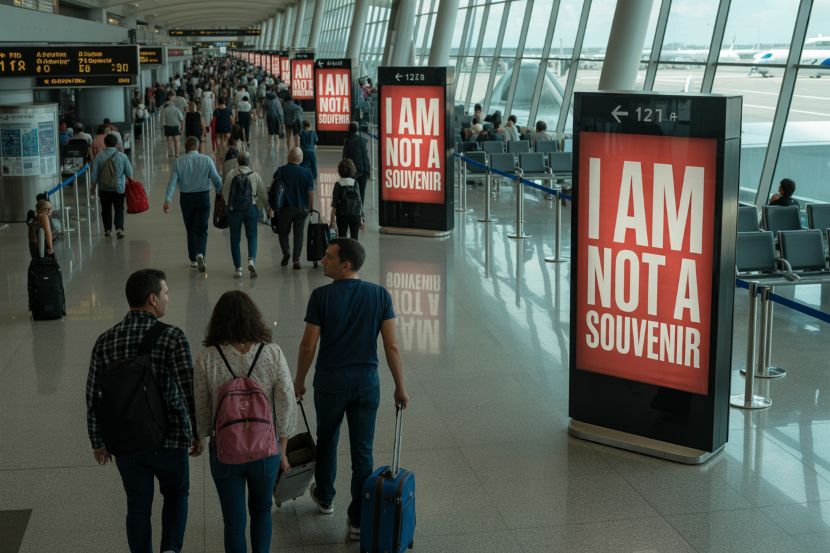
Ten Cancellations and Nine Delays by Piedmont, Endeavor, SkyWest and Commute Airlines Due to Snowstorm- Caused Stranded Passengers in Charlottesville- Albemarle, Charlotte, Hartsfield and Few Other Airports

Ten Cancellations and Nine Delays by Piedmont, Endeavor, SkyWest and Commute Airlines Due to Snowstorm- Caused Stranded Passengers in Charlottesville- Albemarle, Charlotte, Hartsfield and Few Other Airports
Charlottesville-Albemarle Airport faces multiple flight cancellations & delays due to weather issues.

Charlottesville-Albemarle Airport (CHO) is currently experiencing significant flight delays and cancellations due to weather-related disruptions affecting the region. 9 flights have been delayed, and 10 flights have been canceled today, leaving passengers stranded and frustrated. The storm system that rolled through the area caused a ripple effect on air traffic, impacting not only Charlottesville but airports across the region.

As the snowstorm and freezing rain continue to affect the area, Charlottesville-Albemarle Airport has seen a surge in delays and cancellations. The Federal Aviation Administration (FAA) has issued weather advisories, and flight crews are working to safely manage the ongoing situation. Passengers are being urged to check their flight status regularly and prepare for longer-than-usual waiting times as airport personnel continue to clear runways and manage delays.

Weather Disruptions: The Cause of Delays and Cancellations at Charlottesville-Albemarle Airport

The snowstorm and freezing rain that swept through Virginia have caused hazardous conditions for both passengers and flight crews. These weather conditions, coupled with low visibility and slick runways, have made it unsafe for aircraft to take off and land as scheduled. While the FAA has been working to ensure the safety of all air travel, the disruptions at Charlottesville-Albemarle Airport have led to delayed and canceled flights as a result of these severe weather conditions.

According to National Weather Service reports, the region has seen up to several inches of snow and freezing rain, making it difficult for ground crews to properly de-ice aircraft and clear airport runways. As temperatures continue to drop, it is expected that the disruptions will persist throughout the day. The FAA has been working closely with airport officials to clear the runway and allow for flights to resume, but due to unpredictable weather patterns, delays and cancellations are expected to continue into the evening.

How the Weather Is Affecting Flight Schedules at Charlottesville-Albemarle Airport

As of today, Charlottesville-Albemarle Airport has experienced a total of 9 delays and 10 cancellations. Many of these disruptions have affected flights traveling within the United States, as well as international flights arriving or departing Charlottesville. The snowstorm, coupled with freezing rain, has led to the closure of several runways at other airports in the region, causing delays to incoming flights and impacting passengers traveling through Charlottesville.

Despite the ongoing disruptions, airlines are working to rebook passengers, with many offering alternative flights or compensation for those affected by canceled flights. Travelers who have had their flights delayed or canceled are being encouraged to check their airline’s website or contact the customer service desk at the airport to get more information about their flight status.

What Travelers Should Expect at Charlottesville-Albemarle Airport

If you are traveling through Charlottesville-Albemarle Airport, here’s what you can expect:

  • Delays: As of now, 9 flights have been delayed, and this number could increase as the storm system moves through. Passengers should expect longer waiting times at the airport as operations continue to be impacted by weather conditions.
  • Cancellations: A total of 10 flights have been canceled today, and more cancellations are possible as the winter weather persists. Airlines are working to rebook passengers on the next available flights, but availability may be limited.
  • Airport Services: The airport is working to keep passengers informed about flight statuses and provide assistance for those whose flights have been delayed or canceled. Be sure to check with the airport information desk or your airline’s app for updates.
  • Safety Measures: Travelers are encouraged to dress warmly and carry essentials like snacks, water, and phone chargers, as weather disruptions can lead to extended wait times. Airport staff are working to ensure that facilities like heating, food, and water stations are available during the disruption.

How to Stay Updated on Your Flight Status

To avoid unnecessary stress and confusion, travelers are advised to stay updated on their flight status by using several tools:

  • Check your airline’s app or website for the latest updates on your flight.
  • Use the MiseryMap feature to track flight disruptions in real-time at Charlottesville-Albemarle and across the United States.
  • Contact customer service if your flight is delayed or canceled to inquire about rebooking options.

Staying informed will ensure that you can make quick decisions regarding alternate flights or accommodations if your journey is delayed.

What to Do if You’re Affected by Cancellations and Delays

If your flight is delayed or canceled at Charlottesville-Albemarle Airport, there are a few things you can do to ease the situation:

  1. Rebook Early: If your flight is canceled, contact the airline to rebook your flight as soon as possible. Many airlines have waived change fees for flights impacted by weather.
  2. Use the Time Wisely: If you have extra time due to a delay, consider relaxing in the airport lounge or visiting some of the shops and restaurants available. The airport offers amenities to help you stay comfortable while waiting.
  3. Consider Hotel Accommodations: If your delay is extended overnight, you may need to find local accommodations. The airport is located near several hotels, and many airlines offer accommodation vouchers if the delay is long enough.

Winter Weather and Future Disruptions

The winter storm that caused these disruptions is expected to continue moving across the country, impacting airports in other major cities. Travelers flying out of Charlottesville-Albemarle Airport in the coming days are advised to check their flight statuses regularly, as further weather-related delays and cancellations are likely.

As temperatures remain below freezing and the snowstorm continues, flight operations will likely continue to experience disruptions. Be prepared for any possible changes to your itinerary, and keep a close eye on weather forecasts and airport updates.

AirlineCancelled (#)Cancelled (%)Delayed (#)Delayed (%)
Piedmont (AAL)1071%214%
Endeavor Air (DAL)00%220%
SkyWest00%350%
CommuteAir (UAL)00%250%

Conclusion: Preparing for Winter Weather Disruptions at Charlottesville-Albemarle Airport

While Huntsville International Airport is currently facing weather-related flight delays and cancellations, Charlottesville-Albemarle Airport is working diligently to manage the disruptions. As winter storms continue to affect air travel, passengers should remain flexible and stay informed about their flight statuses. If your flight is impacted, be sure to follow the advice of airport authorities and airlines, and plan accordingly for potential delays.

By keeping up with real-time updates and planning ahead, travelers can minimize the stress of unexpected disruptions and continue their journey safely and smoothly.

The post Ten Cancellations and Nine Delays by Piedmont, Endeavor, SkyWest and Commute Airlines Due to Snowstorm- Caused Stranded Passengers in Charlottesville- Albemarle, Charlotte, Hartsfield and Few Other Airports appeared first on Travel And Tour World.

Thousands of Travelers Impacted at Hartsfield-Jackson International, USA, as Delta, Endeavor, PSA Airlines, Spirit, and More Cancel 112 Flights and Delay 419, Delaying Passengers at Charlotte, LaGuardia, Boston, and Other Airports

Thousands of Travelers Impacted at Hartsfield-Jackson International, USA, as Delta, Endeavor, PSA Airlines, Spirit, and More Cancel 112 Flights and Delay 419, Delaying Passengers at Charlotte, LaGuardia, Boston, and Other Airports
Hartsfield‑Jackson Intl in Georgia, USA records 112 cancellations and 419 delays as winter travel chaos hits Atlanta and major US flight routes.

Thousands of flyers experienced travel disruption on one of the busiest days at Hartsfield‑Jackson International Airport (ATL), where airline systems buckled under adverse weather and scheduling backlog, resulting in 112 cancelled flights and 419 delayed flights. Families with holiday plans, business travellers rushing to meetings and airport staff working overtime all witnessed one of the most intense travel upheavals seen in recent seasons at this crucial U.S. gateway.

Screens across the enormous departure hall flashed red and amber as passengers watched planned itineraries morph into uncertain waiting periods. Routes to Charlotte/Douglas International (CLT), Fort Lauderdale International (FLL) and Jacksonville International (JAX) were among those most affected, forcing travellers to think on their feet, endure extended waits and attempt spontaneous rebooking strategies.

Personal Accounts: Stress and Shared Experiences in the Termina

Amid the maze of gates and service counters, personal stories unfolded that reveal the emotional toll of widespread travel disruption.

Near Gate T5, teacher Angela Stewart clutched her boarding pass with confusion. “We were supposed to be in Fort Lauderdale this afternoon for our family reunion,” she said, her voice weary from hours of uncertainty. “Now we’ve lost count of how many times our flight has been pushed back.”

Nearby, a group of healthcare professionals bound for a medical conference in Charlotte tried to work around the delays, laptops out and phones ringing. “We’re trying to stay productive,” said Daniel Park, glancing at the new expected departure time. “But this isn’t how anyone plans to start a trip.”

The human impact here is profound: behind each cancellation or delay statistic is an individual with commitments, expectations and a journey in flux.

Why Flights Are So Disrupted: Weather and Network Strain

Flight delays and cancellations of this magnitude stem from a complex blend of factors — often weather‑related but also due to capacity limits, air traffic control constraints and rising passenger volumes during peak periods. According to the Federal Aviation Administration (FAA)’s flight delay information page, winter weather systems can have cascading effects on airport timetables nationwide.

The National Weather Service (NWS) reported that a large cold front moving through the Southeast and mid‑Atlantic regions created pockets of turbulence, strong winds and precipitation, forcing stricter safety protocols for airlines. As a result, departure queues lengthened and aircraft turnaround times increased, pushing back schedules across multiple carriers and connections.

Detailed Flight Disruption Breakdown at ATL

By Airline

AirlineCancelled (#)Delayed (#)
Delta Air Lines55275
Endeavor Air (DAL)2446
PSA Airlines (AAL)50
Spirit41
SkyWest79
Jazz (ACA)43
American Airlines31
Frontier28
Envoy Air (AAL)28
Etihad Airways05
JetBlue22
KLM13
Key Lime Air20
Republic022
Southwest022
United10
WestJet01

By Origin Airport

AirportCancelled (#)Delayed (#)
Hartsfield‑Jackson Intl (ATL)38119
Charlotte/Douglas Intl (CLT)74
Albert J Ellis (OAJ)50
Augusta Regional (AGS)40
Wilmington Intl (ILM)40
Myrtle Beach Intl (MYR)40
Fayetteville Rgnl (FAY)40
Charleston Intl/AFB (CHS)31
Fort Lauderdale Intl (FLL)38
Reagan National (DCA)23
Jacksonville Intl (JAX)21
Cincinnati/Northern Kentucky Intl (CVG)11
Dallas Love Field (DAL)12
Denver Intl (DEN)11
Dallas‑Fort Worth Intl (DFW)02

This data illustrates how disruption originates at a hub like Atlanta but spreads outward to other airports, affecting flights and passengers far beyond the initial point of congestion.

Airlines Respond: Helping Passengers Navigate Change

Carriers such as Delta, Endeavor and American deployed additional staff at customer service counters to assist passengers with rebooking, meal vouchers, and hotel accommodations for those stuck overnight. Many airlines are also pushing updates through their smartphone apps with push notifications for real‑time changes to flight status.

However, long lines at airport service desks and packed waiting areas made it clear that demand for assistance far outstripped available resources on the ground. A number of travellers sought alternate routing through nearby airports or alternate carriers based on availability.

Government Travel Advisory and Safety Fact Sheets

The Federal Aviation Administration (FAA) continues to advise passengers to monitor flight status before leaving for the airport and to give themselves extra time if travelling during periods of known weather activity.

The National Weather Service (NWS) also provides live updates and travel advisories, emphasising the impact of weather systems on departures and arrivals across the U.S.

Both agencies remind travellers that delays — while inconvenient — are tools to ensure safety, both in ground handling and in‑flight conditions. Advanced notice and preparedness can make handling these situations more manageable for flyers.

Impact on Regional Travel and Tourist Plans

Given that Atlanta is a key gateway to the southeastern United States, travel disruption here has a broad impact. Visitors planning beach escapes to Florida, business engagements across the Carolinas, or connections to international flights out of major hubs have all felt the consequences of schedule adjustments.

For example, passengers heading toward Fort Lauderdale Intl (FLL) found themselves waiting for updated departure windows, while travellers connecting through smaller airports such as Albert J Ellis (OAJ) or Myrtle Beach Intl (MYR) were forced to either reschedule or consider ground transit alternatives.

Tips for Travelers Caught in Travel Disruption

If you find yourself facing significant flight delays or cancellations, the following strategies can help ease the experience:

  1. Check flight status before departing for the airport — airlines provide push notifications with updates.
  2. Arrive early during peak disruption periods — this allows time to manage rebooking.
  3. Use airline apps and online customer service tools for quicker rerouting.
  4. Pack essentials in carry‑on luggage including snacks, medication and chargers.
  5. Stay informed on weather advisories issued by the FAA or National Weather Service.

These steps can help passengers feel more prepared rather than reactive when travel plans shift unexpectedly.

Wider Effects on Travel Infrastructure and Schedules

Delays at a hub like Hartsfield‑Jackson can create a ripple effect through the national travel network. Schedules that are built upon precise timing become fragile when even a small percentage of flights are delayed — this is especially true during peak travel windows, such as holidays, winter months and weekends.

Airports such as Charlotte (CLT), Denver (DEN) and Dallas‑Fort Worth (DFW) saw carry‑on delays influenced by ATL’s disrupted schedule, forcing some flights to wait for incoming aircraft or reassign crews.

Transportation and logistics teams at these airports often have to adjust boarding gates, ground crew schedules, and baggage handling plans in real time to cope with cascading delays

Traveler Stories: Frustration and Resilience

In one corner of the departure area, newlyweds Lexi and Jordan tried to smile as they waited for their delayed flight to Denver. “We were supposed to be celebrating our honeymoon,” Lexi said. “This isn’t how we imagined it — but we’ve made the best of every hour.”

A group of college students, luggage stacked sky‑high, shared strategies on exchanging tickets for later flights or choosing alternate routes. “We’re all in the same boat,” said Elijah Carter, “so at least there’s camaraderie.”

These human elements reflect the often unpredictable nature of travel — a journey that combines aspiration with the possibility of disruption.

Closing: Hope and Forward Motion Despite Disruption

As night fell over Atlanta, travellers continued to adapt. Some finally boarded flights en route to warmer cities or homebound departures; others made plans for overnight stays with hope of early morning departures. Regardless of the setbacks, passengers persevered.

“Sure, it’s been long and it’s been stressful,” said business traveller Olivia Reed, “but we’re learning patience — and we’re still going somewhere. That’s what matters.”

Today’s tally of 112 flight cancellations and 419 delays may go down in the travel logs as one of the more chaotic days at Hartsfield‑Jackson International Airport, but it also highlights the complexity and resilience of modern air travel. Amid the frustrations and timetable shifts, travellers, airlines and airports alike demonstrate adaptability — reminding us that the journey is as unpredictable as the destination.

The post Thousands of Travelers Impacted at Hartsfield-Jackson International, USA, as Delta, Endeavor, PSA Airlines, Spirit, and More Cancel 112 Flights and Delay 419, Delaying Passengers at Charlotte, LaGuardia, Boston, and Other Airports appeared first on Travel And Tour World.

FAA Warns Airlines of Space Debris Risks in 2026 as Space Launches Surge: What You Need To Know

FAA Warns Airlines of Space Debris Risks in 2026 as Space Launches Surge: What You Need To Know

The United States Federal Aviation Administration (FAA) developed a safety alert to address concerns about commercial aviation because the space industry is expanding at a rapid pace. The warning, issued in January 2026, highlights the growing risks posed by space launches and rocket reentries. Airlines operating in the same airspace face unexpected hazards from spacecraft that perform launch and re-entry operations.

The alert, identified as SAFO 26001, urges airlines and flight crews to be aware of the increasing potential for debris from rocket failures and reentries, particularly from commercial space operations, which have dramatically increased in recent years. Although this safety alert does not carry regulatory force, it strongly signals to the aviation industry that space activities are no longer distant events but increasingly common occurrences that can impact the skies above.

Why Is This an Issue Now?

The growing commercial space sector is expanding at a rapid pace, with a record number of licensed launches and reentries expected by 2034. In 2024, the FAA reported 148 space operations, a figure that is projected to increase to 200-400 per year by the middle of the next decade. With the growing number of spacecraft launches, the FAA has recognised that airspace is becoming more congested, and spacecraft debris could pose serious risks to airliners flying through shared air corridors.

Increased space traffic has already begun to intersect with commercial aviation routes, leading to potential risks for aircraft that could be impacted by rocket failures or debris scattering through the atmosphere. This presents a challenge for aviation safety as flight paths increasingly overlap with the reentry zones of space launches, especially for long-haul and transatlantic flights that cross vast oceanic areas.

FAA’s Key Recommendations for Airlines

In response to these rising threats, the FAA has outlined precautionary steps for airlines to help them navigate the growing risks associated with space debris:

  1. Review Space Launch Hazards: Airlines should incorporate NOTAMs (Notices to Air Missions) and airspace management plans into their flight planning to stay aware of launch windows and debris response areas.
  2. Prepare for Flight Path Adjustments: Airlines must be ready for potential reroutes or holding patterns in the event of space debris or rocket failures, ensuring sufficient fuel reserves to avoid emergencies.
  3. Identify Alternate Airports: In case of Debris Response Area alerts, airlines should specify alternate airports where aircraft can land safely to avoid flying through dangerous zones.
  4. Monitor Debris Extents: Space debris can travel far beyond initially designated zones, and it is essential for flight crews to stay alert to shifting debris fields.
  5. Long-Haul Flights: Oceanic airspace, where many long-haul flights operate, does not have radar coverage, making space debris tracking challenging in those regions. Airlines need to have protocols in place for communication and real-time updates on any potential threats.

SpaceX Launch Failure and Its Impact on Air Travel

A notable example of the potential disruption was the SpaceX Starship failure in March 2025, which led to falling debris that affected air travel operations. In Florida, where the launch occurred, major airports had to implement temporary ground stops, resulting in hundreds of cancelled and delayed flights. Passengers were left stranded, experiencing long delays or being forced to reroute to alternate cities, demonstrating how a single space mishap can ripple across the aviation system.

What Does This Mean for Passengers and Air Travel?

For travellers, the most immediate impact of the FAA’s warning may be the possibility of delays or flight diversions caused by space debris-related risks. Flight crews will need to stay informed about space operations happening within their designated airspaces. This could lead to changes in flight routes, holding patterns, and unscheduled landings if a debris response area is activated unexpectedly. For long-haul flights, the challenge is even more pronounced, as oceanic routes lack the radar and tracking systems available in land-based corridors.

Airlines and Space Integration: A New Reality in the Skies

The FAA’s safety alert also underscores a shift in how aviation and space exploration must coexist. As more private companies enter the space launch market, the divide between the two sectors is blurring. Airplanes and spacecraft now share the same vertical space at different times, making precise timing and awareness crucial for ensuring safety in both sectors. The FAA has emphasised that faster detection systems, better communication protocols, and adaptive routing technologies are needed to mitigate risks and protect both air and space travel.

Ensuring Safety in a Changing Airspace

As space exploration evolves and becomes more frequent, aviation authorities face the growing task of managing an increasingly congested airspace shared by both commercial flights and spacecraft. The FAA’s safety alert serves as a timely reminder that space debris presents a real and growing risk to aviation, with potential disruptions in air travel becoming more frequent.

Airlines together with flight crews need to maintain their ability to adapt to the ongoing transformations in air and space travel. With better planning methods and quicker detection systems and effective communication networks, airlines can maintain their safe operations in shared airspace. Passengers need to remain updated about their travel situation while they should prepare for possible delays and changes which may occur during their long-haul and transatlantic flights.

The post FAA Warns Airlines of Space Debris Risks in 2026 as Space Launches Surge: What You Need To Know appeared first on Travel And Tour World.

American Airlines Set To Offer Free Wi-Fi On Long-Haul Flights: A Major Win For Passengers!

American Airlines Set To Offer Free Wi-Fi On Long-Haul Flights: A Major Win For Passengers!

American Airlines plans to extend its free Wi-Fi service which passengers have eagerly awaited throughout its complete operation of widebody aircraft in a major transformation of its in-flight internet service. The airline will implement this update which affects its Boeing 777 and Boeing 787 aircraft to improve passenger comfort during long-distance international trips which require international flights that connect various parts of the world. The free ad-supported Wi-Fi service which the company tested on its narrowbody jets proved successful, which led to this decision in 2026.

The introduction of free Wi-Fi on widebody jets is expected to impact American Airlines’ international routes significantly. The airline’s decision to offer complimentary high-speed internet will address a growing demand from passengers for seamless connectivity, aligning American Airlines with other global carriers that have already made free Wi-Fi a standard feature on long-haul flights.

Why Free Wi-Fi on Widebody Aircraft is a Major Advantage

For years, American Airlines relied on charging passengers for Wi-Fi access, a move that put it at a disadvantage compared to airlines like Delta and JetBlue, which aggressively pushed for free connectivity. However, the shift towards offering free Wi-Fi, starting with the January 2026 launch, marks a turning point in the airline’s digital strategy. While free Wi-Fi was initially available to AAdvantage members, the move to expand it to widebody aircraft demonstrates that American Airlines views Wi-Fi as an essential service rather than a premium add-on.

The transition to free Wi-Fi on long-haul flights presents technical and financial hurdles. Long-haul aircraft, such as the Boeing 777 and 787, rely on satellite-based connectivity, which is more costly than the air-to-ground systems used on narrowbody planes. However, American Airlines’ partnership with AT&T, which sponsors the free Wi-Fi service, is likely aimed at offsetting these costs. By partnering with AT&T, American Airlines can offer the service at no additional cost to passengers, ensuring a positive experience for both corporate and leisure travellers.

The introduction of free Wi-Fi could also shape passenger behaviour. Airlines with complimentary Wi-Fi on long-haul flights report increased usage rates and higher customer satisfaction. This is a key benefit for American Airlines as it seeks to strengthen its corporate travel segment, which is vital for maintaining competitive advantage in the crowded aviation industry.

Additional Passenger Service Improvements

Apart from the upcoming expansion of free Wi-Fi across its widebody fleet, American Airlines is reportedly planning several other initiatives to enhance the passenger experience. These include improvements to the airline’s lounges and the introduction of new food partnerships. Together, these efforts reflect a broader strategy aimed at making American Airlines a more premium and customer-centric airline.

The focus on improving digital services may also pave the way for other exciting offerings, such as in-flight shopping, real-time personalised content, and enhanced operational communication between the airline and passengers. As competition in the long-haul market intensifies, these services will become key differentiators in American’s strategy to offer an all-encompassing travel experience.

American Airlines Widebody Fleet Overview

American Airlines operates a fleet of widebody aircraft crucial to its long-haul international and premium transcontinental flights. Below is an overview of its widebody fleet:

Aircraft TypeTotal ActiveAverage Age
Boeing 777-2004725.2 years
Boeing 777-300ER2012.0 years
Boeing 787-8377.7 years
Boeing 787-9345.8 years

With 138 active widebody aircraft, American Airlines is making a concerted effort to enhance the passenger experience on these long-haul aircraft, offering free Wi-Fi and other upgrades to meet the growing expectations of its passengers.

The Future of American Airlines’ Digital Transformation

American Airlines’ ongoing digital transformation is expected to accelerate with the expansion of free Wi-Fi across its widebody fleet. While the airline has already made significant investments in new cabin products, including revamped business class seats and refreshed cabins on its Boeing 787-9 and 777-300ER, adding complimentary Wi-Fi to long-haul flights could become a pivotal factor in customer retention. As passengers increasingly view connectivity as an essential part of their flying experience, offering high-speed Wi-Fi without the need to pay for it will enhance American Airlines’ competitive position in the marketplace.

Additionally, free Wi-Fi could also be a crucial factor in the post-pandemic recovery of the travel industry, where digital amenities have become an integral part of the flying experience. With a strong digital strategy in place, American Airlines could further cement its position as a leader in the global aviation sector.

Looking Ahead

American Airlines has made a major advancement in its service offerings because the airline will provide free Wi-Fi across its whole widebody aircraft fleet. The company wants to achieve its goals by this change which will help passengers better, provide improved connectivity and provide better service on its long-haul flights to international travelers. The airline has not released an official schedule for its free Wi-Fi service launch although internal discussions indicate that the airline will start providing free Wi-Fi on its widebody planes in the near future. American Airlines will transform the way passengers travel through its global network because it will provide customers with better connection and travel experience.

Image Credit: American Airlines

The post American Airlines Set To Offer Free Wi-Fi On Long-Haul Flights: A Major Win For Passengers! appeared first on Travel And Tour World.

US in Travel Conundrum as Passengers in Nashville International Airport Face 28 Flight Cancellations and 78 New Delays by American Airlines, Southwest, Spirit, Endeavor Air and other Carriers amidst Snowstorm

US in Travel Conundrum as Passengers in Nashville International Airport Face 28 Flight Cancellations and 78 New Delays by American Airlines, Southwest, Spirit, Endeavor Air and other Carriers amidst Snowstorm

A fierce winter storm is currently disrupting US aviation and slowing regional travel to a crawl. Heavy snow and plunging temperatures have hit Nashville International Airport particularly hard. Consequently, the facility reports 28 flight cancellations and 78 delays today. These numbers highlight the significant pressure on the regional transport network. Major carriers like American Airlines and Southwest Airlines are managing a high volume of schedule changes. Meanwhile, Spirit Airlines and several regional partners have also grounded flights to ensure passenger safety. This weather system has also forced school closures across East Tennessee as officials prioritize public security. Passengers should monitor their flight status closely through official airline mobile apps. The following report examines the probable impacts on airlines and local tourism. It also outlines the necessary steps for affected travelers.

Major Airport Affected

While the regional weather impact is concentrated in East Tennessee, Nashville International Airport stands as the central hub currently grappling with these statistical setbacks. The “Music City” gateway is presently experiencing a total of 28 cancellations, a figure that represents a notable portion of the daily schedule. Furthermore, the 78 delays reported indicate that the schedule of travel within the US heartland is being managed under high-pressure conditions.

The environmental challenges in Knox County have effectively created a ripple effect. Because the storm blanketed several inches of snow across the region, the infrastructure supporting Nashville is being tested by both the physical presence of snow and the associated extremely cold temperatures. These factors combined have necessitated a cautious approach to flight dispatch and ground handling, resulting in the current reported figures.

Impacted Airlines

The burden of these weather-related disruptions has been distributed across several major and regional carriers. According to the latest data, American Airlines has been the most heavily affected in terms of total volume, with 11 cancellations and 8 delays recorded. This substantial number of grounded flights suggests a major disruption for passengers reliant on the carrier’s hub connections.

Southwest Airlines, a major player in the Nashville market, has also seen its schedule compromised. While it recorded 6 cancellations, it leads the delay count with a staggering 32 flights behind schedule. Other carriers are facing similar operational hurdles:

  • Spirit Airlines: 3 cancellations and 2 delays.
  • Republic Airways: 2 cancellations and 8 delays.
  • Endeavor Air (DAL): 2 cancellations and 5 delays.
  • Delta Air Lines: 2 cancellations and 5 delays.
  • United Airlines: 2 cancellations and 2 delays.

These figures illustrate a broad impact across the industry, where both low-cost carriers and legacy airlines are being forced to adjust their operations in response to the Tennessee snowstorm.

Probable Impact on Local Tourism

The synergy between travel and local commerce in Nashville is inevitably strained when weather events of this magnitude occur. Because several East Tennessee schools will be closed on Monday, Feb. 2 and in the days following, a shift in local mobility is being observed. The closure of schools due to snow impacts and extremely cold temperatures suggests a wider cessation of standard daily activities, which often translates to a reduction in foot traffic for local tourism venues.

The US tourism sector frequently relies on the seamless movement of visitors through regional hubs. With nearly 30 flights removed from the schedule and dozens more delayed, the anticipated arrival of tourists into the Tennessee area is being curtailed. The accumulation of snow in Knox County and the surrounding regions may lead to a temporary downturn in visitors seeking outdoor or metropolitan attractions, as safety and temperature concerns take precedence over leisure activities.

What Affected Passengers Can Do Now

For those currently caught in the US air travel disruption, several immediate actions are recommended based on the current status of the airport. With 78 delays currently active, passengers are advised to maintain constant communication with their respective carriers. Since American Airlines and Southwest Airlines are experiencing the highest volume of disruptions, passengers booked with these airlines should be particularly vigilant regarding mobile app notifications and email updates.

Since schools are closed and the region is facing extremely cold temperatures, those traveling to or from the airport are encouraged to prioritize safety on the roads leading to the terminal. Many airlines provide rebooking options during weather events of this scale and passengers are encouraged to explore these digital self-service tools to avoid long wait times at service desks. As the storm’s impact continues to be felt across Knox County and East Tennessee, the situation at Nashville International Airport remains fluid, necessitating a patient and informed approach to navigation through this winter weather event.

-The information provided is sourced from FlightAware.

The post US in Travel Conundrum as Passengers in Nashville International Airport Face 28 Flight Cancellations and 78 New Delays by American Airlines, Southwest, Spirit, Endeavor Air and other Carriers amidst Snowstorm appeared first on Travel And Tour World.

Travelers Displaced at Pensacola Intl, USA, As PSA Airlines, Spirit, American Airlines, Delta, and More Cancel 9 Flights and Delay 7, Impacting Passengers at Charlotte, Chicago, Fort Lauderdale, and Other Airports

Travelers Displaced at Pensacola Intl, USA, As PSA Airlines, Spirit, American Airlines, Delta, and More Cancel 9 Flights and Delay 7, Impacting Passengers at Charlotte, Chicago, Fort Lauderdale, and Other Airports
Pensacola Intl in Florida, USA faces travel turmoil with 9 cancellations and 7 delays, leaving holiday and business passengers scrambling for alternative flights.

Families holding beach‑bound suitcases and business travellers clutching boarding passes were met with confusion and despair at Pensacola International Airport (PNS) today as a wave of cancellations and delays upended travel plans. Holidaymakers who arrived with excitement soon found themselves staring at departure screens that signalled frustration: 9 flights were cancelled and 7 were delayed within, into, or out of the United States.

Passengers bound for coastal retreats, corporate meetings and long‑awaited reunions were among those forced to rethink journeys and explore alternate routes, highlighting just how vulnerable air travel can be when weather, staffing and operational challenges collide. Pensacola, the Gateway to the Gulf Coast, is normally known for seamless travel to popular Florida destinations — but today’s disruption reminded travellers of the uncertainty that still underpins modern flight schedules.

Passengers Share Disappointment and Challenges

Inside the bustling terminal, emotional scenes played out as flyers checked their phones and stared at aircraft boards showing cancellations and delays. Karen Russo, a grandmother trying to travel to Fort Lauderdale Intl (FLL) to meet her grandchildren, summed up the sentiment: “We were so excited for this trip. Our flight just disappeared from the board. It’s heartbreaking.”

Near Gate 9, a group of young professionals heading north to Charlotte/Douglas Intl (CLT) huddled around airline staff, searching desperately for alternatives. “We’ve been rerouted twice already,” said one traveller. “We’re tired and confused.” Such personal moments reflect the real human consequences behind airport disruption statistics that can otherwise seem abstract.

Understanding the Causes: Weather and Systemic Pressure

According to the Federal Aviation Administration (FAA), recent winter weather events — including snow, high winds, and low temperatures — have contributed to nationwide flight deviations. The FAA’s official flight delay information portal notes that winter weather remains one of the most common triggers of widespread schedule issues, especially when heavy aircraft traffic amplifies delays across connected hubs.

The U.S. Department of Transportation (DOT) travel advisories emphasise that such unexpected changes are not isolated to Pensacola. Delays and cancellations often cascade across the network as weather impacts one airport, and that disruption propagates to others — including busy transfer points like Charlotte (CLT), Fort Lauderdale (FLL), and Hartsfield‑Jackson Atlanta (ATL).

How Today’s Disruptions Unfolded: Airline Breakdown

Here’s an at‑a‑glance view of how airlines and origin airports were affected:

By Airline

AirlineCancelledDelayed
PSA Airlines (AAL)44
Spirit20
American Airlines20
Delta Air Lines11
Southwest02

By Origin Airport

AirportCancelledDelayed
Pensacola Intl (PNS)62
Charlotte/Douglas Intl (CLT)22
Fort Lauderdale Intl (FLL)10
Hartsfield‑Jackson Intl (ATL)01
Dallas Love Field (DAL)01
Reagan National (DCA)01

This breakdown shows how both regional and national carriers were affected, and how cancellations originating from Pensacola itself combined with consequential delays at larger connecting hubs.

Airport Response and Airline Support

Airport officials from Pensacola Intl confirmed that airline teams and ground staff worked tirelessly to assist travellers once disruptions were flagged. Public announcements were made regularly, and customer care counters saw heavy traffic as passengers sought alternative connections.

Some airlines moved to rebook affected travellers onto later flights, and several provided meal vouchers or hotel accommodation for those facing extended layovers. However, many passengers reported long queues at service desks and confusion over next steps — a familiar scene in airports nationwide when broad travel disruptions occur.

Official Travel Advisory Guidance

Travel authorities encourage flyers to prepare ahead and stay informed. The FAA’s flight delay website offers up‑to‑date information on current airport statuses, whereas the National Weather Service (NWS) provides detailed forecasts throughout the U.S., including Florida’s Gulf Coast.

Both platforms stress flexibility and preparedness: checking for schedule changes before arriving at the airport, arriving early, and utilising mobile airline apps for real‑time updates can help minimise unexpected challenges.

Ripple Effects Across the Broader U.S. Air Network

Pensacola’s flight troubles didn’t occur in a vacuum. Delays and cancellations at this Gulf Coast airport had knock‑on effects across other airports as well, particularly at bigger transfer hubs:

  • Charlotte/Douglas Intl (CLT): Saw a significant 40% cancellation rate for flights linked back to Pensacola.
  • Fort Lauderdale Intl (FLL): Displayed a 100% cancellation rate for one flight, reflecting local weather or scheduling issues.
  • Atlanta Hartsfield‑Jackson (ATL), Dallas Love Field (DAL) and Reagan National (DCA): All showed delayed service footprints related to Pensacola flight linkages.

These patterns reflect how interconnected U.S. air travel remains — a first‑leg disruption can become a second or third‑leg problem for travellers en route to distant destinations.

What Travellers Should Do Now

Here are key tips for passengers affected or likely to be affected by similar situations:

  • Check airline flight status before heading to the airport.
  • Arrive early to allow time for rebooking and customer service queues.
  • Download your airline’s app for push alerts on cancellations or gate changes.
  • Contact customer support early if your flight is delayed or cancelled.
  • Consider alternative airports or travel modes when possible.

Such steps don’t remove the frustration, but they help travellers adapt and bounce back faster from unforeseen interruptions.

The Human Side of Travel Disruption

As evening settled over Pensacola Intl, weary passengers nestled into seats or turned to friends and family via mobile phones, sharing updates and tentative new plans. Despite the stress and unpredictability, there were moments of hope — like the couple who finally reached a rebooked flight out to Chicago O’Hare, smiling at the prospect of a delayed but cherished holiday arrival.

Today’s tally — 9 flight cancellations and 7 delays — reveals more than operational statistics. It reflects dreams delayed, plans reshaped, travels rethought, and people doing their best to navigate a system pushed to its limits by weather and logistics. For all the technology and infrastructure that carries us through the sky, it ultimately comes down to the human experience — unexpected, imperfect, yet persistently hopeful.

The post Travelers Displaced at Pensacola Intl, USA, As PSA Airlines, Spirit, American Airlines, Delta, and More Cancel 9 Flights and Delay 7, Impacting Passengers at Charlotte, Chicago, Fort Lauderdale, and Other Airports appeared first on Travel And Tour World.

Travelers Left in Limbo at Tri-Cities, Charlotte, and Atlanta Airports in the US as Piedmont, SkyWest, Endeavor Air, and More Cancel 12 Flights and Delay 5, Impacting Passengers Across the Country

Travelers Left in Limbo at Tri-Cities, Charlotte, and Atlanta Airports in the US as Piedmont, SkyWest, Endeavor Air, and More Cancel 12 Flights and Delay 5, Impacting Passengers Across the Country
Travel turmoil hits Tri-Cities, Charlotte, and Atlanta airports with over 12 flight cancellations and 5 delays today, impacting Piedmont, SkyWest, and Endeavor Air passengers.

The skies were anything but friendly today as over 12 flight cancellations and 5 delays shook up operations at Tri-Cities Airport (TRI), sending a ripple effect across Charlotte Douglas Intl (CLT) and Hartsfield-Jackson Atlanta International Airport (ATL). Passengers were left stranded, with no clear answers in sight, as the ripple effects of winter weather and airline struggles caused chaos in the sky.

Tri-Cities, a key regional hub, has long been a vital point for domestic travel connections in the U.S. However, today, the airport found itself at the center of an unexpected storm. The morning began with hopes of smooth travel, but passengers departing on Piedmont Airlines (AAL), Endeavor Air (DAL), and SkyWest flights were hit with news of cancellations and severe delays. What should have been routine flights quickly turned into prolonged waits, uncertain futures, and deep frustrations.

The Airport Struggles: Piedmont, SkyWest, and Endeavor Air Take the Brunt of Cancellations

The Piedmont (AAL) flight schedule took the hardest hit today. A staggering 12 cancellations were recorded by the airline, accounting for 100% of their flights for the day. Passengers bound for destinations across the Southeast and beyond were forced to find alternative travel options, with many struggling to secure new bookings on the same day.

Meanwhile, Endeavor Air (DAL), another major player at Tri-Cities (TRI) and Charlotte (CLT), faced a somewhat different challenge. Though their overall numbers were lower in comparison, the airline saw 3 delays that affected 6% of its scheduled departures. SkyWest, though not as affected by cancellations, saw 2 of its flights delayed, further exacerbating the travel chaos. The airline’s difficulties today illustrate the ripple effect of both seasonal weather and logistical constraints at key hubs like Tri-Cities (TRI), CLT, and ATL.

These airlines, all key components of major airline groups, were under significant strain today, with no immediate public statements available regarding specific reasons for the disruptions. Travelers, many in the midst of long-haul journeys, were left wondering about their next move.

By AirlineCancelled (#)Cancelled (%)Delayed (#)Delayed (%)
Piedmont (AAL)12100%00%
Endeavor Air (DAL)00%337%
SkyWest00%2100%

Why the Travel Disruptions Happened: The Weather Factor and Airline Operations

While it’s easy to blame weather, the recent wave of delays and cancellations is much more complicated than just a snowstorm. According to the Federal Aviation Administration (FAA) and other federal agencies, the disruptions were triggered by a combination of severe weather and ongoing staffing shortages that have been plaguing the aviation sector for months.

The FAA recently published an advisory regarding ongoing challenges airlines are facing in dealing with backlogged schedules, particularly when compounded by adverse weather conditions. The East Coast and Southern U.S. have been experiencing particularly unpredictable weather patterns this season, causing flight schedules to be thrown off track. Additionally, staffing shortages, both in air traffic control and on the ground, have been making it harder for airports like Hartsfield-Jackson (ATL), Tri-Cities (TRI), and Charlotte (CLT) to keep up with the rush of passengers as the holiday travel season continues. (faa.gov)

Passengers in Limbo: Real Human Stories from Tri-Cities, Charlotte, and Atlanta Airports

Samantha Mitchell, a passenger on a Piedmont flight from Tri-Cities Airport (TRI) to Charlotte, was devastated when she learned that her flight had been canceled. “I’ve been waiting for almost three hours now, and I just found out it’s not going to happen,” she said, trying to keep her frustration in check while rebooking her tickets. “They say I can get a flight out tomorrow, but who wants to stay in an airport for another day? I have to get home.”

Others, like Jake Harris, were facing longer delays at Hartsfield-Jackson (ATL). “It’s been a mess here. My flight was delayed by four hours, and no one’s giving any updates. People are getting anxious, and the staff here is overwhelmed,” he shared. “I get it, things happen, but there’s just no communication. It’s frustrating.”

By Origin AirportCancelled (#)Cancelled (%)Delayed (#)Delayed (%)
Tri-Cities (TRI)633%211%
Charlotte/Douglas Intl (CLT)6100%00%
Hartsfield-Jackson Intl (ATL)00%350%

The Bigger Picture: Airline and Airport Recovery Plans

As of this afternoon, Tri-Cities (TRI) and Charlotte Douglas Intl (CLT) were working hard to get operations back on track, with many airlines adjusting their flight schedules and offering passengers flexibility in rebooking. The FAA, along with local aviation authorities, issued a temporary delay clearance protocol to manage airport congestion.

In addition to managing operational delays, airports like Hartsfield-Jackson Atlanta International (ATL) are making structural adjustments in their communication and customer service departments to better handle the influx of disgruntled passengers. Long-term solutions include updates to the ground crew staffing and continued training for handling peak congestion periods. (cnn.com)

Airlines such as SkyWest have taken the lead in providing passengers with meal vouchers and accommodations, recognizing the hardship caused by unforeseen cancellations. For many travelers, this gesture helped alleviate some of the stress, but it wasn’t enough to restore confidence in the travel system, especially when delays stretched into hours.

What’s Next for Travelers?

With flight cancellations and delays at Tri-Cities (TRI), Charlotte Douglas (CLT), and Hartsfield-Jackson (ATL), travelers are being urged to remain patient and proactive. Authorities have strongly advised checking flight statuses regularly and preparing for possible reroutes or longer wait times if adverse weather persists.

“We understand this is frustrating for passengers, and we’re doing everything we can to resolve the situation,” said Elaine Carr, a spokesperson for SkyWest Airlines. “Please bear with us as we work to get everyone where they need to be.”

Travel experts also advise that passengers who have been affected by cancellations look into travel insurance and consider alternative ground transportation options if flight availability is limited.

Final Thoughts: Navigating the Storm of Flight Cancellations and Delays

As the sun began to set over Tri-Cities Airport, travelers continued to shuffle between gates, their faces a mixture of frustration and resignation. The unexpected delays and cancellations of the day had proven to be yet another reminder that, no matter how well planned a trip may be, there are always external factors that can impact travel.

For Tri-Cities, Charlotte, and Atlanta, today’s struggles serve as a stark reminder of the ongoing challenges the aviation industry faces during peak travel times. However, with airports and airlines working to improve systems and communications, there’s hope that these issues will eventually be resolved.

For now, however, passengers remain in limbo — their journeys disrupted, their patience tested — but determined to get where they need to go.

The post Travelers Left in Limbo at Tri-Cities, Charlotte, and Atlanta Airports in the US as Piedmont, SkyWest, Endeavor Air, and More Cancel 12 Flights and Delay 5, Impacting Passengers Across the Country appeared first on Travel And Tour World.

Ground Stop Issued for American Airlines at Charlotte Airport Amid Heavy Snow (Jan 31, 2026)

Ground Stop Issued for American Airlines at Charlotte Airport Amid Heavy Snow (Jan 31, 2026)

The quiet hum of one of America’s busiest aviation hubs was replaced by the muffled silence of falling snow on Saturday, January 31, 2026. As Winter Storm Gianna—a rare and powerful “bomb cyclone”—slammed into the Southeast, Charlotte Douglas International Airport (CLT) was forced to issue a ground stop for American Airlines, the carrier that calls Charlotte its primary Southern hub.

For thousands of travelers, what began as a routine Saturday trek turned into a battle against the elements, leaving suitcases stranded and terminal floors serving as makeshift beds.

The Anatomy of a Ground Stop

At approximately 5:10 p.m. on Saturday, the Federal Aviation Administration (FAA) and American Airlines officials confirmed a ground stop for the carrier’s operations at CLT. Initially expected to last until at least 7:00 p.m., the stop was a response to a rapid accumulation of snow and ice that overwhelmed the airport’s de-icing capacity.

A “ground stop” is one of the most significant tools in air traffic control. It means that flights destined for Charlotte were held at their departure airports, while those on the tarmac at CLT were prevented from taking off. The reason was simple but daunting: visibility had plummeted to near-zero, and the runways required constant clearing to remain safe for heavy jet traffic.

A Historic Storm: The “Bomb Cyclone” Effect

This wasn’t just a typical winter dusting. Meteorologists classified the system as a bomb cyclone, a phenomenon where atmospheric pressure drops at least 24 millibars in 24 hours. For North Carolina, this meant the heaviest snowfall seen in nearly eight years.

While coastal areas like Wilmington braced for blizzard conditions and 70mph winds, the inland hub of Charlotte saw totals ranging from 3 to 5 inches. While that may sound manageable to a Northerner, for a major Southern hub like CLT, it represents a logistical nightmare. American Airlines had proactively cut 16% of its schedule ahead of the storm, but as the snow intensified on Saturday evening, even those precautions weren’t enough to keep the gears turning.

The Human Toll: Travelers Stranded

Behind every “Cancelled” sign on the flight boards was a human story. By Saturday night, the number of cancelled flights across the U.S. surpassed 1,800, with a significant portion concentrated in Charlotte and Raleigh.

Families heading to late-winter vacations found themselves huddled around charging stations, while business travelers scrambled to book the last remaining hotel rooms in the Queen City. The “ripple effect” was felt across the country; because Charlotte is a massive connecting hub for American Airlines, a delay in North Carolina meant a missed connection in Los Angeles or a delayed departure in London.

One traveler, stuck in the terminal, described the scene: “The de-icing trucks were working non-stop, but the snow was coming down faster than they could clear it. You could see the frustration on everyone’s faces, but at the same time, there was this weird communal bond as we all realized we weren’t going anywhere tonight.”

Operational Challenges: De-Icing and Staffing

The primary bottleneck during the ground stop was the de-icing process. For a plane to take off safely in freezing conditions, every inch of the wings and tail must be clear of ice to ensure proper lift. When heavy snow falls, a plane that was just de-iced can become “contaminated” again within minutes if it’s stuck in a long taxi line.

Furthermore, the storm created a “timing out” crisis for flight crews. Pilots and flight attendants are limited by federal law on how many hours they can work. As the ground stop stretched on, many crews reached their legal limits while sitting on the tarmac, forcing even more cancellations because there were no fresh crews available to replace them.

The Road to Recovery

By Sunday morning, February 1, the airport began the slow process of digging out. However, the backlog was immense. Travel experts warned that the recovery process could take until Tuesday or Wednesday for the system to fully stabilize. American Airlines extended travel waivers, allowing passengers to rebook without fees, but with nearly every flight already at capacity, finding an empty seat became the next great challenge.

Charlotte Douglas officials worked around the clock, deploying specialized snow-removal equipment to keep at least one “priority” runway open for emergency and essential flights.

Looking Ahead: Lessons from Gianna

Winter Storm Gianna serves as a stark reminder of the vulnerability of our national airspace. Even with advanced forecasting and proactive cancellations, a concentrated burst of weather at a major hub like Charlotte can paralyze travel for millions.

As the snow melts and the ground stop becomes a memory, the industry will undoubtedly look at how to better manage “crew tracking” and de-icing throughput during these rare, high-impact Southern storms.

For now, travelers are advised to keep a close eye on their airline apps. While the sun may be coming out, the “ghost of the ground stop” will likely haunt flight schedules for the next several days.

The post Ground Stop Issued for American Airlines at Charlotte Airport Amid Heavy Snow (Jan 31, 2026) appeared first on Travel And Tour World.

FAA Announces Bold Restructuring Plans to Modernize Airspace and Drive Innovation in US Aviation Industry

FAA Announces Bold Restructuring Plans to Modernize Airspace and Drive Innovation in US Aviation Industry

The Federal Aviation Administration (FAA) has announced a comprehensive restructuring plan aimed at transforming the US aviation landscape. This bold reorganization, the largest in the agency’s history, seeks to modernize airspace systems, integrate new technologies and streamline operations to ensure the US remains a global leader in aviation safety and efficiency. The restructuring comes with a focus on innovation, safety and the successful deployment of advanced airspace management systems.

Revamping the FAA’s Organizational Structure for Airspace Modernization

A key component of the FAA’s newly announced restructuring is the creation of the Airspace Modernization Office, tasked with overseeing the upgrade of the National Airspace System (NAS). This new office will spearhead initiatives for system-wide modernization, ensuring that the US airspace infrastructure can accommodate the future demands of an increasingly complex aviation environment. The office will manage planning, research and development, systems engineering and overall portfolio management, ensuring that air traffic control systems evolve rapidly and efficiently.

This move follows the FAA Reauthorization Act of 2024, which explicitly mandates the development of such an office. By consolidating efforts under a single organization, the FAA aims to tackle airspace modernization in a more focused, cohesive manner. The strategic aim is to reduce operational silos and enhance the coordination between different departments involved in the modernization process. The office will play a pivotal role in delivering a new air traffic control system, a key part of the larger modernization initiative.

Integrating Advanced Technologies into the US Aviation System

Another significant change in the FAA’s restructuring is the formation of the Office of Advanced Aviation Technologies. This office will focus on overseeing the integration of groundbreaking technologies into US airspace, including drones, electric vertical takeoff and landing (eVTOL) aircraft and other advanced air mobility (AAM) vehicles. As these technologies advance, the FAA’s role in ensuring their seamless and safe integration into the airspace becomes increasingly important.

The new office will also play a crucial role in shaping regulations and safety standards for unmanned aircraft systems (UAS) and supersonic flights, ensuring that these innovations are safely incorporated into the National Airspace System. The US aviation industry stands at the threshold of a new era and the FAA’s restructuring will ensure that the agency is positioned to manage and regulate these developments as they emerge.

Focus on Safety and Streamlining Operations

As part of the restructuring, the FAA will establish a new Aviation Safety Management System (SMS) Organization. This office will centralize safety management activities, which were previously spread across five separate divisions. The aim is to create a unified safety oversight system that can better monitor and address risks across the entire aviation ecosystem. This shift will enhance the FAA’s ability to manage safety data and share insights across the agency more effectively, fostering a culture of safety that is essential for the aviation industry’s continued growth.

The restructuring also includes leadership shifts, with a focus on placing permanent leaders in critical positions within the FAA. This will help provide stability and continuity as the agency works to implement these large-scale changes. Additionally, the agency’s finance, IT and human resource functions will be consolidated under the administrator’s office, streamlining operations and improving decision-making processes.

Conclusion

The Federal Aviation Administration’s bold restructuring plan marks a significant step forward for US aviation. By modernizing airspace systems, integrating new technologies and enhancing safety management, the FAA is positioning itself to meet the challenges of the 21st century. With a clear focus on innovation and efficiency, these changes will help ensure that the US remains at the forefront of global aviation. As the FAA works toward implementing its Flight Plan 2026, these structural changes will be key to delivering the new National Airspace System that will power the future of aviation.

The post FAA Announces Bold Restructuring Plans to Modernize Airspace and Drive Innovation in US Aviation Industry appeared first on Travel And Tour World.

Zimbabwe Travel Advisory: Learn How the U.S. Visa Update is Changing Plans for Tourists, Students, and Business Visitors

Zimbabwe Travel Advisory: Learn How the U.S. Visa Update is Changing Plans for Tourists, Students, and Business Visitors
Zimbabwe

The United States Embassy in Harare, Zimbabwe, has recently announced a temporary halt to most routine visa services. This includes visas for tourism, business, study, and cultural exchanges. The pause affects the scheduling of new visa interviews, which has immediate implications for travellers planning trips to the United States. While the suspension may appear concerning, it is important to note that it does not impact existing valid U.S. visas. Travellers who already hold a valid visa can continue to plan their journey without disruption. This pause is part of a broader effort to strengthen screening processes and ensure secure travel.

What This Means for Zimbabwean and International Tourists

For tourists and travellers in Zimbabwe, the pause requires careful planning. New visa applicants will not be able to schedule interviews in Harare for the time being. Those seeking to explore the United States must now consider alternative U.S. embassy or consulate locations in neighbouring countries. Johannesburg in South Africa is one of the common alternatives, though it may involve additional travel and logistical arrangements. Tourists should review their travel itineraries and make adjustments to accommodate these changes. Flexibility and early planning are key to avoiding disruptions to travel schedules.

Implications for Students and Exchange Visitors

Students and exchange programme participants from Zimbabwe face additional challenges. Those who intend to begin studies or cultural exchange programmes in the United States may need to apply for interviews outside Zimbabwe. Planning early is critical, as delays in visa processing can affect academic schedules, orientation programmes, and accommodation arrangements. Families of students should also be aware of these changes, as they may impact travel for family visits or graduation celebrations. International students are advised to liaise closely with universities to ensure all entry requirements are met despite the pause.

Alternative Options for Visa Applicants

Travellers seeking U.S. visas during this pause must explore alternative consular posts. Applying in another country is a practical option but requires additional planning. Applicants should ensure that all documents, including passports, financial proofs, accommodation details, and itineraries, are prepared in advance. Scheduling interviews in a different country may also require consideration of local regulations, visa policies, and travel logistics. For tourists, business travellers, and students alike, advance preparation is crucial to avoid missed opportunities or delays.

Travel and Tourism Industry Perspective

From a tourism and travel industry standpoint, this U.S. visa update is significant. Many tour operators, travel agencies, and educational consultants are adjusting their services to accommodate these changes. They are providing guidance on alternative interview locations and assisting travellers with the required documentation. This ensures that despite the disruption, tourism flows, study exchanges, and business travel can continue with minimal inconvenience. For Zimbabwean travellers, the update underscores the importance of staying informed and proactively planning international trips.

Tips for Travellers Planning U.S. Visits

Global travellers looking to visit the United States from Zimbabwe should follow a few practical tips. First, monitor official announcements regularly for updates on when routine services in Harare might resume. Second, consider scheduling interviews at neighbouring consular posts early, as appointments may be limited. Third, ensure all supporting documentation is accurate and complete to avoid delays. Lastly, be flexible with travel dates and destinations, particularly if a planned visit depends on securing a new visa. These steps can make the journey smoother and reduce stress caused by unforeseen changes in visa services.

Understanding the Broader Context

The pause on routine U.S. visa services is part of a larger effort by the United States to maintain high standards of travel security and screening. Global visa policies are continually evolving, and Zimbabwe is one of several countries experiencing adjustments in routine visa processing. The changes highlight the interconnected nature of global travel and the importance of compliance with international travel regulations. For tourists, this situation serves as a reminder that international journeys require careful attention to both administrative procedures and travel planning.

Final Guidance for Tourists and Global Explorers

Despite the temporary suspension, travelling from Zimbabwe to the United States remains feasible with careful planning. Tourists, students, and business travellers must stay informed, prepare documents in advance, and explore alternative consular options. Flexibility and proactive scheduling are essential to navigate this period of adjustment. By approaching travel strategically, global explorers can continue to experience the United States without unnecessary delays or complications. The key takeaway for travellers is to remain aware, plan ahead, and adapt to these changes to keep international travel dreams alive.

The post Zimbabwe Travel Advisory: Learn How the U.S. Visa Update is Changing Plans for Tourists, Students, and Business Visitors appeared first on Travel And Tour World.

How U.S. Airlines Can Improve Flight Delays: A Look at 2025’s 1.5 Million Hours Lost, All You Need To Know

How U.S. Airlines Can Improve Flight Delays: A Look at 2025’s 1.5 Million Hours Lost, All You Need To Know

According to a report from SkyRefund, which assists passengers in obtaining compensation for flight delays, U.S. air travellers in 2025 lost 1.5 million hours of time because of flight delays. The total lost time, which amounts to 171 years of waiting time, shows the persistent challenges that still affect the aviation sector. As air travel demand grows and operational systems become more intricate, travellers in the United States face ongoing challenges with flight delays.

Understanding the Causes of Delays

The report from SkyRefund, which analysed data from U.S. Department of Transportation (DOT) and Bureau of Transportation Statistics (BTS), revealed that the most common cause of delays in 2025 was late-arriving aircraft, accounting for nearly 40 percent of the total delays. This category alone led to approximately 600,000 hours of wasted time. Aircraft arriving late, typically due to earlier operational delays or tight schedules, created a ripple effect that impacted multiple subsequent flights.

Following closely behind were carrier-related delays, which included issues such as technical failures, staffing shortages, and slow baggage loading. These operational inefficiencies accounted for 31.83 percent of the total delays, equating to approximately 497,000 hours of passenger waiting time.

The third most common cause was disruptions attributed to the National Aviation System, including weather conditions, air traffic control, and airport operations. These factors contributed to about 21.4 percent of delays, or 334,000 hours, reflecting how unpredictable external factors continue to challenge the smooth operation of U.S. air travel.

The Impact on Travellers

For the everyday traveler, these delays translate into longer waiting times, missed connections, and a frustrating travel experience. The cumulative effect of flight cancellations and delays disrupts schedules, affects holiday plans, and creates uncertainty for business travelers who rely on timely arrivals. According to the U.S. Travel Association (USTA), these delays also have broader economic implications, impacting tourism and overall traveller satisfaction.

However, there are signs that the industry is taking action. Investments in air traffic control systems and other operational improvements, particularly in congested airport hubs, aim to address some of the root causes of delays. Experts suggest that with sustained effort, the situation could improve over time, but it remains a challenge for the immediate future.

What Can Travellers Do?

For passengers, the key takeaway is to stay informed and prepared for potential delays. Here are some practical tips for managing delays:

  • Monitor real-time flight information: Make sure to track the status of your flight using airline apps or airport information systems.
  • Choose flexible tickets: If possible, book flights that offer flexible change or cancellation policies, which can reduce stress when disruptions occur.
  • Consider airport alternatives: For travellers flying during peak seasons, consider flying at off-peak hours or using airports with better on-time performance ratings.
  • Know your rights: In case of significant delays, airlines are required to provide compensation or accommodation in certain situations, as per the U.S. Department of Transportation’s passenger rights regulations.

While these steps can’t eliminate the frustration caused by delays, they can help mitigate the impact and provide a smoother experience overall.

Moving Forward with Optimism

Despite the alarming figures of 1.5 million hours lost in 2025, there is hope for improvement in the U.S. aviation sector. Industry stakeholders, from airlines to government agencies, are actively working on initiatives to reduce delays and improve the passenger experience. Continuous upgrades to air traffic control systems and airport infrastructure show a commitment to resolving operational challenges.

St. Kitts has officially unveiled its Travel Advisor Board, marking a significant move to elevate its tourism strategy and global visibility. The St. Kitts Tourism Authority (SKTA) will benefit from this new initiative which creates a special group of travel experts who will provide their professional knowledge and valuable insights to the organization. The island nation plans to improve its Caribbean travel market position by utilizing expert knowledge while fulfilling the changing needs of premium travelers.

The post How U.S. Airlines Can Improve Flight Delays: A Look at 2025’s 1.5 Million Hours Lost, All You Need To Know appeared first on Travel And Tour World.

Thousands of Travelers Grappling with Disruptions as 1,547 Flights Are Axed and 535 Suffer Delays Across US Airports, with Atlanta, Chicago, and Charlotte Bearing the Brunt—Delta and American Airlines Among the Most Affected; Here’s What You Should Know About Your Flight Status

Thousands of Travelers Grappling with Disruptions as 1,547 Flights Are Axed and 535 Suffer Delays Across US Airports, with Atlanta, Chicago, and Charlotte Bearing the Brunt—Delta and American Airlines Among the Most Affected; Here’s What You Should Know About Your Flight Status
Thousands of Travelers Grappling with Disruptions

Thousands of travelers are grappling with major disruptions today as 1,547 flights have been axed and 535 flights face delays across U.S. airports. The chaos is particularly severe in cities like Atlanta, Chicago, and Charlotte, where air traffic has been hit hardest. These disruptions are causing significant inconvenience for passengers, as many find themselves stranded or stuck in limbo at crowded terminals. Delta and American Airlines are among the hardest-hit carriers, with both airlines suffering a large number of cancellations and delays. As travelers navigate this difficult situation, it’s crucial to stay updated on your flight status. If you’re affected by today’s widespread disruptions, knowing what to expect next can help you make informed decisions. From rebooking options to compensation, here’s what you need to know to handle your travel plans amid these challenges. Stay informed and prepared as the situation continues to unfold.

Hartsfield-Jackson Atlanta International Airport (ATL): The Epicenter of Disruptions

Cancellations: 572
Delays: 48

Hartsfield-Jackson, the busiest airport in the United States, has been hit the hardest with today’s cancellations. With 572 flights canceled and only 48 delayed, the scale of disruptions is evident. Travelers at ATL, as well as those arriving and departing, are facing a tough day of uncertainty. Below is the breakdown of cancellations and delays by airlines at Hartsfield-Jackson:

AirlineCanceled Flights% of Total CancellationsDelayed Flights% of Total Delays
Delta Air Lines44334%60%
Endeavor Air (DAL)6744%3422%
SkyWest3164%48%
Southwest1317%22%
Aeroméxico Connect8100%00%
PSA Airlines (AAL)318%00%
American Airlines27%00%
Spirit26%00%
Envoy Air (AAL)228%114%
Korean Air00%133%

Analysis:

  • Delta Air Lines accounted for the largest share of cancellations with 443 flights, comprising 34% of the total cancellations at ATL. However, Delta’s delayed flights were relatively low, with only 6 delays.
  • Endeavor Air experienced a notable number of cancellations (67), representing 44% of all cancellations, and it also saw 22% of its flights delayed.
  • Smaller carriers like Aeroméxico Connect saw 100% of its flights canceled, further highlighting the volatility in air travel.

Charlotte/Douglas International Airport (CLT): Another Major Hub Struggles

Cancellations: 549
Delays: 8

Charlotte/Douglas International is another hub grappling with disruptions. The airport reported 549 cancellations, nearly identical to ATL’s, though delays were significantly lower, with only 8. Below is the breakdown of cancellations and delays by airline:

AirlineCanceled Flights% of Total CancellationsDelayed Flights% of Total Delays
American Airlines17527%60%
Piedmont (AAL)14254%10%
PSA Airlines (AAL)13469%10%
Envoy Air (AAL)36100%00%
Delta Air Lines1666%00%
Southwest12100%00%
Republic1071%00%
Endeavor Air (DAL)880%00%
United440%00%
Spirit433%00%
Jazz (ACA)2100%00%

Analysis:

  • Piedmont Airlines, a regional subsidiary of American Airlines, accounted for 54% of cancellations at CLT, while PSA Airlines (AAL) represented 69% of cancellations in its category.
  • Envoy Air and Southwest Airlines had 100% cancellations for their flights, making these smaller carriers particularly vulnerable to disruptions.

Toronto Pearson International Airport (YYZ): International Impacts and Delays

Cancellations: 57
Delays: 23

At Toronto Pearson International, a major gateway to Canada, there were fewer cancellations, but delays were still notable. With 57 canceled flights and 23 delayed, the impact was moderate compared to ATL or CLT. Below is the breakdown of cancellations and delays:

AirlineCanceled Flights% of Total CancellationsDelayed Flights% of Total Delays
Jazz (ACA)2825%10%
Air Canada155%103%
Air Canada Rouge (ACA)710%57%
PSA Airlines (AAL)325%00%
Delta Air Lines250%00%
WestJet21%32%
Air China00%1100%

Analysis:

  • Jazz (ACA), a regional carrier, had the highest number of cancellations, amounting to 25% of all cancellations at YYZ.
  • Air Canada, Canada’s largest airline, saw a 5% cancellation rate but a higher number of delayed flights (10), accounting for a sizable chunk of the delay issues.

Chicago O’Hare International Airport (ORD): A Mixed Picture

Cancellations: 85
Delays: 76

Chicago O’Hare, a critical hub for domestic and international flights, saw 85 cancellations and 76 delays. The delays here are more significant than cancellations. Below is the breakdown of cancellations and delays at O’Hare:

AirlineCanceled Flights% of Total CancellationsDelayed Flights% of Total Delays
SkyWest164%288%
United163%142%
Republic147%00%
Envoy Air (AAL)114%31%
American Airlines93%62%
GoJet (UAL)86%97%

Analysis:

  • SkyWest Airlines saw both high cancellations and delays at O’Hare, with 16 cancellations and 28 delayed flights.
  • United Airlines had a similar impact with 16 cancellations and 14 delayed flights.

Baltimore/Washington International Airport (BWI): A Smaller Scale of Disruptions

Cancellations: 46
Delays: 3

The disruptions at BWI were less severe than those at other airports, with 46 cancellations and only 3 delays. Here’s the breakdown of cancellations by airline:

AirlineCanceled Flights% of Total CancellationsDelayed Flights% of Total Delays
Southwest3811%20%
Delta Air Lines630%00%
American Airlines211%00%
Icelandair00%150%

Analysis:

  • Southwest Airlines took the brunt of cancellations with 38 canceled flights, making up 11% of the airport’s total cancellations for the day.

Why Are These Cancellations Happening? A Deeper Look at Weather Disruptions and Operational Challenges

Mass flight cancellations across U.S. airports are primarily driven by severe weather disruptions, but several other factors come into play. These factors impact air traffic operations, cause significant delays, and often lead to flights being grounded for safety reasons.

  • Severe Weather Conditions: Snowstorms, hurricanes, thunderstorms, and other extreme weather events severely affect aviation operations. In particular, snowstorms and hurricanes cause the following issues:
    • Runway closures: Adverse weather conditions can make runways slippery or unsafe for aircraft. In such cases, airports may close runways, resulting in delays or cancellations until conditions improve.
    • Grounded Flights: To ensure safety, airlines may be forced to ground flights until weather conditions clear. This can also lead to a backlog of flights waiting for favorable conditions.
    • Flight rerouting: Inclement weather may cause delays in air traffic flow, requiring flights to be rerouted, which increases the risk of further delays or cancellations. For example, aircraft might need to avoid specific regions of turbulence or ice storms.
  • Staffing Shortages: Bad weather can cause disruptions not only for airlines but for their ground and cabin crews as well. Some contributing factors include:
    • Weather-related travel delays: Crew members themselves may face travel delays or get stuck in locations due to weather. If crews can’t make it to the airport on time, the flight may be canceled.
    • Flight crew regulations: Federal law mandates that flight crews have a certain number of hours of rest between shifts. Weather disruptions may cause a shortage of available crew members, as flights get delayed or rerouted.
  • Operational Logistical Issues: Besides the weather, operational challenges related to aircraft availability, maintenance schedules, and logistics compound the problem:
    • Aircraft maintenance delays: Aircraft that are grounded due to weather may also need maintenance checks before they can take off again, further adding to the delay.
    • Air Traffic Control delays: Weather impacts air traffic control centers, leading to slowed operations, as controllers may have to manage reduced visibility and complex airspace congestion.

Understanding these underlying causes helps explain why these cancellations are widespread and can affect flights over a prolonged period.

What Should Travelers Know About Their Rights? Navigating the Legal Landscape of Flight Cancellations

When faced with cancellations or delays, knowing your rights as a passenger is crucial. Here’s what you need to understand:

1. Refund Entitlement

  • Canceled Flights: According to U.S. Department of Transportation (DOT) regulations, if an airline cancels your flight, you are entitled to a full refund—even if the cancellation is due to weather-related issues.
    • Airlines are legally obligated to refund you within seven days of the request, including the original ticket price and any extras like baggage fees or seat upgrades.
  • Significant Delays: If your flight is delayed significantly (usually more than 3 hours for domestic flights or 4 hours for international), you may be eligible for a refund or additional compensation, depending on the airline’s policy.

2. Compensation for Delays and Cancellations

  • Meals and Accommodations: If your flight is delayed overnight due to weather, airlines often provide hotel accommodation and meals. However, this varies by airline and is not a federal requirement unless the airline is at fault for the delay.
  • Rebooking: In the case of cancellations or significant delays, airlines typically offer free rebooking to the next available flight. Passengers should be proactive in speaking with airline representatives to secure the earliest possible alternative.

3. Rights Under “Tarmac Delay” Rules

  • Onboard Delays: In extreme cases, if a flight remains on the tarmac for more than 3 hours (or 4 hours for international flights), airlines must offer food, water, and the option to deplane.

4. Weather-Related Cancellations

  • Weather Exceptions: If a flight is canceled due to weather conditions, airlines generally don’t have to provide compensation beyond the rebooking or refund options. While this may seem unfair, it’s because weather is considered outside the airline’s control.

Tips for Travelers:

  • Know Your Airline’s Policy: Familiarize yourself with the specific refund and rebooking policies of the airline you are flying with before your trip.
  • Stay Informed: Always check flight status updates and airline alerts regarding weather conditions. Many airlines have apps that can notify passengers of changes in real-time.

Impact on Tourism and the Economy: The Ripple Effects of Flight Disruptions

The effects of mass flight cancellations extend far beyond the inconvenience of stranded passengers. The ripple effects are felt in multiple sectors, including tourism and the broader economy.

1. Tourism Industry Struggles

  • Tourist Destinations Hit Hard: Airports like Hartsfield-Jackson in Atlanta, Charlotte/Douglas, and Chicago O’Hare are gateways to popular tourist destinations in the U.S. The cancellations can result in missed vacations and difficult travel arrangements for international and domestic tourists.
    • For instance, travelers coming to the U.S. for leisure or business may find their trips disrupted, leading to cancellations in hotel bookings, and reduced spending in local attractions.
    • Seasonal Travel Impact: High-traffic seasons such as the holidays or spring break are particularly vulnerable to weather disruptions, and tourists may decide to postpone or cancel their plans entirely, impacting tourism revenue.

2. Economic Impact on the Aviation Industry

  • Airlines Financial Losses: The sheer volume of cancellations leads to increased operational costs for airlines as they rebook passengers, offer compensation, and deal with grounded aircraft. Many airlines also lose money from customers who are unwilling to rebook and demand a refund.
    • Larger Airlines: For major airlines like Delta, American Airlines, and Southwest, a large number of cancellations in a single day translates to lost ticket sales, refunds, and potential fines for not meeting customer service standards.
    • Smaller Carriers: Regional airlines like Envoy Air and SkyWest, which serve as key feeders for larger airlines, may suffer disproportionately, leading to disruptions on a larger scale.

3. Impact on Supply Chains

  • Cargo and Freight Delays: Airfreight, especially perishable goods, is greatly affected by flight disruptions. This can lead to delays in the delivery of products and logistics, impacting industries like retail, pharmaceuticals, and agriculture.

How Can Airlines Adjust to Weather Disruptions? Adapting to Uncertainty in Air Travel

To mitigate the effects of unexpected weather disruptions, airlines need to adopt several key strategies:

1. Invest in Predictive Technology

  • Airlines should invest in advanced weather prediction tools that help forecast weather patterns and predict potential disruptions well in advance. This allows airlines to preemptively adjust their schedules and reroute flights to avoid weather-affected areas.
  • Real-time weather tracking tools could help ground operations teams better understand and prepare for weather-related impacts on specific flights.

2. Improve Contingency Planning

  • Airlines must develop robust contingency plans to handle extreme weather events efficiently. This includes:
    • Creating alternative routes for flights to avoid delays.
    • Ensuring aircraft and crew are on standby and ready to respond quickly to last-minute changes.

3. Streamline Communication

  • Effective communication is vital. Airlines should establish clear and consistent communication channels with their passengers.
    • Automatic notifications via text or app updates regarding cancellations and delays.
    • Dedicated customer service teams to address passenger concerns and help them rebook quickly.

4. Expand Infrastructure

  • Airlines should invest in more flexible airport operations, including extra gates and additional ground crew during high-risk weather periods.

Conclusion: The Call for Resilience and Adaptability in the Aviation Industry

The massive flight cancellations and delays today provide a stark reminder of the challenges that airlines face when unpredictable weather strikes. In such uncertain times, the aviation industry must become more resilient and adaptable. Airlines should prioritize improved infrastructure, better weather forecasting, and more responsive customer service.

For travelers, being aware of your rights and the current policies of your airline will make it easier to navigate such disruptions. Although mass cancellations are an unfortunate part of air travel, by taking proactive steps to communicate effectively and plan for the unexpected, both the industry and passengers can better cope with the chaos of weather-related disruptions.

The post Thousands of Travelers Grappling with Disruptions as 1,547 Flights Are Axed and 535 Suffer Delays Across US Airports, with Atlanta, Chicago, and Charlotte Bearing the Brunt—Delta and American Airlines Among the Most Affected; Here’s What You Should Know About Your Flight Status appeared first on Travel And Tour World.
❌