Reading view

Rabat, Malta: A Living Tapestry of History and Faith

Rabat, Malta: A Living Tapestry of History and Faith
Rabat

Where Everyday Life Meets Ancient Legacy

Rabat is one of Malta’s most historically layered towns, where daily local life unfolds alongside monuments that span over two millennia. Located just outside the fortified walls of Mdina, Rabat has long served as a cultural and spiritual extension of the island’s former capital. With its Roman villas, early Christian catacombs, medieval streets, and vibrant community atmosphere, Rabat offers visitors an immersive experience rooted in continuity rather than spectacle.

Historical Background of Rabat

Rabat’s origins are inseparable from those of Mdina. During the Roman period, the area formed part of the suburbium outside the fortified city of Melite. Wealthy Roman citizens built villas here, including the Domvs Romana, which remains one of Malta’s most significant Roman archaeological sites.

Following the spread of Christianity, Rabat gained religious importance due to its underground burial complexes. Early Christians carved extensive catacombs into the limestone beneath the town, transforming Rabat into a spiritual center during late antiquity.

In the medieval period, Rabat developed as a distinct settlement outside Mdina’s walls, accommodating artisans, farmers, and religious communities. The town continued to grow under Arab, Norman, and later the Knights of St. John, who reinforced its ecclesiastical role.

Rabat is traditionally associated with Saint Paul, who, according to tradition, lived in the area after being shipwrecked on Malta. This association elevated Rabat’s importance as a pilgrimage destination, shaping its identity well into the modern era.

Geographical Location and Urban Setting

Rabat is situated in the Western Region of Malta, immediately bordering Mdina to the southwest of the island. Its position on a plateau places it above surrounding agricultural land, historically supporting both urban life and farming.

The town’s streets radiate outward from Mdina’s gates, blending seamlessly into the older city while maintaining its own character. Unlike Mdina’s enclosed and monumental atmosphere, Rabat feels open and lived-in, with cafés, residences, and workshops integrated into its historic fabric.

This proximity allows visitors to experience two distinct urban environments within walking distance, enhancing Rabat’s appeal as a cultural destination.

Importance of Rabat in Global Tourism

Rabat plays a significant role in Malta’s cultural tourism by offering depth, authenticity, and continuity. International visitors are drawn to Rabat not only for its monuments but also for its ability to convey everyday Maltese life within a historic setting.

The town’s archaeological and religious sites contribute to Malta’s reputation as a crossroads of civilizations. Rabat supports heritage tourism by encouraging slower, more immersive exploration rather than high-volume sightseeing.

Its close connection to Mdina strengthens its global appeal, positioning Rabat as an essential complement to one of Malta’s most visited destinations.

Cultural and Architectural Highlights

Roman Heritage

Rabat preserves outstanding examples of Roman domestic architecture, reflecting the island’s integration into the Roman world.

Early Christian Catacombs

The underground catacombs represent some of the earliest Christian burial practices in the Mediterranean, offering insight into religious evolution.

Religious Landmarks

Churches, grottoes, and chapels linked to Saint Paul reinforce Rabat’s status as a spiritual center.

Traditional Streetscapes

Rabat’s narrow streets, limestone buildings, and small squares reflect centuries of continuous habitation.

How to Reach Rabat

By Air

Malta International Airport is approximately 15 kilometers from Rabat. Taxi and shuttle services provide direct access.

By Public Transportation

Rabat is well connected by public buses from Valletta, Sliema, and other major towns. Several routes stop directly in the town center.

By Private Vehicle

Rabat is accessible via Malta’s main road network, with parking available on the outskirts.

On Foot

Visitors staying in Mdina or nearby areas can easily reach Rabat on foot, as the two towns share borders.

Who Can Visit Rabat

Cultural and History Enthusiasts

Those interested in archaeology, religious history, and urban continuity will find Rabat particularly engaging.

Pilgrims and Faith-Based Travelers

Rabat attracts visitors following religious itineraries connected to Saint Paul and early Christianity.

Families and Educational Groups

Museums and open public spaces make Rabat suitable for families and academic visits.

Independent and Slow Travelers

Rabat rewards unhurried exploration and observation of local life.

Best Time to Visit for Tourists

Seasonal Considerations

Rabat can be visited year-round. Spring and autumn offer mild weather ideal for walking, while summer visits are best scheduled for mornings or late afternoons.

Time of Day

Morning visits provide quieter access to underground sites, while evenings offer a lively atmosphere in public squares.

Religious and Cultural Events

Local feasts and religious celebrations add depth to the visitor experience, though they may increase crowd levels.

Rabat as a Living Community

Unlike many historic towns preserved primarily for tourism, Rabat functions as a living community. Schools, homes, cafés, and markets operate alongside ancient monuments, creating a dynamic urban environment.

This coexistence enhances Rabat’s authenticity, allowing visitors to observe how heritage and modern life intersect organically.

Preservation and Sustainable Tourism

Preservation efforts in Rabat focus on protecting underground sites, maintaining historic buildings, and supporting community life. Conservation strategies emphasize adaptive reuse and responsible tourism practices to ensure long-term sustainability.

Rabat’s role in heritage education further strengthens its contribution to Malta’s cultural landscape.

A Town That Connects Malta’s Past and Present

Rabat stands as a bridge between eras, faiths, and communities. From Roman villas and Christian catacombs to lively streets shaped by centuries of daily life, the town encapsulates Malta’s historical depth in a human-scale setting. For visitors seeking insight rather than spectacle, Rabat offers a nuanced and rewarding journey into the island’s enduring identity.

The post Rabat, Malta: A Living Tapestry of History and Faith appeared first on Travel And Tour World.

Vittoriosa Waterfront: Malta’s Historic Harbourfront Reimagined

Vittoriosa Waterfront: Malta’s Historic Harbourfront Reimagined
Vittoriosa

Where Maritime Heritage Meets Contemporary Life

The Vittoriosa Waterfront represents one of Malta’s most evocative heritage spaces, where centuries of maritime history converge with modern urban revival. Stretching along the edge of the Grand Harbour in Vittoriosa, also known as Birgu, this restored waterfront showcases historic buildings, calm marina waters, and uninterrupted views of Malta’s fortified skyline. More than a scenic promenade, the Vittoriosa Waterfront reflects the island’s enduring relationship with the sea and its ability to adapt historic spaces for contemporary cultural and social life.

Historical Background of Vittoriosa Waterfront

The history of the Vittoriosa Waterfront is inseparable from Malta’s maritime development. From antiquity, the sheltered inlets of the Grand Harbour attracted Phoenician traders, Roman merchants, and later medieval seafarers. Vittoriosa’s peninsula, projecting into these calm waters, became a natural base for shipbuilding, repair, and naval defense.

During the rule of the Knights of St. John in the 16th century, the waterfront evolved into a vital maritime zone supporting the Order’s naval fleet. Warehouses, bakeries, rope-making facilities, and dockyards lined the harbor edge, supplying ships and sustaining prolonged military campaigns. The nearby Fort St. Angelo functioned as both a defensive stronghold and a command center overseeing naval operations.

Under British rule, the waterfront expanded its industrial role. The Grand Harbour became a key base for the Royal Navy, and Vittoriosa’s waterfront buildings were adapted to support large-scale naval logistics. Following the decline of military use in the late 20th century, the area experienced gradual regeneration, transforming former industrial structures into cultural, leisure, and hospitality spaces while preserving their historic character.

Geographical Location and Urban Context

The Vittoriosa Waterfront is located along the western edge of Vittoriosa, facing the central basin of the Grand Harbour and directly opposite Valletta. Its position places it at the heart of one of the Mediterranean’s most strategically important natural harbors.

The promenade runs parallel to the city’s historic core, connecting fortified architecture with open harbor views. Limestone buildings, arched doorways, and quayside structures frame the waterfront, while the marina introduces a contemporary maritime presence.

As part of the Three Cities region, the waterfront also serves as a visual and cultural link between Vittoriosa, Senglea, and Bormla, reinforcing the shared maritime heritage of these historic communities.

Importance of Vittoriosa Waterfront in Global Tourism

The Vittoriosa Waterfront plays a significant role in Malta’s global tourism offering by combining heritage, leisure, and scenic appeal within a single destination. For international visitors, it provides an accessible way to experience the Grand Harbour without the crowds often associated with Valletta.

The waterfront contributes to cultural tourism by preserving and interpreting maritime infrastructure within an active urban setting. Its adaptive reuse model is often cited as an example of sustainable heritage regeneration, attracting interest from urban planners, conservationists, and cultural travelers worldwide.

Cruise passengers, yacht tourists, and independent travelers frequently include the Vittoriosa Waterfront in their itineraries, enhancing the Three Cities’ visibility within global tourism networks.

Architectural Character and Waterfront Features

Restored Historic Buildings

Former naval warehouses and industrial structures have been carefully restored, retaining original facades and stonework while accommodating new uses.

Marina and Harbor Views

The marina introduces modern nautical life to the historic setting, with sailing vessels and yachts reflecting the area’s continued maritime relevance.

Promenade and Public Spaces

Wide walkways and open seating areas allow visitors to stroll, rest, and observe harbor activity at a relaxed pace.

Visual Axis Toward Valletta

The waterfront offers uninterrupted views of Valletta’s bastions and skyline, emphasizing the defensive dialogue between the two sides of the harbor.

How to Reach Vittoriosa Waterfront

By Air

Malta International Airport is approximately 8 kilometers from Vittoriosa. Taxi and private transport options reach the waterfront area in around 20 to 25 minutes.

By Ferry

Ferry services between Valletta and the Three Cities provide one of the most scenic routes to the waterfront, arriving within walking distance.

By Public Transportation

Public buses connect Vittoriosa with Valletta and other towns. Bus stops near the city center allow easy pedestrian access to the waterfront.

On Foot

The waterfront is easily accessible on foot from within Vittoriosa and connects naturally with nearby landmarks such as Fort St. Angelo and the Maritime Museum.

Who Can Visit Vittoriosa Waterfront

General Tourists

The flat promenade and open layout make the waterfront suitable for visitors of all ages.

Cultural and Heritage Travelers

Visitors interested in maritime history and urban regeneration will find the area particularly engaging.

Leisure and Slow Travelers

Those seeking relaxed exploration, photography, or harbor views benefit from the waterfront’s calm atmosphere.

Local Residents and Community Life

The waterfront also functions as a social space for residents, reinforcing its role as a living urban environment rather than a static attraction.

Best Time to Visit for Tourists

Seasonal Considerations

The Vittoriosa Waterfront can be enjoyed year-round. Spring and autumn provide mild temperatures ideal for walking and extended visits.

Time of Day

Early morning offers quiet harbor views, while late afternoon and evening provide warmer light and increased activity along the promenade.

Climate and Comfort

Sea breezes make the waterfront comfortable even during warmer months, particularly outside peak midday hours.

Cultural and Social Significance

Beyond its visual appeal, the Vittoriosa Waterfront represents a shift in how historic harbor spaces are used and valued. Once dedicated to defense and industry, the waterfront now fosters social interaction, cultural events, and everyday leisure while maintaining its historical identity.

The area reflects Malta’s broader approach to integrating heritage conservation with contemporary life, allowing visitors to experience history as part of a functioning urban landscape.

Preservation and Sustainable Development

Regeneration projects along the Vittoriosa Waterfront prioritize architectural preservation, adaptive reuse, and environmental sensitivity. Development guidelines aim to respect the area’s scale and historical context while supporting economic vitality.

Ongoing conservation efforts ensure that maritime structures and quaysides remain structurally sound and visually authentic.

A Harborfront That Tells Malta’s Story

The Vittoriosa Waterfront stands as a powerful reminder of Malta’s enduring connection to the sea. Framed by centuries-old fortifications and animated by modern maritime life, it offers visitors a layered experience of history, culture, and place. As both a historic harbor and a contemporary promenade, the Vittoriosa Waterfront continues to embody the resilience and adaptability that define Malta’s maritime identity.

The post Vittoriosa Waterfront: Malta’s Historic Harbourfront Reimagined appeared first on Travel And Tour World.

Inquisitor’s Palace: Inside Malta’s Judicial and Religious Power

Inquisitor’s Palace: Inside Malta’s Judicial and Religious Power
 Inquisitor’s Palace

Where Authority and Faith Intersected

The Inquisitor’s Palace stands as one of Malta’s most compelling historical landmarks, offering rare insight into the intersection of religion, governance, and daily life during the early modern period. Located in Vittoriosa, this well-preserved complex once served as the residence and administrative headquarters of the Roman Inquisition in Malta. Today, the palace functions as a museum that allows visitors to explore centuries of judicial authority, belief systems, and social order within an authentic architectural setting.

Historical Background of the Inquisitor’s Palace

The origins of the Inquisitor’s Palace date back to the 1530s, shortly after the arrival of the Knights of St. John in Malta. Initially built as a civil courthouse, the building was repurposed in 1574 when the Roman Inquisition established its presence on the island. Vittoriosa, then Malta’s administrative center, was chosen as the seat of inquisitorial authority due to its political importance and proximity to the Knights’ headquarters.

For over two centuries, the palace served as the residence of successive inquisitors sent from Rome. These officials were responsible for safeguarding Catholic orthodoxy, investigating heresy, and overseeing moral conduct. Unlike popular portrayals of inquisitions elsewhere, the Maltese Inquisition was relatively restrained, focusing primarily on doctrinal discipline, censorship, and social regulation.

The palace remained operational until 1798, when French forces abolished the Inquisition during their brief occupation of Malta. Subsequently, the building served various administrative purposes before being restored and opened to the public as a historical museum.

Geographical Location and Urban Context

The Inquisitor’s Palace is located in Vittoriosa, within the historic Three Cities region on the southeastern side of the Grand Harbour. Its position near the city’s central streets reflects its original role as a focal point of authority within the community.

Surrounded by narrow streets and traditional limestone buildings, the palace integrates seamlessly into Vittoriosa’s urban fabric. Its unassuming exterior contrasts with the significance of its interior spaces, reinforcing the discreet nature of inquisitorial governance in Malta.

Importance of the Inquisitor’s Palace in Global Tourism

The Inquisitor’s Palace holds exceptional international importance as one of the very few surviving inquisitorial complexes open to the public in Europe. This rarity places the site among Malta’s most valuable cultural assets for global heritage tourism.

For international visitors, the palace offers a nuanced understanding of religious and judicial history, moving beyond myth to present documented practices and daily operations. Its educational focus attracts scholars, students, and culturally curious travelers seeking informed perspectives on early modern Europe.

The palace also strengthens Malta’s reputation as a destination for deep historical exploration, complementing the island’s military and maritime heritage with social and institutional history.

Architectural Design and Interior Spaces

Courtyards and Residential Quarters

The palace is organized around a central courtyard, reflecting Mediterranean architectural traditions. Residential rooms once housed inquisitors and their staff, illustrating the domestic aspect of institutional authority.

Tribunal and Office Rooms

Former courtrooms and administrative chambers reveal how investigations were conducted, offering insight into procedural justice during the period.

Prison Cells

Modest detention rooms demonstrate the conditions under which accused individuals were held, emphasizing confinement rather than physical punishment.

Chapel and Religious Spaces

Private chapels highlight the central role of faith in inquisitorial proceedings and daily life within the palace.

Architectural Evolution

Structural modifications over time reflect changing functions, rulers, and architectural influences, adding depth to the visitor experience.

How to Reach the Inquisitor’s Palace

By Air

Malta International Airport is approximately 8 kilometers from Vittoriosa. Taxi and private transport options reach the palace area in around 20 to 25 minutes.

By Ferry

Ferry services from Valletta to the Three Cities provide a direct and scenic route across the Grand Harbour, with Vittoriosa within walking distance.

By Public Transportation

Public buses connect Vittoriosa with Valletta and other towns. Bus stops near the city center allow easy pedestrian access to the palace.

On Foot

Once in Vittoriosa, the palace is easily reached by walking through the historic streets, reflecting the city’s compact scale.

Who Can Visit the Inquisitor’s Palace

History and Cultural Heritage Enthusiasts

Visitors interested in religious history, judicial systems, and social structures will find the palace particularly informative.

Academic and Educational Groups

The site is frequently included in curricula related to European history, theology, and legal studies.

Cultural Tourists

Travelers seeking authentic historical environments beyond monumental architecture can engage deeply with the palace’s narrative.

General Visitors

The museum layout is accessible to a wide audience, though some staircases and uneven floors reflect the building’s historic nature.

Best Time to Visit for Tourists

Seasonal Considerations

The Inquisitor’s Palace can be visited year-round. Spring and autumn provide pleasant temperatures for combining the visit with exploration of the Three Cities.

Time of Day

Morning visits are ideal for quieter exploration, while midday hours suit visitors combining multiple nearby attractions.

Visitor Flow

Weekdays typically experience fewer crowds compared to weekends and public holidays.

Interpretive Role and Educational Value

The Inquisitor’s Palace emphasizes contextual interpretation, presenting historical information through curated exhibitions, artifacts, and reconstructed spaces. This approach encourages critical reflection on governance, belief, and authority rather than sensationalism.

The museum plays a vital role in preserving and communicating Malta’s social history, offering perspectives often overlooked in traditional heritage narratives.

Conservation and Responsible Access

Preservation efforts focus on maintaining the palace’s architectural integrity while adapting spaces for public engagement. Conservation initiatives prioritize sustainable tourism and respect for the building’s historical authenticity.

Visitor guidelines promote respectful exploration, ensuring the palace remains a place of learning and reflection.

A Window Into Malta’s Institutional Past

The Inquisitor’s Palace offers a rare and revealing journey into Malta’s judicial and religious history. Through its preserved rooms and thoughtful interpretation, the palace illuminates how authority, faith, and society intersected over centuries. As one of Europe’s last surviving inquisitorial complexes, it stands not only as a historical monument but also as an enduring space for understanding the complexities of the past.

The post Inquisitor’s Palace: Inside Malta’s Judicial and Religious Power appeared first on Travel And Tour World.

Bormla: A Harbor City Forged by Fortification and Community

Bormla: A Harbor City Forged by Fortification and Community
Bormla

A City at the Heart of Malta’s Maritime Story

Bormla, internationally known as Cospicua, is one of Malta’s most historically layered urban centers. Positioned along the southern edge of the Grand Harbour, Bormla forms an essential part of the Three Cities alongside Birgu and L-Isla. Larger and more expansive than its neighboring counterparts, Bormla has long served as a residential, industrial, and defensive hub. Its imposing fortifications, historic dockyard connections, and enduring local life make it a compelling destination for travelers seeking to understand Malta’s maritime and social history in depth.

Historical Background of Bormla

Bormla’s origins can be traced back to medieval times, when small settlements developed around the natural inlets of the Grand Harbour. The area gained prominence during the rule of the Knights of St. John, particularly in the 16th and 17th centuries, as the need to protect the harbor intensified.

Following the Great Siege of 1565, the Knights recognized the strategic vulnerability of the southern harbor zone. As a result, Bormla became the focal point of major defensive expansion. The construction of the Santa Margherita Lines and later the Cottonera Lines transformed the city into one of the most heavily fortified urban areas in Europe. These massive walls were designed to enclose and protect the growing population and critical maritime infrastructure.

During the British period, Bormla evolved into a center of dockyard activity and working-class life. Its proximity to the Malta Dockyard shaped the city’s identity, economy, and social fabric. The city suffered extensive damage during World War II due to its strategic importance, yet it demonstrated remarkable resilience during post-war reconstruction. Today, Bormla reflects centuries of adaptation, shaped by defense, labor, and community endurance.

Geographical Location and Setting in Malta

Bormla is located on the southeastern side of Malta, occupying a broad area along the inner reaches of the Grand Harbour. Unlike the narrow peninsulas of Birgu and L-Isla, Bormla extends inland, giving it a more spacious urban layout.

The city is enclosed by monumental fortification lines that define its skyline and create a distinct sense of enclosure. Within these walls, Bormla’s streets reveal a mix of historic buildings, residential quarters, churches, and open squares.

Its position places it directly opposite Valletta, allowing visual and historical connections across the harbor. Bormla’s setting emphasizes its role as both a defensive bastion and a living city integrated into Malta’s modern landscape.

Importance of Bormla in Global Tourism

Bormla plays a significant role in global tourism by offering insight into Malta’s fortified urban planning and maritime labor history. While Valletta often represents Malta’s grand architectural expression, Bormla tells the story of collective defense, industrial development, and civilian resilience.

International visitors interested in military architecture are drawn to Bormla’s fortifications, which rank among the most extensive in the Mediterranean. The city also appeals to cultural travelers seeking authentic urban environments shaped by real communities rather than curated tourist districts.

As part of the Three Cities, Bormla enhances the cultural depth of Grand Harbour tourism. Its inclusion in heritage itineraries broadens visitors’ understanding of Malta’s historical complexity and social evolution.

Architectural and Cultural Highlights

The Cottonera and Santa Margherita Lines

Bormla’s defining architectural features are its massive fortification systems. These walls, bastions, and gateways illustrate advanced military engineering designed to protect both the harbor and the civilian population.

Dockyard and Maritime Heritage

Although modernized, Bormla’s identity remains closely tied to maritime activity. The city’s development reflects centuries of ship repair, naval labor, and harbor-based industry.

Churches and Civic Buildings

Religious and civic architecture within Bormla reflects the city’s communal values and historical continuity. These structures often serve as focal points for local traditions and gatherings.

Residential Streets and Urban Life

Bormla’s neighborhoods reveal everyday Maltese life within a historic framework. Traditional balconies, stone façades, and public squares contribute to the city’s lived-in character.

How to Reach Bormla

By Air

Malta International Airport is approximately 8 kilometers from Bormla. Taxi and private transport services can reach the city in about 15 to 20 minutes, depending on traffic.

By Public Transportation

Public buses connect Bormla with Valletta and other major towns across Malta. Bus routes serving the Three Cities provide regular and affordable access.

By Ferry

Ferry services operate between Valletta and the Three Cities, offering a scenic and efficient route across the Grand Harbour to reach Bormla.

By Private Vehicle

Visitors traveling by car can find parking areas within and around Bormla. The city’s size allows for exploration on foot once parked.

Who Can Visit Bormla

History and Architecture Enthusiasts

Visitors interested in fortifications, urban defense systems, and maritime history will find Bormla especially engaging.

Cultural and Community-Oriented Travelers

Those seeking authentic interactions and insight into Maltese daily life will appreciate Bormla’s residential character.

Educational Groups

Schools and academic institutions often visit Bormla to study military engineering, urban planning, and social history.

General Tourists

Bormla’s open spaces, walkable streets, and proximity to other heritage sites make it suitable for a wide range of visitors.

Best Time to Visit for Tourists

Seasonal Considerations

Bormla can be visited throughout the year. Spring and autumn offer mild temperatures ideal for walking and outdoor exploration. Summer visits are popular, though early morning or late afternoon is recommended.

Time of Day

Morning visits provide a quieter atmosphere, while late afternoon offers pleasant light along the harbor and fortifications.

Local Events

Religious feasts and community celebrations add cultural interest but may increase visitor numbers during specific periods.

Bormla as a Living City

Bormla is not only a historic site but also a living city shaped by its people. Generations of dockyard workers, families, and artisans have contributed to its strong sense of identity.

This living dimension distinguishes Bormla from purely monumental destinations. Visitors experience history alongside contemporary life, gaining a deeper appreciation of Malta’s social continuity.

Preservation and Urban Renewal

Ongoing conservation efforts in Bormla focus on restoring historic structures while supporting community revitalization. Urban renewal initiatives aim to improve public spaces, housing, and infrastructure without erasing the city’s character.

These efforts highlight the importance of sustainable heritage management, ensuring that Bormla remains both culturally significant and livable.

A City Defined by Strength and Continuity

Bormla stands as a powerful symbol of Malta’s collective resilience. Its vast fortifications, working harbor, and enduring neighborhoods tell a story of defense, labor, and community perseverance. For visitors seeking to explore Malta beyond its grand monuments and coastal scenery, Bormla offers an authentic and deeply meaningful encounter with the island’s historical heart.

The post Bormla: A Harbor City Forged by Fortification and Community appeared first on Travel And Tour World.

European Flight Chaos: 7 Cancellations and 363 Delays Impact Passengers at Munich, Paris Charles de Gaulle, and Helsinki-Vantaa – What You Need to Know About Flight Rebooking and Compensation Amidst Disruptions

European Flight Chaos: 7 Cancellations and 363 Delays Impact Passengers at Munich, Paris Charles de Gaulle, and Helsinki-Vantaa – What You Need to Know About Flight Rebooking and Compensation Amidst Disruptions
flight

Europe’s air travel infrastructure was thrown into chaos as widespread flight cancellations and delays impacted key hubs: Munich International (MUC), Paris Charles de Gaulle (CDG), and Helsinki‑Vantaa (HEL) airports. The disruptions reverberated across international connections, leaving travelers stranded, disrupting tourism flows and straining airport resources at peak travel periods.

The scale of operational breakdown is laid bare in the latest figures: airlines recorded several cancelled flights and hundreds of delays across these three major airports over the disruption period. The knock‑on effects spilled into hotel bookings, tour itineraries and business travel plans, prompting official warnings for travellers to expect ongoing instability in European skies.

Passengers faced multi‑hour waits, last‑minute cancellations, and limited alternatives — triggering travel chaos that extended far beyond airport terminals. Tourism stakeholders and travel companies reported significant economic impact as visitors missed tours, events and booked experiences in major European destinations.

Exact Figures: Cancellations and Delays by Airport and Airline

The figures below — as sourced from official airport statistics and airline operational reports — reveal the precise scale of cancellations and delays:

AirportAirlineCancelled (#)Delayed (#)
Munich Int’l (MUC)United Airlines11
Air Nostrum02
Austrian Airlines01
Condor02
Lufthansa Cityline08
Croatia Airlines01
Air Dolomiti05
Lufthansa014
Danish Air Transport01
El Al01
Eurowings01
Finnair01
HOP!03
Icelandair01
Luxair01
City Airlines07
LOT Polish Airlines01
Egypt Air02
LEAV Aviation01
Discover02
Pegasus Airlines02
SAS01
Swiss01
SunExpress01
TAP Air Portugal02
Turkish Airlines01
TuiFly01
Air Arabia01
Charles de Gaulle (CDG)United Airlines11
Aegean Airlines01
Air France0103
Air India01
Air Serbia01
Austrian Airlines01
British Airways02
Brussels Airlines02
Air Baltic01
China Eastern01
Hainan Airlines01
Lufthansa Cityline02
China Southern Airlines01
Croatia Airlines01
XiamenAir10
Cyprus Airways02
Air Algerie05
Delta Air Lines01
Lufthansa02
Aer Lingus01
El Al02
Eurowings01
easyJet016
Finnair01
HOP!021
Iberia02
Kuwait Airways01
KLM01
KM Malta Airlines01
Nouvel Air Tunisie04
LOT Polish Airlines01
Bulgaria Air01
Air Arabia Maroc01
Egypt Air02
Norwegian Air Shuttle02
Helvetic01
Qantas01
Royal Air Maroc01
TAROM02
SAS02
Saudia01
Air Senegal01
Scandinavian Airlines05
TACV01
Turkish Airlines04
AJet02
Vueling Airlines03
Air Cote D’Ivoire01
Helsinki‑Vantaa (HEL)Finnair449
Air France01
Iberia01
KLM01
Norwegian Air Sweden04
Pegasus Airlines02
SAS01

Source: FlightAware

Overview: Scale of Disruption — Hundreds of Flights Affected

Across the three airports:

  • Munich International Airport (MUC) recorded 1 cancellation and 70 total delays
  • Charles de Gaulle (CDG) experienced 2 cancellations and ~234 delays
  • Helsinki‑Vantaa (HEL) had 4 cancellations and 59 delays

In total, this operational fallout amounted to 7 confirmed flight cancellations and 363 flight delays at these hubs within the disruption period. These figures underscore the severe operational pressure faced by Europe’s air system.

What Caused the Cancellations and Massive Delays?

While official weather bureaus and airport authorities have not attributed all disruptions to a single cause, multiple factors converged:

1. Severe Weather Patterns

  • Blizzard‑like conditions and heavy rainfall in central Europe disrupted ground operations at Munich and Paris CDG, making runways unsafe and causing turnaround delays.
  • Ice and winter storms in Northern Europe affected aircraft de‑icing operations at Helsinki, adding to delays.

2. Aircraft Operational Constraints

  • Airlines reported technical issues and mandatory maintenance checks, forcing flights to be held or cancelled.
  • Tight crew scheduling and regulatory limits on crew duty hours meant that delays compounded into cancellations if backlogs could not be resolved.

3. Staffing Pressures

  • Several carriers reported shortages in ramp staff or flight crews due to seasonal demand, increasing the likelihood of delays as resources were stretched thin.

These converging factors turned routine operations into a logistical bottleneck affecting flights across continents.

Travellers Bear the Brunt: Passenger Impact Across Europe

The human impact was immediate:

Overnight Stranding

Thousands of passengers were stranded through the night at Munich, Paris and Helsinki airports. With hotels already operating near capacity, many travellers resorted to sleeping on terminal floors or spending hours on hold with airline support lines.

Missed Connections

Delays rippled across connecting flights — particularly for travellers heading to long‑haul destinations like the US, Middle East and Asia. Missing a connection often meant rebooking entire itineraries, compounding stress and financial losses for thousands.

Tourism Bookings Thrown into Turmoil

Visitors bound for major European attractions — from Munich’s beer gardens and Christmas markets to Paris’s museums and Helsinki’s winter festivals — saw key bookings disrupted. Scheduled tours, museum reservations and even cruise embarkations were forced to be rescheduled or cancelled.

Passengers reported:

  • Lost prepaid accommodations
  • Missed cultural tours and events
  • Difficulty securing alternative flights
  • Extended wait times exceeding 8–12 hours

Social media and travel forums were inundated with pleas for flight updates, rebooking guidance and customer support contacts as frustrated travellers shared their experiences.

Tourism Industry Warnings: Economic Shockwaves

The tourism sector — a cornerstone of economic activity in Munich, Paris and Helsinki — took an immediate hit:

Hotels & Hospitality

Hoteliers reported lower guest arrival rates on key travel dates, with some hotels facing last‑minute cancellations as passengers never reached their destinations.

Tours & Attractions

Tour operators noted rising no‑shows and refund claims as disrupted travellers missed once‑in‑a‑lifetime experiences such as Paris nightlife tours, Munich cultural visits and scenic excursions from Helsinki.

Transport Networks

Buses, ferries and train operators that coordinate with air schedules faced cascading adjustments as flight schedules fluctuated unpredictably.

In cities where tourism accounts for a high share of local economic activity, such aviation disruption translates directly into financial stress for small businesses and service providers.

Airports and Airlines Respond: What’s Being Done

Airport authorities at MUC, CDG and HEL issued guidelines urging passengers to:

  • Check flight status before travelling to the airport
  • Contact airlines directly for rebooking and compensation
  • Allow extra time for security and boarding due to backlogs

Several airlines have increased staff at customer service centres to assist with rebooking, while airports provided lounges and rest zones for delayed travellers.

European air traffic control authorities are working to prioritise departures and arrivals once weather systems stabilise, aiming to reduce backlogs over the coming days.

Key Routes Most Disrupted

Passengers travelling on the following route corridors were particularly affected:

  • Munich ↔ Paris
  • Paris ↔ London & Northern Europe
  • Helsinki ↔ Scandinavian Capitals
  • Trans‑Atlantic connections via Paris and Munich

High‑traffic flights — especially evening departures — were most vulnerable to delays cascading from earlier schedule disruptions.

Conclusion: A Wake‑Up Call for European Air Travel Resilience

With 363 flights delayed and 7 flights cancelled across Munich, Paris and Helsinki, travelers and tourism businesses alike have faced the sharp end of operational breakdowns. The disruptions highlight vulnerabilities in European aviation during winter volatility.

Airlines, airports and regulators are now under growing pressure to improve contingency planning, enhance communication systems and strengthen operational resilience.

For travelers, the message is clear: expect delays, monitor flight statuses continuously, and prepare contingency plans when flying through major European hubs during unpredictable weather seasons.

European travel enthusiasts, tour operators, and business passengers alike are now watching closely to see how long it takes for flight operations to return to normal and what long‑term changes will be made to prevent future travel upheavals.

The post European Flight Chaos: 7 Cancellations and 363 Delays Impact Passengers at Munich, Paris Charles de Gaulle, and Helsinki-Vantaa – What You Need to Know About Flight Rebooking and Compensation Amidst Disruptions appeared first on Travel And Tour World.

Howard Gardens: A Tranquil Green Retreat Beside Mdina’s Ancient Walls

Howard Gardens: A Tranquil Green Retreat Beside Mdina’s Ancient Walls
Howard Gardens

A Breath of Calm Along the Edge of History

Howard Gardens provide a serene counterbalance to the fortified grandeur of Mdina, Malta’s historic Silent City. Positioned along the western ramparts of the old capital, these public gardens invite visitors to pause, reflect, and enjoy sweeping views across Malta’s countryside. With shaded paths, landscaped greenery, and panoramic vistas, Howard Gardens are not only a scenic attraction but also a meaningful extension of Mdina’s cultural and historical landscape. They offer a space where history, nature, and daily life intersect harmoniously.

Historical Background of Howard Gardens

Howard Gardens were established in the early 20th century during the British period in Malta. The gardens are named after Joseph Howard, who served as Malta’s Prime Minister in the 1920s and played a significant role in the island’s political development during the colonial era. Their creation reflected a broader movement toward public spaces that promoted leisure, civic pride, and accessibility.

Before their development, the area around Mdina’s walls was largely defensive and utilitarian, designed to protect the city rather than provide recreation. The transformation of this space into landscaped gardens symbolized a shift from purely military priorities toward social and cultural enrichment.

Over the decades, Howard Gardens have remained a valued public space, carefully maintained to preserve both their natural beauty and their visual relationship with Mdina’s fortifications. The gardens continue to serve residents and visitors alike as a place of rest and contemplation.

Geographical Location and Setting in Malta

Howard Gardens are located in Mdina, in central Malta, along the western perimeter of the city’s fortified walls. Mdina itself sits on a plateau, offering elevated views over large portions of the island. This strategic position once served defensive purposes and now provides some of the most admired vistas in Malta.

The gardens overlook the rural landscapes of Rabat and beyond, with views extending toward agricultural fields and distant hills. Their location just outside Mdina’s main historical core makes them easily accessible while maintaining a peaceful atmosphere removed from urban congestion.

Howard Gardens form a natural transition between Mdina’s enclosed streets and the open countryside, reinforcing the city’s unique character as both a historical monument and a living environment.

Importance of Howard Gardens in Global Tourism

Howard Gardens contribute to global tourism by enhancing the visitor experience of Mdina and central Malta. While Mdina is often associated with architectural heritage and historical exploration, the gardens add a recreational and scenic dimension that appeals to a wide range of travelers.

For international tourists, Howard Gardens offer opportunities for relaxation, photography, and panoramic viewing that complement cultural sightseeing. The gardens support sustainable tourism by encouraging slower, more mindful exploration rather than rapid consumption of attractions.

They also align with global travel trends that value green spaces, wellness-oriented experiences, and accessible public areas. By integrating natural beauty with historical context, Howard Gardens strengthens Malta’s appeal as a destination that balances heritage preservation with quality visitor experiences.

Landscape Design and Natural Features

Pathways and Seating Areas

Howard Gardens feature paved walkways that follow the curve of Mdina’s walls, allowing visitors to stroll at a leisurely pace. Benches are placed strategically along the paths, offering shaded spots for rest and observation.

Trees and Plant Life

The gardens are planted with a variety of Mediterranean trees and shrubs that provide shade and seasonal color. The greenery softens the stone architecture of Mdina, creating a visually pleasing contrast between nature and fortification.

Panoramic Viewpoints

One of the defining features of Howard Gardens is the uninterrupted views it offers. From various points along the gardens, visitors can look out over central Malta, making the site especially popular during sunset hours.

How to Reach Howard Gardens

By Air

Malta International Airport is approximately 13 kilometers from Mdina. Travelers can reach the area by taxi or private transport in about 25 to 35 minutes, depending on traffic conditions.

By Public Transportation

Public buses operate regular routes connecting Valletta, Rabat, and Mdina. The bus stops near Mdina’s main gate are within easy walking distance of Howard Gardens.

By Private Vehicle

Visitors arriving by car can use parking facilities in Rabat and near Mdina. From these areas, Howard Gardens can be reached on foot within a short time.

On Foot

Howard Gardens are easily accessible for pedestrians exploring Mdina. The gardens form part of a natural walking route around the city’s perimeter and can be visited before or after touring Mdina’s interior streets.

Who Can Visit Howard Gardens

General Tourists

Howard Gardens are open to all visitors and require no special preparation, making them suitable for travelers of all ages.

Families

Families with children can enjoy the open space and relaxed environment, though supervision is advised near elevated viewpoints.

Photographers and Nature Enthusiasts

The gardens are particularly appealing to photographers seeking scenic landscapes and atmospheric views of Mdina’s walls and surrounding countryside.

Residents and Leisure Walkers

Howard Gardens are also popular with residents who use the space for daily walks, quiet reflection, and casual relaxation.

Best Time to Visit for Tourists

Seasonal Considerations

Howard Gardens can be visited year-round. Spring and autumn are especially pleasant, with mild temperatures and vibrant greenery enhancing the experience. Summer visits are also popular, particularly in the early morning or late afternoon when temperatures are cooler.

Time of Day

Late afternoon and early evening are considered ideal times to visit, as the gardens offer exceptional sunset views. Morning visits provide a quieter atmosphere and softer light for photography.

Peak Tourism Periods

Even during peak tourist seasons, the gardens rarely feel overcrowded due to their open layout. Visiting on weekdays generally ensures a more tranquil experience.

Cultural and Social Significance

Howard Gardens serve as more than a scenic attraction; they function as a shared public space that reflects Malta’s social fabric. The gardens host informal gatherings, quiet moments of reflection, and everyday interactions between residents and visitors.

Their presence highlights the importance of preserving open spaces within historic settings. By maintaining accessibility and simplicity, Howard Gardens demonstrate how heritage sites can remain relevant and welcoming in modern contexts.

Conservation and Urban Harmony

The upkeep of Howard Gardens focuses on balancing environmental care with historical sensitivity. Landscaping is managed to protect views of Mdina’s walls while maintaining plant health and visitor safety. Conservation efforts ensure that the gardens enhance rather than detract from the city’s historic character.

The gardens exemplify how thoughtful urban planning can integrate green spaces into heritage environments without compromising authenticity.

A Peaceful Perspective on Mdina’s Legacy

Howard Gardens offer a peaceful perspective on Mdina’s enduring legacy. While the Silent City’s streets speak of power, defense, and noble life, the gardens provide space for rest, observation, and connection with nature. Together, they form a complete experience that reflects Malta’s ability to preserve history while embracing openness and tranquility. For visitors seeking a moment of calm alongside cultural discovery, Howard Gardens remain an essential and rewarding stop in central Malta.

The post Howard Gardens: A Tranquil Green Retreat Beside Mdina’s Ancient Walls appeared first on Travel And Tour World.

Mdina Dungeons: Exploring Malta’s Medieval Underground Heritage

Mdina Dungeons: Exploring Malta’s Medieval Underground Heritage
Mdina Dungeons

Beneath the Silent City Lies a Forgotten World

Hidden below the ancient stone streets of Mdina, the Mdina Dungeons reveal a lesser-known but deeply compelling chapter of Malta’s history. While Mdina is celebrated for its tranquil atmosphere, Baroque architecture, and noble palaces, the underground chambers beneath it tell a far darker story. The Mdina Dungeons provide an immersive portrayal of medieval justice, punishment, and social order, offering visitors an opportunity to explore how authority was enforced in earlier centuries. This subterranean attraction adds depth to Mdina’s historical narrative, making it an essential stop for travelers seeking a fuller understanding of Malta’s past.

Historical Background of Mdina Dungeons

Mdina served as Malta’s capital for centuries, functioning as the island’s administrative, religious, and judicial center. During the medieval period, justice systems across Europe were often harsh, and Malta was no exception. The underground chambers beneath Mdina were historically used as holding cells and detention spaces for prisoners awaiting trial or punishment.

The Mdina Dungeons reflect judicial practices during periods when crimes such as theft, blasphemy, heresy, and witchcraft were met with severe penalties. Under the rule of the Knights of St. John, punishments were intended not only to penalize offenders but also to serve as deterrents. Confinement in dark, cramped underground spaces was a common method of control.

Today’s Mdina Dungeons museum incorporates historical records, folklore, and interpretive reconstruction to illustrate these practices. Although theatrical elements are used, the exhibition is grounded in documented aspects of medieval Maltese justice and social hierarchy, offering visitors an educational perspective on life beneath the Silent City.

Geographical Location and Setting in Malta

The Mdina Dungeons are located at the entrance of Mdina, near the city’s main gate and adjacent to the fortified walls overlooking central Malta. Mdina itself is situated on a hilltop in the heart of the island, providing natural defense and strategic oversight of surrounding territories.

This elevated position contrasts sharply with the underground nature of the dungeons. While Mdina above ground is defined by sunlight, open squares, and elegant architecture, the dungeons below are enclosed, dimly lit, and austere. This physical contrast reinforces the historical divide between power and punishment, authority and confinement.

The dungeons’ location makes them easily accessible as part of a broader visit to Mdina, allowing tourists to transition seamlessly from the city’s noble past to its hidden, more somber realities.

Importance of Mdina Dungeons in Global Tourism

The Mdina Dungeons hold an important place in global tourism by offering an alternative lens through which to view Malta’s history. While the island is widely known for its coastal scenery, Baroque cathedrals, and ancient temples, the dungeons contribute a narrative centered on social history and everyday life in medieval times.

For international visitors, especially those interested in immersive and experiential tourism, the Mdina Dungeons provide a memorable contrast to traditional museums. The attraction enhances Malta’s cultural tourism portfolio by appealing to travelers interested in history, folklore, and the evolution of justice systems.

The dungeons also support educational tourism, drawing school groups, university programs, and cultural organizations seeking interactive ways to engage with historical material. By preserving and presenting this aspect of Malta’s heritage, the Mdina Dungeons strengthen the island’s reputation as a destination with layered and diverse historical experiences.

Exhibition Design and Visitor Experience

Underground Chambers and Layout

The Mdina Dungeons consist of a series of interconnected chambers carved into stone. Narrow passageways and uneven surfaces recreate the confined conditions faced by prisoners in earlier centuries. The layout encourages visitors to move through the space sequentially, following a narrative progression of medieval justice.

Reconstructed Scenes and Displays

Life-sized figures and staged scenes depict various aspects of imprisonment and punishment. These reconstructions illustrate methods of confinement, interrogation, and sentencing while emphasizing the social and legal context of the time.

Atmospheric Interpretation

Lighting, sound effects, and spatial design are used to create an immersive environment. While the presentation is dramatic, informational panels provide historical explanations that help visitors distinguish between documented practices and folklore.

How to Reach Mdina Dungeons

By Air

Malta International Airport is approximately 13 kilometers from Mdina. Visitors can reach Mdina by taxi or shuttle service in around 25 to 35 minutes, depending on traffic conditions.

By Public Transportation

Public buses connect Mdina and nearby Rabat with Valletta and other parts of Malta. The bus stop near Mdina’s main gate is within walking distance of the Mdina Dungeons.

By Private Vehicle

Visitors traveling by car can park in designated areas near Mdina and Rabat. From the parking zones, the city entrance and the dungeons are easily accessible on foot.

On Foot

Once inside Mdina, the compact layout of the city makes it easy to explore on foot. The dungeons are conveniently located near the main entrance, allowing visitors to include them early or late in their walking route.

Who Can Visit Mdina Dungeons

History and Culture Enthusiasts

Visitors with an interest in medieval history, justice systems, and folklore will find the Mdina Dungeons particularly engaging.

Educational Groups and Students

Schools and academic institutions often include the dungeons as part of heritage-focused programs, using the attraction to illustrate historical social structures and legal systems.

Families with Older Children

Due to the visual and thematic content, the attraction is more suitable for families traveling with older children and teenagers.

General Tourists

Travelers seeking a unique and immersive experience beyond conventional sightseeing can appreciate the dungeons’ interpretive approach and storytelling style.

Best Time to Visit for Tourists

Seasonal Considerations

The Mdina Dungeons can be visited throughout the year. Their underground environment remains cool and sheltered regardless of weather conditions, making them suitable during both summer and winter months. Spring and autumn are particularly ideal for combining the visit with outdoor exploration of Mdina and Rabat.

Time of Day

Morning and early afternoon visits are recommended for a quieter experience, especially during peak tourist seasons. Visiting earlier in the day also allows time to explore nearby attractions such as St. Paul’s Cathedral and Mdina’s city walls.

Peak Periods

Weekends and public holidays tend to attract higher visitor numbers. Travelers seeking a more relaxed experience may prefer weekdays outside school holiday periods.

Cultural Interpretation and Preservation

The Mdina Dungeons are designed as an interpretive attraction rather than a conventional museum. While theatrical elements enhance engagement, preservation remains a priority. The underground chambers are maintained to ensure structural safety and historical integrity.

Educational interpretation encourages visitors to reflect on how justice systems have evolved over time. By presenting the realities of medieval punishment, the dungeons promote awareness of historical human rights conditions and social change.

A Deeper Understanding of Malta’s Past

The Mdina Dungeons offer a compelling counterpoint to the elegance and serenity of the Silent City above. By descending into these underground chambers, visitors gain insight into the complexities of Malta’s medieval society, where power, law, and punishment shaped daily life. This experience enriches any visit to Mdina, providing historical depth and perspective that extends beyond architectural beauty. For travelers seeking a more complete understanding of Malta’s heritage, the Mdina Dungeons stand as a powerful and unforgettable destination.

The post Mdina Dungeons: Exploring Malta’s Medieval Underground Heritage appeared first on Travel And Tour World.

Riga, Latvia Explodes into Travel Fever as Balttour 2026 Opens Europe’s Most Powerful Tourism Marketplace

Riga, Latvia Explodes into Travel Fever as Balttour 2026 Opens Europe’s Most Powerful Tourism Marketplace

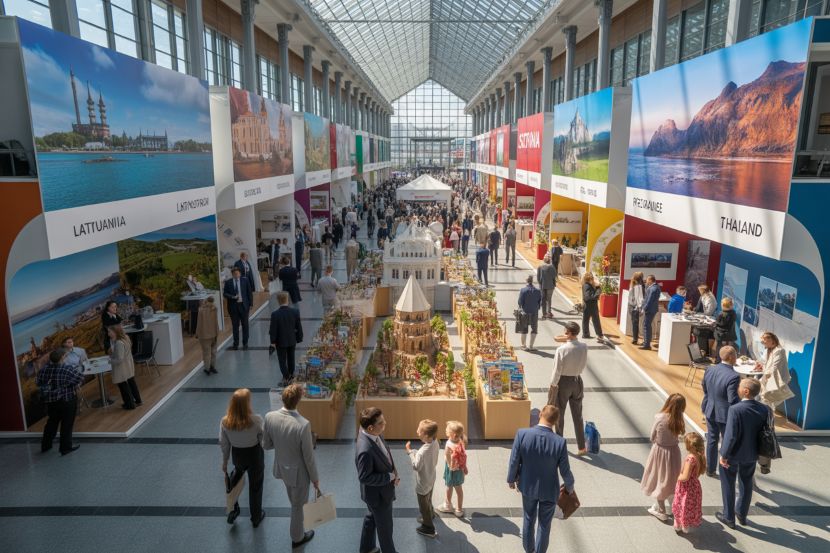
Riga, Latvia steps into the global spotlight as the tourist season officially begins with Balttour 2026 at the Kipsala International Exhibition Centre. For three high-energy days in early February, the Latvian capital becomes a meeting point for travellers, tour operators and dreamers planning their next escape. There is a familiar winter buzz in the air, mixed with excitement, as visitors walk across the Daugava River toward Kipsala, knowing they are about to explore the world under one roof. The event is recognised as the largest tourism exhibition in the Baltics and remains a key date in Europe’s travel calendar.

A Global Travel Marketplace Under One Roof

Balttour 2026 gathers hundreds of tourism companies from Europe, Asia and beyond. Destinations across the Baltics, the Nordics, Central Europe, South Asia and the Mediterranean present new routes, packages and experiences. National tourism representatives from Asia and Eastern Europe focus on culture-led travel, heritage routes and nature-based tourism. For long-haul travellers, South America and Southeast Asia introduce jungle adventures, mountain trails and island escapes. The exhibition’s scale allows tourists to compare destinations directly, while business visitors identify emerging markets and future partnerships in one efficient setting.

Latvia Takes Centre Stage for Curious Travellers

Latvia uses Balttour 2026 to showcase its own regional diversity. Tourism boards from Latgale, Zemgale, Vidzeme and Kurzeme highlight lakes, forests, castles and food traditions. Official tourism sources emphasise that these regions offer short, affordable trips from Riga, ideal for visitors extending their stay. Popular options include Gauja National Park near Sigulda, historic towns such as Kuldīga and coastal escapes close to the capital. This strong domestic focus helps international tourists see Latvia as more than a city break, but as a multi-day destination.

Spa, Wellness and Slow Travel Gain Momentum

Wellness tourism plays a major role at Balttour 2026. Hotels and spa resorts from the Baltics and Central Europe promote thermal waters, medical spas and slow-travel experiences. Latvia’s nearby spa town of Jūrmala remains a highlight, while Central European health resorts attract travellers seeking recovery and relaxation. Tourism authorities note that spa travel continues to grow among UK and European visitors looking for shorter, restorative breaks combined with culture and gastronomy.

Strong Impact on Business Travel and B2B Networks

Balttour 2026 is equally important for business travel. An international B2B contact exchange, organised with tourism institutions and airlines including airBaltic, strengthens Latvia’s position as a regional hub. Business travellers benefit from pre-scheduled meetings, destination briefings and market insights. Industry bodies stress that such events reduce travel costs for professionals while accelerating cross-border cooperation, especially for inbound tourism to the Baltics.

Essential Travel Information for International Visitors

Official government guidance confirms that Latvia is part of the Schengen Area. UK travellers can enter visa-free for short stays, provided passport validity rules are met. Riga is well connected through Riga International Airport, located around 10 kilometres from the city centre. Public transport and taxis provide easy access to Kipsala, which sits within walking distance of Riga’s UNESCO-listed Old Town. These practical advantages make Balttour 2026 accessible even for short weekend trips.

Step-by-Step Guide for Tourists Visiting Balttour 2026

  1. Book flights early due to high winter demand.
  2. Reserve accommodation near Riga Old Town or Kipsala.
  3. Purchase exhibition tickets online to save time.
  4. Plan regional day trips across Latvia after the fair.
  5. Use public transport or short taxi rides to reach Kipsala.

Key Points at a Glance

  • Largest tourism fair in the Baltics
  • Strong focus on global and regional travel
  • Major opportunities for business networking
  • Easy access for international tourists
  • Ideal starting point for exploring Latvia

A Warm Human Ending to a Winter Travel Story

As Balttour 2026 draws to a close, Riga quietly returns to its winter rhythm, but travellers leave with full notebooks, booked holidays and renewed curiosity. For many visitors, the exhibition is not just a fair but the first step of a real journey. Latvia’s calm confidence, practical accessibility and growing tourism vision ensure that this Baltic gathering continues to inspire both seasoned professionals and first-time explorers.

Disclaimer: The Attached Image in This Article is AI Generated

The post Riga, Latvia Explodes into Travel Fever as Balttour 2026 Opens Europe’s Most Powerful Tourism Marketplace appeared first on Travel And Tour World.

Republic Street: The Historic and Cultural Spine of Valletta

Republic Street: The Historic and Cultural Spine of Valletta
Republic Street

Where Valletta’s Past and Present Converge

Republic Street serves as the main artery of Valletta, Malta’s fortified capital, running from City Gate to Fort St. Elmo. Lined with historic buildings, cultural landmarks, shops, and cafés, the street offers a vivid portrait of Maltese life shaped by centuries of history. More than a commercial avenue, Republic Street represents the social, political, and cultural heartbeat of Valletta. Walking along its length provides visitors with an immersive journey through Malta’s layered past and vibrant present.

Historical Evolution of Republic Street

Republic Street was laid out in the late 16th century following the establishment of Valletta by the Knights of St. John after the Great Siege of Malta in 1565. Designed as part of a grid-based urban plan, the street originally functioned as the city’s principal route, connecting major administrative, religious, and military buildings.

Throughout the centuries, Republic Street has witnessed Malta’s transformation under the Knights of St. John, French occupation, British colonial rule, and eventual independence. The street was formerly known as Strada San Giorgio and later Kingsway during British rule before being renamed Republic Street following Malta’s transition to a republic. Each era left architectural and cultural imprints that remain visible along the street today.

Geographical Location and Urban Setting

Republic Street runs longitudinally through the center of Valletta, beginning at City Gate near the Triton Fountain and extending eastward toward Fort St. Elmo. Its strategic position makes it the most important pedestrian corridor in the city, intersecting with numerous side streets that descend toward the Grand Harbour and Marsamxett Harbour.

The street is flanked by historic limestone buildings, balconies, churches, palaces, and public institutions. Its elevated position allows for views of Valletta’s dramatic slopes and surrounding harbors, reinforcing its role as both a functional and scenic urban space.

Importance of Republic Street in Global Tourism

Republic Street plays a vital role in Malta’s global tourism appeal by offering visitors a concentrated experience of Valletta’s heritage within a walkable setting. It acts as a gateway to many of the city’s most significant attractions, including St. John’s Co-Cathedral, the Grandmaster’s Palace, and the National Museum of Archaeology.

For international tourists, Republic Street represents an accessible introduction to Maltese culture, combining history, shopping, dining, and public life. Its pedestrian-friendly nature and abundance of landmarks make it an essential component of Valletta’s reputation as a cultural capital and UNESCO World Heritage Site.

Architectural Character and Notable Landmarks

Republic Street is distinguished by its architectural diversity, reflecting different historical periods and styles.

Religious and Civic Buildings

Prominent churches, including St. John’s Co-Cathedral, punctuate the street with monumental facades and ornate interiors. Civic buildings such as the Grandmaster’s Palace highlight Valletta’s political and administrative legacy.

Traditional Maltese Architecture

Many buildings along Republic Street feature traditional Maltese wooden balconies, carved stone details, and symmetrical facades. These architectural elements contribute to the street’s visual harmony and historic charm.

Commercial and Cultural Spaces

Shops, cafés, bookstores, and galleries occupy ground floors, creating an active street-level environment. This blend of heritage and commerce reflects Valletta’s ongoing evolution as a living city rather than a static historic site.

How to Reach Republic Street

By Air

Malta International Airport is approximately 8 kilometers from Valletta. Visitors can reach the capital by taxi, shuttle, or public bus in around 20 to 30 minutes.

By Public Transportation

Valletta serves as Malta’s main public transport hub. The central bus terminal at City Gate provides direct access to Republic Street, making it convenient for visitors arriving from any part of the island.

On Foot

Republic Street is fully pedestrianized and easily accessible on foot once inside Valletta. Its linear layout allows visitors to explore the street comfortably while discovering nearby attractions along the way.

Who Can Visit Republic Street

Cultural Explorers

Visitors interested in history, architecture, and urban heritage will find Republic Street rich in visual and cultural detail.

Shoppers and Leisure Travelers

The street offers a mix of international brands, local boutiques, and souvenir shops, appealing to casual visitors and dedicated shoppers alike.

Families and Groups

Wide walkways, public squares, and nearby cafés make Republic Street suitable for families and group travelers.

Business and Academic Visitors

Due to its proximity to government buildings, museums, and institutions, the street is frequently visited by professionals, researchers, and students.

Best Time to Visit Republic Street

Seasonal Considerations

The most pleasant times to visit are during spring (March to May) and autumn (September to November), when temperatures are mild and walking conditions are comfortable.

Time of Day

Morning visits provide a quieter atmosphere, while afternoons and early evenings bring increased activity as shops, cafés, and cultural venues come alive.

Events and Festivals

Republic Street often hosts national celebrations, cultural festivals, and public events. Visiting during these occasions offers insight into Malta’s contemporary social life.

The Everyday Life of Valletta

Republic Street is not only a tourist attraction but also a space where daily life unfolds. Locals commute, shop, meet friends, and attend events along the street, creating a dynamic environment that blends routine with history. This authenticity enhances the visitor experience, allowing travelers to observe Valletta as a living city shaped by tradition and modernity.

Preservation and Urban Renewal

Efforts to preserve Republic Street focus on maintaining its historic character while supporting modern urban needs. Restoration projects, pedestrianization initiatives, and cultural programming have helped sustain the street’s relevance while protecting its architectural integrity.

A Walk Through Malta’s Living History

Republic Street encapsulates the essence of Valletta, offering a seamless blend of historical depth, cultural vitality, and everyday urban life. Its role as the city’s main thoroughfare makes it an indispensable part of any visit to Malta’s capital. For travelers seeking to understand Valletta beyond individual landmarks, Republic Street provides a continuous narrative of the city’s past, present, and evolving identity.

The post Republic Street: The Historic and Cultural Spine of Valletta appeared first on Travel And Tour World.

Lower Barrakka Gardens and the Timeless Beauty of Valletta’s Waterfront

Lower Barrakka Gardens and the Timeless Beauty of Valletta’s Waterfront
Lower Barrakka Gardens

A Tranquil Viewpoint Above Malta’s Historic Harbour

Lower Barrakka Gardens is one of Valletta’s most refined open spaces, offering visitors a peaceful retreat overlooking the majestic Grand Harbour. Located just below the Upper Barrakka Gardens, this scenic garden blends history, architecture, and panoramic views into a compact yet meaningful experience. Known for its classical monuments, shaded pathways, and uninterrupted waterfront scenery, Lower Barrakka Gardens holds a distinctive place among Malta’s most cherished public spaces.

Unlike larger parks, its intimate scale allows visitors to absorb the surrounding history quietly, making it a favored stop for those exploring Valletta’s cultural and maritime heritage.

Historical Background of Lower Barrakka Gardens

The origins of Lower Barrakka Gardens date back to the 16th century, shortly after the founding of Valletta by the Order of St. John. Valletta itself was established following the Great Siege of 1565, and its defensive architecture shaped much of the city’s layout. The area where Lower Barrakka Gardens now stands was initially part of the city’s bastion system, designed to protect the Grand Harbour from naval attacks.

During the British period in Malta, the space was landscaped into a public garden. The British introduced ornamental features and monuments that transformed the fortified terrace into a recreational area. One of the garden’s most prominent landmarks is the neoclassical monument dedicated to Sir Alexander Ball, the first British Civil Commissioner of Malta. This monument reflects the island’s layered colonial past and its strategic importance within the Mediterranean.

Over time, Lower Barrakka Gardens evolved into a symbol of Valletta’s transition from a military stronghold to a living cultural capital, preserving its historical identity while welcoming visitors from around the world.

Geographical Location Within Malta

Lower Barrakka Gardens is situated in Valletta, Malta’s capital city, on the eastern side of the peninsula overlooking the Grand Harbour. The gardens are positioned near St. Elmo Bastions, providing direct views toward the Three Cities—Vittoriosa, Senglea, and Cospicua.

Valletta itself occupies a narrow ridge between Marsamxett Harbour and Grand Harbour, making viewpoints like Lower Barrakka Gardens especially valuable. From this elevated terrace, visitors can observe maritime activity, historic fortifications, and ferry routes that continue to connect Malta’s past with its present.

The gardens’ proximity to Valletta’s city center makes them easily accessible while still feeling secluded from the nearby busier streets.

Importance of Lower Barrakka Gardens in Global Tourism

Lower Barrakka Gardens plays a significant role in Malta’s global tourism appeal by offering a combination of scenic beauty, historical depth, and accessibility. As Malta continues to attract cultural tourists, cruise passengers, and independent travelers, locations like this provide an authentic yet relaxed experience.

The gardens serve as a visual gateway to the Grand Harbour, one of the most historically important ports in Europe. For international visitors, this viewpoint contextualizes Malta’s maritime legacy, which spans Phoenician, Roman, medieval, and modern eras.

Additionally, Lower Barrakka Gardens contributes to sustainable tourism by promoting slow travel. Visitors are encouraged to pause, observe, and engage with their surroundings rather than rush between attractions. This aligns with global tourism trends favoring meaningful and environmentally conscious travel experiences.

Architectural and Natural Features

Lower Barrakka Gardens is characterized by its elegant simplicity. Stone balustrades line the edge of the terrace, framing uninterrupted views of the harbor below. Mature trees provide natural shade, while well-maintained benches invite visitors to rest and reflect.

The central monument to Sir Alexander Ball stands as a focal point, designed in classical style with columns and sculptural elements. Surrounding pathways are paved with traditional Maltese stone, blending seamlessly with Valletta’s architectural character.

Unlike more elaborate gardens, Lower Barrakka Gardens emphasizes harmony between natural elements and historical structures, creating a balanced atmosphere suitable for photography, contemplation, and casual strolls.

How to Reach Lower Barrakka Gardens

Lower Barrakka Gardens is easily accessible through multiple transportation options, making it convenient for both local and international travelers.

Reaching Valletta by Air

Malta International Airport is located approximately 8 kilometers from Valletta. From the airport, travelers can reach the capital via taxi, airport shuttle services, or public buses.

Public Transportation

Malta’s bus network connects Valletta with all major towns and tourist areas. Valletta Bus Terminus serves as the main hub, from which Lower Barrakka Gardens is a short walk.

By Ferry

Ferries from Sliema and the Three Cities arrive at Valletta’s waterfront. From the ferry terminal, visitors can use the Barrakka Lift, which provides direct access to Upper Barrakka Gardens, followed by a short walk to the lower gardens.

Walking Access

For those exploring Valletta on foot, Lower Barrakka Gardens can be reached through streets near St. Elmo Bastions. Signage within the city helps guide visitors to the site.

Who Can Visit Lower Barrakka Gardens

Lower Barrakka Gardens is open to the general public and suitable for a wide range of visitors.

Solo Travelers

The calm atmosphere and central location make it ideal for solo travelers seeking scenic viewpoints and quiet reflection.

Families

Families with children can enjoy the open space and safe pathways, though supervision is advised due to elevated viewpoints.

Seniors

Benches, shaded areas, and gentle walking paths make the gardens accessible for older visitors.

Cruise Passengers

Given its proximity to the Grand Harbour, Lower Barrakka Gardens is a popular stop for cruise tourists with limited time in Valletta.

Photographers and History Enthusiasts

The garden’s views, monuments, and historical context attract photographers and those interested in military and colonial history.

Best Time to Visit Lower Barrakka Gardens

The gardens can be visited year-round, but timing can significantly enhance the experience.

Seasonal Considerations

Spring (March to May) and autumn (September to November) are considered the best seasons, offering mild temperatures and fewer crowds. Summer months can be hot, especially during midday, while winter remains pleasant with occasional rain.

Time of Day

Early morning and late afternoon are ideal for visiting. During these times, the lighting highlights the harbor’s features, and the atmosphere is quieter. Sunset offers particularly striking views as the harbor reflects warm hues across the water.

Role in Valletta’s Cultural Landscape

Lower Barrakka Gardens complements Valletta’s UNESCO World Heritage status by preserving a space that reflects the city’s historical layers. While museums and churches showcase Malta’s artistic and religious heritage, the gardens offer an open-air narrative of military strategy, colonial administration, and maritime dominance.

Events, commemorations, and casual gatherings occasionally take place here, reinforcing its role as a living public space rather than a static monument.

Practical Visitor Information

The gardens are free to enter and typically open during daylight hours. Visitors are encouraged to respect the site by maintaining cleanliness and observing safety guidelines near the balustrades.

Comfortable walking shoes, sun protection, and water are recommended, especially during warmer months.

A Lasting Impression of Valletta’s Waterfront

Lower Barrakka Gardens encapsulate the essence of Valletta in a single viewpoint. From its historical foundations to its panoramic harbor views, the garden offers a refined experience that balances cultural depth with natural beauty. It stands as a reminder that some of the most memorable travel moments come not from grand attractions, but from quiet places that invite reflection and appreciation.

For travelers seeking to understand Malta beyond its beaches and nightlife, Lower Barrakka Gardens provides a meaningful connection to the island’s past, present, and enduring maritime spirit.

The post Lower Barrakka Gardens and the Timeless Beauty of Valletta’s Waterfront appeared first on Travel And Tour World.

St. John’s Co-Cathedral: A Baroque Masterpiece in the Heart of Valletta

St. John’s Co-Cathedral: A Baroque Masterpiece in the Heart of Valletta
St. John’s Co-Cathedral

An Architectural Jewel of Malta’s Historic Capital

St. John’s Co-Cathedral stands as one of Europe’s most remarkable religious and artistic landmarks, located in the fortified city of Valletta, Malta. Renowned for its unassuming exterior that conceals an extraordinarily ornate interior, the cathedral represents the height of Baroque artistry in the Mediterranean. It is not only a place of worship but also a monument to Malta’s complex history, the legacy of the Knights of St. John, and the island’s enduring cultural identity. For visitors, St. John’s Co-Cathedral offers a profound encounter with art, history, and spiritual heritage within a single architectural space.

Historical Origins of St. John’s Co-Cathedral

St. John’s Co-Cathedral was constructed between 1573 and 1578 during the rule of the Order of the Knights of St. John, also known as the Knights Hospitaller. The cathedral was commissioned shortly after the Great Siege of Malta in 1565, a defining event in which the knights successfully defended the island against Ottoman forces. Its construction symbolized both gratitude for survival and the establishment of Valletta as Malta’s new capital.

Designed by Maltese architect Girolamo Cassar, the cathedral originally reflected the restrained Mannerist style favored by the order. However, during the 17th century, the interior was lavishly transformed in Baroque fashion under the direction of Italian artist Mattia Preti. This transformation reflected the knights’ wealth, devotion, and desire to project power through art and architecture. In 1816, the church was elevated to co-cathedral status, sharing its seat with St. Paul’s Cathedral in Mdina, hence the name St. John’s Co-Cathedral.

Geographical Location and Urban Context

St. John’s Co-Cathedral is located in the heart of Valletta, Malta’s capital city and a UNESCO World Heritage Site. Valletta occupies a peninsula between two natural harbors, Grand Harbour and Marsamxett Harbour, making it one of the most strategically planned cities in Europe.

The cathedral sits along Republic Street, Valletta’s main thoroughfare, surrounded by historic buildings, museums, and civic institutions. Its central position makes it easily accessible on foot from any part of the city and places it within a dense concentration of cultural attractions. The urban setting enhances the cathedral’s prominence, allowing it to function as both a spiritual center and a focal point of Valletta’s architectural landscape.

Importance of St. John’s Co-Cathedral in Global Tourism

St. John’s Co-Cathedral holds exceptional importance in global tourism due to its artistic, historical, and religious significance. It houses one of the world’s greatest collections of Baroque art, including masterpieces by Caravaggio, whose works attract art historians and enthusiasts from around the globe.

As one of Malta’s most visited landmarks, the cathedral plays a central role in the country’s cultural tourism sector. It contributes to Malta’s reputation as a destination rich in heritage and artistic excellence, particularly within the European and Mediterranean travel markets. International visitors often regard St. John’s Co-Cathedral as a highlight of their Maltese experience, making it a cornerstone of Valletta’s tourism economy.

Architectural Design and Interior Splendor

While the exterior of St. John’s Co-Cathedral appears modest and fortress-like, its interior reveals extraordinary opulence.

Baroque Interior Decoration

The cathedral’s interior is adorned with intricate marble floors composed of tombstones belonging to knights of the order. Gilded walls, sculpted reliefs, and elaborate frescoes create a visual narrative of faith, power, and artistry. Mattia Preti’s ceiling paintings depict scenes from the life of St. John the Baptist, transforming the nave into a unified Baroque masterpiece.

Chapels of the Knights

Each side chapel represents a different language, or regional division, of the Knights of St. John. These chapels are richly decorated with artworks, altarpieces, and monuments that reflect the cultural identity and patronage of each group. Together, they form a unique artistic ensemble rarely matched in European ecclesiastical architecture.

Artistic Treasures and Cultural Significance

Among the cathedral’s most celebrated works is Caravaggio’s The Beheading of Saint John the Baptist, considered one of the artist’s greatest achievements and the only painting he ever signed. The cathedral also houses Saint Jerome Writing, another important work by Caravaggio.

These paintings, combined with sculptures, silver artifacts, and liturgical objects, elevate St. John’s Co-Cathedral beyond its religious function. It serves as a museum of Baroque art and a testament to Malta’s role as a cultural crossroads between Europe and the Mediterranean world.

How to Reach St. John’s Co-Cathedral

Reaching St. John’s Co-Cathedral is straightforward due to Valletta’s compact layout and transportation links.

By Air

Malta International Airport is approximately 8 kilometers from Valletta. From the airport, visitors can reach the city by taxi, shuttle service, or public bus within 20 to 30 minutes.

By Public Transportation

Valletta is Malta’s main public transport hub, with frequent bus connections from all parts of the island. The central bus terminal is located just outside the city gates, a short walk from the cathedral.

On Foot

Once inside Valletta, most attractions, including St. John’s Co-Cathedral, are easily accessible on foot. The pedestrian-friendly streets allow visitors to explore the city at a relaxed pace.

Who Can Visit St. John’s Co-Cathedral

St. John’s Co-Cathedral welcomes a wide range of visitors.

Cultural and Art Enthusiasts

Those interested in art history, Baroque architecture, and European heritage will find the cathedral particularly rewarding.

Religious and Spiritual Visitors

As an active place of worship, the cathedral attracts pilgrims and visitors seeking a spiritual experience within a historic setting.

Educational Groups

Students, researchers, and academic groups frequently visit the cathedral for its historical and artistic value.

General Tourists

Even travelers with limited prior knowledge of art or history can appreciate the cathedral’s visual richness and cultural importance.

Best Time to Visit for Tourists

Timing plays an important role in enhancing the visitor experience.

Seasonal Considerations

The best time to visit Malta, including St. John’s Co-Cathedral, is during spring (March to May) and autumn (September to November). These seasons offer mild weather and fewer crowds compared to peak summer months.

Time of Day

Morning visits are recommended for a quieter experience and better lighting conditions inside the cathedral. Early hours allow visitors to explore the interior details with greater comfort.

Special Occasions

Religious feasts and national events may include special services or ceremonies, offering insight into the cathedral’s living traditions.

Preservation and Modern Role

St. John’s Co-Cathedral continues to play an active role in Malta’s cultural life. Ongoing conservation efforts ensure the preservation of its artworks and architectural features for future generations. The cathedral also hosts concerts, exhibitions, and educational programs, reinforcing its relevance in contemporary Maltese society.

A Timeless Legacy of Faith and Art

St. John’s Co-Cathedral stands as a powerful reminder of Malta’s historical resilience, artistic achievement, and spiritual depth. Its harmonious blend of architecture, art, and history offers visitors an experience that transcends sightseeing, inviting reflection and admiration. As Valletta continues to welcome travelers from around the world, St. John’s Co-Cathedral remains one of its most enduring and meaningful landmarks.

The post St. John’s Co-Cathedral: A Baroque Masterpiece in the Heart of Valletta appeared first on Travel And Tour World.

Traveling with Your Dog in 2026? These Five European Cities Are Perfect for Pet Owners

Traveling with Your Dog in 2026? These Five European Cities Are Perfect for Pet Owners
Discover Europe's top 5 dog-friendly cities for where your furry friend can join you for cultural explorations local experiences outdoor adventures.

Traveling with your dog is an unforgettable experience, and some of Europe’s most iconic cities offer pet-friendly spaces, eateries, and parks where your four-legged companion can join in the fun. In fact, some European cities go the extra mile to ensure pets are treated like family. From walking along canals in Amsterdam to lounging in parks in Zurich, these cities roll out the welcome mat for dogs of all sizes. If you’re considering a trip with your pet, these five dog-friendly destinations in Europe should be at the top of your list for 2026.

1. Rome, Italy: A Pawsitively Historic Getaway for Dogs

Why Rome is Perfect for Your Dog

Rome is not just known for its ancient ruins and incredible history; it’s also one of the most dog-friendly cities in Europe. Italians are known for their love of pets, and in Rome, dogs are welcome in many places where their owners go. Whether you’re sitting in a café enjoying an espresso or exploring a historic monument, your furry friend is likely to be by your side. Visitors to Rome can also take their dogs on public transportation, provided they are kept on a leash or in a carrier.

In addition to being welcomed at many cafes and restaurants, Rome boasts a number of dog parks like the Villa Borghese Gardens, where dogs can roam freely. If you’re visiting in summer, be sure to check out Bau Beach, where dogs can enjoy the sea and sand near Fiumicino Airport. The city’s relaxed attitude towards pets makes it a great destination for dog owners who want to experience the beauty of Rome without leaving their furry friends behind.

2. Amsterdam, Netherlands: A City of Canals and Dog-Friendly Cruises

Why Amsterdam is a Dog’s Dream Destination

Amsterdam is known for its scenic canals, and what better way to experience them than with your dog? Amsterdam is one of the most pet-friendly cities in Europe, offering ample space for dogs to run, play, and explore. Vondelpark, the city’s most famous park, is a hub for dog lovers, where pets can roam off-leash in designated areas. There are also many canal-side cafes that cater to pet owners, offering plenty of outdoor seating where dogs are always welcome.

For those who want a unique experience, there are pet-friendly boat tours available through companies like Amsterdam Boat Trips, where dogs are allowed on board as long as they’re comfortable sitting between your legs. This allows you to experience the city from the water while enjoying the company of your pet. Additionally, small dogs can ride the city’s public transport for free, and larger dogs need a special ticket.

3. Zurich, Switzerland: A Clean, Green, and Dog-Friendly City

Why Zurich Is Ideal for Outdoor Adventures with Dogs

Zurich is a stunning city known for its clean air, green spaces, and outdoor activities — all of which make it a paradise for dog owners. In Zurich, dogs are welcomed in restaurants, cafés, and even on public transport. Small pets can ride for free on trams and trains, and larger dogs can travel at a reduced fare. The public transportation system in Zurich is highly efficient, making it easy for dog owners to explore the city with their pets.

Dogs are allowed to run off-leash in several areas of Zurich, including Grunewaldsee, a swimming lake, and Allmend Brunau, a large park perfect for walks and play. For those interested in hiking, Zurich’s proximity to the Swiss Alps means there are numerous hiking trails that welcome dogs, allowing you to explore nature together. While Zurich has strict leash laws during certain months to protect wildlife, the city is still a dream for dog lovers.

4. Berlin, Germany: A Dog-Friendly Paradise with Plenty to Explore

Why Berlin is the Ultimate Dog-Friendly City

Berlin, with its vibrant mix of history, art, and parks, is one of the most dog-friendly cities in Europe. Dogs are allowed in most public spaces, including cafes, bars, and even some museums. Visitors can take their pets on public transport, where they must be leashed or in a carrier, and larger dogs can travel with a reduced fare ticket. Whether you’re strolling along the Spree River or enjoying the iconic Brandenburg Gate, Berlin offers an abundance of dog-friendly spaces.

For off-leash activities, Berlin has designated dog areas within its famous Grunewald Forest and Tempelhofer Feld, a former airport turned public park. These spaces are perfect for allowing your dog to run free and socialize with other pets. Additionally, dog-friendly hotels like The Hoxton and Orania.Berlin offer special services for pets, ensuring your stay is as comfortable as possible.

5. Bruges, Belgium: A Fairy-Tale City Where Dogs Are Always Welcome

Why Bruges is Perfect for Pet Travelers

The medieval charm of Bruges makes it a perfect destination for dog lovers who enjoy leisurely walks and historical sites. Known as the “Venice of the North,” Bruges is a small, walkable city with canals, cobbled streets, and picturesque squares. Dogs are welcome in most restaurants, cafés, and shops, allowing you to explore the city with your furry companion. Bruges also offers public transport options for dogs, where they can travel for free if leashed.

For outdoor fun, Bruges has Hondenweide Ryckevelde, a large dog meadow about 15 minutes outside the city center, where your dog can run and swim freely in a safe, enclosed space. Bruges is also home to the famous Fidel, a Labrador who became a local icon for lounging by the canals, and serves as a reminder of the city’s dog-friendly nature. For pet owners who appreciate a relaxing break, Bruges provides the ideal mix of culture, history, and leisure.

Conclusion: Europe’s Dog-Friendly Cities Are Waiting for You and Your Pet

Traveling with your dog doesn’t have to be a hassle. Europe’s most dog-friendly cities, including Rome, Amsterdam, Zurich, Berlin, and Bruges, offer everything a pet owner could want — from off-leash parks and dog-friendly cafes to pet-friendly transport and accommodations. Whether you’re taking in the sights along the canals in Amsterdam or strolling through historic streets in Bruges, you and your dog can enjoy a vacation that feels as comfortable as being at home.

So, if you’re looking for a pet-friendly travel destination, these cities should definitely be on your list. Not only will your dog be welcomed, but you’ll also experience some of the most beautiful and unique destinations in Europe. Pack your bags, bring your furry companion, and start planning a getaway that you’ll both remember for years to come.

The post Traveling with Your Dog in 2026? These Five European Cities Are Perfect for Pet Owners appeared first on Travel And Tour World.

Coxwold, Yorkshire: What Makes Coxwold One of England’s Most Beautiful Villages? Explore This Peaceful Retreat in the Heart of Yorkshire in 2026

Coxwold, Yorkshire: What Makes Coxwold One of England’s Most Beautiful Villages? Explore This Peaceful Retreat in the Heart of Yorkshire in 2026
Coxwold, Yorkshire

Nestled in the heart of North Yorkshire, just 40 minutes from Teesside, Coxwold has earned the title of the “most beautiful village in England.” This charming destination, enveloped by the picturesque North York Moors, is an idyllic retreat for nature lovers, history enthusiasts, and those seeking a peaceful escape. The village’s honey-stone cottages, 15th-century hilltop church, and scenic walking routes make it a must-visit for anyone seeking an authentic slice of Yorkshire life.

A Picture-Perfect Village Steeped in History

Coxwold’s timeless beauty lies in its idyllic surroundings and well-preserved historical architecture. Located 20 miles from the historic city of York, the village offers an unforgettable experience, featuring a mix of rolling hills, lush moorland, and quaint cobblestone streets. Visitors are drawn to Coxwold for its tranquil setting, which has long been a haven for walkers, cyclists, and those looking to immerse themselves in nature.

At the heart of Coxwold stands St. Michael’s Church, an impressive 15th-century structure perched atop a hill. Visitors are rewarded with panoramic views of the village and the surrounding countryside upon reaching the summit. The church, with its striking architecture and serene atmosphere, offers a sense of history that transports visitors back to the 1400s.

Exploring the Great Outdoors: Walks and Scenic Views

One of Coxwold’s main attractions is its stunning walks through the North York Moors. The surrounding natural beauty provides ample opportunities for exploration. The Beacon Banks to Husthwaite route is a popular walk for travelers of all levels, featuring beautiful views and an easy path that offers a relaxing journey through countryside and farmland.

The walk covers a distance of just over five miles and typically takes around three and a half hours to complete. Travelers can begin their stroll by parking on the main street, heading past the church, and following the footpath to Beacon Banks. Along the way, hikers are treated to stunning views of the surrounding farmland and woodlands. As the route winds through the countryside, visitors can pause at local pubs in both Coxwold and Husthwaite, making the walk an ideal way to explore the area at a leisurely pace.

The Fauconberg: A Quintessential Yorkshire Pub

After a day of exploration, many visitors head to The Fauconberg, Coxwold’s beloved pub, where travelers can enjoy hearty, wholesome food in a traditional setting. The inn has long served as a gathering spot for both locals and visitors, offering a warm, welcoming atmosphere. With its log fires, wooden beams, and flagstone floors, The Fauconberg is a perfect place to relax and soak in the Yorkshire charm.

A recent visitor shared their positive experience, praising the delicious Sunday lunch and the friendly service. The Fauconberg’s reputation for both excellent food and genuine hospitality makes it a must-visit for anyone exploring the village.

Byland Abbey: A Glimpse into Medieval England

Just a short distance from Coxwold lies the magnificent Byland Abbey, one of England’s most important medieval sites. Once home to a thriving Cistercian monastery, the ruins of Byland Abbey stand as a testament to medieval architecture and monastic life. Built in the 12th century, the abbey features stunning Gothic structures and remarkable floor tiles, offering visitors a unique look into the past.

Today, the site also features a museum, showcasing artifacts discovered on the premises, as well as beautiful illustrations that provide further insights into monastic life before the abbey’s decline. Visitors can explore the ruins at their leisure, with free parking available nearby.

Why Visit Coxwold? Tips for Tourists in 2026

Coxwold offers visitors the perfect blend of natural beauty, historical charm, and Yorkshire hospitality. Whether you are an avid hiker, a history buff, or simply someone in search of a relaxing getaway, Coxwold promises a peaceful retreat. Here are some quick tips for travelers planning a visit in 2026:

  • Best Time to Visit: The best months to visit are from April to June and September to October when the weather is mild and ideal for outdoor activities.
  • Walks and Cycling: Coxwold is ideal for leisurely walks and cycling trips. Consider the Beacon Banks to Husthwaite route for a relaxed hike with breathtaking views.
  • Accommodation and Dining: Stay at The Fauconberg for an authentic Yorkshire pub experience with cozy rooms and delicious, home-cooked meals.
  • Accessibility: Coxwold is easily accessible from Teesside and York. Travelers can use local public transport or rent a car to explore the surrounding area.
  • Nearby Attractions: Don’t miss Byland Abbey for a taste of medieval England, along with other historical landmarks in the area.

Conclusion: A Timeless Yorkshire Treasure

Coxwold’s blend of natural beauty, rich history, and Yorkshire hospitality makes it a must-visit destination for travelers seeking peace and tranquility. Whether you’re walking through the North York Moors, enjoying a hearty meal at The Fauconberg, or exploring the stunning ruins of Byland Abbey, Coxwold offers something for everyone. Its status as one of the most beautiful villages in England in 2026 is well deserved, and it remains one of Yorkshire’s hidden gems for those looking to escape the hustle and bustle of everyday life.

Disclaimer: The Attached Image in This Article is AI Generated

The post Coxwold, Yorkshire: What Makes Coxwold One of England’s Most Beautiful Villages? Explore This Peaceful Retreat in the Heart of Yorkshire in 2026 appeared first on Travel And Tour World.

Salzburg, Austria: Explore the Hidden Gem of Europe Known for Its Safety, Charm, and Rich Culture

Salzburg, Austria: Explore the Hidden Gem of Europe Known for Its Safety, Charm, and Rich Culture
Salzburg, Austria

When it comes to safety, few destinations in Europe can rival Salzburg, Austria, which has recently been named the safest city on the continent. Known for its stunning Alpine setting, rich history, and beautiful architecture, Salzburg offers travelers not just an enriching cultural experience but also peace of mind. With low crime levels and a high sense of security, it’s no wonder Salzburg has become one of the top destinations for both tourists and expatriates.

The city, famous for being the birthplace of composer Wolfgang Amadeus Mozart, attracts visitors year-round with its iconic Old Town (Altstadt), majestic mountains, and vibrant arts scene. But what truly sets Salzburg apart is its remarkable safety, with Reassured’s recent report revealing that 90% of locals feel secure walking alone at night. This remarkable statistic highlights the city’s reputation for being not only a historical gem but also one of the most secure places in Europe to visit.

Salzburg’s Safety and Charm: A Tourist’s Dream

Salzburg is an ideal destination for those looking to explore a charming, walkable city with an abundance of historic attractions. The Old Town, a UNESCO World Heritage site, is compact and easy to navigate on foot, making it perfect for tourists who want to experience the best of the city without feeling rushed or overwhelmed.

From the Hohensalzburg Fortress perched atop the hill to the Mozart Museum that honors the composer’s legacy, visitors can easily access many of the city’s cultural landmarks. Many travelers, including some seasoned tourists, have commented on how Salzburg’s relaxed pace adds to its charm. The fact that the city feels safe without compromising on its beauty makes it a highly attractive choice for families, solo travelers, and even expats looking for a peaceful base in Europe.

Why Salzburg Is the Ideal Destination for Expats

Apart from its natural beauty and cultural riches, Salzburg has garnered recognition for being an excellent place for expatriates to settle, especially for families. According to Reassured, its low crime rates and welcoming atmosphere make it a great place to live. In addition, the presence of international schools, a thriving expat community, and strong infrastructure further solidify Salzburg as a preferred destination for those looking to relocate.

As a hub for arts, music, and culture, Salzburg offers expatriates the perfect blend of a laid-back lifestyle with access to world-class amenities and job opportunities. The presence of both local and international companies, combined with the city’s family-friendly environment, makes it an appealing location for those seeking a better quality of life in a secure environment.

Safety Comparisons with Other European Cities

In terms of safety, Salzburg leads the way in Europe, with other destinations such as Zug in Switzerland and Leiden in the Netherlands trailing closely behind. Both of these cities also boast remarkably low crime rates, contributing to their overall high ranking on safety lists. However, Salzburg stands out not just for its safety but for the fact that it combines historical allure with modern living, something that the other top-ranked cities might lack in terms of sheer charm.

Notably, Vienna, Prague, and Rome are also highly rated for their safety but come with their own unique challenges—larger populations, higher tourist traffic, and busy city centers. In comparison, Salzburg’s more relaxed atmosphere allows for a more immersive, less crowded experience while still offering the benefits of a vibrant city.

A Blend of Culture, Nature, and Peace

One of the most striking things about Salzburg is how it seamlessly combines cultural experiences with natural beauty. The surrounding Alpine mountains and river views add an outdoor dimension to the city experience, offering everything from hiking and skiing to relaxing riverside walks. Visitors can enjoy panoramic views from Untersberg Mountain or explore the Mirabell Gardens in the heart of the city.

Moreover, Salzburg is an incredibly family-friendly destination. Whether it’s exploring Hohensalzburg Fortress, enjoying concerts in the open air, or taking boat rides along the Salzach River, there’s no shortage of activities for families. The safety and accessibility of the city make it a wonderful place for children to explore freely.

Quick Tips for Visiting Salzburg:

  1. Explore on Foot: Salzburg’s Old Town is compact and easily walkable, making it easy to explore its historical landmarks at your own pace.
  2. Visit During Festivals: If you’re planning a visit, consider attending the Salzburg Festival in the summer or the Christmas Markets, both offering unforgettable experiences of music, culture, and local traditions.
  3. Use Public Transport: Salzburg offers excellent public transport, so you can easily explore beyond the city limits. The public transport system is both efficient and safe.
  4. Enjoy the Outdoors: Don’t miss out on the hiking or skiing opportunities in the surrounding mountains, especially during the winter months.
  5. Indulge in Local Cuisine: Treat yourself to local delicacies such as Schnitzel and Sachertorte, or enjoy dining in the traditional Austrian taverns, known as Gasthaus.

Conclusion: Salzburg, the Safest and Most Rewarding City in Europe

Salzburg stands out not only for its extraordinary safety but also for its unique blend of history, culture, and natural beauty. It offers an exceptional experience for tourists and a peaceful living environment for expatriates. From its charming cobbled streets to its Alpine landscapes, Salzburg provides something for everyone—whether you’re a history lover, nature enthusiast, or simply seeking a safe and welcoming city to explore. For those looking for a rewarding European destination, Salzburg is undoubtedly a must-visit.

Disclaimer: The Attached Image in This Article is AI Generated

The post Salzburg, Austria: Explore the Hidden Gem of Europe Known for Its Safety, Charm, and Rich Culture appeared first on Travel And Tour World.
❌