
Reading view

France Joins UK, Italy, Qatar, Thailand, UAE, India, And Other Influential Nations To Revolutionize Germany’s Tourism Industry, Propelling VisitBerlin’s Groundbreaking 2026 Campaign To Unprecedented Heights And Growth

France Joins UK, Italy, Qatar, Thailand, UAE, India, And Other Influential Nations To Revolutionize Germany’s Tourism Industry, Propelling VisitBerlin’s Groundbreaking 2026 Campaign To Unprecedented Heights And Growth
France Joins UK, Italy, Qatar, Thailand, UAE, India, And Other Influential Nations,
Germany’s Tourism,

France Joins the UK, Italy, Qatar, Thailand, UAE, India, and More Countries in Driving Unprecedented Growth in Germany’s Tourism Revenue Through VisitBerlin’s Innovative 2026 Campaigns. This remarkable surge is propelled by Germany’s bold initiatives, strategically targeting both established and emerging markets. By emphasizing its dynamic cities, world-class culinary experiences, and a strong focus on wellness, Germany is poised to attract travelers from around the globe, particularly younger generations from the GCC and Southeast Asia. With robust partnerships and curated, immersive travel experiences, VisitBerlin’s 2026 campaign is set to reshape the tourism landscape, reinforcing Germany’s position as a premier destination for international visitors.

As the world shifts towards a new era of travel, the German National Tourist Office (GNTO) and visitBerlin are positioning Germany at the forefront of global tourism for 2026. This dynamic duo is not only focusing on attracting visitors from traditional markets but is also making a major push in emerging regions. With a strong emphasis on modern city life, culinary experiences, and wellness tourism, Germany is ready to welcome tourists from across the globe. Key regions like the GCC (Gulf Cooperation Council) countries, Southeast Asia, and Europe are expected to lead the charge, creating a multifaceted strategy that will elevate Germany’s tourism sector to new heights.

The global tourism landscape is evolving, and Germany is perfectly poised to take advantage of this shift. With major events, innovative marketing campaigns, and cultural experiences, the country aims to attract a diverse array of travelers, especially younger visitors from Gen Z, who are increasingly seeking purpose-driven and immersive experiences.

Global Tourism Powerhouses Fueling Germany’s 2026 Growth

Germany’s tourism sector is gearing up for a massive boost, with France, UK, Italy, Qatar, Thailand, UAE, India, and other international markets playing a pivotal role. This collective effort, led by VisitBerlin’s robust initiatives, has created a unified front aimed at driving Germany’s tourism revenue through targeted campaigns and strategic partnerships.

Countries involved in accelerating Germany’s tourism growth include:

  • France – Key European market with strong cultural and gastronomic ties to Germany.
  • United Kingdom – Long-standing tourism partner with significant outbound travel to Germany.
  • Italy – Italy’s affinity for German culture, fashion, and heritage will bring in more tourists.
  • Qatar – Strong ties with the GCC and increasing demand for luxury travel experiences.
  • Thailand – A growing interest in sustainable tourism and cultural exchanges with Germany.
  • UAE – Business and leisure travelers from the UAE will continue to flock to Germany’s cities.
  • India – Increasingly affluent, with a rising demand for European vacations.

This targeted outreach is aimed at increasing the number of visitors to Germany through VisitBerlin’s multi-faceted approach. As a result, Germany is set to see a surge in both international leisure and business travelers, boosting its economy and positioning the country as a global tourism leader in 2026.

City Life: A Modern, Cosmopolitan Germany

One of the cornerstones of Germany’s 2026 tourism strategy is the City Life campaign, which focuses on presenting Germany’s cities as hubs of culture, creativity, and modern living. The campaign aims to transform the image of German cities into cosmopolitan destinations offering a perfect blend of historical charm and contemporary vibrancy.

  • Berlin, for instance, embodies this dynamic blend, where heritage meets innovation in every corner.
  • Hamburg, known for its art galleries and fashion scene, continues to evolve as a major draw for creative professionals.
  • Munich, a city of history and modernity, attracts those seeking a fusion of old-world charm and modern business hubs.

This comprehensive strategy not only targets Gen Z travelers but also appeals to families, couples, and multi-generational visitors from regions like the GCC. By emphasizing shopping, dining, heritage, and creative scenes, Germany is offering something for everyone.

Culinary Germany: A Feast for All Senses

Another major pillar of Germany’s 2026 tourism push is the Culinary Germany campaign. German cuisine has always been revered for its variety, from hearty regional specialties to refined Michelin-starred experiences. In recent years, the country has taken a bold step forward by blending traditional dishes with innovative gastronomy, ensuring that every visitor finds something to tantalize their taste buds.

  • 341 MICHELIN-starred restaurants elevate Germany’s position as a leader in fine dining.
  • The 80 eco-conscious MICHELIN Green Stars awarded to sustainable restaurants reflect Germany’s commitment to sustainable tourism.
  • The growing popularity of halal-friendly restaurants caters to visitors from the GCC, with many cities offering a range of Middle Eastern cuisines tailored to the tastes of Muslim travelers.

For visitors from regions like the GCC, Germany’s culinary scene offers an exciting opportunity to experience diverse, high-end dining. Whether you are looking for casual street food or a Michelin-starred meal, Germany’s gastronomic offerings promise to satisfy every traveler’s palate.

Berlin: A Hub of Creativity, Design, and Culture

At the heart of Germany’s tourism strategy lies Berlin, the beating heart of the country’s creative scene. With its eclectic neighborhoods and rich cultural history, Berlin continues to attract travelers looking for authentic, experience-driven city breaks.

The city’s significance in 2026 is highlighted by the 20th anniversary of Berlin as a UNESCO City of Design. This milestone reinforces the city’s position as a global design capital, making it the ideal destination for creatives and innovators seeking inspiration.

  • Berlin Design Week, DMY Design Festival, and DesignDays.Berlin will draw international designers, artists, and tourists, offering immersive experiences like street art and museum tours.
  • The Carnival of Cultures, Fête de la Musique, and Classic Open Air festival will continue to delight visitors with music, parades, and cultural festivities throughout the year.

The city’s creative and cultural calendar offers something for everyone, ensuring that Berlin remains an attractive destination for both young travelers and those seeking an authentic cultural experience.

A Year of Wellbeing and Immersive Travel Experiences

In 2026, wellbeing tourism will be a major theme in Germany’s tourism sector. As travelers seek to balance their mental and physical well-being, Germany’s wellness offerings are well-positioned to cater to these demands. From luxurious spas in the Bavarian Alps to yoga retreats in the Black Forest, the country is evolving into a destination where wellness and culture intertwine seamlessly.

  • Bad Wiessee on Lake Tegernsee offers luxurious wellness retreats.
  • The Black Forest provides a serene environment for yoga retreats, with travelers able to unwind while surrounded by stunning nature.

Wellness tourism is not only about relaxation but also about immersive travel experiences that foster holistic well-being. Visitors to Germany can indulge in culinary delights, cultural immersion, and outdoor adventures, all while focusing on their health and wellness.

Germany’s Tourism Outlook for 2026: A Call to Explore

With campaigns like City Life, Culinary Germany, and a focus on well-being, Germany is preparing to be a global tourism leader in 2026. The country’s efforts, spearheaded by GNTO and VisitBerlin, reflect a strategic approach to attracting younger generations and international visitors from the GCC and Southeast Asia.

VisitBerlin is leveraging its partnerships and media outreach to ensure that Germany’s cities, culture, food, and wellness offerings are on the radar of every potential traveler. With an eye toward diverse markets and innovative experiences, Germany is positioning itself as a must-visit destination for 2026.

This year promises to be extraordinary for Germany, as it capitalizes on its rich cultural history and modern attractions to welcome travelers from around the world. Whether you’re looking for creative city breaks, culinary adventures, or wellness retreats, Germany has something to offer everyone. Through VisitBerlin’s 2026 campaign, the country is inviting visitors to discover its dynamic cities, indulge in innovative food culture, and experience its unique offerings focused on well-being.

France Joins UK, Italy, Qatar, Thailand, UAE, India, and More Countries in Unleashing Unprecedented Growth in Germany’s Tourism Revenue Through VisitBerlin’s Visionary 2026 Campaigns, driven by Germany’s focus on dynamic city life, world-renowned cuisine, and wellness offerings. These strategic initiatives are designed to attract a diverse range of travelers, particularly younger visitors from the GCC region and Southeast Asia.

Germany’s tourism landscape is changing, and with VisitBerlin’s visionary campaigns, the future is brighter than ever. The country is setting the stage for a year filled with unforgettable experiences and immense tourism growth.

The post France Joins UK, Italy, Qatar, Thailand, UAE, India, And Other Influential Nations To Revolutionize Germany’s Tourism Industry, Propelling VisitBerlin’s Groundbreaking 2026 Campaign To Unprecedented Heights And Growth appeared first on Travel And Tour World.
Karnataka Government Boosts Tourism Infrastructure Growth in Hampi with Traveller Nooks Initiative, Enhancing their Visitor Experience and Regional Appeal

Karnataka Government Boosts Tourism Infrastructure Growth in Hampi with Traveller Nooks Initiative, Enhancing their Visitor Experience and Regional Appeal

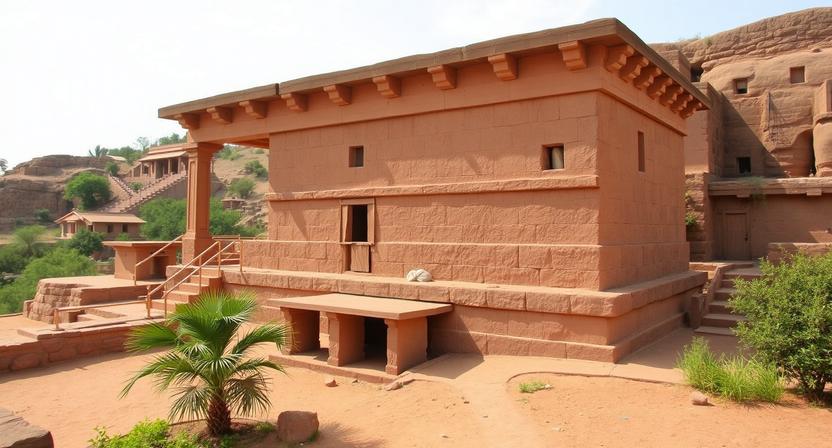
The Karnataka state government is going to build the first infrastructure to support tourism in Hampi by constructing Traveller Nooks at Hampi. Construction for the nooks will begin in 2023 and end in 2026. Construction will commence with the nooks located at and around the UNESCO World Heritage sites.

The traveler nooks will serve as small, compact hubs that offer comfort and convenience to the travelers visiting Hampi. 20 different nooks are planned to be built at sites like the Mayur Bhuvaneshwari Hotel, Vijaya Vitthal Temple, and and Chandrakeshwar Temple, and Virupaksha Temple. Hampi is one of the most important cultural and historical sites for India, and this initiative promises to help modernize the tourism infrastructure to support sustainable growth in the cultural economic sector.

Enhancing Hampi’s Infrastructure to Support Growing Tourism Demand

With the increasing global appeal of Hampi as a key cultural and heritage destination, the Karnataka government’s focus on tourism infrastructure development is crucial to ensuring the region can accommodate growing visitor numbers. The traveller nooks will offer essential amenities such as drinking water stations, clean toilets, ATMs, retail kiosks, and shaded seating areas—all designed to provide visitors with a seamless, comfortable experience while exploring the historic site.

This initiative is set to have a significant impact on tourism infrastructure growth, making Hampi more accessible, comfortable, and visitor-friendly. By providing essential facilities under one roof, the traveller nooks will encourage longer stays, increased footfall, and more positive experiences, supporting economic growth in the region.

Supporting Sustainable Tourism Development with Modern Amenities

The initiative is being implemented under the central government’s Swadesh Darshan 2.0 scheme, which aims to modernize tourism infrastructure while supporting sustainable tourism practices. The traveller nooks will not only enhance visitor services but will also reflect the country’s commitment to sustainable tourism by incorporating eco-friendly practices into the project’s design and operations.

By upgrading tourism infrastructure and offering amenities such as solar-powered water stations and eco-friendly kiosks, the project supports environmental sustainability while improving the overall tourism experience. These steps align with global trends in responsible tourism, positioning Hampi as a sustainable destination that balances growth with heritage preservation.

Urban and Rural Tourism Integration Enhances Hampi’s Appeal

The traveller nooks will play a significant role in integrating rural and urban tourism, allowing visitors to easily access tourist sites and local experiences in and around Hampi. By improving accessibility, the initiative will help distribute tourism demand more evenly across the region, addressing the challenges of overcrowding at popular spots and contributing to more equitable economic benefits for surrounding communities.

This infrastructure upgrade also supports the development of local businesses, providing new economic opportunities through the introduction of small retail kiosks and community engagement initiatives. As more travellers visit the area, local businesses in hospitality, food services, and crafts will benefit from increased foot traffic and spending.

Encouraging Longer Stays and Higher Visitor Spend

With the introduction of modern amenities such as comfort stations, shade areas, and water stations, visitors will be more inclined to stay longer and explore multiple sites within Hampi. This extended visit model helps boost local tourism revenue, especially when paired with retail kiosks that showcase local products.

In line with India’s tourism growth vision, the development of tourism infrastructure in Hampi is a key enabler of sustained visitor engagement. By improving the visitor experience with thoughtfully designed amenities, the government is ensuring that tourism growth remains consistent and resilient, supporting both short-term growth and long-term sustainability.

Regional Economic Impact and Job Creation

In addition to supporting tourism growth, the traveller nooks initiative is expected to create new jobs in areas such as facility management, retail services, and tourism support. Local workers and small businesses will benefit from the increased demand for services, product sales, and guides. The project’s focus on local procurement further strengthens regional economic integration.

The construction and operation of the traveller nooks will also drive job creation in sectors related to infrastructure, hospitality, and community services, contributing to economic stability in the region.

Shaping Hampi’s Future as a Premier Global Heritage Destination

As India positions itself as a leader in sustainable tourism, the development of tourism infrastructure in places like Hampi will continue to play a crucial role in attracting high-value international visitors. The traveller nooks will help Hampi cater to changing traveller preferences, where convenience, comfort, and responsible travel are becoming essential components of the tourist experience.

The initiative is part of a broader vision to strengthen Hampi’s competitive position in the global tourism market, aligning with Swadesh Darshan 2.0’s focus on sustainable, experience-driven travel.

Strengthening Hampi’s Tourism Infrastructure for Future Growth

The rollout of traveler nooks across key tourist locations in Hampi shows candidate for shifting tourism infrastructure growth positively impacting visitors while balancing sustainability and heritage conservation. The Karnataka government’s strategy to position Hampi for tourism growth through amenity modernization and local economic support is commendable and will benefit local communities and global visitors.

With the ongoing development of India’s tourism industry, Hampi’s blend of modern infrastructure and cultural authenticity will make it a premier destination offering extensive natural beauty, rich cultural heritage, and contemporary facilities.

The post Karnataka Government Boosts Tourism Infrastructure Growth in Hampi with Traveller Nooks Initiative, Enhancing their Visitor Experience and Regional Appeal appeared first on Travel And Tour World.
The Park Navi Mumbai Sets New Sustainability Benchmarks with IGBC Certification and Green Hospitality Practices

The Park Navi Mumbai Sets New Sustainability Benchmarks with IGBC Certification and Green Hospitality Practices

The Park Navi Mumbai has proudly earned the Indian Green Building Council (IGBC) Certification, underscoring its unwavering commitment to sustainable hospitality. This recognition highlights the hotel’s dedication to eco-friendly practices, responsible design, and efficient operations, reinforcing its role as a leader in environmentally conscious tourism. The IGBC Certification serves as a testament to The Park Navi Mumbai’s ongoing efforts to integrate sustainability into every facet of its operations, offering guests a luxury experience that meets global environmental standards.

Conveniently located near the operational Navi Mumbai International Airport (T1), The Park Navi Mumbai has seamlessly embedded sustainability into its core values. The hotel not only offers a refined and comfortable stay for its guests but also ensures that its practices align with international environmental standards. This balance of luxury and eco-responsibility sets the hotel apart as a prime example of how the hospitality industry can thrive while being mindful of its environmental impact.

The IGBC Certification recognizes the hotel’s consistent efforts to reduce its ecological footprint without compromising on guest comfort and high-quality service. One of the key initiatives that contributed to the hotel’s achievement is its use of solar energy, which has significantly minimized its reliance on traditional energy sources. Solar power, a renewable energy resource, plays a crucial role in supporting the hotel’s operations while reducing its carbon footprint.

In addition to embracing renewable energy, The Park Navi Mumbai has implemented cutting-edge water-conservation measures, which are essential in the face of growing global water scarcity concerns. The hotel’s advanced water-saving technologies help ensure that water usage is minimized across all departments, including guest rooms, kitchens, and landscaping.

Energy-efficient management practices also contribute significantly to the hotel’s sustainability achievements. By adopting energy-efficient lighting, heating, ventilation, and air-conditioning systems, The Park Navi Mumbai reduces its overall energy consumption, helping to conserve resources and lower its environmental impact.

Moreover, the hotel has put in place comprehensive waste-management processes to further its commitment to sustainability. These include effective waste segregation systems, responsible disposal practices, and efforts to reduce the amount of waste sent to landfills. By focusing on recycling and reusing materials wherever possible, the hotel minimizes waste production and supports the circular economy, all while maintaining an exceptional guest experience.

Commenting on the achievement, Rahul Makhija, General Manager, The Park Navi Mumbai, said: “Achieving IGBC certification is a proud moment for our entire team and reinforces our long-standing commitment to sustainable hospitality. From water-saving innovations to robust waste-management systems, environmental responsibility is deeply embedded in our operations. Our approach to sustainability goes beyond compliance—it enhances the guest experience while contributing positively to the community and the environment. We remain focused on protecting the planet and setting higher benchmarks for responsible luxury.”

This achievement places The Park Navi Mumbai among a select group of hotels and hospitality leaders who are actively embracing sustainable practices. It serves as a model for the hospitality industry, demonstrating that luxury and sustainability can coexist harmoniously. The hotel’s commitment to sustainability goes beyond meeting regulatory standards, aiming to set new benchmarks in eco-friendly hospitality while enhancing the guest experience.

The Park Navi Mumbai’s IGBC Certification represents a significant milestone in its journey toward becoming a leader in sustainable luxury. The hotel’s commitment to the environment extends beyond its operational practices; it also impacts the surrounding community. By fostering sustainability in its day-to-day operations, the hotel helps reduce local environmental strain and promotes awareness among guests about the importance of eco-friendly choices.

Looking ahead, The Park Navi Mumbai plans to continue refining its sustainability initiatives, ensuring that it remains at the forefront of green hospitality. The hotel’s efforts not only benefit the environment but also enhance its reputation as a responsible and forward-thinking destination. By offering a luxury experience that meets the highest environmental standards, The Park Navi Mumbai sets a shining example of how hotels can contribute to a more sustainable future while still delivering exceptional service and comfort.

In conclusion, The Park Navi Mumbai’s IGBC Certification exemplifies the evolving landscape of modern hospitality, where luxury is increasingly intertwined with sustainability. As the world moves toward more environmentally conscious practices, the hotel’s achievement serves as a reminder that hospitality and sustainability are not mutually exclusive. The Park Navi Mumbai has proven that it is possible to create a luxurious experience while prioritizing the planet, and this recognition sets a strong foundation for the future of responsible tourism.

The post The Park Navi Mumbai Sets New Sustainability Benchmarks with IGBC Certification and Green Hospitality Practices appeared first on Travel And Tour World.

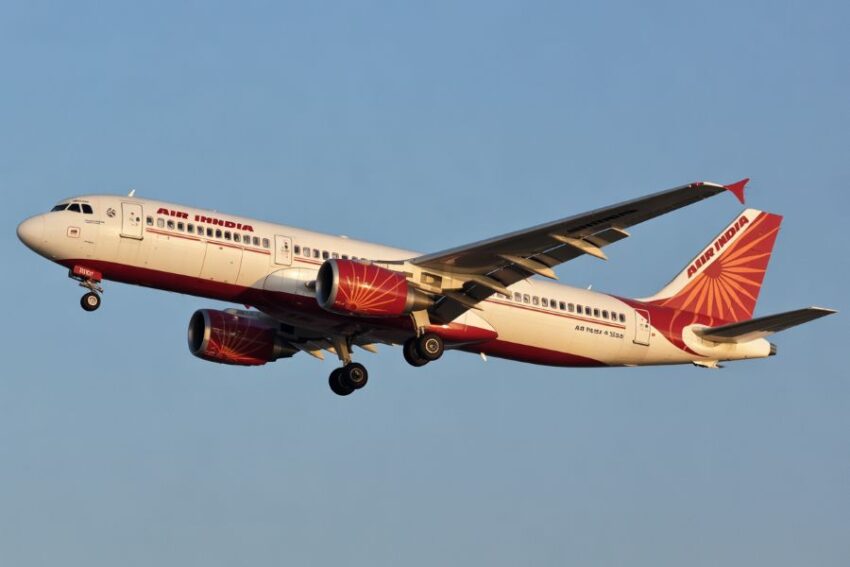
Air India Grounds Boeing 787 Dreamliner Over Fuel Control Switch Concerns After Pilot Flags Possible Defect: What Latest Updates You Need to Know

Air India Grounds Boeing 787 Dreamliner Over Fuel Control Switch Concerns After Pilot Flags Possible Defect: What Latest Updates You Need to Know

After one of the pilots of a Boeing 787-8 Dreamliner reported issues with a fuel control switch, Air India has temporarily removed the aircraft from service. Air India, being one of India’s largest airlines, has also reported the potential defect concerning the fuel control system to the nation’s aviation regulator, the Directorate General of Civil Aviation (DGCA), and a review is currently underway.

Although Air India has not publicly stated the issue with the aircraft, the airline remains in contact with Boeing to find a resolution. The airline stated the removal of the Dreamliner from service is in the best interest of the airline to ensure the highest possible safety of passengers and crew. The airline is looking to avoid any possible incidents, particularly one of the previous investigations of a fatal incident that killed 260 people.

Pilot’s Mentioned Concerns During Regular Operations

A concern developed when a Boeing 787 Dreamliner landed in Bengaluru, India, after flying in from London. While the pilot was disembarking, he reported the fuel control switch to be faulty. This grounded the airplane, and Air India took the required steps to continue the investigation. The airline grounded the aircraft to demonstrate their dedication to the safety of their customers.

The fuel control switch is important for regulating the amount of fuel that flows to the engines. Any problems with the system may cause problems with the operation of the flight. Because of this, Air India took this issue very seriously even though no problems occurred during this flight. Air India has provided its customers and the public with full reassurance that a concern of this magnitude to the system of an aircraft is followed with the required responsibility.

How Air India Stays Safe and Inspected

Boeing is collaborating with Air India to sort things out when the investigation is done. The aircraft manufacturer said Air India is prioritizing fuel control switches for review on the Dreamliner fleet to ensure all systems function properly.

Boeing has not talked about the details of the specific defect. Air India will likely do a thorough inspection of all its Boeing 787s so they don’t have the same problems.

As the event continues to unfold, India’s aviation regulatory body, the DGCA, is closely examining the event. The primary point of the DGCA is to ensure all of India’s Civil Aviation is safe. This involves managing the operational and the technical airworthiness of the aircraft in the sky. The Boeing 787 Dreamliner has made an impressive mark and become a favorite for multiple global airlines. It has become a favorite for its passenger comfort, fuel efficiency, and advanced tech. Yet, like most aviation systems, they depend on a lot of intricate technology, which can lead to the development of possible faults. These faults may include mechanical issues, and if they occur, the airline must attend to them promptly.

Review of Fuel Control Switches Across the Fleet

The Air India pilot brought this to the airline’s attention. Air India has fuel control switches on all of its Boeing Dreamliner airplanes. The airline must ensure that the rest of its fleet does not have similar defects. The airline has devoted itself to ensuring that all safety measures are implemented and that all of the Air India Dreamliners are regularly inspected to ensure the safety of the passengers.

This is all part of the safety examinations being conducted for this aircraft. It is still happening to ensure that the Boeing 787 Dreamliner can provide safe and efficient safety cruises. No incidents have happened, and that is a testament to the diligence of all the airlines involved. Air travel is not a sport and should never be thought of as dangerous. We must stay vigilant in the area of safety.

Operational Effects and Reputation Damage Control

There may be some operational inconveniences as a result of this order, but Air India has stated that it will be able to return to normal operations as soon as possible. The airline will be able to win back passenger trust in operational safety due to the rapid response to the situation.

There is a notable operational delay in Air India as a result of the order. This delay stems from a tragic event that has resulted in the death of several hundred people, which has led to the airline once again stepping operationally in to provide for the safety of passengers and personnel.

In summary, to some employees of Air India, the delay of one of the new Boeing 787’s may appear as if the airline is being over cautious. However, the airline is rigorously assessing the operational implications of the order, as it has been flagged by the airline to ensure no other issues arise in the airline’s operations. This event emphasizes the safety protocols that govern the industry. Procedures to ensure the safety of travelers and those working in the industry.

The post Air India Grounds Boeing 787 Dreamliner Over Fuel Control Switch Concerns After Pilot Flags Possible Defect: What Latest Updates You Need to Know appeared first on Travel And Tour World.
Uttarakhand Just Became The Ultimate Winter Travel Destination, Discover What Makes India’s Snowy Peaks A Must-See

Uttarakhand Just Became The Ultimate Winter Travel Destination, Discover What Makes India’s Snowy Peaks A Must-See

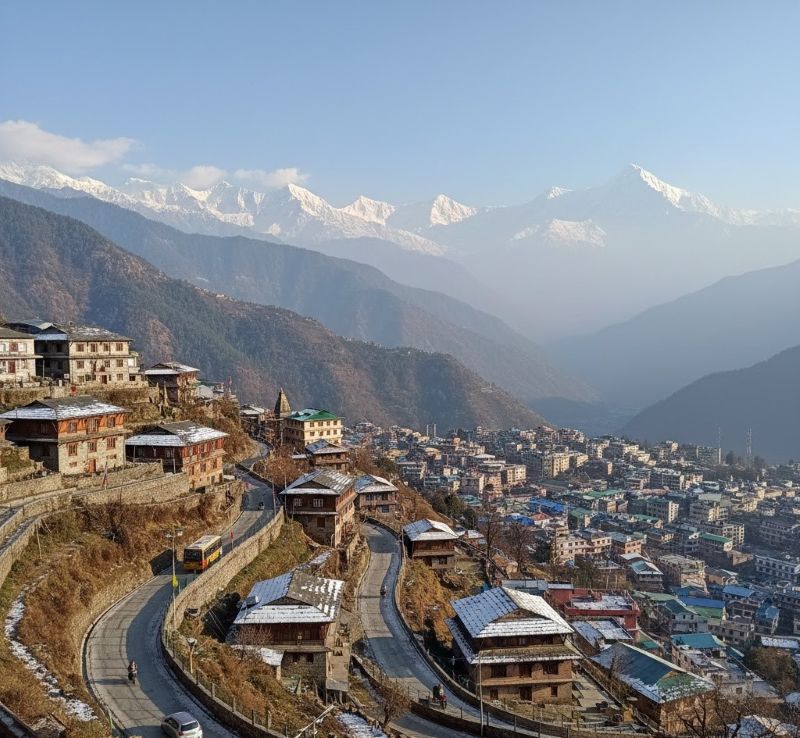
In recent weeks, Himachal Pradesh and Uttarakhand, two cherished hill states in North India, have witnessed a remarkable change in their climate. After a relatively dry beginning to the winter season, both regions experienced significant snowfall, which has greatly affected their landscapes, tourism appeal, and local economies. The Western Disturbances, which caused this unseasonal weather, had a far-reaching influence, covering multiple districts in both states and transforming the environments in these mountain regions. The snow has created an unexpected drop in temperatures, drawing in more tourists than anticipated, eager to see snow-covered landscapes and enjoy the winter charm of the Himalayas.

Unexpected Snowfall Sparks a Tourism Boom

The snowstorm that hit Himachal Pradesh and Uttarakhand has proven to be a surprise catalyst for a surge in tourism activity. With temperatures plunging to unusually low levels, the snow-capped mountains became even more alluring. Tourists, both domestic and international, flocked to these hill stations to enjoy the winter scenery, contributing to a rapid increase in bookings. Locations like Rishikesh, Mussoorie, Nainital, and Manali saw a notable rise in reservations, as visitors sought respite from the heat of the plains and looked forward to snow-based experiences.

Key Destinations Seeing High Demand:

  • Rishikesh
  • Mussoorie
  • Nainital
  • Manali
  • McLeod Ganj
  • Bir
  • Dalhousie

These places, famous for their serene atmospheres and picturesque beauty, have now gained even more popularity due to the added appeal of the snow. Travelers, eager to witness the magic of snow-covered landscapes, are choosing these destinations for their winter holidays, bringing a significant boost to the tourism sector in both regions.

Snow Transforms the Landscape: A Winter Paradise

The snowstorm has radically changed the look and feel of Himachal Pradesh and Uttarakhand, converting the dry and dull winter vistas into a winter wonderland. Snowfall has been recorded in nine out of the twelve districts of Himachal Pradesh, and it has reached even the highest altitudes of Uttarakhand. This transformation has made these mountain regions even more appealing to travelers, who now seek out the picturesque scenic beauty and serene environments that the snow has created.

With the snow dramatically altering the landscape, the Himalayan ranges have become a prime destination for those yearning to escape urban life and immerse themselves in the pristine beauty of the mountains. The cold temperatures and the newly covered peaks now provide an idyllic setting for travelers looking to escape the mundane.

Ideal for Remote Work in a Peaceful Setting

The snow has not only attracted vacationing travelers but also those in search of a peaceful remote working environment. Many individuals are choosing to work from the serene landscapes of the Himalayas, where they can enjoy a productive and calm atmosphere, away from the noise and rush of city life. This makes the region a perfect hub for digital nomads and remote workers who desire both quiet and beautiful surroundings to get their work done.

Social Media’s Role in Amplifying the Snowy Appeal

Social media has played an integral role in spreading the news of the snowy transformation in Himachal Pradesh and Uttarakhand. As the snowfall continued to accumulate, travelers began sharing their experiences online, posting pictures and videos of the now-transformed landscapes. These images have gone viral, with platforms flooded by stunning visuals of the newly snow-clad mountains, creating a buzz around these regions.

The power of social media has contributed significantly to the growing recognition of Himachal Pradesh and Uttarakhand as winter destinations. As the world became aware of the picturesque Himalayan vistas, the number of visitors to these states increased dramatically. The striking images shared online have sparked a desire among tourists to witness these stunning winter views firsthand, further enhancing the attractiveness of these regions.

Global Impact of Snowfall: A Shift in Tourism Trends

The effects of the snowfall in Himachal Pradesh and Uttarakhand have rippled beyond India’s borders, attracting international tourists. Traditionally, people from around the globe have sought out snow-based tourism in places like Europe and North America. However, with the Himalayan regions now offering such unique winter beauty, these areas have become increasingly popular on the international tourism map. Social media’s influence in highlighting the regions has encouraged tourists from countries with colder climates to shift their focus to North India for a new winter experience.

With this growing international attention, the demand for these areas is expected to rise. Travelers are now flocking to Himachal Pradesh and Uttarakhand, seeking out an untouched snow experience and contributing to the regions’ growing appeal in the global tourism market.

Enhanced Demand Drives Infrastructure Development

The surge in interest from international tourists has highlighted the need for enhanced tourism infrastructure in these areas. As more travelers head to Himachal Pradesh and Uttarakhand, there will be greater demands for accommodations, transportation, and services to meet this influx of visitors. This presents an opportunity for investment in the tourism sector to accommodate the rising number of international and domestic visitors.

It is expected that as demand continues to grow, more resources will be allocated to improve accessibility to these regions, ensuring tourism infrastructure can support the increasing number of visitors. Enhancements in roads, transportation, and hospitality services will make these Himalayan hill stations more accessible, keeping them competitive as winter destinations on the global tourism map.

Economic Benefits for Local Communities

The growing demand for tourism in Himachal Pradesh and Uttarakhand has begun to have a noticeable impact on the local economies. As hotel bookings rise and tourists pour into these regions, the hospitality industry benefits from the influx of visitors. With more people visiting, the local businesses, ranging from hotels and guesthouses to restaurants and retail shops, are seeing a significant increase in business activity.

In addition to benefiting the hospitality sector, local vendors and artisans are also seeing increased demand for their goods. The combination of higher numbers of visitors and the growing appeal of the regions’ natural beauty and culture has led to increased revenue for small businesses. This increased flow of tourism dollars is expected to have a long-term positive impact on the local economy.

The Future of Winter Tourism in North India

The increased popularity of Himachal Pradesh and Uttarakhand as winter tourism destinations signals a promising future for winter tourism in North India. The rise in bookings following the snowfall suggests that these regions are becoming prime spots for winter holidays, particularly for those looking for cooler weather, snow-based activities, and an escape from urban life. As tourists continue to discover the regions, the demand for both adventure tourism and remote work opportunities will likely continue to grow.

The shift in the tourism landscape also highlights the potential for these regions to become hubs for digital nomads and remote workers. The availability of peaceful settings, combined with scenic beauty and reliable internet connectivity, makes Himachal Pradesh and Uttarakhand ideal for remote working. These regions’ appeal as a quiet refuge with stunning winter landscapes presents a unique opportunity for workers looking to stay connected while surrounded by nature.

Winter Activities Enhance Regional Appeal

In addition to their appeal as winter escapes, Himachal Pradesh and Uttarakhand are ideal locations for a variety of winter sports and activities. The snow-covered landscapes offer plenty of opportunities for skiing, snowboarding, and trekking, attracting adventure seekers from all over the world. These activities add a new layer of attraction to the region, turning these areas into prime destinations for adventure tourism as well.

Sustainable Tourism for a Long-term Future

As the snow continues to attract visitors, the challenge for Himachal Pradesh and Uttarakhand will be to balance tourism growth with sustainable practices. While the current surge in tourism has been beneficial, it is important to ensure that the regions’ natural beauty is preserved for future generations. Local authorities and tourism stakeholders will need to implement sustainable tourism practices that safeguard the environment while accommodating the rising number of visitors.

With increased infrastructure investment and a focus on eco-friendly tourism practices, these regions have the potential to develop into year-round winter tourism hubs, offering unforgettable experiences while maintaining their ecological integrity. By focusing on sustainability, Himachal Pradesh and Uttarakhand can continue to thrive as winter destinations and provide lasting benefits to the local communities.

A Bright Future for the Himalayan Regions

In summary, the late-season snowfall in Himachal Pradesh and Uttarakhand has been a game-changer for the tourism industry. The unexpected snow has drawn both domestic and international visitors, driving significant economic growth in these regions. Hotel bookings, local businesses, and tourism-related services have all benefited from the influx of tourists, proving that these regions are now becoming essential players in global winter tourism.

As the snow continues to shape the tourism landscape in North India, Himachal Pradesh and Uttarakhand are poised to become top destinations for those seeking winter beauty, adventure, and remote work opportunities. The future of winter tourism in these regions looks bright, with sustainable tourism practices paving the way for long-term success. The Himalayan mountains will undoubtedly remain a captivating winter paradise, drawing travelers from all over the world for years to come.

The post Uttarakhand Just Became The Ultimate Winter Travel Destination, Discover What Makes India’s Snowy Peaks A Must-See appeared first on Travel And Tour World.

India Tourism Soars as Uttarakhand Throws Open Kamet, Nanda Devi East, Chaukhamba, Trishul, Shivling, Panchachuli and More Legendary Himalayan Peaks Free for Indian Mountaineers, Redefining the Future of High-Altitude Adventure

India Tourism Soars as Uttarakhand Throws Open Kamet, Nanda Devi East, Chaukhamba, Trishul, Shivling, Panchachuli and More Legendary Himalayan Peaks Free for Indian Mountaineers, Redefining the Future of High-Altitude Adventure
Uttarakhand
India’s

India’s tourism is gaining fresh momentum as Uttarakhand opens Kamet, Nanda Devi East, Chaukhamba, Trishul, Shivling, Panchachuli and dozens of other Himalayan peaks to Indian mountaineers without charging any state-level fees, removing a long-standing financial barrier that kept high-altitude climbing out of reach for many. The decision reshapes adventure tourism by making serious expeditions more accessible to domestic climbers, encouraging Indian-led teams to take on world-famous summits, and channeling tourism growth into remote mountain districts. By cutting costs, simplifying permissions, and pairing access with digital systems and strict environmental rules, Uttarakhand is positioning itself as a welcoming yet responsible hub for high-altitude travel, where mountaineering drives skills, jobs, and sustainable tourism rather than remaining an elite pursuit.

India’s high-altitude adventure landscape has taken a decisive turn as Uttarakhand opens eighty-three Himalayan peaks to Indian mountaineers without charging any state-level fees. The policy shift removes one of the biggest barriers that has long kept many aspiring climbers away from serious expeditions and signals a broader push to position the state as a leading centre for adventure tourism rooted in local development.

The newly cleared peaks stretch across some of the most dramatic terrain in the Indian Himalayas, with elevations ranging from five thousand seven hundred metres to seven thousand seven hundred fifty-six metres. These are not obscure summits. Many of them are globally recognised mountains that have shaped the history of Himalayan mountaineering. Until now, access for Indian climbers came with a heavy financial burden, often turning serious climbs into an expensive privilege rather than an achievable goal.

For decades, Indian mountaineers had to navigate a maze of charges. Peak fees, camping fees, forest permits, and environmental levies combined to push costs into thousands of rupees before a climber even began planning logistics, equipment, or training. Young climbers, students from mountaineering institutes, and independent expedition teams were the most affected. The removal of these state-imposed fees changes that equation overnight, making Uttarakhand’s high mountains far more accessible to domestic talent.

The decision emerged from coordination between the Tourism Development Council and the Forest Department, marking one of the most substantial overhauls of adventure tourism policy the state has seen in years. Officials involved in the process describe it as a strategic move rather than a symbolic one. The goal is not just to increase the number of expeditions, but to build a long-term ecosystem where mountaineering supports employment, skills development, and sustainable tourism in remote Himalayan districts.

Among the peaks now open without state charges are some of the most storied names in Indian mountaineering. Kamet, Nanda Devi East, the Chaukhamba and Trishul groups, Shivling, Satopanth, Changabang, Panchachuli, and Neelkanth sit high on the wish list of climbers worldwide. These mountains demand technical skill, experience, and respect for extreme conditions, and they have traditionally attracted well-funded international expeditions. The new policy is expected to encourage more Indian-led teams to attempt these summits, strengthening the country’s presence in serious Himalayan climbing.

International mountaineers are also set to benefit, though in a different way. Foreign climbers will continue to pay fees determined by the Indian Mountaineering Foundation, but Uttarakhand has removed all additional Forest Department charges at the state level. This simplifies the process and narrows the cost gap between Uttarakhand and competing Himalayan destinations. By reducing paperwork and overlapping fees, the state hopes to cut down approval timelines and make expedition planning more predictable for overseas teams.

A key pillar of the reform is digitisation. The introduction of the Uttarakhand Mountaineering Permission System shifts the entire approval process online. Expedition applications, route details, and documentation will now be submitted through a single digital platform. Authorities say this will improve transparency, reduce delays, and help coordinate between tourism, forest, and security agencies. It also gives the state better tools to track activity in ecologically sensitive zones and border-adjacent regions.

Beyond tourism statistics, the policy is designed with local economies in mind. Increased mountaineering activity typically brings demand for local guides, high-altitude porters, mule operators, homestays, transport services, and small supply businesses. In many Himalayan villages, these seasonal opportunities can make a significant difference to household incomes. By lowering entry barriers for climbers, the state expects a steadier flow of expeditions that can provide more consistent work across climbing seasons.

Officials have stressed that accessibility does not mean a relaxation of responsibility. Climbers will still be required to follow strict safety norms, environmental standards, and cultural guidelines. Waste management, minimal-impact camping, and respect for local traditions remain non-negotiable. The fragile ecosystems of the high Himalayas can suffer lasting damage from unmanaged tourism, and the policy places responsibility squarely on climbers and organisers to protect these landscapes.

The broader ambition is to reshape how adventure tourism works in Uttarakhand. Instead of focusing only on a handful of overcrowded trekking routes, the state aims to distribute activity across a wider range of regions and peaks. This approach can reduce pressure on popular corridors while introducing lesser-known valleys to carefully managed economic activity.

India’s tourism is accelerating as Uttarakhand opens Kamet, Nanda Devi East, Chaukhamba, Trishul, Shivling, Panchachuli and more Himalayan peaks without state fees, removing a major cost barrier for Indian mountaineers. The move is set to boost adventure tourism, expand access to iconic summits, and spread economic benefits across remote mountain communities.

With this move, Uttarakhand is not just removing fees. It is lowering barriers, modernising systems, and linking mountaineering growth to community livelihoods. If managed well, the policy could redefine India’s role in Himalayan climbing, creating space for a new generation of Indian mountaineers while preserving the ecological and cultural integrity of one of the world’s most extraordinary mountain regions.

The post India Tourism Soars as Uttarakhand Throws Open Kamet, Nanda Devi East, Chaukhamba, Trishul, Shivling, Panchachuli and More Legendary Himalayan Peaks Free for Indian Mountaineers, Redefining the Future of High-Altitude Adventure appeared first on Travel And Tour World.

Award-Winning Travel Agencies from Rajasthan and Ladakh Lead the Way in Indian Tourism with Special Recognition for Their Excellence in Transport Services – Here’s What to Know About Their Unique Services

Award-Winning Travel Agencies from Rajasthan and Ladakh Lead the Way in Indian Tourism with Special Recognition for Their Excellence in Transport Services – Here’s What to Know About Their Unique Services
Award-Winning Travel Agencies from Rajasthan and Ladakh Lead the Way in Indian Tourism

India’s tourism sector has recently celebrated outstanding achievements in the field of travel services, with Leh-Ladakh Taxi Driver and Rajasthan Tours and Drivers receiving prestigious recognition at the India National Tourism Award 2025. This annual award, presented by the Ministry of Tourism, India, highlights agencies that have made exceptional contributions to tourism safety, customer service, and responsible travel. The winners in 2025 were chosen for their dedication to offering safe, reliable, and highly personalized travel experiences in some of the country’s most unique and challenging regions. These two agencies, one serving the Himalayan beauty of Ladakh and the other the cultural marvels of Rajasthan, embody the growing importance of ground transport services, particularly in the niche markets of high-altitude and culturally rich tourism.

Leh-Ladakh Taxi Driver: Mastering the Challenges of the Himalayan Terrain

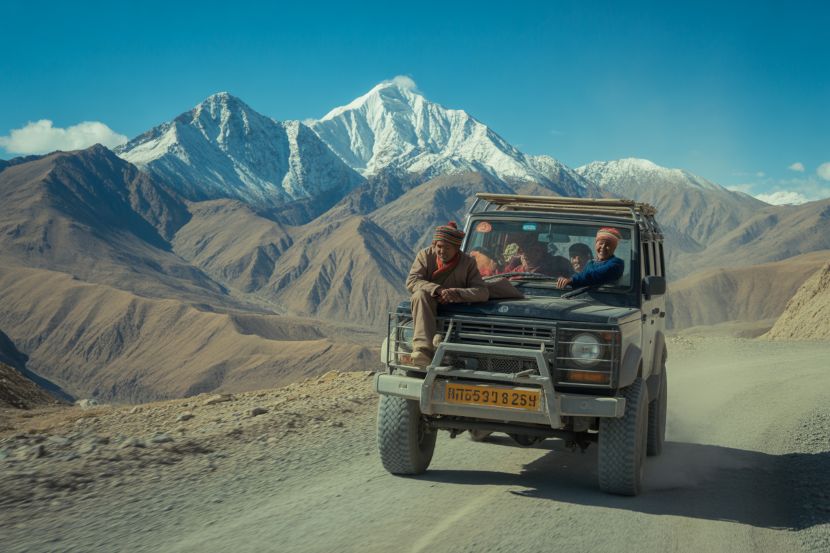
Leh-Ladakh Taxi Driver, a key player in the tourism scene of Ladakh and Zanskar, earned its India National Tourism Award 2025 for its exceptional service in high-altitude travel. Operating in one of the most rugged and remote parts of the country, the agency specializes in car with driver services across Ladakh’s spectacular landscapes. The region, renowned for its harsh terrain, includes some of the world’s highest motorable passes, isolated valleys, and stretches of road with limited infrastructure, posing unique challenges for both travelers and service providers.

Leh-Ladakh Taxi Driver has built a strong reputation for offering travelers safe, flexible, and expertly guided journeys across Nubra Valley, Pangong Lake, Tso Moriri Lake, and Zanskar. The agency caters to both individual tourists and guided trekking expeditions, ensuring seamless transportation to various trekking starting points. Vehicles are specially selected to meet the demands of the mountainous roads, and drivers are trained to navigate the altitude-induced conditions and unpredictable weather patterns.

Rajasthan Tours and Drivers: A Royal Journey Through India’s Heart

On the other side of the country, Rajasthan Tours and Drivers also earned the India National Tourism Award 2025 for its unparalleled service across the culturally rich and historically significant region of Rajasthan. This agency is widely recognized for its private car with driver tours, offering travelers the chance to explore the Golden Triangle, covering Delhi, Jaipur, and Agra, as well as the picturesque cities of Jodhpur, Udaipur, and Jaisalmer. The agency has earned trust for its well-maintained vehicles, professional drivers, and the flexibility to create personalized itineraries tailored to individual interests.

Known for its customer-focused approach, Rajasthan Tours and Drivers ensures that its clients not only experience iconic landmarks like the Taj Mahal and Rajasthan’s ancient forts but also gain insight into the rich culture and history of the region. The drivers, who are well-versed in local routes and history, serve as informal guides, helping visitors make the most of their travels.

Traveling Across India with Safety and Comfort: What You Need to Know

Both Leh-Ladakh Taxi Driver and Rajasthan Tours and Drivers emphasize the importance of travel safety and comfort, two essential factors that distinguish them in the competitive tourism sector. For tourists venturing into Ladakh, where the terrain is often unpredictable, choosing an experienced, local operator like Leh-Ladakh Taxi Driver ensures not just convenience but also peace of mind. Rajasthan Tours and Drivers offers similar assurances, ensuring that even travelers unfamiliar with the region can enjoy a hassle-free experience while exploring some of India’s most iconic historical sites.

Why Choose Private Car Services for Your India Travels?

The growing popularity of private car with driver services is becoming a significant trend in Indian tourism, particularly in areas that require specialized knowledge of local routes and weather conditions. This service model provides a mix of flexibility, comfort, and safety. For travelers looking for customized itineraries or those wishing to explore off-the-beaten-path destinations, such as the remote villages of Zanskar or the desert dunes of Rajasthan, these agencies provide the perfect solution.

For tourists traveling through India’s rural regions or remote destinations, private car services make it possible to access places that are often difficult to reach through public transportation. This service also allows for more personalized experiences, where travelers can set their own pace and change their plans on the go.

Supporting Responsible Tourism and Local Communities

Both agencies are committed to responsible tourism, ensuring that their services do not just cater to the needs of the tourists but also respect the local cultures and environments. For Leh-Ladakh Taxi Driver, this means not just focusing on traveler safety but also working towards the sustainability of Ladakh’s fragile ecosystem. The agency has adopted practices that minimize environmental impact, such as using eco-friendly vehicles and following guidelines that reduce the carbon footprint.

Similarly, Rajasthan Tours and Drivers promotes the local economy by hiring local drivers and guiding them in offering authentic insights into Rajasthan’s diverse culture, traditions, and history. The agency’s focus on cultural tourism ensures that tourists are introduced to the heritage of Rajasthan without exploiting the region’s resources or disrupting local communities.

Travel Tips for Exploring Ladakh and Rajasthan

  • For Ladakh: Due to the high-altitude terrain, travelers should take the necessary precautions to avoid altitude sickness. It is recommended to spend a day acclimatizing in Leh before venturing to higher regions like Nubra Valley or Pangong Lake.
  • For Rajasthan: Always carry sunscreen, hats, and sunglasses as the desert sun can be intense. Additionally, booking a private car with a knowledgeable driver allows tourists to fully enjoy Rajasthan’s historic sites without the hassle of navigating unknown roads or dealing with local transportation.

In Conclusion: A New Era of Travel in India

The recognition of Leh-Ladakh Taxi Driver and Rajasthan Tours and Drivers as winners of the India National Tourism Award 2025 reflects the growing importance of quality travel services in India. Whether you’re traversing the high-altitude roads of Ladakh or discovering the cultural gems of Rajasthan, these agencies ensure that travelers enjoy safe, reliable, and immersive experiences.

India’s tourism industry is evolving with a focus on quality transport services that help preserve both the cultural heritage and natural beauty of the country. With these recognized agencies at the forefront, travelers can now explore India in ways that are not only enriching but also sustainable for generations to come.

The post Award-Winning Travel Agencies from Rajasthan and Ladakh Lead the Way in Indian Tourism with Special Recognition for Their Excellence in Transport Services – Here’s What to Know About Their Unique Services appeared first on Travel And Tour World.
❌