Login
Login
Cambodia and Singapore Spotlight Asia’s Aviation Momentum as Air Cambodia Places Major Boeing 737 MAX Order

A significant milestone in Asian aviation growth has been marked as Air Cambodia moves forward with its largest narrowbody aircraft acquisition to date, reinforcing the strategic importance of Cambodia, Singapore, and the wider Southeast Asia region in global air transport development. Announced during a major international aviation gathering in Singapore, the agreement reflects increasing confidence in regional travel demand and the long-term outlook for efficient single-aisle aircraft. Through this latest commitment, the Cambodian national carrier has positioned itself among emerging airlines investing decisively in modern fleets to support network expansion, sustainability goals, and passenger expectations.
The decision has been shaped by growing tourism flows, rising business travel, and stronger economic ties linking Cambodia with neighboring Asian markets. By selecting the Boeing 737 MAX family, the airline has aligned its future growth with fuel efficiency, extended range capability, and improved operating economics. The development has also highlighted Cambodia’s ambition to strengthen its aviation infrastructure and connectivity across Asia. As regional hubs continue to evolve and competition intensifies, fleet modernization has increasingly been viewed as a critical foundation for long-term success, with this order standing as a clear signal of confidence in both regional demand and next-generation aircraft technology.
Air Cambodia Confirms Landmark Boeing Agreement in Singapore
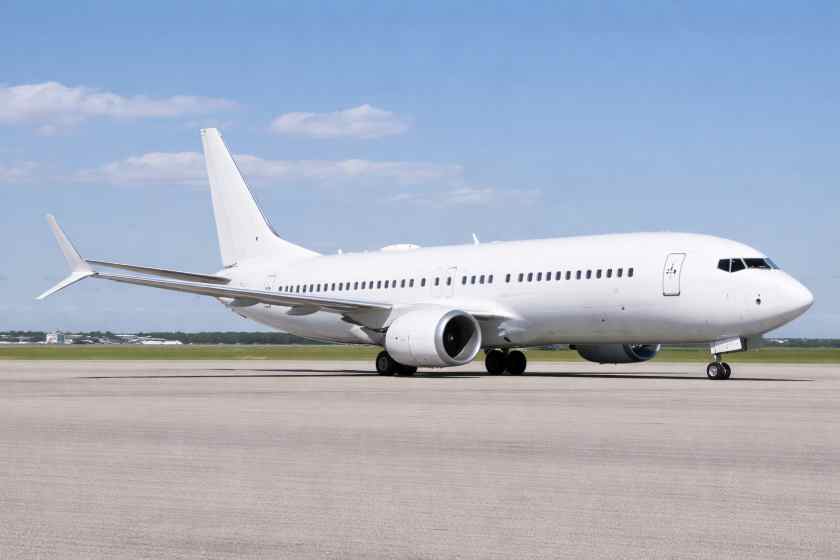
A firm agreement for up to 20 Boeing 737 MAX jets has been confirmed by Air Cambodia during the Singapore Airshow, representing the airline’s first direct aircraft purchase from Boeing. The transaction has included a confirmed order for 10 Boeing 737-8 aircraft, alongside options for an additional 10 units that were finalized in December 2025. This development has been recognized as the largest single-aisle aircraft order in the airline’s history.
The announcement has drawn attention to Singapore’s continued role as a central platform for major aviation decisions in Asia. Through this agreement, Air Cambodia has been formally introduced as a new Boeing customer, strengthening commercial ties between the Cambodian aviation sector and the global aerospace manufacturer.
Strategic Role of Cambodia in Regional Aviation Expansion
The newly ordered aircraft have been designated to support expanded operations through Phnom Penh International Airport, which has remained the airline’s primary hub. From this base, broader regional connectivity across Asia has been targeted, with an emphasis placed on direct routes and competitive scheduling.
Cambodia’s geographic position has increasingly been viewed as advantageous for connecting North Asia, Southeast Asia, and South Asia. By expanding its narrowbody fleet, Air Cambodia has been positioned to leverage this location while reinforcing the country’s role within regional aviation networks. The investment has also aligned with national objectives aimed at boosting tourism, trade, and economic development through improved air links.
Fleet Modernization as a Core Growth Strategy
Fleet renewal has been identified as a central pillar of Air Cambodia’s long-term strategy. At present, the airline has been operating a fleet of six aircraft serving domestic and regional destinations, including Vietnam, Thailand, China, India, Japan, and Hong Kong. With rising passenger demand across these markets, capacity limitations have increasingly been observed.
The introduction of the Boeing 737-8 has been planned to address these constraints. Through the deployment of modern narrowbody aircraft, higher seat density, improved range, and operational flexibility have been made possible. As a result, network expansion has been supported without the cost burden associated with larger widebody aircraft.
Operational Advantages of the Boeing 737-8
The Boeing 737-8 has been designed to support medium-haul operations while delivering improved efficiency and reliability. The aircraft configuration has allowed for seating of up to 178 passengers in a two-class layout, making it well suited for high-density regional routes.
A range capability of up to 3,500 nautical miles, or approximately 6,480 kilometers, has enabled direct connections between Cambodia and distant Asian markets. Compared to older aircraft types, fuel consumption has been reduced by around 20 percent, resulting in lower operating costs and reduced emissions. These performance characteristics have made the aircraft an attractive option for airlines seeking sustainable growth.
Cabin enhancements have also contributed to improved passenger comfort, reinforcing the airline’s commitment to service quality while maintaining competitive fares.
Economic and Employment Impact in Cambodia
Beyond operational benefits, the aircraft order has been associated with broader economic implications. New route launches and increased frequencies have been expected to stimulate inbound tourism and strengthen trade links between Cambodia and neighboring countries.
Employment opportunities have also been supported through expanded flight operations, maintenance requirements, and aviation training initiatives. As fleet complexity increases, demand for skilled pilots, engineers, and ground personnel has been anticipated, contributing to workforce development within Cambodia’s aviation sector.
Southeast Asia Demand Outlook Reinforces Investment Rationale
According to Boeing’s long-term market outlook, Southeast Asian airlines are projected to require nearly 5,000 new aircraft over the next two decades. More than 80 percent of this demand has been forecast to consist of single-aisle jets, reflecting the region’s route structures and passenger volume trends.
Air Cambodia’s investment has therefore been aligned with broader regional projections. By securing early access to modern aircraft, the airline has been positioned to capitalize on sustained growth while maintaining cost efficiency and operational resilience.
Positioning Within a Competitive Asian Market
As competition intensifies across Asia, airlines have increasingly been differentiated by fleet age, efficiency, and network reach. Through the introduction of the Boeing 737 MAX family, Air Cambodia has strengthened its competitive standing against regional peers operating older equipment.
The move has also reinforced the airline’s ambition to serve as a reliable full-service carrier linking Cambodia with key Asian destinations. With IOSA certification and a three-star Skytrax rating already in place, fleet modernization has complemented existing safety and service benchmarks.
Boeing’s Continued Engagement in Asian Aviation
For Boeing, the agreement has further underscored the importance of Asia as a growth market. The company has continued to expand its presence across the region by supporting airlines with fuel-efficient aircraft tailored to short- and medium-haul operations.
The Boeing 737 MAX program has remained central to this strategy, with the 737-10 variant approaching the milestone of 1,000 orders. Through partnerships with emerging carriers such as Air Cambodia, Boeing has reinforced its long-term commitment to supporting aviation growth across Asia.
The order for up to 20 Boeing 737 MAX jets has represented more than a fleet upgrade for Air Cambodia. It has symbolized Cambodia’s growing integration into regional air networks, Singapore’s role as a catalyst for major aviation decisions, and Asia’s continued recovery and expansion in air travel demand. Through this strategic investment, the airline has been positioned to meet future growth while contributing to broader economic and connectivity objectives across the region.
The post Cambodia and Singapore Spotlight Asia’s Aviation Momentum as Air Cambodia Places Major Boeing 737 MAX Order appeared first on Travel And Tour World.