The 2026 Squamish Hot Chocolate Festival will take place from 5 to 25 February which allows both visitors and local residents to experience the Pacific Northwest town through its hot chocolate shops. The sixth annual hot chocolate festival in Squamish presents its winter hospitality experience through thirty-four participating local cafés and restaurants and craft makers who present their creative hot chocolate drinks.
Largest Lineup Ever Tempts Tastes
Overflowing with flavour and imagination, this year’s festival marks the largest lineup of participating establishments in the event’s history. From classic rich cocoa to wildly inventive seasonal twists, menus span dairy, vegan, gluten‑free and specialty options tailored to every palate. Tourism officials have underscored that the surge in participants reflects the town’s thriving food scene and commitment to community engagement, aiming to make this winter destination irresistible to culinary travellers and families alike.
Passport to Sweet Adventure
A highlight designed to spur exploration is the Squamish Hot Chocolate Festival Tasting Passport. Available from 1 February at the Squamish Adventure Centre, online and via the festival’s social channels, the passport encourages guests to visit a range of locations throughout town. Collecting at least ten stamps not only brings bragging rights for kids and grown‑ups but also enters participants into a prize draw, where completed passports have been submitted for a chance to win a custom‑designed cruiser bike, aptly named Cocoa.
Craft Destinations, Creative Cups
From downtown coffee houses and boutique bakeries to scenic eateries near outdoor attractions, each stop offers a uniquely crafted drinking experience. Previous years’ festival entries include Italian spiced hot chocolate with cinnamon and cloves, whimsical cereal‑infused white cocoa evoking childhood memories, and even marshmallow‑topped gourmet blends that become social‑media stars. Whether families prefer velvety classics or adventurous flavour fusions, the wide array of stops gives every visitor a reason to sip and savour.
Family‑Focused Fun in Every Cup
Children, in particular, are finding this festival an irresistible draw. With colourful creations paired with playful toppings and fun flavour themes, the event blends culinary curiosity with a festive atmosphere that appeals across generations. Travel designers note that winter festivals such as this add significant value to regional tourism, offering family‑friendly activities that stand out on trip itineraries and create lasting holiday memories for young travellers.
Winter Tourism Gets a Boost
Squamish’s tourism strategy has increasingly spotlighted seasonal events to extend visitor stays beyond the traditional summer months. The Hot Chocolate Festival aligns with this vision, positioning the town as a must‑visit winter destination that pairs outdoor adventure with relaxed indoor experiences. Sightseeing in the surrounding mountains, visits to the Britannia Mine Museum, or a ride on the Sea to Sky Gondola can easily be complemented by warm, comforting drinks and local hospitality.
A Vibrant Community Showcase
Officials with Tourism Squamish have described the festival as a celebration of local creativity, community spirit and winter culture. It showcases the town’s burgeoning cafe culture in a way that invites international visitors to engage directly with local businesses, fostering economic support while enhancing the visitor experience. Indirect statements from organisers have emphasised that experiences like these promote a deeper connection to the destination beyond passive sightseeing.
Planning and Access for Travellers
Squamish is easily accessible by road from both Vancouver and Whistler, making it an ideal stop for North American or international visitors seeking to combine scenic travel routes with culinary exploration. Accommodation ranges from cozy boutique stays and family‑friendly lodges to wilderness cabins and camping options for adventurers keen to integrate outdoor pursuits with festival fun.
More Than Just Chocolate
As the festival ends on 25 February, visitors will return home with more than their enjoyable drink experiences. They will experience a lively winter festival that combines local traditions with culinary excellence and family entertainment. The Squamish Hot Chocolate Festival offers parents and their chocolate-loving children an opportunity to discover a picturesque Canadian town because seasonal celebrations enhance a location’s attractiveness by providing tasty experiences that tie to its identity.
Canada’s mountainous national parks, boreal forests and lakes have long been a magnet for visitors. However, the wildfire seasons of 2024 and 2025 were some of the most destructive on record, forcing mass evacuations, shrouding skylines in smoke and temporarily turning tourist destinations into disaster zones. Scientists say climate change is increasing the length and severity of Canada’s fire seasons; hotter temperatures and prolonged drought produce forests full of dry fuel, and lightning storms combined with strong winds ignite and spread flames rapidly. This article combines real‑world data and accounts from 2024–2025 to explain how recurring wildfires are threatening popular Canadian destinations and may make them dangerous for tourists in the future.
2024 wildfire season – destructive fires in the west
Jasper National Park inferno
The most shocking tourism casualty in 2024 occurred in Jasper National Park, a UNESCO World Heritage site visited by roughly 2.5 million people annually. In late July, an explosive wildfire engulfed the park and the adjacent town of Jasper. Reports indicate that over 25 000 people were evacuated, and the fire destroyed roughly 358 of the town’s 1 113 structures, meaning nearly 30 % of the town was damaged. Businesses suffered estimated losses of CA$4.5 million per day due to tourism closures. The destruction underscores how quickly a single blaze can wipe out a tourist hub.
Jasper’s experience also exposed broader vulnerabilities in western Canada. By late July 2024, nearly 600 wildfires were burning across British Columbia and Alberta, forcing evacuations in communities from the Kootenay region to the Cariboo. Parks Canada cancelled all camping reservations in Jasper until early August, leaving visitors stranded or rerouting to other destinations. Residents and tourism operators noted that bookings in the Okanagan/Cariboo regions dropped by 5–15 %as travellers sought to avoid “peak smoke season”.
Fort Nelson and Parker Lake
In May 2024, a human‑caused blaze near Fort Nelson, British Columbia exploded in size. The “Parker Lake” wildfire reached 5 280 hectares and advanced to within 2.5 km of the town. Around 3 000–3 500 residents evacuated, and officials warned that sustained winds could push the fire toward populated areas. By mid‑May there were 135 active fires nationwide, 40 out of control, prompting air‑quality advisories across four provinces. The fire underscored how extreme wind conditions and drought can rapidly overwhelm firefighting resources, forcing the evacuation of entire communities.
Cariboo (Williams Lake) emergency
In July 2024, a wildfire near Williams Lake in the Cariboo region led to a local state of emergency. A tree downing a power line sparked the blaze, which grew to about 20 hectares, threatening homes and infrastructure. Water bombers and structural crews were dispatched, and residents were warned to conserve water and avoid the area. Though smaller than the Jasper fire, the incident illustrated how easily human infrastructure failures can ignite dangerous fires, even near smaller communities.
Economic and climate context
The 2024 season burned about 5.378 million hectaresnationwide and forced over 50 000 people to evacuate according to government summaries. Tourism operators called climate change an “existential threat” and warned that Canada is facing a wildfire reality that will keep tourists away unless major mitigation and communication efforts occur. The combination of large and small blazes, as well as thick smoke that reduced air quality across provinces, showed that even areas untouched by flames could become hazardous.
2025: an even worse wildfire year and broader geographic spread
Early start in Saskatchewan’s boreal forests
The 2025 wildfire season began early. In May, NASA satellites captured pyro‑cumulonimbus clouds rising over the Shoe and Camp fires in Saskatchewan’s Narrow Hills region. The province recorded 146 fires to date, nearly twice the five‑year average. By May 12, the provincial safety agency reported 12 active fires, half contained, but Narrow Hills Provincial Park and surrounding highways were closed, and air‑quality alerts were issued across the province. Researchers noted that moderate drought and strong winds fuelled the rapid spread. The early outbreak signalled that 2025 would be severe.
Evacuations across Manitoba, Saskatchewan and Alberta (May 2025)
In late May 2025, a complex of fires around the Manitoba‑Saskatchewan border forced over 25 000 people to evacuate. In Manitoba, approximately 17 000 residents left their homes, including over 5 000 from Flin Flon and 600 from Cranberry Portage. Saskatchewan evacuated about 8 000 people, while Alberta evacuated around 1 300. Premier Scott Moe warned that hot, dry weather was allowing fires to grow quickly and that resources were stretched thin. The fires and evacuations again clouded skies across Canada and parts of the United States.
A wildfire near Flin Flon threatened the city at the end of May. Firefighters and volunteers battled the blaze for weeks; according to a CBC report, 28 Flin Flon firefighters, assisted by 194 firefighters from 53 departments, worked without days off. The entire city of roughly 5 000 residents was evacuated on May 28, and the team held the line at a bottleneck between lakes to prevent the fire from sweeping south. While they saved the city, the neighbouring community of Denare Beach in Saskatchewan was devastated. The incident illustrates how small communities adjacent to tourist areas may be unable to withstand major blazes.
Fires near Elk Island National Park and Ukrainian Cultural Heritage Village
On April 18, 2025, a fast‑moving fire east of Elk Island National Park forced evacuations and temporarily closed the important Yellowhead Highway (Highway 16). The fire started behind the Ukrainian Cultural Heritage Village, a popular living‑history museum, and dry fuels combined with strong winds allowed it to spread toward the site. RCMP confirmed the fire reached structures in the heritage village, though the extent of damage was initially unknown. The event demonstrated that cultural sites can be threatened and emphasised the vulnerability of heritage tourism to increasing wildfire seasons.
Alberta park and trail closures
During 2025, Banff National Park experienced smaller but disruptive fires. The Panther River wildfire reached 4.5–11 hectares and led park officials to close Wigmore Valley and other backcountry areas. Although there was no threat to public safety, officials allowed the fire to burn for ecological reasons, illustrating the careful balance between letting fires rejuvenate ecosystems and protecting visitors. Another small blaze, the Moose Meadows fire, was extinguished quickly thanks to fuel‑reduction work. Even minor fires can trigger closures and underscore the need for real‑time advisories.
Closure of Whiteshell Provincial Park and other Manitoba parks
Extreme fire danger forced a full closure of Whiteshell Provincial Park in eastern Manitoba in mid‑May 2025. Manitoba’s Parks Department ordered all public and private areas, including cottage subdivisions, commercial sites, campgrounds, trails, beaches and backcountry routes to be vacated by 1 p.m. on May 15. Parks such as Nopiming, Pinawa Dam, Poplar Bay, Wallace Lake, South Atikaki and the Manigotagan River remained closed, and campgrounds were not expected to reopen until at least May 21. Recreational drone flights near fires were prohibited. Such sweeping closures highlight how quickly tourism opportunities vanish when fire danger reaches extreme levels.
Alice Lake Provincial Park – evacuation and restricted reopening
The wildfire season also impacted smaller parks in British Columbia. On June 11 2025, BC Parks ordered visitors to evacuate Alice Lake Provincial Park, a popular camping and hiking area near Squamish, due to the Dryden Creek wildfire, which grew to 20.2 hectares. Roughly 70 firefighters from several agencies battled the blaze, and recreational trails were closed. A week later, as the fire reached 59.5 hectares, the park partially reopened with restrictions; evacuation alerts were lifted for nearby homes except those along Dryden Road, but an evacuation order remained for two properties due to slope instability. 57 firefighters and tree fallers continued to manage the area, and the fire was still classified as out of control. The case shows that even after immediate danger subsides, landslide risks and ongoing firefighting operations can keep tourist facilities closed for weeks.
State of emergency in Labrador City
In July 2024, a rapidly expanding wildfire near Labrador City(on the western border of Newfoundland and Labrador) forced the evacuation of about 9 600 people—more than the town’s normal population. The fire, burning 14 000 hectares and located 4–6 km from the city, caused a large influx of evacuees into Happy Valley‑Goose Bay, which saw its population swell by over 40 %. About 6 300 evacuees registered with the Red Cross. Such sudden population shifts strain lodging, food and medical resources—important concerns for tourist towns hosting evacuees.
Canada’s second‑worst fire year on record
According to a federal update issued in October 2025, the 2025 season became Canada’s second worst, with over 6 000 wildfires burning more than 8.3 million hectares. The fires affected every province and territory, and over 85 000 peoplewere evacuated—including 45 000 people from 73 First Nations communities. With 2025 surpassing previous years, the trend suggests that major evacuations and park closures will become more common.
Why these fires matter for tourism
Health and safety risks
Wildfires pose obvious dangers to travellers: flames, falling trees, landslides and poor air quality. Even when fires do not directly destroy infrastructure, they produce heavy smoke that reduces visibility and exacerbates respiratory illnesses. The 2024 Fort Nelson and Cariboo incidents led to air‑quality advisories across western provinces, while the 2025 Saskatchewan fires created pyro‑cumulonimbus clouds that sent smoke thousands of kilometres. Tourists with asthma, children and seniors are particularly vulnerable, making travel risky during fire season.
Economic disruption and lost revenue
Tourism is a major economic driver for many Canadian regions. The 2024 Jasper fire cost local businesses millions of dollars daily. Event planners now reschedule festivals and weddings to avoid “peak smoke season”. When parks like Whiteshell or Alice Lake close, outfitters, hotels and restaurants lose revenue. Rebuilding destroyed infrastructure (such as 358 burned structures in Jasper) requires years and may deter visitors until communities fully recover.
Cultural and environmental losses
Wildfires also threaten cultural heritage sites and natural ecosystems. The 2025 fire near the Ukrainian Cultural Heritage Village reached historic structures, and firefighters worked to save Flin Flon while the nearby town of Denare Beach was devastated. These events highlight that intangible heritage and community identity are at risk. For ecologically sensitive parks, fires can both rejuvenate and destroy ecosystems; Banff’s park managers allowed the Panther River fire to burn for ecological reasons, yet closures were needed to keep people safe.
Future risks and adaptation
Looking ahead, climate change is expected to lengthen Canada’s fire season and create more extreme events. The number of “zombie fires”—overwintering underground fires that reignite the following season—has been increasing according to researchers. With consecutive seasons like 2024 and 2025 demonstrating unprecedented evacuations and closures, there is a real possibility that some destinations will see recurring disruptions, making travel unpredictable. Tourism operators and park managers are implementing measures such as fuel‑reduction burns, improved early‑warning systems, and diversified marketing to attract visitors outside of high‑risk months.
Overview of major wildfire events affecting tourist areas (2024–25)
Year
Destination / region
Size / scope
Evacuations
Impacts
2024
Jasper National Park (Alberta)
Wildfire destroyed 358 of 1 113 structures and ravaged park; business losses ~CA$4.5 M/day
25 000 peopleevacuated
30 % of town damaged; camping cancelled until Aug 6
2024
Parker Lake / Fort Nelson (BC)
Fire reached 5 280 ha
3 000–3 500 residentsevacuated
Fire 2.5 km from town; air‑quality alerts across provinces
2024
Williams Lake (Cariboo, BC)
River Valley fire ~20 ha
Evacuation alerts; some structures affected
Local state of emergency declared
2024
Labrador City (NL)
Wildfire burned 14 000 ha
9 600 peopleevacuated
Town nearly emptied; 6 300 evacuees registered with Red Cross
2025
Narrow Hills Provincial Park (SK)
Early season fires; pyro‑cumulonimbus; 146 fires recorded in May
Park and highways closed
Air‑quality alerts across Saskatchewan
2025
Flin Flon / Manitoba–Saskatchewan border
Wildfire burned near town; multiple fires across provinces
Over 25 000 peopleevacuated (17 000 in MB, 8 000 in SK, 1 300 in AB)
Entire city of Flin Flon evacuated; community of Denare Beach devastated
2025
Elk Island National Park / Ukrainian Cultural Heritage Village (AB)
Fast‑moving fire reached heritage site
Evacuations ordered; Highway 16 closed
Threatened cultural heritage; shows vulnerability of historic tourism
2025
Whiteshell Provincial Park & other Manitoba parks
Extreme fire danger; full closure
Residents & visitors ordered to leave by May 15
All campgrounds, trails and parks closed; tourism halted
2025
Alice Lake Provincial Park (BC)
Dryden Creek wildfiregrew from 20.2 ha to 59.5 ha
Visitors evacuated; later partial reopening with restrictions
Trail closures; slopes unstable; 57 firefighters still on site
2025
Banff National Park (AB)
Small fires (Panther River, 4.5–11 ha and Moose Meadows)
Backcountry areas closed
Illustrates that even minor fires cause restrictions and hazard warnings
Conclusion
The 2024 and 2025 wildfire seasons illustrate how climate‑driven fires can transform Canada’s most scenic destinations into danger zones. Massive blazes destroyed a third of Jasper and forced thousands to flee Fort Nelson, Flin Flonand Labrador City, while smaller fires still closed parks like Whiteshell, Alice Lake and Banff. The threats do not end when flames subside; lingering smoke, landslide risks and infrastructure damage keep areas closed and discourage visitors. With researchers expecting hotter, drier summers in the decades ahead, travellers to Canada will need to monitor fire conditions carefully, and tourism planners must adapt by investing in fire‑smart infrastructure, improving evacuation plans and diversifying tourism seasons. Without these measures, popular destinations may become increasingly dangerous or inaccessible during what once were prime vacation months.
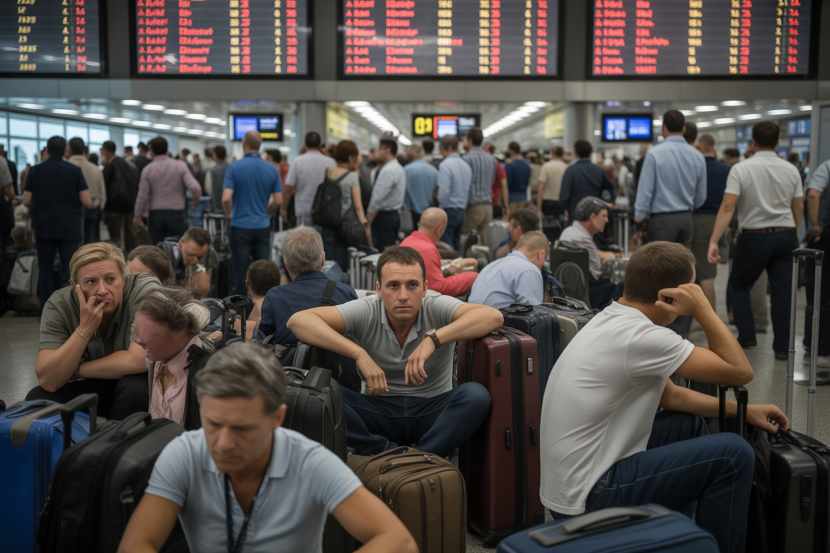
Hundreds Of Passengers Stranded At Montreal-Trudeau Airport In Canada As Jazz, Air Canada, PSA , And Other Airlines Cancel 11 Flights And Delay 50, Disrupting Montreal, LaGuardia, St. John’s, And More.Passengers traveling through Montreal-Trudeau International Airport are facing significant disruptions today, as the airport has been hit with 50 flight delays and 11 cancellations. The disruptions are affecting both domestic and international routes, with flights departing to and from LaGuardia, St. John’s, and other major airports.
The delays and cancellations have left passengers stranded in terminal lounges, desperately trying to find out when they can expect to resume their journeys. The flight information boards at Montreal-Trudeau are filled with red alerts, with Jazz Airlines, Air Canada, and PSA Airlines being the most affected carriers.
Montreal-Trudeau Airport (YUL) — The Epicenter of Today’s Flight Disruptions
Montreal-Trudeau, one of Canada’s busiest airports, is currently facing severe operational challenges. Of the 50 delays, the majority are attributed to Jazz Airlines, with a significant portion of delays also stemming from Air Canada flights. These delays are mostly impacting international routes, including flights to the United States and European destinations, with some cancellations further compounding the situation.
Passengers have faced long waiting times, frequent updates to gate assignments, and mounting frustration as their travel schedules continue to change. Airport staff have been working to assist passengers, but the scale of the disruption has caused widespread delays throughout the airport.
Airlines Most Affected by Flight Delays and Cancellations
The airlines most impacted by today’s disruptions at Montreal-Trudeau include:
Jazz Airlines (ACA): With 13 delays and 6 cancellations, Jazz Airlines has been the most affected carrier. Delays were mainly on flights to and from Montreal, Toronto, and several US destinations.
Air Canada (ACA): Reporting 7 delays and 3 cancellations, Air Canada’s operations were significantly impacted by the delays, especially on its regional flights to Ontario and the Maritimes.
PSA Airlines (AAL): PSA Airlines reported 5 cancellations and 1 delay, with most cancellations tied to shorter regional flights.
Delta Air Lines and American Airlines: These carriers, while not at the forefront of cancellations, have reported scattered delays due to the backup caused by the situation at Montreal-Trudeau.
Flight Delays and Cancellations by Airport — Widespread Impact Across North America
While Montreal-Trudeau is at the heart of the disruption, other airports in both Canada and the United States have been affected. LaGuardia Airport (LGA) in New York, as a major destination for travelers departing Montreal, saw 24 delayed flights as passengers waited for connections. Meanwhile, St. John’s International Airport (YYT) experienced a 50% cancellation rate on flights coming from Montreal, further extending the ripple effect of these delays.
How Passengers Are Being Affected — Long Waiting Times and Uncertainty
For passengers stuck in Montreal, the delays and cancellations have been frustrating. Some travelers have reported being at the airport for over 6 hours, hoping for updated flight information, with several missed connections adding to the distress. Airlines are doing their best to accommodate passengers, offering alternative flight options and assistance for rebooking, but the sheer volume of delayed flights has left many unsure of when they will reach their destinations.
Passengers have expressed their frustration through social media, citing long lines at customer service desks, poor communication regarding flight updates, and difficulty in obtaining timely information. Many are left scrambling to secure accommodation, especially those whose flights have been cancelled.
What’s Causing the Delays — Weather, Operational Pressures, and Air Traffic Issues
Experts suggest that a combination of factors is contributing to the ongoing delays at Montreal-Trudeau. While weather-related delays are common in winter, the severity of this disruption seems to be more rooted in aircraft rotation issues and staffing shortages that have compounded the operational difficulties at the airport. As a result, flights have been delayed for several hours, and gate congestion has made it difficult to get planes back in the air on time.
Another contributing factor has been air traffic control issues in both Canada and the United States, with ripple effects causing delays for international departures. Although these delays are not unusual during busy travel periods, the current extent of disruption at Montreal-Trudeau suggests underlying challenges in the airport’s operational processes.
How El Dorado International Airport Is Responding — Recovery and Communication Plans
To manage the ongoing disruption, Montreal-Trudeau International Airport is working closely with Canada’s aviation authorities and airline representatives to reduce the backlog of delayed flights. Airport staff have been allocated to provide real-time updates and assist passengers with rebooking, while airlines are exploring options for extra flights to help ease the congestion.
For now, passengers are advised to remain in constant contact with their respective airlines for the latest updates and potential rebooking options. The airport has also launched additional communication channels, such as real-time text alerts, to keep passengers informed of changes to their flight statuses.
Looking Ahead — Can Montreal-Trudeau Recover from the Disruptions?
As the airport works to recover from the ongoing delays, it remains unclear how soon normal operations will resume. Experts suggest that the airport may take several days to clear the backlog, especially if weather conditions worsen. Montreal-Trudeau International has been proactive in addressing customer concerns and offering alternative travel arrangements, but the scale of the disruption suggests that recovery may take longer than anticipated.
Stay Informed and Be Prepared for Continued Delays
As Montreal-Trudeau International Airport works towards clearing the backlog of delays and cancellations, passengers are urged to stay informed and be proactive in monitoring their flight status. While the airport and airlines are working hard to restore order, travelers should prepare for potential ongoing disruptions. This incident serves as a reminder of the interconnected nature of global air travel and the challenges airports face in managing high volumes of travelers during busy periods.
Thousands of travelers across Canada are facing major disruptions today as Air Canada, PAL, WestJet, Jazz, and several other airlines are forced to cancel 58 flights and delay 259 more. This massive disruption comes amid a powerful snowstorm sweeping across the country. Key airports in Halifax, Montreal, Vancouver, Calgary, and St. John’s are seeing the worst of the delays and cancellations. The snowstorm has created hazardous conditions, leading to a backlog of flights and leaving many passengers stranded. With severe weather affecting several major Canadian cities, travelers are urged to stay updated on their flight statuses.
The situation remains fluid, and more delays or cancellations could occur as the storm continues its course. Airlines are working to rebook affected passengers, but with snowstorm conditions worsening, it’s unclear when services will return to normal.
Total Delays and Cancellations Today
The disruptions have been felt across multiple Canadian airports, with a staggering 259 delays and 58 cancellations recorded. The snowstorm, combined with the return of Arctic cold, has resulted in difficult conditions for both air and ground travel.
Affected Airports, Airlines and Analysis
Several airports in Canada are being hit particularly hard by the snowstorm and the Arctic cold front. Below is an analysis of the airports and airlines affected, based on the delays and cancellations data:
St. John’s International (YYT)
Delays: 11
Cancellations: 10
St. John’s International, located in Newfoundland, is facing delays and cancellations due to heavy snowfall and icy conditions. PAL Airlines, operating in the region, has been impacted with 20 cancellations and 20 delays. Passengers are advised to stay updated on flight statuses and contact airlines for rebooking options.
Toronto Pearson International (YYZ)
Delays: 123
Cancellations: 6
Toronto Pearson International, Canada’s busiest airport, has experienced the highest number of delays. The snowstorm’s arrival and the persistent cold temperatures have led to severe delays in flight departures and arrivals. Jazz (Air Canada Express) has reported 14 cancellations and 36 delays, while Air Canada itself has had 3 cancellations and 82 delays. WestJet reported 2 cancellations and 34 delays. Travelers should check flight statuses frequently and expect ongoing delays throughout the day.
Montreal-Trudeau International (YUL)
Delays: 41
Cancellations: 10
Snowfall moving into Montreal has resulted in delays and cancellations at Montreal-Trudeau International. Jazz (Air Canada Express) has been one of the affected airlines with 14 cancellations and 36 delays. The storm’s impact on the region has made air travel challenging, with many travelers stuck at the airport awaiting updates.
Vancouver International (YVR)
Delays: 30
Cancellations: 4
While Vancouver generally enjoys milder weather, the snowstorm’s path has caused unexpected disruptions. With significant delays and a few cancellations at Vancouver International, WestJet reported 2 cancellations and 34 delays, causing further strain on travel. Passengers should prepare for further delays as the storm moves east.
Calgary International (YYC)
Delays: 24
Cancellations: 4
Calgary, typically no stranger to winter weather, has also been hit with snow and cold temperatures. As the storm progresses, expect continued delays at Calgary International, with WestJet again facing 2 cancellations and 34 delays. Snow clearance operations at the airport will continue throughout the day.
CFB Goose Bay (YYR)
Delays: 6
Cancellations: 5
Goose Bay, a smaller airport in Newfoundland and Labrador, is facing delays and cancellations due to snow and freezing temperatures. PAL Airlines, operating in this area, is also seeing a 20% cancellation rate with 20 delays. The airport is currently managing the situation, but passengers should anticipate disruptions until conditions improve.
Wabush (YWK)
Delays: 5
Cancellations: 4
Like Goose Bay, Wabush Airport is seeing a mix of delays and cancellations. PAL Airlines has also been impacted, with 20 cancellations and 20 delays. With snowfall affecting runway conditions, passengers at this airport are advised to stay in touch with their airlines for the latest updates.
Other Affected Airports
Other airports across Canada, including Halifax International (YHZ), Deer Lake Regional (YDF), and Lourdes-de-Blanc-Sablon (YBX), are also reporting delays and cancellations, though on a smaller scale compared to the major hubs like Toronto Pearson.
What Affected Passengers Can Do Now
For passengers stranded due to these disruptions, here are a few steps to take:
Stay Updated: Passengers should regularly check flight statuses on their airline’s website or mobile app. Many airlines offer real-time updates on cancellations, delays, and gate changes.
Contact Airlines: If your flight is canceled or significantly delayed, contact your airline immediately to inquire about rebooking options. Some airlines, such as Air Canada, WestJet, and Jazz (Air Canada Express), may offer to rebook you on the next available flight or provide vouchers for accommodations if your delay is extensive.
Prepare for Cold Weather: With temperatures plummeting in many parts of Canada, especially in Ontario and Quebec, passengers should be prepared for extreme cold. Dress warmly, especially in airports like Toronto Pearson and Montreal-Trudeau, where temperatures are expected to drop below -20°C with wind chills reaching -30°C.
Expect Further Disruptions: Although a milder weather pattern is expected by mid-February, further disruptions are possible due to additional storms. Travelers should stay informed about the weather forecast and be ready for sudden changes in flight schedules.
Conclusion
The ongoing snowstorm and Arctic cold sweeping across Canada are causing severe delays and cancellations, particularly at major airports like Toronto Pearson and Montreal-Trudeau. With over 259 delays and 58 cancellations, travelers should be prepared for ongoing disruptions in the coming days. Airlines such as Air Canada, WestJet, and Jazz (Air Canada Express) have seen significant impacts, with many flights delayed or canceled due to the snowstorm and the return of Arctic temperatures. Passengers are encouraged to stay updated, contact airlines for assistance, and prepare for harsh weather conditions as the storm continues to move eastward across the country.
Air travel in Canada continues to be plagued by increasing wait times for passenger complaints, with a growing backlog that significantly impacts both travellers’ rights and the tourism sector. New data from Courtready, a legal technology company focused on making the Canadian legal system more accessible, has revealed that passengers now wait an average of 987 days nearly three years for a resolution to air travel complaints. This growing frustration stems from a steady decline in the processing of cases, which is having a direct impact on the country’s tourism industry.
A Frustrating Increase in Delay Times
The data analysed by Courtready and based on findings from the Canadian Transportation Agency (CTA) has shown a disturbing upward trend in complaint resolution delays. In the third quarter of 2024, 7,076 cases were decided by the CTA. By the third quarter of 2025, that number dropped to just 4,301, highlighting a growing backlog in processing. The gap between the date a flight takes off and when a decision is issued has also significantly increased, with wait times for resolutions rising from 692 days in Q3 2024 to 953 days in Q3 2025.
Tourism, a significant contributor to Canada’s economy, is particularly vulnerable to these long delays. Visitors from around the world often experience cancelled flights, missed connections, and lost baggage, with resolutions becoming more drawn-out due to the delays in the CTA’s complaint handling process. This has led to more tourists and domestic travellers seeking alternative methods of dispute resolution, with many turning to provincial courts for faster outcomes.
Passenger Complaints at a Record Low
The CTA’s latest figures show that the number of complaints being processed has hit a record low. In September 2025, only 1,348 decisions were made, which marks a 45% decrease from the previous year’s peak. This decline in decisions reflects not only a backlogged system but also the growing dissatisfaction among air travellers in Canada, who are now facing prolonged uncertainty when seeking compensation or resolution.
For tourists, this delay in resolutions has repercussions beyond inconvenience. As flight disruptions continue to affect those visiting Canada, potential tourists may reconsider travel plans due to the uncertainty and stress of air travel. The longer complaint resolution timelines discourage people from pursuing compensation claims, leading to frustrations that tarnish Canada’s reputation as a reliable tourist destination.
Courtready’s New Tools: A Lifeline for Canadian Travellers
In response to the mounting issues in Canada’s air travel complaint system, Courtready has launched the Air Passenger Complaints Tracker, a new tool designed to help Canadians track and analyze air travel complaint outcomes. This innovative tool, the first of its kind, aims to simplify the process and make it easier for passengers to stay updated on the status of their cases.
The tracker helps users stay informed by monitoring complaint resolutions, sending alerts when there is movement in their case, and ultimately empowering passengers to take control of their legal journey. While the tracker is a valuable asset for individuals dealing with air travel complaints, it also serves as a reminder of the importance of making the legal system more efficient for those in the tourism sector who are left waiting for answers.
Legal System Challenges Affecting the Canadian Tourism Sector
As wait times continue to stretch, more and more passengers are turning to alternative solutions to resolve air travel issues quickly. The complex legal procedures involved in submitting complaints to the CTA and the sheer volume of cases have led to overwhelmed systems, making it even more difficult for tourists to get the compensation they deserve. This issue has the potential to deter future tourists who are unsure about how their grievances will be handled should they face disruptions during their trip to Canada.
Travel disruptions, compounded by these delays in complaints handling, create a barrier for tourists hoping to enjoy Canada’s natural wonders, cultural experiences, and vibrant cities. More efficient legal tools like Courtready’s Air Passenger Complaints Tracker are essential for restoring traveller confidence and ensuring that Canada remains a top travel destination for international visitors.
Enhancing the Travel Experience for Tourists
Canada’s tourism sector must address the growing dissatisfaction among air travellers caused by prolonged wait times for air travel complaint resolutions. Courtready’s efforts to offer practical legal tools like the Air Passenger Complaints Tracker help streamline the complaint process, reducing the time and stress required to resolve issues. For both domestic and international travellers, these improvements are essential for maintaining a positive travel experience in Canada. As the country works to enhance its legal and aviation systems, faster resolutions to complaints could go a long way in ensuring that Canada remains a welcoming and reliable destination for tourists worldwide.
The Vancouver International Mountain Film Festival (VIMFF) is making its grand return to Hope, BC, bringing an exciting lineup of films celebrating outdoor adventure and environmental conservation. The festival, which is set to take place at the newly reopened ALMSGIVING Hope Cinema & Performance House, promises an unforgettable evening of breathtaking landscapes, inspiring stories, and adrenaline-filled moments. This event will take place on April 10, 2026, starting at 6 p.m., and tickets are already available for purchase.
VIMFF: A Celebration of Adventure and the Outdoors
The Vancouver International Mountain Film Festival (VIMFF) is renowned for showcasing some of the best documentaries about mountain culture, outdoor recreation, and the environment. In its return to Hope, the festival will once again be hosted by the Hope Mountain Centre for Outdoor Learning (HMCOL), with all proceeds benefiting the organization’s programs for outdoor education and recreation. Attendees can expect films that capture the spirit of outdoor adventure, from heart-pounding moments to awe-inspiring natural beauty.
The screening will be held at ALMSGIVING Hope Cinema & Performance House, a venue that recently reopened after a brief closure following the New Hope Cinema’s closure in 2024. This marks an exciting new chapter for the cinema and for the festival, ensuring that the VIMFF continues its legacy of bringing the best outdoor adventure films to the Hope community.
Exciting Lineup of Outdoor Adventure Films
While the full list of films for the 2026 VIMFF has not yet been announced, past festivals have featured remarkable documentaries focused on mountain culture, outdoor sports, and environmental conservation. Last year’s event included films such as Gold Rush, a documentary about bouldering in the Fraser Canyon, which was one of the highlights for the audience. The festival typically brings together outdoor enthusiasts, filmmakers, and the community to celebrate the stories of wild landscapes and the people who push the limits of outdoor adventures.
Although the official list of films is still to be revealed, the festival is expected to continue its tradition of featuring both documentaries and short films that inspire adventure lovers to explore the great outdoors. Whether you are a climber, hiker, or environmental advocate, the VIMFF will showcase films that captivate and educate audiences on the importance of preserving the natural world while celebrating the thrills of outdoor activities.
Supporting Local Community Through Fundraising
In addition to the thrilling films, the VIMFF in Hope will also feature a fundraising component that supports the Hope Mountain Centre for Outdoor Learning. The event will include a silent auction, door prizes, a 50/50 raffle, exhibitor tables, and concessions, providing plenty of opportunities for attendees to contribute to the centre’s programs while enjoying an evening of outdoor adventure cinema. All proceeds will directly benefit the non-profit’s mission to provide outdoor education and recreational activities for the Hope community.
The silent auction will feature unique items, many related to outdoor activities and local adventures, offering attendees a chance to take home something special while supporting a great cause. Local vendors and businesses will also have a presence at the event, providing a platform for the community to engage with the festival and support local businesses.
Tickets and Event Details
Tickets for the Vancouver International Mountain Film Festival in Hope are $23, and they are available for purchase online through the Hope Mountain Centre’s website. This affordable ticket price grants access to an incredible evening of adventure-filled documentaries and the chance to engage with other outdoor enthusiasts from the community. The event is expected to draw a crowd of nature lovers, environmentalists, and adventure seekers, making it an exciting opportunity to connect with like-minded individuals while enjoying world-class films.
Tickets can be purchased directly through the Hope Mountain Centre website at: www.hopemountain.org.
For those interested in donating to the festival or participating as a vendor, the Hope Mountain Centre encourages individuals to reach out via email or phone. Donations can help further support the outdoor programs that benefit local youth and families, providing them with the chance to experience the great outdoors in a safe and educational environment.
A Bright Future for Outdoor Film in Hope
The return of the Vancouver International Mountain Film Festival to Hope is a testament to the community’s ongoing commitment to outdoor education, sustainable tourism, and environmental conservation. This year’s event marks a new beginning for both the festival and the ALMSGIVING Hope Cinema & Performance House, whose reopening has brought new energy and opportunities to the town.
With the festival offering an evening filled with awe-inspiring outdoor adventure films, Hope is positioned as a key destination for those passionate about nature, mountain culture, and environmental advocacy. As the Hope Mountain Centre continues to provide valuable outdoor programs, the VIMFF will remain a pivotal event that supports the growth of outdoor activities in the region, enriching the lives of residents and visitors alike.
This year’s VIMFF will not only entertain and educate but also help ensure that Hope remains a destination where outdoor adventure and sustainable tourism are celebrated, while also strengthening community bonds and supporting environmental stewardship.
Passengers stranded in Canada today as St. John’s International Airport (YYT) reported 9 flight cancellations and 13 flight delays, disrupting travel across multiple Canadian cities, while no delays were linked to U.S.-bound or U.S.-arriving flights. The most heavily impacted airlines were PAL Airlines (6 cancellations, 7 delays) and Air Canada (3 cancellations, 4 delays). Other popular carriers, including WestJet (1 delay) and Cargojet (1 delay), also experienced limited disruption. Ripple effects were seen at Halifax International Airport (YHZ) and Toronto Pearson International Airport (YYZ). Additional impacts were recorded at Deer Lake Regional Airport (YDF), Montreal–Trudeau International Airport (YUL), Calgary International Airport (YYC), and St. Anthony Airport (YAY).
Update today:St. John’s International Airport recorded 9 cancellations and 13 delays, affecting domestic travel across Canada.
PAL Airlines emerged as the most affected carrier with 6 cancellations and 7 delays.
Air Canada followed with 3 cancellations and 4 delays, impacting multiple connecting routes.
Toronto Pearson and Halifax were among the busiest airports facing disruption today.
No U.S.-related flight delays were reported at St. John’s today.
Airlines Most Affected by Flight Cancellations and Delays
PAL Airlines
PAL Airlines faced the most severe disruption today at St. John’s, with 6 cancelled flights and 7 delayed services, affecting regional connectivity from Newfoundland and Labrador.
Air Canada
Air Canada reported 3 cancellations and 4 delays, impacting schedules linked to major Canadian hubs.
WestJet
WestJet experienced 1 delay with no cancellations, causing minor schedule changes for travelers.
Cargojet
Cargojet recorded 1 delayed flight, affecting cargo movements connected to St. John’s.
What can affected passengers do?
Check flight status frequently through airline apps or official websites, as schedules can change multiple times in a short period during disruption-heavy travel days.
Stay in contact with airline customer service for rebooking or refund options, especially if a cancellation or long delay impacts onward travel plans or same-day connections.
Arrive at the airport with extra time, since delays often lead to congestion at check-in counters, security screening, and boarding gates.
Keep travel documents, booking confirmations, receipts, and airline notifications accessible, which can help speed up assistance requests and compensation or refund claims where applicable.
Monitor airport advisories and public announcements, as gate assignments, boarding times, and departure schedules may change with little notice during ongoing disruptions.
Consider flexible travel alternatives if available, such as later departures or different routing options offered by the airline, to reduce the impact of same-day disruptions.
Make accommodation and ground transport arrangements cautiously, especially for late-evening or early-morning flights, as extended delays or cancellations can affect overnight travel plans.
Overview of Flight Disruptions
Flight disruptions today were concentrated within Canada, with repeated impacts across Newfoundland and Labrador, Nova Scotia, Ontario, Quebec, and Alberta. Airlines such as PAL Airlines, Air Canada, WestJet, and Cargojet were directly affected, while other major Canadian carriers including Porter Airlines and Air Transat operate within the same travel corridors experiencing pressure today.
St. John’s International Airport remained the focal point of disruption, with knock-on effects felt at Halifax International Airport, Toronto Pearson International Airport, Deer Lake Regional Airport, Montreal–Trudeau International Airport, and Calgary International Airport.
Despite the scale of cancellations and delays, today’s disruption remained fully domestic, with no reported impact on U.S. travel, keeping international schedules stable while Canadian travelers adjusted to short-notice changes.
Image Source: AI Source: Different airports and FlightAware
Canada’s redtag.ca, one of the nation’s leading travel companies, has announced the launch of its new Meetings, Incentives, Conferences, and Exhibitions (M.I.C.E.) division. This new division is set to redefine corporate travel in Canada, offering businesses both domestic and international opportunities to enhance their meetings, incentives, and conferences with more efficiency, control, and confidence.
With more than two decades of expertise in delivering complex travel programs, redtag.ca is now extending its service portfolio with the redtag.ca M.I.C.E. division. The new offering promises to deliver high-quality and customized experiences that align with the business objectives, budget parameters, and the unique needs of corporate clients. By drawing on the global infrastructure of H.I.S. Group, redtag.ca will provide Canadian organizations with unparalleled access to international networks, negotiated pricing, and expert program management.
Tailored Experiences for Every Business
The redtag.ca M.I.C.E. division brings a wealth of experience and knowledge that will directly benefit the Canadian business travel landscape. Designed with the goal of offering tailor-made solutions for businesses seeking high-impact conferences, meetings, and incentive programs, the division promises to manage all aspects from planning to execution.
Nathalie Tanious, President & CEO of H.I.S. Canada Travel Inc., which is the parent company of redtag.ca, stated that meetings and incentive programs involve real expectations surrounding budget, delivery, and experience. She mentioned that redtag.ca M.I.C.E. was established to act as a true partner for businesses, focusing on executing meetings and incentive programs that save time, control costs, and deliver high-quality experiences aligned with business objectives.
A Boost to Canadian Tourism and Business Travel
The launch of redtag.ca M.I.C.E. represents a significant shift in the landscape of business travel for Canadian companies. As a cornerstone of Canada’s travel industry, the M.I.C.E. division will streamline and enhance both domestic and international travel for businesses. By providing access to H.I.S. Group’s global network, Canadian companies will now enjoy competitive rates and high-quality services for conferences, meetings, and incentive programs.
Not only will this expansion improve the efficiency of Canadian organizations, but it will also play a crucial role in supporting tourism. Events like international conferences and corporate incentives often bring in thousands of visitors, providing a major boost to the local economy. From hotel bookings to transportation, restaurants, and local attractions, each event will contribute significantly to the tourism ecosystem in both domestic and international destinations.
By bringing international businesses to Canada for events, redtag.ca M.I.C.E. is helping to position the country as a leading global hub for corporate events. This will drive economic growth in the tourism sector by attracting more international visitors, creating job opportunities, and supporting small businesses around event venues.
Leveraging H.I.S. Group’s Global Infrastructure
Thanks to the resources of its parent company, H.I.S. Group, redtag.ca M.I.C.E. is uniquely positioned to offer Canadian businesses a competitive edge when it comes to international programs. The global reach and strong buying power of H.I.S. Group, combined with redtag.ca’s local expertise, ensures that Canadian organizations receive both the best value for their travel investments and exceptional program management.
When it comes to international events, redtag.ca M.I.C.E. guarantees access to trusted global partners and exclusive negotiated rates. This not only provides businesses with cost certainty, but it also guarantees high-quality experiences for event attendees, whether the events are held domestically or abroad.
Nathalie Tanious also shared that the M.I.C.E. division offers Canadian-dollar pricing options, which further helps businesses avoid surprises when it comes to their travel budget. The focus is on offering clarity from the outset so that companies can manage costs with confidence while receiving the high standards they expect.
Canadian Businesses Are in Safe Hands
One of the key aspects that sets redtag.ca M.I.C.E. apart is its dedicated team of specialists who offer end-to-end support. From planning the logistics of a meeting to managing on-the-ground services, the team ensures that each program is executed flawlessly. This hands-on approach is integral to the division’s promise of saving businesses time and money while delivering high-quality results that align with their strategic goals.
By managing every stage of the program, from start to finish, redtag.ca M.I.C.E. guarantees an experience that is tailored, efficient, and impactful, whether businesses are hosting domestic or international events.
A Bright Future for Canadian Corporate Travel
The new M.I.C.E. division aligns perfectly with redtag.ca’s mission to make travel experiences seamless, personal, and impactful. This strategic expansion not only makes redtag.ca an even more valuable partner for Canadian businesses, but it also contributes to the growth of Canada’s tourism and event sectors. By bringing global businesses to Canadian destinations for conferences and meetings, redtag.ca is fostering economic growth and helping to position Canada as a global player in business tourism.
As businesses continue to demand more personalized and efficient solutions for their corporate travel needs, redtag.ca M.I.C.E. is ready to meet the challenge. With the backing of H.I.S. Group’s global reach, the division is set to redefine the corporate events experience for Canadian businesses, enhancing the country’s competitive advantage in the global business travel and tourism market.
American Airlines is expanding its U.S.–Canada network by introducing new nonstop flights between New York, USA, and two key Canadian destinations: Quebec City and Calgary. Starting in summer 2026, these new services will offer travelers direct access between the northeastern U.S. and two of Canada’s most prominent cities, enhancing the airline’s presence in the region and providing more travel options for both business and leisure passengers.
What Are the New Routes and Flight Details?
American Airlines will launch daily nonstop flights from John F. Kennedy International Airport (JFK) in New York to Quebec City (YQB) starting August 5, 2026. The service will be operated by a Boeing 737 MAX 8, a state-of-the-art aircraft designed for long-haul routes with enhanced fuel efficiency.
Additionally, a three-times-weekly service will operate from JFK to Calgary (YYC), starting August 6, 2026. This route will be serviced by the Embraer E175, providing an efficient and comfortable option for travelers to access Western Canada’s business and tourism hubs.
Why Are These Routes Important for American Airlines?
The new nonstop services to Quebec City and Calgary represent a strategic expansion for American Airlines, connecting New York to both leisure and business-focused Canadian destinations. Quebec City, with its historic charm and strong French cultural influence, attracts travelers from the U.S. seeking an enriching European-style experience without the transatlantic flight. Calgary, a major center for the energy industry and a gateway to the Canadian Rockies, is seeing increased demand from business travelers and tourists seeking outdoor adventures.
The launch of these routes will not only enhance connectivity for passengers traveling between New York and Canada but will also position American Airlines as a leading airline offering direct links between the U.S. and Canada, complementing its existing service to Toronto.
How Will This Benefit Business and Tourism?
For both business and leisure travel, the nonstop routes will provide added convenience and flexibility for travelers moving between New York and Canada. Calgary, known for its proximity to the Canadian Rockies, is a key destination for visitors interested in outdoor activities, including skiing, hiking, and mountain biking. The new flights will facilitate easier access for tourists visiting Canada’s western landscapes.
Similarly, Quebec City will benefit from increased tourism flows from the U.S., as American tourists will be able to directly access the UNESCO World Heritage-listed Old Quebec district, world-class museums, and a variety of seasonal events.
In terms of business, the Calgary route will help strengthen the commercial ties between the energy-focused economy of Calgary and major U.S. markets, particularly in sectors like oil and gas, technology, and finance. The connection will provide more options for corporate travelers attending conferences or meetings in Western Canada.
How Does This Fit Into American Airlines’ Broader Strategy?
The launch of nonstop flights to Quebec City and Calgary is part of American Airlines’ broader strategy to expand its international footprint and enhance its network in key markets. With the demand for U.S.–Canada air travel continuing to grow, these new routes align with American Airlines’ goal of offering greater connectivity between important markets, particularly in the Northeastern U.S. and Canada.
American Airlines’ partnership with Canada’s national carrier, Air Canada, and its membership in the Star Alliance also supports the airline’s strategy by providing seamless connections for travelers to and from Canada, strengthening its competitive position in the North American market.
What Can Passengers Expect on These New Flights?
Passengers traveling on the new JFK to Quebec City and JFK to Calgary flights can expect a comfortable and enjoyable experience on board American Airlines’ modern aircraft. The Boeing 737 MAX 8 will feature American Airlines’ new Premium Economy cabin, offering additional legroom and an elevated service experience for travelers. Business Class will feature fully flat-bed seating, while Economy Class will provide ample seating and entertainment options.
The Embraer E175 used for the Calgary route is a regional jet with comfortable seating, ideal for shorter-haul travel. Passengers will enjoy personalized service, including complimentary snacks, beverages, and entertainment options.
Both routes will offer connections to American Airlines’ extensive domestic network, making it easy for travelers to reach other destinations across the U.S. and beyond.
What’s Next for American Airlines’ North American Expansion?
The addition of these routes to Quebec City and Calgary further enhances American Airlines’ position in the North American market. The airline continues to explore additional opportunities to expand its network in Canada and other key international markets. By adding more direct connections between New York and Canadian cities, American Airlines aims to meet the growing demand for travel between the U.S. and Canada while maintaining its competitive edge in the global aviation market.
Conclusion: Strengthening U.S.–Canada Connections
American Airlines’ new nonstop flights between New York, USA, and Quebec City and Calgary, Canada, mark an exciting step in expanding air travel options for passengers in both countries. With the introduction of these routes in summer 2026, travelers can look forward to more efficient, comfortable, and convenient connections between the U.S. and Canada.
By offering seamless travel between New York and key Canadian destinations, American Airlines strengthens its commitment to increasing connectivity, supporting business, and enhancing the tourism experience for travelers across North America. These new routes will play a key role in fostering further economic and cultural ties between the U.S. and Canada in the years to come.
NASCAR is returning to a version of a championship format it used from 2004 to 2013 but two-time Cup Series champion Kyle Busch ponders if this is really for the best.
“I thought we got away from it for a reason in the past,” said Kyle Busch during a Monday morning appearance on SiriusXM NASCAR Radio. “So, I’m not real sure why we went back to it. The reasons why we sort of went away from it was obviously Jimmie Johnson’s dominance, number one.”
“I feel like number two is there were times where guys like myself, who would have one bad race or two that would then knock them out of the championship. I finished 3rd one year, 5th another year just from having a wreck in one race like Talladega. You can’t make up enough points to get back to the championship.”
“I got wrecked at Kansas one year. That put me 5th in the championship.”
The point Busch was articulating is that the elimination rounds format used over the past 11 years allowed a top-tier driver to recover by winning. It’s also fair to mention that Busch won both of his championships under that format.
“It’s just stuff like that,” Busch said. “I don’t really agree with it. But, the racing, the way that it is today and everybody running over everybody all the time, you might see that all 16 of us have a bad race.”
“If all of us have a bad race then that could be construed as a throw away and you gotta be good in the other nine.”
This isn’t entirely the old Chase for the Championship either as NASCAR has drastically increased the number of points allocated for winning races and more points are available in the form of stage points.
Busch says, ultimately, the only teams capable of recovering from a bad race moving forward are those who win in bulk.
“If you’re a winner,” Busch said of overcoming a mulligan. “If you’re a Hendrick, Gibbs or Penske car, yeah. Name me another team that wins races outside of those guys.”
Travel Setback at Quebec/Jean Lesage International Airport has caused significant disruptions as Air Canada grapples with 2 cancellations and multiple delays. These issues have affected several major routes to Montreal, Toronto, Newark, Punta Cana, Fort Lauderdale, and other destinations. Passengers have faced unexpected hold-ups, resulting in frustration and travel plans being thrown into disarray. The cancellations and delays are part of an ongoing situation that has led to widespread confusion among travelers. As Air Canada works to manage the disruption, many passengers are left stranded or rerouted, facing uncertainty about their departure times. While the airline is doing its best to resolve the issue, the ripple effects are being felt across both domestic and international flights. Travelers are urged to check their flight status frequently, and authorities are closely monitoring the situation at the airport.
Affected Cities
The cities include Quebec City (YQB), Montreal (YUL), Toronto (YYZ), and Sept-Îles (YZV). The data also features international destinations such as Newark (EWR), Fort Lauderdale (FLL), Punta Cana (PUJ), and Cancun (CUN). Additionally, the list contains the Canadian cities of Val-d’Or (YVO) and Bathurst (ZBF).
Flight Cancellations
Airline
Cancelled (Count)
Delayed (Count)
Air Canada
2
5
Overview of Flight Cancellations
At Quebec/Jean Lesage International Airport, Air Canada has faced disruptions with 2 cancellations affecting its operations. These cancellations account for 14% of the airline’s scheduled flights at the airport. Additionally, there have been 5 delays, amounting to 35% of Air Canada’s flights at the airport. This combination of cancellations and delays has impacted several important routes, including flights to major destinations such as Montreal, Toronto, Newark, Punta Cana, and Fort Lauderdale. Passengers traveling on these routes have experienced significant delays and cancellations, leading to travel setbacks and confusion. Air Canada is working to manage the situation, but the disruptions continue to affect both domestic and international travel plans for passengers.
What to Do if Your Flight Gets Cancelled: A Quick Guide
Flight cancellations can be frustrating, but knowing the right steps to take can help minimize stress. Here’s what you can do if you find yourself in this situation:
Stay Updated Monitor your email, phone, and the airline’s app for rebooking confirmation or further announcements.
Stay Calm and Check for Updates As soon as you learn your flight is canceled, stay calm and check for updates. Many airlines will notify you via text, email, or their app. Visit the airline’s website for real-time updates on the situation.
Contact the Airline Reach out to the airline’s customer service either in person at the airport or over the phone. If you’re at the airport, head to the service desk. If you’re not, try calling or using the airline’s online chat system to avoid waiting in long queues.
Know Your Rights Familiarize yourself with the airline’s policies regarding cancellations. Many airlines offer rebooking options or compensation, especially if the cancellation is within their control. In the EU, for example, passengers are entitled to compensation under certain conditions.
Consider Alternative Flights Ask the airline about the next available flight. If you can’t find a suitable option, consider booking a new flight through another airline, or check for other forms of transport like trains or buses.
The ongoing disruptions at Quebec/Jean Lesage International Airport due to Air Canada’s cancellations and delays have caused considerable inconvenience for passengers. With 2 cancellations and 5 delays, key routes to Montreal, Toronto, Newark, Punta Cana, and Fort Lauderdale have been impacted, leaving many travelers frustrated and stranded. While Air Canada works to address the situation, passengers are encouraged to stay informed about their flight statuses. The airline is striving to minimize further delays, but travelers should prepare for continued disruptions in the coming hours as the situation unfolds.
Montreal-Trudeau International Airport (YUL) is experiencing significant disruptions today with 74 flight delays and 22 cancellations reported. Passengers traveling to and from Montreal are facing a challenging day as both domestic and international flights are affected by severe weather conditions and operational issues. The snowstorm currently affecting parts of Quebec and Ontario has led to reduced visibility, slippery runways, and slower ground operations at Montreal-Trudeau, contributing to the delay and cancellation of flights.
The snowstorm, which began earlier this week, has continued to impact air travel across the region. Authorities have warned that the extreme weather conditions, combined with ongoing operational challenges, could lead to further disruptions as Montreal-Trudeau works to clear runways and manage airport logistics. Travelers are being advised to stay updated on the status of their flights and consider alternative travel plans in case of further delays.
Why Are Flights Delayed and Cancelled at Montreal-Trudeau Airport?
Montreal-Trudeau Airport is no stranger to winter weather disruptions, but today’s delays and cancellations have been more widespread, largely due to the snowstorm that has moved through the region. According to the National Weather Service (NWS), heavy snowfall and freezing rain have made it difficult for airport crews to maintain safe operations, including clearing runways and de-icing planes. With limited visibility and ongoing snowfall, air traffic control is also facing delays in managing the flow of aircraft, contributing to longer wait times for departing flights.
The snowstorm’s impact is not limited to Montreal. Airports throughout Quebec and Ontario are facing similar disruptions, with flight rerouting and delays at Ottawa and Toronto Pearson airports as well. Montreal-Trudeau is one of the busiest airports in Canada, and such weather events, while common in winter, still cause major disruptions when flights cannot be cleared for takeoff or safely landed. According to Canada’s Air Transport Security Authority (CATSA), winter weather conditions regularly lead to delays in aircraft operations and slower processing of passengers.
The Department of Transport Canada also acknowledged the heightened risk of delays during extreme winter weather, urging travelers to monitor the status of their flights in real-time, especially when inclement weather causes significant disruptions. With temperatures hovering around freezing, airport staff are working hard to de-ice aircraft and ensure that runways are safe for operations.
How Are Passengers Affected by the Disruptions?
For passengers at Montreal-Trudeau Airport, today’s delays and cancellations have created significant frustration and confusion. Many travelers have experienced long waiting times, especially those trying to rebook flights or find accommodation for overnight stays after their flights were canceled. While Montreal-Trudeau has provided real-time updates for travelers on their flight status via their website and social media channels, many passengers have been left scrambling to find alternative routes.
Some travelers who were impacted by the cancellations report being informed at the last minute that their flights were canceled, forcing them to wait in long queues at customer service counters. Airlines are working to rebook passengers on the next available flights, but availability is limited as the weather continues to affect airports across the region.
Passengers with international flights are particularly affected by the cascading delays, as many connecting flights have been impacted, leading to missed connections and longer waits. Travelers who were hoping to reach Europe, the U.S., or other parts of Canada are advised to check with their airlines for rebooking options.
For those already on the ground at the airport, additional amenities like food and water stations have been set up in certain terminals to help ease the waiting time. Many passengers have turned to airport lounges to wait out their delays, although these spaces are becoming increasingly crowded as more flights are delayed.
What Are Airlines Doing to Address the Situation?
In response to the widespread delays and cancellations, airlines are doing everything they can to assist affected passengers. Many airlines have activated their customer service teams and are providing rebooking options and accommodation vouchers to help ease the burden on passengers who have been impacted by the disruptions.
Air Canada, WestJet, and other major carriers operating at Montreal-Trudeau are working with travelers to rebook flights or issue travel credits for those unable to travel due to the weather disruptions. Airlines are also offering meal vouchers for passengers whose flights were significantly delayed, and some hotels near the airport are offering discounted rates for passengers who need to stay overnight.
At the same time, Montreal-Trudeau is working closely with ground handling services, security staff, and airlines to optimize passenger flow and minimize waiting times. The airport has increased the number of staff available to handle passenger queries and provide assistance for travelers facing flight disruptions. Passengers are encouraged to check in online and arrive earlier than usual to avoid congestion at the airport.
What Can Travelers Expect Going Forward?
As the winter storm continues to affect air travel in the Greater Montreal Area, passengers should expect ongoing delays and potential cancellations. The weather system is expected to persist through the evening and into the following days, which means that disruptions at Montreal-Trudeau Airport could continue for the rest of the week.
Travelers are advised to stay updated on their flight statuses and to take advantage of the airport’s real-time notifications via their official website and mobile app. It’s also advisable to keep communication lines open with airlines to confirm flight status, especially if you’re traveling with tight schedules or connecting flights.
The airport is expected to continue its efforts to clear runways and ensure the safe takeoff and landing of flights, but travelers should remain flexible and prepared for the possibility of further delays. The weather-related disruptions highlight the ongoing challenges airports face during winter months, and travelers should always factor in extra time when traveling during such conditions.
Airline
Cancelled (#)
Cancelled (%)
Delayed (#)
Delayed (%)
Air Canada
10
7%
15
11%
Jazz (ACA)
8
7%
18
16%
Air Canada Rouge (ACA)
2
6%
3
10%
PSA Airlines (AAL)
2
50%
2
50%
Air Creebec
0
0%
2
9%
Delta Air Lines
0
0%
1
16%
Endeavor Air (DAL)
0
0%
4
28%
Envoy Air (AAL)
0
0%
2
100%
Central Mountain
0
0%
1
50%
Piedmont (AAL)
0
0%
2
33%
Porter Airlines
0
0%
3
10%
PAL Airlines
0
0%
3
30%
Royal Air Maroc
0
0%
1
50%
Sata Internacional
0
0%
1
50%
Swiss
0
0%
1
50%
Air Transat
0
0%
4
12%
Emirates
0
0%
1
50%
WestJet
0
0%
4
12%
Air France
0
0%
1
25%
Air Inuit
0
0%
5
33%
Conclusion: Staying Prepared During Winter Travel Disruptions at Montreal-Trudeau Airport
While the disruptions at Montreal-Trudeau International Airport are frustrating for passengers, it’s important to remember that winter weather is an inevitable part of air travel during this time of year. Airports, airlines, and authorities are doing everything they can to mitigate the effects of the storm and get passengers on their way safely.
For those still planning to travel through Montreal-Trudeau, it’s crucial to stay informed, be flexible, and allow for extra time as you navigate these ongoing weather-related disruptions. By keeping these tips in mind and being proactive about flight updates and alternate routes, travelers can ensure that their journey remains as smooth as possible, even during challenging weather conditions.
Electric air taxis are on the horizon as the globe moves toward more environmentally friendly modes of transportation. In developing this innovative technology, the United States has joined an increasing number of nations, including Brazil, Canada, the United Kingdom, Japan, South Korea, and more. These cities will transform urban transportation by providing quicker, greener, and more efficient travel choices as electric vertical takeoff and landing (eVTOL) aircraft quickly become a reality. The potential of these zero-emission cars to lower carbon footprints and offer convenient, fast transit between airports and city centers is poised to transform travel and tourism in the future.
Countries such as the United States, Brazil, Canada, United Kingdom, Japan, and South Korea are leading the way in advancing this innovative technology. With sustainability at the heart of the development, electric air taxis will not only help reduce carbon emissions but will also boost the growth of sustainable tourism, offering travelers a faster, greener, and more accessible way to reach airports and tourist hotspots.
United States: Leading the Charge in Electric Air Mobility
The United States is at the forefront of the electric air taxi revolution, with several companies and regulatory bodies actively working to bring eVTOL aircraft to the skies. With the U.S. government’s proactive approach to developing Advanced Air Mobility (AAM), the country is positioned to launch electric air taxis in the coming years, radically changing how urban transportation works.
Key Developments:
U.S. Department of Transportation released the National Advanced Air Mobility (AAM) Strategy in December 2025, outlining a formal framework for integrating eVTOL aircraft into national airspace. The plan focuses on airspace management, infrastructure development, and safety standards, with trial flights expected to begin in mid-2026.
Joby Aviation, a major player in the U.S. market, has completed over 9,000 test miles and is progressing through Stage 4 of the FAA certification process. Joby plans to launch commercial services in 2027, initially focusing on major cities like Los Angeles, San Francisco, and New York. The S4 eVTOL aircraft, which will serve as Joby’s primary vehicle, is designed to carry 4 passengers over distances of up to 150 miles with zero emissions.
Vertical Aerospace launches its U.S. tour in New York City with the introduction of its Valo electric air taxi, a zero-emission aircraft capable of flying 100 miles at 150 mph; the aircraft is set to be certified by 2028, with plans for sustainable airport-to-city center connections, boosting tourism and urban mobility.
Archer Aviation has partnered with United Airlines and is developing the Midnight eVTOL. The company plans to achieve FAA certification by 2026, with commercial operations expected shortly after. Archer aims to offer quick, sustainable connections between airports and city centers, reducing travel times and improving accessibility for tourists.
Vertical Aerospace Launches U.S. Tour with Valo: A Step Toward Sustainable Electric Air Travel
Vertical Aerospace has launched the U.S. tour of its electric air taxi, Valo, in New York City, bringing it to the U.S. for the first time. This marks a major milestone in the electric aviation revolution, offering a glimpse of the future of sustainable travel.
The Valo is a certification-ready aircraft, designed to carry four passengers with zero emissions and travel up to 100 miles at speeds of 150 mph. With a premium cabin and the option to expand to six seats, Valo aims to reduce fares and offer a sustainable, eco-friendly alternative to traditional transport.
Impact on Sustainable Travel and Tourism
Alongside its U.S. tour, Vertical Aerospace is working with Bristow Group and Skyports Infrastructure to develop electric air travel routes in New York. These will provide airport transfers, event travel, and sightseeing tours, cutting travel time and offering a greener alternative for tourists and locals alike. By connecting major airports to Manhattan in minutes, Valo will offer faster, cleaner mobility, boosting sustainable tourism in the city.
Valo’s certification is expected by 2028, with American Airlines among its key airline partners.
As electric air taxis become more widespread in the U.S., tourism will benefit greatly. Tourists will be able to travel between airports and city centers in minutes, significantly enhancing their overall travel experience. With the potential to save time, reduce carbon emissions, and make cities more accessible, electric air taxis will improve both the sustainability and convenience of travel.
Company
Progress
Key Dates
Commercial Launch Target
Joby Aviation
FAA Certification Progress
FAA Certification by 2026
2027
Archer Aviation
Partnership with United Airlines
Test Flights by 2026
2027
Vertical Aerospace
U.S. Tour Launch with Valo
New York, Jan 2026
2028
Brazil: Preparing for Takeoff with Eve Air Mobility
Brazil is making great strides in electric air mobility, with Eve Air Mobility, a subsidiary of Embraer, leading the way. Eve recently completed the first full-scale prototype flight of its eVTOL aircraft in December 2025, marking a significant milestone for the country in terms of sustainable travel.
Key Developments:
Eve Air Mobility completed its first full-scale prototype flight in December 2025, a key achievement in the development of eVTOL air taxis in Brazil. The aircraft is designed to carry four passengers over a distance of 60 miles.
Certification Timeline: Eve is aiming for type certification by 2027, with commercial services expected to begin by the end of 2027. These services will likely start in São Paulo, where electric air taxis will provide airport-to-city center connections.
Brazil’s National Civil Aviation Agency (ANAC) is working with Eve to ensure the eVTOL aircraft meet all necessary regulatory requirements, ensuring that the aircraft is safe for public use.
For tourism, electric air taxis in Brazil will significantly reduce travel time between airports and major tourist destinations. With faster and more sustainable transport options, tourists will find it easier to explore Brazil’s top attractions, such as Rio de Janeiro and the Amazon Rainforest. The environmental impact will also be much lower compared to traditional fossil-fuel-powered transport, helping to further boost sustainable tourism in Brazil.
Progress
Key Dates
Commercial Launch Target
Eve Air Mobility Prototype Flight
December 2025
2027
Certification Process with ANAC
Ongoing
2027
Canada: Early Development & Market Projections
While Canada may not see commercial electric air taxi services immediately, the country is heavily involved in the research, development, and regulatory groundwork needed for eVTOL aircraft. Companies like Horizon Aircraft are leading the way in hybrid-electric VTOL aircraft development.
Key Developments:
Horizon Aircraft, a Canadian company, is working on the Cavorite X7, a hybrid-electric VTOL aircraft designed for regional flights. The first flight of the Cavorite X7 is expected to take place in 2026, with commercial services slated for 2030.
Transport Canada is in the process of developing regulatory frameworks for eVTOL aircraft and advanced air mobility (AAM). The government is working to ensure that Canada has the necessary infrastructure, certification processes, and safety standards to support electric air taxis in the coming decade.
As electric air taxis are rolled out in Canada, the tourism sector will benefit greatly. By providing faster, cleaner connections to major tourist cities and national parks, electric air taxis will improve accessibility to Canada’s stunning natural landscapes while supporting the country’s commitment to sustainable travel.
Progress
Key Dates
Commercial Launch Target
Horizon Aircraft Cavorite X7 Prototype
2026
2030
Transport Canada Regulatory Framework
2026
2030s
United Kingdom: Poised for Launch with Strategic Partnerships
The United Kingdom is advancing quickly toward commercial eVTOL operations, with several partnerships and regulatory milestones paving the way for the launch of electric air taxis. The UK Civil Aviation Authority (CAA) has already published a roadmap for eVTOL certification, and Joby Aviation is working closely with Virgin Atlantic to provide electric air taxi services in the UK.
Key Developments:
In June 2025, the UK Civil Aviation Authority (CAA) published a roadmap for eVTOL certification, outlining the steps needed to safely introduce these aircraft into the country’s airspace. The UK government’s Future of Flight Action Plan envisions eVTOL services launching by 2028.
Joby Aviation and Virgin Atlantic have announced plans to operate electric air taxi services in the UK, connecting major airports to city centers. These services are expected to begin by 2028, once the necessary certifications are obtained.
As eVTOL aircraft become a reality in the UK, tourists will benefit from faster access to the country’s most popular destinations. With connections between airports and tourist hotspots like London, Manchester, and Edinburgh, electric air taxis will transform how visitors travel within the UK.
Progress
Key Dates
Commercial Launch Target
Joby Aviation & Virgin Atlantic Partnership
2025
2028
CAA Certification Roadmap
June 2025
2028
Japan: Expo 2025 Demos and AAM Developments
Japan is preparing for electric air taxis with the upcoming 2025 Osaka World Expo, where eVTOL aircraft will be demonstrated to the public. The country’s commitment to advanced air mobility is clear, and commercial operations are expected to begin by 2028.
Key Developments:
Joby Aviation and ANA Holdings will showcase eVTOL aircraft during the 2025 Osaka World Expo. This will be one of the first major public demonstrations of electric air taxis in Japan.
The Japan Civil Aviation Bureau (JCAB) has already established a regulatory framework for advanced air mobility, with plans for commercial services to begin by 2028.
For tourists traveling to Japan, electric air taxis will provide fast, environmentally friendly transportation between airports and popular tourist destinations such as Kyoto, Osaka, and Tokyo. This will significantly reduce travel time and make tourist experiences more accessible.
Progress
Key Dates
Commercial Launch Target
Expo 2025 Osaka eVTOL Demos
2025
2028
JCAB Regulatory Framework
2025
2028
South Korea: Industry Partnerships and Market Development Roadmap
South Korea is rapidly advancing its electric air mobility goals, with major partnerships and a strong regulatory roadmap in place. In October 2025, Archer Aviation partnered with Korean Air to bring 100 eVTOL aircraft to South Korea’s cities.
Key Developments:
Archer Aviation and Korean Air announced a partnership in October 2025, with the goal of introducing 100 eVTOL aircraft into South Korea’s transportation network.
South Korea’s government has been developing an AAM roadmap, with test flights set to begin in 2027 and commercial operations planned for the late 2020s.
As electric air taxis take to the skies in South Korea, tourists will benefit from quick, affordable air travel, reducing traffic congestion and providing easy access to city centers and popular tourist sites.
Progress
Key Dates
Commercial Launch Target
Archer Aviation & Korean Air Partnership
October 2025
2028
South Korea AAM Regulatory Framework
Ongoing
2028
Conclusion: A Sustainable Future for Air Travel
The development of electric air taxis is no longer just an idea—it’s quickly becoming a reality. As Joby Aviation, Eve Air Mobility, Archer Aviation, and other innovators push forward with the certification process, electric air taxis are poised to become a key part of the transportation landscape in cities around the world. These eVTOL aircraft will reduce travel times, cut emissions, and provide an eco-friendly alternative to traditional travel options, benefiting both tourism and urban mobility.
In countries like the United States, Brazil, Canada, the United Kingdom, Japan, and South Korea, eVTOL aircraft are set to reshape how we get around, making travel quicker, more convenient, and more sustainable. As we approach 2026–2028, the skies are on the verge of being filled with electric air taxis, offering faster, cleaner travel for consumers and tourists alike.
Country
Progress
Commercial Launch Target
USA
FAA Certification Progress
2026–2027
Brazil
Eve Air Mobility Prototype
2027
Canada
Horizon Aircraft Prototype
2030s
UK
Joby and Virgin Atlantic Partnership
2028
Japan
Expo 2025 Demos
2028
South Korea
Archer Aviation & Korean Air Partnership
2028
As electric air taxis take to the skies, we will witness the future of travel unfold before us. These technologies are transforming cities and offering tourists and commuters a sustainable, convenient, and efficient way to navigate urban landscapes—boosting both tourism and sustainable mobility. The sky truly is the limit.
The US joins Brazil, Canada, the UK, Japan, South Korea, and more in advancing electric air taxis. This revolutionary technology promises to boost sustainable travel and mobility, transforming urban transportation worldwide.
The United States, Brazil, Canada, the United Kingdom, Japan, South Korea, and other countries are leading the way in revolutionising urban transportation as electric air taxis become a reality. By providing efficient, environmentally friendly substitutes for conventional transportation, this technology has the potential to greatly increase sustainable travel and mobility. The future of travel appears to be quicker, greener, and more accessible because to these nations’ increasing commitment to integrating eVTOL aircraft, opening the door to a new age in international movement.
Travelers are facing significant disruptions at Halifax International Airport as PAL Airlines, Air Canada, WestJet, and other carriers experience 18 flight cancellations and multiple delays. This chaos has ripple effects, not only at Halifax but also impacting major airports in Gander, CFB Goose Bay, Ottawa, Montreal, Saint Pierre, and more. Passengers scheduled to fly on affected routes are left stranded or facing extended waiting times. The cancellations and delays are primarily caused by weather conditions, leading to a backlog of flights and a strain on airport operations. Travelers are being advised to stay updated on their flight status and to prepare for potential delays. The airlines involved are working to rebook passengers, but the disruptions have caused considerable frustration. Affected airports are also experiencing heavy traffic, making it difficult for travelers to navigate through terminals and make connecting flights.
Affected Cities
The cities experiencing flight disruptions include Halifax, St. John’s, Toronto, Gander, CFB Goose Bay, Ottawa, Saint John, Montreal, Saint Pierre, Deer Lake, and Sangster. These airports reported varying levels of cancellations and delays, with Halifax International, St. John’s, and Toronto Pearson among the most affected. Other airports like Gander, CFB Goose Bay, and Saint John had notable cancellations, while Ottawa, Montreal, and Saint Pierre experienced delays. Deer Lake and Sangster saw some disruptions as well, though the impact was comparatively lower. The extent of cancellations and delays varied across these locations, reflecting regional challenges in air travel.
Flight Cancellations
Airline
Cancelled
Delayed
PAL Airlines
11
3
Air Canada Rouge
3
0
Air Canada
2
1
WestJet
2
3
Affected Airlines
The airlines affected by the flight disruptions at Halifax International Airport include PAL Airlines, Air Canada, Air Canada Rouge, and WestJet. These carriers have reported a combination of flight cancellations and delays, significantly impacting travelers. PAL Airlines faced the most cancellations, with 11 flights cancelled, while Air Canada Rouge and Air Canada also saw a number of delays. WestJet’s operations were also affected, with several flights delayed. These disruptions have left passengers stranded at multiple airports across Canada, including Gander, CFB Goose Bay, and Ottawa, highlighting the widespread impact of the ongoing travel challenges.
Overview of Flight Cancellations
The flight cancellations at Halifax International Airport have had a significant impact on air travel, with the following breakdown:
PAL Airlines: A total of 11 flights were cancelled, representing 50% of their scheduled flights at the airport. This is the highest cancellation rate among the airlines operating there, suggesting significant operational or weather-related disruptions affecting PAL Airlines’ flights.
Air Canada Rouge: 3 flights were cancelled, which accounts for 60% of its total scheduled flights. This high cancellation rate points to potential issues affecting Air Canada Rouge’s operations at Halifax International Airport.
Air Canada: Only 2 flights were cancelled, making up 8% of Air Canada’s total flights at the airport. While this is a relatively low percentage, it still caused inconvenience to passengers.
WestJet: 2 flights were cancelled, which constitutes 25% of WestJet’s flights at the airport. This cancellation rate is moderate compared to other carriers but still reflects some disruption.
PAL Airlines experienced the highest number of cancellations, with 50% of their flights affected. Air Canada Rouge also faced a significant number of cancellations, with 60% of their scheduled flights impacted. Air Canada and WestJet had fewer cancellations, but these still contributed to the overall disruption at Halifax International. The delays were spread across these airlines, but the cancellations remained the primary issue.
What to Do if Your Flight Gets Cancelled: A Quick Guide
Flight cancellations can be frustrating, but knowing the right steps to take can help minimize stress. Here’s what you can do if you find yourself in this situation:
Stay Updated Monitor your email, phone, and the airline’s app for rebooking confirmation or further announcements.
Stay Calm and Check for Updates As soon as you learn your flight is canceled, stay calm and check for updates. Many airlines will notify you via text, email, or their app. Visit the airline’s website for real-time updates on the situation.
Contact the Airline Reach out to the airline’s customer service either in person at the airport or over the phone. If you’re at the airport, head to the service desk. If you’re not, try calling or using the airline’s online chat system to avoid waiting in long queues.
Know Your Rights Familiarize yourself with the airline’s policies regarding cancellations. Many airlines offer rebooking options or compensation, especially if the cancellation is within their control. In the EU, for example, passengers are entitled to compensation under certain conditions.
Consider Alternative Flights Ask the airline about the next available flight. If you can’t find a suitable option, consider booking a new flight through another airline, or check for other forms of transport like trains or buses.
Halifax International Airport has experienced notable disruptions, with PAL Airlines and Air Canada Rouge facing the highest cancellation rates of 50% and 60%, respectively. These cancellations, along with delays from WestJet and Air Canada, have caused significant inconvenience for travelers. While the overall impact varied across airlines, the disruptions at major airports such as Gander and CFB Goose Bay highlight the broader effects on air travel in the region. Passengers are advised to stay updated on flight statuses and prepare for potential delays as airlines work to resolve operational challenges.
Air Canada, PAL Airlines, and WestJet have caused significant disruption at St. John’s International Airport by cancelling 26 flights, leaving many passengers stranded. The cancellations have affected travelers on flights to key cities such as Toronto, Halifax, Montreal, Orlando, and Goose Bay, among others. As a result, many have been left uncertain about their next steps, facing long delays or rebooking issues. This mass flight disruption highlights the ongoing challenges that passengers face at major airports. The airlines, while working to rebook affected travelers, have yet to provide clear solutions for the hundreds impacted. St. John’s International Airport, a critical hub for both local and international flights, has become the epicenter of this chaos. Travelers across Toronto, Halifax, Montreal, and other locations are anxiously waiting for updates, with many facing unexpected hardships due to these unforeseen cancellations.
Affected Cities
The cities are St. John’s, Toronto, Halifax, Montreal, Orlando, Goose Bay, and Deer Lake. These cities are linked to the reported flight cancellations and delays at their respective airports, including St. John’s International (YYT), Toronto Pearson International (YYZ), Halifax International (YHZ), Montreal-Trudeau (YUL), Orlando International (MCO), CFB Goose Bay (YYR), and Deer Lake Regional. These locations are critical hubs for air travel and have been significantly impacted by the disruptions highlighted in the data. Each city plays a key role in the region’s aviation network and passenger travel experience.
Flight Cancellations
Airline
Cancelled
Cancelled (%)
Delayed
Delayed (%)
Air Canada
12
100%
0
0%
PAL Airlines
12
66%
0
0%
WestJet
2
66%
0
0%
Affected Airlines
The airlines are Air Canada, PAL Airlines, and WestJet. These carriers are responsible for the 26 flight cancellations at St. John’s International Airport, significantly impacting passengers traveling to and from various cities. Air Canada, with its extensive domestic and international network, is a major player in these disruptions, alongside PAL Airlines and WestJet, two prominent carriers serving key Canadian routes. These airlines, while working to address the situation, have left many passengers stranded in cities like Toronto, Halifax, Montreal, and Orlando. The cancellations have created confusion and delays, emphasizing the challenges that these airlines face during unexpected disruptions.
Overview of Flight Cancellations
The significant flight cancellations affecting St. John’s International Airport (YYT), with Air Canada, PAL Airlines, and WestJet being the primary carriers involved. A total of 26 flights were cancelled, creating a ripple effect across several key cities and disrupting travel plans for passengers.
Air Canada reported the highest number of cancellations, with 12 flights being affected. These cancellations resulted in 100% of its scheduled flights being impacted, leaving travelers stranded and without clear solutions. PAL Airlines, on the other hand, cancelled 12 flights, which accounted for 66% of its total flights, also creating a major inconvenience for passengers. WestJet had 2 cancellations, which made up 66% of its scheduled flights at the time.
The ripple effect of these cancellations stretched beyond St. John’s, impacting major cities like Toronto, Halifax, Montreal, Orlando, and Goose Bay. Passengers from these cities experienced significant delays and had to navigate the uncertainty of rebooking or waiting for further updates from the airlines.
These cancellations are a stark reminder of how quickly disruptions can cascade through a global aviation network, especially when major carriers are involved. Despite ongoing efforts from the airlines to manage the situation and offer alternative flights, the passengers left stranded face the frustrating challenge of dealing with the aftermath of this widespread disruption.
The 26 flight cancellations at St. John’s International Airport by Air Canada, PAL Airlines, and WestJet have caused significant disruption for passengers. With key destinations such as Toronto, Halifax, Montreal, Orlando, and Goose Bay affected, many travelers have been left stranded or delayed. While the airlines are working to rebook passengers, the ongoing uncertainty highlights the challenges faced by both airlines and travelers during unexpected disruptions. As the situation evolves, it underscores the importance of clear communication and efficient solutions to mitigate the impact on affected passengers.

 Login
Login


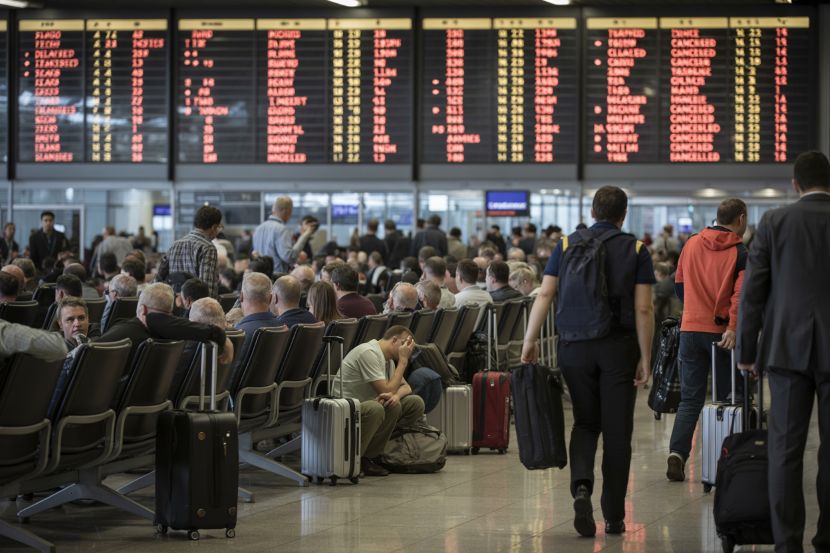







 NASCAR drivers, legends say new format is about legitimacy
 NASCAR Rule Book update formally abolishes The Playoffs
 Dale Jr. says 2025 playoff format was making him 'fall out of love' with NASCAR