
Reading view

KL Wellness City Set to Transform Malaysia’s Medical and Wellness Tourism Landscape
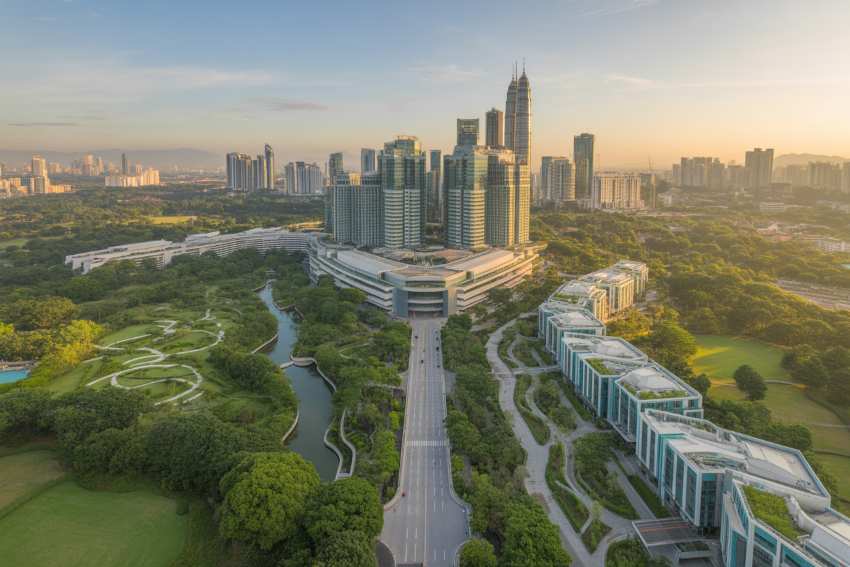
KL Wellness City Set to Transform Malaysia’s Medical and Wellness Tourism Landscape

As Malaysia seeks to establish itself as a regional leader in medical and wellness tourism, the development of KL Wellness City in Kuala Lumpur demonstrates the country’s ambition. This innovative project aims to transform healthcare, wellness, and travel experiences in Southeast Asia. It provides a comprehensive integrated model for international patients seeking medical treatment as well as tourists seeking wellness and lifestyle experiences. The size and scope of KL Wellness City’s design promise to make it a major player in Malaysia’s growing medical tourism sector, as well as an important component of the country’s overall tourism strategy.

A Groundbreaking Healthcare and Wellness Ecosystem

At the heart of KL Wellness City lies the Kuala Lumpur International Hospital (KLIH), which is being developed as one of the region’s premier tertiary healthcare facilities. This hospital, slated for completion by late 2026, will offer a full spectrum of medical services, from complex surgeries to rehabilitation and preventive care. The hospital will be equipped with cutting-edge technologies and advanced infrastructure, including a rooftop helipad for medical emergencies, which is a unique feature not commonly found in other hospitals in Malaysia. This addition will enhance patient care by allowing for rapid medical transfers from regional and international locations.

KL Wellness City’s ambition extends far beyond just being a hospital. The development is a carefully planned township that will integrate healthcare, wellness living, and lifestyle amenities. The township will feature not only medical services but also residential areas, wellness suites, research facilities, and leisure spaces, providing an all-encompassing environment for those seeking medical care and those pursuing wellness and relaxation. This integrated design promotes the idea of health-oriented living, where medical treatments and lifestyle changes go hand in hand. The township will also include specialized clinics, health-focused educational facilities, and wellness retail outlets to serve visitors’ health and lifestyle needs.

Strategic Location and Connectivity

KL Wellness City is strategically located in Bukit Jalil, Kuala Lumpur, providing easy access to the major international transport hubs of Kuala Lumpur International Airport (KLIA) and Subang Airport. This ideal location ensures that international visitors seeking medical treatment or wellness services can easily access the city, making it a highly attractive destination for medical tourism. The proximity to key travel routes also offers a competitive advantage in the region, as Malaysia strives to capture a significant share of the growing medical tourism market in Southeast Asia.

The development’s location within Kuala Lumpur, Malaysia’s bustling capital, further enhances its appeal. Kuala Lumpur is already a well-established tourist destination, known for its diverse culture, world-class shopping, and rich culinary scene. The integration of wellness and medical services within this urban environment ensures that visitors can enjoy a complete travel experience, blending health, leisure, and exploration in one location.

Expanding Malaysia’s Medical Tourism Industry

Malaysia has long been a popular destination for medical tourism, particularly in fields such as cosmetic surgery, fertility treatments, and health check-ups. With a competitive advantage in terms of cost, quality, and accessibility, the country has been attracting medical tourists from neighboring countries, including Singapore, Indonesia, and Thailand, as well as further afield from regions such as the Middle East and Europe.

The development of KL Wellness City is a critical part of Malaysia’s strategy to strengthen its medical tourism sector. The Malaysian government has recognized the immense potential of medical tourism, with several initiatives aimed at attracting international patients, such as the Malaysia Healthcare Travel Council (MHTC). These initiatives focus on improving the country’s medical infrastructure and enhancing the overall patient experience, ensuring that Malaysia remains a competitive player in the global medical tourism market.

KL Wellness City will play a significant role in this strategy, serving as a high-end destination that offers world-class healthcare in a modern, wellness-focused environment. The city’s emphasis on preventive health and holistic care complements Malaysia’s growing reputation as a wellness tourism hub, attracting not only patients seeking medical treatment but also those who want to experience recovery and rejuvenation in a peaceful, purpose-built environment.

A Hub for Wellness Living and Leisure

KL Wellness City’s unique approach to wellness tourism combines clinical care with holistic lifestyle services. The township will include wellness residences, fitness studios, spa services, and nutritional and dietary programmes, all designed to promote overall health and well-being. This approach allows visitors to immerse themselves in a health-centric lifestyle while undergoing medical treatment, facilitating a more seamless and comprehensive recovery experience.

The integrated design of KL Wellness City also incorporates green spaces and recreational areas, encouraging outdoor activities like yoga, tai chi, and walking. The inclusion of Central Park, a dedicated wellness park, will provide residents and visitors with opportunities for outdoor exercise, relaxation, and connection with nature. This focus on environmental well-being aligns with growing trends in the wellness sector, where consumers are increasingly seeking destinations that offer both medical services and a connection to nature.

Collaborations and Partnerships to Strengthen Regional Influence

KL Wellness City’s development is backed by strategic collaborations with international healthcare and wellness providers. Partnerships with renowned global institutions in fields like aesthetic medicine, sports health, and anti-aging treatments are expected to elevate the quality of services offered at the wellness city. For example, collaborations with leading medical research centers and international universities will enable the facility to stay at the forefront of healthcare advancements, further solidifying Malaysia’s position as a destination for top-tier medical services.

These partnerships are part of a broader effort to attract global health professionals to the city, ensuring that KL Wellness City becomes a thriving hub for medical innovation and collaboration. By establishing a network of specialized clinics, hospitals, and research facilities, the city aims to provide a world-class medical experience that will draw patients from all over the world.

Economic Impact and Growth Potential

The construction and operation of KL Wellness City are expected to have a significant economic impact on Malaysia. By attracting international medical tourists, the city will contribute to the growth of Malaysia’s healthcare sector, while also boosting local industries such as hospitality, transportation, and retail. The development will also create thousands of jobs in healthcare, construction, and service industries, providing a long-term economic benefit to Kuala Lumpur and the wider region.

As Malaysia continues to invest in healthcare and wellness infrastructure, KL Wellness City will be an important catalyst for growth in these sectors. The city’s comprehensive approach to medical and wellness tourism will provide a model for other regions in Southeast Asia, encouraging further investment and innovation in the industry.

The Future of Medical and Wellness Tourism in Malaysia

KL Wellness City represents a bold vision for Malaysia’s future medical and wellness tourism industry. By combining cutting-edge healthcare with a holistic lifestyle approach, the city is poised to become a top destination for medical tourists and wellness seekers. As the project nears completion, KL Wellness City is poised to shape the future of Southeast Asia’s healthcare and wellness landscape by providing a unique combination of medical treatment, recovery, and relaxation in one integrated location.

With its strategic location, innovative approach, and dedication to excellence, KL Wellness City is poised to reshape Malaysia’s position as a global medical tourism leader. This development is more than just a healthcare facility; it is a visionary blueprint for the future of travel, wellness, and healthcare, attracting visitors from all over the world looking for a world-class experience in one of Asia’s most vibrant destinations.

The post KL Wellness City Set to Transform Malaysia’s Medical and Wellness Tourism Landscape appeared first on Travel And Tour World.

Mlech Ecotourism Community: Kampot’s Emerging Eco-Adventure Hub for International Visitors in Cambodia

Mlech Ecotourism Community: Kampot’s Emerging Eco-Adventure Hub for International Visitors in Cambodia

Kampot, known for its scenic views and natural beauty, is quickly becoming an eco-adventure hotspot thanks to the efforts of the Mlech Ecotourism Community. With its rich cultural and environmental heritage, this lakeside community is gaining local and international attention for its sustainable tourism model. By combining community-driven development and ecotourism principles, Mlech is poised to become one of Southeast Asia’s leading eco-adventure destinations by 2026.

From Humble Beginnings to National Recognition

Mlech Ecotourism Community began its journey as a modest project, founded on the principles of sustainable tourism and community empowerment. The community, situated around Mlech Dam, initially participated in local festivals such as the Kampot Sea Festival. During these early days, Mlech’s presence was relatively small, situated on the periphery of the festival, but it still managed to capture the attention of both local residents and government officials. A significant turning point came in 2019 when Mlech’s involvement in the festival led to the creation of a video presentation that would later be showcased on Kampot’s city-wide LED display.

As the years progressed, the community grew in both size and influence. The establishment of Mlech Adventure, a key partner, played a pivotal role in the development of the region. With time, Mlech evolved from a roadside exhibit to an organized, community-based ecotourism model. The community’s focus has always been clear: to promote sustainable tourism while maintaining the environmental and cultural integrity of Kampot. This vision was first recognized by the Kampot Provincial Department of Tourism, which played an instrumental role in supporting Mlech’s growth and success.

A Strong Foundation in Sustainability

The Mlech Ecotourism Community’s commitment to sustainability has been key to its success. The model focuses on not just tourism but also the preservation of the lake and its surrounding environment. One of the community’s key efforts is the protection of the lake from illegal fishing, an initiative that has become a cornerstone of its work. In addition to safeguarding the environment, Mlech organizes annual fish release activities to replenish the lake’s aquatic life, helping to maintain the delicate balance of the ecosystem.

A holistic approach is also taken toward developing tourism experiences. The community combines a variety of activities such as boating, fishing, and hiking, creating a multifaceted destination that appeals to both nature lovers and adventure enthusiasts. The integration of local residents, fishermen, boat operators, and other stakeholders ensures that every aspect of Mlech reflects the local culture, making it an authentic representation of Kampot’s rural charm.

Expanding the Reach: International Exposure at Exhibitions

Mlech’s transformation into a sustainable tourism destination gained considerable momentum after participating in national and international tourism exhibitions. Vireak Chandara, a key figure in Mlech’s development, showcased the community at the Ministry of Tourism’s Annual Conference exhibition in February 2026, where Kampot’s local delicacies and the community’s progress were put on display. This event served as a platform not just for promoting Mlech but also for connecting with audiences unfamiliar with the region.

The exhibition allowed Mlech to highlight its future plans, with an emphasis on community-led tourism and sustainable practices. As part of its ongoing efforts to elevate Kampot’s tourism sector, Mlech has made appearances at other prestigious platforms, such as the CAMFOOD & CAMHOTEL Expo, further strengthening its presence in the tourism world. These events not only offer a chance to present the community’s work but also serve as an opportunity to attract international visitors and partners interested in ecotourism.

Dara, one of Mlech’s founders, has always been an advocate for in-person participation at exhibitions, believing that nothing can replace the impact of face-to-face interactions. While digital content and social media are useful tools, Dara emphasizes that personal engagement remains crucial to effectively convey Mlech’s history and vision. By directly engaging with attendees, Mlech is able to share its long-term goals and explain how its community-driven model offers a sustainable alternative to mass tourism.

Preparing for International Visitors: Mlech’s Growth Plan

Looking to the future, the Mlech Ecotourism Community is focused on making the necessary improvements to welcome international visitors, particularly from Europe and the United States. While domestic tourism has played a significant role in the community’s growth, the long-term vision includes turning Mlech into a prominent international eco-adventure destination. The plans for 2026 are ambitious, with several key infrastructure projects set to enhance the visitor experience.

One of the primary objectives is to improve the rural road access to Mlech, which will make the area more accessible to tourists. An additional four kilometres of rural road access are being developed to ensure smooth travel for both domestic and international visitors. The community also plans to develop walking and cycling routes, providing more opportunities for visitors to explore the area on foot or by bike, further enhancing the ecotourism experience.

In addition to infrastructural improvements, Mlech is introducing new events to attract visitors year-round. One of the highlights will be the launch of the Mlech Camping Festival, a signature community-led event aimed at showcasing the outdoor lifestyle and fostering connections between local residents and visitors. This festival will celebrate Mlech’s commitment to sustainability while offering a unique outdoor experience that blends adventure with relaxation.

Enhancing Visitor Experience and Connectivity

Mlech is also working on installing standardized signage throughout the community to guide visitors and ensure that all attractions are easily accessible. The goal is to enhance the overall visitor experience by providing clear directions to the various activity zones within the community. These zones will be linked together more effectively to create a seamless, interconnected tourism experience.

Another key improvement is the development of annual community events, which will not only highlight the local culture but also provide an opportunity for visitors to engage with the community in meaningful ways. These events will help position Mlech as a destination that offers both adventure and cultural immersion, appealing to a wide range of travellers.

A Bright Future for Kampot’s Ecotourism

As the Mlech Ecotourism Community grows and evolves, it plays an increasingly important role in Kampot’s tourism landscape. By combining sustainability and adventure, Mlech is paving the way for Kampot to become Southeast Asia’s premier eco-adventure destination. With plans for improved infrastructure, community events, and a stronger international presence, Mlech is poised to attract visitors from all over the world while preserving the natural beauty that makes Kampot special.

In the coming years, the Mlech Ecotourism Community will serve as a model for sustainable tourism development, demonstrating that when communities take control of their own tourism initiatives, the results can be both environmentally and economically beneficial. As Mlech prepares for a future filled with international visitors and new experiences, it is clear that Kampot’s ecotourism sector is poised for growth.

The post Mlech Ecotourism Community: Kampot’s Emerging Eco-Adventure Hub for International Visitors in Cambodia appeared first on Travel And Tour World.

The Ultimate Guide to Galutu Town: The Heart of Mongolian Milk Skin

The Ultimate Guide to Galutu Town: The Heart of Mongolian Milk Skin

High above the windswept horizons of Wushen Banner, a culinary transformation is taking place that bridges the gap between ancient nomadic traditions and the fast-paced digital age. In the heart of Galutu Town, located within the Inner Mongolia Autonomous Region, a delicacy known as naipi—or traditional milk skin—is being reinvented. This rich, wrinkled sheet of concentrated milk fat, once a quiet staple of the Mongolian breakfast table, has grown beyond its humble beginnings. It is no longer limited to herdsmen’s copper pots; rather, it is being incorporated into modern global cuisines, appearing in everything from artisanal pizzas and speciality coffees to trendy hotpots and seasonal mooncakes.

A Morning Ritual Preserved in Time

The journey of this “white gold” begins in the early hours of the morning, long before the sun fully warms the grasslands. In the traditional kitchens of local herdsmen, brick tea is simmered over open flames while the essential ingredient of the steppe is prepared. Fresh milk, which has been allowed to rest undisturbed throughout the night, is gently heated until a pale yellow, textured layer forms upon the surface. This delicate sheet represents the concentrated essence of nearly two kilograms of raw milk. When this “soul of the breakfast” is broken into bowls of salty milk tea, a deep, creamy aroma is released, providing the necessary sustenance to withstand the chill of the northern plains. This process, though centuries old, remains the foundation upon which a burgeoning modern industry is built.

From Artisanal Craft to Industrial Powerhouse

The transition from a domestic craft to a national commodity has been facilitated by significant technological advancements. Just a short distance from the traditional yurt kitchens, modern facilities like the Minxin Dairy Processing Workshop demonstrate the scale of this dairy revolution. Within these walls, the sounds of manual stirring are replaced by the hum of standardized machinery. Thousands of milk skin sheets are dried and shaped simultaneously on high-efficiency production lines before being vacuum-packed for distribution. These products are then dispatched to China’s major metropolitan centres, including the bustling hubs of Shanghai and Hangzhou. The demand for these products has surged dramatically; output in 2025 was nearly double compared to previous years, with thousands of sheets being produced daily from tonnes of fresh milk.

Engineering the Flavour Revolution

The “breakout” success of milk skin is not regarded as a mere coincidence by regional planners. It is seen as a calculated response to a global shift toward high-protein, natural health foods. Since 2022, a systematic industrial chain project has been implemented in Galutu Town to ensure the quality and quantity of production. Upstream in the supply chain, vast tracts of land—approximately 4,000 mu—were converted into “central kitchens” dedicated to the cultivation of high-quality forage, such as silage corn and oats. Furthermore, Jersey cows were introduced to the region specifically to enhance milk yields. These efforts resulted in an annual milk production increase from roughly 817,000 kg in 2022 to nearly 5 million kg by the mid-2020s, ensuring a stable foundation for the town’s “flavour laboratories”.

The Viral Rise of the Milk-Skin Tanghulu

Innovation has been sparked further by local creative competitions, which encouraged entrepreneurs to fuse traditional ingredients with modern snacks. One of the most notable successes is the reinvention of tanghulu—the classic Chinese sugar-coated hawthorn skewer. In this new iteration, the haws are stuffed with fruit-filled milk skin and paired with cold-brew yoghurt. While the market was initially viewed with hesitation, the trend exploded on social media, leading to hundreds of skewers being sold daily. These inventive offerings are credited with more than just increasing sales; they are viewed as a vital link that connects the heritage of the grasslands with the lifestyle of a younger, fashion-forward generation.

A New Frontier for Culinary Tourism

Galutu Town has expanded its vision beyond food production, integrating its dairy heritage into a comprehensive tourism strategy. The town is now positioned as a destination where planting, breeding, processing, and sales are combined with immersive travel experiences. Visitors are invited to tour high-tech modern ranches and are given the opportunity to participate in the traditional hand-making of milk skin. Local street shops serve as tasting rooms for an array of fusion snacks, and exquisite souvenir sets are made available for travellers to take home. By hosting cultural festivals and even challenging Guinness World Records for the largest milk skin ever produced, the town has successfully established naipi as a core cultural intellectual property (IP).

Sustaining the Grassland Dividend

The future of Galutu’s dairy industry depends on ongoing research and development to strengthen the industrial chain. The goal is to expand the global reach of the grasslands’ distinct aroma. By modernising the “milk skin” brand, the town ensures that the economic benefits of industrial growth are distributed to the local herders, preserving their way of life through innovation. As the “grassland aroma” spreads, it carries the story of a culture that refused to fade away, demonstrating that even the most ancient delicacies can find a place in the modern world when treated with respect and creativity.

The post The Ultimate Guide to Galutu Town: The Heart of Mongolian Milk Skin appeared first on Travel And Tour World.
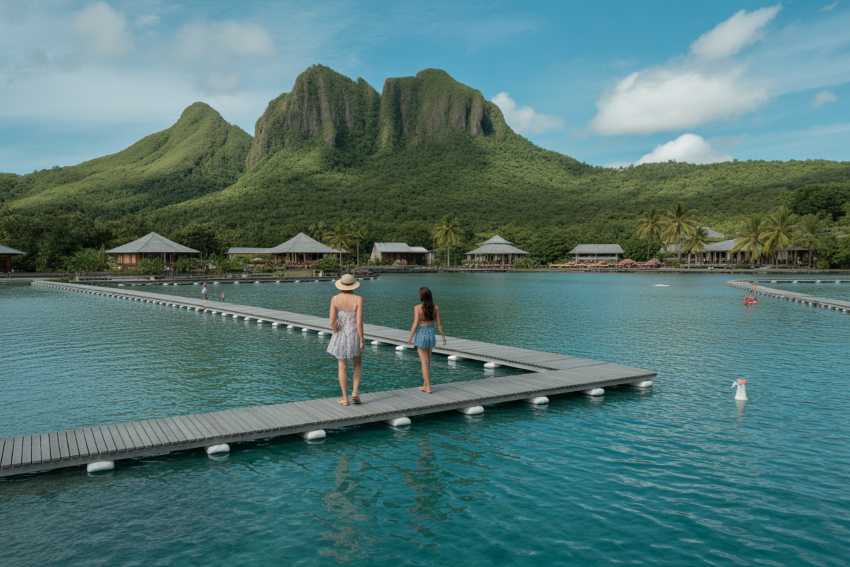
Japan Snow Safety Warning 2026: Crucial Winter Travel Updates Following Tourist Deaths

Japan Snow Safety Warning 2026: Crucial Winter Travel Updates Following Tourist Deaths

The legendary powder of the Japanese archipelago, affectionately known as “Japow”, has long been a siren song for winter sports enthusiasts. However, the 2025-2026 season has been marked by unprecedented climatic challenges and a series of tragic incidents, prompting national authorities to issue increased safety advisories. Following the untimely deaths of three Australian travellers in separate incidents across the northern regions, attention has been drawn to the inherent risks of alpine environments when combined with record-breaking snowfall.

The winter of 2026 has been described as one of the most intense in recent decades. Northern prefectures, particularly Aomori and Hokkaido, have experienced snowfalls of more than four metres. While these conditions make for an ideal skiing environment, they also introduce significant risks, such as mechanical lift accidents, unpredictable medical emergencies, and off-piste hazards. As the Japanese government and tourism organisations respond to these tragedies, international tourists are being urged to reconsider their approach to mountain safety.

Analysis of Recent Alpine Tragedies

The safety of international visitors has become a primary concern for the Japan National Tourism Organization (JNTO) after three distinct fatalities involving Australian nationals were reported. In late January 2026, the skiing community was shaken by a freak accident at the Tsugaike Mountain Resort in Nagano. A 22-year-old snowboarder lost her life after her backpack became entangled in a chairlift mechanism upon disembarkation. Because the safety straps were securely fastened around her torso, she remained suspended, leading to a fatal cardiac event.

Just days later, a 27-year-old seasonal worker and experienced skier was found unresponsive in the backcountry terrain between Niseko Moiwa and Niseko Annupuri. Despite immediate resuscitation efforts by bystanders and local emergency teams, his death was confirmed at a nearby medical facility. While initial reports feared an avalanche, the incident is currently being investigated as a sudden medical episode. Earlier in the month, a 17-year-old student also met a tragic end at the Niseko resort after a collision with a boundary marker. These events have collectively prompted a rigorous review of safety protocols by resort operators and government officials.

The Mechanics of Mountain Safety: Backpack Protocols

In the wake of the chairlift incident in Nagano, specific attention is being directed toward the use of equipment. New directives are being issued by ski lift operators across the Hakuba Valley and Niseko regions. It is now strongly advised that all backpacks be removed before boarding any chairlift. If removal is not possible, travellers are instructed to ensure that every strap, buckle, and loose cord is tucked away or held in front of the body to prevent snagging.

The danger of “entanglement” is often overlooked by even seasoned athletes. Modern technical packs are designed with numerous loops and tensioners that can easily catch on the metallic structures of older or high-speed lift systems. This simple oversight can turn a routine ascent into a life-threatening situation. Resorts are currently implementing more stringent monitoring at boarding stations, and staff are being trained to identify and alert skiers with potentially hazardous gear configurations.

Understanding the Backcountry and Off-Piste Risks

While the allure of untouched snow is undeniable, the “Niseko Rules” and other local mountain codes are being reinforced with renewed vigour. The Niseko avalanche bulletin has issued clear warnings that areas outside the designated gates are not considered part of the managed resort. These zones are not patrolled, and the snowpack is not stabilized by mountain crews.

The record snowfall of 2026 has created a “perched” snow layer that is highly susceptible to sliding. Tourists are reminded that even if the weather appears calm, the weight of fresh accumulations can trigger deep-slab avalanches. It is requested that all backcountry enthusiasts carry a beacon, probe, and shovel, and more importantly, that they never venture beyond resort boundaries without a professional local guide who understands the specific geological nuances of the Japanese terrain.

A Nationwide Crisis: Record Snow and Rising Temperatures

The safety concerns extend beyond the ski slopes. The Fire and Disaster Management Agency of Japan has reported that the extreme weather has claimed over 30 lives nationwide, primarily through snow-related accidents such as roof collapses and burials during snow removal. A particular danger has been identified by the Japan Meteorological Agency (JMA) regarding sudden temperature fluctuations.

As temperatures rise intermittently, the risk of “wet snow” avalanches and falling snow from urban structures increases significantly. Travellers are cautioned to remain vigilant even when walking through resort villages or northern cities like Aomori. Massive walls of snow, sometimes twice the height of a person, line the streets, and the threat of these structures destabilizing is a constant concern during the late winter months.

Official Advice and Resources for Travellers

The Australian Department of Foreign Affairs and Trade (DFAT), through its Smartraveller portal, has provided regular updates to citizens currently in Japan. Consular assistance is being provided to the families of the deceased, and travellers are encouraged to register their plans through official government channels.

For those planning a visit, the JNTO’s “Safety Tips” app is a must-have, providing real-time alerts for weather, avalanches, and other natural disasters. Furthermore, the value of comprehensive travel insurance that includes “winter sports” and “backcountry skiing” cannot be overstated. Standard policies frequently prohibit these activities, exposing travellers to exorbitant medical and repatriation costs in the event of an accident. The beauty of the northern winter can still be enjoyed safely if you respect the mountains and follow the strict safety measures put in place by Japanese authorities.

The post Japan Snow Safety Warning 2026: Crucial Winter Travel Updates Following Tourist Deaths appeared first on Travel And Tour World.
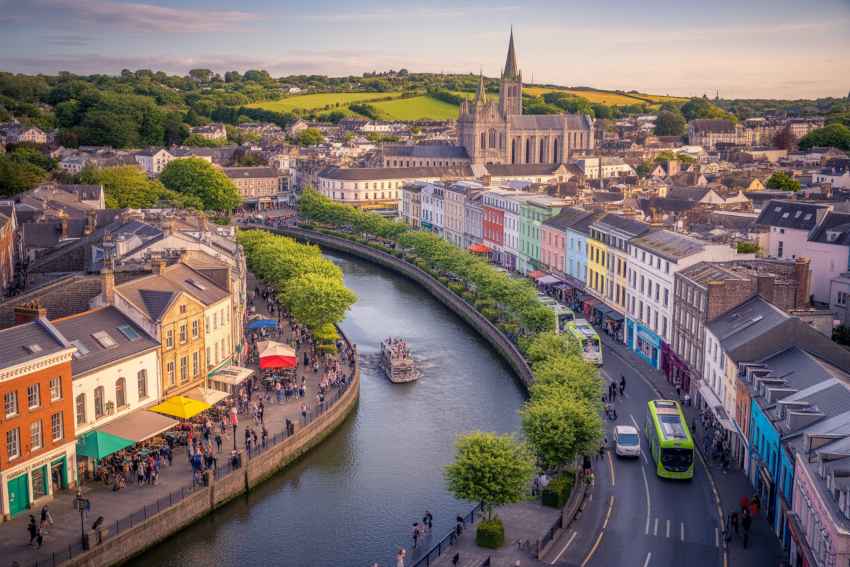
How Croatia’s SWEN-Diventa Merger is Future-Proofing European Hospitality Infrastructure

How Croatia’s SWEN-Diventa Merger is Future-Proofing European Hospitality Infrastructure

SWEN’s official acquisition of Diventa (ITI Computers) has fundamentally altered the Croatian hospitality technology landscape. Industry analysts see this as a watershed moment for the region, as SWEN Hospitality takes over one of the most established and widely used unified hotel information systems. This strategic merger has resulted in the formation of a formidable new IT hospitality group, with the unified entity now controlling approximately 30% of the market.

For Croatia, this transition is viewed as a confirmation of its unique position in Europe. While many countries focus solely on promoting the sun and sea, Croatian innovators are actively pursuing the development of proprietary technological infrastructure in addition to tourism. SWEN, as part of the Bornfight group, is well-positioned to capitalise on a natural competitive advantage derived from the intersection of long-standing tourism traditions and cutting-edge digital technologies.

Transforming Decades of Experience into Future-Ready Platforms

Rather than being treated as a standard acquisition of a legacy user base, the integration of Diventa is being approached as a catalyst for a long-term technological metamorphosis. Over 30 years of operational history have been accumulated by Diventa, providing a bedrock of industry knowledge that is now being fused with a modern, cloud-first philosophy. The development of an isolated software tool is not being sought; instead, a next-generation platform for the global hospitality industry is being constructed.

For the vast network of hotels, campsites, and resorts currently serviced by these firms, a gradual unification of business processes is being promised. A software ecosystem is being built that is intended to function as the primary digital infrastructure for the modern courtier. Within this framework, capacity, pricing, personnel, and data are to be managed with a newfound emphasis on stability and long-term sustainability. It is anticipated that real business value will be delivered through the smarter management of prices and the automation of labour-intensive tasks that previously demanded significant human intervention.

Architectural Innovation and the Role of Artificial Intelligence

The technical direction of the new group is being steered by a vision of centralized data and advanced analytics. While the intricacies of hotel and campsite operations are deeply understood by the Diventa team, a modern cloud architecture has been meticulously developed by SWEN in recent years. This architecture is characterized by a robust data layer where information is not just stored but actively analysed.

Furthermore, the application of Artificial Intelligence is being gradually introduced where measurable benefits can be identified. This is not AI for the sake of trend-following; rather, the technology is being integrated to enhance real-time data availability and to support more resilient decision-making processes. By combining three decades of “boots on the ground” experience with cutting-edge cloud capabilities, a gap in the market—the lack of a stable, long-term infrastructure platform—is finally being addressed.

Aligning with National Sustainability and Digital Goals

This private-sector merger is taking place against the backdrop of broader national ambitions. According to the Sustainable Tourism Development Strategy until 2030 published by the Croatian Ministry of Tourism and Sport, the digital and green transition of the economy is being prioritized. The modernization of the hospitality sector is seen as a key component in achieving these goals, particularly as Croatia strives to reach the European Union average in the Digital Economy and Society Index (DESI).

The digital transformation of the industry is also being supported by initiatives like the Digital Croatia Strategy until 2032. By investing in data and analytical infrastructure, companies like SWEN are contributing to the national objective of fostering a more resilient and competitive economic environment. As the country continues to attract digital nomads and high-value travellers, the requirement for seamless, tech-driven guest experiences is being met by these local innovations.

A Vision for Regional and European Expansion

The merger of SWEN and Diventa is being interpreted as the first stage of a larger growth strategy. Future investments in analytical infrastructure and strengthening the integration ecosystem are already being considered. Furthermore, the possibility of additional acquisitions with complementary regional solutions is being investigated.

The ultimate goal is clear: the new group will position itself as a relevant European challenger in the highly competitive field of hospitality technology. As the global travel market becomes more competitive, the group’s leadership emphasises the importance of measurable business effects and more efficient resource utilisation. The merger is more than just an endpoint; it marks the beginning of a new chapter in which Croatian ingenuity is exported to the larger European stage.

The post How Croatia’s SWEN-Diventa Merger is Future-Proofing European Hospitality Infrastructure appeared first on Travel And Tour World.
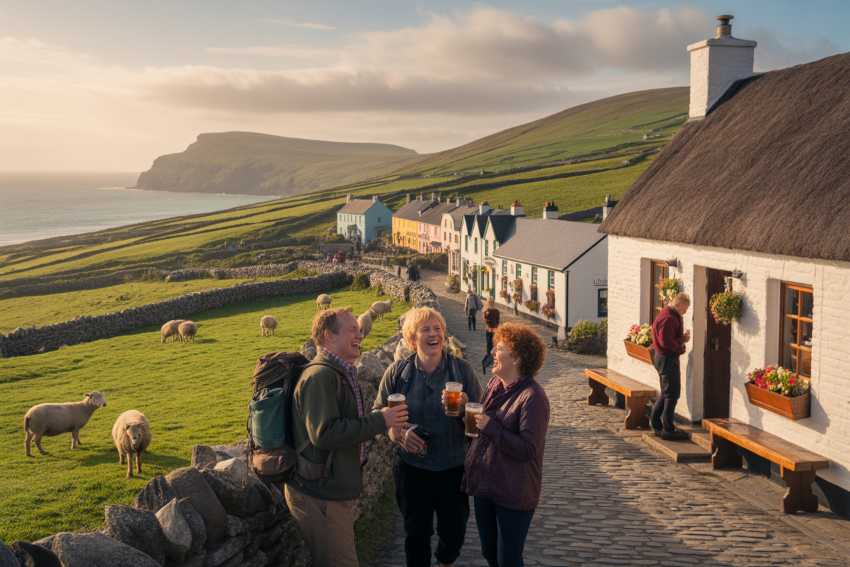
Ecotourism Revolution in Macuata: Fiji’s Northern Division Gears Up for Major Tourism Boost

Ecotourism Revolution in Macuata: Fiji’s Northern Division Gears Up for Major Tourism Boost

Macuata, located in the lush mountains of Fiji’s Northern Division, is well-known for its tranquil landscapes and simple, peaceful lifestyle. Historically, the region has been overlooked as a major tourism destination in favour of more established areas in Fiji. However, the tide is turning as Macuata positions itself as a burgeoning ecotourism destination, ready to attract both local and international visitors. The Macuata Tourism Association (MTA), soon to be the Macuata Tourism Council, is leading this transformational journey, with major projects aimed at increasing the region’s tourism appeal.

Macuata’s Hidden Potential Unveiled

The natural beauty of Macuata has always been its greatest asset, but it has only recently started to receive the attention it deserves. Long thought to be a quiet destination suitable for local tourism, the region is now preparing to attract a broader audience, especially among the Fijian diaspora and international travellers. The region’s ecotourism potential has been recognized, and significant strides are being made to develop its tourism infrastructure.

Thanks to a $200 million grant facilitated by the World Bank, Macuata’s tourism sector is undergoing a major overhaul. This funding aims to develop sustainable tourism projects that will benefit the region and its communities for years to come. Among the key projects planned are major upgrades to the Floating Island, a popular tourist site. The renovations will include the installation of walking planks, an upgraded access road, and a new visitor centre. These improvements will make the site more accessible, comfortable, and appealing to tourists, enhancing its status as a must-visit location in Fiji.

Expanding Ecotourism and Supporting Infrastructure

Macuata’s tourism plans include a variety of exciting initiatives designed to cater to a wide range of visitors. A new parking facility is planned for the Nagigi Naag Mandir, a significant site in the region, as well as the introduction of small discovery expedition cruises that can host between 200 and 300 visitors. These cruises will offer a unique way for tourists to explore the region’s coastal beauty, providing an immersive experience that showcases Macuata’s natural and cultural heritage.

Further developments are set to enhance Macuata’s appeal to nature lovers and adventure seekers. Upgrades are planned for the Three Sisters Mountain and the Waiqele and Tambia hot springs, both of which offer incredible scenic views and are perfect for those looking to connect with nature. The local government and community leaders are ensuring that sustainability will be at the heart of all these developments, emphasizing the importance of protecting Macuata’s unique environment for future generations.

A Boost to Labasa’s Economy

These ecotourism developments are expected to be a significant economic boost for the town of Labasa, the heart of Macuata. Currently, the town’s economy is heavily reliant on the sugar industry, which leaves it vulnerable to fluctuations in the market. When the sugar mill is operational, the town thrives, but when it is not, Labasa feels the impact. Ecotourism offers a much-needed diversification, providing new sources of income and employment opportunities for local residents.

The planned developments are expected to draw both local and international tourists, injecting much-needed revenue into the town’s economy. According to local stakeholders, Macuata’s ecotourism boom could reverse the trend of young people migrating to urban areas in search of better opportunities. With the promise of new jobs and a thriving tourism industry, many Fijians, particularly those in New Zealand, Australia, and the United States, may be encouraged to return to their homeland.

The tourism boom will not only support local businesses but also help strengthen the community’s resilience to external economic shocks. A more diversified economy is crucial for the long-term prosperity of Labasa, and tourism is expected to play a central role in this transformation.

Addressing Infrastructure Challenges

While the tourism development plans are exciting, the region must overcome significant infrastructural challenges to fully realize its potential. For years, Labasa has been calling for improvements to its transport infrastructure, including a much-needed bypass road. Although there has been little progress in the past, the government has recently announced plans for a new bypass road and bridge, which will improve access to key tourism sites and make travel within the region more efficient.

Additionally, the town’s limited accommodation capacity poses a challenge to accommodating a growing number of tourists. Currently, most visitors to Labasa are government ministers or a handful of local and international tourists. However, as tourism projects like the Floating Island upgrades and the hot springs developments take shape, it is expected that more hotels and guesthouses will spring up to meet the rising demand.

Economic Ripple Effect

As tourism grows, it is expected to have a positive ripple effect on other sectors of the local economy. The development of tourism infrastructure and amenities will encourage investment in the hospitality industry, leading to the establishment of more businesses in the area. Already, Labasa has seen its first international hotel brand, Ramada Encore by Wyndham, open in the town, a sign of growing investor confidence.

Furthermore, the Charan Jeath Singh Group is investing $5 million to expand the Grand Eastern Hotel to meet the rising demand for accommodation. These investments signal a positive shift in the town’s economic landscape and are likely to attract more businesses and tourists in the future.

Sustainable Growth for Future Generations

The MTA and the newly formed Macuata Tourism Council are committed to ensuring that tourism development is done responsibly and sustainably. Environmental stewards will play a vital role in managing and protecting the region’s natural resources. By emphasizing the importance of environmental stewardship, the Council hopes to create a model of sustainable tourism that benefits both the local economy and the environment.

Community involvement is also key to the success of these projects. The MTA is working closely with local stakeholders, including landowners, business owners, and community members, to ensure that the tourism development process is inclusive and beneficial to all. By engaging the community in these projects, the region aims to create a sense of ownership and pride in the tourism industry, helping to preserve the unique culture and natural beauty that make Macuata so special.

A Bright Future for Macuata

The transformation of Macuata into an ecotourism destination is a game changer for Fiji’s northern division. With significant investments in infrastructure, sustainable tourism projects, and community involvement, the region is on track to become one of the country’s top ecotourism destinations. The next five years are critical for Macuata’s development, and the town is poised to become a major player in Fiji’s tourism industry.

As the tourism industry expands, it will create new opportunities for locals and attract tourists from all over the world. With its distinct blend of natural beauty, cultural heritage, and ecotourism initiatives, Macuata is on its way to becoming one of the Pacific’s most sought-after destinations.

The post Ecotourism Revolution in Macuata: Fiji’s Northern Division Gears Up for Major Tourism Boost appeared first on Travel And Tour World.

Ireland’s Cork Sets Ambitious Tourism Growth Targets with New International Promotions, Sustainability Initiatives, and Business Events

Ireland’s Cork Sets Ambitious Tourism Growth Targets with New International Promotions, Sustainability Initiatives, and Business Events

Tourism in Cork is set for a major boost, thanks to a series of exciting plans shared by Visit Cork at their annual Tourism Industry Day. The event, held at the Radisson Blu Hotel & Spa in Little Island, brought together over 150 tourism and hospitality professionals. The main focus of the event was on expanding Cork’s international presence, promoting sustainability, improving accessibility, and attracting more business events, all aiming for a growth of 8-10% in visitor numbers by 2026.

This move comes at a crucial time for Cork’s tourism sector, which currently supports one in ten jobs in the region, providing work for around 22,500 people. With tourism playing such a vital role in the local economy, Visit Cork is taking proactive steps to keep the sector thriving. The strategy involves tapping into new international markets while also strengthening relationships with established ones, all in an effort to make Cork an even more appealing destination for visitors from around the world.

Expanding International Market Presence

One of the key components of Visit Cork’s plan is the expansion of promotional activities in several international markets, with particular focus on Germany and Canada. These markets have been identified as high potential for Cork’s tourism growth. Germany, in particular, has been earmarked for an increase in marketing activity, a move aimed at attracting more visitors from one of Europe’s most important tourism source countries.

Alongside Germany, Canada is also being targeted as a priority market from 2026. The Canadian market’s proximity, strong cultural ties, and growing middle class make it an ideal source of new visitors. Visit Cork is also continuing to focus on traditional key markets such as the US, UK, Spain, France, and the Netherlands, all of which have consistently provided a solid flow of tourists to the region.

To facilitate this expansion, an increase in frequency for the Frankfurt-Cork air service has been announced for the summer of 2026. This move is expected to enhance accessibility from Germany, reinforcing Cork’s position as a valuable destination for European travellers.

Fostering Immersive Experiences and Business Tourism

Beyond international marketing, Visit Cork is placing significant emphasis on creating immersive tourism experiences. The county’s rich history, diverse landscapes, and vibrant food scene are key components of the region’s appeal. Cork’s food tourism offerings are expected to be a major draw, as the region is renowned for its high-quality produce, from artisan cheeses to craft beers and fresh seafood.

Additionally, the development of the night-time economy and dynamic packaging of local attractions and accommodations are part of Visit Cork’s strategy to increase overnight stays and extend the duration of visits. These efforts are aimed at not only bringing more tourists to Cork but also encouraging them to stay longer, thus boosting the local economy.

Business tourism is another area where Cork has been performing exceptionally well. The Cork Convention Bureau has been instrumental in positioning the city as a top destination for international conferences. Since its inception, the Cork Convention Bureau has generated an estimated €150 million for the local economy through business events. Cork has become a hub for international association conferences, particularly in sectors where the city has global strengths, such as food, agritech, STEM, space, and maritime industries.

To further build on this success, the Cork Convention Bureau’s Conference Ambassador Programme has been an essential tool. This initiative encourages local experts to bid for international conferences, helping to establish Cork’s reputation as a world-class conference destination.

Sustainability and Accessibility: Cornerstones of Future Growth

Sustainability and accessibility have been central themes in Visit Cork’s strategic plans for the future. Cork has made impressive strides in sustainable tourism, ranking 20th globally on the Global Destination Sustainability Index and second among cities of similar size. This achievement is a testament to the region’s ongoing efforts to create a tourism model that is both environmentally responsible and economically viable.

To celebrate and encourage continued sustainability within the tourism sector, the Visit Cork Green Award 2026 was launched. This award is open to all tourism businesses, including hotels, restaurants, and tour operators, with a focus on environmental sustainability, social responsibility, and innovation. The award highlights leaders in the sector who are making a significant impact through sustainable practices and community engagement.

As part of Visit Cork’s commitment to sustainability, tourism businesses across the county are being encouraged to develop and promote evening and off-peak experiences. These initiatives aim to attract visitors during quieter times, spreading tourism benefits throughout the year and reducing the pressure on popular attractions.

Marketing Cork as an Experience-Rich Destination

Pure Cork, the regional tourism brand, will be launching a new marketing campaign in 2026 aimed at positioning the destination as an experience-rich location. This campaign will focus on Cork’s strengths in food tourism, adventure activities, and cultural experiences. The initiative encourages local tourism businesses to collaborate and create sellable packages that will appeal to both domestic and international visitors.

One of the key focuses of the new campaign will be highlighting Cork’s unique positioning within Ireland’s broader tourism offering. The county sits at the intersection of Ireland’s Ancient East, the Wild Atlantic Way, and Ireland’s Hidden Heartlands, giving it a unique appeal for visitors interested in exploring the rich culture and stunning landscapes of the Emerald Isle.

Long-Term Impact on the Economy

The tourism sector’s ongoing growth is crucial for Cork’s economy. Tourism expenditure has a significant impact, with every €1 million spent by tourists supporting around 20 tourism jobs. Furthermore, for every euro spent by a visitor, approximately 29 cents is returned to the Exchequer due to the wider economic benefits. As such, tourism continues to be one of the most important economic drivers for both Cork and the wider region.

Tourism professionals were also briefed on the potential for regenerative tourism, which aims to support local communities, enhance biodiversity, and build long-term resilience for the destination. This approach to tourism not only benefits visitors but also ensures that future generations can continue to enjoy Cork’s natural beauty and cultural heritage.

A Bright Future for Cork’s Tourism

Visit Cork’s annual Tourism Industry Day truly highlighted the region’s dedication to growing and evolving its tourism industry. With a clear focus on strategic initiatives like boosting international marketing, promoting sustainability, creating immersive experiences, and attracting more business events, Cork is in a strong position to meet its ambitious growth goals. By expanding its reach into new overseas markets, encouraging local tourism partnerships, and staying committed to sustainable practices, Cork is on track to become an even more appealing destination for visitors from all over the world in the years ahead.

The post Ireland’s Cork Sets Ambitious Tourism Growth Targets with New International Promotions, Sustainability Initiatives, and Business Events appeared first on Travel And Tour World.

Ireland Unveils ‘Island That Goes Beyond’ Campaign to Promote its Unique Spirit of Generosity

Ireland Unveils ‘Island That Goes Beyond’ Campaign to Promote its Unique Spirit of Generosity

In a fiercely competitive global tourism market, destinations compete for attention with iconic landmarks, pristine beaches, and consistent sunny weather. Despite this, Ireland has consistently carved out a niche for itself, providing a unique cultural experience that distinguishes it from the rest. In order to stand out even more, Tourism Ireland, in collaboration with Grey, launched an innovative campaign that redefines the country’s identity. The campaign, “The Island That Goes Beyond”, invites visitors to experience something more profound than traditional tourist attractions: a spirit of generosity that pervades all aspects of life on the island.

What Makes Ireland Stand Out?

While famous landmarks such as the Cliffs of Moher, the Giant’s Causeway, and Dublin’s Temple Bar District attract visitors in droves, Tourism Ireland wanted to explore what truly sets the destination apart from others. Rather than simply focusing on these familiar tourist spots, the campaign delved deeper into the intangible aspects of Ireland that make it unique.

The idea stemmed from a question posed to the Irish tourism industry: What is the one thing that travellers can experience in Ireland that they can’t find anywhere else? To answer this, ethnographic research was conducted with local residents, tour operators, and industry experts. This research went beyond surface-level insights, examining the authentic heart of the country — the warmth, charm, and generosity that the Irish are renowned for.

A Spirit of Generosity

The findings of this research unveiled a truth that had long been felt but never fully articulated: it is Ireland’s unique “spirit of generosity” that distinguishes it from other destinations. This isn’t just about being friendly or hospitable but a genuine openness to sharing and inviting others into their lives. The Irish people, their culture, and even the very landscape seem to beckon visitors to take part, not just observe.

Visitors can experience this generosity in myriad ways. From the intimate conversations with locals over a pint in a cosy pub to the stunning, expansive landscapes that invite exploration, Ireland offers an environment that encourages travellers to engage on a personal level. This generosity is also expressed through Ireland’s thriving cultural scene, including its rich musical traditions, culinary offerings, and dynamic art scene. In every corner of the island, from bustling cities to serene villages, visitors are encouraged to immerse themselves in the local way of life.

The Campaign’s Core Message

While many vacations leave visitors feeling like outsiders, Ireland strives to make every traveller feel welcomed and part of something bigger. The campaign’s central message — “the island that goes beyond” — encapsulates this notion of being truly invited into the life and spirit of the destination. It aims to remind visitors that in Ireland, they are not just tourists passing through; they are welcome to become part of the island’s story, to take part in its culture, and to experience its natural beauty in a way that makes them feel at home.

The Hero Film: A Story of Generosity

The cornerstone of the “Ireland Goes Beyond” campaign is a hero film that personifies the island’s spirit of generosity. The film tells the story of Paul, a local man who goes to extraordinary lengths to return a lost hat to a group of visiting tourists. What begins as a simple act of kindness quickly escalates into a journey across Ireland, through its rolling green hills, vibrant cities, and picturesque coastal landscapes. Paul’s efforts mirror the broader ethos of the country — that no gesture is too small, and the warmth of the people is felt wherever you go.

The film highlights the beauty of Ireland, not just in its landscapes, but in the interactions between its people and visitors. It showcases the deep sense of community that exists throughout the island and how it is woven into the very fabric of everyday life. Paul’s journey serves as a metaphor for the larger experience of Ireland: once you visit, you are drawn in, not just as a bystander, but as an active participant in the island’s story.

Supporting Social Films and Engagement

To further emphasize the theme of generosity, a series of supporting social films have been created. These films bring to life different examples of generosity across the island, whether it’s through the sharing of a meal, the storytelling traditions of the Irish, or the spontaneous acts of kindness that happen every day. Each social film offers a glimpse into the heart of Ireland, capturing moments that showcase the welcoming nature of the people and the rich, participatory culture that defines the island.

These films are set to be shared across a wide range of digital platforms, including social media, video channels, and Ireland’s official tourism website. This multi-platform approach allows the campaign to reach a broad audience, from young adventurers seeking outdoor experiences to cultural travellers drawn to Ireland’s rich heritage.

A Global Rollout

The “Ireland Goes Beyond” campaign is being rolled out globally as a key component of Tourism Ireland’s wider marketing strategy for 2026. With the tourism industry continuing to recover from the effects of the global pandemic, Ireland is poised to capture the attention of international travellers eager to reconnect with the world. The campaign is designed not only to increase awareness of Ireland as a unique destination but also to generate a deeper, more emotional connection with potential visitors.

Tourism Ireland’s approach underscores a broader trend in global marketing: the shift from promoting a destination’s landmarks to promoting the intangible qualities that make a place feel unique. In a world where everyone is vying for attention, the campaign seeks to position Ireland as not just another holiday spot, but a place where visitors can truly connect—with the land, the people, and the culture.

Looking to the Future

As Ireland’s tourism industry recovers and grows, the “Island That Goes Beyond” campaign is expected to play a critical role in attracting new visitors while cultivating long-term loyalty among those who have already experienced the island’s welcoming embrace. By emphasising the deeper, more meaningful aspects of travel — the connection between people and place — Ireland is setting a new standard for destination marketing.

Ireland provides an experience that is unique, whether it is due to the warmth of its people, the beauty of its landscapes, or the richness of its culture. And as the campaign progresses, more and more travellers from all over the world will be invited to experience it firsthand.

The post Ireland Unveils ‘Island That Goes Beyond’ Campaign to Promote its Unique Spirit of Generosity appeared first on Travel And Tour World.
❌