
Reading view

MGM Resorts Faces Challenges in Las Vegas with Declining Revenues in 2025, But Optimism Grows for Tourism Opportunities in 2026 Amid Major Sporting Events – Everything You Need to Know About Declining Revenues and What It Means for Travelers
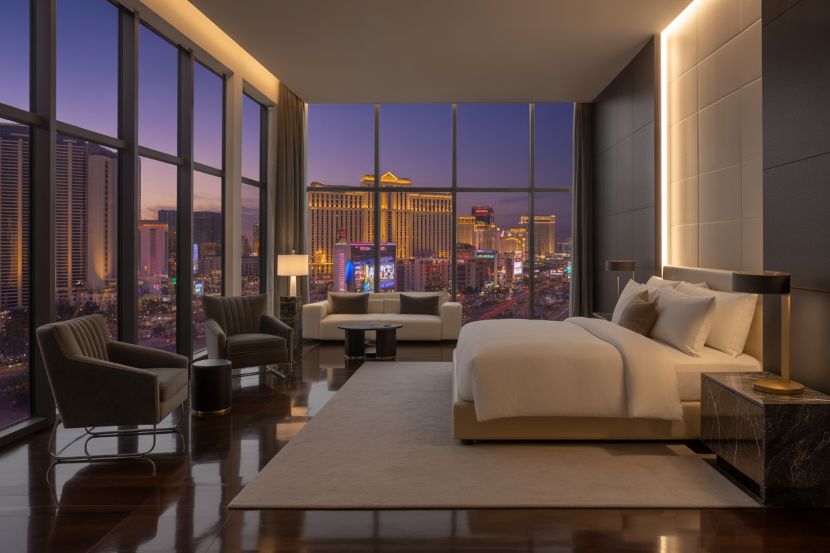
MGM Resorts Faces Challenges in Las Vegas with Declining Revenues in 2025, But Optimism Grows for Tourism Opportunities in 2026 Amid Major Sporting Events – Everything You Need to Know About Declining Revenues and What It Means for Travelers
MGM Resorts Faces Challenges in Las Vegas with Declining Revenues in 2025

MGM Resorts International, one of the biggest players in the Las Vegas hospitality and tourism sector, encountered a tough year in 2025. Despite reporting $4.6 billion in net revenues for the fourth quarter, marking a 6% year-over-year growth overall, the company experienced notable challenges in its Las Vegas segment. The iconic resorts along the Strip—including the MGM Grand—saw a decline in revenue and profitability across all four quarters of 2025. However, CEO Bill Hornbuckle remains confident in the city’s future, citing strong demand for group business and conventions, as well as the upcoming calendar of major sporting events. The company believes that Las Vegas will continue to offer extraordinary value, especially as it looks forward to a year of renewed optimism in 2026.

A Year of Struggles for MGM Resorts in Las Vegas

MGM Resorts International, which operates several major properties along the Las Vegas Strip, faced a challenging 2025, as its operations in the city encountered continuous declines in revenue. For the full year, the company saw its Las Vegas segment experience a 4% drop in net revenues and an 8% decline in adjusted EBITDAR. The fourth quarter alone showed a 3% year-over-year revenue dip and a 4% drop in adjusted EBITDAR.

While MGM’s consolidated revenues rose by 6% year-over-year, Las Vegas continued to be a problematic area, largely due to disruptions in tourism. The Las Vegas Convention and Visitors Authority reported that visitor volume in December dropped by 9.2% compared to the previous year, exacerbating the already challenging conditions for businesses in the region.

The Struggles of Tourism and Travel in 2025

The turbulence in the Las Vegas market was largely tied to tourism declines throughout 2025. Much of this can be attributed to weakened international travel and a significant decline in Canadian visitors, a crucial demographic for the city’s tourism. Leisure travel also saw setbacks, with a noticeable drop in visitor volume, particularly during the year’s final quarter.

Hotels in Las Vegas, including those operated by MGM, faced a decline in occupancy rates, average daily rates (ADR), and Revenue per Available Room (RevPAR), which are key metrics used to measure a hotel’s financial performance. Specifically, RevPAR in Las Vegas for MGM’s properties dropped by 10% in Q4, signaling a tough environment for resorts, especially those heavily reliant on tourists and conventions. This downward trend contributed to the broader tourism-related disruptions experienced across the market, leaving Las Vegas businesses scrambling to find solutions for a challenging year.

Optimism Remains as Las Vegas Rebuilds for the Future

Despite the difficult performance in 2025, Bill Hornbuckle, CEO of MGM Resorts, emphasized the company’s optimism for 2026 and beyond. He pointed out that the company is actively investing in renovations and capital improvements to position its properties for success. Notably, the MGM Grand Hotel completed a $300 million remodel of its 3,969 rooms and suites in 2025, aimed at revitalizing its offerings for visitors.

As Las Vegas remains one of the world’s top destinations for conventions, meetings, and large-scale events, MGM Resorts is benefiting from strong group business and a solid convention calendar for the upcoming year. With major events like the Super Bowl and the FIFA World Cup making Las Vegas a hub for sports tourism, MGM’s strategic positioning in the city is well-timed to capture new opportunities.

Hornbuckle remains confident that Las Vegas will continue to be an attractive market for both domestic and international travelers, pointing to its unique proximity to major sporting events and its robust convention infrastructure.

What Tourists Can Expect in Las Vegas in 2026

For travelers planning a trip to Las Vegas in 2026, there are several key takeaways from MGM Resorts’ optimistic outlook:

  1. New Developments: With $300 million renovations completed, MGM Resorts is set to offer upgraded hotel rooms, bringing a fresh experience to visitors staying at iconic properties like the MGM Grand. These renovations come just in time for 2026, when MGM plans to expand its offerings to new group business and convention travelers.
  2. Proximity to Major Events: Las Vegas is gearing up for major sporting events, including the Super Bowl and World Cup matches in nearby cities. As the sports tourism market grows, Las Vegas will benefit from being a key destination for sports fans.
  3. Increased Group and Convention Business: 2026 looks to be a strong year for convention tourism, which plays a vital role in Las Vegas’ economy. MGM Resorts is optimistic about the demand for meetings, conferences, and group events in the coming months, offering travelers a chance to attend world-class events while enjoying the attractions the city has to offer.

Las Vegas: The Resilient Jewel of Tourism

Despite the challenges faced in 2025, Las Vegas continues to hold its place as one of the world’s premier tourist destinations. Known for its entertainment, luxury resorts, and iconic casinos, Las Vegas’ ability to reinvent itself time and time again gives it a unique advantage. As the city recovers from a year of slower tourism, the future looks promising, especially with ongoing investments from major players like MGM Resorts.

Travelers can continue to expect world-class experiences and events, with enhanced offerings in the hotel and convention space. With major projects already in place, MGM Resorts is positioning itself to capitalize on the rebound in the Las Vegas tourism market.

For tourists planning their next trip to Las Vegas, this is an exciting time to experience the refreshed luxury and vibrant entertainment that the city is known for, while benefiting from its proximity to international events that bring in visitors from all corners of the globe.

The post MGM Resorts Faces Challenges in Las Vegas with Declining Revenues in 2025, But Optimism Grows for Tourism Opportunities in 2026 Amid Major Sporting Events – Everything You Need to Know About Declining Revenues and What It Means for Travelers appeared first on Travel And Tour World.
Discover Azerbaijan’s Rich Tourism Landscape at EMITT 2026: From Baku to the Caucasus Mountains, A Journey Through Culture and Adventure

Discover Azerbaijan’s Rich Tourism Landscape at EMITT 2026: From Baku to the Caucasus Mountains, A Journey Through Culture and Adventure
Discover Azerbaijan’s Rich Tourism Landscape at EMITT 2026

As the global tourism industry continues to grow, countries are increasingly finding creative ways to highlight their unique cultural and natural treasures. One such initiative is the Azerbaijan Tourism Board’s (ATB) active participation in the EMITT 2026 exhibition held in Istanbul, Türkiye. The 29th East Mediterranean International Travel & Tourism Exhibition serves as an important platform for showcasing travel destinations, and Azerbaijan’s vibrant tourism sector is capturing attention this year. The Azerbaijan Tourism Board, alongside representatives from the local tourism industry and Azerbaijan Airlines (AZAL), is bringing the country’s tourism offerings to the international stage.

Visitors to the Azerbaijan national stand are being treated to an in-depth experience of the nation’s diverse tourism products, which include everything from gastronomy and ski resorts to wine tourism and health tourism. The exhibition, which runs through February 7, 2026, features over 660 exhibitors from 109 countries, creating an ideal environment for business-to-business (B2B) and business-to-consumer (B2C) interactions. This event underscores Azerbaijan’s growing presence in the international travel scene and its efforts to position itself as a must-visit destination.

Azerbaijan’s Tourism Potential at EMITT 2026

Azerbaijan’s participation in the EMITT exhibition is more than just a showcase; it is a demonstration of the country’s diverse tourism offerings and its commitment to attracting international tourists. The Experience Azerbaijan stand is a hub where visitors can learn about the country’s rich cultural heritage, scenic landscapes, and world-class facilities for tourists. Azerbaijan is known for its stunning mountain ranges, historical sites, and modern cities, making it an attractive destination for a variety of travelers.

Azerbaijan’s tourism offerings are diverse, catering to different types of tourists with varied interests. Gastronomy enthusiasts can explore the country’s rich culinary traditions, while those seeking adventure will find plenty of ski resorts in the Caucasus Mountains. Wine lovers can enjoy Azerbaijan’s long-standing wine-making tradition, and health tourists will find wellness centers offering traditional treatments. The country’s blend of modernity and tradition offers something for everyone, making it an excellent choice for your next travel destination.

A Rising Destination for Turkish Tourists

In recent years, Azerbaijan has seen a surge in tourism from neighboring countries, particularly Turkey. According to the latest statistics, 36,536 Turkish visitors traveled to Azerbaijan in January 2026, marking a 16% increase from the same period in the previous year. This growth is a strong indicator of the country’s growing popularity among Turkish tourists, who are increasingly discovering Azerbaijan’s unique blend of cultural heritage, natural beauty, and hospitality.

Azerbaijan Airlines (AZAL) has played a crucial role in boosting travel between the two nations, offering convenient flights and enhancing accessibility for Turkish travelers. The close ties between Azerbaijan and Turkey, combined with easy air travel options, make the journey between the two countries smooth and hassle-free.

Diverse Tourism Offerings to Explore

Azerbaijan’s tourism offerings are as diverse as its landscape. For adventure seekers, the Caucasus Mountains provide ample opportunities for skiing, trekking, and mountain climbing, while travelers looking for a more relaxed experience can explore the picturesque cities like Baku, known for its mix of modern architecture and ancient landmarks.

Wine enthusiasts will find the country’s long tradition of winemaking fascinating, with several vineyards and wineries offering tasting tours and educational experiences. Azerbaijan’s wine region, particularly the Ganja and Shamakhi areas, is gaining recognition on the international wine scene. Additionally, the country’s gastronomy tourism allows visitors to sample the flavors of traditional dishes such as plov (pilaf), dolma, and kebabs, paired with exquisite local wines.

Health and wellness tourism is also growing in Azerbaijan, with many wellness centers located near natural springs, offering traditional spa treatments that blend Eastern and Western therapies. Visitors can enjoy the therapeutic benefits of the country’s unique mineral waters while surrounded by beautiful landscapes, making it the perfect destination for those seeking relaxation and rejuvenation.

Top Travel Tips for Tourists Visiting Azerbaijan

If you’re planning a trip to Azerbaijan, here are a few travel tips to make the most of your visit:

  • Best Time to Visit: The best time to visit Azerbaijan is during the spring (April to June) and autumn (September to November) months when the weather is mild and the landscapes are lush and vibrant.
  • Transportation: Baku, the capital city, has a well-developed public transportation system, including buses, metro, and taxis. However, if you plan to explore other regions, consider renting a car for the most convenient access to remote areas.
  • Cultural Etiquette: Azerbaijan is a country that values hospitality. While the official language is Azerbaijani, many people speak Russian and Turkish, making it easier for visitors from neighboring countries to communicate. It’s customary to greet people with a handshake, and offering small gifts, such as sweets or tea, is a common gesture of goodwill.
  • Currency: The currency in Azerbaijan is the Azerbaijani manat (AZN). It is advisable to carry some local currency for small transactions, but credit cards are widely accepted in major cities and tourist areas.

Why Azerbaijan Should Be on Your Travel Radar

Azerbaijan offers a unique blend of Eastern charm and Western influence, making it an exciting travel destination for both culture lovers and adventure seekers. From its rich history and culture to its natural beauty and modern amenities, Azerbaijan has something for everyone. Whether you’re exploring the ancient ruins of Gobustan National Park, taking a stroll along the Casual Caspian coastline, or enjoying a traditional Azerbaijani tea in a local café, your visit to Azerbaijan is sure to be unforgettable.

With the EMITT 2026 exhibition in Istanbul acting as a gateway for international travelers, Azerbaijan is gaining well-deserved recognition as a prime travel destination. For those seeking a unique blend of adventure, luxury, and culture, Azerbaijan is a place worth visiting.

The post Discover Azerbaijan’s Rich Tourism Landscape at EMITT 2026: From Baku to the Caucasus Mountains, A Journey Through Culture and Adventure appeared first on Travel And Tour World.

Vietnam’s Digital Travel Revolution: How Hanoi, Saigon, and Other Major Cities Are Driving an Eight Billion Dollar Industry by 2030 – Here’s What to Know for 2026 and Beyond

Vietnam’s Digital Travel Revolution: How Hanoi, Saigon, and Other Major Cities Are Driving an Eight Billion Dollar Industry by 2030 – Here’s What to Know for 2026 and Beyond
Vietnam's Digital Travel Revolution

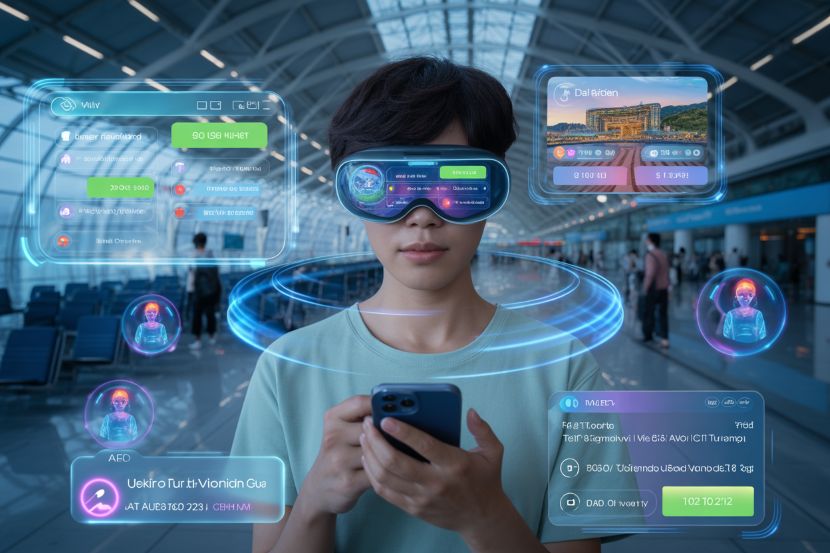
Vietnam’s online travel sector is on a rapid growth trajectory, poised to reach a significant $8 billion by 2030, up from $4 billion in 2025. As part of Vietnam’s expanding digital economy, which is forecast to more than double by 2030, the online travel market is becoming an essential hub for both traditional and new players. Legacy companies are modernizing to keep pace, while domestic and international platforms are keen to capitalize on this growing demand. With artificial intelligence (AI) playing an increasingly important role, travelers in Vietnam are not just digital-savvy—they’re ready to embrace the future of travel through smart technology. In this article, we explore the transformation of Vietnam’s travel industry and how it is shaping up for the future, with a particular focus on AI adoption, digital-first approaches, and evolving consumer preferences.

Vietnam’s Online Travel Industry Set for Explosive Growth

By 2030, Vietnam’s digital economy is expected to soar to $80 billion, with the online travel market following suit, growing from $4 billion in 2025 to an impressive $8 billion. This marks an essential shift, as travelers and travel companies alike are rapidly embracing digital platforms and tech innovations. The surge in digital adoption is being driven by the changing landscape of travel experiences, combined with Vietnam’s larger push toward modernizing traditional industries.

While some market players are advancing digitally, others are focusing on unique innovations like super apps, augmented reality (AR), and virtual reality (VR) to provide more immersive travel experiences. Platforms are adapting their business models to integrate AI and personalized features that cater to increasingly tech-savvy travelers.

Legacy Travel Brands Take the Digital Leap

In Vietnam, traditional travel giants are no longer treating technology as a mere afterthought. Instead, they are embedding digital transformation into their core operations. Take Vietravel, for instance. Founded in 1995, the company’s operations span across tourism, air ticketing, and transportation. To secure its place in the evolving market, Vietravel is investing heavily in technology. Its ambition is clear—by 2030, it aims to generate 70% of its revenue through digital channels. This shift includes building a super app that will enable the company to consolidate its offerings and compete directly with online travel agencies (OTAs).

Similarly, other state-run players are updating their operations. Saigontourist, one of Vietnam’s oldest travel companies, is leveraging its extensive portfolio of hotels, resorts, and restaurants, adapting to the digital landscape with the help of integrated platforms. Hanoitourist, another notable player, has embraced innovation by offering interactive VR and AR travel experiences via its iHanoi super app, giving users access to virtual tours and real-time hotel bookings.

Vietnamese Travelers Lead in AI Engagement

A defining feature of Vietnam’s travel market is its consumers’ love for technology. Research shows that Vietnamese travelers are among the world’s most AI-engaged. In fact, 99% of travelers in the country use AI-driven search tools daily, with a substantial 95% already utilizing generative AI tools. Not only do these travelers actively incorporate AI into their daily lives, but a significant portion is ready to harness AI for trip planning, with 58% of travelers expecting autonomous trip planning to become mainstream.

AI-powered travel platforms and digital tools are increasingly meeting the needs of this tech-savvy demographic. As Vietnamese travelers expect greater personalization and smoother, AI-driven experiences, these technologies will undoubtedly play a huge role in the industry’s future.

The Emerging Say-Do Gap in AI Adoption

While AI has garnered immense trust among Vietnamese consumers, there appears to be a say-do gap between engagement and actual spending behavior. Despite the 78% increase in revenue for apps with AI features, Vietnam’s growth rate in this sector was the lowest within Southeast Asia, trailing behind countries like Indonesia, which saw a 127% increase. This suggests a potential untapped opportunity for digital travel players. The contradiction points to the gap between enthusiastic AI adoption and the actionable application of such technologies, leaving significant room for growth.

Travel Tech: The Key Drivers of Future Growth

Looking to the future, travel technology will remain a critical area of focus for the Vietnamese tourism industry. Beyond AI, the demand for flexible payments, VR tours, and translation services is growing exponentially. AR/VR technologies are gaining popularity, enabling tourists to engage in virtual experiences even before setting foot in a destination. Apps with these features are quickly becoming essential tools for travelers, who expect immersive and interactive experiences.

Furthermore, payment flexibility continues to be a priority, with tourists increasingly seeking solutions that allow them to book and pay for services with ease. Apps offering various payment options, including digital wallets and cryptocurrency, are gaining popularity, especially among younger generations.

How Travelers Can Leverage the Digital Transformation

For travelers planning to explore Vietnam, there are several ways to make the most of the digital travel revolution:

  1. Use of Super Apps: Apps like Vietravel’s super app and iHanoi offer a one-stop-shop for booking tours, transportation, and accommodations. By using these apps, travelers can seamlessly plan their trips while taking advantage of integrated services and personalized offers.
  2. Engage with AI Features: Take full advantage of AI-powered travel apps. These apps offer recommendations, personalized itineraries, and real-time updates that can help travelers discover hidden gems, make bookings, and access special deals in Vietnam.
  3. Explore VR and AR Tours: For those who want to preview a location or experience a destination in a completely new way, VR and AR apps provide virtual tours of Vietnam’s cultural and historical landmarks. Whether it’s a historical site or a bustling market, VR can transport you there from the comfort of your home.
  4. Flexible Payment Methods: In a rapidly digitalizing economy, it’s essential for travelers to keep up with flexible payment methods. Using digital wallets or local payment apps like ZaloPay can help ease transactions and offer better exchange rates.

The Path Forward for Vietnam’s Digital Travel Market

Vietnam’s travel market is entering an exciting phase, where both traditional players and new entrants are embracing the digital-first approach to stay relevant. By tapping into advanced technologies like AI, super apps, and immersive experiences, the sector is set to become a global leader in digital tourism. However, while the opportunities are immense, companies will need to bridge the say-do gap in AI adoption and continuously innovate to meet the evolving needs of the digitally savvy Vietnamese traveler.

The post Vietnam’s Digital Travel Revolution: How Hanoi, Saigon, and Other Major Cities Are Driving an Eight Billion Dollar Industry by 2030 – Here’s What to Know for 2026 and Beyond appeared first on Travel And Tour World.

Travel in Comfort: The Top Airlines with Extra-Wide Economy Seats to Japan, Hong Kong, Singapore, and Other Global Destinations – Here’s What to Know Before Your Next Long-Haul Flight

Travel in Comfort: The Top Airlines with Extra-Wide Economy Seats to Japan, Hong Kong, Singapore, and Other Global Destinations – Here’s What to Know Before Your Next Long-Haul Flight
The Top Airlines with Extra-Wide Economy Seats to Japan, Hong Kong, Singapore, and Other Global Destinations

Traveling long distances in an airplane doesn’t always have to mean cramped spaces and uncomfortable seating. As airlines continue to prioritize passenger comfort, some are standing out by offering economy seats that are wider than the standard. In 2026, Japan Airlines, Singapore Airlines, and Cathay Pacific, among others, have introduced spacious seating arrangements that rival those of luxury cabins, providing travelers with extra legroom and more space to relax. Whether you’re flying to Tokyo, Singapore, or Hong Kong, these airlines are committed to improving your comfort on long-haul flights. The seats, which can range from 17 to 19 inches in width, offer a more pleasant flying experience, making it easier for travelers to sleep, work, or simply enjoy their journey.

Airline Seats: The Key to Comfort for Long-Haul Travelers

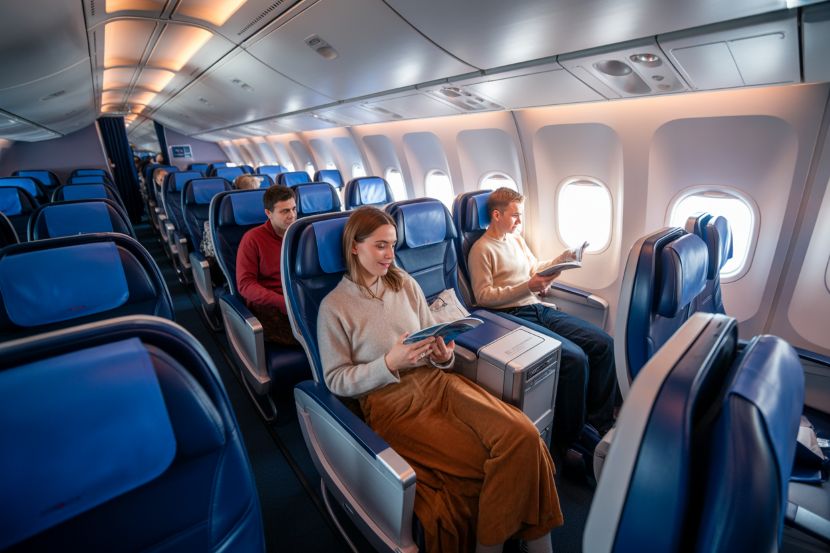
Long-haul flights can take a toll on your body, especially when you’re sitting in a tight economy seat for hours on end. Economy class seats typically average 17 to 18 inches wide, but several airlines stand out by offering more generous dimensions. A wider seat can make a significant difference in your overall experience, particularly on flights lasting over 10 hours. For passengers who value comfort and space, opting for airlines that prioritize extra-wide economy seats is the way to go.

Japan Airlines: Leading the Pack with Extra-Wide Economy Seats

Among the leaders in offering some of the widest economy seats, Japan Airlines (JAL) stands out as a premier choice for travelers seeking additional space during their flights. On long-haul flights like the Boeing 777-300ER, JAL offers a seat width of approximately 18.5 inches. This configuration provides a better experience compared to most carriers that typically offer 17-inch seats. The airline also utilizes a 9-abreast seating layout for its Boeing 777-300ERs, offering passengers wider seats compared to the industry standard, which often includes 10 seats across.

Additionally, Japan Airlines goes the extra mile with the Dreamliner 787. Instead of the industry-standard 9-abreast configuration, JAL has opted for an 8-abreast layout, offering passengers wider seats of about 18.9 inches in width. For those planning a trip to Japan, this extra space can significantly improve the quality of your flight experience.

Singapore Airlines: A Favorite for Comfort Seekers

Another top contender in the world of wider economy seats is Singapore Airlines. Known for its excellent customer service, the airline also ensures that its passengers enjoy ample seat width. On aircraft like the Airbus A350 and Boeing 777, economy seats range from 18 to 19 inches in width, allowing passengers to feel less confined. As an airline that frequently serves long-haul routes to Singapore and beyond, the extra space is a significant benefit for travelers on routes that last up to 18 hours.

Traveling to destinations like Sydney, London, or New York, you’ll be treated to comfort and space on Singapore Airlines’ flagship aircraft. Whether you’re flying to Southeast Asia or venturing further afield, this airline offers an unparalleled level of comfort in its economy class.

Cathay Pacific: Hong Kong’s Premium Comfort

For travelers flying to Hong Kong or across the Pacific, Cathay Pacific is another airline that is renowned for its wide economy seats. The airline’s Boeing 777 aircraft features seats that are 18.5 inches wide, providing extra room for passengers. The wider seating helps alleviate the discomfort often associated with long hours in the air, making it easier for passengers to enjoy the journey. Cathay Pacific’s commitment to passenger comfort doesn’t stop with seat size, as the airline also invests in modern amenities like adjustable headrests and ergonomically designed seats.

Airbus A380: The Ultimate Wide-Seat Experience

When it comes to wide economy seats, the Airbus A380 remains one of the most iconic aircraft types for passengers seeking extra comfort. Several airlines that operate the A380, including ANA (All Nippon Airways) and Singapore Airlines, configure their cabins to provide wider economy seats. The A380 typically offers seats that range from 18 to 19 inches in width, depending on the airline, with the cabin designed to offer generous space for up to 500 passengers.

For those flying to or from Dubai, Paris, or Sydney, the Airbus A380 provides the ultimate comfort, allowing passengers to relax without feeling cramped. With extra-wide seats and additional features like adjustable footrests, the A380 offers a level of comfort that is ideal for those looking to make the most out of their long-haul flights.

Other Airlines Offering Spacious Economy Seats

Aside from the major players like Japan Airlines, Singapore Airlines, and Cathay Pacific, there are a few other airlines offering extra-wide economy seats to improve your travel experience:

  • Korean Air: The airline configures its Boeing 777-300ER with 9-abreast seating, offering 18-inch-wide seats for additional comfort. This setup ensures passengers on long flights to destinations like Seoul enjoy more space.
  • Emirates: Known for offering premium service, Emirates provides 17.5 to 18 inches of seat width on its Boeing 777 aircraft, ensuring a more comfortable journey to destinations across the globe.
  • Qatar Airways: With an extensive network of long-haul routes, Qatar Airways offers 17.8 to 18 inches of seat width on its Boeing 777 and Airbus A350 aircraft, giving travelers the extra space they need for comfort.

Travel Tip: How to Book Wide-Seat Flights

Booking a flight with extra-wide seats is not just about luck – it’s about making informed decisions. When booking your next flight, make sure to:

  1. Check the Seat Width: Most flight booking websites provide seat specifications for each flight. Check the seat width and layout before booking.
  2. Choose Widebody Aircraft: Aircraft like the Boeing 777, Boeing 787, Airbus A350, and Airbus A380 tend to offer wider economy seats.
  3. Opt for Premium Airlines: Airlines such as Singapore Airlines, Japan Airlines, and Cathay Pacific are known for offering extra space in economy class.

Final Thoughts: The Future of Comfortable Air Travel

With airlines around the world increasingly focused on passenger comfort, extra-wide economy seats are becoming an essential feature for travelers seeking a more relaxed flying experience. Whether you’re traveling to Asia, Europe, or North America, choosing an airline with wider seats can significantly improve your flight. With carriers like Japan Airlines, Singapore Airlines, and Cathay Pacific leading the way, travelers can look forward to a future where flying is a more comfortable and enjoyable experience, especially on long-haul routes.

The post Travel in Comfort: The Top Airlines with Extra-Wide Economy Seats to Japan, Hong Kong, Singapore, and Other Global Destinations – Here’s What to Know Before Your Next Long-Haul Flight appeared first on Travel And Tour World.

Egypt and Turkey Set Ambitious Fifteen Billion Dollar Trade Target by 2028, Focusing on Energy, Mining, and Tourism Synergy – Know How It Impacts the Travel Scene

Egypt and Turkey Set Ambitious Fifteen Billion Dollar Trade Target by 2028, Focusing on Energy, Mining, and Tourism Synergy – Know How It Impacts the Travel Scene
Egypt and Turkey Set Ambitious Fifteen Billion Dollar Trade Target by 2028

In a significant diplomatic and economic move, Egypt and Turkey have set an ambitious target to increase their bilateral trade volume from $9 billion to $15 billion by 2028. This agreement was made official during the second session of the High-Level Strategic Cooperation Council, which took place in Cairo. Both nations are aiming to deepen their collaboration in several key sectors, including energy, mining, manufacturing, and transportation, all while fostering a more integrated partnership in tourism and business development.

This move holds particular importance for both countries, as Egypt remains Turkey’s top trade partner in Africa, while Turkey ranks high among Egypt’s key export markets. By strategically enhancing cooperation in these sectors, both leaders hope to pave the way for a thriving economic partnership, capable of withstanding global economic fluctuations.

Energizing Economic Ties: Energy and Infrastructure as Core Drivers

At the core of the Egypt-Turkey partnership is the mutual commitment to boosting trade in the energy and mining sectors. A notable aspect of the agreement is the planned cooperation in the exploration and development of Egypt’s hydrocarbons and mining industries. Both nations will be exploring opportunities for joint ventures, leveraging Turkey’s expertise in energy technologies and Egypt’s rich mineral resources.

Additionally, the two countries are looking to collaborate on expanding renewable energy sources, with a focus on solar power, green hydrogen, and even nuclear energy. This collaboration is poised to enhance regional energy security while providing job opportunities and fostering sustainable growth in both nations.

Cairo, as Egypt’s economic hub, and Ankara, Turkey’s thriving capital, will serve as the primary meeting points for energy discussions and business collaborations. The Cairo-Ankara link is set to grow even stronger, bolstering regional ties and boosting local tourism, as more professionals and travelers will be drawn to both cities due to growing business opportunities.

A Trade Surge in the Making: Joint Business Ventures and Investment

Trade between the two countries has seen steady growth in recent years, and now both governments are looking to fuel this expansion by fostering joint investments. Both nations have already shown a strong appetite for bilateral investments, with Turkey investing nearly $4 billion in Egypt across various industries.

The Egypt-Turkey Business Forum will play a pivotal role in identifying new investment opportunities, particularly in transportation, automotive manufacturing, and infrastructure development. These are sectors where both countries have strengths, and where collaboration could lead to large-scale projects, enhancing the economic and tourist appeal of both Egypt and Turkey.

Given the heavy emphasis on transportation infrastructure, future travelers may see more streamlined connectivity between the two nations. Tourists will benefit from enhanced transport networks and easier access to major attractions in both Turkey and Egypt, which have long been popular travel destinations.

Tourism: A Bridge for Bilateral Understanding and Growth

In addition to business and trade, the partnership also extends to tourism. Both countries have already seen more than 500,000 visitors traveling from each other’s shores, and they aim to double that number in the near future. This influx of travelers presents exciting opportunities for both nations to enhance their tourism sectors through joint promotions, cultural exchange programs, and improved tourism infrastructure.

Egypt, home to the iconic Pyramids of Giza, Luxor, and the Nile River, is a dream destination for history and archaeology lovers. Meanwhile, Turkey, with its fascinating mix of ancient and modern attractions like Istanbul, Cappadocia, and the Turquoise Coast, offers a unique blend of experiences for every traveler. The potential for growth in Egypt-Turkey tourism is substantial, particularly with the easing of travel restrictions and the launch of targeted campaigns aimed at attracting more visitors to both countries.

By enhancing cultural ties through tourism exchange, Egypt and Turkey hope to foster better mutual understanding while promoting the rich histories and diverse landscapes of both nations. Whether exploring the mystical pyramids in Cairo or taking a boat ride along the picturesque Bosphorus in Istanbul, travelers are bound to enjoy more accessible travel routes and more rewarding cultural exchanges between the two nations.

What’s Next for Egypt and Turkey’s Economic and Diplomatic Future?

The Egypt-Turkey trade agreement is a step toward deeper cooperation on a broader scale, potentially setting the stage for a broader economic alliance in the region. From energy projects to enhanced tourism infrastructure, both countries stand to gain substantially by achieving their target trade volume.

Egypt is well-positioned to increase its regional and global influence, leveraging its strategic location in the heart of the Arab World and its proximity to critical Mediterranean and Red Sea shipping lanes. Meanwhile, Turkey, with its thriving economy and diverse manufacturing base, brings valuable knowledge and experience in sectors such as automotive production, energy technology, and infrastructure.

This Egypt-Turkey partnership is not just about economic growth, but also about forging lasting diplomatic ties. With high-level state visits and memorandums of understanding in place, there’s a palpable sense of shared commitment to improving the overall quality of life for citizens of both countries, through better jobs, technology, and trade infrastructure.

Future Prospects for Travelers

As Egypt and Turkey continue to foster these strategic ties, tourists will be among the beneficiaries of the improved relationship. Expedited travel, smoother logistics, and expanded opportunities for exploring both regions will make these countries more attractive to travelers looking for a mix of history, culture, and modern conveniences. Whether you’re taking a Nile cruise or visiting the Blue Mosque, the future looks bright for those planning to explore these two incredible destinations.

The post Egypt and Turkey Set Ambitious Fifteen Billion Dollar Trade Target by 2028, Focusing on Energy, Mining, and Tourism Synergy – Know How It Impacts the Travel Scene appeared first on Travel And Tour World.

Exploring China’s Winter Destinations: Harbin, Zhangjiakou, and Inner Mongolia’s Growing Focus on Snow, Leisure, and Local Experiences – Here’s What to Know About the New Trends

Exploring China’s Winter Destinations: Harbin, Zhangjiakou, and Inner Mongolia’s Growing Focus on Snow, Leisure, and Local Experiences – Here’s What to Know About the New Trends

In recent years, China’s winter tourism landscape has undergone a profound transformation. Ski resorts and ice destinations like those in Harbin, Zhangjiakou, and Inner Mongolia have long attracted visitors with their snow-covered vistas. However, the focus has now expanded beyond just snow sports, with an increasing emphasis on food, shopping, and cultural experiences. This shift reflects a broader trend where winter tourism is no longer just about the snow but also about an entire immersive travel experience that encompasses diverse services such as dining, entertainment, and local culture.

As international travel ramps up again, a growing number of visitors from Southeast Asia and Europe are flocking to China’s winter hotspots, lured not only by the allure of snow but by the rich cultural and leisure offerings that enhance their stay. From curated shopping experiences to gourmet dining and immersive cultural experiences, visitors are finding more reasons to extend their trips and delve deeper into the local offerings.

A New Chapter for Winter Tourism in China

As visa-free entry policies become more widespread, China’s tourism industry is seeing a remarkable boost in inbound travel. Official figures reveal that 82.04 million foreign travelers visited China in 2025, marking a 26.4% increase from the previous year. Notably, more than 73% of these tourists entered the country without needing a visa, thanks to the growing availability of visa-free options.

Regions traditionally known for winter sports, like Harbin and Zhangjiakou, have become multifaceted destinations. These cities, renowned for their ice sculpture festivals and ski resorts, are increasingly integrating cultural events, gastronomic tours, and shopping experiences into their winter tourism packages. This shift from seasonal travel to experience-based tourism is driving longer stays and higher visitor satisfaction.

Skiing Meets Culture: A Comprehensive Travel Experience

For many visitors, skiing is no longer the sole draw of winter destinations. Ski resorts across China’s northern regions are now offering luxury accommodations, fine dining, and leisure activities that go beyond the slopes. For instance, Zhangjiakou, host of the 2022 Winter Olympics, has expanded its offerings to include wellness retreats, cultural workshops, and outdoor recreational activities like hot springs, forest walks, and even night-time ice slides. These attractions provide a complete vacation package, blending outdoor adventures with relaxation and local culture.

In cities like Harbin, known for the famous Ice-Snow World, visitors are encouraged to stay longer as they explore everything from local northeastern Chinese cuisine to unique shopping experiences. Travelers can visit bustling markets, buy handcrafted souvenirs, and take photos at iconic sites such as the Saint Sophia Cathedral, blending natural beauty with historical significance.

This trend is particularly noticeable among international travelers. A UK-based travel influencer, who initially planned to spend just a few days in Harbin, ended up staying a week due to the city’s broad range of activities. From riding the giant ice slide to enjoying local snacks and shopping for souvenirs, she discovered that the experience was much more than just snow and ice.

A Diversified Market: The Surge in Inbound Tourism

Inbound tourism to China’s winter destinations has surged in recent years, with data from online travel platforms such as Trip.com showing a 130% increase in bookings for popular locations in Xinjiang, Inner Mongolia, and Hebei. In fact, Southeast Asia alone accounted for nearly 70% of the foreign visitors. This demographic is particularly drawn to snow sports and unique winter experiences, as many of these countries are located in warmer climates.

China’s winter tourism model is evolving with a new focus on innovative products and services. Southern regions of China, traditionally less associated with winter sports, have embraced indoor ski facilities and cultural activities, making winter tourism accessible to a wider audience. Cities like Guangzhou and Shanghai are now seeing winter experiences grow in popularity, appealing to both domestic and international tourists.

The Rise of Service-Led Tourism: Shopping, Dining, and Beyond

In January, Harbin launched the “Shopping in China” Ice and Snow Consumption Season, a national initiative aimed at promoting winter tourism as a platform for integrated spending. This initiative positions destinations as not just places to visit but as economies in themselves—creating opportunities for spending on dining, shopping, and local attractions. This approach is helping stimulate the economy and provides tourists with a well-rounded travel experience.

Hotels, resorts, and leisure destinations have responded to this shift by offering more than just basic amenities. For example, Beijing’s Hu Resort has expanded its offerings to cater to international visitors, adding Western-style restaurants, cafes, and even wellness centers such as hot spring pools. The emphasis is now on creating a “ski plus vacation” experience, where visitors can enjoy the slopes but also indulge in a variety of other activities that extend the trip beyond a few days.

Resorts and cultural destinations are increasingly focusing on slow travel, encouraging visitors to immerse themselves in local customs, try regional delicacies, and purchase locally-made handicrafts. In Mudanjiang, for instance, operators at Jingpo Lake have moved away from quick sightseeing tours in favor of slow, immersive experiences that include local performances and themed activities, turning a short-term visit into a sustainable and profitable venture.

Winter Tourism’s Future: A Long-Term Growth Strategy

By the end of the 2025-26 winter season, it is projected that China’s winter tourism will attract 360 million visits, generating nearly 450 billion yuan in revenue. Experts believe that the ice and snow economy will surpass 1 trillion yuan by the end of 2025, driven by growing demand for winter sports and the wider service-based economy. This growing industry, supported by improved transport links and digital payment solutions, is transforming winter tourism into a mainstream activity that attracts visitors all year round.

The long-term sustainability of this growth will depend largely on service quality. The more destinations can offer high-quality experiences that encourage repeat visits, the more likely the industry is to continue thriving. This new focus on high-end tourism could help redefine what winter tourism looks like in the coming years.

Travel Tips for Exploring China’s Winter Destinations

  • Plan for Longer Stays: While skiing is still a primary attraction, consider extending your stay to enjoy cultural activities, local foods, and shopping in these winter destinations.
  • Try the Local Cuisine: Harbin, Zhangjiakou, and Mudanjiang offer unique regional dishes that are an essential part of the experience. Don’t miss northeastern hotpots and local snacks.
  • Check for Visa-Free Entry: If you’re visiting from a country with visa-free access to China, take advantage of this convenience to explore multiple destinations during your winter trip.
  • Visit During Off-Peak Seasons: For a more relaxed experience, consider visiting outside peak tourist seasons, when resorts offer special promotions and less crowded attractions.

The post Exploring China’s Winter Destinations: Harbin, Zhangjiakou, and Inner Mongolia’s Growing Focus on Snow, Leisure, and Local Experiences – Here’s What to Know About the New Trends appeared first on Travel And Tour World.
❌