
Reading view

The United Kingdom Implements Stricter Travel Regulations with New Electronic Travel Authorisation Requirement and Increased Fees Starting in February 2026

The United Kingdom Implements Stricter Travel Regulations with New Electronic Travel Authorisation Requirement and Increased Fees Starting in February 2026

As of February 2026, the UK government will be fully enforcing the Electronic Travel Authorisation (ETA) system for visitors from 85 visa-exempt countries. This includes travelers from regions such as North America, Europe, and Australia, who previously could enter the UK without a visa for short stays. Starting on February 25, 2026, tourists from these countries will be required to apply for an ETA before boarding their flight to the UK.

This significant shift aims to enhance the UK’s border security, ensuring smoother travel management, and collecting biometric data for all non-UK visitors. Along with this change, the UK has also increased the ETA application fee from £16 to £20, making it more expensive for international travelers. These updates are set to change how millions of people approach their travel plans in the coming years.

What Is the Electronic Travel Authorisation (ETA)?

The Electronic Travel Authorisation (ETA) is a digital travel document required for non-UK nationals from 85 countries wishing to visit the UK for tourism, business, or family visits. The new system will replace the traditional visa waiver program that allowed citizens of these countries to enter the UK without pre-arranged travel authorization. With the ETA, travelers will need to submit biometric data, including their fingerprints and facial recognition, upon arrival.

The move toward a more automated system follows similar initiatives in other countries and regions aiming to strengthen security while facilitating smoother travel for eligible visitors. The UK’s goal is to digitize border control processes, reduce wait times, and make travel safer for everyone.

New Fee Structure and Increased Costs for Travelers

In addition to the stricter enforcement of the ETA requirement, the UK government has also raised the application fee for the ETA. The fee has increased to £20, up from the previously lower £16. This change was officially confirmed by the UK government as part of its broader strategy to enhance its border security infrastructure. The £20 fee will apply to all new ETA applications, effective immediately after the enforcement date in February 2026.

Travel experts are noting that this fee hike comes in line with the UK’s increasing digital border operations, which include the biometric system and other necessary investments to modernize immigration processing. While travelers may be frustrated by the additional cost, the fee is still lower than the cost of a traditional visa, making it more accessible for those needing to visit the UK.

Stricter Enforcement of ETA: What Does It Mean for Travelers?

From February 25, 2026, any eligible traveler from one of the 85 participating countries who does not have an approved ETA before traveling to the UK will not be allowed to board their flight. This means that travelers need to ensure their ETA applications are completed and approved before arriving at the airport. The UK government has emphasized that this new requirement will be enforced by airlines, which will have the responsibility to check whether passengers have the appropriate documentation in place.

This marks a major change for tourists who are used to traveling to the UK without any extra paperwork or prior approvals. Without an ETA, there will be no exception or entry granted, and travelers will have to wait until they secure the required authorization. The strict enforcement of the ETA requirement is designed to minimize issues at border control and to ensure travelers’ information is pre-screened for safety and security.

Who Will Be Affected by the ETA Requirement?

The new ETA requirement will apply to citizens from 85 countries, including many popular travel destinations like the United States, Canada, Australia, and Japan. Visitors from Schengen Area countries will also be affected, with the UK now imposing the same pre-travel authorization requirement as several other countries within the region. These travelers will be required to apply for an ETA well in advance of their trip to avoid issues when it’s time to board their flight.

The UK government has noted that the ETA system will not apply to UK and Irish citizens, and it will not impact visa holders who are coming to the UK with an existing visa, which remains unaffected by these changes. Similarly, people with permanent UK residency or those who have indefinite leave to remain in the UK will not need to apply for an ETA.

How to Apply for the UK ETA

The process to apply for the UK ETA is entirely digital. Travelers can visit the official UK ETA website or use the UK ETA mobile application to submit their biometric data and personal information. Applications are typically processed quickly, with most applicants receiving their ETA approval within minutes. Travelers are advised to apply at least 72 hours before travel to avoid any delays in receiving approval.

For those planning on traveling to the UK frequently, the ETA allows for multiple entries over a two‑year period, provided the traveler meets the necessary criteria. This makes the process more efficient for repeat visitors, eliminating the need for new applications every time.

The Impact of the ETA System: What to Expect in the Future

The new ETA requirements and the increased application fee represent a significant shift in the UK’s approach to travel and border management. Travelers will need to factor the ETA fee and approval process into their trip planning, especially if they are traveling during busy periods.

As the UK continues to modernize its immigration system, further changes may come to pass. These could include additional biometric data collection, as well as increased visa enforcement systems. The introduction of the ETA system is just one part of the UK’s broader efforts to streamline travel while enhancing security for all incoming travelers.

What’s Next for the UK ETA System?

As February 2026 approaches, travelers need to stay informed about the new ETA regulations to avoid delays or issues at the airport. Those traveling from visa-exempt countries must ensure their ETA applications are submitted in advance, and they should be prepared for the £20 fee for processing.

While the UK aims to simplify travel for eligible travelers, the implementation of these new rules underscores the growing importance of pre-arrival security in global travel. The future of UK border security will likely see more innovations in this direction, as countries around the world continue to digitize and modernize their entry systems.

The UK’s new ETA system represents a significant shift in how the country handles entry requirements for international visitors. With the increase in the ETA fee and the enforcement of strict pre-travel authorization rules, travelers from 85 countries will need to be well-prepared before heading to the UK. As the rules come into full effect in February 2026, ensuring smooth travel depends on staying informed and following the new digital visa application process.

The post The United Kingdom Implements Stricter Travel Regulations with New Electronic Travel Authorisation Requirement and Increased Fees Starting in February 2026 appeared first on Travel And Tour World.
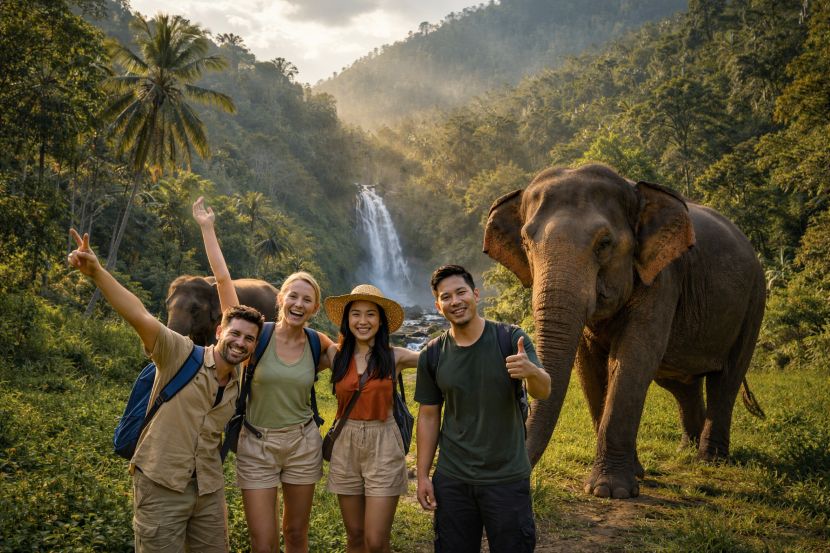

Indonesia Beats South Korea, Thailand, and Malaysia in Ethical Wildlife Tourism: A Groundbreaking 2026 Ban on Elephant Rides That Sets New Standards Across Asia

Indonesia Beats South Korea, Thailand, and Malaysia in Ethical Wildlife Tourism: A Groundbreaking 2026 Ban on Elephant Rides That Sets New Standards Across Asia

Indonesia’s recent 2026 ban on elephant riding has stunned the global travel industry, positioning the country at the forefront of ethical wildlife tourism. By implementing this bold move, Indonesia is not only protecting the welfare of elephants but also setting a new global standard for responsible wildlife tourism, surpassing other countries in the region, including South Korea, Thailand, and Malaysia, in this important initiative.

This landmark policy, effective from early 2026, seeks to eliminate elephant riding from tourism attractions, which have been increasingly criticized for their harmful impact on elephant health and well-being. Indonesia’s decision reflects the growing global movement toward protecting animal rights in tourism, and it comes at a time when tourists are more conscious of the ethical implications of their travel choices.

The Background of Indonesia’s Elephant Ride Ban

Indonesia’s government made a historic decision when it announced the nationwide ban on elephant rides, marking a significant shift in the country’s approach to wildlife tourism. The ban affects all conservation parks, zoos, and animal sanctuaries that previously used elephants for rides and performances, such as those in Bali and Sumatra.

This initiative aligns with the global trend of shifting away from exploitative animal tourism activities towards more sustainable and ethical practices. The ban is part of Indonesia’s broader efforts to comply with international animal welfare standards, and it reflects a broader effort to improve eco-tourism within the region. The policy also aims to encourage a move toward more observation-based tourism experiences, where tourists can observe elephants in their natural habitat without contributing to their physical or psychological distress.

A Shift Toward Ethical Tourism Practices

The ban does not mean the end of all elephant-related tourism in Indonesia. Instead, the focus is on transitioning from ride-based attractions to more respectful, educational experiences, such as visiting elephant sanctuaries or observing elephants in the wild. This shift in focus ensures that both the animals and the tourists benefit from the interaction.

Tourists visiting Indonesia can now explore ethical tourism experiences that prioritize animal welfare, such as eco-friendly safaris and wildlife reserves. These attractions will provide visitors with insights into elephant conservation efforts, where animals are allowed to roam freely, engage in natural behaviors, and live in environments that cater to their well-being. This change will also help boost Indonesia’s reputation as a leader in sustainable tourism.

Comparing Indonesia to Other Asian Nations

Indonesia’s ban is not an isolated case in Asia; however, it stands out for its comprehensive national approach. South Korea, Thailand, and Malaysia have made strides in wildlife protection, but none of them have introduced a nationwide ban on elephant tourism of this magnitude. Let’s explore how these countries approach wildlife protection and tourism.

South Korea’s Efforts in Wildlife Protection

South Korea has made substantial progress in wildlife conservation, particularly with the recent ban on bear bile farming, which came into effect in 2026. This policy targets the cruelty of keeping bears in captivity for bile extraction and represents a major step forward in animal welfare. However, South Korea has not implemented a nationwide ban on elephant riding or similar activities in tourism. Their focus on wildlife protection lies more on rehabilitation efforts and the conservation of native species, such as bears and tigers, through sanctuaries and wildlife centers.

Though South Korea has committed to ending bear bile farming, it still faces challenges in transforming tourism practices related to wild animal performances. It remains to be seen whether the country will adopt a comprehensive ban on such activities akin to Indonesia’s ban on elephant rides.

Thailand’s Conservation Approach

Thailand, known for its breathtaking wildlife and elephant sanctuaries, still faces significant challenges in wildlife tourism. While the country has numerous elephant sanctuaries, it has struggled to eliminate the exploitation of elephants for rides and performances. The Thai government has made efforts to improve the welfare of elephants, such as promoting ethical elephant camps and introducing programs to encourage wildlife-friendly tourism. However, riding elephants for tourists is still a common practice in some parts of the country, and no official ban has been imposed on the practice.

Thailand’s wildlife conservation laws are robust, but it lacks a nationwide ban on elephant rides, making it less stringent than Indonesia’s newly enacted policy. The ethical concerns surrounding the tourism industry’s relationship with elephants are still under review, and much progress remains to be made.

Malaysia’s Legal Framework for Wildlife Protection

Malaysia, like Thailand, has a broad legal framework for wildlife protection, including the Wildlife Conservation Act of 2010 and the Wildlife Protection Act of 1972. These laws regulate the protection of various endangered species within national parks and wildlife reserves. Malaysia has seen an increase in responsible wildlife tourism in places like the Kuala Gandah Elephant Sanctuary, where elephants are rehabilitated and visitors can interact with them in a non-exploitative manner. However, no nationwide ban on elephant tourism has been instituted in Malaysia, and elephant rides are still offered in various locations.

Malaysia’s approach to elephant protection, although commendable, falls short in comparison to Indonesia’s outright ban, as it still allows tourism operators to engage in elephant riding activities.

Indonesia’s Role as a Regional Leader in Wildlife Tourism

Indonesia’s 2026 ban on elephant rides signifies a transformational shift in how the country engages with wildlife tourism. The government’s decision to eliminate elephant rides is seen as a bold move in aligning Indonesia with international best practices for animal welfare and sustainable tourism. With this move, Indonesia sets itself apart from neighboring countries, asserting its position as a regional leader in ethical tourism.

The ban has significant economic implications, as it redefines tourist expectations and provides opportunities for alternative wildlife experiences that could become major attractions for visitors. The decision to focus on education, conservation, and responsible wildlife viewing ensures that the animals involved in tourism are treated with respect and dignity, while providing tourists with unforgettable, ethical experiences.

What the Future Holds for Ethical Wildlife Tourism in Asia

As more tourists seek ethical travel experiences, Indonesia’s ban sets a clear precedent for other countries in the region to follow. While South Korea, Thailand, and Malaysia are all making progress in protecting wildlife, Indonesia has taken the lead by implementing this bold and decisive action.

Looking ahead, it is likely that other countries will follow suit, as tourism worldwide increasingly demands responsible, sustainable practices that protect both animals and ecosystems. As the ethics of wildlife tourism continue to evolve, countries that embrace such bold reforms will not only set themselves apart in the global tourism market, but also contribute to the long-term protection and preservation of our planet’s most vulnerable species.

The post Indonesia Beats South Korea, Thailand, and Malaysia in Ethical Wildlife Tourism: A Groundbreaking 2026 Ban on Elephant Rides That Sets New Standards Across Asia appeared first on Travel And Tour World.

Discover the Hidden Gem of Northern Thailand: Nan Province, Perfect for Adventure and Cultural Exploration

Discover the Hidden Gem of Northern Thailand: Nan Province, Perfect for Adventure and Cultural Exploration

Nestled in the northern region of Thailand, Nan Province is a peaceful gem that offers travellers an authentic experience of the country’s rich culture and breathtaking landscapes. Less visited than Thailand’s popular tourist destinations, Nan is a haven for those looking to immerse themselves in local traditions, untouched nature, and the charm of rural Thailand. From ancient temples and hilltop views to ethnic diversity and the heartwarming hospitality of its people, Nan promises an unforgettable getaway for the slow traveller.

Located in the mountainous region, Nan is bordered by Laos to the north, and its beauty lies in its picturesque valleys, forested mountains, and river plains. While it remains off the mainstream radar, Nan is quickly gaining recognition for its authentic cultural experiences and its eco‑tourism potential. It’s a perfect destination for anyone seeking peace, history, and natural beauty.

The Culture and Heritage of Nan Province

Nan’s cultural heritage is deeply rooted in its long history as a part of the Lanna Kingdom. Historically, Nan was known as a strategic trade route connecting Northern Thailand with Laos and China. The province’s rich ethnic diversity, which includes groups like the Tai Lue, Lua, and various hill tribes, reflects its ancient connection to the greater Southeast Asian region. Local traditions blend Buddhist practices, textile arts, and mountain culture, providing a unique cultural mosaic that draws visitors into the everyday life of the people here.

Nan’s historical and religious landmarks are a direct testament to the Lanna culture. Visitors will find ancient Buddhist temples, such as the Wat Phumin, known for its intricate murals that depict local life and offer a rare glimpse into 16th‑century Lanna art. Similarly, Wat Phra That Chae Haeng, with its golden chedi, is a symbol of Nan’s religious heritage and offers panoramic views of the surrounding countryside.

The local community also remains dedicated to preserving its cultural heritage through traditional arts and crafts such as hand‑woven textiles and silverwork, which visitors can explore in the local markets or during workshops.

Nature and Outdoor Activities in Nan

Nan’s natural beauty is one of its biggest draws. The province is a paradise for outdoor enthusiasts and those seeking a peaceful retreat into nature. From hiking and trekking in the mountain ranges to exploring the serene landscapes along the Nan River, the province provides numerous opportunities for adventure and relaxation.

Doi Phu Kha National Park: The Gateway to Adventure

One of Nan’s key outdoor attractions is Doi Phu Kha National Park, which offers stunning views, cool weather, and dense forests rich in biodiversity. The park is home to rare plant species, wildlife, and many trails for both beginners and seasoned trekkers. The park’s peaks, like Doi Phu Kha, offer sweeping views over the forested mountains and valleys that surround the province.

Si Nan National Park: A Nature Lover’s Paradise

Another important park is Si Nan National Park, known for its lush landscapes, mountain ranges, and waterfalls. Adventurers can embark on a river rafting journey, take part in birdwatching, or visit waterfalls such as Nam Phu Kha. The region is particularly famous for its ecological diversity, offering opportunities for wildlife viewing and photography.

For adventurous souls, cycling or motorbiking through Nan’s winding roads allows for unparalleled scenic vistas and a chance to discover remote villages along the way.

Cultural Heritage Meets Eco-Tourism

As part of Thailand’s eco‑tourism push, Nan is seeing an increase in sustainable travel initiatives. The province’s rural communities are focused on responsible tourism, encouraging visitors to engage with local life without harming the environment. Visitors can enjoy agritourism activities, such as visiting organic farms or participating in handicraft workshops.

Moreover, voluntourism opportunities allow visitors to engage with local communities on conservation projects, helping to preserve the area’s natural environment while learning more about its local traditions and sustainable practices.

How to Get to Nan and Travel Tips

Nan is well‑connected to Chiang Mai and Bangkok, offering multiple ways to reach this scenic province:

  • By Air: Nan Nakhon Airport offers domestic flights connecting to major cities in Thailand. The airport is located just 10 km from the city center.
  • By Road: A bus ride from Chiang Mai to Nan takes approximately 5 hours, while a journey from Bangkok can take up to 10 hours by road.

Once in Nan, visitors can explore the city by foot or rent a bicycle to visit nearby temples and scenic spots. Taxis and motorbike rentals are also available for more extensive sightseeing trips.

Best Time to Visit

The best time to visit Nan is between November and February, during the cool season, when the weather is pleasant and perfect for outdoor activities. The rainy season from May to October brings lush greenery, but the wet conditions may affect trekking and outdoor excursions.

Why Nan Should Be on Your Travel Radar

Nan Province offers something for every type of traveller — from those seeking to connect with Thailand’s deep cultural roots to those yearning for outdoor adventure and eco‑tourism. Its untouched beauty, rich heritage, and warm hospitality make it a perfect destination for anyone looking to escape the crowds and immerse themselves in authentic experiences. Whether you are discovering the ancient temples or exploring the breathtaking countryside, Nan promises an unforgettable journey into the heart of Northern Thailand.

For those seeking a more peaceful, scenic, and authentic experience, Nan should definitely be on your travel list.

The post Discover the Hidden Gem of Northern Thailand: Nan Province, Perfect for Adventure and Cultural Exploration appeared first on Travel And Tour World.

China Transforms Travel with High Speed Metro Systems Redefining Urban Mobility and Sparking a New Era of Transportation Innovation

China Transforms Travel with High Speed Metro Systems Redefining Urban Mobility and Sparking a New Era of Transportation Innovation

China is accelerating its metro network expansion, ushering in an era of faster, automated rail systems that are set to redefine urban mobility. With more than 15 new metro lines planned or recently launched in major cities, China is leading the way in transportation technology. These new systems, characterized by fully automated operations, high-speed trains, and intelligent connectivity, are setting a new standard for urban transit in the 21st century. The latest round of metro openings marks a significant shift in how people navigate China’s sprawling urban landscapes, providing commuters with more efficient, reliable, and environmentally friendly travel options.

This strategic expansion not only promises to enhance commuter convenience but also aligns with China’s broader goal of creating smart cities where transportation is seamless, sustainable, and integrated with the latest technological innovations.

Faster Travel with State-of-the-Art Automated Metro Systems

The introduction of automated metro systems is one of the most transformative elements of China’s metro revolution. These new lines are equipped with driverless trains, intelligent signaling systems, and automated operations, making them more efficient than ever before. These systems are capable of operating at higher frequencies, which reduces wait times for passengers and increases overall capacity during peak hours.

Greater Accessibility and Enhanced Efficiency

China’s new metro lines are designed to cater to the needs of rapidly growing urban populations. With shorter travel times and greater coverage, these metro systems are significantly improving accessibility across cities. Passengers can now enjoy faster connections between key urban hubs and suburban areas, facilitating better mobility for millions of daily commuters.

The most notable example of these advancements is Shanghai’s Metro Line 18, which, upon completion, will be one of the longest fully automated metro lines in the country. Similarly, Beijing is adding new sections to its already expansive metro network, integrating AI-powered automation to improve both speed and efficiency. These cities are not alone—many others, including Guangzhou, Shenzhen, and Chengdu, are incorporating automated features to boost the overall passenger experience.

Environmental Benefits and Sustainable Urban Mobility

As urban populations continue to swell, cities are facing increasing pressure to create sustainable transportation systems that reduce emissions and traffic congestion. Automated metros offer a solution that aligns with China’s environmental goals by reducing carbon footprints and promoting green travel.

By integrating sustainable design features—such as energy-efficient trains and intelligent power management systems—China is positioning its metro networks as key players in the global push for eco-friendly urban transport. These advances align with China’s broader ambitions to meet carbon neutrality targets by 2060, ensuring that the growth of its metro systems is environmentally responsible and future-proof.

Technology and Innovation: Leading the Way in Smart Transit

China is investing heavily in next-generation technology to make its metro systems more intelligent. The latest lines incorporate AI-driven systems for predictive maintenance, real-time passenger information, and integrated ticketing solutions. The goal is to create smart metro networks that can adjust to real-time passenger demand and minimize delays.

Shenzhen has introduced contactless smart cards for a seamless passenger experience, while Xi’an’s new automated line uses cloud-based monitoring to ensure optimal performance and operational efficiency. These technological innovations are setting a benchmark for smart mobility solutions around the world.

China’s Vision for the Future: Expanding Networks and Global Integration

The growth of China’s metro network is just one part of the country’s larger vision to become a global leader in transportation innovation. With over 5000 kilometers of metro lines in operation, China is the largest metro network in the world by total length. The government plans to extend its metro networks to even more cities, further expanding the reach of automated and high-speed lines.

In addition to domestic development, China is also focusing on international integration. China is already in discussions with several countries to share its advanced metro technologies and help build modern transport infrastructure around the world. This not only expands China’s global influence but also reinforces the role of automated metro systems in future urban development across the globe.

Impact on Commuters and Daily Life

For everyday commuters, these advances mean less time spent waiting and more time spent on the move. With faster trains, shorter headways, and more frequent services, passengers can enjoy a more comfortable and reliable commuting experience. Additionally, the automation of metro systems ensures that delays caused by human error are minimized, and overall service reliability is significantly improved.

These systems are also expected to reduce traffic congestion on city roads, as more people will choose metro travel over private cars. The increased use of public transport will help to create more walkable cities, contributing to a better overall quality of life in China’s urban areas.

What’s Next for China’s Metro Systems?

The future of China’s metro systems is incredibly promising. With continued advancements in automation, sustainability, and technology, these systems will not only keep up with the rapid urbanization of the country but will also set a global standard for metro transit. As Chinese cities continue to evolve, so too will their metro networks, becoming more efficient, automated, and eco-friendly.

Looking ahead, China plans to integrate its metro networks more effectively with other modes of transport, such as buses, taxis, and high-speed rail, creating a fully integrated urban mobility ecosystem. This will ensure that passengers can enjoy a seamless, interconnected travel experience across different transportation systems.

Conclusion: A New Era in Urban Mobility

China’s investment in automated metro systems is revolutionizing the way people move within cities. With faster, more efficient, and sustainable metro lines, China is paving the way for smarter cities and providing a model for the future of urban transit systems. These developments not only benefit commuters today but also lay the groundwork for a more sustainable and intelligent transportation landscape in the years to come.

As China continues to expand its metro networks, the rest of the world is watching closely, as the country positions itself at the forefront of urban mobility innovation.

The post China Transforms Travel with High Speed Metro Systems Redefining Urban Mobility and Sparking a New Era of Transportation Innovation appeared first on Travel And Tour World.

Experience the Thrills of Year of the Horse Raceday 2026 in Hong Kong: Racing, Culture, and Festivities Await

Experience the Thrills of Year of the Horse Raceday 2026 in Hong Kong: Racing, Culture, and Festivities Await

Hong Kong is gearing up for one of the most exciting events in its Chinese New Year calendar — the Year of the Horse Raceday 2026. Set to take place on February 19, 2026, at the Sha Tin Racecourse, this event will blend the fast-paced excitement of horse racing with a festive celebration of the Chinese zodiac, specifically the Year of the Horse. This event promises an unforgettable experience that showcases Hong Kong’s vibrant culture and rich traditions, while offering an exhilarating day of sports and entertainment.

The Year of the Horse Raceday is an annual celebration that sees horse racing fans, tourists, and locals coming together to mark the third day of the Lunar New Year. This year’s event is set to bring even more excitement, with a host of live entertainment, cultural performances, and a series of thrilling horse races that symbolize the hope for prosperity and good fortune in the Year of the Horse.

A High-Octane Day of Racing at Sha Tin Racecourse

The heart of the Year of the Horse Raceday is the horse racing itself. The action kicks off at 12:30 pm, with a series of races culminating in the Year of the Horse Cup, which is expected to attract some of the best jockeys and horses from Hong Kong and around the world.

Hong Kong’s Sha Tin Racecourse, known for its state-of-the-art facilities, will be the hub for this thrilling day. With over 20,000 spectators expected to attend, the atmosphere is bound to be electric, as fans cheer on their favorite horses. The races are not only a test of speed and skill but are also a tribute to the Year of the Horse, a symbol of strength and vitality in Chinese culture.

The excitement doesn’t end with the races. The Sha Tin Racecourse will be adorned with Chinese New Year decorations, reflecting the theme of the Horse zodiac. Visitors will experience the magic of the festival through colorful displays, performances, and interactive activities that celebrate the start of the new lunar year.

A Cultural Extravaganza Beyond the Races

While the horse races are the centerpiece, the event offers a wealth of cultural activities that give visitors a taste of Hong Kong’s rich heritage. From traditional lion dances to live music performances, Year of the Horse Raceday offers an immersive experience that blends sport and celebration.

Visitors can enjoy photo opportunities with lucky decorations symbolizing the Horse zodiac, such as vibrant red lanterns, golden horses, and other festive ornaments that are deeply rooted in Chinese New Year traditions. These activities are designed to engage all senses, making the event a truly unique way to welcome the Lunar New Year.

There will also be a series of lucky draws, where attendees can win exclusive Year of the Horse souvenirs, including horse-themed collectibles and limited-edition MAK MAK merchandise, Hong Kong’s mascot. The event is a celebration of both family traditions and modern entertainment, attracting people of all ages.

Visitor Information and Accessibility

For those looking to attend, Sha Tin Racecourse is easily accessible via public transport, including the MTR (Mass Transit Railway), making it convenient for both local and international visitors to join in the festivities. Tickets for general admission are typically available through Octopus cards, and for those looking for a more premium experience, reserved seating and VIP packages are also offered.

One of the key features of this event is that general admission is free for those holding a valid travel pass or Octopus card, making it more accessible to tourists visiting Hong Kong during the Chinese New Year period. For those wishing to enjoy a more exclusive experience, premium hospitality packages are available, providing front-row views of the races and luxury amenities.

Why Year of the Horse Raceday Matters to Hong Kong’s Tourism

The Year of the Horse Raceday is not only a thrilling sporting event but also a key attraction for tourists looking to experience Hong Kong’s unique mix of tradition and modernity. As one of the most popular events in Hong Kong’s Chinese New Year celebrations, it plays a vital role in promoting tourism during one of the busiest times of the year.

In 2026, the event will undoubtedly attract a significant number of international tourists, especially those interested in experiencing Hong Kong’s sporting culture combined with traditional Chinese New Year celebrations. The event’s family-friendly atmosphere, combined with the opportunity to witness world-class horse racing, ensures that it remains a must-attend event for both locals and visitors alike.

The Year of the Horse Raceday is also an opportunity to showcase Hong Kong’s tourism offerings, including its renowned shopping destinations, fine dining experiences, and cultural landmarks. Many international tourists flock to Hong Kong for its festive atmosphere, making it a perfect time for both tourism marketing and cultural exchange.

Looking Forward: The Future of Year of the Horse Raceday

As Hong Kong continues to strengthen its position as a global travel hub, events like Year of the Horse Raceday are crucial to showcasing the city’s dynamic culture and vibrant tourism industry. The event not only highlights the importance of horse racing in Hong Kong’s sporting culture but also celebrates cultural traditions, offering visitors a unique way to experience Lunar New Year celebrations.

With each passing year, Year of the Horse Raceday is set to become an even larger event, attracting more visitors and offering an increasingly diverse set of activities and attractions. It’s not just about the races—it’s about experiencing the full spectrum of Hong Kong’s cultural vibrancy and welcoming the New Year with excitement, joy, and prosperity.

The post Experience the Thrills of Year of the Horse Raceday 2026 in Hong Kong: Racing, Culture, and Festivities Await appeared first on Travel And Tour World.

Explore Kyrgyzstan’s Tianshan Mountains: Trekking, Nomadic Life and Scenic Landscapes Await Your Journey

Explore Kyrgyzstan’s Tianshan Mountains: Trekking, Nomadic Life and Scenic Landscapes Await Your Journey

The Tianshan Mountains in Kyrgyzstan are a natural masterpiece, offering untouched landscapes, exhilarating trekking routes, and an authentic glimpse into Kyrgyz nomadic culture. Nestled between Kyrgyzstan, Kazakhstan, China, and Uzbekistan, the Tianshan range remains an underrated gem in Central Asia, attracting adventurers and explorers seeking solitude and pristine wilderness. If you are a traveller seeking an off-the-beaten-path experience, this mountain range is one of the most untouched and beautiful places you can visit.

Kyrgyzstan’s Tianshan Mountains: A Unique Natural Wonder

The Tianshan Mountains stretch over 2,500 kilometres, encompassing a variety of ecosystems and landscapes, from lush forests and rolling meadows to snow-capped peaks and glacial lakes. The highest peak in the Tianshan is Jengish Chokusu, towering at 7,439 metres, making it the highest mountain in Kyrgyzstan. Alongside this giant, Khan Tengri, rising at 7,010 metres, is a climber’s dream with its distinctive pyramid shape, often referred to as one of the most beautiful peaks in the world.

This breathtaking range is not just for seasoned mountaineers; it offers something for everyone, from casual trekkers to extreme sports enthusiasts. Its remote beauty, coupled with the rich cultural heritage of Kyrgyzstan, gives it a distinct place in the world of adventure tourism.

A Trekker’s Paradise: Explore the Unmatched Trails of Tianshan

Hiking and mountain trekking are among the top activities in the Tianshan. The trekking routes here are world-class, with landscapes that range from rocky cliffs to glacial rivers. Adventurers can hike through the Ala-Kul Lake and explore Kel-Suu Lake, renowned for their serene turquoise waters and surrounding peaks. The Tian Shan offers one of the longest and most scenic treks in Kyrgyzstan, especially in the Sary-Chelek region, which is also a UNESCO Biosphere Reserve.

The experience of walking through the high-altitude meadows, spotting wildlife like the snow leopard and Ibex, and staying in traditional yurts makes this a truly unique travel experience. Trekking here requires preparation, but the rewards are immeasurable. The region offers guided tours for those who want to explore the remote wilderness but may need assistance in navigating the tougher trails.

Kyrgyz Culture and Nomadic Heritage: A Glimpse into the Heart of Central Asia

More than just a natural paradise, the Tianshan Mountains are home to Kyrgyzstan’s rich nomadic heritage. As you explore the mountain valleys, you will encounter nomadic communities who have called these mountains home for centuries. These communities are often seen herding yaks and horses and living in traditional yurts, a symbol of Kyrgyz culture.

Kyrgyz hospitality is renowned, and visitors are often invited into these homes for a cup of Kumys (fermented horse milk) and traditional meals. The warmth and hospitality of the Kyrgyz people make a visit to the Tianshan even more memorable. Moreover, the region’s Silk Road history offers travellers a deeper connection to the ancient culture of Central Asia, where goods and ideas flowed through the mountain passes for centuries.

Why Tianshan Mountains Should Be On Your Travel Bucket List

While the Tianshan Mountains are known among mountaineers and trekkers, they are still a hidden gem in the world of tourism. The region remains largely untouched by mass tourism, making it a perfect destination for those seeking tranquility and adventure. The area is also becoming more accessible with the development of eco-tourism and infrastructure, making it easier for visitors to experience the mountains without compromising on environmental sustainability.

Government and local tourism boards have been making efforts to promote sustainable tourism in Kyrgyzstan, with a focus on preserving the environmental integrity of the Tianshan region. Hiking, camping, and horseback riding are the primary activities that have been developed for tourists. However, the vastness of the region means that crowds are scarce, providing visitors with a truly untouched wilderness experience.

Travel Tips for Visiting Tianshan Mountains

If you’re planning a trip to the Tianshan Mountains, here are a few travel tips to keep in mind:

  1. Prepare for the Altitude: The Tianshan Mountains are known for their high altitude, which can lead to altitude sickness. It’s important to acclimatize before embarking on more strenuous hikes.
  2. Hire Local Guides: The Tianshan is vast and often difficult to navigate. Local guides are essential, both for safety and to gain insight into the local culture and history.
  3. Bring the Right Gear: Proper trekking gear, including sturdy boots, warm layers, and high-altitude clothing, is essential. The weather can change rapidly, so always be prepared.
  4. Respect the Local Culture: While visiting nomadic communities, remember to be respectful and follow local customs. Always ask before taking photographs, and be mindful of their way of life.
  5. Best Time to Visit: The best time to visit the Tianshan Mountains is during summer (June–September) when the weather is most favorable for trekking. However, winter (December–February) also attracts those seeking a skiing experience.

Tianshan Mountains: Kyrgyzstan’s Hidden Gem and Adventure Playground

The Tianshan Mountains are more than just a mountain range; they are an untouched piece of nature that offers adventure, culture, and serenity to those who seek it. Whether you’re an avid trekker, a nature enthusiast, or a traveller seeking to connect with one of the last nomadic cultures, the Tianshan region of Kyrgyzstan provides a unique and unparalleled travel experience.

It’s no wonder that the Tianshan is slowly becoming one of the world’s most sought-after destinations for those in the know. As Kyrgyzstan’s tourism continues to develop sustainably, the mountains will undoubtedly continue to draw in adventurous spirits from around the globe.

The post Explore Kyrgyzstan’s Tianshan Mountains: Trekking, Nomadic Life and Scenic Landscapes Await Your Journey appeared first on Travel And Tour World.

Explore Ivindo National Park in Gabon As Africa’s Best Kept Wilderness Gem Filled with Biodiversity

Explore Ivindo National Park in Gabon As Africa’s Best Kept Wilderness Gem Filled with Biodiversity

Nestled in the heart of Gabon lies Ivindo National Park, one of Africa’s most extraordinary wilderness areas. Recently designated a UNESCO World Heritage Site, this untouched gem of the Central African rainforest is an unspoiled paradise for wildlife enthusiasts, nature lovers, and eco-tourists alike. Known for its spectacular waterfalls, abundant wildlife, and lush tropical forests, Ivindo offers a unique opportunity to experience the rich biodiversity of the Gabonese wilderness like never before.

A Biodiversity Hotspot in the Heart of Africa

Ivindo National Park, which covers a staggering 300,000 hectares, is a biodiversity hotspot that remains one of Gabon’s most important conservation areas. Located in northeastern Gabon, the park is part of the Lower Guinean Rainforest, one of the world’s most ecologically rich and rarely disturbed ecosystems. The park’s lush landscapes are home to a wealth of wildlife, including forest elephants, lowland gorillas, chimpanzees, and many species of primates and birds.

Ivindo’s dense rainforests, clear rivers, and black-water streams support over 200 species of birds, over 40 species of mammals, and more than 100 species of trees. The park is also known for its remarkable fish populations, some of which are endemic to the region. The park’s ability to maintain such a rich biodiversity is one of the reasons it has earned its World Heritage Site status.

Ivindo’s Iconic Waterfalls: Kongou and Mingouli

Among Ivindo’s most noteworthy features are the Kongou and Mingouli waterfalls, both located along the Ivindo River. These spectacular falls are an awe‑inspiring sight to behold and have become some of the most iconic natural landmarks in Gabon. With their cascading waters, stunning scenic views, and pristine surroundings, they make Ivindo National Park a must-visit for nature photographers, adventurers, and travellers seeking to witness the raw beauty of Africa’s wilderness.

Kongou Falls, in particular, is often considered one of the most impressive waterfalls in all of Central Africa, with its towering, multi-tiered cascades flowing into the misty ravines below. The falls are not only a marvel of nature but also play a critical role in the ecosystem, supporting the surrounding wildlife and maintaining the delicate ecological balance of the region.

A Rich History of Conservation and Protection

Ivindo National Park has been the focus of conservation efforts for years, making it one of the most well-protected parks in Gabon. The Gabonese government, in collaboration with international conservation organizations, has worked tirelessly to ensure the park remains a sanctuary for wildlife while promoting sustainable tourism. Gabon’s National Parks Agency is actively involved in preserving the park’s pristine environment by managing the park’s resources, enforcing anti-poaching laws, and fostering local community engagement.

The park’s World Heritage Site designation has only reinforced these efforts, ensuring that Ivindo continues to be a global symbol of conservation and biodiversity preservation. The designation also brings attention to the region’s significance in climate regulation and the need to protect its forests, which act as vital carbon sinks.

Wildlife and Ecosystems: A Trekker’s Paradise

For visitors eager to explore Ivindo’s pristine ecosystems, the park offers a variety of adventure experiences, from trekking through dense forests to birdwatching in the canopy. The diverse landscapes, coupled with its rich wildlife, make Ivindo National Park a haven for eco-tourists. Walking safaris are a popular activity for those seeking to get closer to nature, with expert guides offering insights into the park’s ecosystems, local wildlife, and the importance of its protection.

Visitors to Ivindo can observe the forest elephants, lowland gorillas, and chimpanzees that call the park home. Additionally, the park is a sanctuary for the endangered Bongo antelope, as well as the elusive African golden cat and forest buffalo. Visitors can also witness the seasonal migrations of bird species, with Ivindo serving as an important stopover for migratory birds along the Central African flyway.

Getting to Ivindo National Park: A Remote but Accessible Adventure

Ivindo National Park may be remote, but it is accessible to visitors willing to embark on an adventure. The closest airport is Makokou, from where travellers can reach the park via local roads. Visitors typically fly into Libreville, the capital city of Gabon, and then travel to Makokou by either domestic flights or overland routes. Once in Makokou, travel to the park is usually organized through tour operators offering guided trips and transport services.

For travellers looking for an immersive, nature‑centric experience, guided tours are available, including multi-day expeditions that include camping in the park, guided hikes, and stays in eco‑lodges. These tours are designed to provide access to remote areas of the park, with the opportunity to witness the park’s biodiversity up close.

Conservation Challenges and Future Prospects

Despite its protected status, Ivindo National Park faces ongoing conservation challenges, primarily from illegal logging, poaching, and human encroachment. Gabon’s government, along with international conservation bodies, is working to address these issues through sustainable resource management and by enhancing community involvement in the protection efforts. The park is also part of a larger initiative in Gabon to promote eco-tourism as a sustainable economic alternative to destructive practices.

The future of Ivindo National Park depends on continued global cooperation and local action to ensure the preservation of its rich ecosystems. As more visitors flock to this breathtakingly beautiful location, it’s crucial to maintain the balance between conservation and tourism to safeguard the region’s wildlife and its place in global ecological efforts.

Ivindo National Park: A Living Sanctuary for Nature and Wildlife

Ivindo National Park is one of Africa’s last untouched wildernesses, and its UNESCO World Heritage Site status solidifies its place as an essential global biodiversity reserve. With its extraordinary mix of waterfalls, forests, wildlife, and conservation efforts, Ivindo is a must‑visit destination for any eco-tourist or nature enthusiast seeking to explore Central Africa in its purest form. By visiting this park, travellers not only gain a deeper appreciation of the natural world but also contribute to preserving this invaluable part of Gabon’s heritage.

The post Explore Ivindo National Park in Gabon As Africa’s Best Kept Wilderness Gem Filled with Biodiversity appeared first on Travel And Tour World.
❌