Login
Login
Meyer Turku Introduces Groundbreaking Net-Zero Cruise Ship for Sustainable Tourism in Finland, Here’s All You Need to Know

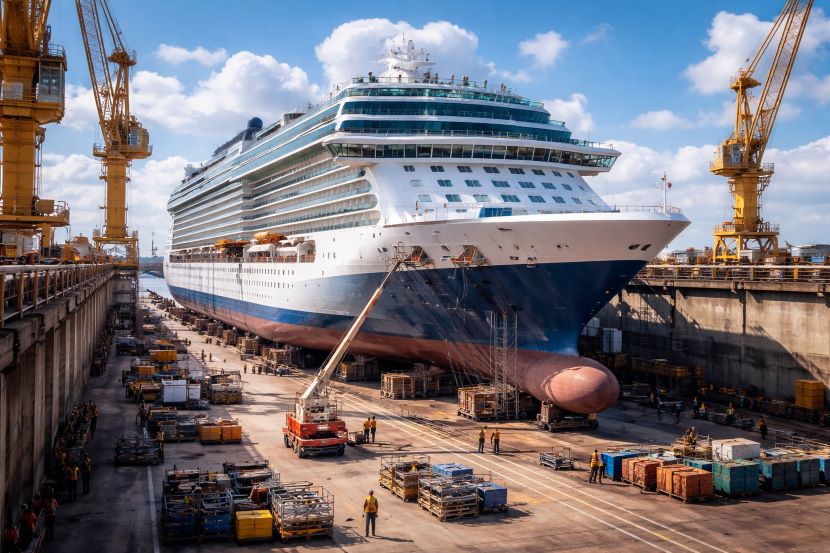
As part of the AVATAR project, the company has designed a revolutionary net zero cruise ship concept, which indeed is a major achievement in the shipbuilding sector. The idea behind this new and creative concept is to reduce the overall carbon footprint of the cruise ship by over 90% compared to the overall footprint defined by the International Maritime Organization (IMO). The project is part of the NEcOLEAP R&D project and is co-funded by Business Finland.
The Path to Net-Zero Emissions in the Cruise Industry
The launch of the net-zero cruise ship concept signals a major step forward in Europe’s cruise industry’s journey toward sustainability. Climate change and environmental concerns have prompted the need for more sustainable travel options, and the maritime sector is increasingly being called upon to reduce its carbon emissions. Meyer Turku’s ambitious project addresses these challenges head-on, focusing on making cruise ships more energy-efficient, reducing their environmental impact, and setting new benchmarks for sustainability in the cruise industry.
By utilizing the AVATAR project, Meyer Turku has created a vessel that incorporates a combination of advanced technologies and design strategies that will help the cruise industry meet the growing demand for sustainable travel options. The net-zero concept ship aims to address several key areas of energy consumption, including fuel, heating and cooling, and space optimization, ensuring that the ship operates with minimal environmental impact.
Sustainable Design and Cutting-Edge Technologies
The design of the concept ship emphasizes energy efficiency and innovative solutions, reflecting Meyer Turku’s commitment to reducing the environmental footprint of cruise vessels. The ship’s structure has been streamlined and made lightweight, optimizing the overall energy efficiency of the vessel. One of the primary features of this concept ship is its use of bio-methanol as fuel, a renewable alternative to traditional fossil fuels that reduces emissions significantly compared to conventional marine fuels.
To further improve energy efficiency, the concept vessel incorporates advanced air-handling units, which reduce the demand for heating and cooling on the cabin decks by approximately 50%. This not only reduces energy consumption but also makes the cruise experience more comfortable for passengers while minimizing the ship’s environmental impact.
In addition, the ship uses wind-assisted propulsion technology and solar panels to generate renewable energy. These technologies further reduce the ship’s reliance on traditional fuel sources, providing additional avenues to reduce emissions and promote sustainable energy practices within the cruise industry.
Optimizing Space and Materials for Sustainability
Sustainability is also a central theme in the concept’s interior design. Meyer Turku has carefully selected sustainable materials that contribute to the vessel’s overall eco-friendly design. By incorporating materials that are both environmentally friendly and durable, the ship aims to minimize waste and reduce the need for frequent replacements. Additionally, the optimized use of space helps reduce the vessel’s overall energy demand, contributing to its net-zero emissions goal.
The integration of these sustainable materials and design elements highlights how innovative solutions can not only improve the environmental performance of cruise ships but also enhance the overall guest experience. Passengers on the net-zero cruise ship can enjoy a luxurious and environmentally conscious vacation, knowing that their travel choices are contributing to a more sustainable future.
Digital Twin Technology and Dynamic Energy Simulations
A key innovation in the design of the net-zero cruise ship is the use of dynamic energy simulation models, known as digital twins. This advanced technology allows the designers to evaluate the impact of different design choices on the energy system of the vessel. By creating a virtual replica of the ship’s energy system, Meyer Turku was able to test and refine various technologies and design strategies to ensure maximum efficiency.
The digital twin technology allows the company to simulate the performance of the ship under different conditions and make data-driven decisions to optimize energy consumption. This innovative approach ensures that every design choice contributes to the ship’s overall sustainability goals, helping to minimize the vessel’s carbon footprint while maximizing its energy efficiency.
Implications for the Future of Tourism and Travel
The launch of Meyer Turku’s net-zero cruise ship concept has the potential to revolutionize the tourism and travel sectors, particularly within the cruise industry of Europe. As travelers increasingly seek sustainable vacation options, the demand for eco-friendly cruise ships is expected to rise. This concept ship represents a new wave of innovation that meets both the environmental and experiential needs of modern tourists.
Sustainable cruise ships like the one developed by Meyer Turku offer tourists the chance to enjoy world-class travel experiences while minimizing their impact on the environment. By embracing renewable energy sources, reducing emissions, and optimizing energy consumption, these vessels provide an example of how the tourism and hospitality industries can evolve to meet sustainability goals without compromising the quality of the guest experience.
Moreover, the introduction of such a vessel to the European cruise industry will inspire other companies to follow suit, creating a more sustainable, energy-efficient fleet across the global cruise sector. This will play a critical role in reducing the travel industry’s overall carbon footprint and helping to achieve global climate targets.
Setting a New Standard for Sustainable Cruise Travel
Meyer Turku’s net-zero cruise ship concept serves as a testament to the possibilities that exist for sustainable travel. By combining advanced technologies, eco-friendly materials, and innovative design principles, the company has created a blueprint for the future of cruising. As the demand for environmentally responsible tourism grows, the success of this concept will likely set the standard for future cruise ships and offer travelers a more sustainable way to explore the world.
The post Meyer Turku Introduces Groundbreaking Net-Zero Cruise Ship for Sustainable Tourism in Finland, Here’s All You Need to Know appeared first on Travel And Tour World.