
Reading view

Samos 2026: Why This Aegean Gem is the New Must-Visit Destination for British Travellers

Samos 2026: Why This Aegean Gem is the New Must-Visit Destination for British Travellers

As the Greek island of Samos emerges as a popular international destination, UK residents’ travel patterns are changing dramatically. This surge in interest is being driven by the introduction of new direct flight routes, which have effectively bridged the gap between British airports and this North Aegean sanctuary. As the 2026 flight season approaches, the Municipality of Western Samos has been tasked with actively promoting the island on a global scale. This strategic initiative aims to highlight a wide range of experiences that go well beyond the traditional “sun and sea” narrative. Samos is presenting a more nuanced identity to the world by emphasising the island’s unique gastronomy, rugged outdoor adventures, and deep historical significance.

A Strategic Pivot Toward Alternative Tourism

The conventional appeal of Mediterranean beaches is no longer viewed as the sole driver for tourism in the region. Instead, a multifaceted approach is being adopted by local authorities to cater to the evolving tastes of modern travellers. It is recognized that British tourists are increasingly seeking authenticity and depth in their holiday choices. Consequently, the local administration is prioritizing the development of “alternative tourism” sectors. This involves a concerted effort to showcase the island’s mountainous terrain, its sprawling vineyards, and the quiet sophistication of its culinary traditions. To ensure these offerings reach the right audience, partnerships are being explored with high-profile organizations, including the Greek National Tourism Organization (GNTO) in the UK. Through these collaborations, the island’s image is being reshaped from a seasonal summer getaway into a year-round cultural hub.

Culinary Heritage and Gastronomic Exploration

The flavours of Samos are being positioned at the forefront of this new promotional campaign. The island’s gastronomic identity is deeply intertwined with its legendary winemaking history, particularly the production of the world-renowned Muscat wine. Visitors are being invited to explore local vineyards where ancient techniques are still honoured, alongside modern tasting rooms that reflect the island’s growing sophistication. The culinary experience is further enriched by the use of locally sourced ingredients—honey from the slopes of Mount Kerkis, olive oil from century-old groves, and seafood caught fresh from the Aegean. By emphasizing these authentic epicurean journeys, Samos is successfully attracting a demographic of travellers who value quality and local provenance over mass-produced tourist fare.

Adventure and the Great Outdoors

For the spirited traveller, the natural landscape of Western Samos is being developed as a premier destination for outdoor activities. The rugged beauty of the island provides a dramatic backdrop for a variety of pursuits, ranging from challenging treks on Mount Kerkis to leisurely walks through the Potami waterfalls. Detailed guided tours are being organized to lead visitors through lush forests and hidden valleys, ensuring that the island’s biodiversity is both appreciated and preserved. Furthermore, the coastal waters are being utilized for sustainable marine activities, such as kayaking and sailing, which allow for a closer connection with the environment. This focus on adventure is intended to appeal to a younger, more active generation of British travellers who prioritize physical engagement and environmental stewardship during their travels.

Unveiling the Layers of Antiquity

The historical wealth of Samos remains one of its most compelling assets, and it is being highlighted as a cornerstone of the island’s international appeal. As the birthplace of Pythagoras and the site of the magnificent Heraion, the island offers a historical narrative that spans millennia. Significant archaeological landmarks, including the Tunnel of Eupalinos—an engineering marvel of the ancient world—are being integrated into comprehensive sightseeing itineraries. These sites are not merely being presented as static ruins but as living monuments to human ingenuity and cultural evolution. By providing well-structured tours and educational resources, the Municipality is ensuring that the historical legacy of Samos is accessible and engaging for the intellectually curious visitor.

Sustainable Growth and Future Prospects

As the tourism landscape evolves, Western Samoa’s commitment to sustainable development becomes more apparent. The influx of British tourists is being managed with a focus on quality over quantity, with the goal of avoiding the pitfalls of overtourism that have plagued other Mediterranean hotspots. The infrastructure is being gradually upgraded to accommodate new flight arrivals while preserving the island’s authentic charm. This balanced approach is expected to provide long-term benefits to the local economy and community. Samos is setting a standard for other Aegean destinations by promoting a tourism model that values both the natural environment and local culture. In the coming years, the island is expected to solidify its reputation as a sophisticated, multifaceted destination that provides something truly unique to international travellers.

The post Samos 2026: Why This Aegean Gem is the New Must-Visit Destination for British Travellers appeared first on Travel And Tour World.
Kenya and Egypt Forge Historic Tourism Alliance: A Strategic Fusion of Heritage and Wildlife

Kenya and Egypt Forge Historic Tourism Alliance: A Strategic Fusion of Heritage and Wildlife

A burgeoning partnership between two of the continent’s most formidable tourism powers has dramatically altered the landscapes of African diplomacy and economic integration. In a high-level diplomatic engagement, Kenya’s State Department for Tourism, represented by Principal Secretary John Ololtuaa, met with His Excellency Hatem Yousri Hosni, the Arab Republic of Egypt’s Ambassador to Kenya. The primary goal of this assembly was to discuss a transformative Memorandum of Understanding (MOU) designed to connect the tourism sectors of these two countries. This proposed collaboration is being hailed as a watershed moment for both countries’ hospitality industries, indicating a shift towards a more integrated and diverse continental travel market.

The Synergy of Heritage and Conservation

The core of this bilateral agreement is rooted in the exchange of strategic blueprints aimed at product diversification. While Kenya has long been recognized as a global leader in wildlife conservation and safari experiences, Egypt stands as a master of cultural heritage tourism. Through this MOU, a framework is being established where Egyptian expertise in managing world-class historical sites is shared to enhance Kenya’s nascent cultural tourism sector. Conversely, the advanced conservation models and eco-tourism frameworks developed within the Kenyan Ministry of Tourism and Wildlife are expected to be utilized as a reference for Egypt’s efforts in preserving its own natural assets.

This reciprocal relationship is intended to create a more robust tourism portfolio for both nations. By learning from Egypt’s success in monetizing and preserving ancient history, Kenya aims to broaden its appeal to global travellers who seek experiences beyond the traditional savannah. This strategy is perfectly aligned with the Kenya Ministry of Tourism and Wildlife Strategic Plan (2023–2027), which emphasizes the need for product diversification to maintain destination competitiveness in an increasingly crowded global market.

Elevating Hospitality Standards Through Training

A critical component of the discussions involved the elevation of human capital within the hospitality sector. It is recognized that the physical beauty of a destination must be matched by international service standards to attract and retain high-value global visitors. To this end, Egyptian hospitality expertise will be leveraged to facilitate the training of Kenyan personnel. This technical exchange is designed to ensure that local staff are equipped with the skills necessary to meet and exceed global expectations.

Under the proposed MOU, the exchange of innovative ideas will not be a one-time event but rather a sustained platform for professional growth. By adopting world-class hospitality practices from Egypt, the Kenyan tourism workforce is expected to undergo a significant transformation. This initiative is anticipated to bridge the gap between local service delivery and international benchmarks, thereby enhancing the overall visitor experience and solidifying Kenya’s reputation as a premier African destination.

Economic Revitalization and Job Creation

The broader implications of this partnership extend far beyond the immediate tourism sector. The strategic strengthening of bilateral ties is viewed as a primary driver for national economic growth. It is projected that an increase in international tourist arrivals will provide a much-needed boost to local businesses, ranging from artisanal markets to large-scale transport providers. The creation of jobs for the youth and local communities is a central pillar of this diplomatic mission, ensuring that the benefits of the tourism industry are felt at every level of society.

Furthermore, the alignment of these two nations within regional frameworks such as the African Continental Free Trade Area (AfCFTA) serves to reinforce the economic viability of this MOU. By streamlining tourism protocols and fostering a spirit of cooperation, Kenya and Egypt are positioning themselves as a united front in the global travel industry. The collaboration is not merely about increasing numbers; it is about creating a sustainable and resilient economic ecosystem that can withstand global fluctuations.

Future Outlook: A Unified African Destination

The global travel community is keeping a close eye on Kenya’s Ministry of Tourism and Wildlife as it works to finalise this strategic partnership. The combination of the “Cradle of Mankind” and the “Cradle of Civilisation” provides a distinct value proposition unrivalled by other regions. The successful implementation of this MOU is expected to serve as a model for other African countries looking to capitalise on their unique cultural and natural strengths through bilateral collaboration.

The dedication demonstrated by both Principal Secretary John Ololtuaa and Ambassador Hatem Yousri Hosni emphasises the significance of diplomatic cooperation in the modern era. As these blueprints become actionable projects, the hospitality sectors in Nairobi and Cairo are poised for a golden age of growth, propelled by shared knowledge, mutual respect, and a shared vision for the future of African tourism.

The post Kenya and Egypt Forge Historic Tourism Alliance: A Strategic Fusion of Heritage and Wildlife appeared first on Travel And Tour World.
Discover Sri Lanka 2026: Immersive Holographic Tourism Debuts at Beijing Embassy

Discover Sri Lanka 2026: Immersive Holographic Tourism Debuts at Beijing Embassy

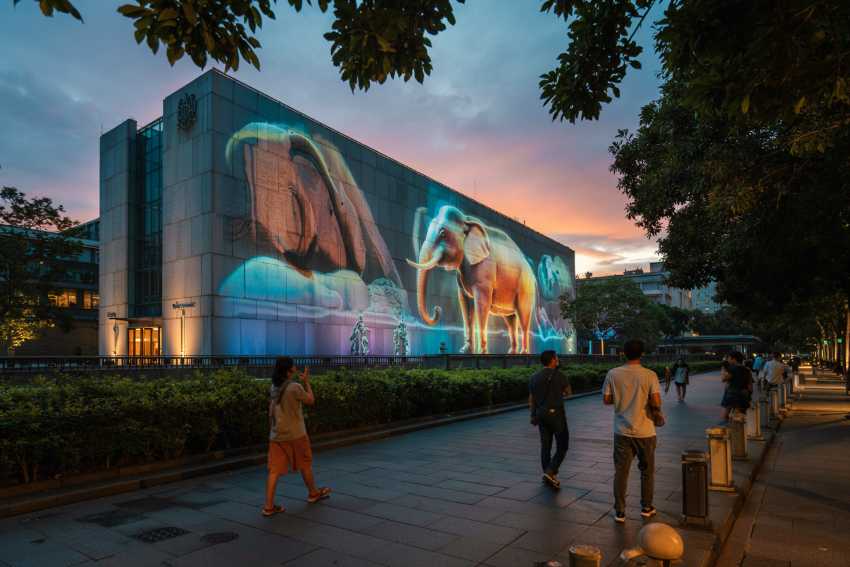
At the Sri Lanka Embassy in Beijing, an advanced technological intervention has drastically changed the landscape of international tourism promotion. A cutting-edge holographic platform has been introduced to captivate the Chinese market in an era where traditional billboards are frequently disregarded. The goal of this project is to create a link between the Indian Ocean’s tropical regions and the center of China’s capital. The embassy has transformed from a strictly diplomatic outpost into a dynamic, digital entryway by employing high-definition projections.

This technology is positioned strategically to take advantage of Beijing’s dense urban area. Positioned within a busy pedestrian corridor, the embassy is part of a prestigious neighborhood next to the historic Ritan Park. The vibrant, three-dimensional displays that capture the essence of Sri Lanka are intercepting thousands of locals and tourists through this location.

The Eight Pillars of the Island Experience

The holographic display is structured around eight distinct thematic pillars, each carefully curated to represent a unique facet of the island’s identity. The diversity of the nation is showcased through the themes of Bliss, Essence, Festive, Heritage, Wild, Pristine, Scenic, and Thrills. Through these categorized visual narratives, a comprehensive portrait of the destination is painted for the viewer.

Under the banner of ‘Heritage,’ ancient architectural marvels are projected into the Beijing night, while ‘Wild’ allows the majesty of Sri Lankan leopards and elephants to be witnessed in a flickering, lifelike format. The ‘Pristine’ and ‘Scenic’ themes are utilized to transport urban dwellers to the golden coastlines and emerald tea highlands, offering a moment of visual respite from the bustling city. Each theme is engineered to trigger a specific emotional response, ensuring that the richness of the island’s offerings is not merely seen but felt.

Transforming the Pedestrian Experience

The traditional barriers of distance are being dismantled by this immersive initiative. As passers-by navigate the area near Ritan Park, their attention is frequently arrested by these floating digital curiosities. This method of engagement is considered far more effective than conventional print media, as it provides an interactive quality that encourages social sharing and prolonged observation.

A powerful impetus is provided by this visual medium to strengthen the bilateral tourism ties between Sri Lanka and China. The promotion of the island is no longer confined to brochures; instead, it is manifested through light and motion. By integrating such advanced technology into a public space, the embassy ensures that the cultural and natural wealth of the nation is made accessible to a diverse demographic of potential travelers.

Strategic Timing for 2026 Travel

The rollout of this holographic campaign is specifically timed to influence travel decisions for the 2026 calendar year. With global travel patterns shifting toward experiential and tech-driven inspiration, Sri Lanka is being positioned as a forward-thinking destination. The allure of the island is magnified by the novelty of the presentation, which creates a lasting impression on the observer’s memory.

Potential travelers are being inspired to explore the island through this creative and engaging manner, which highlights the safety, beauty, and hospitality of the destination. The holographic presentation is recognized as a vital tool in the embassy’s broader strategy to increase visitor arrivals from the Chinese mainland. By showcasing the island’s vibrant festivals and serene wellness retreats (Bliss and Festive), a well-rounded appeal is generated for both adventure seekers and those in pursuit of tranquility.

A New Era of Diplomatic Promotion

This creative project is redefining the traditional role of an embassy. Through innovative marketing, diplomatic locations are shown to be active contributors to cultural and economic development. The application of cutting-edge technology demonstrates Sri Lanka’s dedication to modernization while maintaining strong ties to its traditional values.

The message is unmistakable as the projections light up Beijing’s streets: Sri Lanka is prepared to greet the world with a fusion of its ancient past and modern flair. It is anticipated that the platform’s success will open the door for comparable tech-focused marketing campaigns in other major cities around the world, guaranteeing that the island will continue to be a top choice for travelers from other countries in the years to come.

The post Discover Sri Lanka 2026: Immersive Holographic Tourism Debuts at Beijing Embassy appeared first on Travel And Tour World.

Beyond the Baths: How the British Virgin Islands is Reimagining Sustainable Luxury at Brandywine Bay

Beyond the Baths: How the British Virgin Islands is Reimagining Sustainable Luxury at Brandywine Bay

The British Virgin Islands (BVI) have long been recognised as a top destination for those seeking pristine waters and world-class sailing. However, the high level of global interest has necessitated a strategic shift in how the territory’s natural assets are managed. Following a watershed moment in 2025, when record-breaking arrival numbers were documented, a comprehensive plan for the phased development of Brandywine Bay has been unveiled. This initiative is presented not only as an expansion of the tourism footprint but also as a critical step towards ensuring the long-term viability of the islands’ most iconic landmarks.

Addressing the Demands of Record-Breaking Arrivals

The necessity for this development is underscored by the unprecedented success of the territory’s tourism sector. With visitor numbers reaching approximately 1.2 million in the previous year, the strain on traditional hotspots has become a focal point for administrative concern. It is recognized that the continued concentration of more than 800,000 cruise passengers into a few select locations, such as the world-renowned Baths or the vibrant Cane Garden Bay, risks the degradation of the very environment that attracts visitors. To mitigate the effects of overcrowding, a diversification of the tourism product is being prioritized. Brandywine Bay, often described as a long-overlooked coastal gem, has been identified as the ideal location to absorb this growth while offering a distinct, high-quality experience for international travellers.

Environmental Restoration and Ecological Sensitivity

At the heart of the Brandywine Bay proposal is a commitment to ecological integrity. Observations have been made regarding historical alterations to the site, specifically the filling of natural ponds located behind the beach. It is understood by experts that these ponds serve an essential function in trapping silt and protecting the clarity of the bay’s waters. Consequently, the reestablishment of these natural features is being considered a technical priority. By restoring the pond system, the beach can be protected from runoff, ensuring that the development remains harmonious with the local ecosystem.

Furthermore, the unique underwater topography of the bay is being factored into the recreational planning. While the presence of seagrass may limit traditional swimming, its role in sand retention is viewed as a significant environmental asset. Rather than altering the seabed, the focus is being placed on low-impact water sports. Activities such as kayaking, snorkelling, and paddleboarding are being promoted as the primary ways for visitors to engage with the bay’s tranquil waters, ensuring that the delicate marine flora remains undisturbed.

The Architectural Vision: Kiosks and Boardwalks

The physical transformation of the bay is expected to occur in structured phases, with the initial stage focusing on both restoration and the creation of new amenities. Existing facilities are slated for complete refurbishment to meet modern luxury standards. A central component of the design involves the installation of a series of artisanal kiosks, modelled after the successful aesthetic found at the Cyril B. Romney Tortola Pier Park. These structures, estimated to be between ten and twelve feet square, are intended to be linked by a cohesive boardwalk system.

The layout is designed to encourage a leisurely flow of foot traffic along the shoreline, providing a platform for local vendors to showcase authentic Virgin Islands products. In addition to these retail spaces, a new restaurant is planned to serve as an anchor for the site, offering culinary experiences that highlight regional flavours. This phased approach is intended to create a sophisticated yet relaxed atmosphere that contrasts with the more boisterous energy of the territory’s traditional cruise ports.

Strategic Economic Empowerment and Land Management

Beyond the aesthetic and environmental considerations, the development is rooted in a desire to foster sustainable livelihoods for the local population. By creating a dedicated space for vendors and tour operators away from the saturated markets of the West End, a more equitable distribution of tourism revenue can be achieved. However, the project is not without its complexities; ongoing efforts are being made to clarify land boundaries, as it has been discovered that a portion of the intended development area is under private ownership. Collaborative dialogues are being maintained to ensure that all land-use agreements are finalized before major construction commences.

Timelines and the Future of BVI Travel

The first phase of the Brandywine Bay project is being expedited, with the goal of finishing by the start of the upcoming tourist season. While fiscal implications and precise construction schedules are still being worked out, there is a sense of urgency to ensure the territory’s competitiveness. This development is part of a larger philosophy of “managed growth”, in which the preservation of natural beauty is balanced with the logistical needs of a thriving tourism industry. As more information becomes available in the coming weeks, the vision for Brandywine Bay is expected to serve as a model for future sustainable projects throughout the archipelago.

The post Beyond the Baths: How the British Virgin Islands is Reimagining Sustainable Luxury at Brandywine Bay appeared first on Travel And Tour World.

The Grand Reimagining of Islamabad: How Pakistan’s Garden City is Becoming a Global Cultural and Tourism Hub

The Grand Reimagining of Islamabad: How Pakistan’s Garden City is Becoming a Global Cultural and Tourism Hub

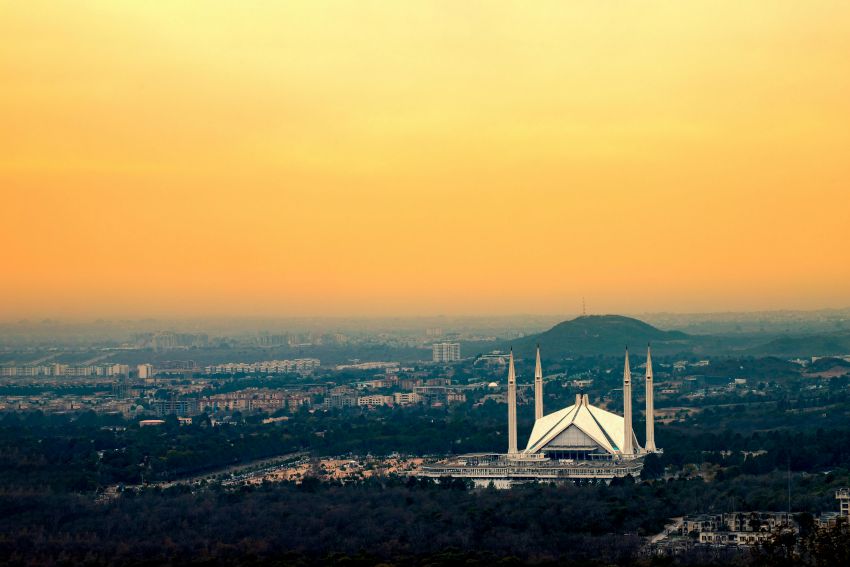
For decades, Islamabad has been praised as a tranquil haven of wide boulevards and lush greenery—a “Garden City” that provides a peaceful contrast to the frantic energy of other South Asian megacities. However, the Capital Development Authority (CDA) is currently writing a transformative chapter. A visionary plan has been put in place to transform the federal capital from a structured administrative centre to Pakistan’s premier destination for culture, vibrancy, and international tourism. This ambitious shift aims to ensure that the city’s historic identity is not only preserved but also serves as the foundation for a modern, cohesive urban experience.

A New Philosophy for Urban Space

The traditional approach to city maintenance, often limited to routine beautification and landscaping, is being replaced by a more holistic philosophy. The goal is the creation of a dynamic public realm where the city’s physical layout breathes with the rhythm of its people. Rather than focusing on isolated patches of greenery, the entire landscape of Islamabad is being viewed as a canvas for integration. By weaving together elements of leisure, ecology, and heritage, the authority seeks to produce an environment that mirrors international best practices while remaining deeply rooted in the unique cultural tapestry of Pakistan.

The Search for a Master City Curator

To lead this metamorphosis, the call has been issued for a Creative Consultant—a role that functions less like a traditional engineer and more like a “City Curator”. This individual is expected to oversee the fusion of art, sports, cuisine, and recreation into the very fabric of the city. Proposals are being invited from both national and international experts who possess a sophisticated understanding of how public spaces can influence human behaviour and tourism appeal. The responsibility of defining Islamabad’s aesthetic and experiential future is being placed in the hands of a seasoned visionary who can synthesize diverse urban elements into a single, flowing narrative.

Criteria for Creative Leadership

Because of the scale of this undertaking, the standards for selection have been set exceptionally high. A minimum of two decades of leadership in fields such as urban regeneration, place-making, and destination development is required from any prospective candidate. It is expected that the chosen consultant will bring a documented history of impactful projects, having previously delivered large-scale public realm transformations either within Pakistan or on the global stage. This emphasis on veteran expertise ensures that the reimagining of Islamabad is guided by a hand capable of balancing modern innovation with the delicate ecological needs of the Margalla foothills.

Developing a Citywide Tourism Framework

One of the primary objectives of this initiative is the establishment of a comprehensive tourism framework. This is not merely about building monuments but about creating “experience-based destinations”. The city’s map is being redrawn to include dedicated culinary districts, where the rich flavours of the region can be celebrated in pedestrian-friendly environments. Furthermore, wellness zones and sports complexes are being planned to encourage a healthier, more active lifestyle for both residents and visitors. Through these specialized zones, a multifaceted tourism economy is expected to be stimulated, making Islamabad a primary stop for global travellers.

Enhancing Green Corridors and Civic Plazas

The “Garden City” moniker is being elevated through the enhancement of green corridors and cultural trails. These pathways are intended to serve as more than just scenic routes; they are being designed as connective tissues that link the city’s heritage sites with its modern civic plazas. By improving these public spaces, a sense of community is fostered, and the historical legacy of the region is made accessible to the public. These trails will allow tourists to explore the intersection of Islamabad’s ancient roots and its aspirations for the future, all while surrounded by the natural beauty that defines the capital.

A Modern Legacy in the Making

As the proposal process progresses, the CDA has remained committed to transparency and excellence, reserving the right to choose the vision that best aligns with the city’s long-term goals. The documents detailing this transition have been made available through official channels, signalling the project’s formal start. This rigorous selection and planning process is repositioning Islamabad on the map as a vibrant, living museum of culture and modern urbanity, rather than just a seat of government. The world is invited to witness one of the world’s most beautiful capitals reveal its new, multifaceted identity.

The post The Grand Reimagining of Islamabad: How Pakistan’s Garden City is Becoming a Global Cultural and Tourism Hub appeared first on Travel And Tour World.
❌