Login
Login
A New Chapter for Peruvian Tourism: Chinchero International Airport to Enhance Access to Machu Picchu and Cusco—Everything You Should Know Before Visiting
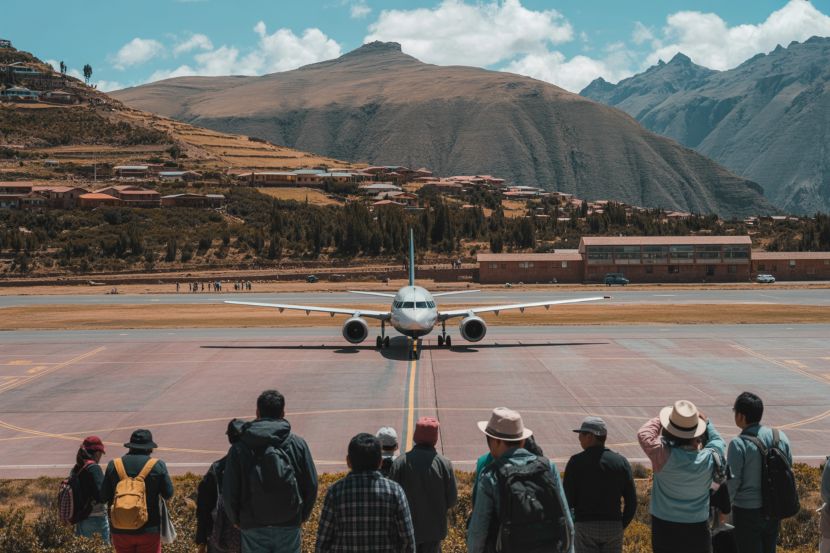
Peru is gearing up for a major transformation in tourism with the upcoming launch of Chinchero International Airport in 2027, located in Cusco, a city known as the gateway to the awe-inspiring Machu Picchu. While the airport promises to enhance transportation and bring a new wave of travelers to the region, concerns loom over the impact this surge in tourism might have on one of the world’s most sacred and fragile landmarks. With visitor numbers already controlled to protect the site, experts are questioning whether the infrastructure can handle such an increase. This article explores the potential changes and challenges that Machu Picchu and the surrounding areas will face as the new airport opens its doors.
The Chinchero International Airport: A Game Changer for Peruvian Tourism
Set to open in late 2027, the Chinchero International Airport will serve as a much-needed boost for Cusco, Peru, and the entire Sacred Valley. The new airport aims to alleviate some of the transportation strain currently experienced by visitors flying into Lima and then traveling long distances to Cusco, which has long been a bottleneck for international and domestic tourists alike.
By drastically improving the region’s transportation infrastructure, Chinchero International Airport is expected to increase tourism to the region by 200%. However, while this could bring significant economic benefits, there are concerns over the management of the Machu Picchu site, which already operates under strict visitor regulations to preserve its integrity.
The Current Visitor Regulations: A Balancing Act
Since 2022, the Peruvian authorities have implemented measures designed to limit the impact of tourism on Machu Picchu, a UNESCO World Heritage site. These changes have included the introduction of time slots for entry, mandatory tours with certified guides, and limited access to specific sections of the ancient Inca site.
The authorities have also capped the number of visitors to 5,600 per day during peak seasons, with a maximum of 2,400 people allowed within the ruins at any given time. These measures aim to minimize overcrowding and preserve the sacred space for future generations.
Although these regulations are crucial for the long-term protection of the site, the significant increase in the number of tourists arriving at the new airport may pose challenges to these efforts.
The Risks of a Tourism Surge
With the new airport expected to bring a substantial increase in visitors, experts fear that Machu Picchu could face unsustainable pressure. Hedder Guispe Puente de la Vega, a Cusco-based tourism operator, expresses concerns about the potential mismanagement of the increased tourist numbers. As the founder of Machu Travel Peru, a company that has long championed responsible tourism, Puente de la Vega emphasizes that the surge in visitors could lead to overcrowding unless stringent regulations and infrastructure are implemented to manage the flow of tourists.
For many local guides and tourism companies, the future of Machu Picchu relies heavily on sustainable tourism practices that allow travelers to explore Peru’s wonders without compromising their preservation. According to Puente de la Vega, while the new airport could be a game-changer for tourism, its success depends on how well the authorities can manage the delicate balance between growth and conservation.
Striking a Balance: Opportunities and Challenges Ahead
There’s no denying the opportunities that Chinchero International Airport brings. The increase in tourism could stimulate the local economy, improve infrastructure, and offer visitors an easier and faster way to experience the Sacred Valley, including the Inca Trail and Machu Picchu.
However, tourism management will be the key to ensuring the sustainability of the site. Authorities are working to ensure that the rise in visitors is carefully controlled, but the airport’s opening will likely test these efforts. The challenge lies in ensuring that the number of visitors remains within the site’s capacity to preserve its cultural and natural value.
Puente de la Vega is optimistic about the future, suggesting that with proper planning and collaboration, tourism can remain a force for good rather than a burden. He advocates for ensuring that the Machu Picchu experience remains special and authentic for those who visit.
Diversifying the Tourism Experience: A Guide for Travelers
For those planning a visit to Peru, Machu Picchu is undoubtedly the highlight, but there are many more treasures in the region that shouldn’t be overlooked. Cusco, the former capital of the Inca Empire, is home to ancient Incan ruins, colonial-era architecture, and vibrant local culture.
In addition to Machu Picchu, visitors should consider exploring the Sacred Valley, Sacsayhuamán, Ollantaytambo, and the nearby towns of Pisac and Urubamba. These destinations offer unique experiences that can provide a fuller picture of the region’s rich cultural heritage.
By diversifying the itinerary, tourists can help reduce the pressure on Machu Picchu while still enjoying the wonders of Peru’s Andean heartland.
How to Prepare for the New Wave of Tourism in Peru
With the opening of Chinchero International Airport, travelers should prepare for the changes to the tourism landscape in Peru. Here are a few tips:
- Book Early: As visitor numbers increase, it’s essential to secure tickets for Machu Picchu and other attractions well in advance. The time-slot system ensures that you can visit at your preferred time.
- Choose Sustainable Travel Options: Support tour companies that prioritize sustainable tourism and offer responsible travel packages. These tours often focus on smaller groups, ensuring a more intimate and respectful experience.
- Respect Local Culture: Peru’s cultural heritage is invaluable. Travelers should be respectful of local customs, traditions, and sacred sites, which are integral to the identity of the region.
- Prepare for Crowds: While Machu Picchu offers an extraordinary experience, be aware that increasing numbers of tourists may result in higher levels of congestion, especially at peak times.
Preserving Peru’s Heritage: Looking to the Future
The opening of the Chinchero International Airport represents both an opportunity and a challenge for Peru’s tourism industry. While it will certainly make travel more accessible and economically beneficial, the future of Machu Picchu depends on how effectively the country can manage this influx of visitors. Through careful planning, investment in infrastructure, and a focus on sustainable practices, Peru can ensure that this cultural gem remains preserved for generations to come.
The post A New Chapter for Peruvian Tourism: Chinchero International Airport to Enhance Access to Machu Picchu and Cusco—Everything You Should Know Before Visiting appeared first on Travel And Tour World.