Reading view

Best Smartphones Under $300 in Feb 2026

Moto-G-and-Moto-G-Play-2026-launch-specs-price

In early 2026, budget smartphones continue to impress with balanced performance, long battery life, and a reliable everyday experience. So, for those looking for a new device for under $300, here’s a list of some globally available smartphones around this price range. From long-lasting batteries to tuned cameras and clean software, here are the 5 best phones under $300 you can buy this February.

Moto G Play (2026)
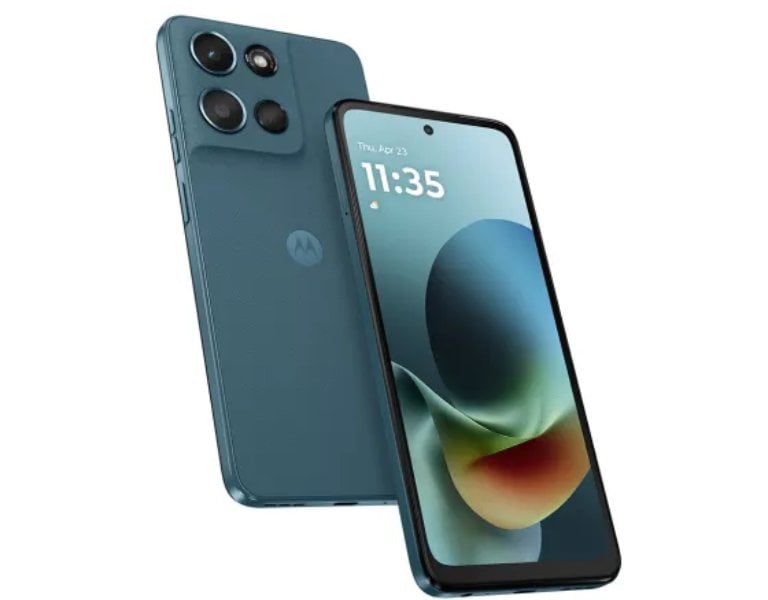
Moto G Play (2026)

The Moto G Play 2026 stands out in the under-$300 class thanks to its thoughtful blend of features and solid everyday performance. It typically offers a smooth everyday experience, a sizable display for media consumption, and Motorola’s near-stock Android software, which means you have fewer bloatware apps to deal with. Battery life is a highlight here, with big capacity cells delivering reliable all-day use even under heavy browsing or streaming. The camera performance won’t rival flagship models, but for everyday photos and social posts, it’s more than capable.

Moto G Power (2026)

Motorola Moto G Power (2026)
Moto G Power (2026)

If you prioritise battery above all else, the Moto G Power 2026 is a compelling pick. True to its name, it packs a large battery that easily lasts more than a full day, even with heavy usage, and it continues Motorola’s trend of delivering dependable battery performance at a budget price. While the display and camera setup might feel a bit utilitarian compared with some rivals, you won’t need to worry about mid-day charging.

Samsung Galaxy A36
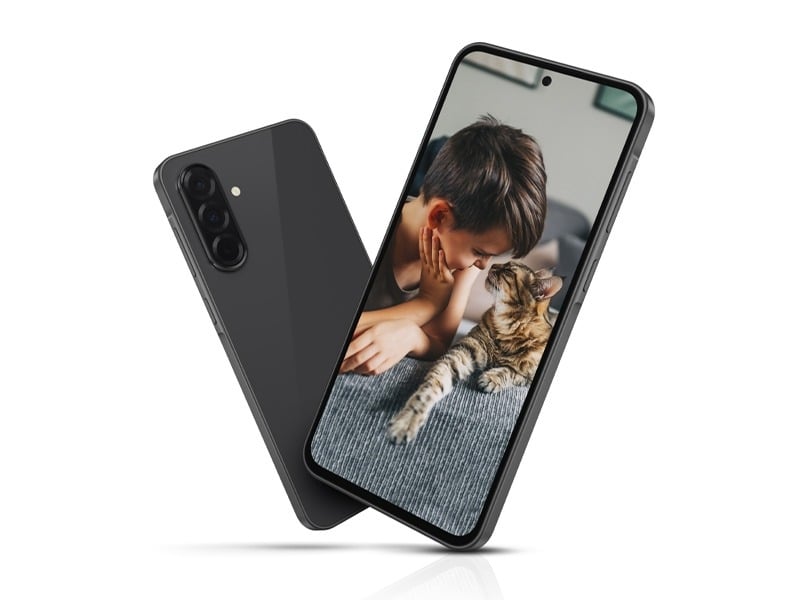
Samsung Galaxy A36

The Samsung Galaxy A36 is one of Samsung’s strongest mid-range contenders in the under-$300 segment. It offers a well-rounded package with a bright and crisp AMOLED display, smooth performance for everyday tasks, and decent camera hardware that captures reliable shots in various conditions. Samsung’s software polish and long-term update promise add extra value, especially if you plan to keep the phone for multiple years. It strikes a great balance between design, performance, and ecosystem support.’

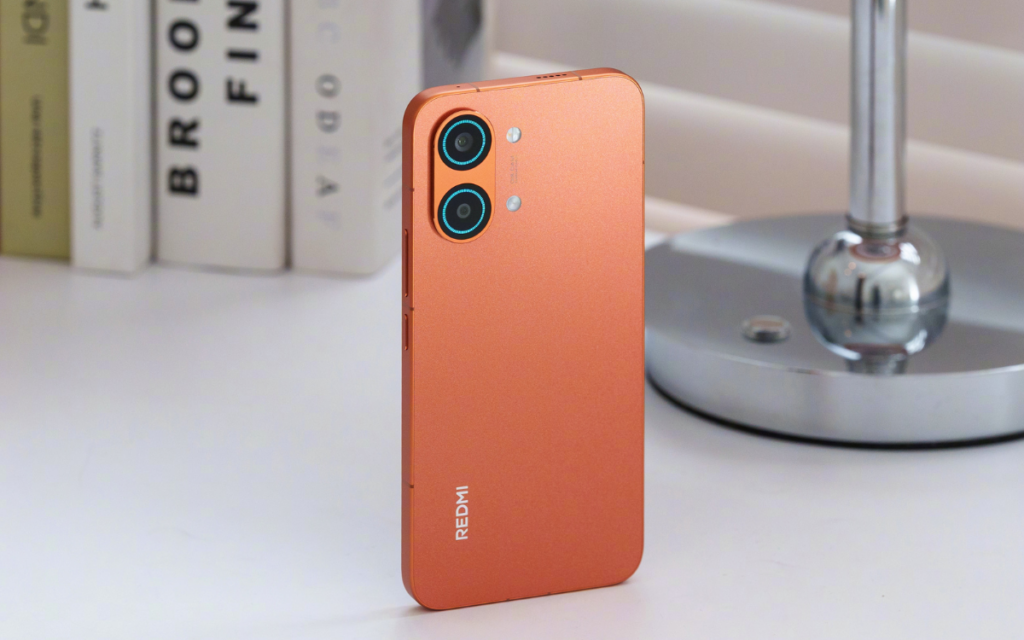
Redmi Note 15 4G
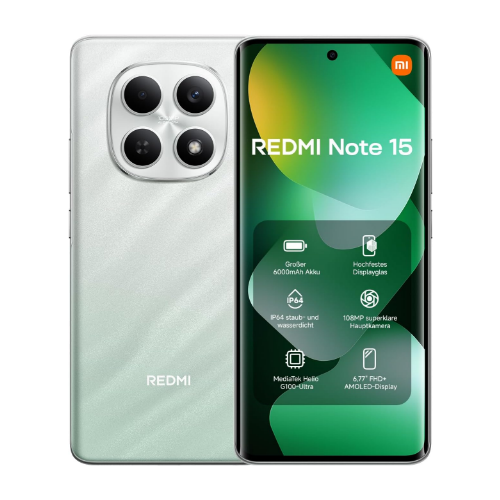
Xiaomi Redmi Note 15 4G
Redmi Note 15 4G

The Redmi Note 15 4G is consistently one of the most feature-rich phones under $300, delivering specs that punch above its price. You’ll typically get a large, vibrant display, capable mid-tier chipset performance for everyday use and light gaming, and a useful camera system that covers most casual scenarios. HyperOS’s customisation also gives you flexibility for personalising your experience. Battery life and charging speeds are solid, making it one of the best value options in this price bracket. It trades 5G connectivity for the impressive battery capacity and a 108MP main camera.

Samsung Galaxy A17 5G
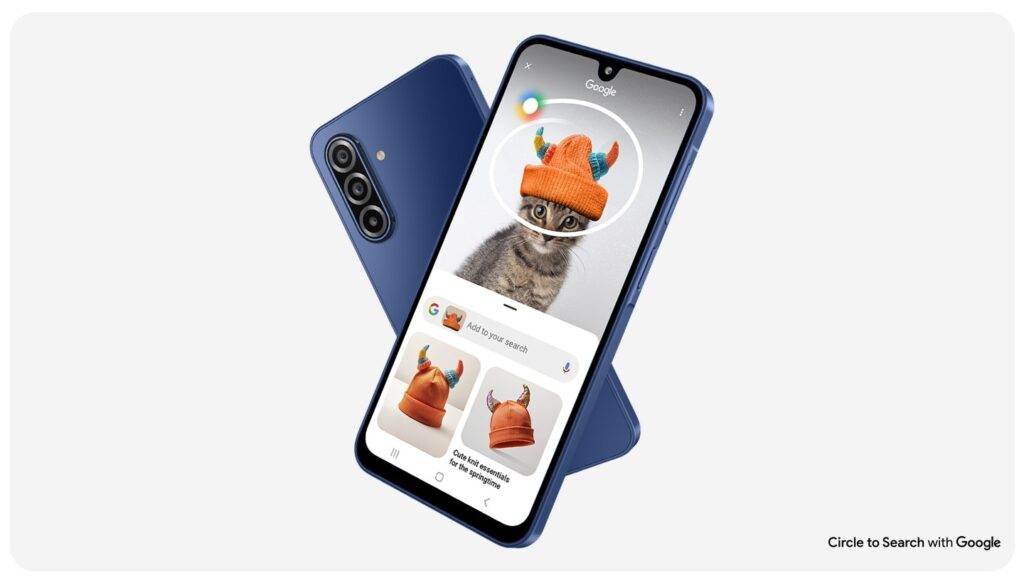
Samsung Galaxy A17 5G

The Samsung Galaxy A17 5G delivers a well-balanced hardware and software mix for a budget price tag. While its performance tier is closer to everyday use than heavy gaming, 5G support gives it future-ready connectivity for streaming, browsing, and light cloud-based tasks. Its design language feels modern, and Samsung’s UI experience is refined and user-friendly.

How We Picked These Phones

When choosing the best under-$300 phones in February 2026, we looked at a bunch of key factors:

  • Global availability: Only models that are widely available in multiple regions, and not just the impressive Asia-exclusive releases.
  • Balanced hardware: Good performance for daily tasks, cam quality, battery life, and software longevity.
  • Brand support: Reliable update policies and ecosystem compatibility.
  • User experience: Displays, battery endurance, and real-world usability.

For more daily updates, please visit our News Section.

Tech enthusiast? Get the latest news first! Follow our Telegram channel and subscribe to our free newsletter for your daily tech fix! ⚡

The post Best Smartphones Under $300 in Feb 2026 appeared first on Gizmochina.
Nothing Phone (4a) Series Flipkart Availability Confirmed Ahead of Launch

Nothing Phone 3a and Phone 3a Pro OS 4.0

Nothing has taken a key step in its rollout strategy for the upcoming Phone (4a) series by confirming Flipkart availability ahead of the official launch on 5th March 2026. A dedicated Flipkart microsite for the new mid-range lineup is already live, and likely includes both the Phone (4a) and Phone (4a) Pro.

Nothing Phone (4a) Series Launching Via Flipkart

To recall, all Nothing products have been sold online via Flipkart, which is one of the leading e-commerce platforms in the region. So it is no surprise that the Nothing Phone (4a) series continues the trend. While the microsite itself doesn’t show pricing or full specs yet, the listing does hint that the pre-orders and first sale could go live soon.

Nothing Phone 4a series flipkart
Flipkart’s official listing of the Nothing Phone (4a) series

Based on what we know so far, the Nothing Phone (4a) is set to be equipped with the Snapdragon 7s Gen 4 SoC, which might be coupled with 12GB of RAM. A sizeable 5,080mAh battery pack could power this model, which likely supports 50W wired fast charging. This model likely runs on the Android 16 OS based Nothing OS custom skin out of the box. Other notable features include up to 256GB of UFS 3.1 storage, an IP65 rating for water and dust resistance, and possibly two color variants (black and white).

We can expect Nothing’s signature transparent aesthetic to make a return, along with an evolving Glyph LED lighting system. On the front, the Nothing Phone (4a) series is expected to offer a smooth display with up to a 144Hz refresh rate. For photography, the rear may have a triple camera setup, just like its predecessor.

For more daily updates, please visit our News Section.

Tech enthusiast? Get the latest news first! Follow our Telegram channel and subscribe to our free newsletter for your daily tech fix! ⚡

The post Nothing Phone (4a) Series Flipkart Availability Confirmed Ahead of Launch appeared first on Gizmochina.

Best Fitness Bands Under $100 in 2026

Amazfit band 7

Tracking health and fitness doesn’t have to break the bank. In 2026, even sub-$100 fitness bands offer core health monitoring, smart notifications, long battery life, and sleek designs that work just as well at the gym as they do in daily life. From dedicated activity tracking to AMOLED displays and reliable sensors, these bands punch above their price tags. So here is our roundup of the 5 best fitness bands under $100 in 2026.

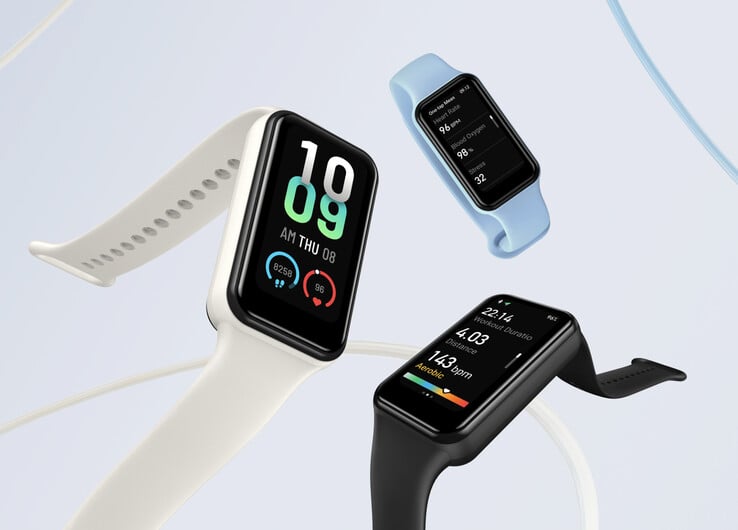
Amazfit Band 7

Amazfit Band 7
Amazfit Band 7

The Amazfit Band 7 remains one of the most compelling bands under $100 thanks to its solid AMOLED display, long battery life, and versatile health tracking suite. You get all the essentials like heart rate monitoring, sleep & stress tracking, SpO₂ measurement, and multiple sport modes, all wrapped in a lightweight and comfortable band. Its crisp screen makes stats and notifications easy to read at a glance.

Xiaomi Smart Band 10

Xiaomi Smart Band 10

A staple in the budget segment, the Xiaomi Smart Band 10 continues to impress in 2026 with a bright and responsive display, reliable health and activity sensors, and intuitive app support. It covers standard tracking like steps, calories, sleep, heart rate, and SpO₂, and includes guided workout profiles to help beginners stay consistent. The lightweight design is ideal for all-day wear.

Fitbit Inspire 3

Best Fitness Bands Under $100 in 2026
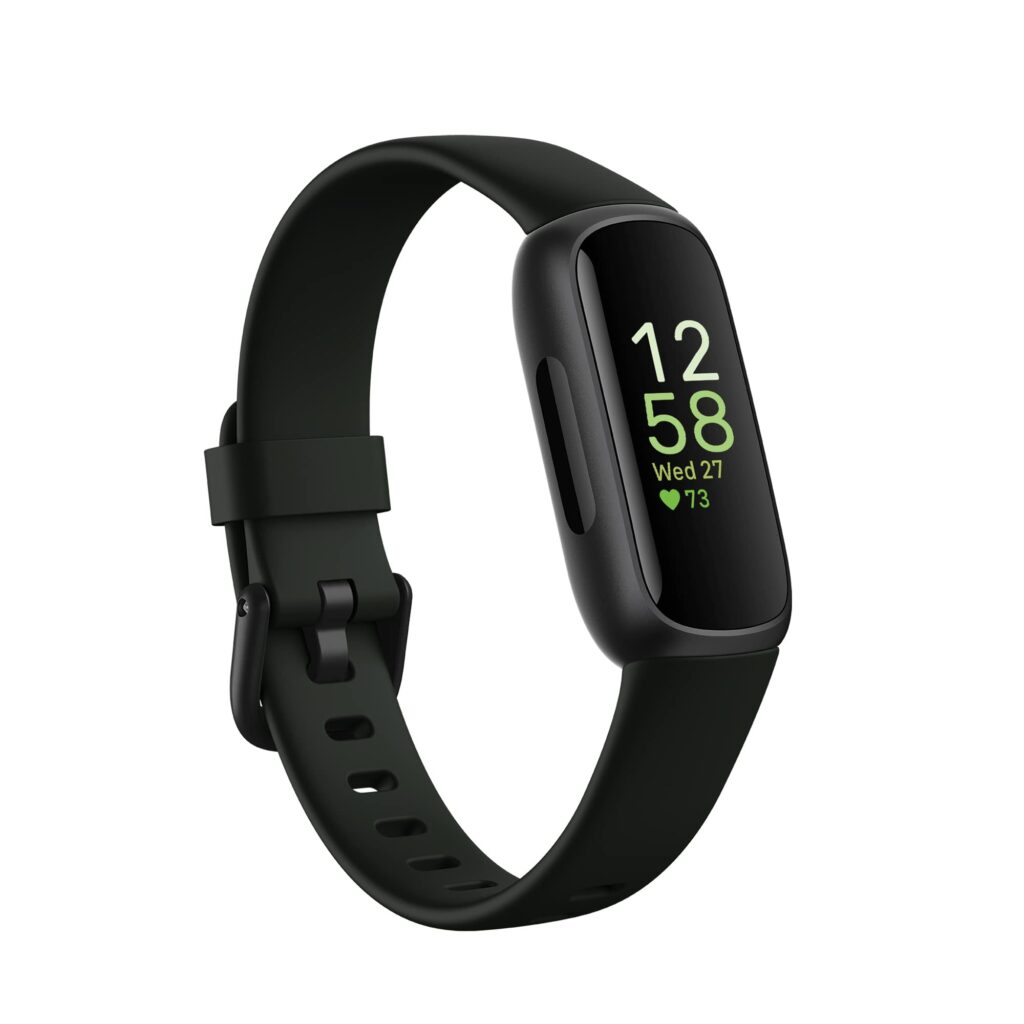
Fitbit Inspire 3

The Fitbit Inspire 3 brings Fitbit’s strong wellness ecosystem to the under-$100 space (often available on sale in 2026). While it doesn’t have a gaudy display, it shines with accurate heart rate tracking, connected GPS (uses your phone), sleep stage analysis, and guided breathing sessions for stress management. Fitbit’s app is one of the best in class, making this a great choice if you want deep insights without spending flagship prices.

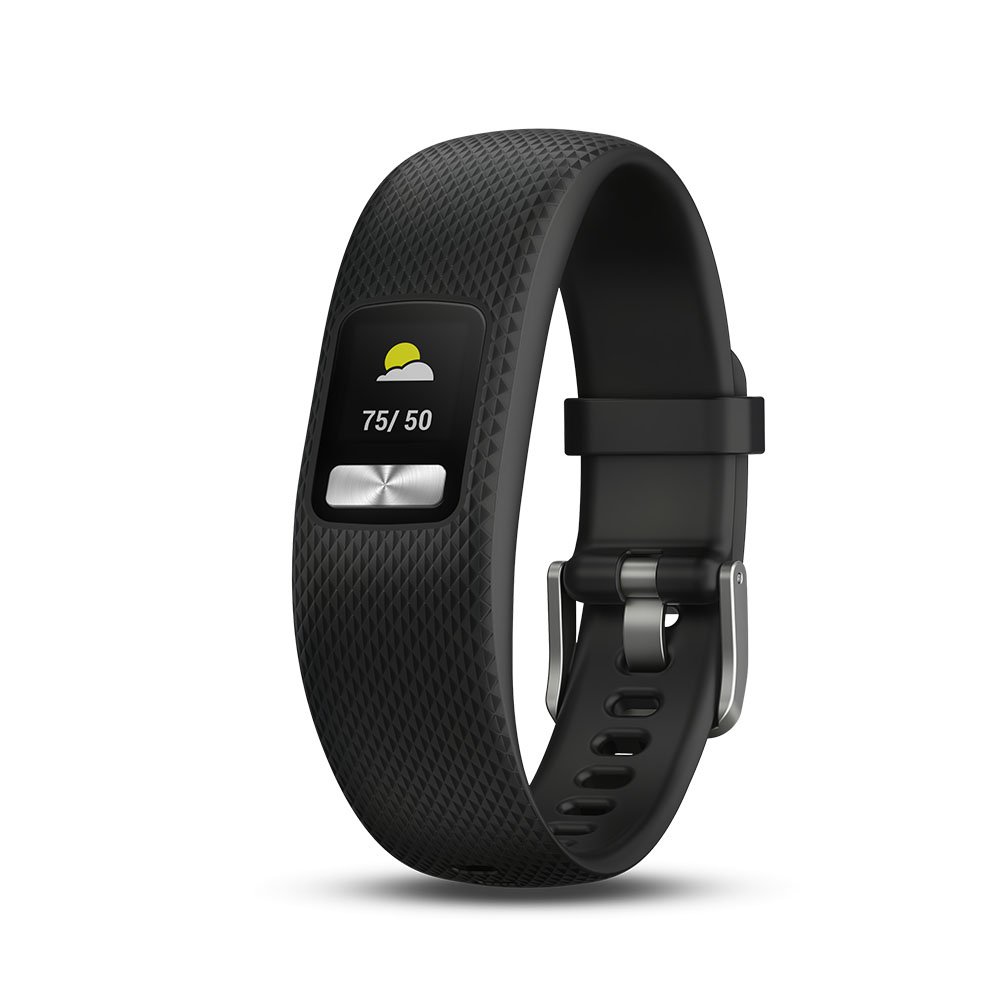
Garmin Vivofit 4

Best Fitness Bands Under $100 in 2026
Garmin Vivofit 4

If battery life and simplicity are priorities, the Garmin Vivofit 4 is a classic choice. Unlike many bands that need weekly charging, the Vivofit 4 can last over a year on a single coin cell, which is a huge advantage for low-maintenance users. It covers basic activity tracking, steps, distance, and sleep, and its always-on display is readable without a backlight.

Amazfit Bip 6

Amazfit Bip 6
Amazfit Bip 6

The Amazfit Bip 6 blends fitness tracking with smartwatch-like features, all under $100. It offers built-in GPS for accurate outdoor mapping, solid heart rate and SpO₂ monitoring, and over 100 sport modes, making it one of the most capable fitness bands for active users on a budget. The transflective display stays visible in sunlight, and the battery comfortably lasts multiple days on a charge.

What to Consider When Buying Under $100

When looking at fitness bands in this price bracket, here’s what matters most:

  • Display Quality: AMOLED screens make information more readable and enjoyable.
  • Health Sensors: Heart rate, sleep tracking, and SpO₂ are baseline features worth prioritising.
  • Battery Life: Longer battery means less charging stress.
  • Companion App: A good app makes insights easier to understand and motivates progress.
  • Design & Comfort: A band you can wear all day and night increases tracking accuracy.

The Takeaway

In 2026, you don’t need a flagship smartwatch to stay on top of your fitness goals. Sub-$100 bands have evolved significantly, offering vibrant displays, robust tracking, smart alerts, and reliable sensors that support healthier habits. Whether it’s an everyday activity, sleep insights, or keeping motivated with sport modes, there’s a strong fitness band under $100 in 2026 that fits your lifestyle without stretching your budget.

For more daily updates, please visit our News Section.

Don’t miss a thing! Join our Telegram community for instant updates and grab our free daily newsletter for the best tech stories!

The post Best Fitness Bands Under $100 in 2026 appeared first on Gizmochina.

New Reebok Stride Smartwatch Packs AMOLED, GPS, and Bluetooth Calling at $99

Reebok Stride Affordable Smartwatch

Reebok continues its expansion into wearables with the launch of the Reebok Stride smartwatch, a new budget friendly wearable that packs various assisted GPS, AMOLED display, health tracking and Bluetooth calling into a compact, modern design. This new model joins the brand’s growing lineup of smartwatches in the US, so here’s everything you need to know.

Reebok Stride Specs & Features

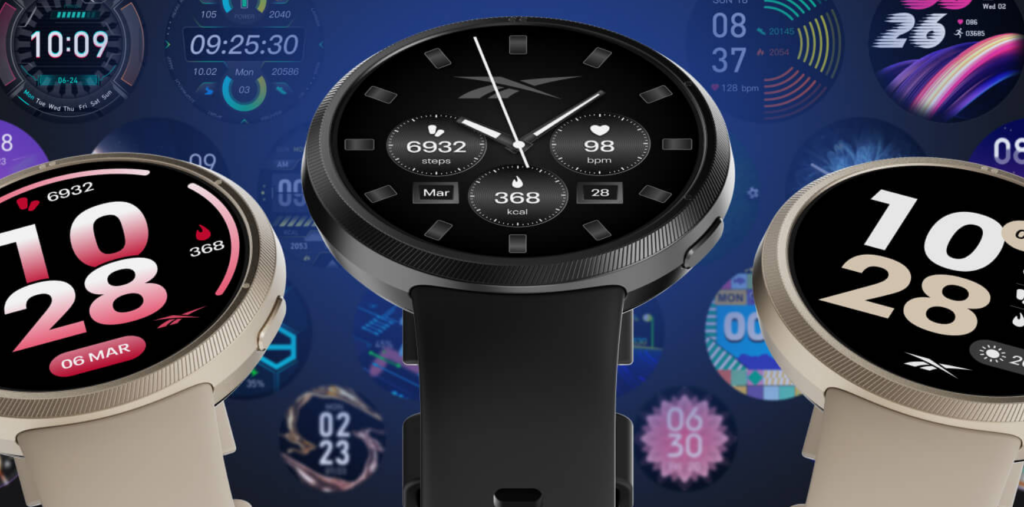
Reebok’s latest budget wearable sports a 1.43-inch AMOLED display with a 466 x 466 pixel resolution. Users can choose from over 100 built-in watch faces to personalise the look to their style. The watch is available in two colourways, namely Midnight Steel and Victory Gold. Stride supports more than 80 sports modes, including running, cycling, swimming and more. The assisted GPS also offers accurate route and distance stats.

Reebok Stride Affordable Smartwatch
Reebok Stride Smartwatch

The smartwatch also monitors key health metrics like heart rate, SpO₂ levels and sleep quality, giving users insights into their daily well being. In addition to fitness functions, Stride delivers smart notifications from your phone and even Bluetooth calling, so you can take or make calls right from your wrist. Through the companion Reebok Connect app, Stride can sync data and provide deeper activity insights, goal setting and progress tracking. It also supports integrations with popular third-party services such as Strava, Google Health, and Apple Health.

Other notable features include up to 10 days of battery life with typical use on a single full charge and an IP68 rating for water and dust resistance. In the US, the Reebok Stride smartwatch is priced at $99.99, which is just below the Icon ($119.99) and sits above the Reebok Rush ($69.99).

For more daily updates, please visit our News Section.

Tech enthusiast? Get the latest news first! Follow our Telegram channel and subscribe to our free newsletter for your daily tech fix! ⚡

The post New Reebok Stride Smartwatch Packs AMOLED, GPS, and Bluetooth Calling at $99 appeared first on Gizmochina.
UEFA opens probe into Vinícius Jr. racism allegation against Benfica's Gianluca Prestianni

UEFA announced it has opened an investigation into allegations from Real Madrid forward Vinícius Júnior that a racist slur was directed his way by Gianluca Prestianni of Benfica during Tuesday's Champions League match.

The match was delayed for 10 minutes in the second half following Vinícius Júnior's goal after referee François Letexier initiated UEFA's anti-racism protocol. After the Real Madrid star celebrated taking the lead, Benfica players were seen getting upset with him. 

During the skirmish, Vinícius Júnior was seen walking past Prestianni before immediately approaching Letexier with the allegation. 

"Racists are, above all, cowards. They need to cover their mouths with a shirt to show how weak they are," Vinícius Júnior said in a statement on social media. "But they have, on their side, the protection of others who, theoretically, have the obligation to punish. Nothing that happened today is new in my life or in my family's life. I received a yellow card for celebrating a goal. I still don't understand why.

"On the other side, there was only a poorly executed protocol that served no purpose. I don't like to appear in situations like this, especially after a great victory when the headlines should be about Real Madrid, but it is necessary."

Kylian Mbappé said he heard Prestianni call Vinícius Júnior a "monkey" five times.

BAILA @vinijr and please never stop.
They will never tell us what we have to do or not. ✊🏽

— Kylian Mbappé (@KMbappe) February 17, 2026

The 20-year-old Prestianni has denied the allegations.

Benfica's Gianluca Prestianni speaks towards Real Madrid's Vinicius Junior during Tuesday's Champions League match at Estadio do SL Benfica. (Photo by Angel Martinez/Getty Images)
Angel Martinez via Getty Images

“I want to clarify that at no time did I direct racist insults to Vini Jr, who regrettably misunderstood what he thought he heard," Prestianni said in a statement. "I was never racist with anyone and I regret the threats I received from Real Madrid players."

FIFA president Gianni Infantino released a statement saying that he was "shocked and saddened to see the incident of alleged racism" and praised the referee for activating the anti-racism protocol. There is absolutely no room for racism in our sport and in society," Infantino said on social media. "We need all the relevant stakeholders to take action and hold those responsible to account."

If Prestianni is found guilty of racial abuse, he faces a potential 10-match ban per UEFA's guidelines.

Benfica and Real Madrid will meet again next Wednesday in the second leg of their Champions League knockout phase playoff at Estadio Bernabéu in Madrid.

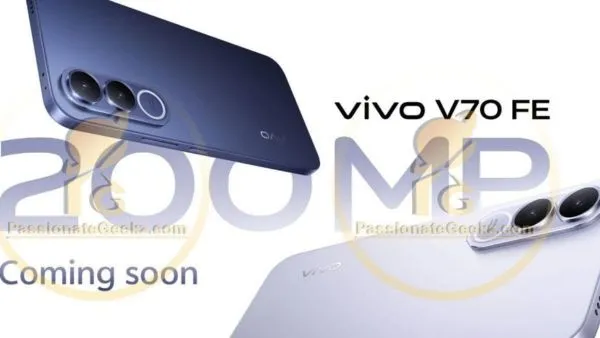
Vivo’s Next Budget Phone Just Leaked With a 200MP Camera and Big Battery

Vivo V70 FE

An upcoming Vivo V-series smartphone has just surfaced in a fresh leak. The latest report has revealed promo images and key specs of the new Vivo V70 FE, and it might be one of the more interesting affordable phones that could be launching soon. So here are all the details.

Vivo V70 FE Key Specs Leaked

The headline feature here appears to be a 200MP main camera, which is also visible in the leaked teaser image poster shared by PassionateGeekz. This clearly showcases the photography focus of the Vivo V70 FE, which is a step below the brand’s X300 lineup. It is unclear whether it will support Zeiss tuning like some of its predecessors, although this will likely not be the case. Vivo’s next budget phone can be seen with a secondary shooter on the rear, but details on the other camera are still at large.

Vivo V70 FE
Vivo V70 FE

Furthermore, the Vivo V70 FE leak also reveals details regarding the chipset, battery, charging, and storage configurations. The device is expected to arrive in two variants, namely 8GB + 256GB and 12GB + 256GB options. Under the hood, it might be equipped with MediaTek’s Dimensity 7300 SoC and run on the Android 16 OS based OriginOS 6 custom skin out of the box.

A gigantic battery pack might power this model, which could have a massive 7,000mAh capacity. Fast charging support is a given, and the report hints at 55W charging speeds. Lastly, we also get a look at the Vivo V70 FE in two color options, which include what appears to be Dark Blue and Lavender.

For more daily updates, please visit our News Section.

Don’t miss a thing! Join our Telegram community for instant updates and grab our free daily newsletter for the best tech stories!

Tech enthusiast? Get the latest news first! Follow our Telegram channel and subscribe to our free newsletter for your daily tech fix! ⚡

The post Vivo’s Next Budget Phone Just Leaked With a 200MP Camera and Big Battery appeared first on Gizmochina.

How to Turn Off Ads in Xiaomi’s HyperOS System Apps

How to Turn Off Ads in Xiaomi HyperOS System Apps

If you’re using a Xiaomi, Redmi or POCO phone running HyperOS, you might notice ads showing up inside many system apps, from the Downloads and Mi Browser to Music, Security and Themes. Fortunately, while Xiaomi doesn’t remove all advertising by default, you can turn most of it off with a few simple settings changes. So here’s how to clean up your phone and cut down on ads across the OS.

How to Turn Off Ads in Xiaomi HyperOS System Apps

Disable the MSA System Ad Service

Many of the ads you see originate from a service called MSA (MIUI System Ads), which is a telemetry-linked background app responsible for displaying recommendations and ads system-wide. Turning this off is one of the most important first steps:

  1. Open Settings
  2. Go to Fingerprints, face data & screen lock (or Passwords & security on some Xiaomi phones)
  3. Tap Authorization & revocation
  4. Toggle MSA off and tap Revoke to confirm

Doing this stops the system from serving many ads, though you’ll still need to disable certain app-specific ads separately.

Turn Off Personalized Ads

You can also disable targeted ads that use your data:

  1. Open Settings and then head to Privacy
  2. Select Ad services or Advertising services
  3. Turn off Personalized ad recommendations

Once again, this wouldn’t remove all advertisements, but it prevents the system from tailoring these to your behavior.

Disable Ads Inside Individual System Apps

HyperOS places ad toggles inside many pre-installed apps. While you’ll likely never interact with most of them, you’ll need to turn these off one app at a time to get a true ad-free experience. The exact labels may differ slightly by region or build, but they’re usually easy to spot:

  • Downloads: Open the app > menu (three dots) > Settings > turn off Show ads.
  • Mi Browser: Profile icon > Settings > Advanced > disable Show ads.
  • Mi Video Player: Profile > gear icon > disable Personalized recommendations (note: in some builds, this only lasts 90 days).
  • Music: Profile > Settings > disable Allow permanent notifications, then in Advanced settings turn off Show ads and Personalized recommendations.
  • Security: Settings > disable Show recommendations, also turn off under the Cleaner section.
  • Themes: Account > gear > disable Show ads and Personalized recommendations.
  • App Vault: Open App Vault > menu > Manage services > turn off App suggestions and Ads.

Disable Ads in Other Places

While HyperOS doesn’t offer a universal one-click switch for all ads (although such a toggle has been spotted in leaked test builds), you can also reduce other ad-feed interruptions:

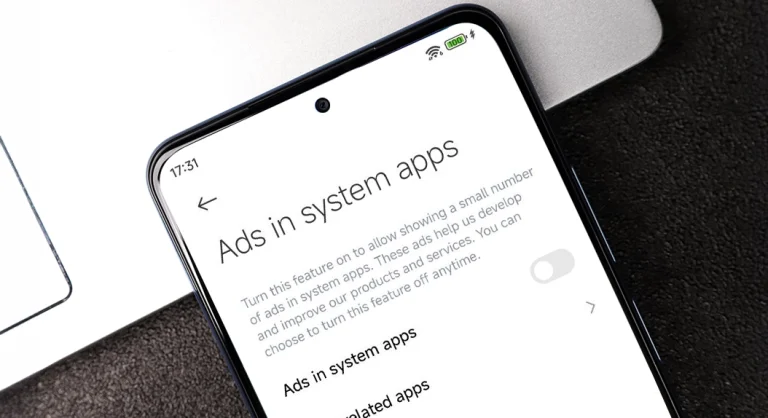
  • Some devices include an “Ads in System Apps” toggle inside Mi Account > About Xiaomi Account
  • For persistent ads or notifications from the msa daemon, you can disable its notifications: go to Settings > Apps > Manage apps > View all apps > msa > Notifications and turn off Show notifications.
  • Advanced users sometimes set up private DNS ad-blockers (e.g., using AdGuard DNS) to block ad servers at the network level.

Why It’s Worth Doing

HyperOS is still evolving, and despite the various improvements over time, ads remain a controversial part of the experience. This is especially frustrating when they appear inside system apps or notifications. While a completely ad-free operation may require patience and thorough cleanup, going through these settings drastically reduces the amount of unwanted content you’ll see and improves both privacy and battery life. Keep in mind that after system updates, some settings may reset, so revisiting them occasionally helps maintain your preferred, ad-free configuration.

For more daily updates, please visit our News Section.

Tech enthusiast? Get the latest news first! Follow our Telegram channel and subscribe to our free newsletter for your daily tech fix! ⚡

The post How to Turn Off Ads in Xiaomi’s HyperOS System Apps appeared first on Gizmochina.

DJI Osmo Pocket 4 Hands-On Video Reveals New Modes & LED Light

Fresh hands-on footage of the DJI Osmo Pocket 4 has leaked online, giving one of the clearest glimpses yet of the next evolution in DJI’s popular compact gimbal camera lineup. This video also offers us a glimpse at some of the best new features and upgrades, so let’s check them out.

DJI Osmo Pocket 4 Leaked in New Hands-On Video

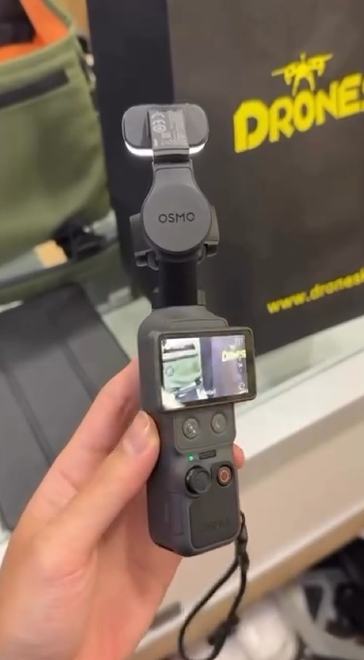
While DJI hasn’t officially announced the product, the leaked video looks authentic and suggests the company may be readying an imminent launch. The video shared by Malaysian retailer Drones Kaki (Via NotebookCheck) appears to feature a final detrail unit of the Osmo Pocket 4 in the wild. So the design shown here could be closer to the final look, and not just early prototypes.

DJI Osmo Pocket 4 Hands-On Leak

Unlike the Pocket 3, this new model appears to include an integrated LED light mounted above the camera, which could help vloggers and creators get better exposure in dim conditions. The LED seems to be on two movable hinges, giving users flexibility to aim the light as needed. Apart from this, the video shows more physical buttons and controls than the Osmo Pocket 3, which may point to improved handling and easier access to functions while filming.

Lastly, there is the new SuperPhoto Mode, which is also a familiar name popularised by GoPro. So similar to its competitor, we can expect this feature to likely use scene-analysis and intelligent image processing to optimise shots automatically, a feature often found in action cameras. This new feature could be targeting vloggers and content creators who need portable recording gear. In related news, the Osmo Pocket 4 just surfaced in the FCC database, hinting at an imminent release.

For more daily updates, please visit our News Section.

Don’t miss a thing! Join our Telegram community for instant updates and grab our free daily newsletter for the best tech stories!

The post DJI Osmo Pocket 4 Hands-On Video Reveals New Modes & LED Light appeared first on Gizmochina.

9,000mAh Phones Are Here: Is The Big Battery Race the New Spec War?

Redmi Turbo 5 Max

Smartphone specs have always been about balance, from cameras and chips to displays and design. We’ve seen the specs race for every aspect of a phone, such as displays, chips, charging speeds, and much more. But as 2026 kicks into gear, one spec is gaining more spotlight than ever, which is the battery capacity. Phones packing 9,000mAh cells (and beyond) are now launching, offering endurance that would’ve sounded like science fiction just a few years ago. So is battery capacity becoming the newest front in the spec war? Let’s break it down.

The Rise of 9,000 mAh Phones

Battery sizes in flagship devices used to hover around the 5,000mAh mark, and recently, Chinese brands were pushing the boundaries with smartphones that are powered by 6,000mAh or even 7,000mAh+ cells. But these companies are showing no signs of stopping, pushing the threshold even further. A great example is the Redmi Turbo 5 Max, which combines a 9,000mAh battery with a Dimensity 9500S platform, blending endurance and performance into a single package.

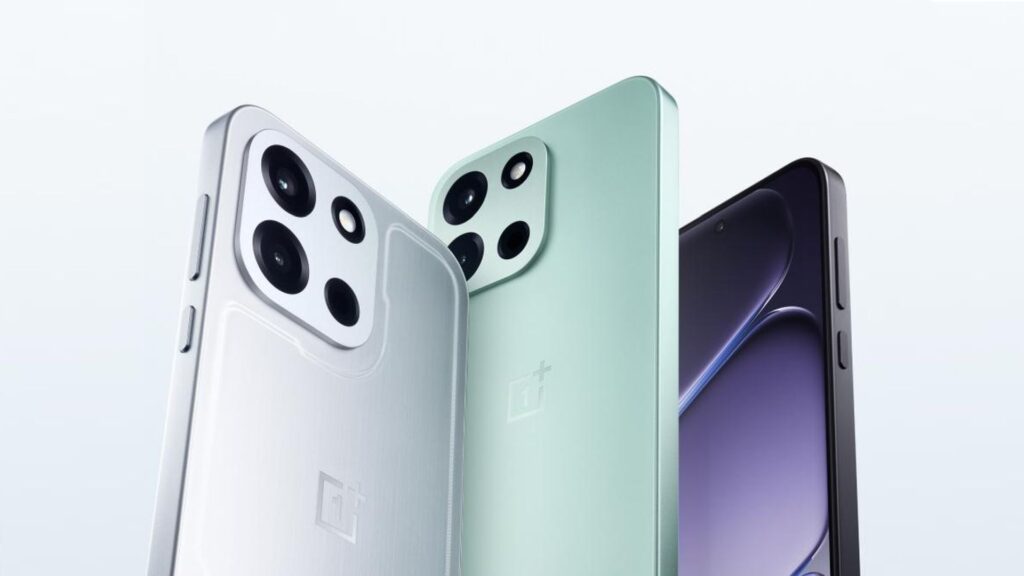
OnePlus Turbo 6
OnePlus Turbo 6

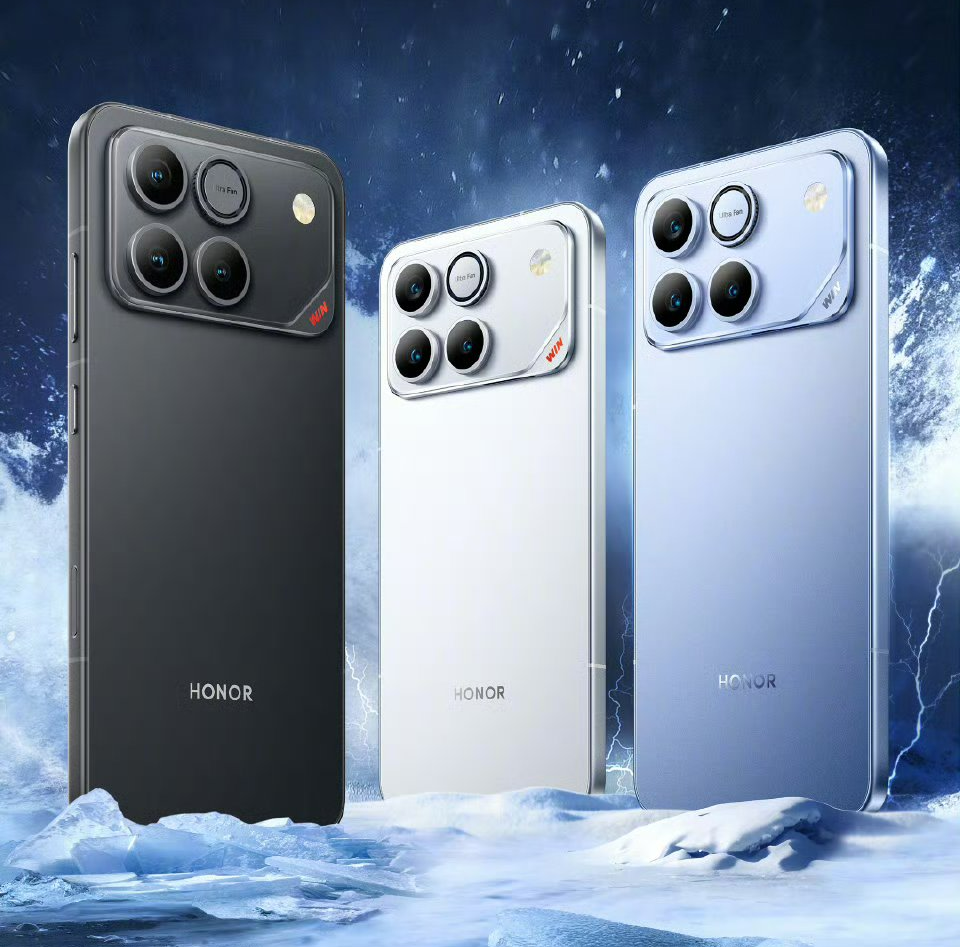
You also have the OnePlus Turbo 6 and Turbo 6V that debuted with class-leading 9,000mAh cells. There are even rumors of more models like the Honor Magic 9 featuring such a gigantic battery pack. But that’s not all, devices such as the Honor Power 2 and Honor Win series pack even larger 10,000mAh cells. So, it has become clear that battery life is the next big thing.

What Bigger Batteries Mean for Everyday Users

So why are brands doubling down on battery size? The answer is simple: real-world endurance has become a premium feature. A larger cell usually translates to more screen-on hours, longer video playback, and extended gaming without needing a midday charge, which is a huge win for power users who don’t want to plan their day around a dying battery.

Redmi Turbo 5 Max
Redmi Turbo 5 Max

Phones with 9,000mAh or higher batteries can often push past two days of mixed use, which was once unheard of without sacrificing on design or performance. While battery capacity matters, fast-charging tech ensures those massive cells don’t become a burden. Most big battery phones pair with fast charging speeds to keep refill times reasonable.

Are We Entering a New Spec War?

Traditionally, the smartphone spec wars focused on chip performance, camera megapixels, refresh rates, and RAM. Battery size was often a side note, until now. In 2026, manufacturers are using battery size as a differentiator in marketing and positioning. Consumers are increasingly valuing all-day and multi-day endurance, and aggressive competition among brands is pushing both capacity and efficiency forward.

Honor Win
Honor Win

That said, this trend doesn’t replace performance or camera innovation; it complements it. A phone with a massive battery but middling performance or poor software won’t be appealing. What’s changing is that endurance is now a headline feature, not an afterthought.

The Takeaway

The arrival of 9,000mAh phones in 2026 reflects shifting priorities in smartphone design: users want machines that stay alive as long as they do. While battery capacity isn’t the only spec that matters, it’s now one of the most tangible ways manufacturers differentiate products in the crowded smartphone landscape. So battery size is the new spec war. As brands race to push capacity higher without sacrificing performance, weight, or design elegance, battery endurance is becoming just as critical to buying decisions as camera prowess and raw speed.

For more daily updates, please visit our News Section.

Tech enthusiast? Get the latest news first! Follow our Telegram channel and subscribe to our free newsletter for your daily tech fix! ⚡

The post 9,000mAh Phones Are Here: Is The Big Battery Race the New Spec War? appeared first on Gizmochina.
Casio’s New Metal G-Shocks with Bold Red Dials Are Getting a Global Release

New Metal Casio G-Shocks with Red Displays

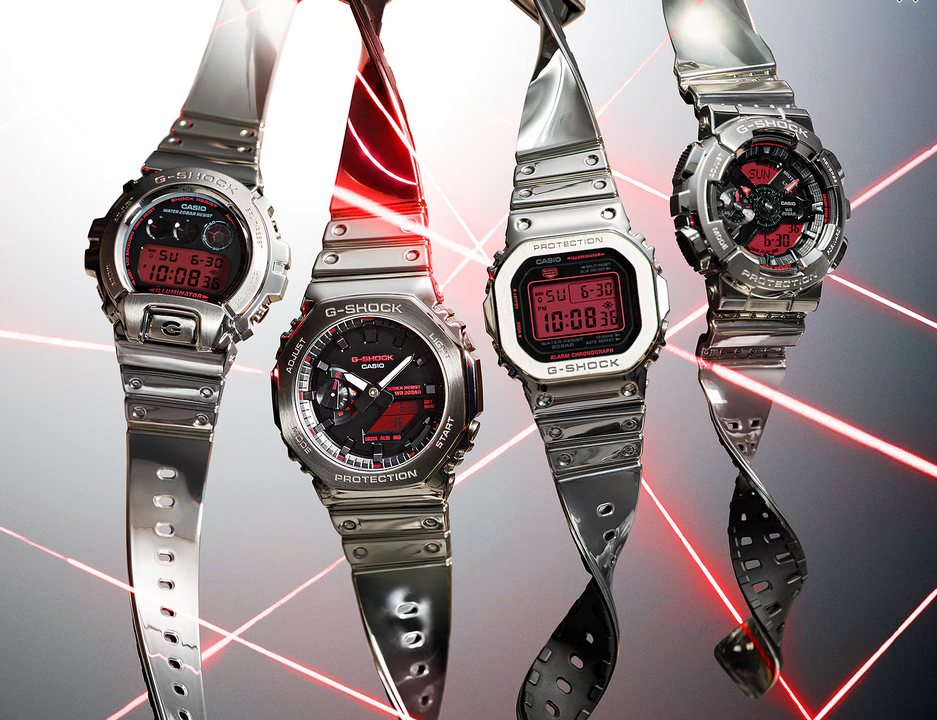
Casio is rolling out a fresh lineup of metal-bezel G-Shock watches featuring eye-catching, bold red displays across more markets beyond Japan. The GM-110YRA-8JF, GM-2100YRA-8JF, GM-5600YRA-8JF, and GM-6900YRA-8JF were initially announced earlier this week, and now they are making their way to the European market.

Casio is Bringing its G-Shock with Metallic Finish & Red Dials to Europe

The newest addition to Casio’s G-Shock family consists of four models, bringing rugged utility and standout wrist style to fans worldwide. These timepieces combine the iconic toughness G-Shock is known for with a design-forward twist that’s sure to attract both collectors and everyday wearers alike. The four models include:

  • GM-110YRA-8JF – analog-digital hybrid with a metallic red face and stainless steel bezel
  • GM-2100YRA-8JF – sleek “CasiOak”-inspired slim model with red dial accents
  • GM-5600YRA-8JF – classic square digital G-Shock with bold red display
  • GM-6900YRA-8JF – larger round body with the same vibrant red aesthetic
New Metal Casio G-Shocks with Red Displays

Each model pairs a stainless steel bezel with G-Shock’s legendary shock resistance, 20-bar (200 m) water resistance, and rugged construction. These red-dial watches aren’t just about standout looks; they retain all the practical features that G-Shock owners come to expect, like mineral glass protection, alarms, timers, and auto calendars, plus strong illumination for readability in low light.

Now, these bold red-display G-Shocks are being listed in regions like the Netherlands, Spain, and Germany. The hybrid GM-2100YRA-8A carries a 260 Euros price tag, while the digital GM-2100YRA-8A is priced at 349 Euros. Although the details for the Casio G-Shock GM-2100YRA-8A and GM-5600YRA-8 watches have yet be released. In related news, the brand recently launched the new Vintage Digital Watch with leather straps.

For more daily updates, please visit our News Section.

Don’t miss a thing! Join our Telegram community for instant updates and grab our free daily newsletter for the best tech stories!

The post Casio’s New Metal G-Shocks with Bold Red Dials Are Getting a Global Release appeared first on Gizmochina.
Xiaomi is Launching the New QLED TV X Pro 75 2026 in India Later This Week

Xiaomi QLED TV X Pro 75 2026

Xiaomi has just confirmed that it will be launching the QLED TV X Pro 75 (2026) model in the Indian market. This big smart TV is making its way to the region later this week, offering a QLED display tech powered home theatre experience. So here’s what we know.

Xiaomi QLED TV X Pro 75 2026 Specs & India Launch Date

The Chinese tech giant has revealed that the new TV will be announced in India on 18th February 2026. As the name suggests, the model sports a large 75-inch QLED screen. Apart from the release date, the teaser poster also confirmed a bunch of its specs and features. The promotional material uses the “MaxMagiQ” label, which is likely a marketing name for the TV’s new picture processing engine, which promises richer contrast, depper colors, and enhanced details across movies, sports, and streaming content.

Xiaomi QLED TV X Pro 75 2026

Taglines like “See the BIG Picture” and “Bigger. Better. Clearer.” suggest Xiaomi wants this smart TV to be a living-room theatre experience. Unfortunately, finer details of the TV like its HDR support, refresh rate, and resolutionare still unknown. But the teaser does confirm a “Sporting MagiQ” feature along with “Gaming on MAX and “MAX Sound”. This is likely a reference to some form of motion smoothening for sports, low latency gaming support, and enhanced integrated audio systems, respectively.

Xiaomi has set 19th February 2026 as the official launch date for the QLED TV X Pro 75 in India, and the smart TV will go on sale via the brand’s official online store as well as major retailers like Amazon India and Flipkart. We can expect traditional offline channels to also be included after the initial sales begin.

For more daily updates, please visit our News Section.

Tech enthusiast? Get the latest news first! Follow our Telegram channel and subscribe to our free newsletter for your daily tech fix! ⚡

The post Xiaomi is Launching the New QLED TV X Pro 75 2026 in India Later This Week appeared first on Gizmochina.
Should You Grab a MiniLED TV or Wait for Budget OLED TVs?

Hisense M7 MiniLED TV

If you’re planning on buying a good TV in 2026, you are probably faced with one of the biggest dilemmas in years: Do you buy a budget MiniLED TV right now, or wait a few months for OLED to get even cheaper? MiniLED models have never been more affordable. At the same time, OLED panel prices are collapsing, and entry level OLEDTVs have also become more accessible. So here’s a breakdown of everything you should consider.

The 2026 Price Reality

For the first time in years, OLED is no longer the “luxury only” option. In 2026, solid 55-inch MiniLED TVs sit comfortably in the $500–700 range, while premium MiniLED models stretch toward $1,000. That used to undercut OLED by a massive margin.

Hisense M7 MiniLED TV

But this is not the case anymore. OLED TVs are now starting around $599, which is near all-time lows, thanks to major manufacturing cost reductions. The cost to produce a 65-inch OLED panel has dropped from roughly $1,000 in 2020 to under $500 by 2025-26. That shift alone is reshaping the mid-range TV market. In simple terms, the price gap between MiniLED and OLED has nearly disappeared.

The Game Changed in OLED Panels

The biggest disruption in 2026 isn’t just pricing, it’s the new OLED SE panels. Launching in Spring 2026, this cost-optimized OLED panel removes the polarizer layer to reduce production costs while still delivering around 1,000 nits of peak brightness and 95% DCI-P3 colour coverage. That’s more than enough for cinematic viewing and HDR content. So you can expect to see this panel in models like the LG B6 and the Samsung S85H.

LG Electronics OLED B5-series TV
LG OLED B5-series TV

This isn’t a stripped-down OLED. It’s essentially a smarter, cheaper OLED, which changes the buying equation dramatically. If you can wait a few months, these models may undercut many mid-range MiniLEDs while delivering true OLED performance.

Real-World Reliability: Burn in and Long Term Use

Budget MiniLED TVs offer a compelling package right now. These are often brighter panels than most OLEDs at the same price point, more affordable than top OLED counterparts, and offer better longevity. This is especially true for users who are concerned about burn-in, which is basically when static logos or UI elements become permanently visible over long periods. However, recent testing shows major improvements.

MiniLED TV or Budget OLED TV
OLED TV Burn-in

Many OLED TVs now last well over 10,000 hours without significant issues when used normally, marking a longer lifespan than typical ownership cycles. Still, if your usage includes long periods with static images (news tickers, desktop mirroring, gaming HUDs), MiniLED might remain the safer choice for worry-free daily use. OLED’s pixel-level control and pixel refresher tech have helped greatly, but the theoretical risk still lingers for some buyers.

Buy Now or Wait?

When deciding, consider your priorities:

Buy a Budget MiniLED TV if:

  • You want a bright, vibrant screen today without waiting
  • You watch a lot of sports, daytime TV, or HDR content in bright rooms
  • You’re worried about OLED burn-in risks
  • You don’t want to wait for price drops later

Wait for Cheaper OLED TVs if:

  • Contrast, black levels, and cinematic picture quality matter most
  • You want wide viewing angles for a larger family or living room
  • You’re willing to time purchases with sales or panel price drops in 2026
  • Your budget can stretch a bit for an OLED TV with better picture fidelity

The Takeaway

Budget MiniLED TVs are a solid choice in 2026, delivering bright, colorful images and strong performance right now. But OLED’s advantage in contrast, black depth, and cinematic picture is becoming more accessible as prices fall and newer, cheaper models arrive. If you need a TV right now, a MiniLED will satisfy most users beautifully. If you want the best possible picture and can time your purchase, waiting a few months for an affordable OLED could deliver more long-term value.

For more daily updates, please visit our News Section.

Don’t miss a thing! Join our Telegram community for instant updates and grab our free daily newsletter for the best tech stories!

The post Should You Grab a MiniLED TV or Wait for Budget OLED TVs? appeared first on Gizmochina.
Brazil's Lucas Pinheiro Braathen becomes first-ever South American to medal at Winter Olympics

Lucas Pinheiro Braathen became the first South American to win a Winter Olympic medal after he earned gold during Saturday's men's giant slalom.

The 25-year-old Pinheiro Braathen, who is ranked second in the world in slalom and giant slalom, recorded a combined time of 2:25.00, 0.58 better than 2022 gold medalist Marco Odermatt to win the event.

A HISTORIC MOMENT FOR BRAZIL. A HISTORIC MOMENT FOR SOUTH AMERICA. 🇧🇷

LUCAS PINHEIRO-BRAATHEN DELIVERS THE RUN OF HIS LIFE. #WinterOlympicspic.twitter.com/m1hlRl9VxN

— NBC Olympics & Paralympics (@NBCOlympics) February 14, 2026

Born to a Norwegian father and Brazilian mother, Pinheiro Braathen began his career representing Norway where he won five World Cup slalom and giant slalom races, while making 12 podiums. He competed at the 2022 Beijing Olympics in the slalom and giant slalom, but did not finish either event.

After abruptly retiring in Oct. 2023, Pinheiro Braathen returned to competition five months later representing Brazil. He has one World Cup victory and now made 11 podiums since switching to Brazil ahead of the Milan Cortina Olympics.

Following his parents' divorce when he was three years old, Pinheiro Braathen lived with his mother in Brazil before moving to Norway to live with his father when he got older. 

“I was introduced to sports in the streets of São Paulo, playing with my neighbors, my family, my friends. I fell in love with sports over there,” Pinheiro Braathen said in 2024. “To be able to come full circle and to be able to represent [Brazil] in a World Cup of a sport, it truly means a lot. To be able to bring the dance to the snow is what I’m seeking to do.”

Pinheiro Braathen, who was one of Brazil's flag bearers for the Opening Ceremony, is now an Olympic history maker and joins previous athletes from his country such as Isadora Williams, who became the first Brazilian and South American in the women's figure skating final at the 2018 Olympics; five-time Olympic cross-country skier Jaqueline Mourão; and bobsledder Eric Maleson.

“Norway taught me how to be an athlete, how to brave the cold,” Pinheiro Braathen told reporters last week in Milan. “Brazil taught me how to be myself.”

Braves' Chris Sale has no intention of using ABS system: 'I’m not an umpire. That’s their job.'

Chris Sale of the Atlanta Braves said he will do his job when it comes to being a starting pitcher and will allow umpires to do their jobs when it comes to calling balls in strikes with the the Automated Ball Strike Challenge System being instituted in MLB this season.

Every team will have two challenges to begin each game. Only batters, catchers and pitchers will be allowed to challenge ball or strike calls and they must signal their intent by tapping their heads immediately after the pitch to initiate the challenge.

The 36-year-old Sale has thrown over 30,000 pitches in his 15-year career with the Chicago White Sox, Boston Red Sox and Atlanta Braves. What he won't do for the remainder of his time on the mound is challenge any called ball he believes is a strike.

“I will never challenge a pitch. I will never do it. I won't do it," Sale told reporters on Friday. "I’m not an umpire. That’s their job. I’m a starting pitcher. I’ve never called balls and strikes in my life. Plus, I’m greedy, and I know that. I think they’re all strikes."

Sale added that catchers, like teammates Sean Murphy and Drake Baldwin, are so good at framing pitches that a lot more pitches appear to be strikes than they used to, especially ones on the corner of the plate. The nine-time All-Star and 2024 pitching Triple Crown and Cy Young Award winner said he'll trust the umpire's call so as to not risk a challenge that could be used later in the game during an important at-bat.

"I've dealt with it before, across all games in my entire career there's been balls called strikes and strikes called balls and you just deal with it," Sale said.

If Murphy or Baldwin disagree, however, that's a different story.

"If my catcher has something to say about it, I'll leave that to him," Sale said. I've dealt with both sides and I'm fine to keep dealing with it."

❌