
Reading view

Travel Nightmares at Nashville International Airport as Winter Storm Paralyzes US East Coast Hubs, Cancels 59 Flights and Delays 160 Others Affecting Southwest, Delta, American, JetBlue and More Airlines

Travel Nightmares at Nashville International Airport as Winter Storm Paralyzes US East Coast Hubs, Cancels 59 Flights and Delays 160 Others Affecting Southwest, Delta, American, JetBlue and More Airlines
Nashville winter storm

Travel nightmares have struck Nashville International Airport (BNA) today, as a powerful U.S. winter storm wreaks havoc on air travel. The storm has led to significant disruptions, with 59 flights canceled and 160 others delayed, affecting multiple major airlines. Passengers flying with Southwest, Delta, American Airlines, JetBlue, and others have been hit hardest as operations come to a standstill across key East Coast hubs. LaGuardia, JFK, and Philadelphia International are among the airports most affected by this severe weather, resulting in widespread flight cancellations and delays. Travelers heading out of Nashville face long waits and uncertainty, as the storm continues to impact flights both domestic and international.

Major Travel Chaos at Nashville International Airport as Winter Storm Hits U.S. Air Travel

Nashville International Airport (BNA) is currently in the grip of significant travel disruption, with severe delays and cancellations sweeping through operations. Today alone, BNA has recorded a staggering 160 flight delays and 59 cancellations, leaving travelers stranded and scrambling for alternatives amid harsh winter weather conditions affecting much of the United States.

This disruption comes as an intense winter storm, dubbed a nor’easter in the Northeast and linked to broader winter weather systems sweeping across large swathes of the nation, continues to impact flight operations, airport ground crews and airline schedules. The storm has brought heavy snow, strong winds and icy conditions from the South and Midwest up through the coastal Northeast, forcing cancellations and delays across many major airports in the U.S.

Widespread Airline Impacts: Who’s Hardest Hit at BNA

Among the carriers most affected at Nashville International Airport, Southwest Airlines stands out with the highest number of disruptions: 21 flights cancelled (6% of its schedule) and 88 flights delayed (25%) today. Republic Airlines also shows a particularly high cancellation rate with 20 flights scrapped (37%), and Endeavor Air (DAL) reporting 6 cancellations (33%) and 8 delays (44%).

Other legacy carriers like United Airlines, American Airlines, and Delta Air Lines are also significantly impacted with a mix of cancellations and delays, though at lower rates than the regional and low‑cost carriers. Smaller operators such as JetBlue and Spirit are likewise facing both cancellations and delays on flights in and out of Nashville. In contrast, some regional airlines such as Envoy Air (AAL) are reporting high delay percentages relative to no cancellations, while others like Frontier, Sun Country, SkyWest, Avelo, Allegiant Air and Alaska Airlines face delays only or comparatively lower disruption levels.

Airport Origins: Where Disrupted Flights Are Coming From

Data on flights originating into Nashville shows cancellations and delays span major hubs:

  • LaGuardia Airport (LGA) tops origin cancellations with 5 flights cancelled (35%) and 3 delayed (21%), reflecting the storm’s heavy impact in the Northeast.
  • John F. Kennedy (JFK) and Baltimore/Washington Intl (BWI) also contribute notable cancellation figures with 4 flights each cancelled at rates of 44% and 66% respectively.
  • Philadelphia Intl (PHL) follows closely with cancellations affecting nearly half of its flights into Nashville.

Other origin points like Reagan National (DCA), Boston Logan (BOS), Orlando Intl (MCO) and Newark Liberty (EWR) are also adding to the total, with flights delayed or cancelled largely due to ongoing weather‑related operational constraints.

Destination Disruptions: Where BNA Flights Were Headed

Flights departing Nashville into other U.S. destinations are hit just as hard:

  • LaGuardia (LGA) again leads with 8 flights cancelled (61%) and subsequent delays.
  • Philadelphia (PHL) and Boston Logan (BOS) each see about half of their flights cancelled.
  • John F. Kennedy (JFK) has 57% cancellations, and destinations like Newark (EWR) also saw significant scrap rates.

Even cities such as St. Louis (STL), San Diego (SAN), Charlotte (CLT) and Orlando (MCO) are feeling the ripple effects of weather and network delays, with dozens of passenger movements disrupted.

How the U.S. Winter Storm Is Driving Airline and Airport Chaos

The current travel turmoil is tied to an expansive winter storm sweeping across the U.S., bringing snow, ice, freezing temperatures and blizzard conditions that have grounded flights and hampered ground operations. Major airports in the Northeast—including New York’s JFK and LaGuardia, Philadelphia International, and Boston Logan—have faced thousands of cancellations and ongoing snowfall that has forced airports to reduce operations or close runways temporarily. These conditions have cascaded through the national air system, delaying aircraft and crews that serve routes into and out of Nashville, thus amplifying disruptions at BNA, even if Nashville itself isn’t under blizzard conditions.

Winter weather impacts such as heavy snowfall can cause operations to slow dramatically. Runways require continuous clearing, de‑icing procedures take longer, and airport staffing is stretched thin as crews work to maintain safety. Airlines are also forced to ground aircraft or adjust schedules when origin or destination airports experience whiteout conditions or travel bans.

What Affected Passengers Can Do Now

If you are among those impacted by these disruptions, here are actionable steps you can take:

1. Check Flight Status Continuously
Visit your airline’s official website or use their app to monitor your flight status in real time. Airlines are updating schedules constantly as conditions evolve.

2. Contact Your Airline Immediately
Reach out directly to your airline’s customer service line or gate agents. Most carriers are offering rebooking options at no extra charge if your flight is delayed or cancelled due to the storm.

3. Consider Alternate Airports
If your schedule is flexible, explore departing from or arriving to nearby airports that may be less impacted by the storm. This can sometimes get you to your destination sooner.

4. Stay Safe at the Airport
Given winter conditions, bring warm clothing, snacks, and charged devices. BNA may offer some support like meal vouchers or hotel accommodations depending on airline policy.

5. Know Your Rights
If your flight is cancelled and you choose not to travel, you are entitled to a refund—even on a non‑refundable ticket—and reimbursement of associated fees.

Final Outlook

Nashville International Airport is deeply affected by broader winter storm impacts across the U.S. aviation system. With 59 cancellations and 160 delays recorded today, the disruption reflects both local airline challenges and the cascading effects of severe weather at major hub airports nationwide.

Travelers should stay vigilant, patient and proactive in managing their travel plans as airline and airport teams work to restore normal operations amid ongoing extreme winter weather conditions.

Source: FlightAware

The post Travel Nightmares at Nashville International Airport as Winter Storm Paralyzes US East Coast Hubs, Cancels 59 Flights and Delays 160 Others Affecting Southwest, Delta, American, JetBlue and More Airlines appeared first on Travel And Tour World.
East Coast Braces for Historic Winter Storm with 2 Feet of Snow, Blizzard Conditions, and Chaos Across New York, Boston, and Philadelphia – Is Your City Ready for the Fury?

East Coast Braces for Historic Winter Storm with 2 Feet of Snow, Blizzard Conditions, and Chaos Across New York, Boston, and Philadelphia – Is Your City Ready for the Fury?
East Coast braces for up to 2 feet of snow and severe blizzard conditions. Cities like New York and Boston prepare for life-threatening weather and travel chaos.

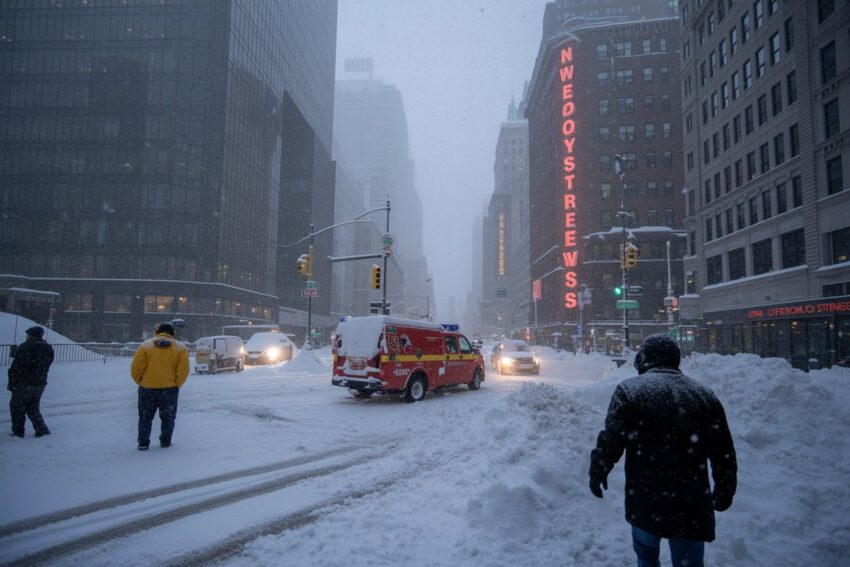
As a powerful winter storm races towards the East Coast, cities like New York, Boston, and Philadelphia are bracing for what could be a historic blizzard, bringing up to 2 feet of snow and life-threatening conditions. The storm, which is forecast to intensify rapidly, is expected to trigger severe disruptions, with blizzard warnings already issued for multiple states along the I-95 corridor, including New York, New Jersey, Connecticut, and Massachusetts. The National Weather Service (NWS) is warning residents to prepare for extremely dangerous conditions, with snow, high winds, and zero visibility threatening to paralyze the region.

Unprecedented Snowfall and Blizzard Conditions on the Horizon

The East Coast storm, now dubbed Winter Storm Hernando, is expected to unleash heavy snowfall rates of up to 2 inches per hour at its peak, particularly in New York City, Boston, and other northeastern cities. According to the NWS, 12 to 18 inches of snow are expected to accumulate across much of the Mid-Atlantic and New England regions, with some areas potentially seeing up to 2 feet of snow. The storm’s explosive growth, known as bombogenesis, is set to produce winds gusting up to 60-70 mph, creating whiteout conditions and making travel near impossible.

Blizzard warnings, which signify extremely low visibility and fierce winds, have been issued for some of the most densely populated areas in the U.S. As the storm pushes forward, major metropolitan areas like New York City, Boston, and Philadelphia will experience intense snow and wind overnight, creating a perilous situation for anyone trying to venture outdoors.

Massive Disruptions and Warnings for Major Cities

In the face of this storm, cities like New York are bracing for their first blizzard warning in nearly a decade. With snow and winds threatening to obscure visibility entirely, authorities have warned residents to stay off the roads during the storm’s peak hours. Mayor Eric Adams of New York City has announced that all non-essential travel will be prohibited, urging the public to heed the warnings and avoid unnecessary outings.

Travel disruptions are already being felt across the region, with more than 3,000 flight cancellations reported at major airports like JFK and LaGuardia. Rail services, including Amtrak and local transit systems, have been curtailed as the city braces for snow accumulation and disruptions. Experts predict that this storm could be one of the most significant snowstorms to hit the East Coast in years, with its intensity rivaling some of the strongest storms in history.

For residents of New England, including Boston, the situation is equally dire. Forecasts predict snow accumulation of up to 2 feet in some areas, compounded by wind gusts that will make travel virtually impossible. As the blizzard continues to worsen, local authorities are preparing for power outages, which are expected to last for hours, and possibly days, in some locations.

Severe Coastal Flooding and Risk of Power Outages

While the snowfall itself poses a significant hazard, this storm is not just about snow. Coastal flooding is expected to be a major concern along the East Coast, as high tides combined with storm surges will lead to flooding in New Jersey, Delaware, and parts of Maine. The National Hurricane Center has issued warnings for coastal flooding in these areas, advising residents to prepare for the potential inundation of homes and businesses.

In addition to the snow and flooding risks, widespread power outages are anticipated due to fallen trees and downed power lines, as the combination of heavy snow and high winds will create dangerous conditions for electrical infrastructure. Local emergency services are on high alert, ready to respond to the growing number of incidents expected as the storm progresses.

A State of Emergency Declared Across Multiple States

Governors across the impacted states have already declared states of emergency, mobilizing national guard units and emergency response teams in anticipation of the storm’s full impact. New Jersey, Connecticut, and Massachusetts have all enacted emergency measures, with the New Jersey Governor issuing a state-wide travel ban. This proactive approach is crucial to prevent widespread chaos, as travel restrictions and curfews are expected to be put in place in the most heavily affected areas.

Cities like Philadelphia and Baltimore are also under severe weather warnings, with forecasts predicting 12 to 18 inches of snow, creating potential delays for both air and ground travel. Snowplows and emergency responders are already working around the clock to clear roadways and assist in rescue operations for those who may be stranded or in need of assistance.

Impact on Local Economy and Communities

Beyond the immediate safety concerns, the storm is expected to have a significant economic impact on the region. Local businesses, particularly those in tourism, retail, and hospitality, are facing temporary closures due to the extreme weather conditions. Many events, including sports games and public gatherings, have been postponed or canceled. The tourism industry, which typically sees a significant influx of visitors during the winter months, will also take a hit, particularly in New York City and Boston, two cities that attract millions of visitors annually.

The snowstorm’s impact on daily life will be far-reaching, with schools, offices, and public services expected to close for the duration of the storm. In many areas, businesses are already preparing for reduced foot traffic, while supermarkets and stores are bracing for a surge in last-minute shopping as people stock up on essentials ahead of the storm.

What You Need to Know: Key Tips for Safety During the Blizzard

For those living in the affected areas, experts from the National Weather Service and FEMA have provided several tips for staying safe during this extreme storm:

  1. Stay Indoors: Unless absolutely necessary, do not travel during the storm’s peak. Snow and high winds can reduce visibility to near zero, making it extremely dangerous.
  2. Stock Up on Essentials: Make sure you have sufficient food, water, and medical supplies in case you are confined to your home for an extended period.
  3. Prepare for Power Outages: Ensure that you have flashlights, extra blankets, and fully charged phones in case of a power loss.
  4. Avoid Coastal Areas: If you live near the coast, evacuate if ordered, as storm surges may flood coastal regions.

As this major winter storm continues to move across the East Coast, the full extent of its impact is still unfolding. With heavy snow, blizzard conditions, and widespread travel disruptions expected to last through the weekend, residents in New York City, Boston, and across the Mid-Atlantic and New England regions must remain vigilant and prepared. Emergency teams are working tirelessly to manage the storm’s effects, and local communities must take all necessary precautions to stay safe during what could be one of the most intense snowstorms in years.

Conclusion:

While the snowstorm is expected to cause significant disruptions, the determination of local communities, emergency responders, and public officials will help mitigate the storm’s impact. The resilience of the East Coast, however, will be put to the test as millions prepare for potentially record-breaking snowfall, blizzard conditions, and the ongoing challenges that come with a storm of this magnitude.

The post East Coast Braces for Historic Winter Storm with 2 Feet of Snow, Blizzard Conditions, and Chaos Across New York, Boston, and Philadelphia – Is Your City Ready for the Fury? appeared first on Travel And Tour World.

Hundreds of Passengers Stuck in US, Puerto Rico, Dominican Republic and More as JetBlue Faces 447 Cancellations and 212 Delayed Flights Amid Winter Storm in New York, Boston, Fort Lauderdale, San Juan, and Orlando

Hundreds of Passengers Stuck in US, Puerto Rico, Dominican Republic and More as JetBlue Faces 447 Cancellations and 212 Delayed Flights Amid Winter Storm in New York, Boston, Fort Lauderdale, San Juan, and Orlando
JetBlue

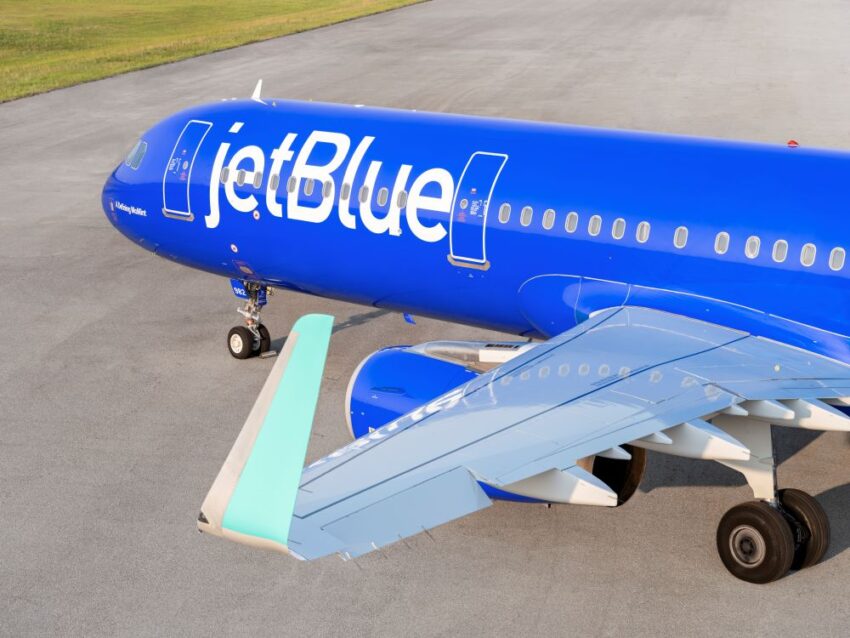
Hundreds of passengers are currently stranded across the US, Puerto Rico, the Dominican Republic, and other locations as JetBlue grapples with 447 cancellations and 212 delayed flights due to a severe winter storm. The storm is wreaking havoc, particularly in major airports such as New York, Boston, Fort Lauderdale, San Juan, and Orlando, leaving travelers frustrated and uncertain about their next steps. As the blizzard brings heavy snow and powerful winds to these regions, JetBlue has struggled to maintain normal operations, impacting flights both domestically and internationally. Passengers hoping to travel from these cities are facing significant delays, with many flights either cancelled or rerouted. This chaos has caused widespread disruptions for those traveling to and from Puerto Rico, the Dominican Republic, and beyond, forcing travelers to seek alternative arrangements while waiting for updates from the airline.

JetBlue’s Widespread Delays and Cancellations

Based on the latest data, JetBlue has experienced a total of 447 cancelled flights, accounting for 44% of its scheduled operations, and 212 delayed flights, representing 18% of all flights. These disruptions have impacted several major airports and airlines, stranding thousands of passengers at various locations.

The disruptions have been particularly severe across several major JetBlue hubs, including John F Kennedy International Airport (KJFK), Boston Logan International Airport (KBOS), and Fort Lauderdale International Airport (KFLL). International destinations, such as San Juan, Puerto Rico (SJU), Orlando, Florida (MCO), and Punta Cana, Dominican Republic (PUJ), have also been affected, with numerous flights facing delays or cancellations.

Reasons Behind the Disruptions: A Dangerous Winter Storm

The blizzard warnings are the main cause behind the disruptions affecting JetBlue flights. The storm, which is expected to bring heavy, wet snow and winds gusting up to 70 mph, is creating dangerous conditions for travel. Over 35 million people along the East Coast are impacted by the storm, with areas from Maryland to Massachusetts under blizzard warnings. The storm is causing major disruption to transportation, including airports, highways, and train services. High winds and low visibility are making it unsafe for aircraft to operate, leading to widespread flight delays and cancellations.

The heavy snow and freezing conditions are also causing significant issues with airport ground operations, including de-icing procedures and runway snow removal. These operational delays add to the already strained schedules, compounding the travel disruptions for passengers.

Impacted Airports, Cities and Countries

John F Kennedy International Airport (KJFK), a primary hub for JetBlue, has seen multiple flights cancelled, especially on routes connecting to destinations like Rhode Island T. F. Green International Airport (KPVD), San Francisco (KSFO), and Fort Lauderdale (KFLL). This airport typically serves as a gateway for international travelers, with disruptions impacting both inbound and outbound flights to and from Europe, the Caribbean, and Latin America.

Other major airports, such as Los Angeles International Airport (KLAX) and Boston Logan International Airport (KBOS), have experienced cancellations on domestic and international flights, further compounding the chaos for travelers. Particularly concerning are the flights departing to Puerto Rico (SJU) and Dominican Republic (PUJ), key international destinations for the airline, with several flights being severely delayed or outright cancelled.

Not only have domestic travelers been affected, but international passengers flying from or to destinations like San Juan, Punta Cana, and Orlando have faced significant setbacks. The ongoing disruptions point to potential operational issues that have hampered JetBlue’s capacity to maintain normal service.

What Affected Passengers Can Do Now

If you are a JetBlue passenger affected by these delays or cancellations, here are a few steps you can take:

  1. Check for Alternate Flights: Given the high volume of cancellations, passengers should consider rebooking their flights directly through the airline’s website or mobile app. In many cases, JetBlue offers rebooking options without additional fees, especially for those affected by cancellations.
  2. Consider Other Airlines or Routes: In some instances, passengers may find it easier to book a new flight with another carrier if JetBlue is unable to offer timely alternatives. Make sure to check the availability of flights from nearby airports.
  3. Monitor Real-Time Updates: Keep an eye on the status of your flight through the airline’s flight tracker. JetBlue’s customer service and website provide real-time updates regarding cancellations, delays, and rebooking opportunities.
  4. Stay Updated on Refunds or Vouchers: JetBlue has historically provided passengers with travel credits or refunds in the event of substantial flight disruptions. Passengers should inquire with customer service about their refund options.
  5. Know Your Rights: According to US Department of Transportation regulations, passengers are entitled to compensation for significant delays or cancellations under certain conditions. Review your rights to compensation if your flight is delayed beyond a specific threshold.

Conclusion

The latest round of travel disruptions from JetBlue has left hundreds of passengers stranded across multiple airports, affecting both domestic and international routes. As the airline works to mitigate the impact of the delays and cancellations, passengers should explore their options for rebooking, refunds, or alternative carriers. With careful planning and patience, travelers can still manage to navigate the disruption and reach their destinations.

Source: FlightAware and affected airports

The post Hundreds of Passengers Stuck in US, Puerto Rico, Dominican Republic and More as JetBlue Faces 447 Cancellations and 212 Delayed Flights Amid Winter Storm in New York, Boston, Fort Lauderdale, San Juan, and Orlando appeared first on Travel And Tour World.

Thousands of US Travellers Stranded as Ronald Reagan Washington National Airport Face 280 Flight Cancellations and 85 Delays Amid Monstrous Blizzard, Impacting Delta, Southwest, Republic Airways, PSA Airlines and Several others Carriers, New Update

Thousands of US Travellers Stranded as Ronald Reagan Washington National Airport Face 280 Flight Cancellations and 85 Delays Amid Monstrous Blizzard, Impacting Delta, Southwest, Republic Airways, PSA Airlines and Several others Carriers, New Update

A massive winter storm is currently paralyzing travel across the northeastern US. Heavy snow and high winds have forced a near-total shutdown of aviation hubs. Nowhere is this more evident than at Ronald Reagan Washington National Airport in Washington, D.C. Regional carriers are feeling the brunt of this blizzard. PSA Airlines and Republic Airways have already grounded nearly 200 flights combined. Major national carriers are also struggling to maintain schedules. Both Southwest Airlines and Delta Air Lines report dozens of cancellations as visibility drops to zero. There’s a total of 280 flight cancellations and 85 delays reported. Safety remains the top priority for all airport authorities. Crews are working tirelessly to clear runways, yet the snow continues to fall rapidly. Passengers should avoid heading to the airport without confirmed bookings. Most airlines now offer flexible rebooking options to help those stranded by this historic weather event. Please stay tuned for further updates as the storm progresses.

Major Airport Affected

Ronald Reagan Washington National Airport has emerged as one of the primary flashpoint for the ongoing travel crisis in the US. The facility, a critical hub for domestic transit, has seen its flight boards dominated by red status indicators as the blizzard moved into the Washington, D.C. area on Sunday morning. Ground operations have been slowed by the heavy accumulation of snow, which was expected to exceed earlier projections as the storm system strengthened throughout the afternoon.

The impact has not been limited to the capital; the storm’s trajectory is expected to encompass Philadelphia and New York City before reaching Boston. Major hubs including JFK, LaGuardia, Newark and Boston Logan are also reporting massive cancellation figures. However, the density of cancellations at Reagan National underscores the severity of the weather system as it blankets the Mid-Atlantic. Hazardous conditions, including a storm surge of 2 to 4 feet and potential coastal flooding, have further complicated the regional transportation infrastructure.

Impacted Airlines

The logistical burden of the blizzard has been felt unevenly across the aviation industry, with regional and legacy carriers reporting significant losses in operational capacity. According to current data, PSA Airlines has been the most heavily affected at Reagan National, with 104 cancellations and 17 delays recorded. Republic Airways followed closely, reporting 88 cancellations and 14 delays.

The disruption has extended to major national carriers as well. Southwest Airlines has seen 27 of its flights canceled and 5 delayed, while Delta Air Lines reported 22 cancellations and 7 delays. Other carriers navigating the storm include:

  • JetBlue: 10 cancellations, 10 delays
  • Jazz Aviation: 8 cancellations, 3 delays
  • Envoy Air: 7 cancellations, 0 delays
  • GoJet Airlines: 6 cancellations, 2 delays
  • American Airlines: 5 cancellations, 18 delays
  • Endeavor Air: 3 cancellations, 5 delays
  • Alaska Airlines: 4 delays (0 cancellations)

The high volume of cancellations among regional partners like PSA and Republic Airways—which operate many short-haul routes for larger brands—indicates a widespread collapse of the regional feeder network during this US weather event.

Probable Impact on Local Tourism

The timing of the blizzard is particularly disruptive for the tourism sector in Washington, D.C., as it arrives just as the remnants of previous winter weather were beginning to clear. The monstrous nature of the storm has led to a near-total halt in visitor movement. With blizzard warnings in effect, the standard flow of tourists to the capital’s historic landmarks and museums has been replaced by a scramble for safety.

Local authorities have implemented emergency measures that effectively pause the city’s hospitality and tourism activities. Mayor Zohran Mamdani has urged all residents and visitors to remain indoors, noting that staying home is the safest option. Furthermore, the announcement of a “full snow day” for public schools—with no remote learning—reflects the severity of the infrastructure threat. Tourism-dependent businesses are likely to see a sharp decline in foot traffic as the city focuses on geocoding snow-clearing efforts for essential services like bus stops and pedestrian ramps. The declaration of a state of emergency in neighboring New Jersey by Governor Mikie Sherrill further signals a regional shutdown that will dampen travel and tourism for the duration of the storm.

What Affected Passengers Can Do Now

For the thousands of passengers currently stranded, the situation requires immediate and strategic action. With hundreds of flights already canceled across the US, the rebooking process is expected to be lengthy and competitive. Travel experts and airline representatives suggest that passengers remain in their current accommodations rather than traveling to the airport, as whiteout conditions have made roads hazardous and life-threatening.

  1. Monitor Digital Channels: Passengers are advised to use airline mobile apps to check for real-time updates and automated rebooking options.
  2. Prepare for Power Outages: Given the forecast of 70mph winds and heavy snow, power lines are expected to be brought down. Travellers should ensure all mobile devices are fully charged to maintain communication with carriers.
  3. Stock Essentials: Following the advice of regional governors, individuals should stock up on food and water. Those in flood-prone areas, particularly near the Delaware Bay or Cape Cod, should be mindful of coastal flooding warnings during high tide.
  4. Check Local Mandates: In cities like New York, residents have been urged to stay off the streets entirely. It is critical to follow the specific guidance of local mayors and governors to avoid becoming stranded in the snow.

As the blizzard continues its path toward Boston, the travel landscape in the US remains volatile. Those scheduled to fly through Monday should anticipate further adjustments as the National Weather Service monitors the storm’s potential to exceed current projections.

-The information provided is sourced from FlightAware.

The post Thousands of US Travellers Stranded as Ronald Reagan Washington National Airport Face 280 Flight Cancellations and 85 Delays Amid Monstrous Blizzard, Impacting Delta, Southwest, Republic Airways, PSA Airlines and Several others Carriers, New Update appeared first on Travel And Tour World.

Winter Storm Delays Odyssey of the Seas’ Departure from New Jersey: Ship Forced to Stay at Homeport Amid Blizzard Warnings

Winter Storm Delays Odyssey of the Seas’ Departure from New Jersey: Ship Forced to Stay at Homeport Amid Blizzard Warnings

A significant winter storm is wreaking havoc on travel plans for those aboard Royal Caribbean’s Odyssey of the Seas. Passengers eagerly awaiting their 7-night Bahamas cruise from Bayonne, New Jersey, on Sunday, February 22, 2026, will have to hold off on their sea voyage for just a bit longer due to adverse weather conditions. The ship, which is homeported at Cape Liberty, New Jersey, will remain docked overnight at its homeport due to the storm’s intensity. While the situation may cause frustration for some, safety is paramount, and passengers have been notified that the ship will not set sail as initially planned.

Royal Caribbean’s Odyssey of the Seas, a Quantum-Ultra Class ship, was scheduled to depart on Sunday, but an incoming blizzard storm has delayed these plans. Guests still need to arrive during their assigned time slots for embarkation, and the ship will maintain its boarding schedule. However, despite the storm holding the ship in port, passengers are expected to remain on board while waiting for the weather to subside. For those hoping to catch a glimpse of their ship heading out to sea on Sunday, the journey will be postponed due to safety concerns. But with the latest storm-related developments, guests can rest assured that their safety is the cruise line’s top priority.

Heavy Snowfall and Severe Winds Pose Risk to Passengers and Crew

A major winter storm is set to hit the Bayonne, New Jersey area, forcing the Odyssey of the Seas to remain at port. The National Weather Service has issued a blizzard warning, effective from Sunday afternoon until Monday evening. With snow accumulation expected to reach between 12 and 18 inches and wind gusts reaching up to 50 miles per hour, the storm presents a significant challenge for the cruise industry, which has already been impacted by several severe winter storms in the past month.

Royal Caribbean made the decision to keep Odyssey of the Seas docked at its homeport for the night in light of the potential hazards. The blizzard conditions expected to develop by Sunday evening could endanger the ship’s voyage, particularly due to high winds and rough seas that would make it unsafe to set sail. Although the cruise ship will not depart on schedule, Royal Caribbean has reassured guests that their embarkation process will not change, and they must arrive on time for the planned boarding.

As of now, the ship’s departure is set to be postponed until the weather improves. The scheduled 7-night Bahamas cruise was meant to depart at 2:00 PM on Sunday, but the blizzard conditions expected to set in during the late afternoon made it impossible for the ship to sail. With winds rising to 25 miles per hour and the storm strengthening through the evening, Odyssey of the Seas’ crew must prioritize passenger safety and wait until the situation improves.

Strict Boarding Procedures Remain in Place Despite Delay

Despite the weather-related delay, the scheduled embarkation process for Odyssey of the Seas will proceed as planned, meaning passengers should adhere to their assigned check-in times. The cruise line has clearly stated that no late arrivals will be permitted on board, as the gangways will be closed according to the original boarding schedule. Guests arriving after their designated time will not be allowed to board the vessel, which can accommodate up to 5,510 passengers when fully booked.

Royal Caribbean has taken extra precautions to ensure that the boarding process remains seamless despite the storm. The ship will remain docked overnight in Bayonne, New Jersey, with all onboard amenities and services available to guests until departure is possible. Guests are being kept informed through regular updates, and once the weather clears, Odyssey of the Seas will depart for its scheduled Bahamian journey.

This delay reflects the unpredictable nature of cruising during the winter months, especially along the northeastern coast of the United States, where winter storms can quickly alter travel schedules. For the thousands of travelers awaiting departure, this storm is an unfortunate disruption. However, their safety, as well as the safety of the crew, remains the priority for Royal Caribbean.

An Ongoing Challenge for Cruise Lines Along the Atlantic Coast

Winter storms have caused significant disruptions to cruise itineraries along the Atlantic coast in recent weeks, with multiple ships delayed or canceled due to severe weather. Odyssey of the Seas is one of several vessels that have had to alter their departure plans in response to these unpredictable storms. The cruise line industry has faced challenges as it navigates the delicate balance between maintaining schedules and ensuring the safety of passengers and crew during winter months.

The decision to keep Odyssey of the Seas at the Bayonne homeport overnight is not taken lightly. Royal Caribbean has a reputation for prioritizing passenger safety, and this weather-related decision underscores that commitment. With strong winds and heavy snow expected in the coming hours, this proactive decision aims to prevent potential hazards and ensure that the ship departs only when it is safe for both the passengers and the crew.

Safety Takes Priority as Storm Forces Delay for Odyssey of the Seas

In light of the upcoming blizzard, Odyssey of the Seas will stay docked at Bayonne, New Jersey overnight, delaying its departure for the 7-night Bahamas cruise. With strong winds, heavy snow, and a blizzard warning in effect, the ship’s departure will be postponed until the weather conditions improve. Royal Caribbean has taken every precaution to ensure the safety of both its passengers and crew, and guests are being informed of the updated schedule. While this delay may cause some inconvenience for travelers, their safety is the cruise line’s top priority.

The post Winter Storm Delays Odyssey of the Seas’ Departure from New Jersey: Ship Forced to Stay at Homeport Amid Blizzard Warnings appeared first on Travel And Tour World.

Washington, DC Faces a Snowstorm Nightmare Up to 12 Inches of Snow Could Paralyze Travel, Flights, and Sightseeing Plans – What You Need to Know NOW

Washington, DC Faces a Snowstorm Nightmare Up to 12 Inches of Snow Could Paralyze Travel, Flights, and Sightseeing Plans – What You Need to Know NOW
Washington, D.C. travel outlook shifts as a major winter storm threatens up to 12″ of snow, potential delays and safety alerts. Forecasts & travel tips inside.

As the capital region readies itself for a significant winter storm, travellers and residents alike face the prospect of disrupted travel, hazardous road conditions, and a dramatic shift in local tourism patterns. The National Weather Service and NOAA forecasts point to storm development beginning late Sunday, with snowfall potentially reaching up to 12 inches in parts of the region — a level that could disrupt flights, rail services, and tourism activity across the DMV. Forecast models from official government sources show a winter weather advisory in effect from Sunday evening into Monday, with heavy snow bands moving in as temperatures drop. Visitors planning to explore landmarks or attend cultural events in Washington, D.C., Maryland, or northern Virginia this weekend may need to adjust their plans.

Winter Storm Setup: What the Government Forecast Shows

The approaching weather system is expected to strengthen as it moves up the East Coast, a classic signal for a nor’easter storm formation that can bring heavy snow, coastal wind, and travel impacts across the Mid‑Atlantic and Northeast. According to the official winter storm threat maps published by the Weather Prediction Center and NOAA’s National Weather Service, the region is under a winter weather advisory, and advisories extend through Monday morning. The NWS forecast explicitly states that the storm “will bring heavy snow, high winds, and coastal flooding to the Mid‑Atlantic and Northeast into Monday,” indicating not only snow impacts, but the potential for broader weather disruptions.

Snowfall Predictions & Impact Zones

Government‑backed snowfall forecasts show that locations across Washington, D.C. proper are likely to get several inches of snow, while outlying suburban areas could see higher totals. Most models suggest 1–4 inches near the urban core with localized pockets nearing 6–12 inches, depending on storm track and temperature shifts. In other parts of the Mid‑Atlantic — especially northern Maryland and parts of Virginia — the probability of higher snow totals increases, potentially adding another layer of complexity for travellers and local businesses.

Travel Disruptions: Airports, Roads & Tourism Services

Already, major travel hubs serving the Washington, D.C. region are on alert. With snow expected overnight into Monday, flights at Reagan National Airport (DCA), Dulles (IAD), and Baltimore‑Washington International (BWI) could face delays, cancellations, or extended ground holds due to de‑icing operations and visibility issues. Surface transportation such as Metro services and intercity rail could also slow or temporarily halt.

This poses a direct challenge for business travellers and tourists who had planned weekend museum visits, historic tours, or attendance at performances and sporting events. Early‑season tourism in the capital often sees an uptick during late winter breaks; weather events like this create unpredictability in visitor flows.

Winter Weather Safety: Government Advice

Official guidelines from the National Weather Service suggest that residents and visitors should prepare for hazardous conditions, slower travel, and potentially significant power outages. The NWS winter storm hazard descriptions emphasise the need to plan ahead, especially for travellers unfamiliar with snow and ice conditions.

Tips include allowing extra time for airport check–ins, reviewing Amtrak or bus schedules for potential changes, and monitoring local government updates for road closures. Many local authorities maintain real‑time travel advisories and parking guidance, which tourists should consult before heading into the city.

Economic & Tourism Ripple Effects

A winter storm of this nature affects more than just snow totals; it can shift the rhythm of urban tourism. Retail districts, historic sites such as the National Mall, and seasonal attractions may see reduced foot traffic as visitor confidence dips amid bad weather forecasts.

Local hospitality providers — from hotels to restaurants — often adjust staffing and guest services in anticipation of travel disruptions. While planned winter travel deals and events can help maintain some visitor engagement, unexpected weather events typically prompt cancellations or short‑notice itinerary changes.

Broader Context: Winter Weather Trends

This storm adds to a pattern of dynamic winter weather across the U.S. east of the Mississippi in the last several months. Spring travel planners and leisure visitors should note that even late February can deliver impactful snowstorms in the Mid‑Atlantic, and adjust travel insurance or scheduling accordingly.

Across the broader Northeast, heavier snow and blizzard‑level conditions are forecast in some states — with blizzard warnings issued as far north as New York City.

Preparing for the Storm: Tips for Travellers & Residents

Residents and out‑of‑town visitors are advised to:

  • Check official travel forecasts from the National Weather Service and local government sites for real‑time updates.
  • Confirm flight and train schedules before departure, as snow can shift timings rapidly.
  • Plan alternate indoor activities if major outdoor sightseeing is disrupted.
  • Pack essentials, including warm clothing, emergency travel supplies, and phone chargers.

Preparation can significantly reduce stress and safety risk during significant winter weather.

As Washington, D.C. prepared for the arrival of this winter storm late Sunday, the sense of caution and community partnership stood out. Visitors and locals alike shared messages of preparedness and care, reminding each other that safety in travel extends beyond forecasts to mindful planning and flexibility.

With snow expected to linger into Monday and travel conditions evolving quickly, government advisories remain the best source for updates that can directly affect tourism itineraries and road safety. Stay tuned to NOAA and NWS alerts as you plan your journey through this historic capital during winter’s final chapters.

The post Washington, DC Faces a Snowstorm Nightmare Up to 12 Inches of Snow Could Paralyze Travel, Flights, and Sightseeing Plans – What You Need to Know NOW appeared first on Travel And Tour World.
❌