Login
Login
Southwest Airlines Faces 292 Flight Cancellations And 368 Delays Today, Disrupting Passengers Across The US At New York City, Baltimore, Orlando, Atlanta, And More
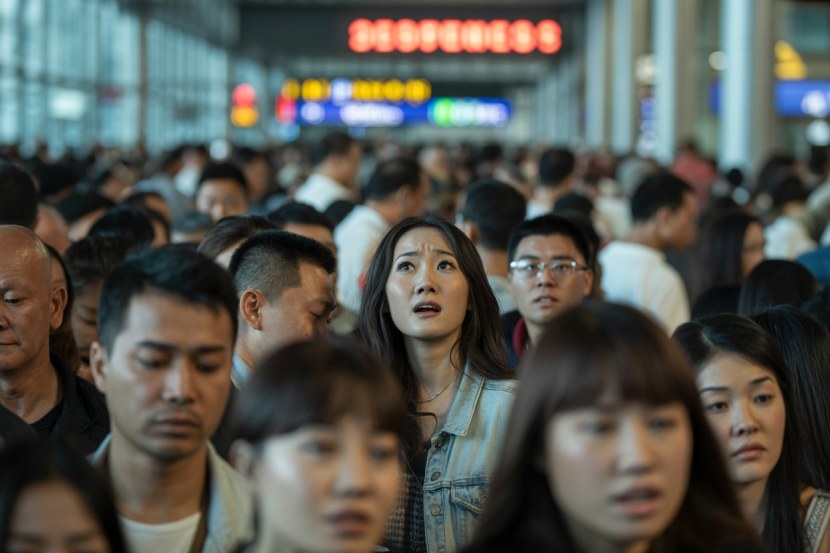
A sweeping winter storm has triggered widespread travel disruption across the United States, as 292 flight cancellations and 368 delays were recorded for Southwest Airlines alone. The airline reported a 7% cancellation rate and a 9% delay rate, reflecting mounting operational pressure as blizzard warnings extend across the Northeast.
Millions of people remain under winter alerts this morning, with blizzard warnings spanning from Maryland to Massachusetts. New York City is under its first blizzard warning in nine years, while New Jersey, Rhode Island, Pennsylvania and Connecticut have declared states of emergency and imposed travel restrictions. The severe weather footprint has directly intersected with key aviation corridors, amplifying disruption levels at major airports.
Overall Operational Impact on Southwest Airlines
Southwest Airlines’ systemwide disruption totals — 292 cancellations and 368 delays — indicate significant strain on flight schedules as winter conditions intensify. With a 7% cancellation rate and 9% delay rate, nearly one in ten flights experienced operational interruptions.
The storm’s geographic spread, particularly across densely trafficked Northeastern states under emergency declarations, suggests weather-related constraints such as runway treatment cycles, de-icing procedures, reduced visibility, and air traffic flow restrictions likely contributed to schedule instability.
LaGuardia Sees 100% Cancellation Rate
At LaGuardia Airport (LGA), Southwest recorded 68 cancellations, representing a 100% cancellation rate within the dataset provided. No delays were recorded at this airport.
The complete cancellation rate at LaGuardia aligns with the blizzard warning issued for New York City — its first in nine years. With the city under severe winter conditions, operational shutdowns appear to have replaced delay management strategies. Rather than stagger departures amid uncertain runway conditions, cancellations dominated the carrier’s response at this location.
The absence of reported delays suggests flights were removed from the schedule entirely instead of being postponed.
Baltimore/Washington International Records Highest Cancellation Volume
Baltimore/Washington International (BWI) reported 114 cancellations, the highest number among the listed airports. The cancellation percentage stood at 28%, accompanied by 38 delays (9%).
Maryland falls within the stretch of states under blizzard warnings. With heavy snowfall and emergency measures active in the region, BWI emerged as a primary disruption point for Southwest’s network.
The combination of high cancellation volume and additional delays indicates operational congestion rather than a full shutdown scenario. Aircraft movement continued under constraints, but schedule integrity was heavily compromised.
Orlando International Experiences More Delays Than Cancellations
At Orlando International (MCO), Southwest recorded 23 cancellations (7%) and 47 delays (14%). Unlike Northeast airports under blizzard warnings, Orlando’s disruption profile skewed toward delays rather than cancellations.
The higher delay percentage — 14%, the highest among the listed airports — suggests downstream ripple effects from the storm’s impact in the Northeast. Aircraft rotations, crew positioning, and inbound aircraft from affected regions likely contributed to schedule delays at MCO.
The data indicates Orlando remained operational, but schedule reliability was affected by broader network disruptions.
Atlanta Shows Balanced Disruption Pattern
At Hartsfield-Jackson Atlanta International Airport (ATL), Southwest recorded 10 cancellations (9%) and 10 delays (9%).
Atlanta’s disruption metrics reflect a balanced pattern, with equal percentages for cancellations and delays. Compared to Northeast airports, ATL experienced substantially lower cancellation volume, suggesting milder weather impact relative to states under blizzard warnings and emergency declarations.
Blizzard Warnings and Emergency Declarations Intensify Travel Disruption
Millions remain under winter alerts across a corridor stretching from Maryland to Massachusetts. With New York City under a rare blizzard warning and multiple states declaring emergencies, transportation networks — including aviation — faced layered constraints.
Emergency declarations in New Jersey, Rhode Island, Pennsylvania, and Connecticut included travel restrictions. Such measures typically reduce ground access to airports, limit workforce mobility, and impact support operations, compounding aviation disruptions.
The concentration of Southwest cancellations at LaGuardia and BWI corresponds geographically with the most severe weather footprint described.
The airport-specific figures for LGA, ATL, BWI, and MCO represent a major part of Southwest’s overall 292 cancellations and 368 delays.
Among the listed airports:
- BWI recorded the highest cancellation count (114)
- LGA showed the highest cancellation rate (100%)
- MCO posted the highest delay percentage (14%)
- ATL experienced moderate, balanced disruption
As blizzard warnings persist and emergency measures remain in place across several states, operational normalization will depend on weather stabilization and airport recovery timelines.
For now, Southwest’s 292 cancellations and 368 delays illustrate how severe winter systems can rapidly destabilize airline networks, particularly when major metropolitan areas — including New York City — fall under blizzard warnings.
Source: Different airports and FlightAware