Reading view

SanDisk launches three new portable SSDs with up to 4TB storage and 4,000MB/s speeds

SanDisk Extreme PRO Portable SSD

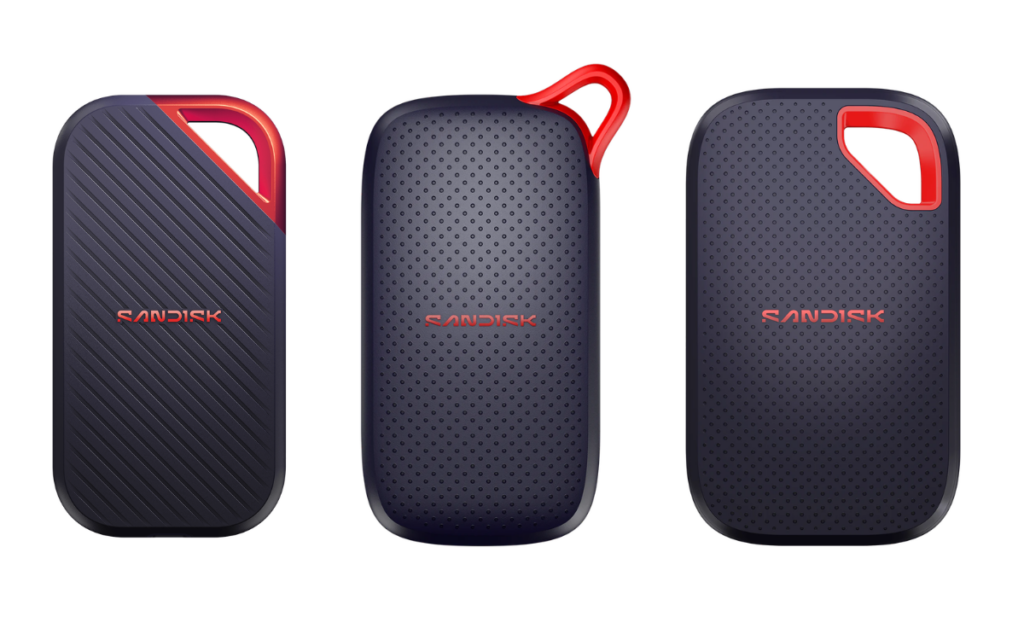
SanDisk has launched its latest portable SSD lineup, introducing three models designed for different users and workloads. The new lineup includes the SanDisk Portable SSD, the SanDisk Extreme Portable SSD, and the SanDisk Extreme PRO Portable SSD. These drives focus on speed, durability, and capacity to meet the increasing demands of file storage, AI-generated content, and creative workflows.

SanDisk Portable SSD lineup

Specifications

The SanDisk Extreme PRO Portable SSD delivers the fastest performance in the lineup. It offers transfer speeds of up to 4,000MB/s and targets professional photographers, filmmakers, and designers. The drive supports real-time editing and can transfer 10 minutes of 12K video in under one minute. SanDisk will release this model in 2TB, 4TB, and 8TB capacities later this year.

SanDisk Extreme PRO Portable SSD

The SanDisk Extreme Portable SSD provides high-speed storage for creative users. It delivers read speeds of up to 2,000MB/s and supports tasks such as transferring 1,000 high-resolution photos in under 60 seconds. This model is available now in 1TB, 2TB, and 4TB options. And a 500GB version will launch in the second half of 2026.

The SanDisk Portable SSD focuses on everyday storage needs for students, office workers, and family archivists. It delivers read speeds of up to 1,000MB/s and will be available in 500GB, 1TB, and 2TB capacities later this year.

SanDisk Extreme PRO Portable SSD

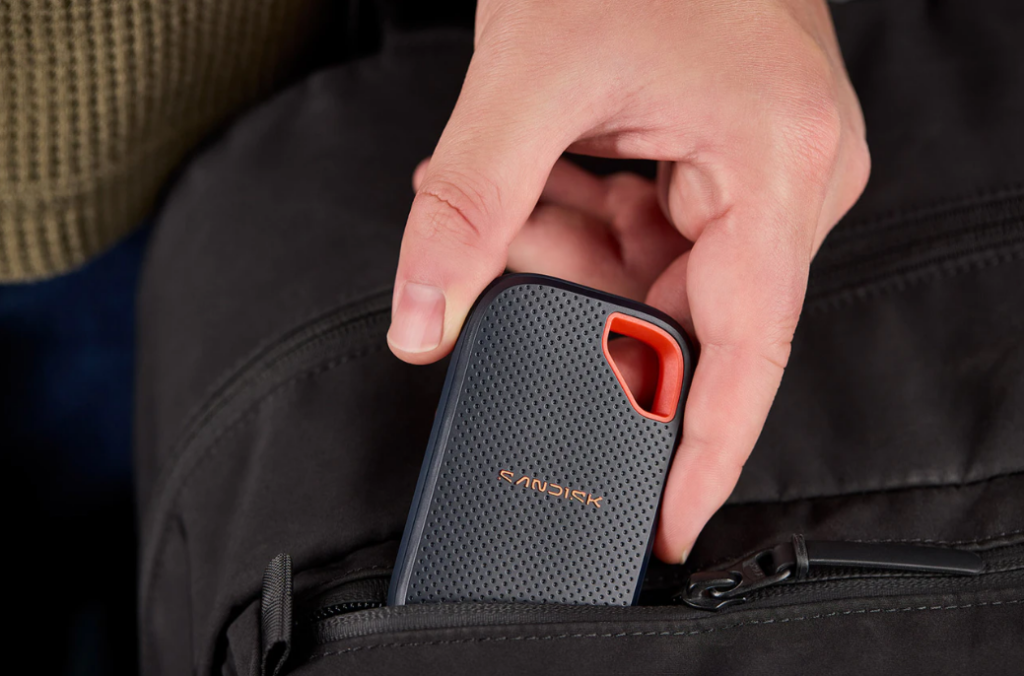
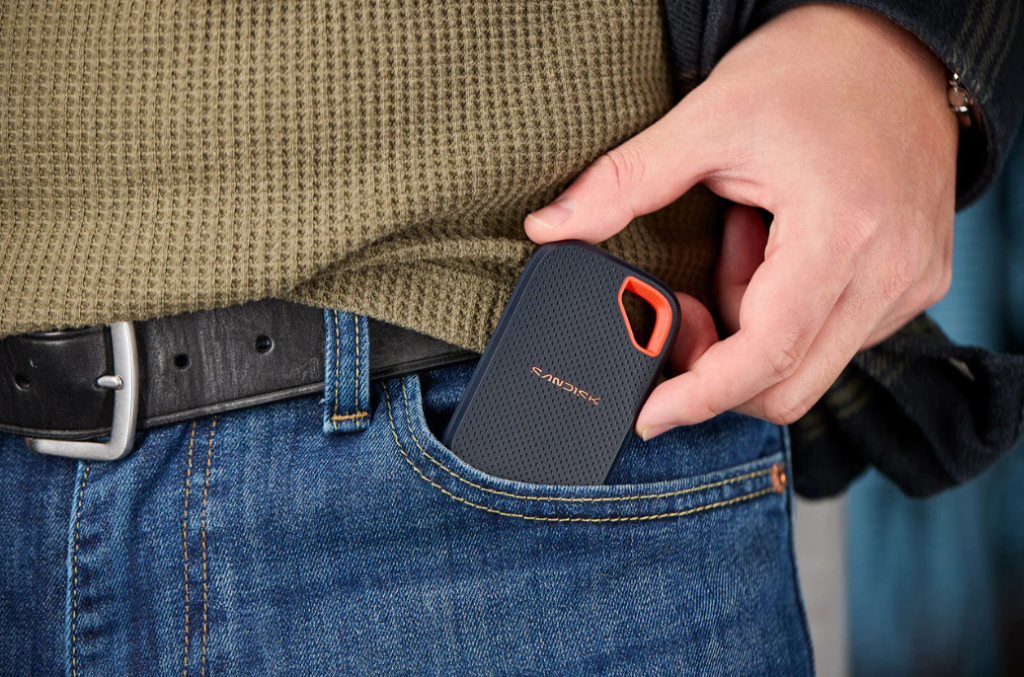
SanDisk has designed all three models with durability in mind. The Extreme and Extreme PRO models are resistant to three-meter drops, offer IP65 water and dust protection, and include 256-bit AES hardware encryption. The entry-level Portable SSD can withstand drops of up to two meters.

Pricing and Availability

The SanDisk Extreme Portable SSD is available now, starting at $259.99 for the 1TB model. The rest of the lineup will launch globally later this year.

In related news, Lexar has recently launched the JumpDrive D500 dual-interface USB SSD with transfer speeds of up to 400MB/s, alongside the new 512GB and 1TB JumpDrive A50V/C50V USB drives offering speeds up to 200MB/s.

For more daily updates, please visit our News Section.

Stay ahead in tech! Join our Telegram community and sign up for our daily newsletter of top stories! 💡

The post SanDisk launches three new portable SSDs with up to 4TB storage and 4,000MB/s speeds appeared first on Gizmochina.

Roborock launches P20 Max robot vacuum with 35,000Pa suction & AI obstacle avoidance

Roborock P20 Max

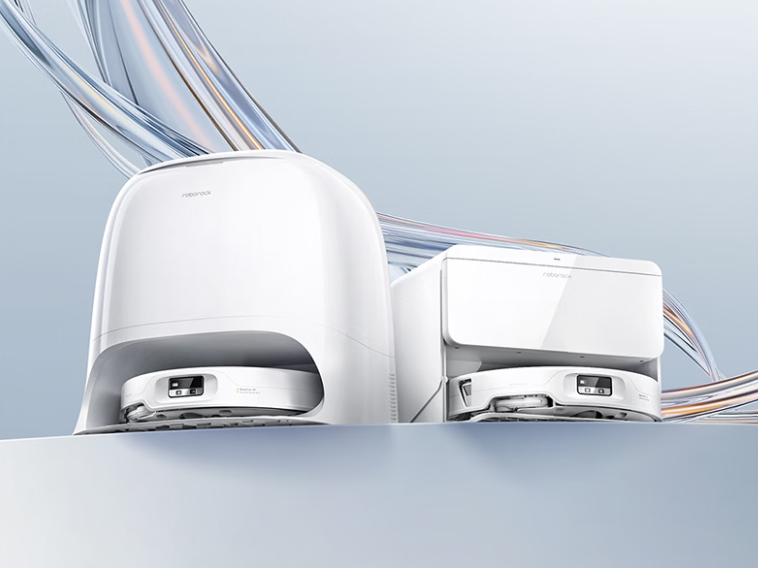
Roborock has launched its latest high-end self-cleaning robot vacuum and mop, the P20 Max. The new model is available starting today at 4,299 yuan ($622) for the standard water-tank version. The automatic water supply and drainage version is priced at 4,699 yuan ($680).

Roborock P20 Max

Roborock P20 Max Specifications

The P20 Max features a compact design, measuring 352mm x 350mm with a height of just 79.8mm. Its low-profile build helps it clean under furniture and move through tight spaces more easily. The robot uses a precision navigation system and packs a large 6,400mAh lithium battery, enabling longer cleaning sessions for bigger homes.

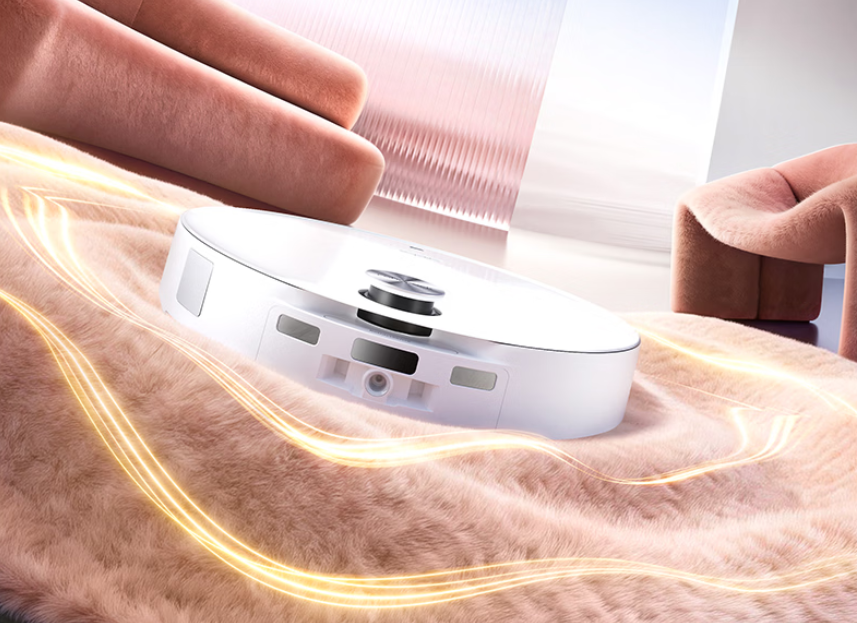
The P20 Max delivers 35,000Pa suction through a high-speed motor and optimized airflow for maximum efficiency. Roborock integrated dual main brushes and curved side brushes specifically designed to minimize hair tangles. Additionally, its carpet pressure cleaning system enhances performance on soft surfaces by driving the brushes deep into fibers to extract stubborn, embedded dirt.

Roborock P20 Max

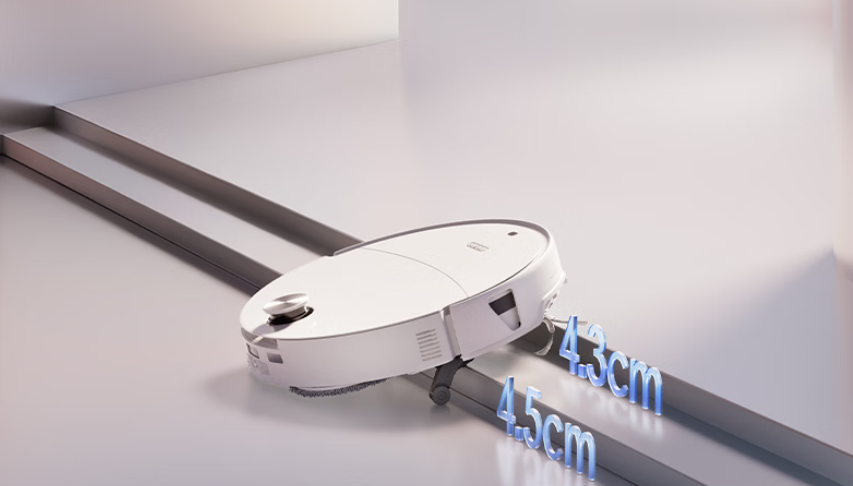
The robot comes with the company’s latest Lift Chassis 3.0 system. The chassis uses an AI-driven wheel-leg structure to cross obstacles up to 8.8cm high. The system also includes shock-absorbing landing control and coordinated wheel movement to improve stability on uneven surfaces. The robot can lower its profile further in low-height navigation mode, allowing it to clean under sofas and beds.

The P20 Max features dual rotating mop pads with 60°C heated water cleaning and a 12N downward pressure system to tackle sticky stains. The docking station supports 100°C high-temperature mop washing, hot-air drying, and automatic dust collection. The automatic water version adds refilling and drainage for hands-free operation.

Roborock P20 Max

The P20 Max features AI-powered obstacle recognition with Edge Structured Light 2.0, capable of identifying over 280 object types. Its advanced navigation system enables precise edge cleaning and efficient route optimization. It also supports voice commands, app control, and integration with platforms such as Apple Home and Xiaomi.

In related news, Roborock has introduced the G30S Pro earlier this year, featuring 35,000Pa suction, Chassis Lift 3.0, sonic mopping, and AI-powered navigation.

For more daily updates, please visit our News Section.

Stay ahead in tech! Join our Telegram community and sign up for our daily newsletter of top stories! 💡

(JD)

The post Roborock launches P20 Max robot vacuum with 35,000Pa suction & AI obstacle avoidance appeared first on Gizmochina.

Decathlon Launches New Peach Orange Rockrider E-ACTV 500 Hybrid E-Bike

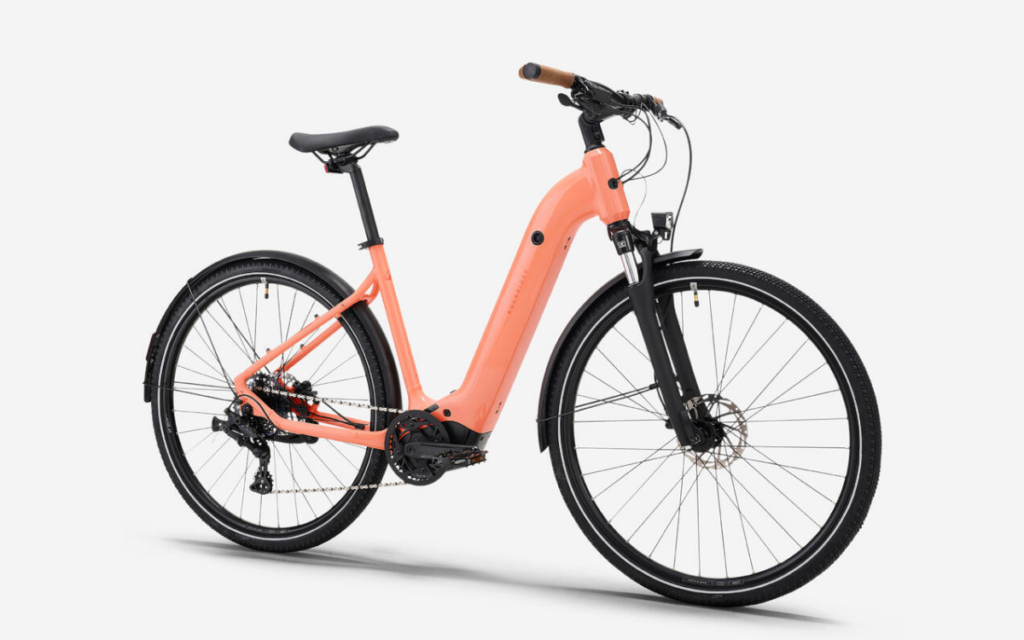
Decathlon Rockrider E-ACTV 500 Hybrid E-Bike

Decathlon has launched a new Peach Orange colorway for its Rockrider E-ACTV 500 hybrid e-bike in Europe. The bike originally debuted in March 2024 and was available in Eucalyptus Green, Lavender Purple, and Cream Beige. The new color is now available at Decathlon’s online stores in France, the Netherlands, and Spain.

Decathlon Rockrider E-ACTV 500 Hybrid E-Bike

Rockrider E-ACTV 500 Specifications

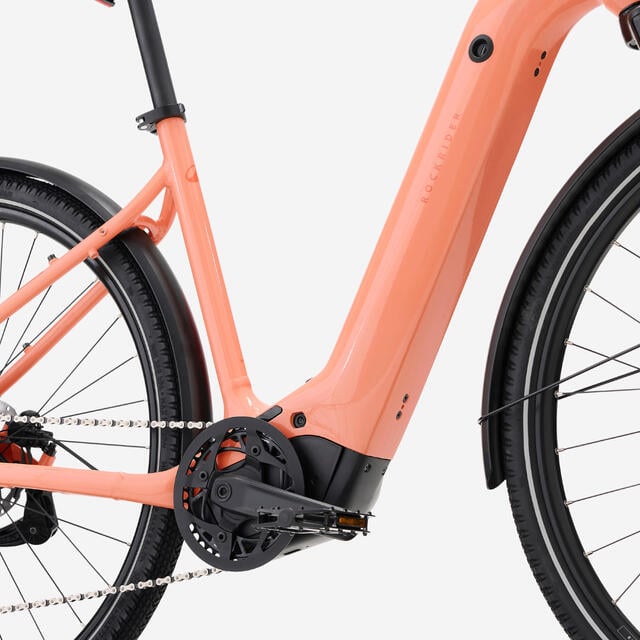
The Rockrider E-ACTV 500 is a hybrid e-bike designed for both casual and adventurous riders. Decathlon equipped the bike with a Yamaha PW-C2 mid-drive motor that delivers a maximum torque of 55 Nm. The motor provides smooth and progressive electric assistance to help riders climb hills and handle tough terrain with less effort. The integrated 504 Wh battery offers a range of up to 150 km in Eco mode and can be removed for convenient charging.

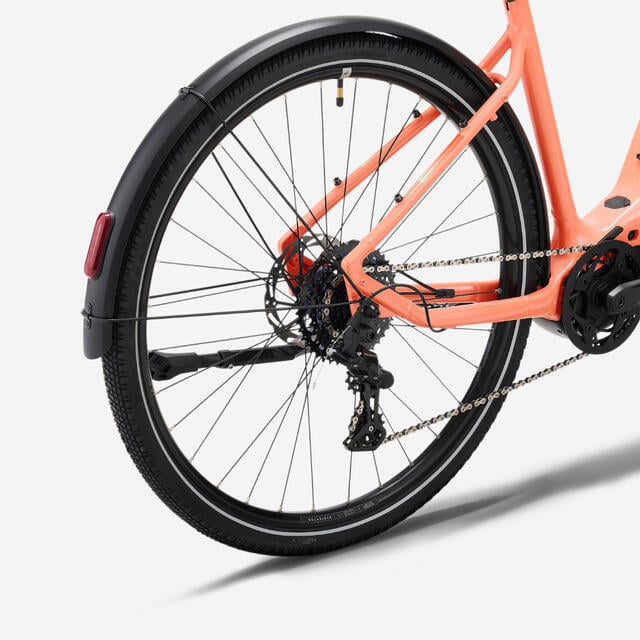
The bike includes an adjustable handlebar stem that allows riders to customize the angle for an ergonomic fit. It also features a 63 mm Suntour SF15 suspension fork to absorb shocks on uneven surfaces. Its hydraulic disc brakes provide reliable stopping power, while reinforced all-terrain tires with puncture-resistant technology ensure durability and safety.

Decathlon Rockrider E-ACTV 500 Hybrid E-Bike

The bike comes with a handlebar-mounted color display that shows essential ride data, including speed, remaining range, and battery percentage. Decathlon added Bluetooth connectivity, allowing riders to pair the bike with the Decathlon Ride app. The app provides access to ride statistics, route tracking, and firmware updates. The bike also includes a USB port for charging devices during rides.

Riders can add accessories such as a child seat, rear rack, or trailer. The bike is available in three frame sizes for the low-step design, accommodating riders from 1.50 m to 1.90 m in height.

Pricing

The Peach Orange Rockrider E-ACTV 500 is priced at €1,999.99. Decathlon also offers financing options starting at €176.19 per month.

In related news, Decathlon has also launched the Stilus E-Touring e-bike recently featuring a Bosch motor and Shimano components.

For more daily updates, please visit our News Section.

Stay ahead in tech! Join our Telegram community and sign up for our daily newsletter of top stories! 💡

(Source, Via)

The post Decathlon Launches New Peach Orange Rockrider E-ACTV 500 Hybrid E-Bike appeared first on Gizmochina.

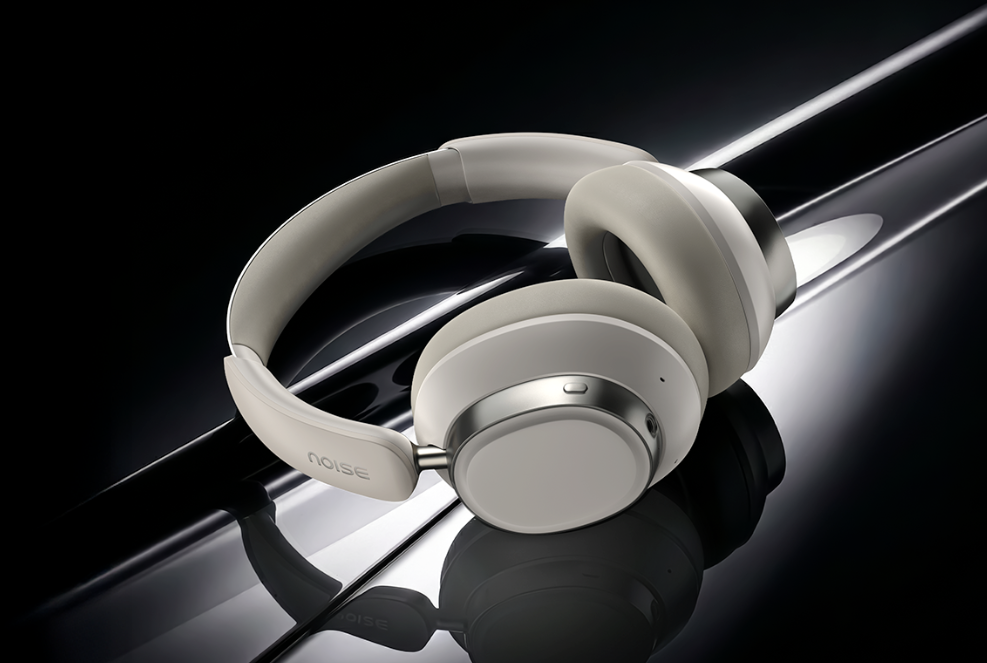
Noise launches Airwave Max 6 headphones with 45dB ANC and 120h battery life

Noise Airwave Max 6

Noise has launched its latest premium headphones, the Airwave Max 6, at an introductory price of Rs. 6,999 ($76). The headphones are available on gonoise.com, Amazon, and Flipkart in four color options: Dune White, Cobalt Blue, Forest Green, and Carbon Black.

Noise Airwave Max 6

Noise Airwave Max 6 Specifications

The Airwave Max 6 features Coaxial Dual Drivers (40mm + 12mm), which deliver a deeper bass and clearer vocals. Noise claims the headphones provide rich, balanced sound across highs, mids, and lows, making them suitable for a variety of audio content. It also supports LDAC and Hi-Res Audio certification, which ensures users experience high-quality, detailed sound.

The headphones feature Adaptive Hybrid Active Noise Cancellation (ANC) that reduces ambient noise by up to 45dB, allowing users to stay focused in noisy environments like crowded commutes, offices, or cafes. Additionally, a five-microphone system with Wind Noise Cancellation ensures clear and crisp voice quality during calls, even in outdoor settings.

Noise Airwave Max 6
Noise Airwave Max 6

The Airwave Max 6 headphones boast a 120-hour battery life in normal mode and up to 80 hours with ANC enabled. They also feature Instacharge, providing six hours of playtime with just 10 minutes of charging, making them ideal for long days and travel.

The headphones use Bluetooth 6.0 for faster connectivity, better stability, and low latency of 80ms. These are compatible with Android and iOS devices and feature Google Fast Pair for quick setup. Noise has also added Spatial Audio, which creates a 3D soundstage for a more immersive experience while watching movies or gaming.

In terms of design, the headphones come with breathable ear cushions for added comfort and a durable steel headband that retains its shape over time. They also feature a foldable design and include a zipper case, making them convenient to carry.

In related news, Asus has launched the ROG Kithara open-back gaming headset featuring 100mm planar drivers with HIFIMAN tuning, while Audio-Technica has introduced new Ash Wood headphones with a guitar lacquer finish.

For more daily updates, please visit our News Section.

Stay ahead in tech! Join our Telegram community and sign up for our daily newsletter of top stories! 💡

(Noise)

The post Noise launches Airwave Max 6 headphones with 45dB ANC and 120h battery life appeared first on Gizmochina.

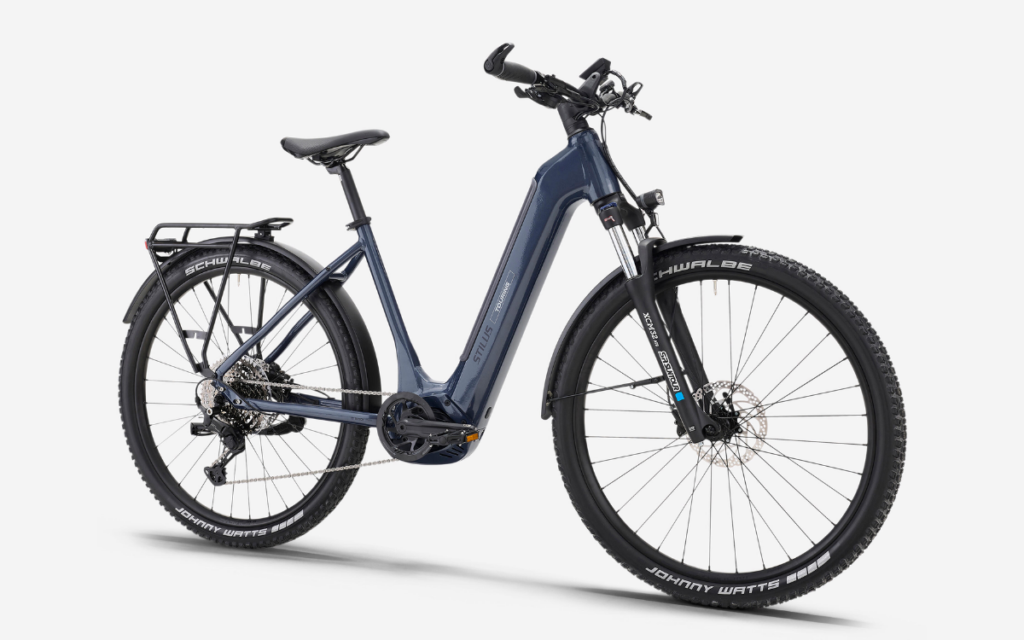
Decathlon Launches Stilus E-Touring E-Bike with Bosch Motor and Shimano Components

Decathlon Stilus E-Touring E-Bike

Decathlon has unveiled the new Stilus E-Touring electric hybrid bike across several European countries. The bike features upgraded components, a powerful motor, and a long-lasting battery, making it suitable for commutes and off-road adventures. This model builds on the previous Stilus E-Touring design with improved performance and enhanced rider comfort.

Decathlon Stilus E-Touring E-Bike

Decathlon Stilus E-Touring E-Bike Specs

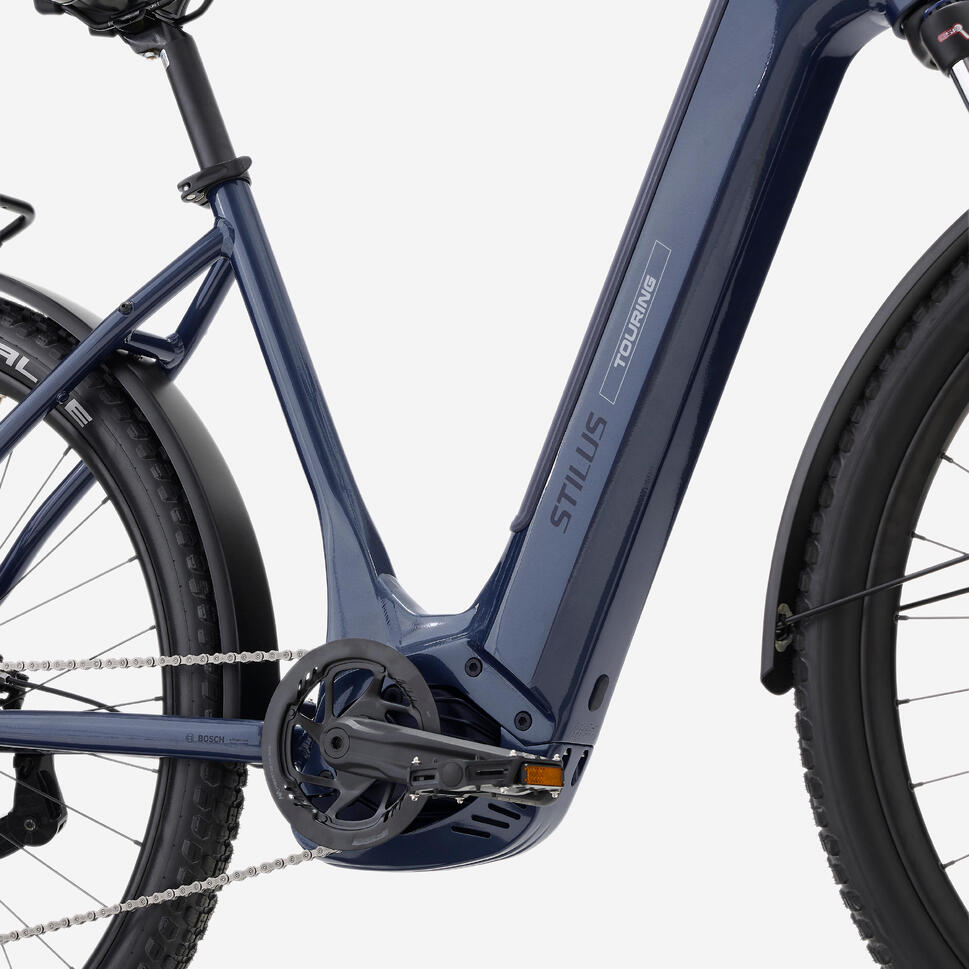
The Stilus E-Touring uses a Bosch Performance Line CX mid-drive motor. The motor delivers 85 Nm of torque for smooth and powerful pedaling assistance, especially on hills and challenging terrain.

The bike has five assistance modes, including Eco for energy-efficient rides and Turbo for maximum power. The motor is paired with a Bosch PowerTube 750Wh battery, which allows the bike to travel up to 130 km on a single charge.

Decathlon designed the bike with a 6061 aluminum frame and offers it in three sizes: small, medium, and large. The medium size weighs 26 kg, making it light for an electric hybrid bike in this category. The low step-through frame makes mounting and riding easier, especially for urban riders.

Decathlon Stilus E-Touring E-Bike

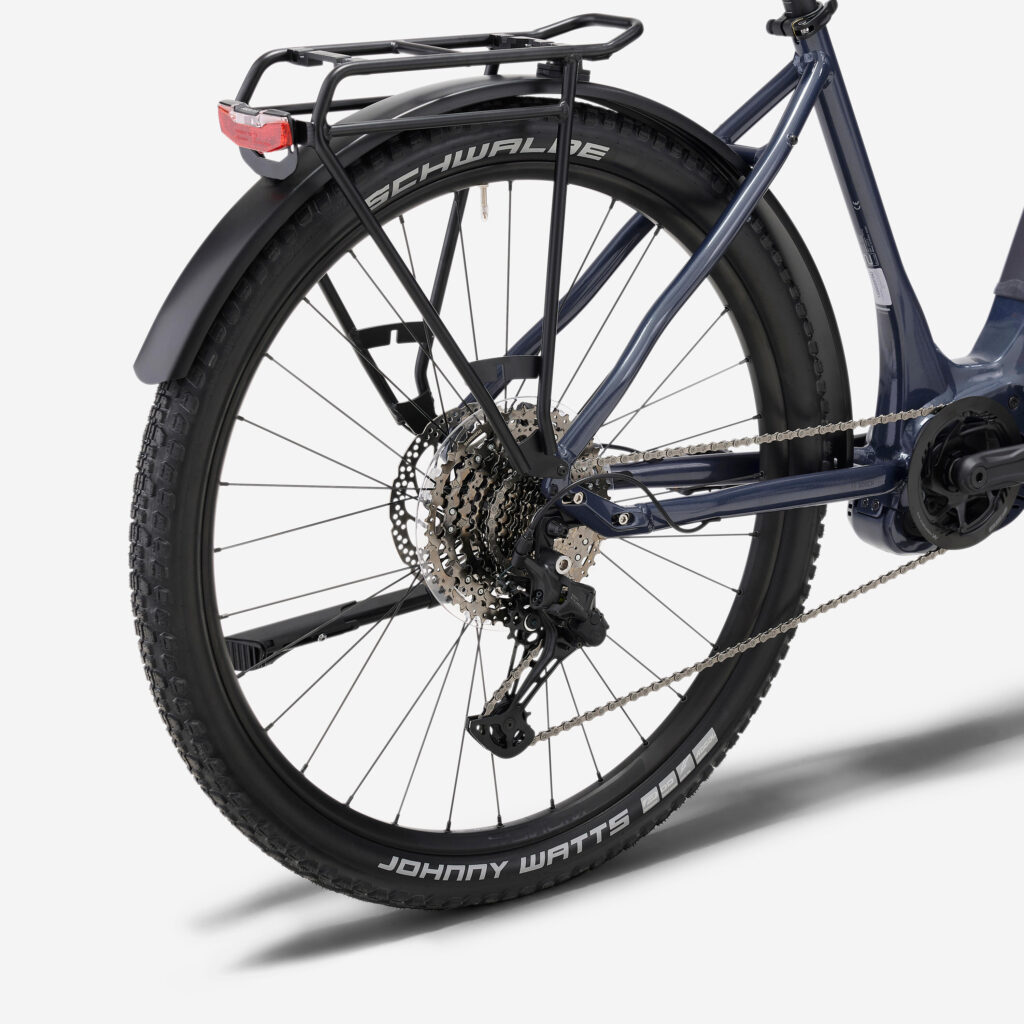
The bike features a Suntour XCM32 ATB suspension fork with 100 mm of travel, ensuring enhanced comfort on rough terrain. Its 29-inch Schwalbe Johnny Watts tires deliver improved grip and stability, whether you’re on roads or trails.

The bike relies on Shimano components for precise and reliable performance. The Shimano CUES 11-speed drivetrain ensures smooth gear changes, while Shimano MT200 hydraulic disc brakes deliver strong braking power in all weather conditions. Riders can monitor their trips using the Bosch Kiox display, which includes advanced navigation features and an eBike Lock function for added security.

Pricing and Availability

Decathlon is selling the Stilus E-Touring for €3,299.99 in countries like France and Spain. The price increases slightly to €3,349.99 in the Netherlands.

In related news, Decathlon launched the PS100 Bluetooth speaker last year, featuring a 10-hour battery life, IPX7 water resistance, and a user-replaceable battery.

For more daily updates, please visit our News Section.

Stay ahead in tech! Join our Telegram community and sign up for our daily newsletter of top stories! 💡

(Source, Via)

The post Decathlon Launches Stilus E-Touring E-Bike with Bosch Motor and Shimano Components appeared first on Gizmochina.

Xiaomi to launch its UltraThin Magnetic Power Bank 5000 15W at MWC, wider rollout likely

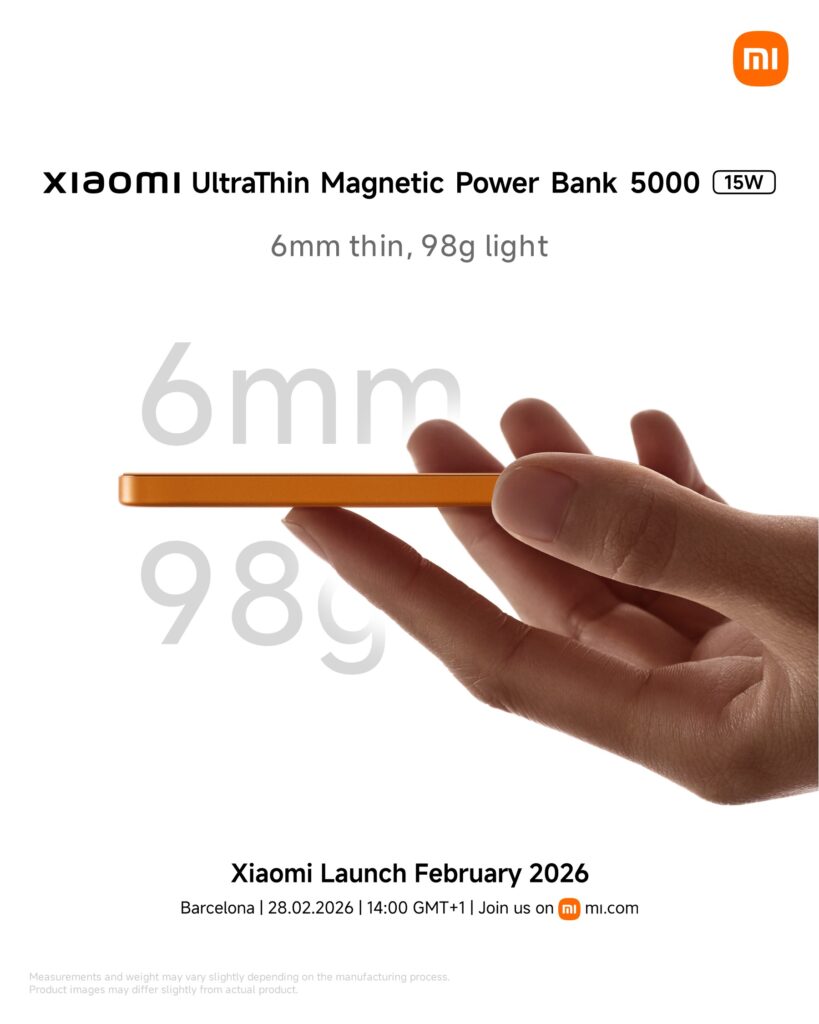
Xiaomi-UltraThin-Magnetic-Power-Bank-5000-15W

Xiaomi will launch its UltraThin Magnetic Power Bank 5000 15W globally at Mobile World Congress (MWC) 2026 on February 28.

The power bank has already been released in Japan, Australia, the UK, and other parts of Europe earlier this year. Xiaomi has priced it at $69.50 in Australia and £49.99 in the UK. A broader global rollout is anticipated following the launch event.

Xiaomi UltraThin Magnetic Power Bank 5000 15W

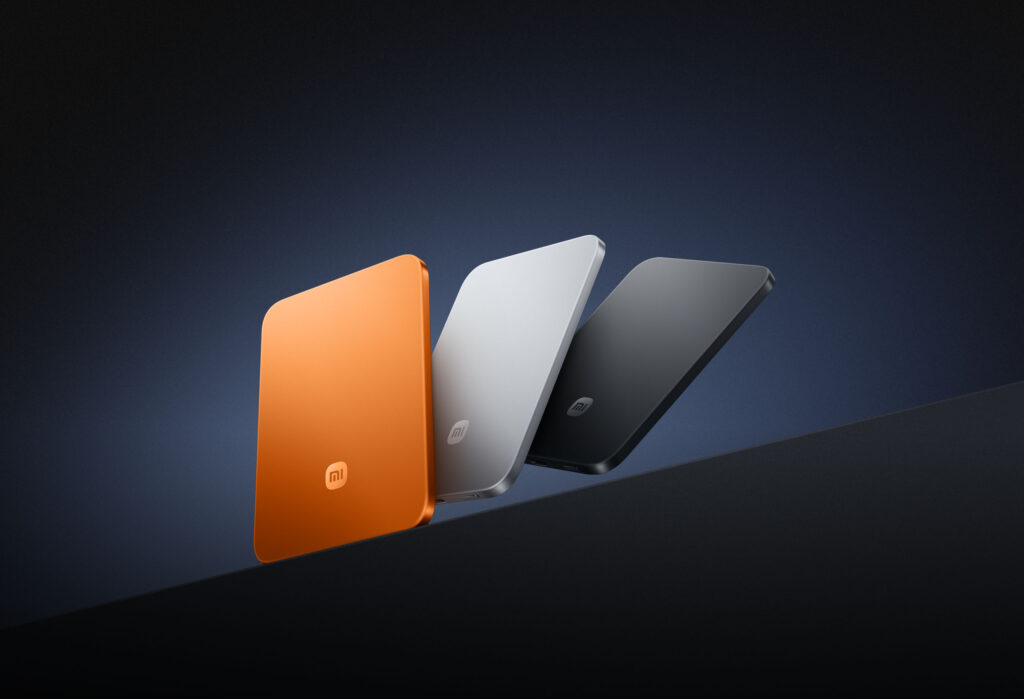
The power bank features a slim 6mm design and weighs only 98 grams. It is one of the lightest and slimmest power banks in its category. It comes in Black, Silver, and Orange. The Silver variant has been the most widely available so far, but Xiaomi has teased the Orange version for MWC. Both Black and Orange options will likely become more available after the official rollout.

Xiaomi UltraThin Magnetic Power Bank 5000 15W

In terms of specs, the power bank supports up to 15W wireless fast charging and features magnetic charging for iPhones (up to 7.5W), as well as compatibility with Xiaomi, Samsung, and Google Pixel devices. It also includes a USB-C port for up to 22.5W wired fast charging. Xiaomi has also included dual-device charging, allowing users to charge two devices simultaneously.

The power bank uses a smartphone-grade lithium-ion battery with a 5,000mAh capacity. Xiaomi designed it with safety in mind, adding ten layers of protection, including safeguards against overheating, overcharging, and short circuits. The aluminum alloy body and fire-resistant fiberglass coating ensure durability and a premium look.

The February 28 event will also include other product launches. The company will introduce the Xiaomi 17 Ultra smartphone, the Redmi Buds 8 Pro earbuds, and the Xiaomi Tag tracker. Xiaomi will also showcase new AIoT products. The event will begin at 2 PM CET in Barcelona.

For more daily updates, please visit our News Section.

Tech enthusiast? Get the latest news first! Follow our Telegram channel and subscribe to our free newsletter for your daily tech fix! ⚡

The post Xiaomi to launch its UltraThin Magnetic Power Bank 5000 15W at MWC, wider rollout likely appeared first on Gizmochina.

Xiaomi Tag tracker is launching globally on February 28 at MWC 2026

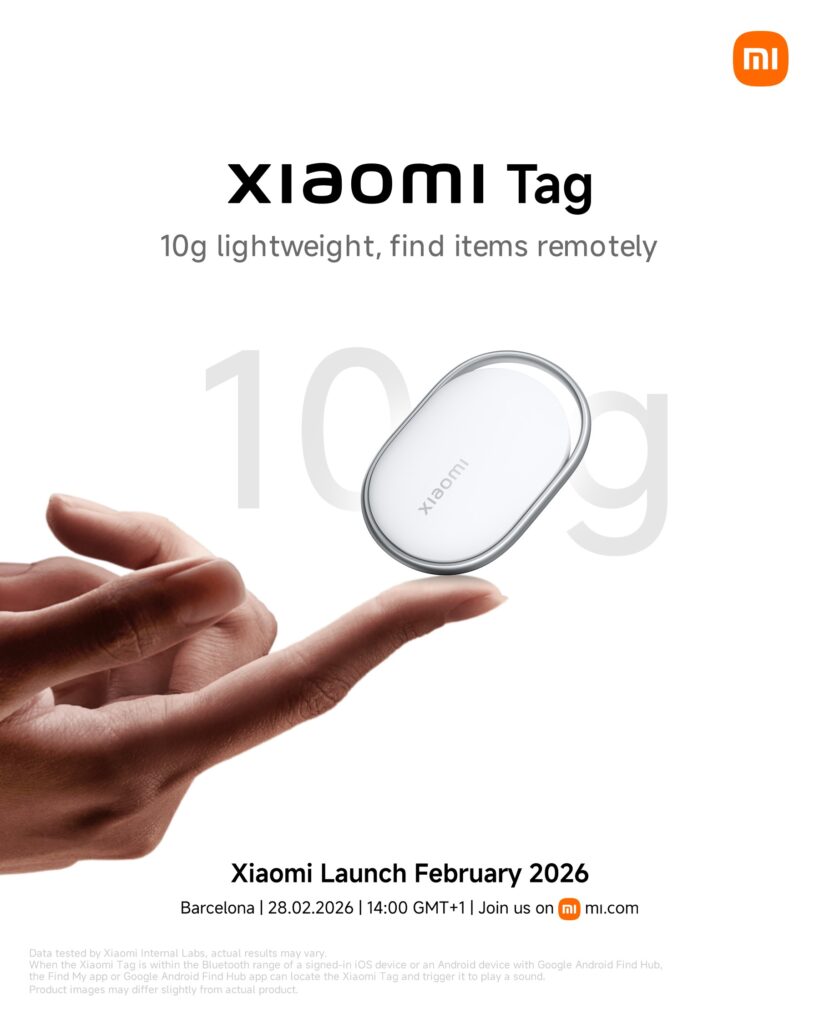
Xiaomi Tag

Xiaomi has officially announced the global launch of its new Bluetooth tracker, the Xiaomi Tag. The company will debut the device on February 28, 2026, during its MWC event in Barcelona.

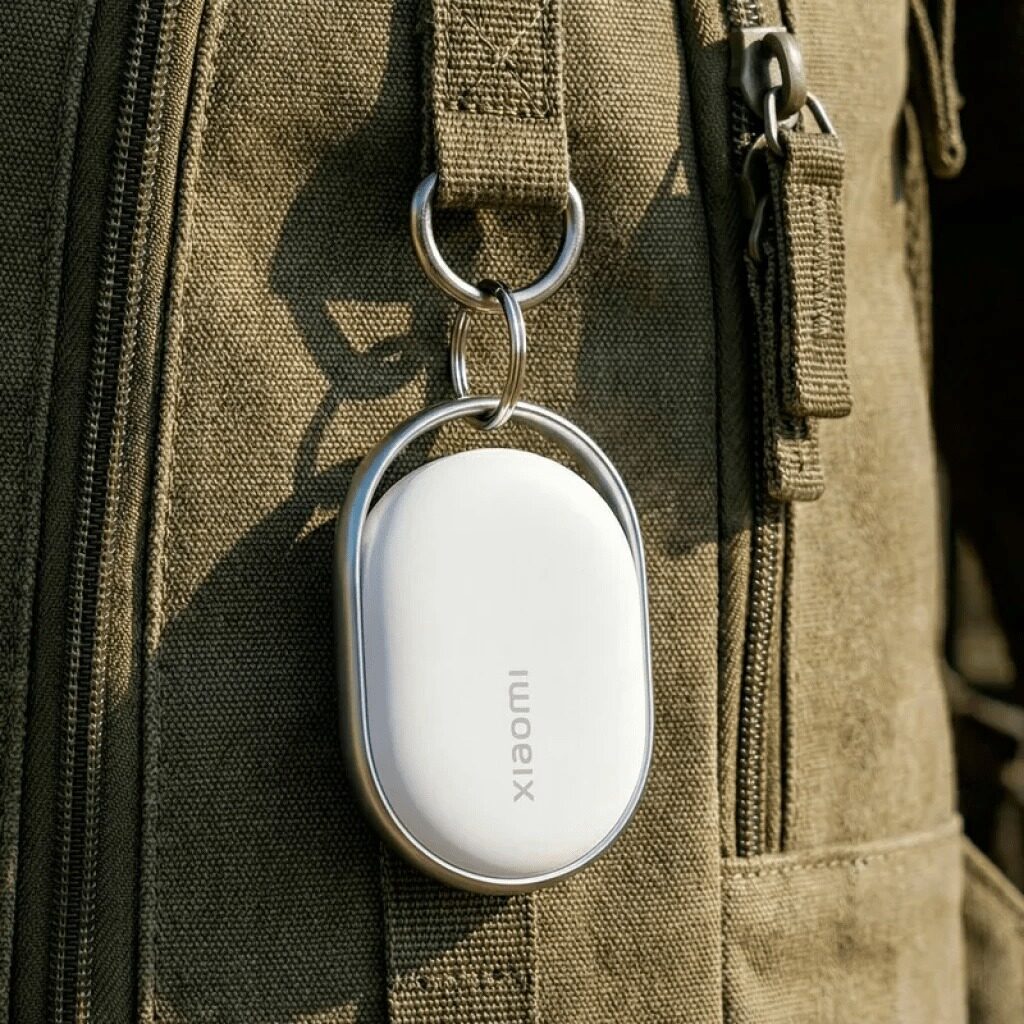
The Xiaomi Tag weighs 10 grams and measures 7.2mm thick. The device uses a CR2032 coin battery, which provides an estimated battery life of one year. Xiaomi has designed the tracker to help users quickly locate lost items, including keys, wallets, and bags.

Xiaomi Tag

The tracker supports both Apple’s Find My network and Google’s Find Hub ecosystem, making it compatible with both iOS and Android devices. It uses Bluetooth 5.4 and NFC for location tracking but does not include ultra-wideband (UWB) technology. However, a UWB-enabled version is reportedly in development and might launch in the future.

The February 28 event will also feature other product launches. Xiaomi plans to unveil the Xiaomi 17 Ultra smartphone, the Redmi Buds 8 Pro earbuds, and the Xiaomi Ultra Slim Magnetic Power Bank. The company will also showcase new AIoT products during the event, which begins at 2 PM CET in Barcelona.

Xiaomi Tag

The Xiaomi Tag has already appeared on several European retailer websites ahead of its official launch. As per the leaked listings, the device is priced at €17.99 ($21), and if you buy a pack of four, it would cost €59.99 ($70).

Xiaomi aims to position the product for budget-conscious users who want reliable tracking without paying the higher prices of competitors like Apple’s AirTag, Moto Tag, or Samsung’s Galaxy SmartTag.

For more daily updates, please visit our News Section.

Stay ahead in tech! Join our Telegram community and sign up for our daily newsletter of top stories! 💡

The post Xiaomi Tag tracker is launching globally on February 28 at MWC 2026 appeared first on Gizmochina.

OpenAI may launch new $100/month ChatGPT Pro Lite subscription

chatgpt

OpenAI is reportedly preparing to launch a new subscription tier called ChatGPT Pro Lite, priced at $100 per month. Developer Tibor Blaho discovered references to the plan in the frontend code of the ChatGPT web app. OpenAI has not confirmed the plan or shared details about its release date, but the discovery suggests the company is working to address a pricing gap in its lineup.

chatgpt

OpenAI currently offers several subscription plans, including Free, Go ($8/month), Plus ($20/month), Pro ($200/month), Team, Business, and Enterprise options. Many users have criticized the large jump from Plus to Pro, leaving power users without a middle-ground option. The Pro Lite plan could fill this gap by targeting freelancers, researchers, and developers who require higher usage quotas but cannot justify Pro’s $200 price tag.

Chatgpt Pro Lite

The new plan is expected to provide more advanced features than Plus but fewer capabilities than Pro. Code references suggest Pro Lite could offer three to five times the deep reasoning model usage quota of the Plus plan. Additionally, it may be designed to accommodate Codex usage.

This potential move comes as OpenAI navigates a challenging 2026. Despite $20 billion in revenue, the company faces a projected $14 billion annual loss due to ballooning compute costs, prompting a desperate search for a $100 billion funding lifeline.

Meanwhile, competition is heating up. The Gemini 3 now commands over 20% of the market thanks to Android integration, and Claude 4 has overtaken OpenAI in enterprise spending. User backlash over the abrupt retirement of the GPT-4o model has only added to the turbulence.

Pro Lite could be a game-changer, offering a more affordable option for power users while positioning OpenAI competitively against rivals like Google, which lacks a comparable mid-tier offering. Whether this will be enough to stabilize OpenAI remains to be seen.

In related news, OpenAI may also launch a ChatGPT-powered smart speaker equipped with a camera.

For more daily updates, please visit our News Section.

Stay ahead in tech! Join our Telegram community and sign up for our daily newsletter of top stories! 💡

(Source, Via)

The post OpenAI may launch new $100/month ChatGPT Pro Lite subscription appeared first on Gizmochina.

Samsung regains top spot in global DRAM market in Q4 2025: Omdia

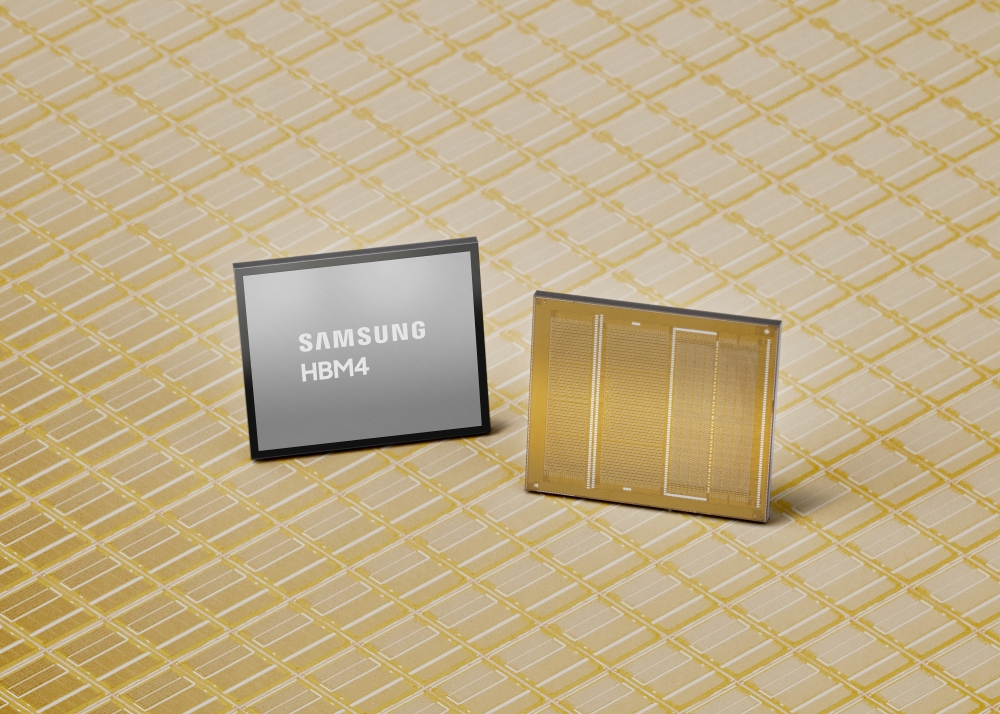
Samsung-Semiconductors-HBM4

Samsung Electronics reclaimed its position as the world’s largest DRAM manufacturer in the fourth quarter of 2025. Data from market research firm Omdia showed that Samsung achieved a 36.6% share of the global DRAM market by revenue after generating $19.1 billion in sales between October and December. This marked a 40.6% increase from the previous quarter.

Samsung-Semiconductors-HBM4

SK Hynix, Samsung’s closest competitor, recorded a 32.9% market share during the same period. The company reported $17.2 billion in DRAM revenue, up 25.2% quarter-on-quarter. The global DRAM market reached $52.47 billion in Q4 2025, representing a 30% increase compared to the third quarter.

Samsung’s return to the top came one year after losing the lead to SK Hynix in Q1 2025. The company attributed its growth to strong sales of high-value products, including HBM3E (5th-generation High Bandwidth Memory) and DDR5, which are widely used in AI computing and data centers.

Samsung benefited from a 40% increase in average selling prices (ASP) for DRAM due to rising market prices and higher demand for premium server memory products.

Micron Technology, the third-largest player, saw its market share decline to 22.9% in the fourth quarter, down from 25.8% in Q3. China’s CXMT accounted for 4.7% of the market.

Samsung plans to strengthen its leadership by expanding its production of advanced DRAM products such as HBM4 and high-capacity DDR5 memory. The company also aims to meet growing demand for low-power, high-performance DRAM like LPDDR5X in mobile and automotive applications.

For more daily updates, please visit our News Section.

Stay ahead in tech! Join our Telegram community and sign up for our daily newsletter of top stories! 💡

(Via)

The post Samsung regains top spot in global DRAM market in Q4 2025: Omdia appeared first on Gizmochina.

Apple Killed Titanium After 2 Years: Was the Premium Ever Worth It?

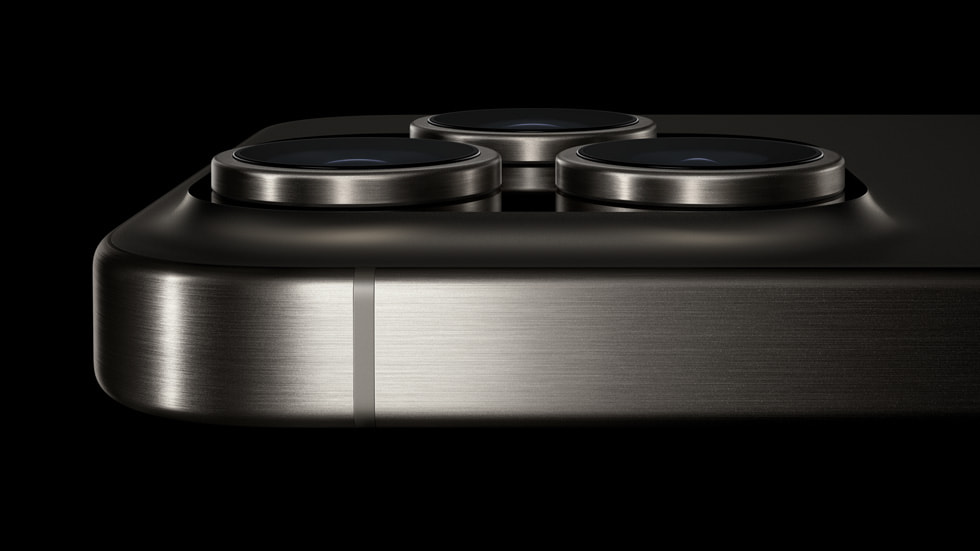
iphone 15 Pro and Pro Max

Apple introduced titanium as the signature material for the iPhone 15 Pro and Pro Max in 2023. The company marketed it as a revolutionary step in design, highlighting its strength, reduced weight, and premium feel.

Two years later, Apple has replaced titanium with aluminum for the iPhone 17 Pro and Pro Max. The decision raises questions about whether titanium was ever worth the hype or just another marketing gimmick.

iphone 15 Pro and Pro Max

Why Apple Went Titanium in the First Place

Apple chose titanium to differentiate its Pro lineup. Titanium provided a stronger and lighter alternative to stainless steel, reducing the iPhone 15 Pro’s weight by 19 grams. The material also delivered better resistance to scratches and dents, which appealed to customers who valued durability. For many, titanium’s association with high-performance industries like aerospace and luxury watches added to its allure.

Apple used Grade 5 titanium for the iPhone 15 Pro series, an alloy known for its strength and corrosion resistance. To address titanium’s poor thermal conductivity, Apple paired it with an internal aluminum mid-frame to improve heat dissipation. At the time, this dual-material approach seemed like an innovative solution that balanced premium aesthetics with functional performance.

The Problems That Killed Titanium

Titanium came with significant trade-offs that quickly became apparent. Its poor thermal conductivity created overheating issues during gaming, fast charging, and other demanding tasks. As Apple introduced more powerful chips like the A17 Pro, heat management became a critical challenge. This limitation undermined the performance benefits Apple aimed to deliver with its flagship devices.

Production challenges also made titanium less practical. Machining titanium required specialized tools, slower production speeds, and resulted in higher scrap rates. These factors drove up manufacturing costs. While the material itself added only $30-$40 to production, the iPhone 15 Pro’s $400 price premium over the base iPhone 15 relied heavily on titanium as a justification. The combination of high costs and limited benefits made titanium difficult to sustain as a flagship material.

Why Aluminum is a Better Fit for the iPhone 17 Pro

Apple’s return to aluminum for the iPhone 17 Pro addresses many of the issues titanium created. Aluminum conducts heat far better than titanium, making it a better choice for managing the heat generated by the new A19 Pro chip and the vapor chamber cooling system. This change improves thermal performance and allows Apple to include a larger battery.

Aluminum also reduces production complexity. It is easier to machine, faster to produce, and more cost-effective at scale. The material aligns better with Apple’s environmental goals, as aluminum has a smaller carbon footprint than titanium. Apple’s partnerships with low-carbon aluminum smelters and its efficient recycling processes make aluminum a sustainable choice for the company’s carbon neutrality targets.

Aluminum also enables new design possibilities. Unlike titanium, which limits anodization options, aluminum allows for a broader range of colors. The iPhone 17 Pro introduces new finishes, including dark blue and orange, which were not feasible with titanium. This change gives Apple more flexibility to appeal to users who value customization.

Was Titanium Ever Worth It?

Titanium provided real benefits, but they were marginal for most users. While it improved durability and reduced weight, these advantages mattered less to people who used protective cases. The higher price and the thermal challenges outweighed its benefits. Apple’s decision to abandon titanium after just two years suggests that the material was more about marketing than long-term performance or practicality.

Titanium is not disappearing entirely. Apple now uses titanium exclusively for the ultra-thin iPhone Air, where its strength is critical for maintaining structural integrity in a 5.6mm-thick device. However, for the Pro lineup, aluminum offers a more balanced combination of performance, cost, and sustainability.

The Verdict: Materials Matter Less Than Experience

The shift from titanium to aluminum highlights a broader reality in smartphone design. Materials matter, but user experience matters more. Battery life, thermal performance, and ecosystem integration have a greater impact on daily use than the frame material. Aluminum solves the problems that titanium created, making it the practical choice for Apple’s latest Pro models.

Titanium may have been marketed as a futuristic material, but its real-world impact was limited. Apple’s decision to replace it with aluminum reflects a focus on functionality and sustainability over flash. For the iPhone 17 Pro, aluminum is not a step backward, it is a step in the right direction.

For more daily updates, please visit our News Section.

Stay ahead in tech! Join our Telegram community and sign up for our daily newsletter of top stories! 💡

The post Apple Killed Titanium After 2 Years: Was the Premium Ever Worth It? appeared first on Gizmochina.

❌