Reading view

Samsung stays on top in Europe, but Apple hits record 27% share
Samsung stayed on top of Europe’s smartphone market in 2025, but Apple was the one that really moved the needle.

Fresh data from Omdia shows Europe shipped 134.2 million smartphones last year. That’s down just 1% from 2024, not a dramatic drop, but it signals demand is still soft. Between tighter consumer spending and regulatory shifts like mandatory USB-C and eco-design requirements, the market never really found strong momentum.
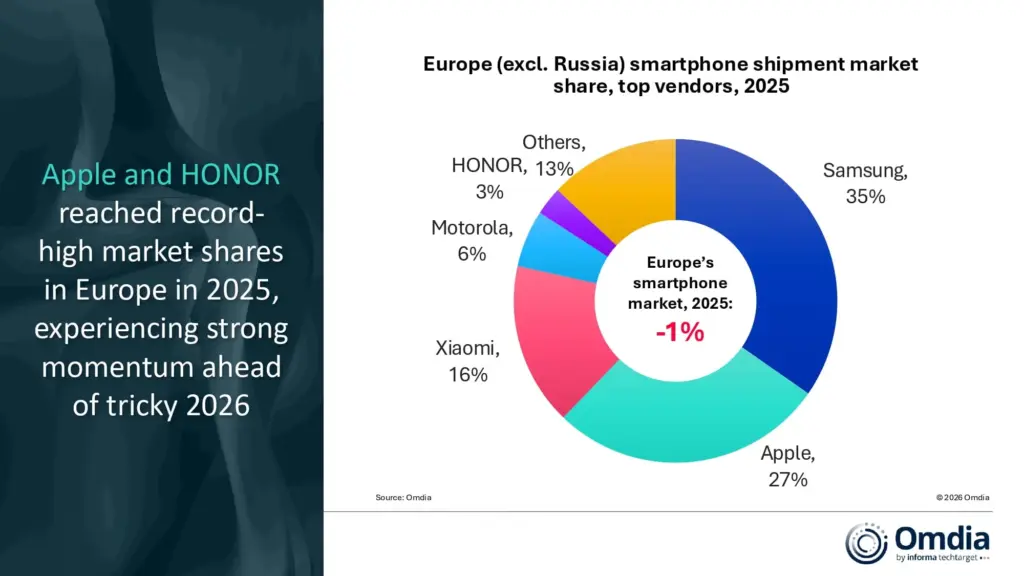
Even so, the big names tightened their grip. Samsung and Apple together accounted for 62% of all shipments in the region.

Samsung held the No. 1 spot with 46.6 million units shipped, translating to a 35% market share — up slightly from 34% a year earlier. Growth was modest, roughly 200,000 additional units year-over-year, but the company managed to steady things after a slow start. Things picked up later in the year, helped by aggressive pricing on the Galaxy A16 and particularly strong demand for the Galaxy A56, which reportedly ended up as Europe’s best-selling smartphone overall in 2025.

Apple, meanwhile, had the stronger growth story.

Apple shipped 36.9 million iPhones in Europe, up 6% year-over-year, reaching a record 27% market share in the region. Much of that came from steady upgrade cycles and strong demand for the iPhone 16 series. The iPhone 16 Pro Max and iPhone 17 Pro Max performed well at the high end.

Xiaomi remained in third place with 21.8 million shipments and a 16% share, though volumes dipped slightly. Motorola followed with 7.7 million units (6% share), down 5% year-over-year. Honor broke into the top five with 3.8 million units and a 3% share, showing noticeable momentum toward the end of the year.
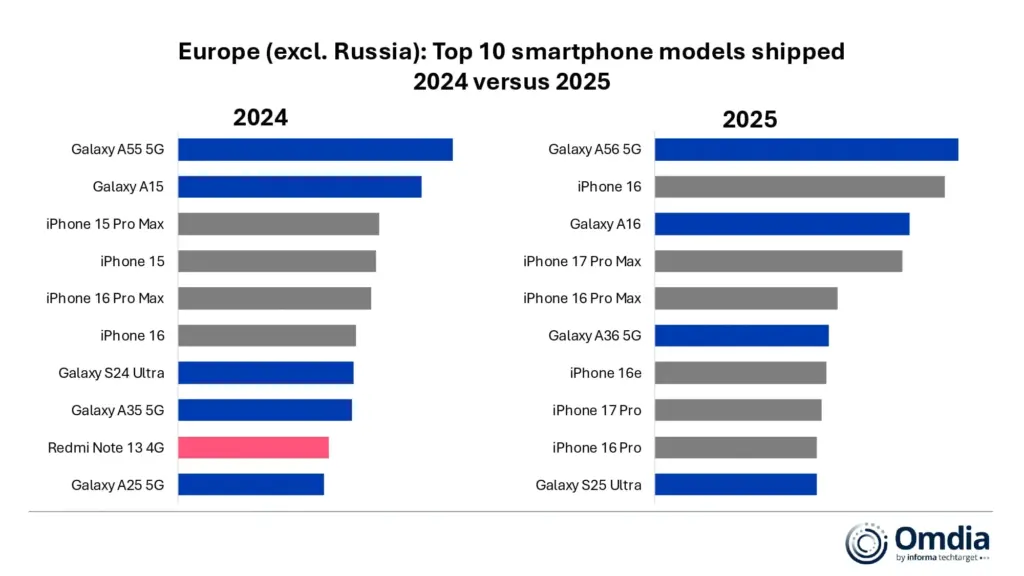
Overall, the market looks increasingly split. Premium devices continued to drive growth, while the budget segment stayed under pressure. Samsung leaned on its mid-range strength, Apple capitalized on premium upgrades, and both extended their lead.

Europe accounted for 10.8% of global smartphone shipments in 2025. Not the largest region, but still an important one.

Don’t miss a thing! Join our Telegram community for instant updates and grab our free daily newsletter for the best tech stories!

For more daily updates, please visit our News Section.

(Source: Omdia)

The post Samsung stays on top in Europe, but Apple hits record 27% share appeared first on Gizmochina.
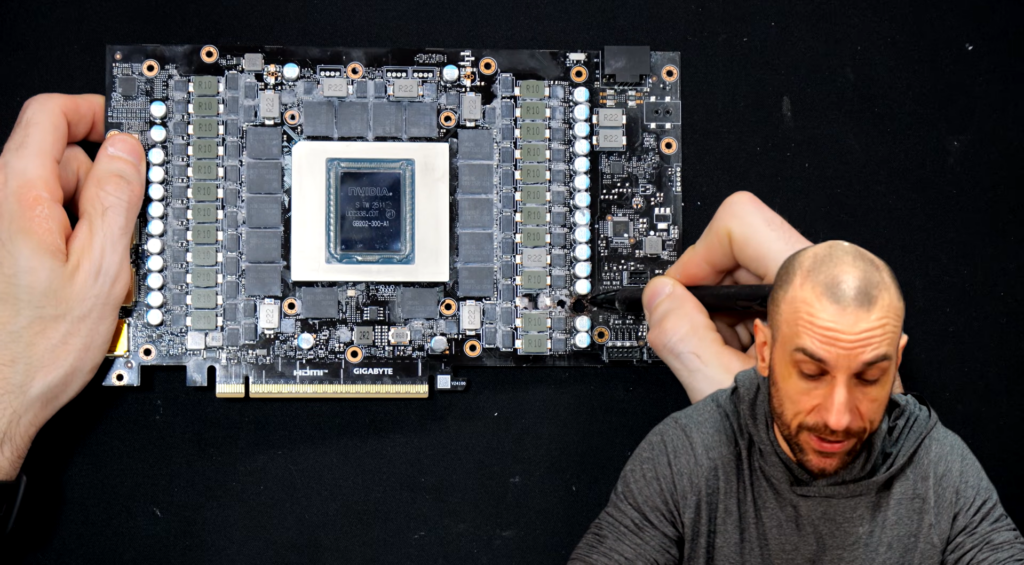
Modified RTX 5090 dies at idle due to extreme temperature

Trying to squeeze every last bit of performance out of high-end GPUs is nothing new. But in the case of the RTX 5090, one ambitious modding attempt ended in a very expensive lesson.

In a recent YouTube video titled “I Killed My 5090…”, the creator behind Frame Chasers walked viewers through what started as a bold experiment on a Gigabyte RTX 5090 Aorus Master, and ended with a completely dead card.

The idea, at least on paper, made sense. Some Gigabyte variants include an unpopulated pad on the PCB for a second 12V-2×6 (16-pin) power connector. It’s there for alternative board designs, including versions that use dual connectors. Seeing that unused pad, Frame Chasers decided to take things further by soldering in a second power connector.

That wasn’t the only modification. He also performed a shunt resistor mod, a well-known (and risky) tweak that effectively bypasses NVidia’s built-in power limits. The goal was simple: let the GPU draw far more power than stock settings allow.

At first, it appeared to work. The system booted, benchmarks ran, and the card seemed stable under load. For a moment, it looked like the mod had paid off.

Then things went very wrong.

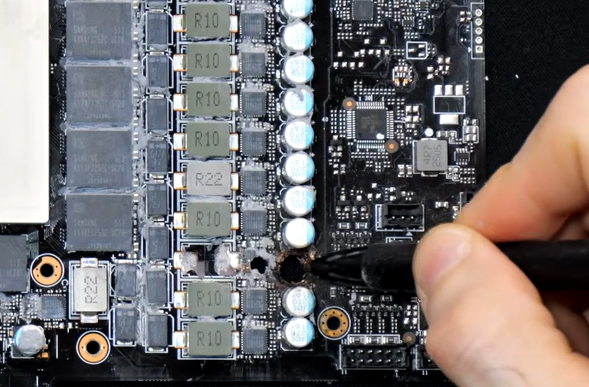
The card didn’t fail during a benchmark run or stress test. Instead, it died while idling. According to the video, two large holes were burned straight through the PCB, and at least one capacitor was knocked off the board from extreme heat.

Frame Chasers believes the failure came down to a dangerous combination of factors. The shunt mod reportedly increased baseline power draw, meaning the GPU was pulling more wattage even at idle. On top of that, the fans weren’t spinning despite rising temperatures. The card was also set to “performance mode” in the NVidia Control Panel, which keeps clocks elevated instead of allowing the GPU to downclock at idle.

The GPU die and VRAM chips themselves may still be intact. The catastrophic damage seems localized to the PCB and surrounding power components.

For enthusiasts, extreme overclocking can be thrilling. There’s always the temptation to push just a little further. But this incident is a stark reminder that modern GPUs operate within tightly controlled power and thermal envelopes for a reason.

(Source | Via)

The post Modified RTX 5090 dies at idle due to extreme temperature appeared first on Gizmochina.
Galaxy S26 series pre-order deals revealed: up to €350 in savings

But just ahead of the official reveal, a fresh leak has already outlined what could be some pretty attractive pre-order incentives for the Galaxy S26, S26+, and S26 Ultra in Europe.

According to reliable French leaker billbil-kun, posting via Dealabs, Samsung is preparing a mix of storage upgrades and trade-in bonuses that could save buyers as much as €350 in the Eurozone, assuming everything stacks the way it’s expected to.

Pricing reportedly starts at €999 for the base Galaxy S26 with 256GB of storage. Interestingly, Samsung appears to be moving away from the 128GB entry model seen on the Galaxy S25, making 256GB the new starting point. Pre-orders are expected to open right after Unpacked wraps up, with shipping beginning around March 11.

One of the headline offers is a free storage upgrade. Buyers who pre-order a 256GB model may receive the 512GB version at no extra cost, a perk that typically represents a €200 to €300 value, depending on the device. Similar “double storage” promotions have been popular in past Galaxy launches, and it looks like Samsung may be leaning on that strategy again in Europe (including France, and possibly the UK).

Trade-in bonuses are also part of the package. Leaks suggest an extra €100 in trade-in credit for those pre-ordering the Galaxy S26 or S26+, and €150 for the Galaxy S26 Ultra. When combined with the storage upgrade, that could push total savings into the €300–€350 range for certain configurations.

In practical terms, that means a 512GB Galaxy S26 could effectively land closer to €899 in some scenarios, depending on the device you trade in. For buyers eyeing the top-end 1TB Galaxy S26 Ultra, there’s also talk of an additional €200 pre-order discount, which would stack on top of the other incentives.

All of this fits Samsung’s broader strategy. Offering storage bumps and boosted trade-in credits is a relatively low-friction way to drive early orders without officially lowering retail prices.

It’s also worth noting that incentives vary by region. In the US, for example, early reservation offers have included smaller credits and larger trade-in ceilings instead. Europe, on the other hand, seems to be getting the more straightforward storage-upgrade approach this time around.

(Source)

The post Galaxy S26 series pre-order deals revealed: up to €350 in savings appeared first on Gizmochina.

Galaxy S26 series EU energy labels confirm battery sizes and endurance hours before launch

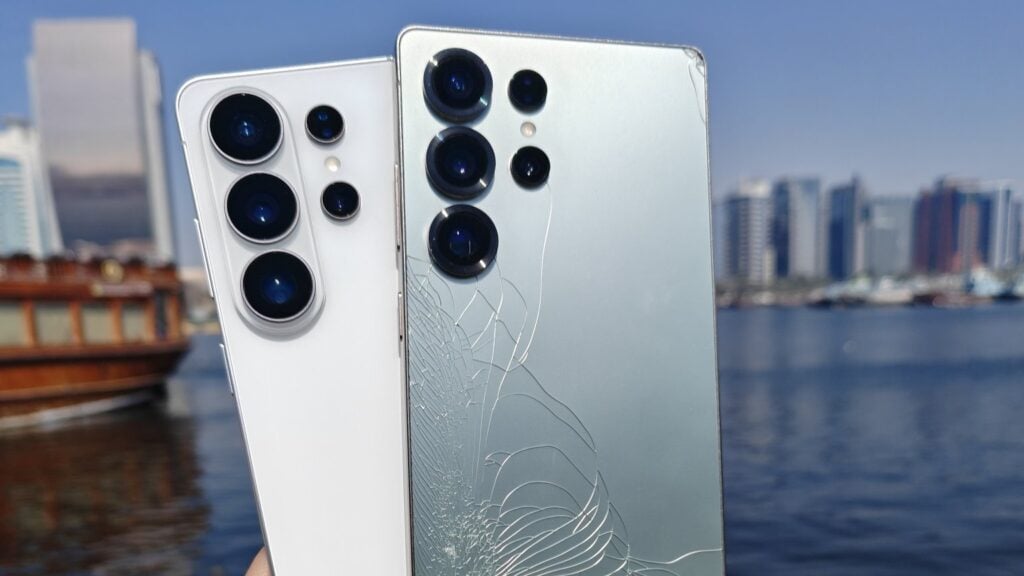
Samsung-Galaxy-S26-Ultra-vs-iPhone-17-Pro-Max-in-real-life

Samsung’s Galaxy S26 series is just hours away from going official at the February 25 Unpacked event, but thanks to mandatory EU energy labels, we already have some confirmed details.

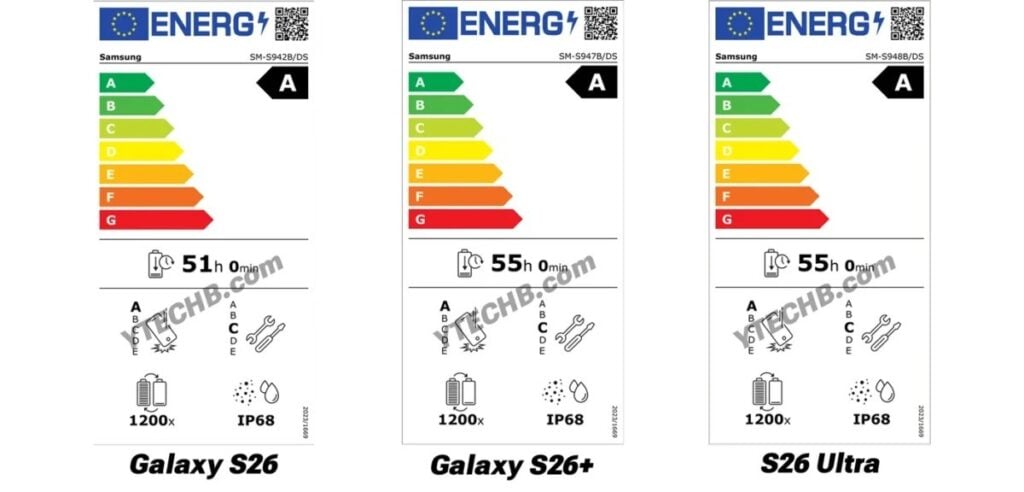
The information comes from official European certification listings. These labels are required for devices sold in the EU and include rated (minimum guaranteed) battery capacities, advertised “typical” capacities, standardized battery endurance results, and even durability metrics.

Starting with the base model, the Galaxy S26 gets a rated 4,175 mAh battery, marketed as 4,300 mAh typical. That’s a modest bump over the Galaxy S25’s roughly 4,000 mAh cell. In the EU’s standardized mixed-use test, it’s rated for 51 hours on a single charge. That suggests Samsung has managed at least incremental gains in efficiency, not just raw capacity.

The Galaxy S26+ sticks with a rated 4,755 mAh battery (advertised as 4,900 mAh typical). Endurance is listed at 55 hours, which either matches or very slightly improves on its predecessor.

Then there’s the Galaxy S26 Ultra, which continues Samsung’s now very long 5,000 mAh tradition. The rated capacity sits at 4,855 mAh, marketed as 5,000 mAh typical, unchanged for six straight generations. It also achieves 55 hours in the EU test.

Beyond battery size and endurance, the EU labels reveal some additional details. All three models score Class A for energy efficiency and drop resistance, carry IP68 dust and water protection, and receive a Class C repairability rating.

The labels indicate 80% capacity retention after 1,200 full charge cycles, which is a noticeable drop from the 2,000-cycle figure associated with the S25 series. That’s roughly a 40% reduction on paper.

All of this lines up fairly well with previous leaks. The standard S26 finally gets a capacity bump, while the Plus and Ultra models lean more on efficiency than larger cells. Whether that’s due to EU transport regulations around battery shipping thresholds, internal space constraints, or Samsung’s design priorities isn’t fully clear — but the strategy is consistent.

We now have concrete figures for capacity, endurance, and durability before the official reveal even begins. The real test, of course, will be hands-on reviews and real-world usage.

Don’t miss a thing! Join our Telegram community for instant updates and grab our free daily newsletter for the best tech stories!

For more daily updates, please visit our News Section.

(Source)

The post Galaxy S26 series EU energy labels confirm battery sizes and endurance hours before launch appeared first on Gizmochina.

OnePlus 16 could shrink bezels below 1mm, claims new leak

A new leak out of China suggests the upcoming OnePlus 16 could feature bezels measuring under 1mm on all sides. Some measurements even point to around 0.8mm. If that number holds, it would be an incremental but noticeable improvement over the OnePlus 15, which already had impressively slim 1.15mm borders.

On paper, shaving off a few tenths of a millimeter doesn’t sound dramatic. But visually, it can make a difference. Ultra-thin symmetrical bezels tend to create that “all display” look that makes content feel more immersive, especially when you’re watching videos or gaming in landscape.

The latest leak mostly focuses on the bezels, so full display specs are still unclear. That said, earlier rumors have mentioned a flat 1.5K LTPO OLED panel, possibly sourced from BOE again. There’s also talk of refresh rates going as high as 240Hz.

Whether 240Hz actually makes it to the final retail unit is another question. Manufacturers often test higher refresh panels, but power consumption and real-world benefit usually dictate the final number. Even so, anything above 165Hz would keep the OnePlus 16 firmly in “high-refresh flagship” territory.

Interestingly, OnePlus is reportedly avoiding more gaming-specific additions like shoulder triggers or built-in cooling fans. The direction seems clear: keep the design clean and premium rather than turning it into a niche gaming device.

Then there’s the battery rumor. Reports point to a massive 9,000mAh “Glacier” battery using silicon-carbon technology. Silicon-carbon cells are known for higher energy density, so it’s not impossible. Still, until more concrete details surface, that figure is worth treating cautiously. It would be a major leap.

As expected, the OnePlus 16 should run Qualcomm’s next-generation flagship chip. That would bring predictable year-on-year improvements in performance and power efficiency.

Camera rumors suggest a 50MP main sensor, a 50MP ultrawide, and possibly a 200MP periscope telephoto. If accurate, that telephoto setup would be one of the more aggressive upgrades, especially for users who prioritize zoom performance.

As always, though, early leaks are best taken as a direction — not a guarantee.

  1. Stay ahead in tech! Join our Telegram community and sign up for our daily newsletter of top stories!

For more daily updates, please visit our News Section.

(Sources: 1, 2)

The post OnePlus 16 could shrink bezels below 1mm, claims new leak appeared first on Gizmochina.
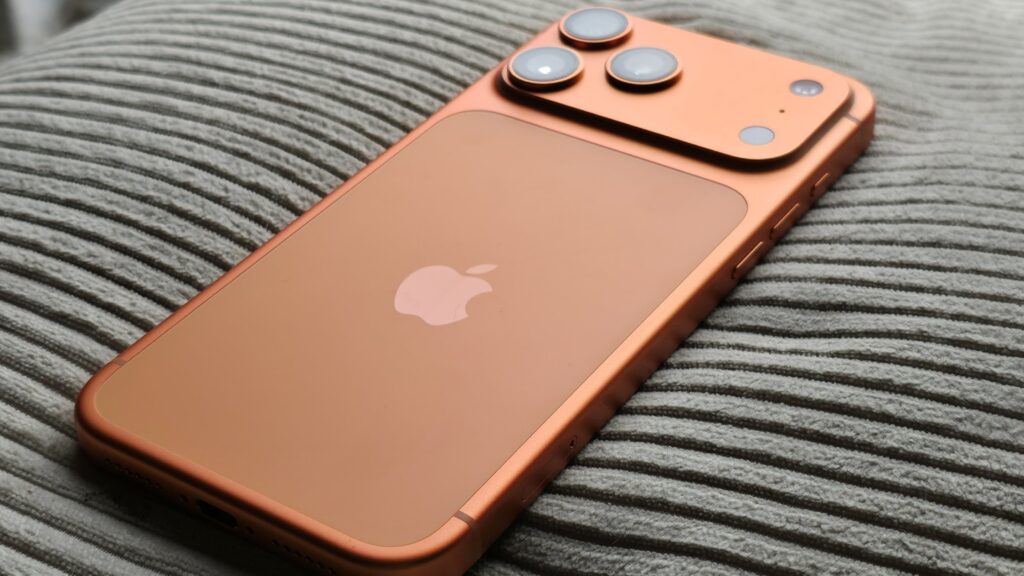
iPhone 18 Pro could debut in “deep red” after the Cosmic Orange iPhone 17 Pro

Apple’s next wave of iPhones may bring an interesting split in design philosophy: bold on the Pro side, restrained on the foldable.

In his February 22 edition of the Power On, Bloomberg’s Mark Gurman shared new details about the color options currently being tested for the upcoming iPhone 18 Pro lineup, as well as Apple’s long-rumored foldable iPhone.

A new red for the Pro models?

According to Gurman’s supply-chain sources, Apple is experimenting with a “deep red” finish for the iPhone 18 Pro and Pro Max. If it makes it to production, it would be the first time a Pro model has launched in red.

This isn’t expected to be a bright red finish. Instead, the tone is described as darker, closer to burgundy or wine. Earlier rumors mentioning brown or purplish shades may have been referencing variations of this same concept.

Apple has occasionally used bold colors to differentiate Pro models in recent years. Last year’s standout Pro color reportedly performed well in some markets, and it wouldn’t be surprising if Apple continues leaning into distinctive flagship hues.

That said, nothing is final. Color testing happens months ahead of launch, and some finishes never make it past internal prototypes.

Foldable stays conservative

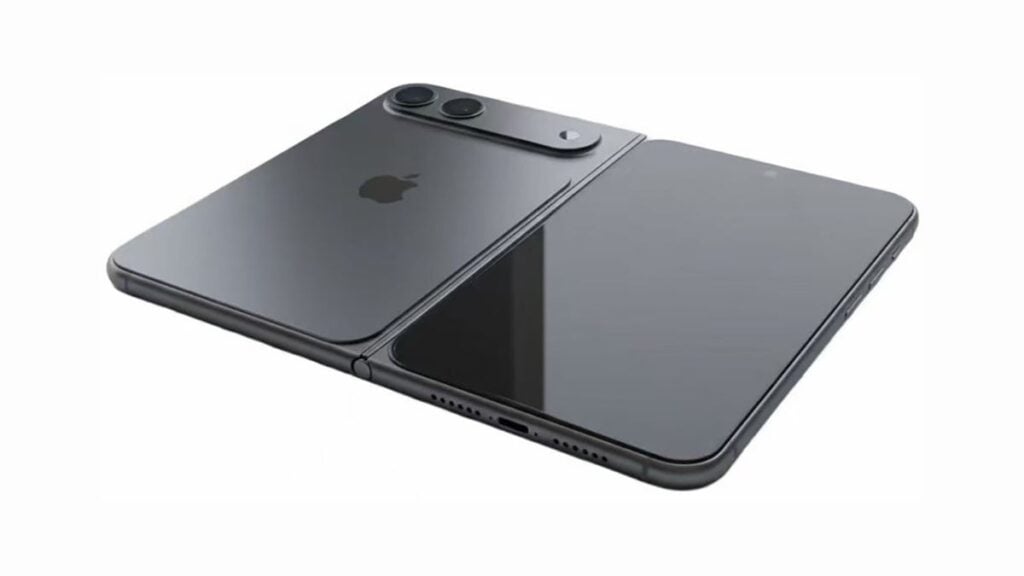
On the other end of the spectrum is Apple’s first foldable iPhone, often referred to as the iPhone Fold. Gurman suggests Apple is planning to keep things simple for its debut foldable. Instead of experimenting with bold finishes, the company is said to be focusing on classic tones like black, dark gray, and silver or white.

For now, the picture forming is fairly clear: the Pro models may take a bit of a design risk with a darker red option, while the foldable plays it safe for its first outing. If accurate, it would be a small but telling glimpse into how Apple is positioning its next-generation hardware.

Stay ahead in tech! Join our Telegram community and sign up for our daily newsletter of top stories!

For more daily updates, please visit our News Section.

(Source: Bloomberg)

The post iPhone 18 Pro could debut in “deep red” after the Cosmic Orange iPhone 17 Pro appeared first on Gizmochina.
iPhone Air user makes it transparent, adds physical SIM tray Apple couldn’t

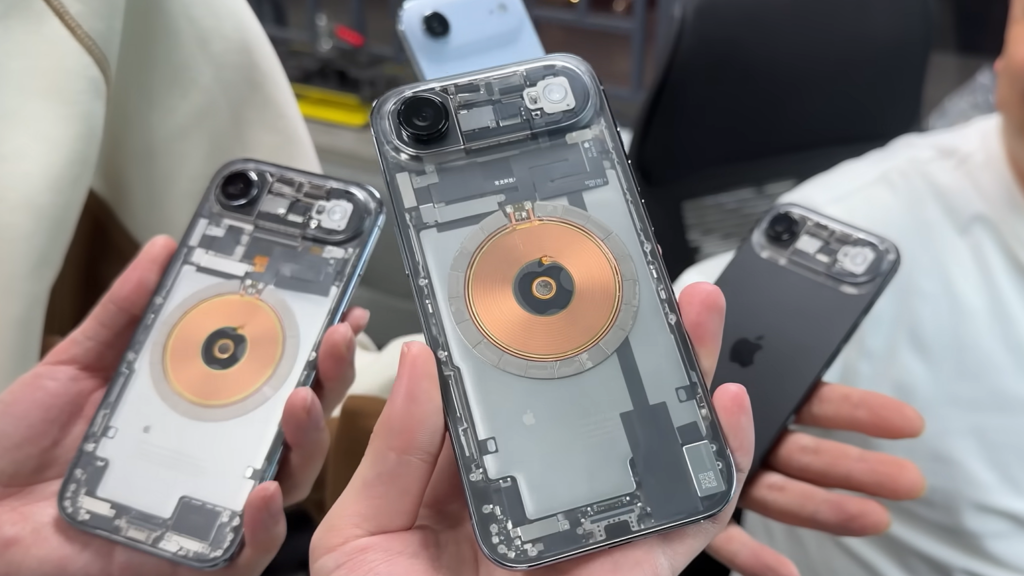
Apple’s ultra-thin iPhone Air was already designed to stand out, but one modder has taken it in a completely different direction, by making the back transparent and adding something Apple deliberately left out: a physical SIM slot.

The project was documented by YouTuber Linzin Tech. In a 22-minute video, he walks through the process of turning the standard iPhone Air into a clear-backed, SIM-enabled custom build.

The first step involved removing the opaque coating from the rear glass panel. Using a laser process, the modders carefully stripped away the paint layer without damaging key components underneath, particularly the MagSafe coil, which sits just beneath the glass.

Once the coating was removed, the result was a fully transparent back, revealing the battery, logic board layout, shielding, and internal connectors. The Apple logo remains visible, but now it floats above exposed hardware rather than a solid color finish.

Adding what Apple removed

The bigger challenge came next: installing a nano-SIM tray into a phone designed to rely entirely on eSIM.

To make room, the team milled a cutout into the bottom frame of the device. That modification required removing the original Taptic Engine, Apple’s large and finely tuned haptic motor, because there simply wasn’t enough internal space to accommodate both it and a SIM tray.

In its place, a smaller third-party vibration motor was installed. The SIM reader itself was wired in through board-level microsoldering, and according to the video, the modified phone successfully connects to mobile networks using a physical SIM card. It’s a significant hardware alteration, especially considering how tightly packed ultra-thin smartphones are.

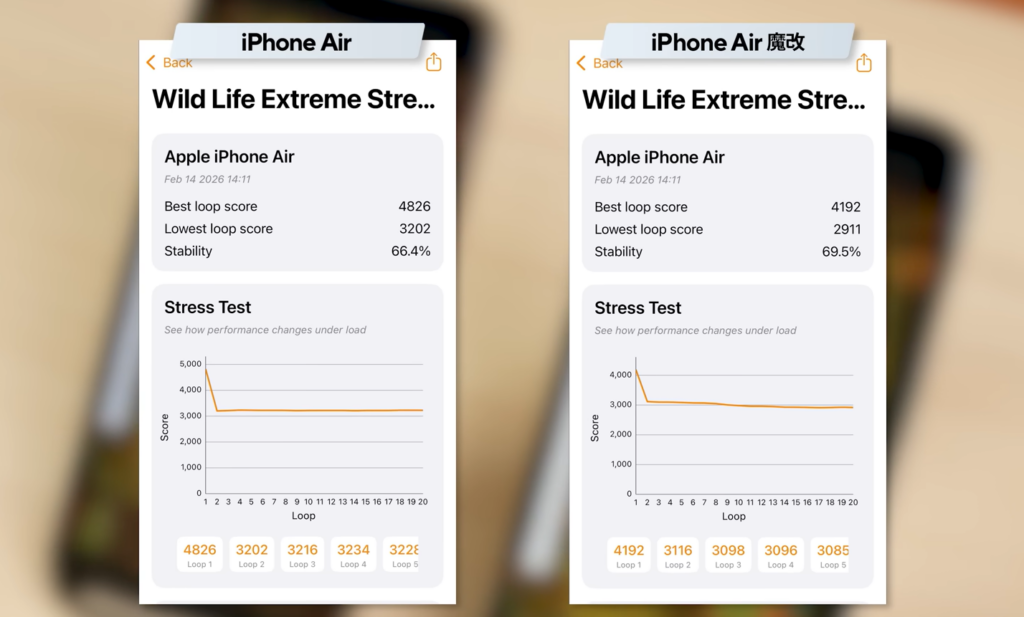
As impressive as the mod looks, it wasn’t without consequences. Removing thermal pads during the laser process reportedly affected heat dissipation, leading to faster throttling under sustained load. The structural modifications also eliminated the phone’s IP68 water and dust resistance. And, of course, any warranty coverage was gone the moment the frame was cut open.

Performance of the iPhone Air mod with affected heat dissipation

For most users, the trade-offs wouldn’t make sense. But for hardware enthusiasts, it’s a fascinating reminder that even the most closed-off designs can still be opened up.

Stay ahead in tech! Join our Telegram community and sign up for our daily newsletter of top stories!

For more daily updates, please visit our News Section.

(Source)

The post iPhone Air user makes it transparent, adds physical SIM tray Apple couldn’t appeared first on Gizmochina.
Xiaomi Electric Scooter 6 Ultra to launch globally soon with 75km range, 1200W peak power

The Xiaomi Electric Scooter 6 Ultra has been officially teased ahead of the company’s February 28 launch event in Barcelona. It appears on Xiaomi’s global website as part of the Xiaomi Launch February 2026, confirming that a full reveal is just days away.

The Ultra will sit above the rest of the Electric Scooter 6 lineup, which already includes the standard 6, 6 Lite, 6 Pro, and 6 Max. While Xiaomi hasn’t published the complete spec sheet yet, early listings and retailer pages give a fairly clear idea of what to expect.

More power, longer range

According to those listings, the Scooter 6 Ultra uses a 500W motor with a peak output of up to 1,200W. That should translate into stronger acceleration compared to the 6 Max, along with improved climbing ability.

Top speed is still capped at 25 km/h in most regions to comply with local regulations, but torque figures of around 45 Nm suggest it’s built to feel punchier off the line.

Battery capacity is said to be 585Wh, which could deliver up to 75 km of range under ideal conditions. Real-world numbers will likely vary depending on rider weight, terrain, and speed, but it positions the Ultra as the longest-range model in the current series.

The Ultra seems to lean slightly more toward durability than its siblings. It reportedly includes front and rear suspension, 12-inch tubeless all-terrain tires, and dual disc brakes paired with E-ABS for added stopping control.

There’s also an IPX6 water resistance rating, suggesting it should handle light rain without issue. A 3-inch TFT display shows ride data like speed and battery level.

The trade-off for all that hardware is weight. At roughly 33.7 kg, this is not a lightweight commuter scooter. It’s closer to a heavy-duty urban machine than something you’d casually carry up a flight of stairs.

Pricing and launch timing

Early reports suggest a price around €799.99, which would place it at the premium end of Xiaomi’s scooter lineup. That’s a noticeable step up from lower-tier models, but the Ultra clearly targets riders who want more range and stronger performance.

Stay ahead in tech! Join our Telegram community and sign up for our daily newsletter of top stories!

For more daily updates, please visit our News Section.

(Source)

The post Xiaomi Electric Scooter 6 Ultra to launch globally soon with 75km range, 1200W peak power appeared first on Gizmochina.
WhatsApp is finally working on scheduled messages

Sending a message at exactly the right time on WhatsApp has never been straightforward. If you wanted to wish someone at midnight or schedule a reminder for later, you either had to remember manually or rely on awkward workarounds. That might finally change.

According to WABetaInfo, references to a new “Scheduled Messages” feature have been spotted in the latest WhatsApp beta for iOS (version 26.7.10.72), distributed via Apple’s TestFlight program.

The feature isn’t live yet, not even for beta users, but strings and internal references in the code suggest WhatsApp is working on a native way to compose a message, choose a specific date and time, and have it sent automatically.

A leaked screenshot shared by WABetaInfo shows what appears to be a dedicated section within a chat where scheduled messages would be listed. Users would presumably be able to review or manage pending messages before they’re sent.

The example shown in the leak appears to be from a group chat, but there’s no indication the feature would be limited to groups. It’s reasonable to expect support for one-on-one chats as well.

If implemented fully, this would bring WhatsApp closer to competitors like Google Messages and Telegram, both of which have offered message scheduling for some time.

Right now, Android users often turn to third-party automation apps to replicate the feature, which can require broad permissions and aren’t always ideal from a privacy standpoint. On iOS, it’s technically possible using Apple’s Shortcuts app, but the process isn’t exactly seamless.

It’s important to stress that this is still in development. The feature is hidden in the code and not accessible yet, which means timelines could change. Sometimes features spotted at this stage take months to arrive, and occasionally they never make it out of testing.

That said, scheduled messaging feels like a logical addition. It’s a small feature on paper, but one that many users have asked for over the years.

For global users dealing with time-zone differences, late-night greetings, or work-related reminders, having built-in scheduling would remove a surprising amount of friction.

For now, it’s a promising sign that one of the most requested features may finally be on the way.

Stay ahead in tech! Join our Telegram community and sign up for our daily newsletter of top stories!

For more daily updates, please visit our News Section.

(Source)

The post WhatsApp is finally working on scheduled messages appeared first on Gizmochina.
Lenovo signals upcoming price increases on commercial PCs and servers

Lenovo has reportedly informed its channel partners that price increases are on the way for several commercial product lines, as rising memory costs continue to pressure hardware makers.

In a letter shared with partners, the company pointed to ongoing volatility in the DRAM and 3D NAND markets. Demand from AI infrastructure and large-scale data center deployments has tightened supply, and vendors are now adjusting pricing to keep up with higher component costs.

The changes affect both major parts of Lenovo’s business. The Intelligent Devices Group, which covers commercial PCs and client hardware, and the Infrastructure Solutions Group, responsible for servers and data center equipment, are both included.

Lenovo’s North America leadership, including channel chief Wade McFarland and president Ryan McCurdy, urged partners to move quickly if they want to secure current pricing. Orders are recommended by February 25, with distributors submitting by February 28.

There’s also a practical detail worth noting: even orders received before February 28 could face repricing if they aren’t shipped by March 31, 2026. For ISG products, quote validity windows have reportedly been shortened — 14 days for internal bids and 30 days for external quotes — and those terms may shift again depending on market conditions.

None of this is happening in isolation. Other OEMs, including Dell, HPE and Cisco, have issued similar signals in recent weeks. The AI-driven surge in demand hasn’t just affected high-end GPUs; it’s putting strain on memory supply more broadly, which inevitably flows down to enterprise hardware pricing.

For businesses planning refresh cycles or infrastructure upgrades, timing may matter more than usual this quarter. While Lenovo’s communication to partners appears straightforward, it reflects a wider pattern: component costs remain unstable, and vendors are adjusting accordingly.

Whether this turns into a longer-term pricing trend will likely depend on how memory supply stabilizes in the months ahead.

Stay ahead in tech! Join our Telegram community and sign up for our daily newsletter of top stories!

For more daily updates, please visit our News Section.

(Sources: 1, 2)

The post Lenovo signals upcoming price increases on commercial PCs and servers appeared first on Gizmochina.

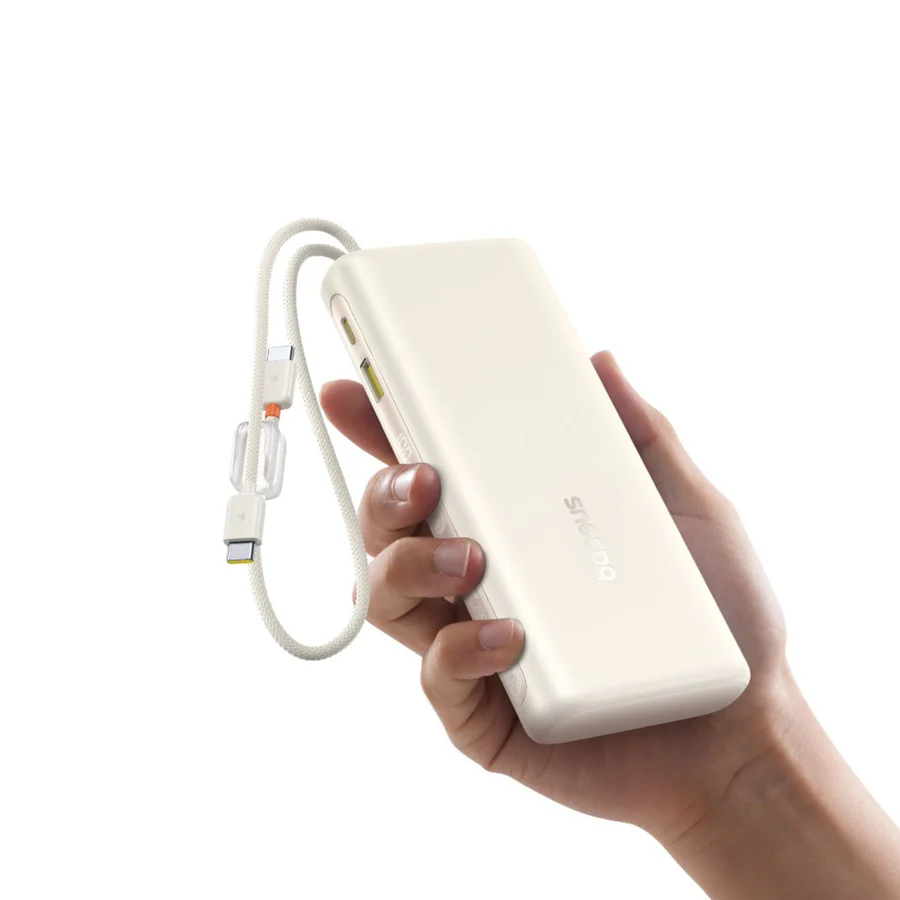
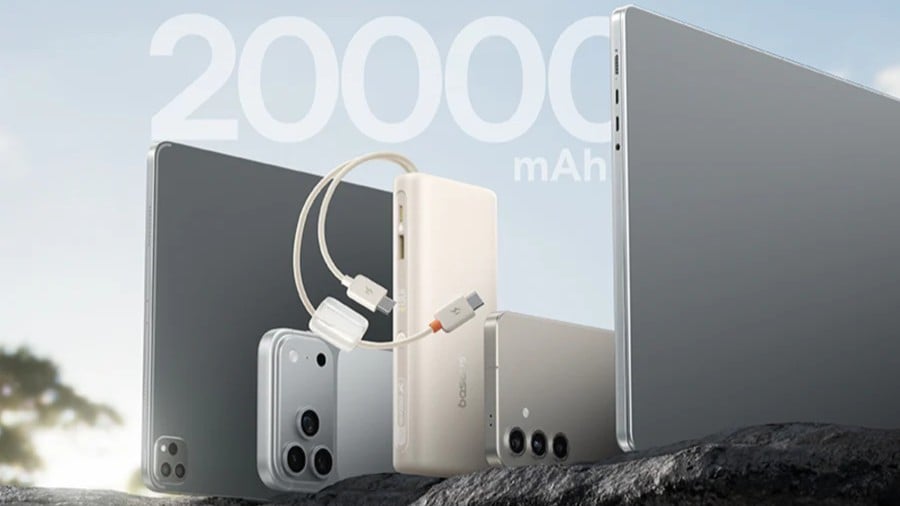
Baseus 100W 20,000mAh power bank heads to Europe with dual built-in USB-C cables

Baseus is expanding the availability of its EnerFill FC41 power bank, bringing the 20,000mAh model with 100W output to European markets. The accessory has already been on sale in China and the US, and it’s now starting to appear on Amazon listings in countries including Germany and Spain.

One of the more practical aspects of the EnerFill FC41 is its design. The unit includes two built-in braided USB-C cables that tuck neatly into the body when not in use. Each cable features a small buckle-style fastening to keep things tidy, which means you don’t necessarily need to carry separate charging cables in your bag.

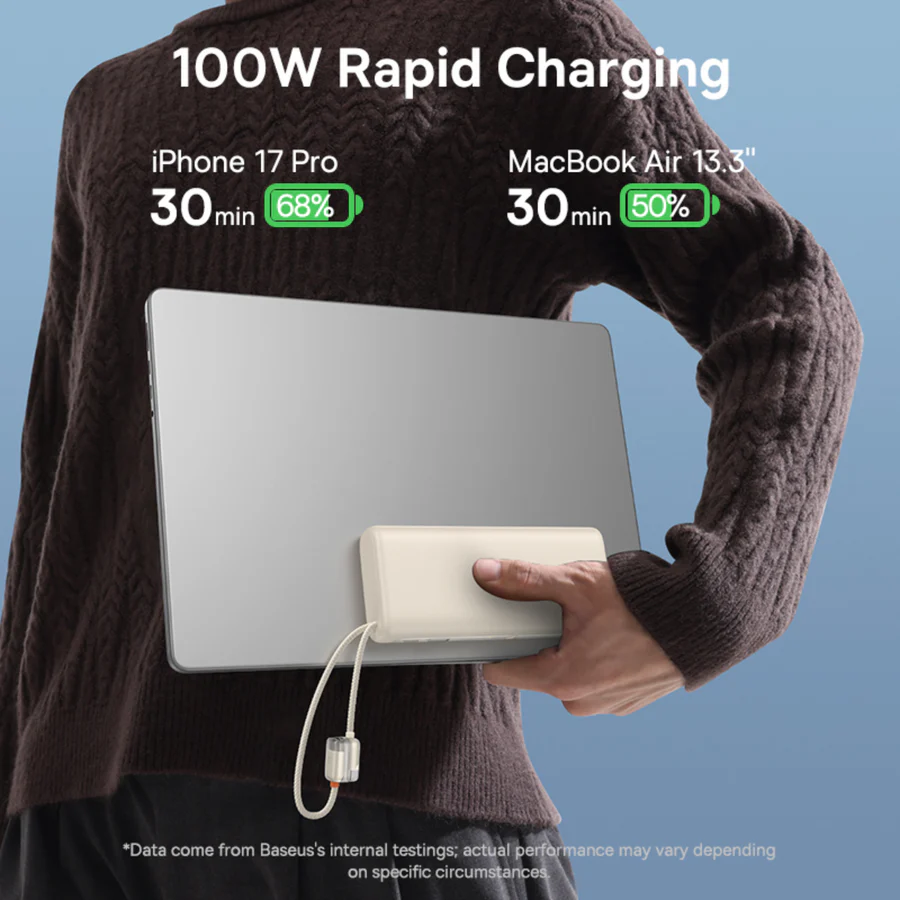
In addition to the integrated cables, the power bank includes one extra USB-C port and one USB-A port. That allows up to four devices to charge at the same time. Each USB-C output supports up to 100W under the right conditions, which is enough for most smartphones. When multiple devices are connected, the power is distributed differently, with the main USB-C delivering up to 65W and the remaining outputs sharing the rest.

With a 20,000mAh capacity, Baseus claims the unit can recharge a modern flagship phone several times over. A small digital display on the front shows the remaining battery percentage, replacing the simpler LED indicators found on many power banks.

Recharging the unit itself is handled through a 65W USB-C input, with a full refill taking around two hours. The EnerFill FC41 measures roughly 152mm tall and weighs about 430 grams, so while it isn’t ultra-light, it remains portable enough for travel and carry-on use.

Pricing and availability

Pricing in Europe appears to be set at €89.99, although listings currently show the product as temporarily out of stock. In the US, the official retail price is $79.99, though discounts are common.

Higher-wattage power banks like this are becoming increasingly common. The EnerFill FC41 doesn’t reinvent the category, but the built-in cables and strong output ratings could make it a practical option.

Don’t miss a thing! Join our Telegram community for instant updates and grab our free daily newsletter for the best tech stories!

For more daily updates, please visit our News Section.

The post Baseus 100W 20,000mAh power bank heads to Europe with dual built-in USB-C cables appeared first on Gizmochina.

Galaxy S26 Ultra: every major improvement outlined in latest leak

Samsung’s next Unpacked event is scheduled for February 25, and as usual, most of the Galaxy S26 Ultra’s key details have already made their way online. From what we’re seeing so far, this looks less like a dramatic redesign and more like a focused refinement of last year’s S25 Ultra.

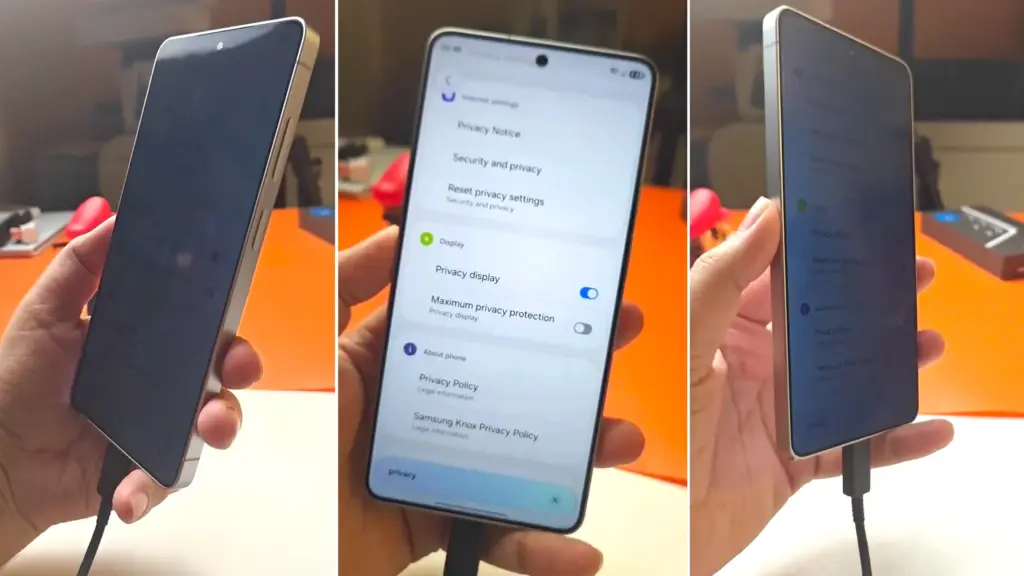
One of the more interesting additions is something Samsung calls Privacy Display. The feature narrows the viewing angles directly through a dedicated hardware layer on top of the pixels. When enabled, the display remains clear from straight on but darkens noticeably from the sides. In practice, it could be useful for reading messages or checking banking apps in public without worrying about wandering eyes.

Samsung is also upgrading the OLED panel itself. The S26 Ultra is said to use an M14 10-bit OLED panel, replacing the M13 generation used in the S25 Ultra. That should translate to better color depth and smoother gradients, while the screen size (6.9 inches), QHD+ resolution, and 120Hz refresh rate remain unchanged. Anti-reflective coating is also reportedly improved again, which could help outdoor visibility.

Wired charging is tipped to increase to 60W, up from the long-standing 45W limit. Wireless charging may also move up to 25W, up from 15W. Unfortunately, the previously rumored magnetic alignment on the wireless charging pad and other magnetic accessories may not happen this year, as built-in magnets interfere with the S Pen functionality.

Camera hardware changes look more subtle. Leaks suggest slightly wider apertures on the main and telephoto cameras, which should help in low-light conditions. The front camera may also get a wider field of view, making group selfies a bit easier. The core setup, including the 200MP main sensor, is said to remain intact, meaning improvements will likely come from software processing rather than entirely new sensors.

Performance should get its usual generational bump with the Snapdragon 8 Elite Gen 5 chip, bringing gains in efficiency and sustained performance over the Snapdragon 8 Elite of the predecessor.

Stay ahead in tech! Join our Telegram community and sign up for our daily newsletter of top stories!

For more daily updates, please visit our News Section.

(Source)

The post Galaxy S26 Ultra: every major improvement outlined in latest leak appeared first on Gizmochina.

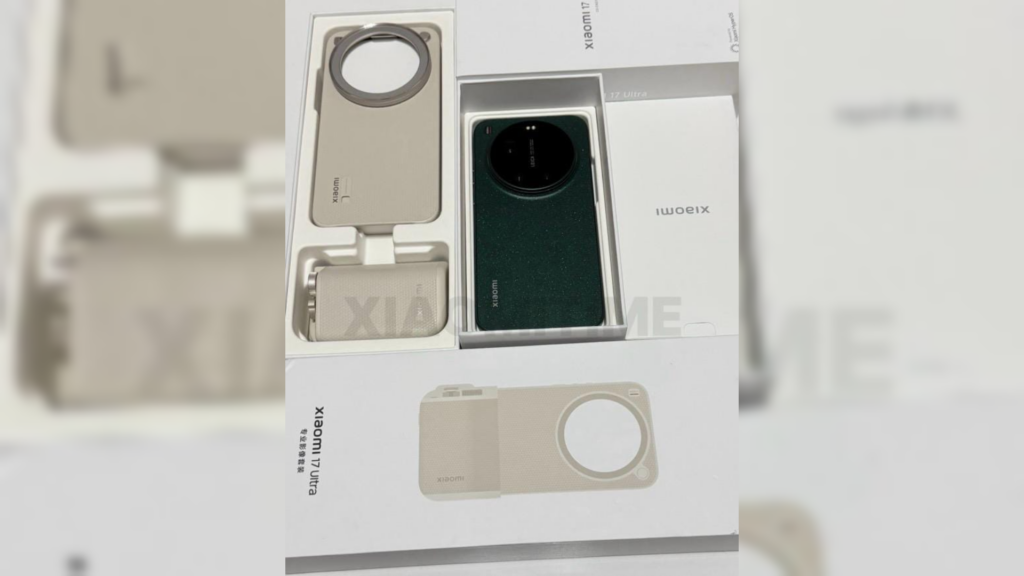
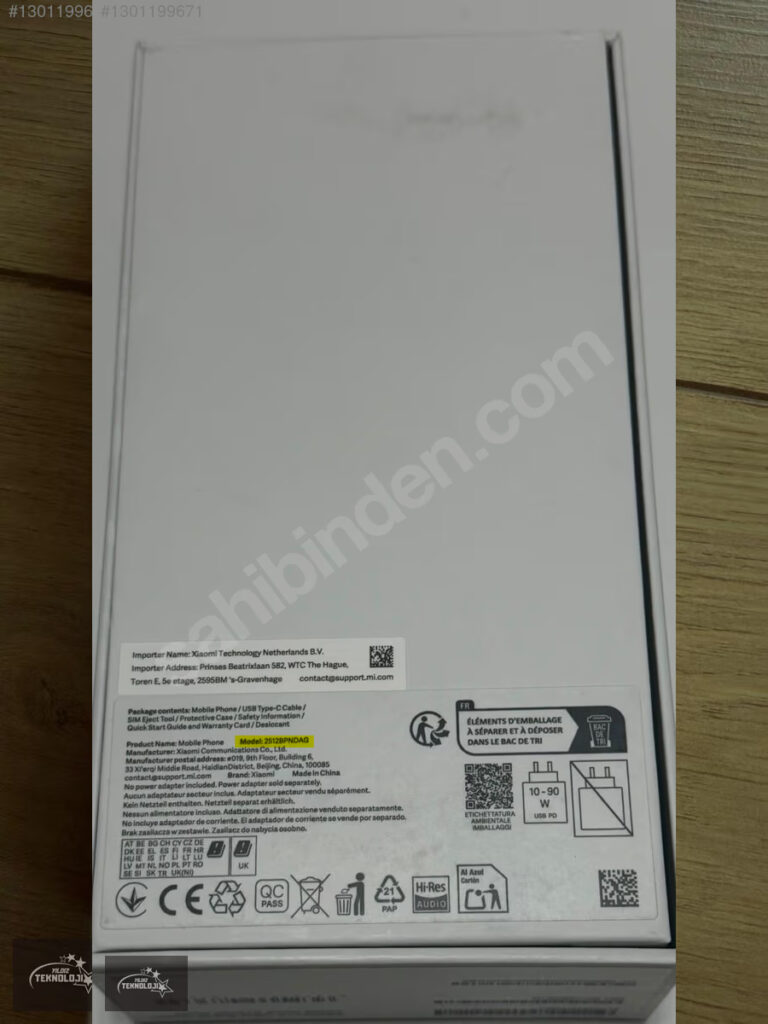
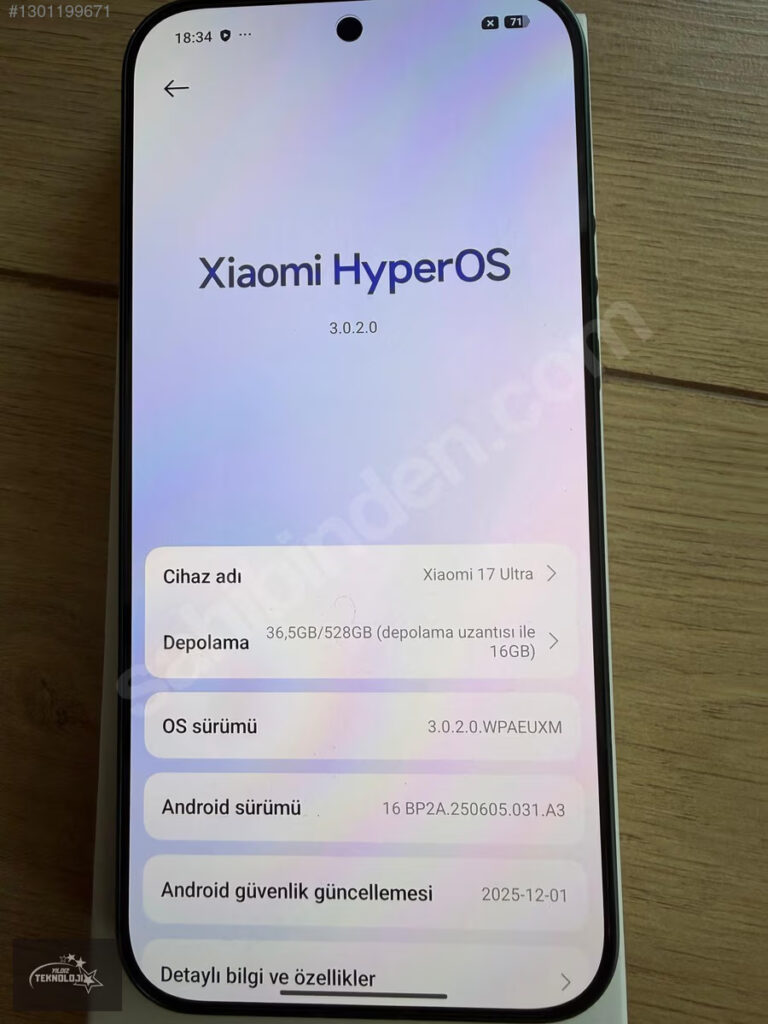
Xiaomi 17 Ultra global variant surfaces in real-world photos ahead of launch

With Samsung’s Galaxy S26 Ultra already in the spotlight, Xiaomi doesn’t appear far behind. Real-world photos of the Xiaomi 17 Ultra global variant have surfaced online, giving us an early look at the device just days before its official unveiling.

The images reportedly originate from a Turkish classifieds listing, where the international model briefly appeared complete with its global model number visible. The listing priced the device at roughly €1,400, though that figure should be taken with caution — early reseller listings don’t always reflect final retail pricing.

The leaked unit is shown in a green finish that Xiaomi is expected to offer globally. Also visible in the photos is Xiaomi’s optional Photography Kit accessory, which adds a physical grip and dedicated camera controls. It’s become something of a signature add-on for Xiaomi’s Ultra models, aimed at users who treat their smartphone more like a compact camera than a casual shooter.

The 17 series is expected to include the standard Xiaomi 17 and the 17 Ultra, with possible special editions depending on the market. Xiaomi may also use the event to refresh its tablet lineup, with successors to the Pad 7 series likely making an appearance.

As for the Ultra itself, photography remains the main focus. The phone is tipped to feature a large 1-inch primary sensor, accompanied by an ultra-wide lens and a high-resolution telephoto camera with optical zoom. The Leica-branded circular rear camera module continues Xiaomi’s established Ultra design language. In the leaked images, the finish has a subtle textured look that gives it a more premium, almost camera-like aesthetic.

Already available in China, the Xiaomi 17 Ultra looks set to be one of this year’s strongest camera-centric Android flagships, especially for users who care more about hardware than software-driven features. Global availability details beyond the launch event haven’t been confirmed, but the early retail appearance suggests Xiaomi may not keep global buyers waiting long.

We’ve already spent time with the Xiaomi 17 Ultra — you can check out our full review here.

Stay ahead in tech! Join our Telegram community and sign up for our daily newsletter of top stories!

For more daily updates, please visit our News Section.

(Source | Via)

The post Xiaomi 17 Ultra global variant surfaces in real-world photos ahead of launch appeared first on Gizmochina.

Galaxy S26 Ultra’s ‘Privacy Display’ proves effective in early hands-on video

An early hands-on video, reportedly from Dubai where a retailer began selling units ahead of schedule, gives us a hands-on look at what Samsung calls its new “Zero-peeking privacy”. The feature is expected to be formally introduced on February 25, with retail availability tipped for March 11.

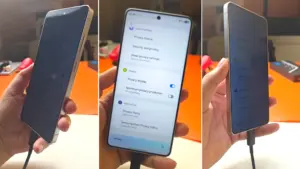
The video demonstrates how the feature works in real-world conditions. Instead of relying on a traditional privacy screen protector, the S26 Ultra builds the functionality directly into its AMOLED panel. Once enabled through the settings menu, the display dynamically narrows its viewing angles.

From straight on, everything looks normal. But tilt the phone even slightly to the side, and the screen darkens significantly. At more extreme angles, it can appear nearly black. It’s not a perfect blackout like some aggressive privacy filters, but it’s enough to make shoulder surfing far more difficult.

For everyday use, that could actually matter more than headline specs. Think reading private messages on the metro, checking banking apps in a café, entering passwords at the airport, or even browsing work documents near colleagues. It’s a small feature on paper, but one that solves a very real annoyance. Leaks also suggest Samsung may allow more granular control, possibly enabling privacy mode on a per-app basis.

Under the hood, Samsung is reportedly using what it calls FlexMagic Pixel OLED technology to achieve the effect. Interestingly, while most premium displays compete on wider viewing angles, Samsung appears to be intentionally limiting them, at least when you want it to.

Beyond the privacy feature, reports of exclusive online-only color options have also surfaced, adding to the pre-launch buzz. If this implementation works as smoothly as it appears in the early footage, the Galaxy S26 Ultra’s “Zero-peeking privacy” feature could end up being one of its most practical upgrades. Not flashier cameras. Not more brightness. Just smarter control over who gets to see your screen.

And honestly, that might be something more people appreciate than they expect.

Tech enthusiast? Get the latest news first! Follow our Telegram channel and subscribe to our free newsletter for your daily tech fix!

For more daily updates, please visit our News Section.

(Source)

The post Galaxy S26 Ultra’s ‘Privacy Display’ proves effective in early hands-on video appeared first on Gizmochina.

iPhone 18 Pro could get another selfie camera upgrade in 2026

According to a new tip from Chinese leaker WhyLab, the iPhone 18 Pro and iPhone 18 Pro Max could feature upgraded front-facing cameras. The leak claims that both Pro models may switch to 24MP selfie sensors. If that happens, it would be another step up in resolution. The iPhone 17 lineup moved to 18MP front cameras, ending Apple’s long run with 12MP sensors that stretched from the iPhone 11 through the iPhone 16 lineup.

A jump to 24MP would likely improve detail in selfies and video calls, and could also help with portrait shots and low-light performance. That said, WhyLab described the information as a strong possibility rather than confirmed specifications, so it’s still too early to treat this as final.

Previous reports from JP Morgan and supply chain sources have also mentioned the possibility of a 24MP front camera for the iPhone 18 Pro models. If accurate, it would fit Apple’s usual pattern of gradual hardware upgrades rather than major one-year leaps.

On the design front, big changes don’t appear to be on the table. However, the Dynamic Island could reportedly become smaller. Some recent leaks suggest Apple may reduce the width of the cutout by around 35%, possibly by moving certain Face ID components, such as the IR flood illuminator, under the display. This would result in a slimmer pill-shaped cutout while keeping the core TrueDepth system intact.

Earlier rumors suggested Apple might experiment with a top-left punch-hole camera or fully under-display Face ID, but those claims have since been questioned, with some reports blaming translation errors for the confusion. For now, a smaller centered Dynamic Island seems to be the more consistent expectation.

There’s still plenty of time before the iPhone 18 series launches. likely in September 2026, and plans can always change. But if these early leaks are accurate, Apple’s next Pro models could continue focusing on steady improvements to the front camera experience.

Stay ahead in tech! Join our Telegram community and sign up for our daily newsletter of top stories!

For more daily updates, please visit our News Section.

(Source)

The post iPhone 18 Pro could get another selfie camera upgrade in 2026 appeared first on Gizmochina.

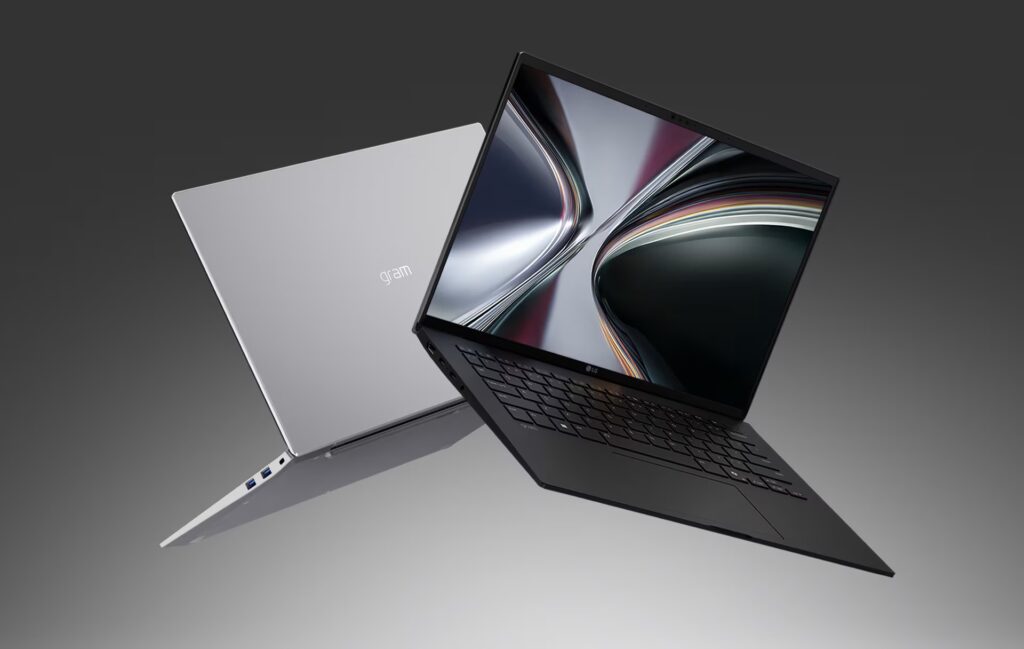
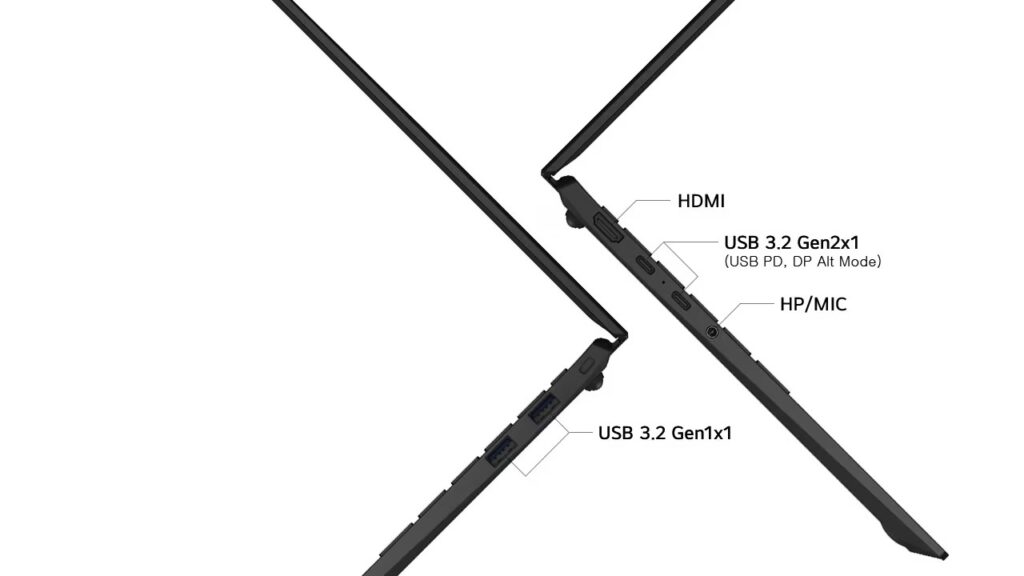
LG launches 1.12kg Gram 14 laptop in Japan with 72Wh battery and Ryzen AI chips

The new additions to the LG Gram 14 series were first previewed ahead of CES earlier this year, but they’re now officially available for pre-order in LG’s home market. As the smallest option in the broader 2026 Gram family, which also includes 15-, 16-, and 17-inch models, the 14-inch versions continue to focus on portability above all else.

At just 1.12 kg, the new Gram 14 remains one of the lightest laptops in its class. The chassis measures 15.7 mm thick, which keeps it slim enough for daily commuting or travel without feeling fragile. LG has built its reputation on this balance, and that doesn’t seem to be changing.

Big battery in a small body

What stands out more than the weight, though, is the battery. Every configuration includes a 72Wh cell, which is fairly large for a 14-inch laptop this thin. LG hasn’t published detailed runtime figures yet, but on paper, it should comfortably handle a full workday under typical use.

The display is a 14-inch IPS panel with a 1920×1200 resolution, 60Hz refresh rate, and up to 350 nits brightness. It’s not trying to compete with high-refresh gaming panels, but it should be perfectly fine for productivity, browsing, and media.

Under the hood, LG is using AMD’s latest Ryzen AI 400-series processors (based on the Gorgon Point platform). Entry models come with the Ryzen AI 5 435, 16GB of LPDDR5X RAM, and a 512GB PCIe 4.0 SSD. Higher-end versions step up to the Ryzen AI 7 450 and can be configured with up to 32GB of RAM.

Pricing in Japan starts at JPY 215,820 (roughly $1,392), while the top-tier configuration reaches JPY 349,800 (around $2,255). As always, regional pricing doesn’t directly translate to other markets, so global pricing could look different.

Intel Panther Lake-based versions are expected to join the Gram 14 lineup later in 2026, likely under different model numbers. That gives LG flexibility depending on regional demand and performance preferences.

Global availability details should become clearer in the coming months.

Stay ahead in tech! Join our Telegram community and sign up for our daily newsletter of top stories!

For more daily updates, please visit our News Section.

(Source: LG)

The post LG launches 1.12kg Gram 14 laptop in Japan with 72Wh battery and Ryzen AI chips appeared first on Gizmochina.

Samsung’s 6G trial hits 3Gbps using ultra-dense 256-port base station

Samsung has taken another step toward 6G, this time with an outdoor trial that hints at what the next generation of wireless could look like.

In a joint announcement on February 20, 2026, Samsung Electronics, KT Corporation, and Keysight Technologies confirmed they had successfully tested what’s known as eXtreme MIMO (X-MIMO) in the 7 GHz band. The test took place outdoors at Samsung’s R&D campus in Seoul, using a prototype 6G base station equipped with 256 digital antenna ports.

According to the companies, the setup achieved peak downlink speeds of up to 3 Gbps to a single test device.

That number stands out, especially considering that many real-world 5G users rarely see sustained speeds anywhere near 1 Gbps. While peak speeds in controlled trials don’t always reflect everyday performance, the results suggest Samsung is making steady progress in mid-band 6G research.

What makes this different?

The trial focused on the 7 GHz spectrum, which is being considered as a candidate band for 6G because it offers more bandwidth than traditional sub-6 GHz 5G frequencies, while still providing better range than millimeter wave.

The key technology under test, X-MIMO, pushes antenna density much further than current 5G massive MIMO systems. Samsung says the prototype packed roughly four times the antenna elements of typical 5G base stations, but without significantly increasing physical size.

In practical terms, that allows the base station to transmit multiple data streams simultaneously. During the trial, eight parallel data streams were sent from the 256-port system, boosting throughput while maintaining usable coverage.

Mid-band frequencies like 7 GHz are often described as a middle ground. They can handle more data than the 3.5 GHz bands commonly used in 5G, but they don’t suffer from the extreme range limitations of mmWave.

It’s important to keep the timeline in perspective. 6G standards are not finalized, and 3GPP releases that define much of the global mobile framework are expected to evolve gradually over the coming years.

That said, outdoor demonstrations like this move the conversation beyond theoretical modeling. Testing in real-world conditions, even controlled campus environments, provides data that can shape future infrastructure design.

Don’t miss a thing! Join our Telegram community for instant updates and grab our free daily newsletter for the best tech stories!

For more daily updates, please visit our News Section.

(Source: Samsung)

The post Samsung’s 6G trial hits 3Gbps using ultra-dense 256-port base station appeared first on Gizmochina.
Leaked promo material confirms Galaxy S26 Ultra’s battery capacity isn’t changing

Posters that surfaced online ahead of the February 25 Unpacked event show Samsung claiming up to 31 hours of video playback on a single charge. That’s the exact same figure the company advertised for the Galaxy S25 Ultra.

While advertised playback time doesn’t technically confirm the battery capacity, it does make a larger cell unlikely. The new Snapdragon 8 Elite Gen 5 is rated for notable efficiency gains, with improvements in CPU and GPU power efficiency, better sustained SoC power savings, and stronger performance per watt for AI tasks. In theory, that means the chip should draw less power for everyday workloads compared to last year’s model.

Video playback in particular is a relatively light, steady task that doesn’t push peak performance limits. If the processor is indeed more efficient, matching last year’s 31-hour figure strongly suggests the battery capacity remains at 5,000mAh.

Charging doesn’t look dramatically different either

The posters highlight 0 to 75 percent in 30 minutes, which again mirrors last year’s Ultra. There have been whispers of a move to 60W wired charging, up from 45W on the S25 Ultra, but if the real-world time to 75 percent hasn’t changed, the difference may be more technical than practical. Thermal limits and battery longevity tuning often cap the visible gains from higher wattage. In other words, if you were expecting a major battery leap, this may not be it.

That said, the leaked materials do confirm a few other details. The rear camera setup appears largely unchanged on paper: a 200MP main sensor, 50MP ultrawide, 50MP 5x periscope telephoto, and a 10MP 3x telephoto. The front camera is listed at 12MP with autofocus.

Samsung is also promoting a new “Privacy Display” feature, which reportedly reduces screen visibility from side angles. It’s one of the few new additions being highlighted in the early marketing material.

On paper, the S26 Ultra looks more like a refinement than a dramatic overhaul. Whether optimization in One UI 8.5 makes up for the lack of bigger numbers is something we’ll find out once real-world testing begins.

Don’t miss a thing! Join our Telegram community for instant updates and grab our free daily newsletter for the best tech stories!

For more daily updates, please visit our News Section.

(Source)

The post Leaked promo material confirms Galaxy S26 Ultra’s battery capacity isn’t changing appeared first on Gizmochina.
❌