
Reading view

Hundreds of Travellers Stranded at Nantucket Memorial Airport in Massachusetts, USA as 23 Flights Are Cancelled, Disrupting Cape Air, JetBlue, American Airlines, Delta, and More Across Nantucket, Boston, New York, Providence, and Other East Coast Hubs

Hundreds of Travellers Stranded at Nantucket Memorial Airport in Massachusetts, USA as 23 Flights Are Cancelled, Disrupting Cape Air, JetBlue, American Airlines, Delta, and More Across Nantucket, Boston, New York, Providence, and Other East Coast Hubs
Nantucket Memorial Airport sees 23 flight cancellations amid Northeast storm chaos, disrupting travel plans for flyers connecting through Boston, New York, and Providence.

A dramatic travel disruption has hit Nantucket Memorial Airport (ACK) this week as 23 flights were cancelled, leaving scores of passengers stranded and scrambling for alternate travel plans. Families en route to the island, weekend tourists returning home and business travellers alike found departure boards filled with cancellations and rebooking notices upon arrival. The human toll of the disruption was clear as frustrated flyers grappled with hotel costs, extended wait times, and frantic calls to airlines to secure seats for later departures. This disruption has rippled along the East Coast travel network, affecting connections in Boston, New York, and Providence as weather and operational issues compound pressure on regional flights.

WHAT HAPPENED — MASS CANCELLATIONS AT A SMALL ISLAND AIRPORT

According to aviation data and flight tracking services, Nantucket Memorial Airport recorded 23 cancellations and 0 delays for flights scheduled over a key travel period. While smaller regional airports typically avoid the scale of disruptions seen at major hubs, this cluster of cancellations marks one of the more significant interruptions at ACK in recent memory. Local carriers — including Cape Air and larger partners — had to scrap scheduled routes to and from Boston Logan International Airport, New York hubs, and other Northeast cities. Several factors converged to trigger this disruption, chief among them severe winter weather sweeping the northeastern United States and coastal Massachusetts. Weather systems in the region have led to widespread cancellations at other airports, and Nantucket’s position as an island airport with limited runway options and de‑icing resources made it especially vulnerable.

THE WEATHER BEHIND THE CANCELLATIONS

The National Weather Service (NWS) has issued winter storm and blizzard warnings across parts of New England and the East Coast, with intense wind, snow and coastal flooding expected to persist during storm events. These conditions have forced multiple airports to reduce, delay or cancel flights as runway conditions change suddenly and visibility drops. At Nantucket Memorial Airport, the proximity to the Atlantic Ocean exposes runways and operating surfaces to strong gusts and rapidly changing precipitation. Even when larger nearby hubs like Boston Logan International Airport (BOS) manage partial operations, smaller facilities often have less redundancy in staffing and de‑icing capacity, increasing the likelihood of cancellations when weather turns severe.

PASSENGERS SHARE EXPERIENCES OF CHAOS AT ACK

Travellers caught up in the cancellation wave reported scenes of confusion and distress at the terminal, where once‑bound flyers were faced with rebooking desks and digital screens flashing “CANCELLED.” One family whose journey to visit relatives was disrupted described exhausted children, packed waiting areas, and multiple calls to airline customer service lines. A group of business flyers lamented the knock‑on effect: missing meetings, high last‑minute accommodation costs, and frustration over shifting itinerary assurances.

Many travellers echoed similar sentiments — voices tinged with frustration, fatigue, and occasional sympathy for overwhelmed airline staff doing their best to offer solutions. Airport personnel were seen providing voluntary vouchers, hotel referrals, and helping passengers join long rebooking queues as closely as possible to their original travel timeframe.

AIRLINES RESPOND, OFFER SUPPORT AND REBOOKING OPTIONS

In response to the cancellations at Nantucket Memorial, airline partners including Cape Air and connecting carriers issued statements emphasizing passenger safety and flexibility in rebooking. Airlines have activated waivers allowing travellers to change flights without penalty and have increased staffing at customer support lines to manage the surge in re‑accommodation requests.

Airport authorities reiterated that safety considerations — including runway conditions, aircraft de‑icing and forecasted winds — were critical in making cancellation decisions. While difficult for travellers, maintaining safe flight operations remained the priority for all parties involved.

ECONOMIC IMPACT ON ISLAND TOURISM AND LOCAL COMMUNITIES

Nantucket is a popular island destination — particularly for winter retreats and holiday travel — with many travellers relying on timely air connections. Such widespread cancellations can have a local economic impact, as delayed or stranded visitors may incur additional lodging and transport costs while island businesses face uncertainty in guest flows.

Local hospitality operators noted that while some visitors spent extra nights in Nantucket due to cancellations, others chose to leave entirely, reducing expected patronage at restaurants, shops, and tour operators. Tourism officials emphasised that while weather effects are largely unpredictable, communication between airlines, airport officials, and local businesses remains crucial for managing visitor experience and expectations.

REGIONAL RIPPLE EFFECT — IMPACT ON EAST COAST TRAVEL NETWORK

The disruptions at Nantucket Memorial didn’t occur in isolation. Airports throughout the Northeast and Mid‑Atlantic have been grappling with weather‑related flight issues, with significant cancellation numbers reported at hubs including Boston Logan, New York area airports and others. These larger network disruptions often cascade into smaller regional airports like ACK as downstream connections fail to materialise or aircraft are retasked to cover priority routes.

Travellers connecting through major airports to reach Nantucket found that even after departing on schedule from larger cities, weather conditions closer to the island forced flight cancellation within minutes of planned arrival times. Aviation analysts note that this “domino effect” is a familiar pattern during intense weather events and highlights the interconnected nature of modern air travel.

ADVICE FOR FUTURE TRAVELLERS THROUGH ACK

Travel advisories from both airline partners and federal agencies like the Federal Aviation Administration (FAA) caution passengers to check flight statuses in real time and be prepared for sudden schedule changes, especially during winter months. Flyers are encouraged to arrive early at terminals, monitor conditions via airline apps, and contact customer support promptly if travel changes are announced.

Weather forecasts remain a key tool for planning, but rapid coastal weather shifts — especially in island regions like Nantucket — can outpace even the most detailed forecasts. Passengers heading to or from ACK should retain flexibility in their itineraries and consider alternate routing if continuity is critical.

HUMANISING THE LASTING IMPACT OF CANCELLED FLIGHTS

For many travellers, the disruption at Nantucket Memorial Airport was more than a footnote in aviation statistics — it became a tangible experience of uncertainty and inconvenience. Parents juggling tired children and luggage, business travellers abandoning plans for the day, and holiday makers left rearranging celebrations all shared moments of frustration amid shifting flight boards and long queues. Yet amid the chaos, strangers offered seats in crowded waiting areas, airline staff worked tirelessly to assist, and airport volunteers helped distribute refreshments and information.

By nightfall, although operations began to normalise, many whose flights were cancelled earlier remained en route with revised tickets or plans to depart the following day. The impact of the 23 cancelled flights was felt not just in airport lounges but in homes and schedules across the East Coast travel network — a stark reminder of how weather and operational constraints continue to challenge even established transport hubs in the modern era.

The post Hundreds of Travellers Stranded at Nantucket Memorial Airport in Massachusetts, USA as 23 Flights Are Cancelled, Disrupting Cape Air, JetBlue, American Airlines, Delta, and More Across Nantucket, Boston, New York, Providence, and Other East Coast Hubs appeared first on Travel And Tour World.

Hundreds of Travellers Grounded at Tokyo International, Fukuoka, Kansai, and Osaka Airports in Japan as 333 Flights Are Delayed and 14 Cancelled, Disrupting ANA, Japan Airlines, Peach Aviation, and More Across Osaka, Kyoto, Seoul, and Hong Kong

Hundreds of Travellers Grounded at Tokyo International, Fukuoka, Kansai, and Osaka Airports in Japan as 333 Flights Are Delayed and 14 Cancelled, Disrupting ANA, Japan Airlines, Peach Aviation, and More Across Osaka, Kyoto, Seoul, and Hong Kong
Japans’ major airports see widespread flight disruptions with 333 delays and 14 cancellations, affecting travellers and highlighting systemic pressure on domestic travel routes.

For travellers journeying across the Japanese archipelago this week, the excitement of travel was quickly tempered by unexpected disruptions across multiple domestic and regional airports. From bustling metropolitan gateways to smaller island airfields, a collective total of 333 flight delays and 14 cancellations was recorded across six key airports — leaving hundreds of passengers facing lengthened waits, rebookings and journey adjustments.

At Tokyo International Airport — a central hub for domestic flights serving Japan’s busiest city — there were 87 delays and 1 cancellation. Fukuoka, the gateway to Kyushu, recorded 106 delays and 3 cancellations, while Kansai International Airport, serving the Osaka‑Kyoto region, reported 78 delays and 1 cancellation. Osaka International Airport (Itami) — handling significant domestic traffic — saw 61 delays and 1 cancellation.

Smaller island airports also reported disruption, with Hachijojima Airport recording 3 cancellations, and Tsushima Airport tallying 1 delay and 5 cancellations. Across all these facilities, travellers felt the tangible effects of schedule instability — from missed connections to extended waiting times at departure halls.

These figures reflect the cumulative challenges faced by Japan’s domestic aviation sector as it balances heavy passenger demand, varying regional weather conditions and the complexities of air traffic management across a nation spread from the urban core to remote island airstrips.

FLIGHT OPERATIONS UNDER PRESSURE ACROSS REGIONAL GATEWAYS

Japan’s airport network is vital to domestic mobility, given the country’s mountainous terrain and island geography. Airports like Tokyo International (also called Haneda in the aviation community) and Kansai International serve tens of millions of passengers annually, linking domestic itineraries and major international hubs. Fukuoka, strategically situated in Kyushu, connects southwestern Japan with key metropolitan centres, while Osaka Itami is a convenient domestic bridge for travellers heading throughout the Kansai region.

Smaller airports like Hachijojima and Tsushima play a crucial role for local populations and seasonal tourism. While their flight volumes are lower compared to metropolitan gateways, even a small number of delays or cancellations at these airports can significantly impact passengers given limited connection alternatives.

Across all six airports, airport operators must balance runway availability, airline schedules, ground handling, and passenger volumes — a complex choreography that can be disrupted by external factors such as weather, maintenance delays or aircraft rotations.

WHY CURRENT DISRUPTIONS MIGHT BE OCCURRING

Flight delays and cancellations are multifaceted. In Japan, common influences include typhoon activity, tight scheduling windows between flights, heavy passenger traffic during peak seasons (such as Golden Week or school holidays), and operational constraints such as runway construction or air traffic flow limitations.

While Tokyo, Osaka and Fukuoka are designed to handle high volumes efficiently, peak travel seasons place pressure on airport facilities, leading to cascading effects when even a few delays occur early in the day.

Meanwhile, island airports such as Hachijojima — located in the Izu archipelago — and Tsushima — situated between Kyushu and Korea — are more exposed to weather–related uncertainties and limited alternative routing options.

These dynamics illustrate the fragility of perfectly timed schedules, especially in a network as interlinked and high‑frequency as Japan’s.

PASSENGER EXPERIENCE: FROM TERMINAL WAITING TO RESILIENCE

For passengers facing delays or cancellations, the story is often personal — parents trying to reach home in time for school commitments, business travellers racing to meetings, or holiday‑makers adjusting carefully sequenced plans.

At Japan’s busiest airports, travellers experienced long queues at information desks, repeated flight status checks, and a scramble to rebook flights with alternative carriers or departure times.

At smaller regional airports, where services are less frequent, cancellations may have left travellers with no immediate option until the next scheduled flight, leading to extended hotel stays or unexpected ground transportation alternatives.

Common advice for those navigating travel disruption includes frequent contact with airlines, early arrival at airport departure halls, and keeping updated with schedule boards or airline notifications. For those travelling with tight connecting flights, proactive rescheduling or exploring alternative routing can ease the stress of delayed onward journeys.

BROADER CONTEXT: JAPAN’S DOMESTIC AVIATION NETWORK

Japan’s Civil Aviation Bureau oversees safety and operational standards across all airports and carriers. It also works in coordination with airport operators and airlines to prioritise passenger welfare during periods of disruption.

In annual aviation reports, the bureau emphasises punctuality and safety as dual pillars of Japan’s reputation for efficient air travel. Yet, even the most finely tuned systems encounter peaks of disruption when demand and environmental factors collide.

Despite these challenges, Japan’s domestic network remains one of the world’s most connected. From Hokkaido in the north down to Okinawa in the south, flights provide vital links that enable economic activity, cultural exchange and tourism.

The current wave of delays and cancellations highlights both the strengths of this network — its extensive reach — and its vulnerabilities — how quickly a tight schedule can be stressed.

BREAKDOWN OF DISRUPTIONS ACROSS AIRPORTS

AirportDelayed FlightsCancelled Flights
Tokyo International871
Fukuoka Airport1063
Kansai International781
Osaka Int’l (Itami)611
Hachijojima Airport03
Tsushima Airport15
TOTAL33314

This table succinctly summarises the scale of travel disruption in Japan’s busiest and most vital regional airports — providing a snapshot of the contemporary issues confronting passengers nationwide.

NAVIGATING JAPAN’S TRAVEL LANDSCAPE WITH CONFIDENCE

For those planning journeys in the coming days, flexibility and proactive planning remain key. Travellers are encouraged to arrive early, monitor flight information regularly, and work with airline customer support if disruptions arise.

Despite the inconvenience, Japan’s airports and airlines are working within structured frameworks to assist passengers and restore schedules where possible. Delays and cancellations — though unwelcome — are part of the complex choreography of modern air transport.

Whether flying from a global hub such as Tokyo or from one of Japan’s scenic island outposts, passengers can expect high standards of service once flights resume on schedule.

FINAL REFLECTION: TRAVELING JAPAN’S SKIES WITH RESILIENCE

As travellers adjust plans and navigate the current wave of delays and cancellations, one thing becomes clear: the shared experience of waiting in departure lounges, rebooking flights, and adapting itineraries unites every passenger. These moments of uncertainty test patience, but they also reveal the resilience of both travellers and the system that supports them.

With continued focus on communication, operational agility, and passenger support, Japan’s airports — from Tokyo International to Tsushima — will continue connecting people to cities, cultures, and opportunities across the country. Figuratively and literally, the journey continues even when the skies are unpredictable.

The post Hundreds of Travellers Grounded at Tokyo International, Fukuoka, Kansai, and Osaka Airports in Japan as 333 Flights Are Delayed and 14 Cancelled, Disrupting ANA, Japan Airlines, Peach Aviation, and More Across Osaka, Kyoto, Seoul, and Hong Kong appeared first on Travel And Tour World.

The Maldives Welcomes Aura Maldives – A Mind-Blowing New Five-Star Resort in Baa Atoll’s UNESCO Biosphere Reserve, Merging Eco-Conscious Luxury with Once-in-a-Lifetime Experiences

The Maldives Welcomes Aura Maldives – A Mind-Blowing New Five-Star Resort in Baa Atoll’s UNESCO Biosphere Reserve, Merging Eco-Conscious Luxury with Once-in-a-Lifetime Experiences
"Create an image of a stunning, luxury resort set in the Maldives, with private beachfront villas and overwater bungalows, overlooking turquoise crystal-clear waters. The scene should reflect a blend of eco-conscious design, luxury comfort, and natural beauty, with vibrant coral reefs visible in the background. Incorporate elements like palm trees, private pools, and a luxurious spa setting, all bathed in the golden light of a tropical sunset. The overall tone should be serene, luxurious, and mindful, evoking the feeling of a once-in-a-lifetime experience in a UNESCO Biosphere Reserve

In one of the Indian Ocean’s most ecologically celebrated corners, the Republic of Maldives is gearing up for a landmark addition to its luxury tourism landscape. Set to open in Q4 2026, Aura Maldives — a new ultra‑luxury resort by Pulse Hotels & Resorts — will grace the pristine shores of the Baa Atoll UNESCO Biosphere Reserve, offering travellers an unprecedented union of mindful luxury, sustainability and immersive experiences amid one of the world’s richest marine ecosystems. The announcement marks a strategic milestone for Maldives tourism, reinforcing the nation’s enduring appeal as a premier destination for eco‑centric, high‑end travel. Baa Atoll, officially designated a UNESCO Biosphere Reserve in 2011, is globally recognised for its biodiversity, extensive coral systems and seasonal marine megafauna gatherings — including manta rays and whale sharks — particularly at world‑famed Hanifaru Bay

A Destination Defined by Natural Wonder and Biodiversity

Baa Atoll covers thousands of hectares of marine and terrestrial habitats in the central Maldives. The area’s coral reefs, sea grass beds and mangroves harbour an extraordinary array of coral species (some 250+) and over 1,200 reef fish species, underscoring its designation as a site of global ecological significance. The reserve’s protective zoning — featuring core conservation zones where extraction is prohibited and buffer areas with monitored sustainable activity — is part of a coordinated effort backed by the Government of Maldives and UNESCO’s Man and the Biosphere Programme. This approach aligns conservation goals with research, education and sustainable economic use, especially tourism that respects the atoll’s fragile environment. According to official records, the Ministry of Tourism and Environment oversees policies that balance the protection of these ecosystems with expanded tourism access across the archipelago.

Aura Maldives: The Next Benchmark in Mindful Luxury

Pulse Hotels & Resorts has positioned Aura Maldives as more than just a resort — it is conceived as a sanctuary where mindful travel, wellness and sustainability coalesce. Designed with private beachfront and overwater villas, the property will feature 71 finely crafted villa residences with generous indoor‑outdoor spaces and private pools, catering to couples, families and multi‑generational groups seeking both seclusion and connection to nature. The resort’s location within the Baa Atoll Biosphere Reserve underscores a deliberate integration with the surrounding marine environment, giving guests the rare opportunity to explore one of the Maldives’ most biodiverse regions by day and relax in opulent comfort by night. Pulse Hotels & Resorts, whose portfolio includes established properties such as The Nautilus Maldives and Nova Maldives, continues to expand its footprint in the Maldives with Aura representing one of its most ambitious flagship experiences to date.

Sustainability and Conservation at Its Core

In keeping with the ethos of the UNESCO Biosphere Reserve where it’s located, Aura Maldives will embrace sustainability throughout its design, operations and guest programming. The resort’s approach includes environmentally sensitive lighting policies, ethical sourcing, and plastic‑free initiatives meant to complement broader conservation efforts in Baa Atoll. The Government of the Maldives actively supports these principles through its regulatory frameworks and collaborative programmes focused on environmental protection and sustainable tourism growth, integrating policy targets across the tourism and environment sectors. As global tourism trends lean increasingly towards experiences that protect natural assets while creating meaningful travel narratives, Aura’s mindfulness philosophy stands as both a commercial and cultural symbol of responsible luxury.

Culinary and Wellness Offerings Poised to Redefine Island Living

In addition to its villas and conservation focus, Aura Maldives is positioned to be a multi‑sensory destination that places high emphasis on wellness and culinary innovation. While specific restaurant and spa details are still forthcoming, industry insiders suggest that the resort will incorporate world‑class wellness facilities, cuisine rooted in local flavours and global inspirations, and bespoke guest experiences that reflect the Maldives’ natural rhythm and cultural heritage. This level of bespoke hospitality seeks to elevate the Maldives’ already stellar reputation among affluent travellers from the UK, Europe, China, Russia and India — one of the fastest growing source markets for Maldivian tourism.

Enhancing Connectivity and Accessibility

One of the strategic advantages of establishing Aura Maldives in Baa Atoll is the region’s accessibility. From Velana International Airport (MLE) in Malé, visitors can reach the atoll via a scenic seaplane journey. Alternatively, domestic flights to local airfields like Dharavandhoo Airport, followed by a short boat transfer, create seamless connections for international travellers. Meanwhile, ongoing infrastructure investments by government and private stakeholders, such as airport expansions and seaplane services, are strengthening linkages across the archipelago and supporting Maldives’ broader tourism growth objectives.

A Transformational Moment for Maldives Tourism

As 2026 unfolds, the opening of Aura Maldives is shaping up to be a defining chapter in the Maldives’ tourism story — one that blends environmental stewardship with luxury travel experiences that resonate with a new generation of mindful explorers.

The resort’s arrival in Q4 2026 not only fortifies the Maldives’ position at the pinnacle of global luxury travel but also shines a spotlight on the critical role of sustainable development in preserving natural wonders like the Baa Atoll UNESCO Biosphere Reserve for future generations. Aura Maldives stands as a testament to what the Maldives continues to offer: breathtaking beauty, pioneering hospitality, and an unwavering commitment to safeguarding the marine treasures that make this island nation one of the world’s most coveted destinations.

The post The Maldives Welcomes Aura Maldives – A Mind-Blowing New Five-Star Resort in Baa Atoll’s UNESCO Biosphere Reserve, Merging Eco-Conscious Luxury with Once-in-a-Lifetime Experiences appeared first on Travel And Tour World.

Middle East Joins Europe, Asia, Africa, Americas, Pacific and More at ATM 2026, Showcasing Unprecedented Aviation and Cruise Growth

Middle East Joins Europe, Asia, Africa, Americas, Pacific and More at ATM 2026, Showcasing Unprecedented Aviation and Cruise Growth
ATM 2026 in Dubai spotlights unprecedented growth in Middle East aviation and cruise sectors, expanding connectivity across six continents and regional markets.

The Arabian Travel Market (ATM) 2026 is set to shine a global spotlight on the Middle East’s aviation and cruise industries, positioning the region as one of the world’s fastest‑expanding travel hubs. Held from 4 to 7 May 2026 at the Dubai World Trade Centre, this pivotal travel and tourism trade exhibition will highlight dramatic growth patterns across air and sea transport markets, boosting inbound and outbound connectivity to regions spanning Africa, Europe, Asia, the Americas, the Middle East and the Pacific.

The ATM Travel Trends Report 2025, produced alongside Tourism Economics, forecasts a 23 % rise in air passenger demand in the Middle East between 2025 and 2030, a figure that directly reflects ambitious government aviation strategies, robust airport performance and record aircraft investments across the Gulf Cooperation Council (GCC).

GCC Aviation Orders Signal Unprecedented Expansion

The Middle East’s four largest carriers — Emirates, Etihad Airways, Qatar Airways and Saudia — have collectively placed nearly 780 aircraft orders with Boeing and Airbus, emphasizing long‑term confidence in global travel demand and the region’s strategic role as a global flight nexus. These extended networks now link dozens of cities worldwide, with Qatar Airways serving over 170 destinations, Etihad flying to more than 90 cities, and **Emirates connecting 140 destinations across Africa, the Americas, Asia, Europe, the Middle East and the Pacific.


This level of global reach exceeds many traditional aviation hubs, underlining the Middle East’s evolving status as a primary connectivity bridge between continents.

Cruise Sector Growth Complements Aviation Surge

Alongside aviation gains, cruise tourism is also on a strong upward trajectory. Global forecasts estimate cruise passenger volumes could exceed 42 million by 2028, reflecting wider industry expansion that integrates Middle East itineraries with global sea routes. Regional cruise hubs such as Dubai and Abu Dhabi in the UAE, Doha in Qatar, Aqaba in Jordan and Salalah in Oman are rapidly emerging as popular port calls for international cruise lines.


Today’s cruising itineraries increasingly include Red Sea and Arabian Gulf sectors, drawing passengers from across Europe, Asia and beyond.

Government Strategy and Global Tourism Connectivity

Multiple governments in the Middle East have used aviation and cruise sector expansion as core components of broader tourism and economic diversification plans. While official economic data points to rising aviation profitability and infrastructure improvement, industry forecasts by associations such as the International Air Transport Association (IATA) predict that the Middle East will remain among the world’s most profitable aviation regions through 2026 — driven by coordinated policy frameworks, long‑haul demand and sustained investment.

National tourism authorities are actively promoting air connectivity to emerging markets across Asia, Africa and the Americas, as well as supporting cruise infrastructure development along the Gulf and Red Sea coasts. This approach aligns with national economic goals in countries such as Saudi Arabia’s Vision 2030, which emphasises tourism growth and transport infrastructure development.

Six‑Continent Reach — A New Global Nexus

The aviation networks anchored in the Middle East now make the region one of the few travel hubs capable of facilitating seamless travel between Africa, the Americas, Asia, Europe, the Middle East and the Pacific without the need for extended layovers in traditional transit markets.

Beyond the GCC, this expanded connectivity also influences aviation and cruise traffic flows into North Africa and Southeast Asia, supporting tourism development in markets such as Oman, which recently recorded strong cruise and yacht visitor numbers in 2025, further signalling the appeal of Middle East‑linked maritime tourism.

Regional Infrastructure — Built for Growth

Infrastructure expansions across major hubs — including ramped‑up airport capacity in the United Arab Emirates and Saudi Arabia — support this growth phase. Official data shows steep increases in flight capacity within the Middle East, with passenger growth rates outpacing global averages. These investments aren’t limited to commercial terminals; several Gulf states have unveiled plans for new aviation facilities capable of accommodating unprecedented passenger volumes, reflecting long‑term strategic commitments. According to aviation market reports, the Middle East aviation sector is projected to maintain significant expansion through 2033 and beyond, driven in part by enhanced government support and strategic infrastructure planning.

Cruise Itineraries Expand Cultural Exchange

Cruise tourism’s rapid growth in and through the Middle East isn’t just about traffic numbers — it represents broader cultural and economic exchange. Ports in the Gulf and Red Sea are increasingly integrated into Mediterranean cruising networks that attract visitors from Europe, Asia and North America, reinforcing opportunities for regional tourism boards to promote cultural heritage, land‑based excursions, and luxury tourism experiences.

Global Industry Engagement and Innovation

ATM 2026 also serves as a venue for industry stakeholders to share insights on sustainability, digital innovation and long‑term growth strategies, ensuring emerging travel demands and environmental considerations are addressed. This approach mirrors broader global tourism trends where smarter technology adoption and personalised travel solutions are seen as key to long‑term expansion.

Conclusion: A Transformational Travel Landscape

As the Arabian Travel Market 2026 convenes leaders and innovators from around the world, the dual surges in aviation and cruise industries underscore a transformational era for the Middle East’s role in global connectivity. From bustling air routes linking six continents to expanding cruise itineraries connecting coastal experiences, the region’s transport sectors are positioning the Middle East at the heart of global travel growth — shaping tourism flows well into the next decade.

The post Middle East Joins Europe, Asia, Africa, Americas, Pacific and More at ATM 2026, Showcasing Unprecedented Aviation and Cruise Growth appeared first on Travel And Tour World.

Travel Disruption Hits Westchester County Airport in the United States as 26 Flights Are Delayed and 23 Cancelled Disrupting American Airlines, Delta Air Lines, JetBlue Airways and More Across White Plains, New York City, Chicago, Atlanta and Key East Coast Routes

Travel Disruption Hits Westchester County Airport in the United States as 26 Flights Are Delayed and 23 Cancelled Disrupting American Airlines, Delta Air Lines, JetBlue Airways and More Across White Plains, New York City, Chicago, Atlanta and Key East Coast Routes
Westchester County Airport records 26 delays and 23 cancellations, impacting flights across New York, New England and major East Coast routes.

Westchester County Airport (HPN) is experiencing significant operational disruption today, with 26 flight delays and 23 cancellations affecting regional air travel across the Northeast United States. For travelers relying on the White Plains-based airport as a convenient alternative to larger New York City hubs, the disruption has translated into revised departure times, rebooking efforts, and altered itineraries.

Located in White Plains and serving the Hudson Valley and northern New York metropolitan region, Westchester County Airport plays a critical role in connecting suburban and regional travelers to major business centers including Washington, D.C., Chicago, Atlanta, and Florida destinations. When flight operations slow at HPN, the impact is immediately felt by commuters and connecting passengers alike.

Scope of the Current Disruptions

A combined total of 49 interrupted flights — 26 delayed and 23 cancelled — represents a notable operational shift for a regional airport of Westchester’s size. Unlike larger international hubs where daily flight counts are substantially higher, a disruption approaching 50 movements significantly compresses operational capacity.

Delays involve departures or arrivals occurring beyond their scheduled time, often by 15 minutes or more. Although delays may appear minor individually, multiple concurrent delays can create runway congestion and gate availability challenges.

Cancellations, meanwhile, remove flights from the schedule entirely. For passengers, this means full itinerary adjustments, possible overnight accommodations, and rebooking through alternative airports or connecting hubs.

FAA Oversight and Airspace Constraints

Westchester County Airport operates within the complex and heavily regulated New York metropolitan airspace system. The Federal Aviation Administration (FAA) manages aircraft sequencing and traffic flow across the region, coordinating arrivals and departures among nearby airports such as LaGuardia, John F. Kennedy International Airport, and Newark Liberty International Airport.

During periods of weather volatility or airspace congestion, the FAA may initiate traffic management programs such as ground delay initiatives or flow restrictions. These measures limit the rate at which aircraft depart or arrive in order to preserve safe separation standards.

Because Westchester County Airport shares congested regional airspace, disruptions at neighboring major airports can indirectly affect HPN operations, even if local conditions remain manageable.

Contributing Factors Behind the Disruption

Multiple factors can drive delay and cancellation volumes at regional airports:

Weather patterns in the Northeast frequently shift rapidly, bringing wind, precipitation, or visibility changes that alter runway usage and approach sequencing.

Aircraft rotation dependencies are another major variable. If inbound flights from Chicago, Washington, Atlanta, or Florida hubs arrive late, outbound departures from Westchester are likely to be delayed.

National network congestion can also amplify local disruption. Airlines operate interconnected route systems, and delays in one region often cascade through multiple airports.

Crew scheduling requirements under federal aviation regulations may contribute as well. Airlines must adhere to strict crew duty and rest rules, and prolonged delays can push crews beyond allowable limits, triggering cancellations.

Regional and National Impact

Westchester County Airport primarily serves domestic routes with high business and leisure traffic. Key destinations often include Washington, D.C., Chicago, Charlotte, Atlanta, and Florida cities.

When cancellations occur at HPN, travelers may seek alternative flights through nearby airports such as LaGuardia or JFK. However, during broader regional disruptions, capacity at these airports may also be constrained.

For business travelers who rely on same-day return trips, cancellations can significantly disrupt schedules. Leisure travelers may encounter rebooking delays depending on seat availability and route demand.

Passenger Experience at HPN

Inside the terminal at Westchester County Airport, passengers encounter updated digital departure boards reflecting revised times and cancellation notices. Airline service desks typically experience higher demand during periods of elevated disruption.

Passengers affected by cancellations are often provided options including rebooking on later flights, rerouting through alternate airports, or receiving refunds depending on airline policy.

Airport management coordinates closely with airlines and ground handling teams to manage gate assignments, maintain passenger flow, and reduce congestion in waiting areas.

Airline Recovery and Operational Stabilization

Airlines operating at Westchester County Airport implement structured recovery measures during high-disruption periods. These measures typically include:

Reallocating aircraft to maintain priority routes
Reassigning crew in compliance with federal duty regulations
Consolidating passenger loads where possible
Adjusting departure schedules to restore sequencing efficiency

Recovery timelines depend largely on broader airspace stabilization. Once upstream delays clear and inbound aircraft align with revised schedules, departure volumes gradually normalize.

Travel Advisory for Westchester County Airport Passengers

Travelers departing from or arriving at Westchester County Airport are advised to confirm flight status directly with their airline before heading to the airport, allow additional time for check-in and security processing, monitor airline digital notifications closely, and explore rebooking or refund options promptly in the event of cancellation.

Staying informed through official airline and FAA updates remains critical during high-disruption periods in the New York metropolitan airspace.

Conclusion

Westchester County Airport’s 26 delays and 23 cancellations today highlight the interconnected and sensitive nature of regional air travel within the Northeast corridor. While disruptions at a regional airport may not draw national headlines, their impact on commuters, families, and business travelers is immediate and tangible.

Behind each delayed or cancelled flight are coordinated efforts from air traffic controllers, airline operations teams, ground crews, and airport management working to maintain safety and restore operational balance. For travelers navigating HPN during this disruption, flexibility and timely information remain the most valuable tools in managing changing schedules.

The post Travel Disruption Hits Westchester County Airport in the United States as 26 Flights Are Delayed and 23 Cancelled Disrupting American Airlines, Delta Air Lines, JetBlue Airways and More Across White Plains, New York City, Chicago, Atlanta and Key East Coast Routes appeared first on Travel And Tour World.
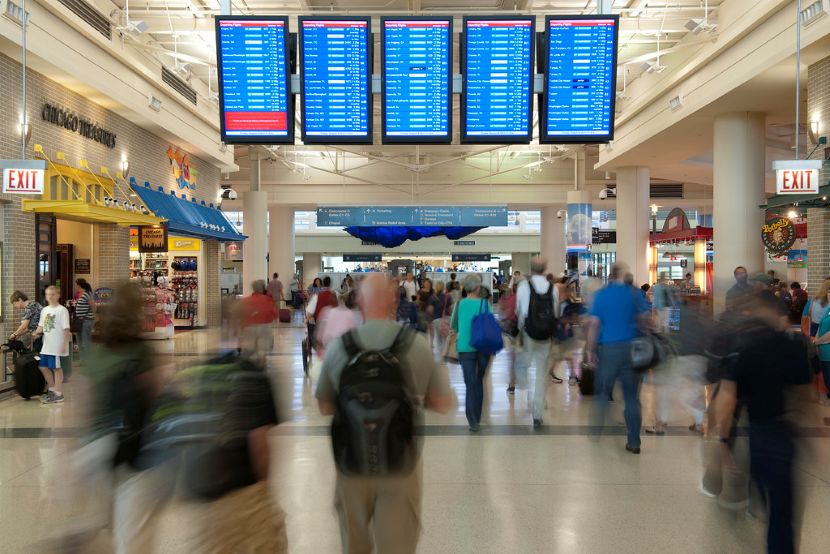
Severe Travel Disruption Hits Cincinnati/Northern Kentucky International Airport in the United States as 35 Flights Are Delayed and 29 Cancelled Disrupting Delta Air Lines, American Airlines, United Airlines, Frontier Airlines and More Across Cincinnati, Chicago, Atlanta, Dallas and Major Midwest Rout

Severe Travel Disruption Hits Cincinnati/Northern Kentucky International Airport in the United States as 35 Flights Are Delayed and 29 Cancelled Disrupting Delta Air Lines, American Airlines, United Airlines, Frontier Airlines and More Across Cincinnati, Chicago, Atlanta, Dallas and Major Midwest Rout
Cincinnati/Northern Kentucky International Airport records 35 delays and 29 cancellations, impacting flights across Ohio, Kentucky and major U.S. routes.

Cincinnati/Northern Kentucky International Airport (CVG) is experiencing notable operational challenges today, with 35 flight delays and 29 cancellations affecting departures and arrivals across regional and national routes. For passengers traveling through the Ohio River corridor, the disruption translates into altered departure times, rebooking procedures, and adjusted itineraries as airlines work to restore schedule stability.

Located in Hebron, Kentucky, and serving the greater Cincinnati metropolitan area, CVG functions as a key transportation gateway for southern Ohio, northern Kentucky, and southeastern Indiana. When schedule irregularities emerge at CVG, their impact extends across Midwest and southern travel corridors, affecting both connecting passengers and point-to-point travelers.

Scope of Today’s Disruptions

A total of 64 flight interruptions — combining 35 delays and 29 cancellations — represent a substantial daily operational shift for the airport. While larger hubs may see higher raw numbers, the proportion of cancellations relative to scheduled movements at CVG signals meaningful schedule compression.

Delays generally involve aircraft departing or arriving later than planned, often due to weather patterns, inbound aircraft timing, or airspace congestion. Cancellations, however, remove flights entirely from the day’s schedule, requiring more complex operational responses including passenger reaccommodation and crew reassignment.

At regional airports such as CVG, cancellation rates approaching 30 flights in a single operational window can significantly influence gate utilization, ground crew logistics, and airline recovery planning.

FAA Airspace Management and Operational Controls

Cincinnati/Northern Kentucky International Airport operates within the U.S. national airspace system overseen by the Federal Aviation Administration (FAA). During periods of elevated disruption, the FAA may implement traffic management initiatives such as ground delay programs or airspace flow restrictions to maintain safe aircraft spacing.

Ground delay programs are designed to regulate departure rates when arrival capacity at a destination airport is reduced due to weather, congestion, or runway configuration limitations. These programs can result in extended departure waits that ripple into cancellation decisions if recovery windows narrow.

Additionally, crew scheduling regulations mandated under federal aviation rules require airlines to adhere to strict duty and rest limits. Prolonged delays may therefore result in cancellation if crew availability becomes constrained.

Contributing Factors Behind the Disruption

Several interconnected elements typically contribute to delay and cancellation volumes of this scale:

Weather Conditions:
The Midwest region frequently experiences dynamic weather systems, including storms, wind shifts, and visibility changes that impact runway operations.

Aircraft Rotation Dependencies:
Aircraft arriving late from major hubs such as Chicago, Atlanta, Dallas, or New York often depart late from CVG, creating a chain effect.

National Network Congestion:
Because airlines operate interconnected route systems, disruptions at one major airport can cascade through smaller airports such as Cincinnati/Northern Kentucky.

Crew and Equipment Reallocation:
When aircraft or crew are reassigned to stabilize operations elsewhere in the network, scheduled departures at regional airports may be cancelled.

While no single cause defines today’s event, operational interdependency remains a core characteristic of modern aviation systems.

Impact on Regional and National Routes

Cincinnati/Northern Kentucky International Airport connects the region to major U.S. destinations including Atlanta, Chicago, Dallas, Orlando, Denver, and New York. Disruptions at CVG therefore affect business, leisure, and connecting travel across multiple states.

Passengers traveling to connecting hubs may experience additional scheduling complications if missed connections require overnight stays or alternate routing.

Because CVG serves both passenger and cargo operations, gate allocation adjustments and aircraft sequencing must be carefully coordinated to prevent congestion within the terminal and apron areas.

Passenger Experience at CVG

Inside the terminal, updated flight information boards display revised departure times and cancellation notices. Airline customer service counters typically experience higher demand during such events, with passengers seeking rebooking assistance or clarification regarding alternate routes.

Travelers affected by cancellations may be offered rebooking on subsequent flights, rerouting through alternate hubs, or refunds depending on airline policy. Mobile applications and airline communication channels serve as primary tools for notifying passengers of changes.

Airport operations teams coordinate with airlines to maintain orderly passenger flow, manage gate assignments, and support recovery operations.

Airline Recovery Efforts

Airlines operating at CVG implement structured recovery strategies during high-impact disruption periods. These strategies include:

  • Prioritizing aircraft repositioning to align with revised schedules
  • Reassigning crew within regulatory limits
  • Consolidating passenger loads onto available flights
  • Updating departure sequencing to minimize additional cancellations

Recovery timelines depend heavily on clearing earlier bottlenecks within the national airspace system. As arrival flows stabilize, departure schedules generally normalize.

Travel Advisory for CVG Passengers

Passengers traveling through Cincinnati/Northern Kentucky International Airport are advised to verify flight status directly with their airline before heading to the airport, allow extra time for check-in and security screening, monitor airline communication platforms for updates, and review rebooking or refund options promptly if cancellations affect travel plans.

Proactive coordination with carriers can reduce confusion during high-disruption periods.

Conclusion

Cincinnati and Northern Kentucky’s CVG Airport, with 35 delays and 29 cancellations today, reflects the broader complexities of operating within a highly interconnected U.S. aviation network. While disruptions of this magnitude create inconvenience for travelers, coordinated efforts between airlines, airport management, and federal air traffic authorities aim to restore schedule balance as efficiently as possible.

For passengers navigating CVG during this disruption, flexibility and timely information remain essential. Behind every adjusted departure time are aviation professionals working to ensure safety while stabilizing operations — a reminder that even regional hubs play a crucial role in maintaining national connectivity.

If you want the dramatic “Mass Travel Chaos…” style headline for this airport in the same long framework as your previous examples, tell me and I’ll format it exactly

The post Severe Travel Disruption Hits Cincinnati/Northern Kentucky International Airport in the United States as 35 Flights Are Delayed and 29 Cancelled Disrupting Delta Air Lines, American Airlines, United Airlines, Frontier Airlines and More Across Cincinnati, Chicago, Atlanta, Dallas and Major Midwest Rout appeared first on Travel And Tour World.

Severe Travel Chaos Grips Reagan National Airport in the United States as 195 Flights Are Delayed and 126 Cancelled Disrupting American Airlines, Delta Air Lines, United Airlines, Southwest Airlines and More Across Washington, D.C., New York, Charlotte, Atlanta and Major U.S. East Coast Routes

Severe Travel Chaos Grips Reagan National Airport in the United States as 195 Flights Are Delayed and 126 Cancelled Disrupting American Airlines, Delta Air Lines, United Airlines, Southwest Airlines and More Across Washington, D.C., New York, Charlotte, Atlanta and Major U.S. East Coast Routes

Reagan National Airport (DCA) is experiencing significant operational disruption today, with 195 flight delays and 126 cancellations affecting domestic air travel throughout the United States. For travelers moving through the nation’s capital region, the numbers translate into altered itineraries, extended waiting periods, and rebooking adjustments as airlines work to restore schedule balance.

Located just across the Potomac River in Arlington, Virginia, Reagan National Airport serves as one of the most strategically important domestic hubs in the country. Its close proximity to downtown Washington, D.C. makes it a preferred airport for business travelers, government officials, and commuters. When disruptions occur at DCA, the ripple effects quickly extend across the East Coast and into major national corridors.

Scale and Scope of the Disruption

With 195 flights delayed and 126 cancelled, the operational strain at Reagan National represents one of the more substantial single-day impacts among U.S. domestic airports. The combined figure of 321 disrupted flights reflects both weather-related factors and network congestion within the broader U.S. aviation system.

Delays typically indicate aircraft departures or arrivals occurring 15 minutes or more beyond their scheduled times. While a single delay may appear minor, large volumes of delayed movements can create runway congestion, aircraft sequencing challenges, and scheduling conflicts that intensify throughout the day.

Cancellations carry more pronounced consequences. A cancelled flight removes the movement entirely from the schedule, requiring passenger reaccommodation, aircraft reassignment, and crew rescheduling. When cancellation totals exceed one hundred flights at a major airport, the recovery process can extend beyond a single operational cycle.

Federal Oversight and Airspace Management

Reagan National operates within one of the most tightly controlled airspaces in the United States. The Federal Aviation Administration (FAA) manages arrival and departure sequencing in the National Capital Region, where restricted airspace, security protocols, and congestion intersect.

The FAA frequently implements traffic management initiatives such as ground delay programs and flow control measures when weather or congestion affects airspace capacity. These programs regulate the rate at which aircraft depart for or arrive at affected airports in order to maintain safety and manage workload for air traffic controllers.

In addition to FAA oversight, the Transportation Security Administration (TSA) coordinates passenger screening and security flow within airport terminals, ensuring that safety standards remain intact even during operational disruption.

Contributing Factors Behind Today’s Delays

Large-scale delay and cancellation events at Reagan National commonly stem from interconnected factors:

Weather variability remains one of the primary contributors. The Mid-Atlantic region frequently experiences sudden shifts in wind patterns, precipitation, or visibility, all of which influence runway usage and arrival spacing.

Airspace congestion is another factor. DCA’s runway configuration and proximity to other major airports such as Washington Dulles International Airport and Baltimore/Washington International Thurgood Marshall Airport create tightly coordinated traffic patterns. Any slowdown within the regional airspace can quickly cascade across schedules.

Aircraft rotation timing also plays a role. When inbound flights from major hubs like New York, Atlanta, Chicago, or Dallas experience delays, their outbound departures from Reagan National are frequently affected.

Crew duty regulations further complicate prolonged delay periods. Airlines must comply with federally mandated crew rest requirements, and extended delays may require crew substitutions or reassignment.

National Ripple Effects

Reagan National Airport functions primarily as a domestic airport, connecting Washington, D.C. to major business and political centers across the country. When operations slow at DCA, routes serving New York, Boston, Atlanta, Charlotte, Chicago, Dallas, and Miami may experience downstream effects.

Because many travelers use Reagan National for same-day return business trips, disruptions can significantly alter schedules for government officials, corporate travelers, and connecting passengers.

When cancellation counts exceed one hundred flights, airline networks must rebalance aircraft distribution across multiple cities. This often results in secondary delays at downstream airports.

Passenger Experience Inside the Terminal

Within the terminals at Reagan National, digital departure boards reflect shifting gate assignments and updated departure times. Passengers receive notifications through airline mobile applications and email alerts as schedules change.

Longer lines at customer service counters are common during high-disruption periods. Travelers affected by cancellations may need to secure alternative flights, request refunds, or arrange ground transportation adjustments.

Despite the operational strain, airport authorities continue managing passenger flow, gate allocation, and runway sequencing under established contingency frameworks.

Airline Response and Schedule Recovery

Airlines operating at Reagan National deploy disruption management systems to stabilize schedules as efficiently as possible. These systems prioritize aircraft repositioning, rebooking affected passengers, reallocating crew assignments, and minimizing further cancellations.

Operational recovery typically depends on clearing earlier congestion points within the national airspace system. Once arrival spacing normalizes and aircraft rotations align with revised schedules, delay volumes gradually decline.

However, given the scale of 195 delays and 126 cancellations, recovery may extend into subsequent operational periods depending on conditions.

Travel Advisory for Reagan National Passengers

Passengers traveling through Reagan National Airport are encouraged to confirm flight status directly with their airline before departing for the airport, allow additional time for check-in and security processing, monitor real-time updates via airline digital platforms, and review rebooking or refund policies if cancellations affect their itinerary.

Staying informed through official airline and federal aviation updates remains essential during elevated disruption periods.

Conclusion

Reagan National Airport’s 195 delays and 126 cancellations underscore the complexity of maintaining synchronized operations within one of the nation’s busiest and most regulated airspaces. For travelers navigating the Washington, D.C. region today, flexibility and real-time communication are critical.

Behind each delayed departure and cancelled flight are coordinated efforts from air traffic controllers, airline crews, ground teams, and security personnel working to maintain safety while restoring operational balance. Although disruptions of this magnitude create temporary strain, the national aviation system is structured to recover through coordinated federal oversight and airline contingency planning.

If you need the headline written in the dramatic “Mass Travel Chaos…” framework like your previous examples, tell me and I’ll structure it exactly that way.

The post Severe Travel Chaos Grips Reagan National Airport in the United States as 195 Flights Are Delayed and 126 Cancelled Disrupting American Airlines, Delta Air Lines, United Airlines, Southwest Airlines and More Across Washington, D.C., New York, Charlotte, Atlanta and Major U.S. East Coast Routes appeared first on Travel And Tour World.

Boston Joins New York, Philadelphia, Washington DC, Chicago and Detroit as Winter Storm Hernando Triggers Widespread Flight Delays While Nantucket Memorial, Atlantic City, Martha’s Vineyard, Worcester, Providence, San Diego and St. Croix Face Expanding Airport Disruption

Boston Joins New York, Philadelphia, Washington DC, Chicago and Detroit as Winter Storm Hernando Triggers Widespread Flight Delays While Nantucket Memorial, Atlantic City, Martha’s Vineyard, Worcester, Providence, San Diego and St. Croix Face Expanding Airport Disruption
Winter storm forces widespread flight delays and cancellations in Boston, New York, Philadelphia, Chicago, and Detroit as FAA issues operational advisories.

Boston and New York Passengers traveling through major U.S. aviation hubs faced mounting uncertainty Monday as a powerful winter storm system spread snow and gale-force winds across large swathes of the Northeast and Midwest United States, triggering delays and cancellations at some of the country’s busiest airports. From Boston Logan International Airport in Massachusetts to New York’s trio of major airports, travelers were met with schedule disruptions as the Federal Aviation Administration (FAA) tracked deteriorating conditions throughout the day.

A Storm With Reach: How Weather Rippled Through U.S. Skies

The root of the operational chaos was Winter Storm Hernando, which brought heavy snow and strong winds to key parts of the nation’s transportation network. Snowfall and gusty winds dramatically reduced visibility, lowered runway capacity, and forced traffic flow restrictions at major hubs. The FAA’s Daily Air Traffic Report noted significant disruptions in the Northeast corridor—a dense cluster of airports that together serve as a backbone of domestic and international air travel.

Where Weather Hit Hardest Northeast United States

Boston Logan International Airport (BOS) saw widespread slowdowns as crews worked to clear snow and coordinate safe flight operations. Persistent winds and snow showers left many flights either late or canceled.

In the New York region, Newark Liberty (EWR), John F. Kennedy (JFK), and LaGuardia (LGA) all experienced a similar struggle against conditions that significantly reduced the normal flow of arrivals and departures. Philadelphia International Airport (PHL), another critical hub, was also buffeted by the storm’s effects.

Mid-Atlantic and Washington, D.C.

Though not as severely impacted as Boston or New York, the Washington, D.C. area—including Baltimore/Washington International (BWI) and the two major capital region airports Ronald Reagan Washington National Airport (DCA) and Washington Dulles International (IAD)—faced the prospect of significant wind-driven delays as storm remnants pushed southward.

Midwest Forecast: Snow and Unsettled Skies

In the Midwest, Chicago’s O’Hare (ORD) and Midway (MDW) airports, along with Detroit Metropolitan (DTW), were forecast to see increasing snow and wind—a combination that typically leads to increased de-icing operations, slower runway cycles, and an overall reduction in flight movements.

AirportEvent TypeTime (GMT+5:30)DetailsArrival RunwayDeparture RunwayArrival Rate
ACKAirport Closure24/8:35 AM – 25/9:30 AMNantucket Memorial is closed except LIFE FLT HEL OPS
ACYAirport Closure24/10:23 AM – 24/11:30 AMAtlantic City International is closed
BGRDeicingStarted 23/11:17 PMAircraft departing from Bangor International are being sprayed with deicing fluid to remove snow and ice
CDWAirport Closure24/6:28 AM – 25/3:30 AMEssex County Airport is closed except HEL
EWBAirport Closure24/2:26 AM – 25/3:30 AMClosed except HEL
GONAirport Closure24/4:59 AM – 24/10:30 PM
HYAAirport Closure23/10:31 AM – 25/4:30 PMBarnstable Muni-Boardman/Polando Field is closed
LASAirport Closure28/12:42 AM – 30/4:30 AMHarry Reid International is closed TO NON SKED TRANSIENT GA ACFT EXC 24HR PPR 702-261-777501L/26L01R/01L64
MVYAirport Closure24/10:43 AM – 25/3:30 AMMarthas Vineyard is closed
ORHAirport Closure23/7:50 PM – 24/7:30 PMWorcester Regional is closed
PVDAirport Closure24/2:22 AM – 24/10:30 PMTheodore Francis Green State is closed
SANAirport Closure12/1:30 PM – 19/1:30 PMSan Diego-Lindbergh Field is closed TO NON SKED TRANSIENT GA ACFT EXC PPR 619-298-7704272724
STXAirport Closure02/9:46 PM – 01/2:30 AMHenry E. Rohlsen International Airport is closed TO NON SKED TRANSIENT GA ACFT EXC PPR 340-201-4645101018

Multiple US Airports Face Closures and Operational Disruptions as Weather and Restrictions Impact Flight Activity

A wave of airport closures and operational restrictions has unfolded across several U.S. destinations, affecting regional air traffic and specialized flight operations. From the Northeast to the West Coast and into the Caribbean, multiple airports reported shutdowns, limited access, or deicing procedures, signaling broader disruption across parts of the national aviation network.

In Massachusetts, Nantucket Memorial Airport (ACK) is closed except for life flight helicopter operations, significantly limiting access to the island. Nearby, Martha’s Vineyard Airport (MVY) has also been shut down, while Barnstable Muni–Boardman/Polando Field (HYA) suspended operations during its closure window. Worcester Regional Airport (ORH) joined the list of affected facilities, further tightening aviation access across the state.

Rhode Island’s Theodore Francis Green State Airport (PVD) reported a closure, adding to the regional strain. In Connecticut, Groton–New London Airport (GON) listed an airport closure period, while in New Jersey, both Essex County Airport (CDW) and Atlantic City International Airport (ACY) implemented shutdowns. ACY’s status was marked as updated, indicating evolving operational conditions. CDW and New Bedford Regional (EWB) remained closed except for helicopter operations, allowing only limited aircraft movement.

Further north, Bangor International Airport (BGR) in Maine initiated deicing operations, with aircraft being sprayed with deicing fluid to remove accumulated snow and ice before departure. While not fully closed, deicing procedures often indicate challenging winter conditions and can contribute to departure delays as aircraft require additional ground time for treatment.

On the West Coast, San Diego–Lindbergh Field (SAN) reported restrictions affecting non-scheduled transient general aviation aircraft, except with prior permission required (PPR). The airport listed operational runway configuration 27 for both arrivals and departures, with an arrival rate of 24 aircraft per hour under current conditions.

Similarly, Harry Reid International Airport (LAS) in Las Vegas imposed restrictions on non-scheduled transient general aviation aircraft unless 24-hour prior permission was secured. Despite the closure notice, LAS continued operating with runway configuration 01L/26L for arrivals and 01R/01L for departures, maintaining an arrival rate of 64 aircraft per hour.

In the Caribbean, Henry E. Rohlsen International Airport (STX) in St. Croix also reported closure to non-scheduled transient general aviation aircraft except with prior approval. Current configuration shows runway 10 in use for both arrivals and departures, with an arrival rate of 18 aircraft per hour.

The combined impact of these closures and restrictions spans regional airports, island destinations, and major operational hubs. While some facilities are fully closed, others remain partially operational with restrictions targeting specific aircraft categories, particularly non-scheduled general aviation flights.

Travelers and operators are advised to check directly with their airlines or airport authorities for the latest operational updates. As weather conditions and airport status evolve, further adjustments to runway configurations, arrival rates, or access restrictions may occur.

The widespread nature of these closures underscores how quickly operational changes at multiple airports can shape regional and national aviation flow, affecting not just passenger travel but also general aviation and specialized flight services.

Behind the Headlines: Aviation Weather Tools in Play

FAA’s Aviation Weather Tracking

To monitor real-time and forecast weather impacts, the FAA and the National Weather Service (NWS) jointly provide advanced meteorological resources. One such tool is the Graphical Forecasts for Aviation (GFA) — an interactive weather forecast system that offers detailed guidance on wind, precipitation, icing, and turbulence across the national airspace. The GFA delivers layered visual forecast products, allowing pilots and dispatchers to visualize atmospheric conditions from surface levels up to higher altitudes — valuable when deciding whether a flight can safely depart, arrive, or en route diversions are necessary.

What This Means for Air Traffic Operations

Weather-driven delays and cancellations are more than a passenger inconvenience: they reflect the complex balancing act between safety and efficiency in the National Airspace System. FAA air traffic controllers must adjust arrival and departure rates dynamically as conditions evolve, ensuring aircraft maintain safe spacing and that crews have accurate real-time intelligence about changing weather patterns. Even when flights are allowed to operate, airport capacity often falls below normal levels during severe winter weather, leading to ground delay programs or traffic flow management measures that help stabilize the system but extend travel times.

Passenger Impacts and Practical Concerns

Delay Ripple Effects

Delays at major hubs like BOS, JFK, and EWR do not occur in isolation. Because many carriers use these airports as key nodes in their route networks, weather-related disruptions often radiate outward, affecting connections across the U.S. and even international flights.

Safety First

The FAA emphasizes that while delays are frustrating, they are necessary to maintain safety in challenging conditions. Snow, strong crosswinds, and reduced visibility directly affect pilot decision-making, ground crew timing, and the overall cadence of airport operations.

Travel Advice Amid Continued Winter Weather

Officials urge passengers to stay informed via airline notifications and government flight advisory tools. The FAA’s centralized aviation status hub — fly.faa.gov — provides updated arrival and departure conditions across airports, helping travelers assess potential impacts before heading to the terminal.

For pilots and operators, pre-flight weather briefings are essential. In addition to formal forecasts, aviation weather services such as those provided through the GFA and associated products can highlight short-term threats like icing, turbulence, or sudden wind shifts that could compromise aircraft performance.

Weather Research and Flight Safety

The FAA continues its research into better understanding and mitigating weather impacts on flight operations through programs that enhance modeling and predictive capabilities for aviation-specific conditions. These efforts aim to reduce weather-related delays while preserving the highest safety standards.

Stories Behind the Numbers

For many travelers, the storm’s effects were more than lines on a departure board. Families hoping to reach loved ones, business travelers with tight schedules, and holiday participants watched flights disappear from timetables as winter’s grip tightened. Behind each delayed gate announcement was a human journey interrupted — a reminder that while systems and technology guide airplanes, the lives they connect are what truly matter.

Final Thought: Weather, Technology, and the Future of Flight

As the winter storm slowly recedes and conditions relax, the aviation community — from air traffic controllers to weather scientists — will review performance data and forecast accuracy to refine future responses. In an industry where time, safety, and precision intersect, each weather event reaffirms the delicate choreography that keeps air travel flowing from coast to coast.

Through advanced weather forecasting tools, dedicated operational coordination, and transparent information sharing with the flying public, authorities aim not only to react to disruptions but to help travelers navigate them with greater clarity and confidence.

Image Source: Midway International Airport

The post Boston Joins New York, Philadelphia, Washington DC, Chicago and Detroit as Winter Storm Hernando Triggers Widespread Flight Delays While Nantucket Memorial, Atlantic City, Martha’s Vineyard, Worcester, Providence, San Diego and St. Croix Face Expanding Airport Disruption appeared first on Travel And Tour World.
❌