Reading view

Xiaomi Introduces Compact 6A USB-C Cable with Reverse Charging & 120W Fast Power Delivery
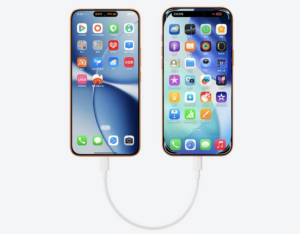
Xiaomi 6A Automatic Reverse Charging Data Cable

Xiaomi has quietly added yet another useful accessory to its growing ecosystem with the introduction of a new 6A reverse charging USB-C cable in China. While affordable and simple in design, this small cable packs 120W fast charging support, a durable build and an intelligent chip that automatically handles power negotiations, making it more versatile than the average charging lead.

Xiaomi Launches New 6A Reverse Charging USB-C Cable

At just 16cm (6.29 in) long, the new Xiaomi 6A Automatic Reverse Charging Data Cable is tailored for reverse charging. This is a feature where one smartphone is charged by drawing power from another device. Thanks to its short length, it’s especially convenient for on-the-go scenarios, like topping up a friend’s phone, a pair of earbuds, or a power bank in a pinch. The build is said to be durable, with a woven exterior and a high-quality inner core that’s designed to withstand daily use and bending.
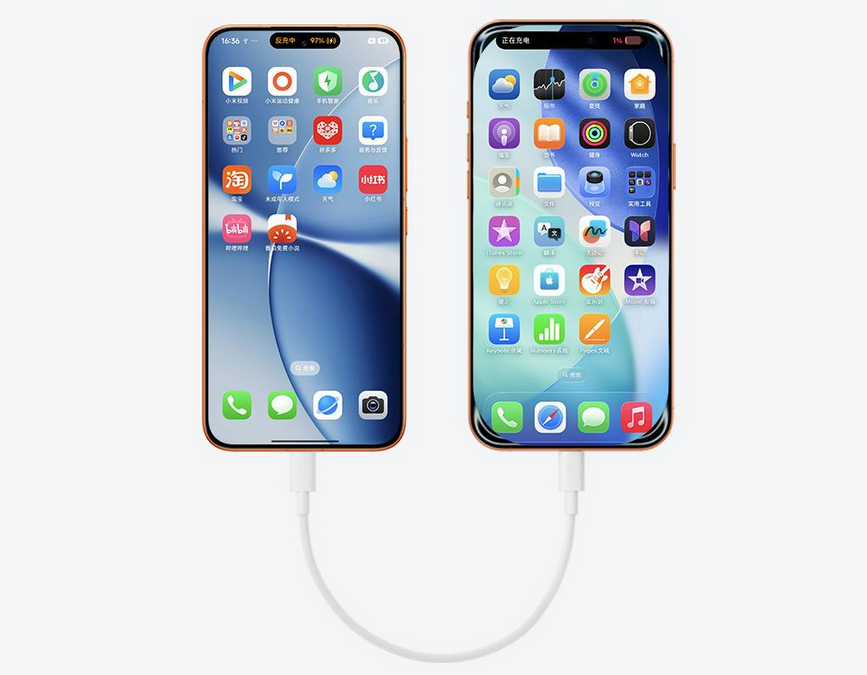
Xiaomi 6A Automatic Reverse Charging Data Cable

Under the hood, the cable includes a smart chip that detects the connected device and negotiates power delivery automatically, helping ensure efficient and safe charging across different devices. For most reverse-charging use cases, you simply plug one end into the device that has power (like a smartphone), and the other end into the gadget you want to charge.

Although primarily marketed for reverse charging, Xiaomi notes that this cable can double as a standard charging lead when connected to a suitable power brick. With its 6A rating and supports up to 120W fast charging. So you’re not buying a one-trick pony. Thebrand isselling the Xiaomi 6A Automatic Reverse Charging Data Cable is available for purchase via the XiaomiYoupin platform for 9.9 Yuan (roughly 1.44 US Dollars).

For more daily updates, please visit our News Section.

Tech enthusiast? Get the latest news first! Follow our Telegram channel and subscribe to our free newsletter for your daily tech fix! ⚡

(Via)

The post Xiaomi Introduces Compact 6A USB-C Cable with Reverse Charging & 120W Fast Power Delivery appeared first on Gizmochina.

How to Watch Galaxy Unpacked 2026 Livestream for the Samsung Galaxy S26 Series Reveal

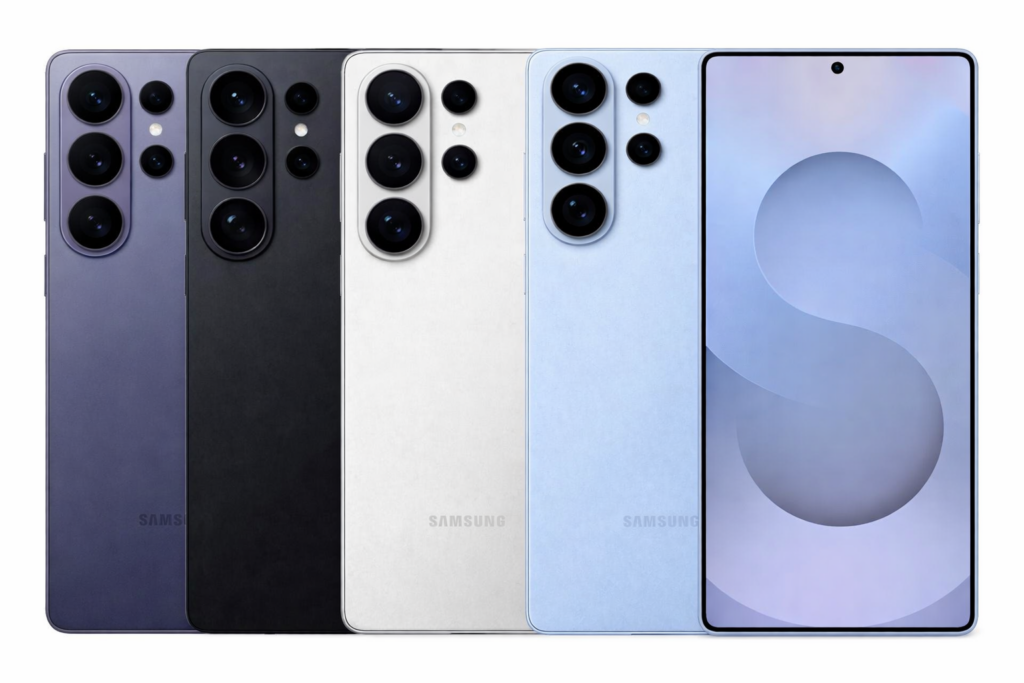
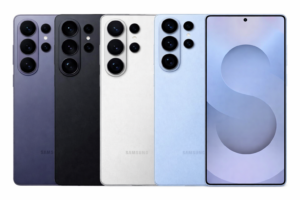
Samsung Galaxy S26 Ultra render

Samsung’s Galaxy Unpacked 2026 event, one of the smartphone world’s biggest annual showcases, is almost here. The brand will step onto the global stage in San Francisco to officially unveil its highly anticipated Galaxy S26 lineup on 25th February 2026. So whether you’re a tech enthusiast, a Galaxy fan, or just curious about what’s next in Android flagships, the first order of business is knowing how to watch the event live.

When Does the Event Start

The Unpacked livestream begins on February 25, or basically later today. Samsung has officially confirmed the global timing for when the livestream will kick off:

  • 10:00 AM PT / 1:00 PM ET – US and North America time zones.
  • 6:00 PM GMT / 7:00 PM CET – Europe.
  • 11:30 PM IST – India local time.

Because this event is happening later in the evening in India, many viewers will be tuning in live late at night.

Galaxy Unpacked
Samsung Galaxy S26 series to be unveiled on Feb 25

Where You Can Watch the Livestream

Samsung has made it easy for anyone with an internet connection to watch Galaxy Unpacked 2026 live. Here are the official platforms where the stream will be available:

Samsung Galaxy S26 Ultra render
  • YouTube: The simplest way to watch is via Samsung’s official YouTube channel, where the livestream will be broadcast globally. You can watch on smartphones, tablets, laptops or smart TVs by navigating to Samsung’s channel and tapping the live video when the stream goes live.
  • Samsung.com: In addition to YouTube, Samsung will host the Unpacked livestream directly on its official website (Samsung.com) and the Samsung Newsroom portal. These streams usually embed the same video feed, so you can watch without needing a YouTube account or app.
  • Social Media and Partner Streams: Samsung’s official Twitter/X and Instagram accounts often share live clips, key announcements and highlights throughout the event. Though the full keynote feed is best watched through YouTube or the official Samsung stream. Third-party tech outlets also frequently run simultaneous reaction livestreams, commentary, and giveaways alongside the official broadcast.

What You’ll See at Galaxy Unpacked 2026

While this guide is focused on how to watch, it helps to know what you’re watching for! Samsung’s first major event of 2026 is expected to include:

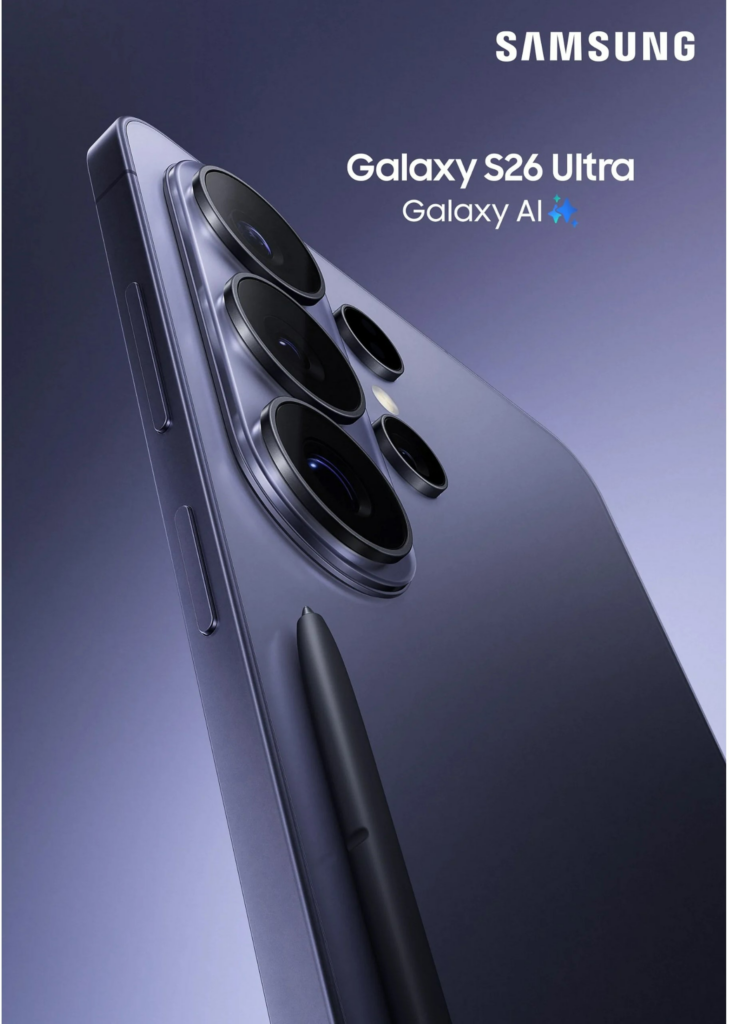
Samsung Galaxy S26 Ultra promo
Samsung Galaxy S26 Ultra leaked promo image
  • Samsung Galaxy S26 lineup debut, including Galaxy S26, Galaxy S26+, and Galaxy S26 Ultra.
  • AI-enhanced features and One UI 8.x innovations focusing on camera, privacy and voice/assistant capabilities.
  • Galaxy Buds 4 and Galaxy Buds 4 Pro premium wireless earbuds.
  • Possibly new insights into Galaxy AI tools and software direction across the ecosystem, as well as new products.

As of right now, the Galaxy S26 series pre-order details have already gone live. You can also click here to check out all the differences between the Galaxy S26 Ultra and Galaxy S25 Ultra.

For more daily updates, please visit our News Section.

Tech enthusiast? Get the latest news first! Follow our Telegram channel and subscribe to our free newsletter for your daily tech fix! ⚡

Stay ahead in tech! Join our Telegram community and sign up for our daily newsletter of top stories!

The post How to Watch Galaxy Unpacked 2026 Livestream for the Samsung Galaxy S26 Series Reveal appeared first on Gizmochina.
Tecno’s Modular Phone Concept is a Super Slim 4.9 mm Device With Magnetic How-Swap Attachments

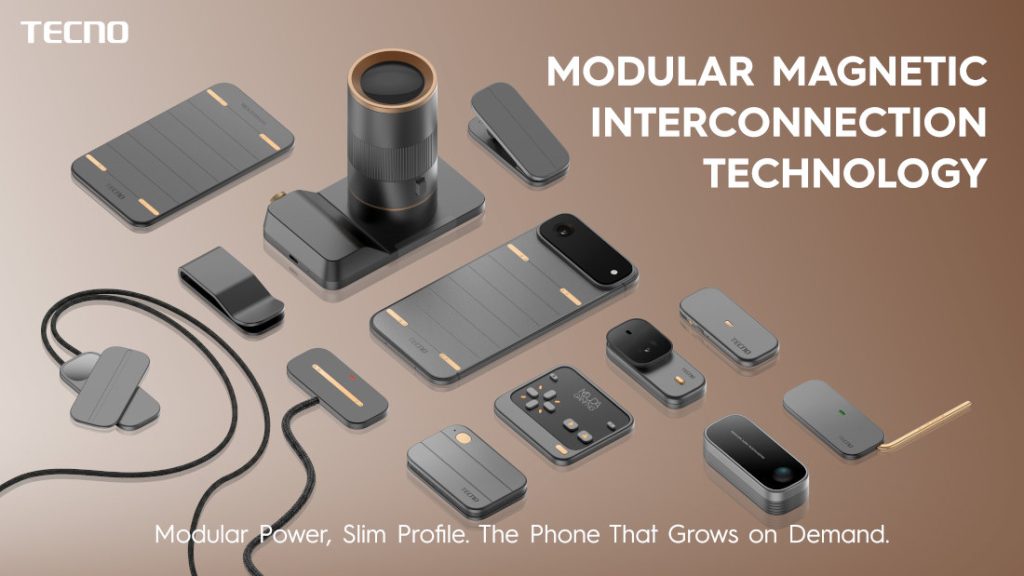
Tecno Modular Phone Concept

Just before the Mobile World Congress (MWC) 2026 event in Barcelona, Tecno unveiled a bold new smartphone concept that is built around the new Modular Magnetic Interconnection Technology. This is a system designed to rethink how hardware expansion works, so here are all the details.

Tecno Modular Phone Concept: Ultra-Thin Design Meets Modular Flexibilty

The Tecno Modular Phone concept is built around a sleek metal frame and matte glass back, with the rear panel visually divided into eight modular zones that guide accessory attachment. Another standout aspect is its ultra slim 4.9mm body. Tecno allows users to add modules such as a 4.5mm ultra-slim power bank or action camera. This sleek design helps the Module Phone Concept avoid turning into a bulky slab even with the accessories attached to the back.

Tecno Modular Phone Concept

The concept will be shown in two design styles, namely ATOM Edition and MODA Edition. Instead of the heavy “brick” modules seen in older modular efforts, Tecno’s approach is more about practical attachments that enhance functionality without compromising portability. Some of these new attachments include:

  • Power Bank Module: Adds extra battery capacity while preserving a slim profile.
  • Action Camera Module: Gives creators alternative angles and workflows for video/shooting.
  • Telephoto Lens Module: Uses the phone’s display as a live viewfinder for improved long-range photography.

This modular ecosystem is designed to solve a modern problem: how to expand hardware capabilities like AI computing, imaging, battery life, and others. Tecno’s modular concept uses a hybrid magnetic attachment system with a rectangular magnetic array and pogo-pin connectors for power delivery.

These connectors help keep power transfer efficient and manage heat more effectively than some old modular prototypes. Meanwhile, the modules communicate with the phone using a mix of Wi-Fi, Bluetooth and mmWave. We can expect more details to be revealed during the major tech event, so stick around for more.

For more daily updates, please visit our News Section.

Tech enthusiast? Get the latest news first! Follow our Telegram channel and subscribe to our free newsletter for your daily tech fix! ⚡

The post Tecno’s Modular Phone Concept is a Super Slim 4.9 mm Device With Magnetic How-Swap Attachments appeared first on Gizmochina.
Orioles' Pete Alonso invites comedian John Oliver's son to a game after breaking young Mets fan's heart

Pete Alonso broke a lot of New York Mets fan's hearts when he signed with the Baltimore Orioles during the offseason. One fan who was upset was the eight-year old son of comedian John Oliver, who really got into baseball during the 2025 season and was excited for the team's 8-3 start.

Of course, the rest of the regular season didn't go as expected as the Mets finished 83-79 and failed to make the postseason.

During an appearance on NBC's "Late Night with Seth Meyers" this week, Oliver, the host of HBO's "Last Week Tonight with John Oliver," told a story how of he had to explain to his son that he couldn't change his favorite baseball team even when things go bad.

Things got worse when Alonso, Oliver's son's favorite player, left the Mets after seven seasons to sign a five-year, $155 million deal with the Orioles — a move that Oliver said he anticipated was going to happen.

"Watching [my son] fall in love with this guy — he has a signed ball [from Alonso] — and having to go into his room and say, ‘Pete Alonso’s going to Baltimore,’ and he said, ‘Are you sure I can’t be an Orioles fan?’" Oliver said. "‘We’ve had this discussion.’"

In an attempt to make up for breaking the heart of a young Mets fan, Alonso took to social media on Wednesday to try and smooth things over — and get Oliver's son to ignore his dad and convert his fandom to the Orioles.

Hey, @iamjohnoliver — the fam is always welcome in Birdland 🧡 pic.twitter.com/qjs6JUBanr

— Baltimore Orioles (@Orioles) February 25, 2026

"I saw what your son had to say about being upset of me signing with the Orioles, but, hey, he could always become an O's fan," Alonso said. "[I] would love to extend an invitation to you and your family to come down to Camden [Yards] for a game this year and you guys can get out on the field for batting practice. Hopefully you guys come down and have some fun. Hope to see you soon. Go O's."

Alonso will be back at CitiField this season when the Orioles visit for a three-game series in September. The first game back will be sure to be an emotional evening with Mets fans paying tribute to the slugger and Oliver's son revealing whether Alonso's influence will have him wearing Orioles gear instead of Mets paraphernalia.

Sidney Crosby to miss at least 4 weeks after Penguins place captain on injured reserve

Sidney Crosby will miss at least a month after being placed on injured reserve by the Pittsburgh Penguins on Wednesday. The team's captain suffered a lower-body injury during Canada's Olympic men's quarterfinal win over Czechia last week.

The Penguins did not reveal any specifics on Crosby's injury.

As the NHL resumes play on Wednesday following the Olympic break, the Penguins do not have a game until Thursday when they host the New Jersey Devils.

Crosby, who did not play in Canada's semifinal win over Finland or the gold medal game loss to the United States, took multiple hits in the second period of the Czechia game. He eventually left the game after being seen shaking his right leg.

After undergoing an MRI, Crosby was not ruled out for the remainder of the tournament and was a game-time decision for Canada's final two games.

This story will be updated.

Xiaomi Watch 5 Global Launch Date Finally Revealed

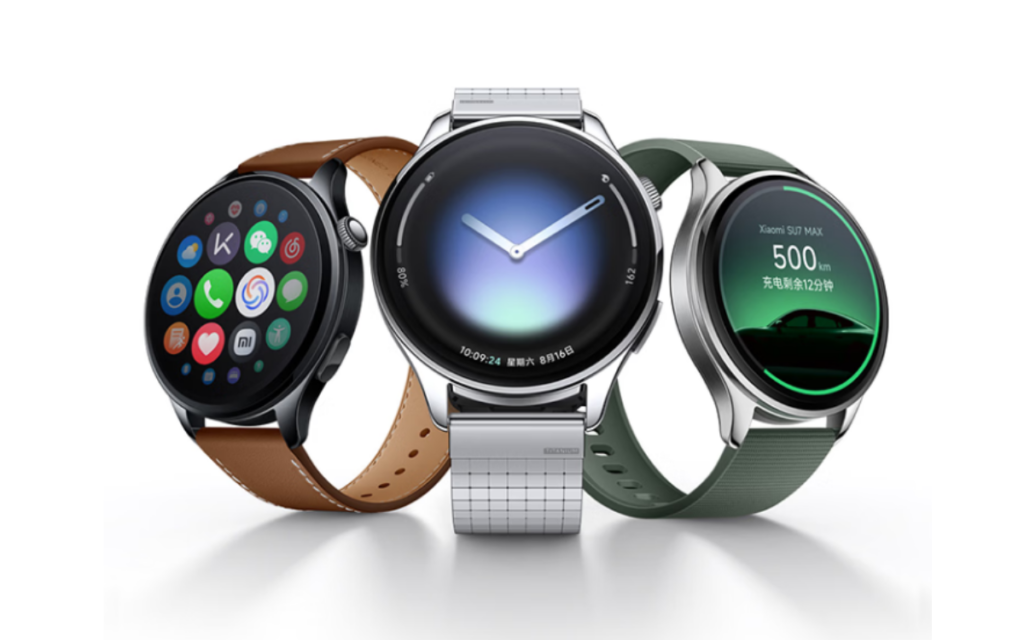
Xiaomi Watch 5

After debuting in China back in December 2025, Xiaomi has now officially confirmed that the Watch 5 will be coming to the global market before the end of February. During the “The New Wave of Imagery” launch event, where it will unveil the Xiaomi 17 series of flagship phones, the company will also showcase the latest wearable.

Xiaomi Watch 5: Where and When Does it Drop?

The Chinese tech giant has confirmed the launch date for its upcoming global hardware showcase. On 28th February 2026, starting at 13:00 UTC (Barcelona Time), the company will unveil the Xiaomi 17 series, Xiaomi Pad 8 tablets, Xiaomi Watch 5, and more. This major announcement arrives right ahead of the MWC 2026 event (Mobile World Congress).

Xiaomi Watch 5
Xiaomi Watch 5

While Xiaomi hasn’t published a standalone release date for Watch 5 shipments, the appearance of the device on its global event teaser page and the timing of the show suggest it will be available shortly after the February 28 event. The global version of the Watch 5 will stand out from its China-only release in a few key ways:

  • It runs WearOS, giving access to Google Play Store, Google Maps, Google Wallet and Gemini AI support. These are features not available on Xiaomi’s custom OS-based models.
  • The watch sports a 1.54-inch AMOLED screen.
  • It’ll likely deliver multi-day life on a single charge.
  • Expect at least two color options at launch for broader consumer appeal.

Early pricing leaks suggest that the Xiaomi Watch 5 could launch in Europe for around 329 Euros (roughly about 390 US Dollars), which makes it compete with existing WearOS devices like the Samsung Galaxy Watch lineup and the Pixel Watch series.

For more daily updates, please visit our News Section.

Tech enthusiast? Get the latest news first! Follow our Telegram channel and subscribe to our free newsletter for your daily tech fix! ⚡

The post Xiaomi Watch 5 Global Launch Date Finally Revealed appeared first on Gizmochina.

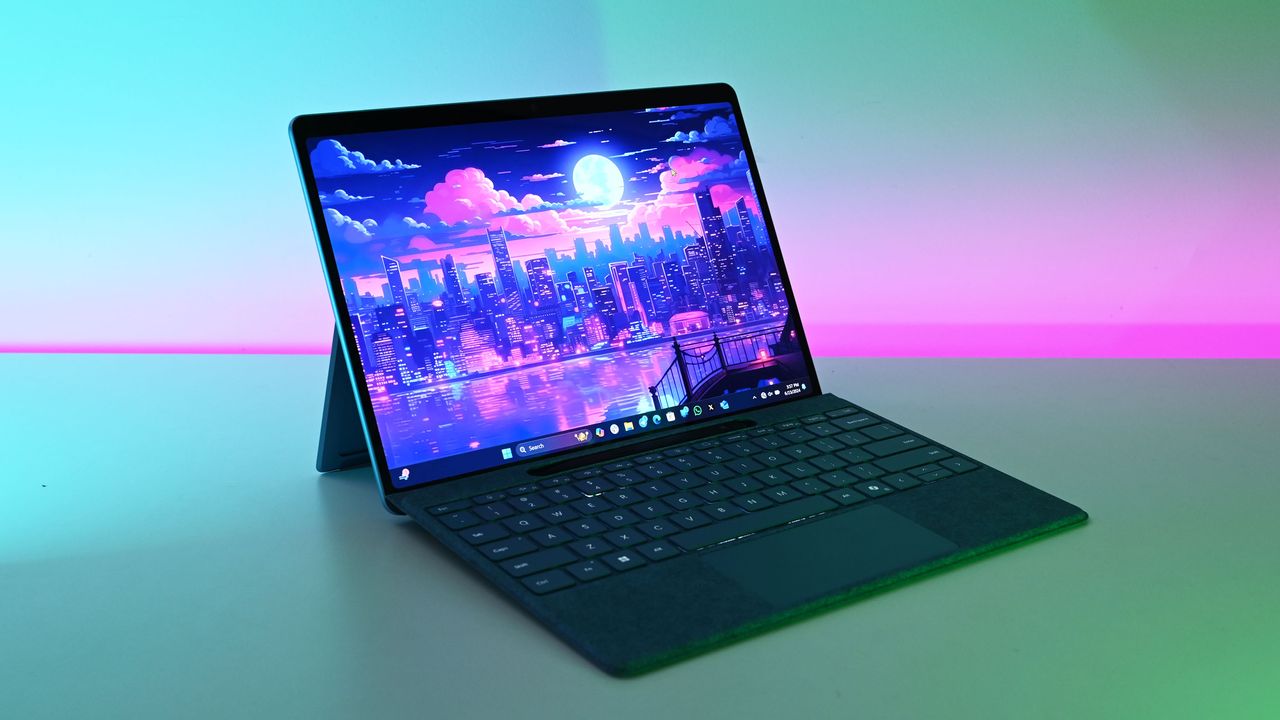
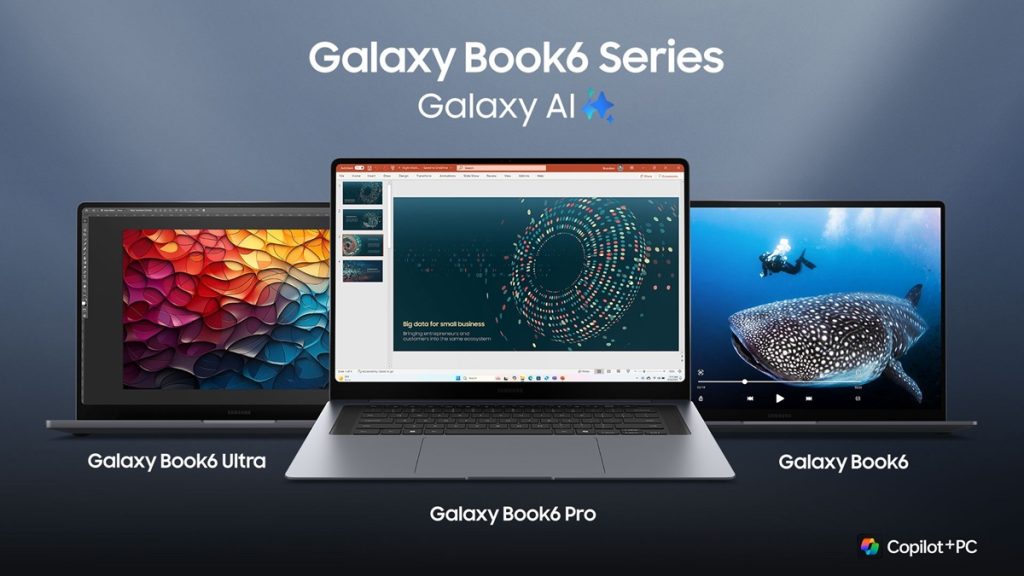
Samsung Galaxy Book 6 Series Releases Globally with Premium Specs & Pricing

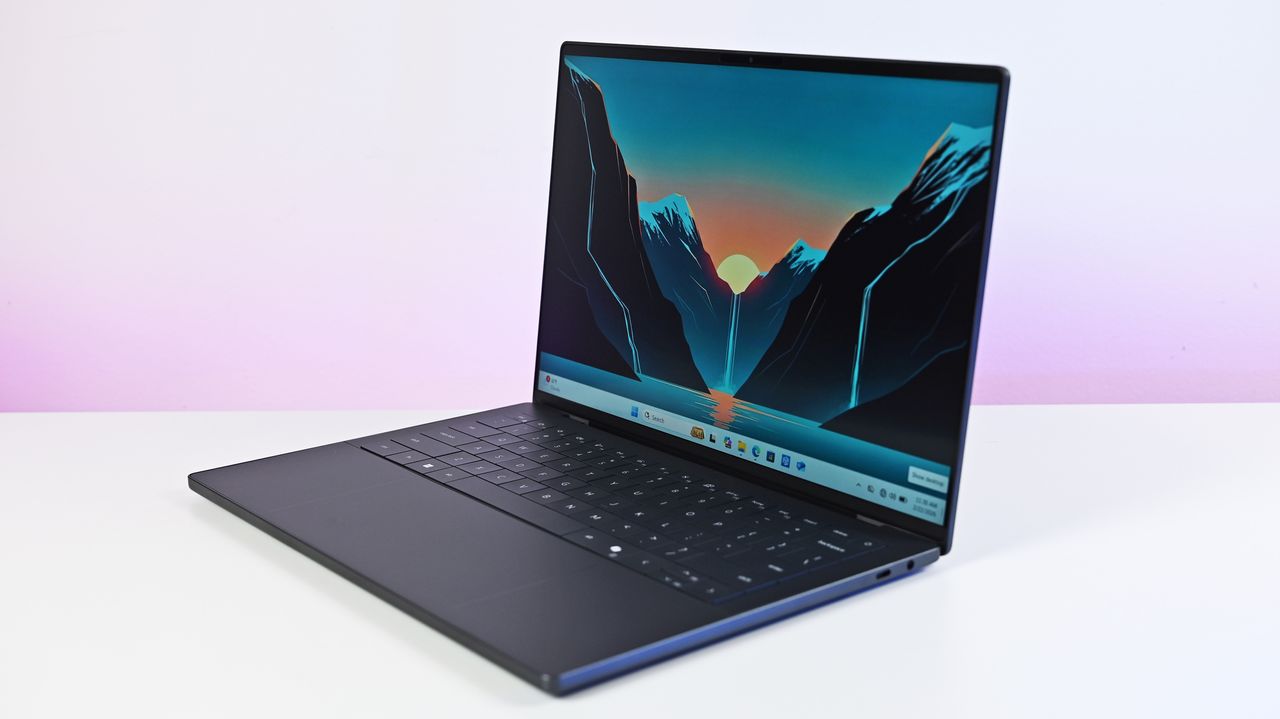
Samsung Galaxy Book 6 series

Samsung’s next-generation laptop lineup, the Galaxy Book 6 series, is finally rolling out around the world after officially debuting at CES 2026 earlier this year. The lineup brings powerful new hardware, AI powered features, and a sleek new design. So here is everything you need to know.

What’s New in the Galaxy Book 6 Series

The South Korean tech giant equips the Galaxy Book 6 family with Intel Core Ultra Series 3 processors that offer strong CPU, GPU, and NPU performance for AI related tasks. These chips are based on Intel’s advanced 18A process, and are built for creative work, multitasking, and everyday productivity. The performance gains are packed in a refined, ultra-slim chassis with improved thermal designs. The Galaxy Book 6 Pro gets a vapor chamber solution, while the Galaxy Book 6 Ultra gets a redesigned cooling system.

Samsung Galaxy Book 6 series

Global Launch & Availability

Pre-orders for the entire lineup kicked off last week, and we already reported on the European pricing. So here are the pricing details for the US and more info regarding their region availability:

  • United States: Official sales begin 11th March 2026 via Samsung Experience Stores and Samsung’s online store, with the lineup available in a Grey color option.
  • Europe: Pre-orders began in late February in markets including the UK, Germany, France, Spain, Italy, Belgium, the Netherlands and Scandinavia, with shipments starting around the same March 11 window.
  • Other regions: Availability will expand to additional markets through spring and into April 2026.

Pricing varies by region and configuration, but in the US, the series starts at roughly $1,049.99 for the base Galaxy Book 6, $1,599.99 for the Pro and $2,449.99 for the Ultra model.

For more daily updates, please visit our News Section.

Don’t miss a thing! Join our Telegram community for instant updates and grab our free daily newsletter for the best tech stories!

The post Samsung Galaxy Book 6 Series Releases Globally with Premium Specs & Pricing appeared first on Gizmochina.
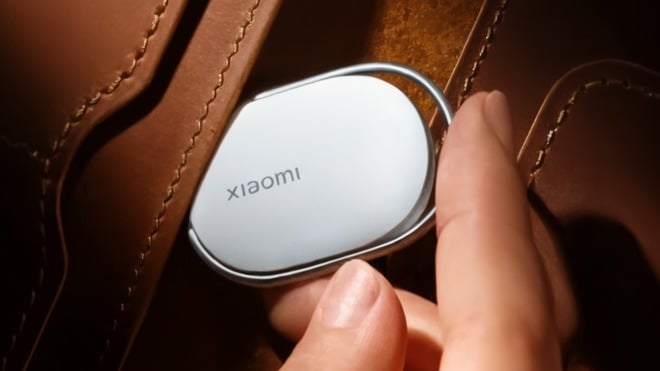
Xiaomi Tag Debuts as the Brand New Apple AirTag Rival With Apple Find My and Google Find Hub

Xiaomi Tag

Xiaomi has officially stepped into the smart tracking market with the launch of the Xiaomi Tag. This is a compact Bluetooth tracker designed to help you find misplaced keys, wallets, luggage and more, all while offering cross-platform support that sets it apart from many rivals. Unlike proprietary solutions that tie you to a single mobile ecosystem, the Xiaomi Tag is built to work seamlessly with both Apple’s and Google’s ecosystems, giving users flexibility whether they use an iPhone or Android device.

Xiaomi Tag: Lightweight Design with Practical Tracking Tools

The Chinese tech giant’s latest smart tracker sports a minimalist white plastic build, weighing just around 10g and measuring about 7.2mm thick. So it is slim enough to slip into a wallet or attach to keychains and bags with a compatible strap or accessory.

Xiaomi Tag
Xiaomi Tag

Inside, the tracker uses Bluetooth 5.4 and NFC for connectivity with nearby devices, and it’s powered by a replaceable CR2032 coin-cell battery that Xiaomi says can last over one year before needing a swap. But one thing that sets this smart tracker apart from the crowd is the cross platform tracking via Apple Find My and Google Find Hub. This allows items to be located by compatible devices across ecosystems.

There is also a built-in buzzer that plays a tone when triggered from your phone, which is handy for finding an item nearby. Xiaomi offers “Left Behind” alerts as well, to notify you when you walk away from a tagged object. It supports Lost Mode and contact details so others can also help return a missing item via pop-ups if discovered on another network phone. This model gets an IP67 rating for water and dust resistance.

The Xiaomi Tag has just released in Malaysia, being available in a single white color option. It carries a RM 79 (roughly 20 US Dollars) price tag for a single unit, while a pack of four is available for RM 299 (roughly 77 US Dollars).

For more daily updates, please visit our News Section.

Tech enthusiast? Get the latest news first! Follow our Telegram channel and subscribe to our free newsletter for your daily tech fix! ⚡

The post Xiaomi Tag Debuts as the Brand New Apple AirTag Rival With Apple Find My and Google Find Hub appeared first on Gizmochina.

Here’s Why Xiaomi Phones Abroad Often Have Smaller Batteries Than China Versions

It’s increasingly common to see Xiaomi flagship phones launch in China with larger battery capacities than the same models sold in global markets. For example, the Xiaomi 17’s Chinese version reportedly uses a 7,000mAh battery, but the global variant is tipped to carry around 6,300mAh instead. But this isn’t simply a random downgrade or cost-cutting move. So let’s break down why this happens and what it means for consumers.

Battery Shipping Regulations Are the Core Reason

The most widely cited reason for global Xiaomi phones having smaller batteries boils down to international transportation rules for lithium-ion batteries, especially in Europe and certain other major markets. Under agreements such as the European “International Carriage of Dangerous Goods by Road” (ADR) and similar global aviation regulations, lithium-ion battery cells over 20Wh are classified as “dangerous goods”.

Xiaomi 17 Pro Max
Xiaomi 17 Pro Max

In a typical smartphone, a single battery cell above 20Wh translates to around 5,200mAh at a nominal voltage when simplified for consumer terms. If a phone’s battery exceeds this threshold, shipping it becomes more complicated and costly. Many carriers refuse regular shipments of such devices, requiring special handling and documentation. This makes large single-cell smartphone batteries harder to transport and sell in Europe, the US, and some other global markets.

Why Not Just Use Multiple Battery Cells?

At first glance, splitting a large battery into two smaller cells that individually stay under the 20Wh limit seems like an easy workaround. In fact, some devices can do this with dual-cell layouts, and certain international models use that to bump up capacity without breaching the rules. However, widely adopting a multi-cell design across all global smartphones is not straightforward.

Redmi Note 14 Pro+
Redmi Note 14 Pro+ 5G with Dual Batteries

It adds engineering complexity, requiring different internal layouts, charging circuitry, and safety mechanisms. Multi-cell configurations take up more internal volume, increasing weight and thickness. For many brands (including Xiaomi), the slim form factor and competitive design aesthetics are a priority, making this trade-off difficult. As a result, rather than redesigning each phone’s internal structure for different regions, manufacturers often opt to reduce total battery capacity to stay within safer and easier-to-ship limits.

It’s Not Just Xiaomi

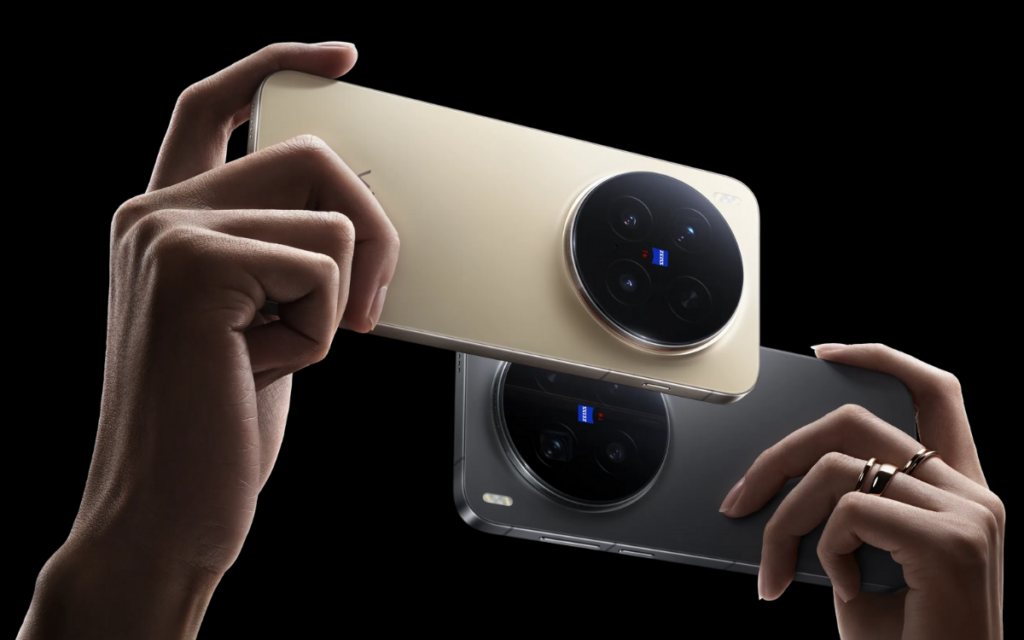
Vivo X300 Pro ships with a smaller 5,440mAh battery in Europe

This battery difference isn’t unique to Xiaomi. Other Chinese brands like Vivo and Xiaomi, and sub-brands like Redmi and POCO, also have smaller batteries compared to their Chinese or Asian counterparts because of similar battery size and logistics constraints in global markets.

Does This Impact Real-World Performance?

On paper, smaller batteries could suggest less endurance. To offset this limitation, brands tend to compensate with aggressive power efficient chipsets, software optimizations in HyperOS, and faster charging tech to reduce time spent plugged in. That’s why, even with a slightly smaller battery, global versions generally still offer all-day battery life under typical use. Though they might not quite match their Chinese counterparts in raw battery capacity numbers.

Other Practical Factors

While shipping rules are the main reason, some secondary factors can also play a role:

  • Market priorities: Different regions have different expectations for phone size, weight, and design. International markets often favor slim phones over max battery capacity.
  • Certification and testing: Devices with larger cells may require more extensive certification in each region, increasing cost and time to market.
  • Logistics and warranty services: Selling and servicing phones with larger batteries can be more challenging for global companies that would otherwise need specialized transport or warranty repair channels.

For more daily updates, please visit our News Section.

Tech enthusiast? Get the latest news first! Follow our Telegram channel and subscribe to our free newsletter for your daily tech fix! ⚡

The post Here’s Why Xiaomi Phones Abroad Often Have Smaller Batteries Than China Versions appeared first on Gizmochina.
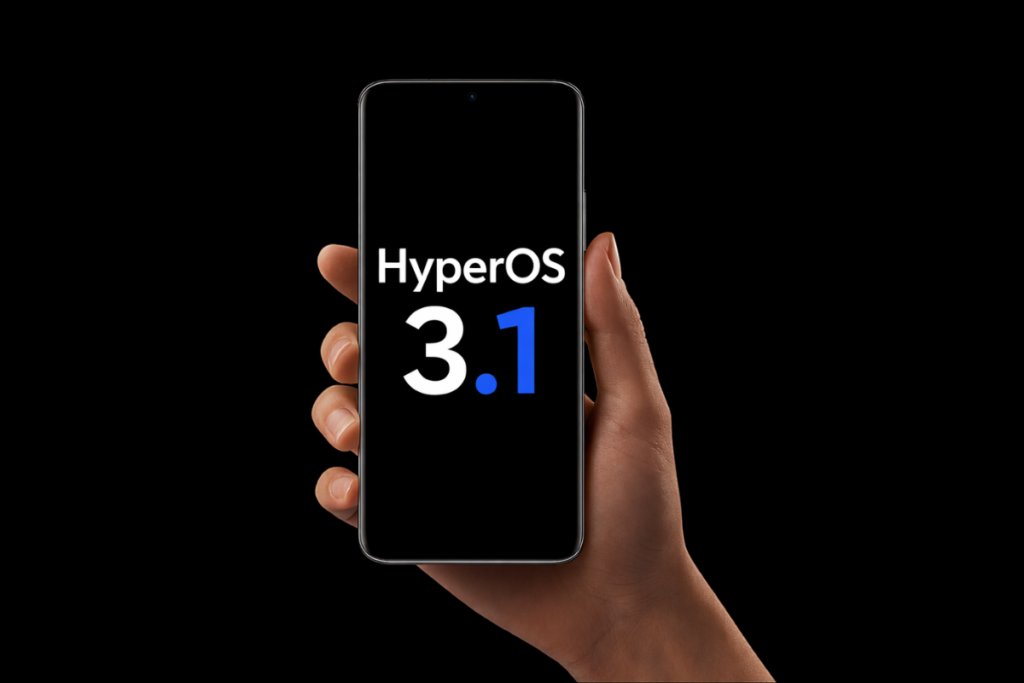
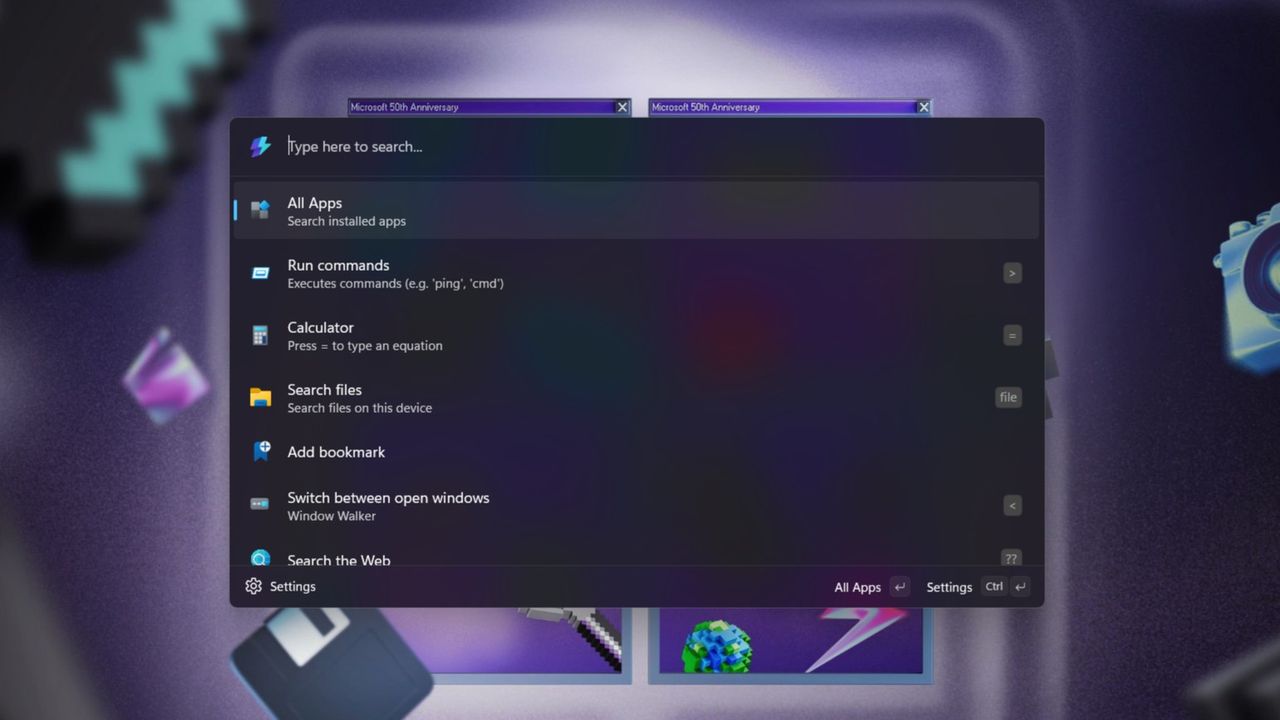
Xiaomi’s HyperOS 3.1 iOS Bridge Rumored for Global Debut at MWC 2026

HyperOS 3.1 beta testing

Xiaomi could be preparing a major announcement for Mobile World Congress (MWC) 2026 this March in Barcelona, not just around new hardware like the Xiaomi 17 series, but also a significant software upgrade. The company is expected to unveil the new HyperOS 3.1 update along with a new feature for improved cross-platform connectivity with Apple devices, thanks to a new “iOS Bridge” feature.

What is “iOS Bridge” in HyperOS 3.1?

Reports suggest that HyperOS 3.1 won’t be a minor patch. Instead, it’s shaping up as a cross-platform bridge that lets Xiaomi users interact more seamlessly with iOS devices. Key components tipped for iOS Bridge include:

  • iPhone Call Notifications: Incoming calls on an iPhone could show up on connected Xiaomi tablets or PCs, letting users answer or manage calls even when their phone is not nearby.
  • AirPods Support: Full compatibility with Apple’s AirPods, including battery levels, controls and spatial audio indicators directly on Xiaomi devices, much like native support seen on Apple hardware.
  • Easy File Transfer: A feature similar to AirDrop, enabling fast, lossless file sharing between iPhones and Xiaomi phones or tablets without needing third-party apps.
Xiaomi HyperOS 3.1 beta update
Xiaomi HyperOS 3.1

This set of features could closely mimic Apple-style cross-device integration, which is something that Android manufacturers traditionally haven’t matched natively and help position Xiaomi’s ecosystem as more friend-friendly for users who juggle multiple platforms.

Why MWC 2026 is the Right Stage

The MWC 2026 event is set to kick off at the start of next month as one of the biggest events on the tech calendar. Xiaomi is already expected to use the stage for global announcements, bringing in its latest flagship Xiaomi 17 series to the international stage. The latest HyperOS 3.1 could share this spotlight with various software upgrades, which makes sense considering how premium models typically bring the latest software iterations.

For more daily updates, please visit our News Section.

Don’t miss a thing! Join our Telegram community for instant updates and grab our free daily newsletter for the best tech stories!

The post Xiaomi’s HyperOS 3.1 iOS Bridge Rumored for Global Debut at MWC 2026 appeared first on Gizmochina.
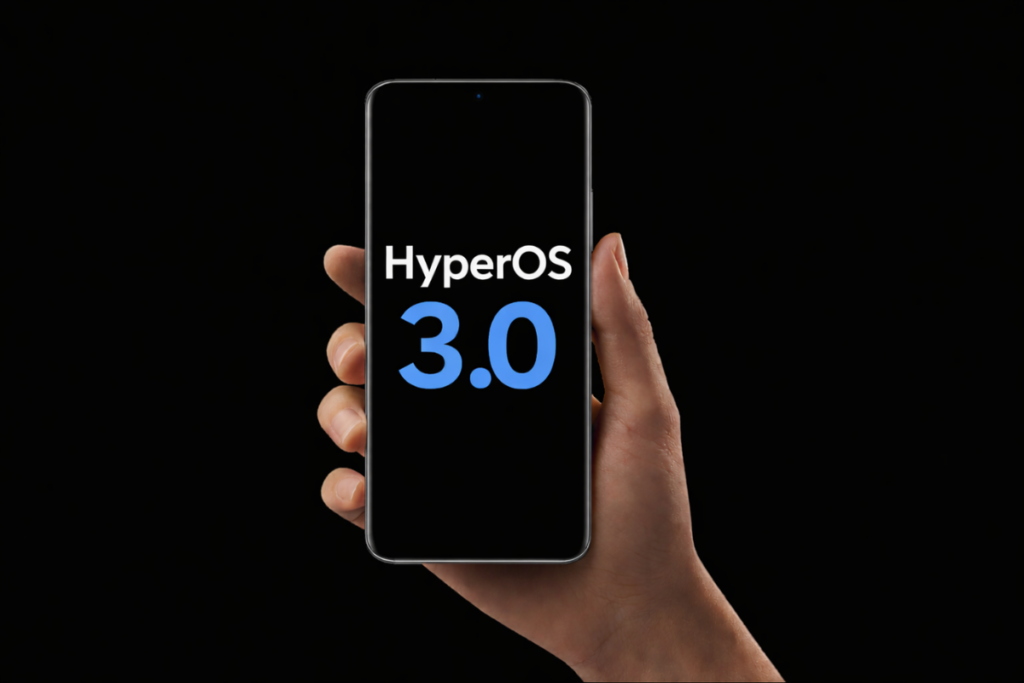
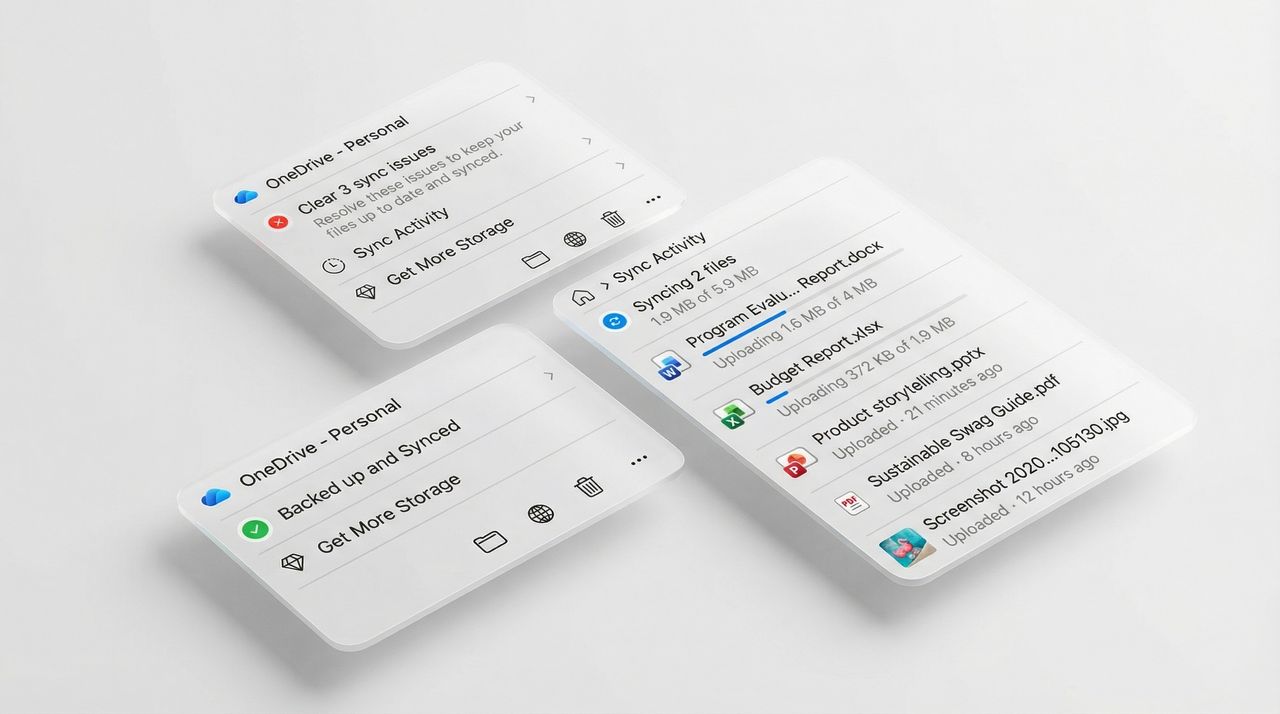
Xiaomi HyperOS 3 Update Rollout Kicks Off Once Again After Holiday Break

HyperOS 3 stable update rollout

After a brief slowdown tied to the Chinese New Year holiday, Xiaomi’s HyperOS 3 software rollout has resumed earlier than expected, bringing fresh builds and public releases to a range of devices worldwide. While the initial break was expected to stretch till the next month, the brand has kicked off the latest build for the Xiaomi and other sub-brands’ devices.

Why the Rollout Slowed Down

Like many other tech companies in China, Xiaomi paused new HyperOS 3 releases and internal build compilations to celebrate the Chinese New Year festivities, which traditionally stretch from mid-February to early March. During this time, development teams typically enter a maintenance mode, and new public updates slow down or stop entirely while engineers take the holiday.

HyperOS 3 features
Xiaomi HyperOS 3

However, it now appears that Xiaomi has ended that break early, with new HyperOS 3 builds already rolling out again to eligible devices as of February 21. This marks a quicker return to routine update work than many had expected.

First Wave of Post-Holiday Releases

A variety of Redmi, POCO and Xiaomi devices are already seeing new builds as Xiaomi resumes the rollout:

  • Redmi Turbo 5 (China) received OS3.0.11.0.WPJCNXM based on Android 16.
  • POCO M6 Plus 5G / Redmi 13 5G / Redmi Note 13R (India) are getting OS3.0.10.0.WNUINXM.
  • POCO M6 Pro 4G / Redmi Note 13 Pro 4G builds (Android 16) have also arrived in the global and Russia regions.
  • POCO M7 Plus / Redmi 15 (Global) and others saw Android 15/16-based builds.
  • POCO C75 5G / Redmi A4 (India) got OS3.0.3.0.WGVINXM with updated UI elements like HyperIsland and redesigned home visuals.

These public releases follow an early holiday-week flurry of activity, including new Recovery ROMs being pushed to users and internal test builds spotted on Xiaomi update trackers.

For more daily updates, please visit our News Section.

Tech enthusiast? Get the latest news first! Follow our Telegram channel and subscribe to our free newsletter for your daily tech fix! ⚡

(Via)

The post Xiaomi HyperOS 3 Update Rollout Kicks Off Once Again After Holiday Break appeared first on Gizmochina.
❌