Login
Login
US Joins Canada, Brazil, UK, Germany, Australia, and Other Nations in Issuing New Travel Advisory Against All Travel to Iran Amid Growing Safety Concerns and Rising Tensions, Affecting Tourism Across the Middle East
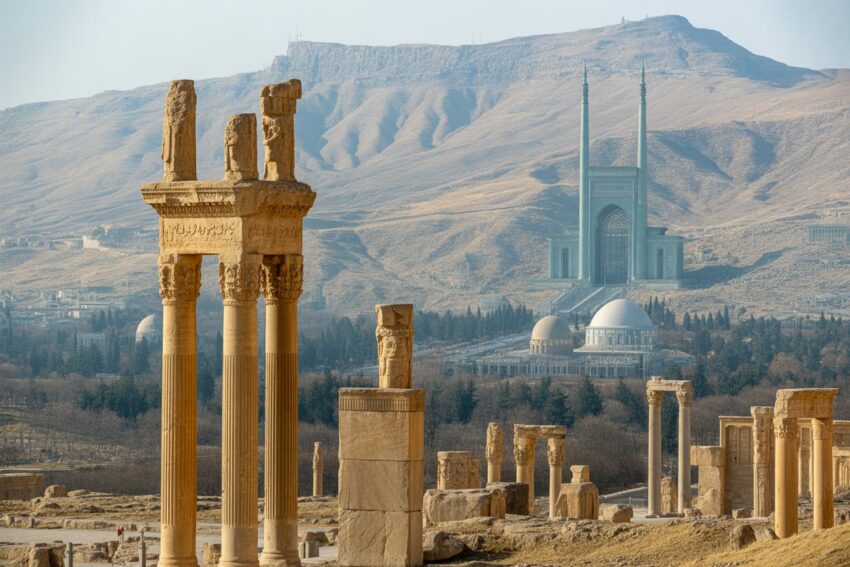
In light of growing safety concerns and rising tensions in the region, the United States has joined Canada, Brazil, the UK, Germany, Australia, and other nations in issuing a new travel advisory against all travel to Iran. This move, prompted by the escalating conflict between the U.S. and Iran, has had a profound effect on tourism across the Middle East. The advisory is a response to the increasing risks for travelers, with many governments urging their citizens to avoid Iran and other affected areas. As a result, tourism to the region, particularly from Western countries, has seen a significant downturn. The heightened security concerns and travel restrictions have led to a ripple effect, impacting not just Iran but also other Middle Eastern countries like Lebanon, Israel, and the UAE, where travelers are rethinking their plans due to the instability in the region. The growing political tensions have made the Middle East a less attractive destination for international tourists, with the U.S. advisory playing a major role in this shift.
United States Advisory and Its Impact on Middle East Tourism

As tensions between the U.S. and Iran escalate, the United States has issued a Level 4 “Do Not Travel” advisory for Iran, urging citizens to avoid the country at all costs due to the heightened risk of conflict. In addition to this, the U.S. has ordered the evacuation of non-essential embassy staff from Tehran and Beirut, particularly in response to the potential threat posed by Iranian retaliation. These actions are not limited to Iran; the effects of this advisory ripple across the entire Middle East, particularly in countries like Lebanon, where U.S. embassy staff are being pulled out. For the Middle East tourism sector, this advisory brings about significant disruption, particularly in countries like Lebanon, which has always been a popular destination for Western tourists. With the diplomatic pullback, the tourism industry faces a sharp decline in bookings, especially from U.S. travelers who make up a significant portion of the tourist influx. Hotels, restaurants, and local businesses in Lebanon are already seeing cancellations, with a decrease in high-spending tourists. While other Middle Eastern nations like the UAE and Qatar remain relatively stable, the overall uncertainty in the region is bound to cause a slowdown in international tourism, with the U.S. advisory playing a major role.
Canada’s Advisory and Its Toll on Regional Tourism

Canada has issued a high-level travel advisory for Iran, urging Canadians to avoid non-essential travel due to rising political instability and the possibility of military conflict. The Canadian government has gone further to warn its citizens about the broader regional instability, which has seen significant diplomatic and economic fallout across the Middle East. Canada’s advisory focuses not only on Iran but also extends to countries like Lebanon, Israel, and Jordan, underscoring the widespread nature of the tensions. For the tourism industry, this Canadian advisory results in an immediate decline in visitors, particularly from Canadian nationals who typically visit Lebanon and Israel, with tourists now reconsidering their travel plans. Destinations such as the Pyramids in Egypt, Petra in Jordan, and Tel Aviv, Israel, could see fewer arrivals as Canadian tourists—who typically travel in groups and tend to stay longer—opt for safer alternatives. The downturn in Middle Eastern tourism, especially in these iconic destinations, has the potential to affect hotel revenues, restaurant bookings, and the local economy in these countries. Tourism professionals in Jordan, Lebanon, and Israel are already witnessing the beginning of booking cancellations as uncertainty looms.
Brazil’s Advisory and Its Impact on Middle Eastern Travel Routes

Brazil has also issued a travel advisory for Iran, advising its citizens to leave the country amid rising tensions with the United States. This advisory, though primarily directed at Iran, indirectly affects tourism to other Middle Eastern countries, such as Lebanon, where Brazil had also issued a warning earlier in January 2026. While the Brazilian outbound tourism market may not be as significant as others in the region, it still plays a crucial role in the Middle Eastern tourism ecosystem, especially in cultural destinations like Lebanon. Tour operators who typically cater to Brazilian tourists in the region are now seeing a decline in bookings, with many Brazilian travelers opting for safer, more stable destinations such as Europe or Southeast Asia. The impact on Lebanon’s tourism industry, in particular, is notable—historically a popular spot for Brazilian holidaymakers. This adds to the growing sense of uncertainty in the region, exacerbating the downward trend in tourism that has already been influenced by travel restrictions from more major countries like the U.S. and Canada. The advisory further dampens confidence in Middle Eastern destinations that were already struggling with the broader geopolitical tensions in the region.
United Kingdom’s Advisory and the Fallout on Middle East Tourism

The United Kingdom has followed suit with heightened travel warnings, particularly focusing on Lebanon, where the government advises against all travel to certain areas due to rising tensions linked to the Iran–U.S. conflict. With the UK’s advisory covering regions such as Akkar and southern Lebanon, the tourism sector faces further disruptions, particularly in Lebanon, which has been a destination of choice for UK travelers, especially for its historical sites and vibrant culture. This advisory, along with the heightened regional risk warnings, sends a strong signal to the UK’s outbound travel market, many of whom are reluctant to visit regions embroiled in political instability. As a result, UK tourist arrivals to Lebanon, the UAE, and Jordan are expected to dwindle. The region’s popular tourist attractions such as the Baitul Mukarram Mosque in Beirut or the beaches of Dubai are seeing fewer bookings from UK nationals. The impact is amplified by the rising cancellations and the postponement of travel plans, which leads to a ripple effect on local businesses, from hoteliers to local tour operators. The UK’s stance has undoubtedly worsened the outlook for Middle Eastern tourism, especially in countries directly affected by the escalating geopolitical tensions.
Germany’s Advisory and Its Drastic Effect on Middle Eastern Tourism

Germany’s travel advisory is one of the most severe, urging citizens to leave Iran immediately and suspending visa services at its Tehran embassy. This heightened alert has undoubtedly disrupted the flow of German tourists to Iran, with the German government also issuing broader warnings about regional instability across the Middle East. The advisory’s influence extends beyond Iran, affecting countries like Lebanon and Israel, where German tourists often travel for cultural, religious, and historical tourism. Germany’s cautionary measures create a knock-on effect on Middle Eastern tourism, especially in Lebanon, which has always attracted German travelers seeking an authentic Middle Eastern experience. Destinations such as Petra in Jordan, the Dead Sea, and cultural landmarks in Israel have already experienced a sharp drop in German visitors, as concerns about safety and security dominate travelers’ minds. With German nationals traditionally making up a significant portion of Europe’s visitors to the region, this advisory has triggered a major downturn in the sector, leading to hotel and airline cancellations and a general slowdown in tourism-related revenue.
Australia’s Advisory and Its Influence on Middle East Tourism Trends

Australia has issued its strongest travel warnings to date, advising citizens to consider leaving Lebanon and offering voluntary departure options for diplomat dependents in Qatar, the UAE, and Jordan. The travel advisory is a direct response to the worsening situation between the U.S. and Iran, with Australia keen on ensuring the safety of its nationals in an increasingly volatile environment. The advisory has had an immediate and profound effect on Australia’s outbound tourism to the Middle East. Popular tourist destinations in the UAE, like Dubai and Abu Dhabi, are seeing a decline in bookings, particularly from Australian tourists who account for a significant portion of the region’s visitor numbers. With several airlines, including KLM, temporarily suspending flights to Dubai, Australian travelers are faced with increased uncertainty. This disruption in the Middle East tourism sector is compounded by the heightened sense of security concerns, and destinations like Jordan, with iconic sites like Petra, are already experiencing fewer tourists. The Australian advisory has undoubtedly amplified the trend of cancellations, affecting hotel occupancy rates and tour operator profits in these countries.
Impact of Rising Tensions on Middle East Tourism
The escalating tensions between the United States and Iran, coupled with the subsequent travel advisories issued by numerous countries, are having a profound and disruptive impact on the Middle East tourism sector. With heightened warnings and evacuations, particularly affecting countries like Lebanon, Israel, the UAE, Jordan, and Qatar, there is a noticeable decline in international visitors to the region. Popular tourist destinations in the UAE and Israel, such as Dubai’s towering skyscrapers and Tel Aviv’s cultural hubs, are witnessing cancellations from key markets like the U.S., the UK, and Australia. Countries like Lebanon, once a thriving hotspot for Western tourists, are facing a sharp downturn in bookings, particularly from those whose governments have issued strong advisories. As airlines adjust flight routes, avoid certain airspaces, and suspend operations to critical destinations like Tel Aviv and Dubai, the aviation sector is also feeling the strain. The ripple effect is clear — from hotel occupancy rates to local businesses that rely heavily on international tourism, the entire region’s tourism infrastructure is seeing reduced revenue, making it one of the most challenging periods for the industry since the COVID-19 pandemic. The uncertainty and security concerns generated by these advisories are casting a long shadow over the region’s recovery and future prospects in tourism.
U.S. has joined Canada, Brazil, the UK, Germany, Australia, and other nations in issuing a new travel advisory against all travel to Iran, amid growing safety concerns and rising tensions. This is impacting tourism across the Middle East.
Conclusion
US joining Canada, Brazil, the UK, Germany, Australia, and other nations in issuing a new travel advisory against all travel to Iran underscores the growing safety concerns and rising tensions in the region. This collective decision has had a significant impact on tourism across the Middle East, as travelers from these countries now face heightened risks when considering travel to affected destinations. The advisory not only affects Iran but has also created a ripple effect, leading to reduced visitor numbers in neighboring countries like Lebanon, Israel, and the UAE, which are perceived as less stable due to the ongoing geopolitical situation. As the situation continues to unfold, it is clear that the travel advisories will play a crucial role in shaping tourism trends in the Middle East, with the potential for long-lasting economic consequences for the region’s tourism industry.
The post US Joins Canada, Brazil, UK, Germany, Australia, and Other Nations in Issuing New Travel Advisory Against All Travel to Iran Amid Growing Safety Concerns and Rising Tensions, Affecting Tourism Across the Middle East appeared first on Travel And Tour World.