
Reading view

The Alien Horizon: Why Yemen’s Socotra is the Definitive Frontier for 2026’s Conscious Explorer

The Alien Horizon: Why Yemen’s Socotra is the Definitive Frontier for 2026’s Conscious Explorer

In an era when digital connectivity makes even the most remote corners of the world accessible, a profound shift is taking place in the luxury and adventure travel sectors. The year 2026 marks a watershed moment in which the value of a destination is measured not by its infrastructure, but by its continued isolation. Socotra, a Yemeni archipelago located in the Indian Ocean’s turquoise waters, is at the forefront of this movement. This geographical marvel, known as the “Galápagos of the Indian Ocean,” is becoming increasingly popular among those who value authenticity above all else.

The island’s landscape is characterised by a sense of prehistoric stillness. Socotra, located approximately 240 kilometres east of the Horn of Africa, is both physically and culturally distinct from the mainland. The concept of “stepping onto another planet” is frequently invoked by the few who brave its rugged terrain. As traditional tourism hotspots struggle with the complexities of overtourism, Socotra is being positioned as the premier option for travellers seeking a profound “digital detox” amidst landscapes that have remained largely unchanged for millennia.

The Botanical Sovereignty of the Dragon’s Blood

The global significance of Socotra is perhaps most visible through its unparalleled biodiversity. It has been observed by ecological researchers that nearly one-third of the island’s flora is endemic, meaning these species are found nowhere else on the planet. The most iconic representative of this isolation is the Dracaena cinnabari, or the Dragon’s Blood Tree. These umbrella-shaped sentinels are scattered across the Diksam Plateau, creating a silhouette that is widely considered one of the most cinematic views in the natural world.

Historically, the crimson resin exuded by these ancient trees was harvested for use in traditional medicine and artisanal dyes. In the current travel landscape, however, these forests are viewed through the lens of conservation and photography. The experience of walking through these groves is often described as transformative, as the trees serve as living fossils of a botanical era that has long since vanished elsewhere. Because of this high degree of endemism, the island was designated a UNESCO World Heritage site in 2008, a status that continues to dictate the protective measures enforced today.

Untouched Coastal Splendor and Geological Wonders

While the interior of the island is dominated by jagged peaks and ancient flora, the coastline of Socotra is defined by a raw, unfiltered beauty that stands in stark contrast to the commercialized resorts of the Maldives or the Seychelles. At Arher Beach, massive dunes of powder-white sand are pushed against towering limestone cliffs by the monsoon winds, creating a stark visual boundary between the desert and the sea. Nearby, freshwater streams emerge from deep within the mountain caves to form natural infinity pools that overlook the ocean.

Further west, the lagoon of Qalansiyah offers a vista of shifting turquoise waters and sandbars that are frequently devoid of any human presence. The marine ecosystems surrounding these shores are equally impressive; coral reefs teeming with rare fish species are accessible to those willing to forgo the comforts of traditional luxury for the thrill of discovery. These coastal regions are not bordered by promenades or luxury hotels; instead, they are preserved in their natural state, offering a level of serenity that is increasingly rare in the 21st century.

The Shift Toward Experiential and Sustainable Tourism

In 2026, the global travel narrative is being rewritten to favour “impact over indulgence”. Socotra fits perfectly into this paradigm, as the island’s infrastructure is designed for experiential travel rather than passive relaxation. The activities favoured by modern visitors include multi-day treks across the Haggier Mountains, where granite peaks reach toward the clouds, and camping under some of the darkest, most star-filled skies remaining on Earth.

The island’s cave systems, particularly the Hoq Cave, are frequently explored by those interested in archaeology and geology. Within its depths, kilometres of stalactites and stalagmites are found alongside ancient inscriptions, offering a glimpse into the maritime history of the Indian Ocean. Such experiences are managed through a model of low-impact tourism, where the emphasis is placed on the preservation of the delicate ecological balance. By prioritizing off-road jeep expeditions and eco-conscious camping over permanent construction, the integrity of the landscape is maintained for future generations.

Navigating the Logistics of Remote Exploration

While the political situation within mainland Yemen remains a subject of international concern, it is important to note that Socotra operates under a separate administrative and logistical framework regarding tourism. For the year 2026, travel to the island is strictly regulated and is primarily facilitated through organized groups and authorized local operators. These measures are implemented not only for the safety of the traveller but also to ensure that environmental conservation guidelines are strictly followed.

Prospective visitors are encouraged by international travel advisories to book their journeys well in advance, as flight capacities—typically originating from hubs like Abu Dhabi—remain limited to prevent the degradation of the island’s resources. By utilizing local guides, the economic benefits of tourism are funnelled directly back into the indigenous communities, who have served as the guardians of this unique ecosystem for centuries.

The Ethics of the Modern Voyager

As Socotra enters the global spotlight, the traveller’s responsibility increases. The island’s most valuable asset—its untouched nature—is also its most serious vulnerability. Sustainable travel practices are not only recommended; they are necessary. Visitors are expected to reduce plastic waste, respect endemic wildlife habitats, and follow the “Leave No Trace” principle.

The allure of Socotra stems from its ability to shift a traveller’s perspective. It serves as a reminder that some places on Earth cannot be tamed or homogenised. Those who choose to visit this remote archipelago in 2026 will be rewarded with an encounter with a prehistoric world that is still one of adventure travel’s best-kept secrets.

The post The Alien Horizon: Why Yemen’s Socotra is the Definitive Frontier for 2026’s Conscious Explorer appeared first on Travel And Tour World.

Safe Safari Planning: KWS Issues Urgent Tsavo East National Park Travel Advisory Amid Floods

Safe Safari Planning: KWS Issues Urgent Tsavo East National Park Travel Advisory Amid Floods

The breathtaking landscapes of Tsavo East National Park, renowned for its “red elephants” and vast semi-arid plains, are currently facing a significant challenge from the elements. Following a period of intense and sustained precipitation across the coastal and southeastern regions of Kenya, a formal public warning has been disseminated by the Kenya Wildlife Service (KWS). This advisory is directed toward international tourists, local visitors, and professional tour operators who may be planning excursions into one of the country’s most iconic wilderness sanctuaries. As of late February 2026, the seasonal rains have intensified to a level that has significantly compromised the structural integrity and safety of the park’s primary transit corridors.

The heavy downpours are part of a broader weather pattern affecting multiple counties, where the traditional onset of the long rains appears to have arrived with unexpected vigour. Consequently, the delicate balance between adventure and safety has shifted, necessitating immediate intervention by the authorities. The move to restrict access is not merely a precaution but a direct response to the worsening state of the terrain, which has been rendered volatile by the sheer volume of water saturating the earth.

Restricted Access: Key Routes Rendered Impassable

Specific logistical hurdles have been identified by the Kenya Wildlife Service through their official communication channels. It has been confirmed that the critical artery connecting the coastal town of Malindi to the park, via the Sala Gate, is currently inaccessible. This closure is attributed to a combination of severe flooding and the degradation of road surfaces, which pose a high risk of vehicle stalling or entrapment. Furthermore, the route spanning from Sala Gate to the Aruba Area—a region famed for its wildlife concentrations around the Aruba Dam—has also been designated as impassable.

For many travellers arriving from the coast, these routes represent the most direct path into the heart of the park. However, the current environmental conditions have transformed these tracks into treacherous mud-bound paths that are unsuitable for even the most robust four-wheel-drive vehicles. The decision to close these sections was reached after it was observed that the excessive rainfall had created deep ruts and washouts, making navigation nearly impossible for conservation patrols and tourism activities alike.

Prioritizing Visitor Safety and Alternative Entry Points

The primary objective of the current restrictions, as emphasized by the wildlife agency, is the absolute safety of every individual entering the protected area. To ensure that the tourism sector remains functional while mitigating risks, alternative entry points have been recommended for immediate use. Travellers are being redirected to the Bachuma Gate and the Voi Gate, both of which remain operational and are considered safe for public use. The Voi Gate, conveniently located near the bustling town of Voi, serves as a reliable gateway for those approaching from the Nairobi-Mombasa highway.

These alternative corridors are being monitored continuously to ensure they remain viable despite the ongoing weather conditions. Visitors are encouraged to pivot their itineraries toward these southern and western access points to avoid the disruptions currently plaguing the eastern sector. By utilizing these established safe zones, the continuity of safari operations is maintained, allowing the tourism industry to proceed without compromising the well-being of guests or the integrity of the park’s infrastructure.

The Impact of Weather on Conservation and Tourism Logistics

The reliance of Tsavo East National Park on a functional road network cannot be overstated. From essential conservation patrols that protect the park’s diverse species to the daily wildlife drives that fuel the local economy, every facet of park management is tied to ground accessibility. The current atmospheric conditions, influenced by the Madden-Julian Oscillation and other regional weather systems, have underscores the vulnerability of these networks during peak rainfall periods.

Tour operators have been urged to exercise a high degree of diligence when designing travel itineraries for their clients. It is suggested that constant contact be maintained with KWS headquarters to receive real-time updates on road stabilization. The unpredictability of flash floods means that conditions can change within hours, and what may appear as a dry crossing in the morning could become a raging torrent by afternoon. The proactive consultation of official authorities before embarking on any journey into the park is strongly advised to prevent avoidable inconveniences or life-threatening situations.

Looking Ahead: Restoration and Continued Vigilance

While the current situation poses a challenge for those eager to explore the wild, the Kenya Wildlife Service has assured that the situation is constantly monitored. A commitment has been made to restore normal access as soon as weather conditions stabilise and the necessary road infrastructure repairs can be safely completed. In the meantime, the agency remains committed to its dual mission of preserving the region’s biodiversity while also providing a high-quality visitor experience.

While logistically challenging, the rainy season provides a period of renewal for the park, transforming the parched scrubland into a lush, green paradise. The beauty of Tsavo remains accessible through the designated safe gates to those willing to adapt their routes and follow the KWS’s guidance. Additional updates are expected as the meteorological department provides more information about the duration of the current rainfall peak. Until then, the message to the global travel community is clear: stay informed, be flexible, and put safety first.

The post Safe Safari Planning: KWS Issues Urgent Tsavo East National Park Travel Advisory Amid Floods appeared first on Travel And Tour World.
Australia’s Gardens of Stone: Transforming New South Wales with a Million Dollar Ecotourism Vision

Australia’s Gardens of Stone: Transforming New South Wales with a Million Dollar Ecotourism Vision

The NSW Government is currently overseeing a significant transformation of the Gardens of Stone State Conservation Area (SCA). This 28,322-hectare expanse, just north of Lithgow, is being revitalised with a $49.5 million investment programme. The initiative was launched to meet the growing global demand for nature-based tourism while also providing a sustainable economic future for the region as it moves away from its coal-mining heritage. Since the area was formally gazetted in May 2022, there has been a strategic shift away from state forest management and towards conservation-focused tourism.

Infrastructure Enhancements and Visitor Access

The rugged terrain of the Newnes Plateau is being made more accessible through an extensive network of infrastructure projects. Major road upgrades were initiated in mid-2024 to ensure safe entry for visitors, particularly along State Mine Gully Road and the routes leading to the famed Glow Worm Tunnel. Furthermore, a world-class 35-kilometre mountain bike network is being developed, alongside over 100 kilometres of touring circuits designed for four-wheel-drive enthusiasts. These additions are intended to position Lithgow as a primary gateway for outdoor adventure, rivalling established destinations in the nearby Blue Mountains.

The Gardens of Stone Pagoda Walk

A centrepiece of the government’s master plan is the creation of the Gardens of Stone Pagoda Walk. This multi-day trekking experience is designed to showcase the region’s internationally significant “platy” pagoda rock formations. The 30-kilometre route, which is currently being constructed in stages, will eventually offer a four-day, three-night journey through ancient eucalypt forests and deep sandstone canyons. In late 2025, several key segments, including the Broad Swamp Loop Walk and the track to Birds Rock, were officially opened to the public, marking the completion of the first phase of this ambitious pedestrian network.

Luxury Accommodation and the Glamping Proposal

The integration of high-end visitor experiences is a pivotal, yet debated, component of the upgrade. A proposal for three low-impact luxury bush camps is currently being processed by the National Parks and Wildlife Service (NPWS). These sites are intended to be operated under a 20-year lease by an independent tour provider, offering supported walking packages for small groups. Each camp is envisioned to feature canvas-clad structures designed to harmonize with the natural skyline. While these facilities are promoted as essential for attracting international eco-tourists, the potential environmental footprint and the exclusivity of the sites have remained focal points of public discussion.

The Lost City Adventure Precinct

Tourism opportunities are being further expanded through the development of the Lost City Adventure Precinct. Located near some of the park’s most dramatic cliff lines, this area is slated to host adrenaline-focused activities, including Australia’s longest zipline and a “via ferrata” climbing route. This protected climbing path, utilizing fixed steel cables and rungs, is intended to allow visitors of varying skill levels to experience the vertical beauty of the sandstone pagodas safely. By combining high-adventure attractions with traditional bushwalking, the precinct is expected to draw over 200,000 additional visitors to the Lithgow area annually.

Conservation and Heritage Protection

Despite the emphasis on tourism, the fundamental objective of the program is stated to be the preservation of biodiversity. The park is inhabited by more than 80 rare and threatened species, including the glossy black cockatoo and the regent honeyeater. Ecological surveys and geotechnical assessments are being conducted to ensure that all new tracks and facilities are situated away from fragile upland swamps and sensitive rock formations. Additionally, the cultural significance of the land is being recognized through collaborations with local First Nations people, ensuring that Aboriginal heritage is integrated into the park’s interpretive signage and visitor education programmes.

Economic Impact and Future Outlook

This investment is expected to significantly benefit the local economy in the Central West. The government estimates that the construction and operation of the park’s facilities will create at least 190 new jobs. As the Visitor Infrastructure Master Plan nears completion in 2026, the region is repositioning itself as a leading destination for sustainable recreation. Whether it’s the rugged challenge of the Wollemi Great Walk or a family-friendly afternoon at the Bungleboori Picnic Area, the Gardens of Stone State Conservation Area is being prepared to leave a lasting legacy for the environment and the community alike.

The post Australia’s Gardens of Stone: Transforming New South Wales with a Million Dollar Ecotourism Vision appeared first on Travel And Tour World.

The Ultimate Guide to Terra Nova: Discovering Canada’s Most Easterly Coastal Gem

The Ultimate Guide to Terra Nova: Discovering Canada’s Most Easterly Coastal Gem

Terra Nova National Park perfectly captures the enchanting intersection of land and sea. As Canada’s most easterly national park, this protected sanctuary serves as a dramatic stage on which the rugged Atlantic coastline and dense island boreal forest compete for the attention of visitors. Established in 1957, the park preserves a distinct landscape defined by fingers of land extending into the cold, clear waters of Bonavista Bay. Visitors are invited to immerse themselves in a world where the rhythmic lapping of the ocean is complemented by the quiet whispers of ancient spruce and fir trees.

Trails Through the Heart of the Boreal Forest

The secrets of the island’s wilderness are revealed to those who traverse the park’s extensive trail system. Over 80 kilometres of pathways are maintained, offering routes that cater to both the casual stroller and the seasoned trekker. The forest floor, carpeted in soft mosses and vibrant wildflowers like the bunchberry, is crossed by paths such as the popular Coastal Trail. On these journeys, the diverse flora of the Eastern Island Boreal Forest is showcased, featuring black spruce, balsam fir, and larch. The landscape is not merely a backdrop but a living entity, where the history of the earth is written in the reddish sandstone and volcanic conglomerates found at sites like Ochre Hill.

Wildlife Encounters in a Pristine Ecosystem

A sanctuary for a vast array of species is provided by the park’s diverse habitats, ranging from boggy wetlands to jagged cliffs. On land, the iconic moose is frequently spotted, alongside the endemic Newfoundland black bear and the elusive lynx. The skies are patrolled by majestic bald eagles and ospreys, while the intertidal zones host a fascinating community of marine life. At the Visitor Centre’s touch tank, the smaller wonders of the Atlantic—such as sea stars and rock crabs—are brought into focus. Furthermore, the surrounding waters of Newman Sound are frequented by minke and humpback whales, particularly during the summer months when the ocean teems with life.

Evenings Under a Canopy of Stars

As the sun sets over the sheltered inlets, a different kind of magic is initiated. Terra Nova is recognized as a Dark Sky Preserve, a designation that ensures the celestial display above is undisturbed by light pollution. This astronomical brilliance serves as the ceiling for the park’s unique outdoor theatre. Theatrical programmes and musical performances are hosted under the stars, blending education with entertainment. These evening sessions allow the cultural heritage and ecological stories of the region to be shared with a global audience, creating memories that resonate long after the campfire has faded.

Nautical Adventures and Coastal Exploration

The pull of the sea is inescapable in Terra Nova. The sheltered waters of Newman Sound and Southwest Arm are ideally suited for kayaking and canoeing. From the vantage point of a small craft, the intricate coastline—dotted with hidden coves and rugged headlands—can be explored in intimate detail. Boat tours are also operated, offering passengers the chance to witness the grandeur of the cliffs and the diversity of the migratory bird sanctuary from the water. For those seeking a deeper connection to the sea, backcountry camping at remote sites like Minchin’s Cove allows for a truly immersive coastal experience, far removed from the modern world.

Heritage and the Footprints of the Past

The history of human occupation in the region spans over 5,000 years, beginning with the Maritime Archaic people and the Beothuk. The cultural landscape is further enriched by the remnants of early European settlers and the ruins of abandoned sawmilling communities. These historical narratives are woven into the park’s interpretive programmes, ensuring that the legacy of those who once wrestled a living from this “New Land” is preserved. By visiting these sites, a profound understanding of the resilience required to thrive in this beautiful but demanding environment is gained.

Planning a Seasonal Escape

The full range of services and organised activities are typically available from mid-May to mid-October. During the peak season, the campgrounds at Newman Sound and Malady Head offer a variety of accommodations, including traditional tent sites and comfortable oTENTik units. Reservations are strongly advised, as the park remains a popular destination for both local Newfoundlanders and international visitors. Whether the goal is a strenuous hike to Mount Stamford’s summit or a relaxing afternoon on Sandy Pond’s freshwater beach, a visit to Terra Nova National Park is a must-do for any Atlantic Canadian adventure.

The post The Ultimate Guide to Terra Nova: Discovering Canada’s Most Easterly Coastal Gem appeared first on Travel And Tour World.

Why This New Dual-Line Zipline on the N2 is the Ultimate South Africa Road Trip Pitstop

Why This New Dual-Line Zipline on the N2 is the Ultimate South Africa Road Trip Pitstop

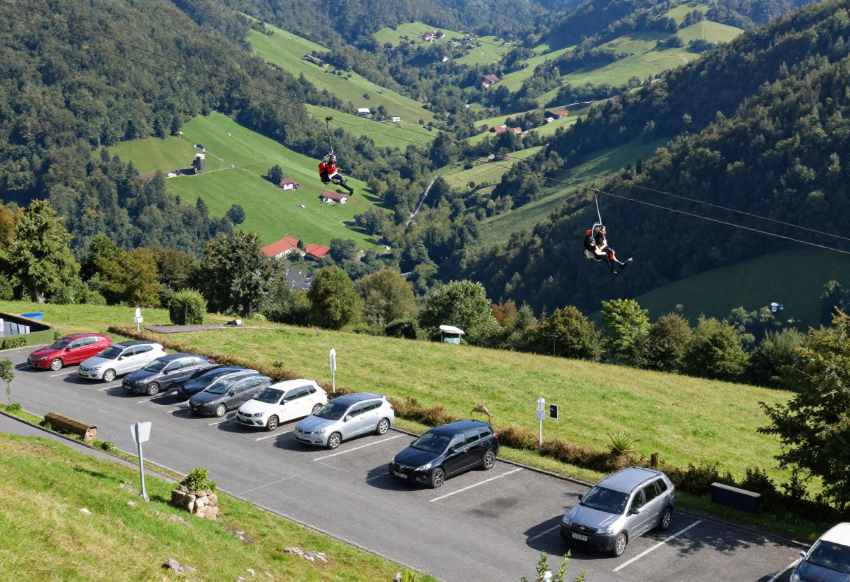
The traditional South African road trip, particularly the scenic drive from the bustling Cape Town metropole to the verdant stretches of the Garden Route and the Overberg, has been reimagined. A strategic partnership between the renowned Cape Canopy Tour and the historic Houw Hoek Hotel has resulted in the introduction of a streamlined dual-line zipline adventure. This attraction, located directly on the N2 highway, is intended to pique the interest of southbound travellers seeking a brief but exhilarating pause before reaching their final coastal or country destinations.

Architectural Design and Aerial Logistics

The technical infrastructure of this attraction was spearheaded by Cape Canopy Tour, ensuring that international safety benchmarks and operational efficiencies are strictly maintained. Unlike traditional canopy tours that involve multiple platforms and several hours of commitment, this project is defined by its “lean” operational model. A single, continuous dual-line system has been engineered to facilitate a side-by-side descent for two guests simultaneously. This layout is specifically intended to foster a shared social experience while maximizing the throughput of visitors during peak transit times.

The Guest Experience and Safety Protocols

Upon arrival, participants are guided through a structured safety briefing and equipment fitting. All harness adjustments and system attachments are performed by certified operators, ensuring that the human element of risk is meticulously managed. The journey to the launch platform involves a short traverse across a purpose-built suspension bridge, which serves as a scenic preamble to the main event. Once positioned, the descent is initiated and monitored by trained staff, with a controlled landing sequence managed at the terminal point. The entire process is estimated to be completed within a thirty-minute window, making it one of the most time-efficient adventure activities in the region.

Strategic Integration into Tourism Itineraries

A significant departure from typical destination-based adventure tourism is found in the “free-sale” nature of this zipline. No advance reservations are required, a move that encourages spontaneous stops by independent travellers (FITs) and self-drive tourists. For the broader travel trade, the experience has been made fully commissionable. Because the activity is not bound by rigid time slots, it is easily integrated into the schedules of coach tours and organized small groups without the pressure of strict arrival deadlines. This flexibility is expected to make the Houw Hoek stop a staple for tour operators navigating the N2 corridor.

Accessibility for a Diverse Demographic

Rather than targeting the extreme adrenaline-seeker, this dual-line ride is marketed as an accessible “soft adventure”. It has been designed to accommodate a wide spectrum of ages and fitness levels, making it as suitable for young families as it is for senior travellers. The physical demands on the participant are kept to a minimum, with the focus placed on the visual spectacle of the Houw Hoek mountains and the sensation of flight. By lowering the barrier to entry—both in terms of physical exertion and time commitment—the attraction appeals to a much broader market than traditional multi-stage zipline courses.

Hospitality and Infrastructure Support

The logistical success of the venture is bolstered by the existing hospitality framework provided by the Houw Hoek Hotel. For those in a travelling party who choose not to participate in the ride, the hotel’s infrastructure offers a comfortable waiting environment. On-site restaurant facilities, coffee shops, and refreshment stations are made available, ensuring that the stop serves the needs of every traveller, regardless of their appetite for heights. This synergy between adventure and hospitality ensures that the site functions as a holistic service point on the N2.

Economic and Regional Impact

The introduction of such an attraction at a natural transition point between the city and the leisure hubs of the Western Cape is expected to boost local tourism expenditure. By providing a compelling reason to stop, the project encourages travellers to linger in the Elgin and Grabouw regions longer than they might have otherwise. The operational philosophy, as highlighted by the project’s leadership, emphasizes that the journey itself should be made more memorable without being complicated by heavy logistical requirements. It is a product designed to enhance the travel experience rather than dominate it.

Safety Maintenance and Quality Assurance

The zipline system is regularly maintained in accordance with rigorous internal and industry protocols. All equipment, including high-tension steel cables and personal protective equipment, is inspected on a regular basis. Cape Canopy Tour’s operational systems are intended to provide a seamless experience in which the guest’s primary focus remains on the scenery and the thrill of the descent, while all technical complexities are handled entirely by the professional crew on-site. This commitment to safety is a key component of the partnership’s strategy for maintaining a credible presence in the competitive Western Cape tourism market.

The post Why This New Dual-Line Zipline on the N2 is the Ultimate South Africa Road Trip Pitstop appeared first on Travel And Tour World.

Hector Pieterson Memorial in South Africa: A Historic Refurbishment Commemorating Fifty Years of Courage

Hector Pieterson Memorial in South Africa: A Historic Refurbishment Commemorating Fifty Years of Courage

In the heart of Orlando West, Soweto, one of South Africa’s most moving landmarks is preparing for a historic moment. As the nation approaches the 50th anniversary of the 1976 Student Uprising, the Hector Pieterson Memorial and Museum will undergo a complete refurbishment. This project, overseen by the Johannesburg Development Agency (JDA) on behalf of the City of Johannesburg, is intended to preserve the site’s solemnity and historical significance. The courtyard exhibition is the primary focus of this restoration, ensuring that the legacy of the youth who fought apartheid is preserved in a space that meets modern safety and accessibility standards while maintaining its deep emotional resonance.

The Permanence of Remembrance: The Granite Tribute

The most significant addition to the memorial’s physical landscape is the introduction of a monumental tribute. A series of engraved granite panels is being prepared for installation, bearing the names of more than 500 individuals who lost their lives during the events of June 16, 1976, and the subsequent unrest. By etching these names into granite, a permanent and visible record is created, moving the narrative from the pages of history books into the very architecture of the site. This installation is viewed as an essential step in honouring the human cost of the struggle for educational equality, ensuring that the identity of each victim is recognized by every visitor who passes through the gates.

Enhancing the Visitor Experience through Thoughtful Design

While the historical integrity of the site is being protected, the physical infrastructure is being significantly improved to accommodate the high volume of international and local travellers expected for the 2026 commemorations. Worn and uneven surfaces are being replaced to eliminate safety hazards, while new paving and advanced waterproofing systems are being integrated to protect the structure from environmental degradation. Furthermore, the lighting systems are being upgraded to enhance visibility during evening hours, though care is being taken to ensure the illumination remains subtle and respectful of the site’s sombre atmosphere.

Creating a Sanctuary for Reflection

The refurbished courtyard is being reimagined as a more contemplative environment. Additional seating is being installed, complemented by newly landscaped planting, to provide visitors with spaces for quiet meditation. The objective of these changes is not to modernize the memorial in a way that strips it of its original meaning but rather to strengthen its role as a place of learning and reflection. It is intended that families, students, and tourists can engage with the history of the uprising in a setting that encourages a deep, personal connection to the past.

The Catalyst: The 1976 Student Uprising

The importance of this memorial is rooted in the events of June 16, 1976, a day that altered the trajectory of South African history. The uprising was sparked by a protest against the mandatory use of Afrikaans as a medium of instruction in schools—a policy that was widely condemned as an instrument of systemic oppression. What began as a peaceful march by thousands of students was met with a violent response from the apartheid police. The image of 12-year-old Hector Pieterson being carried by Mbuyisa Makhubo, with Pieterson’s sister Antoinette Sithole running alongside, was captured by photographer Sam Nzima and broadcast globally. This single photograph became a catalyst for international outrage and intensified the global movement against the apartheid state.

A Legacy Preserved for Future Generations

Today, the Hector Pieterson Memorial and Museum serves as a vital repository of memory. Through a curated collection of photographs, oral testimonies, and the symbolic Garden of Remembrance, the stories of the youth are kept alive. Every year, South Africa observes Youth Day on June 16 to pay homage to the courage of the students. With the upcoming 50th-anniversary upgrades, the names of the fallen will be firmly established in stone. This ensures that as the decades pass, the sacrifice of the 1976 generation remains a cornerstone of the South African identity and a must-visit destination for those seeking to understand the triumph of the human spirit over institutionalized injustice.

Soweto as a Premier Heritage Destination

The refurbishment of the memorial reinforces Soweto’s reputation as a premier destination for cultural and heritage tourism. The site is just a few blocks from Vilakazi Street, the only street in the world where two Nobel Peace Prize winners—Nelson Mandela and Archbishop Desmond Tutu—lived. By improving the Hector Pieterson site, the City of Johannesburg is investing in the preservation of a story that continues to inspire social justice movements around the world. The upgrade ensures that the memorial remains a beacon of education and remembrance for the next fifty years and beyond.

The post Hector Pieterson Memorial in South Africa: A Historic Refurbishment Commemorating Fifty Years of Courage appeared first on Travel And Tour World.

Drakensberg Travel Alert: Navigating Post-Flood Infrastructure Changes and Resort Closures in the KZN Midlands, South Africa

Drakensberg Travel Alert: Navigating Post-Flood Infrastructure Changes and Resort Closures in the KZN Midlands, South Africa

The majestic peaks of the KwaZulu-Natal Midlands and the Drakensberg region have recently experienced intense and relentless rainfall. While this area is known for its verdant beauty and dramatic weather patterns, the amount of precipitation over the last week has exceeded seasonal norms, posing significant logistical challenges for the tourism industry. The natural beauty of the World Heritage Site remains intact, but the arteries that lead to its heart—the provincial road networks—have suffered greatly. Infrastructure in the Midlands has been compromised, necessitating a temporary shift in how visitors approach this iconic South African destination.

The Long Road to Recovery at Injisuthi

Among the most significant casualties of the recent weather patterns is the beloved Injisuthi Camp. Situated in the lap of the mountains, the resort has been forced into a prolonged hiatus following a catastrophic failure of its primary access point. The approach to the main bridge was completely undermined and washed away by torrential currents, leaving the concrete structure choked with uprooted timber and heavy debris.

By order of Ezemvelo KZN Wildlife, it has been confirmed that the facility will remain inaccessible to the public until at least May 2026. This timeline reflects the complexity of the engineering required to restore safe passage to the camp. During the height of the storm, the severity of the damage was such that several visitors found themselves stranded within the resort. While emergency repairs were expedited by a specialized contractor to allow for a safe exodus, the bridge remains restricted to essential staff only. For the foreseeable future, all existing bookings have been suspended, and prospective travellers are being redirected to the nearby Didima Camp to ensure their mountain itineraries remain uninterrupted.

Navigating the Southern Drakensberg: Giants Castle and Lotheni

The impact of the storms was felt with equal intensity further south. For a period of 24 hours, the iconic Giants Castle was plunged into total isolation. This was caused by the simultaneous flooding of three critical access bridges: the Ncibidwane, Emanjokweni, and KwaMshini. As the river levels surged, all terrestrial access was severed, highlighting the vulnerability of high-altitude infrastructure. Fortunately, as the rains abated and the water levels receded, these routes were inspected and subsequently reopened to the public.

In the Lotheni area, the situation remains fluid. While the resort itself has managed to stay operational, the approach via Stepmore is currently described as precarious. The road surface has been heavily degraded by mud and silt, making passage particularly difficult for vehicles without high ground clearance. Travellers are advised to exercise extreme caution and consider the capabilities of their vehicles before attempting this specific route.

Clarifying the R103 and R600 Detours

Conflicting reports regarding the stability of the R600—the primary vein into the Champagne Valley—have recently been addressed by industry leaders. It has been clarified that the most significant structural failure is actually located on the R103. At this site, a substantial sinkhole has consumed a portion of the tarmac, creating a visual testament to the power of the recent floods.

Despite the dramatic appearance of the collapse, the R103 has not been entirely decommissioned. A functional, albeit short, detour has been established around the affected area to facilitate the continued flow of traffic. For those venturing from the coast toward the Champagne Valley, a specific navigational strategy is recommended to avoid the worst of the degraded infrastructure. Travellers are encouraged to exit the N3 at the Winterton interchange and proceed directly onto the R600. This route is currently deemed the most stable and reliable path for tourists heading toward the popular valley resorts.

Industry Concerns and the Path Forward

The recurring nature of infrastructure failure following heavy rains has prompted a new dialogue between the hospitality industry and provincial authorities. Those whose livelihoods rely on access to the Drakensberg are increasingly concerned about the current state of the road network. It is argued that a systemic lack of road maintenance in KwaZulu-Natal has exacerbated the effects of natural disasters, posing unnecessary challenges to the tourism industry and other regional businesses.

The KZN Roads Department is being urged to prioritise long-term structural resilience over temporary fixes. As the region prepares for a lengthy recovery period for sites such as Injisuthi, the focus is on keeping the “Dragon Mountains” accessible to the thousands of hikers, photographers, and families who seek solace in their heights. For the time being, the message to travellers is one of resilience and preparation: the mountains are open, but the journey will require a little more planning than usual.

The post Drakensberg Travel Alert: Navigating Post-Flood Infrastructure Changes and Resort Closures in the KZN Midlands, South Africa appeared first on Travel And Tour World.

Iran: Strategic Modernization of the Tourism Sector Through National Workforce Empowerment and Professional Retraining

Iran: Strategic Modernization of the Tourism Sector Through National Workforce Empowerment and Professional Retraining

The landscape of Iranian tourism is changing dramatically as a comprehensive national strategy is implemented to modernise the country’s hospitality sector. The Ministry of Cultural Heritage, Tourism, and Handicrafts has launched a sophisticated series of training modules called “Empowerment and Retraining Courses for Tourism Human Resources”. This initiative is intended to address the rapid evolution of global travel trends and the growing diversification of specialised roles within the industry. By focusing on professional competency development, the Persian hospitality sector is preparing to meet contemporary international standards while navigating the complexities of today’s economic environment.

A Data-Driven Approach to Human Capital

The architecture of these newly implemented programmes was finalized following an extensive period of field research and a rigorous assessment of the existing labour market. Gaps in the current workforce were identified through meticulous evaluation, ensuring that the training packages are not merely theoretical but are grounded in the practical realities of the industry. A collaborative framework has been established where private sector stakeholders are actively involved in both the conceptualization and the execution of these modules. This partnership ensures that the skills being taught are directly applicable to the operational needs of tourism enterprises, ranging from luxury urban hotels to remote desert outposts.

Resilience and Crisis Management in a Changing World

A pivotal component of this educational rollout is a specialized workshop dedicated to crisis management and stakeholder resilience. In light of fluctuating global conditions, the knowledge base of tourism professionals is being fortified to minimize potential economic losses and facilitate cost-effective recovery strategies. National and international experiences are being synthesized to provide stakeholders with a robust toolkit for maintaining stability during unforeseen disruptions. This proactive stance is intended to build a more durable tourism infrastructure that can withstand the ebbs and flows of the international travel market.

Empowering the Heartlands: Rural and Eco-Lodge Standards

The focus of the ministry has also been directed toward the preservation and promotion of Iran’s rural identity. Specific workshops have been organized to empower rural entrepreneurs, with a heavy emphasis on modern management, digital marketing, and strategic branding. Through these efforts, the economic benefits of tourism are being distributed more equitably across the various provinces, encouraging the growth of sustainable employment in underserved regions.

Parallel to rural development, the operational standards of eco-lodges are being subjected to renewed scrutiny. While the quantitative growth of these establishments has reached government targets, the current priority has shifted toward the qualitative enhancement of services. Regulations governing the management of these lodges are being disseminated to ensure that hospitality principles and service standards are harmonized across the country. Crucially, these improvements are being implemented in a manner that preserves the unique local identity and cultural heritage that make Iranian eco-lodges so attractive to global explorers.

Modernizing the Guide Experience and Statistical Integrity

The technical and professional knowledge of tour guides—the frontline ambassadors of Iranian culture—is being systematically updated. These retraining courses are tailored to ensure that the information and services provided by guides are aligned with the sophisticated expectations of modern travellers. By refreshing their expertise, the ministry aims to elevate the storytelling and logistical management of tours across Iran’s 29 UNESCO World Heritage sites.

Furthermore, the statistical framework of the industry is being overhauled following the completion of a national project focused on Tourism Satellite Accounts (TSA). To ensure a comprehensive and accurate understanding of the sector’s economic impact, the statistical capacity of provincial offices is being strengthened. A series of workshops, conducted in coordination with the Statistical Center of Iran, has been scheduled across 31 provinces. These sessions are designed to familiarize regional experts with advanced data concepts, allowing for a more nuanced and data-backed approach to future tourism planning.

A Flourishing Sector with Immense Potential

The most recent fiscal year clearly demonstrated the economic vitality of Iran’s tourism sector. According to data provided by the Law Enforcement Command (FARAJA) and confirmed by senior officials, the country received more than 7 million international visitors. This influx generated approximately $7.4 billion in revenue, demonstrating the sector’s critical role in promoting national economic growth. With a diverse range of historical assets, including ancient bazaars, intricate mosques, and historic bridges, the groundwork for continued growth is solid.

By investing in the “human element” of the industry, the Ministry of Cultural Heritage, Tourism, and Handicrafts ensures that Iran’s physical beauty is matched by world-class service. As these empowerment programmes spread across the country, the Islamic Republic is establishing itself not only as a historical destination but also as a modern leader in sustainable and professional tourism management.

The post Iran: Strategic Modernization of the Tourism Sector Through National Workforce Empowerment and Professional Retraining appeared first on Travel And Tour World.

Namdong-gu, South Korea: From Industrial Hub to Global Cultural Gateway and Must-Visit Travel Destination

Namdong-gu, South Korea: From Industrial Hub to Global Cultural Gateway and Must-Visit Travel Destination

For decades, the Namdong-gu skyline was defined by the rhythmic hum of the Namdong National Industrial Complex and the thriving local commerce of Guwol-dong. While it had long been recognised as a pillar of Incheon’s economy, it was seldom the first name on an international traveller’s itinerary. However, a significant shift is currently occurring. This district, which was previously viewed primarily through the lens of manufacturing and domestic retail, is being strategically repositioned as a “Global Cultural Gateway”. Namdong-gu effectively invites the world to look closer by bridging the gap between its rugged industrial heritage and its untapped coastal beauty.

A New Vision for the Gateway City

The transformation is being driven by a recognition of Namdong-gu’s prime geographic advantage. Located within the embrace of Incheon—Korea’s premier gateway—the district is now being marketed as a vital link between industrial globalization and high-value tourism. A concerted effort is being made by local authorities to capture the attention of the millions of travellers who pass through the nearby Incheon International Airport. Rather than being treated as a mere transit point, the district is being developed into a destination where layover passengers can immerse themselves in authentic Korean life within a limited timeframe.

The success of this shift is reflected in recent economic data. It has been reported by the Korea Tourism Organization that foreign credit card spending within the district nearly tripled in 2025, soaring to 30.8 billion won from the 10 billion won recorded in previous years. Furthermore, a steady increase in international visitor numbers has been observed, signalling that the district’s new identity is resonating with a global audience.

Modernizing Heritage at Sorae Port

At the heart of this tourism revival is the Sorae Port area, a location famous among locals for its vibrant seafood market and unique coastal tidal wetlands. In an effort to welcome the world, the facilities surrounding the Sorae fish market were extensively remodelled to ensure better accessibility for overseas visitors. The historical narrative of the region is also being preserved and promoted; the Sorae History Museum underwent a significant renovation in early 2025. Following these updates, a 41 per cent year-on-year increase in museum attendance was recorded, proving that there is a deep international appetite for the district’s maritime history.

The traditional charm of the port is now being complemented by multilingual infrastructure. Since 2024, tour maps in various languages have been distributed, ensuring that cultural sites, parks, and accommodation details are easily understood by non-Korean speakers. By elevating these local assets, Namdong-gu is effectively transitioning from a domestic weekend spot to a globally recognized leisure hub.

The Rise of the Stopover Experience

One of the most innovative strategies employed by the district is the implementation of short-term tour programmes designed specifically for transfer passengers. In a partnership between district officials and airport authorities, curated experiences are being offered to those with only a few hours to spare. Since its inception in late 2024, over 1,000 travellers have been drawn to the commercial vibrancy of Guwol-dong and the scenic tranquillity of Sorae Port through these programmes.

During high-profile events like the Sorae Port Festival, international guests are no longer just spectators. They are invited to participate in hands-on cultural activities, such as the preparation of kimchi and the traditional pounding of rice cakes. These experiential programmes are designed to provide a “concentrated” taste of Korean culture, allowing the district to be experienced through its flavours, crafts, and hospitality rather than just its industrial output.

Globalization Through Industrial Excellence

While tourism flourishes, the district’s economic backbone—the Namdong National Industrial Complex—is also being globalized. Small and medium-sized enterprises (SMEs) are being supported in their quest to enter overseas markets. Despite the pressures of global trade protectionism, the technological competitiveness of local firms is being championed through state-backed delegations.

Market development programmes have been successfully led into regions such as Central Asia, Southeast Asia, and Europe. For instance, a recent delegation to Kazakhstan resulted in over a hundred business consultations, with significant contracts being discussed in the beauty and kitchenware sectors. To further lower the barriers to entry, subsidies are provided for translation services, international certifications, and the installation of booths at global industrial exhibitions. By strengthening these business fundamentals, Namdong-gu is ensuring its local industries are reinforced against external economic shocks.

A Community-Led Global Outreach

The participation of Namdong-gu’s international residents is perhaps the most unique aspect of the strategy. In 2024, a resident reporter programme was launched, allowing citizens from China, Vietnam, and the Philippines to promote local businesses in their native languages. These residents are viewed not only as recipients of social policy but also as active participants in the district’s economic development. Their linguistic skills and cultural insights are being used to raise awareness of Namdong-gu’s SMEs among their personal and professional networks abroad.

This comprehensive approach, which includes infrastructure upgrades, specialised transit tourism, and community-driven industrial promotion, is transforming Namdong-gu into a multifaceted “Global Economic Connector”. As the district continues to develop diverse programmes, it is clear that the “Namdong era” of international travel has only recently begun.

The post Namdong-gu, South Korea: From Industrial Hub to Global Cultural Gateway and Must-Visit Travel Destination appeared first on Travel And Tour World.

The Future of Heritage: Arab Tourism Day 2026 Spotlights Cultural Sustainability

The Future of Heritage: Arab Tourism Day 2026 Spotlights Cultural Sustainability

The Arab Tourism Organisation issued a significant declaration, designating February 25 as the annual Arab Tourism Day. This specific date was chosen to foster a unified identity and promote the Arab world’s diverse landscapes as premier global destinations. For the calendar year 2026, a strategic emphasis has been placed on the two pillars of sustainability and culture. This thematic choice reflects a broader regional commitment to ensuring that the growth of the travel industry does not jeopardise environmental integrity or historical preservation. Instead, a symbiotic relationship between modern hospitality and ancient tradition is being developed to provide travellers with more meaningful and responsible experiences.

The Surge in International Arrivals: Analyzing the Statistics

The resilience of the region’s travel industry is clearly evidenced by the latest data released by the United Nations Tourism body. According to these official reports, a notable 3% increase in international visitor arrivals was recorded across the Middle East in 2025. Even more striking results were observed in North Africa, where a remarkable 11% surge in tourism was documented. These figures underscore the growing appeal of the region, which has successfully positioned itself as a post-pandemic recovery leader. The increase in footfall is attributed to enhanced air connectivity, simplified visa procedures, and the unveiling of major cultural landmarks that have captured the global imagination.

Sustainability as a Strategic Pillar for Future Growth

Sustainability is no longer viewed as an optional luxury but has been integrated as a core component of the regional tourism strategy. Under the 2026 campaign, various initiatives are being implemented to minimize the carbon footprint of the hospitality sector. Water conservation programmes, waste management reforms, and the adoption of renewable energy in remote desert resorts are being prioritized by government ministries. By shifting the focus toward “green tourism”, the Arab Tourism Organization aims to protect fragile ecosystems—from the Red Sea’s coral reefs to the vast dunes of the Empty Quarter—while ensuring that local communities directly benefit from the economic influx generated by international visitors.

Cultural Preservation: Honoring the Soul of the Middle East

The cultural narrative of the Arab world is being meticulously preserved and promoted as a primary attraction for the modern traveller. Rather than focusing solely on urban modernization, equal importance is being given to the revitalization of historical districts, UNESCO World Heritage sites, and traditional craftsmanship. In countries across the region, visitors are being encouraged to engage with authentic local customs, culinary heritage, and archaeological wonders. This cultural focus is designed to provide a deeper understanding of the region’s history, moving beyond the superficiality of mass tourism to create lasting connections between guests and their hosts.

Governmental Vision and the Road to 2030

The progress witnessed on this Arab Tourism Day is closely aligned with long-term national visions, such as Saudi Arabia’s Vision 2030 and the UAE’s Sustainable Development Goals. National strategies are being executed to diversify economies away from oil dependency, with tourism serving as a vital engine for job creation and infrastructure development. The Baghdad Declaration and the “Inclusive and Sustainable Arab Tourism Destinations 2030” initiative provide a roadmap for these efforts. Through these frameworks, public-private partnerships are being strengthened to ensure that the rapid growth in visitor numbers is managed with a focus on long-term ecological and social viability.

Regional Collaboration: A Unified Front in Global Travel

A spirit of cooperation is being fostered between Arab nations to present the region as a seamless and multifaceted destination. Joint marketing campaigns and regional travel agreements are being utilized to encourage multi-destination itineraries, allowing travellers to experience the varied landscapes of North Africa and the Middle East in a single journey. This collaborative approach is intended to maximize the impact of the 11% and 3% growth rates reported by the UN, ensuring that the entire region thrives collectively. By sharing best practices in sustainable management and cultural promotion, the Arab Tourism Organization is setting a global benchmark for how heritage-rich regions can modernize responsibly.

The Traveler’s Role in a Greener Tomorrow

As the 2026 campaign gains momentum, a call to action is being extended to the travellers themselves. Responsible travel practices are being promoted to ensure that the beauty and culture of these destinations remain intact for future generations. Guests are being urged to support local artisans, respect traditional norms, and choose eco-certified accommodations. This shift in traveller behaviour is seen as essential to the success of the sustainability goals set forth by regional leaders. By participating in this movement, international visitors become active contributors to the preservation of one of the world’s most historically significant and geographically diverse regions.

A New Era for Arab Tourism

To summarise, the celebration of Arab Tourism Day on February 25 demonstrates the region’s enduring allure and forward-thinking leadership. With sustainability and culture at the forefront of the 2026 agenda, the Middle East and North Africa are experiencing not only a recovery but also a profound transformation. The UN’s impressive growth statistics reflect a sector that is becoming more resilient, inclusive, and environmentally conscious. As the region continues to welcome the world, it does so with a renewed commitment to honouring its past while safeguarding its future, ensuring that each journey taken contributes to a more sustainable global travel landscape.

The post The Future of Heritage: Arab Tourism Day 2026 Spotlights Cultural Sustainability appeared first on Travel And Tour World.

Bwindi Impenetrable National Park, Uganda: Landmark Chimpanzee Census Unlocks New Era for Primate Tourism

Bwindi Impenetrable National Park, Uganda: Landmark Chimpanzee Census Unlocks New Era for Primate Tourism

The mist-shrouded ridges of Bwindi Impenetrable National Park have long been regarded as the ultimate refuge for the world’s mountain gorillas. For decades, the global travel community has seen this UNESCO World Heritage site through a single lens, focusing on the majestic silverbacks that roam its dense undergrowth. However, the publication of a groundbreaking scientific report has set off a significant paradigm shift. Following a rigorous and sophisticated census in 2025, which was officially unveiled on February 24, 2026, the park is now being celebrated for a “hidden treasure” that has long been overshadowed by its more famous primate cousins. A thriving resident chimpanzee population has been formally documented, ushering in a new era for conservation science and the future of luxury ecotourism in East Africa.

The Scientific Foundation of a New Legacy

A comprehensive population count was executed through a collaborative partnership between the Uganda Wildlife Authority (UWA) and the Jane Goodall Institute (JGI) Uganda. This endeavour was not merely an informal survey but a scientifically validated mission intended to close a decades-old knowledge gap regarding the park’s biodiversity. A standardized “line-transect” methodology was employed across 320.9 square kilometres of challenging, rugged terrain. Rather than attempting to spot the elusive primates directly in the thick foliage, the research team relied on the identification and georeferencing of chimpanzee nests. Because a new nest is constructed by an individual each night, this non-invasive technique allowed for a highly accurate estimation of the population without causing any stress to the animals or their habitat.

A Thriving Population Revealed

The findings of this landmark study have confirmed the presence of at least 426 chimpanzees within the park boundaries. With a recorded density of approximately 1.33 individuals per square kilometre, the species is now acknowledged as an integral and widely distributed component of the Bwindi ecosystem. It was previously assumed by some that these primates were merely incidental or transient visitors to the forest, yet the data clearly illustrates a permanent and robust residency. The highest concentrations were identified within the northern sectors, specifically an area colloquially referred to by researchers as the “neck of Bwindi. ” This discovery elevates the park’s status to one of the few places on the planet where two distinct species of great apes—chimpanzees and mountain gorillas—not only coexist but also thrive in overlapping territories.

Redefining the Primate Trekking Experience

The implications for the travel industry are profound. For years, tourism in Bwindi was designed almost exclusively around the four gorilla trekking sectors of Buhoma, Ruhija, Rushaga, and Nkuringo. With this new scientific baseline, the diversification of the park’s tourism portfolio is being prioritized by government officials. The introduction of regulated chimpanzee habituation and tracking experiences is expected to follow, particularly in the underutilized northern stretches of the forest. By offering a “dual-ape” experience within a single protected area, the region is poised to attract travellers who are seeking deeper immersion into primate behaviour. Longer stays are anticipated as visitors are given the opportunity to witness the distinct social dynamics of both the disciplined gorilla families and the high-energy, vocal communities of chimpanzees.

A Milestone for Evidence-Based Conservation

The census results are viewed as a vital victory for Uganda’s National Chimpanzee Conservation Strategy (2023/24–2032/33). By establishing a clear population baseline, conservation investments can now be directed with greater precision. Management decisions regarding ranger patrols, disease surveillance, and habitat protection are being refined based on the specific locations of the chimpanzee communities. It was noted by the survey teams that minimal signs of human disturbance were detected across the transects, suggesting that the current protection protocols managed by the UWA have been largely successful. However, the new data also highlights the necessity of continued vigilance against emerging threats such as climate change, habitat fragmentation, and the potential for cross-species disease transmission.

Economic Empowerment for Local Communities

Beyond the biological significance, the socioeconomic potential of this discovery is being emphasized by national tourism leaders. The expansion of tourism offerings is expected to generate a ripple effect throughout the local economy. New jobs are likely to be created for specialized guides, trackers, and hospitality staff, particularly in sectors that have historically received fewer visitors. Revenue-sharing programmes, which allocate a portion of park fees to community projects, will be bolstered by the increased volume of permits and extended visitor itineraries. This strengthening of the link between wildlife protection and community prosperity is seen as the most effective long-term defence for the park’s boundaries, as local residents become the primary beneficiaries of a healthy, biodiverse forest.

Bwindi as a Global Biodiversity Stronghold

The successful documentation of Bwindi’s chimps cements the park’s reputation as a top destination for both researchers and eco-conscious tourists. The park is no longer simply a “gorilla forest”; it is now recognised as a complex and ancient refuge that supports one of Africa’s most diverse mammalian populations. The ecological overlap between these two great ape species provides a unique perspective on interspecies dynamics and forest resilience. As the world shifts towards more sustainable and science-driven travel models, the “Bwindi treasure” serves as a reminder that even the most well-travelled landscapes can still contain secrets waiting to be discovered. For the astute traveller, the invitation is clear: return to the impenetrable forest and meet the neighbours you never knew existed.

The post Bwindi Impenetrable National Park, Uganda: Landmark Chimpanzee Census Unlocks New Era for Primate Tourism appeared first on Travel And Tour World.
❌