
Reading view

Hoover Unites Montgomery, Tuscaloosa, Birmingham, Mobile, Huntsville, And Auburn To Reveal Alabama’s Secret Biological Wonders That Are Beating The Odds, Proving That Nature-Saving Soul-Stirring Travel Is The New Viral Bucket List In The United States
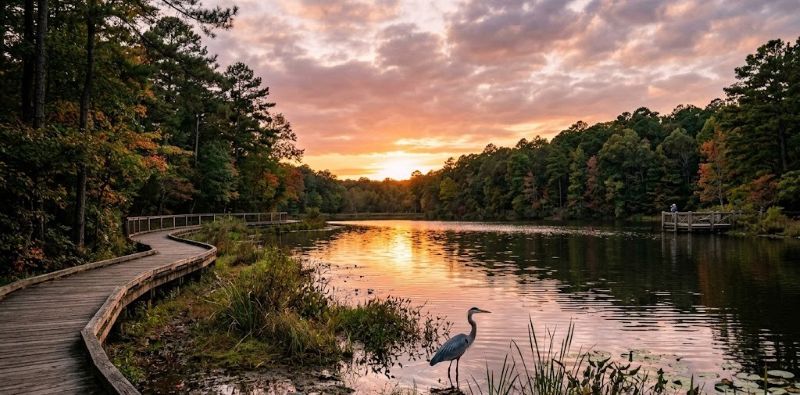
Hoover Unites Montgomery, Tuscaloosa, Birmingham, Mobile, Huntsville, And Auburn To Reveal Alabama’s Secret Biological Wonders That Are Beating The Odds, Proving That Nature-Saving Soul-Stirring Travel Is The New Viral Bucket List In The United States

Hoover Unites Montgomery, Tuscaloosa, Birmingham, Mobile, Huntsville, And Auburn To Reveal Alabama’s Secret Biological Wonders That Are Beating The Odds, Proving That Nature-Saving Soul-Stirring Travel Is The New Viral Bucket List In The United States. These cities are revealing how nature is thriving against the odds, offering eco-tourists a unique, transformative experience that combines adventure, education, and conservation. The hidden gems of Alabama’s natural landscape—rich with endangered species, diverse ecosystems, and stunning wildlife sanctuaries—are becoming the ultimate destination for travellers seeking to connect with nature while also supporting efforts to protect it.

From the wildlife refuges in Montgomery, where the Lagoon Park Trail & Wetlands provides a safe haven for migratory birds, to the breathtaking Mobile-Tensaw Delta, home to the Alabama Red-bellied Turtle, Alabama’s hidden treasures are proving that eco-tourism is more than just a passing trend. The state’s wildlife sanctuaries are becoming some of the most sought-after destinations in the United States, offering unparalleled opportunities to witness species that are beating the odds and thriving in protected environments.

Hoover, with its impressive Moss Rock Preserve and commitment to urban wildlife conservation, exemplifies how cities are integrating sustainability into their landscapes, creating spaces where both residents and visitors can experience the beauty of nature firsthand. Meanwhile, Huntsville’s proximity to protected wildlife areas like the Wheeler National Wildlife Refuge provides yet another example of Alabama’s innovative approach to blending conservation with tourism.

As these cities unite in showcasing Alabama’s hidden natural wonders, the state is fast becoming a viral bucket list destination for those who seek to make a positive environmental impact while embarking on their next great adventure.

Birmingham: A Hub for Avian and Aquatic Conservation

Birmingham, Alabama, located at the heart of the Ridge and Valley region, stands as a model for urban wildlife conservation. This dynamic city not only boasts a bustling metropolis but is also surrounded by some of the richest wildlife habitats in the region. With its mix of forests, wetlands, and river systems, Birmingham serves as a sanctuary for a myriad of species, offering ample opportunities for both residents and eco-tourists to connect with nature.

At the forefront of the city’s conservation efforts is Oak Mountain State Park, which hosts the Alabama Wildlife Center—the state’s oldest and largest wildlife rehabilitation facility. The centre specializes in rehabilitating native bird species, particularly raptors, and it provides educational programmes for visitors, allowing them to witness the recovery and release of injured or sick birds. This facility plays a pivotal role in local conservation, ensuring the survival of species like Red-tailed Hawks and Barn Owls. For birdwatching enthusiasts and eco-tourists alike, Oak Mountain State Park is a must-visit location, offering guided tours, raptor flights, and hands-on experiences for wildlife lovers.

Birmingham’s conservation reach extends beyond Oak Mountain to other vital sanctuaries such as the Ruffner Mountain Nature Preserve. Spanning over 1,000 acres, Ruffner Mountain is a significant urban forest that serves as a home for a variety of reptiles, mammals, and birds. The preserve plays an essential role in protecting the natural ecosystem while providing an escape for those looking to experience the tranquillity of untouched nature in the heart of a city. Its trails offer visitors a chance to explore wildflower meadows and wooded paths, making it a perfect destination for those interested in connecting with the natural world through hiking or bird watching.

Another prime conservation area in Birmingham is Turkey Creek Nature Preserve, a place of critical ecological importance. Known for housing the endangered Vermilion Darter, a fish species found nowhere else on Earth, this preserve is a beacon of successful conservation efforts. As an eco-tourism hotspot, Turkey Creek not only focuses on protecting aquatic species but also offers visitors the chance to explore one of Alabama’s most biologically significant ecosystems. Its crystal-clear waters and tranquil surroundings offer a peaceful retreat for nature lovers and researchers alike, all while contributing to global conservation efforts.

Additionally, the Birmingham Wildlife Conservation Park contributes significantly to conservation initiatives. The park is involved in captive breeding programmes and works on international research projects that help protect endangered species globally. With a focus on breeding and species recovery, it serves as a hub for educational outreach, allowing visitors to learn about the importance of protecting species and their habitats.

Montgomery: Preserving Terrestrial and Riverine Habitats

As the capital of Alabama, Montgomery serves as a crucial hub for both terrestrial and riverine conservation. The city balances its urban identity with a deep commitment to preserving the ecosystems surrounding it. Montgomery’s parks, museums, and natural reserves not only showcase the city’s rich wildlife heritage but also offer a hands-on approach to learning about conservation.

A standout educational facility is the Mann Wildlife Learning Museum, which houses one of the most extensive collections of North American wildlife artifacts. The museum’s exhibits educate visitors on Alabama’s ecosystems and the wildlife that call the state home. It’s an essential stop for those wanting to understand the delicate balance between human activity and the environment. The Montgomery Zoo Conservation Center, with its involvement in Species Survival Plans (SSPs), plays a key role in preserving endangered animals such as the Cheetah and Red Panda. The zoo not only acts as a haven for these species but also offers educational programs that engage visitors in the ongoing fight to protect the planet’s biodiversity.

Beyond urban conservation efforts, Montgomery offers natural spaces like Lagoon Park Trail & Wetlands and Cooter’s Pond Park, both of which are critical for habitat preservation. Lagoon Park provides a vital wetland ecosystem for local amphibians and migratory waterfowl, while Cooter’s Pond Park is dedicated to the protection of native turtle species. These spaces are integral in preserving the delicate Alabama River ecosystem, ensuring that both local wildlife and migratory species thrive.

Mobile: The Gateway to the Biodiverse Mobile-Tensaw Delta

Mobile, located along the Gulf Coast, is widely recognized as the gateway to the Mobile-Tensaw Delta, often referred to as the “Amazon of North America.” With over 51,000 acres of wetlands, rivers, and forests, the delta is one of the most biodiverse regions in the U.S., making it an essential site for both terrestrial and marine conservation.

The Five Rivers Delta Resource Center serves as a key educational facility that highlights the region’s biodiversity. It focuses on the five rivers flowing into Mobile Bay, offering insights into the delta’s ecosystems while promoting the protection of the surrounding environment. For those eager to witness the diversity of species, Bon Secour National Wildlife Refuge is a must-visit destination. Located just south of Mobile, this refuge is integral to protecting sea turtle nesting grounds and the endangered Alabama Beach Mouse. The refuge’s salt marshes and beach habitats are home to a wealth of species, making it an essential conservation area.

Mobile’s Meaher State Park plays a significant role in preserving the natural wetlands of North Mobile Bay. The park serves as an ideal location for birdwatching and provides access to the Alabama Coastal Birding Trail. Here, visitors can witness the incredible diversity of migratory birds that pass through the region. Additionally, the Upper Delta Wildlife Management Area offers opportunities to see species like black bears and neotropical migrants, reinforcing the city’s pivotal role in protecting both local and migratory wildlife.

Huntsville: A Sanctuary for Unique Karst and River Ecosystems

Located in the northern part of Alabama, Huntsville offers a distinct landscape featuring karst topography—a unique geological feature that fosters a variety of ecosystems. This geological wonder, combined with Huntsville’s commitment to preserving natural landscapes, makes it a city at the forefront of environmental conservation.

The Goldsmith-Schiffman Wildlife Sanctuary provides 375 acres of diverse habitats that protect species such as wild turkeys, deer, and herons. Situated along the Flint River, the sanctuary offers visitors a chance to experience these ecosystems firsthand, with hiking trails that wind through diverse terrain. For bird lovers, Wheeler National Wildlife Refuge is a vital wintering site for the Whooping Crane and other migratory birds. This refuge plays a key role in the preservation of these species, serving as a stopover during migration.

Huntsville’s Hays Nature Preserve and Dallas W. Fanning Nature Preserve further bolster the city’s commitment to conservation. Both preserves protect local flora and fauna, providing sanctuary for species such as wild turkeys and herons while ensuring that the natural corridor along the Flint River remains intact.

Tuscaloosa: Protecting Freshwater Ecosystems Along the Black Warrior River

Nestled along the Black Warrior River, Tuscaloosa is an important city for the conservation of freshwater ecosystems. The Mulberry Fork Wildlife Management Area, covering more than 35,000 acres, is a significant site dedicated to the protection of forest-dwelling mammals and upland birds. This area provides an essential refuge for species that depend on forest and river ecosystems for survival.

The Lake Tuscaloosa Conservation Zone plays a critical role in protecting the water quality of the Black Warrior River and managing local sport fish populations. As a vital resource for both ecological and recreational purposes, the lake and its surrounding habitats are crucial for maintaining biodiversity in the region.

Additionally, Moundville Archaeological Park, located along the Black Warrior River, offers a blend of cultural and ecological education. While historically significant, the park also contributes to the conservation of riverfront ecosystems, making it an ideal spot for visitors to explore the intertwined relationship between Alabama’s rich heritage and its natural environment.

Hoover: A Model for Integrating Conservation into Urban Growth

As a rapidly expanding suburb of Birmingham, Hoover has emerged as a leader in integrating wildlife conservation into urban development. The city has successfully created passive nature preserves and protected areas that help maintain ecological balance while accommodating urban growth.

The Moss Rock Preserve, a 349-acre sanctuary, is home to rare plant species such as the Little River Canyon Sandstone Glade. This preserve serves as a critical conservation area for both plant and animal life, providing a habitat for species that are endemic to the region. Similarly, the Cahaba Riverchase Greenway is a protected river corridor that ensures the water quality of the Cahaba River, one of the most biodiverse rivers in North America.

For a more tranquil experience, Aldridge Gardens offers visitors a peaceful botanical retreat, with its serene lake serving as a habitat for turtles and waterfowl. Hoover’s thoughtful approach to conservation ensures that it continues to thrive as an urban area while still prioritizing the protection of its natural spaces.

Auburn: The Powerhouse of Forestry and Wildlife Sciences

At Auburn University, the College of Forestry and Wildlife Sciences plays a crucial role in the region’s conservation efforts. Auburn’s commitment to sustainable practices and wildlife protection is evident in its wide range of research and educational initiatives.

The Kreher Preserve & Nature Center, spanning 120 acres, serves as a living laboratory for wildlife study and education. This site allows both students and visitors to engage with the environment and learn about the importance of conservation. Similarly, Chewacla State Park, with its 696 acres of forested land, offers sanctuary to woodland species and provides visitors with a serene setting to enjoy nature. The park’s temperate climate and diverse ecosystems make it a haven for those interested in experiencing Alabama’s natural beauty up close.

Nearby, Tuskegee National Forest is another key area for conservation, focusing on the restoration of the longleaf pine ecosystem. Auburn’s continued commitment to forestry and wildlife sciences ensures that the region remains a leader in conservation and sustainable practices.

How does Alabama’s wildlife conservation impact the local tourism industry?

Alabama’s wildlife conservation efforts play a significant role in boosting the local tourism industry by attracting eco-conscious travellers and wildlife enthusiasts from around the globe. The state’s commitment to preserving its diverse ecosystems—ranging from forests and wetlands to river systems and coastal habitats—offers unique opportunities for visitors to engage with nature in an authentic and impactful way.

Cities like Birmingham, with its Oak Mountain State Park and Ruffner Mountain Nature Preserve, provide ideal locations for bird watchers and hikers to immerse themselves in the state’s natural beauty. The Alabama Wildlife Center within Oak Mountain is a major draw for eco-tourists, offering an educational experience focused on bird rehabilitation and conservation. Similarly, Turkey Creek Nature Preserve, home to the endangered Vermilion Darter fish, attracts visitors keen on learning about species preservation in one of Alabama’s most biologically important areas.

In Mobile, the Mobile-Tensaw Delta, nicknamed the “Amazon of North America,” draws nature lovers and eco-tourists interested in exploring its rich biodiversity. Visitors to the Five Rivers Delta Resource Center are educated about the region’s conservation efforts, which not only protect species like the Alabama Red-bellied Turtle but also create eco-friendly tourism experiences. Meanwhile, Bon Secour National Wildlife Refuge offers a sanctuary for sea turtles and the Alabama Beach Mouse, further cementing Mobile’s reputation as a premier eco-tourism destination.

The growing emphasis on wildlife conservation in Alabama not only preserves vital habitats and endangered species but also fuels the state’s eco-tourism sector. By protecting unique wildlife and natural areas, Alabama provides a perfect blend of education, adventure, and conservation, offering visitors the opportunity to experience nature up close while supporting efforts to safeguard these treasures for future generations.

How can eco-tourism in cities like Birmingham and Mobile help raise awareness about endangered species and conservation challenges?

Eco-tourism in cities like Birmingham and Mobile plays a crucial role in raising awareness about endangered species and the ongoing challenges of conservation. By offering visitors the opportunity to explore the natural beauty of Alabama, these cities help foster a deeper understanding of the delicate ecosystems that need protection.

In Birmingham, locations such as Oak Mountain State Park and Ruffner Mountain Nature Preserve allow tourists to engage directly with conservation efforts. The Alabama Wildlife Center in Oak Mountain is a prime example, providing guests with insights into the rehabilitation of native bird species, especially raptors. By witnessing the care and recovery of injured birds, visitors gain a greater appreciation for the importance of species preservation. Furthermore, Turkey Creek Nature Preserve, home to the endangered Vermilion Darter fish, highlights the city’s commitment to protecting rare species and their unique habitats. Eco-tourists visiting these sites leave with a better understanding of the vital role conservation plays in maintaining biodiversity.

Meanwhile, Mobile offers unique opportunities to connect with nature through its Mobile-Tensaw Delta, often referred to as the “Amazon of North America.” Here, eco-tourism hotspots like the Five Rivers Delta Resource Center provide visitors with valuable education about the delta’s ecosystems and conservation efforts. The delta is home to species like the Alabama Red-bellied Turtle and migratory birds, whose habitats are under threat. Visitors to Bon Secour National Wildlife Refuge can learn about the endangered Alabama Beach Mouse and efforts to protect sea turtle nesting sites, directly contributing to awareness about the region’s delicate wildlife and the challenges they face.

Through these hands-on experiences, eco-tourism in Birmingham and Mobile educates visitors, inspiring them to become more proactive in supporting conservation initiatives, all while enjoying Alabama’s natural wonders.

What trends are shaping the future of the luxury hotel sector in Alabama’s major cities like Huntsville and Birmingham?

The luxury hotel sector in Alabama’s major cities, like Huntsville and Birmingham, is undergoing a transformation driven by changing traveller expectations, sustainability, and technological advancements. As travellers become more discerning, luxury hotels are evolving to offer more than just opulent accommodations; they are crafting experiential stays that connect visitors to the local culture, natural beauty, and innovative spirit of Alabama.

In Birmingham, the focus is shifting towards experience-driven luxury. Upscale hotels are increasingly offering bespoke experiences, such as guided tours through Oak Mountain State Park, where guests can enjoy birdwatching and wildlife encounters, or private events at Ruffner Mountain Nature Preserve, an urban sanctuary that blends nature and conservation education. Luxury properties in the city are also offering guests exclusive culinary experiences that highlight the region’s farm-to-table dining culture, giving them a true taste of Alabama’s vibrant food scene.

In Huntsville, known for its cutting-edge technology and space exploration legacy, luxury hotels are embracing high-tech amenities that enhance guest experiences. Smart rooms equipped with AI-driven systems for temperature control, lighting, and entertainment are becoming more common. The city’s proximity to Wheeler National Wildlife Refuge also means that eco-tourism plays a role in Huntsville’s luxury offering. Upscale hotels are tapping into this, creating tailored nature-inspired itineraries that include everything from private bird-watching tours to star-gazing excursions at the U.S. Space & Rocket Center.

Sustainability is another key trend. Both Birmingham and Huntsville are seeing luxury hotels adopt green practices, from energy-efficient designs to locally sourced ingredients for their restaurants. As more travellers seek out environmentally conscious options, these cities’ luxury hotels are rising to the challenge, ensuring that comfort and sustainability go hand in hand.

These trends signal a future where luxury hotels in Alabama are not just about indulgence, but about immersion in the region’s unique cultural and natural offerings.

What are the current trends in sustainable travel, and how are hotels in Alabama adapting to these changes?

Sustainable travel is rapidly gaining momentum as travellers increasingly prioritize environmental responsibility, and Alabama’s hotels are adapting to meet these evolving demands. The current trends in sustainable travel reflect a growing interest in eco-conscious practices that reduce carbon footprints, support local communities, and preserve natural resources.

One key trend is the use of eco-friendly accommodations that incorporate green building standards. In cities like Birmingham, hotels such as the Elyton Hotel have embraced sustainable design by incorporating energy-efficient systems and sustainable materials. The city’s commitment to wildlife conservation is also reflected in the hospitality sector, where hotels partner with local organisations, such as the Alabama Wildlife Center in Oak Mountain State Park, to offer guests experiences that combine luxury with environmental awareness. Eco-conscious travellers can explore the natural beauty of Birmingham’s Ruffner Mountain Nature Preserve, knowing their stay supports sustainable tourism.

In Huntsville, known for its tech-driven innovations, hotels are adopting smart technology to optimize energy use, offering guests the ability to control lighting, heating, and air conditioning through mobile apps. This not only enhances the guest experience but also helps reduce unnecessary energy consumption. Wheeler National Wildlife Refuge, a prominent eco-tourism site near Huntsville, benefits from these sustainability efforts, as local hotels promote wildlife education and conservation initiatives that align with responsible travel.

Another significant trend is the local sourcing of food and products. Many Alabama hotels now feature farm-to-table dining options, supporting local farmers and reducing food miles. For example, Birmingham’s luxury hotels are embracing locally grown produce and regional delicacies, giving visitors a taste of Alabama while supporting sustainable agriculture.

As sustainable travel continues to shape the future of tourism, Alabama’s hotels are rising to the occasion, offering eco-friendly amenities and immersive experiences that both protect and celebrate the state’s natural beauty.

In conclusion, Hoover, alongside Montgomery, Tuscaloosa, Birmingham, Mobile, Huntsville, and Auburn, is at the forefront of showcasing Alabama’s secret biological wonders. These cities are not only revealing the incredible resilience of nature but also proving that nature-saving soul-stirring travel is a new and vital trend. The combination of breathtaking natural landscapes, wildlife conservation, and sustainable tourism makes Alabama a prime destination for eco-conscious travellers. By visiting these cities, tourists are not only exploring diverse ecosystems but also contributing to the preservation of these unique habitats.

This viral bucket list of Alabama’s hidden wonders highlights the importance of conservation in an increasingly urban world. As more visitors discover the state’s natural beauty, the movement towards nature-saving travel is gaining momentum. Alabama’s cities are proving that beating the odds in conservation can lead to unforgettable experiences that inspire change and foster a deeper connection to nature. So, whether it’s Huntsville’s serene refuges or Mobile’s delta, the state is on track to become a top destination for those looking to make a meaningful, nature-focused journey.

The post Hoover Unites Montgomery, Tuscaloosa, Birmingham, Mobile, Huntsville, And Auburn To Reveal Alabama’s Secret Biological Wonders That Are Beating The Odds, Proving That Nature-Saving Soul-Stirring Travel Is The New Viral Bucket List In The United States appeared first on Travel And Tour World.

Hilton Advisory Group And NextTrip Are Officially Teaming Up In A New Travel Partnership To Redefine Longevity And You Need To See These New Itineraries

Hilton Advisory Group And NextTrip Are Officially Teaming Up In A New Travel Partnership To Redefine Longevity And You Need To See These New Itineraries

The landscape of international tourism is currently witnessing a monumental shift toward holistic health and specialized retreats. In a significant move to capture this rapidly growing market, NextTrip signs agreement with J. Bradley Hilton’s Hilton Advisory Group to redefine the way we discover and book our journeys. This strategic partnership represents an active response to the changing desires of global explorers. By prioritizing long-term health and mental clarity, the collaboration introduces high-end, health-focused adventures. Consequently, travelers can now access experiences that blend digital storytelling with physical reality. The project utilizes active media to inspire consumers while simplifying the reservation process. This transition ensures that luxury experiences are available at the touch of a button. By integrating advanced technology with deep hospitality expertise, the venture sets a new benchmark for the entire industry. This move signals a proactive and highly intentional approach to modern tourism.

As the industry moves forward, this partnership serves as a testament to the power of integrating diverse sectors to serve a common goal. The travelers of today are no longer satisfied with passive observation; they demand active participation in their own health and well-being. This agreement acknowledges that evolution by providing the tools necessary for a seamless transition from inspiration to implementation. By prioritizing the human element within a digital framework, the initiative ensures that the warmth of hospitality is never lost in the efficiency of the technology. It is a bold, forward-thinking step that promises to reshape the global travel landscape for years to come.

The impact of this arrangement extends far beyond a simple business deal. It represents a fundamental change in the philosophy of travel. When NextTrip signs agreement with J. Bradley Hilton’s Hilton Advisory Group, it signifies that the future of exploration is rooted in the intersection of health, luxury, and media. Travelers will no longer find themselves lost in a sea of generic options. Instead, they will be guided by curated, high-quality content that speaks directly to their personal aspirations. This is the new standard of excellence in the hospitality world.

The narrative of travel is being rewritten to include the vital components of biological preservation and psychological peace. In a world that often feels overcrowded with information, this partnership provides a filtered, expert-led path toward meaningful discovery. By focusing on quality over quantity, the initiative ensures that every mile traveled contributes to a person’s overall vitality. This is not just about a change in location; it is about a change in the state of being.

The Strategic Objective of the Partnership

The overarching ambition of this collaboration is the engineering of top-tier health-centric and experiential travel products. These offerings are meticulously crafted to serve a demographic that perceives traveling as a vital instrument for personal enhancement rather than mere leisure. By leveraging sophisticated digital platforms, the partnership ensures a premium reach, connecting with a global audience that prioritizes substance and biological benefits in their vacation choices.

This initiative transcends the basic act of visiting a new coordinate on a map; it focuses on biological rejuvenation and sophisticated hospitality that persists throughout the duration of the stay. By centering efforts on Santa Fe and other prestigious global wellness hubs, the project aims to instill a sense of trust and unparalleled quality among discerning travelers. The primary focus is to establish a flawless connection where visual inspiration is immediately transformed into a concrete, executable travel plan.

The strategic alignment also seeks to address the fragmented nature of the current luxury market. By consolidating high-end services and health programming into a singular, cohesive offering, the partnership provides a level of convenience that was previously unavailable. This allows travelers to focus on their personal growth and relaxation, knowing that every logistical detail has been handled with the utmost precision and care.

Furthermore, the objective includes the cultivation of a global community of like-minded individuals who value longevity. By creating a shared space for health-conscious travelers, the partnership fosters a sense of belonging that extends beyond the individual trip. This community-centric approach is expected to drive repeat engagement and long-term brand loyalty.

The Role of Hospitality Expertise

A fundamental pillar of this venture’s anticipated success is the deep involvement of J. Bradley Hilton. As a professional who possesses fourteen years of experience within a legendary hospitality lineage, his strategic insights are invaluable. His expertise is the primary driver for scaling the transition from media consumption to commercial reality. This specialized model ensures that when a modern explorer engages with a digital wellness documentary, they possess the immediate capability to secure that specific experience for themselves.

This advisory role is crucial for dismantling the traditional barriers and friction points often encountered in luxury travel planning. Instead of requiring individuals to spend countless hours on independent research and cross-referencing, the consumer journey is condensed into a singular, highly efficient stream of action. This brings a legacy of credibility to a modern technological interface, guaranteeing that the rigorous standards of global hospitality are upheld in every digital touchpoint and interaction.

The expertise provided ensures that the content produced is not only visually stunning but also operationally sound. It bridges the gap between the creative vision of media and the practical realities of hotel and resort management. This synergy allows for the creation of travel products that are both aspirational and entirely achievable, fostering a sense of reliability that is essential in the high-stakes world of luxury tourism.

By applying decades of family-inherited knowledge to the digital age, the advisory group ensures that the “soul” of hospitality is preserved. Travelers can feel confident that the digital promises made in a video will be fulfilled with the same level of care once they arrive at their destination. This trust is the currency of the modern luxury market.

Global Shifts in Wellness and Longevity

As the calendar moves toward 2027, the global hunger for “wellness-forward” destinations is projected to reach unprecedented heights. This burgeoning trend is exerting a profound influence on the international travel industry. Conventional, one-size-fits-all vacation packages are being rapidly eclipsed by curated itineraries that emphasize the optimization of one’s physical and mental state.

  • The partnership is committed to developing repeatable, high-quality programming that focuses on human longevity and transformative adventures.
  • Global explorers will enjoy the benefits of an optimized booking ecosystem that removes the layers of complexity typically found in coordinating high-end travel.

This strategic direction is a direct response to the increasing number of individuals who are driven by the quality of their experiences. By combining the persuasive power of media with transactional fluidity, the industry can now accurately quantify the conversion of interest into actual departures. Travelers are now empowered to make decisions that align with their long-term health goals, turning every trip into a meaningful investment in their own future.

The global effect is a democratization of luxury health. While these services remain premium, the ease of access provided by the digital interface means that a wider range of health-conscious consumers can participate in these life-extending journeys. The focus shifts from “where can I go?” to “who can I become?” during my time away.

Technological Integration and Booking Efficiency

At the heart of this contemporary strategy is a sophisticated digital-to-commerce framework designed to replace outdated methods. Historically, a traveler might witness a breathtaking location on their screen, only to be forced to navigate a labyrinth of different providers to actually visit it. Now, that entire process is being revolutionized through direct integration. The agreement focuses on constructing “bookable” itineraries that are fundamentally linked to high-caliber visual media.

For the international traveler, this technological leap results in a drastic reduction in planning time. Whether a person is searching for a quiet, meditative retreat in New Mexico or a luxury stay in a bustling international center, the platform ensures a seamless transition from discovery to arrival.

  • The removal of technical hurdles encourages a more spontaneous approach to high-end exploration.
  • Digital interfaces now allow for immediate confirmation of complex, multi-faceted health retreats.

The hospitality sector is likely to see a significant rise in “instant luxury” reservations. By making the world more accessible through a simple interface, the partnership facilitates a more dynamic and fluid movement of tourists across international borders, benefiting both the traveler and the local economies they visit. The technology acts as an invisible concierge, guiding the user from the first spark of interest to the final confirmation email with zero friction.

Strategic Expansion into High-Value Markets

This collaborative move represents a determined expansion into the most lucrative sectors of the hospitality industry. By utilizing proprietary media assets, the goal is to shape consumer intent long before the individual ever reaches a standard search engine. This proactive methodology allows for the cultivation of unique travel brands that can flourish even within a highly competitive and saturated global marketplace.

Strategic partners are being carefully aligned to ensure that every facet of distribution and fulfillment adheres to the most stringent standards of the luxury world. The overarching objective is to facilitate the creation of permanent memories through high-impact hospitality that is rooted in trust.

As modern travelers become increasingly selective, the ability to provide “experiential hospitality” serves as a critical differentiator. This agreement ensures that a journey is not viewed as a simple transaction, but rather as a curated life event. By owning the narrative from the first moment of inspiration, the partnership can guarantee a level of consistency and quality that is rare in the broader industry.

This expansion is also a sign of the resilience of the luxury sector. While other areas of travel may fluctuate, the demand for health and longevity remains constant. By securing a foothold in this high-value market, the partnership ensures long-term viability and growth, regardless of broader economic shifts.

Key Initiatives for Future Growth

Looking toward the future, the partnership remains focused on the production of repeatable, high-standard programming and highly specialized, curated itineraries. By ensuring that the actualization of these travel dreams is just as perfect as the digital media that inspired them, the collaboration fosters deep, long-term loyalty among its users. The fusion of narrative storytelling and direct commerce is quickly becoming the new gold standard for premium service providers.

  • A clear financial dedication to stability is evidenced by the use of a $75,000,000 shelf registration for future scaling.
  • Ongoing innovation ensures that the platform remains at the cutting edge of both technology and wellness trends.

This level of precision and financial backing ensures that the “inspiration-to-destination” ecosystem is far more than a passing trend. It is the very architecture of how the world will be explored in the coming years. By staying ahead of consumer needs and technological possibilities, the venture is positioned to lead the industry into a new era of growth and discovery. The roadmap includes the integration of artificial intelligence to further personalize travel recommendations, ensuring that no two journeys are ever exactly the same.

Strategic Context and Industry Impact

This alliance serves to fundamentally redefine the point where media and physical travel intersect. By placing a high priority on the “transaction layer” of the user experience, it offers a frictionless pathway for individuals to navigate the globe. This creates a powerful and positive cascading effect on local economies, particularly in specialized destinations like Santa Fe.

In these regions, the arrival of high-spending visitors contributes directly to the expansion and sustainability of local wellness-related businesses. The partnership provides these destinations with a direct line to a highly motivated and qualified audience. This not only increases booking numbers but also ensures that the visitors are a perfect match for the services provided by the destination.

In conclusion, by transforming high-end media into direct commercial activity, the partnership successfully addresses the modern explorer’s urgent requirement for both efficiency and excellence. It is a decisive and bold step toward a future without borders, where the act of discovery and the process of reservation exist in perfect, harmonious synchronization. The global travel industry will undoubtedly look back at this agreement as a pivotal moment that changed the rules of engagement for luxury hospitality and wellness exploration.

The legacy of this agreement will be measured in the health and happiness of the travelers it serves. By moving away from the “mass-market” mentality and toward a deeply personal, health-driven model, the industry is proving that it can be a force for good. As we look toward the next decade, the integration of media, health, and travel will likely be seen as the most significant innovation of the century. It is a future where the world is not just seen, but experienced at its highest potential.

The post Hilton Advisory Group And NextTrip Are Officially Teaming Up In A New Travel Partnership To Redefine Longevity And You Need To See These New Itineraries appeared first on Travel And Tour World.

Arusha Set To Skyrocket As The Ultimate Travel Destination, Find Out Why The Cape To Cairo Festival Will Put Tanzania On The Global Map

Arusha Set To Skyrocket As The Ultimate Travel Destination, Find Out Why The Cape To Cairo Festival Will Put Tanzania On The Global Map

Arusha, a thriving city in Tanzania, is preparing to host one of the most exciting cultural and tourism events in East Africa— the Cape to Cairo International Tourism and Cultural Festival. This festival, scheduled to take place from May to June 2026, is expected to attract over 5,000 participants from across the globe. It aims to showcase the rich cultural diversity of the region and promote intra-African tourism, ultimately positioning East Africa as a prime travel destination. With a comprehensive lineup of events, including an international marathon, the festival will highlight the region’s natural beauty and cultural wealth, further boosting tourism and investment opportunities.

Arusha’s Growing Reputation as a Global Tourism Hub

Arusha is increasingly becoming recognized as a major tourism hub. It is widely regarded as the gateway to two of Africa’s most famous tourist destinations: Serengeti National Park and Mount Kilimanjaro. These destinations, coupled with Arusha’s growing tourism infrastructure, make it an ideal location to host an event of this magnitude. The Cape to Cairo Festival will further enhance the city’s reputation, attracting tourists, cultural ambassadors, and investors from all corners of the world. The event will serve as a platform for interaction and exchange among these key players, fostering new ideas and creating business opportunities that benefit the local community and broader tourism industry.

In addition to its stunning wildlife and natural attractions, Arusha boasts a rich cultural heritage that will be on display during the festival. The event will feature numerous cultural showcases such as art exhibitions, live music, dance performances, and food festivals. These activities will offer attendees a deeper understanding of East Africa’s diverse cultures, showcasing the region’s artistic talents and culinary delights. By exposing international visitors to this vibrant culture, the festival will not only draw attention to Arusha’s tourism potential but also contribute to the overall growth of East African tourism.

Strategic Location and Expanding Infrastructure

Arusha’s strategic location plays a significant role in its selection as the festival venue. Situated near some of the most sought-after safari destinations, the city serves as a crucial link between Tanzania and its neighboring countries, including Kenya. Its proximity to Nairobi, a major hub for travelers, makes it easily accessible, especially for those traveling cross-border. This accessibility is expected to increase tourism flow, particularly from Kenya, and contribute to the region’s tourism development. Regional tour operators and hospitality businesses will likely benefit from the influx of visitors traveling to Arusha for the event.

In addition to its favorable location, Arusha’s infrastructure is rapidly evolving. The city has invested in upgrading its transport networks, building modern hotels, and enhancing cultural venues to cater to the growing demand from international tourists. The 30,000-seat Samia Suluhu Hassan Stadium is one of the key developments that will support the success of large-scale events like the Cape to Cairo Festival. The stadium is set to become an important venue for international performances and competitions, adding to Arusha’s capacity to host major global gatherings. This development, alongside improvements to other tourism infrastructure, ensures that Arusha is well-prepared to host future high-profile events.

Economic Impact and Long-Term Growth for Arusha

The Cape to Cairo Festival will undoubtedly have a significant economic impact on Arusha and the broader Tanzania tourism sector. The expected influx of international visitors will lead to increased spending on hotels, restaurants, transport, and local goods, injecting much-needed revenue into the local economy. The event will also generate employment opportunities, creating jobs in the tourism, hospitality, and service industries. Local businesses will directly benefit from the increased demand, as the festival brings thousands of visitors who will spend money on local goods and services.

Beyond these immediate economic benefits, the festival will contribute to the long-term growth of Arusha’s tourism sector. As the city’s global profile rises, it will attract more investment in its tourism infrastructure and hospitality services, enabling the city to accommodate the growing number of international tourists. The increased exposure from the Cape to Cairo Festival will likely lead to further events being hosted in Arusha, solidifying its position as a key player in East African tourism. As more international tourists visit Arusha, they will help sustain its growth, ensuring that the city remains an attractive destination for years to come.

Arusha’s Growing Role in East African Tourism

Looking ahead, Arusha’s role in East African tourism is poised for continued expansion. The Cape to Cairo Festival is expected to not only raise immediate awareness of the city but also leave a lasting legacy that fosters long-term tourism growth. Arusha’s unique location, combined with its improving infrastructure, positions the city as a central hub for both leisure and business tourism. As the city develops and refines its tourism offerings, it is set to become an increasingly important part of the East African tourism landscape.

The success of the festival will also inspire additional tourism-related events in Arusha, further enhancing the city’s profile as a regional tourism leader. With its expanding infrastructure, rich cultural heritage, and strategic location, Arusha is well on its way to becoming one of Africa’s most vibrant and attractive destinations for travelers from across the globe.

A Bright Future for Arusha’s Tourism Sector

The future of Arusha’s tourism industry looks exceedingly promising. With continued investment in its infrastructure, the Cape to Cairo Festival represents just the beginning of a broader effort to position the city as a top-tier global tourism destination. Arusha’s proximity to renowned natural wonders like Mount Kilimanjaro and the Serengeti adds significant appeal for travelers seeking both adventure and cultural experiences. Furthermore, its enhanced tourism infrastructure and growing reputation as a culturally rich destination make it even more attractive to international visitors.

In conclusion, Arusha is on track to become a global leader in tourism. The Cape to Cairo International Tourism and Cultural Festival will serve as a catalyst for the city’s growth by promoting intra-African tourism, fostering cultural exchange, and strengthening the local economy. The festival, coupled with Arusha’s growing reputation, strategic location, and modern infrastructure, makes the city an ideal destination for future events. As the city continues to develop, Arusha is poised to become one of the most significant tourism hubs in East Africa, attracting visitors from across the globe for years to come. With ongoing investment and development, the city will undoubtedly solidify its place as a prominent player in East Africa’s tourism market.

The post Arusha Set To Skyrocket As The Ultimate Travel Destination, Find Out Why The Cape To Cairo Festival Will Put Tanzania On The Global Map appeared first on Travel And Tour World.

Dover Unites Georgetown, Milford, Lewes, Wilmington And Delaware City, Why Gen-Z Is Obsessed With This Viral Delaware Travel Movement That Turns Every Road Trip Into A High-Stakes Intellectual Power-Play Across The United States

Dover Unites Georgetown, Milford, Lewes, Wilmington And Delaware City, Why Gen-Z Is Obsessed With This Viral Delaware Travel Movement That Turns Every Road Trip Into A High-Stakes Intellectual Power-Play Across The United States

Dover Unites Georgetown, Milford, Lewes, Wilmington And Delaware City, Why Gen-Z Is Obsessed With This Viral Delaware Travel Movement That Turns Every Road Trip Into A High-Stakes Intellectual Power-Play Across The United States. This isn’t just another road trip. It’s a journey that combines history, culture, and education into an experience that feels like a live-action game show.

Each city on this route offers something unique, whether it’s Wilmington’s rich industrial past or Lewes’s maritime legacy. Georgetown draws travelers into its deep cultural roots, while Delaware City and Milford bring history to life through interactive sites. For Gen-Z, it’s the chance to explore a variety of local experiences, all tied together by an academic thread that challenges their intellects.

As this viral Delaware travel movement grows, young adventurers are increasingly flocking to Dover as their central destination. What makes this trend so appealing is its ability to blend exploration with learning. Every stop is an opportunity to deepen knowledge, challenge assumptions, and engage in intellectual conversations. Rather than just visiting sites, Gen-Z is turning these cities into educational battlegrounds, where Delaware City, Milford, Wilmington, and the rest become their classrooms.

This high-stakes intellectual adventure makes the road trip more than just a getaway; it’s an immersive experience that’s reshaping how the younger generation views travel. For those seeking an educational challenge with a side of adventure, this Delaware circuit is quickly becoming the ultimate destination. Dover, connecting Georgetown, Milford, Lewes, Wilmington, and Delaware City, is leading the charge in this intellectual road trip revolution.

Wilmington: Delaware’s Colonial Heart and Industrial Powerhouse

As the largest city in Delaware, Wilmington holds a crucial role in both the state’s colonial and industrial history. Originally founded in 1638 as a Swedish settlement, Wilmington’s Fort Christina National Historic Landmark marks the site of the first permanent European settlement in North America. This historic landmark not only showcases the early European settlers but also emphasizes the complex relationships between the Swedish colonists and the Lenape people. The Fort Christina site offers visitors the opportunity to delve into the early days of colonial America, exploring the challenges faced by settlers and their interactions with Indigenous populations.

Wilmington’s industrial significance is equally profound. The Hagley Museum and Library, nestled on the Brandywine River, brings the industrial revolution to life. The museum is housed on the former estate of the du Pont family, known for their pivotal role in the growth of American industry, particularly the creation of gunpowder mills. These mills were powered by the Brandywine River, harnessing the natural environment to fuel the burgeoning industrial age. Visitors to Hagley can engage in interactive exhibits exploring the scientific innovations and technological advancements that defined America’s Industrial Revolution.

Beyond its industrial past, Wilmington also offers insight into Delaware’s natural history at the Delaware Museum of Nature and Science. The museum features exhibits on ecosystems, evolution, and biodiversity, providing a deep dive into the region’s rich environmental legacy and offering educational activities for visitors of all ages.

New Castle: The Birthplace of American Law and Colonial Charm

A short drive from Wilmington, the town of New Castle is a living museum that beautifully preserves Delaware’s colonial legacy. Once the capital of Delaware, New Castle is home to several significant historical landmarks, including the New Castle Court House Museum. The court house is a central piece of Delaware’s legal history, having served as the location where Delaware made its monumental decision to become the first state to ratify the U.S. Constitution. The site offers a captivating look at early American governance and law, shedding light on the state’s foundational role in the birth of the United States.

Visitors to New Castle can explore the historic Green, designed by Peter Stuyvesant in 1655, which offers a peaceful atmosphere and a glimpse into 17th-century town planning. The Green holds significant Underground Railroad history, where Delaware’s crucial role in the fight for freedom is explored through guided walking tours. These tours highlight the brave efforts of abolitionists and the town’s contributions to the abolitionist movement.

New Castle’s charm extends beyond its historical sites—its colonial homes, quaint streets, and traditional architecture provide a picturesque backdrop that transports visitors back in time. It’s a perfect place for anyone eager to understand America’s legal roots and colonial past.

Delaware City: A Civil War History Lesson

For those interested in Civil War history, Delaware City offers an immersive journey into the past. Fort Delaware State Park, located on Pea Patch Island, was a Confederate prisoner-of-war camp during the Civil War. Today, the park features Living History programs where visitors can witness historical reenactments, such as blacksmithing demonstrations, cannon firings, and period laundry techniques. These activities offer a unique opportunity to step into the shoes of soldiers and prisoners, experiencing the hardships and daily life of the era.

Beyond its Civil War history, Delaware City is also home to the Pea Patch Island Nature Preserve, a tranquil location that is one of the largest wading bird nesting sites on the East Coast. For nature enthusiasts, the preserve offers bird watching opportunities, as well as the chance to learn about Delaware’s efforts in wildlife conservation and environmental protection.

Dover: Delaware’s Seat of Power and Civil Rights

As the capital of Delaware, Dover is the heart of the state’s political and civil rights history. The Old State House, built in 1791, was where Delaware’s legislators met to sign the U.S. Declaration of Independence. Today, the building serves as an educational center offering tours that explain Delaware’s crucial role in the Continental Congress and its influence on the early American government. Visitors can explore the building’s legislative chambers, learning about the political processes that led to the formation of the United States.

Dover is also home to the John Dickinson Plantation, the former home of John Dickinson, a Founding Father who is often referred to as the “Penman of the Revolution.” This plantation provides an important perspective on the Revolutionary War era, particularly the contradictions of the time, as Dickinson advocated for freedom while also owning enslaved people. The plantation’s interactive exhibits encourage visitors to reflect on the moral complexities of early American society and the struggles for liberty.

For aviation enthusiasts, the Air Mobility Command Museum at Dover Air Force Base offers a fascinating insight into the history of aviation and the physics of flight, with hands-on exhibits designed to educate visitors on the technological advancements that shaped modern flight.

Lewes: The Gateway to Delaware’s Maritime Legacy

Known as “The First Town in the First State”, Lewes offers a deep dive into Delaware’s maritime heritage. Situated at the mouth of the Delaware Bay, Lewes has played an important role in the state’s maritime history for centuries. The Fort Miles Museum & Historic Area, located within Cape Henlopen State Park, provides visitors with an in-depth look at Delaware’s role in World War II defense. Visitors can explore wartime surveillance towers, learn about the Atlantic Wall, and discover the technologies used to safeguard the U.S. coastline.

The Overfalls Lightship, a National Historic Landmark, serves as a floating museum that showcases the vital role lightships played in guiding ships along Delaware’s coast before the advent of modern GPS technology. Lewes is a must-visit for anyone interested in maritime history, offering an immersive experience that connects visitors to Delaware’s rich seafaring traditions.

Georgetown: The Cultural and Legal Crossroads of Delaware

Located in Sussex County, Georgetown is a city that serves as both a cultural hub and a key player in Delaware’s legal history. At the Old Sussex County Court House, visitors can explore the evolution of Delaware’s judicial system and gain a deeper understanding of the legal complexities that shaped early American society. The courthouse stands as a testament to the city’s important role in Delaware’s legal framework and its connection to the broader American legal system.

For maritime enthusiasts, the Treasures of the Sea Exhibit at Delaware Technical Community College is a must-see. This exhibit showcases $4 million worth of artifacts recovered from the 1622 shipwreck of the Nuestra Señora de Atocha, providing visitors with a glimpse into Delaware’s role in 17th-century global trade and maritime archaeology.

Milford: The Intersection of Nature and Industry

Nestled along the Mispillion River, Milford offers a rare blend of industrial history and environmental education. The Abbott’s Mill Nature Center, which features a 19th-century gristmill, offers visitors the chance to explore the workings of a historical mill while also delving into the surrounding millponds and Atlantic White Cedar swamps. The center provides a unique opportunity to explore mechanical engineering and ecology, making it an ideal location for visitors interested in both history and nature.

The Milford Museum provides further insight into the city’s shipbuilding legacy and the crucial role it played in Delaware’s industrial development. Milford is a perfect destination for those seeking to witness the industrial revolution while also enjoying the natural beauty of the region.

Which European country established the first permanent settlement in the Delaware Valley at Fort Christina?

The first permanent European settlement in the Delaware Valley was established by the Swedish in 1638 at Fort Christina, which is located in what is now Wilmington, Delaware. The Swedish settlement, originally called New Sweden, marked a significant chapter in the early colonial history of North America.

Sweden, a European nation with limited colonial ambitions compared to powers like Spain, France, or England, set its sights on the Delaware River as a prime location for settlement due to its strategic position and fertile lands. The establishment of Fort Christina was a pivotal moment in the history of the Delaware Valley, as it was the first Swedish settlement on the continent. Situated at the confluence of the Christina River and the Delaware River, the fort provided a stronghold from which the Swedes could trade with the Indigenous Lenape people and develop relationships with neighboring colonies.

The fort itself was named after Queen Christina of Sweden, and it became the heart of New Sweden, which extended along the Delaware River into parts of present-day New Jersey and Pennsylvania. It was a strategically important site for both defense and commerce, and it played a significant role in the development of the region. Today, Fort Christina National Historic Landmark in Wilmington preserves the memory of the Swedish colonization and offers visitors a window into this early chapter of colonial history.

While the Swedish presence in the Delaware Valley was relatively short-lived, it had a lasting impact on the region’s cultural and social fabric. The Swedish influence can still be seen today in the area’s architecture, place names, and cultural traditions. For example, Wilmington, which was originally founded by the Swedes, has a number of streets and landmarks with Swedish origins.

Over time, however, the Dutch and then the English took control of the region, and in 1664, the English seized New Sweden, incorporating it into the colony of New York. Despite the end of Swedish rule, the legacy of their settlement endured. For instance, the Swedish Lutheran Church became one of the first religious institutions in the area, and the Swedish American Heritage is still celebrated by communities in Delaware, New Jersey, and Pennsylvania.

As visitors walk through the historic streets of Wilmington or explore the grounds of Fort Christina, they can trace the path of this early European settlement. This historic site, along with other remnants of New Sweden, serves as a reminder of Sweden’s first attempts at colonization in North America and its early contributions to the settlement and development of the Delaware Valley.

Sweden was the first European country to establish a permanent settlement in the Delaware Valley. The establishment of Fort Christina in 1638 marked the beginning of a unique chapter in the colonial history of the region. Although New Sweden was eventually absorbed by other European powers, its impact can still be seen in the cultural landscape of Delaware today. The story of Fort Christina is not only a tale of early European colonization but also a testament to the lasting influence of Swedish settlers in the Delaware River region.

To visit the Civil War fortifications at Fort Delaware, what mode of transport must travelers take to reach Pea Patch Island?

To visit the historic Fort Delaware and explore its Civil War fortifications, travelers must take a ferry ride to Pea Patch Island, where the fort is located. Situated in the heart of the Delaware River, Pea Patch Island is only accessible by boat, and the ferry provides a scenic journey to this remarkable historical site.

The Fort Delaware State Park, where the fort is housed, is a popular destination for history enthusiasts, particularly those interested in the Civil War. The island, home to one of the most significant Civil War-era forts in the region, played a key role during the conflict, especially as a Confederate prisoner-of-war camp. Fort Delaware offers visitors a chance to step back in time and immerse themselves in the history of the Civil War through interactive exhibits, costumed reenactors, and guided tours.

The ferry to Pea Patch Island departs from Delaware City, a charming town located just off the Delaware and Chesapeake Canal. The ferry ride itself is a short but enjoyable experience, offering stunning views of the surrounding river and marshland. As passengers make their way toward the island, they can take in the scenic beauty of the Delaware Bay and the natural surroundings of Pea Patch Island Nature Preserve, home to one of the largest wading bird nesting sites on the East Coast.

Once on the island, visitors can explore Fort Delaware’s well-preserved fortifications, including its massive stone walls, artillery positions, and historic buildings. The fortification offers a fascinating look into the lives of soldiers and prisoners during the Civil War, as well as a glimpse into the island’s military history from its founding in the early 19th century. The park also hosts Living History programs that bring the Civil War era to life through demonstrations of blacksmithing, cannon firings, and period-specific activities.

The ferry service to Pea Patch Island operates seasonally, typically from April to October, with departures from Delaware City. Once on the island, visitors can easily access the Fort Delaware Museum, which offers further insight into the fort’s role in American history and the daily lives of those stationed there. The island is also a haven for bird watchers, as the Pea Patch Island Nature Preserve offers a unique opportunity to view migrating birds and learn about local wildlife conservation efforts.

For those traveling to Delaware City to embark on their ferry journey, the town is easily reachable by car or public transportation from Wilmington and Dover, two of Delaware’s major cities. The Delaware City Ferry Terminal serves as the launch point for all ferry trips to Pea Patch Island, ensuring that travelers can easily access this historic site.

To visit the Civil War fortifications at Fort Delaware, travelers must board a ferry from Delaware City to Pea Patch Island, where the fort is located. The ferry ride provides a beautiful, scenic introduction to the island and is the only way to reach this historical gem, where visitors can explore the fort and immerse themselves in the history of the Civil War.

Which Wilmington site is recognized as the oldest house of worship in the U.S. still standing in its original form?

The Old Swedes Church in Wilmington, Delaware, holds the distinction of being the oldest house of worship in the United States that is still standing in its original form. Officially known as Holy Trinity Church, this historic site has been a prominent landmark in the city for centuries and is a testament to the enduring legacy of the Swedish settlers who first arrived in the Delaware Valley in the 17th century.

Built in 1698, Old Swedes Church is an exceptional example of early colonial architecture, blending Swedish and Dutch influences. It was constructed by the early Swedish immigrants who settled in the region, specifically as part of the New Sweden colony, and is located along the Christina River in Wilmington. The church was originally built for the Swedish Lutheran congregation, which was central to the cultural and religious life of the Swedish settlers.

Over the centuries, Old Swedes Church has stood as a symbol of religious devotion and community heritage, maintaining its original structure despite the passage of time. The church’s architectural style features timber construction and a steeple, characteristic of the early American colonial period. It is remarkable that, unlike many other early American buildings, it has remained largely unaltered throughout the years. The church continues to hold regular services, making it a living connection to Wilmington’s past.

Inside the church, visitors can explore historic memorials, including gravestones of prominent early settlers, as well as the pulpit and altar, which remain faithful to the church’s original design. The church is also home to a number of historical artifacts, including church records and old baptismal fonts, which provide a rich glimpse into the religious practices of the early Swedish community in America.

The church’s significance extends beyond its religious history. As the oldest standing church in its original form, Old Swedes Church has become a cultural icon and a site of national heritage. Its role in the founding of Wilmington and the broader Delaware Valley has made it an important piece of early American history. It is now recognized as part of the National Register of Historic Places, further solidifying its importance in the country’s historical narrative.

Today, Old Swedes Church remains a popular site for tourists, history enthusiasts, and those interested in early American religious history. The church not only serves as a religious sanctuary but also as an educational hub, with exhibits and events that highlight the Swedish-American connection and the role of religion in shaping early colonial life in the United States. Its continued use for worship, alongside its rich history and preservation, makes it a unique and cherished landmark in Wilmington, Delaware.

The Old Swedes Church stands as a remarkable testament to Wilmington’s early history and religious heritage. As the oldest house of worship in the U.S. still standing in its original form, it is an essential stop for anyone interested in exploring the roots of colonial America and the enduring legacy of the Swedish settlers in Delaware.

What type of water-powered mill is found in Milford?

In Milford, Delaware, visitors can explore the Abbott’s Mill, a historic water-powered gristmill that has stood as a symbol of the town’s industrial past. Nestled along the Mispillion River, this 19th-century mill showcases the ingenuity and resourcefulness of early American settlers who relied on the natural flow of water to power their machinery.

The Abbott’s Mill was originally constructed in 1826 and is one of the few remaining examples of gristmills in the region. A gristmill is a type of water-powered mill used to grind grain, such as wheat or corn, into flour or meal, making it a crucial part of early agricultural life. The mill harnessed the power of the Mispillion River to turn its wheel, which in turn operated the grinding stones used for processing grain. This form of waterpower was an essential technology in the early industrial era, providing a sustainable and efficient method of production long before the advent of steam engines or electric motors.

Today, Abbott’s Mill serves not only as a historical site but also as an educational center. The mill’s operations are still demonstrated to visitors, allowing them to witness firsthand the mechanical engineering behind this historic gristmill. Guests can observe the mill’s water wheel, which still turns as the river’s current flows through the millrace, powering the grinding stones. This hands-on experience provides a tangible connection to the past, offering insight into how such mills played a central role in early American life, especially in agricultural communities.

Beyond the gristmill itself, Abbott’s Mill Nature Center also offers a deep dive into the surrounding environment, with educational programs that highlight the ecology of the area. The center features interactive exhibits on local wildlife and wetland ecosystems, focusing on the Mispillion River and its role in sustaining both the community and the mill. Visitors can also enjoy walking trails that meander through the Atlantic White Cedar swamps, which add to the natural beauty and peaceful atmosphere of the area.

The mill’s preservation is an important aspect of Milford’s industrial history, as it is one of the few remaining examples of water-powered technology from the 19th century in Delaware. By preserving and showcasing the operations of Abbott’s Mill, the town honors its agricultural heritage and provides visitors with a rare opportunity to step back in time and witness the critical role such mills played in early American commerce.

The  Abbott’s Mill in Milford is a stunning example of a water-powered gristmill, offering a fascinating look into the ingenuity of early industrial America. The mill’s ability to harness the power of the Mispillion River to process grain made it a vital part of the community, and today, it serves as a living museum that educates visitors about the vital connection between nature, technology, and agriculture in shaping the past.

In conclusion, the Delaware travel movement centered around Dover is capturing the attention of Gen-Z in a way few other trends have. By uniting Georgetown, Milford, Lewes, Wilmington, and Delaware City, this viral route has turned every road trip into a high-stakes intellectual power-play. Gen-Z isn’t just visiting these cities—they’re challenging themselves, learning new things, and experiencing history, culture, and local pride on a deeper level.

This Delaware travel movement is different because it combines education with exploration. Each stop along the way offers travelers a chance to dive into local history, whether they’re discovering Wilmington’s industrial past or soaking in Lewes’ maritime culture. It’s an experience that not only satisfies the need for adventure but also nurtures intellectual curiosity.

As this movement continues to grow in popularity, it’s clear that Dover is at the heart of a larger shift in how young travelers experience the world. Rather than just sightseeing, Gen-Z is embracing high-stakes intellectual challenges that transform their road trips into journeys of self-discovery and learning. The combination of Dover, Georgetown, Milford, Lewes, Wilmington, and Delaware City is a testament to the power of travel to ignite curiosity, expand knowledge, and encourage meaningful engagement with the world.

For anyone seeking a unique, educational, and intellectually stimulating adventure, this viral Delaware route offers the perfect blend of exploration and learning. As Gen-Z continues to embrace this movement, the future of travel in the United States looks bright—full of high-stakes intellectual power-plays across the most unexpected yet captivating locations.

The post Dover Unites Georgetown, Milford, Lewes, Wilmington And Delaware City, Why Gen-Z Is Obsessed With This Viral Delaware Travel Movement That Turns Every Road Trip Into A High-Stakes Intellectual Power-Play Across The United States appeared first on Travel And Tour World.

Lemon Tree Hotels Set For Global Growth, Expanding Into Southeast Asia With New Hotels In Singapore, Thailand, And Vietnam As Indian Travel Boom Continues

Lemon Tree Hotels Set For Global Growth, Expanding Into Southeast Asia With New Hotels In Singapore, Thailand, And Vietnam As Indian Travel Boom Continues

In an effort to expand its reach beyond India, Lemon Tree Hotels is planning to extend its operations internationally over the next three to five years. This decision is driven by the rapid growth of outbound tourism from India, as the country is on track to become the 4th largest outbound tourism market globally by 2035. With more Indian travellers exploring international destinations, the demand for accessible, familiar, and quality hotel options will undoubtedly increase. This makes the planned expansion crucial for Lemon Tree Hotels to enhance its global presence and cater to this growing demand.

Tapping into High-Growth International Markets

As part of its strategy, Lemon Tree Hotels intends to target fast-growing international markets such as Thailand, Vietnam, and Singapore. These destinations are seeing a significant rise in the number of Indian tourists, which has driven the demand for quality hotels. The company’s plan is to establish its presence in these popular travel destinations, ensuring that Indian travellers abroad have access to reliable accommodations. While the precise locations and dates for the expansions are still being worked out, the company is confident in its intention to move forward and enhance its global footprint.

Currently, Lemon Tree Hotels operates five international properties in regions like Nepal, Bhutan, and the UAE. Despite focusing heavily on the domestic market, with more than 120 hotels across India, the hotel group is now looking to capitalise on the rise of leisure travel and expand its portfolio to meet growing demand in international markets. This shift towards international expansion is seen as a natural step for the company, responding to the rise in global tourism and the increasing numbers of Indian travellers going abroad.

Adopting a Flexible Business Model

Domestically, Lemon Tree Hotels is experimenting with a franchise-led business model to diversify its market reach without the need to own every property. This change allows the hotel chain to integrate unbranded hotels into its portfolio, offering greater flexibility and improving operational efficiency. By forming partnerships with hotel owners through franchise agreements, Lemon Tree Hotels can streamline operations and reach more customers in various regions.

Furthermore, the company is looking to transfer ownership of its properties to its subsidiary Fleur, signalling a strategic shift towards becoming a fully asset-light operator. This approach will not only enhance the company’s operational efficiency but also free up resources for growth and expansion. In line with these efforts, Lemon Tree Hotels is also preparing to list two subsidiaries on the stock market within the next 12 to 15 months, a move that will boost its financial standing and increase its visibility among potential investors. This strategy is expected to raise the company’s profile while helping it move forward with its international goals.

Navigating Challenges in a Volatile Global Landscape

Despite the exciting prospects of international expansion, Lemon Tree Hotels acknowledges that geopolitical uncertainties and economic challenges might influence the timing of its overseas ventures. The company views its international growth as a mid-term goal rather than an immediate strategy. While political instability or economic downturns could temporarily impact some expansion plans, Lemon Tree Hotels remains confident that these external factors will not significantly hinder its long-term aspirations. The company’s primary focus is on aligning itself with the growing global tourism trend, with an eye on sustainable and measured growth as global markets evolve.

How This Expansion Will Influence the Global Travel Industry

The expansion of Lemon Tree Hotels will have a significant effect on the global travel industry, particularly in India and Southeast Asia. As the number of Indian tourists travelling abroad continues to increase, the demand for familiar, trusted hotel brands will grow. By expanding its international operations, Lemon Tree Hotels is positioning itself to meet the needs of Indian travellers, who are increasingly looking for reliable hotel options in foreign markets. This move is also expected to raise the brand’s visibility in key global destinations, making it a household name among Indian travellers worldwide.

Additionally, the company’s shift towards a franchise-led business model and its focus on an asset-light approach could set a trend in the hospitality industry. More hotel brands might follow suit, opting for franchise partnerships and focusing on scalability rather than ownership. This change will allow companies to grow internationally with lower capital investment and greater operational flexibility. The model encourages efficiency, adaptability, and reduced overhead costs, setting the stage for a new wave of sustainable growth in the hospitality sector.

The growing demand for both budget and luxury accommodations in rapidly developing regions such as Southeast Asia and the Middle East further increases the opportunities for hotel brands like Lemon Tree Hotels to capitalise on these expanding markets. As the tourism sector flourishes in these regions, the need for hotels catering to a wide range of budgets will rise, providing both a challenge and an opportunity for Lemon Tree to strengthen its presence and meet the diverse needs of global tourists.

Meeting the Evolving Needs of the Modern Traveller

With global tourism growing at an accelerated pace, Lemon Tree Hotels is positioning itself to address the evolving needs of international travellers, especially those from India. As Indian tourists continue to explore destinations around the world, the demand for quality hotels with a reliable reputation will only increase. By expanding its footprint internationally, Lemon Tree Hotels will be able to offer familiar accommodations to Indian travellers abroad, enhancing its role as a trusted and accessible brand in global hospitality.

The shift to a franchise-led business model also brings with it increased agility in hotel management. This new approach ensures that Lemon Tree can swiftly enter new markets and adapt to the needs of diverse customer segments. By collaborating with other hotel owners under franchise agreements, the company can expand faster and more efficiently, which may inspire other hospitality brands to adopt similar strategies. This will likely result in an industry-wide focus on flexibility, reduced capital investment, and improved operational efficiency.

Capitalising on the Rising Demand for Leisure Travel

Looking ahead, Lemon Tree Hotels is preparing for a global push as it expands its footprint into more international markets. The demand for quality hotel options from Indian travellers is only expected to grow, and the company is positioned to capture this increasing demand. By combining franchise partnerships with an asset-light operational model, Lemon Tree Hotels is laying the groundwork for future success in the international hospitality market.

This shift toward a more flexible operational model will also allow Lemon Tree Hotels to move quickly and efficiently into new markets. The growing global tourism market provides countless opportunities, and by capitalising on regions such as Southeast Asia, the Middle East, and beyond, the company will be well-positioned to take advantage of the increasing demand for leisure travel. As Lemon Tree strengthens its presence in these key markets, it will continue to make an impact on the way international hotel brands expand, setting the standard for more agile, sustainable, and efficient hospitality operations.

A New Era of Hospitality Expansion

Lemon Tree Hotels is strategically positioning itself for a bright future with its international expansion plans. By focusing on asset-light operations and embracing a franchise-led growth strategy, the company is ensuring that it will have the flexibility and agility needed to thrive in the global hospitality market. The rise of Indian outbound tourism presents significant opportunities, and Lemon Tree is seizing these chances to expand its brand into international markets.

As Lemon Tree Hotels continues to grow globally, it is likely to inspire broader trends within the hospitality industry, encouraging greater efficiency, flexibility, and growth across the sector. With a growing demand for both budget-friendly and luxury accommodations, especially in emerging markets, Lemon Tree is set to meet the evolving needs of global travellers. The company’s efforts to position itself as a trusted name in international hospitality will help shape the future of the industry, setting an example for other hotel brands looking to expand with greater flexibility and reduced costs.

In the coming years, Lemon Tree Hotels will continue to strengthen its global footprint and lead the way in providing accessible, reliable, and high-quality accommodations for Indian travellers and tourists worldwide.

The post Lemon Tree Hotels Set For Global Growth, Expanding Into Southeast Asia With New Hotels In Singapore, Thailand, And Vietnam As Indian Travel Boom Continues appeared first on Travel And Tour World.
❌