
Reading view

Dubai, United Arab Emirates: Emirates Airlines Plans Full Flight Network Restoration After Partial Airspace Reopening Due to Iran-Israel Conflict
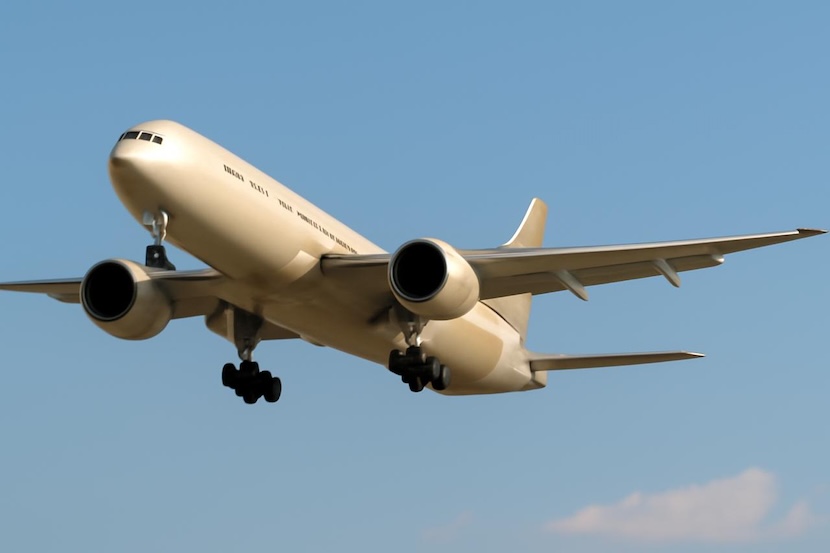
Dubai, United Arab Emirates: Emirates Airlines Plans Full Flight Network Restoration After Partial Airspace Reopening Due to Iran-Israel Conflict

Emirates Airlines has announced that it plans to fully restore its flight network within the coming days following the partial reopening of airspace in the Middle East. The resumption of air travel comes after several weeks of disruptions caused by the ongoing geopolitical tensions between Iran and Israel. These conflicts have led to temporary closures of significant portions of airspace, resulting in significant delays and cancellations for airlines operating in the Gulf region. However, Emirates has confirmed that it is now in the process of scaling up operations with a focus on restoring services to its extensive global route network.

Emirates Begins Phased Restoration of Flight Operations

In an official statement, Emirates confirmed that its reduced flight schedule would be gradually expanded as more airspace corridors reopen. The airline anticipates returning to 100% network capacity within a few days, contingent on the ongoing safe accessibility of airspace. The Gulf carrier has been working closely with aviation authorities to ensure the safety of passengers and crew during these volatile conditions. The airline, which operates from Dubai International Airport (DXB), also stressed that flight schedules may continue to be adjusted as the geopolitical situation evolves.

The initial steps of the restoration plan will include an increase in flights to high-demand destinations, such as India, the United States, and the United Kingdom. These destinations have seen significant passenger volume, and Emirates has prioritised passengers with confirmed bookings, ensuring they can travel with minimal delays. The airline’s focus on these high-demand regions is in line with the government’s efforts to stabilize air travel within the Middle East region, in collaboration with the UAE General Civil Aviation Authority (GCAA).

Flight Status Updates and Rebuilding the Network

Emirates has made it clear that passengers must check flight statuses before heading to airports, as the restoration process could result in last-minute changes to schedules. As of March 7, Emirates expects to operate around 106 daily return flights, covering 83 destinations, which accounts for nearly 60% of its global route network. This schedule will gradually increase, with hopes to restore the remaining flights as airspace accessibility improves.

The airline’s phased restoration plan was put in place to accommodate the disruptions caused by the ongoing conflict, which led to a temporary closure of key airspaces. Following the closure, airlines were forced to cancel flights, reroute existing services, and in some cases, operate evacuation flights for stranded passengers. As a result, major carriers like Qatar Airways, Etihad Airways, Air India, and IndiGo have been working diligently to adjust their schedules while also ensuring the safety of their passengers and aircraft.

Gulf Airlines Navigate Through Geopolitical Tensions

While Emirates has taken the lead in restoring flights, the impact of the conflict on aviation in the region has been significant. The UAE’s major airports, including Dubai Airports and Zayed International Airport in Abu Dhabi, have resumed limited operations but continue to handle flight movements cautiously amid the ongoing security situation.

According to sources from Dubai Airports, safety measures are being enhanced to ensure smoother operations in the coming days. These measures are being coordinated in collaboration with UAE civil aviation authorities to prevent any additional disruptions and to ensure that flights can safely navigate around airspace no-go zones in the region.

At the same time, flight cancellations have been impacting travelers across multiple Gulf countries. Many passengers have had to deal with long delays or alternative routing, especially when flights were unable to take off from Dubai and other airports in the region. Airlines such as Qatar Airways and Etihad Airways have been operating under limited conditions but have now begun to restore more services as the airspace reopens. ([The Guardian][1])

Impact on Global Aviation and Middle East Travel

The reopening of the Gulf region’s airspace marks a significant milestone in the recovery of global aviation, particularly in the Middle East. The UAE government, along with its aviation industry leaders, has been instrumental in managing the ongoing disruptions, working in partnership with international authorities to navigate the complex airspace restrictions. Emirates’ announcement signals a recovery phase, with aviation experts predicting a gradual return to normalcy as the situation stabilises.

As part of the phased reopening, several flights departing from Dubai International Airport have resumed, and Emirates has expanded its services to include regional destinations such as India, Pakistan, and the Philippines. This is expected to ease the backlog of passengers awaiting travel, while also accommodating new bookings as the airline works to return to its regular operational levels.

Conclusion: Returning to Normalcy in Middle East Aviation

As Emirates Airlines continues to rebuild its global network, it underscores the resilience of the UAE’s aviation sector, which remains a critical hub for international travel. While airspace disruptions from the Iran-Israel conflict have posed challenges for both Emirates and other Gulf carriers, the gradual reopening of airspace and the airline’s restoration efforts provide hope for returning to normal operations.

By mid-March, Emirates anticipates completing the restoration of nearly all its services, returning its flight network to near full capacity. Travelers in the Middle East and across the globe are encouraged to stay informed about flight statuses, as Emirates and other Gulf carriers continue to operate within the safety parameters set by authorities. As global aviation recovers from these unprecedented challenges, the cooperation between airlines, regulatory bodies, and national governments will be critical to maintaining the stability of air travel worldwide.

The post Dubai, United Arab Emirates: Emirates Airlines Plans Full Flight Network Restoration After Partial Airspace Reopening Due to Iran-Israel Conflict appeared first on Travel And Tour World.

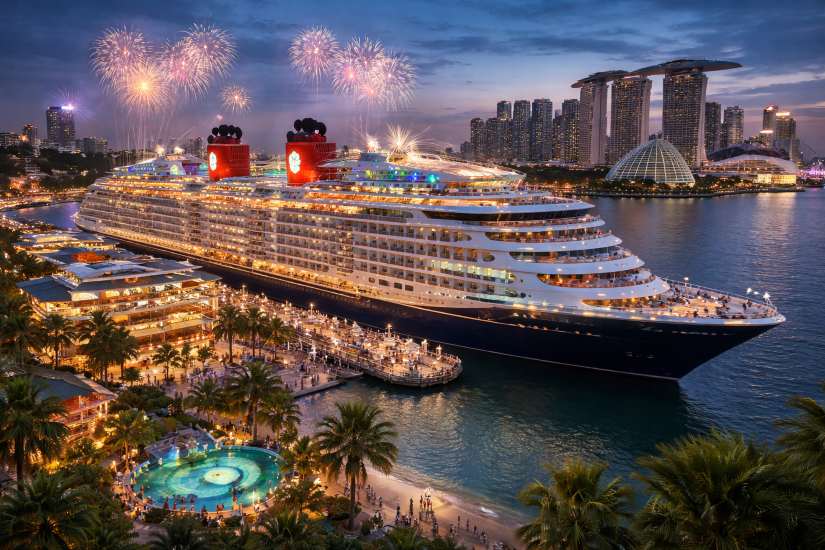
MS Westerdam Faces Norovirus Alert During Asia Cruise Voyage

MS Westerdam Faces Norovirus Alert During Asia Cruise Voyage

Health authorities in Hong Kong, China, Asia are investigating a suspected outbreak of norovirus aboard a cruise ship after dozens of passengers and crew members fell ill during a multi-destination voyage across East Asia. The situation unfolded on the MS Westerdam, a vessel operated by Holland America Line, which had been traveling through several popular tourism hubs before arriving in Hong Kong.

The cruise ship reached Hong Kong on March 1, prompting immediate attention from local public health officials. According to Hong Kong’s Centre for Health Protection (CHP) under the Department of Health, a total of 76 people onboard experienced symptoms consistent with acute gastroenteritis during the voyage.

For many travelers on board, the cruise was meant to be a relaxing journey through some of Asia’s most vibrant coastal cities. Instead, the unexpected illness prompted health checks, inspections, and precautionary sanitation measures once the vessel docked in Hong Kong.

Illness Reported During Multi-Country Cruise Journey

The MS Westerdam had been sailing across Asia since February 15, following a circular itinerary that included stops in several well-known destinations such as cities in Japan, Busan in South Korea, and Shanghai in China.

During the voyage, 65 passengers and 11 crew members reported symptoms including vomiting, diarrhea, abdominal discomfort, and fever. Health authorities indicated that the affected individuals ranged in age from 24 to 92 years old, reflecting the diverse age group typically found among international cruise travelers.

Investigators determined that the first two cases appeared on February 15, the same day the passengers boarded the ship in Japan. Over the following days, additional cases emerged among both guests and crew members as the ship continued its route through Northeast Asia.

Officials also reported that in some instances individuals vomited in shared public areas of the ship, which may have contributed to the spread of the illness in an environment where large numbers of people interact closely.

Cruise ships, by nature, bring thousands of travelers together in enclosed spaces, including dining halls, theaters, pools, and recreation areas. Because of this, infectious illnesses can spread more easily if strict hygiene measures are not maintained.

Tests Suggest Norovirus as Likely Cause

Preliminary testing carried out during the investigation suggests that norovirus may be responsible for the outbreak.

According to the Centre for Health Protection, seven stool samples collected from affected passengers tested positive for norovirus during initial laboratory screening conducted on board the ship. Additional tests are expected to be carried out by Hong Kong’s Public Health Laboratory Services Branch to confirm the findings.

Health officials emphasized that the situation remained under control. Most passengers who experienced symptoms suffered only mild illness and remained in stable condition throughout the voyage.

By the time the ship reached Hong Kong, only three people still had mild symptoms, and none required hospital treatment. Medical staff continued monitoring passengers as a precaution.

Why Norovirus Spreads Quickly on Cruise Ships

Norovirus is one of the most common causes of stomach illness worldwide, frequently associated with outbreaks of food poisoning and viral gastroenteritis. Public health agencies including the World Health Organization (WHO) and the U.S. Centers for Disease Control and Prevention (CDC) note that the virus spreads easily through contaminated surfaces, food, or close contact with infected individuals.

Typical symptoms include:

  • Nausea
  • Vomiting
  • Diarrhea
  • Abdominal cramps
  • Mild fever

Symptoms usually appear within 12 to 48 hours after exposure and most people recover within one to three days.

While the illness is typically mild, norovirus outbreaks are known to spread quickly in crowded environments such as schools, hotels, resorts, and cruise ships.

Health authorities continue to stress that thorough handwashing with soap and water remains the most effective way to prevent infection. Alcohol-based hand sanitizers alone may not fully eliminate the virus.

Health Officials Inspect and Sanitize the Vessel

After the ship docked in Hong Kong early on March 1, teams of medical and environmental health personnel boarded the vessel to begin an investigation.

Authorities conducted inspections of food preparation facilities, sanitation systems, and environmental hygiene conditions across the ship. The goal was to ensure that the vessel met public health standards before continuing its voyage.

A temporary medical station was also set up at the cruise terminal, allowing healthcare workers to evaluate passengers and monitor any lingering symptoms.

Officials instructed the cruise operator to carry out thorough cleaning and disinfection throughout the ship, focusing especially on communal areas where passengers gather.

Once the cleaning procedures were completed and inspectors confirmed that hygiene conditions were satisfactory, passengers and crew were allowed to reboard the ship safely.

Voyage Resumes Toward the Philippines

Following the inspection and sanitation measures, the cruise ship was cleared to continue its journey.

The MS Westerdam departed Hong Kong and headed toward Manila in the Philippines, allowing the remainder of the cruise itinerary to proceed.

Public health authorities noted that norovirus activity has been elevated across parts of the region, including Japan and South Korea, since late last year. Increased travel across Asia has prompted health agencies to strengthen monitoring efforts at ports, airports, and tourist hubs.

The incident highlights how quickly illnesses can emerge during international travel and the importance of swift cooperation between cruise operators and local health authorities.

As cruise tourism continues to grow across Asia, maintaining strict hygiene standards remains essential for protecting both travelers and local communities.

For travelers visiting destinations throughout Hong Kong, China, Asia, health officials continue encouraging good hygiene practices, prompt reporting of symptoms, and careful adherence to health guidance while traveling.

The post MS Westerdam Faces Norovirus Alert During Asia Cruise Voyage appeared first on Travel And Tour World.

Washington, D.C., United States, North America – Travel Industry Calls on Congress to End DHS Shutdown as Airport Security Workers Miss Paychecks

Washington, D.C., United States, North America – Travel Industry Calls on Congress to End DHS Shutdown as Airport Security Workers Miss Paychecks

With the busy spring break travel season approaching, leaders from the U.S. travel and aviation sectors are urging Congress to end the ongoing shutdown of the Department of Homeland Security (DHS). Industry representatives warn that if the funding standoff continues, airport operations across the United States could face serious disruptions just as millions of travelers prepare to fly.

The shutdown has now lasted nearly three weeks, leaving thousands of federal employees responsible for aviation security reporting to work without receiving paychecks. Travel industry groups say the situation places both workers and the broader travel system under strain.

During a press conference in Washington, D.C., United States, North America, Geoff Freeman, CEO of the U.S. Travel Association, said the situation is becoming increasingly unsustainable for federal workers and the travel sector alike.

According to Freeman, employees responsible for maintaining aviation security are continuing to show up for work every day despite not receiving their salaries. He warned that an industry responsible for generating roughly $3 trillion in annual economic activity cannot function effectively if its frontline workers are left unpaid.

TSA Officers Continue Working During Shutdown

The shutdown stems from a political deadlock in Congress over funding for DHS and disagreements surrounding immigration policy.

Despite the shutdown, the Transportation Security Administration (TSA) remains operational because its employees are classified as essential federal workers.

Approximately 64,000 TSA officers are stationed at airports across the United States, screening passengers and baggage to ensure aviation safety. Under federal rules, essential workers must continue working during government shutdowns even if their paychecks are temporarily delayed.

Guidance published on official government platforms such as dhs.gov and usa.gov states that essential personnel must remain on duty to protect public safety and maintain critical infrastructure.

However, travel industry leaders say the lack of pay could eventually affect morale and staffing levels at airport checkpoints.

Airport Leaders Warn of Staffing Challenges

Officials in the aviation sector are concerned that financial pressure could lead some workers to call in sick or search for alternative employment if the shutdown continues.

During previous government shutdowns, airport security operations experienced higher rates of absenteeism as workers struggled to manage personal finances without pay.

Todd Hauptli, president of the American Association of Airport Executives, said airport operators are closely monitoring the situation.

While TSA employees are committed to their responsibilities, he noted that workers facing financial hardship may eventually have to consider other options.

If staffing levels decline, airport security checkpoints could become slower and more congested. This could lead to longer screening lines, particularly during peak travel periods.

Industry leaders emphasize that TSA officers will not compromise safety standards, even if fewer employees are available.

Global Entry Suspension Raises Concerns

Travel groups are also criticizing DHS for suspending Global Entry, a program run by U.S. Customs and Border Protection (CBP) that allows pre-approved travelers to move quickly through immigration when returning to the United States.

Global Entry is designed for travelers who undergo background checks and are considered low-risk. Once approved, participants can use automated kiosks at airports instead of waiting in traditional customs lines.

Industry leaders argue that suspending the program could increase congestion at major international airports.

Chris Sununu, CEO of the airline trade group Airlines for America, said removing expedited processing for highly vetted travelers makes little sense operationally.

According to Sununu, programs like Global Entry help airports process passengers efficiently and reduce crowding at border control checkpoints.

TSA PreCheck Temporarily Affected

Another program affected by the shutdown was TSA PreCheck, which allows approved travelers to move through airport security more quickly.

Initially, DHS announced that PreCheck operations would be paused during the shutdown. However, officials quickly reversed the decision and allowed the program to continue operating.

While industry groups welcomed the restoration of PreCheck services, they continue to call for the immediate reinstatement of Global Entry.

Freeman said programs designed to speed up airport processing should remain operational, particularly during busy travel periods.

Travel Industry Launches “Pay Federal Aviation Workers” Campaign

In response to the shutdown, travel industry organizations have launched a national advocacy effort called “Pay Federal Aviation Workers.”

The campaign aims to pressure lawmakers to approve funding for DHS and ensure that essential aviation workers receive their salaries.

Industry leaders are also advocating for legislation that would guarantee pay for essential federal employees during future government shutdowns.

Supporters argue that workers responsible for aviation security and border protection should never face financial uncertainty while performing critical duties.

Leadership Changes at DHS Add Uncertainty

The shutdown debate comes at a time of leadership changes within DHS.

Shortly after the travel industry press conference, President Donald Trump announced that DHS Secretary Kristi Noem would be replaced.

In a statement posted on Truth Social, the president said he intends to nominate Senator Markwayne Mullin of Oklahoma as the next Secretary of Homeland Security.

The leadership change is expected to take effect at the end of March and may influence ongoing discussions about DHS funding.

Travel Industry Warns of Broader Economic Impact

Travel and aviation leaders say the consequences of the shutdown extend beyond federal workers.

The United States is entering one of the busiest travel periods of the year, with millions of travelers expected to fly during the spring break season.

Airports across the country are preparing for increased passenger traffic throughout March and April.

Industry representatives say resolving the DHS funding dispute quickly will help ensure that airport security operations remain fully staffed and efficient.

They emphasize that agencies such as TSA and CBP play a vital role in maintaining the safety and efficiency of the nation’s aviation system.

Until Congress reaches a funding agreement, uncertainty remains for airport workers, airlines, and travelers alike.

For millions of passengers planning trips in the coming weeks, the outcome of the political debate unfolding in Washington, D.C., United States, North America could determine whether airport travel remains smooth or becomes increasingly difficult during one of the year’s busiest travel seasons.

The post Washington, D.C., United States, North America – Travel Industry Calls on Congress to End DHS Shutdown as Airport Security Workers Miss Paychecks appeared first on Travel And Tour World.

Portland, Oregon, United States, North America – Grand Columbia & Snake Rivers Cruise to Launch in 2027 With a New 16-Day Luxury River Journey

Portland, Oregon, United States, North America – Grand Columbia & Snake Rivers Cruise to Launch in 2027 With a New 16-Day Luxury River Journey

A new river journey is preparing to reshape how travelers explore the Pacific Northwest. Beginning in 2027, a newly introduced 16-day cruise along the Columbia and Snake Rivers will offer passengers a longer and more immersive look at one of the most scenic regions in the United States. Starting in Portland, Oregon, United States, North America, the voyage is designed to take travelers through dramatic river landscapes, historic communities and culturally rich destinations that tell the story of the American West.

River cruising in the United States has been steadily gaining popularity as travelers look for slower, more intimate ways to experience a destination. The new itinerary reflects that trend by stretching far beyond the traditional week-long river voyages typically offered in the region. Instead, guests will spend more than two weeks navigating the waterways that helped shape the Pacific Northwest.

The Columbia and Snake Rivers have long served as vital transportation routes, supporting trade, agriculture and exploration for centuries. Today, they offer travelers a chance to experience a landscape where natural beauty and history flow side by side.

A Journey Designed for Deeper Exploration

The 16-day itinerary will begin with a hotel stay in Portland before passengers board their riverboat in Stevenson, Washington, a small town nestled in the Columbia River Gorge. Surrounded by forested slopes and dramatic canyon walls, Stevenson serves as a natural gateway to one of the region’s most breathtaking river corridors.

From there, the cruise will initially travel west along the Columbia River toward Astoria, Oregon, where the river meets the Pacific Ocean. Astoria is known for its maritime heritage and for its role in the historic Lewis and Clark expedition, which reached the Pacific coast in the early 19th century.

After visiting the coast, the ship will turn back and sail upstream along the Columbia River. As the vessel moves eastward through the Columbia River Gorge, passengers will encounter towering cliffs, waterfalls and sweeping views of the Cascade Mountains.

The journey then continues to Richland, Washington, where the Columbia River meets the Snake River. From there, the ship will travel further north toward Clarkston, Washington, near the entrance to Hells Canyon. This dramatic canyon system, carved by the Snake River, is among the deepest river gorges in North America.

Changing Landscapes Along the River

One of the highlights of this extended itinerary is the constantly changing scenery travelers experience along the way.

The Columbia River Gorge offers lush forests, misty cliffs and volcanic peaks, many of which are protected within the federally designated Columbia River Gorge National Scenic Area. The region is managed by the U.S. Forest Service and is recognized as one of the most spectacular landscapes in the western United States.

Further inland, the environment shifts noticeably. Travelers pass through orchard-filled valleys, agricultural communities and open plateaus dotted with sagebrush. These landscapes reveal the diverse ecosystems that define the Pacific Northwest.

Shore excursions will allow passengers to explore both the natural beauty and cultural history of the region. Stops along the way may include visits to historic towns, museums and interpretive centers that highlight Indigenous cultures, early American exploration and the development of river transportation networks.

A Modern Riverboat Experience

The cruise will be operated by a newly designed riverboat expected to enter service in 2027. Built for small-ship cruising, the vessel will carry approximately 180 guests, offering a more intimate experience compared with large ocean cruise ships.

Cabins are expected to feature spacious layouts and private balconies, allowing travelers to enjoy uninterrupted views of the river scenery. Public areas will include observation lounges, open-air decks and dining venues designed to keep the surrounding landscapes in sight throughout the voyage.

Dining onboard will focus heavily on regional flavors. Pacific Northwest seafood, locally grown produce and wines from nearby vineyards are expected to feature prominently on the menus, providing guests with a culinary connection to the places they visit along the journey.

Learning and Adventure Along the Way

Beyond sightseeing, the cruise aims to provide travelers with a deeper understanding of the Pacific Northwest.

Educational programs and lectures onboard will introduce guests to the natural and cultural history of the region. Topics may include Indigenous traditions, regional geology and environmental conservation efforts connected to the Columbia River Basin.

According to the U.S. Army Corps of Engineers, the Columbia River system is one of the most important water management networks in the United States. It supports hydropower generation, irrigation and commercial navigation throughout the Pacific Northwest.

Excursions during the cruise will allow guests to learn about this infrastructure while also experiencing the region’s outdoor attractions. Activities may include guided hikes, wildlife viewing trips and jet-boat excursions through the rugged stretches of the Snake River near Hells Canyon.

Rising Interest in U.S. River Travel

The launch of the new itinerary reflects the growing appeal of domestic river cruising. In recent years, travelers have increasingly sought smaller vessels and itineraries that focus on fewer destinations but offer deeper experiences.

While European rivers like the Rhine and Danube remain popular with international cruise travelers, the Columbia and Snake Rivers provide a distinctly American experience. Instead of medieval castles and historic European towns, passengers encounter dramatic basalt cliffs, working agricultural landscapes and modern hydroelectric dams.

Tourism agencies across Oregon and Washington continue promoting the Pacific Northwest as a destination for nature-focused travel, outdoor recreation and cultural exploration.

Preparing for the 2027 Voyage

The introduction of the 16-day itinerary signals a new phase in the growth of river tourism in the United States. By offering a longer journey through the Pacific Northwest, the cruise aims to attract travelers looking for an immersive exploration of the region rather than a quick overview.

Longer daylight hours during the late spring and summer months will allow guests to enjoy extended scenic cruising and outdoor excursions. The round-trip itinerary from Portland also makes travel easier for visitors arriving from across the United States or overseas.

As anticipation builds for the launch of this new voyage, the Columbia and Snake Rivers are preparing to welcome travelers eager to experience their history, landscapes and communities from the water.

For passengers seeking a slower and more meaningful way to explore the American West, the journey will begin and end in Portland, Oregon, United States, North America, where one of the country’s most scenic river adventures is ready to set sail.

The post Portland, Oregon, United States, North America – Grand Columbia & Snake Rivers Cruise to Launch in 2027 With a New 16-Day Luxury River Journey appeared first on Travel And Tour World.

Singapore, Singapore, Asia – Disney Adventure Debuts as Disney Cruise Line’s Largest Ship, Opening a New Era of Family Cruise Travel in Asia

Singapore, Singapore, Asia – Disney Adventure Debuts as Disney Cruise Line’s Largest Ship, Opening a New Era of Family Cruise Travel in Asia

Disney Cruise Line has introduced its newest and most ambitious ship with a spectacular celebration in Singapore, Singapore, Asia, marking an important step in the company’s expansion into the Asian cruise market. The vessel, named Disney Adventure, is now the largest ship in the Disney Cruise Line fleet and represents a major milestone for the brand as it brings its signature storytelling experience to travelers in the region.

The ship’s christening ceremony reflected Disney’s tradition of combining entertainment and storytelling. A live 23-piece orchestra accompanied performances while digital projections featuring beloved Disney characters illuminated the stage. The atmosphere felt more like a film premiere than a traditional maritime ceremony.

Adding to the excitement, actor Robert Downey Jr. was introduced as the ship’s godparent. During the event, he described the ship’s name as fitting for a vessel designed to bring families together for unforgettable journeys. Disney executives also attended the launch, highlighting the company’s commitment to expanding its cruise operations in Asia.

A First for Disney Cruise Line in Asia

The arrival of Disney Adventure marks the first time Disney Cruise Line will permanently base one of its ships in Asia. Singapore was chosen as the homeport because of its strong position as a regional cruise hub and its growing popularity among international travelers.

The ship will sail three- and four-night voyages from Singapore, focusing primarily on the onboard experience rather than traditional port-to-port itineraries. Instead of visiting multiple destinations, the cruise emphasizes entertainment, themed attractions and immersive activities while at sea.

With a capacity of about 6,700 passengers, Disney Adventure is significantly larger than earlier ships in the fleet. The ship has been designed to accommodate families, offering a wide variety of activities and spaces that appeal to both children and adults.

For Singapore, the launch represents another step in strengthening its reputation as a major cruise gateway in Southeast Asia. Tourism officials have been investing in cruise infrastructure and partnerships with global cruise lines to attract more international visitors.

A Ship Inspired by Disney Stories

At the heart of Disney Adventure is the idea of turning storytelling into a fully immersive travel experience. Guests onboard will find a variety of attractions inspired by some of Disney’s most popular films and characters.

One of the ship’s standout features is Tony Stark’s Ironcycle Test Run, a roller coaster attraction themed around the Marvel superhero Iron Man. This marks the first time a roller coaster has been installed on a Disney cruise ship, adding a new level of excitement to the onboard experience.

Another highlight is a Lion King-inspired fireworks show, which will be narrated by Bollywood star Shah Rukh Khan. The show is designed to combine music, storytelling and special effects in a way that reflects Disney’s global appeal.

The ship also features seven themed areas, each designed to create a unique environment inspired by Disney stories.

Among them is San Fransokyo Street, inspired by the animated film Big Hero 6. This vibrant area serves as a central walkway connecting several attractions, including youth clubs, a movie theater, shops and a large arcade.

Another themed space is Wayfinder Bay, inspired by the film Moana. The area functions as a pool deck where guests can relax, swim and enjoy ocean views in a setting designed to reflect the tropical world of the movie.

Together, these spaces transform the ship into a floating entertainment destination where guests can explore different themed worlds throughout their journey.

Singapore’s Growing Cruise Tourism Industry

The decision to launch Disney Adventure in Singapore also reflects the city’s growing importance in the global cruise industry.

According to the Singapore Tourism Board, the country has been actively expanding its cruise sector by attracting major cruise lines and investing in port infrastructure.

Facilities such as the Marina Bay Cruise Centre Singapore are capable of accommodating some of the world’s largest cruise ships. The terminal also offers convenient access to the city’s major attractions, hotels and transportation networks.

Short cruise itineraries departing from Singapore have become increasingly popular with travelers from across Asia. These sailings allow guests to enjoy luxury cruise experiences without the need for long travel schedules.

Disney Adventure is expected to strengthen Singapore’s position as a key hub for family-oriented cruise tourism in the region.

Expanding Disney’s Cruise Experience

Disney Cruise Line has steadily expanded its fleet and onboard offerings in recent years, responding to growing demand for themed travel experiences.

Unlike traditional cruise ships that focus primarily on destinations, Disney ships are designed around immersive entertainment. Live performances, character appearances, themed dining and interactive attractions are all central elements of the experience.

With Disney Adventure, the company has taken this concept even further by introducing new attractions and larger entertainment areas.

The ship’s design also reflects Disney’s emphasis on family travel. Dedicated spaces for children, teenagers and adults allow each group to enjoy their own activities while still sharing the overall cruise experience together.

Industry analysts say Disney’s expansion into Asia represents a strategic move to reach new audiences and strengthen its presence in the global cruise market.

A Grand Launch for a New Cruise Era

The christening ceremony for Disney Adventure was designed to capture the magic of Disney storytelling. Music, visual projections and live performances combined to create an unforgettable launch event.

The celebration symbolized more than just the arrival of a new cruise ship. It also marked Disney Cruise Line’s growing ambitions in international markets.

With its large passenger capacity, immersive themed environments and entertainment-focused sailings, Disney Adventure is expected to become one of the most distinctive cruise ships operating in Asia.

As the ship prepares to welcome its first guests, excitement is building among travelers eager to experience Disney’s newest floating adventure.

For families looking for a cruise that blends storytelling, attractions and entertainment, the journey will begin in Singapore, Singapore, Asia, where Disney Cruise Line’s largest ship is ready to launch a new chapter in cruise travel.

The post Singapore, Singapore, Asia – Disney Adventure Debuts as Disney Cruise Line’s Largest Ship, Opening a New Era of Family Cruise Travel in Asia appeared first on Travel And Tour World.

Dubai, United Arab Emirates, Asia – Travel Crisis Deepens as Thousands of Travelers Struggle to Leave the Middle East Amid Evacuation Warnings and Limited Routes

Dubai, United Arab Emirates, Asia – Travel Crisis Deepens as Thousands of Travelers Struggle to Leave the Middle East Amid Evacuation Warnings and Limited Routes

What began as a sudden escalation of conflict in the Middle East has quickly evolved into a major travel crisis affecting thousands of international travelers. Across the region’s major transit hubs, people who arrived for tourism, business, or transit are now facing an uncertain journey home. In Dubai, United Arab Emirates, Asia, one of the world’s busiest aviation gateways, travelers are grappling with flight cancellations, restricted airspace, and confusing evacuation guidance from governments.

The unfolding situation has created a difficult reality: many governments are urging their citizens to leave the region immediately, yet the transportation routes needed to do so remain extremely limited.

According to travel advisories issued through the U.S. Department of State’s Bureau of Consular Affairs, American citizens across several Middle Eastern countries have been advised to depart using any available means of transportation following missile strikes and retaliatory attacks connected to the growing regional conflict.

But for thousands of people currently in the region, leaving quickly is far easier said than done.

A Region-Wide Evacuation Advisory

The U.S. government’s advisory covers a wide stretch of the Middle East. Americans currently in Bahrain, Egypt, Iran, Iraq, Israel, Jordan, Kuwait, Lebanon, Oman, Qatar, Saudi Arabia, Syria, the United Arab Emirates, Yemen, and the Palestinian territories have all been encouraged to depart as soon as possible.

Officials emphasized that citizens should use commercial transportation where available. However, as travelers quickly discovered, finding such transportation has become one of the biggest challenges.

The advisory came after a wave of missile attacks and retaliatory strikes linked to escalating tensions involving the United States, Israel and Iran. As the situation intensified, aviation authorities across the region began restricting airspace to ensure safety.

For travelers caught in the middle of the disruption, the result has been confusion, long waits, and uncertainty about the safest path forward.

Thousands of Flights Suddenly Canceled

Within days of the conflict escalating on February 28, the region’s aviation network experienced an enormous shock. Nearly 20,000 flights to and from the Middle East were canceled, creating one of the largest travel disruptions in recent years.

Few airports illustrate the impact better than Dubai International Airport, widely recognized as the busiest airport in the world for international passenger traffic.

The airport temporarily suspended operations while authorities assessed the evolving security risks. Although limited flights resumed on March 2, schedules remain far below normal levels.

For travelers hoping to catch a flight home, that means fewer available seats, longer waiting times, and intense competition for remaining routes.

Aviation analysts say the scale of disruption is comparable to what the travel industry experienced during the COVID-19 pandemic, when global aviation networks were forced to shut down almost overnight.

Global Flight Routes Forced to Change

The Middle East sits at the center of global aviation routes, linking Asia, Europe, and Africa. Many long-haul flights rely on the region’s airspace or its major transit hubs to move passengers across continents.

When that corridor suddenly becomes unavailable, airlines must quickly reroute aircraft.

Some carriers are now diverting flights north through Central Asia or Eastern Europe. Others are taking longer southern routes around the Arabian Peninsula and parts of Africa.

These changes increase travel time, fuel consumption, and operational complexity for airlines. They also create delays that ripple across the entire global aviation system.

Experts say this disruption highlights just how critical Middle Eastern airspace is to international travel.

Governments Attempt to Bring Citizens Home

As the travel crisis continues, several governments have begun organizing evacuation efforts.

Reports indicate that more than 9,000 American citizens have already departed the Middle East, while thousands more have contacted authorities seeking assistance with travel arrangements.

Officials say additional charter and military flights are being prepared to help evacuate citizens when possible. However, the process is complicated by limited airport operations and security restrictions across the region.

European governments are also stepping in. Both the United Kingdom and France have arranged charter flights designed to assist vulnerable nationals who wish to leave the region.

Large numbers of citizens from these countries have already registered with their governments requesting evacuation assistance.

Private Flights Offer an Expensive Escape

While most travelers must rely on commercial airlines or government evacuation plans, a small number of wealthy individuals have turned to private aviation.

Reports suggest that luxury charter flights from smaller regional airports have surged in demand. In some cases, the cost of securing a private jet seat to Europe has climbed as high as 200,000 euros (around $232,000).

For the vast majority of travelers, however, such options are simply out of reach.

Instead, many remain in hotels, airports, or temporary accommodations while waiting for commercial flights to reopen.

Confusion Over What Travelers Should Do

Another challenge for travelers has been the mixed guidance surrounding evacuation and safety.

Government advisories encouraging citizens to leave the region are being issued at the same time that some security experts recommend temporarily sheltering in place until safer routes become available.

This difference in advice has left many travelers unsure about the best course of action.

For businesses with employees in the region, the situation has also become complicated. Corporate security teams must decide whether to attempt evacuations or advise staff to remain where they are until conditions stabilize.

Land Routes Offer Limited Alternatives

For travelers unable to find flights, traveling by road may seem like an alternative.

However, reaching airports in less affected countries can involve eight to twelve hours of driving, often on crowded highways as thousands of people attempt to leave major cities.

Border crossings can also involve long delays and uncertain entry conditions.

Maritime routes are equally complicated. Shipping lanes near the Strait of Hormuz, one of the world’s most important maritime passages, remain under heightened security due to ongoing military activity.

Waiting for the Skies to Reopen

Aviation experts believe that restrictions on airspace may gradually ease in the coming days as authorities reassess safety conditions.

Until that happens, travelers across the region are being encouraged to closely monitor official government guidance and airline updates.

Airlines, governments, and international organizations are continuing to coordinate efforts aimed at restoring travel routes and assisting stranded passengers.

For now, thousands of travelers remain caught in a challenging situation—balancing evacuation advisories with the reality of limited transportation options.

As the aviation network slowly begins to stabilize, many stranded passengers across Dubai, United Arab Emirates, Asia, and other Gulf travel hubs are hoping that normal flight routes will soon return and allow them to safely continue their journeys home.

The post Dubai, United Arab Emirates, Asia – Travel Crisis Deepens as Thousands of Travelers Struggle to Leave the Middle East Amid Evacuation Warnings and Limited Routes appeared first on Travel And Tour World.
❌