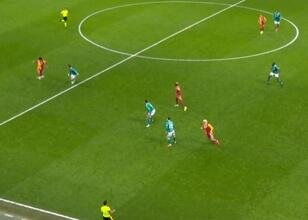
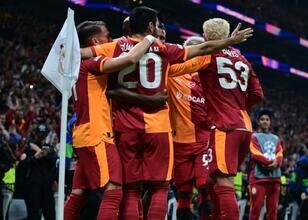
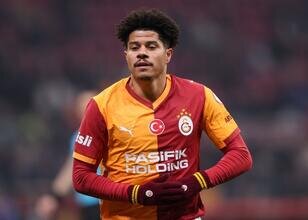
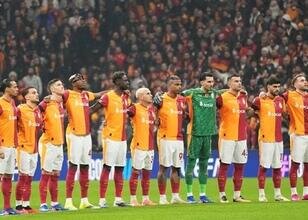
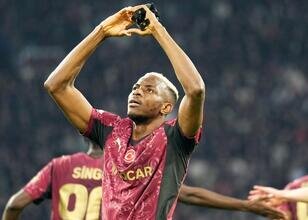
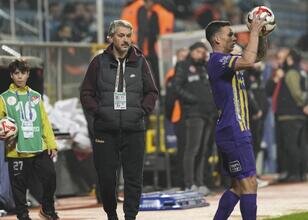
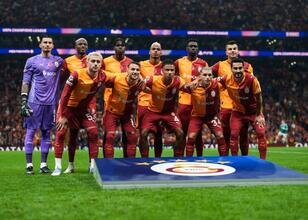
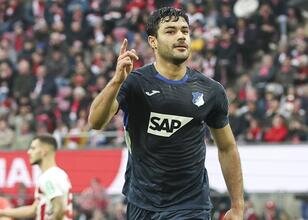
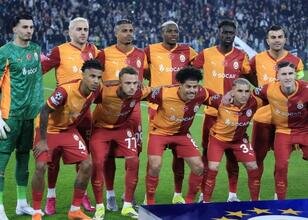
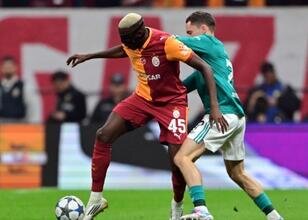
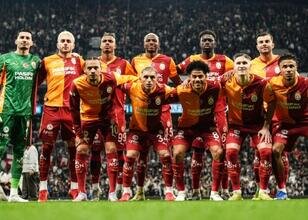
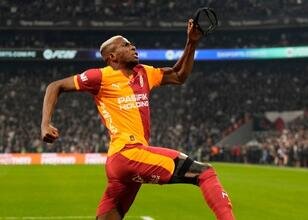
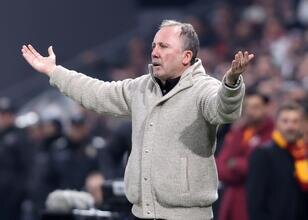
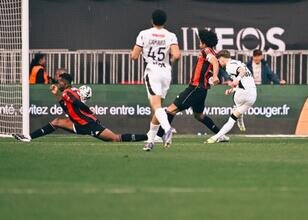
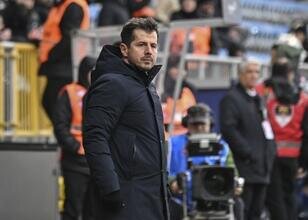
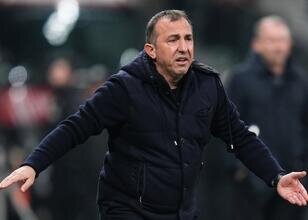
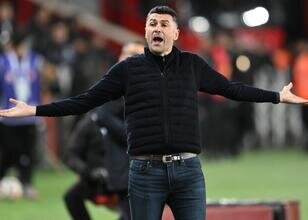
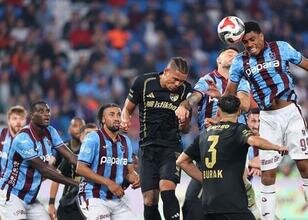
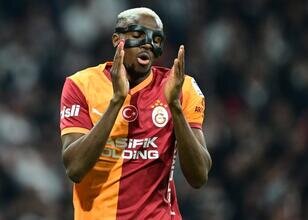
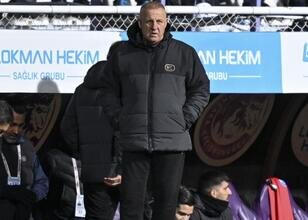
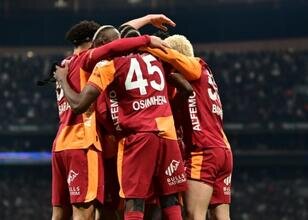
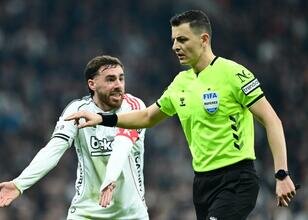
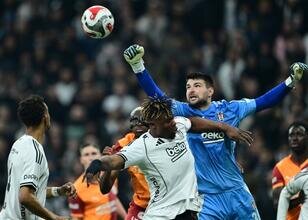
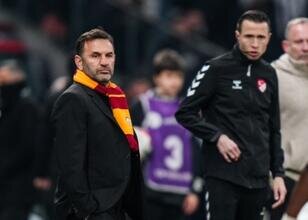
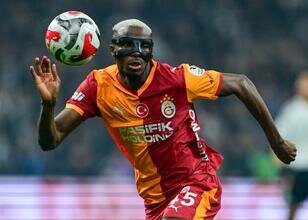
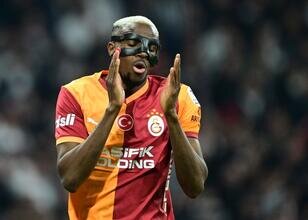
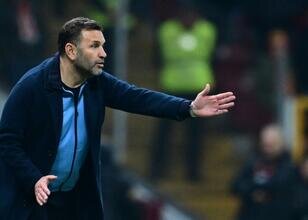
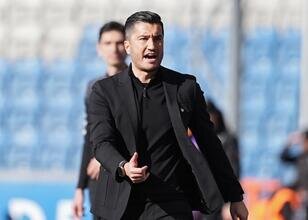
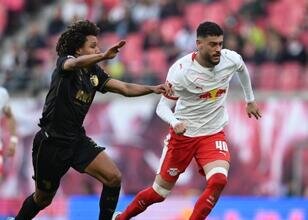
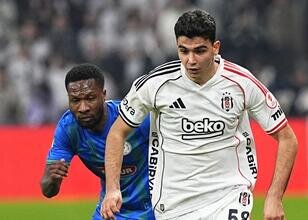
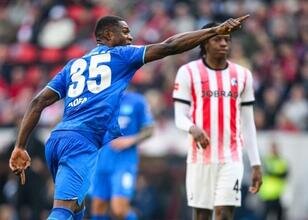
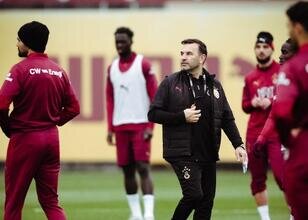
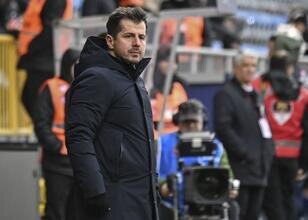
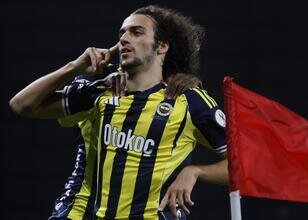
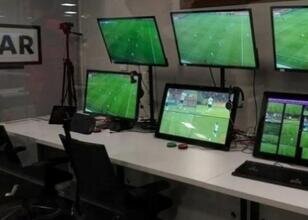
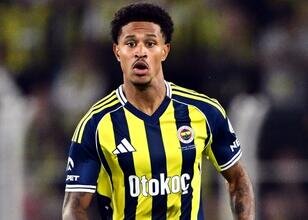
Galatasaray, Osimhen ile 62. dakikada ikinci kez Liverpool filelerini havalandırdı ancak gol ofsayt gerekçesiyle sayılmadı. Okan Buruk bu karara itiraz etti.
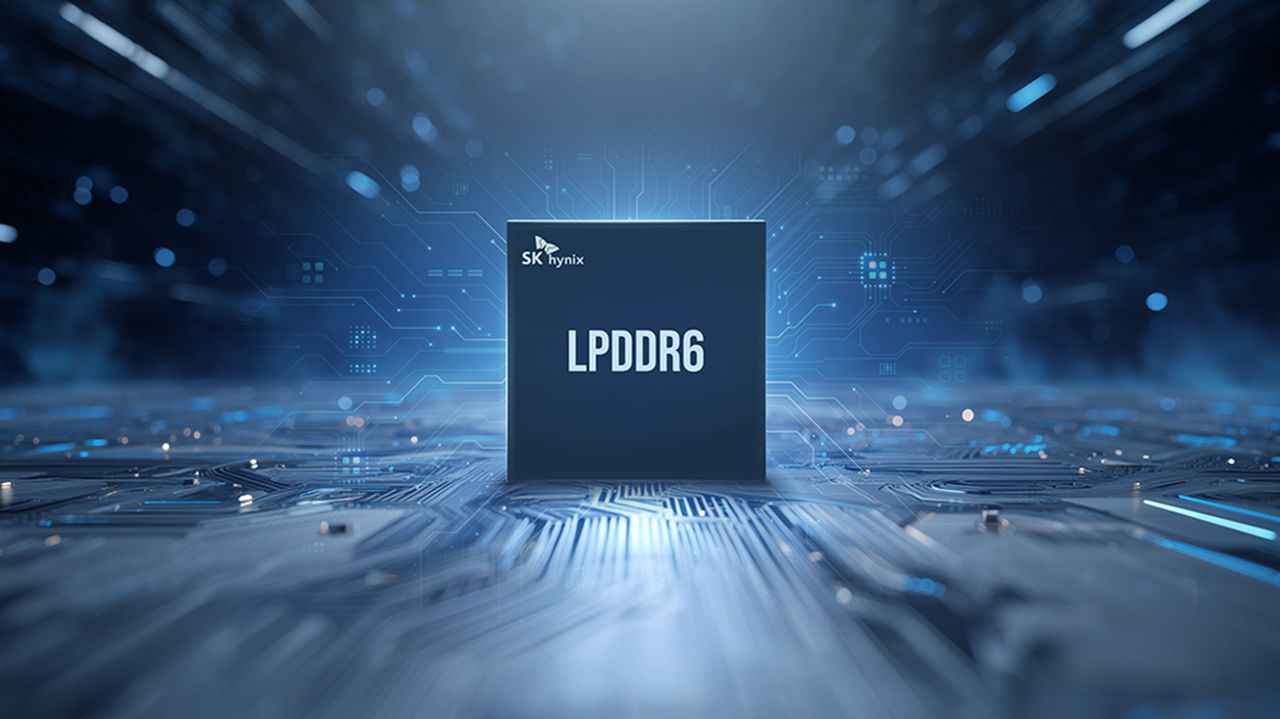
SK Hynix has announced the successful development of its first LPDDR6 memory modules that operate at "over" 10.7Gbps. The new modules take advantage of the manufacturer's bleeding-edge 10nm-class (1c) process node.
Galatasaray'ın teknik ekibinde yer alan Ismael Garcia Gomez, Okan Buruk ile ilgili övgü dolu sözler kullandı. Geleceği için mesaj veren İspanyol antrenör, Premier Lig'de çalışmak istediğini söyledi.
PSG forması giyen Fabian Ruiz'in geleceği için açıklama geldi. İspanyol futbolcunun menajeri Loren del Pino, 29 yaşındaki futbolcunun kariyerinin ilerleyen döneminde Real Betis'e dönmek istediğini söyledi.
Juventus, Manchester City ile sözleşmesi sezon sonunda bitecek Bernardo Silva ile ilgileniyor. İtalyan ekibi, Silva'nın temsilcisiyle ön görüşmelere başladı.
Nvidia is reportedly planning to launch its own open-source agentic AI with NemoClaw, and it has already been in talks with several enterprise partners like Adobe and CrowdStrike to get them on board with its deployment.
OpenAI has announced its plans to acquire Promptfoo, an established AI security platform widely used by enterprises to identify and remediate vulnerabilities in AI systems during development. The company confirmed that once the acquisition is finalized, Promptfoo’s technology will be integrated directly into OpenAI Frontier, the platform designed for building and operating AI coworkers. The move reflects OpenAI’s growing focus on strengthening evaluation, security, and compliance capabilities as enterprises increasingly deploy AI agents into real‑world workflows.
According to OpenAI, organizations adopting AI coworkers require systematic methods to test agent behavior, detect risks before deployment, and maintain transparent records to support oversight and governance. Promptfoo, led by co‑founders Ian Webster and Michael D’Angelo, has built a suite of tools trusted by more than a quarter of Fortune 500 companies. Its open‑source CLI and library for evaluating and red‑teaming large language model applications have become widely used across the industry. OpenAI stated that it will continue supporting the open‑source project while expanding enterprise‑grade capabilities within Frontier.
Srinivas Narayanan, CTO of B2B Applications at OpenAI, said the acquisition brings deep engineering expertise in evaluating and securing AI systems at scale. He noted that Promptfoo’s work enables businesses to deploy secure and reliable AI applications, and integrating these capabilities into Frontier will strengthen the platform’s native security features. OpenAI highlighted that the integration will introduce automated security testing and red‑teaming directly into Frontier, enabling enterprises to identify risks such as prompt injections, jailbreaks, data leaks, tool misuse, and out‑of‑policy agent behaviors.
The company also emphasized that security and evaluation will be embedded into development workflows, allowing teams to identify, investigate, and remediate risks earlier in the lifecycle. Enhanced reporting and traceability will support governance, risk management, and compliance requirements as AI oversight expectations continue to rise globally.
Promptfoo CEO Ian Webster said the company was founded to give developers practical tools to secure AI systems, noting that the increasing connectivity of AI agents to real data and systems makes validation more critical than ever. He added that joining OpenAI will accelerate efforts to deliver stronger security, safety, and governance capabilities for teams building real‑world AI applications. The acquisition remains subject to customary closing conditions.
Luma announced the launch of Luma Agents, a new class of AI collaborators capable of executing end-to-end creative work across text, image, video, and audio. Designed for agencies, marketing teams, studios, and enterprise organizations that aspire to scale creative output without sacrificing quality, Luma Agents maintain full context from the initial brief to final delivery – coordinating tools, models, and iterations within a single unified system.
“Creative work has never lacked ambition; it’s lacked execution capacity,” said Amit Jain, Co-Founder and CEO of Luma. “Creative teams shouldn’t have to spend their time orchestrating tools. They should spend it creating. Agents aren’t shortcuts. They’re collaborators that maintain context, coordinate execution, and advance projects so teams can focus on taste, direction, and strategy.”
For the past several years, most AI systems have been assembled by chaining together separate models for language, vision, video, and reasoning — stitching outputs together through orchestration layers. While powerful in isolation, these systems fragment context and require increasingly complex workflows to produce reliable creative results.
Luma believes intelligence should not be assembled in pieces; it should be built as one coherent system.
Creative Agents That Make You Prolific
Luma Agents replace fragmented, multi-model workflows with coordinated, execution built on unified reasoning. Instead of switching between disconnected tools and rebuilding context at every step, teams work alongside Agents that:
Execute projects end-to-end, from planning through production and delivery
Maintain shared context across text, image, video, and audio
Advance multiple creative directions in parallel
Evaluate and refine outputs instead of generating one-shot results
Integrate into enterprise tools and production systems via API
Agents operate inside a collaborative, multiplayer environment where humans direct creative intent and Agents handle orchestration, routing, and execution – resulting in more output, greater consistency, and higher creative velocity.
Deployed at Global Scale
Luma Agents are already embedded across global agency operations.
Publicis Groupe and Serviceplan Group are deploying Luma Agents across strategy, creative development, and production workflows to increase throughput while maintaining brand consistency across markets.
“Luma is now part of our broader House of AI ecosystem and integrated directly into our creative workflows. It allows our teams across more than 20 countries to collaborate more smoothly and develop great work faster. For our clients, that means high-quality creative output delivered with greater speed and efficiency – without compromising craft,” says Alexander Schill, Global CCO at Serviceplan Group.
Built on Unified Intelligence
Luma Agents are built on Unified Intelligence, a new model architecture designed to move beyond the industry’s prevailing approach of assembling intelligence in pieces. Instead of chaining together separate models for language, vision, and generation, Unified Intelligence trains a single multimodal reasoning system capable of understanding and generating across formats within the same architecture.
For the past several years, most AI systems have been assembled as pipelines: one model writes text, another generates images, another processes video, and orchestration layers attempt to stitch their outputs together. While effective for narrow tasks, these systems fragment reasoning, lose context between steps, and require complex workflows to produce reliable results.
Unified Intelligence takes a different approach. Instead of connecting specialized models after the fact, it trains a single multimodal reasoning system capable of understanding and generating across formats within the same architecture.
Rather than separating thinking from creation, Unified Intelligence tightly couples reasoning and rendering, allowing the system to plan, imagine, and produce as part of one coherent cognitive process.
When a human architect sketches a building, they are not simply drawing lines – they are simultaneously simulating structure, light, spatial dynamics, and lived experience. Reasoning and imagination happen together. Unified Intelligence is built on the same principle.
The first model built on this architecture is Uni-1.
Uni-1 is a decoder-only autoregressive transformer operating over a shared token space that interleaves language and image tokens, allowing both modalities to function as first-class inputs and outputs in the same sequence. This design enables the model to reason in language while imagining and rendering in pixels within the same forward pass.
Rather than generating outputs step-by-step across disconnected systems, Uni-1 can plan, visualize, and produce creative artifacts as part of a single coherent reasoning process. The result is a foundation where thinking and creation are tightly coupled, much closer to how human intelligence works.
Built on top of this unified architecture, Luma Agents can coordinate complex creative workflows that previously required multiple tools and manual orchestration. They can:
Coordinate across leading AI models, including Ray3.14, Veo 3, Sora 2, Kling 2.6, Nano Banana Pro, Seedream, GPT Image 1.5, and ElevenLabs
Automatically select and route tasks to the best model or capability for each step
Maintain persistent context across assets, collaborators, and creative iterations
Evaluate and refine outputs, improving results through iterative self-critique
Together, these capabilities allow Luma Agents to function not as isolated generation tools, but as collaborative AI creatives capable of executing end-to-end creative work.
“Intelligence shouldn’t be fragmented by modality,” added Jain. “Unified systems reason holistically. When the same model can think, imagine, and render, you move closer to intelligence that behaves coherently across the entire creative process.”
Enterprise-Ready by Design
Luma Agents are designed for enterprise environments where intellectual property protection, compliance, and operational scale are critical. Key enterprise safeguards include Full IP ownership retained by customers, automated content review to reduce copyright risk, legal trace documentation demonstrating human involvement, required human review workflows prior to public release, and cloud-based infrastructure with enterprise-grade guardrails.
Reclaim Security, a preemptive exposure-remediation platform, announced $26 million in total funding, including a recent $20 million Series A round led by Acrew Capital, with participation from QP Ventures and Ibex Investors. The funding will accelerate the company’s mission to eliminate what many security leaders consider cybersecurity’s most persistent gap: remediation.
As attacker breakout times have fallen to as little as 27 seconds, enterprises still require an average of 27 days to remediate critical exposures. Over the past decade, organizations have invested heavily in detection tools to identify vulnerabilities and misconfigurations, yet resolving them remains largely manual, slow, and operationally risky. The result is an expanding backlog of exposures that security teams identify but struggle to safely close.
“There is a massive ‘Remediation Mirage’ in the market right now. Vendors are slapping an AI label on what is essentially just Prioritization 2.0 or faster ticket management,” says Barak Klinghofer, CEO and Co-founder of Reclaim Security.
”The recent launch of Claude Code, which wiped billions from the market value of traditional security giants, is a massive wake-up call. While such tools can identify hundreds of vulnerabilities in seconds, they also hand attackers an autonomous, high-speed engine for exploit generation. We’ve seen reports of AI-orchestrated espionage campaigns where 80-90% of tactical operations were executed autonomously. In this new reality, if your ‘remediation’ strategy still ends with a human reviewing a manual Jira ticket, you aren’t just slow, you’ve lost the race.
Reclaim is the only platform providing true Agentic Remediation. Through our PIPE engine, we’ve removed the fear of ‘breaking the business,’ allowing our AI to move from discovery to resolution in seconds. While others are perfecting the recommendation, we are perfecting the execution.”
Automating Cybersecurity’s “Last Mile”
Reclaim’s platform introduces the industry’s first AI Security Engineer, an autonomous system designed not only to identify exposures, but to resolve them safely and at scale.
At the core of the platform is PIPE (Productivity Impact Prediction Engine), a simulation engine that predicts the operational and business impact of a proposed security change before it is deployed. By accurately modeling how changes impact applications, workloads, user productivity and business processes, organizations can implement remediation without risking downtime or operational disruption.
This simulation-first approach enables organizations to:
Prioritize exposures most likely to be exploited by attackers
Deploy automated or semi-automated remediations safely
Reduce remediation timelines from weeks to minutes
Eliminate manual configuration and ticket-driven workflows, allowing security teams to focus on strategic initiatives
Reclaim analyzes how real attack techniques would traverse a specific environment, evaluates how existing defenses would respond, and predicts the operational impact of remediation before changes are deployed. By combining advanced attack path modeling with business-aware remediation, the company eliminates exploitable pathways safely and at scale. This approach enables a shift away from reactive “assume breach” strategies toward proactively removing exposure without disrupting critical business operations.
Real World Impact
Early enterprise customers across financial services, healthcare, government, and critical infrastructure sectors report measurable results, including 80% increase in overall threat resilience, 75% increase in ROI from existing security stack and 90% reduction in manual effort when resolving critical exposures
“Security tools are excellent at explaining why something is risky,” said Mark Kraynak, Founding Partner at Acrew Capital. “What they don’t do is make remediation safe and practical. The real breakthrough isn’t more prioritization, it’s removing risk without breaking the business. Reclaim does exactly that, and that’s why it matters.”
Al-Ittıhad'ın eski futbolcusu Muhammed El-Deayea, Al-Ittihad'ın Fenerbahçe'den Youssef En-Nesyri'yi transfer etmesini katıldığı televizyon programında çok sert eleştirdi.
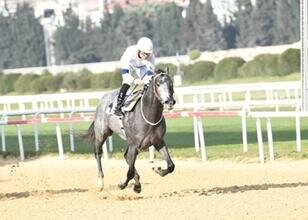
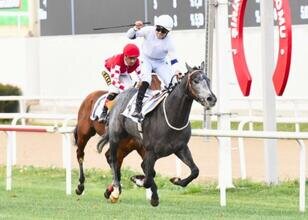
Türk yarışçılığının önemli mücadelelerinden Hipodrom.com Ege Derbisi için geri sayım başladı. 15 Mart'ta İzmir'de koşulacak 64. Ege Derbisi'nde 2100 metre kum pistte 12 safkan İngiliz atı birincilik için mücadele edecek.
Avrupa basını, Liverpool'un Galatasaray ile oynadığı ilk maçta İstanbul'daki atmosfer nedeniyle yaşadığı şoku hatırlatarak, İngiliz ekibinin en büyük çekincesinin taraftar baskısı olduğunu yazdı.
An Amazon executive called its engineers into a meeting to deal with the recent spate of incidents on its platform that had a "high blast radius" and were related to "Gen-AI assisted changes."
Wanda Nara, Luciano Spalletti ile yıllar sonra çekildiği fotoğrafı paylaşınca 2019'da Mauro Icardi üzerinden yaşanan Inter krizini yeniden gündeme getirdi.
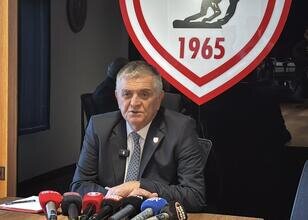
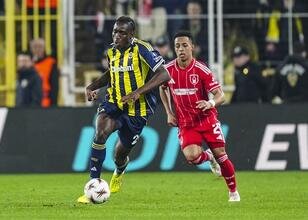
Samsunspor Basın Sözcüsü Suat Çakır, Fenerbahçe maçında yaşananlar ve UEFA Konferans Ligi son 16 turunda Rayo Vallecano oynayacakları mücadele ile ilgili açıklamalarda bulundu.
Industry analyst outfit TrendForce estimates that midrange laptops will increase their retail prices by about 40% due to increasing RAM, SSD, and CPU costs.
Trabzonspor forması giyen Paul Onuachu, ilk sezonunda ligde 21 maçta 15 gol kaydederken bu sezon 22 karşılaşmada 20 gol ile daha iyi bir performans ortaya koydu.
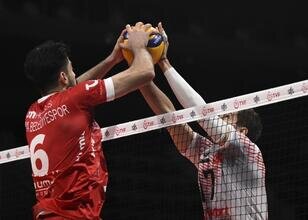
Fenerbahçe Medicana Kadın Voleybol Takımı, CEV Zeren Group CEV Şampiyonlar Ligi çeyrek final ilk maçında İtalya'nın Savino Del Bene ekibiyle deplasmanda karşı karşıya gelecek.
Oklahoma City Thunder'ın savunma oyuncularından Lu Dort, Denver Nuggets'a karşı oynanan ve Thunder'ın 129-126 kazandığı karşılaşmanın ardından Nikola Jokic'e yaptığı sert temas hakkında açıklamalarda bulundu.
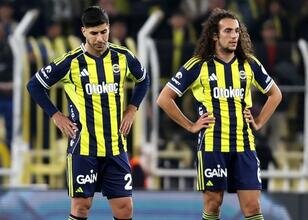
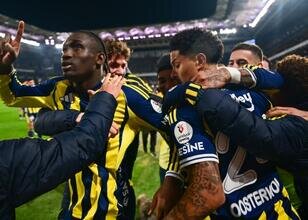
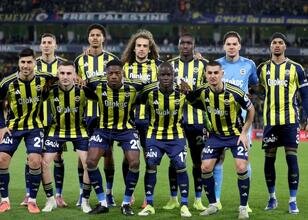
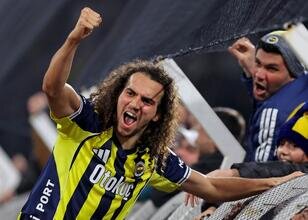
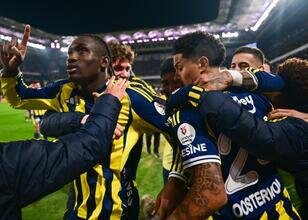
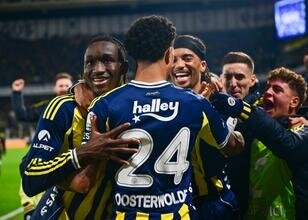
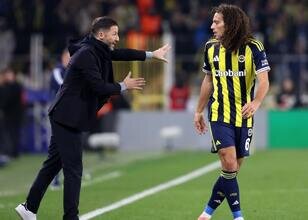
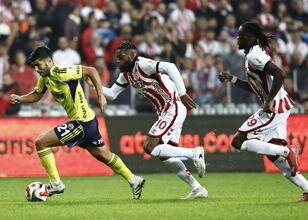
Fenerbahçe Teknik Direktörü Domenico Tedesco, Samsunspor karşısındaki geri dönüş galibiyeti sonrası "Devre arasında herkes ölü gibiydi ama kazanınca hala burada olduğumuzu gördük" dedi.
Başakşehir karşılaşmasında sakatlanan ve sol uyluk arka adale tendonunda yırtık tespit edilen El Bilal Toure'nin hücumdaki önemi bir kere daha anlaşıldı.
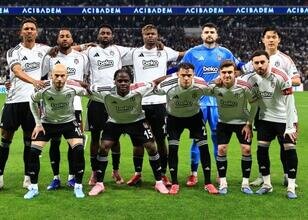
Galatasaray'a yenilerek 17 maç aradan sonra mağlubiyetle tanışan Beşiktaş, gözünü Gençlerbirliği maçına çevirdi. Siyah beyazlılar Ankara deplasmanından 3 puanla dönerek yeniden galibiyet serisi yakalamak istiyor.
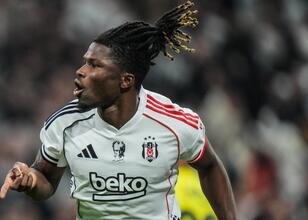
Beşiktaş'ın Marsilya'dan renklerine kattığı Panamalı sağ bek Amir Murillo devlerin radarına girdi. Serie A'nın köklü kulübü Milan ve Brezilya temsilcisi Fluminense'nin Murillo'ya talip olduğu ileri sürüldü.
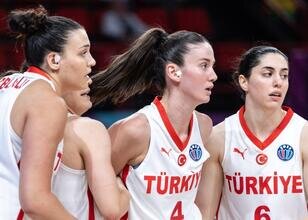
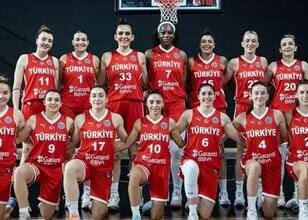
A Milli Kadın Basketbol Takımı, ev sahipliği yaptığı FIBA 2026 Dünya Kupası Elemeleri C Grubu'ndaki ilk maçında 11 Mart Çarşamba günü Kanada karşılaşacak.
FIBA 2026 Kadınlar Dünya Kupası'nda eleme maçları 11 Mart Çarşamba günü başlayacak. Milli takımımız C grubunda yer alıyor ve elemelere ev sahipliği yapan 3 ülkeden biri.
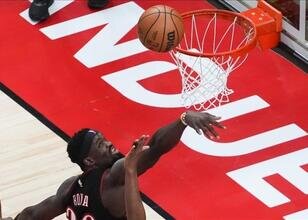
Amerikan Basketbol Ligi'nde (NBA), milli basketbolcu Adem Bona'nın formasını giydiği Philadelphia 76ers, deplasmanda Cleveland Cavaliers'a 115-101 yenildi.
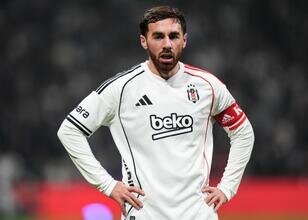
Beşiktaş'ın ara transfer döneminde Inter'den kiralık olarak kadrosuna kattığı Kristjan Asllani hakkında İtalyan basınından dikkat çeken bir iddia ortaya atıldı.
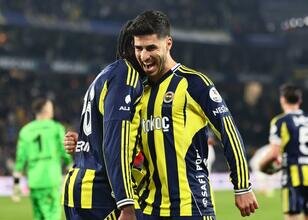
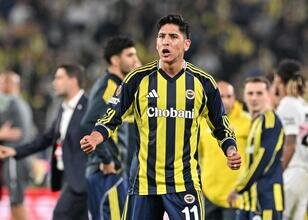
Fenerbahçe'de Marco Asensio, Antalyaspor maçında yaşadığı sakatlık sonrası kupadaki Gaziantep FK karşılaşmasında forma giyememişti. Samsunspor mücadelesi öncesi de durumu şüpheli olan İspanyol yıldız büyük bir fedakarlık yaptı.
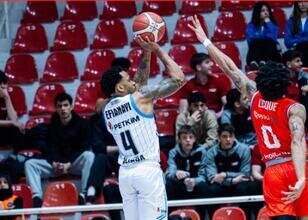
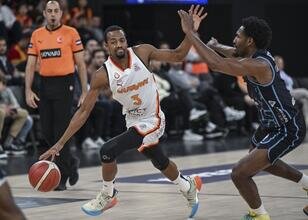
Galatasaray MCT Technic Erkek Basketbol Takımı, Şampiyonlar Ligi son 16 turu I Grubu beşinci maçında İsrail'in Hapoel Netanel Holon ekibiyle Bulgaristan'da mücadele edecek.
Taraftarlar tarafından ıslıklanan ve kız arkadaşına küfürler edilen Mert Müldür için seferberlik ilan edildi. Morali bozulan tecrübeli oyuncuyla teknik direktör Tedesco özel görüşme yapacak.
Samsunspor karşısında yenik duruma düşmesine rağmen maçı 3-2 kazanan Fenerbahçe, bu sezon 8 karşılaşmada toplamda 18 puan kazandı. Sarı lacivertliler, bu alanda ligin zirvesinde yer aldı.
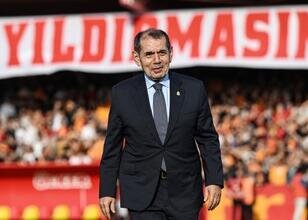
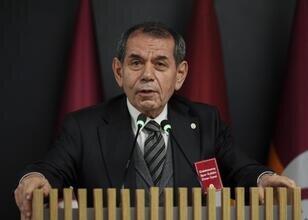
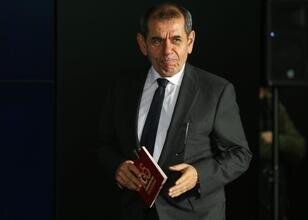
Galatasaray Başkanı Dursun Özbek, spor basınına iftar yemeği verdi. Yemekte konuşan Özbek hayalinin Galatasaray'ı Avrupa'nın ilk 5 büyük kulübü arasına sokmak olduğunu söyledi.
Fenerbahçe, geriye düştüğü maçlardan çıkardığı 18 puanla Avrupa'nın 10 büyük liginde en iyi geri dönüş yapan takımlar arasında yer alırken yenilmezlik serisini de 25 maça çıkardı.
Süper Lig'in 25'inci haftasında sahasında konuk ettiği Trabzonspor'a 3-1'lik skorla mağlup olan Zecorner Kayserispor, maçın hakemi Cihan Aydın'ın kararlarına yazılı bir açıklamayla tepki gösterdi.
Süper Lig'in 25'inci haftasında Zecorner Kayserispor-Trabzonspor karşılaşmasında maç anonslarını sarı-kırmızılı takımın taraftarlarından Nur Çokeken yaptı.
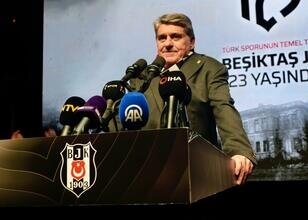
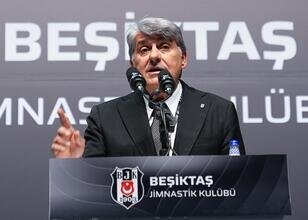
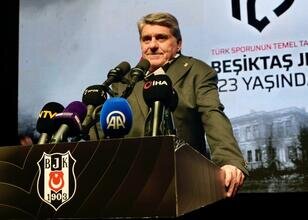
Beşiktaş Başkanı Serdal Adalı, Galatasaray derbisinde yaşanan VAR tartışmalarıyla ilgili endişelerini net bir şekilde dile getirdi ve TFF'ye başvuruda bulunduklarını açıkladı.
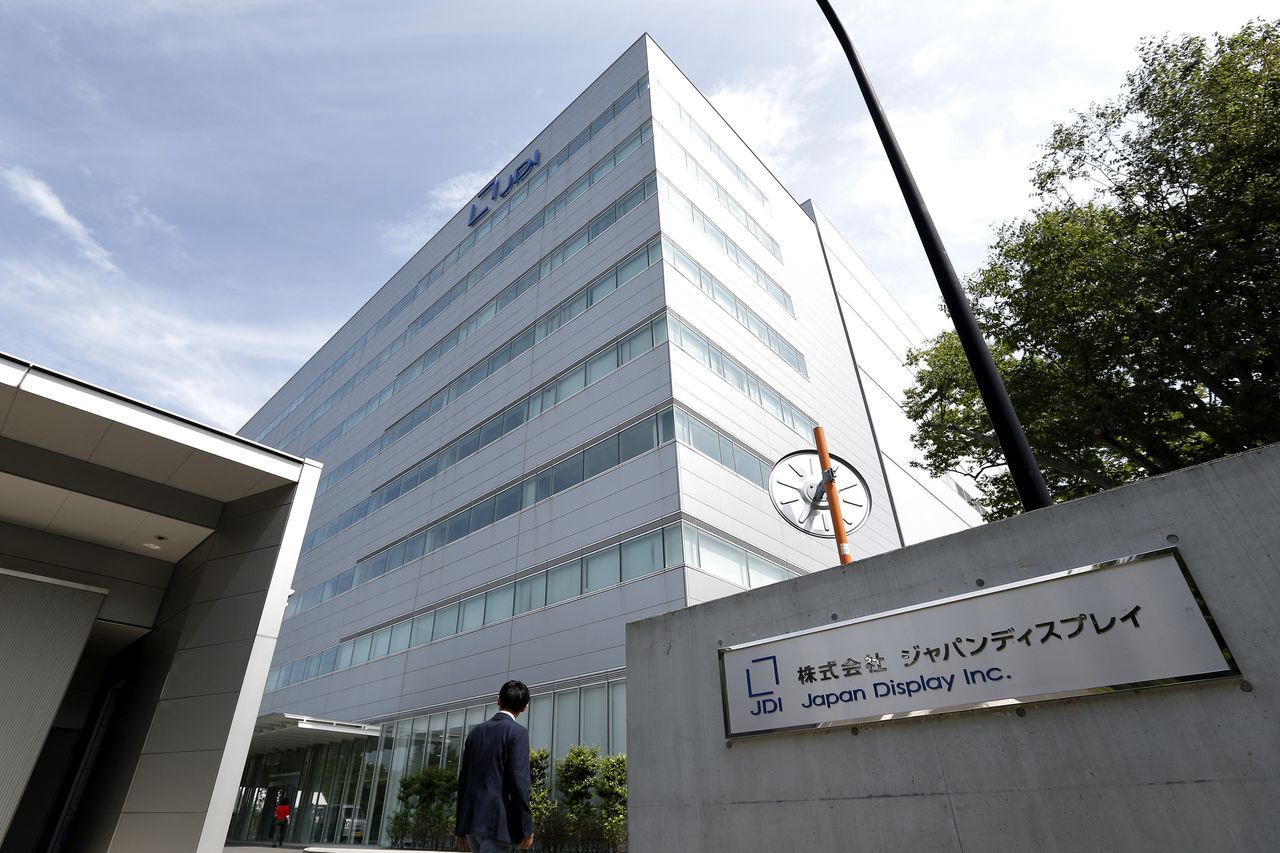
The Japanese and American governments are considering setting up a new display factory in the U.S. that would cost $13 billion, a small part of a bigger $550 billion investment framework. This factory is being proposed by Japan Display Inc., a struggling display firm that has seen better days since Apple switched to using OLED screens in the iPhone.
Beşiktaş, derbide Galatasaray'a mağlup olduğu maçın ardından VAR tartışmalarıyla ilgili Türkiye Futbol Federasyonu'na yaptığı çağrıyı alıntılayarak "#KayıtlarNeredeTFF" etiketiyle kamera kayıtlarının açıklanmasını yeniden talep etti.
Liverpool'da Alexis Mac Allister, Şampiyonlar Ligi'nin bu sezonki ana hedefleri olduğunu söyledi. Arjantinli futbolcu, Galatasaray'ın yıldızı Lucas Torreira'dan da övgüyle bahsetti.
Trabzonspor, Kayserispor'u mağlup ederek ligde üst üste üçüncü galibiyetini aldı. Maçın ardından Trabzonspor teknik direktörü Fatih Tekke açıklamalarda bulundu.
A new report from PSprices claims that Sony has been experimenting with cheaper prices on a variety of titles for certain users. Since November 2025, gamers in at least 68 regions have been getting personalized, discounted prices across 150+ games, including Sony's first-party exclusives.
A Chinese laptop manufacturer has announced the world's first rugged industrial laptop with a solar panel. The device is geared towards professionals who need a device that can work for long periods of time away from a power outlet.
Beşiktaş Başkanı Serdal Adalı, Galatasaray derbisinde yaşanan VAR tartışmalarıyla ilgili endişelerini net bir şekilde dile getirdi ve TFF'ye başvuruda bulunduklarını açıkladı.
UEFA Şampiyonlar Ligi son 16 turunda Galatasaray ile Liverpool karşı karşıya gelecek. İlk maçı sahasında oynayacak sarı-kırmızılı ekip, rövanş öncesi avantaj elde etmeyi hedefliyor. Dev maç öncesinde yapay zeka, Galatasaray'ın Liverpool'u eleme olasılığı ve turnuvanın ilerleyen aşamalarındaki ihtimallere dair tahminlerini paylaştı.
Türkiye Satranç Federasyonu Başkanı Fethi Apaydın, Erzurum'da satranç oynanan bir kahvehaneyi ziyaret ederek vatandaşlarla satranç oynadı ve buraya satranç kütüphanesi kurulacağını açıkladı.
NBA'in en dominant oyuncularından biri olarak gösterilen Nikola Jokic, Avrupa basketboluna geri dönüp dönmeyeceğiyle ilgili merak edilen soruya net bir yanıt verdi.
Rufus, the AI assistant meant to make shopping on Amazon easier, can actually just answer any question you throw at it as long as it's prompted right. It allegedly runs Claude under the hood, and people have been able to get it to answer complex mathematical questions, and we almost got it to say whether the AI bubble will burst this year.
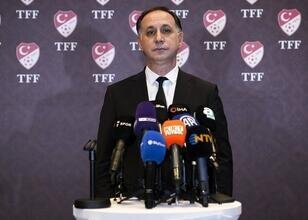
TFF Temsilciler Kurulu Üst Klasman Temsilcisi ve UEFA Delegesi Hayri Çavuşoğlu'nun avukatları tarafından açılan dava sonucunda, bahis hesabı açmadığı ve bahis oynamadığı ispat edildi.
Eski Barcelona teknik direktörü Xavi, takımı çalıştırdığı dönemde Lionel Messi'nin geri dönme imkanı olduğunu ancak başkan Laporta'nın onaylamadığını belirtti.
Geçen sezon ilk yarıya müthiş başlayıp ligin ikinci yarısındaki puan kayıplarıyla ancak 8. olabilen Göztepe, bu sezon da aynı momentum kaybını yaşıyor.
2025-26 sezonuna Yılın Çaylağı ödülünün en büyük favorisi olarak başlayan Dallas Mavericks forveti Cooper Flagg, etkileyici performansına rağmen sezon sonunda bu ödülü kazanamayabilir.
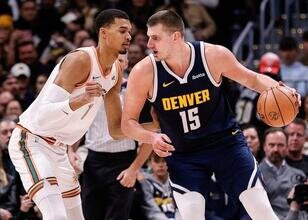
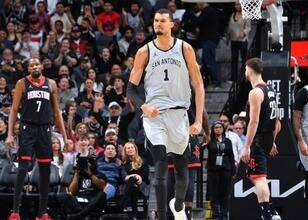
NBA'in en dominant oyuncularından biri olan Denver Nuggets süpersarı Nikola Jokic, yükselen süper yıldız Victor Wembanyama hakkında yaptığı yorumlarla dikkat çekti.
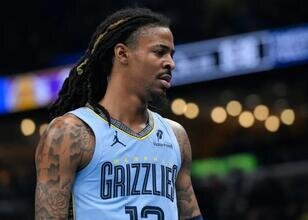
Memphis Grizzlies'in yıldız oyun kurucusu Ja Morant, takımın yeniden yapılanma sürecine girmesine ve adının takas söylentilerine karışmasına rağmen Memphis Grizzlies'te kalmak istediğini bir kez daha dile getirdi.
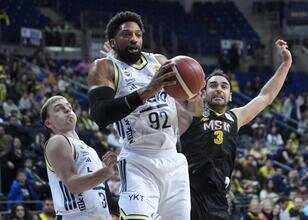
Galatasaray MCT Technic Erkek Basketbol Takımı, Şampiyonlar Ligi son 16 turu I Grubu beşinci maçında İsrail'in Hapoel Netanel Holon ekibiyle Bulgaristan'da mücadele edecek.
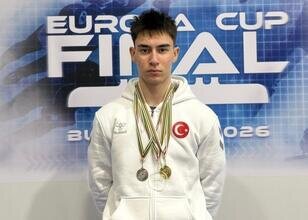
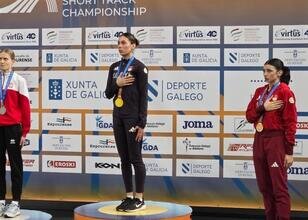
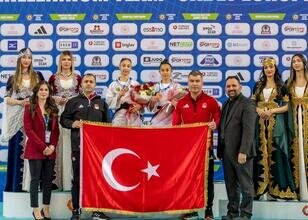
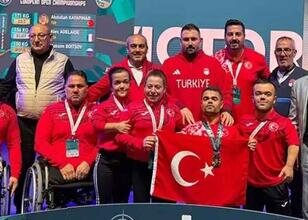
Milli para atlet Aysel Önder, 8 Mart Dünya Kadınlar Günü'ndeDünya Salon Atletizm Şampiyonası'nda 2 dünya şampiyonluğuna imza atarak adını tarihe altın harflerle yazdırdı.
Beşiktaş'ın yıldızı Vaclav Cerny, Instagram hesabını kapattı. Çek futbolcunun derbinin ardından hem kendisine hem de eşine yönelik tepkilerin ardından bu kararı aldığı öğrenildi. Siyah-beyazlı kulüp sezon başında da benzer durumu yaşayan oyuncuları için "Dijital Zorbalığa Hayır" çağrısında bulunmuştu.
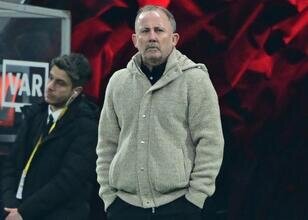
Beşiktaş Teknik Direktörü Sergen Yalçın, kalede sezon sonuna kadar Ersin Destanoğlu ile devam edecek. Siyah-beyazlılar, yaz aylarında ise kaleci transferi konusunda önemli bir hamle yapmak istiyor.
Beşiktaş, Amir Murillo'nun ardından sezon sonunda Gökhan Sazdağı ve Taylan Bulut'tan birine veda etmeyi planlıyor. Taylan Bulut için kiralık ihtimal de masada yer alıyor.
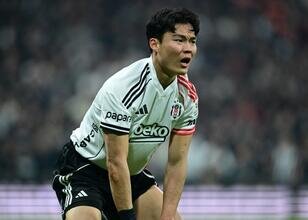
Derbide Galatasaray'a kaybeden ve 17 maçlık yenilmezlik serisi sona eren Beşiktaş, ligde bu hafta oynayacağı Gençlerbirliği maçı ile yeniden yükselişe geçmek istiyor.
Benfica Teknik Direktörü Jose Mourinho, Porto derbisinde 88. dakikada attıkları beraberlik golünün ardından yaptığı hareket nedeniyle kırmızı kart gördü. Portekizli teknik adam maç sonrası adeta ateş püskürürken açıklamasında Fenerbahçe'nin adını da geçirdi.
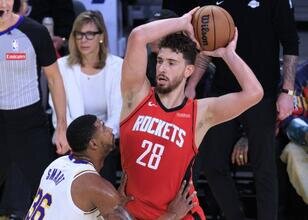
Amerikan Basketbol Ligi'nde (NBA) Houston Rockets, milli oyuncu Alperen Şengün'ün 16 sayı attığı maçta, deplasmanda San Antonio Spurs'e 145-120 yenildi.
Genelde köpeklere takılan ve neredeyse onlar için şart olan tasma, kediler içinde kullanılan bir alettir. Kediler genelde uysal hayvanlar olarak bilinse de tasma takılması, en başta onların sahipli olduğunun bir belirtisidir. Bilindiği üzere sokak kedisinde tasma takılmaz, tasma ev kedisinde bulunur.
Genelde köpeklere takılan ve neredeyse onlar için şart olan tasma, kediler içinde kullanılan bir alettir. Kediler genelde uysal hayvanlar olarak bilinse de tasma takılması, en başta onların sahipli olduğunun bir belirtisidir. Bilindiği üzere sokak kedisinde tasma takılmaz, tasma ev kedisinde bulunur.
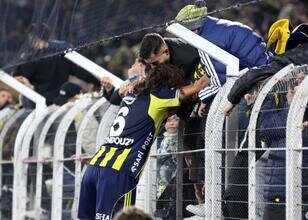
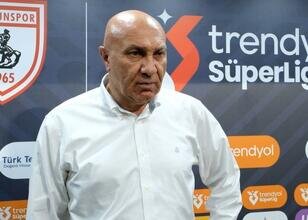
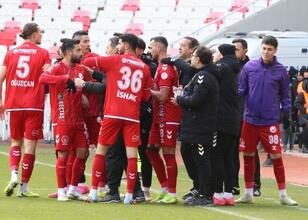
Samsunspor Başkanı Yüksel Yıldırım, Fenerbahçe maçının son dakikalarında sarı lacivertli tribünlerle kavga etti. Yüksel Yıldırım, maçın ardından konuştu ve hakem kararlarına tepki gösterdi.
Genelde köpeklere takılan ve neredeyse onlar için şart olan tasma, kediler içinde kullanılan bir alettir. Kediler genelde uysal hayvanlar olarak bilinse de tasma takılması, en başta onların sahipli olduğunun bir belirtisidir. Bilindiği üzere sokak kedisinde tasma takılmaz, tasma ev kedisinde bulunur.
Samsunspor Başkanı Yüksel Yıldırım, Fenerbahçe maçının son dakikalarında sarı lacivertli tribünlerle kavga etti. Yüksel Yıldırım, maçın ardından konuştu ve hakem kararlarına tepki gösterdi.
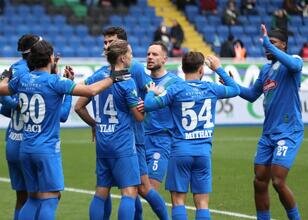
Esenler Erokspor, Kayode'nin hat-trick yaptığı maçta Bodrumspor'u deplasmanda 4-3 mağlup etti ve 14 maçlık yenilmezlik serisinde 10. galibiyetini elde etti.
İskoçya Kupası'nda Rangers ile Celtic arasında oynanan çeyrek final maçı sonrasında sahaya inen taraftarlar arasında arbede yaşandı. Olayla ilgili soruşturma başlatıldı.
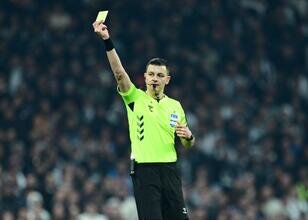
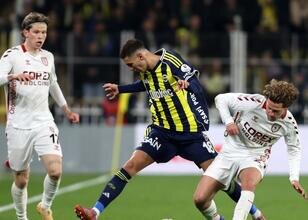
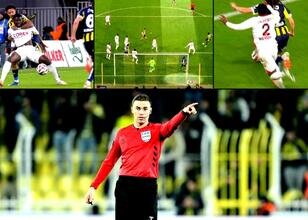
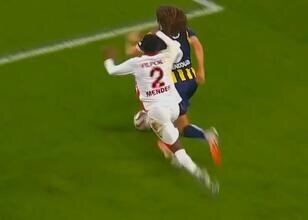
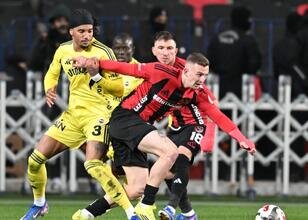
Fenerbahçe, Samsunspor ile oynadığı maçın ilk yarısının son anlarında Joe Mendes için ikinci sarı karttan kırmızı bekledi. Hakem Oğuzhan Çakır, oyunun sürmesini istedi. Fenerbahçe'den Ederson, itirazlarının ardından sarı kart gördü. Fenerbahçe'de Ederson, gelecek hafta cezalı duruma düştü.
If you've been looking for a keyboard upgrade but didn't want to go with the typical options on the market, the HHKB Professional Hybrid Type-S might just be the top pick for you. Featuring silent Topre switches and wireless Bluetooth connectivity that lasts three months on a single "charge," this flagship HHKB keyboard is one great deal right now.
Konyasporlu futbolcular, Kasımpaşa ile 1-1 berabere kaldıkları maçın ardından konuştu. Konyaspor da maçın ardından resmi sitesinden bir açıklama yaptı.
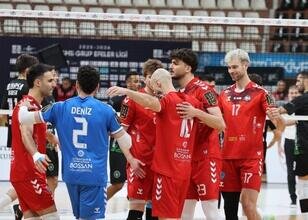
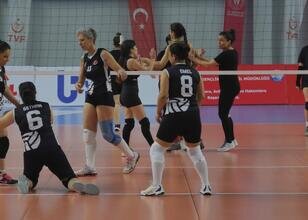
Sultanlar Ligi'nin 25. haftasında Eczacıbaşı Dynavit, deplasmanda Galatasaray Daikin'i 3-2 yendi. Mücadele sonrası Ebrar Karakurt'un yaptığı paylaşımlar sosyal medyada çok konuşulurken, sarı-kırmızılıların kaptanı İlkin Aydın'dan, Karakurt'a yanıt gecikmedi.
TFF 2. Lig Kırmızı Grup'ta Bursaspor'un deplasmanda Muşspor'u 1-0 mağlup ettiği maçta tribün olayları yaşandı. Atılan taş ve yabancı maddeler nedeniyle bazı Bursaspor taraftarları yaralanırken, kulüp başkanı Enes Çelik yaşananlara tepki gösterdi.
Offshore wind turbines could house up to a 12-megawatt data center, drawing power directly from the winds blowing on the sea while using the cold ocean water for cooling.
Hipodrom.com ile yapılan anlaşma kapsamında 15 Mart'ta İzmir Şirinyer Hipodromu'nda koşulacak Uluslararası Ege Derbisi (G1), sponsor destekli gerçekleştirilecek. Yarışta dağıtılacak toplam sponsorluk ikramiyesi 1 milyon 680 bin TL olacak.
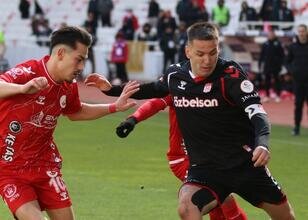
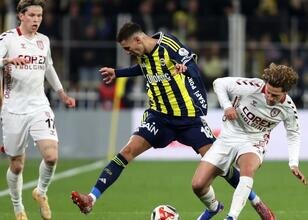
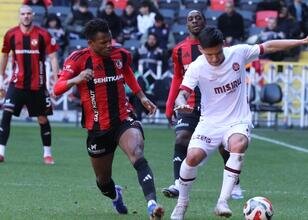
Trendyol Süper Lig'in 25. haftasında Gaziantep FK'nin Fatih Karagümrük'ü konuk ettiği maç, 1-1 beraberlikle sonuçlandı. Gaziantep FK'de taraftarlar, teknik direktör Burak Yılmaz'a tepki gösterdi.
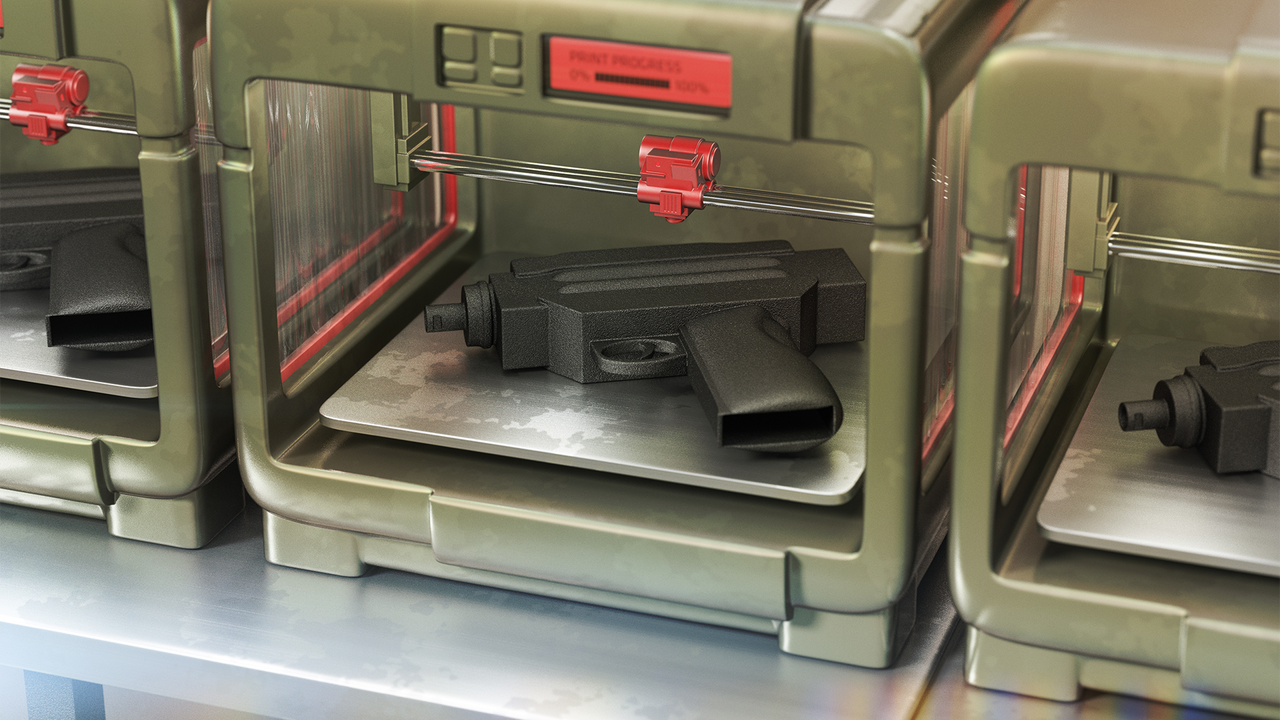
California's civil suit alleges that these websites and their operators are willfully distributing 3D printed gun files and instructions that could allow anyone to print a gun from scratch in as little as eight hours.
Yaşadığı rahatsızlık sonrası takımdan uzak kalan Fenerbahçe Teknik Direktörü Domenico Tedesco, Samsunspor maçı öncesi oyuncularıyla konuştu. İtalyan hoca, "Yokluğumda mücadelenizden memnunum. Ligde ve kupada iyi durumdayız" dedi.
Beşiktaş deplasmanında alınan derbi galibiyetinin ardından Galatasaray yönetimi, futbolcular için 1.5 milyon euro prim açıklayarak takımı ödüllendirdi.
Galatasaray - Liverpool karşılaşmasını İspanyol hakem Jesus Gil Manzano'nun yöneteceği açıklandı. İspanyol hakemin geçmişte yönettiği Türk takımı maçları ve Valencia - Real Madrid karşılaşmasındaki tartışmalı düdüğü yeniden gündeme geldi
Yaz transfer döneminin son günlerine doğru West Ham'dan Fenerbahçe'ye kiralanan Edson Alvarez hakkında dikkat çeken bir transfer itirafı gündeme geldi. Meksika Milli Takım Teknik Direktörü Javier Aguirre, Fenerbahçe'nin eski teknik direktörü Jose Mourinho'ya, Edson Alvarez'i sarı lacivertlilere transfer etmesi için neler söylediğini açıkladı.
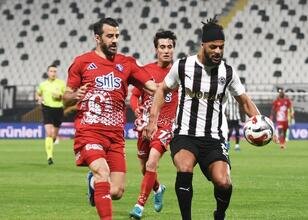
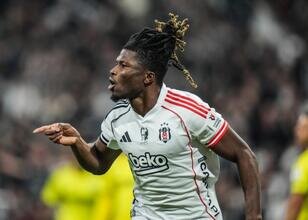
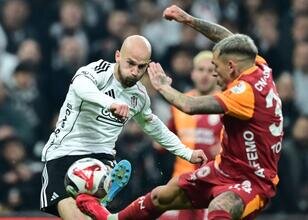
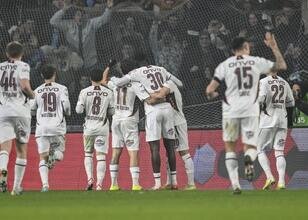
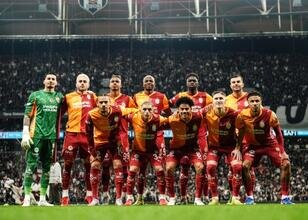
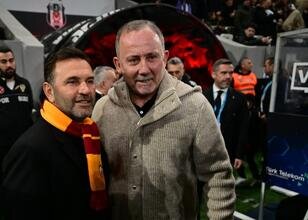
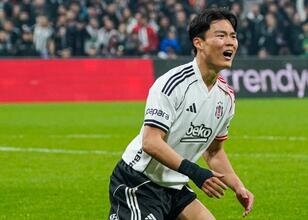
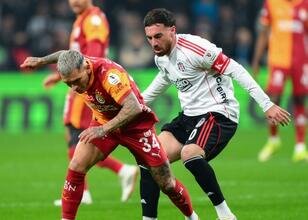
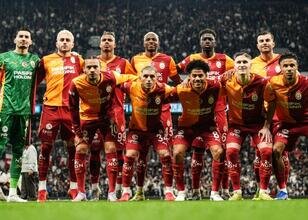
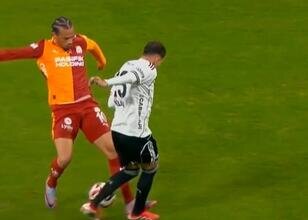
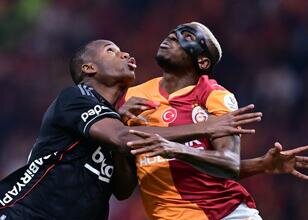
Galatasaray, Trendyol Süper Lig'in 25. haftasında Beşiktaş'ı Victor Osimhen'in golüyle deplasmanda 1-0 mağlup etti. Avrupa basını, Beşiktaş-Galatasaray derbisinin ardından "Osimhen'den Liverpool'a mesaj" ifadelerini kullandı.
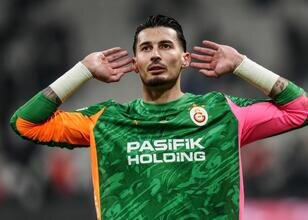
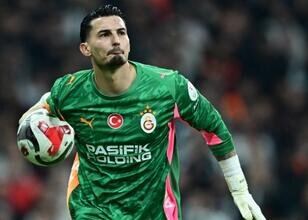
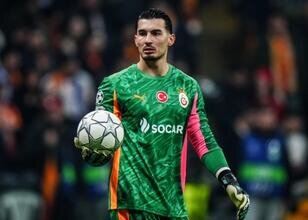
Galatasaray kalecisi Uğurcan Çakır, Beşiktaş derbisi ile ilgili konuştu. Ayrıca Mili Takım'ın Romanya maçı için Beşiktaş taraftarlarına mesaj gönderdi.
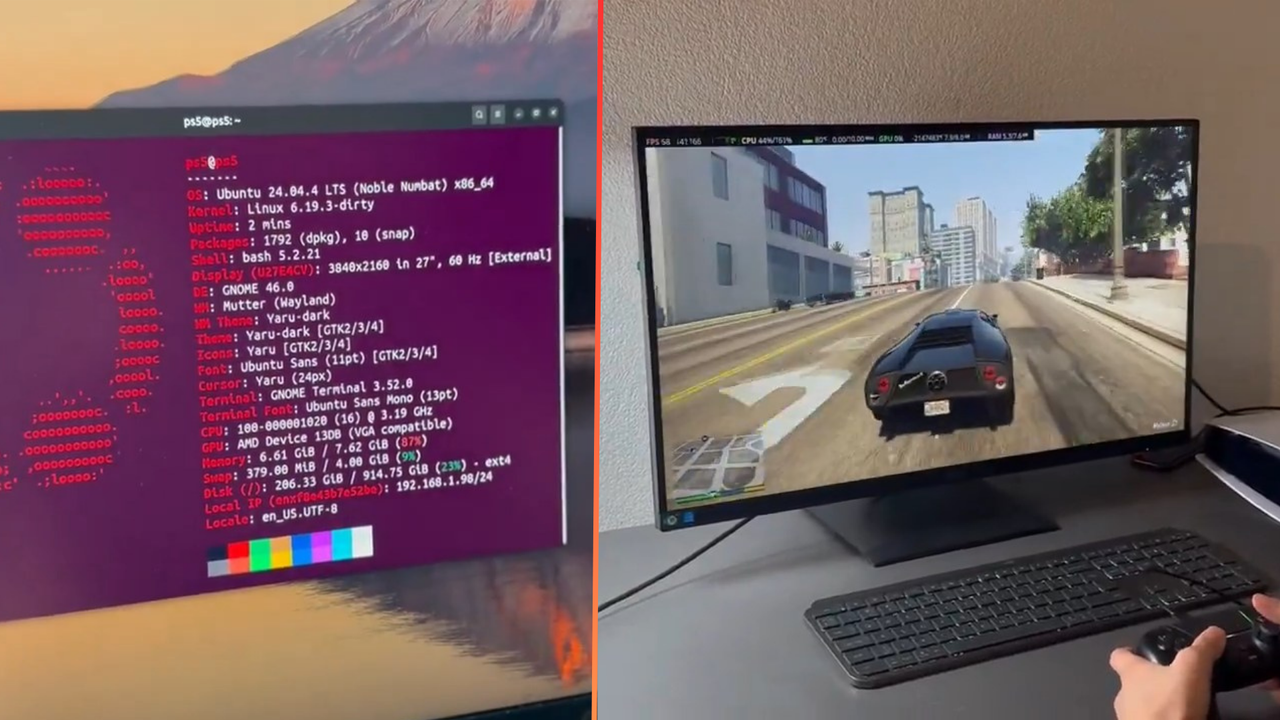
If Sony's allegedly going to take away the ability to play its PlayStation exclusives on PC, you can rebel by converting the PS5 into a straight-up PC. That's what Andy Nguyen, a security engineer, did by porting Linux over to the console and running GTA V on it via Steam. The best part? It actually plays really well, without any issues.
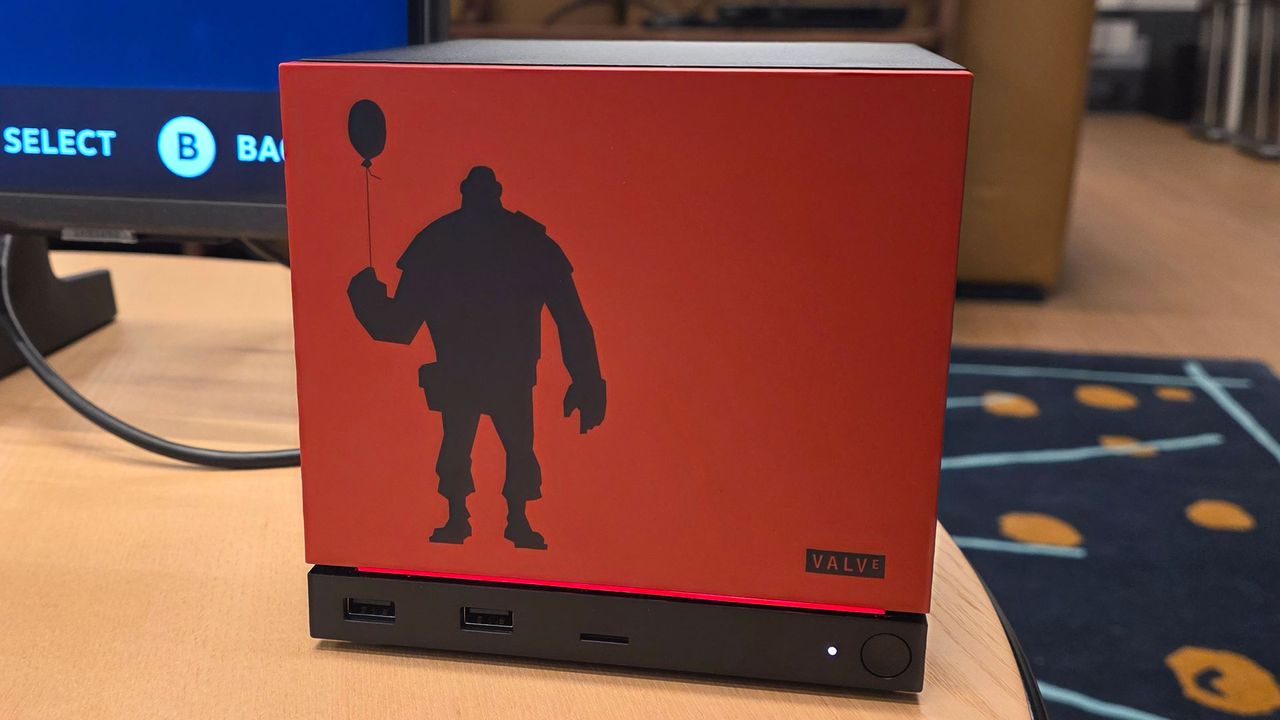
Valve's latest announcement puts the Steam Machine release for "this year," after changing the console's expected arrival date from the first quarter to the first half of 2026.
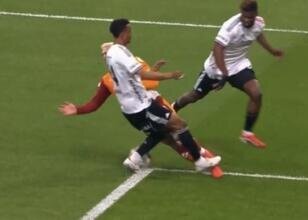
Galatasaray, Beşiktaş derbisinin 20. dakikasında penaltı bekledi. Beşiktaş'n Sane pozzisyonu için 'Daha ne olması gerekiyor?' paylaşımına "Penaltı için daha ne olması gerekiyor" sözleriyle cevap verdi.
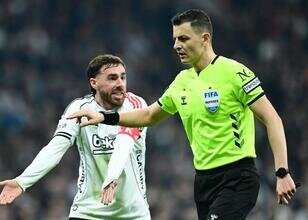
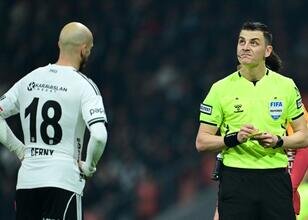
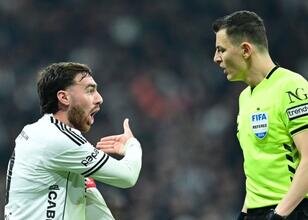
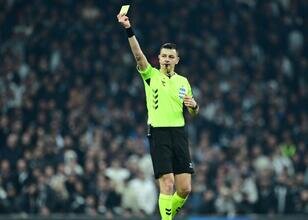
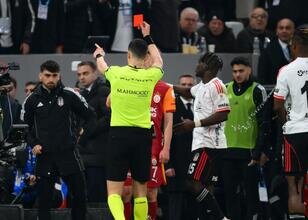
Beşiktaş teknik heyeti, Galatasaray derbisinde Leroy Sane'ye kırmızı kart bekledi. Hakem Ozan Ergün, Leroy Sane'ye sarı kart verdi. Hakem Ergün, VAR'dan gelen onay sonrası sarı kart kararında kaldı. Beşiktaş, sosyal medyadan bu karara tepki gösterdi.
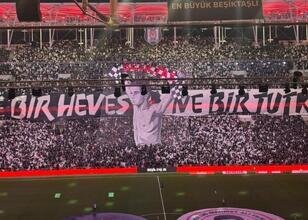
Trendyol Süper Lig'de dev derbi heyecanı Dolmabahçe'de yaşanacak. Son haftaların formda takımı Beşiktaş, üç kulvarda da yoluna doludizgin devam eden lider Galatasaray'ı konuk edecek.
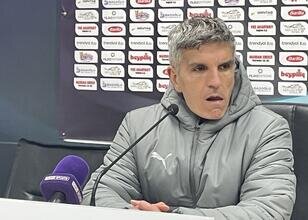
Trendyol 1. Lig'de evinde Bandırmaspor, evinde İstanbulspor'u 1-0 mağlup etti. Maç sonucunda iki teknik adamda maç hakkındaki görüşlerini dile getirdi.
1. Lig'in 29. haftasında Sivasspor'u deplasmanda 1-0 yenen Emre Gökdemir İnşaat Ankara Keçiörengücü Teknik Direktörü Yalçın Koşukavak, maç hakkında konuştu.
In a scarce market, clients don't take risks and go with the biggest, most reliable option, which ultimately benefits Nvidia as it sits at the top of the AI boom. Unfortunately, these data center escapades hurt regular human beings, too, but that's not the trillion-dollar corporation's concern.
Basketbol Süper Lig ekiplerinden Trabzonspor Basketbol Takımı, Amerikalı pivot Royce Dewayne Hamm Jr. ile sözleşme yenileyerek 2 yıl daha bordo-mavi forma giyeceğini açıkladı.
Trendyol 1. Lig takımlarından İmaj Altyapı Vanspor'da forma giyen Jefferson Nogueira Junior ve Francesc Regis, Vanspor ve ligdeki durumları hakkında konuştular.
Fenerbahçe, Trendyol Süper Lig'de Kasımpaşa ile 23 Şubat'ta oynanan maçta Fenerbahçeli futbolculara hakaret ettiği için 5 taraftar hakkında yasal işlemlere başlandığını açıkladı.
Türkiye Sigorta Basketbol Süper Ligi'nde Karşıyaka, lige verilen yaklaşık 3 haftalık ara sonrası 8 Mart Pazar günü Trabzonspor'la deplasmanda mücadele edecek.
Galatasaray, Beşiktaş derbisine tam odaklanarak bazı oyuncuları dinlendirdi, kadro ve taktik planını büyük ölçüde netleştirdi ve maça düşük stresli bir hazırlık süreciyle girdi.
Son iki haftada yaşadığı puan kayıplarıyla zirve yarışında ağır ara alan Fenerbahçe artık hata istemiyor. Kredisini tüketen takım yeni bir kayıp hâlinde kaosa sürüklenebilir.
Fenerbahçe'nin Fransız yıldızı Matteo Guendouzi, çok yönlü performansıyla kısa sürede teknik direktör Domenico Tedesco'nun en güvendiği isimlerden biri haline geldi.
Galatasaray'ın Şampiyonlar Ligi'ndeki rakibi Liverpool'un teknik direktörü Arne Slot, Wolverhampton'ı 3-1 yendikleri maçın ardından açıklamalarda bulundu.
Galatasaray'ın Şampiyonlar Ligi'ndeki rakibi Liverpool'un savunmacısı Virgil van Dijk, Wolverhampton'ı 3-1 yendikleri maçın ardından açıklamalarda bulundu.
Fenerbahçe ile Samsunspor, Süper Lig'de 8 Mart Pazar günü 66. mücadele edecek. Bu maçlardan Fenerbahçe 35, Samsunspor 12 galibiyet alırken 18 maç berabere bitti.
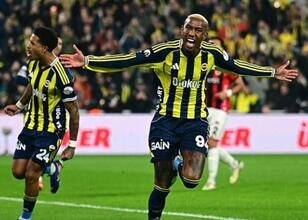
Sidiki Cherif, son 3 maçta gol ve asist katkılarıyla yükselişe geçerek Fenerbahçe'de Anderson Talisca dönene kadar hücumun önemli isimlerinden biri olabileceğini gösterdi.
Okan Buruk, Devler Ligi maçları öncesi ve sonrası oynanan lig maçlarında yaşanan motivasyon eksikliği nedeniyle oyuncularına, "Beşiktaş derbisini Şampiyonlar Ligi maçı gibi oynayacağız" dedi.
La Liga 27. haftada Real Madrid, Celta Vigo'yu 2-1 yendi; 1 asist yapan Arda Güler 65'te çıkınca tepki gösterdi, teknik direktör Alvaro Arbeloa maç sonrası açıklama yaptı.
Trendyol Süper Lig'in 25. haftasında Beşiktaş ile Galatasaray karşı karşıya gelecek. Sabah Spor yazarları Gürcan Bilgiç, Levent Tüzemen, Fatih Doğan ve Bülent Timurlenk, dev karşılaşma öncesi dikkat çeken değerlendirmelerde bulundular. İşte o sözler...
Beşiktaş'ın Galatasaray derbisi öncesi taktiği ortaya çıktı. Teknik direktör Sergen Yalçın'ın oyuncularına "Topu Galatasaray alsın, maçı biz alalım" dediği öğrenildi. Siyah beyazlıların topu rakibe bırakıp baskı kurarak golü bulmayı hedeflediği ifade edildi.
Fenerbahçe Teknik Direktörü Domenico Tedesco, geçirdiği zatürreye rağmen Samsunspor maçı için rakibin son 5 karşılaşmasını analiz ederek detaylı rapor hazırladı.
Trendyol Süper Lig'de dev derbi heyecanı Dolmabahçe'de yaşanacak. Son haftaların formda takımı Beşiktaş, üç kulvarda da yoluna doludizgin devam eden lider Galatasaray'ı konuk edecek.
 Login
Login