Türkiye, 2026 Dünya Kupası yolunda Romanya karşısına çıkacak. Sahne, rakiplerin dizlerini titreten akustiği ve sahaya sıfır tribünleriyle Beşiktaş Park!
Kadınlar Kupa Voley finalinde Eczacıbaşı Dynavit'i 3-1 yenerek şampiyon olan VakıfBank'ın başantrenörü Giovanni Guidetti ve genel menajer Banu Can Schürmann maç sonu açıklamalarda bulundu.
Romanya Milli Takımı, tarihsel olarak en güçlü döneminde değil ve 90'lardaki muhteşem yıldızlarını da arıyor ancak yine de bu takımda Milli Takımımız'a problem yaratabilecek oyuncular var. İşte o oyunculardan 5'i...
26 yaşına giren milli futbolcu Ozan Kabak'ın doğum günü, A Milli Takım kampında TFF Başkanı İbrahim Hacıosmanoğlu, teknik ekip ve arkadaşalarıyla kutlandı.
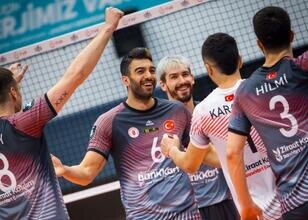
Ziraat Bankkart, CEV Erkekler Şampiyonlar Ligi çeyrek final ilk maçında konuk olduğu Polonya temsilcisi Asseco Resovia'yı 3-0 yenerek yarı finale yükseldi.
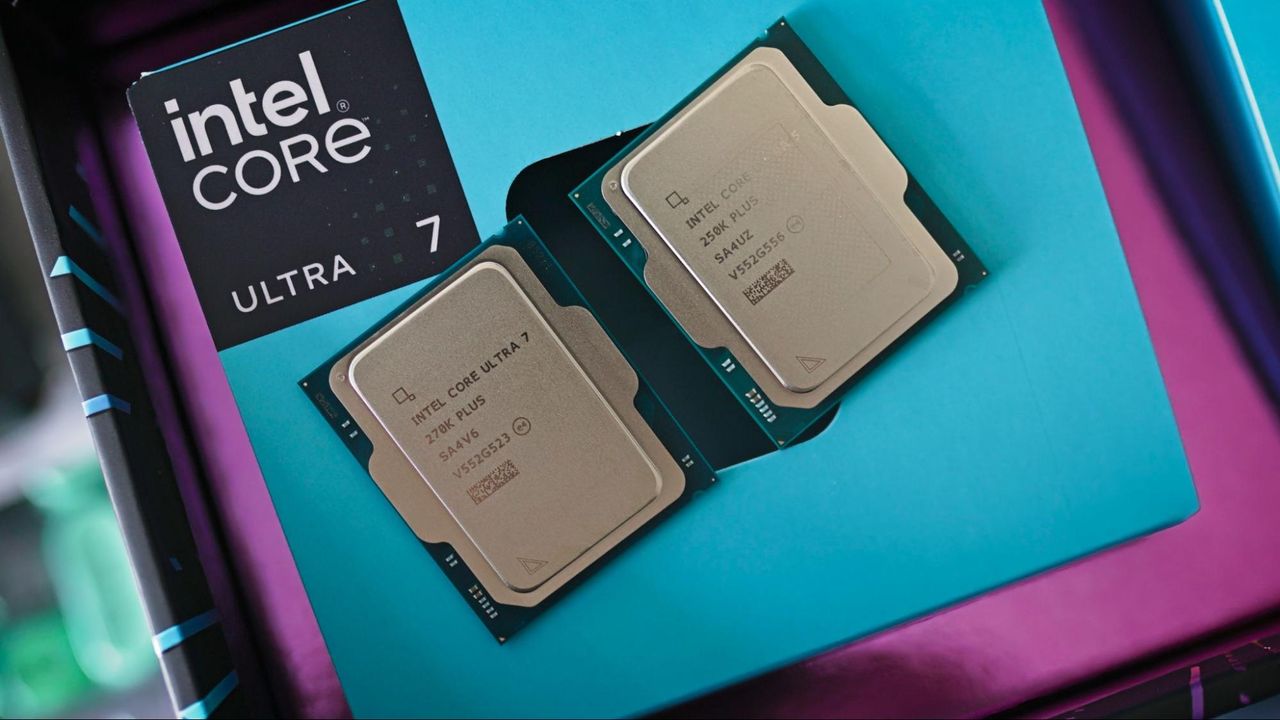
The team behind Geekbench 6 has warned users about benchmarking inconsistency with Intel's latest iBOT tool found in the new Core Ultra 7 270K Plus and Ultra 5 250K Plus. Geekbench 6 can't identify when iBOT is enabled or disabled during benchmark runs.
Halkbank Kadınlar Basketbol Süper Ligi play-off yarı final ikinci maçında Fenerbahçe Opet, deplasmanda ÇİMSA ÇBK Mersin'i 95-65 yendi. Bu sonuçla seriyi 2-0 kazanan sarı lacivertliler finale yükseldi.
Orta Doğu'daki çatışmalardan kaynaklanan güvenlik kaygıları nedeniyle iptal edilen Türkiye'deki uluslararası turnuvaların yerine alternatif organizasyonlar düzenlenmesine ilişkin temasların sürdürüldüğü açıklandı.
Romanya Milli Takım'ı stoperi Radu Draguşin A Milli Takımı'mızla 26 Mart Perşembe günü oynanacak karşılaşma öncesindeki basın toplantısında açıklamalarda bulundu.
Fransa maçı öncesi Carlo Ancelotti ile birlikte basın toplantısına katılan Vinicius Junior. Hem Brezilya Milli Takım'ı hem de Real Madrid hakkında açıklamalarda bulundu.
Many PC manufacturers are facing challenges in acquiring inventory of Intel and AMD CPUs, saying that there is not enough supply to meet consumer demand.
A family in Northern Kentucky received a $26 million offer for half their land — a price that's worth more than 7 times the going rate for the area. But despite the massive price, they still refused, saying that they "fed a nation off of it."
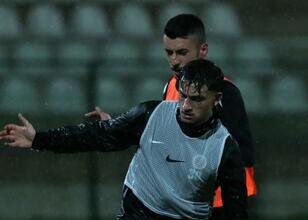
Beşiktaş, Trendyol Süper Lig'in 28. haftasında 5 Nisan Pazar günü deplasmanda Fenerbahçe ile karşılaşacağı derbi maçın hazırlıklarına bayram izninin ardından başladı.
NBPA, Milwaukee Bucks'ın Giannis Antetokounmpo'yu sezonun geri kalanında dinlendirme ihtimaline ilişkin çıkan haberlerin ardından bir açıklama yayımladı.
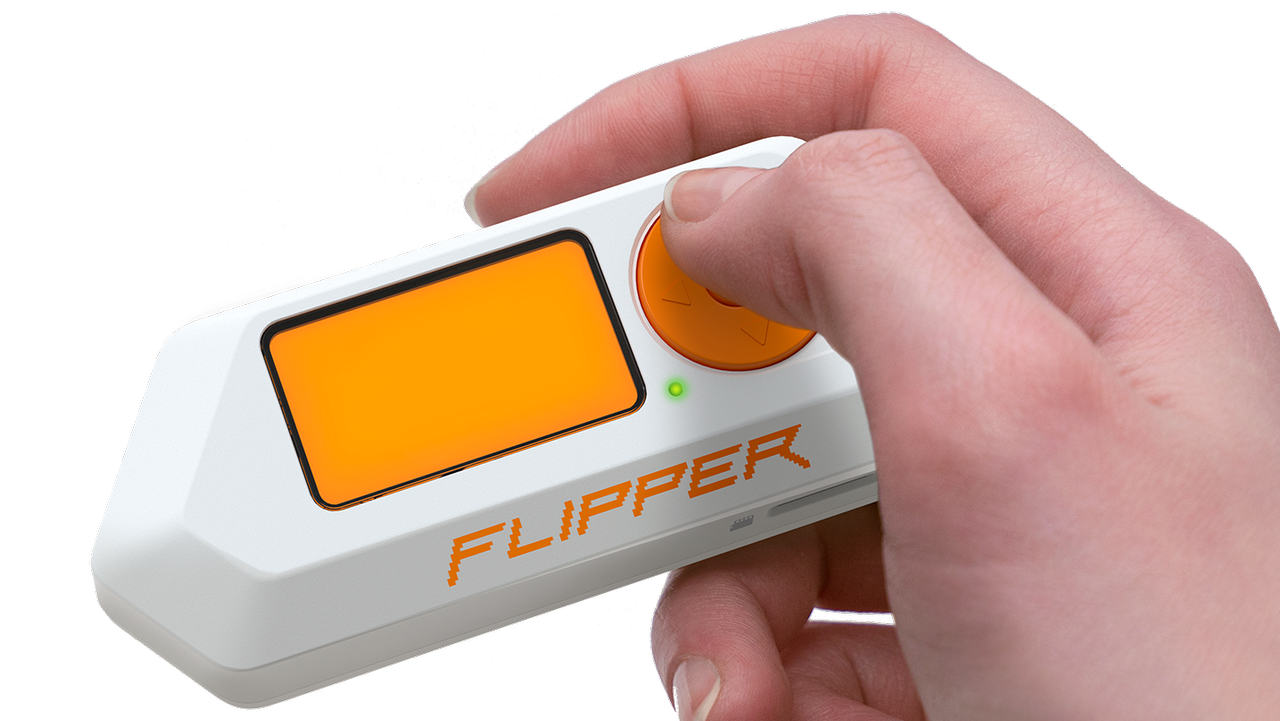
If controlling the notorious Flipper Zero pen-testing and hacking tool using its native interface is too difficult, a new AI-powered companion app for Android, called V3SP3R, is ready to help you make the most of it.
Milli sürat patenci Furkan Akar, olimpiyat ve Avrupa'daki başarılarının ardından dünya şampiyonasında bronz madalya kazanarak Türkiye'ye buz sporlarında tarihindeki ilk dünya madalyasını kazandırdı.
Milli güreşçi Osman Göçen, Avrupa Şampiyonası'nda altın madalya kazanmayı hedeflerken 2028 Los Angeles Olimpiyatları'nda Türkiye'yi temsil edip madalya alma amacıyla hazırlıklarını sürdürüyor.
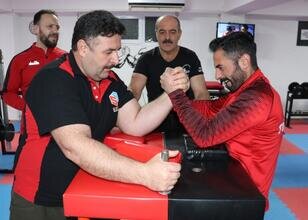
Sivas'taki milli bilek güreşçiler, Yalova'da yapılacak Türkiye Şampiyonası ve milli takım seçmeleri öncesi Avrupa ve dünya şampiyonalarına uzanan başarı hedefiyle yoğun şekilde hazırlıklarını sürdürüyor.
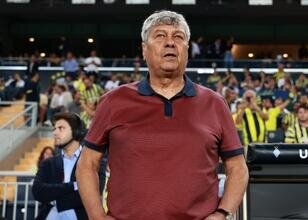
Salı günü Türkiye'ye gelecek olan Romanya milli takımının seyahati, Lucescu taraftar gürültüsünden ve gerginlikten uzak tutmak için çarşamba gününe aldı.
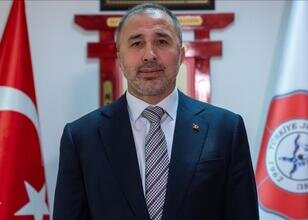
Türkiye Judo Federasyonu Başkanı Sezer Huysuz, İtalyan ekolü ve yeni yapılanma ile 2028 Los Angeles Olimpiyatları'na madalya hedefiyle sistemli şekilde hazırlanırken, Avrupa ve dünya şampiyonalarında başarıyı artırarak olimpiyat kürsüsüne adım adım ulaşmayı amaçladıklarını açıkladı.
Romanya'nın önemli efsaneleri, Türkiye-Romanya maçı için Türkiye'ye hareket etti. Rumen futbolunun gelmiş geçmiş en büyük yıldızı olarak kabul edilen Gheorghe Hagi, Türkiye'ye seyahat etmeden önce basın mensuplarının sorularını yanıtladı.
Dünya Kupası yolundaki rakibimiz Romanya'nın kilidini Arda, Hakan, Orkun ve Kenan gibi kaliteli ayaklarla açabiliriz. Kalabalık savunmayla sahasına kapanacak Lucescu'nun silahı ise hızlı hücum.
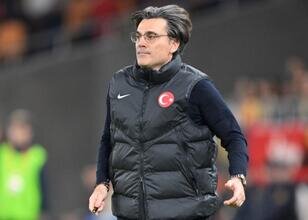
A Milli Takımımızın hocası Vincenzo Montella, Romanya'ya karşı Abdülkerim'in yanında Samet veya Ozan'a şans verecek, forvette ise Kerem ve Barış Alper'e göre alternatif planlar yapıyor.
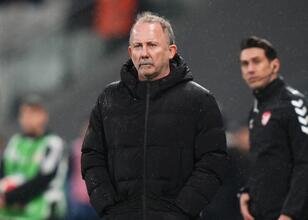
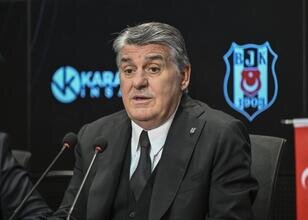
Beşiktaş'ta Başkan Serdal Adalı, Sergen Yalçın ve Serkan Reçber ile görüşerek yaz döneminde kaleye, stopere, sol beke, orta sahaya, sol kanada ve forvete yapılacak hamleleri masaya yatıracak.
2026 Dünya Kupası play-off yarı finalinde Romanya'yı ağırlayacak A Milli Futbol Takımı, rakibiyle 27. kez karşı karşıya gelecek. İşte A Milli Takım'ın Romanya'ya karşı karnesi...
Victor Osimhen'in yokluğunda gözlerin çevrildiği Mauro Icardi, nisan ve mayıs aylarında coştu. 2022-2023'te 9 maçta 12 gol, 1 asist yapan Arjantinli futbolcu, 2023-2024 sezonunda da 8 mçata 8 gol ve 1 asiste imza atı.
Nuggets, Nikola Jokic'in 23 sayı, 17 ribaunt, 17 asistle oynadığı maçta Suns'ı 125-123 yendi- Donovan Mitchell, Cavaliers'ın Magic'i 136-131 mağlup ettiği karşılaşmada 42 sayı kaydetti
İstanbul Cumhuriyet Başsavcılığı'nın yürüttüğü ünlülere yönelik 'uyuşturucu' soruşturması kapsamında, aralarında eski Beşiktaş Başkanı ve iş insanı Fikret Orman ile eski Galatasaray Başkanı Burak Elmas'ın da olduğu 14 kişi gözaltına alındı.
Bayern Münih'ten ayrılacak olan Leon Goretzka'nın menajeri, oyuncusuyla ilgilenen takımlardan teklif bekliyor. Masaya oturacak ilk kulüp ise Fenerbahçe.
İstanbul Cumhuriyet Başsavcılığı'nın yürüttüğü ünlülere yönelik 'uyuşturucu' soruşturması kapsamında 16 şüpheli hakkında gözaltı kararı verildi. DHA'nın haberine göre; Aralarında eski Beşiktaş Başkanı ve iş insanı Fikret Orman ile eski Galatasaray Başkanı Burak Elmas'ın da olduğu 14 kişi gözaltına alındı.
Devin Özek ile birlikte eksikleri belirleyen Fenerbahçe yönetimi, dünyaca ünlü bir forvetin yanı sıra sol stoper, sol açık gibi kilit bölgelere en az 4 takviye yapacak.
Fenerbahçeli futbolcu, 79 başarılı dripling ile bu istatistikte zirveye çıkarken, ceza sahasında topla buluşma istatistiğinde ise (97) Galatasaraylı Victor Osimhen'in (121) ardından 2. sırada kendine yer buldu.
Savunma hattına takviye yapacak olan Beşiktaş, Aston Villa'da forma giyen 29 yaşındaki solak stoper Pau Torres için girişimlere başladı. İspanyol oyuncunun menajeriyle ilk teması sağlayan yönetimin sezon sonunda Ada ekibine teklif yapması bekleniyor.
Fenerbahçe yönetimi 3 oyuncunun kalıcı ayrılığından kasaya önemli gelir bekliyor. Real Betis'ten Amrabat için 15, Como'dan Carlos ve Beşiktaş'tan Cengiz için 5'er milyon Euro istenecek.
Fenerbahçe'de yeni sezon hazırlıkları öncesinde büyük belirsizlik var. Takımın sezon sonundaki durumu sarı lacivertlilerde her şeyi değiştirecek. Hem olağanüstü kongre kararı netleşecek hem de Tedesco'nun geleceği...
Beşiktaş, yaz transfer dönemi için çalışmaları sürdürüyor. Kartal'ın öncelikli hedefi milli oyuncularda yana olacak. Salih Özcan ve Altay Bayındır ile kadrosunu güçlendirmek isteyen siyah-beyazlılarda transferin hareketli geçmesi bekleniyor..
Galatasaray yönetiminin sakatlıklar sonrasında yaptığı jestler ise Victor Osimhen ve Noa Lang'ı mest etti. Osimhen, Fenerbahçe derbisine yetişeceğini söyledi.
DHA'nın haberine göre; Beşiktaş'ın eski başkanlarından Fikret Orman, ünlülere yönelik yürütülen uyuşturucu soruşturması kapsamında gözaltına alındı. Habertürk'ten Ceylan Sever'in aktardığı bilgiye göre ise Galatasaray'ın eski başkanı Burak Elmas da gözaltına alınan isimler arasında yer aldı.
Gabriel Sara, Brezilya Milli Takımı'na dair açıklamalarında hayalini yaşadığını, hedefinin kalıcı olmak olduğunu ve Galatasaray'da büyük bir gelişim gösterdiğini vurguladı.
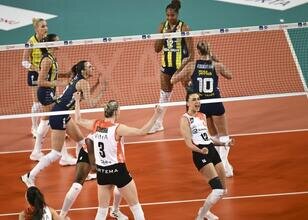
Voleybol Kadınlar AXA Sigorta Kupa Voley yarı final maçında Eczacıbaşı Dynavit, Fenerbahçe Medicana'yı 3-1 mağlup etti ve finale yükseldi. Eczacıbaşı Dynavit finalde VakıfBank ile kozlarını paylaşacak.
Galatasaray Çağdaş Faktoring, Halkbank Kadınlar Basketbol Süper Ligi play-off yarı final ilk maçında konuk ettiği Emlak Konut'u 82-74 yenerek seride 1-0 öne geçti.
Voleybol Kadınlar AXA Sigorta Kupa Voley yarı final maçında Eczacıbaşı Dynavit, Fenerbahçe Medicana'yı 3-1 mağlup etti ve finale yükseldi. Eczacıbaşı Dynavit finalde VakıfBank ile kozlarını paylaşacak.
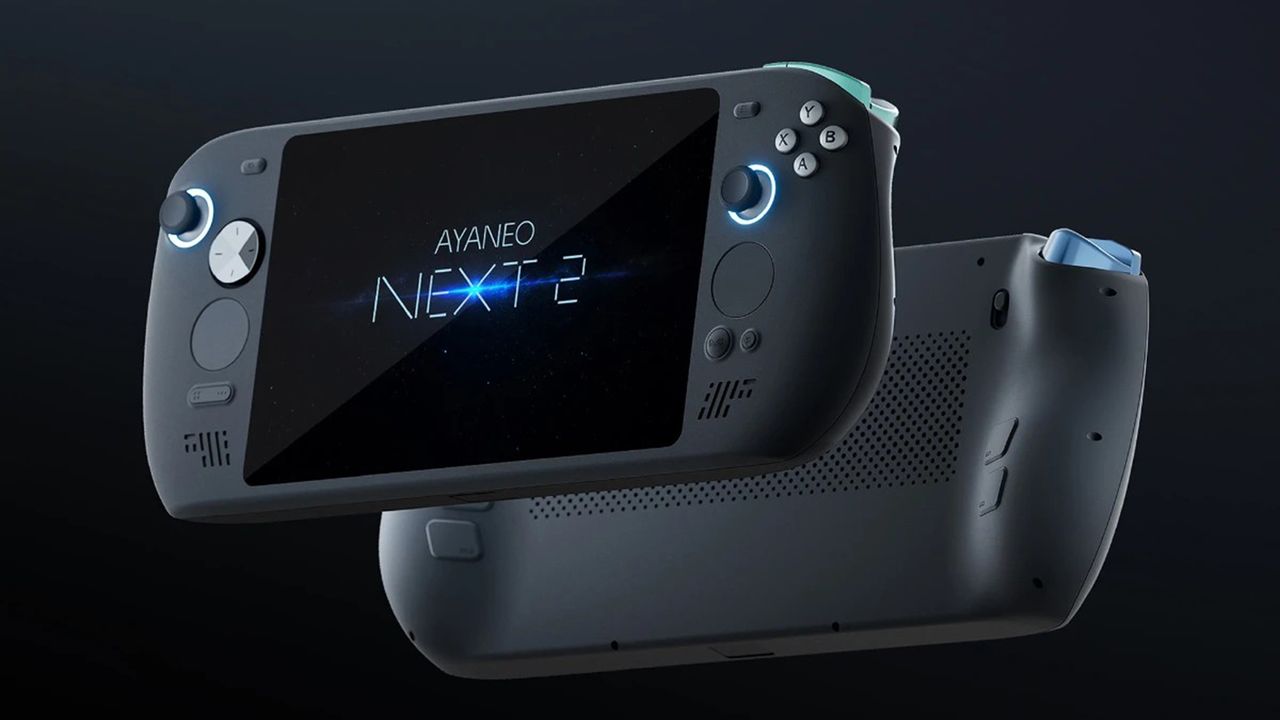
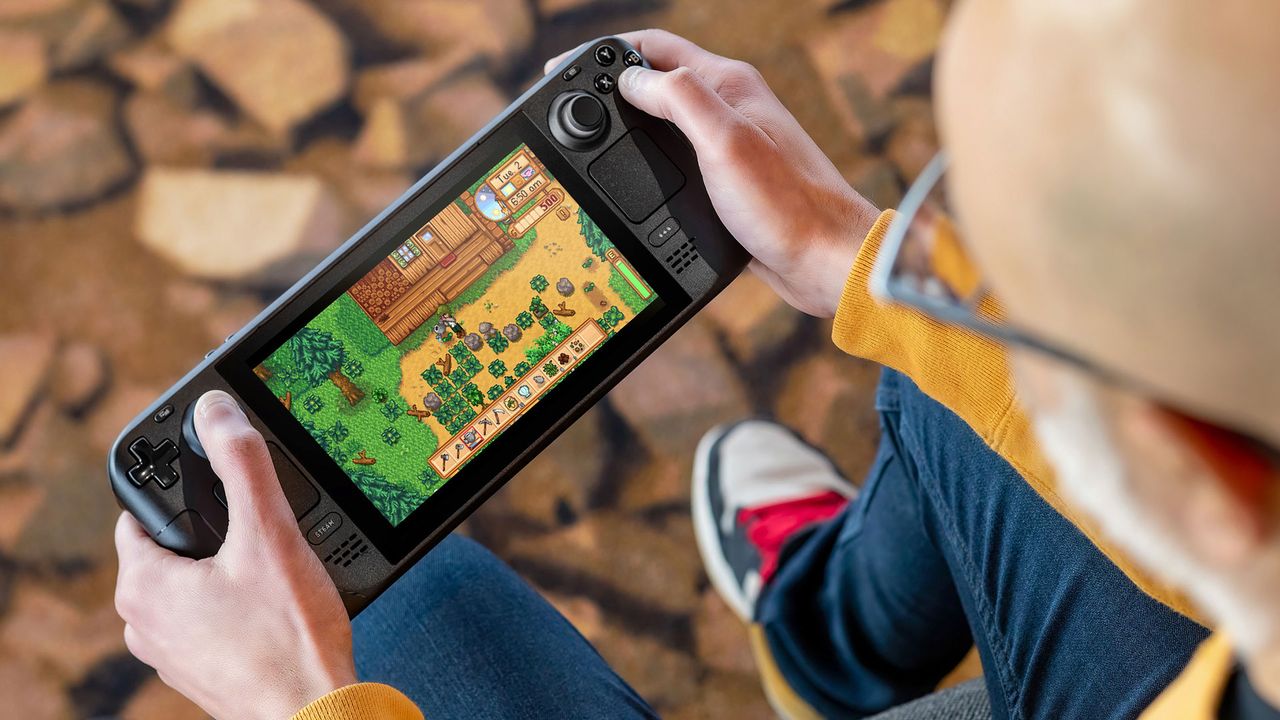
Ayaneo has suspended sales of its next-gen premium gaming handheld as the procurement costs for storage have slipped out of control. When it was first announced, prices were already high, but following the CNY break, vendor quotes had shot up many times, making it unfeasible to build the device. It's a temporary suspension, however, and existing sales will be honored.
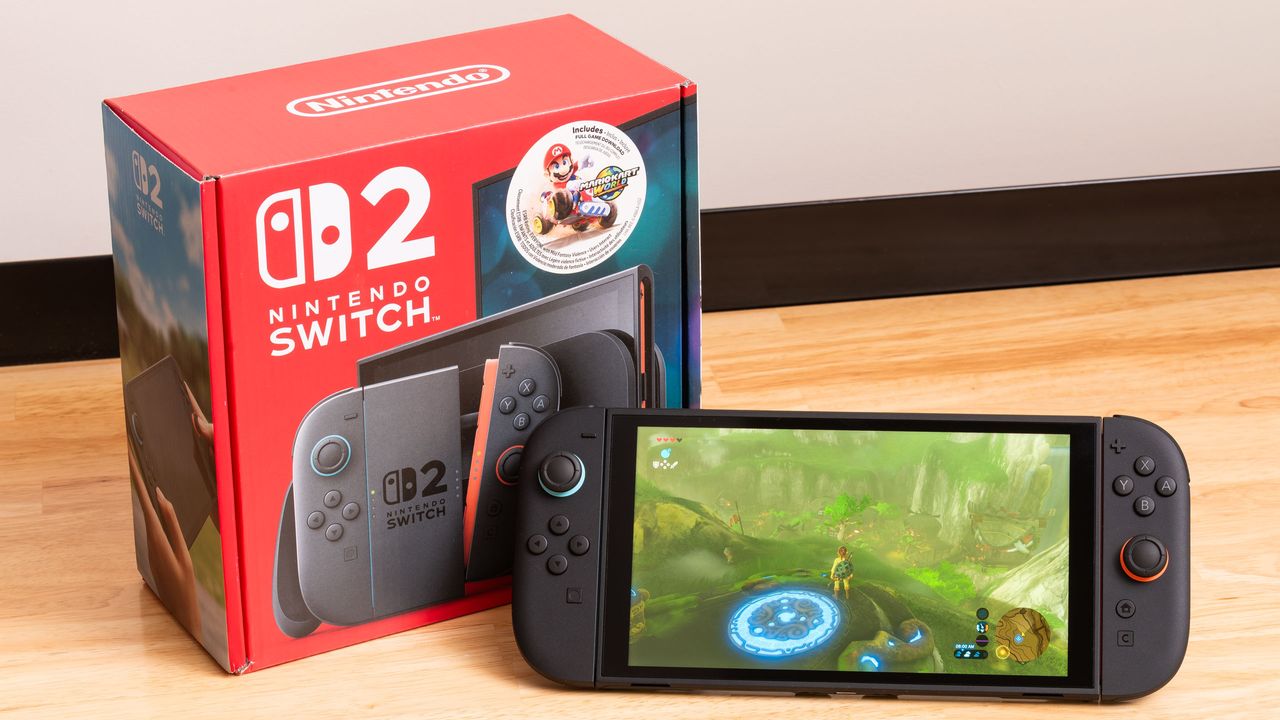
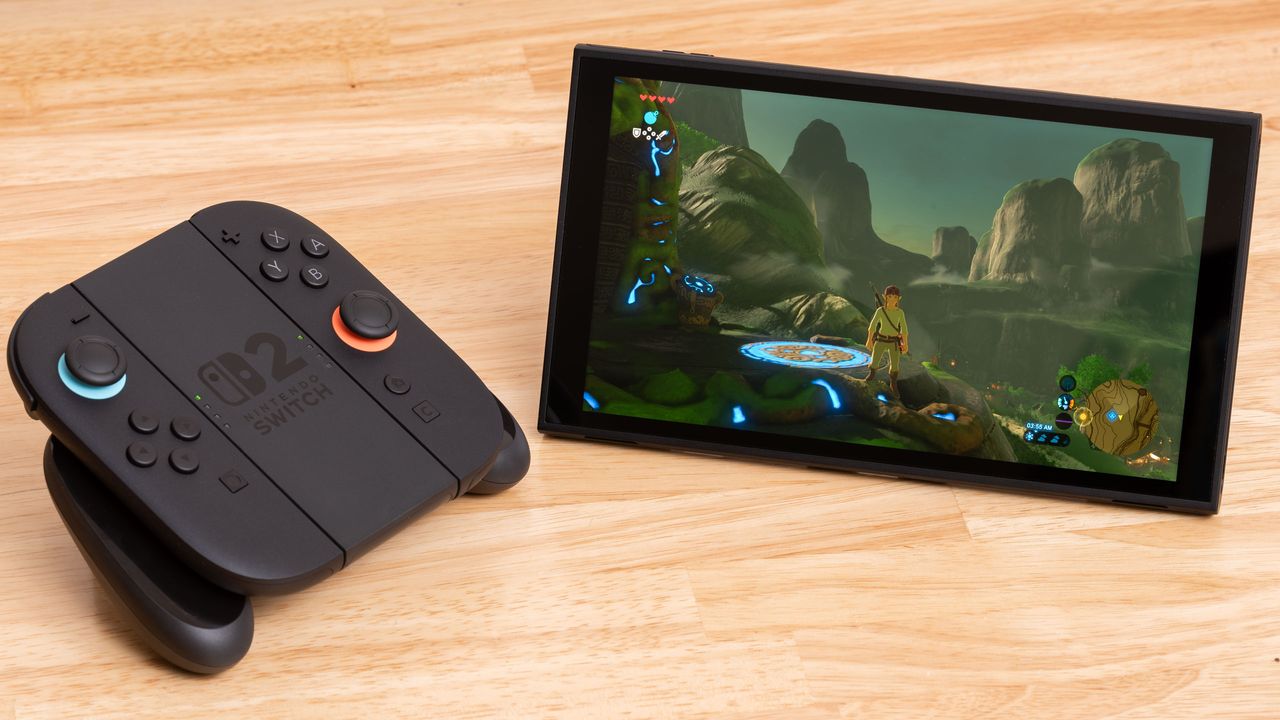
Nintendo is reportedly reducing the production of the Switch 2 by 33%, cutting output by 2 million units, due to lackluster sales during the holiday season of 2025.
Türkiye Futbol Federasyonu (TFF), gelecek sezon Avrupa kupalarına katılım sağlayacak takım sayısını açıkladı. Federasyon, 2026/27 sezonu için UEFA organizasyonlarına katılım şartlarını da duyururken, hangi sıralama ile hangi kupaya katılım sağlanacağının detayları da paylaşıldı.
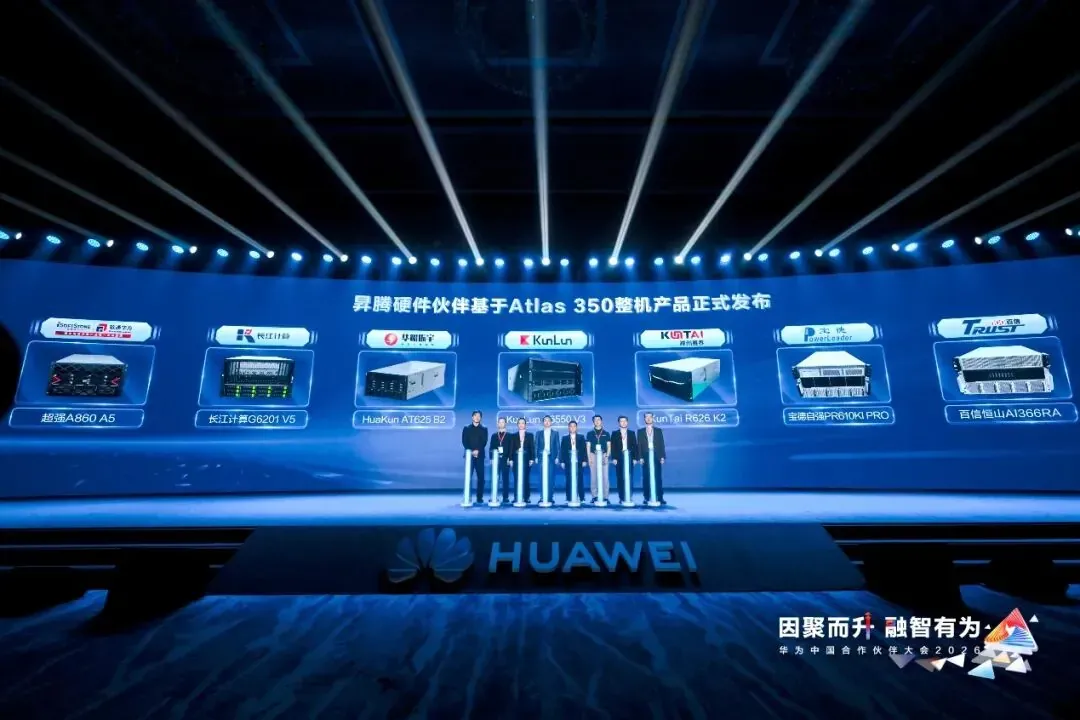
The Atlas 350 is using the Ascend 950PR chip, but it looks like a cut-down version with less compute. Translation overhead aside, previous reports and announcements have already revealed the full specs of this silicon, such as 128 GB of HBM and up to 2 PFLOPS of FP4 compute, but the Atlas 350 is being reported just a smidge below those numbers.
TFF Başkan Yardımcısı Mecnun Otyakmaz, Beşiktaş'ın stadında oynanacak UEFA Avrupa Ligi finaliyle ilgili konuştu. TFF de Mecnun Otyakmaz'ın sözlerinin ardından resmi bir açıklama yaptı.
U.S. senators Elizabeth Warren (D-Mass.) and Jim Banks (R-Ind.) told Commerce Secretary Howard Lutnick that he should suspend all active export licenses to China for Nvidia AI chips, saying that Nvidia's most advanced AI GPUs are being diverted into the country despite Jensen Huang's assurances.
Yüzmede 6 Türkiye şampiyonluğu bulunan milli sporcu Derin Anbarlı, 28-29 Mart'ta Avusturya'da düzenlenecek Multinations Yıldızlar Yüzme Şampiyonası'nda kürsüyü hedefliyor.
Kariyerinde Premier Lig takımlarında forma giyen Hollandalı eski kaleci Tim Krul, Liverpool ile ilgili değerlendirmesinde Ibrahima Konate ve Milos Kerkez'in bu sezon vasat performans sergilediğini söyledi.
Amazon Web Services has confirmed that its Bahrain site has been disrupted due to the ongoing conflict. It's been said that drone activity is causing the service interruption, and that the company is requesting its clients to migrate their workloads to other regions.
Süper Lig'da Alanyaspor ile 2016-2017 sezonunda gol krallığı yaşayan ve daha sonra Beşiktaş'ta da forma giyen Brezilyalı golcü Vagner Love, 41 yaşında futbol kariyerini sonlandırdı.
TFF Başkanı İbrahim Hacıosmanoğlu, Romanya maçı öncesi A Milli Takım için iddialı konuştu. Hacıosmanoğlu, "İki maç sonra Allah'ın izniyle Dünya Kupası'na gideceğiz" dedi.
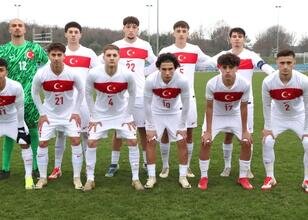
Gençlerbirliği'nde forma giyen Ricardo Velho ve Prince Martor, ülkelerinin milli takım aday kadrolarına davet edildi. Kanat oyuncusu Cihan Çanak da Ümit Milli Takım aday kadrosuna çağrıldı.
Futbolda bahis ve şike soruşturması kapsamında gözaltına alındıktan sonra tutuklanan Konyaspor'un eski futbolcusu Alassane Ndao ilk duruşmada tahliye edildi.
Golden State Warriors başantrenörü Steve Kerr, Stephen Curry'nin sağ dizindeki sakatlığın izin vermesi halinde play-in turnuvasında forma giyeceğini açıkladı.
Golden State Warriors'ın Dallas Mavericks karşısında uzatmada aldığı 137-131'lik galibiyet, Moses Moody'nin maçın son anlarında yaşadığı ciddi diz sakatlığının gölgesinde kaldı.
Galatasaray Daikin Kadın Voleybol Takımı, başantrenörü Alberto Bigarelli'nin omurilik kanalına düşmüş bel fıtığı parçalarının çıkarılması (lomber sekestrektomi) için ameliyat edildiğini açıkladı.
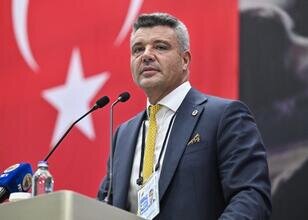
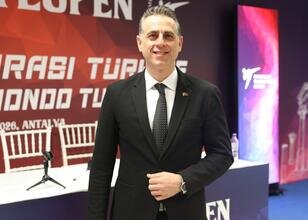
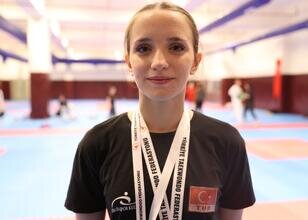
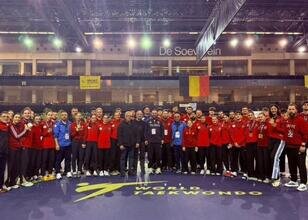
Türkiye Tekvando Federasyonu Başkanı Bahri Tanrıkulu, 2028 Yaz Olimpiyatları için hedeflerinin 6 sporcu ile katılıp altın madalya kazanmak olduğunu açıkladı
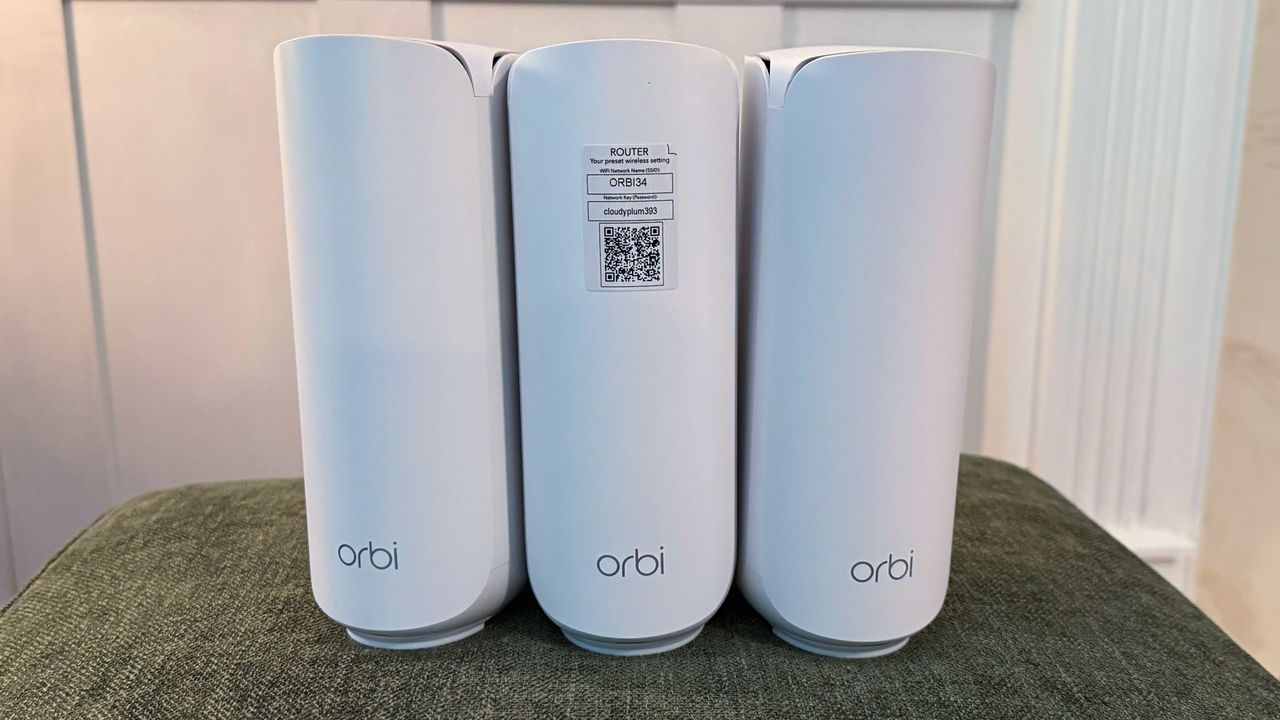
The FCC says that it will no longer certify foreign-made routers, effectively making them illegal to sell in the U.S., unless the manufacturer can secure a "Conditional Approval" from the Department of War or the Department of Homeland Security.
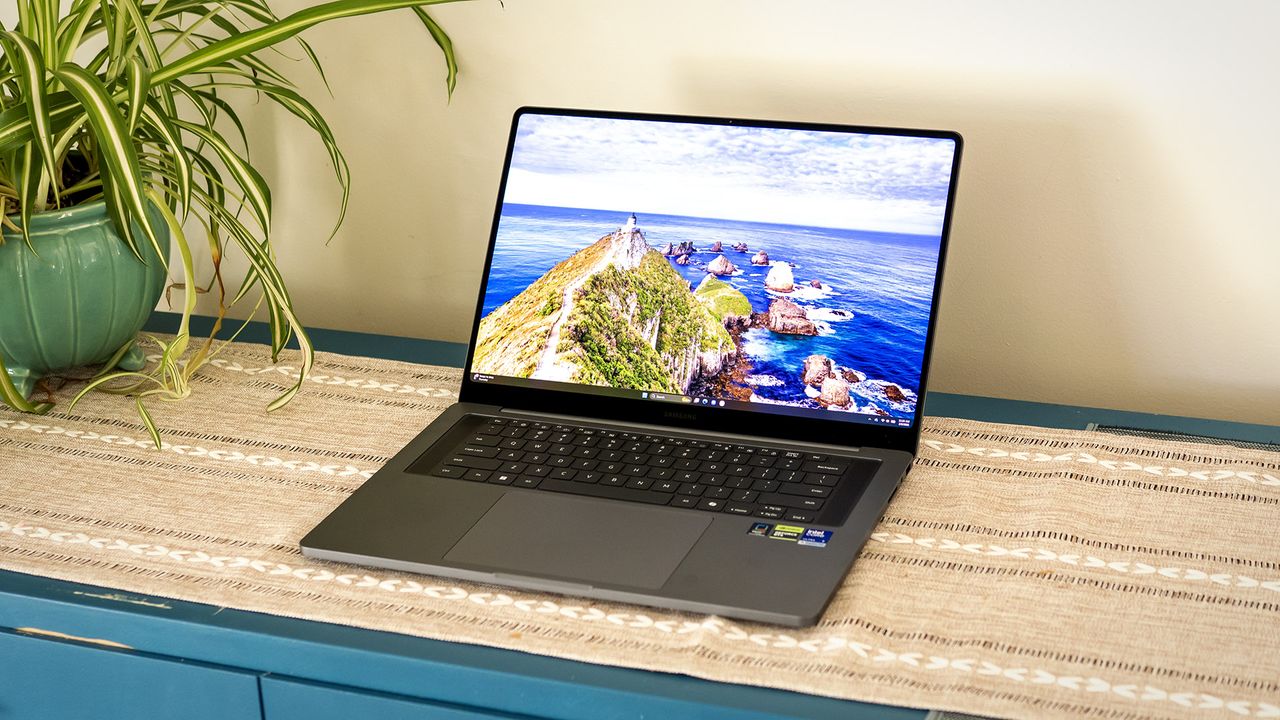
Microsoft and Samsung investigated a widely reported issue with Galaxy Book 4 devices and said the Galaxy Connect app was the culprit. These laptops were losing access to the C: drive and, initially, people thought it had something to do with Windows Update. Microsoft has posted recovery steps for those that were affected.
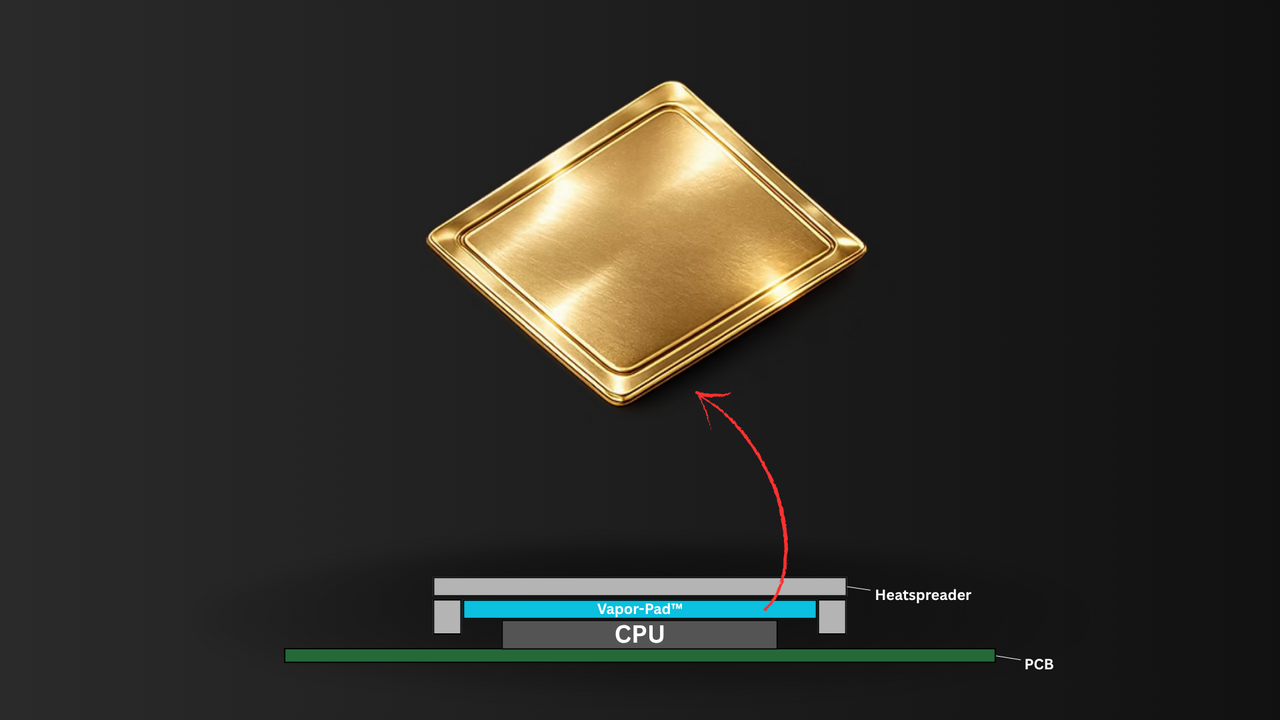
A thermal pad with a vapor chamber on top might be the TIM your next phone's SoC will use. Xerendipity's new products are meant to keep your phone cooler without sacrificing thickness or cost.
Adana'da yürüyüşle başlayıp koşuyla devam ettirdiği spor tutkusu sayesinde fazla kilolarından kurtulan 70 yaşındaki Necmi Tadır, başkanlığını yürüttüğü Adana Atletizm Spor Kulübü'nün üyeleriyle haftada 6 gün antrenman yapıyor.
Romanya ile oynayacağımız Dünya Kupası eleme maçında, bir Avrupa Şampiyonası finalini en genç yaşta yöneten hakem olarak tarihe geçen François Letexier düdük çalacak.
Inter Miami forması giyen Lionel Messi, en fazla serbest vuruşu golüne imza atmak istiyor. Arjantinli yıldızın şu anda serbest vuruştan 71 golü bulunuyor. Bu alanda zirvede ise Brezilyalı eski yıldız Juninho yer alıyor.
Ionut Radu sakatlandı, yedek kalecileri Marian Aioani, Catalin Cabuz ve Laurentiu Popescu daha önce hiç milli olmadı. Montella, bunun üzerine Hakan, Orkun, Kenan, Kerem ve Arda'ya şut emri verdi.
Galatasaray ile yollarını ayırmasının ardından eski takımı Rapid Wien'e transfer olan Yusuf Demir, sarı-kırmızılılardaki dönemi için konuştu. 22 yaşındaki futbolcu, "Galatasaray'da işler beklediğimden biraz farklı gelişti ancak yine de önemli bir deneyimdi." diye konuştu.
Trabzonspor'un yaz transfer döneminde Beşiktaş'tan 8.5 milyon Euro satın alma bedeliyle kiraladığı Ernest Muçi, beklenenden çok daha iyi bir performans sergiledi.
A Milli Takım'ın yıldızları, kulüplerindeki performanslarıyla adeta göz kamaştırıyor. Ay yıldızlı takımın altın çocukları Arda, Kenan, Ferdi, Orkun, Uğurcan ve Barış'ın Avrupa'yı sallayan formu Dünya Kupası yolunda en büyük gücümüz olacak…
Levent Tüzemen, Türkiye - Romanya maçı öncesi Sabah'ta değerlendirmelerde bulundu. Tüzemen, özellikle Mircea Lucescu konusunda A Milli Takım'ı uyardı. İşte o sözler...
Alperen Şengün, Rockets'ın Bulls'a 132-124 mağlup olduğu karşılaşmada 33 sayı, 13 ribaunt, 10 asist, 2 top çalma, 2 blokla oynadı- Oklahoma City Thunder, Adem Bona'nın forma giydiği Philadelphia 76ers'ı 123-103 mağlup ederek üst üste 12. galibiyetini aldı
Beşiktaş'ın hocası Sergen Yalçın hem sol kanatta hem de santrforda görev yapabilen El Bilal Toure'nin kadroda tutulmasını istiyor. Siyah-beyazlı yönetimin ise daha farklı düşündüğü öğrenildi.
Devre arasında yapılamayan yıldız golcü transferi, yaz döneminde gelecek. Başkan Sadettin Saran, Cherif'e kalan gol yükünü sırtlanacak isim için çalışıyor.
Trabzonspor, kış transferinde kadrosuna katamadığı Silas Andersen için girişimlerini sürdürüyor. Bordo-mavililer, 21 yaşındaki orta saha oyuncusu için teklif hazırlarken, kulübü Hacken ile bonservis pazarlıkları devam ediyor. İşte detaylar...
Beşiktaş Yönetimi, sezonun son virajı yaklaşırken kritik bir karara imza attı. Başta Orkun ve Ndidi olmak üzere takımdaki yıldız isimlere teklifler gelmesi üzerine futbolcu temsilcileriyle temasa geçen Siyah-Beyazlı yönetim, "Kadrodan göndereceğimiz oyuncu yok. Aksine takımı güçlendirmeye çalışıyoruz" mesajını gönderdi.
Trabzonspor, 4 Nisan Cumartesi günü ağırlayacağı lider Galatasaray'ı yenerse rakibiyle aradaki puan farkını (Maç fazlasıyla) 1'e indirecek. Bordo-mavililer, 2021-22'den sonra ilk kez böyle bir şans yakalamış durumda.
Beşiktaş yönetimi, yaz transfer dönemi çalışmalarını sürdürürken ayrılacak futbolcuları da belirlemeye başladı. Teknik direktör Sergen Yalçın'ın kadro planlamasında yer vermek istemediği 7 isimle yollar ayrılacak.
A Milli Takım Teknik Direktörü Vincenzo Montella, iki günde sakatlık yaşanmadığı sürece Romanya maçı için kafasındaki 11'i belirledi. Sahaya 4-6-0 şeklinde çıkacak olan tecrübeli çalıştırıcı, Kerem'in yerine Arda'yı en uçta değerlendirecek.
Son dönemde yaşadığı sakatlıklarla dikkat çeken Hakan Çalhanoğlu, Inter'in Fiorentina ile oynadığı maçı sorunsuz tamamladı ve A Milli Takım kampına katıldı.
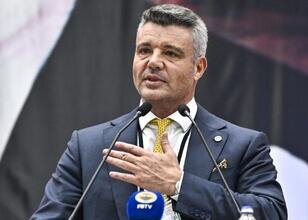
Fenerbahçe Başkanı Sadettin Saran, "Divan'da geniş açıklamalar yapacağım." dedi. Fenerbahçe yönetimine yakın kaynaklar, Saran'ın yönetim ve Sportif AŞ yapılanmasında önemli revizyonlarla kongreyi 2027'ye alacağı görüşünde...
Beşiktaş, Bournemouth ile sözleşmesi bitecek olan Arjantinli stoper Marcos Senesi için temas kurdu. Avrupa'dan çok sayıda kulübün peşinde olduğu 28 yaşındaki oyuncu 5 milyon Euro istiyor.
Fenerbahçe Futbol Şube Sorumlusu Torunoğulları, Nijmegen'in Heerenveen ile oynadığı maçta Ahmetcan Kaplan, Başar Önal ve Kodai Sano'yu izledi. Tam not verilen oyuncular için sezon sonu düğmeye basılacak.
Athletic Bilbao, yeni sezonda teknik direktörlük koltuğunu Edin Terzic'e emanet edebilir. 43 yaşındaki Terzic, Athletic Bilbao'nun teklifine sıcak bakıyor.
Türkiye Sigorta Basketbol Süper Ligi'nin 23'üncü haftasında alt sıraları yakından ilgilendiren maçta Aliağa Petkimspor evinde en yakın rakibi Bursaspor'u 91-82 mağlup etti.
Alman Milli Takımı'nın eski oyuncularından Mario Besler, Antonio Rüdiger ve Leroy Sane'nin milli takımda olmasına tepki gösterdi. Besler'in Galatasaray için, "İkinci lig takımı." ifadeleri dikkat çekti.
Cluj Teknik Direktörü Daniel Pancu, Alanyaspor forması giyen ve Romanya U21 Milli Takımı'ndan öğrencisi olan Ümit Akdağ ile ilgili konuştu. Pancu, Galatasaray'ın 22 yaşındaki oyuncuya ilgisi olduğunu söyledi.
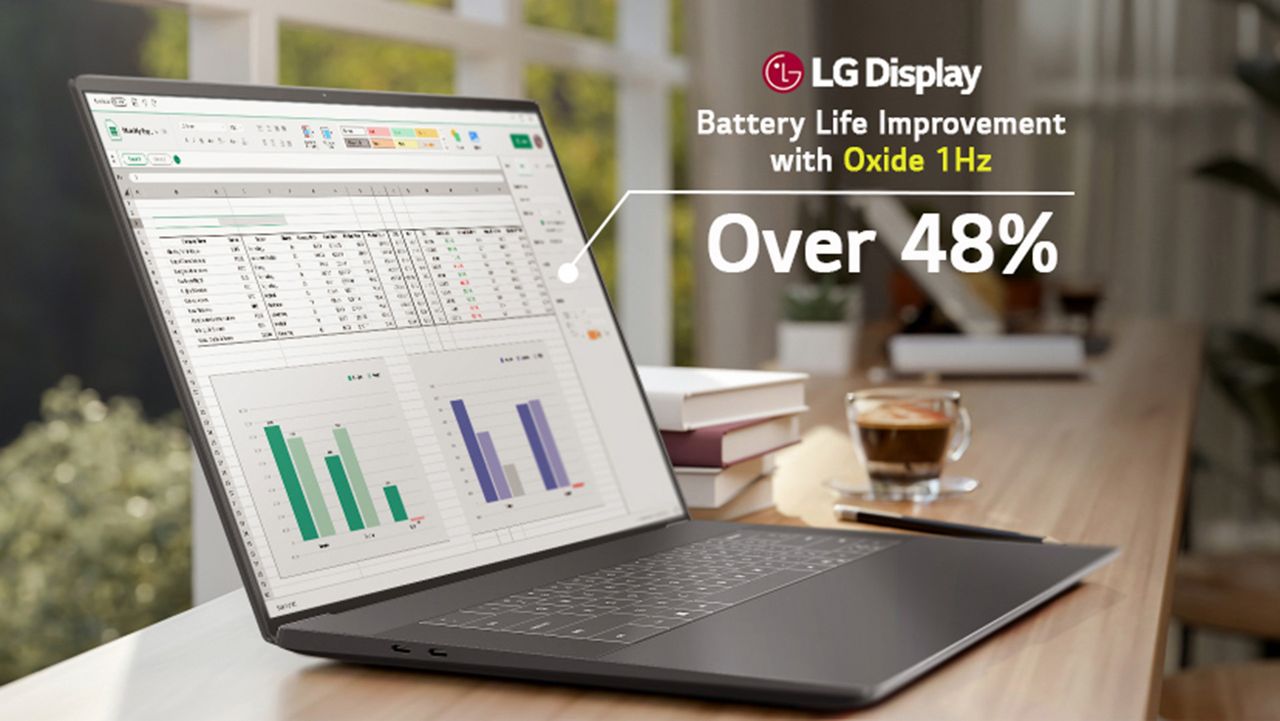
LG introduces the world's first mass-produced LCD laptop display that can wind down to 1 Hz to save power, similar to high-end smartphone LTPO displays.
Fenerbahçe Futbol AŞ, kayıtlı sermaye tavanını 6 milyar 250 milyon liradan 31 milyar 250 milyon liraya çıkardı. Sarı-lacivertliler, KAP'a açıklama yaptı.
Paris Saint-Germain, Şampiyonlar Ligi çeyrek finalinde Liverpool ile oynayacağı maçlar nedeniyle ligde Lens ile deplasmanda oynayacağı maçın ertelenmesini istiyor. Lens ie bu talebe sıcak bakmıyor. Konuyla ilgili kararın perşembe günü çıkması bekleniyor.
Galatasaray, Victor Osimhen'in başarılı bir operasyon geçirdiğini duyurdu. Galatasaray Başkanı Dursun Özbek, Nijeryalı golcü için Fenerbahçe derbisi sorusuna yanıt verdi.
Karşıyaka'da genel menajer Nihat Mala'nın istifasının ardından antrenör Candost Volkan ile de yollar ayrıldı. Yerine gelecek ismin ise takımın eski antrenörlerinden Ahmet Kandemir olduğu öğrenildi.
Türkiye'de Ankaragücü, Iğdır FK ve son olarak Eyüpspor formasını giyen Dorin Rotariu, Türkiye ile Romanya arasında oynanacak 2026 Dünya Kupası eleme maçı öncesi değerlendirmelerde bulundu.
İtalyan futbolunun o mağrur devleri, şimdilerde Avrupa sahnesinin hüzünlü figüranlarına dönüştü. Büyük maçların ağırlığı altında birer birer ezildiler. Bu çöküş hikayelerinden biri, Şampiyonlar Ligi son 16 turunda Galatasaray'a boyun eğerek Avrupa'ya veda eden Juventus'a ait...
Milli yıldız son 9 Süper Lig maçının 8'inde skora katkıda bulundu. 25 yaşındaki maestro söz konusu müsabakalarda siyah-beyazlı takıma toplam 12 puan kazandırdı.
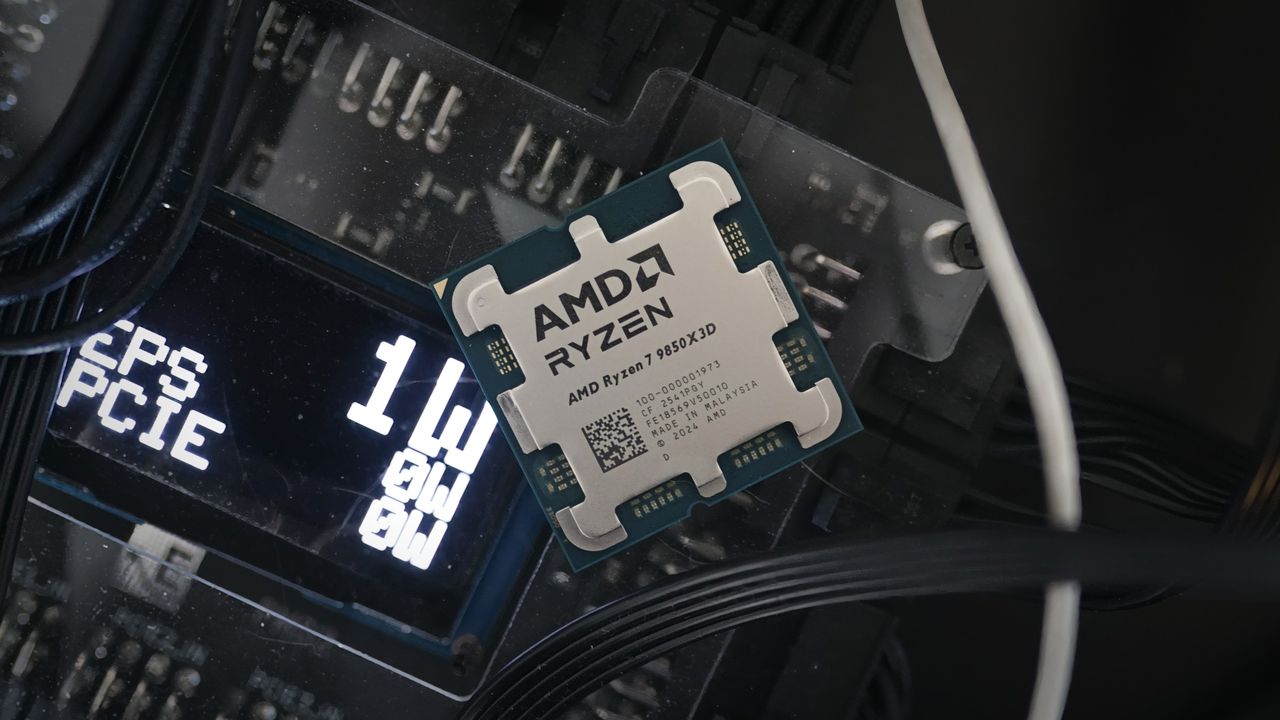
The Core Ultra 3 205 is an 8-core chip with 4 performance cores and 4 efficiency cores, part of the Arrow Lake family, branded as the Core Ultra 200S series. It never officially launched despite being listed at several OEMs as a "tray" chip and even being mentioned in Intel's own documents. Its newest spotting is on a French retailer's website where it's only available on order.
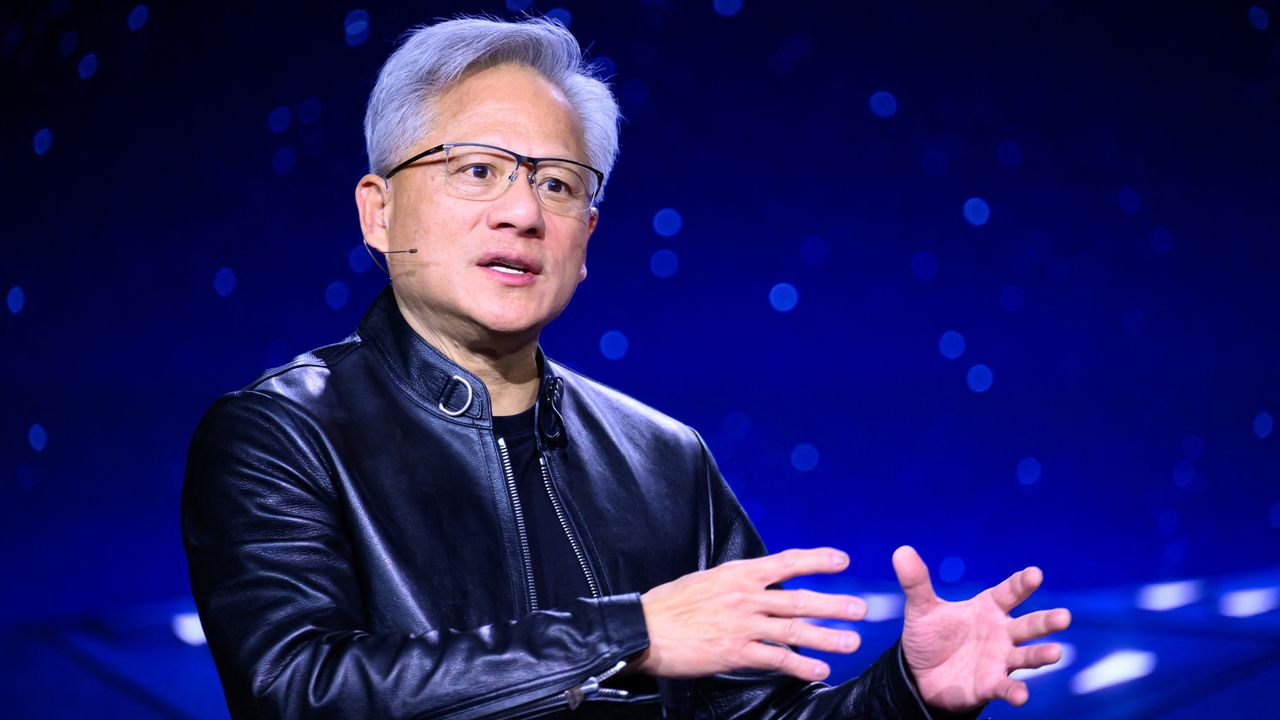
The Nvidia chief said that he will be alarmed if his engineers did not use AI tokens amounting to about half their annual salary, saying that AI tools will 10x their productivity.
Göztepe'de ileri uçta 2 yıldır görev yapan Juan, bu sezon performansı ile geçtiğimiz sezona ulaştı. Ara transfer döneminde kadroya katılan Jeh ve Luiz ise bekleneni veremedi.
NBA, Cumartesi gecesi oynanan karşılaşmada Los Angeles Lakers guardı Luka Doncic ile Orlando Magic pivotu Goga Bitadze'ye verilen teknik faullerin iptal edildiğini açıkladı.
Eczacıbaşı ile VakıfBank, 10. zaferlerine ulaşmaya çalışırken, Fenerbahçe üst üste 3. kez, Galatasaray ise tarihinde ilk kez kupayı müzesine götürmeye çalışacak.
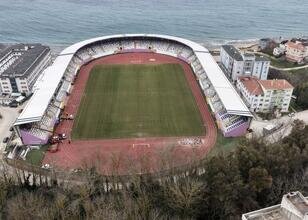
Sinop Şehir Stadı, A Milli Kadın Futbol Takımı'nın 2027 FIFA Kadınlar Dünya Kupası Avrupa Elemeleri'nde İsviçre ile oynayacağı 2. maça ev sahipliği yapacak.
Derbi karşılaşmasında Atletico Madrid'i yenerek son haftalarda ligde ve Avrupa'da önemli zaferler elde eden teknik direktör Alvaro Arbeloa, maç sonrası konuştu.
Galatasaray kaptanı Lucas Torreira, Uruguay basınından Ovacion'a verdiği röportajda kariyer yolculuğunu, Galatasaray'a olan bağlılığını ve milli takım sürecine dair düşüncelerini anlattı.
Beşiktaş Teknik Direktörü Sergen Yalçın yeni sezonun kadro planlamasını yapmaya başladı. Sergen Yalçın bu bağlamda 3 futbolcuyu gözden çıkardı. Söz konusu isimlerden kendilerine takım bulmaları istendi.
3-2'lik skorla kaybedilen Real Madrid derbisi sonrası Atletico Madrid teknik direktörü Diego Simeone, hakem karaları ve maçın gidişatı hakkında konuştu.
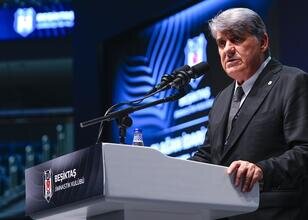
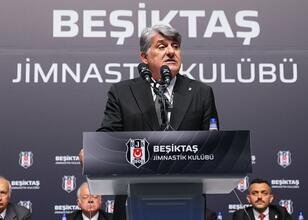
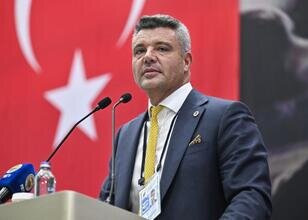
Beşiktaş'ın başkanı Serdal Adalı, gelecek sezon planlaması hakkında konuştu. Başkan Adalı, "Bu sene yaz döneminde en az 4-5 takviye ile şampiyonluğa oynayacağız. Gerekli çalışmalara başladık. Taraftarımızı mutlu etmek için ne gerekiyorsa, onu yapacağız" dedi.
Real Madrid'in en etkili hücum silahı Vinicius Jr, Atletico Madrid karşısındaki performansıyla bu sene Ballon d'Or'un güçlü adaylarından biri olduğunu kanıtladı.
Galatasaray, Şampiyonlar Ligi ve iç saha gelirleriyle yaklaşık 73.5 milyon euro kazanarak gelecek sezon transfer dönemine güçlü bir bütçeyle hazırlanıyor.
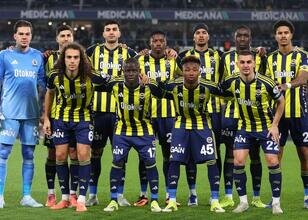
Fenerbahçe'de teknik direktör Domenico Tedesco, derbi öncesi milli takıma giden yıldızların durumu nedeniyle özellikle Milan Skriniar için endişe yaşıyor.
Galatasaray'da gösterdiği istikrarlı performansla adından söz ettiren Roland Sallai'nin talipleri artıyor. Liverpool'un gündeminde yer alan Macar yıldız için Bundesliga ekiplerinin de devreye girdiği iddia edildi.
Bu sezon yaşanan sakatlıklar nedeniyle teknik direktör Okan Buruk sahaya ideal savunma kurgusu ile çıkamadı. Sadece 4 maçta Singo-Davinson- Abdülkerim-Jakobs ile oynayan Galatasaray 1 gol yedi.
Fatih Karagümrük mağlubiyetinin ardından gönderilmesi gündeme gelen Domenico Tedesco, Gaziantep FK galibiyetiyle takımdaki ve Samandıra'daki birlik beraberliği sağladı.
Galatasaraylı kurmaylar, 27 Mart'ta UEFA'dan gelecek 11.8 milyon Euro'luk para ile vadesi gelen bütün maaşları ödeyecek. Oyunculara karşı borçları sıfırlayacak yönetim, bu hamlesiyle futbolcuları kalan maçlar öncesinde motive etmeyi hedefliyor.
Galatasaray yönetimi ve teknik heyeti, Osimhen'in sakatlığı ve zorlaşan fikstüre rağmen şampiyonluk yolunda Okan Buruk'un kriz yönetme becerisine tam güven duyarken; Buruk da oyuncularına ligdeki avantajın rehavetine kapılmadan, önlerindeki 8 kritik maça ve yerel kupalara en üst seviyede konsantre olmaları gerektiği mesajını verdi.
Galatasaray, Okan Buruk'un da görüşme yaptığı iddia edilen Hakan Çalhanoğlu'nu, Inter Milan'dan ayrılık ihtimalinin güçlenmesiyle daha düşük bir bonservisle transfer etmeyi planlıyor.
Victor Osimhen'in bu sezon oynamadığı 15 resmi karşılaşmada Galatasaray; 10 galibiyet, 1 beraberlik ve 4 mağlubiyet yaşadı. Sarı-Kırmızılılar, ligdeki 7 maçın 2'sinde puan kaybetti.
Galatasaray'da yaz transfer dönemi hazırlıkları sürerken gündeme yeniden Strahinja Pavlovic geldi. Sarı-kırmızılılar, daha önce 20 milyon euroyu gözden çıkardıkları fakat AC Milan tarafından ret yanıtı aldıkları Sırp stoper için teklif yükseltmeyi planlıyor.
Genelde köpeklere takılan ve neredeyse onlar için şart olan tasma, kediler içinde kullanılan bir alettir. Kediler genelde uysal hayvanlar olarak bilinse de tasma takılması, en başta onların sahipli olduğunun bir belirtisidir. Bilindiği üzere sokak kedisinde tasma takılmaz, tasma ev kedisinde bulunur.
Fatih Karagümrük Kulübü Başkanı Süleyman Hurma, Fenerbahçe maçıyla ilgili "Sanki kahveden 11 adamla Fenerbahçe'yi yendik." diyerek yorumcuları eleştirdi.
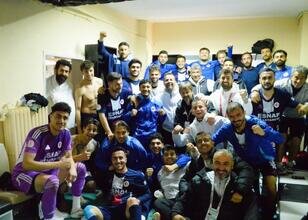
Trendyol 1. Lig'de lider Erzurumspor, Esenler Erokspor'u da mağlup etti ve son 15 maçının 14'ünde galip ayrılarak Süper Lig hedefine koşmaya devam etti.
Kümede kalma yolunda büyük öne taşıyan maçta Tottenham'ı 3-0 mağlup eden Nottingham Forest'ta teknik direktör Vitor Pereira, maç sonu açıklamalarda bulundu.
Vitor Pereira'nın takımı Nottingham Forest, Igor Tudor'un takımı Tottenham Hotspur'u deplasmanda 3-0 mağlup etti. Tudor, Tottenham ile çıktığı 5 lig maçından sadece 1 puan alabildi.
Premier Lig'de Aston Villa, taraftarı önünde West Ham United'ı 2-0 mağlup etti. Birmingham temsilcisi bu sonuçla birlikte 4 maç aradan sonra 3 puan kazandı.
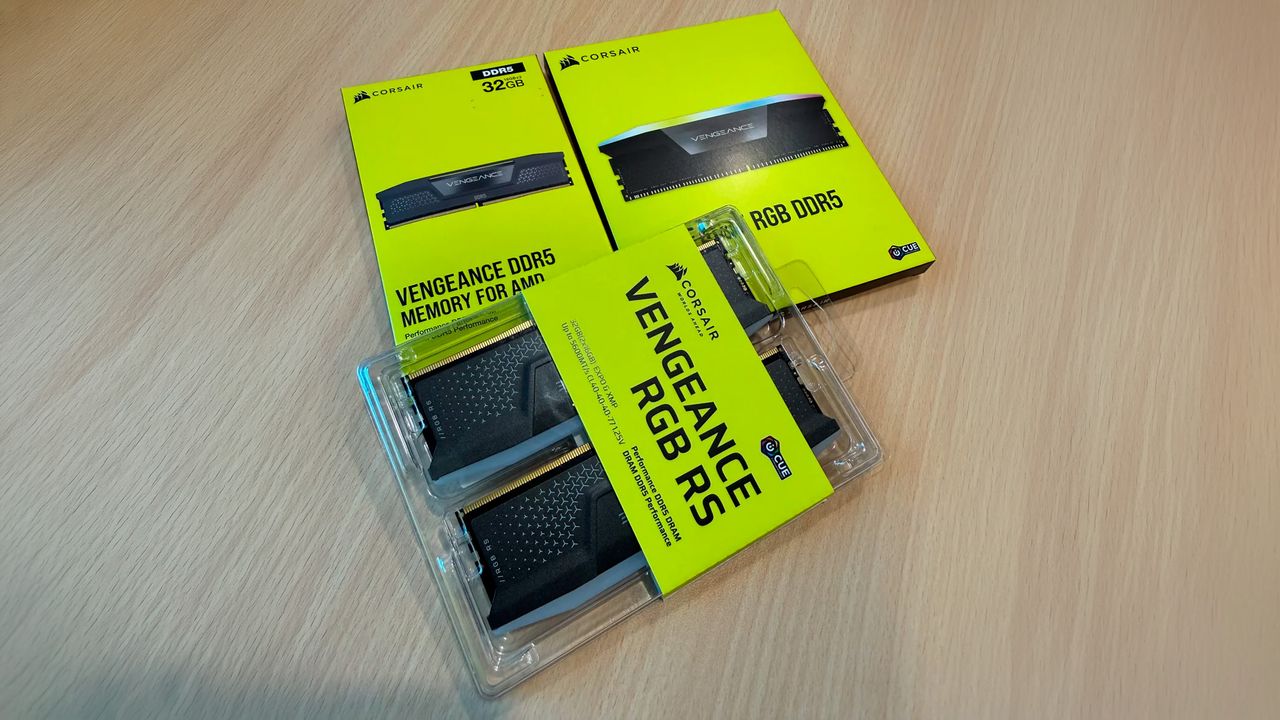
Micron CEO Sanjay Mehrotra predicts that self-driving vehicles would require at least 300GB of RAM, meaning increasing demand could drive another memory chip shortage as these cars are essentially AI supercomputers on wheels.
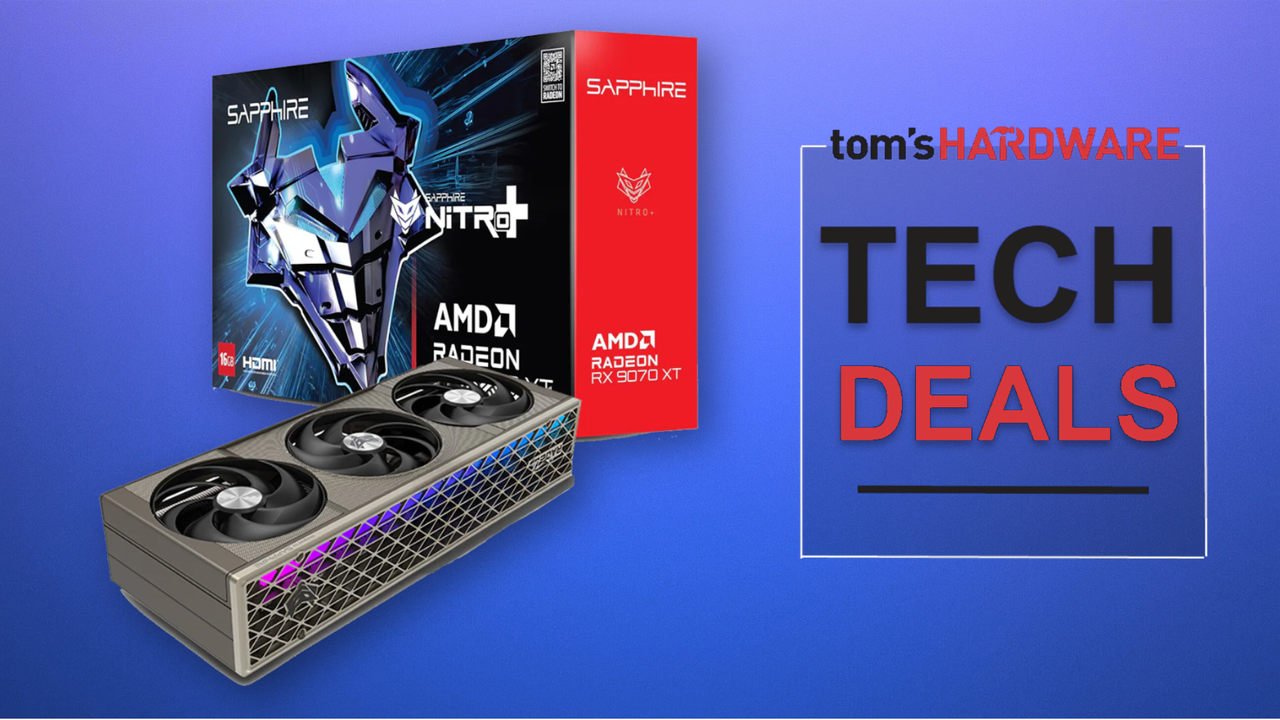
AMD's Radeon RX 9070 XT based on the RDNA 4 architecture is currently the company's most powerful graphics card offering impressive 1440p and 4K gaming performance.
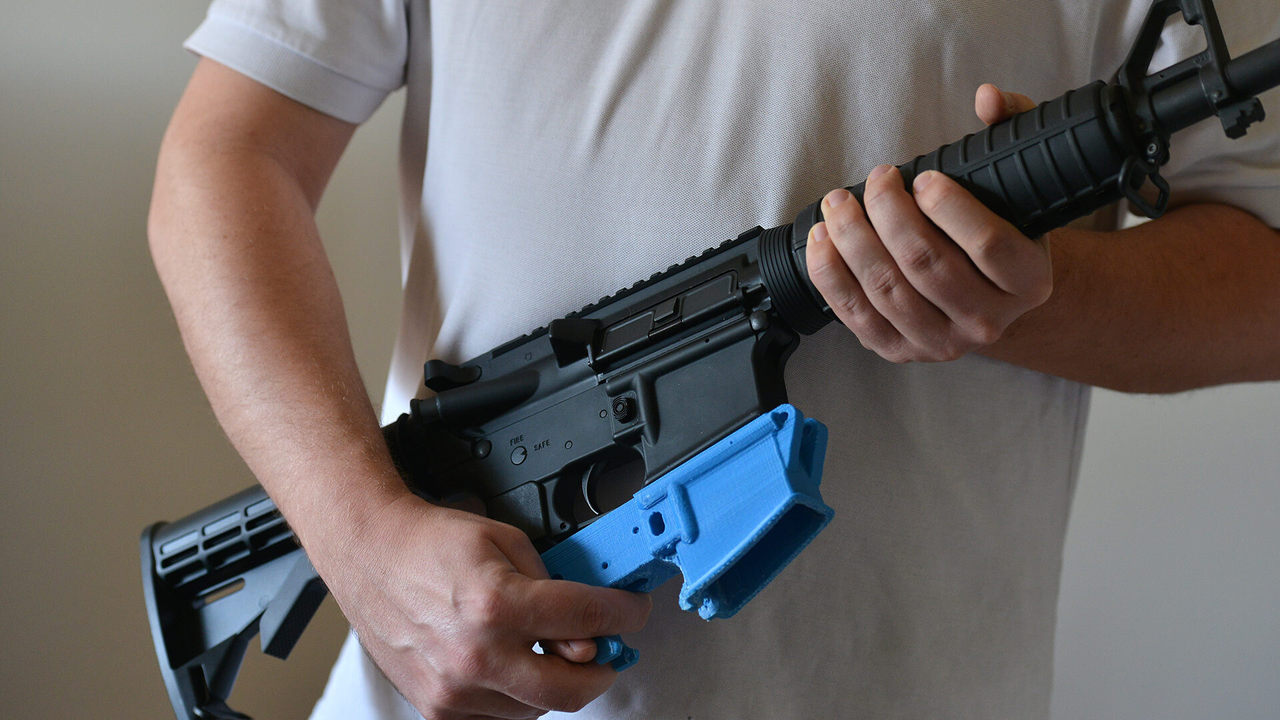
Brothers Brandon and Justin Nudelman have been convicted of running a ghost gun factory, with the group using 3D printers to print gun frames while purchasing other parts online to build and sell untraceable weapons.
PlayStation 5 architect Mark Cerny said in an interview that Sony will add frame-generation technology to the console in the future, but didn't specify which console will get it or when.
Nintendo is reportedly set to launch a revised Switch 2 with a removable battery in Europe, in line with regulations requiring easier battery replacement by February 2027.
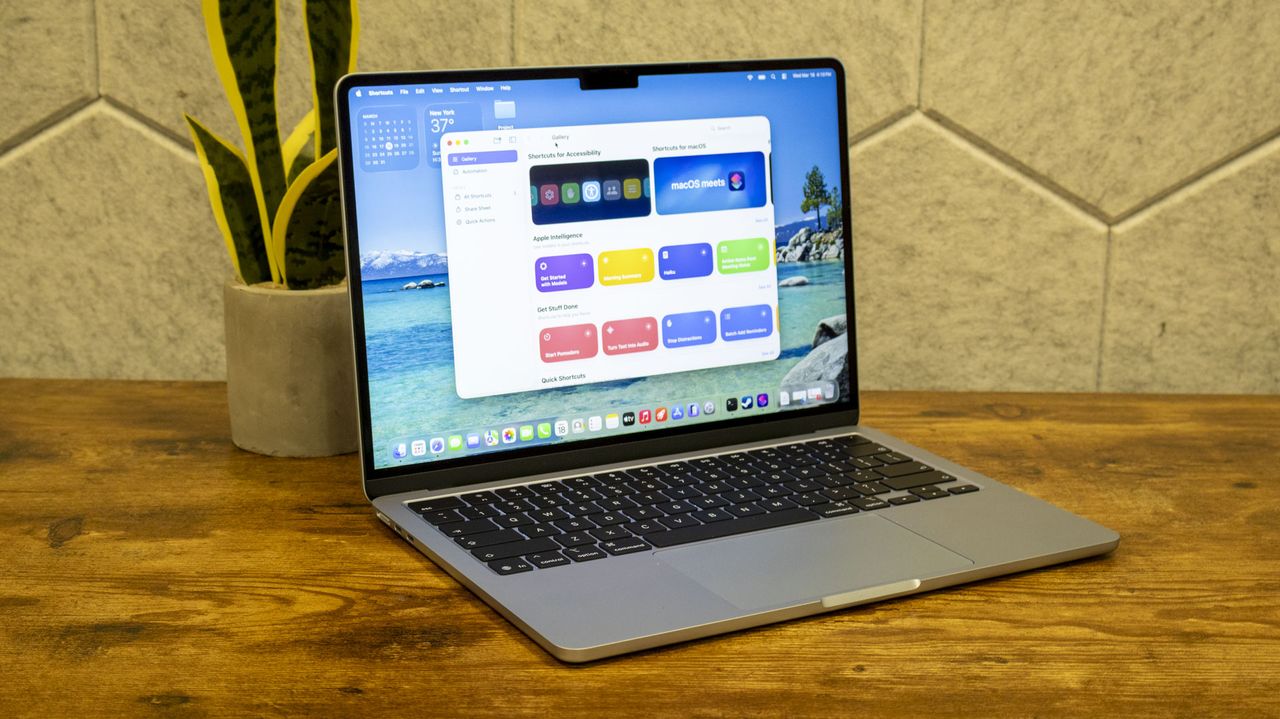
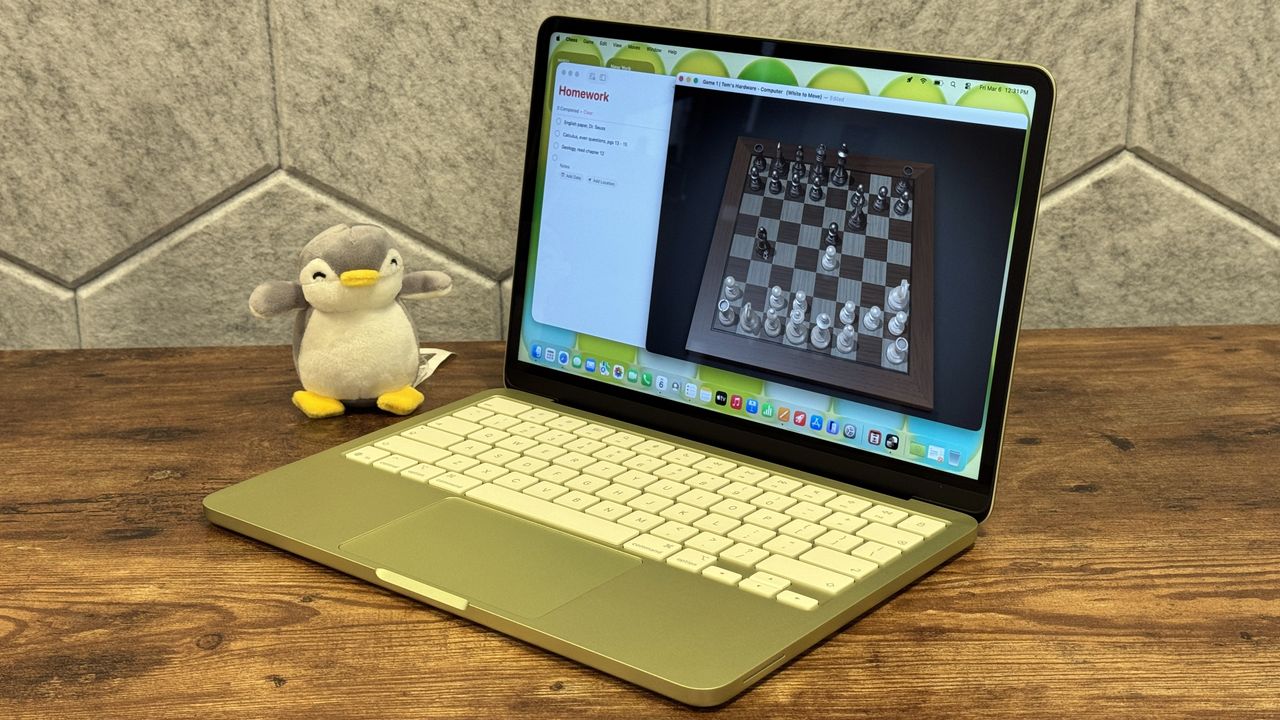
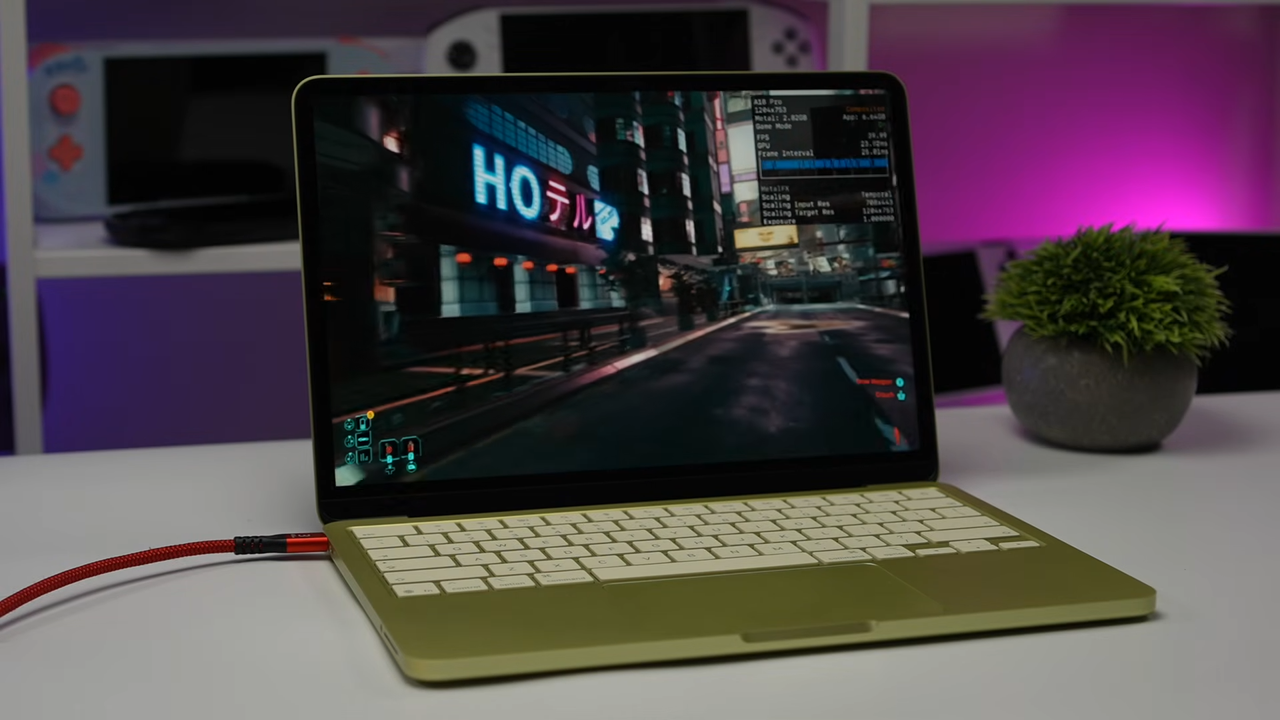
YouTuber runs several PC games on the MacBook Neo, including Cyberpunk 2077 at around 40 FPS. Testing proves that Apple's iPhone SoCs can emulate PC games at playable frame rates.
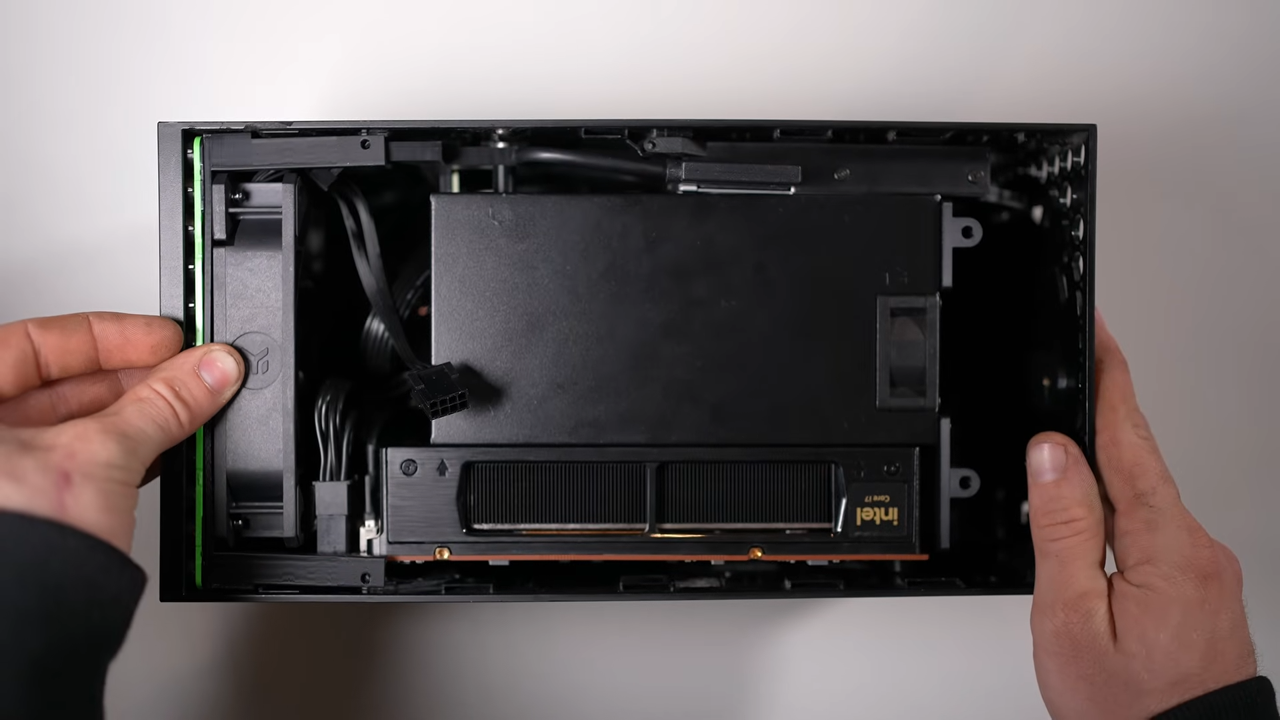
A YouTuber has modded an Xbox Series X with PC parts, featuring a NUC 12 Extreme with a Core i7-12700, low-profile Gigabyte RTX 5060, and PSU while keeping the console's DVD drive intact.
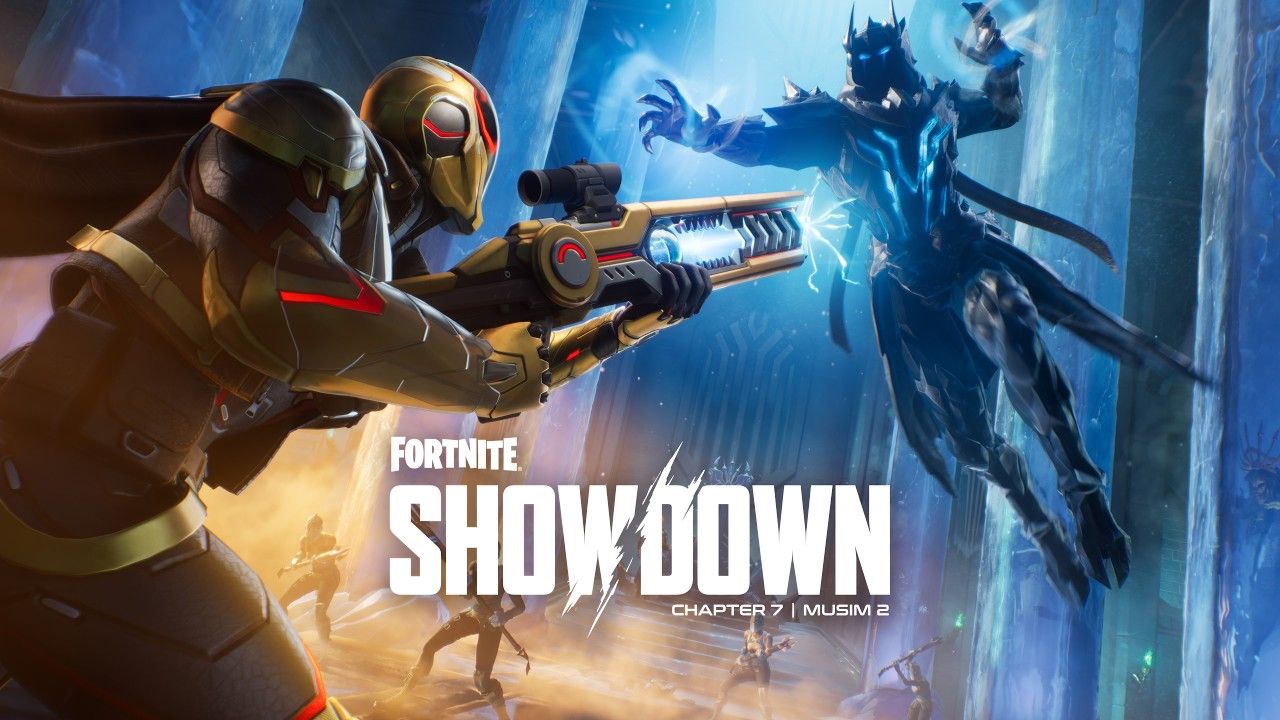
Fortnite's new season not only brings new content for the players but also gives them a chance to earn real-life rewards, such as an RTX 5080. If you're good enough at the game and win enough "rivalries" in matches every week and rank among the top five players in the world, Epic will give you a free RTX 5080.
AMD has added Ray Regeneration 1.1 and FSR 4.1 upscaling to its RDNA 4 GPUs, bringing it to parity with Sony's PSSR 2 on the PS5 Pro. Games that support these features will have better ray tracing quality with more accurate shadow detail, while also getting a sharper-looking image through ML-based upscaling.
Google announced the completion of its $32 billion acquisition of Wiz, a leading cloud and AI security platform headquartered in New York. Wiz will join Google Cloud and maintain its brand and commitment to securing customers across all cloud environments.
This acquisition is an investment by Google Cloud to improve cloud security and enable organizations to build fast and securely across any cloud or AI platform. In today’s AI era, more businesses and governments are migrating their most important data and systems to the cloud and turning to agile and continuous software development. As these organizations operate in a multicloud environment and adopt AI, attackers are using AI to operate with greater speed and sophistication.
Wiz delivers an easy-to-use security platform with deep expertise of cloud environments and code, connecting to all major clouds and helping prevent and respond to cybersecurity incidents. Its capabilities complement Google Cloud’s leadership in cloud infrastructure and deep AI expertise, including AI-powered threat intelligence and security operations tools.
Together, Google Cloud and Wiz will provide a unified security platform that improves the speed with which organizations can detect, prevent, and respond to threats. It will help them stay ahead of the curve by detecting emerging threats created using AI models, protecting against threats to AI models, and using AI models to help security professionals hunt for threats more effectively. The platform will also provide a consistent set of tools, processes, and policies across all major cloud environments at every layer, from code to cloud to runtime.
The combined capability will also boost the adoption of multicloud security, enhancing companies’ ability to use multiple clouds – further spurring innovation in cloud computing and AI applications. Enterprises and government agencies can vastly improve how security is designed, operated, and automated, scaling cybersecurity teams while lowering the cost of implementing and managing security controls. The combined platform will also help protect small businesses, which often do not have the expertise and resources to protect themselves, from increasingly sophisticated and destructive cyberthreats.
Consistent with Google Cloud’s commitment to openness, Wiz products will continue to work and be available across all major clouds, including Amazon Web Services, Google Cloud Platform, Microsoft Azure, and Oracle Cloud, and will be offered through an array of partner security solutions. Google Cloud will also continue to offer customers wide choice through a variety of partner security solutions available in the Google Cloud Marketplace.
Sundar Pichai, CEO, Google: “Keeping people safe online has always been part of Google’s mission. This job is increasingly important today, as more companies and governments move their work to the cloud and broadly use generative AI. By bringing Wiz and Google Cloud together, we’re making it easier for organizations to innovate with confidence.”
Thomas Kurian, CEO, Google Cloud: “We want to make security a catalyst for innovation, not a barrier. With this acquisition, we will deliver a unified security platform that simplifies the complex task of protecting multicloud environments in the AI era, making a strong security posture accessible to more companies and governments.”
Assaf Rappaport, Co-Founder & CEO, Wiz: “Joining Google Cloud allows us to scale our mission of protecting customers wherever they operate – at machine speed. We remain committed to our open approach, ensuring Wiz continues to support all major cloud and code environments. With Google’s AI leadership and resources, coupled with Wiz’s deep context and knowledge of cloud and code environments, we are in a stronger position to help our partners and customers prevent breaches before they happen.”
Armadin has raised an industry record $189.9 million in Seed and Series A funding. Led by Accel, with participation from Google Ventures, Kleiner Perkins, Menlo Ventures, In-Q-Tel, and follow-on investment from 8VC and Ballistic Ventures, this marks the largest combined Seed and Series A funding round in cybersecurity history. Armadin’s mission is to prepare organizations for the speed and scale of AI-driven threats.
Closing the Hyperattack Gap
The rise of AI-powered attackers has ushered in the age of Hyperattacks: sophisticated, multi-modal campaigns that move at machine-speed. Traditional human-led defenses are no longer fast enough to bridge the widening security gap, and Armadin is closing this gap by deploying a unified, scalable platform that transforms security by revolutionizing how exploitable risk is identified, proven, and remediated.
“The AI shift is changing cybersecurity more rapidly than any transition in history,” said Kevin Mandia, CEO of Armadin. “In a world of machine-speed attacks, defense must become autonomous. You cannot have a human in the loop for every defense decision and expect to win. We are building the most formidable offense to give organizations the greatest defense. It’s important to national security.”
An Agentic Attacker Swarm
Unlike tools that scan for vulnerabilities, Armadin’s platform features specialized AI agents leveraging custom models in an agentic attacker swarm. These agents continuously reason, plan, and adapt like the most advanced human threat actors and provide CEOs and Boards with decision-grade proof of what can actually be exploited.
“At Accel, we look for companies that don’t just participate in the market, but redefine it,” said Ping Li, Partner at Accel. “Armadin is the first company we’ve seen that truly weaponizes the attacker’s perspective to build a more resilient defense. By combining Kevin’s unrivaled operational experience with a generational AI engineering team, Armadin is delivering the autonomous, comprehensive system of record for an enterprise’s security posture that boards and CISOs have been demanding for years.”
“The most honest measure of security has always been the offensive lens,” said Evan Peña, Founder and Chief Offensive Security Officer. “At Armadin, we are taking decades of human-led red teaming expertise and reinforcing it into AI models. These models are learning our tactics and techniques and are outpacing our human operators at every turn.”
“Security expertise is a constrained resource that organizations never have enough of in the moments when it matters most,” added Travis Lanham, Founder and Chief Technology Officer. “Before Armadin, you could not put a nation-state level adversary inside every network 24/7. We’ve built the ultimate attacker – it doesn’t just follow a script, it reasons and learns as it swarms your defenses. We train our models and build agents to the standards of a world-class red team with safety at the foundation and unleash them to identify exploitable risk at machine speed. We believe that this is the only way to prepare for the coming wave of AI Hyperattacks.”
Armadin’s founding team is a rare fusion of elite red teaming experts and AI researchers and engineers under the leadership of Kevin Mandia, who maintains deep, trusted relationships across Fortune 100 companies, federal law enforcement agencies, and defense departments.
RØDE has announced the RØDECaster Video Core, a major new addition to its video production lineup, alongside a defining new integration capability that connects the console with select RØDECaster audio interfaces: RØDECaster Sync. Hot on the heels of the release of the RØDECaster Video S in November last year, the latest offering in RØDE’s growing range of all-in-one video and audio production consoles delivers the most streamlined solution yet for video podcasters, solo creators and live streamers at any professional level.
Designed specifically for creators working in modular or software-driven workflows, the RØDECaster Video Core offers the same advanced production power as the flagship RØDECaster Video. Combining advanced video switching, recording and streaming with a fully integrated professional audio mixer, it offers a flexible foundation for creating broadcast-quality content across video podcasts, live streams and studio productions in a compact desktop-friendly unit.
Launching alongside it, RØDECaster Sync is an innovative new feature that seamlessly connects the RØDECaster Video Core with the RØDECaster Pro II and RØDECaster Duo audio interfaces, creating a single unified production hub. With RØDECaster Sync, audio-first creators can expand into video with zero fuss, scaling their setup effortlessly while maintaining the studio-grade sound and intuitive control that has made RØDECaster the creative industry standard.
“The launch of the RØDECaster Video Core and RØDECaster Sync marks a pivotal moment in the evolution of content creation,” said RØDE CEO Damien Wilson. “With the RØDECaster range, every creator, no matter their skill level or workflow, is supported by a complete ecosystem that makes professional production more accessible than ever. As always, RØDE continues to set the industry benchmark for tearing down barriers to democratise content creation worldwide.”
VIDEO UNLOCKED
Designed for creators working in both software-based and modular production environments, the RØDECaster Video Core delivers a seamless new way to bring professional video into any audio-first workflow. Compact and streamlined, it offers the same octa-core processor as the flagship RØDECaster Video, making high-end switching, streaming and recording more accessible than ever.
For creators who prefer software-based control, the RØDECaster Video Core integrates seamlessly with the RØDECaster App. This free dedicated companion app provides extensive control over every aspect of production, allowing users to switch between video sources, design custom multi-camera layouts with the scene builder and mix pristine audio with the intuitive mixer. With advanced configuration available at every level, the RØDECaster App gives productions a professional polish with total flexibility.
RØDECaster Sync takes this flexibility even further, introducing an innovative new way for the RØDECaster Video Core to integrate with compatible RØDECaster audio consoles, creating one unified production setup. By simply using a USB-C cable to connect the RØDECaster Video Core with the RØDECaster Pro II or Duo, creators can manage both audio and video from a single surface, expand their inputs and outputs, enable shared mixing and recording and unlock advanced switching capabilities that scale effortlessly as their studio grows.
BROADCAST-READY OUT OF THE BOX
With its compact footprint, the RØDECaster Video Core delivers uncompromising broadcast-quality production power. It supports switching between up to four video sources with fully customisable scenes, smooth transitions, graphic overlays and multi-source layouts – providing professional results without the complexity of traditional broadcast hardware.
With three Full HD HDMI inputs featuring auto frame rate conversion, configurable HDMI output monitoring, a configurable USB-C expansion port and support for network cameras via up to four NDI inputs, the RØDECaster Video Core adapts to virtually any video setup, from podcasts to live studio productions.
In terms of audio, it brings the studio-grade sound RØDE is renowned for, featuring two Neutrik combo inputs with ultra-low-noise, high-gain Revolution Preamps for pristine capture from microphones, instruments or line sources. Each of the nine stereo audio channels is enhanced with world-class APHEX processing – including EQ, compression, noise gating, de-essing and legendary effects like Aural Exciter, Big Bottom and Compellor – ensuring every production sounds as polished as it looks.
ANY CREATOR, ANY SETUP
Whether live streaming or recording for post-production, the RØDECaster Video Core integrates effortlessly into any creative setup. Creators can stream directly to YouTube, Twitch and other major platforms via Ethernet, or record straight to an external USB drive or SSD, with the option to capture each video and audio source independently through isolated (ISO) recording for maximum flexibility in the edit.
With support for a wide range of modern video inputs, from HDMI cameras to network sources and USB devices, the RØDECaster Video Core is built to adapt as productions grow. It also pairs seamlessly with the free RØDE Capture app, allowing creators to turn an iPhone into a high-quality dual-camera source for wireless multi-angle streaming, perfect for podcasts, interviews and solo content creation.
Compact, powerful and designed for the realities of today’s creators, the RØDECaster Video Core delivers a complete professional production solution without the traditional barriers of broadcast complexity.
The RØDECaster Video Core will be available worldwide to pre-order for US$599.
OpenAI has announced its plans to acquire Promptfoo, an established AI security platform widely used by enterprises to identify and remediate vulnerabilities in AI systems during development. The company confirmed that once the acquisition is finalized, Promptfoo’s technology will be integrated directly into OpenAI Frontier, the platform designed for building and operating AI coworkers. The move reflects OpenAI’s growing focus on strengthening evaluation, security, and compliance capabilities as enterprises increasingly deploy AI agents into real‑world workflows.
According to OpenAI, organizations adopting AI coworkers require systematic methods to test agent behavior, detect risks before deployment, and maintain transparent records to support oversight and governance. Promptfoo, led by co‑founders Ian Webster and Michael D’Angelo, has built a suite of tools trusted by more than a quarter of Fortune 500 companies. Its open‑source CLI and library for evaluating and red‑teaming large language model applications have become widely used across the industry. OpenAI stated that it will continue supporting the open‑source project while expanding enterprise‑grade capabilities within Frontier.
Srinivas Narayanan, CTO of B2B Applications at OpenAI, said the acquisition brings deep engineering expertise in evaluating and securing AI systems at scale. He noted that Promptfoo’s work enables businesses to deploy secure and reliable AI applications, and integrating these capabilities into Frontier will strengthen the platform’s native security features. OpenAI highlighted that the integration will introduce automated security testing and red‑teaming directly into Frontier, enabling enterprises to identify risks such as prompt injections, jailbreaks, data leaks, tool misuse, and out‑of‑policy agent behaviors.
The company also emphasized that security and evaluation will be embedded into development workflows, allowing teams to identify, investigate, and remediate risks earlier in the lifecycle. Enhanced reporting and traceability will support governance, risk management, and compliance requirements as AI oversight expectations continue to rise globally.
Promptfoo CEO Ian Webster said the company was founded to give developers practical tools to secure AI systems, noting that the increasing connectivity of AI agents to real data and systems makes validation more critical than ever. He added that joining OpenAI will accelerate efforts to deliver stronger security, safety, and governance capabilities for teams building real‑world AI applications. The acquisition remains subject to customary closing conditions.
Luma announced the launch of Luma Agents, a new class of AI collaborators capable of executing end-to-end creative work across text, image, video, and audio. Designed for agencies, marketing teams, studios, and enterprise organizations that aspire to scale creative output without sacrificing quality, Luma Agents maintain full context from the initial brief to final delivery – coordinating tools, models, and iterations within a single unified system.
“Creative work has never lacked ambition; it’s lacked execution capacity,” said Amit Jain, Co-Founder and CEO of Luma. “Creative teams shouldn’t have to spend their time orchestrating tools. They should spend it creating. Agents aren’t shortcuts. They’re collaborators that maintain context, coordinate execution, and advance projects so teams can focus on taste, direction, and strategy.”
For the past several years, most AI systems have been assembled by chaining together separate models for language, vision, video, and reasoning — stitching outputs together through orchestration layers. While powerful in isolation, these systems fragment context and require increasingly complex workflows to produce reliable creative results.
Luma believes intelligence should not be assembled in pieces; it should be built as one coherent system.
Creative Agents That Make You Prolific
Luma Agents replace fragmented, multi-model workflows with coordinated, execution built on unified reasoning. Instead of switching between disconnected tools and rebuilding context at every step, teams work alongside Agents that:
Execute projects end-to-end, from planning through production and delivery
Maintain shared context across text, image, video, and audio
Advance multiple creative directions in parallel
Evaluate and refine outputs instead of generating one-shot results
Integrate into enterprise tools and production systems via API
Agents operate inside a collaborative, multiplayer environment where humans direct creative intent and Agents handle orchestration, routing, and execution – resulting in more output, greater consistency, and higher creative velocity.
Deployed at Global Scale
Luma Agents are already embedded across global agency operations.
Publicis Groupe and Serviceplan Group are deploying Luma Agents across strategy, creative development, and production workflows to increase throughput while maintaining brand consistency across markets.
“Luma is now part of our broader House of AI ecosystem and integrated directly into our creative workflows. It allows our teams across more than 20 countries to collaborate more smoothly and develop great work faster. For our clients, that means high-quality creative output delivered with greater speed and efficiency – without compromising craft,” says Alexander Schill, Global CCO at Serviceplan Group.
Built on Unified Intelligence
Luma Agents are built on Unified Intelligence, a new model architecture designed to move beyond the industry’s prevailing approach of assembling intelligence in pieces. Instead of chaining together separate models for language, vision, and generation, Unified Intelligence trains a single multimodal reasoning system capable of understanding and generating across formats within the same architecture.
For the past several years, most AI systems have been assembled as pipelines: one model writes text, another generates images, another processes video, and orchestration layers attempt to stitch their outputs together. While effective for narrow tasks, these systems fragment reasoning, lose context between steps, and require complex workflows to produce reliable results.
Unified Intelligence takes a different approach. Instead of connecting specialized models after the fact, it trains a single multimodal reasoning system capable of understanding and generating across formats within the same architecture.
Rather than separating thinking from creation, Unified Intelligence tightly couples reasoning and rendering, allowing the system to plan, imagine, and produce as part of one coherent cognitive process.
When a human architect sketches a building, they are not simply drawing lines – they are simultaneously simulating structure, light, spatial dynamics, and lived experience. Reasoning and imagination happen together. Unified Intelligence is built on the same principle.
The first model built on this architecture is Uni-1.
Uni-1 is a decoder-only autoregressive transformer operating over a shared token space that interleaves language and image tokens, allowing both modalities to function as first-class inputs and outputs in the same sequence. This design enables the model to reason in language while imagining and rendering in pixels within the same forward pass.
Rather than generating outputs step-by-step across disconnected systems, Uni-1 can plan, visualize, and produce creative artifacts as part of a single coherent reasoning process. The result is a foundation where thinking and creation are tightly coupled, much closer to how human intelligence works.
Built on top of this unified architecture, Luma Agents can coordinate complex creative workflows that previously required multiple tools and manual orchestration. They can:
Coordinate across leading AI models, including Ray3.14, Veo 3, Sora 2, Kling 2.6, Nano Banana Pro, Seedream, GPT Image 1.5, and ElevenLabs
Automatically select and route tasks to the best model or capability for each step
Maintain persistent context across assets, collaborators, and creative iterations
Evaluate and refine outputs, improving results through iterative self-critique
Together, these capabilities allow Luma Agents to function not as isolated generation tools, but as collaborative AI creatives capable of executing end-to-end creative work.
“Intelligence shouldn’t be fragmented by modality,” added Jain. “Unified systems reason holistically. When the same model can think, imagine, and render, you move closer to intelligence that behaves coherently across the entire creative process.”
Enterprise-Ready by Design
Luma Agents are designed for enterprise environments where intellectual property protection, compliance, and operational scale are critical. Key enterprise safeguards include Full IP ownership retained by customers, automated content review to reduce copyright risk, legal trace documentation demonstrating human involvement, required human review workflows prior to public release, and cloud-based infrastructure with enterprise-grade guardrails.
 Login
Login






































































































































































































































































































































































 for pristine capture from microphones, instruments or line sources. Each of the nine stereo audio channels is enhanced with world-class APHEX processing – including EQ, compression, noise gating, de-essing and legendary effects like Aural Exciter, Big Bottom and Compellor – ensuring every production sounds as polished as it looks.