Reading view

Motorola Razr 70 official-looking renders reveal design, color options

Motorola’s Razr 70 has shown up in a new set of leaked renders, giving a clearer look at the design ahead of its expected launch. This comes not long after leaks around the Razr 70 Ultra and the Edge 70 Pro, so things seem to be picking up pace.

The images, shared by sources including YTechB, show the phone in three Pantone color options: Sporting Green, Hematite, and Violet Ice. There’s also talk of a fourth color. The green variant looks the most eye-catching, while the others lean a bit more toward neutral tones. Some reports also mention different textures depending on the color, possibly including a fabric-like or patterned finish.

In terms of design, not much seems to have changed. It still follows the same clamshell layout as before, with a large foldable screen inside and a smaller cover display on the outside. The inner display is expected to be around 6.9 inches, while the outer one sits at about 3.6 inches, which should be enough for quick interactions without unfolding the phone.


On the hardware side, there are a few upgrades being mentioned. The Razr 70 is said to come with 8GB, 12GB, or even 16GB of RAM, along with storage options going up to 1TB. The camera setup is also shifting a bit: instead of an ultrawide, the phone may use a 50MP, 3x telephoto paired with a 50MP main camera. There’s also a 32MP front camera.

Battery capacity is expected to be around 4,500mAh, the same as last year. Details about the chipset are still unclear, though it’s likely to be an upgrade over the previous model. The Razr 60 uses the 4nm MediaTek Dimensity 7400X, a mid-range chip aimed at balanced performance. For those looking for more raw power, the Razr 70 Ultra is expected to use the top-end Snapdragon 8 Elite Gen 5, an upgrade over the 8 Elite in the Razr 60 Ultra.

Overall, the Razr 60 looks more like a refinement than a big redesign. Motorola seems to be adjusting things like camera setup and memory options while keeping the familiar form factor intact. With multiple leaks now surfacing, an official announcement probably isn’t too far off.

Don’t miss a thing! Join our Telegram community for instant updates and grab our free daily newsletter for the best tech stories!

For more daily updates, please visit our News Section.

(Source)

The post Motorola Razr 70 official-looking renders reveal design, color options appeared first on Gizmochina.
REDMI Pad 2 SE teaser reveals key details ahead of April launch

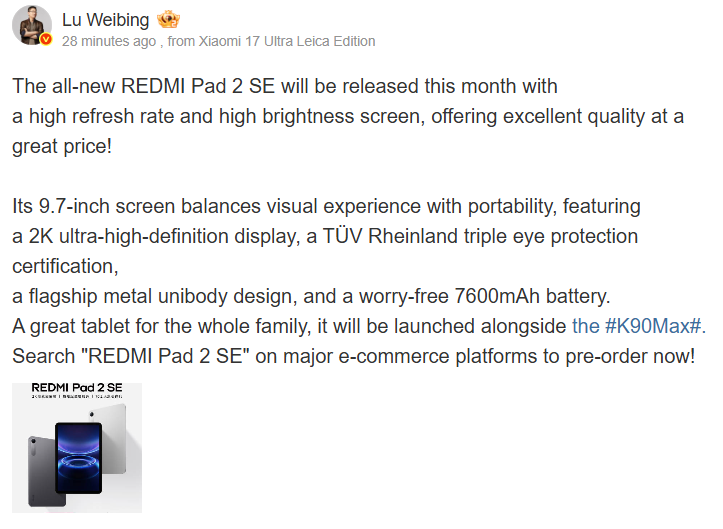
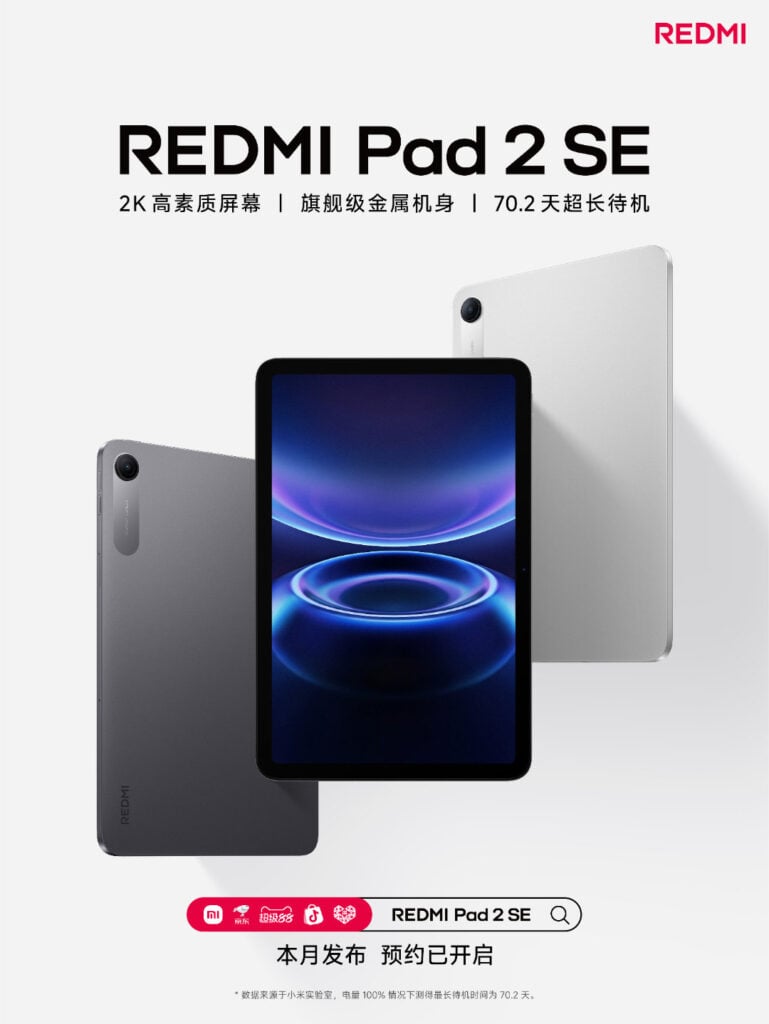
REDMI has a new tablet on the way, and it looks like a smaller, more affordable option. The Pad 2 SE has been officially teased, with the launch expected later this month in China.

From what the company has shared so far, the focus seems to be on the display and overall usability rather than raw performance. Lu Weibing is calling out a “high refresh rate and high brightness screen,” which is pretty much what you’d expect from its budget tablets lately.

The tablet uses a 9.7-inch 2K display, which is an interesting size: not too big, not exactly compact either. It should work fine for things like watching videos or reading, and still be easy enough to carry around. It also comes with TÜV Rheinland eye protection certifications, so there’s some attention to long-term viewing comfort as well.

Design is another area Xiaomi is highlighting. The Pad 2 SE features a metal unibody design. The durability probably just makes the tablet feel a bit nicer in hand overall.

There’s a 7600mAh battery inside, which sounds about right for this size. No detailed claims yet, but it should be enough for a full day with regular use.

The Pad 2 SE will go official alongside a few other products, including the REDMI Book Pro 2026 and the K90 Max. So it looks like Xiaomi is grouping everything into a single event again.

Not everything is known yet: pricing and full specs are still missing. But based on what’s been shared, the Pad 2 SE looks like a fairly straightforward device, with a bit more focus on the display and build quality.

Don’t miss a thing! Join our Telegram community for instant updates and grab our free daily newsletter for the best tech stories!

For more daily updates, please visit our News Section.

(Source: Lu Weibing on Weibo)

The post REDMI Pad 2 SE teaser reveals key details ahead of April launch appeared first on Gizmochina.

Oppo Enco R5 spotted on China Telecom with semi-in-ear design

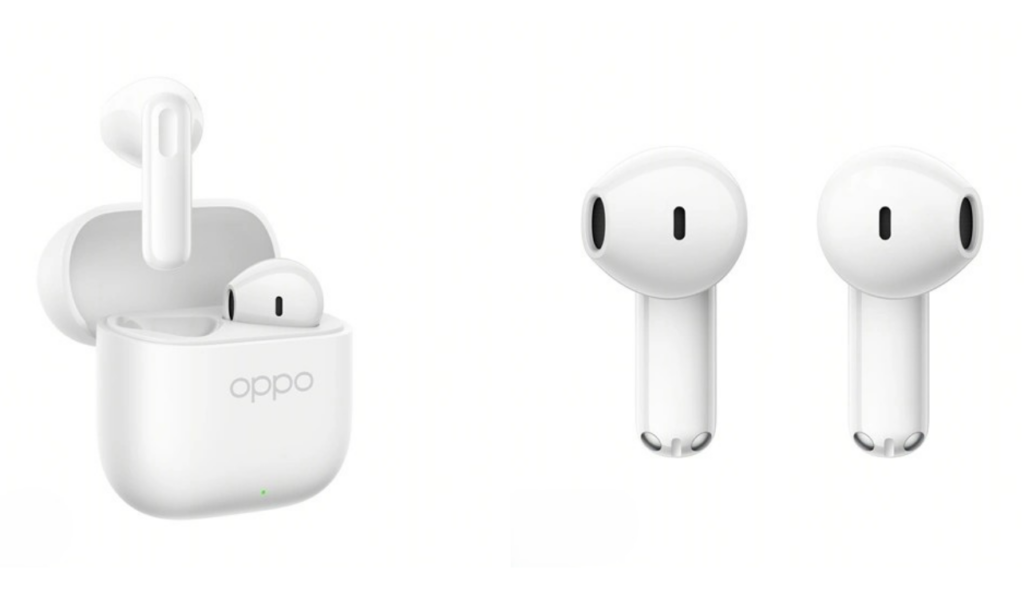
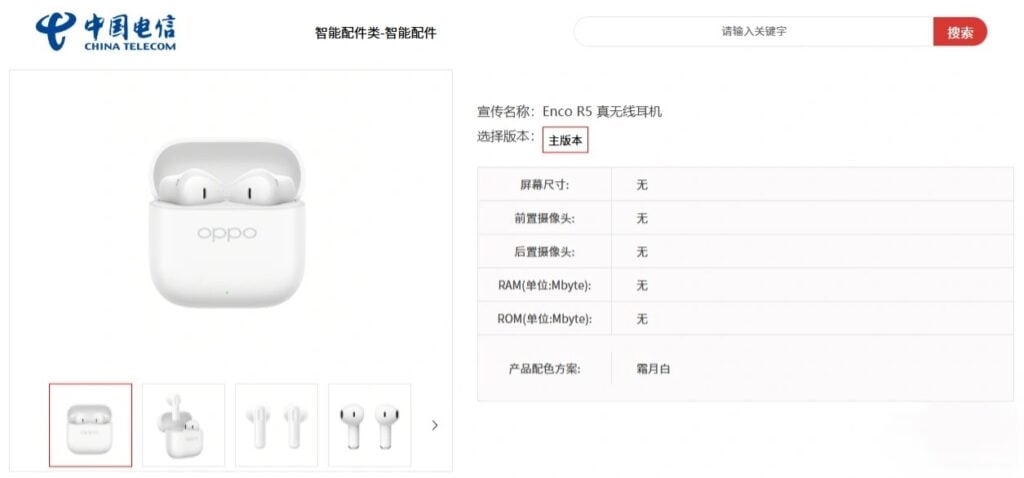
Oppo seems to have another pair of budget earbuds in the works. The Enco R5 has now appeared in China Telecom’s product database, revealing an updated design.

The listing shows the earbuds under the model number ETEG1, and one of the noticeable changes this time is the move to a semi-in-ear design. That usually means a looser fit compared to in-ear tips, which some people prefer for longer use. It also tends to let in a bit more ambient sound, which can be either good or bad depending on how you use them.

There’s only one color mentioned so far, Frost Moon White, which is a standard clean finish. Nothing too unusual there.

As for the case, it looks fairly compact, coming in at around 49 × 49 × 24 mm and weighing roughly 39 grams. That should make it easy enough to carry around without thinking about it too much.

Each earbud is said to use a 12.4mm dynamic driver. That’s not uncommon in this segment, and it should be fine for everyday listening, though tuning will matter more than the size itself.

The feature list is pretty straightforward. There’s AI call noise reduction, dual-device connectivity, and an IP55 rating, so it should handle things like light rain or workouts without issues. Nothing particularly new here, but it covers the basics.

For comparison, the previous Enco R4 had a similar setup but used an in-ear design instead. It was positioned as a budget option, bundled with phones rather than sold on its own.

With the R5, Oppo seems to be tweaking the formula slightly, mainly focusing on design and ambient awareness.

There’s still no mention of battery life or pricing in the listing. That will probably come later when Oppo makes it official.

Don’t miss a thing! Join our Telegram community for instant updates and grab our free daily newsletter for the best tech stories!

For more daily updates, please visit our News Section.

(ITHome)

The post Oppo Enco R5 spotted on China Telecom with semi-in-ear design appeared first on Gizmochina.

DJI Osmo Pocket 4 launch date confirmed

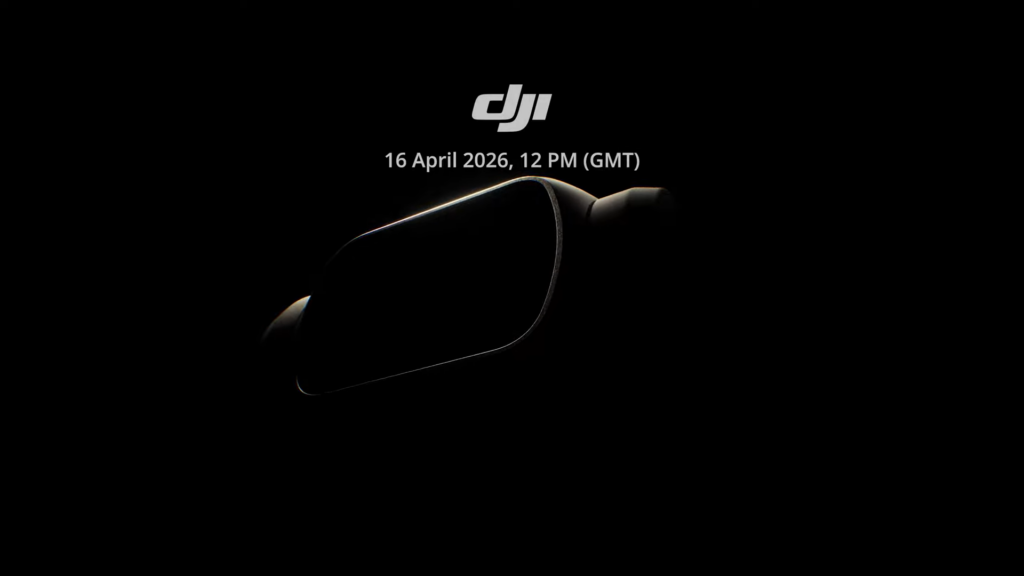
DJI is getting ready to update its pocket gimbal camera lineup, with the Osmo Pocket 4 series now officially set to launch on April 16 at 12 PM (GMT). The new models look like they’ll build on the Pocket 3, with a focus on image quality and a few practical upgrades.

The company has already shared a teaser with the line “A myriad of images in an inch…” (translated from Chinese), which seems to point toward the sensor. As expected, low-light performance and dynamic range are likely areas of improvement.

From what’s been shown so far, the standard Osmo Pocket 4 sticks to the familiar design: a compact body with a camera mounted on top and a small rotatable screen below. There are also physical controls around the hinge area, including a zoom toggle and a customizable button.

There’s also talk of a Pro version, which could introduce a dual-camera setup. That part hasn’t been officially detailed yet, but it suggests DJI might be aiming for a bit more flexibility in terms of focal lengths or shooting modes.

On the hardware side, the standard model is expected to use a 1-inch sensor with up to 14 stops of dynamic range. It should also support 10-bit D-Log, which is useful if you’re planning to do color grading later.

A couple of smaller but practical upgrades are also mentioned. The device may come with 107GB of built-in storage, along with transfer speeds of up to 800MB/s, which should make moving footage a bit quicker.

Overall, it looks like DJI is keeping the same compact form factor but trying to improve the things that matter most for everyday shooting: better dynamic range, easier controls, and faster workflow.

We’ll know more once the company officially unveils the series later this week.

Don’t miss a thing! Join our Telegram community for instant updates and grab our free daily newsletter for the best tech stories!

For more daily updates, please visit our News Section.

(Source: DJI on Weibo)

The post DJI Osmo Pocket 4 launch date confirmed appeared first on Gizmochina.

Xiaomi Robot Vacuum and Mop 6 debuts with 28,000 Pa suction, 80°C hot water cleaning, and obstacle avoidance

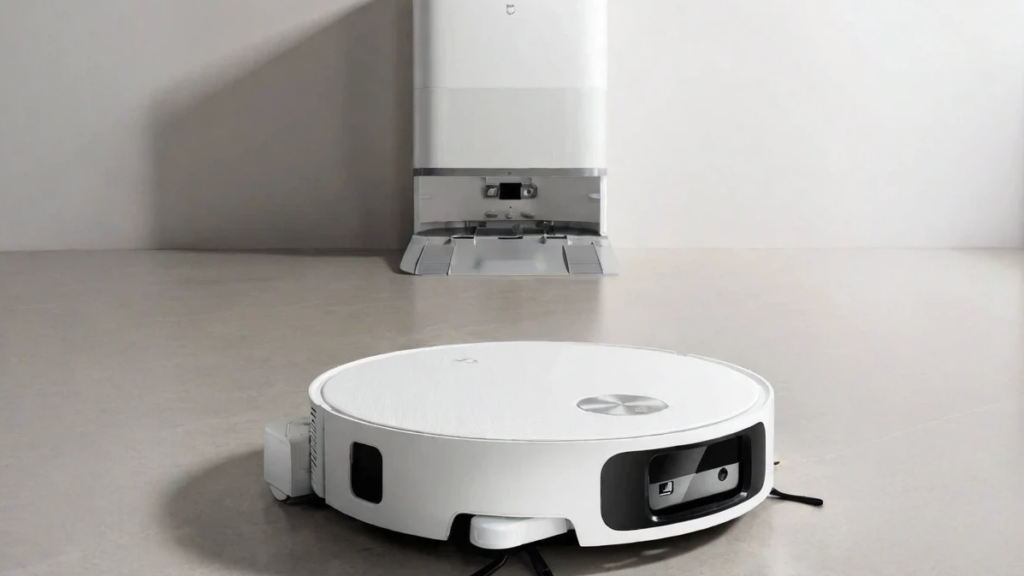
Xiaomi has added a new model to its Mi Home robot vacuum lineup in China, as a more accessible option under the Robot Vacuum and Mop 6 series. It sits below the Pro version that launched recently, but still brings a few noticeable upgrades over the previous generation.

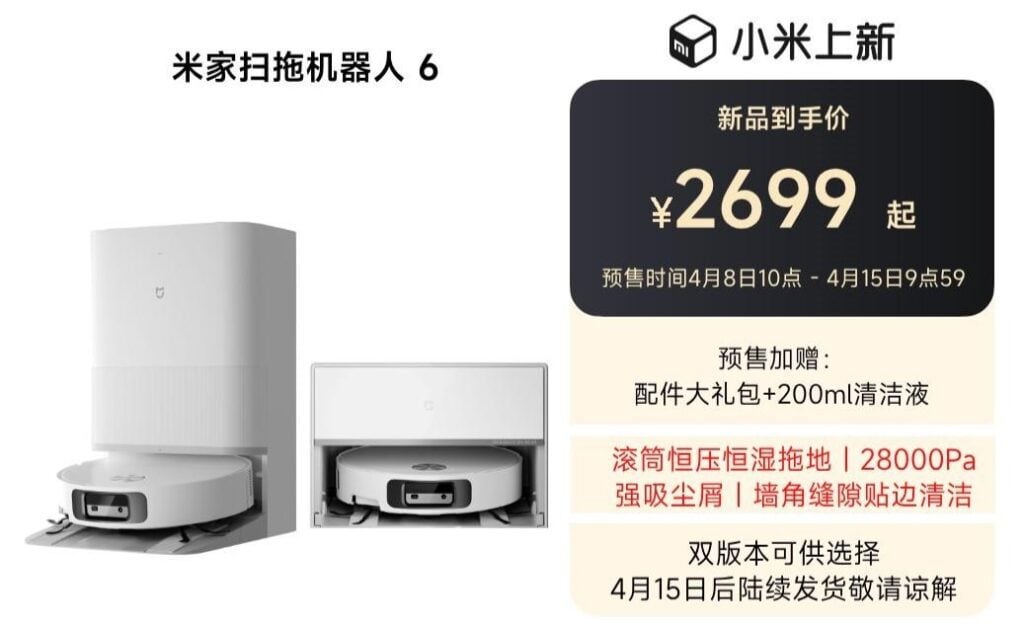
One of the main changes in the standard Robot Vacuum and Mop 6 is the bump in suction power, now rated at 28,000 Pa, up from 23,000 Pa of the Mop 5 Pro. On paper, that should help with picking up finer dust and debris, especially from carpets. But the bigger shift seems to be on the mopping side. Xiaomi has moved away from rotating pads and is now using a roller-style mopping system. The roller is fed with clean water continuously, while a built-in scraper collects dirt, which should help avoid spreading it around during cleaning.

The robot also uses a main brush along with two extending side arms to better reach corners and edges. It’s relatively slim at 90 mm, so it should be able to go under most furniture. For navigation, onboard cameras are used for obstacle detection, with Xiaomi claiming support for recognizing up to 220 types of objects. It can also cross small thresholds of up to 40 mm.

The docking station handles a few of the maintenance tasks. It supports 80°C hot water mop washing, and the tray can be removed for cleaning. Like other Xiaomi smart devices, the robot can be controlled through the app and tied into a wider smart home setup.

In China, the vacuum is priced at CNY 2,699 (roughly $395), making it cheaper than the Pro model. There’s no word yet on a global launch, but based on past releases, it could show up in other markets under a slightly different name.

Overall, this looks like Xiaomi trying to bring some of its newer cleaning features into a more affordable model. It doesn’t do everything the Pro version does, but it covers the basics, with a few practical upgrades along the way.

Don’t miss a thing! Join our Telegram community for instant updates and grab our free daily newsletter for the best tech stories!

For more daily updates, please visit our News Section.

(Source: Xiaomi Youpin)

The post Xiaomi Robot Vacuum and Mop 6 debuts with 28,000 Pa suction, 80°C hot water cleaning, and obstacle avoidance appeared first on Gizmochina.

Honor MagicPad 3 Pro 12.3″ version surfaces in real-life photos as new “aesthetic flagship”

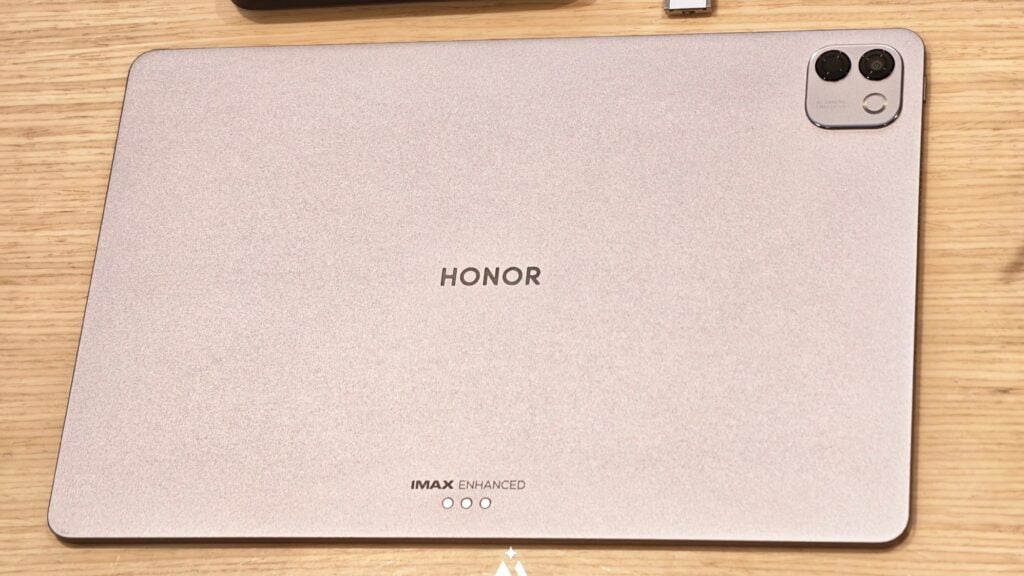
Honor has shared an early look at a new tablet in its MagicPad lineup, this time a 12.3-inch version of the MagicPad 3 Pro. Unlike the larger model from last year, this one seems to focus more on design and display rather than pushing for top-end performance.

The details were posted by Lin Lin from Honor’s Smart Life division, along with a few official images. The company is calling it more of an “aesthetic flagship,” which gives a rough idea of where it sits in the lineup. The bigger 13.3-inch model still handles the performance side of things.

Up front, there’s a 12.3-inch OLED display with slim bezels. One of the more notable features here is support for 5280Hz PWM dimming, which is meant to reduce eye strain during longer use. That’s something we’ve been seeing more often lately, especially on devices aimed at reading or content consumption.

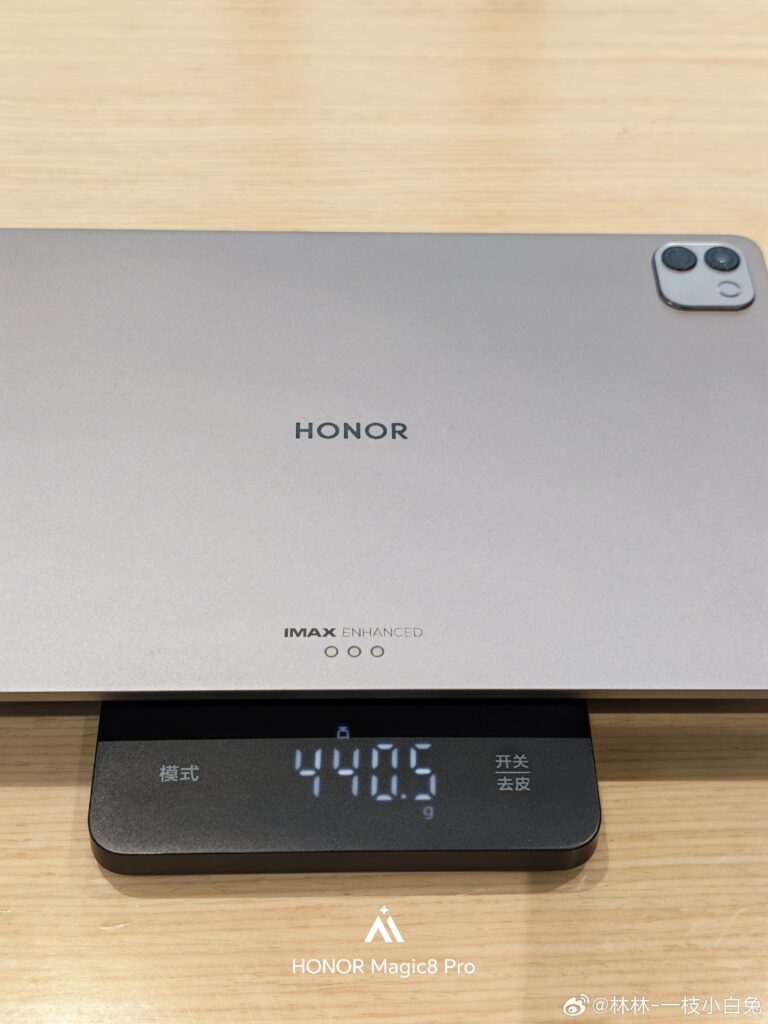
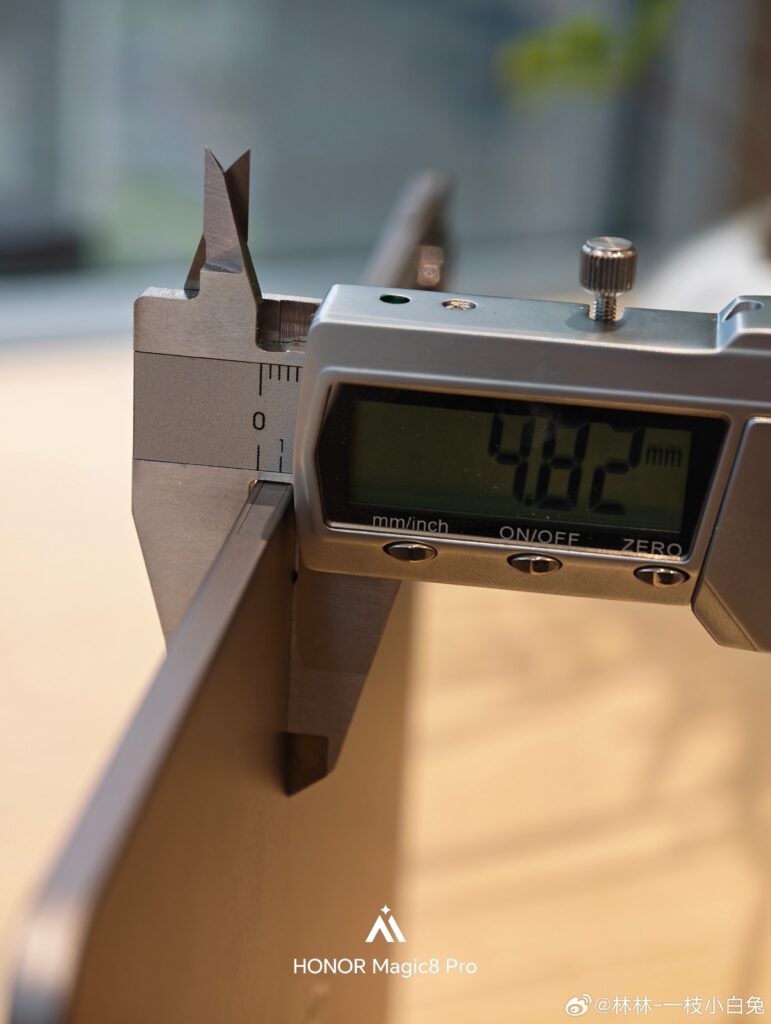
Design is clearly a big part of the pitch. The tablet comes in a space gray finish, and it’s quite thin, around 4.8mm, while weighing roughly 440g. That should make it easy to carry around. The back includes a camera module with a ring-style flash, and there are contact points that suggest support for accessories like a keyboard.

Honor also mentions IMAX Enhanced certification, which typically relates to improved picture and audio tuning. It doesn’t always translate directly into a noticeable difference for everyone, but it’s there as an added feature.

The idea here seems to be offering two slightly different takes under the same series: one focused on performance, the other leaning more toward portability and display comfort. The earlier 13.3-inch MagicPad 3 Pro set the tone with higher-end specs, while this smaller version looks like it’s trying to balance things a bit differently.

There’s no official word yet on pricing or full specifications for this model. That should become clearer once Honor announces it more formally.

Don’t miss a thing! Join our Telegram community for instant updates and grab our free daily newsletter for the best tech stories!

For more daily updates, please visit our News Section.

(Source: Lin Lin on Weibo)

The post Honor MagicPad 3 Pro 12.3″ version surfaces in real-life photos as new “aesthetic flagship” appeared first on Gizmochina.

Realme C100 4G debuts with Helio G92 Max, 8000mAh battery, and “Pulse Light”

Realme has quietly added a new model to its C-series lineup with the C100 4G. It’s a fairly straightforward budget phone, but with a couple of specs that stand out more than you’d expect.

Under the hood, the phone runs on the MediaTek Helio G92 Max, paired with up to 8GB RAM and 256GB eMMC 5.1 storage. It’s not a performance-focused setup, but it should be enough for everyday use, such as calling, messaging, online payments, social media, and streaming.

The display is a 6.8-inch HD+ LCD panel with a 120Hz refresh rate and claimed peak brightness of 1200 nits. That should be bright enough for decent outdoor visibility.

Battery is where the C100 4G leans in a bit more. It packs an 8000mAh cell with 45W charging, along with 10W reverse wired output. Realme is claiming fairly long usage times, including over 20 hours of navigation and more than a full day of video playback, though those numbers are usually based on controlled tests.

The phone comes with an IP69K rating, suggesting it’s built to handle exposure to water and dust. It should be useful for users planning to keep the phone for a few years.

For cameras, there’s a 50MP main sensor on the back along with a secondary lens, while the front gets an 8MP camera for basic use. Nothing too surprising here, and it’s likely tuned more for general shots than anything advanced. That said, the camera module does include one interesting detail: a “Pulse Light” for visible notifications.

Overall, the C100 4G seems to be built around endurance and durability rather than raw performance. It’s not trying to do everything, but for users who want a phone that lasts long and can take a bit of rough use, it might make sense.

The device is already available in Vietnam, where pricing starts at around 7.69 million VND (roughly $275–280, depending on conversion). That puts it somewhere in the lower mid-range bracket, at least for that market.

There’s no clear word yet on a wider rollout, but it wouldn’t be surprising to see it expand to other markets soon.

Don’t miss a thing! Join our Telegram community for instant updates and grab our free daily newsletter for the best tech stories!

For more daily updates, please visit our News Section.

(Source)

The post Realme C100 4G debuts with Helio G92 Max, 8000mAh battery, and “Pulse Light” appeared first on Gizmochina.

Motorola Edge 70 Pro spotted in leaked promo materials ahead of launch

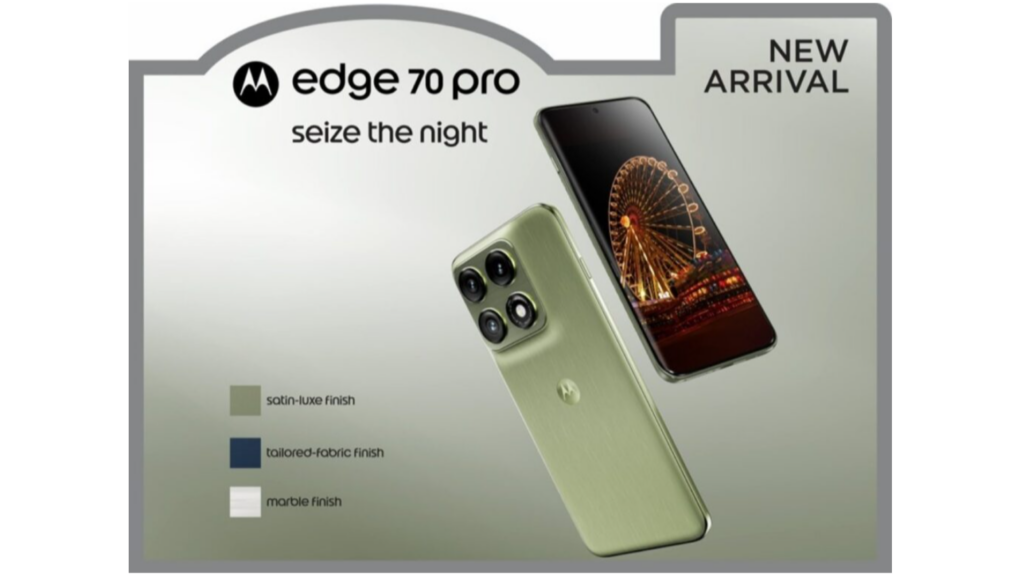
Motorola looks to be preparing a new addition to its Edge 70 lineup, with early leaks pointing to an upcoming Edge 70 Pro. Some promotional materials have surfaced online, giving a rough idea of what the company might be focusing on this time.

The images, shared by tipster @_intakhab_alam, highlight the tagline “Seize the Night,” which suggests Motorola is leaning into low-light photography as a key feature. That’s not entirely new for the brand, but it does hint that camera performance could be a bigger focus here.

In terms of design, the phone doesn’t seem to move too far away from what Motorola has been doing recently. It appears to feature a quad-curved display and back, paired with a flat middle frame that has contoured edges for a comfortable grip. Leaks mention materials like wood grain and nylon-style textures, which could help it stand out a bit from the usual glass-backed phones.

Certifications have revealed a few concrete details, though. The Edge 70 Pro is said to pack a 6,500mAh battery, a notable increase over the 6,000mAh unit of the Edge 60 Pro. Wired charging is expected to stay the same at 90W this year. There are also mentions of wireless charging, Wi-Fi 6E, and NFC.

Interestingly, a Pro+ variant is also expected this year, which would sit above the Pro and below the top-end Motorola Signature. The series already includes the standard Edge 70, Edge 70 Fusion, Edge 70 Fusion+, and the Motorola Signature.

Based on what’s known so far, the Pro version will likely aim somewhere between the mid-range and flagship tiers. There’s still no word on the processor, display, or full camera setup, so a lot of the picture is incomplete for now. But the direction seems fairly clear: a phone that focuses on battery life and camera versatility, rather than just pushing raw performance. More details should surface in the coming weeks as Motorola gets closer to an official announcement.

Don’t miss a thing! Join our Telegram community for instant updates and grab our free daily newsletter for the best tech stories!

For more daily updates, please visit our News Section.

(Source)

The post Motorola Edge 70 Pro spotted in leaked promo materials ahead of launch appeared first on Gizmochina.

iPhones alone take 5 of the top 10 spots in best-selling list

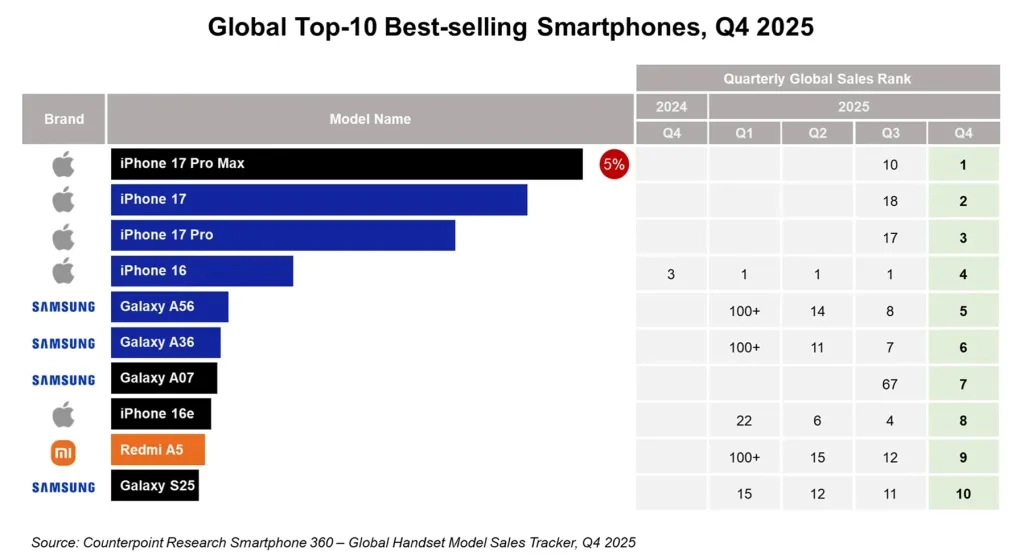
Apple seems to have closed out 2025 on a strong note, at least going by the latest data from Counterpoint Research. In the fourth quarter, iPhones accounted for five of the top ten best-selling smartphones globally, which is a fairly solid presence considering how competitive the market has been.

At the top of the list is the iPhone 17 Pro Max, which reportedly held about 5% of total smartphone sales on its own. The regular iPhone 17 comes in second, followed by the iPhone 17 Pro in third. That kind of lineup dominance isn’t entirely surprising for Apple, though, especially in markets like the US and parts of Europe, where the ecosystem tends to play a big role.

Apple also has a couple of older models still holding on. The iPhone 16 sits in fourth place, while the iPhone 16e shows up further down in eighth. Interestingly, the iPhone Air doesn’t appear in the rankings.

Samsung takes four spots overall, mostly through its mid-range lineup. The Galaxy A56, A36, and A07 are placed fifth, sixth, and seventh, while the Galaxy S25 just makes it into tenth. Xiaomi appears once with the REDMI A5 in ninth, which is pretty much in line with what we have seen in recent years.

Taken together, these top ten models account for around 23% of global smartphone sales in the quarter, which gives some idea of how concentrated the market is at the top.

If you zoom out a bit, Apple’s position wasn’t just limited to this quarter. Its devices showed up consistently throughout 2025, with the iPhone 16 being the only one to stay in the top ten across all four quarters. Samsung and Xiaomi, meanwhile, moved around a bit more.

As for what’s driving this, it’s probably a mix of things. The iPhone 17 series had a strong start, and the base model in particular seems to have helped, thanks to upgrades like a higher refresh rate and more RAM.

Overall, Apple still seems to be holding its ground at the higher end of the market. Android brands are pushing hard in the mid-range and budget space, but when it comes to the top spots, iPhones are still showing up more often than not.

Don’t miss a thing! Join our Telegram community for instant updates and grab our free daily newsletter for the best tech stories!

For more daily updates, please visit our News Section.

The post iPhones alone take 5 of the top 10 spots in best-selling list appeared first on Gizmochina.

Oppo Pad Mini shows up on Geekbench confirming chipset, CPU performance

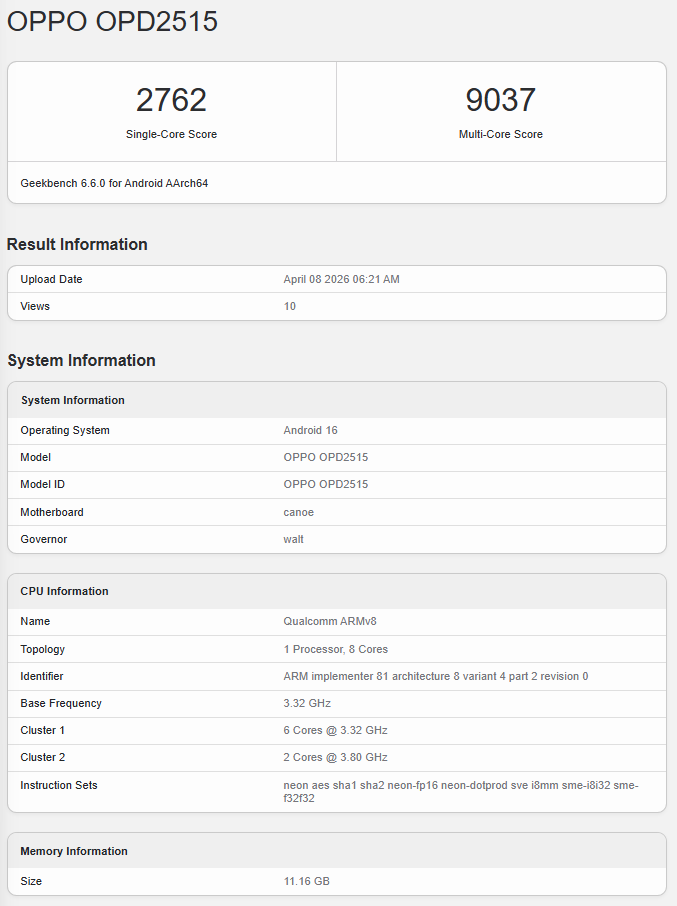
Oppo’s upcoming Pad Mini has now appeared on Geekbench, offering an early look at its performance. The listing, tied to the model number OPD2515, gives us a clearer idea of what to expect ahead of its April 21 launch in China.

According to the benchmark, the tablet scores 2,762 in single-core and 9,037 in multi-core. More importantly, it confirms the use of Qualcomm’s Snapdragon 8 Gen 5 chip. That places it just below the very top-tier Snapdragon 8 Elite Gen 5.

Compared to the Snapdragon 8 Elite (as seen in devices like the OnePlus Pad 3), the gap doesn’t look too wide. Single-core performance is said to be around 14% lower, while multi-core numbers are much closer, with only a small difference. In practical terms, that should still be more than enough for most popular titles on the Google Play Store. The listing also confirms Android 16 and 12GB of RAM.

The company shared a video teaser yesterday, showing slim, even bezels all around. The centered hole-punch camera sits on the shorter side. Beyond that, earlier leaks point to an 8.8-inch LTPO OLED display with a 3:2 aspect ratio and support for up to 144Hz refresh rate.

Battery capacity is expected to be around 8,000mAh, with 67W fast charging. The tablet is also said to be quite slim at 5.39mm and weigh about 279g, so portability seems to be a big focus here.

Oppo is also rumored to be working on a more powerful Pad 5 Pro alongside it, likely aimed at users who want higher raw performance.

For now, this Geekbench listing does give a decent idea of where the Pad Mini sits, somewhere between performance and portability, rather than pushing purely for top-end specs. More details should be confirmed once the tablet is officially announced later this month.

Don’t miss a thing! Join our Telegram community for instant updates and grab our free daily newsletter for the best tech stories!

For more daily updates, please visit our News Section.

(Source: Geekbench)

The post Oppo Pad Mini shows up on Geekbench confirming chipset, CPU performance appeared first on Gizmochina.

Oppo Enco Clip2 teaser reveals key specifications ahead of April 21 launch

The upcoming Enco Clip2, set to debut on April 21 at 19:00, leans heavily into design, with a form factor that’s meant to double as both audio gear and a fashion accessory.

The earbuds come with a gold-toned finish, and each piece is designed to clip onto the ear more like an earring than a traditional bud. They’re also quite light at around 5.2 grams per side, and Oppo is using an ultra-thin titanium plate to help with fit and flexibility. It seems aimed at comfort as much as aesthetics.

On the audio side, Oppo has once again partnered with Dynaudio for tuning. The Enco Clip2 is said to use dual DACs and dual drivers, which should help with clarity and separation, at least on paper. As with most things here, the real test will be how it sounds in everyday use.

One feature Oppo is highlighting is support for voice commands that work with Apple devices. That includes basic controls like skipping tracks, adjusting volume, and handling calls, without needing to reach for the phone.

Under the hood, the earbuds are powered by a 6nm chip, which Oppo claims improves noise reduction performance significantly. There’s also AI-based call noise cancellation, along with features like real-time translation, though how well those work in practice isn’t clear yet.

Battery life is rated at up to 40 hours in total, with about 9.5 hours per charge, which is in line with other options in this segment. The earbuds also support Bluetooth 6.1, with a claimed connection range of up to 400 meters, though that would likely depend on conditions.

At a glance, OPPO seems to be trying something slightly different here: focusing as much on how the earbuds look and feel as on how they sound. Whether that balance works will depend on how it all comes together in actual use.

Don’t miss a thing! Join our Telegram community for instant updates and grab our free daily newsletter for the best tech stories!

For more daily updates, please visit our News Section.

(Source: Oppo on Weibo)

The post Oppo Enco Clip2 teaser reveals key specifications ahead of April 21 launch appeared first on Gizmochina.

Huawei AI Glasses teased with real-world camera sample

Huawei may be getting closer to launching its next wearable, this time in the form of AI-powered smart glasses. A recent post from He Gang, CEO of Huawei’s Consumer Business Group, offers an early look at what it can do.

He shared a photo taken using the upcoming Huawei AI Glasses, and the image includes a visible “HUAWEI AI Glasses” watermark. It’s a small detail, but it confirms that the product is already in a functional stage, at least internally. The sample itself, a shot of a blue plush toy, doesn’t say much on its own, though it does show that basic photography is part of the package.

This also suggests Huawei is moving beyond its earlier audio-focused smart glasses. The new model appears to include both camera and audio features, which puts it closer to what other companies have been trying in this space.

Based on earlier reports, the glasses could launch in the first half of 2026, possibly around April 21, alongside other Huawei products. That timing hasn’t been confirmed yet, but it lines up with recent activity.

On the software side, the glasses are expected to run on HarmonyOS, with a focus on integration across Huawei devices. One feature that’s been mentioned is real-time translation, which could be useful in situations like travel or meetings.

There are also signs of deeper integration in HarmonyOS 6, where a “Device Photo Import” option has been spotted. It appears to allow photos taken from the glasses to sync directly to a connected phone, with status updates shown in real time. It’s a small feature, but it hints at how Huawei is thinking about cross-device use.

In terms of design, the glasses are expected to be fairly lightweight and come in a few color options, including silver and black variants. Nothing unusual there, but it suggests Huawei is aiming for something that blends in rather than stands out too much.

Taken together, it looks like Huawei is preparing a more feature-complete pair of smart glasses, not just for audio, but for photography and basic AI functions as well. More details should become clearer once the company officially announces the product.

Don’t miss a thing! Join our Telegram community for instant updates and grab our free daily newsletter for the best tech stories!

For more daily updates, please visit our News Section.

(Source: Hua Hegang on Weibo)

The post Huawei AI Glasses teased with real-world camera sample appeared first on Gizmochina.

REDMI K90 Max beats two of its competitors in cooling fan performance

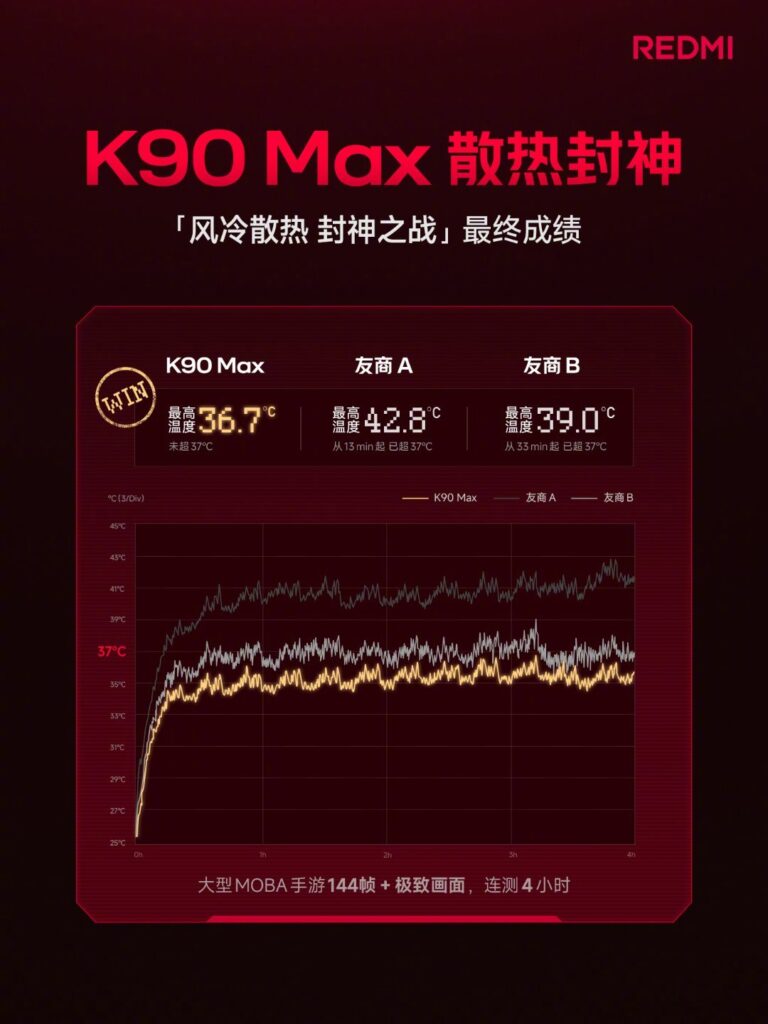
Xiaomi recently showed off its latest cooling setup in a live-streamed event, putting the REDMI K90 Max up against two other air-cooled phones. The idea was simple: stress the devices under heavy gaming and see how they hold up.

The test conditions were fairly demanding. The K90 Max was run through a 4-hour MOBA session at 144fps with maximum graphics. According to Xiaomi CEO Lei Jun, the phone reached a peak surface temperature of 36.7°C. For comparison, “competitor A” and “competitor B” reached 42.8°C and 39.0°C, respectively. The CEO didn’t name the devices, for obvious reasons. The CEO also noted that the phone uses a “large fan” and focuses on improving the airflow efficiency.

While he didn’t share details like the ambient temperature, the gap between the devices still gives a rough idea of how effective Xiaomi’s cooling system might be.

According to previous reports, the cooling fan is around 18.1mm in diameter, roughly 6% bigger than typical setups. Claimed airflow is around 0.42 CFM, with up to 40% better utilization, though it’s hard to compare directly without independent testing.

Another point mentioned in leaks is fan noise. The system is said to stay relatively quiet even under load, which is usually a concern with fan-based designs.

On the design side, the K90 Max is shown in a “Space Silver” finish, with a metal frame and slim bezels. The fan opening is integrated into the design, and it stands out visually as a key selling point of the phone. The phone also carries IP66, IP68, and IP69 ratings, suggesting the airflow system is sealed to protect internal components.

Whether those numbers hold up outside controlled demos is something we’ll only know once we get our hands on the device.

Don’t miss a thing! Join our Telegram community for instant updates and grab our free daily newsletter for the best tech stories!

For more daily updates, please visit our News Section.

(Source: Lei Jun on Weibo)

The post REDMI K90 Max beats two of its competitors in cooling fan performance appeared first on Gizmochina.

Oppo Pad Mini teaser flaunts unusually slim, symmetrical bezels

Oppo has shared another early look at its upcoming Pad Mini. The teaser comes from Qiao Jiadong, Director of Smart Ecosystem Products at Oppo, and it mostly highlights the front design.

From what’s shown, the tablet uses a center punch-hole display placed along the shorter edge, with fairly even bezels on all sides. It gives the device a clean, symmetrical look, and it seems like Oppo is encouraging vertical use for things like reading or browsing. The bezels are quite slim as well.

A previous report points to an 8.8-inch OLED display with a resolution of 2880 × 1920 and a 3:2 aspect ratio. It’s also said to support a 144Hz adaptive refresh rate using LTPO tech, along with peak brightness of around 1800 nits and full DCI-P3 coverage. On paper, that should translate to smooth scrolling and decent visibility outdoors.

As for performance, the Pad Mini is expected to run on Qualcomm’s Snapdragon 8 Gen 5, which should be more than enough for most games. The body itself looks slim, reportedly around 5.39mm thick and weighing about 279g, with a metal finish. Color options are said to include dark gray, purple, and cyan.

There’s also a single 13MP rear camera on the back, housed in a capsule-style module. Battery capacity is tipped at 8000mAh, with 67W fast charging, and there’s mention of eSIM support as well, which could make it more usable on the go.

The Pad Mini is expected to be part of Oppo’s upcoming launch event later this month, alongside products like the Watch X3 Mini, Enco Clip 2, and the Find X9 Ultra.

The overall direction is fairly clear: a compact tablet with a focus on display quality and performance. More details should be confirmed at launch.

Don’t miss a thing! Join our Telegram community for instant updates and grab our free daily newsletter for the best tech stories!

For more daily updates, please visit our News Section.

(Source: OPPO Qiao Jiadong on Weibo)

The post Oppo Pad Mini teaser flaunts unusually slim, symmetrical bezels appeared first on Gizmochina.

Oppo Watch X3 Mini health features detailed ahead of April 21 launch

Oppo is preparing to launch the Watch X3 Mini globally on April 21 in its home country. The company is positioning it almost like a piece of jewelry first, and a smartwatch second, which is a slightly different approach compared to most wearables in this space.

Design is clearly a big part of the pitch here. The Watch X3 Mini features a compact body with a polished finish, sapphire crystal on the front, and what Oppo describes as an 18K gold stainless steel case. It’s available in gold, mocha brown, and silver, all of which look more fashion-focused than sporty. There’s also a special edition package that includes a themed charging stand, leather strap, and a few accessories, though how widely that bundle will be available isn’t entirely clear yet.

On the health side, Oppo is adding a mix of standard and slightly more niche features. One of the highlights is a menstrual cycle tracking system that goes a bit further than usual, offering predictions and workout suggestions based on different phases. There are also tools for stress monitoring, sleep tracking, and even things like sun exposure guidance. Some of these features sound ambitious, so it’ll be interesting to see how they perform in actual use.

The watch uses a fairly advanced sensor setup, including wrist temperature tracking, multi-channel heart rate monitoring, and blood oxygen tracking. Again, most of this isn’t entirely new on its own, but Oppo seems to be bundling it together into a more lifestyle-focused experience.

In terms of functionality, the Watch X3 Mini supports standalone features like messaging and communication, along with camera preview and phone-finding tools. It also runs over 100 apps, according to Oppo, which should cover basic use cases.

Battery life is rated at up to 7 days in a power-saving mode, or around 2.5 days with full features enabled, which is fairly typical for this category.

The launch is expected to happen alongside other Oppo products, including the Find X9 Ultra and new audio accessories. More details around pricing and availability should become clearer at the event.

Don’t miss a thing! Join our Telegram community for instant updates and grab our free daily newsletter for the best tech stories!

For more daily updates, please visit our News Section.

(Source: Oppo on Weibo)

The post Oppo Watch X3 Mini health features detailed ahead of April 21 launch appeared first on Gizmochina.
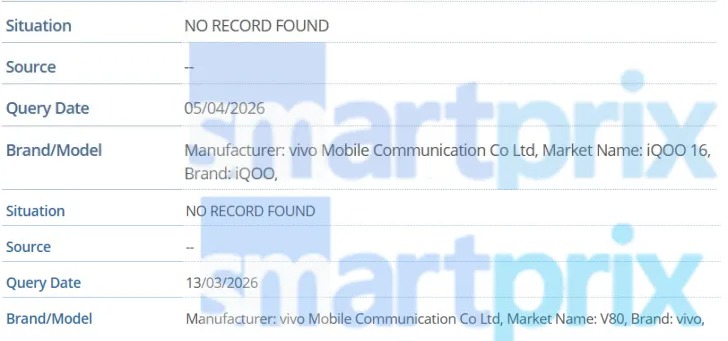
iQOO 16, Vivo V80 spotted on IMEI database

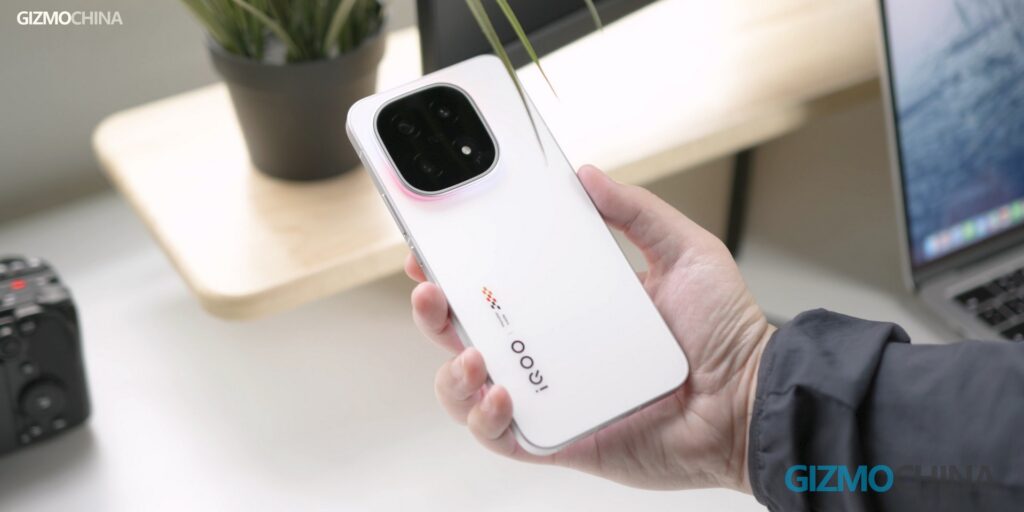
iQOO 15

New phones don’t always show up with a launch teaser first. Quite often, they quietly appear in certification databases, and that seems to be the case with the iQOO 16 and Vivo V80, both of which have now been listed in the GSMA IMEI database, courtesy of Smartprix.

iQOO 15

It usually means the devices are past the early stages and moving closer to testing or certification. So while nothing is official yet, it’s a decent sign that both phones are getting closer to launch.

The iQOO 16 is expected to succeed the iQOO 15 (our review), which was very much focused on performance. That’s kind of been iQOO’s approach for a while now: capable chips, aggressive cooling, and charging speeds that are usually higher than rivals. There’s no confirmation on specs yet, but it wouldn’t be surprising if the new model follows the same pattern, just with newer hardware and maybe some tweaks to thermals.

The Vivo V80 should be a bit different in comparison. The V series has always leaned more toward design and camera features rather than raw power. Based on previous models, things like the “Aura Light” and portrait-focused imaging will likely return. It’ll probably use an upper mid-range Snapdragon or Dimensity chip, something that keeps things smooth without pushing too hard on performance.

From here, the next step is typically regional certifications, and that’s when more concrete details start showing up.

For now, there’s not much confirmed, but the overall direction feels familiar. The iQOO 16 will likely aim at performance-heavy users, while the Vivo V80 sticks to cameras and design. Nothing unexpected, but still worth keeping an eye on as more information comes in.

Don’t miss a thing! Join our Telegram community for instant updates and grab our free daily newsletter for the best tech stories!

For more daily updates, please visit our News Section.

(Source)

The post iQOO 16, Vivo V80 spotted on IMEI database appeared first on Gizmochina.
Oppo Find X9s Pro spotted on Geekbench with Dimensity 9500, 16GB RAM

Oppo Find X9s

Oppo is starting to build some momentum around its next flagship lineup, with new details emerging about the Find X9s Pro. The phone is expected to sit alongside the Find X9 Ultra, but from what’s been shared so far, it might end up being the more interesting of the two, especially if you care about camera flexibility.

Oppo Find X9s

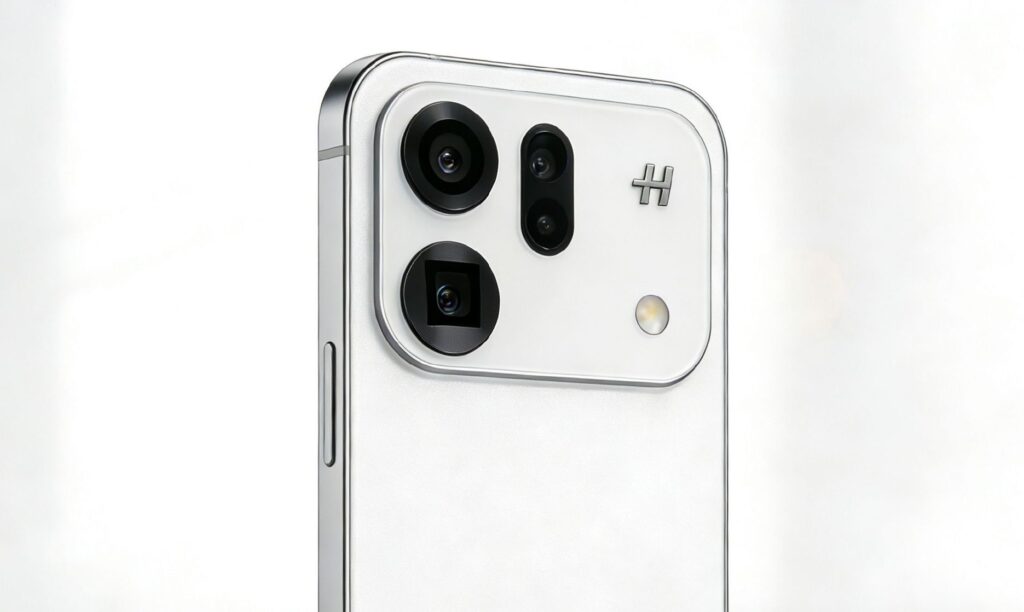
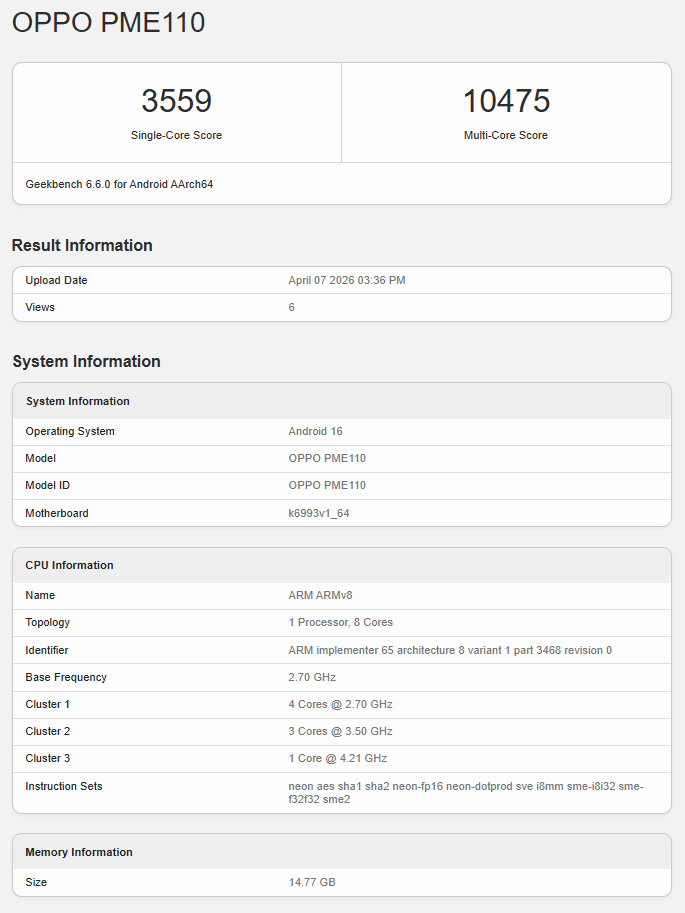
There have been two Geekbench listings (model PME110) making the rounds, which point to the phone running on MediaTek’s Dimensity 9500, paired with 16GB of RAM. The scores, around 3559 single-core and 10475 multi-core, are pretty much in line with what you’d expect from the chipset. It should have no trouble with gaming or heavier workloads.

As for the rest of the hardware, leaks suggest a relatively compact 6.32-inch OLED display with a 1.5K resolution and a 144Hz refresh rate. On the camera side, the setup sounds ambitious: a 200MP main sensor along with a 200MP periscope telephoto offering 2.8x optical zoom, with the teleconverter acting as an extra layer on top.

Battery capacity is said to be around 7,025mAh, which is quite large, paired with 80W wired and 50W wireless charging. The phone is expected to weigh about 198g, and color options could include Natural White, Native Titanium, Vibrant Orange, and Wind Chaser Green.

The company has confirmed a China launch on April 21, and in the lead-up, it’s been teasing a few camera-focused features. One of the more unusual additions is an optional Hasselblad-branded teleconverter designed for the Find X9s Pro. It’s meant to extend the phone’s zoom capabilities, and early clips suggest it does make a noticeable difference.

Taken together, the Find X9s Pro looks like Oppo is trying something slightly different: a more compact flagship that still leans heavily into camera hardware. The teleconverter, in particular, could be a bit of a differentiator if it ends up working well in real-world use.

There’s still no official word on pricing just yet, but with the launch set for April 21, that shouldn’t be too far off.

Don’t miss a thing! Join our Telegram community for instant updates and grab our free daily newsletter for the best tech stories!

For more daily updates, please visit our News Section.

(Source: Geekbench)

The post Oppo Find X9s Pro spotted on Geekbench with Dimensity 9500, 16GB RAM appeared first on Gizmochina.

❌