Reading view

Xiaomi 18 Pro battery and camera details leak

Xiaomi’s upcoming 18 Pro series has been showing up in leaks at a steady pace, and the latest one adds a few more details.

As you might already know, Xiaomi is reportedly working on two Xiaomi 18 Pro models: a smaller Xiaomi 18 Pro and a larger 18 Pro Max. 

Xiaomi 18 Pro Specifications (Expected)

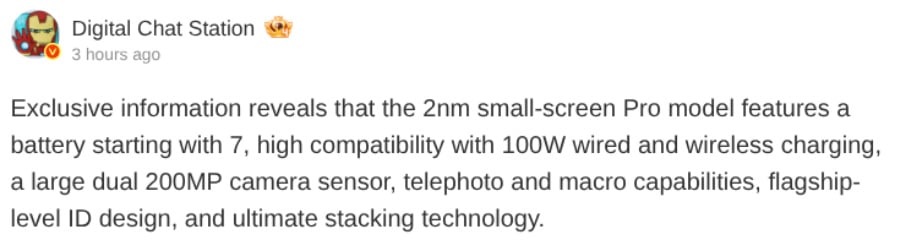
According to prolific tipster Digital Chat Station, the smaller Pro model could feature a battery capacity starting in the “7,000mAh” range, along with support for both 100W wired and wireless charging. In comparison, Xiaomi 17 Pro has a 63000mAh cell. 

On the camera side, the report mentions a “dual 200MP” setup, alongside telephoto and macro capabilities. That lines up with earlier rumors, which also pointed to 200MP sensors from SmartSens for the Xiaomi 18 Pro. 

These new sensors are also expected to support LOFIC HDR 3.0, a hardware-based approach aimed at improving dynamic range.
There’s also talk of modular optics, including magnetic, snap-on lenses. If that actually makes it to the final product, it could give users more flexibility, especially for zoom or more specialized photography.

Performance is expected to come from Qualcomm’s next-generation Snapdragon 8 Elite Gen 6 chip built on a 2nm process. It is likely to be paired with up to 16GB of RAM. 

Meanwhile, the larger 18 Pro Max could push battery capacity even further, with prototypes said to be targeting around 8,500mAh.

The Max model is also expected to retain the secondary rear display introduced last year.

As usual with early leaks, none of this is confirmed, and Xiaomi hasn’t said anything publicly. We’ll keep you updated as more details about the phone start to surface.

/For more daily updates, please visit our News Section.

Stay ahead in tech! Join our Telegram community and sign up for our daily newsletter of top stories! 💡

The post Xiaomi 18 Pro battery and camera details leak appeared first on Gizmochina.

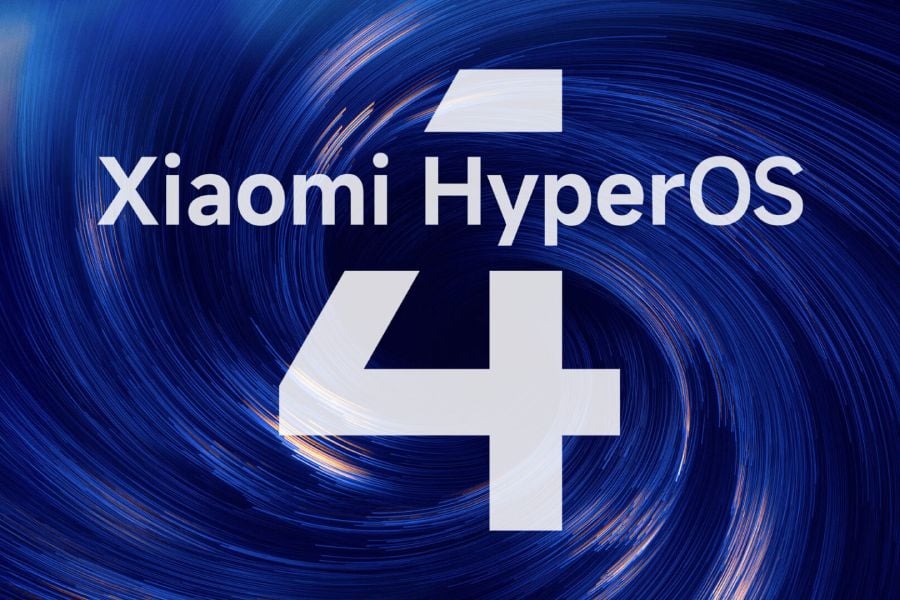
Xiaomi HyperOS 4 to bring a Leica color palette, says leak

Xiaomi-HyperOS-4-self-developed-architecture

Android 17 is in its beta phase, and phone makers like Xiaomi are already deep into building their next software on top of it. The company’s upcoming HyperOS 4 has previously been rumored to bring a major shift, with earlier reports claiming a self-developed architecture under the hood.

Now, a few more details are starting to surface, courtesy of Weibo tipster Smart Pikachu. According to the leak, Xiaomi is reworking the core user interface for HyperOS 4. Its specifics are still scarce, but the tipster claims the system UI has undergone “significant changes.”

Xiaomi HyperOS with a Leica color palette

One of the more interesting claims is that Xiaomi is reportedly working on a dedicated Leica color palette for the OS.

Xiaomi’s partnership with Leica has mostly been visible in the camera app so far, especially in color science and filters. Bringing that aesthetic into the operating system could mean that Xiaomi wants the software to reflect the same “premium” tone as its camera hardware.

Xiaomi-HyperOS-4-self-developed-architecture

Moreover, Xiaomi also confirmed in January its aim to achieve “grand convergence” in 2026 with a self-developed chip, operating system, and large AI models on a single device. 

If all of this pans out, HyperOS 4 might not be about flashy new features as much as it is about refinement. A redesigned interface paired with a more cohesive visual language could make the experience feel more unified across Xiaomi, Redmi, and Poco devices.

Of course, it’s still early days. Xiaomi hasn’t confirmed any of these details, and the company is known for iterating quickly, which means features seen in leaks don’t always make it to the final release in the same form. So, as always, take it with a grain of salt.

For more daily updates, please visit our News Section.

Stay ahead in tech! Join our Telegram community and sign up for our daily newsletter of top stories.

The post Xiaomi HyperOS 4 to bring a Leica color palette, says leak appeared first on Gizmochina.

Honor’s “Lightning” and “Energetic Boy” robots are heading to a marathon

Honor-Lighting-and-Electric-Boy-marathon

Honor is getting into the marathon business, but not in the way most phone makers would. Instead of sponsoring runners or building fitness features, the company itself is sending robots to the starting line.

According to Honor’s Global Chief Marketing Officer, two humanoid robots named “Lightning” and “Energetic Boy” will take part in the upcoming Beijing Yizhuang Marathon on April 19. 

The “Lightning” is finished in red with glowing blue eye-like lights and a visible Honor logo. Meanwhile, “Energetic Boy” comes in silver with a blue lighting strip on the face. It looks more like a traditional humanoid robot, while the “Lighting” is something that we expect to see in movies.

According to Honor, “Lightning” combines its latest work in intelligent manufacturing with embodied AI. That includes motion-control algorithms designed for high-speed movement, along with real-time perception and decision-making systems that enable the robot to react to its surroundings without constant human input.

The marathon will stress-test these capabilities.

The two Honor robots will run on a 21km track

Organized by the Beijing Municipal People’s Government and China Media Group, the 21.0975-kilometer race runs from Tongming Lake to Nanhaizi Park, mixing city roads, racing circuits, and park terrain. It’s not a controlled lab environment, which is exactly the point.

Earlier this month, more than 70 teams — including four from outside China — took part in a full-scale overnight test organized by the Beijing Economic-Technological Development Area. Below is a clip of Honor’s Lighting Robot during the practice.

The rehearsal covered everything from navigation to emergency response, which gave makers an idea of how complex it is to get humanoid robots to operate reliably over long distances.

The competition format also nudges teams toward autonomy. Robots can either operate autonomously or rely on remote control, but the rules make the latter less attractive by imposing time penalties and restrictions on human intervention.

Teams that manage to complete the race fully autonomously may even qualify for a Guinness World Records entry.

For more daily updates, please visit our News Section.

Stay ahead in tech! Join our Telegram community and sign up for our daily newsletter of top stories! 💡

(Source)

The post Honor’s “Lightning” and “Energetic Boy” robots are heading to a marathon appeared first on Gizmochina.
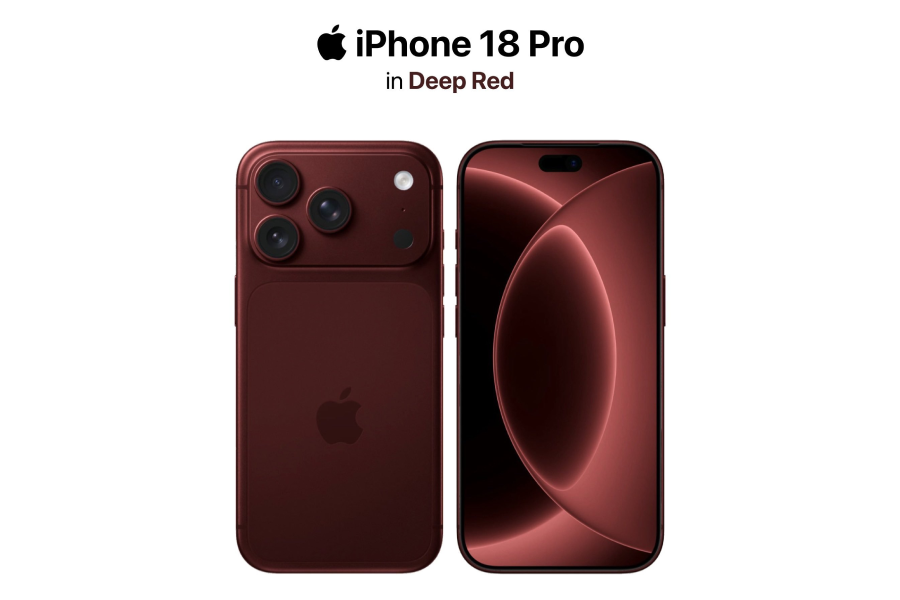
iPhone 18 Pro could get Deep Red, and Android brands will copy again

iPhone 18 Pro in Deep Red

The iPhone 17 Pro series’ “Starry Orange” finish has been one of the most talked-about iPhone colors in years. It’s also inspired a wave of copycat shades across multiple Android brands. We’re looking at you, Honor

If a new leak is anything to go by, Apple may be planning a repeat performance next year with the iPhone 18 Pro lineup.

According to leaker Digital Chat Station, Apple is testing a new deep, more refined red finish for the next Pro iPhones. The shade is said to continue Apple’s recent strategy of turning bold colorways into headline features rather than secondary options.

What’s even more interesting is that some Android manufacturers have reportedly already started experimenting with similar tones. Copycat cycle, meet déjà vu.

What can you expect from the iPhone 18 Pro?

The iPhone 18 Pro is also rumored to feature a higher screen-to-body ratio. Leaks claim Apple is working to shrink the front cutout area, reducing its width from 20.76mm to 13.49mm. That’s roughly a 35 percent drop. 

The result should be a slightly more immersive display, though it’s the kind of change you’ll likely notice more on a spec sheet than in day-to-day use.

On the performance side, the iPhone 18 Pro series is expected to debut Apple’s A20 Pro chip. It will be among the first set of smartphone processors to be built on TSMC’s 2nm process. 

This year, Apple is also expected to launch iPhone Ultra, Apple’s first foldable, alongside the iPhone 18 series. 

However, there’s still some time before Apple officially announces the upcoming phones, but more details are likely to surface through unofficial channels as we get closer to launch.

Stay ahead in tech! Join our Telegram community and sign up for our daily newsletter of top stories!

For more daily updates, please visit our News Section.

(Source)

The post iPhone 18 Pro could get Deep Red, and Android brands will copy again appeared first on Gizmochina.
Redmi R70m surfaces online, revealing specs and a new lineup

Redmi-R70m-Design-and-Display

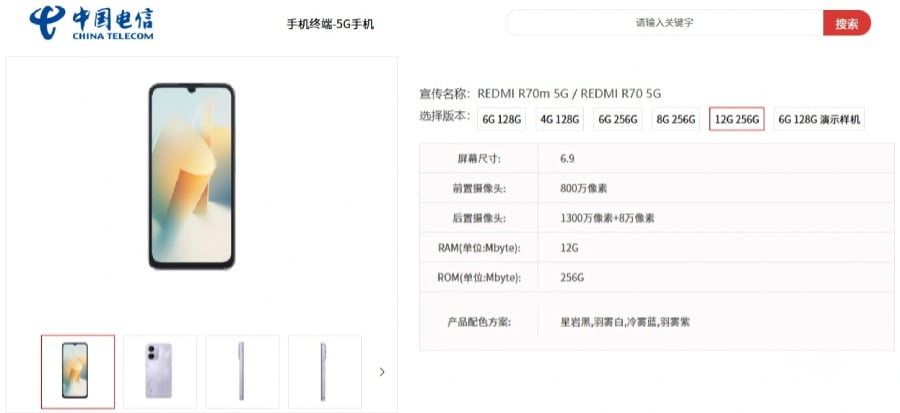
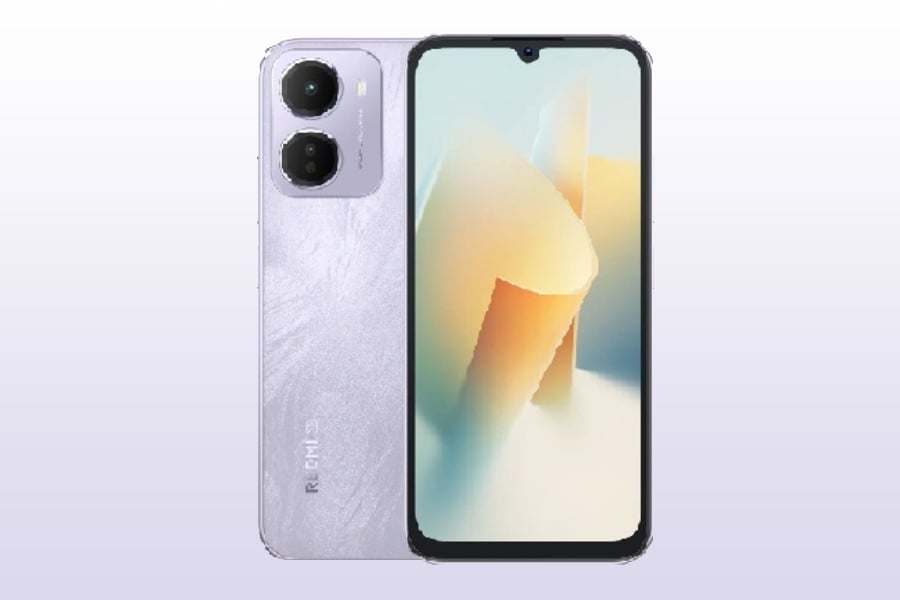
It looks like Redmi is planning a new budget series, at least in China. A new Redmi phone from a brand-new “R” lineup has appeared in China Telecom’s product database, revealing its images and specifications. Interestingly, the listing suggests the device could go by either Redmi R70m 5G or simply Redmi R70.

According to the listing, the phone will be available in five memory configurations: 4GB + 128GB, 6GB + 128GB, 6GB + 256GB, 8GB + 256GB, and 12GB + 256GB. Meanwhile, the color options include Starry Night Black, Feather White, Cold Mist Blue, and Feather Purple.

Redmi R70m / R70 Specifications

On the hardware side, the phone features a large 6.9-inch display with a waterdrop notch. The resolution sits at 1600 × 720, which is just HD+.

As for the design, the phone has a flat, right-angled frame, with a 3.5mm headphone jack, speaker grille, and USB-C port on the bottom edge.

Camera hardware also stays on the basic side. There’s an 8-megapixel front-facing camera, paired with a dual-camera setup on the back. The main sensor is 13 megapixels, paired with a secondary 8MP lens.

Internally, the device is powered by a chipset labeled UMS9632. That is an Unisoc platform, which typically shows up in affordable devices rather than performance-focused ones. The phone runs Android 16 out of the box.

The Redmi R70m packs a 6300mAh battery inside a body measuring 171.56 × 79.47 × 8.2mm and weighing around 211.5 grams.

There’s still no official word on pricing or availability. But based on the specifications, the Redmi R70 series looks like another addition to Xiaomi’s growing portfolio of budget 5G phones.

For more daily updates, please visit our News Section.

Stay ahead in tech! Join our Telegram community and sign up for our daily newsletter of top stories! 💡

The post Redmi R70m surfaces online, revealing specs and a new lineup appeared first on Gizmochina.
Qualcomm may be working with CXMT on new DRAM for smartphones

Snapdragon 8 Gen 3 in 2026

The smartphone industry has been dealing with supply chain issues for years, but memory shortages are now harder to ignore than ever. A mix of rising demand for AI hardware and limited production capacity has pushed DRAM prices up, putting pressure on companies that rely on it to build phones.

According to reports from Wccftech and South Korean publication JoongAng Ilbo, Qualcomm is now working with Changxin Memory Technologies (CXMT) to develop custom DRAM tailored for smartphones. 

Qualcomm

Since a large portion of DRAM manufacturing capacity is currently used for high-bandwidth memory (HBM), manufacturers are focusing less on mobile-focused memory, creating a shortage in the industry. 

This imbalance is affecting different segments in different ways. Flagship phones can absorb rising costs more easily, but budget and mid-range devices have less flexibility. 

Why could this be the right move?

Memory has quietly become one of the most expensive parts of a phone. DRAM alone makes up roughly a third of the total bill of materials, and when combined with NAND storage, memory accounts for more than half of the cost of building a typical device. This makes it harder for manufacturers to keep prices stable without cutting corners elsewhere.

Qualcomm-Snapdragon-8-Elite-Gen-5-confirmed

There are already signs that the pressure is reshaping production strategies. Both Qualcomm and MediaTek are said to have scaled back orders for their mid-range 4nm chips. The reduction reportedly means tens of millions fewer chips.

In that context, Qualcomm’s collaboration with CXMT is a good move, if true. By working directly with a memory manufacturer, Qualcomm could gain more control over supply and maybe stabilize costs for its partners.

The partnership also has a geographic angle. China remains the largest smartphone market, and many of Qualcomm’s biggest customers are based there. Custom DRAM developed with CXMT could primarily serve that ecosystem, which will help local manufacturers navigate the current constraints more effectively.

For more daily updates, please visit our News Section.

Stay ahead in tech! Join our Telegram community and sign up for our daily newsletter of top stories

(Via)

The post Qualcomm may be working with CXMT on new DRAM for smartphones appeared first on Gizmochina.
Vivo X300 FE telephoto extender for India leaks in an official-looking image

Vivo-X300-FE-telephoto-extender

Vivo quietly unveiled the Vivo X300 FE in Russia last month, but the phone’s broader rollout is just getting started. An India launch is expected in May, and a new leak suggests the company might have something extra in store for the market.

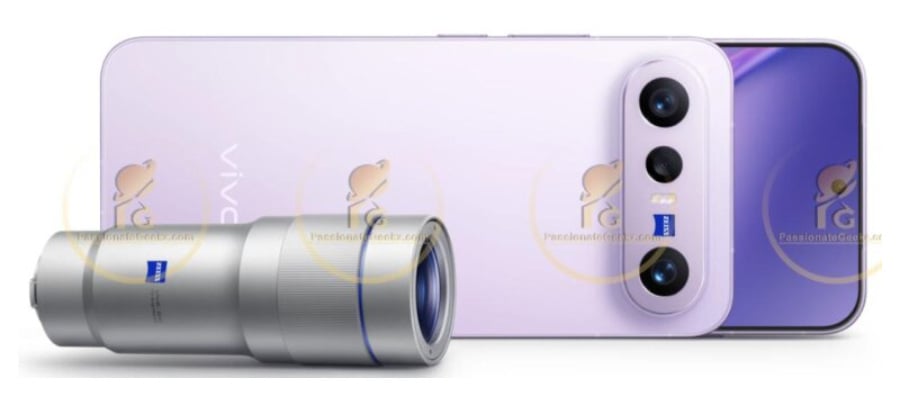
The core hardware won’t likely be much different, but according to 91Mobiles, the Vivo X300 FE could come with a 200mm ZEISS Telephoto Extender Kit in India. 

It’s a paid add-on that attaches via a dedicated case. According to reports, it enables 2.35x extended zoom, with support for up to a 200mm optical equivalent and a staggering 1600mm maximum focal length.

We’ve also gotten a closer look at the accessory. PassionateGeekz shared what appears to be an official render of the extender along with the phone’s pink variant. 

Vivo X300 FE Specifications

As for the phone itself, the Vivo X300 FE uses a Snapdragon 8 Gen 5 chip inside with LPDDR5X Ultra RAM and UFS 4.1 storage. It comes in configurations of up to 12GB of RAM and 512GB of storage.

The device features a 6.31-inch AMOLED display with a resolution of 2640 × 1216 pixels. The phone runs OriginOS 6, based on Android 16, and Vivo is promising five years of Android updates along with seven years of security patches.

Vivo X300 FE
Vivo X300 FE

On the camera side, the phone includes a 50-megapixel Sony IMX921 main sensor, a 50-megapixel telephoto camera with 3x optical zoom, and an 8-megapixel ultra-wide lens. For selfies, there’s a 50-megapixel front camera.

The X300 FE is backed by a 6,500mAh battery and supports 90W wired and 40W wireless charging. In Russia, the phone retails at RUB 60,124 (around $770) for the 12GB + 256GB variant.

India is also expected to get an additional green color option alongside the existing Moonlight White, Cool Purple, and Graphite Black variants.

For more daily updates, please visit our News Section.

Stay ahead in tech! Join our Telegram community and sign up for our daily newsletter of top stories

(Source 1 | 2)

The post Vivo X300 FE telephoto extender for India leaks in an official-looking image appeared first on Gizmochina.

Google’s NameDrop-like contact sharing feature is called “Tap to Share”

Google-tap-to-share-screengrab

Google has been quietly working on its own version of Apple NameDrop for a while now. The first signs surfaced back in November, and there’s already a video showing how it works. Now, a new report has revealed what Google plans to call it.

It’s called “tap to share.” Not subtle, but it gets the point across.

Folks over at Android Authority managed to enable the feature in Google Play Services v26.15.3.

Here’s how tap to share works

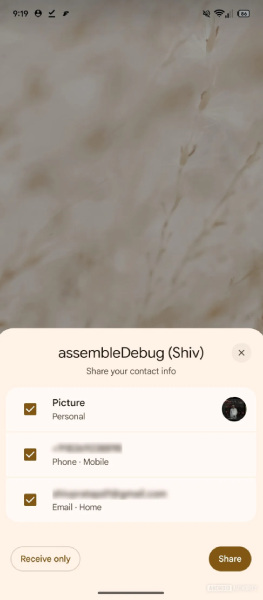
First, unlock your phone, bring the tops of the two devices together, and keep both screens facing up. From there, you can share contacts or send media like photos, videos, links, locations, and even “more”. You’ll need to hold the devices together until they glow, which acts as a visual confirmation that the transfer is underway.

There’s also a preview screen showing exactly what contact info you’re about to share before it’s sent, which is a nice touch.

If this all sounds familiar, that’s because it is. Apple NameDrop uses NFC to initiate the handshake, then switches to Bluetooth and Wi-Fi to actually move the data. Previous reports suggest Google is taking a similar approach here. The feature has even been spotted in Samsung One UI 9, hinting at broader ecosystem support.

And honestly, it’s about time. NameDrop is one of those small-but-delightful features with slick animations that make sharing feel effortless. Android has had plenty of sharing options over the years, but nothing quite this seamless.

We are not sure when Google will roll out the feature, but given how far along this build appears, it is safe to assume it will arrive sooner rather than later.

For more daily updates, please visit our News Section.

Stay ahead in tech! Join our Telegram community and sign up for our daily newsletter of top stories! 💡

(Source)

The post Google’s NameDrop-like contact sharing feature is called “Tap to Share” appeared first on Gizmochina.
Huawei drops Pura 90 Ultra from lineup, and sadly, the industry may follow

Huawei-Pura-90-Pro-Max-Design

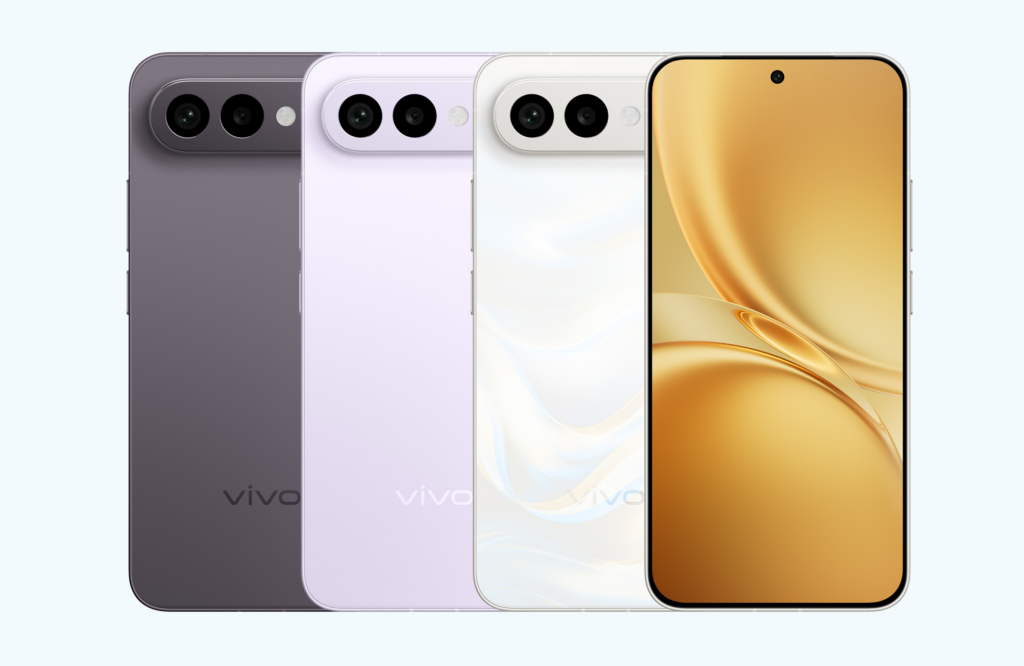
Huawei is set to launch the Huawei Pura 90 series phones in China on April 20th. The company has so far revealed and opened pre-orders for only two models — Huawei Pura 90 Pro and Pura 90 Pro Max — in China. 

If last year’s lineup is anything to go by, you’d expect four models in total. But that might not be the case anymore.

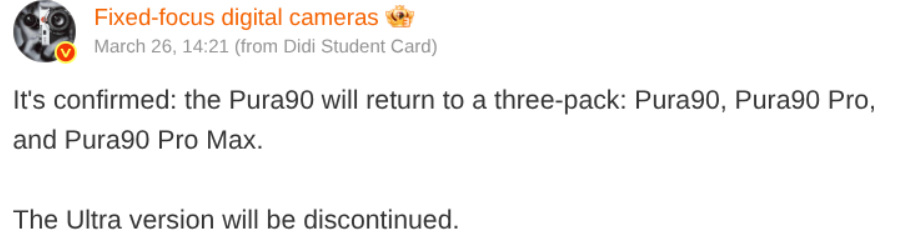
According to tipster Fixed Focus Digital, Huawei is scrapping the Ultra model altogether this generation. That is to say, Huawei Pura 90 series will have the vanilla, Pro, and Pro Max versions.

More interestingly, this might not be a Huawei-only move.

Many smartphone brands may discontinue Ultra models

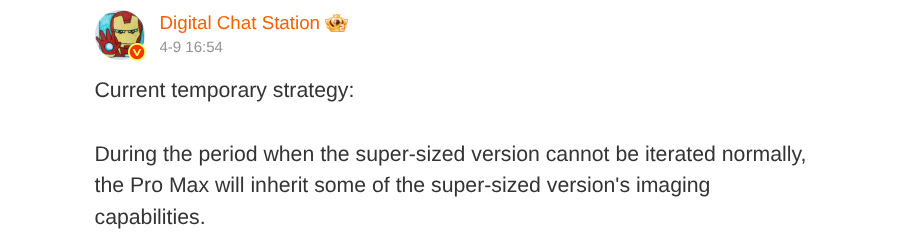
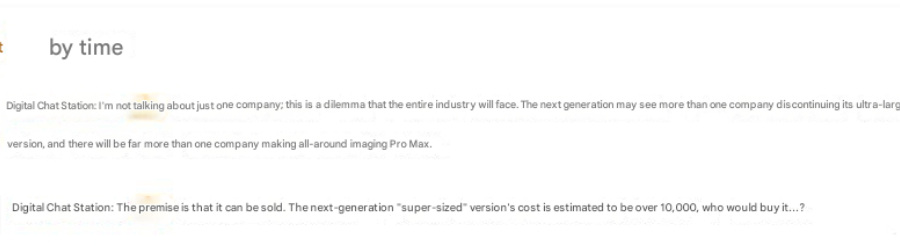
Another well-known leaker, Digital Chat Station, claims that several other smartphone brands are also hitting pause on their Ultra-tier devices. Instead, the companies could reshuffle their portfolios. 

The Pro Max that just sits below Ultra might inherit some of the imaging features that would have otherwise been reserved for the Ultra. Essentially, the Pro Max will replace the Ultra. 

The tipster notes that this is due to soaring memory prices. And in these circumstances, launching an Ultra model would push the retail price beyond 10,000 yuan (~ $1500), which is far above the typical pricing range for Ultra series devices.

The current surge in memory prices shows no signs of easing either. According to a report by Counterpoint Research, the supply gap in the memory market is unlikely to be resolved until at least the second half of 2027.

This means cost pressures will remain a persistent challenge for the smartphone industry for a considerable period. Combined with factors such as limited demand for Ultra models, many brands may opt to discontinue the Ultra line. 

For consumers, though, the implications are harder to ignore. The era of pushing top-tier specs at relatively aggressive prices may be winding down. And as brands recalibrate, the barrier to entry for true flagship experiences is only getting higher.

For more daily updates, please visit our News Section.

Stay ahead in tech! Join our Telegram community and sign up for our daily newsletter of top stories!

The post Huawei drops Pura 90 Ultra from lineup, and sadly, the industry may follow appeared first on Gizmochina.
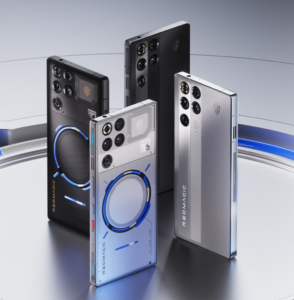
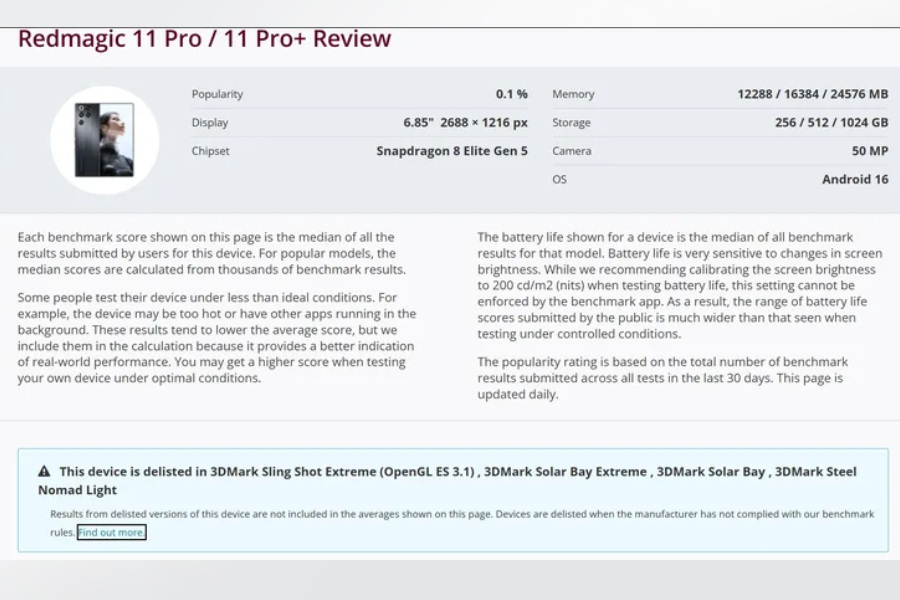
3DMark removes RedMagic 11 Pro and 11 Pro Plus from its benchmark database

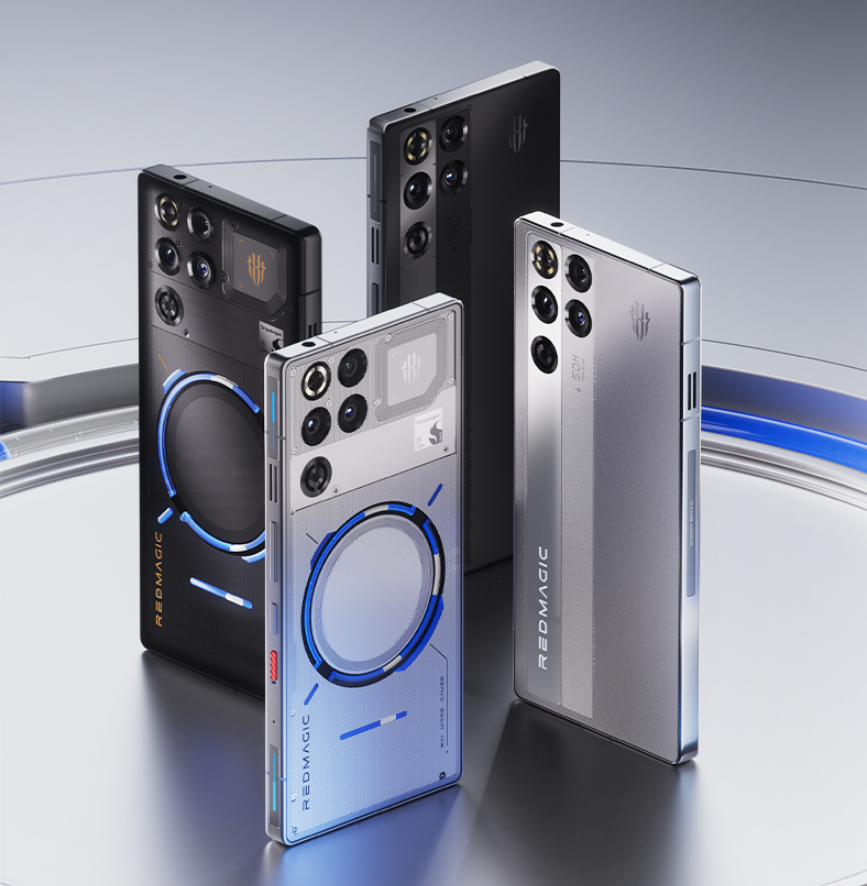
REDMAGIC 11 Pro and 11 Pro+

The benchmarking platform 3DMark has removed performance results for the RedMagic 11 Pro and RedMagic 11 Pro+ from its database.

According to reports, the listings for both devices were taken down because the manufacturer did not follow the rules during testing. The issue lies in how the phones handle performance limits when running benchmarking software.

3DMark says the devices behave differently when they detect its tests. Specifically, the phones are said to remove normal limits on power consumption and temperature while the benchmark is running. This allows the chipset to operate at unusually high levels without throttling, even as temperatures rise.

From 3DMark’s perspective, this creates results that don’t reflect typical real-world usage. The platform’s rules are designed to ensure that scores represent the performance users can expect under normal conditions, not in a special testing mode. Because of this, the results were classified as a violation and removed.

Here’s what Nubia replies 

Nubia, the brand behind the RedMagic series, has responded by defending its approach.

In a statement to Android Authority, the company said its devices are built for “high-performance experiences,” particularly in demanding gaming scenarios, and include multiple performance modes that users can enable. It specifically pointed to a feature called “Diablo Mode,” which is designed to push the hardware to its limits under heavy workloads.

REDMAGIC 11 Pro and 11 Pro+

The company also said that benchmarking should be viewed as “an indicator of a device’s performance potential under controlled, high-load conditions,” adding that results can vary depending on system settings and usage.

In other words, Nubia is saying that the scores reflect what the hardware is capable of, even if that level of performance isn’t always active by default.

It’s not surprising to see a brand optimizing specific apps to run better—that’s actually a good thing. But in the case of benchmark apps, this shouldn’t happen, as it is considered manipulation of scores.

For more daily updates, please visit our News Section.

Stay ahead in tech! Join our Telegram community and sign up for our daily newsletter of top stories.

The post 3DMark removes RedMagic 11 Pro and 11 Pro Plus from its benchmark database appeared first on Gizmochina.

Huawei Pura X Max beats Apple in launching world’s first wide-folding phone

Huawei-Pura-X-Max-Design-2

Huawei has a launch event scheduled for April 20, where it is set to refresh its Pura lineup. The update includes the Pura 90 series, which Huawei has already started teasing, and a foldable in the Pura X lineup. Now, according to tipster Digital Chat Station, this new model is called the Pura X Max.

The Pura foldable line from Huawei is known for wide-folding devices, and no surprises, the Pura X Max follows the same route. 

Huawei Pura X Max Specs (Expected)

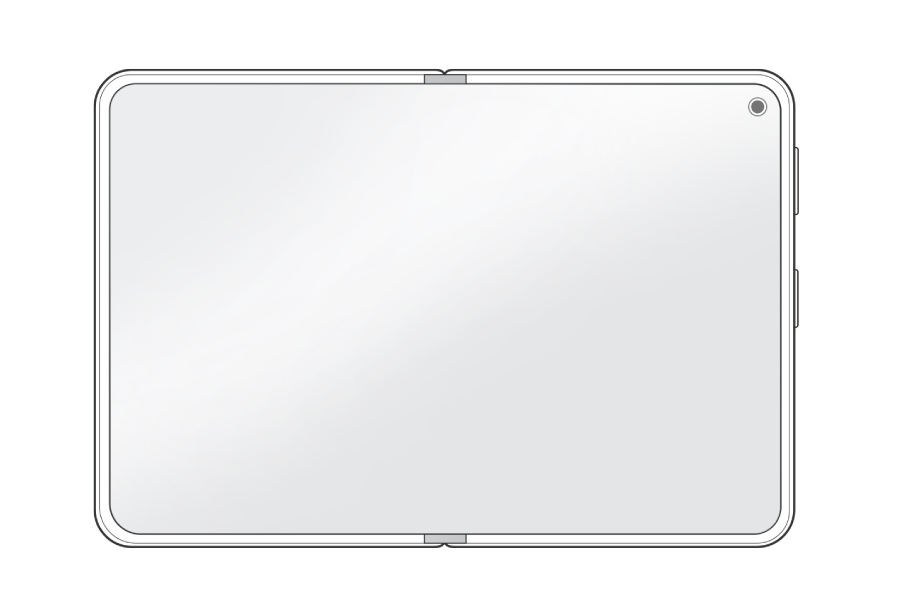
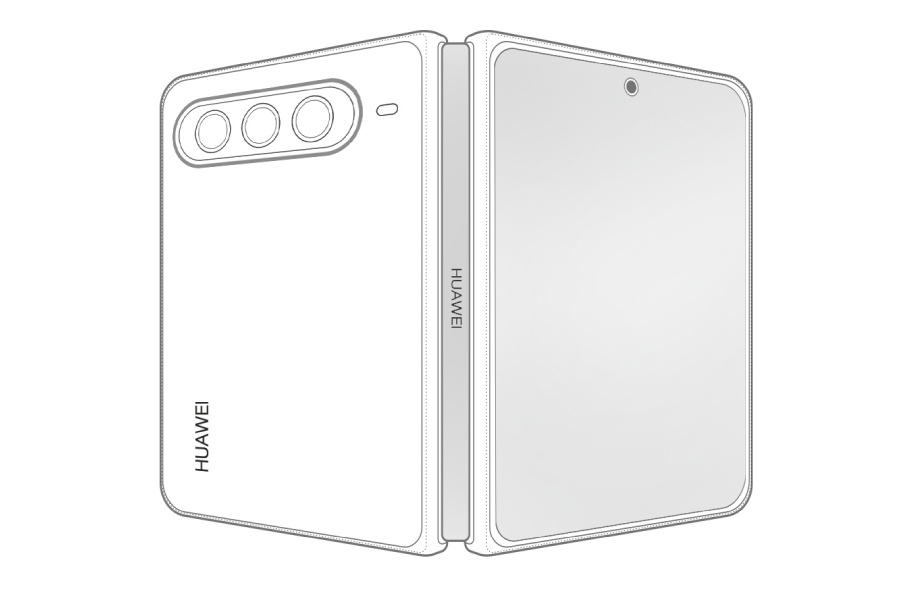
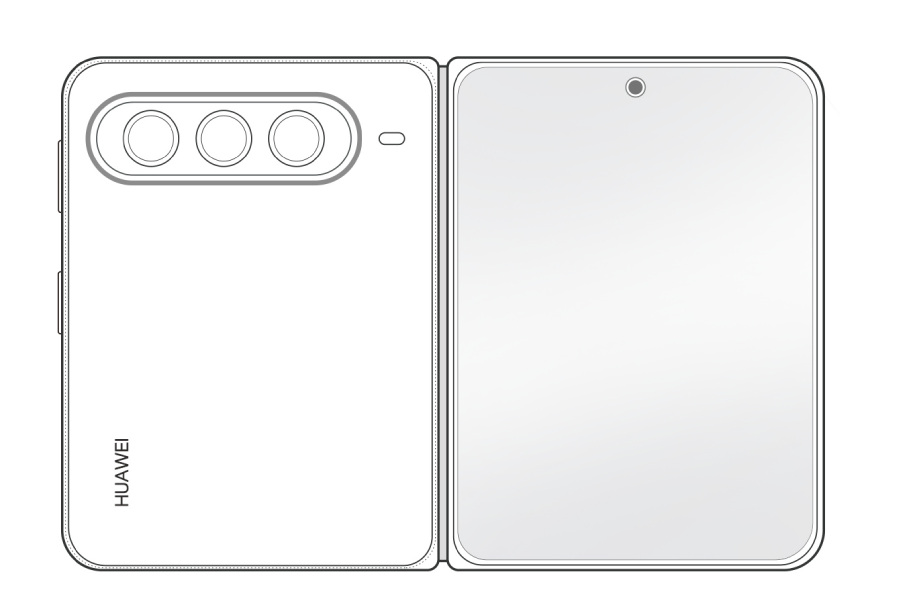
However, unlike the original Pura X, the X Max is said to be a horizontally folding device. The design is the same as what’s expected for the Apple iPhone Fold (or Ultra, as rumors say), but Huawei will be the first to launch such a device. It will feature a 7.69-inch WQHD+ inner display and a 5.5-inch outer screen.

The inner display will offer more usable space, while the outer screen is designed for quick, everyday tasks. Huawei is reportedly sticking with a 16:10 aspect ratio, similar to its earlier model.

Lucky for us, another tipster, Fixed Focus Digital, has shared the foldable’s front and back design on Weibo.

There are also expected upgrades under the hood. The Pura X Max is rumored to use Huawei’s Kirin 9030 chip, which is also said to power the Pura 90 series. The chip reportedly uses a new 9-core architecture, with improvements in overall performance.

Moreover, the device is expected to include Huawei’s Red Maple Quad Camera system, with a particular focus on improving the telephoto lens.

As we mentioned earlier, this type of foldable design will not remain exclusive to Huawei for long. Apple is working on a foldable iPhone with a similar tablet-like aspect ratio, possibly arriving in September. Meanwhile, Samsung is also working on a wide-foldable called the Galaxy Z Fold 8 Wide.

For more daily updates, please visit our News Section.

Stay ahead in tech! Join our Telegram community and sign up for our daily newsletter of top stories.

(Source 1 | 2)

The post Huawei Pura X Max beats Apple in launching world’s first wide-folding phone appeared first on Gizmochina.
Xiaomi hikes Redmi K90 Pro Max, Redmi Turbo 5 series price in China

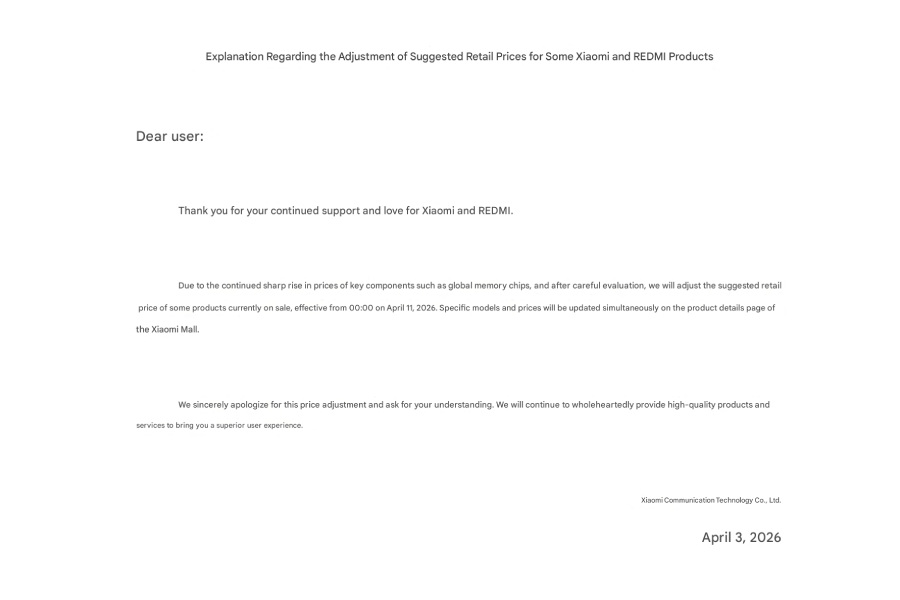
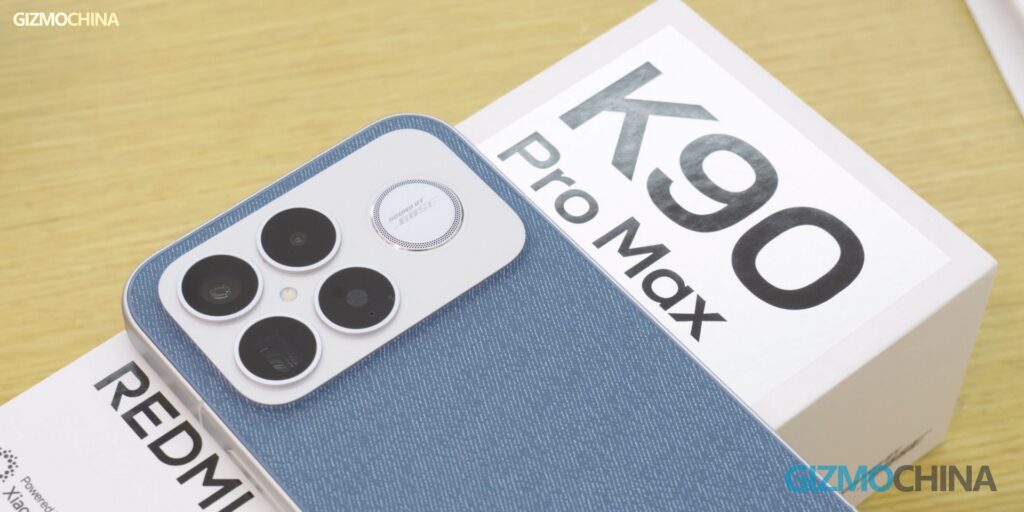
Xiaomi is raising the prices of some Redmi phones in China, and the changes are taking effect today. The company confirmed it’s bumping prices on three of its higher-end models: the Redmi K90 Pro Max, Redmi Turbo 5, and Redmi Turbo 5 Max.

According to the brand, the increases are due to the “continued sharp rise” in the cost of key components, especially global memory chips.

Redmi Price hike announcement

Here are the new effective prices

The most direct increase is to the Redmi K90 Pro Max, which now costs 200 yuan more across all configurations. The base 12GB + 256GB variant is now priced at 4,199 yuan, up from its earlier launch price of 3,999 yuan. Higher-end variants follow the same pattern, with the top 16GB + 1TB model now listed at 5,499 yuan, compared to its initial price of 5,299 yuan.

Things are a little less straightforward with the Redmi Turbo 5 and Turbo 5 Max. The prices have gone up, but not because Xiaomi is raising them directly. Instead, the company has ended its Spring Festival promotional discounts, effectively snapping both phones back to their standard retail pricing.

However, Xiaomi is still offering a 200 yuan subsidy on the 512GB variants, which slightly softens the impact for buyers considering higher storage options.

This means the Redmi Turbo 5 now starts at 2,299 yuan for the 12GB + 256GB model, while the Turbo 5 Max begins at 2,499 yuan for the same configuration. Previously, both models were available at lower “initial sale” prices during promotional periods.

None of this comes as much of a surprise. Memory prices have been trending upward for a while now, and manufacturers usually pass at least some of those costs down the line.

For more daily updates, please visit our News Section.

Stay ahead in tech! Join our Telegram community and sign up for our daily newsletter of top stories.

The post Xiaomi hikes Redmi K90 Pro Max, Redmi Turbo 5 series price in China appeared first on Gizmochina.

❌