Reading view

Vivo Y6 5G debuts with 4nm chipset, 7200mAh battery, and a “breathing light”

Vivo has quietly added a new model to its Y-series lineup, and this one seems built around a simple idea. Long battery life, decent performance, and a design that can take a bit of rough use.

The Y6 5G runs on the 4nm Snapdragon 4 Gen 2, which we have already seen in similar mid-range devices. It is not trying to be a performance powerhouse, but it should handle everyday things like scrolling, messaging, and streaming just fine. The phone itself is 8.39mm thick and weighs about 219 grams. You will probably feel the weight, but that is kind of expected with a battery this big.

On the front, there is a 6.57-inch LCD panel with a 120Hz refresh rate. Resolution is on the lower side at 1570 x 720, but the peak brightness goes up to 1,200 nits, so visibility outdoors should not be an issue. Going with an HD+ panel instead of FHD+ is likely a deliberate choice to ensure smoothness without putting too much strain on the Adreno 613 GPU of the lower mid-range chip.

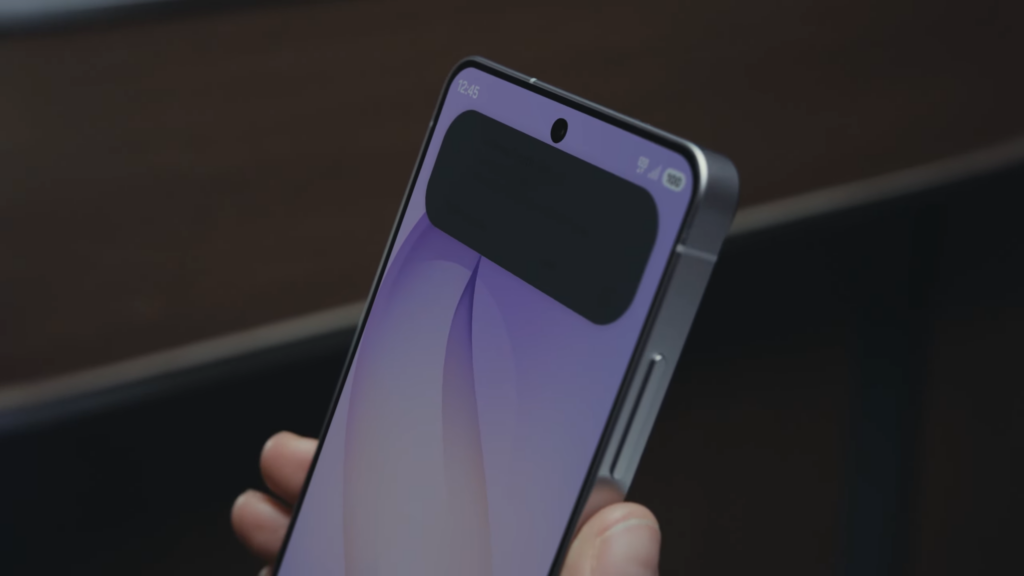
Cameras are fairly straightforward. A 50MP main sensor handles most of the work, while an 8MP front camera takes care of selfies and video calls. A “breathing light” is added to the camera island, serving as both a notification indicator and a subtle design element.
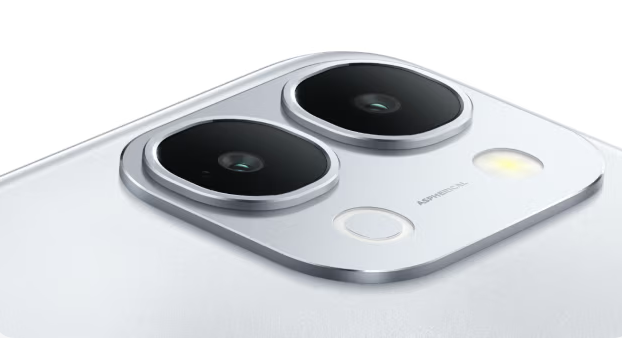
The real highlight, though, is the 7,200mAh battery. It should easily last through a full day, maybe more, depending on usage. It supports 44W charging, so it is not too slow to top up either. There is a side-mounted fingerprint scanner, an IR blaster, and even IP68 and IP69 ratings for ingress protection.

The phone runs OriginOS 6 based on Android 16. Vivo has not said much about long-term updates yet, so that part is still a bit unclear.

Pricing and availability:

The Vivo Y6 5G has been launched in China and is already listed for sale on the official Vivo China website, but it is currently unclear if or when it will be released outside of China.

12GB+256GB: CNY 2199 (equivalent to € 275)
8GB+256GB: CNY 1999 (equivalent to € 250)
8GB+128GB: CNY 1799 (equivalent to € 225)

Don’t miss a thing! Join our Telegram community for instant updates and grab our free daily newsletter for the best tech stories!

For more daily updates, please visit our News Section.

(Vivo)

The post Vivo Y6 5G debuts with 4nm chipset, 7200mAh battery, and a “breathing light” appeared first on Gizmochina.
Moto G87 schematics confirm design ahead of official launch

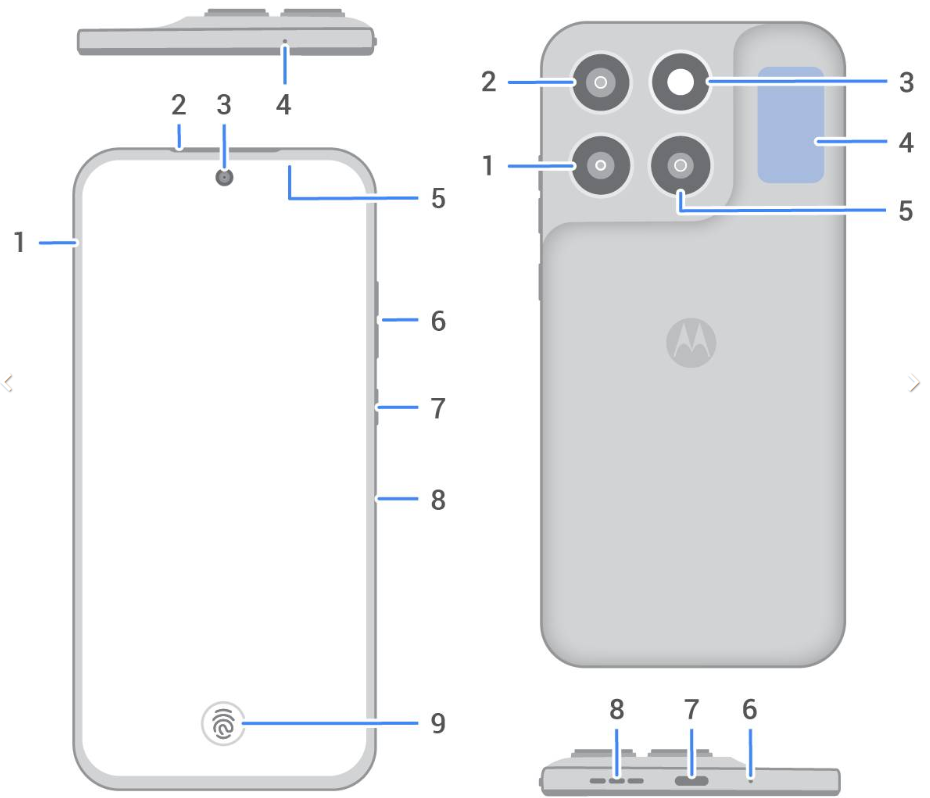
Motorola looks set to expand its Moto G lineup once again. Just three months after the Moto G67 and G77 launched, early signs of a new model, the Moto G87, have started to show up online.

Schematics of the phone have appeared on official support pages, offering a look at the design and a few early details. A European retailer has also listed the device, revealing some more information and giving us a rough idea of what to expect.

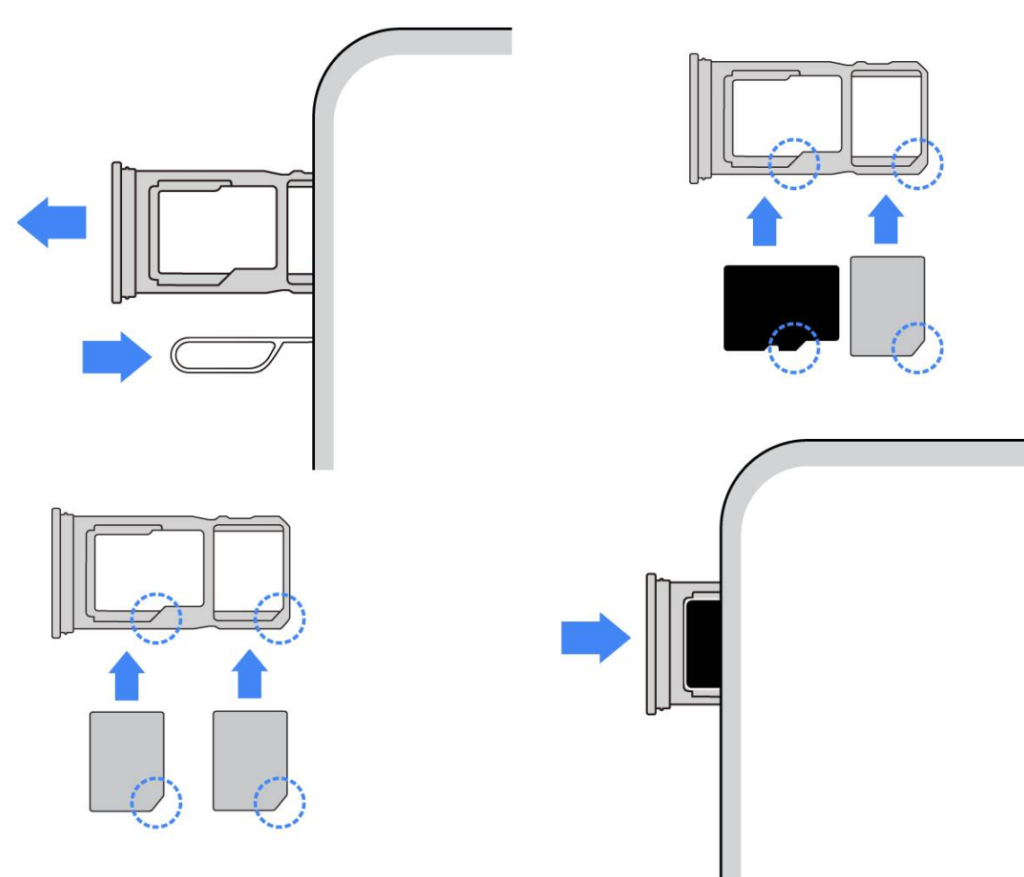
The phone supports expandable storage via a hybrid SIM slot, with microSD support going up to 2TB. That is a big plus for users who work with large media files.

More concrete information comes from an Italian retailer, Epto, which has listed the Moto G87 in two variants, both with 8GB RAM and 256GB storage. The listed price is €406.89. That places it slightly above the Moto G77 and G67, suggesting it will sit somewhere in between or just above them in the lineup.

Color options also seem to be a focus this time. The retailer listing mentions Pantone Overture Gray and Pantone Blue Atoll. A firmware leak hints at more finishes, including Arctic Seal, Black Olive, Nile, and Shaded Spruce, so there could be a wider range at launch.

Under the hood, the Moto G87 carries the codename “Naples” and is tied to the MT6835 platform. That points to a MediaTek Dimensity 6000 series chip, though the exact version is still unclear. Based on previous models, performance should land in familiar mid-range territory.

There is still no word on display, cameras, or battery, but the early details suggest a focus on practicality. With official pages already live and retail listings in place, a full launch does not seem too far off.

Don’t miss a thing! Join our Telegram community for instant updates and grab our free daily newsletter for the best tech stories!

For more daily updates, please visit our News Section.

(Sources: 1, 2, 3)

The post Moto G87 schematics confirm design ahead of official launch appeared first on Gizmochina.

DJI Lito series debuts with up to 52-minute flight time, 4K/60fps HDR recording, and LiDAR obstacle detection

DJI is expanding its more affordable drone lineup with a new Lito series, aimed at beginners and casual users who want something easy to fly without giving up too much in terms of features. The focus here is to keep things simple, keep them portable, and still offer enough capability to make aerial photography worthwhile.

DJI Lito X1

The lineup includes two models. The Lito 1 is positioned as the more accessible option, while the Lito X1 steps things up slightly with better hardware and more advanced safety features. Both are lightweight, coming in under 249 grams, and feature foldable designs that make them easy to carry around.

Both drones support DJI’s O4 transmission system, offering a stable 1080p video feed, and there is optional 4G support for better connectivity. Quick takeoff is another highlight, cutting down the wait time before you can actually start flying. They can also track and retrace flight paths in well-lit environments, which should help beginners feel a bit more confident.

Battery life is solid for the segment. The standard Intelligent Flight Battery is rated for up to 36 minutes, while an extended option can push that to around 52 minutes. The omnidirectional vision system actively avoids obstacles like cliffs, and walls, making the drones beginner-friendly. The Lito X1 also adds a forward-facing LiDAR sensor for improved depth sensing and more precise obstacle detection.

DJI Lito 1

The Lito 1 uses a 1/2-inch 48MP sensor that can capture 8K photos and 4K/60fps video. The Lito X1, however, is where things get more interesting. It steps up to a larger 1/1.3-inch sensor (with the same resolution) and adds support for 4K/60fps HDR video, 4K/100fps slow-motion recording, and 10-bit D-Log M.

There are also plenty of software features like subject tracking, quick-shot modes, time-lapse, and panoramas. Taken together, the Lito series feels like a push to make entry-level drones a bit more capable, without making them harder to use.

Pricing and availability:

Pricing in China starts at 1,999 yuan for the Lito 1, with bundles going higher depending on the controller. In Europe, the Lito 1 is priced at €339, with the Fly More Combo (DJI RC-N3) at €479. The Lito X1 starts at 2,488 yuan in China, while European pricing begins at €419, going up to €579 for the Fly More Combo with the DJI RC 2 controller.

Both the drones are already available for order through where-to-buy and authorized retailers.

(Sources: DJI | ITHome)

The post DJI Lito series debuts with up to 52-minute flight time, 4K/60fps HDR recording, and LiDAR obstacle detection appeared first on Gizmochina.

Honor 600 Pro outlasts Galaxy S26, iPhone 17 Pro in crazy battery test

Honor is taking a slightly different approach to highlight battery performance this time. Instead of the usual lab tests or screen-on time claims, the company decided to stage something a bit more visual and, honestly, more entertaining.

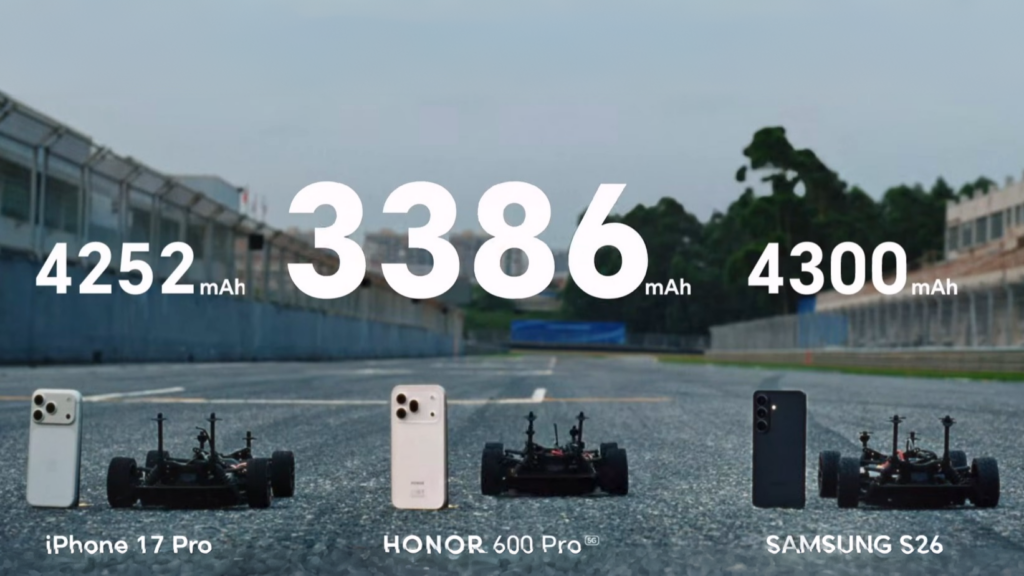
The newly launched Honor 600 series comes with a strong focus on battery life, especially in its Asian variants, which pack a 7,000mAh silicon-carbon battery. European models get a slightly smaller 6,400mAh unit, but even that is still above what Apple and Samsung have ever used in their flagship phones.

To show what that larger battery can do, Honor’s team came up with an unusual demo. They removed the batteries from three phones, the Honor 600 Pro, an iPhone 17 Pro, and a Samsung Galaxy S26, and used them to power small RC cars. The idea was simple. Let them run and see which one lasts the longest.

Unsurprisingly, the Honor-powered car kept going well after the others stopped. The iPhone dropped out first, followed by the Galaxy, which managed to hold on a bit longer. The whole thing is presented with a bit of humor too, with labels like “First to Retire” and “Persistent Challenger” added for effect.

Of course, this is not a perfect real-world comparison. Smartphone battery life depends on more than just capacity. Software optimization, display efficiency, and thermal control all play a role. But raw capacity is what Honor is highlighting, and this demo does a good job of showing that.

For those curious, the Honor 600 Pro is built around the 3nm Snapdragon 8 Elite chipset and a 6.57-inch AMOLED panel that can reach a peak brightness of 8,000 nits. It runs MagicOS 10 based on Android 16 and is promised to receive up to six years of OS updates.

As for imaging, Honor has paired a 200MP main camera with a 50MP 3.5x telephoto, a 12MP ultrawide, and a 50MP front camera. The overall design appears to take some inspiration from the iPhone 17 Pro models, particularly in the orange finish. Even so, it stands out as a strong mid-range Android option, with slim and symmetrical bezels, a very bright display, flagship-level performance, and long battery life.

Don’t miss a thing! Join our Telegram community for instant updates and grab our free daily newsletter for the best tech stories!

For more daily updates, please visit our News Section.

(Source)

The post Honor 600 Pro outlasts Galaxy S26, iPhone 17 Pro in crazy battery test appeared first on Gizmochina.

Honor MagicPad 3 Pro 12.3″ launches with 165Hz OLED display, hits 3,000 nits peak brightness

Honor has officially introduced a compact version of the 13.3″ MagicPad 3 Pro, which debuted in China back in October last year. The idea here is pretty clear: you lose some screen size, but you get a much better panel and a more manageable form factor. Depending on what you care about, that might be a trade worth making.

The display is the highlight here. The 13.3-inch model uses an IPS panel with up to 1,100 nits of brightness. This one switches to a 165Hz OLED panel that can go up to 3,000 nits. That’s a big jump. You also get the usual OLED advantages like deeper blacks and better contrast. Bezels are slim at 3.9mm, and there’s 5,280Hz PWM dimming for more comfortable viewing over long sessions. Overall, this is clearly the better screen.

Performance is still in flagship territory. The tablet runs on the Snapdragon 8 Gen 5, which sits just below the Snapdragon 8 Elite Gen 5 used in the larger version. On paper, it’s a step down, but the difference will show up only in heavier tasks like gaming or complex video editing. For everyday use like streaming, the improved display easily makes up for the slightly lower compute, if that’s not your priority. Gaming features like super-resolution are still part of the package.

The size reduction also makes a difference in hand. At 4.8mm thick and 450 grams, it’s noticeably slimmer and lighter than the 13.3-inch model, which comes in at 5.8mm and 595 grams. Although one downside of that is a smaller battery. Capacity drops from 12,450mAh to 10,100mAh. Still decent, but something heavy users might want to keep in mind.

Honor is also leaning into productivity here. There’s a PC mode, support for external displays, and a keyboard folio accessory is on the way.

Pricing and availability:

The MagicPad 3 Pro 12.3″ is already available for purchase in China. Pricing starts at CNY 3,999 (equivalent to $585) for the 8GB and 256GB version, going up to CNY 5,699 for the 16GB and 512GB model.

Just like the 13.3″ version, there’s no word on global availability yet. That’s likely because the MagicPad 4 is already available globally with MagicOS 10 and offers nearly identical hardware to the MagicPad 3 Pro 12.3″. Interested users can check out our review of the device for a closer look.

Don’t miss a thing! Join our Telegram community for instant updates and grab our free daily newsletter for the best tech stories!

For more daily updates, please visit our News Section.

(Honor)

The post Honor MagicPad 3 Pro 12.3″ launches with 165Hz OLED display, hits 3,000 nits peak brightness appeared first on Gizmochina.

Insta360 Luna Ultra leaked video shows detachable gimbal head

DJI has dominated the compact gimbal camera space for years. To the point where the category almost feels tied to the brand itself. But that position might finally be facing some real competition, and a short leaked clip is giving us a better idea of what Insta360 has been working on.

A teaser video that’s been floating around on social media shows what appears to be the Insta360 Luna Ultra. It’s not clear where the footage originally came from, or whether this is part of an official teaser. Still, what’s shown lines up closely with earlier leaks, so it’s hard to ignore.

The biggest takeaway here is the design. The Luna Ultra uses a modular setup with a detachable gimbal head. Unlike the Osmo Pocket 4, which sticks to a single, fixed body, this one splits into two parts. The camera module can be separated from the handle, which then acts as a controller.

That opens up some interesting possibilities. You could mount the camera in tighter or more awkward spots while controlling it from a distance. For creators who shoot in less predictable environments, that kind of flexibility could actually make a difference.

This isn’t coming out of nowhere either. Insta360 already previewed the Luna Ultra at NAB 2026, where it drew a fair bit of attention. The lineup is expected to include two versions, the dual-camera Luna Ultra and the single-camera Luna Pro. Current timelines point to a June 2026 launch, though there are hints it could arrive a bit sooner.

Alongside that, Insta360 is also set to introduce the Insta360 Mic Pro, suggesting a broader push to build out a more complete ecosystem around its cameras.

DJI’s Osmo Pocket 4 is still a very refined product. But if this leak is even partly accurate, Insta360 might be approaching the category from a slightly different angle. And that alone makes things interesting.

Don’t miss a thing! Join our Telegram community for instant updates and grab our free daily newsletter for the best tech stories!

For more daily updates, please visit our News Section.

(Source)

The post Insta360 Luna Ultra leaked video shows detachable gimbal head appeared first on Gizmochina.
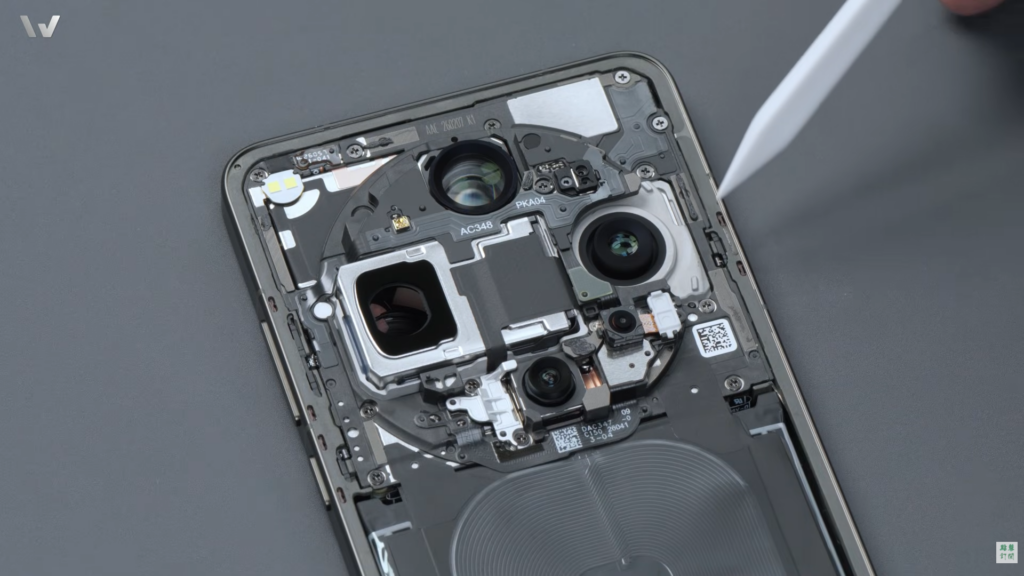
Oppo Find X9 Ultra teardown offers a closer look at the camera modules

Flagship phones are designed to impress at first glance. But what’s inside often tells a more complete story. How things are arranged, what materials are used, and how well everything comes together all matter. The Oppo Find X9 Ultra has only just been announced, and it’s already been taken apart piece by piece.

YouTube channel WekiHome has published a full teardown of the device, and as expected, it’s a detailed one. The host goes through each component carefully, explaining what’s where and why it matters. The video itself is in Chinese, but YouTube’s auto-translated captions do a decent enough job, so you can still follow most of what’s being explained.

Once the eco-leather back panel is removed, the teardown offers a clearer look at the camera layout from the inside. It’s interesting to see how Oppo has managed to fit four lenses into that circular module, including two chunky periscope telephoto units (3x and 10x). The two cameras in the middle are the 3x periscope on the left and the main sensor on the right, while the 10x periscope sits at the top. The ultrawide camera at the bottom looks tiny in comparison to the rest of the hardware.

This is Oppo’s big flagship play for 2026. It’s clearly aiming at the ultra-premium segment, going up against devices like the Vivo X300 Ultra and Xiaomi 17 Ultra, both of which are heavily focused on camera performance. It also sits alongside more mainstream flagships like the iPhone 17 Pro Max, though the priorities here feel a bit more camera-first.

Teardowns like this don’t appeal to everyone, but for some people, they’re genuinely useful. You get a better sense of things like repairability, thermal design, battery placement, and overall build quality. These are details that don’t show up on a spec sheet.

If you’re considering the Find X9 Ultra, this teardown is a good companion to a full review. Between the two, you get a pretty complete picture of what the phone is actually like to live with.

Don’t miss a thing! Join our Telegram community for instant updates and grab our free daily newsletter for the best tech stories!

For more daily updates, please visit our News Section.

The post Oppo Find X9 Ultra teardown offers a closer look at the camera modules appeared first on Gizmochina.
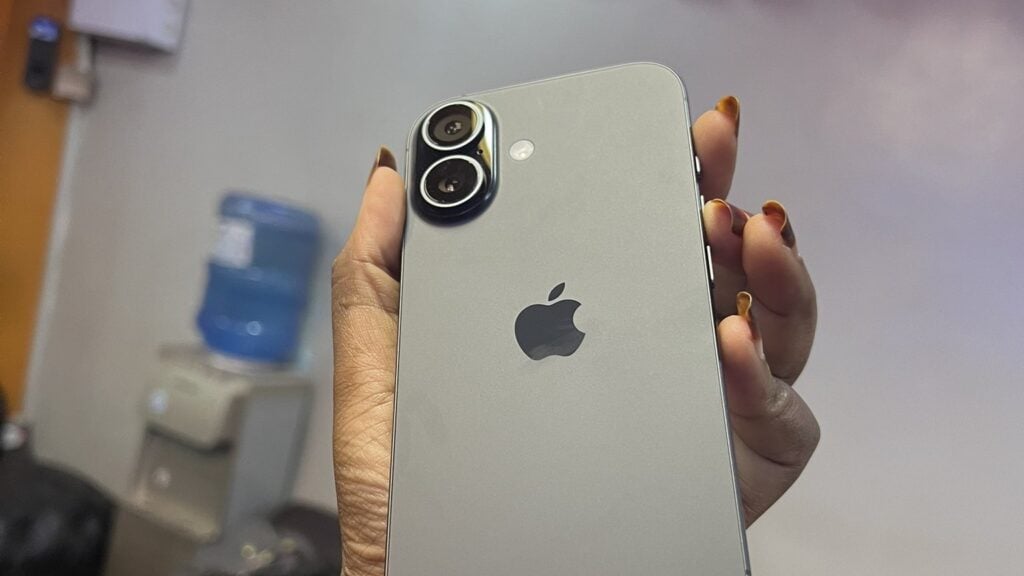
iPhone 18 tipped to downgrade to M12+ display used in 2023 Galaxy S23 series

If a new report is anything to go by, the base iPhone 18 might actually take a step back in one key area. According to the latest supply chain chatter, Apple could use Samsung’s M12+ OLED material for the standard iPhone 18. That’s basically a tweaked version of M12, which was used in devices like the iPhone 14 Pro and Galaxy S23 Ultra. In other words, it’s not exactly cutting-edge anymore.

Meanwhile, the Pro models are expected to move ahead with Samsung’s newer M16 material. That’s a noticeable gap. Especially when you consider that even current iPhones are already using more advanced panels than what’s now being rumored for the base iPhone 18.

This isn’t really about how the screen looks at first glance. The bigger difference with newer OLED materials tends to be efficiency — how much power the display needs to hit a certain brightness level. Newer panels are simply better at this. Older ones, not so much.

So the concern is pretty straightforward. The iPhone 18 is expected to run on Apple’s upcoming A20 chip, likely built on a 2nm process, which should improve power efficiency. But if the display is less efficient, some of those gains could get canceled out in everyday use. You might not see the battery improvements you’d expect just from the chip upgrade.

Of course, Apple could balance things out with a larger battery. That’s always an option. But then again, that’s more of a workaround than a real fix.

If this turns out to be accurate, it does raise a question: how far is Apple willing to push the gap between the standard and Pro models?

Don’t miss a thing! Join our Telegram community for instant updates and grab our free daily newsletter for the best tech stories!

For more daily updates, please visit our News Section.

(Source | Image)

The post iPhone 18 tipped to downgrade to M12+ display used in 2023 Galaxy S23 series appeared first on Gizmochina.

Switchable 2D–3D display could be Samsung’s next big Ultra upgrade

Galaxy-S26-Ultra-Privacy-Display

Glasses-free 3D has been attempted more than once, and it hasn’t gone well. But Samsung might finally have a solution to the problem that held it back, and the Galaxy S28 could be where it shows up first.

Galaxy-S26-Ultra-Privacy-Display

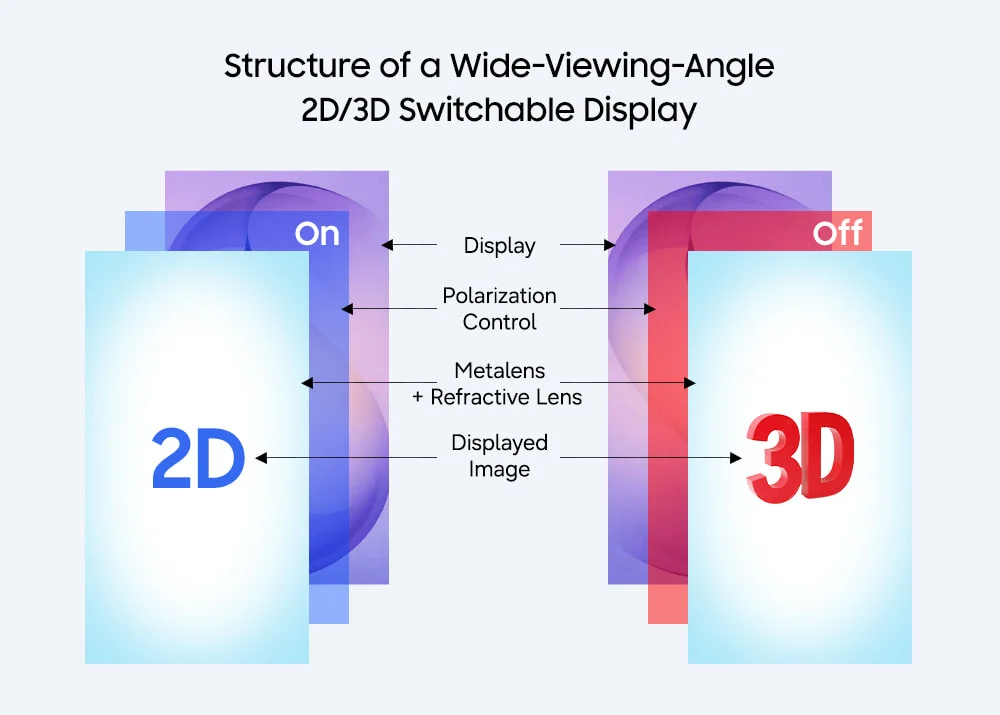
The company has been quietly working on a new approach to displays. In collaboration with POSTECH, Samsung’s Visual Technology Team recently published research in Nature describing something called a “metasurface lenticular lens”. It’s essentially a much thinner, more precise way of controlling how light reaches your eyes.

The idea itself is pretty straightforward. Instead of relying on the thick lenticular layers used in older 3D displays, this setup uses nanoscale structures to direct light more accurately. That allows the screen to switch between normal 2D and glasses-free 3D with a simple voltage change. No extra hardware, no compromise to regular viewing.

One of the biggest issues with older glasses-free 3D tech was how picky it was. You had to be in exactly the right position or the effect would break. Samsung claims its version solves that, with a viewing angle of up to 100 degrees. In theory, that means you can move around a bit or even share the screen without everything falling apart.

The layer itself is also surprisingly thin, about 1.2mm. It can sit inside existing OLED stacks without forcing major design changes. Samsung has already tested the concept on a small OLED panel using a 50×50mm prototype, so this isn’t just a lab idea anymore.

As for where this might show up, the Galaxy S28 Ultra seems like the obvious candidate. That said, it could make even more sense on book-style foldables, where the larger display could actually take advantage of the added depth in games or video.

Samsung’s own statement hints at broader plans too, mentioning possible use across phones, tablets, and other devices. So this looks more like a long-term direction rather than a one-off experiment.

If it all comes together, glasses-free 3D might finally move past the “cool but useless” phase, and actually become something people want to use.

Don’t miss a thing! Join our Telegram community for instant updates and grab our free daily newsletter for the best tech stories!

For more daily updates, please visit our News Section.

(Source)

The post Switchable 2D–3D display could be Samsung’s next big Ultra upgrade appeared first on Gizmochina.
Pixel users facing significant battery drain after March 2026 update

Google has now acknowledged a battery drain issue affecting Pixel phones after the March 2026 update, and it’s been frustrating quite a few users.

Reports started showing up not long after the update rolled out. People noticed their phones losing charge much faster than usual, sometimes even when the device was just sitting idle. For many, what used to be an easy full-day battery is now barely getting through half a day.

Most of the complaints have been popping up on forums like Reddit, where users describe overnight battery drops or phones struggling with fairly normal usage. Some have tried the usual fixes, turning on battery saver, adjusting settings, even installing the April patch, but for a lot of people, nothing really seems to help.

A fix is underway

Google has since listed the issue on its Issue Tracker and marked it as a P1 priority, which usually means it’s being treated as urgent.

From what’s been shared so far, one possible cause is that affected devices aren’t properly entering Deep Doze mode after the update. That’s the system that’s supposed to limit background activity when the phone isn’t in use. If it doesn’t kick in as it should, the phone just keeps doing more than it needs to in the background, and the battery takes the hit.

To get a sense of how widespread this might be, Android Authority ran a reader poll. Around 75.9% of respondents said they noticed increased battery drain after a recent update, while about 15% said nothing really changed. It’s not a perfect measure, but combined with all the reports online, it does suggest this isn’t just a small batch of affected users.

The issue doesn’t seem limited to one model either. Reports mention everything from older Pixel 7 units to newer Pixel 10 devices.

For now, Google says it’s investigating, but there’s no confirmed fix or timeline yet. Most likely, any proper solution will arrive through a future update.

In the meantime, some users are trying temporary workarounds like switching network modes or limiting background activity. Results are mixed, though.

Don’t miss a thing! Join our Telegram community for instant updates and grab our free daily newsletter for the best tech stories!

For more daily updates, please visit our News Section.

(Sources: 1, 2)

The post Pixel users facing significant battery drain after March 2026 update appeared first on Gizmochina.

❌