Smartphone batteries naturally degrade over time, which often leads people to consider buying a completely new device. However, simply replacing the aging battery is a practical way to extend a phone’s lifespan. Recognizing this, Xiaomi has announced its May Service Week in China, running until May 7th, offering battery replacements at a noticeable discount.
During this event, the cost for a new battery starts at 47.2 yuan (roughly $7), which includes a 20% discount. What makes this program particularly useful is the wide range of supported devices. The promotion covers 67 different models across several generations.
Eligible smartphones include older devices, such as the Xiaomi 10 Pro, along with models from the Xiaomi 11, 12, 13, 14, and the newly released Xiaomi 15 series. It also covers the Mix series, including the Mix 4, Mix Fold models, and Mix Flip and key Redmi lineups.
This includes the Redmi Note series (such as the Redmi Note 10, 11, 12, 13, and 14 series), the performance-oriented Redmi K series (K40, K50, K60, and K70 series), and the Redmi Turbo series. Additionally, models from the broader Redmi number series, such as the Redmi 14C, are included.
Xiaomi regularly hosts these service weeks throughout the year in China, and they have become a popular initiative. It provides users with an affordable maintenance option, helping to keep functional hardware in use rather than requiring an expensive upgrade.
Alongside the promotion, Xiaomi shared some straightforward advice regarding battery health. The company clarified that normal battery degradation, where a battery gradually holds less charge after hundreds of cycles, is expected behavior. They said that users shouldn’t worry too much about normal wear and should simply consider a replacement when the battery no longer meets their daily routine.
However, Xiaomi also pointed out that abnormal degradation caused by physical impact, extreme temperatures, or poor charging habits should be addressed promptly. To help batteries last longer, the company recommends avoiding extreme heat or cold and maintaining standard charging routines.
For more daily updates, please visit our News Section.
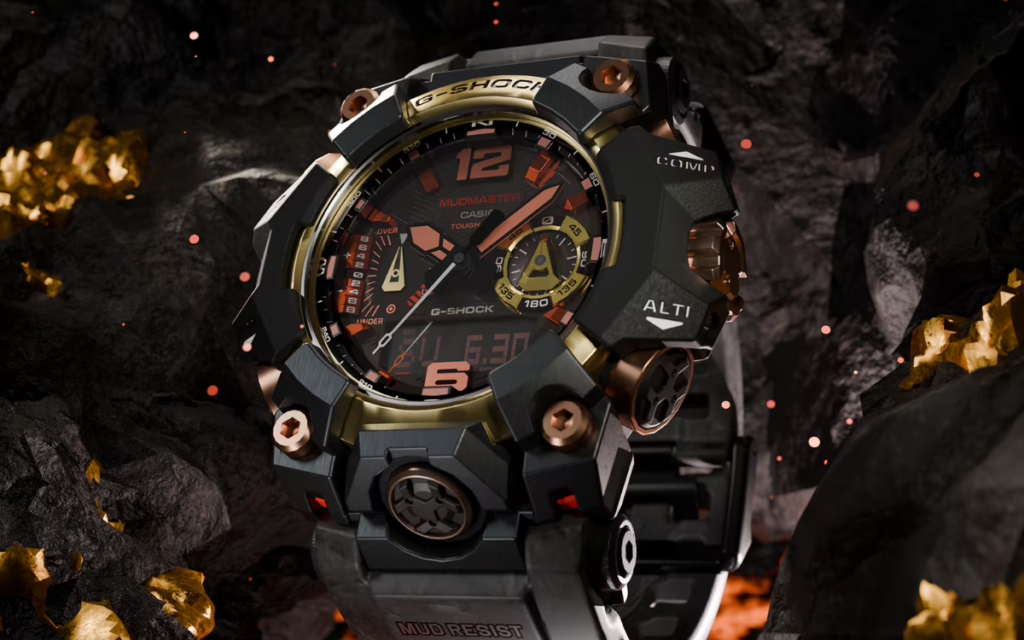
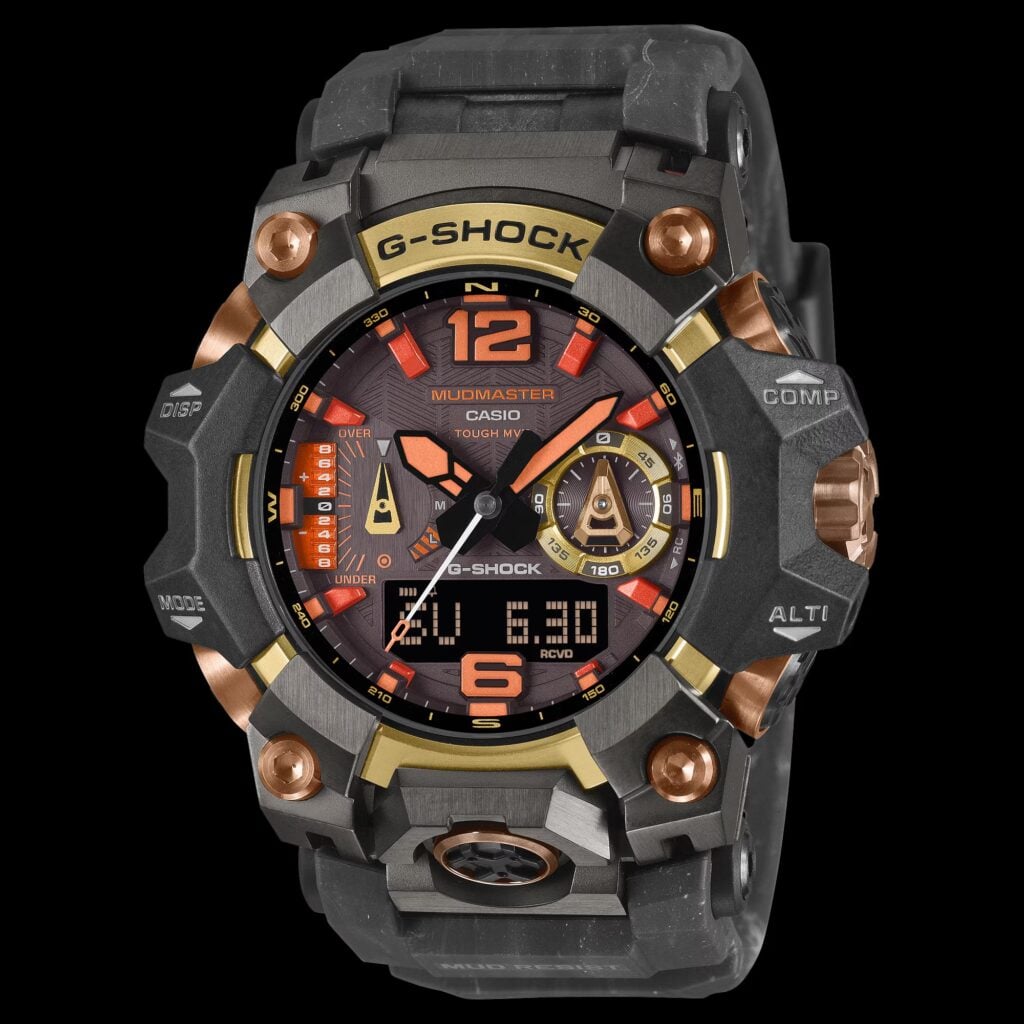
Casio has officially listed the newest addition to its Master of G lineup, the G-Shock Mudmaster GWG-B1000MG-1A9. After floating around the rumor mill for a bit, the watch is now up for pre-order on Casio’s Japanese website for ¥143,000 (roughly $910) and is scheduled to start shipping in later this month.
Design Details
The design of this specific model is heavily inspired by earth science and geology. Casio went with red and orange accents on the dial to mimic the look of magma, while the metal components feature a gold-tone finish. The resin band is also molded to look like different layers of rock strata.
Casio is continuing to use biomass plastics for the main resin parts of the case, bezel, and band. It’s a practical step toward using renewable materials, and it doesn’t seem to compromise the standard shock, dust, mud, and 20-bar water resistance that the Mudmaster series is known for.
Under the hood, the GWG-B1000MG-1A9 isn’t a full smartwatch, but it does have a good amount of connectivity. It features Casio’s Triple Sensor, meaning you get a built-in compass, an altimeter/barometer, and a thermometer. It’s also solar-powered.
Casio says a full charge will get you about six months of normal use without any light exposure, or up to two years if it drops into power-saving mode. For timekeeping, it relies on Multi-Band 6 radio control, which automatically syncs the time if you are in range of towers in Japan, North America, Europe, or China.
You can also pair the watch to your phone via Bluetooth using the Casio Watches app. This handles basic tasks like automatic time correction and adjusting settings, but it also includes a location indicator.
If you set a destination in the app, the physical hands on the watch will point toward it, a helpful feature if you’re hiking and don’t want to keep pulling out your phone. Casio does note that this specific location feature isn’t available in China, however.
Rounding out the spec sheet, the watch has a scratch-resistant sapphire crystal and a double LED light system so you can read the analog-digital display in the dark.
In related news, Casio has recently unveiled a new Coca-Cola G-Shock watch featuring an iconic bottle-inspired design, while the Casio Vintage A159WE-1 has been listed in Europe with its classic styling and a 7-year battery life.
For more daily updates, please visit our News Section.
Let’s be entirely honest with ourselves for a second: most of us do not need a robotic, AI-powered, pan-tilt-zoom (PTZ) 4K webcam to join a morning Zoom sync. The built-in laptop camera will technically suffice to prove you are awake and at your desk.
But over the last few years, the webcam market has evolved from a race for basic competence into a full-blown arms race for absolute overkill. And sitting right at the bleeding edge of that overkill is Obsbot.
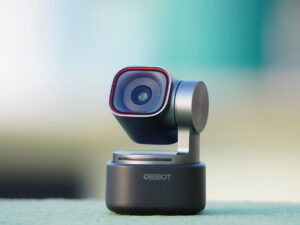
I’ve spent the last month using the brand-new Obsbot Tiny 3 as my primary daily driver, alongside its more affordable sibling, the Obsbot Tiny 3 Lite. Obsbot’s Tiny series has been around since 2020, effectively pioneering the AI-tracking webcam space, but the Tiny 3 series feels like a culmination of every wild idea the company has ever had, crammed into an impossibly small chassis.
At $349 for the Tiny 3 and $199 for the Tiny 3 Lite, these are premium devices aimed squarely at content creators, streamers, remote educators, and office workers who simply refuse to look anything less than spectacular.
But after a month of having a tiny robot track my every move across my home office, I’ve realized that the magic of the Tiny 3 isn’t just in its spec sheet; it’s in how seamlessly it fades into the background while doing a dozen incredibly complex things at once.
Here is my deep dive into the Obsbot Tiny 3 and the Tiny 3 Lite.
Design and Hardware
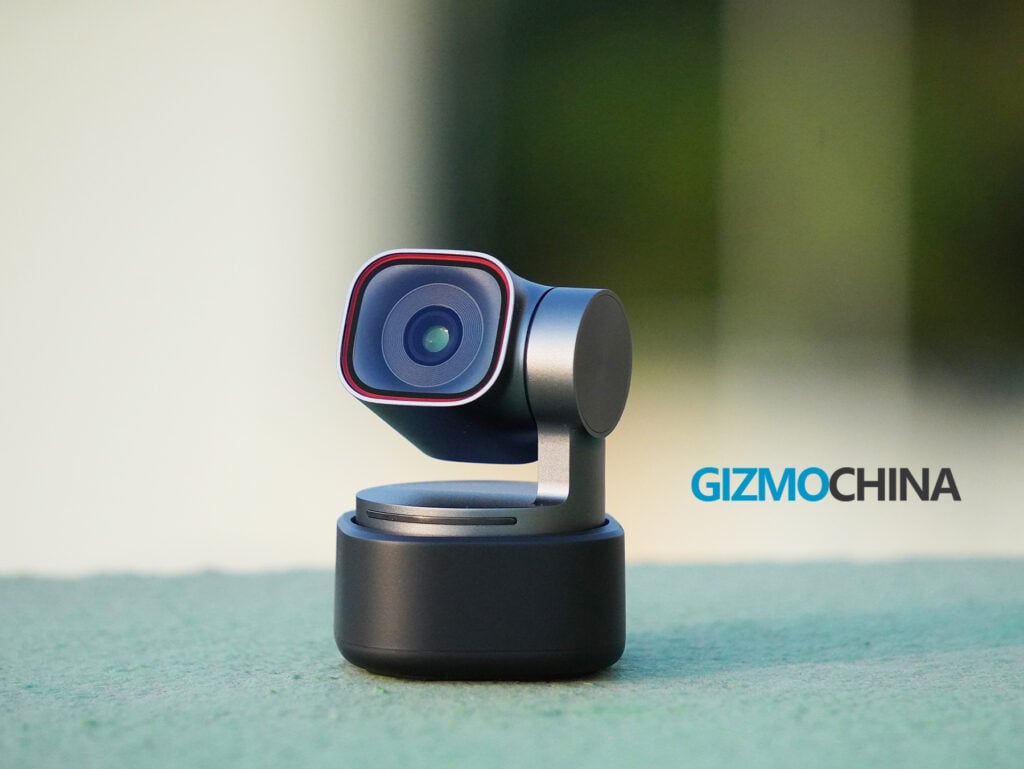
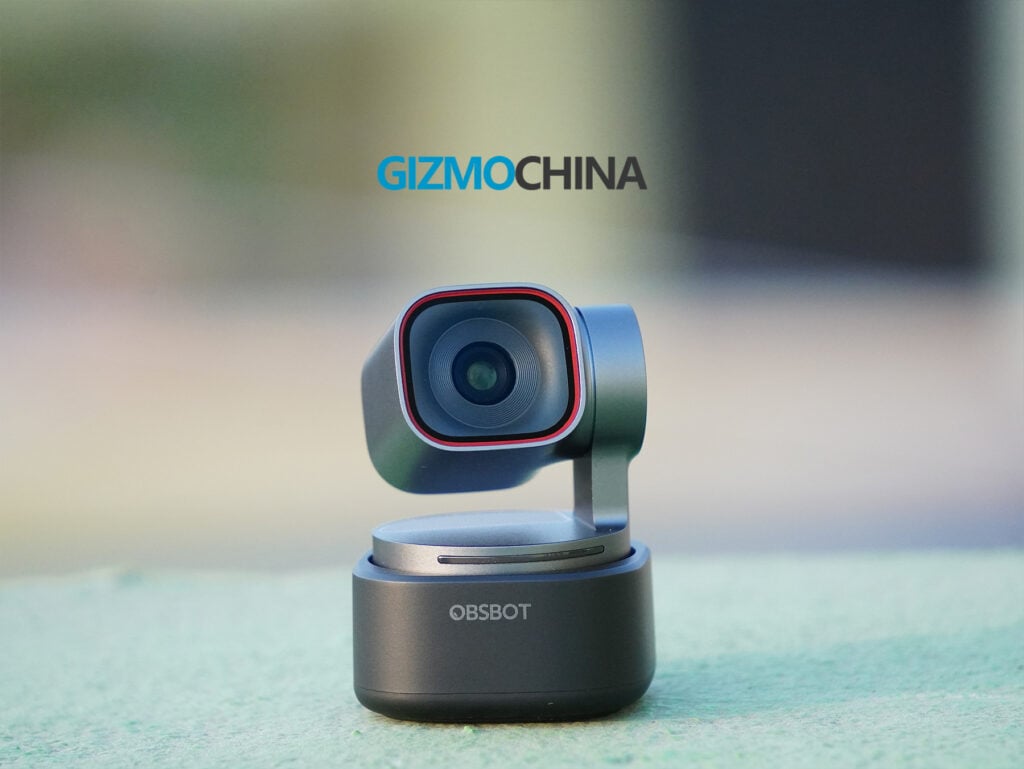
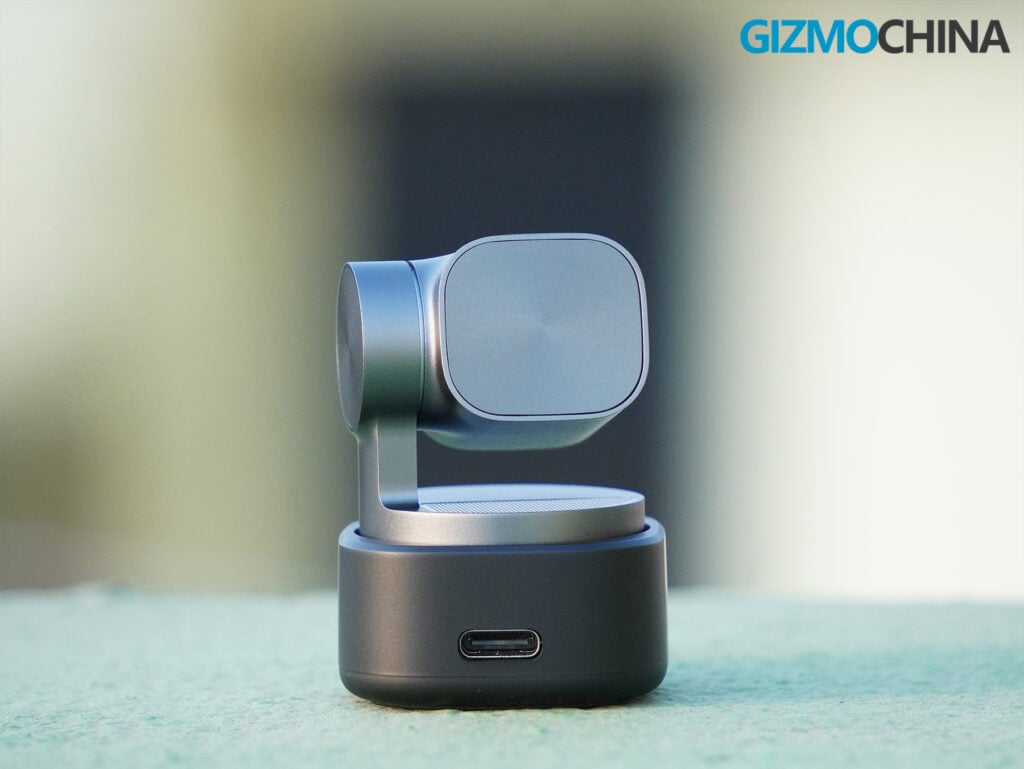
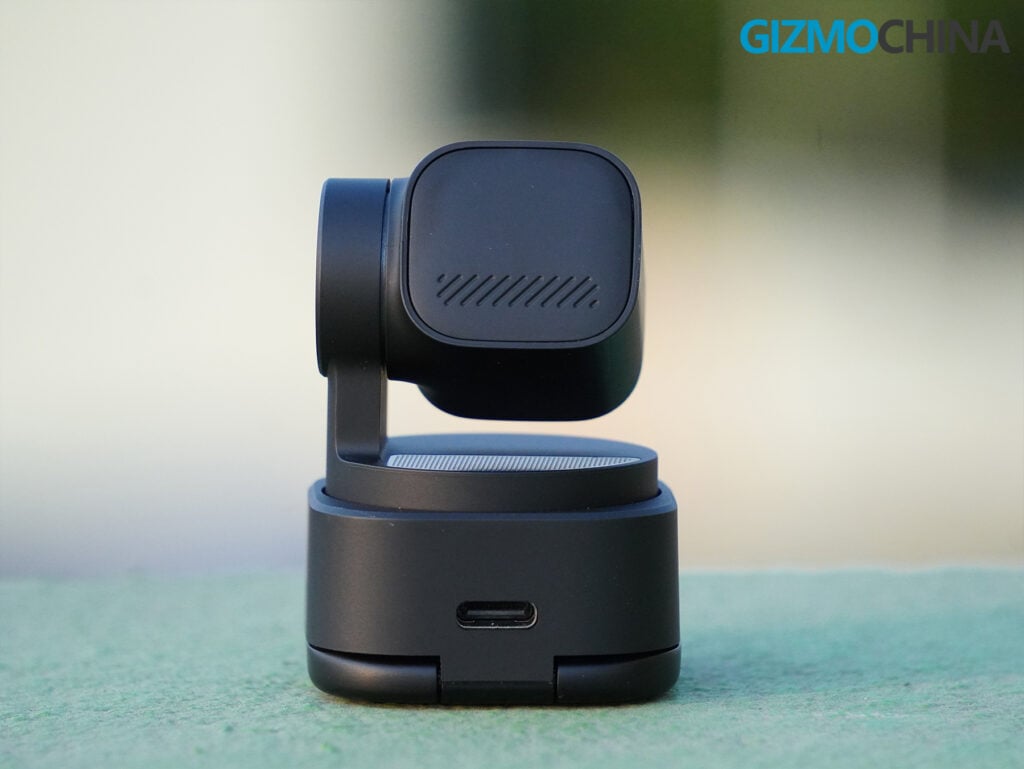
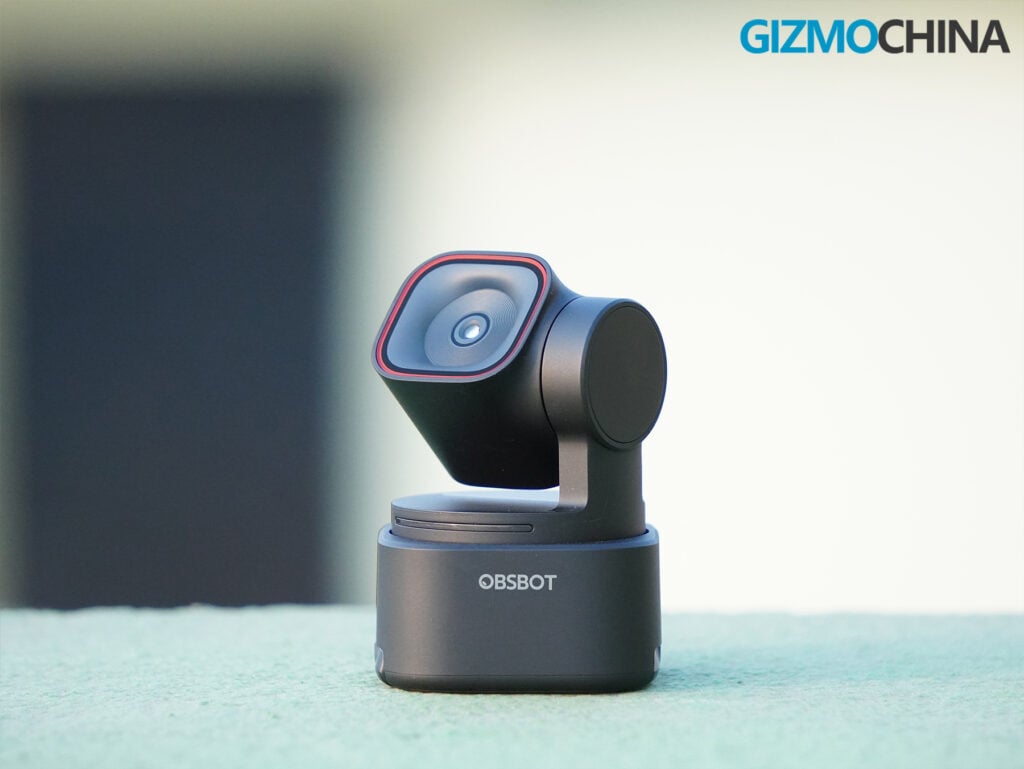
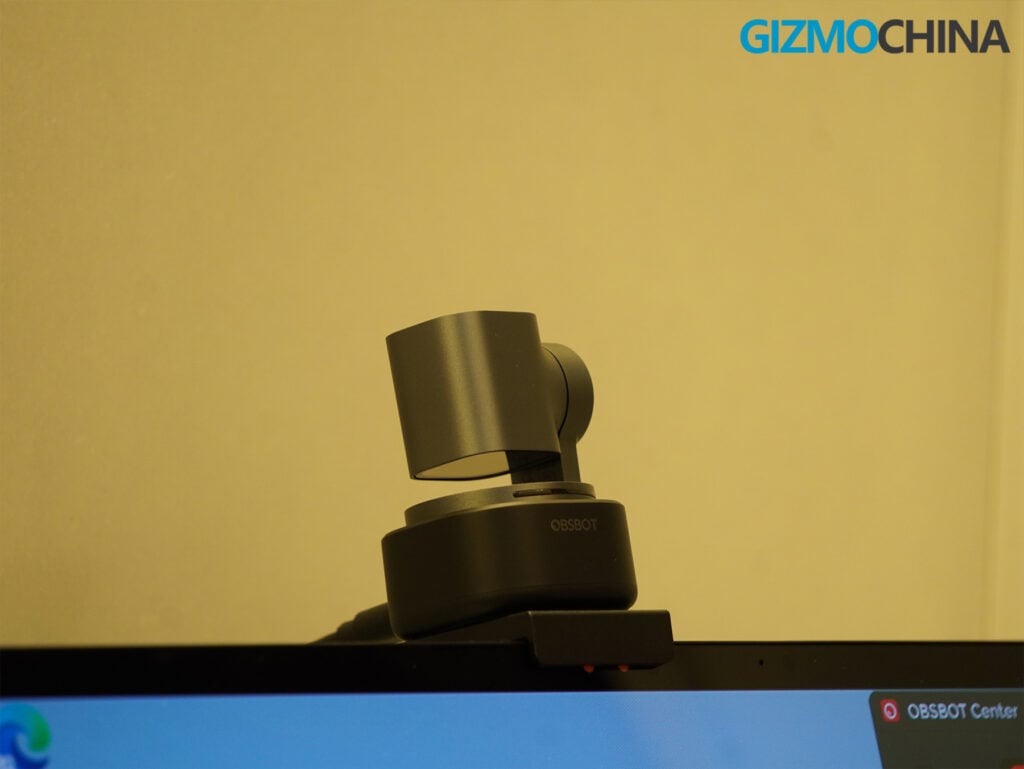
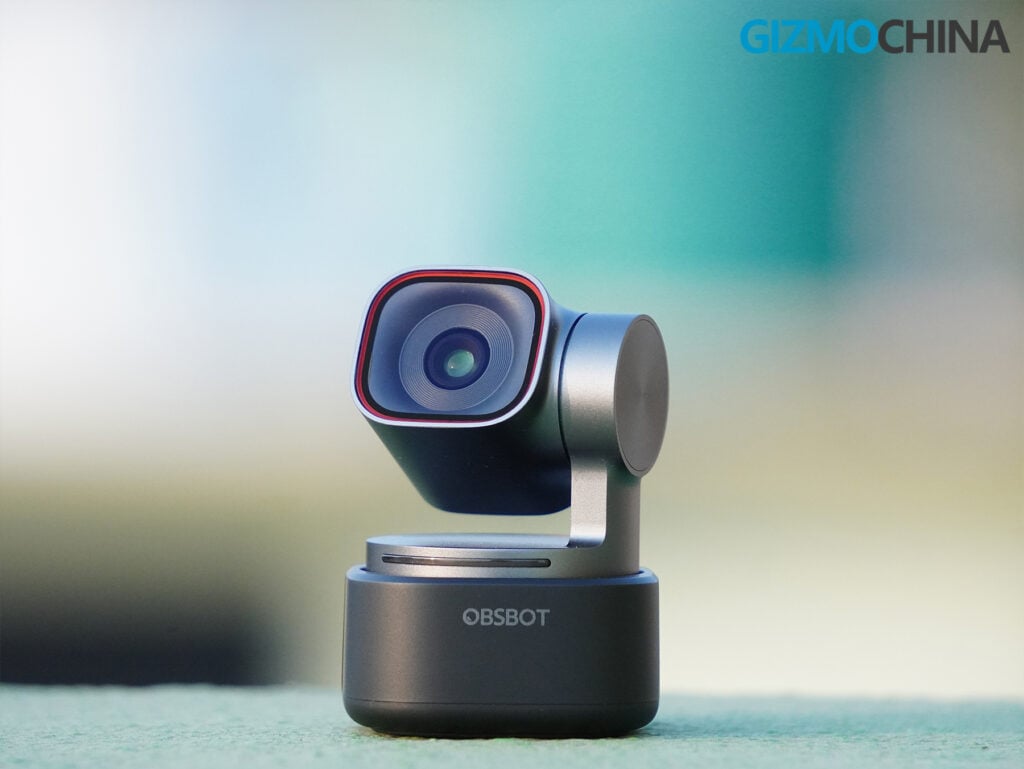
When I first unboxed the Tiny 3, I was genuinely surprised. The name is finally, aggressively accurate. Measuring just 1.5 by 1.5 by 1.9 inches and weighing a mere 2.2 ounces (63 grams), the Tiny 3 is absurdly small. It is 48% more compact and 34% lighter than its predecessor, the Tiny 2. Despite this, it feels incredibly premium.
The main camera module and the two-axis gimbal are encased in a dark gray metal alloy that stays cool to the touch even after hours of continuous 4K streaming.
Tiny 3Tiny 3
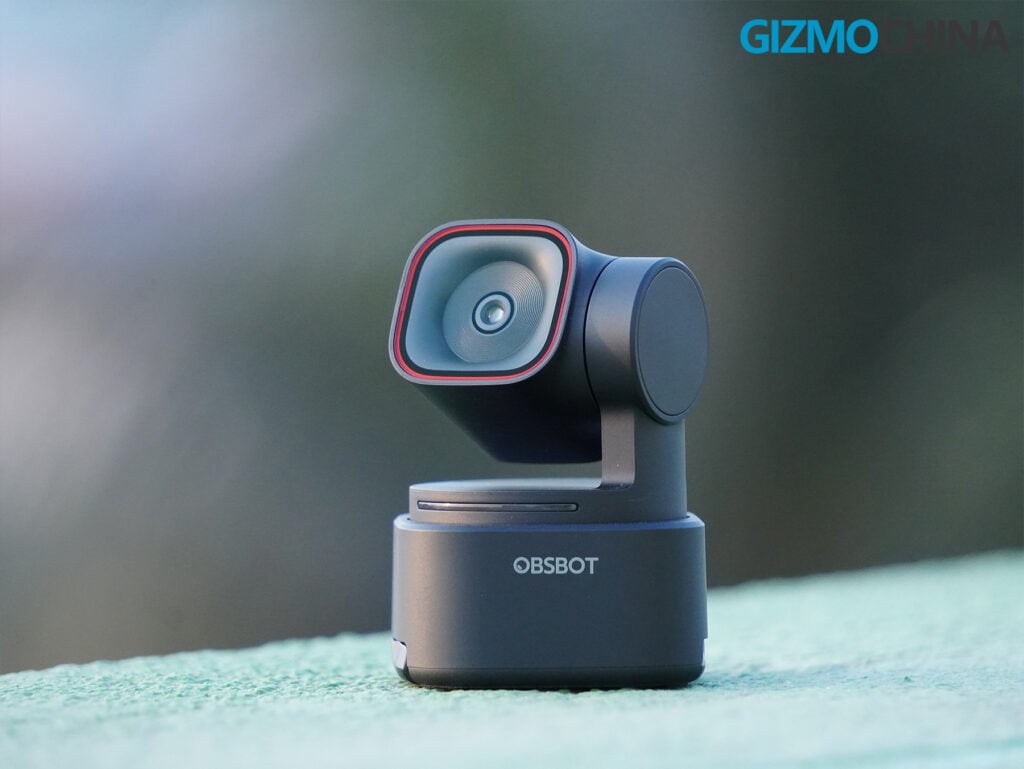
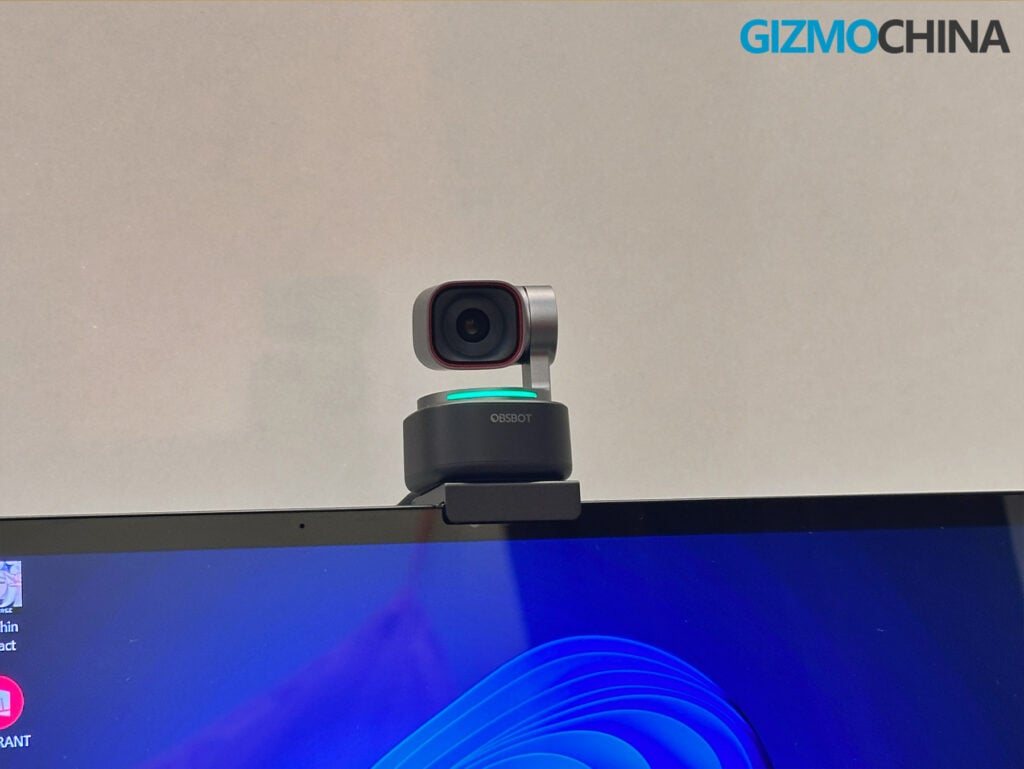
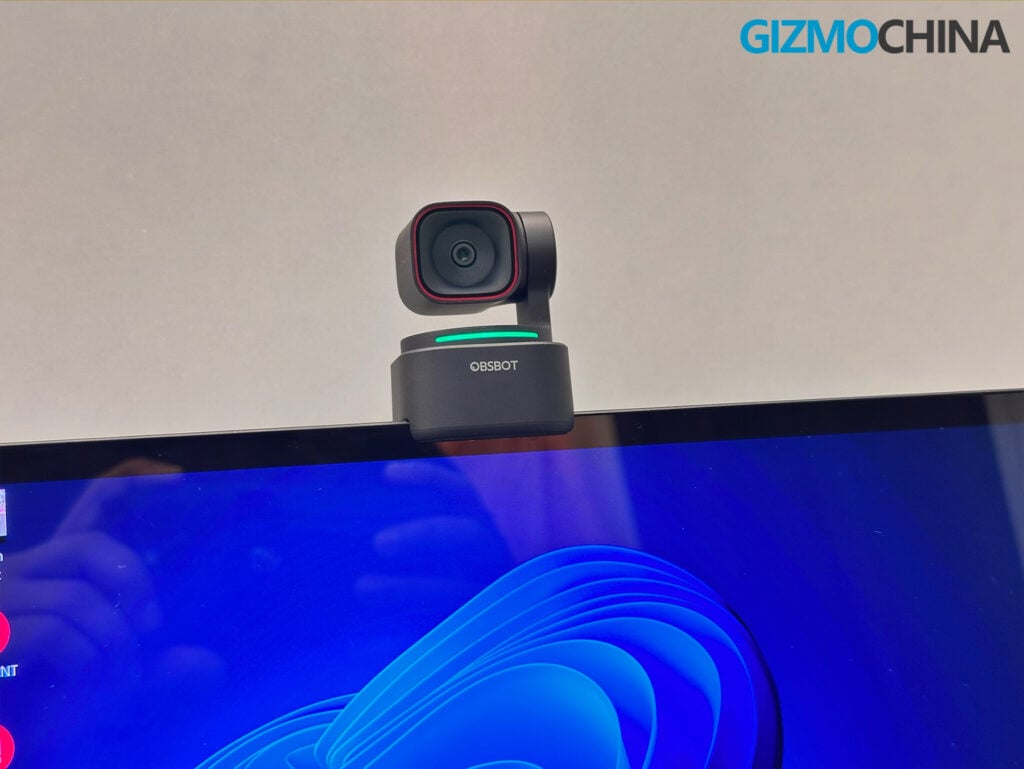
The Tiny 3 Lite, interestingly enough, goes in a slightly different direction. It is actually a bit larger in dimensions (1.6 by 1.6 by 2.3 inches) and adopts a softer, more minimalistic design language. Where the Tiny 3 looks sharp and industrial, the Lite feels a bit more approachable and rounded.
Tiny 3 LiteTiny 3 Lite
But the biggest physical divergence between the two lies in how you mount them. This is a point of slight contention for me. The Tiny 3 comes with a detachable magnetic base that snaps onto a separate, included screen clip.
The magnet is incredibly strong, and the modularity is great if you want to pop the camera off and snap it onto a tripod or a desktop stand. However, I can’t help but feel that if it had an internal, integrated clamp too, it would have made life just a bit easier for laptop users on the go. You have to keep track of two pieces.
The Tiny 3 Lite, on the other hand, features an integrated clamp. It’s permanently attached to the base, meaning you can just unfold it and slap it onto any laptop or monitor immediately.
It’s less flexible if you want to do complex tripod rigging, but for everyday use, it’s arguably more convenient. Still, the Tiny 3’s magnetic snap has a satisfying, premium tactility to it that the Lite lacks.
Video Quality
Let’s talk about the glass and the silicon, because this is where the $349 price tag of the Tiny 3 starts to justify itself.
The flagship Tiny 3 is packing a massive 1/1.28-inch 50-megapixel CMOS sensor. For context, that is a larger sensor than you’ll find in many premium smartphones, let alone webcams. It boasts a dual native ISO that scales all the way up to 12,800, and an f/1.8 aperture. It shoots in 4K at 30fps, or, if you want buttery smooth motion, 1080p at a staggering 120 frames per second.
In practice, the image quality is nothing short of breathtaking. I have my desk set up in a room where light hits me from all sides, including right from the ceiling. Usually, this kind of omnidirectional lighting makes things incredibly messy for most devices, as they struggle to cut through the glare and balance the frame properly.
But the Tiny 3, utilizing its DCG (Dual Conversion Gain) HDR technology, does an amazing job of managing this chaos. It handles the light so well that I haven’t faced a single issue with overlighting or harsh blasts of glare on my face. It balances the exposure so effortlessly that it looks like I have a perfectly calibrated, professional studio lighting rig.
The natural depth of field is also a massive win. Because the sensor is so large and the aperture so wide, you get actual, optical background blur. It’s not the aggressive, artificial cut-out you get from Zoom or Google Meet; it’s a gentle, natural fall-off that makes you pop off the screen.
The Tiny 3 Lite steps down to a 1/2-inch 48-megapixel sensor. It still shoots 4K at 30fps and 1080p at 120fps, and it still looks fantastic in good lighting. But in low light when I’m relying on the glow of my monitors and a single desk lamp, the difference becomes apparent.
The Tiny 3 remains clean and sharp, while the Tiny 3 Lite introduces a bit of static-like noise into the background. The Lite’s maximum ISO is capped at 6,400, and while it’s still vastly superior to your laptop’s built-in camera, it doesn’t quite have the night-vision-esque magic of the premium model. But for most users, it is more than enough.
Gimbal and AI Tracking
The defining feature of the Obsbot lineup is the mechanical gimbal, and the AI Tracking 2.0 system on the Tiny 3 series is the best I have ever used.
Both cameras feature a two-axis gimbal that can pan up to 150 degrees mechanically and tilt 90 degrees. When you turn on auto-tracking, the camera physically moves to keep you in the center of the frame. There is no robotic jerking or mechanical whining; it just glides. I can stand up from my desk, pace around my office, and the camera follows me seamlessly.
Obsbot gives you an absurd amount of control over this. You can set it to track your full body, your upper body, or just keep a tight crop on your face. But the new Object Tracking feature is what truly blew my mind. Inside the Obsbot Center software, you can draw a bounding box around anything: a coffee mug, a phone, a toy, a product you are demonstrating, and the camera will lock onto it.
Tiny 3Tiny 3 Lite
If you’re a YouTuber showcasing products or a teacher demonstrating crafts from a top-down view, this feature is honestly fantastic. However, it can occasionally be a hit or miss experience, but I believe this could be improved with a software update.
The Tiny 3 also supports gesture controls (holding up your hand to start tracking, making an ‘L’ shape to zoom). It also includes voice controls as well. Saying “Hi, Tiny” wakes it up, “Track me” initiates the gimbal, and “Sleep, Tiny” points the camera straight down at its base, physically cutting off the video feed for guaranteed privacy.
Audio
Built-in webcam microphones usually aren’t the best, but the audio on the Tiny 3 is actually a solid step up. Both the Tiny 3 and the Tiny 3 Lite use a new three-microphone setup (one omnidirectional and two directional), and the software does a good job of processing the sound for everyday use.
You get a few different audio modes depending on what you need. “Pure Audio Mode” leaves the audio raw without extra processing, which is nice if you want to tweak the sound yourself later. “Spatial Audio Mode” captures stereo sound, so if you move around the room, people on the other end can hear which direction you’re speaking from.
I find myself using “Directional Mode” the most. My room environment isn’t always perfectly quiet. I have a noisy fan, and sometimes I get some noise bleeding in from outside, though it’s pretty quiet when I just have the AC running. Directional Mode does a really good job of focusing on my voice and filtering out those background sounds. Even when the fan is running, it isolates my voice well enough that the people on my calls don’t seem to notice the background hum.
The Tiny 3 also has a Voice Tracking feature. The camera uses the microphones to figure out where a voice is coming from and physically turns to face the speaker. If you have two people in the same room sharing the webcam, it just automatically pans back and forth to whoever is talking at the moment, which makes group calls a lot easier to manage.
Software
To get the most out of these cameras, you need to use the Obsbot Center app (available for Windows and macOS). The software is dense, but beautifully laid out.
If you just want to plug and play, you can leave it in Lite mode. But if you click over to Pro, you get all the controls. You can manually adjust the exposure curves, tweaking shadows, midtones, and highlights independently. You can manually set the white balance by adjusting the red and blue gain. You can set up to three preset gimbal angles, allowing you to snap the camera from a wide shot of your room to a tight crop of your face with a single click.
Obsbot has also built in some virtual camera features, like background replacement and artificial bokeh. The background replacement is significantly better than the native tools in Zoom or Teams, handling the edges around my hair with impressive accuracy.
It is also worth noting that the flagship Tiny 3 has a couple of software tricks the Lite lacks, specifically Desk Mode and Whiteboard Mode. Desk Mode automatically tilts the camera down and digitally flips the image so you can show off documents or sketches on your desk without the image being upside down for your viewers. If you don’t need this, the Lite becomes an even more appealing option.
Final Verdict
After a month of living with both of these cameras, I am thoroughly impressed. Obsbot hasn’t just made a good webcam; they have built a genuinely exciting piece of consumer technology.
If you are a content creator, a streamer, a high-level executive, or someone who simply demands the absolute best image quality and low-light performance available, the Obsbot Tiny 3 ($349) is the undisputed king of the hill.
The 1/1.28-inch sensor is a marvel, the HDR processing is flawless, and the sheer amount of technology packed into a chassis the size of a golf ball is a masterclass in hardware engineering. Yes, I wish the magnetic mount had an integrated clamp for laptop convenience, and yes, it is painfully expensive. But it is the best webcam I have ever tested.
However, if you are looking for value, the Obsbot Tiny 3 Lite ($199) is the real scene-stealer here. For $150 less, you are getting the exact same world-class AI tracking, the exact same incredible triple-mic audio system, and the exact same 1080p 120fps capability.
You lose a bit of low-light fidelity due to the smaller sensor, and you miss out on the Desk/Whiteboard modes, but for 95% of users, the video quality is still going to blow away anything else in the sub-$200 price bracket. Plus, the integrated clamp design, while making the camera slightly larger, is undeniably practical for everyday laptop use.
For more daily updates, please visit our News Section.
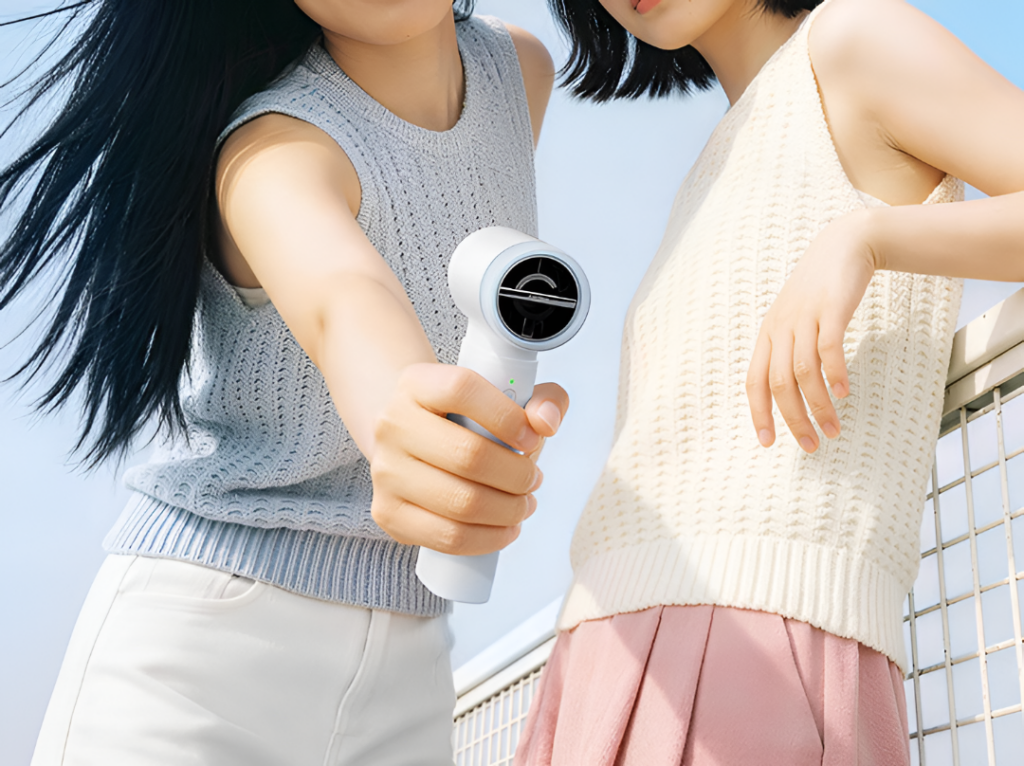
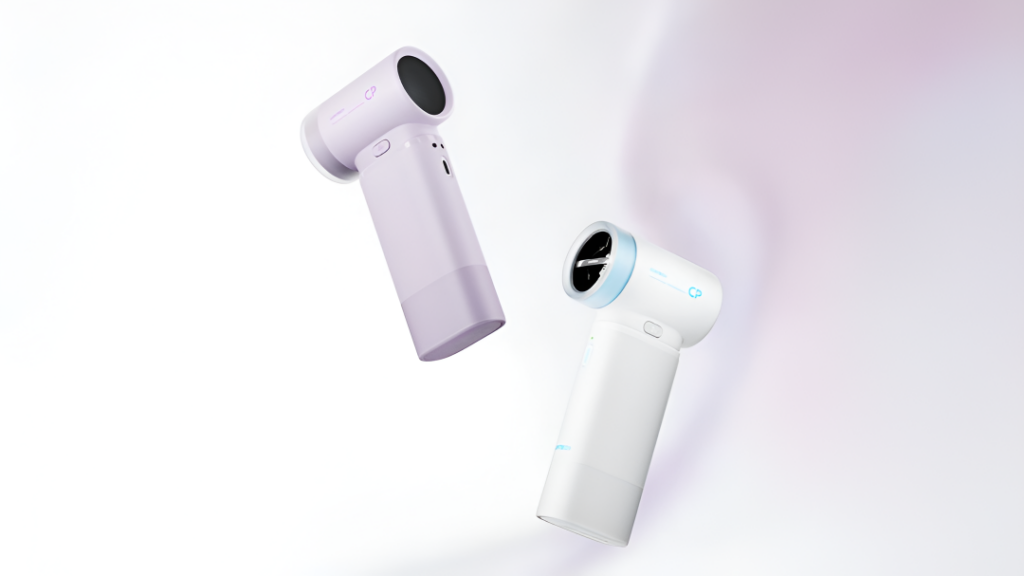
Portable fans are usually straightforward, single-purpose gadgets, but Cuktech is trying to make them a bit more versatile. The company has recently launched the CP Modular Fan Plus, a new portable cooling device that leans heavily into modularity and doubles as a fast-charging power bank.
Cuktech CP Modular Fan Plus Specifications
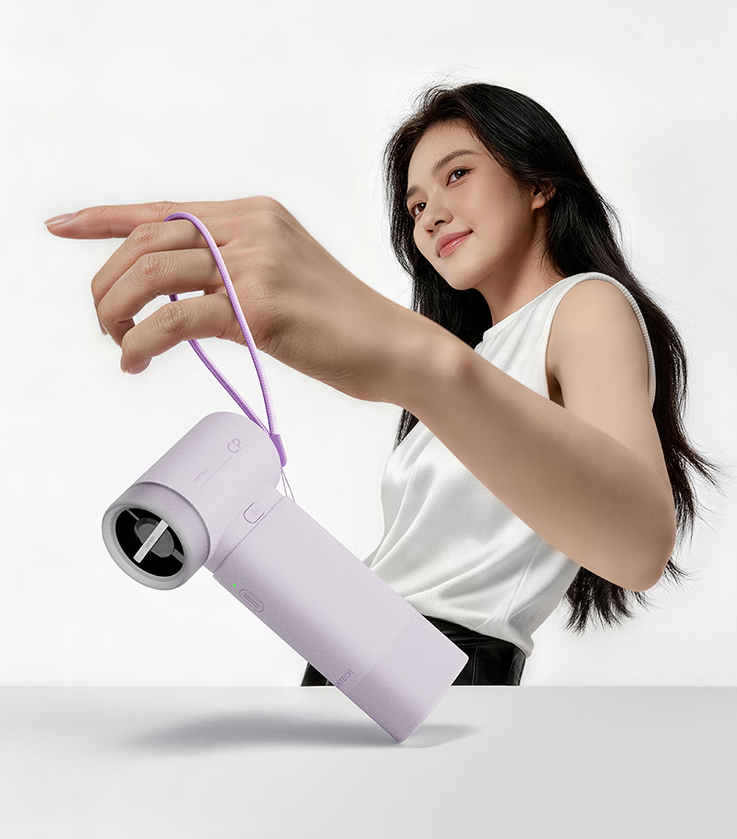
The CP Modular Fan Plus introduces a modular design powered by Cuktech’s proprietary Power-Pin magnetic interface. This system allows users to attach accessories such as external power modules and extension cables. The magnetic connection is rated at 15N, ensuring a secure and stable fit for everyday use. Cuktech has included a lanyard and a portable form factor, making it easy to carry or use on the go.
The fan runs on a high-speed three-phase brushless motor. It delivers wind speeds of up to 11 m/s and uses Turbo Charged vortex airflow technology to boost air output by 40%. The new motor features a larger diameter than its predecessor, improving airflow and reducing energy consumption by 75%. The fan provides three adjustable speed levels and a Boost mode for maximum cooling performance.
Cuktech has equipped the fan with a nine-blade turbine system. It supports dense airflow cutting and distributes air over a larger area. The CP Modular Fan Plus covers up to 65,516 mm² and operates with advanced acoustic tuning to minimize noise and vibration. It generates 50dB on the lowest setting, 62dB on medium, and 66dB on the highest setting.
The fan includes two built-in 5,000mAh batteries, resulting in a combined capacity of 10,000mAh. It provides up to 37 hours of use on the lowest setting, 24 hours on medium, and 4 hours on high.
The fan also functions as a power bank with 33W output and 27W input. It supports fast-charging protocols like PD, PPS, and MiPPS, enabling it to charge multiple devices efficiently.
The CP Modular Fan Plus allows pass-through charging, letting users operate the fan while it charges. It features built-in safety measures such as overcurrent protection, temperature control, and short-circuit protection. The fan includes a battery indicator system with LED lights for quick status updates.
In related news, the company has recently launched the Cuktech 15 Air power bank, featuring up to 65W output along with a built-in smart display.
For more daily updates, please visit our News Section.
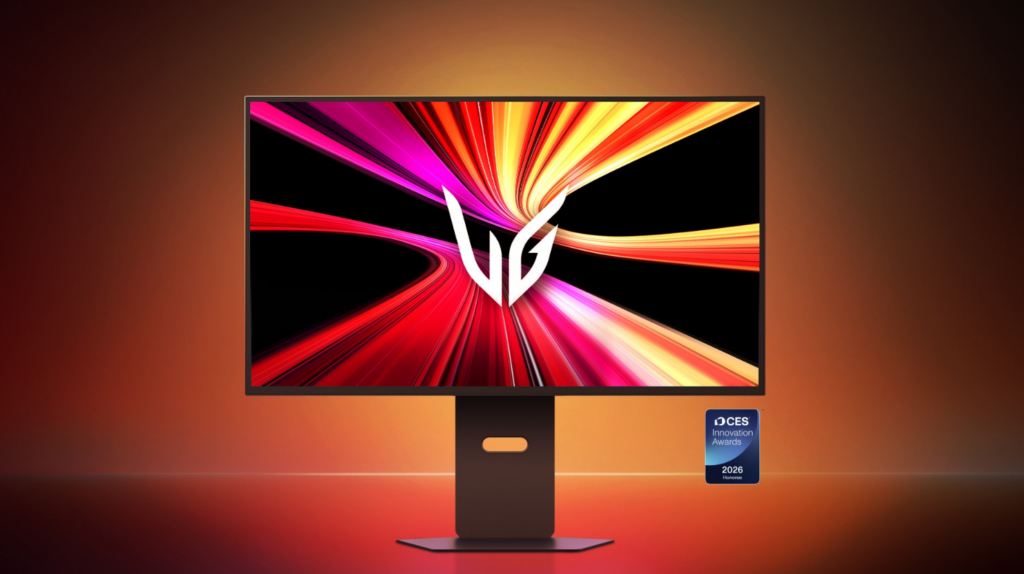
LG is bringing a new dual-mode OLED gaming monitor to the Japanese market. The UltraGear 32GX870B is a 31.5-inch display that lets you choose between a sharp 4K resolution at 240Hz for visually demanding single-player games, or a much faster 480Hz at 1080p for competitive shooters. It’s a practical two-in-one approach that is becoming increasingly common in the high-end monitor space.
LG UltraGear 32GX870B Specifications
The panel itself uses LG’s fourth-generation Tandem OLED technology. Unlike the previous 32GX870A model, which relied on a three-layer emission structure, this new version steps up to a four-layer Primary RGB design. In everyday terms, this translates to improved brightness and color performance.
LG notes the monitor hits a typical SDR brightness of 335 nits and can peak at 1,500 nits in HDR. It covers 99.5% of the DCI-P3 color gamut, boasts a Delta E of less than 2 for out-of-the-box color accuracy, and offers a dynamic contrast ratio of 1,850,000:1. There is also an anti-glare coating to help mitigate reflections from ambient room lighting.
The dual-mode functionality is the main draw here, supported by VESA’s Dual Mode standard. If you switch over to the 1080p 480Hz mode for esports titles like Valorant or Counter-Strike 2, playing on a 32-inch screen can sometimes feel too large for your field of view.
To address this, LG included a feature that scales the display area down to either 27 inches or 24.5 inches with black borders, mimicking the standard monitor sizes used in competitive tournaments. Add in a 0.03ms gray-to-gray response time, VESA ClearMR 13000 certification, and support for both Nvidia G-Sync and AMD FreeSync Premium Pro, and motion blur shouldn’t be an issue.
For connectivity, the monitor includes a DisplayPort 2.1 (UHBR20) connection, which provides enough bandwidth to run these high refresh rates without relying heavily on display stream compression. You also get two HDMI ports, a USB-C port with 90W power delivery (which is great for charging a laptop with a single cable), and a two-port USB 3.2 Gen 1 hub.
The monitor includes built-in 7W stereo speakers and a suite of AI-driven features for upscaling and sound optimization. The stand offers a standard array of ergonomic adjustments, including height, tilt, swivel, and a 90-degree pivot, all wrapped in a slim, four-side borderless design.
Pricing and Availability
The UltraGear 32GX870B is priced at 169,800 yen ($1,081), and shipments in Japan are slated to begin on June 11th. There is no official word yet on when it will hit other markets, but given LG’s usual release cycles, a wider rollout seems likely in the coming months.
Even in an era dominated by cloud storage and ultra-fast portable SSDs, there is still a very real need for a basic, reliable USB flash drive. Kingston is leaning into that dependable, everyday market with the launch of its new DataTraveler Exodia DTXG2 in China. The drive is currently listed on JD.com, with its first official sale scheduled to kick off on May 6.
Kingston DataTraveler Exodia DTXG2 Specs
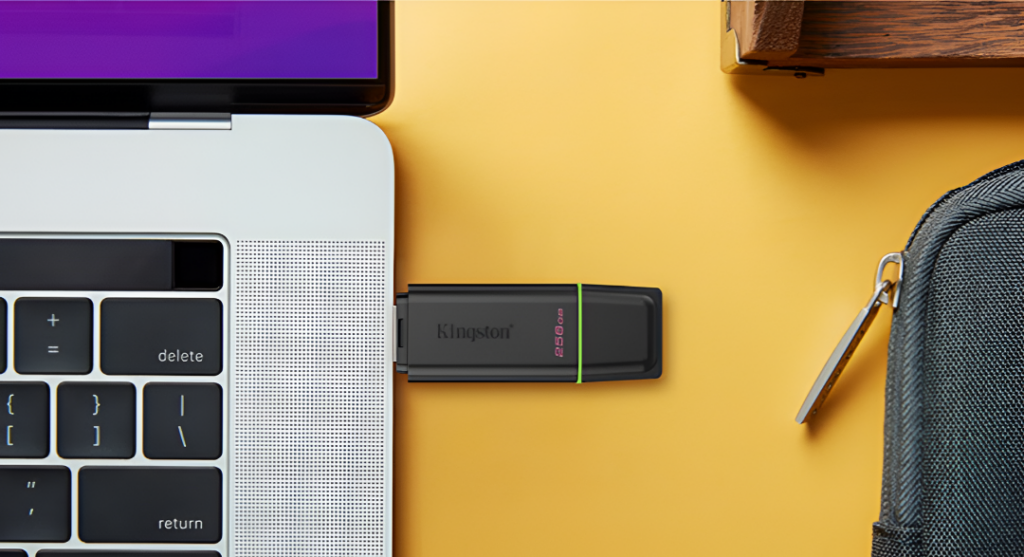
The DTXG2 is a straightforward piece of hardware that doesn’t try to reinvent the wheel. It utilizes a standard USB-A connector, making it immediately compatible with the vast majority of desktop computers, older laptops, and various digital peripherals you likely already have lying around. It supports a USB 3.2 Gen 1 interface, though it remains fully backward compatible with USB 2.0 ports, ensuring you won’t run into issues when plugging it into legacy hardware.
When it comes to performance, the specifications are firmly grounded in basic utility. The drive offers a maximum read speed of 50MB/s and a write speed of 5MB/s. Those numbers mean the DTXG2 isn’t built for transferring massive 4K video projects or acting as a scratch disk for heavy media editing. Instead, it is positioned strictly for everyday tasks, moving text documents, PDFs, a few photos, or small media files between devices without much fuss.
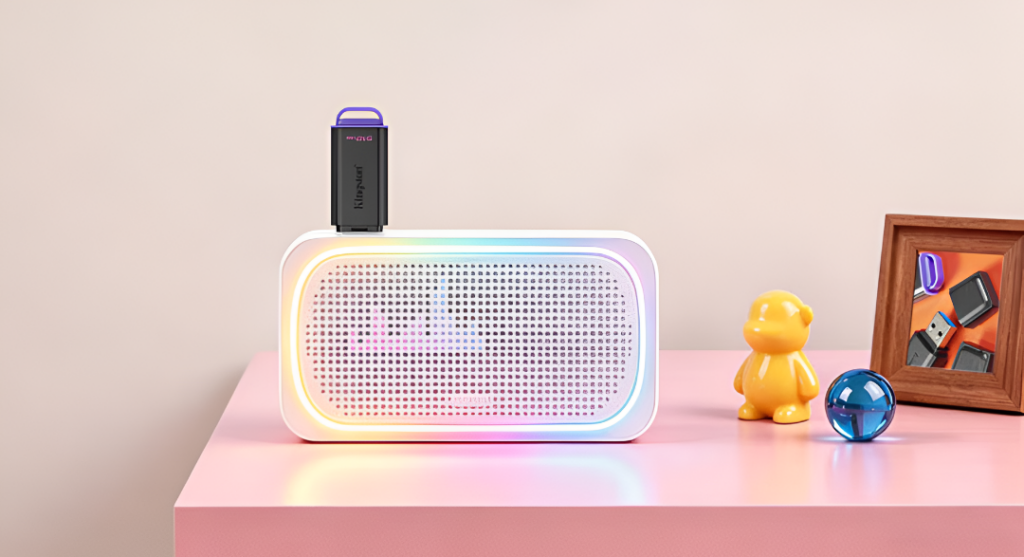
To make the drive a bit more practical for daily carry, Kingston has opted for a colorful, keyring-style design. The back end of the drive features a prominent loop, making it easy to attach to a set of keys, a lanyard, or a backpack zipper so it doesn’t get lost in your pocket. To protect the USB-A connector, it includes a basic black snap-on cap designed to stay firmly in place while bouncing around in a bag.
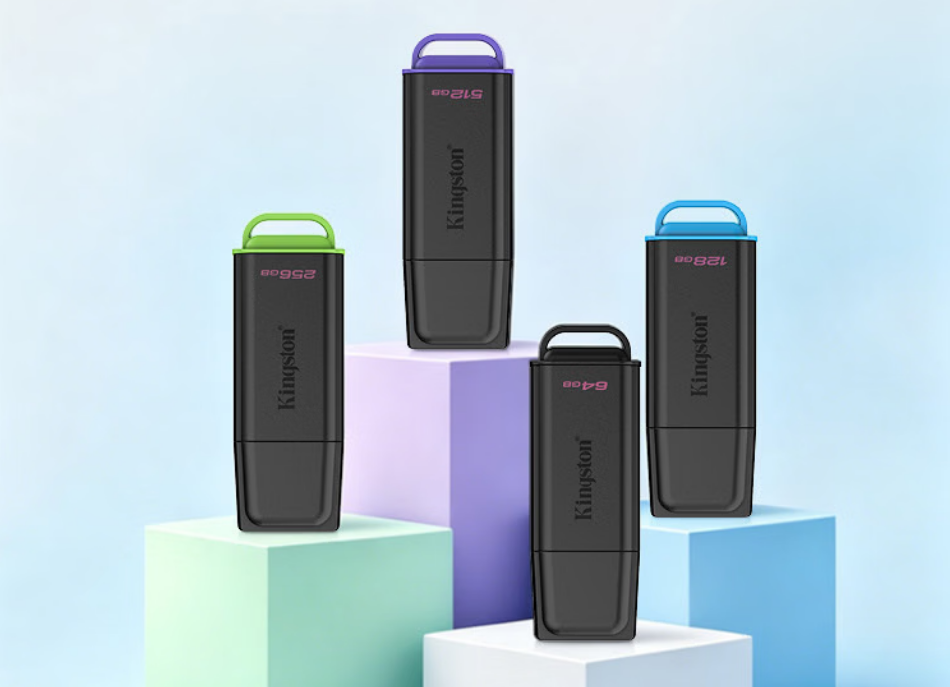
Kingston is also using color to differentiate the storage tiers, which is a helpful touch if you happen to own more than one or need to grab a specific drive at a glance. The entry-level 64GB model comes in a standard black finish and is priced at an accessible 59.9 yuan ($9).
Moving up the stack, the 128GB version costs 89.9 yuan ($13) and features an ocean blue accent. The 256GB variant comes in lemon green for 209 yuan ($30), while the top-tier 512GB model stands out in purple and will set you back 419 yuan ($61).
For a bit of added security, Kingston is backing the DTXG2 series with a five-year limited warranty.
The standard iPhone is typically the default choice for most buyers, offering a balance of new features and approachability. However, if recent supply chain reports are accurate, the base iPhone 18 might represent a shift in how Apple handles its non-Pro lineup.
Between a rumored change in the release schedule and a few specific hardware compromises, the standard iPhone 18 is shaping up to be an interesting, if slightly segmented, device.
Here is a look at what the rumors currently suggest for the base iPhone 18, and what it means for anyone planning to upgrade.
Updated Launch Timeline
For years, consumers have expected a new lineup of iPhones every September. But Apple is reportedly adjusting its strategy for the iPhone 18 cycle. Instead of releasing all four models at once in the fall of 2026, the company is expected to focus its September event entirely on the higher-end devices: the iPhone 18 Pro, the Pro Max, and a rumored foldable model.
If you are waiting for the standard iPhone 18 or the more affordable iPhone 18e, reports indicate you will need to wait until the spring of 2027. Industry analysts suggest this split is largely driven by supply chain costs, particularly the rising price of memory. By spacing out the launches, Apple can prioritize its higher-margin Pro models first.
Shift in Display Priorities
The iPhone 18 is expected to keep the 6.3-inch display size and the 120Hz ProMotion refresh rate introduced with the iPhone 17. However, the underlying technology might take a slight step back compared to the Pro models.
According to supply chain leaks, the base iPhone 18 will use Samsung’s M12+ OLED material, which is an iterative version of the panel used in the iPhone 14 Pro. Meanwhile, the iPhone 18 Pro models will move on to the newer M16 material.
The primary difference here isn’t necessarily how the screen looks, but rather how efficiently it operates. Older OLED panels require more power to achieve the same brightness levels. While the iPhone 18 will benefit from Apple’s highly efficient new 2nm A20 chip, some of those battery life improvements might be offset by the older display technology.
There are rumors that all three iPhone 18 models will feature a smaller Dynamic Island cutout. However, conflicting reports suggest it may be limited to the Pro models.
12GB RAM Standard Across All Models
Perhaps the best upgrade coming to the base iPhone 18 is its memory. Apple is reportedly standardizing 12GB of RAM across the entire iPhone 18 lineup, a notable increase from the 8GB found in previous base models.
The reasoning behind this is straightforward: on-device artificial intelligence. Apple Intelligence features, particularly the anticipated iOS 27 Siri upgrades powered by new language models, require significant memory to run smoothly without relying on cloud processing.
By giving the base iPhone 18 enough RAM to handle these tasks, Apple is ensuring the device will remain capable and responsive for years to come.
Cameras and Cost-Cutting Measures
On the camera front, the standard iPhone 18 is expected to retain a dual 48-megapixel rear setup (main and ultrawide), skipping the variable aperture lens rumored for the Pro models. However, the front-facing camera is slated for a welcome upgrade to 24MP, which should improve the clarity of selfies and video calls.
To keep production costs manageable, Apple might also simplify the Camera Control button. Current rumors suggest the company could remove the capacitive touch layer, relying solely on pressure sensors to register inputs.
It is a minor change that most users may not even notice, but it highlights Apple’s effort to maintain the phone’s expected $799 starting price amid rising component costs.
The Overall Picture
Apple is drawing a clearer line between its standard and Pro models. The base iPhone 18 seems designed to be a practical, capable device focused on delivering Apple’s latest software and AI features, rather than pushing the boundaries of hardware.
If you don’t mind waiting until the spring of 2027, the inclusion of 12GB of RAM and the new A20 chip should make it a reliable choice, even if it misses out on the most advanced display technology.
For more daily updates, please visit our News Section.
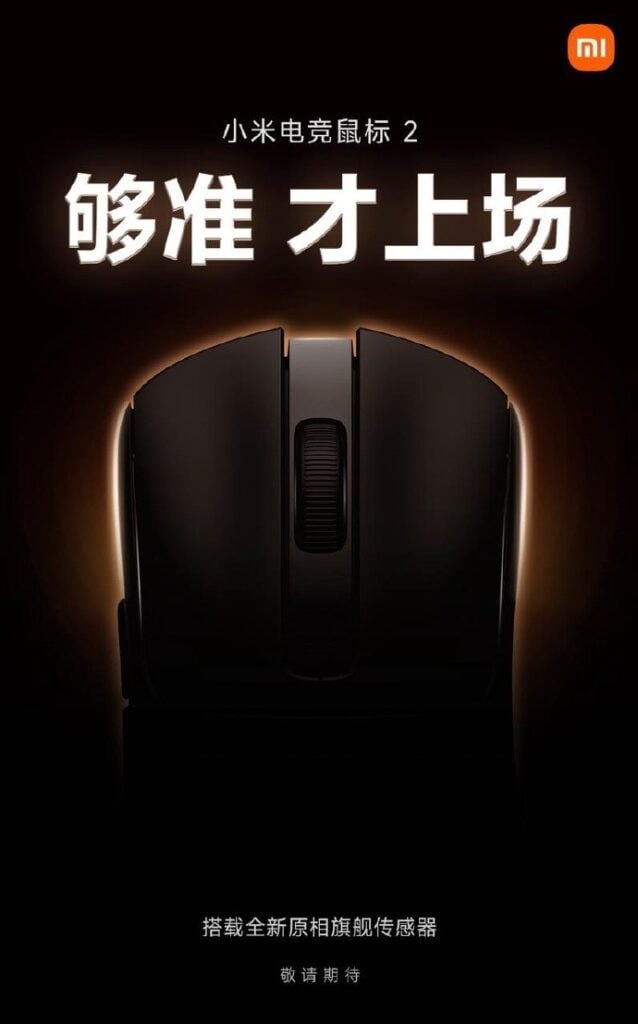
Xiaomi has officially teased its upcoming PC peripheral, the Xiaomi Gaming Mouse 2. According to a recent post from the company’s Weibo account, the new mouse is being developed with competitive players in mind, featuring what the company describes as esports-level tuning.
While the complete specifications haven’t been shared just yet, the promotional materials confirm that the device will be equipped with a new flagship sensor from PixArt. The exact model of the sensor remains unannounced.
Alongside the PixArt hardware, the mouse will include a high-end controller to manage inputs. Xiaomi’s current marketing for the device focuses on reliability and accuracy, using the tagline: “Precision earns you a spot. Stability wins you the game.”
To get an idea of what the Gaming Mouse 2 might offer, it is helpful to look at the company’s previous release. In September 2024, Xiaomi launched the Mouse X1. That model featured a lightweight 65-gram design and an optical sensor capable of 26,000 DPI. It also supported an 8,000Hz polling rate for quicker response times.
For battery life, the X1 included a 530mAh battery, which provided up to 110 hours of wireless use when connected via its 2.4 GHz USB receiver at a standard 1,000Hz polling rate.
Given the hardware included in the X1, the Gaming Mouse 2 will likely build on that foundation with the updated PixArt sensor and controller. Xiaomi hasn’t shared pricing or a specific release date yet, noting only that the device is coming soon. More technical details should become available as the launch approaches.
For more daily updates, please visit our News Section.
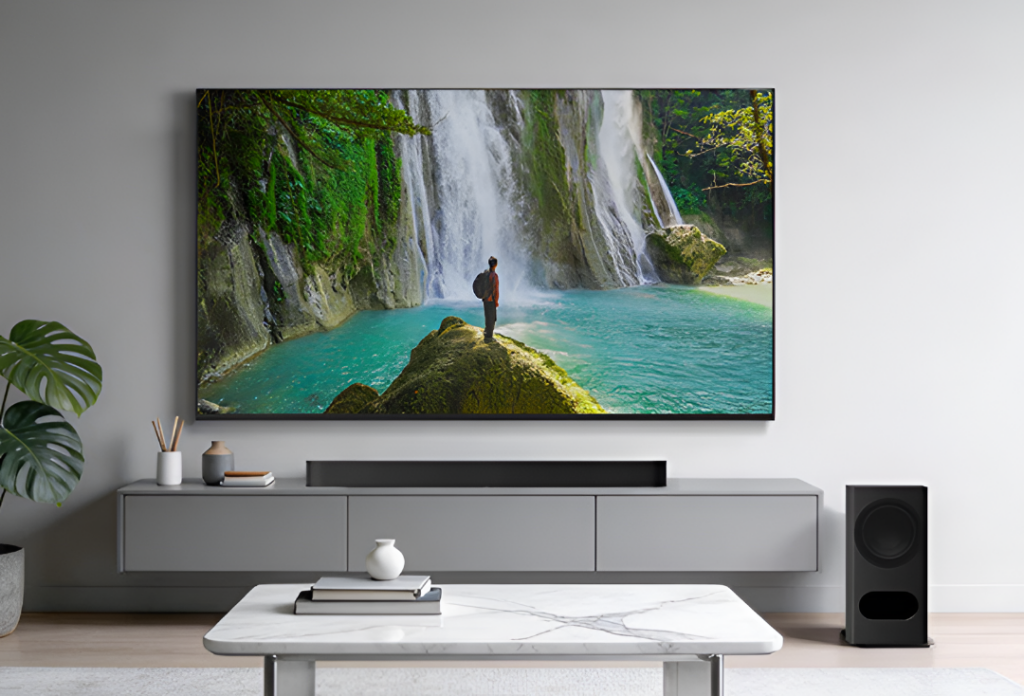
Sony has launched the HT-B500 soundbar in China, a 3.1-channel audio system designed to enhance home entertainment setups. The soundbar is now available on JD.com at a price of 2,341 yuan ($342).
Sony HT-B500 Specifications
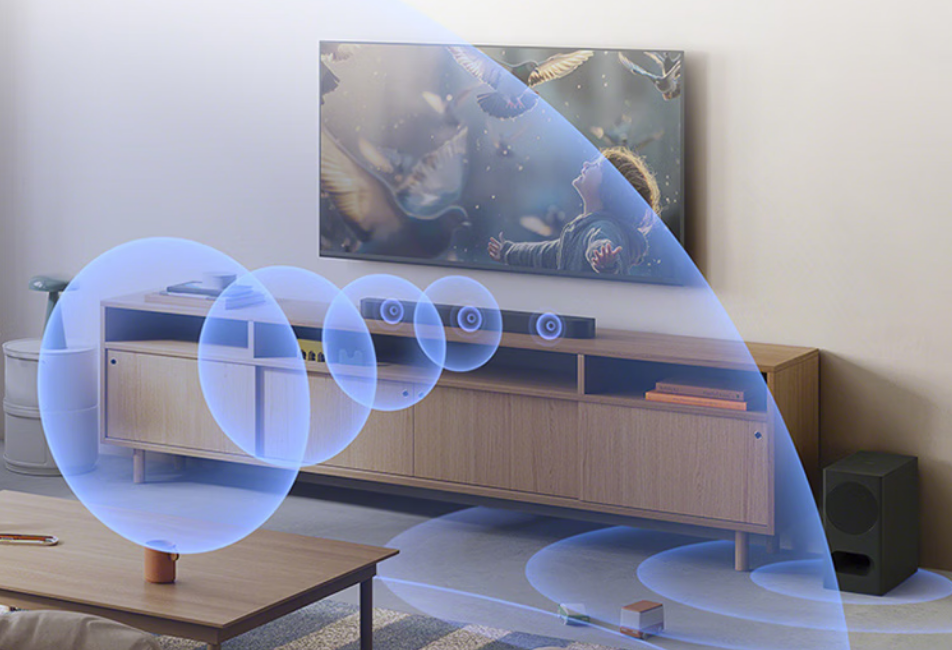
The Sony HT-B500 soundbar features a 3.1-channel audio configuration with a front-facing physical three-channel setup. It comes with a dedicated center channel speaker that enhances vocal clarity. The system also includes a powerful wireless subwoofer, which is engineered to produce deep and impactful bass.
The soundbar supports advanced audio formats such as Dolby Atmos and DTS:X. It equips Sony’s Vertical Surround Engine (VSE), which simulates overhead audio without requiring additional ceiling speakers. Alongside this, it features S-Force Pro Front Surround technology, which expands the soundstage horizontally.
Sony also integrates its one-touch 3D upmix surround technology into the HT-B500. This feature intelligently processes standard stereo or 2-channel audio sources and converts them into a more immersive 3D surround sound output. As a result, even streaming content with basic audio can feel richer and more spatial. The soundbar further comes with AI Voice Enhancement 3.0, which separates dialogue from background noise in real time.
In terms of connectivity and usability, the soundbar supports Bluetooth 5.3, enabling wireless audio streaming from smartphones, tablets, and laptops. It equips DSEE (Digital Sound Enhancement Engine) technology, which enhances compressed audio files by restoring lost details for improved sound quality. The device also features HDMI eARC output and optical input.
The HT-B500 sports a slim and minimalist design with a metal grille and rounded edges, making it suitable for both wall mounting and tabletop placement. It comes with a compact form factor that allows flexible placement in different room setups.
Skyworth has officially released the A9H Wallpaper TV, a high-end RGB Mini LED television with an ultra-slim body. The TV is available in two sizes, 75 inches and 85 inches, and is priced at 10,499 yuan ($1,538) and 11,499 yuan ($1,684) respectively.
Skyworth A9H Wallpaper TV Specifications
True to its Wallpaper TV moniker, the A9H boasts an ultra-slim, 3.9cm-thin body that sits perfectly flush against the wall when mounted. It features a sleek 90-degree flat frame design, resembling a minimalist picture frame and offering a deliberately artistic touch to modern living spaces. The TV supports both true flush mounting and recessed installation.
Skyworth equips the A9H with a 4K RGB Mini LED panel featuring a resolution of 3840 x 2160 pixels. The 75-inch model includes 3,168 local dimming zones, while the 85-inch version offers 4,350 zones.
The TV supports a peak brightness of up to 4,500 nits and a refresh rate of up to 300Hz. Skyworth claims the display achieves 103% of the BT.2020 color gamut, offers a color accuracy of less than ΔE 0.6, and delivers a color volume of 140%.
The company integrates its Chameleon AI picture quality chip S7 to improve clarity, color accuracy, and brightness with real-time processing and AI light control. It also features a dual-layer anti-glare coating and wide viewing angle compensation for reduced reflections and consistent colors from any position.
Skyworth has partnered with Harman Kardon for a 7.1.2-channel sound system with dual soundbars and a maximum output of 270W.
In terms of system functionality, the A9H operates on a Coolita-based OS with AI-powered voice control and content recommendations. It offers access to over 1,000 artworks via an art display mode and gaming features like VRR and ALLM.
Skyworth designed the A9H with eye comfort in mind, reducing harmful blue light by up to 75% and eliminating flicker. Both models include 4GB of RAM and 64GB of storage, with USB expansion support for up to 2TB of additional storage.
For connectivity, these include HDMI 2.1, USB 3.0, AV input, RF input, and Ethernet port.
In related news, TCL recently announced the A400 Pro NXTVISION TV for Europe, featuring a 4K QD-Mini LED display with a 144Hz refresh rate.
For more daily updates, please visit our News Section.
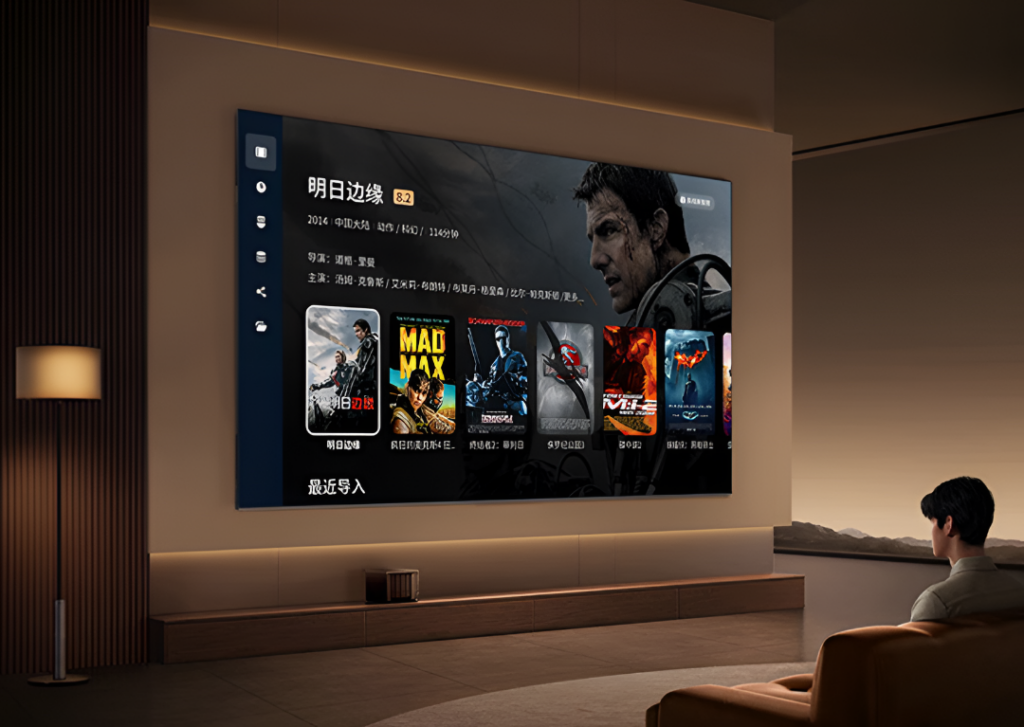
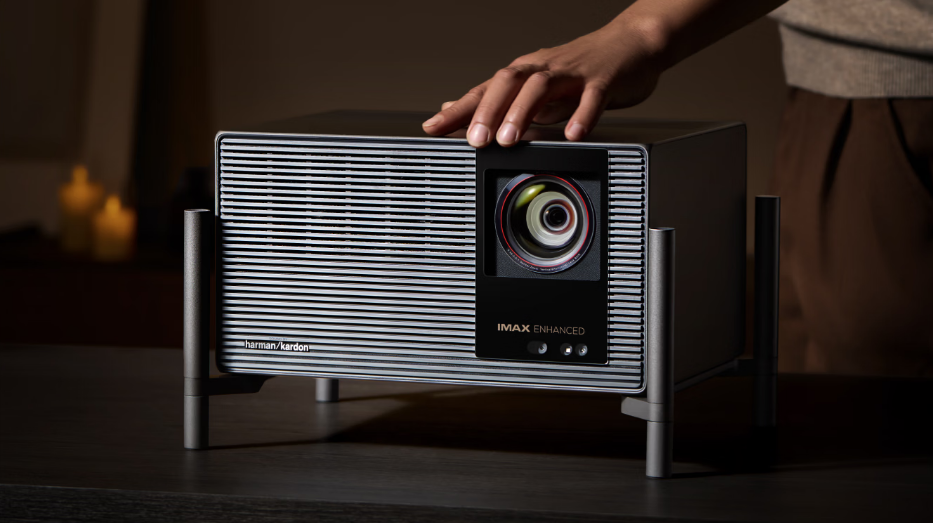
Xgimi has officially launched the X50 Ultra and X50 Ultra Max projectors in China, marking its latest addition to the premium home theater market. The X50 Ultra starts at 15,499 yuan ($2,266), while the X50 Ultra Max is priced at 19,499 yuan ($2,850). Both models feature high-end specs, including 4K resolution, advanced image processing, and RGB pure laser light sources.
Xgimi X50 Ultra and X50 Ultra Max Specifications
The X50 Ultra Max uses a DLP projection system powered by a new 0.47-inch DMD chip with SST architecture. The projector delivers native 4K resolution at 3840 x 2160.
It achieves up to 7000 CVIA brightness and a native contrast ratio of 10,000:1, which increases to 100,000:1 with dynamic contrast processing. Xgimi equipped this projector with its self-developed X-Vision image processing chip, which uses intelligent optimization to enhance picture quality in real time.
The projector includes a bionic stepless aperture system (F/2.0 to F/7.0) for enhanced contrast and depth, along with a 70mm high-transmittance optical lens for optimal light efficiency and clarity. It offers a throw ratio of 0.98-2.0:1 with lossless optical zoom, preserving image quality at varying distances.
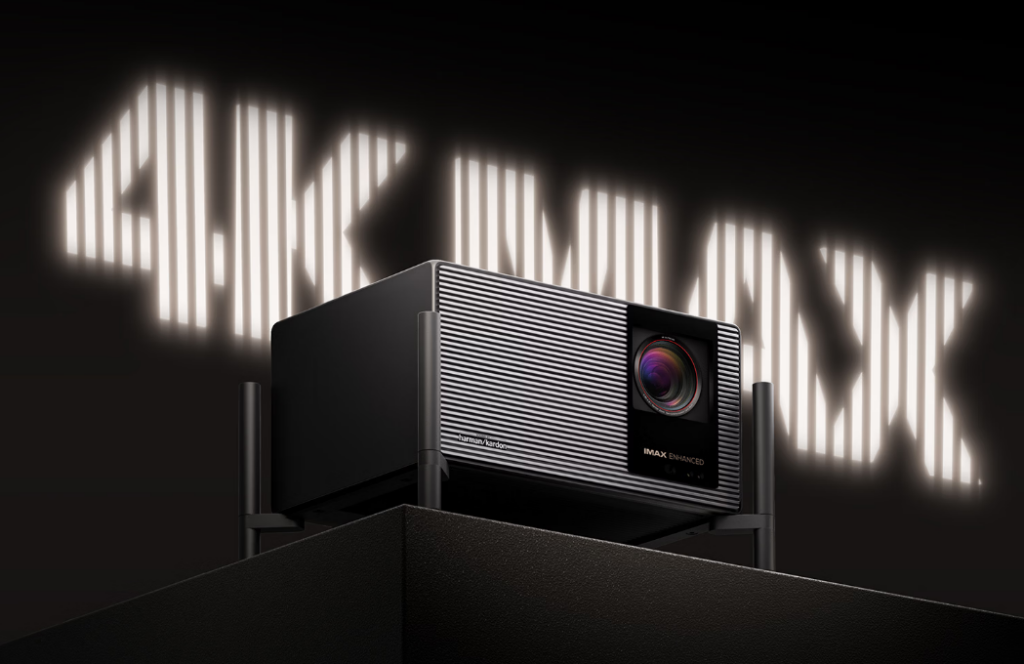
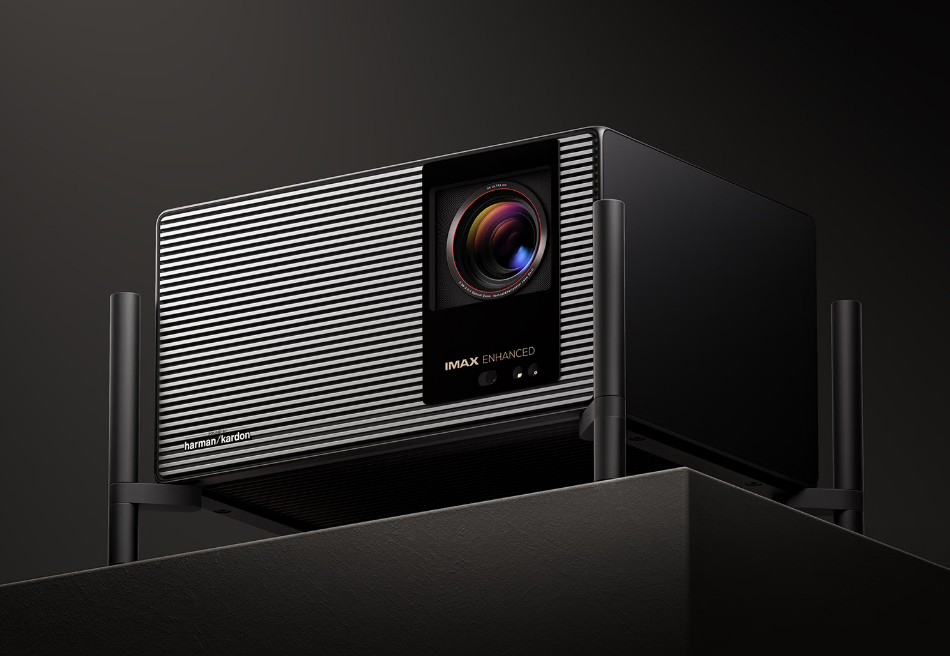
For sound, the projector features dual 12W Harman Kardon speakers with Dolby and DTS support. It is IMAX Enhanced and certified for Dolby Vision and HDR Vivid. The device supports gaming at 1080p with a 240Hz refresh rate and 4K at 60Hz, along with VRR and ALLM for low-latency performance.
The X50 Ultra shares many features with the Ultra Max but reduces brightness to 6000 CVIA and contrast to 9000:1 (90,000:1 with dynamic contrast). It uses the same MediaTek MT9681 processor, 4GB RAM, and 64GB storage. The system runs on GMUI 6 and supports multi-screen interaction through AirPlay, DLNA, and the Xgimi app.
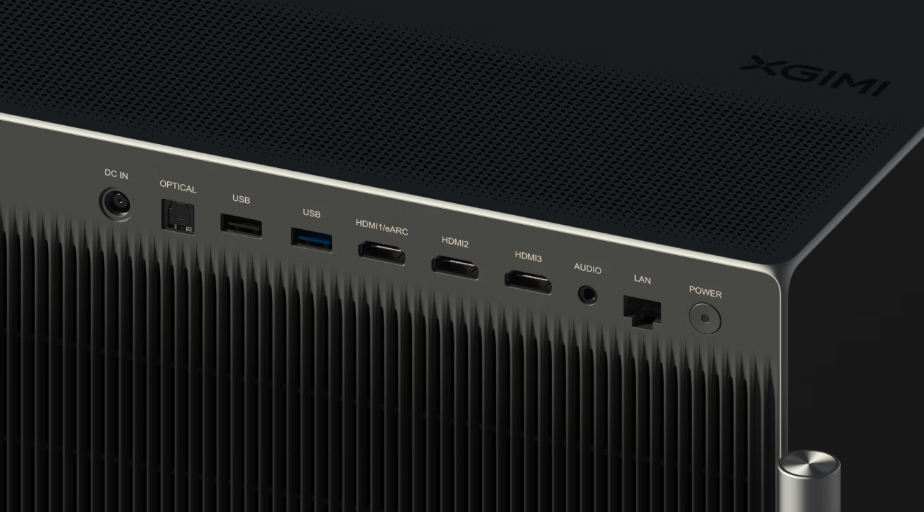
Xgimi equipped both models with a wide array of ports, including three HDMI (one with eARC), USB 3.0, USB 2.0, optical audio out, LAN, and a standard audio jack. For wireless connectivity, these support Wi-Fi 6 and Bluetooth 5.2.
Xgimi designed the projectors with an all-metal chassis and a vertical grille design. Both models also support flexible placement with a vertical lens shift of ±130% and horizontal shift of ±50%. The devices operate at a noise level of up to 28dB and weigh 8.2 kg for the Ultra Max and 7.6 kg for the Ultra.

 Login
Login