Reading view

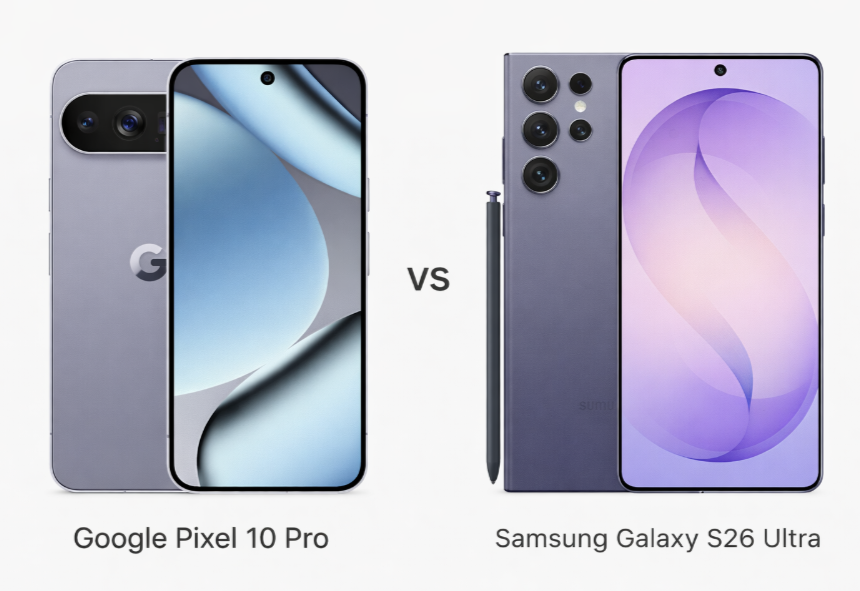
Google Pixel 10 Pro vs Galaxy S26 Ultra: Which AI Flagship Wins in 2026?

Choosing between the Google Pixel 10 Pro and Samsung Galaxy S26 Ultra isn’t just about specs; it’s about how smart a smartphone can really feel in daily life. One leans heavily into AI-driven simplicity and photography magic, while the other pushes raw power, versatility, and productivity to the limit. For buyers spending flagship-level money, this comparison matters more than ever, because both phones represent two very different visions of the “future smartphone.”
Please Note: When you buy something using the links in our articles, we may earn a small commission at no cost to you.

Major Features:

FeatureGoogle Pixel 10 ProSamsung Galaxy S26 UltraWinner
Display6.3″ LTPO OLED, 120Hz, 3300 nits peak6.9″ Dynamic AMOLED 2X, 120Hz, 2600 nitsSamsung – bigger, more immersive
Resolution1280 × 2856, ~495 ppi1440 × 3120, ~500 ppiSamsung – sharper panel
BuildGorilla Glass Victus 2, aluminum frameGorilla Armor 2, Armor aluminumSamsung – stronger protection
ChipsetGoogle Tensor G5 (3nm)Snapdragon 8 Elite Gen 5 (3nm)Samsung – more powerful
RAM16GB across variants12GB / 16GBPixel – higher base RAM
Storage128GB–1TB256GB–1TBSamsung – higher base storage
Rear Camera50MP + 48MP + 48MP200MP + 10MP + 50MP + 50MPSamsung – more versatile setup
Zoom5x optical3x + 5x opticalSamsung – more zoom flexibility
Selfie Camera42MP12MPPixel – higher resolution
Video8K (AI upscaled), 4K 60fpsNative 8K, 4K 120fpsSamsung – better video power
Battery4870 mAh5000 mAhSamsung – slightly bigger
Charging30W wired, 15W wireless60W wired, 25W wirelessSamsung – much faster
OS Support7 years updates7 years updatesTie – equal support
Extra FeaturesAI tools, Satellite SOSS Pen, DeX, UWBSamsung – more features
Price~$1000 / ₹1,10,000~$1300 / ₹1,40,000Pixel – better value

Please Note: When you buy something using the links in our articles, we may earn a small commission at no cost to you.

Design and Display 

Build and Feel

The Pixel 10 Pro keeps things minimal with a clean glass-and-aluminum design that feels compact and refined. Its understated finish gives it a premium yet subtle identity. On the other hand, the Galaxy S26 Ultra goes bold with a more industrial look, reinforced by Armor aluminum and the integrated S Pen. It feels more like a productivity tool than just a phone, which naturally appeals to power users.

Display Quality

Pixel offers a sharp LTPO OLED panel with excellent brightness and color accuracy, making it ideal for everyday usage and HDR content. However, Samsung’s larger Dynamic AMOLED display takes immersion further with higher resolution, anti-reflective coating, and a more expansive canvas. It simply feels more cinematic and easier on the eyes outdoors.

Verdict

The Pixel 10 Pro feels cleaner and more ergonomic, while the S26 Ultra delivers a more feature-rich and immersive display experience. Samsung edges ahead for media lovers.

Specifications Including Battery 

Performance

The Pixel 10 Pro’s Tensor G5 focuses heavily on AI-driven tasks, delivering smooth real-world performance with smart optimizations. It feels fluid in daily use, especially with Google’s software integration. Meanwhile, the Snapdragon 8 Elite Gen 5 inside the S26 Ultra is built for raw power, offering superior gaming, multitasking, and sustained performance under load.

Battery and Charging

Pixel’s battery is reliable and optimized for efficiency, comfortably lasting a full day with moderate usage. Charging is decent but not particularly fast. Samsung pushes ahead with faster wired and wireless charging, making it more convenient for quick top-ups. The larger battery also helps in handling heavy workloads more confidently.

Verdict

Pixel focuses on smart efficiency, but Samsung clearly wins on raw power and faster charging. The S26 Ultra feels more future-proof for demanding users.

Camera 

Main and Secondary Lenses

Pixel continues its legacy of computational photography, delivering highly consistent shots with excellent dynamic range and natural tones. Features like Best Take and AI enhancements elevate everyday photography. Samsung counters with sheer hardware power, a 200MP main sensor, dual telephoto lenses, and versatile zoom capabilities. It excels in detail, long-range zoom, and video flexibility.

Selfie Camera

Pixel’s high-resolution selfie camera captures sharper and more detailed images, especially useful for group shots and social content. Samsung’s selfie shooter is reliable but leans more toward balanced output rather than extreme detail.

Verdict

Pixel is still the king of smart, effortless photography, while Samsung dominates in versatility and zoom. Those who prefer point-and-shoot perfection may lean toward Pixel, but Samsung offers more creative control.

Pricing 

The Pixel 10 Pro starts at around $1000 (₹1,10,000), while the Galaxy S26 Ultra sits higher at approximately $1300 (₹1,40,000). The price gap is noticeable and immediately positions Samsung as a premium-tier investment.

Value for Money

Pixel delivers strong value with its AI features, excellent cameras, and long-term software support, making it a smart choice for most users. Samsung, however, justifies its higher price with top-tier hardware, S Pen functionality, superior display, and stronger performance. It feels like a complete package for those who want everything in one device.

Verdict

Pixel 10 Pro offers better value for money, but the S26 Ultra justifies its premium with added power and versatility. The choice depends on whether those extras truly matter.

Disclaimer:
Prices are approximate and may vary based on country, region, and applicable taxes.

Conclusion 

Pixel stands out with its AI-first approach; features like Best Take, Zoom Enhance, and deep Google integration make it feel smarter and more intuitive. Samsung differentiates itself with the S Pen, DeX desktop experience, and a more powerful hardware ecosystem. It feels less like a phone and more like a productivity device.

Verdict

The Pixel 10 Pro is ideal for users who prioritize simplicity, AI features, and camera consistency. It delivers a polished experience without overwhelming complexity. The Galaxy S26 Ultra, however, is built for power users who want maximum performance, versatility, and premium extras.

Overall, the Pixel feels smarter, while the Samsung feels stronger. The better choice ultimately depends on whether intelligence or raw capability matters more in daily use.

Read More:

The post Google Pixel 10 Pro vs Galaxy S26 Ultra: Which AI Flagship Wins in 2026? appeared first on Gizmochina.


Oppo Find X9 Ultra full specifications reveal details about display, cameras, battery and more

Oppo Find X9 Ultra real-life images

In April, Oppo is expected to announce the Oppo Find X9 Ultra and Find X9s Pro in China. It is also being said that there could be a dedicated launch event in Q2 for the Find X9 Ultra’s global debut. Well ahead of the launch, a new report from Nixanbal has revealed almost everything about the X9 Ultra.

Oppo Find X9 Ultra specifications (rumored)

Oppo Find X9 Ultra real-life images
Oppo Find X9 Ultra real-life image

According to the report, the Oppo Find X9 Ultra will feature a larger display than the Find X9 Pro model. The device is expected to include a 6.82-inch LTPO AMOLED ProXDR panel with a resolution of 3120 x 1440 pixels. The screen is tipped to support up to a 144Hz refresh rate and may reach a peak brightness of 3600 nits. It is also expected to be protected by Oppo’s NanoCrystal Glass.

The smartphone is likely to be powered by the Snapdragon 8 Elite Gen 5 chipset. The processor will be paired with Oppo’s Trinity Engine for performance optimisation. The report suggests that the handset could ship with 16GB of RAM and 512GB of internal storage.

One of the most notable aspects of the Find X9 Ultra could be its camera hardware. The rear camera setup is said to include four primary sensors, led by a 200-megapixel main camera. It may also feature a 200-megapixel periscope camera with 3x optical zoom, along with another 50-megapixel periscope lens offering 10x optical zoom. A 50-megapixel ultra-wide camera is also expected to be part of the system.

In addition to these sensors, the device may include a dedicated True Color Camera designed to improve colour accuracy. Oppo is expected to continue its collaboration with Hasselblad, and the smartphone could include an upgraded Hasselblad Master Mode along with other photography features inspired by professional cameras.

For selfies, the Find X9 Ultra is tipped to feature a 50-megapixel front camera. The device may pack a 7050mAh battery with support for up to 100W wired charging and 50W wireless charging.

The design is said to include a metal frame combined with elements of artificial leather on the back panel. It may measure between 8.65mm and 9.1mm in thickness depending on the version, while the weight could range between 235 grams and 236 grams. The phone is also expected to carry IP66, IP68, and IP69 ratings for dust and water resistance.

For more daily updates, please visit our News Section.

Stay ahead in tech! Join our Telegram community and sign up for our daily newsletter of top stories.

(source)

The post Oppo Find X9 Ultra full specifications reveal details about display, cameras, battery and more appeared first on Gizmochina.

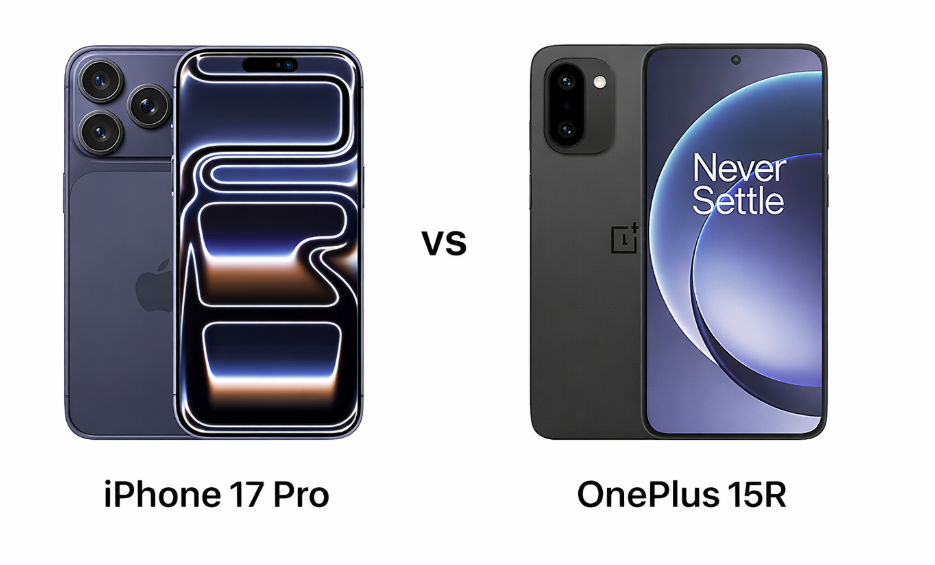
iPhone 17 Pro vs OnePlus 15R: $1100 vs $700 — Is the Premium Worth It?

iphopne vs oneplus

Premium phones are no longer just about specs; they’re about how much extra you’re willing to pay for refinement. The iPhone 17 Pro and OnePlus 15R sit on opposite sides of that debate, with a massive $400 gap separating them despite both offering flagship-level performance. One leans into ecosystem, camera power, and polish, while the other focuses on raw specs, battery, and value. This comparison matters for buyers deciding whether the “premium experience” is truly worth the extra money, or if smart value delivers more where it counts.

Please Note: When you buy something using the links in our articles, we may earn a small commission at no cost to you.

Major Features:

FeatureiPhone 17 ProOnePlus 15RWinner
Display6.3″ LTPO OLED, 120Hz, Dolby Vision, 3000 nits peak6.83″ AMOLED, 165Hz, Dolby Vision, 3600 nits peakOnePlus – Higher refresh rate + brighter
ChipsetApple A19 Pro (3nm)Snapdragon 8 Gen 5 (3nm)iPhone – Better optimization & stability
RAM & Storage12GB + NVMe (256GB–1TB)12GB + UFS 4.1 (256GB–512GB)iPhone – Faster storage & higher max
Rear Camera48MP + 48MP telephoto + 48MP ultrawide + LiDAR50MP + 8MP ultrawideiPhone – More versatile setup
Selfie Camera18MP + 3D depth32MP AFOnePlus – Higher resolution + AF
Video Recording4K up to 120fps, ProRes, Dolby Vision4K up to 120fpsiPhone – Pro-level video features
Battery~4000–4250mAh7400mAhOnePlus – Massive capacity advantage
ChargingWired + 25W wireless (MagSafe)80W wiredOnePlus – Much faster charging
Build & ProtectionCeramic Shield 2, IP68Gorilla Glass 7i, IP68/IP69KiPhone – More premium materials
ConnectivityWi-Fi 7, USB 3.2, UWB, satelliteWi-Fi 7, USB 2.0, IR blasteriPhone – More advanced tech
BiometricsFace IDUltrasonic fingerprintTie – Preference-based
Price$1100 / ₹135,000$700 / ₹47,998OnePlus – Much better value

Please Note: When you buy something using the links in our articles, we may earn a small commission at no cost to you.

Design and Display

Build and Feel

iPhone 17 Pro continues Apple’s premium design philosophy with a Ceramic Shield front, metal frame, and refined glass construction. The materials feel dense and polished, giving the device a clearly flagship-level finish. Apple’s ecosystem integration and durability features also reinforce the sense that this phone is built for long-term ownership.

OnePlus 15R uses Gorilla Glass protection with an aluminum frame and an optional composite back panel. While it may not feel quite as luxurious as Apple’s approach, the design still looks modern and durable. The added IP68/IP69K water resistance also brings strong real-world durability. Overall, OnePlus prioritizes practicality and toughness rather than ultra-premium polish.

Display Quality

Apple equips the iPhone 17 Pro with a 120Hz LTPO Super Retina XDR OLED panel featuring Dolby Vision, excellent brightness, and strong color calibration. The screen is tuned for accuracy, which often makes photos and videos appear more natural.

The OnePlus 15R counters with a 165Hz AMOLED display supporting HDR10+, Dolby Vision, and significantly higher peak brightness. The smoother refresh rate can make scrolling and gaming feel noticeably faster, giving the panel a more energetic character.

Verdict

Apple offers superior color tuning and a premium finish, while OnePlus pushes refresh rate and brightness. The choice largely depends on whether refinement or raw visual punch matters more.

Specifications Including Battery

Performance

The Apple A19 Pro chipset inside the iPhone 17 Pro represents one of the most powerful mobile processors available. Combined with Apple’s tight hardware-software optimization, everyday performance feels extremely fluid. Tasks like video editing, gaming, and multitasking tend to run with remarkable efficiency. Apple’s chip design also typically maintains performance stability over long periods, which benefits demanding workloads.

The Snapdragon 8 Gen 5 powering the OnePlus 15R is also a flagship-grade processor built on a modern 3nm architecture. With its Oryon CPU cores and Adreno GPU, the phone targets top-tier Android performance. In raw multitasking and high-refresh gaming scenarios, the device feels fast and aggressive, reflecting OnePlus’ performance-focused identity.

Battery and Charging

Battery capacity is where the OnePlus 15R becomes difficult to ignore. Its 7400mAh battery paired with 80W fast charging promises exceptional endurance and dramatically quicker refueling.

The iPhone 17 Pro relies more on efficiency than capacity. While Apple’s optimization often delivers strong daily usage, charging speeds remain relatively conservative compared to modern Android rivals.

Verdict

Apple leads in efficiency and optimized performance, but OnePlus clearly dominates battery capacity and charging speed. For power users, the difference is difficult to overlook.

Camera

Main and Secondary Lenses

The iPhone 17 Pro features a triple-camera system built around three 48MP sensors, including a periscope telephoto and an ultrawide lens. Apple also integrates advanced technologies such as sensor-shift stabilization, LiDAR depth sensing, and professional video features like ProRes and Dolby Vision HDR recording. The camera system focuses heavily on consistency, reliable color science, and strong low-light performance.

The OnePlus 15R adopts a simpler dual-camera setup with a 50MP primary sensor and an ultrawide lens. While the main camera can capture detailed images with good dynamic range, the absence of a dedicated telephoto lens limits versatility. The system feels optimized for everyday photography rather than professional-level imaging.

Selfie Camera

Apple includes an advanced front camera with depth sensors that support biometric security and improved portrait effects. Video recording quality also remains among the strongest in the industry.

The OnePlus 15R uses a 32MP selfie camera with autofocus, delivering sharper front-facing photos and decent video capabilities.

Verdict

Apple delivers a far more versatile and professional camera system. OnePlus performs well for casual photography but lacks the range and advanced imaging tools.

Pricing

The iPhone 17 Pro costs roughly $1100 (around ₹135,000), positioning it firmly in the ultra-premium flagship category. Apple’s pricing reflects its brand value, ecosystem integration, long-term software support, and high-end camera capabilities. For many buyers, the iPhone experience itself is part of the justification.

The OnePlus 15R, priced around $700 (approximately ₹47,998), sits in a dramatically different value segment. Despite costing hundreds less, it still offers a flagship-class chipset, a high-refresh-rate display, and an enormous battery. From a pure specification perspective, the price gap is surprisingly difficult to rationalize.

Is the Price Justified?

Apple’s premium largely pays for ecosystem advantages, camera leadership, and long-term optimization. Those factors remain meaningful for users already invested in Apple services.

However, the OnePlus 15R arguably offers one of the strongest price-to-performance ratios among modern Android phones.

Verdict

The iPhone justifies its price through ecosystem strength and camera performance, while OnePlus clearly wins on raw value.

Disclaimer:
Prices are approximate and may vary based on country, region, and applicable taxes.

Conclusion

The iPhone 17 Pro distinguishes itself with features such as Apple’s A19 Pro chipset, LiDAR-assisted photography, ProRes video recording, satellite connectivity, and deep integration with the Apple ecosystem. These capabilities create a polished flagship experience that often feels cohesive and refined.

The OnePlus 15R, meanwhile, focuses on power and practicality. Its enormous battery, extremely fast charging, high-refresh-rate display, and Snapdragon flagship chipset make it feel like a performance-focused device designed for heavy daily use. The inclusion of an infrared sensor and high-brightness display also adds useful everyday convenience.

Verdict

iPhone 17 Pro justifies its premium with a more versatile camera system, advanced video features, and tight integration with Apple’s ecosystem, making it appealing for users who prioritize photography, long-term optimization, and a polished flagship experience. 

However, the OnePlus 15R delivers flagship performance, a smoother high-refresh display, and a massive battery with much faster charging at a significantly lower price. For most buyers focused on hardware value and endurance, the OnePlus 15R offers better value for money, while the iPhone 17 Pro makes sense mainly for those who specifically want Apple’s ecosystem and camera advantages.

Read More:

The post iPhone 17 Pro vs OnePlus 15R: $1100 vs $700 — Is the Premium Worth It? appeared first on Gizmochina.

OnePlus Pad 3 Pro, OnePlus Pad Mini key specifications tipped well before launch

OnePlus Pad 2 Pro

Last year, OnePlus launched the Snapdragon 8 Elite-powered OnePlus Pad 2 Pro in China. Now, a new leak reveals that its successor edition may not be far away. The same leak also reveals that the brand could be working on a compact flagship tablet.

OnePlus Pad 3 Pro specifications (rumored)

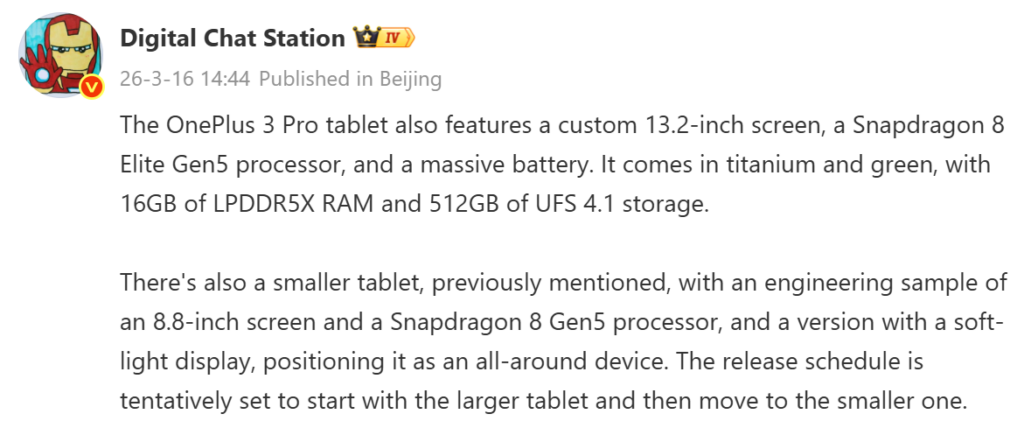
According to tipster Digital Chat Station, the OnePlus Pad 3 Pro is expected to feature a large 13.2-inch customized display powered by the Snapdragon 8 Elite Gen 5 chipset. It is also said to offer a high-end configuration with 16GB LPDDR5X RAM and 512GB UFS 4.1 storage.

The Pad 3 Pro is tipped to pack a battery capacity exceeding 10,000mAh and may arrive in Titanium and Green color options.

Just as last year’s OnePlus Pad 2 Pro was based on the Oppo Pad 4 Pro, it is likely that the OnePlus Pad 3 Pro may bear similarities with the upcoming Oppo Pad 5 Pro, which is said to feature a 13.2-inch display, a Snapdragon 8 Elite Gen 5 chip, a 13,000mAh battery with 67W fast charging, up to 16GB of RAM, up to 512GB of storage, a 13-megapixel rear camera, and an 8-megapixel front camera.

OnePlus Pad Mini key details tipped

The same leak also mentions a smaller tablet currently in development. While DCS did not mention its name, it could be called the OnePlus Pad Mini.

Its engineering prototype is said to feature an 8.8-inch display and could run on the Snapdragon 8 Gen 5 processor. This compact model may also include a matte or soft-light display option and is expected to focus on a balanced, all-around experience. As per the current schedule suggested by the tipster, the larger tablet could launch first, followed later by the smaller model.

This device may bear similarities with the rumored Oppo Pad Mini, which is said to have the OPD2511 model number. The OnePlus variant is said to have the model number OPD2513. The Oppo offering may arrive in configurations such as 8GB+256GB, 12GB+256GB, 12GB+512GB, and 16GB+512GB. It may come in shades like Monet Purple, Dawn Gold, and Mocha Brown.

OnePlus is expected to announce the OnePlus 15T in April in China. Likely, the OnePlus Pad 3 Pro may debut alongside the 15T.

For more daily updates, please visit our News Section.

Stay ahead in tech! Join our Telegram community and sign up for our daily newsletter of top stories.

The post OnePlus Pad 3 Pro, OnePlus Pad Mini key specifications tipped well before launch appeared first on Gizmochina.
Galaxy Tab S12+ rumored to pack a larger battery than Tab S10+ and Tab S11

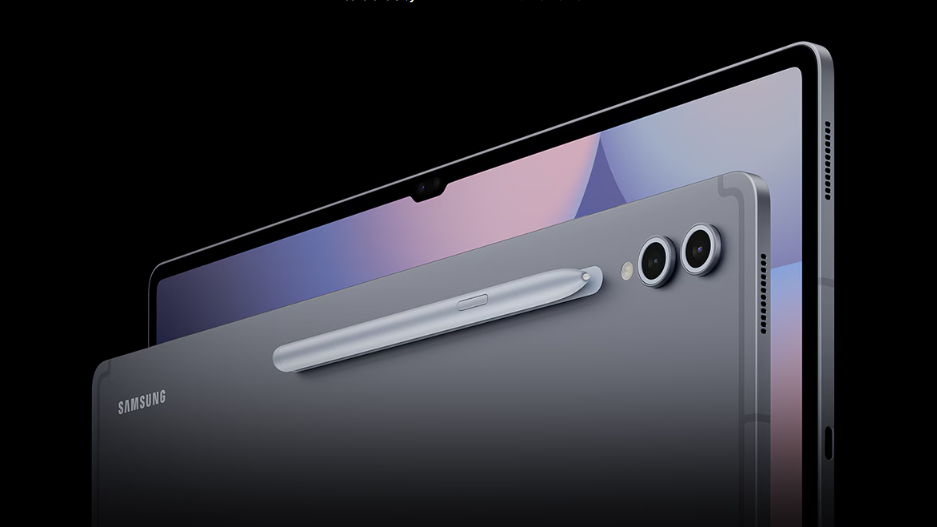
Samsung’s next wave of premium tablets is starting to leak, and the latest details around the Galaxy Tab S12+ suggest a small but useful upgrade.

According to reports from SamMobile, the Tab S12+ is expected to carry batteries with model numbers EB-BX846AAE and EB-BX846AAY, both rated at 10,392mAh. As usual, Samsung will likely market a slightly higher “typical” capacity, which could land somewhere between 10,500mAh and 10,600mAh. That’s only about a 4–5% bump over the Galaxy Tab S10+.

The overall design doesn’t seem to be changing much. The tablet is expected to stick with the familiar 12.4-inch form factor, paired with an OLED display, QHD+ resolution, and a 120Hz refresh rate. That combination has worked well for Samsung’s Plus models so far.

On the performance side, early information points to MediaTek’s Dimensity 9500+ chipset. If that holds, the Tab S12+ should offer a decent balance between power and efficiency. Memory and storage options are expected to start at 12GB RAM and 256GB storage, with support for microSD expansion still likely.

Other features sound pretty in line with what you’d expect from Samsung’s high-end tablets. There’s mention of a quad-speaker setup with Dolby Atmos, IP68 dust and water resistance, and a bundled S Pen, which should again be water-resistant as well. Fast charging is expected to top out at around 45W, similar to previous models.

Camera details are still unclear, but as usual, that’s not really the focus here. Samsung seems to be doubling down on the basics: display, battery, performance, and overall usability.

As for timing, the Galaxy Tab S12 series, including the S12+ and the larger Ultra model, is rumored to launch sometime in Q3 2026. That would line up with Samsung’s usual release cycle for its flagship tablets.

It’s not a major overhaul, at least on paper, but a slightly bigger battery combined with a newer chipset could still translate to better real-world endurance.

Don’t miss a thing! Join our Telegram community for instant updates and grab our free daily newsletter for the best tech stories!

For more daily updates, please visit our News Section.

(Source)

The post Galaxy Tab S12+ rumored to pack a larger battery than Tab S10+ and Tab S11 appeared first on Gizmochina.
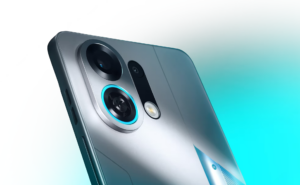
Oppo K14 Turbo series to launch in April with Dimensity 9500s, built-in cooling fan, and more

Oppo is launching the Find N6 foldable phone along with the Watch X3 smartwatch today in China. Next month, the brand will hold a major launch event to announce the Find X9 Ultra, Find X9s Pro, and new Oppo tablets. A new update coming from an official Oppo source has revealed that April will also see the arrival of the company’s K-series performance smartphones.

Oppo K14 Turbo series launch timeframe

According to Oppo product manager SaSai, the upcoming K14 lineup is expected to debut in early April. He added that the entire lineup will include an integrated active cooling fan. s.

The active cooling design introduces a compact high-speed fan inside the device, allowing hot air to be pushed out of the internal structure while cooler air circulates inside. This shorter heat dissipation path can help the processor maintain more stable performance during extended gaming sessions and other demanding tasks.

Oppo K14 Turbo series specifications (rumored)

Reports suggest that the Oppo K14 Turbo series may consist of two models, the K14 Turbo and the Oppo K14 Turbo Pro. The Pro version is tipped to feature a 6.79-inch OLED display and may run on the Dimensity 9500s chipset, placing it among the most powerful phones in its segment. The standard model could offer a slightly smaller 6.59-inch OLED display and may be powered by the Snapdragon 8s Gen 4 processor.

Engineering units of the Pro model are said to exist in several configurations, including 12GB+256GB, 12GB+512GB, and 16GB+512GB. The device could weigh about 201 grams and may arrive in colour options such as white, grey, pink, and a forged carbon finish.

Previous leaks have also indicated that the Pro variant may include a large 8,000mAh battery. Both models are expected to feature a 50-megapixel primary rear camera, while the integrated cooling fan system is likely to remain the defining hardware feature of the series.

For more daily updates, please visit our News Section.

Stay ahead in tech! Join our Telegram community and sign up for our daily newsletter of top stories.

(via)

The post Oppo K14 Turbo series to launch in April with Dimensity 9500s, built-in cooling fan, and more appeared first on Gizmochina.

Apple could finally bring 120Hz ProMotion display to affordable iPhones with iPhone 19e

Apple’s more affordable “e” series iPhones have always played it a bit safe with features, especially when it comes to displays. While many Android phones in the same price range already offer 120Hz panels, Apple has stuck with 60Hz so far. That might finally change.

A new report from ZDNet Korea suggests that Apple is planning to bring a high refresh rate display to the lineup with the iPhone 19e, expected around spring 2028. If that timeline holds, it means at least a couple more generations of the “e” series will continue without the upgrade.

The current iPhone 17e, which recently launched as a more accessible option in Apple’s lineup, still uses a 60Hz OLED panel. It also sticks to a single rear camera and a relatively modest battery, making it feel a bit behind compared to similarly priced Android devices. It gets the basics right, but it’s not exactly pushing hardware boundaries.

The reported upgrade for the iPhone 19e is more significant. Apple is said to be planning a 120Hz LTPO OLED display, which would allow the refresh rate to dynamically adjust between 1Hz and 120Hz depending on what’s on screen. That’s the same general idea behind ProMotion on higher-end iPhones, and it could make scrolling, animations, and overall responsiveness feel noticeably smoother.

As usual, Apple is expected to reuse parts from earlier flagship models to keep costs down. In this case, the panel could be borrowed from the iPhone 17 series: a 6.3-inch display with a resolution of 2,622 × 1,206, along with high brightness levels for HDR content. The shift from LTPS to LTPO would also help with power efficiency, which should translate to better battery life in everyday use.

Another likely addition is support for an always-on display, something that’s been limited to more expensive iPhones so far. With LTPO, the screen can drop to very low refresh rates, allowing it to show basic information without draining much power.

It’s still early, and plans could change, but the move suggests Apple is gradually bringing more premium features to its lower-cost models.

Don’t miss a thing! Join our Telegram community for instant updates and grab our free daily newsletter for the best tech stories!

For more daily updates, please visit our News Section.

(Source)

The post Apple could finally bring 120Hz ProMotion display to affordable iPhones with iPhone 19e appeared first on Gizmochina.

Huawei Mate 80 Pro Goes Global, Starting with Malaysia Launch

Huawei-Mate-80-Pro-Design

Last month, Huawei revealed its plans to bring the Mate 80 Pro to the global market. The company has now officially made the device available outside China, beginning with Malaysia. Originally unveiled in China in November 2025 alongside other Mate 80 series models, the Pro variant is currently the only version being offered internationally.

Huawei-Mate-80-Pro-Design

The Mate 80 Pro comes with a 6.75-inch LTPO OLED display with a resolution of 2832 × 1280 pixels. It supports a 120Hz refresh rate and reaches up to 3,000 nits peak brightness. The display also includes 1440Hz PWM dimming and a 300Hz touch sampling rate. It is protected by second-generation Kunlun Glass.

Huawei-Mate-80-Pro-color-options-globally

Huawei has not confirmed the chipset for the global model. In China, the 16GB RAM and 512GB storage variant uses the Kirin 9030 Pro processor, which is also used in the Mate 80 Pro Max and Mate 80 RS Ultimate Design.

For cameras, the phone has a 13MP front camera that supports 4K video recording. On the back, it features a triple camera setup with a 50MP ultra lighting main camera with a variable aperture from F1.4 to F4.0, a 40MP ultra-wide camera, and a 48MP ultra lighting macro telephoto camera. The phone supports 4x optical zoom, up to 100x digital zoom, and can record videos in 8K.

HUAWEI Mate 80 Pro

The device comes with IP68 and IP69 ratings for dust and water resistance. It supports dual SIM with 4G connectivity, along with WiFi 7, Bluetooth 6.0, NFC, 3D face unlock, a fingerprint scanner, and an infrared sensor. It is powered by a 5,750mAh battery with support for 100W wired fast charging and 80W wireless fast charging.

Pricing & availability

The Mate 80 Pro is available in a single configuration with 16GB RAM and 512GB storage. Buyers can choose from Black, Green, and Gold color options. It is priced at RM 3,999, which is about $1,017, €888, or £765.

Don’t miss a thing! Join our Telegram community for instant updates and grab our free daily newsletter for the best tech stories!

For more daily updates, please visit our News Section.

The post Huawei Mate 80 Pro Goes Global, Starting with Malaysia Launch appeared first on Gizmochina.

Galaxy A57 teardown shows larger vapor chamber than A56, hinting at better sustained performance

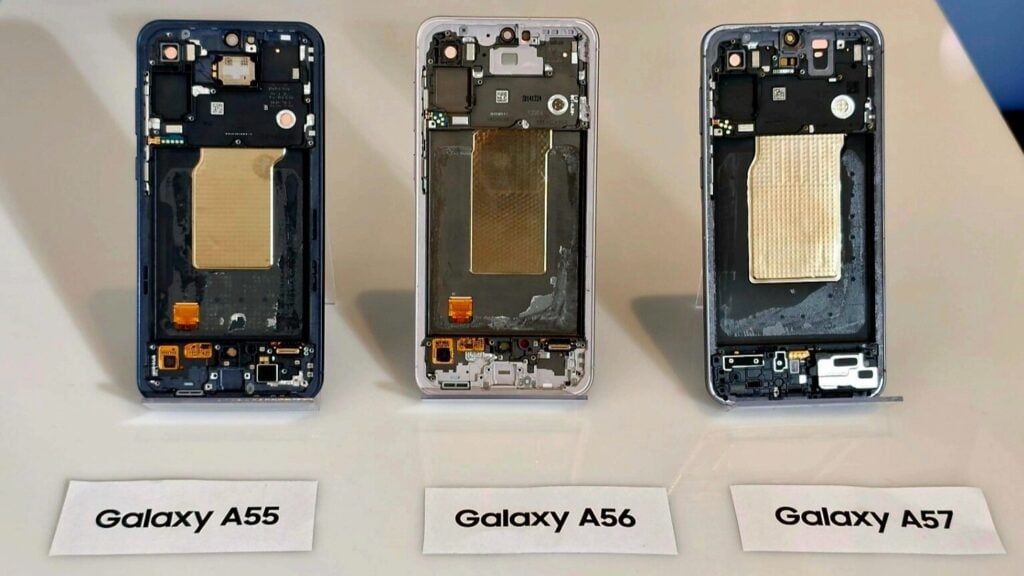
Samsung’s upcoming Galaxy A57 is starting to take shape through leaks, and the latest one points to a change that might actually matter in day-to-day use. While recent unboxing clips have focused on design, a new image suggests Samsung may be putting more effort into thermal performance this time.

A tipster on X, @Alfaturk16, shared what looks like a side-by-side comparison of the internals of the Galaxy A55, Galaxy A56, and the unreleased Galaxy A57. The image appears to be pulled from a teardown or assembly clip, showing the phones with their backs and batteries removed. What stands out is the vapor chamber: the A57’s looks noticeably larger than the ones used in the previous two models.

That might not sound like a big deal at first, but cooling plays a bigger role than most people notice. A larger vapor chamber helps move heat away from the chipset more efficiently, which can keep performance stable during longer gaming sessions or heavier multitasking. In simpler terms, it should help the phone avoid slowing down when things get demanding.

This lines up with what we’ve been seeing from other recent leaks. The Galaxy A57 has already shown up in hands-on and unboxing videos, reportedly from retail units in Thailand, suggesting launch isn’t too far off. It also reveals a price of 17,999 THB for the 12GB + 256GB variant, roughly 2,000 THB higher than the same model of the Galaxy A56.

Of course, the internal image itself hasn’t been independently verified, so it’s worth taking with some caution. Still, the timing fits. The A57 has moved pretty quickly from early leaks to real-world sightings, which usually means an official announcement isn’t far away.

Samsung’s A-series tends to focus on steady, incremental upgrades rather than big headline features. If this larger cooling system is real, it could be one of those changes that doesn’t look flashy on paper but ends up making a noticeable difference over time.

Don’t miss a thing! Join our Telegram community for instant updates and grab our free daily newsletter for the best tech stories!

For more daily updates, please visit our News Section.

(Source)

The post Galaxy A57 teardown shows larger vapor chamber than A56, hinting at better sustained performance appeared first on Gizmochina.

Xiaomi 18 Pro tipped with two 200MP cameras, 7000mAh battery in a 6.3-inch body

Xiaomi 17 Pro Rear Display

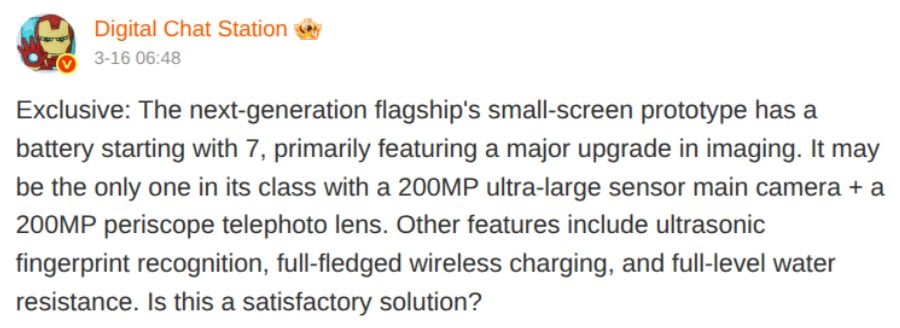
A new leak is adding to the growing pile of early details around Xiaomi’s next flagship lineup. According to frequent tipster Digital Chat Station, the upcoming Xiaomi 18 Pro will feature two 200MP cameras alongside a big battery.

In particular, this “small-screen” flagship is said to feature a 200-megapixel main camera paired with a 200-megapixel periscope telephoto lens. Both these lenses are an upgrade from Xiaomi 17 Pro’s 50MP main and telephoto setup. 

The successor is also expected to feature a 7000mAh battery, a slight improvement over the 17 Pro’s 6300mAh cell. And of course, for a flagship, wireless charging is a must. 

Apart from this, the leaked prototype is said to include features like IP68/IP69-rated water and dust resistance, and a 3D ultrasonic in-display fingerprint sensor.

Xiaomi 18 Pro could also retain the rear screen

Perhaps more interesting is the fact that the Xiaomi 18 Pro is also rumored to retain the rear display alongside the cameras. This would be impressive, if true, given that the company is also using larger camera sensors and a bigger battery. And mind you, this is a 6.3-inch flagship, not your regular 7-inch slab.

xiaomi 17 pro
Xiaomi 17 Pro

Previous leaks have also indicated that the Xiaomi 18 series could be powered by Qualcomm’s next-generation flagship chipset, widely expected to be the Snapdragon 8 Elite Gen 6. The lineup may launch in China around September next year, while an Ultra variant could arrive later.

For now, these details remain early and subject to change. But if Xiaomi does move forward with a dual 200MP camera setup and a 7,000mAh-class battery, the Xiaomi 18 Pro could end up being more about refining extremes. We’ll keep you in the loop as more details emerge.

For more daily updates, please visit our News Section.

Stay ahead in tech! Join our Telegram community and sign up for our daily newsletter of top stories.

The post Xiaomi 18 Pro tipped with two 200MP cameras, 7000mAh battery in a 6.3-inch body appeared first on Gizmochina.
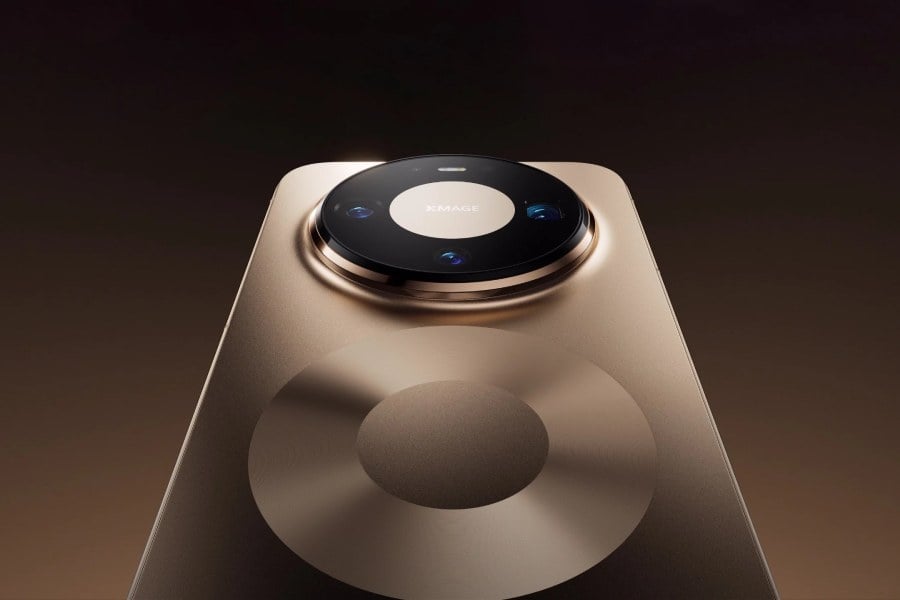
Xiaomi Book Pro 14 and Xiaomi Watch S5 confirmed to launch on March 19, read the specs

Xiaomi-Book-Pro-14-in-Blue

Xiaomi is preparing for a multi-product launch event in China, where it will unveil a new laptop, a smartwatch, and an electric vehicle. The event is scheduled for March 19 at 7 PM Beijing time, and ahead of that, the company has started sharing early details about what to expect.

Xiaomi Book Pro 14

At the center of the announcement is the Xiaomi Book Pro 14. The device is confirmed to feature a 14.6-inch OLED panel with a 3.1K resolution, a 120Hz refresh rate, and 1600 nits of brightness. 

The Book Pro 14 is light at just 1.08kg and is paired with a thin chassis design. Powering it is Intel’s third-generation Core Ultra X7 358H processor. And storage option goes up to 4TB via multiple drive slots and an additional M.2 SSD slot.

Xiaomi-Book-Pro-14-in-Blue

Moreover, the laptop has a large pressure-sensitive touchpad designed to support gesture controls. Its port options include Thunderbolt 4, USB Type-C, USB Type-A, HDMI 2.1, and a 3.5mm headphone jack. 

For cooling, Xiaomi is using a vapor chamber system with dual fans and a triple air-duct setup. The company says it can sustain up to 50W of performance under load.

Xiaomi Watch S5

Alongside the laptop, Xiaomi will introduce the Xiaomi Watch S5. The wearable features a redesigned sensor system that uses multiple light sources and photodiodes to improve biometric readings. Xiaomi claims its updated heart rate algorithm can achieve up to 94 percent accuracy.

Xiaomi Watch S5

Sleep tracking is done via a new algorithm designed to better detect when users fall asleep and wake up. On the fitness side, the watch supports over 150 sports modes and uses a dual-frequency GNSS chip for more accurate location tracking across multiple satellite systems, including GPS and Galileo.

Xiaomi says the Watch S5 can last up to 21 days in Bluetooth mode, or around 14 days when using eSIM connectivity, thanks to a large 815mAh battery.

The March 19 event will also include the debut of the next version of the Xiaomi SU7 electric car.

For more daily updates, please visit our News Section.

Stay ahead in tech! Join our Telegram community and sign up for our daily newsletter of top stories.

The post Xiaomi Book Pro 14 and Xiaomi Watch S5 confirmed to launch on March 19, read the specs appeared first on Gizmochina.

OnePlus teases next Nord phone ahead of expected Nord 6 launch

OnePlus appears to be gearing up for the next chapter of its Nord lineup. The company’s India account recently posted a short teaser on X (formerly Twitter), hinting that a new Nord device could be on the way soon.

The post carries the line “Entering the Nord era soon” alongside the hashtag #OnePlusNord. The image itself is fairly cryptic. It shows an X-ray-style view of a bag containing everyday items like earbuds, keys, a charger, and a smartphone. The phone’s design is mostly hidden, though the OnePlus logo and a large battery silhouette stand out. It’s clearly meant to spark curiosity rather than reveal much about the device.

While OnePlus hasn’t confirmed the model name yet, many signs point to the upcoming OnePlus Nord 6. A device believed to be the Nord 6 (model CPH2795) previously appeared on Geekbench, where it was listed with the Qualcomm Snapdragon 8s Gen 4 chipset. If accurate, that would mark a major performance jump for the series, bringing near-flagship levels of power for gaming, multitasking, and AI features.

There’s also speculation that the Nord 6 could be closely related to the OnePlus Turbo 6, a phone already launched in China. OnePlus has followed a similar strategy before, releasing slightly modified versions of its China-only models for global markets like India and Europe.

If the connection holds, the Nord 6 could inherit several of the Turbo 6’s key specs. Leaks suggest a 6.78-inch AMOLED display with a 1.5K resolution and possibly a 165Hz refresh rate. Another headline feature could be a massive 9,000mAh battery paired with 80W fast charging.

Alongside the Nord 6, OnePlus may also introduce the Nord CE 6, which recently appeared in India’s BIS certification database. That model is expected to target a more affordable segment.

While OnePlus hasn’t confirmed a launch date yet, early reports suggest the Nord 6 series could debut globally around April 2026, with India likely among the first markets. For now, the teaser campaign suggests the company is just getting started.

Don’t miss a thing! Join our Telegram community for instant updates and grab our free daily newsletter for the best tech stories!

For more daily updates, please visit our News Section.

(Source: OnePlus)

The post OnePlus teases next Nord phone ahead of expected Nord 6 launch appeared first on Gizmochina.
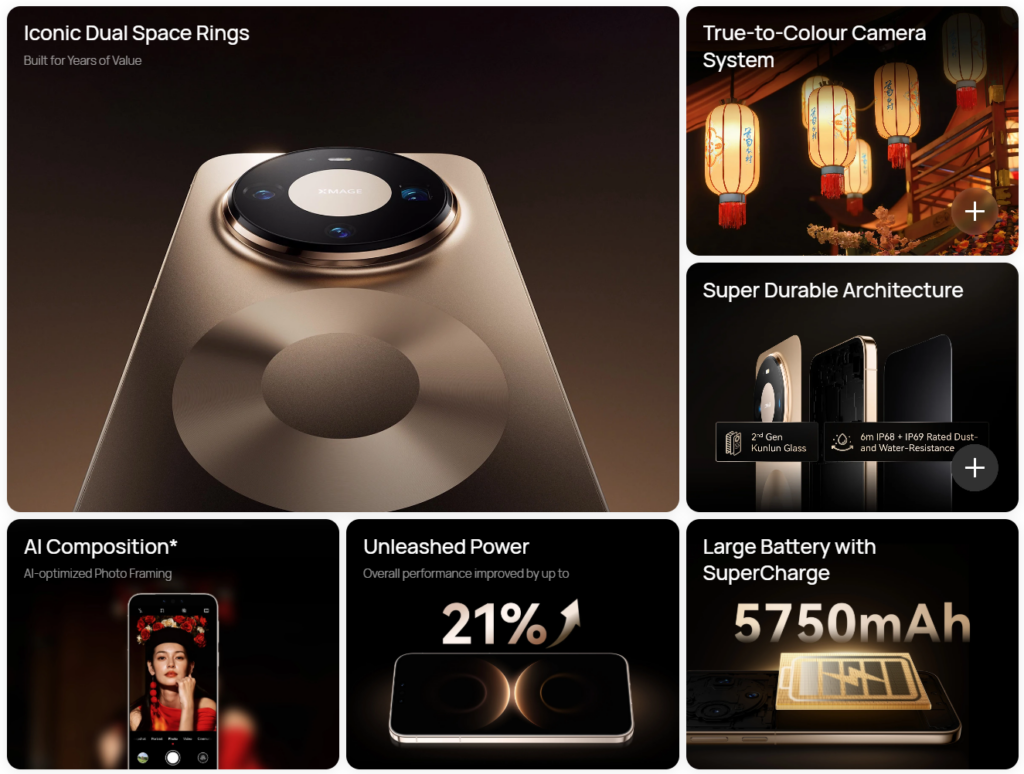
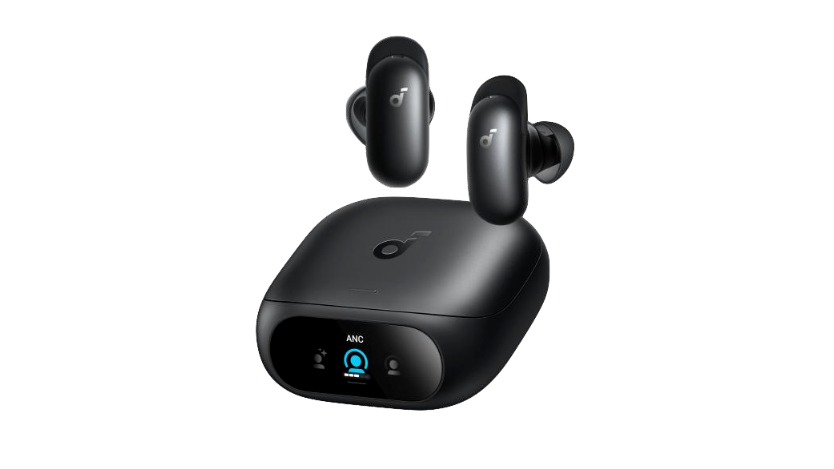
Anker Soundcore Liberty 5 Pro, Pro Max leak with touchscreen and Anker Thus AI chip for audio enhancement

Anker appears to be preparing another expansion of its Soundcore audio lineup, with leaks pointing to two upcoming TWS earbuds: the Soundcore Liberty 5 Pro and Liberty 5 Pro Max. The details come from known tipster AnkerInsider, who shared early information about the models that could soon sit above the Liberty 5 from last year.

Both earbuds reportedly build on the standard Soundcore Liberty 5, which currently sells for around $100. One of the more notable upgrades is a new AI-focused chip called Anker Thus, a compute-in-memory processor designed to enable features like AI audio upscaling that aims to improve clarity and detail in music playback.

The Soundcore Liberty 5 Pro (model D1203) appears to focus on improved everyday listening. It’s said to feature Adaptive Active Noise Cancellation 4.0, an upgrade over the ANC 3.0 system found in the regular Liberty 5. Other highlights reportedly include Dolby Atmos spatial audio, Bluetooth 6.1 with multipoint connectivity, and IP55 dust and water resistance.

One of the more unusual additions is the charging case with a built-in touchscreen. According to the leak, users will be able to control playback, switch ANC modes, check battery levels, and manage connected devices directly from the case. Battery life is listed at 6.5 hours with ANC enabled (up to 28 hours total with the case) or 10 hours without ANC for a combined 45 hours. Charging options include USB-C, fast charging, and wireless charging. The Liberty 5 Pro is expected to launch at $170 in Black and White.

The Liberty 5 Pro Max (model D1204) reportedly keeps most of those features but adds a few extra tricks. Its charging case doubles as a portable voice recorder, using a system that could include up to eight microphones for capturing audio. The earbuds may also support voiceprint recognition, allowing the case to identify the owner’s voice.

Pricing for the Pro Max is expected to land around $230, with color options listed as Black and Gold.

Don’t miss a thing! Join our Telegram community for instant updates and grab our free daily newsletter for the best tech stories!

For more daily updates, please visit our News Section.

(Source)

The post Anker Soundcore Liberty 5 Pro, Pro Max leak with touchscreen and Anker Thus AI chip for audio enhancement appeared first on Gizmochina.

AOC launches new super affordable 24.5-inch 1080p 144Hz IPS gaming monitor

AOC 25B35XE Monitor

AOC has introduced a new 24.5-inch monitor, the 25B35XE, in the Chinese market. The monitor features a 1080p resolution and a 144Hz refresh rate. It is priced at 699 yuan ($100), making it an affordable option for gamers and general users.

AOC 25B35XE Monitor

AOC 25B35XE Specifications

The AOC 25B35XE features an IPS panel with wide 178-degree viewing angles and accurate colors. It offers a Full HD resolution of 1920 x 1080 pixels and a 144Hz refresh rate. The monitor includes Clear Vision technology, which enhances image sharpness by improving the clarity of low-resolution or compressed content.

AOC has equipped the monitor with a typical brightness level of 300 nits and a 1500:1 static contrast ratio. These specifications ensure good visibility in various lighting conditions and enhance detail in both bright and dark areas. The monitor includes an HDR simulation mode, which enhances highlights and shadows for a more dynamic visual experience, though it does not provide full HDR support.

AOC 25B35XE Monitor

The monitor features a 0.5ms MPRT and 4ms GtG response time for reduced motion blur and ghosting. It includes AOC’s MBR Sync for improved motion clarity and Adaptive Sync to prevent screen tearing and stuttering during gameplay.

AOC has included several gaming-focused features, such as GameColor adjustment, shadow control for better visibility in dark scenes, and dynamic crosshair overlays for improved aiming in FPS games. The monitor also supports low blue light and flicker-free technologies to reduce eye strain during long usage sessions.

The 25B35XE has HDMI and VGA ports, ensuring compatibility with PCs, laptops, and gaming consoles. The stand supports tilt adjustment from −5° to 23°. The monitor also comes with VESA 100 × 100 mm support.

In related news, Philips has recently unveiled a new 32-inch 4K 240Hz QD-OLED gaming monitor, while LG has introduced the 52-inch UltraGear 52G930B monitor featuring a 240Hz refresh rate, HDR600 support, and a 1000R curved display.

For more daily updates, please visit our News Section.

Stay ahead in tech! Join our Telegram community and sign up for our daily newsletter of top stories! 💡

(JD)

The post AOC launches new super affordable 24.5-inch 1080p 144Hz IPS gaming monitor appeared first on Gizmochina.
Philips launches new 32-inch 4K 240Hz QD-OLED gaming monitor

Philips Evnia 32M2N8800P

Philips has officially launched the Evnia 32M2N8800P gaming monitor, featuring a 32-inch 4K OLED display with a 240Hz refresh rate. The monitor is now available on Tmall for 5,999 yuan (approximately $860).

Philips Evnia 32M2N8800P

Philips Evnia 32M2N8800P Specifications

The Evnia 32M2N8800P uses a 31.5-inch QD-OLED panel with a resolution of 3840 x 2160 pixels. The panel comes with Samsung’s third-generation Quantum Dot OLED technology, which enhances color accuracy and contrast.

The display supports HDR True Black 400 certification and provides sharp visuals with vivid colors. It delivers a peak brightness of 1000 nits (3% window) and achieves near-perfect color reproduction with 99% DCI-P3, 97.5% AdobeRGB, and 100% sRGB coverage. Philips ships each monitor with a factory calibration report, ensuring a DeltaE < 2 color accuracy.

The monitor provides a 240Hz refresh rate with 0.03ms gray-to-gray (GtG) response time, reducing motion blur for fast-paced gaming. Philips has included Adaptive Sync technology to eliminate screen tearing and stuttering during high-frame-rate gameplay. The display also holds VESA ClearMR 13000 certification, which ensures sharp motion clarity.

Philips Evnia 32M2N8800P

In terms of gaming features, the 32M2N8800P offers AI-based shadow enhancement to brighten dark areas, a Smart Sniper mode for improved accuracy in first-person shooters, and low-latency acceleration technology to reduce input lag for more responsive gameplay.

The monitor includes multiple connectivity options. It features one DisplayPort 2.1 port, two HDMI 2.1 ports, a USB-B upstream port, and two USB-A 3.2 Gen 1 ports. The DisplayPort 2.1 interface supports up to 4K resolution at 240Hz, while HDMI 2.1 supports 4K at 120Hz. Philips has also included a 3.5mm audio jack and USB KVM support for easier peripheral switching.

The Evnia 32M2N8800P includes Ambiglow ambient lighting, which synchronizes RGB lighting with on-screen visuals, motion, or audio. The monitor features dual 5W speakers for built-in audio. The ergonomic stand supports height, tilt, and swivel adjustments. Philips also offers a quick-release mechanism, VESA wall-mount compatibility, and a headphone hook.

In related news, LG has recently introduced the 52-inch UltraGear 52G930B gaming monitor featuring a 240Hz refresh rate, HDR600 support, and a 1000R curved display, while ViewSonic has launched a new budget gaming monitor with a 27-inch 1080p panel and a 175Hz refresh rate.

For more daily updates, please visit our News Section.

Stay ahead in tech! Join our Telegram community and sign up for our daily newsletter of top stories! 💡

(Tmall)

The post Philips launches new 32-inch 4K 240Hz QD-OLED gaming monitor appeared first on Gizmochina.

Poco X8 Pro, X8 Pro Max and Iron Man Edition Prices Leaked Ahead of India Launch

Poco X8 Pro MAX 5G

Poco will launch the Poco X8 Pro series in India and global markets tomorrow at 5:30 PM IST / 20:00 GMT+8. The lineup is expected to include the Poco X8 Pro, Poco X8 Pro Max, and a limited Poco X8 Pro Iron Man Edition. Ahead of the launch, a leak has revealed the expected pricing for the Indian market.

Poco X8 Pro

According to tipster Paras Guglani, the Poco X8 Pro will start at ₹33,999 for the 8GB + 256GB variant. The 12GB + 256GB model is tipped to cost ₹37,999. The Poco X8 Pro Max is expected to arrive in two storage options. The 12GB + 256GB version may be priced at ₹41,999, while the 12GB + 512GB model could cost ₹45,999.

The leak also mentions a possible introductory offer for the base Poco X8 Pro model. Buyers may receive a ₹3,000 discount, which would lower the effective price of the 8GB + 256GB variant. It is not yet confirmed whether this offer will also apply to the higher memory version or the Poco X8 Pro Max models.

The Poco X8 Pro Iron Man Edition is also expected to launch alongside the standard variants. The limited edition device is tipped to carry a price of ₹43,999. With launch offers, the effective price may drop to around ₹40,999. The discount is expected to come through instant bank offers or cashback.

Poco X8 Pro MAX 5G

If the leaked pricing turns out to be accurate, the Poco X8 Pro series will launch at a higher price than its predecessor. The Poco X7 Pro launched in India last year at ₹27,999 without launch offers. This suggests a price increase of around ₹6,000. The increase reflects the wider smartphone market trend where rising component costs are pushing prices up.

Earlier details from the Flipkart microsite revealed key specifications of the devices. The Poco X8 Pro has an 8.3mm glass body with a scratch-resistant matte finish and a metal frame, weighing 201g. It comes with IP66, IP68, IP69, and IP69K ratings for dust and water resistance and also carries SGS certification.

The phone features a 6.59-inch 1.5K display protected by Corning Gorilla Glass 7i. The panel supports a 120Hz refresh rate and up to 3500 nits peak brightness. For photography, the device uses a 50MP Sony IMX882 main camera with f/1.5 aperture and both optical and electronic image stabilization. It is paired with an 8MP ultra-wide camera that offers a 120-degree field of view. Both camera modules feature red accent rings.

The camera system supports 4K 60fps video recording, 4K night video, zero delay shutter, and motion capture. AI editing tools include Image Enhancement for clarity, Image Expansion for extending scenes, Magic Eraser Pro for removing objects, and Sky Replacement for changing the sky in photos.

Audio comes from dual 1115F symmetrical stereo speakers with Dolby Atmos and Dolby Vision support. The phone also offers a 400 percent volume boost and a dedicated low-volume nighttime mode.

The Poco X8 Pro Max shares most of these features but comes with a larger 6.83-inch display. It also replaces the Sony IMX882 camera with a 50MP Light Fusion 600 sensor.

Both models will be available in Black, White, and Light Blue color options in India through Flipkart. Poco will also release the limited Poco X8 Pro Iron Man Edition alongside the standard models.

Don’t miss a thing! Join our Telegram community for instant updates and grab our free daily newsletter for the best tech stories!

For more daily updates, please visit our News Section.

(Source)

The post Poco X8 Pro, X8 Pro Max and Iron Man Edition Prices Leaked Ahead of India Launch appeared first on Gizmochina.
Apple AirPods Max 2 are official with the H2 chip and improved active noise cancellation

Apple today officially unveiled the second-generation Apple AirPods Max 2. The new over-the-ear headphone brings upgrades to active noise cancellation, sound quality, and several new smart features powered by the company’s H2 chip.

At first glance, the new model looks quite familiar. Its design remains largely unchanged from the original AirPods Max, but most of its improvements are inside. 

Apple AirPods Max 2 Specifications

It now runs an H2 chip, enabling features like adaptive audio, conversation awareness, and voice highlighting. We have seen these features in newer AirPods, and they are now making their way to the company’s flagship headphones, too.

According to Apple, active noise cancellation on AirPods Max 2 is now 1.5 times more effective than the previous generation. The company says the improvement comes from a combination of the H2 chip and updated computational audio algorithms. 

Transparency mode is also getting an update. Apple says the system uses new digital signal processing tuned for the H2 chip and the headphone’s microphone array, which should make outside sounds feel more natural when users want to stay aware of their surroundings.

AirPods Max 2 also introduces a new high dynamic range amplifier designed to produce clearer audio while maintaining the sound profile the original model is known for. The spatial audio now gives more accurate instrument placement and improved balance across lows, mids, and highs.

A few extras

The headphones support 24-bit, 48 kHz lossless audio when connected with the included USB-C cable. Apple says creators can use the headphones in professional workflows inside apps like Logic Pro, including music production and track mixing with head-tracking spatial audio.

The AirPods Max 2 has a Game Mode that the company claims can deliver a more responsive audio experience while gaming. 

AirPods Max 2 also introduces a few less typical features for headphones. Users can remotely control a camera by pressing the digital crown while the Camera app is open on an iPhone or iPad. Apple is also adding studio-quality audio recording, which the company says could be useful for interviews, podcasts, or vocal recordings.

Other additions include personalized volume that adjusts listening levels over time based on user preferences, as well as a new Siri interaction method that allows users to nod or shake their head to respond to notifications from Siri.

On the environmental side, Apple says the headphones include several recycled materials. Magnets are made with 100 percent recycled rare earth elements, ear pads use fully recycled polyester, and Apple-designed circuit boards include recycled gold plating and solder. Packaging is also entirely fiber-based.

Price and Availability

Apple AirPods Max 2 color options

AirPods Max 2 will be available in Midnight, Starlight, Orange, Purple, and Blue. Preorders begin March 25 at $549. The headphones will ship with the Smart Case included with the previous generation.

Don’t miss a thing! Join our Telegram community for instant updates and grab our free daily newsletter for the best tech stories!

For more daily updates, please visit our News Section.

The post Apple AirPods Max 2 are official with the H2 chip and improved active noise cancellation appeared first on Gizmochina.

Red Magic 11 Air Trace Edition Debuts Globally With Snapdragon 8 Elite and 7000mAh Battery

RED MAGIC 11 Air Trace Edition

Red Magic has introduced the Red Magic 11 Air Trace Edition, a new variant of the Red Magic 11 Air that was originally launched in January. The new edition retains the same hardware and design but comes in a fresh white finish with orange accents, giving the device a distinctive look compared to the standard model.

RED MAGIC 11 Air Trace Edition announced

The smartphone features a 6.85-inch OLED display with a resolution of 2688 × 1216 pixels, delivering a 1.5K viewing experience. The panel supports a 144Hz refresh rate and offers up to a 960Hz touch sampling rate for responsive gaming. It also supports 10-bit color depth and covers 100 percent of the DCI-P3 color gamut. For brightness control, the display includes 2592Hz PWM dimming along with DC dimming to reduce eye strain during prolonged use.

RED MAGIC 11 Air Trace Edition announced

Powering the device is Qualcomm’s Snapdragon 8 Elite 3nm mobile platform paired with the Adreno 830 GPU. The phone is equipped with 16GB LPDDR5X Ultra RAM and 512GB of UFS 4.1 internal storage. It runs Android 16 with Red Magic OS 11 layered on top.

For cameras, the phone features a dual rear camera setup consisting of a 50MP primary sensor and an 8MP ultra-wide camera. On the front, it includes a 16MP under-display camera designed to maintain a full-screen display without a visible camera cutout.

Additional features include an in-display fingerprint sensor, stereo speakers, and Dual Smart PA audio. Connectivity options include 5G NSA and SA, dual 4G VoLTE, Wi-Fi 7 (802.11 be) with support for 2.4GHz, 5GHz, and 6GHz bands, Bluetooth 5.4, GPS with L1 and L5 support, GLONASS, NFC, and a USB Type-C port. The device measures 163.82 × 76.54 × 7.85mm and weighs 207g. It houses a 7000mAh battery with support for 80W fast charging.

Pricing & availabilty

The Red Magic 11 Air Trace Edition is priced at USD 599 and is also listed at 599 Euros. Orders will open starting March 30, 2026 through the official Red Magic website at redmagic.gg and select retail partners.

The post Red Magic 11 Air Trace Edition Debuts Globally With Snapdragon 8 Elite and 7000mAh Battery appeared first on Gizmochina.

Oppo Find N6 Launches Tomorrow: What to Expect?

Oppo Find N6

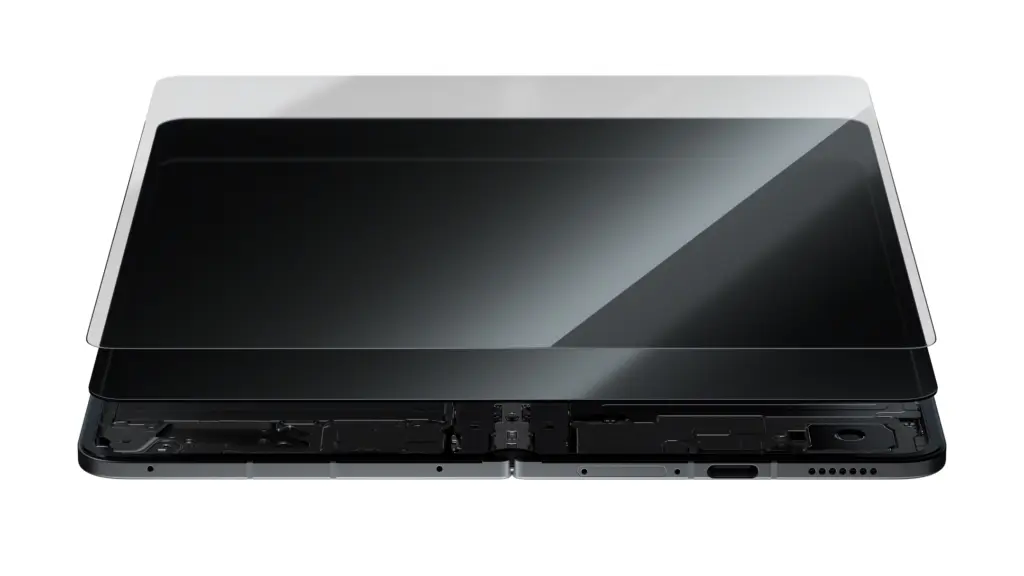
Oppo is preparing to launch its latest foldable smartphone, the Find N6, on March 17. The device aims to address one of the biggest challenges with foldable phones: the visible crease on the inner display.

Oppo claims its latest engineering breakthroughs will deliver a flatter, more durable screen, setting a new benchmark in the foldable smartphone category.

Oppo Find N6

Crease-Free Foldable Experience

Oppo Find N6

Oppo says the Find N6 will feature the world’s flattest foldable display. The company has developed a second-generation Titanium Flexion Hinge that significantly reduces hinge undulation.

The hinge uses a 3D Liquid Printing process to reduce height variances from 0.18mm to just 0.1mm, ensuring a smoother and flatter display.

The panel comes with new Dome Memory Glass, which enables a nearly crease-free foldable display by restoring 99.9% of its flatness after folding.

Oppo says crease visibility is reduced by 82% compared to earlier designs, and TÜV Rheinland certification confirms the screen maintains its flatness after 600,000 folds and durability after one million folds.

According to the brand, the Find N6 will provide a near-zero-feel crease experience, offering a seamless, tablet-like display when unfolded.

Display

The Find N6 will include a 6.62-inch external display with a 1.5K+ resolution. Oppo has used BOE’s Q10 technology for this panel, which supports Dolby Vision, HDR Vivid, and HDR10+. The external display will feature a peak brightness of 1,600 nits and an adaptive refresh rate ranging from 1Hz to 120Hz.

The internal display will measure 8.12 inches with a 2K+ resolution. Oppo has partnered with Samsung to use its E7 display panel. The internal screen will also offer HDR standards, 120Hz adaptive refresh rates, and 2160Hz PWM dimming for better eye comfort.

Performance

Oppo will power the Find N6 with the Qualcomm Snapdragon 8 Elite Gen 5 processor. The device will come in three configurations: 12GB+256GB, 16GB+512GB, and 16GB+1TB. These configurations will use LPDDR5X RAM and UFS 4.1 storage for faster performance.

Oppo will also introduce a new AI-powered stylus with the Find N6. This stylus will allow users to perform tasks like writing, note-taking, and sketching on the foldable display.

Cameras

The Find N6 will feature a triple-camera system. The main camera will include a 200MP Samsung HP5 sensor with optical image stabilization.

Oppo will include a 50MP ultra-wide camera and a 50MP periscope telephoto lens with 3x optical zoom.

The second-generation Danxia lens system will improve optical performance, providing high-quality results for photography enthusiasts.

Durability & Battery Life

Oppo has focused on durability with the Find N6. The frame and hinge include materials like Grade-5 titanium alloy and 7000-series aluminum. Oppo says these materials offer enhanced strength while keeping the phone lightweight.

The device will have triple ingress protection certifications: IP56, IP58, and IP59, making it resistant to dust, splashes, and high-pressure water jets.

The Find N6 will house a 6,000mAh battery. Oppo will include 80W wired charging and 50W wireless charging, ensuring fast power delivery.

Color Options

Oppo has confirmed three color options for the Find N6: Golden Orange, Original Titanium, and Deep Black.

For more daily updates, please visit our News Section.

Stay ahead in tech! Join our Telegram community and sign up for our daily newsletter of top stories! 💡

The post Oppo Find N6 Launches Tomorrow: What to Expect? appeared first on Gizmochina.

4.0″ rugged phone with 120Hz display, 50MP+48MP setup doubles as an action camera

In a smartphone market where screens just keep getting bigger, genuinely compact phones have become surprisingly rare. That’s what makes the upcoming FOSSiBOT F116 Pro a bit unusual. The rugged device takes a different route, combining a very small footprint with durability features and some action-camera style tricks aimed at outdoor users.

The phone’s most striking feature is its 4-inch display (some listings mention about 4.05 inches), which immediately sets it apart from the typical 6-plus-inch smartphones dominating store shelves. The device measures roughly 114.5 × 59.6 × 23 mm and weighs around 207 grams, so it’s thick for its size, though that extra bulk comes from the rugged build. The screen itself carries a 540 × 1168 resolution with a pixel density of around 322 PPI, which should look reasonably sharp at this scale.

Under the hood, the F116 Pro is said to run on MediaTek’s Dimensity 7300 chip (or the 7300-Ultra variant in some reports), paired with 12 GB of RAM and up to 256 GB of storage. Some spec sheets also mention microSD expansion up to 1 TB.

Cameras are another focus here. The phone includes a 50 MP main sensor, but the more unusual addition is a 48 MP ultra-wide camera with a 152.6-degree field of view. FOSSiBOT appears to be positioning it partly as an action-camera alternative, complete with a dedicated camera button and a built-in ¼-inch mount for attaching the phone to tripods, helmets, or bike mounts. A 32 MP front camera handles selfies and video calls.

Given its rugged positioning, the device carries IP68 and IP69K ratings along with MIL-STD-810H certification for drops up to about 1.5 meters. Other features include a 3,700 mAh battery, 33W charging, 10W reverse charging, Wi-Fi 6, Bluetooth 5.4, and a side-mounted fingerprint scanner.

The FOSSiBOT F116 Pro is scheduled to launch on Kickstarter on March 17, 2026, with a retail price of $499. Early backers can get it for $339, while the first 1,000 supporters may grab a $279 super-early-bird deal. Shipments are expected to begin around April 25.

Don’t miss a thing! Join our Telegram community for instant updates and grab our free daily newsletter for the best tech stories!

For more daily updates, please visit our News Section.

(Source)

The post 4.0″ rugged phone with 120Hz display, 50MP+48MP setup doubles as an action camera appeared first on Gizmochina.

Apple Watch leaves user with burn scar, support case drags on for months

Apple-Watch-Healthcare

A troubling report involving an Apple Watch has surfaced online, raising fresh concerns about the safety of wearable devices. A user claims their smartwatch suddenly overheated while on their wrist, causing a painful burn that later developed into a permanent scar shaped like the back of the watch. The person also alleges that Apple’s support process has dragged on for months without a clear resolution.

Apple-Watch-Healthcare

According to the user, the episode happened on September 24, 2025, while they were working at their laptop in the afternoon. They suddenly felt what they described as an intense surge of heat exactly where the watch was touching their skin.

The user says they quickly removed the device, but by then the skin had already been burned. Photos shared with the post show a distinct mark matching the shape of the Apple Watch’s rear sensor area, along with blisters and redness. Months later, the mark is reportedly still visible, leaving what the user says is a permanent scar.

The individual contacted Apple support the same day and shared images of both the injury and the device. According to their account, initial responses from support suggested the possibility of a skin reaction rather than a heat-related issue. The user, however, insists the sensation was clearly extreme heat.

Apple support later advised sending the watch to one of the company’s facilities in Ireland for further analysis, possibly to check for a battery-related fault. Apple reportedly agreed to arrange a device pickup, but the user claims that collection never happened. Attempts to escalate the issue also appear to have run into problems, including a scheduled Genius Bar appointment that the local Apple Store allegedly had no record of.

As of now, Apple has not publicly commented on the claim. Incidents of smartwatches causing burns are rare, and in many cases reported skin reactions have been linked to allergies, moisture buildup, or prolonged contact with metal components. Still, the user’s description of sudden heat and blistering has drawn attention online.

Don’t miss a thing! Join our Telegram community for instant updates and grab our free daily newsletter for the best tech stories!

For more daily updates, please visit our News Section.

(Source)

The post Apple Watch leaves user with burn scar, support case drags on for months appeared first on Gizmochina.

BMW Starts Using Humanoid Robots in Factory to Build Electric Cars

BMW AI

Highlights:

  • BMW begins testing humanoid robots at its Leipzig iFACTORY plant to assist in electric vehicle production.
  • AEON robot from Hexagon Robotics helps with battery assembly, screw tightening, and other repetitive factory tasks.
  • AI-powered sensors and self-swapping batteries allow the robot to work continuously with minimal downtime.

BMW has begun testing humanoid robots at its iFACTORY plant in Leipzig, Germany, marking an important step toward AI-driven manufacturing. The initiative is part of the company’s plan to integrate advanced robotics and artificial intelligence into vehicle production, particularly in the assembly of electric vehicles. One of the robots currently being tested is called AEON, a humanoid machine developed by Zurich-based Hexagon Robotics.

AEON stands around 1.65 meters tall and weighs about 60 kilograms. Instead of traditional legs, the robot moves using wheels, which allows it to travel quickly and efficiently across the factory floor. BMW is using the robot to assist with tasks such as battery assembly, tightening screws, and handling parts used in high-voltage EV batteries. These are repetitive or physically demanding jobs where robotic assistance can help improve efficiency.

The robot is equipped with 22 sensors, including cameras and microphones, enabling it to analyze its surroundings and avoid obstacles. It also runs on NVIDIA Jetson Orin computing hardware, which processes data and powers its AI-based motion system. BMW describes this approach as “Physical AI,” combining digital intelligence with machines that can interact with the real world.

The project follows a 10-month pilot test in BMW’s Spartanburg factory in the United States, where robots handled more than 90,000 parts and helped produce around 30,000 vehicles.

BMW plans to continue testing the technology, with more trials scheduled soon and a larger pilot program expected to begin later this summer.


Did You Know?

Humanoid robots could soon become common in factories. Companies like Tesla, Mercedes-Benz, and Hyundai are already testing human-shaped robots for assembly-line tasks. Tesla’s Optimus robot, for example, is being developed to handle repetitive factory work and could eventually cost less than a car, making large-scale robotic workers a real possibility in manufacturing plants.

Read More:

(via)

The post BMW Starts Using Humanoid Robots in Factory to Build Electric Cars appeared first on Gizmochina.

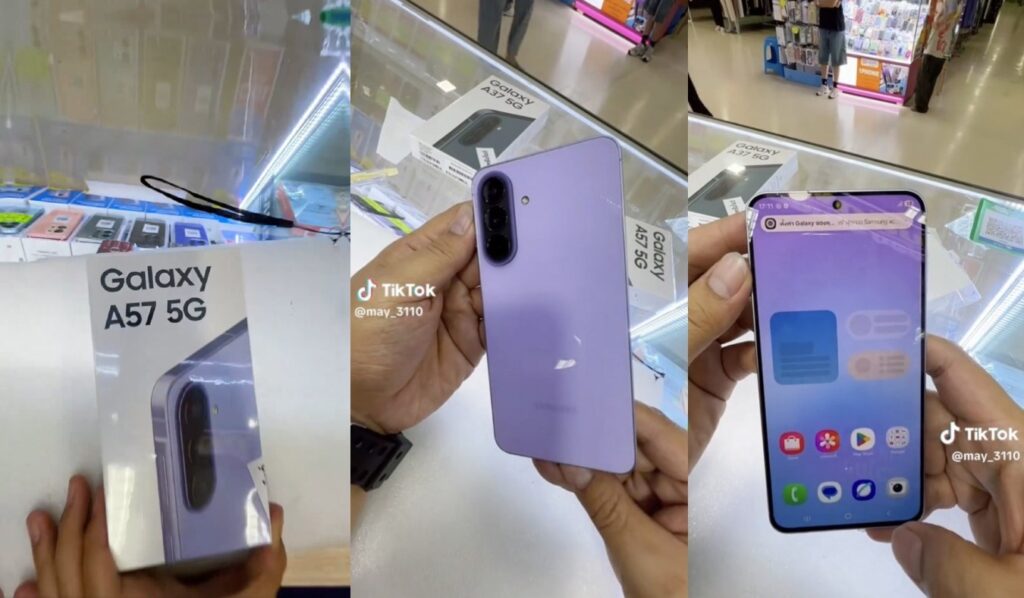
Galaxy A57, Galaxy A37 appear in unboxing and hands-on video confirming price hike

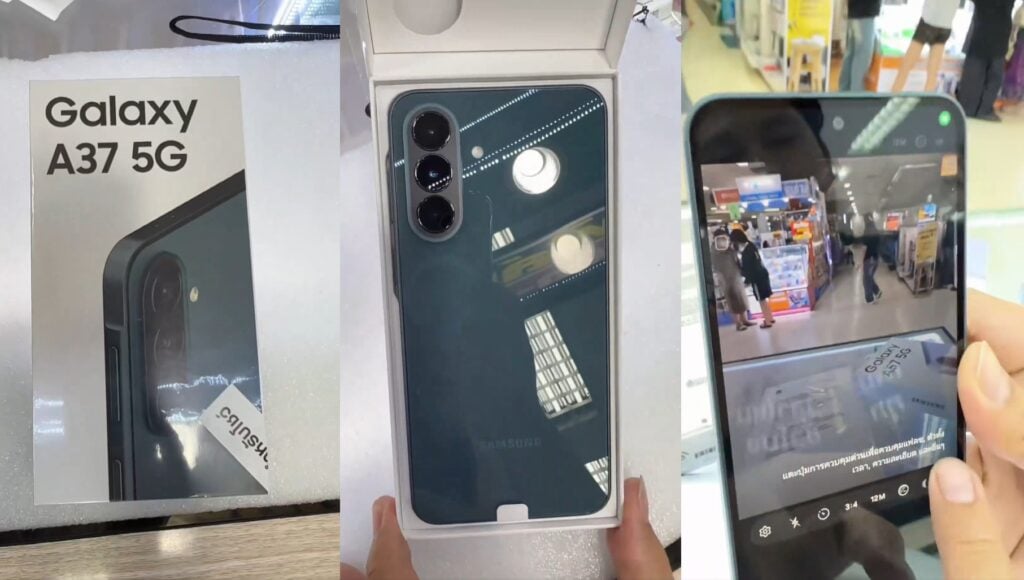
Samsung’s upcoming Galaxy A37 and Galaxy A57 appear to have leaked ahead of their official debut, with short unboxing and hands-on clips making the rounds on TikTok. The videos were shared by tipster @VerdeSelvans on X, offering what looks like an early real-world glimpse at Samsung’s next mid-range phones.

Galaxy A37 hands-on

Samsung hasn’t formally announced either device yet, but the clips show retail units being handled, reportedly inside a store in Thailand. One small detail that stands out is the packaging. Unlike the minimal boxes used for Galaxy S flagships, these boxes clearly display the model names on the front, which fits the more straightforward branding Samsung usually uses for its mid-range lineup.

Color options for the Galaxy A37 mentioned in leaks include Greygreen, Charcoal, Lavender, and White. The phone carries a familiar Samsung look, with a clean rear panel and a vertical triple-camera setup. The bezels are still noticeable. Samsung’s Key Island button design is also present, where the power and volume buttons sit slightly raised on the right edge.

The Galaxy A57, meanwhile, appears in purple in the leaked clips, while other rumored color options include Gray, Icy Blue, Lilac, and Navy. The device seems to feature slimmer bezels than the A37 and slightly smoother edges, which gives it a more polished feel overall. Both phones appear to run an early version of Samsung’s software, likely One UI based on Android.

The leak also reveals the official MRP of the Galaxy A57 in Thailand: 17,999 THB ($555 / ₹51,182) for the 12GB + 256GB variant and 20,999 THB ($645 / ₹59,685) for the 12GB + 512GB model. That’s roughly 2,000 THB higher than the price of the Galaxy A56 (12GB + 256GB) at launch.

Galaxy A57 hands-on

Samsung has also recently increased prices for several Galaxy A, M, and F series smartphones in India. If that trend continues, the Galaxy A37 and Galaxy A57 could debut at slightly higher prices than their predecessors in the Indian market as well.

Don’t miss a thing! Join our Telegram community for instant updates and grab our free daily newsletter for the best tech stories!

For more daily updates, please visit our News Section.

(Sources: 1, 2, 3)

The post Galaxy A57, Galaxy A37 appear in unboxing and hands-on video confirming price hike appeared first on Gizmochina.

iQOO Z11 spotted with Dimensity 8500, 16GB RAM on Geekbench

IQOO Z11

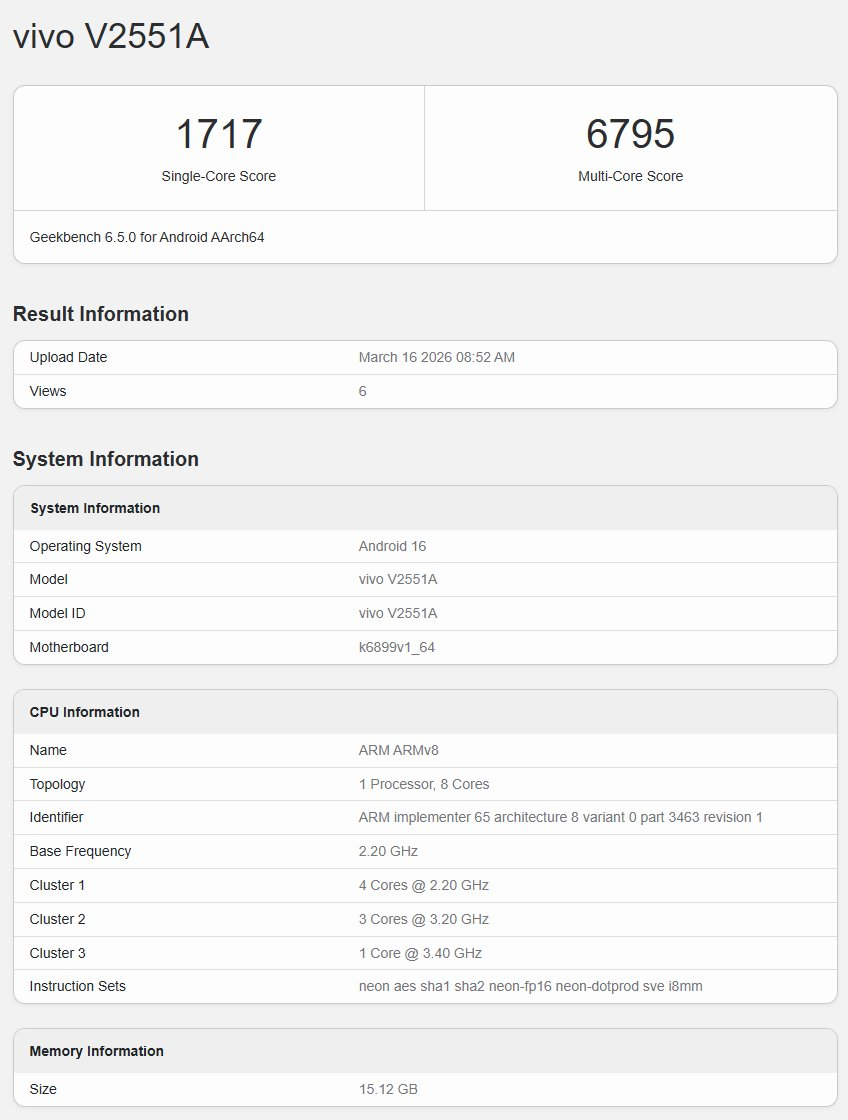
iQOO recently confirmed that it will announce the iQOO Z11 in China this month. This phone will be positioned below the iQOO Z11 Turbo, which debuted in January in the country. Recently, the Z11, which bears the V2551A model number, was approved by China’s 3C certification platform. Now the handset has appeared on Geekbench, revealing some of its key hardware details ahead of launch.

iQOO Z11 Geekbench listing

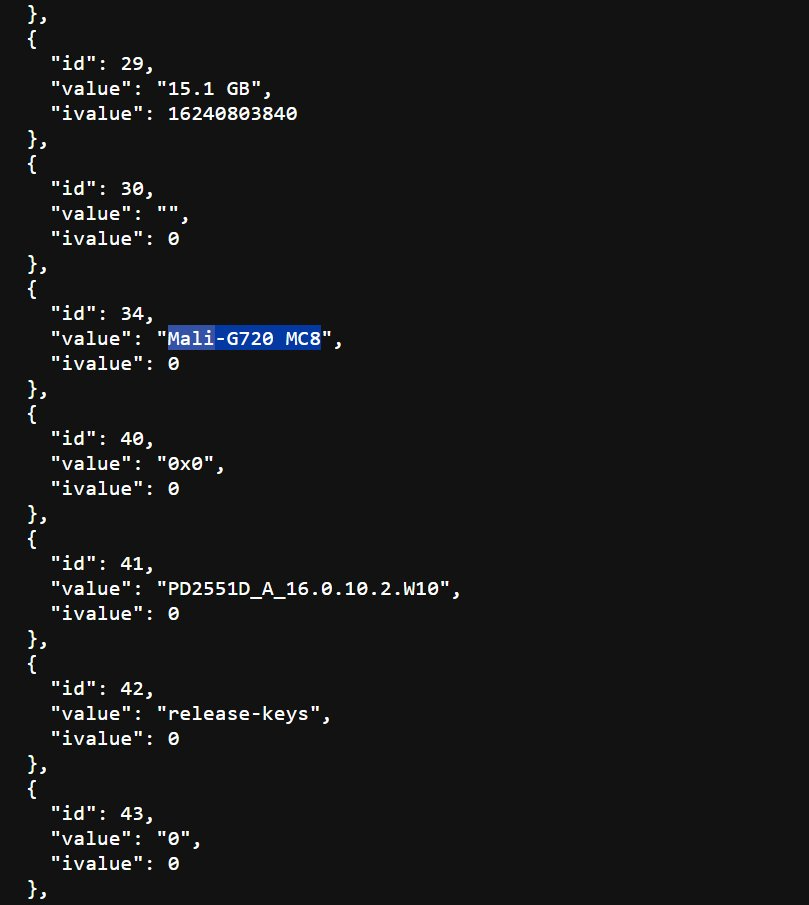
The Geekbench listing shows a device carrying the V2551A model number, which is associated with the iQOO Z11 for the Chinese market. The benchmark entry indicates that the device is powered by the Dimensity 8500 chipset. According to the CPU configuration mentioned in the listing, the processor includes one prime core clocked at 3.40GHz, three performance cores running at 3.20GHz, and four efficiency cores operating at 2.20GHz. The metadata of the listing reveals Mali-G720 MC8 for graphics.

The benchmark result also confirms the presence of 16GB of RAM and Android 16, which will most likely have the OriginOS 6 skin on top. In the Geekbench 6 test, the device achieved a single-core score of 1,717 and a multi-core score of 6,795. These numbers align with the usual Geekbench scores of the D8500 chip.

iQOO Z11 key specifications

IQOO Z11
IQOO Z11

Apart from the benchmark information, a few other specifications of the iQOO Z11 are already known. The company has officially confirmed that the smartphone will feature a 165Hz eye-protection gaming display. It will also include a 9,020mAh battery, which is claimed to be the largest battery ever used on an iQOO smartphone. According to its 3C certification listing, the device is expected to support 90W fast charging.

Leaks shared by tipster Digital Chat Station indicate that the Z11 may feature a 6.83-inch OLED display with a 1.5K resolution. The handset is also expected to offer up to 512GB of internal storage. These details suggest that the phone will target users who prioritize gaming performance and long battery life.

At present, there is no clarity on whether the iQOO Z11 will be released outside China. While the above specifications appear strong enough for a Neo-series device in global markets, a recent report claimed that iQOO has no plans to launch a Neo-series phone in 2026. In China, it will be priced at around ~$290.

For more daily updates, please visit our News Section.

Stay ahead in tech! Join our Telegram community and sign up for our daily newsletter of top stories.

(via)

The post iQOO Z11 spotted with Dimensity 8500, 16GB RAM on Geekbench appeared first on Gizmochina.
The Best Home Theater Projectors in 2026

Dangbei MP1 Max

In 2026, the home theater experience has reached new heights, with projectors rivaling traditional TVs in performance, features, and flexibility.

Whether you’re a gaming enthusiast, a movie buff, or someone looking for an all-in-one entertainment solution, the latest crop of projectors offers something for everyone.

From ultra-bright laser engines to cinematic color accuracy, let’s dive into the best home theater projectors of 2026 and what makes them stand out.

Xgimi Horizon 20 Max

Xgimi Horizon 20 Max

The Xgimi Horizon 20 Max delivers exceptional performance through its RGB triple laser engine, capable of producing 5700 ISO lumens. It handles daylight environments with ease and achieves 110% BT.2020 color coverage, ensuring vivid colors and sharp details.

Xgimi equips the Horizon 20 Max with dynamic lens shift (V±120%, H±45%) and optical zoom, allowing flexible image adjustments without sacrificing quality. Its 1ms input lag and 240Hz refresh rate make it ideal for gaming on screens up to 300 inches.

The projector runs on Google TV, providing access to popular streaming apps and hands-free voice control. Its Grey finish and leather-like texture make it a stylish addition to any home theater.

Price: $3,499

Xgimi Horizon 20 Pro

Xgimi Horizon 20 Pro

The Horizon 20 Pro is the middle sibling in the Xgimi lineup, offering a premium experience at a slightly more affordable price. It also features an RGB triple laser engine that produces 4100 ISO lumens, making it suitable for both dark rooms and daylight conditions. It supports Dolby Vision and HDR10+, delivering vibrant, true-to-life visuals.

Xgimi includes lens shift and optical zoom, allowing users to fine-tune image placement with ease. Gamers benefit from 1ms input lag and 240Hz refresh rates, ensuring smooth performance.

The Horizon 20 Pro integrates Google TV, eliminating the need for extra streaming devices. Its combination of performance and affordability makes it a strong contender in the premium projector market.

Price: $2,899

Xgimi Horizon 20

Xgimi Horizon 20

The Xgimi Horizon 20 is the most budget-friendly option in the Horizon series but doesn’t skimp on features. It delivers 3200 ISO lumens of brightness and achieves 110% BT.2020 color gamut, making it capable of producing detailed and vibrant visuals.

The projector features auto keystone correction, lens shift, and optical zoom, simplifying the setup process. It supports Dolby Vision, IMAX Enhanced, and HDR10+, making it suitable for home cinema enthusiasts.

For gamers, the Horizon 20 provides 1ms input lag and 240Hz refresh rates, ensuring responsive gameplay. With built-in Google TV, it delivers a complete entertainment experience at a more accessible price point.

Price: $1,999

Dangbei MP1 Max

Dangbei MP1 Max

The Dangbei MP1 Max offers incredible value with its Triple Laser + LED hybrid technology, delivering 3100 ISO lumens and 110% BT.2020 color gamut. It’s also one of the most color-accurate projectors on the market, with a ΔE<1 rating, ensuring professional-grade fidelity.

The projector uses InstanPro AI Image Setup, which automates focus, keystone correction, and screen alignment. Its 360° horizontal rotation and 135° vertical tilt allow flexible placement on tables or mounts.

The MP1 Max runs on Google TV, with licensed Netflix integration and access to over 10,000 apps. Its 12W speakers, enhanced with Dolby Audio and DTS Virtual:X, provide immersive sound.

Price: $1,459

Soundcore Nebula X1

Soundcore Nebula X1

The Soundcore Nebula X1 delivers bright and sharp visuals with its 4K triple laser engine and 3500 ANSI lumens. Its 5,000:1 native contrast ratio ensures deep blacks and vivid colors.

The projector includes a 4.1.2 surround sound system, providing immersive audio without external speakers. Its auto micro gimbal adjusts the image tilt by 25° while maintaining sharpness.

Soundcore integrates Google TV and Netflix certification, along with advanced features like AI HDR tone mapping. Its price caters to buyers seeking premium sound and visuals in one package.

Price: $2,999

BenQ W4100i

BenQ W4100i

The BenQ W4100i prioritizes color accuracy and HDR performance. Its 3200 ANSI lumens brightness and 100% DCI-P3 color space deliver visuals that match the director’s intent. The HDR-PRO technology dynamically optimizes bright and dark scenes for lifelike detail.

Gamers can enjoy 6.5ms input lag at 1080p 240Hz, while ALLM ensures smooth gameplay. The projector includes AI Cinema Mode, which enhances streaming content by adjusting brightness, contrast, and colors in real time.

BenQ includes vertical and horizontal lens shift along with a 1.3x zoom, making it easy to integrate into any home theater.

Price: $2,999

For more daily updates, please visit our News Section.

Stay ahead in tech! Join our Telegram community and sign up for our daily newsletter of top stories! 💡

The post The Best Home Theater Projectors in 2026 appeared first on Gizmochina.

Realme C100 5G Leak Reveals 7000mAh Battery, Dimensity 6300, 144Hz Screen & Pricing ahead of launch

European retailer Gomibo has listed the unannounced Realme C100 5G, revealing complete specifications and pricing details for the budget 5G smartphone.

Powering the device is MediaTek’s Dimensity 6300 processor with Mali-G57 MC2 graphics. The phone will ship with Android 16, though the listing mentions ColorOS 16 instead of the expected Realme UI 7, likely an error common in premature retail pages.

Storage configurations offer 128GB or 256GB options, both paired with 4GB RAM. Users can expand storage up to 2TB using microSD cards. The camera system includes a 50MP primary shooter capable of 10x hybrid zoom alongside a 5MP selfie camera.

The device features a 6.8-inch LCD display with a resolution of 1570 × 720 pixels. The panel supports a 144Hz refresh rate, which is uncommon in this segment and could provide smoother scrolling and gaming compared to standard 60Hz or 90Hz displays.

At 212 grams, the handset measures 166.38 × 76.13 × 8.45 mm and carries MIL-STD-810H certification for rugged durability. Buyers can choose between green and purple finishes.

Battery capacity reaches 7000mAh, positioning endurance as a key advantage, though charging specifications remain undisclosed. The retail package will include a charger. Connectivity features dual-band Wi-Fi, Bluetooth 5.3, and GPS, while audio output is restricted to mono speaker playback.

French pricing sets the 128GB model at €237 and the 256GB version at €256, with potential price adjustments across different European markets.

Don’t miss a thing! Join our Telegram community for instant updates and grab our free daily newsletter for the best tech stories!

For more daily updates, please visit our News Section.

(Source)

The post Realme C100 5G Leak Reveals 7000mAh Battery, Dimensity 6300, 144Hz Screen & Pricing ahead of launch appeared first on Gizmochina.

Xiaomi’s New REDMI Smart TV A50 Debuts: 50-inch 4K 144Hz at an Ultra-Low Price

REDMI Smart TV A50, REDMI Smart TV A50 Energy Efficiency Level 1 Edition, Xiaomi REDMI Smart TV A50, Xiaomi smart TV launch,

Xiaomi has officially introduced the REDMI Smart TV A50 Energy Efficiency Level 1 Edition, expanding its affordable smart TV lineup with a new 50-inch model. The television focuses on delivering a large 4K screen, smooth refresh rate, and Xiaomi’s smart ecosystem at an aggressive price point. The new model is priced at 1399 yuan, positioning it as an entry-level smart TV designed for everyday home entertainment.

Display Details

The REDMI Smart TV A50 features a 50-inch 4K UHD panel with a resolution of 3840 × 2160 pixels. One of its standout features is the 144Hz refresh rate, which helps deliver smoother motion when watching sports, fast-paced videos, or gaming content.

The television uses a direct-lit LCD panel with direct backlighting, helping maintain consistent brightness across the screen. It also supports True Tone display technology, which is designed to keep colors balanced and comfortable for long viewing sessions.

Hardware and Operating System

Under the hood, the TV is powered by a quad-core Cortex-A35 processor paired with a Mali-G31 MP2 GPU. The system is supported by 2GB of RAM and 32GB of internal storage, allowing users to install apps and run smart features smoothly.

The television runs on Xiaomi Surge OS, providing access to Xiaomi’s smart TV interface, streaming apps, and connected ecosystem features.

Audio and Connectivity

For audio, the TV includes dual speakers with 10W output each, delivering a total 20W sound output for everyday viewing.

Connectivity options include two HDMI ports (one with ARC), two USB-A ports, AV input, Ethernet LAN, DTMB/analog signal support, S/PDIF audio output, infrared support, and 2.4GHz Wi-Fi, allowing users to connect gaming consoles, PCs, soundbars, and external storage devices.

Energy Efficiency

The “Energy Efficiency Level 1” rating indicates that the television meets China’s highest power-efficiency standards, meaning it is designed to consume less electricity compared to typical TVs in the same category.

Price and Market Position

At 1399 yuan (roughly $190), the REDMI Smart TV A50 stands out by offering a 144Hz refresh rate and 4K resolution at a price typically associated with standard 60Hz budget televisions.

Key Specs:

FeatureREDMI Smart TV A50 Energy Efficiency Level 1 Edition
Screen Size50-inch
Resolution3840 × 2160 (4K UHD)
Refresh Rate144Hz
Panel TypeDirect-lit LCD panel
BacklightDirect-lit backlight
Display TechnologyTrue Tone display support
Operating SystemXiaomi Surge OS
ProcessorQuad-core Cortex-A35
GPUMali-G31 MP2
RAM2GB
Storage32GB
SpeakersDual speakers
Audio Output2 × 10W (20W total)
Wi-Fi2.4GHz
HDMI2 ports (1 with ARC)
USB2 × USB-A
AV Input1 port
Analog Signal / DTMB1 port
Ethernet (LAN)1 port
Audio Output PortS/PDIF
InfraredSupported
Price1399 yuan

With a large 4K panel, smooth refresh rate, and competitive pricing, the REDMI Smart TV A50 Energy Efficiency Level 1 Edition appears to be another strong value option in Xiaomi’s expanding smart TV portfolio.

Read More:

(via)

The post Xiaomi’s New REDMI Smart TV A50 Debuts: 50-inch 4K 144Hz at an Ultra-Low Price appeared first on Gizmochina.

Unreleased Lenovo Legion gaming phone captured in real life

Lenovo may be getting ready to return to the gaming phone space after several quiet years. A recently spotted device carrying the Legion name has started circulating online, hinting that the company could be preparing a comeback for the long-dormant lineup.

Lenovo Legion Phone Duel 2

The last Legion-branded smartphone was the Legion Y70, released back in August 2022. At the time, it packed Qualcomm’s Snapdragon 8+ Gen 1, a 6.67-inch OLED panel with a 144Hz refresh rate, and a cooling setup designed to keep performance stable during long gaming sessions. It was a fairly capable device, though the series didn’t continue afterward. Lenovo gradually stepped away from gaming phones, at least publicly.

That’s why a recent sighting has caught some attention. At what appears to have been a Lenovo event in China, a company representative was photographed holding an unreleased Legion-branded smartphone. The images were later shared on Weibo, and while they don’t reveal everything, they offer a clear look at the back of the device.

The rear design shows a rectangular camera island placed in the upper-left corner, containing a triple-camera setup along with an LED flash. Beneath the camera module sits fairly prominent Lenovo Legion branding.

Interestingly, the design seems a bit more restrained than older Legion models. Previous devices in the series leaned heavily into gaming aesthetics. This one appears more conventional, suggesting Lenovo may be aiming for something that balances gaming performance with everyday usability.

If Lenovo plans to compete in the current gaming phone market, the device will likely target the same performance segment occupied by models like the RedMagic 11 Pro or the iQOO 15.

That would probably mean a flagship chipset, paired with a high-refresh-rate AMOLED display, likely 144Hz or higher. A large battery and fast charging would also be expected, along with some form of advanced cooling, such as a large vapor chamber or even active fan cooling.

For now, Lenovo hasn’t officially confirmed the device. Still, the fact that it appeared at a company event suggests development may already be fairly far along. If that’s the case, an official reveal might not be too far away—possibly sometime in the coming months.

Don’t miss a thing! Join our Telegram community for instant updates and grab our free daily newsletter for the best tech stories!

For more daily updates, please visit our News Section.

The post Unreleased Lenovo Legion gaming phone captured in real life appeared first on Gizmochina.

New OnePlus Nord 6 series phone BIS certified, could pack 144Hz display, 9,000mAh battery

OnePlus Turbo 6V

OnePlus is expected to unveil the OnePlus Nord 6 by early April in India. However, it appears that may not be the only Nord-branded phone heading to the country. A new device believed to be part of the Nord 6 lineup has now surfaced in the database of India’s BIS certification platform.

Alleged OnePlus Nord 6 series phone BIS certified

OnePlus Nord CE 6 BIS certified
Alleged OnePlus Nord 6 series phone BIS certified

A screenshot reveals that an upcoming OnePlus phone with the model number CPH2805 has received approval from India’s BIS authority. The listing does not mention the final name of the device or any of its key specifications.

Back in December 2025, live images of a OnePlus phone carrying the model number CPH2805 surfaced online. Later, the same device debuted in China with the OnePlus Turbo 6V branding, which carries the model number PLY110. The CPH2805 device appears to be a rebranded version of the Turbo 6V. Globally, it may launch as part of the Nord 6 lineup, though it remains unclear whether it will be called the OnePlus Nord 6V or the OnePlus Nord CE 6.

Considering that the Nord CE 6 or Nord 6V could be a rebranded version of the Turbo 6V, it is expected to feature a 6.78-inch AMOLED panel with a 1.5K resolution, a 144Hz refresh rate, and an ultrasonic in-screen fingerprint sensor. Under the hood, the device may include the Qualcomm Snapdragon 7s Gen 4 chip, along with LPDDR5x RAM, UFS 4.1 storage, and a large 9,000mAh battery with support for 100W charging.

The Nord CE 6 may also feature a 16-megapixel front camera and a dual rear camera setup consisting of a 50-megapixel main sensor and a 2-megapixel secondary lens. Other expected features include dual speakers and an IP68/69-rated dust and water-resistant body.

For more daily updates, please visit our News Section.

Stay ahead in tech! Join our Telegram community and sign up for our daily newsletter of top stories.

The post New OnePlus Nord 6 series phone BIS certified, could pack 144Hz display, 9,000mAh battery appeared first on Gizmochina.

Motorola Razr 70 images appear for the first time, fast charging capabilities revealed via 3C listing

Motorola Razr 70 TENAA images

Around a week ago, the upcoming Motorola Razr 70 bearing the model number XT2657-2 was spotted on the TENAA certification platform in China. In a new development, the listing has now been updated with images of the phone. Additionally, the device has received approval from the 3C certification platform in China.


Motorola Razr 70’s TENAA images, 3C certification

Motorola Razr 70 TENAA images

The Motorola Razr 70’s TENAA images do not show any major improvement in its design. The back panel features a horizontal dual-camera setup with an LED flash along with a large secondary screen. The bottom half has logos for the Motorola batwing and Razr branding. For security, it features a side-mounted fingerprint sensor along with volume buttons on the right edge.

Motorola Razr 70 3C listing

The Razr 70’s 3C certification reveals that it may ship with 33W fast charging. This indicates that the Razr 70 may not offer any improvement in the fast charging department compared to last year’s Razr 60.

Motorola Razr 70 specifications (rumored)

According to previously seen Razr 70’s TENAA listing, the upcoming Motorola Razr 70 is expected to feature a 6.9-inch OLED foldable display with a resolution of 1080 x 2640 pixels, along with a 3.63-inch external screen offering a resolution of 1056 x 1066 pixels. The device is also tipped to include a side-mounted fingerprint sensor for security.

For photography, the phone may include a 32-megapixel front camera and a dual rear camera setup comprising two 50-megapixel sensors. Internally, the device is listed with an octa-core processor clocked at 2.75GHz paired with RAM options of 8GB, 12GB, 16GB, and 18GB.

Storage variants could include 128GB, 256GB, 512GB, and 1TB. The phone reportedly houses a dual-cell battery rated at 4,275mAh, though the typical capacity may reach around 4,500mAh. The handset measures 171.3 x 73.9 x 7.2mm and weighs about 188 grams.

With major certifications under its belt, the Razr 70 could launch in China as soon as next month (April).

For more daily updates, please visit our News Section.

Stay ahead in tech! Join our Telegram community and sign up for our daily newsletter of top stories.

(via)

The post Motorola Razr 70 images appear for the first time, fast charging capabilities revealed via 3C listing appeared first on Gizmochina.

Huawei Enjoy 90 Pro Max set to launch with March 23, tipped to pack Kirin 8-series chip, 8,500mAh battery

Huawei Enjoy 90 Pro Max

Huawei has confirmed that its spring product launch event will take place on March 23 in China. The event is expected to introduce new smartphones under the Enjoy series, including the Huawei Enjoy 90 Pro Max and the Huawei Enjoy 90 Plus, along with other ecosystem products.
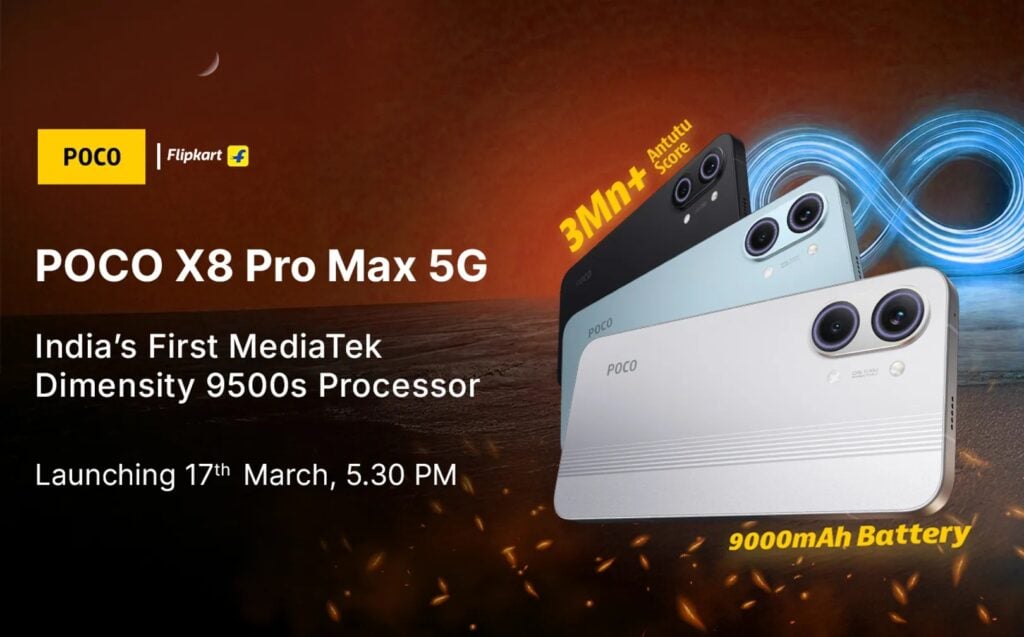
Huawei Enjoy 90 series launch confirmed for March 23

Huawei March 23 launch event
Huawei Enjoy 90 Pro Max

The Huawei Enjoy 90 Pro Max images shared in promotional material reveal that the phone will feature a narrow bezel display with a centrally placed punch hole camera. The rear panel includes a large circular camera module, a design approach that appears similar to recent Huawei flagship phones. The device is also expected to run HarmonyOS and is likely to focus on long battery life.

According to reports, the Enjoy 90 Pro Max will be powered by a Kirin 8 series processor, although the exact chipset has not been confirmed yet. Speculation suggests that it could use either the Kirin 8000 or Kirin 8020 platform. The Kirin 8020 is said to feature a Taishan architecture CPU combined with a Maliang 920C GPU.

The phone is tipped to include a large battery rated at around 8500mAh, which could make it one of the biggest batteries in this segment. The display is expected to be a 6.84 inch 1.5K OLED LTPS panel. Storage variants may include 8GB paired with 128GB, 256GB and 512GB options.

Meanwhile, the Enjoy 90 Plus is expected to arrive with a 6.7-inch LCD screen supporting a 90Hz refresh rate and a 6620mAh battery. The device is also likely to feature a Kirin 8000 series chip and multiple color options, including white, blue and a finish called Starry Fruit.

For more daily updates, please visit our News Section.

Stay ahead in tech! Join our Telegram community and sign up for our daily newsletter of top stories.

The post Huawei Enjoy 90 Pro Max set to launch with March 23, tipped to pack Kirin 8-series chip, 8,500mAh battery appeared first on Gizmochina.
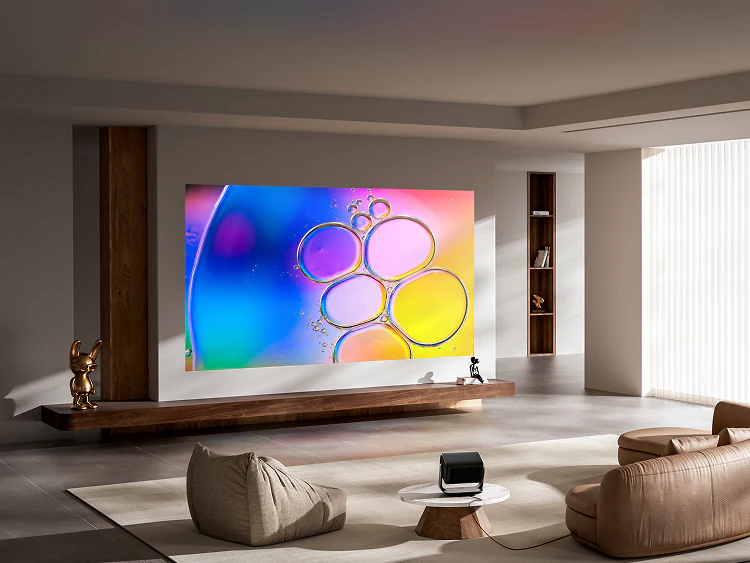
LG showcases next-gen HVAC solutions with AI-powered VRF systems

LG Electronics has confirmed its participation at the ACREX ISHRAE 2026 exhibition in India, where the company is presenting a broad range of HVAC technologies designed for residential, commercial and industrial environments. The showcase highlights LG’s latest efforts to develop cooling systems that deliver improved efficiency and reliable climate control for diverse building needs.

LG presents AI-driven HVAC solutions at ACREX 2026

LG India at ACREX ISHRAE 2026 exhibition

At the event, the company is displaying an extensive HVAC portfolio that includes advanced VRF systems, chillers and cassette air conditioners suited for different Indian climate conditions. LG’s focus is on intelligent cooling solutions that combine performance with energy efficiency.

Among the key highlights is the Multi V i VRF system powered by artificial intelligence. The system includes features such as AI Smart Care, AI Smart Metering and AI Space Care, which help manage energy consumption while maintaining indoor comfort. It is aimed at large commercial buildings, hotels and premium residential projects where efficient cooling is essential.

LG is also showcasing its fifth generation Multi V5 VRF system equipped with an Ultimate Inverter compressor. The system uses dual sensing control to monitor both temperature and humidity, helping maintain a stable indoor environment. It can operate across a temperature range from minus 20°C to 53°C, making it suitable for different climatic conditions across India.

The company is also presenting its Hydrokit solution, which recovers heat from VRF systems to produce hot water for residential and hospitality environments. This approach helps reduce overall energy consumption.

For large infrastructure projects such as factories and data centres, LG is displaying a range of AHRI-certified chillers including magnetic bearing, screw and centrifugal models designed for reliable and efficient cooling.

For more daily updates, please visit our News Section.

Stay ahead in tech! Join our Telegram community and sign up for our daily newsletter of top stories.

The post LG showcases next-gen HVAC solutions with AI-powered VRF systems appeared first on Gizmochina.

Vivo X300 Ultra to offer cinema-style video recording with 4K 120fps Log support

Vivo X200 Ultra

Ahead of the expected March 30 launch, new details about the Vivo X300 Ultra has surfaced online. Vivo product manager Han Boxiao has shared details about the device’s video capabilities, highlighting improvements designed for both everyday recording and professional content creation.

Professional video recording receives a major upgrade

According to the executive, the upcoming Vivo X300 Ultra continues the evolution that started with the Vivo X200 Pro, whose video capabilities received strong feedback from users across different markets. The new model is said to focus heavily on professional recording, offering improvements in hardware processing, shooting controls and post-production flexibility.

One of the most notable additions is support for full focal length 4K 120fps 10bit Log recording. The previous generation delivered full focal length 4K 60fps Log video, but the X300 Ultra doubles the frame rate to 120fps. This improvement is expected to provide smoother footage and greater flexibility during editing. Importantly, all three rear cameras are said to support the same recording specifications, which removes limitations across focal lengths and ensures consistent output regardless of the lens used.

The phone is also said to introduce a more advanced Professional Video Mode with a redesigned interface. The recording screen reportedly presents shooting information more clearly while allowing creators to adjust a wide range of parameters. Another notable feature is the ability to preview 3D LUT colour profiles while recording Log footage. This allows creators to evaluate colours and tone in real time instead of waiting until the editing stage.

For post-production workflows, the device is claimed to support APV 422 professional video encoding. This format allows for a wider colour range and greater editing flexibility. Vivo says the Log footage can integrate directly into ACES colour workflows that are commonly used in film production, enabling easier collaboration with cinema cameras during colour grading.

Reports have revealed that apart from the Vivo X300 Ultra, the March 30 launch event is also likely to introduce the Vivo X300s smartphone and the Vivo Pad 6 Pro tablet.

For more daily updates, please visit our News Section.

Stay ahead in tech! Join our Telegram community and sign up for our daily newsletter of top stories.

The post Vivo X300 Ultra to offer cinema-style video recording with 4K 120fps Log support appeared first on Gizmochina.
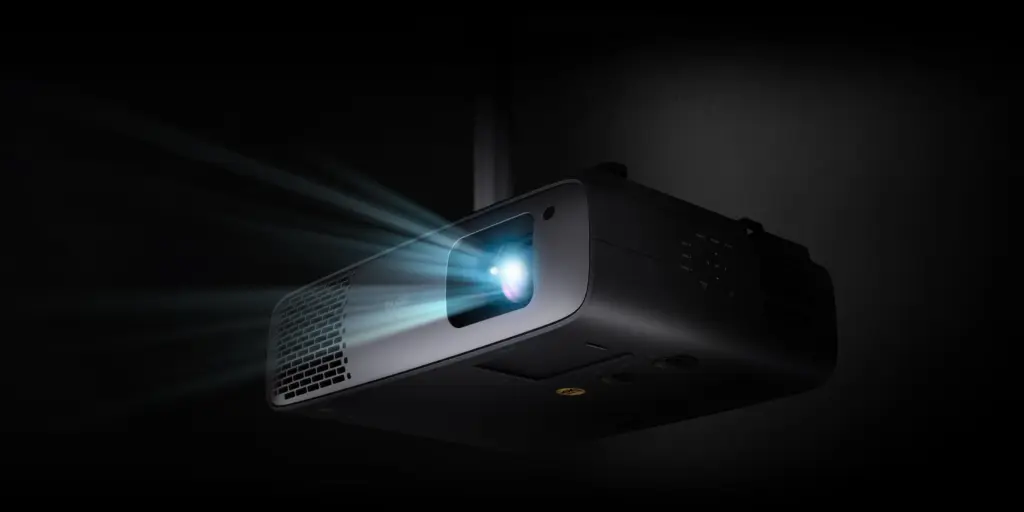
10 MWC 2026 announcements you may have missed

Lenovo-Ai-Workmate

This year’s MWC was packed with announcements from all the big tech and hardware brands. As usual, the big-name devices received most of the attention. Foldables, concept devices, or the camera shootouts. 

But every year, some of the most interesting things to come out of Barcelona end up buried under the noise. This year was no different. So here are ten announcements from MWC 2026 you may have missed. 

Motorola × GrapheneOS

One of MWC’s most surprising announcements came from Motorola and GrapheneOS. 

As you might know, GrapheneOS is the hardened, Google-free version of Android that has always run exclusively on Google Pixel phones. But this changed at MWC 2026. 

Motorola Edge 70 Fusion

Motorola signed a long-term deal with the GrapheneOS Foundation to bring the OS to a future Motorola device. The first compatible hardware is expected to be based on the Signature, Razr Fold, or Razr Ultra lines, built around a future Qualcomm SPU, and is targeted for 2027.

But the deal goes beyond one device. Select GrapheneOS security features will roll out to existing Motorola phones, too. There is also a new “Private Image Data” tool in rollout that automatically strips location data and device metadata from every photo you take before it leaves your phone. Lenovo’s ThinkShield enterprise security stack ties the whole thing together.

Qualcomm Snapdragon X105

As always, Qualcomm had a busy MWC, and there were a lot of announcements from the chipmaker. One such is the new Snapdragon X105 modem designed for the upcoming wave of Android flagships. 

The X105 is 15 percent smaller than its predecessor, 30 percent more power-efficient, and has baked-in support for agentic AI tasks. Wi-Fi, Bluetooth, and GPS are bundled in the same package.

The headline feature, however, is satellite connectivity that now extends to emergency satellite video calls, not just text and voice. It can also predict RF conditions with the help of sensing software to try to maintain a stronger connection. 

Lenovo AI Workmate

Lenovo brought a lot of concepts to Barcelona this year, but the AI Workmate might be one of the coolest among all. 

It is a motorised desktop robot arm. It has sensors. It has a projector head. It points at your desk and displays interactive notifications, tools, and information directly onto the surface in front of you. It also has expressive animated eyes, which either sounds charming or unsettling, depending on your tolerance for personality in office hardware.

Lenovo also announced an AI Work Companion Concept to go along with the Workmate. Its a smart display and clock that syncs your tasks across devices and helps plan your day.

Lenovo has a decent track record of turning its MWC concepts into shipping products within a year or two. Here’s hoping that the AI Workmate shows up in a ThinkSmart lineup before 2028.

Starlink becomes “Starlink Mobile” and shows what V2 satellites actually mean

SpaceX gave a proper keynote at MWC this year, which is notable in itself. The headline out of it was the official rebrand of their direct-to-device service to “Starlink Mobile.”

The more interesting part was what they shared about the V2 constellation. The next generation of Starlink satellites targets up to 150 Mbit/s mobile data speeds using globally harmonised S-band spectrum. That is roughly a 100× improvement in data density over the current fleet. 

Starlink Mobile already operates across 32 countries with 10 million monthly active users, and the company has set a target of 25 million users by the end of 2026.

Deutsche Telekom × Starlink

This one got a brief mention in a few places, but the full picture is worth spelling out.

Deutsche Telekom officially signed on at MWC as the first European carrier partner for Starlink’s V2 constellation. 

The plan is to use satellite connectivity to plug the coverage gaps that tower infrastructure simply cannot solve. The service is targeting a 2028 launch in Germany. It is being designed so that existing Deutsche Telekom SIM cards work without any changes. 

Vodafone × Amazon Kuiper

Amazon Kuiper is the counterpart of Starlink from Jeff Bezos, and it also made an announcement at MWC 2026. 

It signed a partnership with Vodafone to use LEO satellites to deliver backhaul capacity to 4G and 5G base stations across Europe and Africa. With over 200 Kuiper satellites already in orbit, the network can already deliver up to 1 Gbps download and 400 Mbps upload to ground infrastructure. 

Rollout begins in Germany and other European markets in 2026, before expanding through Vodafone’s Vodacom subsidiary across Africa. The goal is to replace the expensive and slow-to-build fibre runs that currently hold back rural coverage. 

AMD Ryzen AI 400 desktop

AMD chose MWC — a mobile-focused event — to launch its Ryzen AI 400 and Ryzen AI PRO 400 desktop processors. 

These are the world’s first desktop chips to meet Microsoft’s Copilot+ PC requirements, meaning they can run the full suite of on-device AI features that Microsoft has been building since 2024. 

They are built on Zen 5 architecture with AMD XDNA 2 NPUs that deliver up to 60 TOPS of AI compute. Copilot+ demands 40 TOPS of AI compute. The top configurations go up to 8 cores, a 5.1GHz boost clock, and Radeon 860M integrated graphics.

Dell, HP, and Lenovo have all confirmed systems using these chips, expected in Q2 2026. 

Oukitel WP61 + RG14-P

Oukitel is not a brand that gets much mainstream coverage, but their MWC lineup this year was genuinely remarkable, and the WP61 specifically is a first-of-its-kind device.

The WP61 is the world’s first smartphone to combine NTN two-way satellite connectivity, a thermal imaging camera, and a DMR digital walkie-talkie in a single chassis. The device is for emergency responders, construction teams, and field workers who currently carry multiple devices. 

Alongside it, Oukitel announced RG14-P, a solar laptop powered by an Intel Core 7 150U processor, with a dual-battery system (3,000mAh internal plus a swappable 5,200mAh pack) and a 14.1-inch touchscreen. It is built for people who work where power outlets do not exist. The RT10 Pro industrial tablet, with a built-in projector and a 25,000mAh battery, rounds out the lineup.

AWS commits $33 billion to Spain: Europe’s AI infrastructure hub takes shape

Amazon’s Chief Global Affairs and Legal Affairs Officer, David Zapolsky, used MWC as the venue to announce that AWS is expanding its Spain infrastructure investment to $33 billion, an increase of $18 billion over a prior commitment. 

The plans are specific and large. Amazon plans to build seven new solar facilities, a new manufacturing plant in Aragon that will serve as the hub for European server and server rack production. 

GSMA × ESA

The final story is also the most forward-looking one.

At MWC, the GSMA and the European Space Agency jointly announced up to €100 million in new funding to accelerate convergence between space infrastructure and terrestrial mobile networks. The goal is to fund projects that combine LEO satellite capacity with 5G and 6G ground systems.

This kind of institutional backing makes satellite-mobile convergence happen on a faster timeline than the market would manage on its own. The immediate applications are emergency connectivity and rural coverage. 

For more daily updates, please visit our News Section.

Stay ahead in tech! Join our Telegram community and sign up for our daily newsletter of top stories! 💡

The post 10 MWC 2026 announcements you may have missed appeared first on Gizmochina.

Xiaomi launches Mijia IH Rice Cooker 2 with a fluorine-free ceramic pot & 8 cooking modes

Xiaomi-Mijia-IH-Rice-Cooker-2

Xiaomi has launched the Mijia IH Rice Cooker 2, a smart rice cooker designed to cater to a wide range of household needs. The rice cooker is now available for pre-order in China, starting at 349 yuan (~$50).

Xiaomi Mijia IH Rice Cooker 2

Xiaomi Mijia IH Rice Cooker 2 Specifications

Xiaomi offers the new rice cooker in four capacity options: 2L, 3L, 4L, and 5L. The 2L model can cook approximately eight bowls of rice and is suitable for one to three people. The 3L model can prepare ten bowls, making it ideal for medium-sized families. The 4L and 5L models can cook 16 and 20 bowls of rice, respectively, and are better suited for larger households or gatherings.

The Mijia IH Rice Cooker 2 uses an IH (Induction Heating) system to heat the inner pot evenly from all sides. This system ensures consistent cooking by minimizing temperature differences, allowing each grain of rice to absorb water uniformly. Xiaomi claims this technology produces rice that is soft, glossy, and evenly textured.

Xiaomi Mijia IH Rice Cooker 2

The rice cooker comes with a fluorine-free ceramic-coated inner pot that improves safety and durability. Xiaomi uses a high-temperature sintering process to bond the ceramic layer tightly to the metal body. The pot features multiple layers, including a non-stick ceramic surface, a wear-resistant reinforcement layer, and a heat-conducting aluminum core. This design enhances heat retention and durability while simplifying post-cooking cleanup.

Xiaomi has equipped the rice cooker with eight cooking modes, including standard rice, porridge, soup, steamed dishes, reheated rice, and cake. The device also features a Perfect Cook temperature control system. This system uses nine cooking stages to automatically adjust heat and cooking time, optimizing the process from soaking to simmering.

The Mijia IH Rice Cooker 2 includes additional features, including a 24-hour timer, a 12-hour keep-warm function, and a top-mounted touch control panel with a display. Xiaomi has upgraded the foam breaker to prevent overflow during porridge or soup cooking. The detachable design makes it easier to clean.

In related news, Xiaomi recently unveiled the Mijia Air Conditioner Energy Saving Pro with enhanced efficiency and smart capabilities. The company also introduced a new budget-friendly 10kg top-load washing machine.

For more daily updates, please visit our News Section.

Stay ahead in tech! Join our Telegram community and sign up for our daily newsletter of top stories! 💡

(JD)

The post Xiaomi launches Mijia IH Rice Cooker 2 with a fluorine-free ceramic pot & 8 cooking modes appeared first on Gizmochina.

OnePlus 15 and OnePlus 13s Get OxygenOS 16.0.5.700 Update With March 2026 Security Patch

OnePlus 15

OnePlus has started rolling out the OxygenOS 16.0.5.700 update for the OnePlus 15 and the OnePlus 13s in India. The update is currently being released in batches as an incremental OTA. A small number of users are receiving it first, with a wider rollout expected in the coming days.

OnePlus 15
OnePlus 15
OnePlus 13s alternatives
OnePlus 13s

For the OnePlus 15, the update carries the firmware version CPH2745_16.0.5.700(EX01) in the Indian region. The OnePlus 13s update arrives with the version CPH2723_16.0.5.700(EX01).

The update introduces several improvements aimed at productivity and usability. Both devices now support multiple simultaneous timers, allowing users to run several timers at once for better multitasking. The timer interface has also been updated to show estimated stop times, making it easier to track when each timer will finish.

The Content Portal has also been updated and now supports app clones, enabling easier content sharing between apps or accounts.

Connectivity features have also been refined. A new “Automatically open received files” option has been added. This switch lets users choose whether files received through sharing services should open automatically after being downloaded.

The OnePlus 13s receives an additional accessibility feature called Motion cues. This option helps reduce motion sickness when using the phone in moving vehicles. It can be enabled by navigating to Settings → Accessibility & convenience → Motion cues.

Both devices also receive the March 2026 Android security patch, which improves overall system security and stability.

Since the update is being rolled out gradually, some users may need to wait a few days before receiving the notification.

If you have not received the OTA notification yet, you can manually check for the update using these steps:

  1. Open Settings on your phone.
  2. Scroll down and tap About device.
  3. Select OxygenOS version.
  4. Tap Check for updates.
  5. If the update is available, tap Download and install.
  6. Restart the device after installation to complete the update.

For more daily updates, please visit our News Section.

Stay ahead in tech! Join our Telegram community and sign up for our daily newsletter of top stories!

(Source: 1, 2)

The post OnePlus 15 and OnePlus 13s Get OxygenOS 16.0.5.700 Update With March 2026 Security Patch appeared first on Gizmochina.

Red Magic Gaming Tablet 5 Pro Could Bring Snapdragon 8 Elite Gen 5 and a 200Hz OLED Display

The Red Magic Gaming Tablet 3 Pro, which debuted globally as the Red Magic Astra, is expected to receive a successor soon. The current model launched with the Snapdragon 8 Elite chipset and a 165Hz OLED display, and both of these key specifications are now rumored to see significant upgrades in the upcoming version.

According to tipster Digital Chat Station, the Red Magic Gaming Tablet 5 Pro is expected to feature the latest Snapdragon 8 Elite Gen 5 SoC. The new chip features a more powerful CPU and improved GPU performance, delivering roughly 10–15% better gaming performance and more stable average FPS during high-intensity scenes.

The tipster also claims that the new tablet will feature a 200Hz OLED display. The exact screen size has not been revealed yet, but it is expected to be around 9 inches to fit into the compact gaming tablet category and compete with devices such as the recently unveiled Lenovo Legion Tab Gen 5.

While most people might think that a 200Hz display is overkill for a tablet, it can still offer practical advantages for gaming. With many modern mobile titles now supporting 120FPS modes, a higher refresh rate panel allows the screen to display frames more consistently, which can reduce motion blur and lower perceived input latency during fast-paced gameplay. This can lead to smoother animations, more responsive controls, and clearer motion in competitive games such as shooters and racing titles.

The tipster has also said that the tablet will most likely come with a 9000mAh battery to support the powerful processor and display. We can also expect a robust cooling solution onboard to keep the chip from running too hot. More details are expected to be revealed in the coming days.

Don’t miss a thing! Join our Telegram community for instant updates and grab our free daily newsletter for the best tech stories!

For more daily updates, please visit our News Section.

(Source)

The post Red Magic Gaming Tablet 5 Pro Could Bring Snapdragon 8 Elite Gen 5 and a 200Hz OLED Display appeared first on Gizmochina.
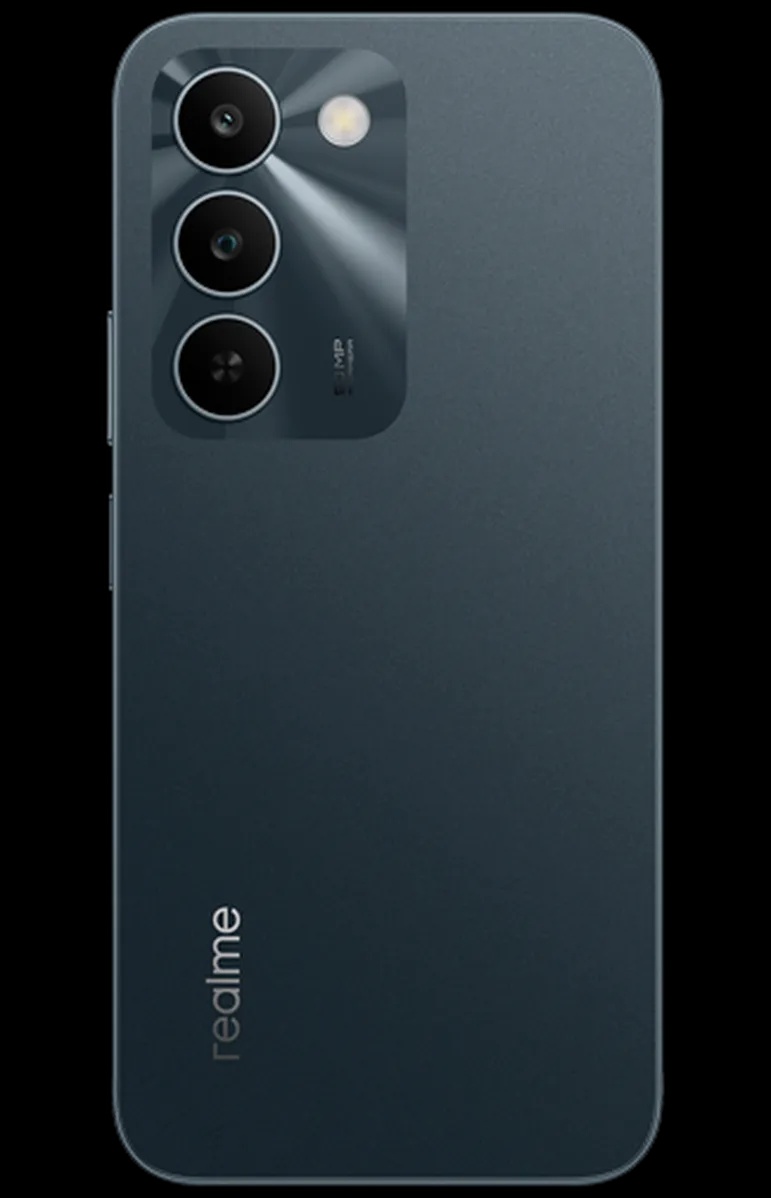
Baseus launches new super affordable earbuds with Bluetooth 6.0 and 40h battery life

Baseus TWS 1 Youth Edition

Baseus has unveiled a new budget-friendly pair of earbuds, the TWS 1 Youth Edition, in the Chinese market. They are currently available on JD.com at a special introductory price of just 72 yuan (around $10).

Baseus TWS 1 Youth Edition

Baseus TWS 1 Youth Edition Specifications

The Baseus TWS 1 Youth Edition earbuds feature a 10mm dynamic driver for immersive audio, dynamic bass enhancement with a three-channel airflow system for better low-frequency response, and 3D spatial sound effects for a wider soundstage.

The earbuds also use dual microphones with AI noise reduction to enhance call quality. The microphones reduce background noise, such as wind and traffic sounds, while isolating the user’s voice for clearer conversations.

Baseus TWS 1 Youth Edition

In terms of design, each earbud weighs just 3.3 grams, featuring a water-drop design for a secure fit and reduced pressure. They also have an IP55 rating, making them suitable for workouts and outdoor use.

The earbuds feature Bluetooth 6.0, which improves connection stability and efficiency. Baseus added low-latency technology that reduces lag to 60ms, making the earbuds somewhat suitable for gaming and video playback. The earbuds also support dual-device pairing, which allows users to connect them to two devices simultaneously.

Baseus TWS 1 Youth Edition

Battery life reaches 7 hours per charge, and the charging case extends the total playback time to 40 hours. The earbuds support fast charging, providing 1.5 hours of playback with just 10 minutes of charging. The case charges via a USB-C port and takes about two hours for a full recharge.

Baseus also included touch controls on the earbuds, allowing users to manage playback, answer calls, and activate voice assistants.

In related news, Baseus has recently introduced a 100W 20,000mAh power bank in Europe featuring dual built-in USB-C cables, and the company has also unveiled a new 100W GaN charger with 2C+1A ports that supports Xiaomi’s 100W HyperCharge.

For more daily updates, please visit our News Section.

Stay ahead in tech! Join our Telegram community and sign up for our daily newsletter of top stories! 💡

(JD)

The post Baseus launches new super affordable earbuds with Bluetooth 6.0 and 40h battery life appeared first on Gizmochina.

Samsung’s New Galaxy Tab S11 Ultra Pro Keyboard Turns Your Tablet Into a Laptop

Galaxy Tab S11 Ultra Pro Keyboard

Samsung Electronics has officially introduced the Galaxy Tab S11 Ultra Pro Keyboard, a new accessory designed to transform the Galaxy Tab S11 Ultra into a more capable laptop-style productivity device. The keyboard has been launched in select markets including Hong Kong and focuses on portability, durability, and improved usability for tablet users who need a more traditional typing setup.

The Galaxy Tab S11 Ultra Pro Keyboard features a slim aluminum alloy body, giving it a premium and lightweight design while maintaining durability. Samsung has also integrated a strong metal hinge, allowing the tablet to stand securely and function more like a compact laptop during work or content creation.

Unlike many wireless keyboard accessories, this model does not include a built-in battery. Instead, it connects directly to the tablet using a Pogo Pin interface, which enables instant connectivity and synchronized sleep and wake functionality with the Galaxy Tab S11 Ultra. This setup eliminates the need for charging the keyboard separately.

Samsung has equipped the keyboard with a full 80-key layout, designed to deliver a comfortable laptop-like typing experience. The integrated touchpad is 14.6% larger than the previous generation, improving navigation and gesture support for multitasking and productivity tasks.

The keyboard weighs 636g, balancing portability with a sturdy build.

The Galaxy Tab S11 Ultra Pro Keyboard is priced at HK$2198, around $280 USD based on current exchange rates.

Please Note: When you buy something using the links in our articles, we may earn a small commission at no cost to you.

Key Specs:

SpecificationDetails
ProductGalaxy Tab S11 Ultra Pro Keyboard
BrandSamsung Electronics
Compatible DeviceGalaxy Tab S11 Ultra
MaterialAluminum Alloy
Keyboard Layout80 Keys
Touchpad14.6% Larger Than Previous Generation
ConnectivityPogo Pin
BatteryNo Built-in Battery
Special FeatureSynchronized Sleep/Wake
Weight636g
PriceHK$2198 (~$280 / RMB 1940)

Read More:

(via)

The post Samsung’s New Galaxy Tab S11 Ultra Pro Keyboard Turns Your Tablet Into a Laptop appeared first on Gizmochina.

AOC AGON 7 Pro AGP277KX Gaming Monitor Announced With 5K 180Hz and 2K 350Hz Dual-Mode Display

AOC Agon Pro AGP277KX

The AOC AGON 7 Pro AGP277KX is a new gaming monitor designed for competitive esports players and high-end PC gaming setups. It features a 27-inch Fast IPS panel with a dual-mode display system that balances ultra-high resolution with extremely fast refresh rates.

The monitor supports one-click switching between two performance modes. Users can run games at 5K resolution (5120 × 2880) at 180Hz for visually detailed AAA titles, or switch to 2K resolution (2560 × 1440) at 350Hz for esports titles where frame rate and responsiveness are more important. The 5K resolution delivers 77 percent more pixels than 4K, allowing finer textures, clearer distant objects, and higher overall image detail. Beyond gaming, the 5K resolution can also be useful for productivity tasks. The higher pixel density allows users to work with multiple windows on screen without scaling issues.

AOC has integrated STW wide-viewing-angle compensation optical technology, which maintains color accuracy even when viewed from the side. The panel offers a 178-degree viewing angle and includes an LR low-reflection layer that reduces surface reflections to 1.8 percent, helping maintain screen visibility in bright environments.

Performance tuning focuses on fast motion clarity. The display uses self-developed Overdrive tuning and offers a 1ms GTG response time. It supports NVIDIA G-SYNC Compatible and Adaptive-Sync technologies, helping reduce screen tearing and stuttering during fast gameplay.

Color performance is also a key specification. The monitor is factory calibrated with DeltaE below 1, covers 100 percent sRGB and 99 percent DCI-P3 color gamut, and carries DisplayHDR 400 certification. Peak brightness reaches 500 nits in HDR mode.

For connectivity, the AGP277KX includes DisplayPort 2.1, HDMI 2.1, and a USB-C port with 65W power delivery, allowing direct connection to desktops, laptops, and game consoles. Additional features include hardware low blue light certification, PIP/PBP split-screen support, and an ergonomic stand with height adjustment, swivel, tilt, and pivot rotation.

The AOC AGON 7 Pro AGP277KX is currently available for pre-order on JD.com in China and is priced at 5999 yuan (~$869).

For more daily updates, please visit our News Section.

Stay ahead in tech! Join our Telegram community and sign up for our daily newsletter of top stories!

(Source)

The post AOC AGON 7 Pro AGP277KX Gaming Monitor Announced With 5K 180Hz and 2K 350Hz Dual-Mode Display appeared first on Gizmochina.
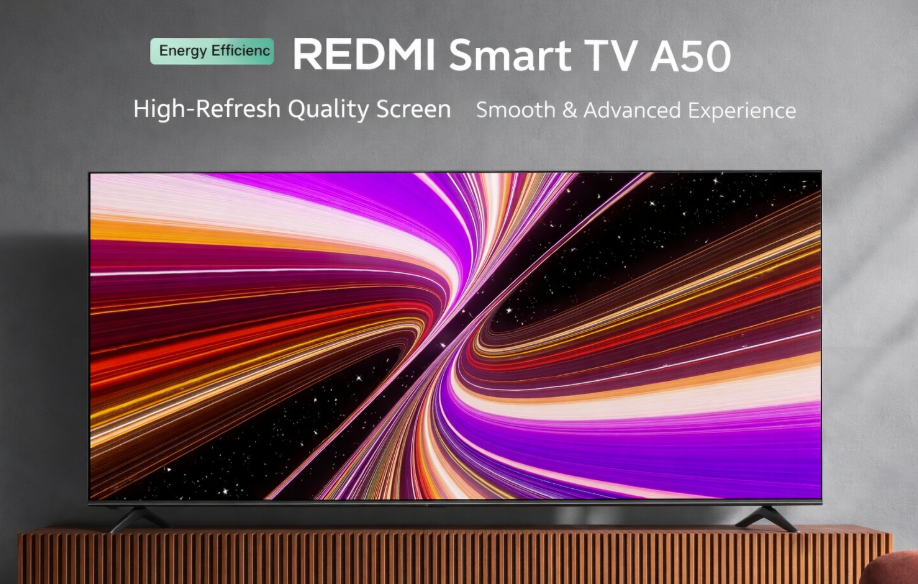
❌