Login
Login
Brazil Unites with UK, Jamaica, Mexico, Saudi Arabia, South Africa and Denmark as Canada Issues New Winter Travel Advisory Amid Rising Crime and Safety Concerns: What You Need to Know
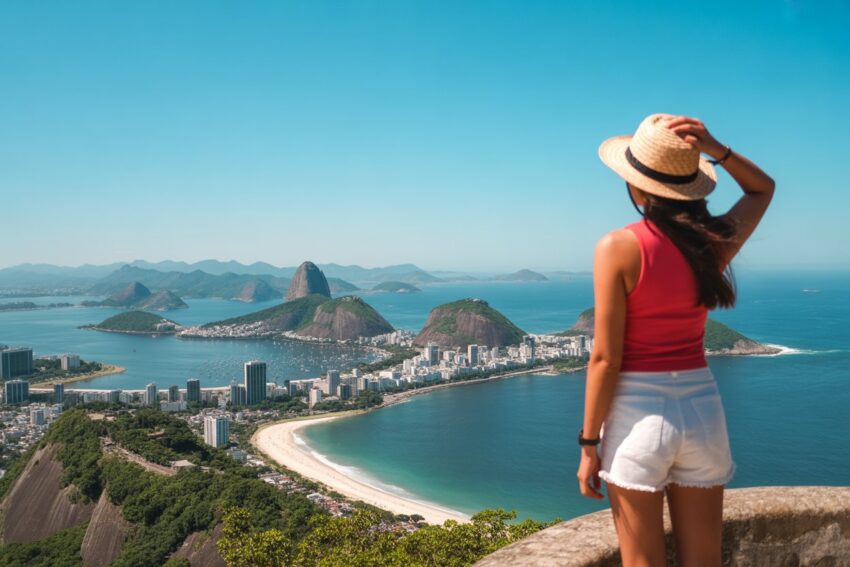
As winter approaches, Canada has issued a new travel advisory, advising caution for travelers going to Brazil, Jamaica, Mexico, Saudi Arabia, South Africa, Denmark, and the UK due to increasing crime, violence, and safety risks in these countries. Each of these nations is facing significant challenges, from high levels of violent crime and gang-related violence to the ongoing terrorism threat. In Brazil, travelers are warned about escalating crime rates and violent incidents in major cities, while Jamaica faces risks from gang violence and political instability. Mexico and Saudi Arabia also present concerns with organized crime and terrorism-related threats, respectively. South Africa, known for its beautiful landscapes, is grappling with high rates of violent crime, while Denmark and the UK face growing terrorism risks in public areas and crowded spaces. As these countries struggle with their security situations, it’s essential for tourists to be extra cautious, stay informed, and follow safety guidelines. This article will explore the key safety issues in each of these destinations and offer practical advice on how to stay safe when traveling to these high-risk regions.
Brazil: Rising Crime and Gang Violence Raise Travel Concerns
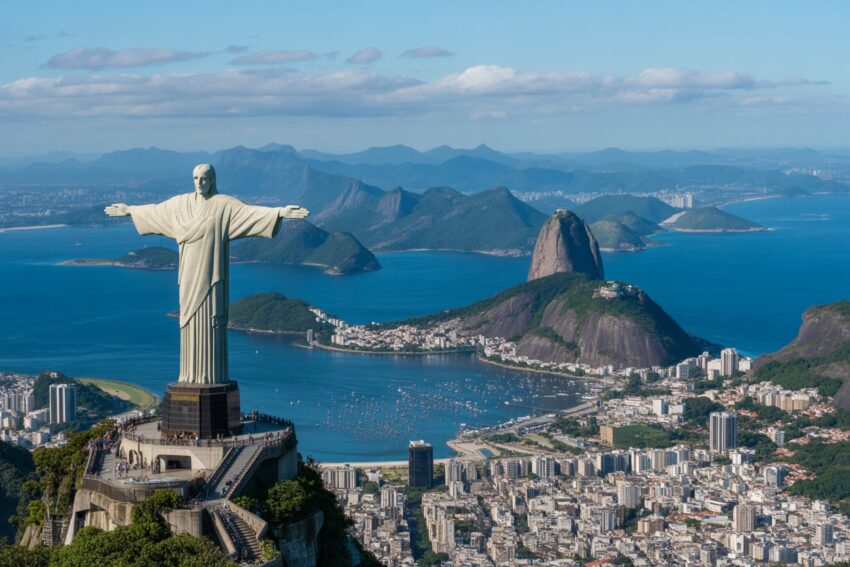
As winter approaches, Canada has issued a travel advisory urging caution for travelers heading to Brazil due to the rising concerns over crime and safety. Brazil is now part of a growing list of countries, including Mexico, Jamaica, Saudi Arabia, South Africa, Denmark, and the UK, where tourists are advised to take extra precautions. Here’s what you need to know about Brazil’s current safety situation.
Brazil: High Crime Rates and Safety Risks
Brazil is a vibrant and popular destination but has seen a rise in crime, particularly in its urban areas. Major cities like Rio de Janeiro, São Paulo, Salvador, and Fortaleza are hotspots for theft and violent crime. Armed robberies, carjackings, and burglaries are common, and tourists often fall victim to these crimes, especially in crowded areas or around popular tourist spots. While violent crime incidents like sexual assaults and mass shootings are less frequent for tourists, the unpredictability of such events means you could easily find yourself in a dangerous situation without warning.
Crime Hotspots
Certain neighborhoods in Rio de Janeiro, such as Cidade de Deus, Complexo do Alemão, and Complexo da Maré, have become notorious for gang violence, with criminal activity often spilling into public spaces. São Paulo’s high-risk areas include Avenida Paulista, Luz station, and the historical downtown. If you’re visiting these places, it’s crucial to stay aware of your surroundings, avoid traveling alone at night, and always stay in well-lit, populated areas.
Border Areas: A Major Security Concern
The Canadian travel advisory highlights Brazil’s border regions as particularly dangerous due to criminal activity linked to drug trafficking and arms smuggling. The advisory urges travelers to avoid non-essential travel to the following border zones:
- Within 20 km of Argentina, excluding Iguaçu National Park
- Within 20 km of Bolivia, excluding Pantanal National Park
- Colombia, French Guiana, Guyana, Paraguay, Peru, and Suriname
- Within 50 km of Venezuela
These areas are often controlled by criminal organizations, making them unsafe for tourists. If you must travel in these regions, it’s essential to exercise extreme caution, stay updated on local news, and follow the advice of local authorities.
Safety Tips for Travelers
If you still plan to visit Brazil, here are some safety tips to help you stay secure:
- Stay Alert: Always be aware of your surroundings, especially in crowded tourist areas.
- Avoid Traveling Alone: It’s safer to explore in groups, particularly after dark.
- Don’t Resist an Attack: If confronted by criminals, comply with their demands to avoid escalation.
- Secure Your Belongings: Use hotel safes for valuables and avoid carrying too much cash or expensive items.
- Monitor Local News: Stay informed about safety alerts and follow the advice of local authorities.
Jamaica: Navigating High-Risk Areas Amid Crime Waves
As Canada’s new winter travel advisory takes effect, Jamaica is highlighted due to its ongoing safety concerns. Travelers heading to Jamaica are urged to exercise caution, especially outside tourist areas, due to a high level of violent crime and gang-related violence. While Jamaica is a popular destination for its beaches and resorts, it’s important to stay informed about the current security situation. Here’s what you need to know about traveling to Jamaica and staying safe.
Jamaica: High Crime and Safety Concerns
Jamaica remains a top vacation spot, known for its beautiful beaches, vibrant culture, and laid-back atmosphere. However, rising crime rates, especially outside tourist areas, have raised concerns. The Canadian government advises travelers to exercise a high degree of caution due to frequent incidents of violent crime and gang activity, particularly in urban areas like Kingston and Montego Bay. While tourist resorts tend to have a stronger police presence, incidents of robbery and assault still occur.
Violent Crime in Urban Areas
Violent crime remains a significant issue, particularly in neighborhoods with a notable gang presence. Areas like St. Catherine, Kingston, and Montego Bay experience frequent incidents of armed robbery and murder, with many of these crimes being linked to drug- and gang-related activity. Travelers are encouraged to avoid traveling to high-risk areas, especially at night, and to stay in well-lit, populated places.
Regional Risks: Western Parishes and Hurricane Damage
Jamaica’s western parishes are currently facing additional risks due to Hurricane Melissa, which caused extensive damage. Travelers are advised to avoid non-essential travel to the following areas:
- St. Catherine
- Clarendon
- Manchester
- St. Elizabeth (excluding Treasure Beach)
- Westmoreland (excluding Negril)
- Hanover (excluding Lucea)
- St. James (excluding Montego Bay)
These regions have been significantly affected by the storm, and the infrastructure may not be fully restored yet. If you plan to visit these areas, be sure to check local conditions and stay updated with local authorities.
Petty Crime: Pickpocketing and Bag Snatching
In addition to violent crime, petty crime like pickpocketing and bag snatching is common in crowded tourist areas. To stay safe, avoid showing signs of wealth, such as wearing expensive jewelry or flashing cash. Secure your passport and valuables in a hotel safe, and be mindful of your belongings, especially in busy locations like beaches, markets, and public transportation.
Safety Tips for Travelers to Jamaica
If you’re planning to visit Jamaica, here are some key safety tips to ensure a safe trip:
- Be Aware of Your Surroundings: Always stay vigilant, especially in crowded areas or at night.
- Avoid Isolated Areas: Stick to well-populated areas and avoid isolated beaches or neighborhoods.
- Travel in Groups: Whenever possible, travel with others and avoid walking alone.
- Don’t Resist an Attack: If confronted by criminals, don’t resist. Hand over your valuables to avoid violence.
- Stay Informed: Monitor local news and follow the advice of local authorities.
Women’s Safety and Other Considerations
Women traveling to Jamaica should take extra care, especially if traveling alone. Reports of sexual assaults at tourist resorts have been made, so be cautious, especially when staying in smaller or less secure accommodations. Always ensure your room is locked and avoid excessive drinking.
Additionally, LGBTQI+ travelers should be aware that Jamaican law prohibits same-sex sexual acts and there have been reports of verbal and physical abuse toward LGBTQI+ individuals. Public displays of affection should be avoided, and it’s best to carefully consider personal safety when traveling to Jamaica.
Mexico: Violence and Crime Spur Urgent Safety Warnings

As part of Canada’s updated winter travel advisory, Mexico is now highlighted for its high levels of violent crime and kidnapping, with a strong warning to travelers. While Mexico remains a popular vacation destination, the rise in criminal activity, particularly in certain regions, has led to this cautionary advisory. Here’s what you need to know about traveling safely in Mexico.
Mexico: High Crime and Safety Concerns
Mexico continues to be a major tourist destination, known for its beautiful beaches, rich history, and vibrant culture. However, the safety situation has raised concerns due to rising levels of violent crime, including kidnappings and organized crime. The Canadian government has issued a travel advisory urging travelers to exercise a high degree of caution when visiting Mexico, especially outside of major tourist areas.
Violent Crime and Regional Risk Areas
The country faces significant threats from organized crime and drug cartels, which are active in many regions. Sinaloa, for example, sees frequent armed clashes between rival criminal groups. In Culiacán and parts of Mazatlán, criminal activity extends beyond the main tourist zones, and tourists have been caught in crossfire or targeted by gangs. The Canadian advisory urges travelers to avoid non-essential travel to high-risk states such as Chiapas, Guerrero, Jalisco, Michoacán, and Sinaloa, with specific exceptions noted for tourist destinations like Mazatlán if accessed by air or sea.
Petty Crime and Safety Tips
Aside from violent crime, petty crime is common in busy areas such as airports, bus stations, and the Mexico City metro system. Pickpocketing and bag snatching are frequent occurrences. To stay safe, always keep your personal belongings secure, avoid showing signs of affluence, and use hotel safes to store valuables. In busy tourist spots, keep your passport and other important documents in a safe place, and be cautious with your cell phone, a common target for theft.
Avoiding Violence in Tourist Areas
While Mexico’s authorities have made efforts to reduce gang-related violence in popular tourist areas, violent incidents still occur in places like restaurants, hotels, and nightclubs, where criminal gangs sometimes clash over territory. Tourists are often caught in the wrong place at the wrong time. The Canadian travel advisory urges all visitors to remain vigilant, especially in large crowds, and avoid isolated areas and night travel when possible.
Safety Tips for Traveling in Mexico
- Stay in Tourist Areas: Stick to well-known, heavily-patrolled areas and avoid venturing into high-risk regions.
- Be Vigilant: Always be aware of your surroundings and avoid showing expensive jewelry or large sums of cash.
- Travel During the Day: Avoid traveling on highways or to less-populated areas at night, as this is when crimes such as carjackings are more likely to occur.
- Monitor Local News: Stay informed about local crime patterns, roadblocks, and demonstrations, which can sometimes escalate into violence.
Mexico remains a top destination for many, but the ongoing crime concerns make it crucial to stay informed and take necessary precautions to stay safe. By avoiding high-risk regions, staying alert, and following local advice, you can still enjoy all that this beautiful country has to offer while minimizing the risks.
Saudi Arabia: Terrorism and Border Tensions Heighten Security Risks

Saudi Arabia is now included in Canada’s winter travel advisory, urging travelers to exercise a high degree of caution due to ongoing tensions in the region and the threat of terrorism. While Saudi Arabia is a key destination for religious pilgrimages and business travel, the security situation, especially near certain borders, requires careful consideration. Here’s everything you need to know before traveling to Saudi Arabia.
Saudi Arabia: Threats from Terrorism and Regional Tensions
Saudi Arabia is situated in a region with ongoing conflicts, particularly near the Yemen border. The Canadian government’s travel advisory warns travelers about the risks posed by terrorist activity, which has previously targeted both military and civilian infrastructure. The situation remains volatile, with violent clashes spilling over into Saudi territory at times. While the country’s major cities, like Riyadh and Jeddah, are generally safer, the advisory specifically highlights the southern and border areas as high-risk zones.
High-Risk Regions: Border Areas and “Out of Bounds” Zones
The advisory urges travelers to avoid travel near the Yemen border, particularly within 30 km of the border, due to the ongoing armed conflict in Yemen. Additionally, areas between 30 km to 80 km of the border are marked as non-essential travel zones, given the risk of violent spillovers.
Saudi Arabia has also declared certain zones “out of bounds,” including areas within 20 km of the Iraq border and the towns of Hafr al Batin and Khafji in the Eastern Province. These zones are subject to strict government regulations, and entering them without proper authorization can result in severe penalties, including imprisonment.
Public Behavior and Legal Considerations
In Saudi Arabia, public behavior, especially regarding political discourse and social media, is strictly regulated. The government prohibits criticism of the Kingdom, the royal family, and Islam, and any violations can lead to serious consequences. This includes posting or “liking” anything on social media that may be considered offensive or subversive by local authorities. It’s important to be mindful of your online activity, as offenses may result in travel bans, lengthy investigations, or even imprisonment.
Security Risks at the Yemen Border
Tensions at the Yemen border remain high, and terrorist groups have targeted Saudi cities and infrastructure with missiles and drones in the past. Although a U.N.-brokered truce has temporarily reduced cross-border attacks, the threat of resumed violence is still present. Saudi border patrols regularly operate in this region to combat human trafficking, drug smuggling, and other criminal activities, but these operations can lead to sudden clashes. If you plan to travel to or within southwestern Saudi Arabia, it’s crucial to exercise extreme caution and monitor local developments.
Travel Tips for Saudi Arabia
- Avoid Border Areas: Stick to major cities like Riyadh and Jeddah, and avoid traveling near the borders with Yemen and Iraq.
- Respect Local Laws: Saudi Arabia has strict rules on public conduct, especially around religion and politics. Be mindful of your behavior, both in person and online.
- Stay Updated: Due to the unpredictable nature of the situation in the region, always stay informed by monitoring local news and following the guidance of local authorities.
- Prepare for Delays: Flight cancellations or airport closures may occur due to regional conflicts, so always verify your travel plans ahead of time.
South Africa: Crime and Violence Escalate in Popular Tourist Spots

South Africa is included in Canada’s updated winter travel advisory, warning travelers to exercise a high degree of caution due to high levels of violent crime. Known for its stunning landscapes and vibrant culture, South Africa also faces significant security challenges. Here’s what you need to know about staying safe while traveling to South Africa.
South Africa: High Crime and Safety Risks
South Africa’s charm lies in its breathtaking scenery, wildlife, and history, but the country is also known for its high crime rates, particularly in urban areas. Violent crime such as armed robberies, carjackings, home invasions, and murders are frequent, with foreigners often becoming targets. The townships and major city centers see the highest crime rates, and incidents of sexual assault and theft are also reported. The threat of kidnapping for ransom remains prevalent, especially for foreigners.
Crime Hotspots and Areas to Avoid
- Major cities, including Johannesburg, Cape Town, and Durban, experience frequent violent crime. It is recommended to avoid traveling in high-risk areas after dark.
- Townships and isolated areas should be avoided entirely, as these locations often face gang violence and criminal activity.
- Cape Town International Airport and its surrounding areas have seen a rise in theft, with some criminals targeting tourists after they land. Travelers are advised to stay on major highways, avoid shortcuts, and use official airport transfer services.
Petty Crime and Safety Tips
Petty crime, like pickpocketing and bag snatching, is common, particularly in tourist hotspots. To stay safe, follow these tips:
- Keep Valuables Secure: Always keep your passport, travel documents, and valuables in a secure place, and avoid displaying expensive jewelry or electronics in public.
- Be Careful at ATMs: When withdrawing cash, use ATMs in well-lit, busy areas or inside banks. Be cautious of your surroundings, as criminals often target people using ATMs.
- Stay Alert in Crowded Places: Watch out for pickpockets in markets, restaurants, and public transport.
- Avoid Leaving Bags Unattended: Never leave your bag on the back of a chair or unattended in a public place.
Carjackings and Road Safety
Carjackings are common, especially after dark. Criminals may stop vehicles at traffic lights or along highway off-ramps. Roadblock scams also occur, where criminals pose as police officers to extort or rob travelers. To minimize risk:
- Park in Safe Areas: Choose well-lit parking spaces with security.
- Avoid Driving at Night: Stick to well-traveled highways and avoid driving through isolated areas after dark.
- Be Cautious of Roadblocks: If you encounter an unmarked roadblock or suspicious police activity, do not stop. Continue to the nearest police station or safe location and report the incident.
Hotel Theft and Kidnapping Risks
Hotel theft is also common. Criminals have been known to steal from hotel rooms, sometimes with the help of staff members. To protect yourself:
- Lock Doors and Windows: Always ensure your hotel room is secured, even when you’re inside.
- Avoid Opening the Door Without Verifying: Don’t open the door to anyone without first confirming their identity with the hotel reception.
- Secure Your Luggage: Keep valuables in safekeeping facilities or use a hotel safe.
Kidnapping for ransom is another risk in South Africa, especially for foreigners. Criminals sometimes lure victims through online dating apps or employment scams. Always meet new acquaintances in public places and avoid sharing personal details with strangers.
Safety Tips for Traveling in South Africa
- Stay in Secure Areas: Choose accommodations with good security measures, and avoid staying in areas with high crime rates.
- Travel in Groups: It’s safer to explore with others, especially when visiting unfamiliar or high-risk locations.
- Don’t Resist an Attack: If confronted by criminals, comply with their demands to avoid escalation.
- Monitor Local News: Stay informed about local security updates and follow the advice of local authorities.
South Africa offers incredible experiences, but it’s essential to remain vigilant and take necessary precautions to stay safe. By staying in safer areas, being cautious with your belongings, and following local guidelines, you can enjoy the beauty of the country while minimizing the risks.
Denmark: Terrorism Threats and Gang Violence Prompt Caution

Denmark is now included in Canada’s updated winter travel advisory, urging travelers to exercise a high degree of caution due to the threat of terrorism and ongoing gang violence in certain areas. While Denmark is generally considered safe, the risk of attacks and violent crime requires visitors to stay vigilant. Here’s what you need to know before visiting Denmark this winter.
Denmark: Terrorism and Crime Risks
Denmark is a popular travel destination known for its rich history, beautiful cities, and high quality of life. However, terrorism remains a concern across Europe, and Denmark is not immune. While incidents of terrorism have been rare, the risk still exists, particularly in public areas, government buildings, and transportation hubs. Visitors should be cautious when attending mass gatherings, such as sporting events or public celebrations, as terrorists have historically targeted such events.
Crime Risks: Petty Crime and Gang Violence
In addition to terrorism, petty crime like pickpocketing and purse snatching occurs most frequently in tourist hotspots during peak seasons, such as summer and winter holidays. Copenhagen’s busy streets, hotel lobbies, and restaurants are common areas where thieves operate. Criminals often work in teams, with one person distracting the victim while another steals their belongings. It’s essential to keep your belongings secure at all times, especially in crowded places.
There have also been gang-related incidents in areas like Christiania, Nørrebro, and Brønshøj-Husum in Copenhagen. Violent confrontations between law enforcement and organized crime have occurred in these neighborhoods, and tourists should be aware of their surroundings when visiting these areas. Christiania, in particular, has a history of drug-related violence, and visitors should avoid areas where illegal activities are taking place. Be cautious when taking photos, as some visitors have been targeted after photographing the area.
Terrorism Threats and Safety Measures
Denmark, like many European countries, faces a terrorism threat due to tensions across the continent. Public places, including tourist attractions, restaurants, and shopping centers, could be potential targets. The Danish Security and Intelligence Service maintains a public alert system, with the current threat level set at 4 (significant) on a scale of 5. Travelers should remain aware of their surroundings, particularly when in crowded spaces.
Terrorism Targets could include:
- Government buildings, including schools and places of worship
- Airports and other transportation hubs
- Public spaces such as cafes, shopping centers, and markets
Safety Tips for Traveling in Denmark
If you plan to visit Denmark, here are some key safety tips to follow:
- Stay Aware: Always be conscious of your surroundings, especially in crowded areas and near popular tourist attractions.
- Secure Your Belongings: Keep valuables like passports, phones, and money in a secure place. Use hotel safes whenever possible.
- Avoid High-Risk Areas: Be extra cautious in areas known for gang activity, such as Christiania and Nørrebro, and avoid demonstrations or large gatherings.
- Monitor Local News: Stay informed about the latest safety updates and follow local authorities’ instructions.
Denmark is a beautiful destination, but it’s important to stay vigilant and take the necessary precautions due to the ongoing risks associated with terrorism and crime. By staying informed and being cautious, you can still enjoy your visit to this charming country while minimizing potential dangers.
United Kingdom: Ongoing Terrorism Threats Trigger Travel Warnings

As part of Canada’s updated winter travel advisory, the United Kingdom is now listed due to the threat of terrorism and rising crime. While the UK is a popular travel destination, ongoing security concerns make it important for visitors to stay vigilant. Here’s what you need to know to stay safe while traveling to the UK.
United Kingdom: Terrorism Threats and Crime Risks
The United Kingdom faces a significant terrorism threat, particularly in public spaces. While incidents of terrorism have been rare, past attacks, including vehicle assaults and explosions, have resulted in casualties. These attacks often target government buildings, transportation hubs, and tourist attractions. The UK’s terrorism alert is currently set at 3 (“substantial”), with an even higher threat level of 4 (“severe”) for Northern Ireland. Visitors should remain aware of their surroundings, especially during sporting events, religious holidays, and public celebrations—occasions that have historically been targeted by terrorists.
Be Vigilant in Public Places
The risk of terrorism remains present, especially in crowded areas such as tourist attractions, restaurants, and shopping centers. It is crucial to stay alert, particularly when in public, and avoid large gatherings or demonstrations, which can quickly turn violent and disrupt public transport.
Crime Risks: Petty Crime and Violent Crime
Petty crime is common in the UK, especially in popular tourist areas. Pickpocketing and purse snatching are frequent, with London being particularly affected. Areas like Piccadilly Circus, Trafalgar Square, and Leicester Square are prime targets. Theft is also common in restaurants, pubs, and hotel lobbies, where thieves may work in teams. They often distract victims while another steals their belongings.
Violent Crime is also a concern in larger cities. Muggings, knife crime, and sexual assaults have been reported, particularly in certain areas of London. It’s important to stay cautious when using public transport or riding in unlicensed taxis, as incidents of robbery and sexual assault have occurred on the transportation system.
Safety Tips for Traveling in the United Kingdom
- Stay Aware of Your Surroundings: Always be alert, particularly in crowded places and tourist hotspots.
- Secure Your Belongings: Keep your valuables in a secure place and avoid showing signs of affluence, such as expensive jewelry.
- Avoid Public Protests: Demonstrations can turn violent, so it’s best to avoid large gatherings.
- Travel in Groups: If possible, travel with others, especially when out at night or in less populated areas.
- Use Reputable Transportation: Only use licensed taxis or rideshare services and be cautious when withdrawing cash from ATMs.
Additional Safety Concerns
- Be Cautious of Spiked Drinks: Never leave your drink unattended or accept food or drinks from strangers, as they could be spiked with drugs that put you at risk of sexual assault or robbery.
- Be Careful After Dark: Crime rates tend to rise after dark, so try to avoid traveling in poorly lit areas and always stay in well-secured accommodations.
The United Kingdom offers plenty of cultural and historical attractions, but travelers should stay informed and take steps to minimize risks. By remaining vigilant, securing your belongings, and avoiding high-risk areas, you can ensure a safer visit to this historic and vibrant destination.
As winter approaches, Canada has issued a new travel advisory urging caution for travelers to Brazil, Jamaica, Mexico, Saudi Arabia, South Africa, Denmark, and the UK due to rising crime rates, violent incidents, and terrorism threats in these countries.
As winter travel season approaches, it’s crucial for travelers to be aware of the rising security risks in countries like Brazil, Jamaica, Mexico, Saudi Arabia, South Africa, Denmark, and the UK. While these destinations remain popular for their unique cultural experiences and scenic beauty, the growing threats of violent crime, gang violence, and terrorism highlight the need for caution. By staying informed, following safety tips, and being vigilant, you can reduce the risks associated with travel in these regions. Always prioritize your personal safety by avoiding high-risk areas, securing your belongings, and staying updated on local developments. Whether you’re heading for a holiday, business trip, or exploring new destinations, taking these precautions will help ensure a safer and more enjoyable experience.
The post Brazil Unites with UK, Jamaica, Mexico, Saudi Arabia, South Africa and Denmark as Canada Issues New Winter Travel Advisory Amid Rising Crime and Safety Concerns: What You Need to Know appeared first on Travel And Tour World.