
Reading view

Finland Joins Saudi Arabia, Costa Rica, and New Zealand in Making Tourism a Source of Restoration— A New Vision for Travel in 2025 and Beyond

Finland Joins Saudi Arabia, Costa Rica, and New Zealand in Making Tourism a Source of Restoration— A New Vision for Travel in 2025 and Beyond
Finland Joins Saudi Arabia, Costa Rica, and New Zealand

As global tourism continues to grow, the focus is shifting from simply sustaining destinations to regenerating them—a concept known as regenerative tourism. New Zealand, Costa Rica, Saudi Arabia, and Finland are at the forefront of this transformation, aiming not just to reduce the negative impacts of tourism but to actively restore and enhance the natural, cultural, and social capital of the places that attract visitors. This holistic approach goes beyond sustainability by creating net positive effects on the environment and local communities.

But what is regenerative tourism? In simple terms, it’s a tourism model that ensures travel destinations benefit from the industry, enriching the local environment, culture, and economy. Unlike sustainability, which focuses on reducing the negative effects of tourism, regenerative tourism actively works towards environmental restoration, cultural preservation, and community empowerment. While this concept is still evolving, several countries have made official commitments to embed regenerative practices in their tourism strategies, offering a model for others to follow.

What Is Regenerative Tourism?

Regenerative tourism isn’t just about minimizing harm—it’s about giving back more than it takes. It strives to restore ecosystems, revitalize local cultures, and empower communities through tourism. The goal is to create a positive feedback loop where tourism enhances the very things that attract visitors in the first place, such as natural landscapes, cultural heritage, and social well-being.

Despite its promising potential, measuring regenerative outcomes is still a challenge. Governments are working to develop metrics and standards for regenerative tourism, but these are not yet universally standardized. While some countries have made notable progress, much of the data available is linked to broader sustainable tourism or economic and environmental impact initiatives rather than directly to regenerative metrics.

New Zealand — Leading the Way in Regenerative Tourism

Government Stance and Key Initiatives

New Zealand is recognized as a global leader in regenerative tourism, with the government taking explicit steps to embed this concept into its official strategy. The Ministry of Business, Innovation & Employment (MBIE) and Tourism New Zealand have prioritized the transition to a regenerative tourism model.

The goal is clear: to ensure tourism protects, restores, and champions the country’s natural environment, culture, and heritage. This vision is part of New Zealand’s broader tourism strategy, known as the Tourism Growth Roadmap.

One of the core initiatives under this strategy is the Tiaki Promise, a government-backed pledge encouraging both visitors and locals to commit to caring for the land (whenua), sea, and nature. The word Tiaki means “to care and protect” in the Māori language, underscoring the deep cultural connection to the environment.

Key Statistics

  • Tiaki Promise Awareness: 22% of the domestic population is aware of the Tiaki Promise, demonstrating a successful push to promote regenerative thinking among locals.
  • Tourism Sector Productivity: Tourism GDP accounted for ~5.5% of New Zealand’s total GDP pre-pandemic, with a shift from visitor volume to value per visitor being a key focus.
  • Protected Areas: Over 30% of New Zealand’s land area is protected, providing a solid ecological foundation for restoration efforts.

Top Tourist Attractions in New Zealand

  1. Fiordland National Park – A UNESCO World Heritage site with stunning fjords and pristine landscapes.
  2. Rotorua – Known for its geothermal activity and Māori cultural experiences.
  3. Aoraki/Mount Cook National Park – Famous for its towering peaks and alpine beauty.
  4. Bay of Islands – A picturesque region with rich history, ideal for sailing and exploration.
  5. Tongariro National Park – A dual UNESCO World Heritage site, renowned for its volcanic landscapes.

Costa Rica — A Pioneer in Ecotourism Now Moving Towards Regeneration

Government Stance and Key Initiatives

Costa Rica is well-known for its decades-long focus on ecotourism, but the country is now transitioning towards a more explicitly regenerative model. The Costa Rican Tourism Institute (ICT) has been pivotal in this shift, aiming to make the country a key destination for regenerative tourism.

Costa Rica’s commitment to regenerative practices is most evident through its Certification for Sustainable Tourism (CST) program. While the CST has been around for years, its criteria are now being applied to fund businesses that actively contribute to conservation, community development, and regenerative outcomes.

Key Statistics

  • Forest Cover: Over 52% of Costa Rica’s territory is covered by forests, and the country is a global leader in reforestation and ecological restoration.
  • Renewable Energy: Nearly 100% of Costa Rica’s electricity comes from renewable sources such as hydro, geothermal, and solar, ensuring a minimal carbon footprint.
  • Tourism Sector Contribution: Tourism accounts for ~6.3% of Costa Rica’s GDP, which supports a low-impact, nature-focused tourism model.

Top Tourist Attractions in Costa Rica

  1. Manuel Antonio National Park – Known for its wildlife, beaches, and forest trails.
  2. Monteverde Cloud Forest – A biodiversity hotspot perfect for hiking and nature tours.
  3. Arenal Volcano – Famous for its geothermal activity and hot springs.
  4. Corcovado National Park – One of the most biodiverse places on Earth.
  5. Tortuguero National Park – A protected area known for its turtle nesting sites and vibrant ecosystems.

Saudi Arabia — Vision 2030’s Regenerative Tourism Projects

Government Stance and Key Initiatives

Saudi Arabia is using massive state funding to develop entirely new, regenerative tourism destinations under its Vision 2030 plan. The government’s Red Sea Global (RSG) initiative, formerly the TRSDC (The Red Sea Development Company), is building luxury resorts and destinations with an explicit mandate to be regenerative, going beyond sustainability to create a “Nature-Positive” tourism model.

By 2040, Saudi Arabia aims for a 30% net positive conservation benefit, ensuring that its tourism projects not only protect but also enhance the environment.

Key Statistics

  • Net Conservation Benefit: Saudi Arabia’s goal is a 30% net positive conservation benefit by 2040, focusing on ecosystem restoration such as mangrove planting and habitat enhancement.
  • Tourism Share of GDP: The country aims to increase tourism’s contribution to its GDP from ~3% to 10% by 2030, aligning economic growth with environmental goals.
  • Biodiversity Restoration: 50,000 m² of new coral reefs are being created and restored in the Red Sea.

Top Tourist Attractions in Saudi Arabia

  1. Al-Ula – A UNESCO World Heritage site known for its ancient rock art and tombs.
  2. The Red Sea Project – A luxury resort area built with regenerative principles.
  3. Riyadh’s National Museum – Showcasing the kingdom’s rich history and culture.
  4. Diriyah – A historical district of Riyadh, being restored to highlight Saudi heritage.
  5. Al Khobar Beaches – Popular for water activities and relaxing retreats.

Finland — Sustainable Travel and Regenerative Practices Through National Certification

Government Stance and Key Initiatives

Finland has integrated regenerative tourism through the Sustainable Travel Finland (STF) Label, a national program that promotes environmental and social responsibility. Visit Finland and Business Finland have led the way in ensuring that all destinations labeled under STF adhere to high standards of cultural preservation, community collaboration, and environmental stewardship.

Key Statistics

  • Certified Destinations: Over 100 companies and 13 destinations have been certified through the STF program, demonstrating the widespread adoption of regenerative practices.
  • Visitor Satisfaction: Finland consistently ranks high in visitor satisfaction and safety, which aligns with its regenerative tourism goals.

Top Tourist Attractions in Finland

  1. Lapland – Famous for the Northern Lights and its connection to Santa Claus.
  2. Helsinki – A vibrant city known for its art, architecture, and natural beauty.
  3. Lake Saimaa – Offers serene landscapes perfect for boating and hiking.
  4. Rovaniemi – The official home of Santa Claus and a gateway to Arctic adventures.
  5. Turku Archipelago – A stunning group of islands ideal for outdoor activities.

Conclusion: A Global Shift Towards Regenerative Tourism

Countries like New Zealand, Costa Rica, Saudi Arabia, and Finland are leading the regenerative tourism movement, with official commitments to make tourism a force for environmental restoration, cultural preservation, and community empowerment. These nations are setting a new standard for sustainable travel, demonstrating that tourism can enrich both the environment and the local economy when it’s done right.

As the industry evolves, regenerative tourism is expected to grow, with more destinations adopting these principles. While the metrics for regeneration remain in development, the initial successes in these pioneering nations provide a blueprint for others to follow, ensuring that tourism can leave a positive, lasting impact on the world.

The post Finland Joins Saudi Arabia, Costa Rica, and New Zealand in Making Tourism a Source of Restoration— A New Vision for Travel in 2025 and Beyond appeared first on Travel And Tour World.

Vietnam Joins Thailand, Malaysia, Philippines, and India in Offering Unmatched Luxury Travel in Asia for a Fraction of the Price, Affordability Meets Opulence!

Vietnam Joins Thailand, Malaysia, Philippines, and India in Offering Unmatched Luxury Travel in Asia for a Fraction of the Price, Affordability Meets Opulence!

Asia is the new frontier for travellers who want luxury without a huge bill. In Asia, the idea of expensive travel is being rewritten. Vietnam is now a top name alongside Thailand, Malaysia, Philippines and India. These nations now offer luxury stays that feel rich and grand but cost much less than expected. Asia once meant budget travel or high costs. Now Asia means smart travellers can get both. In Asia, you can find five‑star hotels, private beaches, royal heritage stays and world‑class meals. Yet the price you pay is so low it shocks travellers from the West. Asia is no longer a bargain choice only. It is now a destination for luxury that makes sense for smart travellers.

Vietnam shines as a leader in Asia’s affordable luxury wave. Vietnam’s beauty is famed from Ha Long Bay to Hoi An and Dalat. In Vietnam, luxury resorts rise all over the coast and in the cities. Each stay in Vietnam feels exclusive and grand. Yet the bills stay low. Asia travellers often say that Vietnam’s luxury is just as good as in Europe or the United States, but at a fraction of the price. Thailand also leads the way in Asia with vibrant city life and tropical island luxury. Thailand’s tourism push has grown its high‑end resorts that are affordable. Malaysia stands strong in Asia with top hotels and island escapes in Langkawi that feel priceless but stay within reach. The Philippines offers luxury beach stays with white sands and clear waters. In the Philippines, resorts on Boracay and Palawan compete with the best in Asia. India brings culture, heritage and palace stays. In India, luxury has a deep history with royal palaces now turned into high‑end hotels. When travellers think of luxury in Asia, they now think of Vietnam, Thailand, Malaysia, Philippines and India. These places together form a new map of luxury travel in Asia that is changing minds and travel plans.

Why Vietnam Is Asia’s Breakout Luxury Value Star

Vietnam is one of the most talked‑about places in Asia right now. Vietnam offers luxury hotels that rival more expensive spots. Yet the cost in Vietnam is far lower than many world cities. International visitors say that in Vietnam, your money goes further. Vietnam’s beaches, cities and green mountains all feature top‑tier resorts. In Hanoi and Ho Chi Minh City, you can stay in luxury hotels with fine dining, pools, spas and service that feels first‑class. In Vietnam’s coastal towns like Da Nang and Phu Quoc, luxury feels like a treasure you can afford. Asia travellers see Vietnam as a place where luxury meets value in every corner.

Official tourism promotion from Vietnam’s government highlights its wide choice of hotels and travel packages. The Vietnam National Administration of Tourism shows that the country is ready for global visitors. It wants travellers who want comfort, culture and beauty. Vietnam’s prices stay attractive because the cost of living in Vietnam is lower. This lets hoteliers offer premium services at lower prices. When you choose luxury travel in Asia, Vietnam should be on your list. In Vietnam, you can enjoy the perfect balance of comfort, culture and cost. Every luxury hotel stay in Vietnam feels like a smart choice. And Asia travellers who visit Vietnam often plan to return. That says a lot in the world of travel.

Thailand’s Luxury Hospitality at Unbeatable Value in Asia

Thailand is no stranger to luxury tourism in Asia. Thailand has long been a global travel leader. For decades, Asia travellers have flocked to Thailand for beaches, culture, food and comfort. It is no surprise that Thailand now stands with Vietnam, Malaysia, Philippines and India. Thailand’s luxury stays are famous around the world. Yet many visitors are surprised how affordable they are. Whether in Bangkok’s city hotels, Phuket’s resort villas, or Chiang Mai’s boutique lodges, Thailand offers world‑class experiences. In Asia, Thailand is a top name for hospitality that blends tradition with modern comfort.

The Tourism Authority of Thailand actively promotes high‑end hotels and resorts. Thailand’s luxury tourism sector grows every year. New properties open with premium designs and excellent service. Many luxury hotels in Thailand offer packages that include meals, tours and wellness services at competitive prices. In Thailand, luxury does not necessarily mean expensive bills. Many visitors find that their money stretches further here than in Europe, North America, or East Asia. The result is predictable: tourists return again and again to Thailand. For many Asia travellers, Thailand is synonymous with affordable luxury.

Thailand’s beaches are a huge part of its luxury appeal. Islands like Koh Samui and Phuket feature private villas and infinity pools just steps from the ocean. In Thailand, you can wake up to sunrise views and still spend less than you might in other parts of Asia. The food in Thailand adds to the experience. Fine dining and street food coexist. In one day in Thailand, you can enjoy a Michelin‑level meal and then relax with a spa by the sea. It is this range of choices that makes Thailand a leader in luxury travel in Asia.

Malaysia’s Elegant Luxury Without the High Price Tag

Malaysia is steadily gaining recognition in Asia for luxury stays at fair prices. In Malaysia, luxury often means sleek urban hotels or serene island resorts. Kuala Lumpur’s skyline is dotted with premium hotels that offer rich comfort with easy access to shopping and culture. Penang mixes heritage with luxury. Langkawi is a beach paradise where luxury feels like an everyday experience. In Malaysia, luxury travel does not mean you need a big budget. Instead, it means smart spending for premium returns.

The Ministry of Tourism, Arts and Culture Malaysia shows that Malaysia offers choices for all kinds of visitors. It includes luxury travellers who want value. Malaysia’s hotel sector is flexible. It combines international chains and local premium brands. Travellers to Malaysia find that the cost per night in a luxury hotel is often lower than in many other Asia hubs. Many Malaysia hotels compete for guests with seasonal deals and added perks. In Malaysia, you can stay at five‑star resorts while saving money for other experiences. That is luxury done right in Asia.

Malaysia’s nature and culture also add value. You can pair a luxury hotel stay with jungle retreats, tea plantations, or beachside relaxation. In Malaysia, each moment feels grand but the price tag stays balanced. This blend keeps Malaysia competitive with Vietnam, Thailand, Philippines and India in Asia’s luxury travel scene. Travellers who explore Malaysia often say it feels like luxury without stress on the wallet.

Philippines: Asia’s Hidden Gem for Affordable Beach Luxury

The Philippines is one of the fastest‑rising names in Asia for luxury travel at lower costs. This island nation is made up of thousands of beaches and landscapes. In the Philippines, top white‑sand beaches meet private villas and five‑star resorts. Boracay and Palawan often top global lists of beautiful beaches. Yet in the Philippines, luxury stays here are often easier on the budget than similar beach resorts in other parts of the world.

The Department of Tourism of the Philippines highlights that the country welcomes diverse travellers. It promotes premium stays alongside cultural experiences. In the Philippines, hotel prices for luxury resorts remain competitive. For many Asia travellers, the value in the Philippines feels unmatched. You get premium facilities, tropical views and rich hospitality at prices that many luxury travellers find surprising. The Philippines combines natural beauty and comfort in a way that few places in Asia can match.

Luxury in the Philippines is not only about beaches. It is also about adventure and culture. You can enjoy scuba diving, island hopping and wellness stays in scenic resorts. In the Philippines, every day feels like a curated experience. Yet the costs stay in reach for budget‑minded travellers who want luxury. This blend makes the Philippines a must‑visit in Asia for travellers seeking both comfort and value.

India’s Timeless Luxury With Modern Value

India brings a unique flavour to luxury travel in Asia. In India, luxury is deep in culture and history. India’s palaces, forts and heritage hotels create experiences that no brochure can fully describe. Rajasthan’s palace hotels once housed royalty. Now they host global travellers. In India, luxury is not only in cities like Delhi and Mumbai. It is in countryside estates, tea‑garden resorts and ancient forts transformed into modern havens. In Asia, India’s luxury is about depth, culture and story.

The Ministry of Tourism of the Government of India reports strong growth in international visitors. It highlights India’s broad range of hotel options. Luxury stays in India often come with unique experiences. You can attend cultural festivals, dine on regional cuisine, or ride historic trains. Yet the cost in India for luxury stays often remains below similar experiences in Europe or East Asia. India mixes heritage and premium service at prices that surprise many travellers.

Luxury in India also means personalised service. Many palace hotels include guided heritage tours, private dining experiences and curated cultural programs. In India, every stay feels like it is tailored just for you. This makes India an unforgettable part of Asia’s luxury map. Travellers who choose India find richness not just in comfort, but in stories, flavours and history.

What Makes These Asia Destinations So Affordable Yet Luxurious

All five nations — Vietnam, Thailand, Malaysia, Philippines and India — share common strengths that let them offer luxury at lower costs. First, the cost of living in these Asia countries is lower than in Western cities. This means hotels can charge less and still deliver high quality. Second, strong tourism support from official bodies means steady investment in hospitality infrastructure. Vietnam’s tourism agencies work to expand high‑end hotels. Thailand’s tourism authorities actively market premium packages. Malaysia’s tourism ministry promotes diverse stays. The Philippines’ tourism body highlights beach and luxury travel. India’s tourism ministry showcases heritage and luxury stays.

Each country in Asia also benefits from competition. Hotels compete for guests and constantly improve service and facilities. They add perks like free breakfast, spa vouchers and guided tours. This pushes luxury prices down without lowering quality. In Asia, travellers get more value for every dollar spent. Whether it is a spa day in Thailand, a beachfront villa in the Philippines, a heritage palace in India, an urban luxury hotel in Malaysia, or a coastal resort in Vietnam, the experience feels first‑class.

Another reason these Asia destinations remain affordable is seasonal pricing. Many hotels offer deals during off‑peak periods. Travellers who plan smartly can enjoy luxury stays for much less. Airlines also connect these Asia destinations with more flights and better deals. This makes travel to Vietnam, Thailand, Malaysia, Philippines and India easier and often more affordable.

Real Traveller Experiences Show Asia’s Luxury Value

Travellers across the world now talk about how much value they get in Asia for luxury travel. Reviews often compare Bali, the Maldives and Europe with Asia. Time and again, Asia wins in value. Vietnam gets praise for boutique beach resorts. Thailand is known for island villas at fair prices. Malaysia’s city and island stays impress. The Philippines’ beaches feel like private paradise. India’s heritage hotels feel priceless but cost less. These stories are not claims without backing. They reflect the real experiences shared by travellers who return to Asia again.

Many visitors say they expected budget travel in Asia. Then they found luxury stays that felt tailor‑made. They enjoyed five‑star comfort without shock‑level prices. For Asia travellers, this is a major shift. Luxury travel no longer means draining savings. Instead, it means smart choices in Asia.

Conclusion: Asia’s New Luxury Value Era

Asia is redefining what it means to travel in style without overspending. Vietnam now stands proudly beside Thailand, Malaysia, Philippines and India in offering premium hospitality at affordable rates. Each of these Asia countries brings unique strengths. Vietnam offers coastal opulence and city elegance. Thailand blends culture, beach life and luxury. Malaysia delivers urban and island comfort. The Philippines showcases beach paradise stays. India offers heritage and depth in every luxury stay.

This new landscape in Asia is backed by official government support from the Vietnam National Administration of Tourism, the Tourism Authority of Thailand, the Ministry of Tourism, Arts and Culture Malaysia, the Department of Tourism of the Philippines and the Ministry of Tourism of the Government of India. Their efforts have helped raise hospitality standards while keeping costs low. For travellers seeking luxury in Asia without huge bills, these five destinations offer unmatched value. Each visit promises not just comfort and beauty, but a deeper, richer travel story that stays in the heart long after the journey ends.

The post Vietnam Joins Thailand, Malaysia, Philippines, and India in Offering Unmatched Luxury Travel in Asia for a Fraction of the Price, Affordability Meets Opulence! appeared first on Travel And Tour World.
Sustainable Tourism in Lo Lo Chai: New Cultural Exploration and Eco-Tourism Thrive in Vietnam’s Best Tourism Village

Sustainable Tourism in Lo Lo Chai: New Cultural Exploration and Eco-Tourism Thrive in Vietnam’s Best Tourism Village

Lo Lo Chai, a picturesque village located in the Lung Cu commune of Tuyen Quang province, Vietnam, has recently been recognized as one of the Best Tourism Villages by the United Nations World Tourism Organization (UNWTO). Known for its pristine beauty and authentic indigenous culture, Lo Lo Chai has quickly become a popular destination for travelers seeking immersive, cultural experiences. The village is surrounded by lush green terraced fields, mountainous landscapes, and traditional houses, making it an ideal spot for eco-tourism and cultural exploration.

Sustainable Tourism Practices in Lo Lo Chai

As Lo Lo Chai grows in popularity, local authorities are taking significant steps to ensure that tourism develops sustainably. Efforts have been made to preserve the village’s natural beauty and cultural identity, while promoting responsible tourism practices. A dedicated management team has been introduced to oversee tourism activities, ensuring that services align with local values and tourism standards.

One of the key initiatives is training local residents to provide standardized services while maintaining the authenticity of their cultural practices. This helps maintain the village’s traditions and environment while meeting the needs of visitors. The development of eco-friendly accommodations, waste management systems, and low-impact transportation ensures that the village can accommodate growing visitor numbers without compromising its ecosystem or heritage.

Community Involvement in Tourism Development

A core element of Lo Lo Chai’s sustainable tourism approach is the active involvement of the local community. The government is working to ensure that tourism directly benefits the villagers, allowing them to participate in and benefit from the growth of the industry. Locals are being trained to become tour guides, artisans, and entrepreneurs, enabling them to share their culture and history with visitors while generating income for their families.

The community-based tourism model ensures that tourism revenues are distributed equitably, providing economic opportunities for local farmers and artisans. By offering authentic handicrafts, local produce, and homestays, the village enhances the visitor experience while supporting its economy.

Cultural Preservation through Responsible Tourism

Lo Lo Chai’s sustainable tourism model also ensures the preservation of the village’s cultural identity. Traditional practices such as handwoven textiles, agricultural methods, and ceremonial rituals are protected and promoted as part of the visitor experience. This allows tourists to learn about and appreciate the Lo Lo culture while ensuring that these traditions continue to thrive.

By fostering a tourism model that is both economically viable and culturally respectful, Lo Lo Chai sets a strong example for other regions aiming to balance tourism development with heritage preservation. This model demonstrates how tourism can be a tool for cultural preservation, fostering meaningful exchanges between residents and visitors, while safeguarding the village’s traditions for future generations.

Looking Ahead: The Future of Lo Lo Chai’s Tourism Sector

With the growing success of sustainable tourism in Lo Lo Chai, the village is poised to continue expanding its appeal as a top destination for cultural tourism in Vietnam. The government’s focus on tourism management, combined with active community involvement, will help ensure that Lo Lo Chai remains a vibrant and culturally rich destination for years to come.

As the village prepares for future growth, it will continue to prioritize the preservation of its heritage, the well-being of its people, and the sustainability of its environment. For tourists seeking an authentic cultural experience in Vietnam, Lo Lo Chai offers a rare opportunity to engage with one of the country’s most unique indigenous cultures, while contributing to its continued prosperity and preservation.

The post Sustainable Tourism in Lo Lo Chai: New Cultural Exploration and Eco-Tourism Thrive in Vietnam’s Best Tourism Village appeared first on Travel And Tour World.
Southern Pelion, Greece Reaffirms Opposition to Wind Farms, Prioritizing Sustainable Tourism and Natural Landscape Preservation

Southern Pelion, Greece Reaffirms Opposition to Wind Farms, Prioritizing Sustainable Tourism and Natural Landscape Preservation

The Municipality of Southern Pelion, in central Greece, has reiterated its strong opposition to the development and operation of wind farms in the area. The local government is adamant that such large-scale energy infrastructure would harm the area’s unique natural landscape and its thriving tourism industry. This stance reflects the municipality’s determination to preserve its cultural heritage, natural beauty, and destination authenticity for future generations.

The proposed wind farm installations will primarily affect the Municipal Units of Argalasti and Sipias. These locations are not only scenic but also important to the region’s tourism industry, attracting visitors from all over the world looking for a peaceful, nature-centred retreat. The municipality’s firm stance emphasises that these planned developments pose a significant threat to the character and identity of Southern Pelion.

Tourism and Natural Beauty at Risk

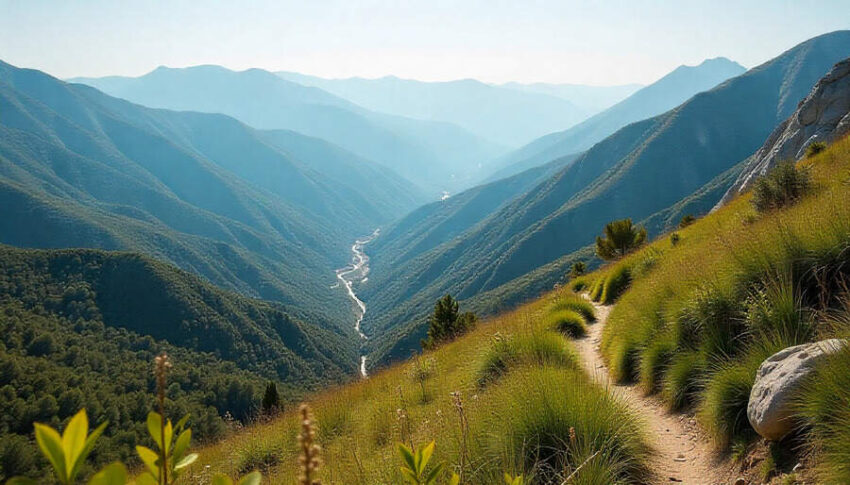
Southern Pelion is known for its spectacular landscapes, featuring lush forests, traditional stone villages, and panoramic views of the Aegean Sea. It is this natural beauty that has become a major draw for tourists. The municipality stresses that the proposed wind farms would harm both the environment and the tourism industry, which is crucial to the local economy.

The Municipal Units of Argalasti and Sipias, in particular, have witnessed considerable growth in tourism in recent years. These areas are home to numerous accommodations, ranging from boutique hotels to charming guesthouses. The influx of tourists has been steady, with many visitors attracted to the region’s mild climate, natural beauty, and the authenticity of its villages. The local economy depends heavily on this tourism, which is centered on the preservation of the environment.

With wind farms being proposed in these popular tourist areas, the municipality warns that the intrusion of large, industrial energy structures would significantly alter the natural landscape. The wind turbines would stand as stark reminders of energy production amid pristine views, potentially driving away the tourists who flock to the area for its untouched, scenic environment.

Environmental and Agricultural Concerns

The municipality’s objections are not limited to tourism. Southern Pelion is also an area where agriculture, particularly livestock farming, plays a significant role. The construction of wind farms could have adverse effects on local farming practices, as the presence of such large infrastructure may disrupt farming activities and negatively impact the livelihoods of local farmers.

Moreover, the municipality highlights the potential for wind farms to harm the fragile ecosystems that thrive in the area. Pelion is known for its biodiversity, and many parts of the region are home to protected zones that would be threatened by industrial development. The introduction of wind turbines in these areas could disturb local wildlife and disrupt the ecological balance, undermining the natural environment that the region’s tourism industry is built upon.

The Focus on Sustainable Tourism Development

At the heart of the municipality’s opposition is the desire to foster a sustainable development model for the region. Southern Pelion has long been recognized for its commitment to ecotourism, which emphasizes the importance of preserving natural and cultural assets while offering visitors a unique and authentic experience. The local authority is steadfast in its belief that large-scale industrial developments, such as wind farms, would not align with the region’s sustainable tourism goals.

The municipality stresses that its development model is rooted in the protection of natural capital. This includes safeguarding the region’s pristine landscapes, traditional villages, and unique agricultural practices. By focusing on low-impact, sustainable tourism, Southern Pelion hopes to maintain its authenticity and preserve its cultural identity.

In addition, the region’s development strategy involves promoting alternative energy solutions that are compatible with its ecological values. Rather than large-scale wind farms, the municipality supports small, community-based energy initiatives that do not compromise the environment or local traditions. This approach would allow the region to meet its energy needs while maintaining its commitment to environmental protection and sustainable tourism.

Legal and Land-Use Planning Considerations

The municipality has also pointed out that the lands where the wind farms are planned have not been allocated for such projects. This is an essential consideration, as land-use planning is a critical tool in ensuring that development aligns with the community’s priorities and goals. The municipality’s reaffirmed position emphasizes that protecting municipal property and adhering to local land-use regulations remains a top priority.

Furthermore, Southern Pelion is committed to ensuring that any future development respects the region’s natural and cultural heritage. The municipality’s land-use planning strategy is designed to provide clear direction for the area’s growth, balancing the need for economic development with the imperative to protect the region’s most valuable assets.

The Municipality’s Unified Stance

In conclusion, the Municipality of Southern Pelion has stated that it will continue to oppose any large-scale wind farm projects in the region. The authority issued a unified and resolute statement, reaffirming its commitment to preserving the area’s natural landscape, protecting the local economy, and preserving the authenticity of the tourism product that attracts visitors from all over the world.

Southern Pelion is protecting the region’s future by prioritising sustainable tourism development and opposing projects that endanger the area’s environment and culture. This position is consistent with the municipality’s overall vision of developing a model that respects nature, supports local communities, and provides a unique, eco-friendly destination for travellers seeking an authentic Greek experience.

As Southern Pelion emphasises the importance of preserving its natural beauty and cultural heritage, the municipality’s position serves as a reminder of the need to strike a balance between economic growth and environmental preservation. Southern Pelion’s future will depend on finding solutions that respect both its natural environment and the aspirations of its residents and visitors.

The post Southern Pelion, Greece Reaffirms Opposition to Wind Farms, Prioritizing Sustainable Tourism and Natural Landscape Preservation appeared first on Travel And Tour World.
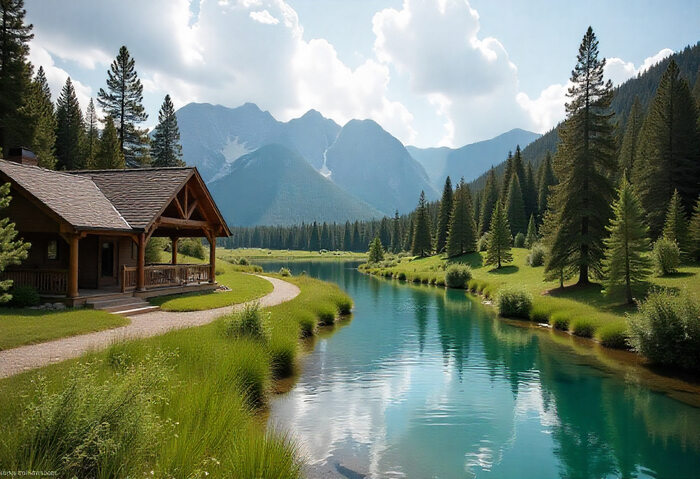
Portugal Emerges As A Top Destination In 2026 With Blended Heritage Landscapes Modern Infrastructure And Sustainable Tourism Initiatives

Portugal Emerges As A Top Destination In 2026 With Blended Heritage Landscapes Modern Infrastructure And Sustainable Tourism Initiatives

Portugal is stepping into 2026 with a rising presence on the global travel radar, fueled by a rare combination of historic depth, regional diversity, and development projects designed to protect and elevate its cultural landscape. Travelers searching for destinations that feel genuine, balanced, and easy to explore are increasingly drawn to Portugal’s mosaic of coastal cities, mountain regions, ancient towns, fertile plains, and Atlantic islands. What sets the country apart is its ability to modernize without disrupting the historical narratives that have shaped it for centuries.

Across the mainland and islands, Portugal is gradually unveiling an array of updates that highlight its commitment to heritage, education, and sustainability. Museum expansions, archaeological studies, upgraded transportation systems, and ecological preservation projects are aligning to offer a more meaningful travel experience in 2026. These developments reinforce the idea that progress can support preservation rather than overshadow it, making the country an ideal destination for travelers seeking depth and authenticity.

Lisbon reflects this balanced approach more clearly than ever. The capital is actively reshaping its cultural landscape by updating exhibitions, renovating galleries, and integrating technology that provides richer context to historical artifacts and artistic traditions. As these institutions grow, they are helping visitors understand Lisbon’s evolution from maritime crossroads to contemporary European center. At the same time, the city is investing in cleaner, smarter mobility solutions. Expanded electric tram fleets, redesigned bus routes, and better connections between hillside districts create a smoother way for travelers to experience neighborhoods long known for their narrow streets and layered architecture. Along the waterfront, reinvigorated riverfront zones are transforming the city’s edges into public spaces where heritage buildings coexist with modern design, offering new vantage points to appreciate Lisbon’s urban identity.

North of the capital, the region surrounding the country’s second-largest city is undergoing its own renewal. Restoration work continues to revive traditional urban textures, with distinctive façades and riverside districts receiving structural attention that enhances their longevity. The region’s transportation upgrades are also reshaping how visitors move through the north. Faster rail routes link cultural hubs, medieval centers, and the renowned wine-growing valley, making it easier to explore multiple landscapes within a short timeframe. Meanwhile, the terraced slopes of the river valley remain a focal point of environmental study. Research teams are analyzing how centuries-old farming terraces can be preserved in the face of shifting climate patterns, ensuring the survival of this iconic agricultural system.

Central Portugal offers a different kind of richness, marked by academic history, hilltop towns, and rugged natural scenery. Historical institutions are adopting new ways to showcase their archives and architectural heritage through modern interpretation methods and improved visitor access. In the interior, mountain communities built of schist stone hold strong ties to medieval life, and conservation work is helping protect these fragile settlements from weather-related degradation. The region’s highest mountain range continues to attract attention for its distinctive geography. Glacial valleys, unusual rock formations, and endemic species are part of large-scale research efforts that deepen understanding of the area’s ecological evolution. Visitors in 2026 will benefit from updated educational trails and enhanced viewpoints that illuminate the region’s significance.

Southern Portugal reveals two contrasting landscapes that retain strong cultural identities. Inland, vast rolling plains hold archaeological traces of early communities, agricultural innovations, and fortified town centers that are refining their interpretive materials for visitors. These efforts help weave together millennia of history across a landscape defined by space and silence. Along the southern coast, a different rhythm unfolds. Protected marine areas, wetlands, and dune systems are central to ongoing environmental projects designed to safeguard biodiversity. Inland mountain ranges continue to undergo ecological restoration, strengthening resilience against wildfire risks and supporting long-term habitat recovery. These efforts reflect a clear commitment to balancing tourism growth with natural preservation.

Portugal’s Atlantic islands extend the country’s cultural and scientific diversity. The volcanic archipelago in the mid-Atlantic is strengthening its role as an international research hub. Geothermal fields, crater lakes, and deep-sea environments are part of expanding programs focused on geology, ocean science, and renewable energy exploration. Public outreach initiatives allow visitors to engage with ongoing studies while experiencing landscapes shaped by volcanic forces. Farther south, the subtropical island group is home to one of the rarest ancient forests on Earth. Conservation teams are restoring damaged zones, monitoring endemic species, and improving historic irrigation trails that wind through dramatic terrain. These programs ensure that the islands’ ecological identity remains intact even as tourism increases.

Together, these initiatives illustrate why Portugal is becoming one of the most intriguing destinations to explore in 2026. Each region brings a distinct atmosphere shaped by history, environment, and sustained care. With modernized transport links, revitalized cultural spaces, strengthened conservation work, and scientific programs that illuminate natural processes, the country offers a layered experience that appeals to explorers, cultural enthusiasts, and nature-focused travelers alike. Portugal’s ability to grow while staying grounded in its heritage ensures that its appeal will only continue to deepen in the year ahead.

The post Portugal Emerges As A Top Destination In 2026 With Blended Heritage Landscapes Modern Infrastructure And Sustainable Tourism Initiatives appeared first on Travel And Tour World.

Greece Expands Network of Pristine Mountain Zones Providing Adventure Seekers Eco Friendly and Nature Immersive Travel Opportunities

Greece Expands Network of Pristine Mountain Zones Providing Adventure Seekers Eco Friendly and Nature Immersive Travel Opportunities

Greece is widening its commitment to sustainable tourism with the expansion of its “Untrodden Mountains” program, creating a network of pristine, roadless mountain zones. These protected areas offer adventure seekers an unparalleled opportunity to explore untouched landscapes while engaging in eco-friendly activities such as hiking, wildlife observation, and nature photography. By preserving the natural environment and supporting local mountain communities, Greece is redefining how travelers can experience its majestic peaks while prioritizing conservation and responsible tourism.

The expansion, announced on International Mountain Day, introduces two new protected areas: Stroggoula in the Athamanika Mountains of Epirus and Mount Parnonas in the Peloponnese. These regions are renowned for their rugged beauty, diverse ecosystems, and minimal human footprint. Alongside these additions, protection measures for three more peaks—Smolikas, Tymfi, and Chatzis—have been reinforced, expanding a national network of roadless zones where infrastructure development such as roads and wind farms is prohibited.

Currently, eleven ministerial decisions govern these protected areas, creating zones that prioritize ecological preservation. By restricting development, Greece aims to safeguard biodiversity, prevent habitat fragmentation, and maintain the natural character of its mountain regions. These efforts provide visitors with the rare opportunity to experience landscapes largely untouched by modern infrastructure, offering a sense of discovery and immersion in nature.

The Untrodden Mountains program also responds to growing demand for eco-conscious travel. Activities such as hiking, climbing, wildlife observation, and photography allow travelers to enjoy outdoor adventures without harming the environment. By promoting low-impact tourism, the program ensures that visitors can explore Greece’s mountain beauty while leaving a minimal ecological footprint.

Beyond environmental preservation, the program contributes to the economic vitality of mountain communities. Remote and often underdeveloped, these regions benefit from sustainable tourism through income generated in guiding, hospitality, and local services. By connecting environmental protection with economic opportunity, the program helps maintain local traditions, supports livelihoods, and strengthens community identity.

The expansion of these protected zones positions Greece as a destination for alternative tourism experiences. Unlike conventional tourist hotspots, roadless mountain areas offer tranquility, adventure, and opportunities for intimate encounters with nature. Visitors can traverse unspoiled forests, witness native wildlife, and capture scenic vistas while engaging in travel practices that prioritize sustainability. This approach aligns with global trends toward responsible tourism, where conservation and visitor experience go hand in hand.

With the latest designations, Greece’s network of protected mountain zones now provides an extensive system of untouched natural areas, reinforcing the country’s image as a leader in sustainable travel. By combining conservation policies with opportunities for eco-tourism, the program creates a model where environmental stewardship and local development work together. Travelers gain meaningful experiences while the mountains themselves remain vibrant and resilient for future generations.

Programs like Untrodden Mountains highlight how tourism can serve as a tool for preservation rather than exploitation. Visitors are encouraged to enjoy the landscapes responsibly, connecting with the natural environment in a way that supports its longevity. The initiative demonstrates that sustainable tourism is not only feasible but also enriching, offering memorable adventures without compromising ecological integrity.

In summary, Greece’s expansion of the Untrodden Mountains program underscores a long-term vision for its mountain regions, where nature and tourism coexist harmoniously. By protecting roadless zones, promoting low-impact activities, and empowering local communities, the initiative preserves biodiversity, maintains cultural identity, and provides exceptional experiences for travelers. Greece’s mountains now stand as a model for eco-friendly tourism, offering both adventure and conservation in equal measure.

The post Greece Expands Network of Pristine Mountain Zones Providing Adventure Seekers Eco Friendly and Nature Immersive Travel Opportunities appeared first on Travel And Tour World.

Wyoming, Florida, Ohio, British Columbia, Louisiana, Texas, New York, and More Offer Hidden Gems and Iconic Destinations with Tranquil, Authentic Travel Spots

Wyoming, Florida, Ohio, British Columbia, Louisiana, Texas, New York, and More Offer Hidden Gems and Iconic Destinations with Tranquil, Authentic Travel Spots

Wyoming, Florida, Ohio, British Columbia, Louisiana, Texas, New York, and beyond offer a captivating blend of iconic landmarks and hidden gems, providing travelers with tranquil and authentic experiences. These destinations feature famous attractions alongside lesser-known treasures, giving visitors the opportunity to explore well-known sites while enjoying peaceful, off-the-beaten-path escapes. From Wyoming’s awe-inspiring national parks to the cultural vibrancy of Louisiana, these regions offer a rich connection to local history, natural beauty, and authentic experiences. Whether you’re seeking serene retreats or iconic spots, these locations strike the perfect balance, making them ideal for those wishing to avoid the crowds while still experiencing the best of each place.

In a world where popular tourist destinations are often overcrowded, the appeal of hidden gems is growing. These lesser-known spots offer authentic beauty and tranquility, free from the overwhelming tourist traffic. As many of these places continue to rise in popularity, now is the time to visit before they become more widely known. With increasing interest in sustainable tourism, travelers are seeking alternatives to mass tourism that can harm the environment. Here’s a look at some underrated destinations that deserve more attention.

  • Tulsa, Oklahoma
    Located on the Arkansas River, at the foothills of the Ozarks, Tulsa was once known as the “Oil Capital of the World” after the discovery of oil in 1901. Today, Tulsa thrives in technology sectors while maintaining its rich cultural heritage. The city features stunning Art Deco architecture and offers vibrant arts experiences with its two renowned museums and the emerging Route 66 Experience.
  • Saint Kitts Island, Caribbean
    Once reliant on cruise ship tourism, Saint Kitts is now transforming into an upscale destination. Developments like Kittitian Hill focus on sustainable living with an edible golf course that reduces environmental impact. Saint Kitts is quickly becoming a place to watch for those looking for a peaceful yet upscale Caribbean escape.
  • Taos Ski Valley, New Mexico
    Known for its raw charm and unspoiled nature, Taos is making a name for itself among skiers with new runs and enhanced snowmaking capacity. Beyond skiing, the area offers breathtaking hiking and a vibrant arts scene, making it an ideal destination for those seeking both adventure and creativity.
  • Quebec City, Quebec
    This UNESCO World Heritage site offers a beautifully preserved 17th-century Old Town, complete with French and Quebecois cuisine. The city also boasts the Winter Carnival, North America’s largest, and offers skiing at Mont Ste Anne. Quebec City is a perfect destination for history lovers and food enthusiasts alike.
  • The Catskills, New York
    Once known as the “Jewish Alps,” the Catskills are undergoing a renaissance, with chic boutique hotels and stylish restaurants. This mountain region, rich in natural beauty, provides a peaceful retreat for those seeking hiking trails and the charm captured in classic films.
  • San José del Cabo, Mexico
    Unlike its bustling neighbor Cabo San Lucas, San José del Cabo offers a more refined, eco-friendly tourism experience. With attractions like Flora Farms, an organic garden-based resort, and a collection of art galleries, this sophisticated Mexican getaway is becoming a more popular choice for discerning travelers.
  • San Antonio, Texas
    Known for the Alamo, San Antonio also boasts several UNESCO World Heritage Sites, including the San Antonio Missions National Historical Park. The River Walk has grown to 15 miles and offers a wealth of cultural experiences, including a lively arts scene and a rich history in blues music.
  • New Orleans, Louisiana
    Since the devastation of Hurricane Katrina, New Orleans has made a remarkable comeback. The city offers more than just gumbo and jazz; visitors can explore the New Orleans Jazz Market and indulge in the local cuisine, making this a culturally rich destination with a unique soul.
  • Squamish, British Columbia
    Known for its outdoor adventures, Squamish is perfect for rock climbers, mountain bikers, and nature lovers. The recent addition of the Sea to Sky Gondola offers visitors stunning views, while the towering Stawamus Chief Mountain continues to attract climbers from around the world.
  • Campeche, Mexico
    Campeche is a UNESCO World Heritage city offering a unique combination of colonial architecture, ancient Mayan ruins, and lush jungle. With the nearby ruins of Calakmul and its quiet, laid-back atmosphere, Campeche remains one of Mexico’s hidden gems.
  • Cleveland, Ohio
    Once known for industrial decline, Cleveland is now experiencing a revitalization with new cultural institutions like the Museum of Contemporary Art. The city offers miles of biking and hiking trails, along with a burgeoning food scene, making it an exciting and underappreciated destination.
  • Miami, Florida
    While South Beach may get the spotlight, Miami offers much more, including world-class architecture, art galleries, and cultural institutions. The city is embracing sustainable design, with iconic architects creating new landmarks. Miami’s cultural scene has expanded, making it more than just a beach destination.
  • Saint Vincent and the Grenadines, Caribbean
    Saint Vincent is a peaceful paradise with coral reefs and pristine beaches. Though it remains largely undiscovered, the recent addition of a new airport offering direct flights to North America and Europe means it’s becoming a more accessible destination—perfect for those seeking a secluded escape.
  • Yellowstone National Park, Wyoming
    America’s oldest national park continues to be a beloved destination, now made even more accessible with new accommodations and enhanced snowmobile tours. With its geothermal features and diverse wildlife, Yellowstone offers an unforgettable experience for nature lovers year-round.
  • Philadelphia, Pennsylvania
    Known for its historical significance, Philadelphia has transformed into a vibrant, people-friendly city. The city offers expansive parks, a thriving arts scene, and numerous cultural landmarks. It’s an ideal destination for those seeking a blend of history, culture, and urban living.

These hidden gems offer travelers the chance to explore new, off-the-beaten-path destinations that provide a refreshing break from the usual tourist crowds. As sustainable and mindful travel becomes increasingly important, these underrated spots serve as the perfect alternative for those seeking authentic experiences in less commercialized locations. Now is the time to visit before they become the next big thing!

Wyoming, Florida, Ohio, British Columbia, Louisiana, Texas, New York, and more offer a unique blend of hidden gems and iconic destinations, providing tranquil, authentic travel experiences with both famous landmarks and peaceful, off-the-beaten-path spots. These regions allow travelers to explore iconic attractions while enjoying a quieter, more immersive getaway.

In conclusion, places like Wyoming, Florida, Ohio, British Columbia, Louisiana, Texas, New York, and others strike the ideal balance between iconic landmarks and tranquil, undiscovered gems. These regions allow visitors to enjoy renowned attractions while also immersing themselves in quiet, authentic experiences that have yet to be overtaken by mass tourism. As more travelers seek environmentally conscious and enriching getaways, these destinations offer the perfect combination of adventure, relaxation, and cultural immersion. For anyone looking to experience true beauty and culture without the crowds, these hidden treasures are the ultimate choice.

The post Wyoming, Florida, Ohio, British Columbia, Louisiana, Texas, New York, and More Offer Hidden Gems and Iconic Destinations with Tranquil, Authentic Travel Spots appeared first on Travel And Tour World.

London’s Santander Cycles Gets Game-Changing Upgrades: E-Bikes, In-Dock Charging, and a New App – What This Means for You!

London’s Santander Cycles Gets Game-Changing Upgrades: E-Bikes, In-Dock Charging, and a New App – What This Means for You!

Transport for London (TfL) has taken a significant step forward in expanding and enhancing the Santander Cyclesscheme with the announcement of a new contract awarded to cycle hire operator Serco. This agreement ensures that Serco will continue to run London’s iconic cycle hire service until 2031, with the possibility of extending the contract by an additional five years. The partnership promises to bring innovative improvements to the service, further elevating London’s cycling experience and meeting the growing demand for e-bikes.

A Growing Demand for E-Bikes and the Need for Innovation

The Santander Cycles scheme has witnessed remarkable growth in recent years, especially with the surge in demand for rental e-bikes. Recognizing this shift, TfL has devised an ambitious plan to keep up with the demand and modernize the service to better cater to its users. This includes a host of new features and upgrades aimed at improving the overall customer experience. With e-bikes becoming a significant part of the fleet, TfL intends to streamline the process of bike hire to make it more accessible, convenient, and reliable for both Londoners and visitors alike.

The next six years will see some exciting changes, including a new mobile app that will improve the ease of booking and a QR Code bike release system. This system will ensure that the process of hiring a bike is smoother and more efficient, removing any potential obstacles for users. These changes are particularly crucial for keeping the pace with the rapid growth of the rental e-bike sector, which has exploded in popularity in recent years.

Introducing the UK’s First In-Dock Charging System

One of the most anticipated upgrades is the introduction of the UK’s first in-dock charging system. This innovative technology will be implemented across the Santander Cycles terminals in London. The system will significantly enhance the operational efficiency of the scheme by ensuring that e-bikes are always fully charged and ready to go. In the past, issues with low battery levels have sometimes resulted in unreliable or inconvenient experiences for riders. With the new in-dock charging system, this problem will be eliminated, ensuring that customers can enjoy a consistent and dependable service.

The in-dock charging system will not only make the bikes more reliable but also provide a more seamless experience for customers who rely on the service for quick and efficient travel. By addressing concerns over battery life and charging logistics, the scheme is set to provide a more sustainable and user-friendly transport option for both residents and visitors.

Significant Growth and Success in the Scheme

The Santander Cycles scheme has enjoyed one of its most successful years to date, and this new contract marks an exciting chapter for its future. In recent months, the service has seen impressive figures, including the introduction of over 2,000 e-bikes into the fleet. This expansion has contributed to a rise in the number of longer bike hires, as more people turn to e-bikes for both short and long journeys across the city. As of October 2025, the scheme reached a major milestone, surpassing 109 million hires since its launch in 2015. The success of the service is further evidenced by the 3.1 million e-bike hires recorded, a clear sign of the increasing reliance on e-bikes in urban transport.

In the past 12 months alone (from November 2024 to October 2025), more than 9 million hires were made, marking a four percent increase from the previous year. This surge in usage highlights the growing popularity of cycling in London, as well as the increasing demand for eco-friendly transportation solutions.

Supporting Sustainable and Flexible Travel Choices

The expansion of the Santander Cycles service is part of TfL’s broader goal to support a more sustainable transport system in the city. In addition to the improvements to the cycle hire scheme, TfL is working with boroughs and operators to grow and manage dockless e-bike schemes in a safe and sustainable manner. This includes the introduction of designated parking bays for bikes and the establishment of clear standards for operators, ensuring that the schemes are organized and meet the needs of riders.

By investing in both traditional bike hire and dockless e-bike options, TfL is providing users with a wide range of choices for affordable, flexible, and environmentally friendly transportation. This approach aligns with the city’s commitment to reducing its carbon footprint and promoting green transport solutions. The modernisation of the cycle hire scheme, along with the increased rollout of e-bikes, offers Londoners and visitors a more accessible, convenient, and sustainable way to travel across the capital.

Continued Investment in Sustainable Transport

The Santander Cycle Hire scheme remains a cornerstone of TfL’s efforts to promote sustainable and inclusive transport options. This new contract with Serco is a clear reflection of TfL’s commitment to continuously improving the service, ensuring that it remains a top choice for urban commuters and tourists alike. The partnership will enable the scheme to continue evolving, incorporating new technologies and features that make cycling in London even more attractive.

Will NormanLondon’s Walking and Cycling Commissioner, expressed his excitement about the future of the Santander Cycles scheme, noting that the city’s boom in cycling shows no signs of slowing down. With further investment in upgrades, including the introduction of in-dock charging for e-bikes and a new mobile appTfL and the Mayor of London are working to create a greener, fairer, and more accessible city for everyone.

Looking Ahead: A Bright Future for Cycling in London

As cycling continues to grow in popularity across London, the Santander Cycles scheme is set to play an even more important role in the city’s transportation network. With its upcoming upgrades, including the in-dock charging system, the introduction of a new app, and continued investment in e-bike infrastructureTfL is paving the way for a more sustainable, accessible, and efficient cycling experience for all.

The partnership with Serco ensures that Santander Cycles will remain at the forefront of urban mobility in London, offering a reliable and green transport option for residents, commuters, and visitors to the capital.

The post London’s Santander Cycles Gets Game-Changing Upgrades: E-Bikes, In-Dock Charging, and a New App – What This Means for You! appeared first on Travel And Tour World.
❌