The simple act of human kindness holds immense power. It touches individual lives and strengthens entire communities. This stability becomes a powerful lure for global travelers. Toronto, Vancouver, Canada, and the National Capital Region are major tourism hubs. These destinations rely on strong local foundations for their international appeal. When citizens thrive, tourism naturally flourishes. TravelBrands recently committed $10,000 to Food Banks Canada. This generous, ongoing contribution is not just a holiday gesture. It is a critical investment in the very fabric of Canadian society. This investment directly supports the national tourism mandate. It helps position Canada as a premier, conscientious global destination. The action confirms the travel industry’s role as a true community partner.
Corporate Responsibility: A Core Tourism Asset
TravelBrands’ recent donation totals $10,000. This marks the sixth consecutive year the company has supported Food Banks Canada. The company demonstrates an unwavering commitment to corporate social responsibility (CSR). This ongoing support ensures that local communities remain strong. Government strategies confirm this connection. The Federal Tourism Growth Strategy prioritizes stability within the sector. It recognizes that thriving communities are essential for visitor experience.
Community health drives visitor confidence. Tourists seek safe and welcoming environments. The government states that tourism contributes to the wellbeing of Canadians. It also strengthens local economies across the nation. This $10,000 injection helps stabilize vulnerable households. It reduces stress in communities that host visitors. When citizens are secure, they are better hosts. This creates positive experiences for every traveler.
The National Standard of Wellbeing
Destination Canada (DC) measures the industry’s success. It uses a comprehensive metric called the Wealth and Wellbeing Index. This index moves beyond simple economic figures. It monitors social and environmental impacts. The framework confirms that community support is vital for growth. Strong communities are a unique Canadian tourism asset. Acts of corporate philanthropy directly empower these communities.
Nathalie Tanious is the President and CEO of H.I.S. Canada Travel Inc., TravelBrands’ parent company. She stated that giving back is an essential company value. She noted that the organization feels honored to support the vital work of Food Banks Canada. The CEO recognized that the need for food assistance is growing rapidly. Kirstin Beardsley is the Chief Executive Officer of Food Banks Canada. She expressed deep thanks for TravelBrands’ sustained generosity. She shared that this crucial support strengthens their mission. The mission is to ensure vulnerable citizens access necessary food supplies.
These sentiments align with federal policy guidance. The government emphasizes that tourism must uplift the lives of everyone involved. This includes residents, visitors, and businesses. A socially responsible company builds its reputation on this principle. This commitment ensures that Canada’s growth is both sustainable and ethical.
Boosting Global Visitor Confidence
International travelers value ethical destinations. They choose countries known for social equity. Canada’s reputation for supporting its citizens is a major draw. TravelBrands’ visible CSR efforts enhance this global perception. They demonstrate that Canadian travel leaders care deeply about their home.
The government continues to invest in community revitalization. They recognize that strong social fabric supports tourism infrastructure. Funds like the Tourism Growth Program target this link. They help develop local products and experiences. This program aims to position Canada as a premier four-season destination. This vision is supported by corporate acts of generosity. When residents feel supported, they are proud of their home. This pride translates into unforgettable visitor experiences.
Federal data shows that Canadians value tourism. Over 80% of citizens acknowledge its positive contribution locally. When local issues like food insecurity are addressed, this approval grows. Tourists who see community engagement feel better about their spending. Their travel dollars are helping a conscientious society. This regenerative approach is championed by Destination Canada. It ensures long-term prosperity.
A Stronger Economy Through Stability
The tourism sector is a major economic driver. It creates stable jobs in over 5,000 communities. These jobs range from hospitality to food services and recreation. When a community faces stability challenges, job retention is threatened. Donations like the one from TravelBrands mitigate this risk. They provide a crucial lifeline to families. This ensures workers can maintain their employment in the sector.
A stable workforce provides consistent, high-quality service. This service level is expected by global visitors. TravelBrands’ ongoing support helps guarantee this stability. It secures the future of travel workers and their families. Furthermore, the company promises to continue its efforts into 2026 and beyond. This long-term commitment offers confidence to the entire industry. It shows a commitment to growth and investment. It also showcases dedication to social stability. This commitment strengthens Canada’s global competitiveness. It positions Canada as a leader in responsible, sustainable travel. The effort ensures the sector can recover strongly and grow resiliently.
Ultimately, the act of giving back is good business. It enhances brand loyalty among travelers. It attracts talent who value corporate ethics. Most importantly, it contributes to national resilience. This is the ultimate tourism product Canada offers.
The Human Heart of Canadian Tourism
The warmth of the Canadian spirit is the best advertisement. It is seen in every small town and major urban center. This spirit is reinforced by companies that step up for their neighbours. The $10,000 donation is more than just money. It represents thousands of holiday meals for Canadian families. It embodies relief and hope during a difficult season.
TravelBrands ensures its business growth supports human wellbeing. This approach creates a positive national narrative. Travelers worldwide seek destinations with heart and integrity. They want to see kindness reflected in the places they visit. This commitment to community health boosts Canada’s brand appeal. It secures its position as a world-class travel destination. The collective effort of companies like TravelBrands makes this possible. It creates a Canada where every community is vibrant and welcoming. This is the true meaning of sustainable tourism growth. It is built on compassion and national stability.
In order to improve security and expedite border control, travelers from Canada, Brazil, Mexico, the UK, Spain, Costa Rica, and other nations will be subject to new U.S. travel regulations starting in 2026. These regulations include biometric entry and exit checks, required digital history disclosures for ESTA, and increased park fees. The U.S. government is making these adjustments as part of its continuous efforts to improve border security, lower identity fraud, and guarantee more extensive screening of foreign visitors. Travelers will have to adjust to these more stringent rules as the United States transitions to a more automated and digital border system. This could result in longer wait times at immigration checkpoints and higher travel costs. Knowing these new regulations will be essential to preventing delays and extra expenses, whether you’re traveling for work, pleasure, or business.
If you’re planning to visit the U.S. anytime soon, here’s everything you need to know about the upcoming regulations and how they will affect your trip.
The Biometric Entry/Exit System: Major Changes for All Non-Citizens
One of the most significant changes that will impact Canada, Mexico, Brazil, and other countries is the biometric entry-exit system, which will be fully implemented by December 26, 2025. Previously, certain travellers—particularly from countries like Canada—were exempt from biometric checks, allowing them to pass through U.S. borders more quickly and easily. But starting late 2025, no one is exempt.
This means that facial biometrics (essentially facial scans) will be required for all non-U.S. citizens entering or exiting the U.S., whether by air, land, or sea. Previously, U.S. citizens could opt-out, but for international travellers, this will be mandatory. The process will not only speed up security checks but also improve the U.S.’s ability to track who is entering and leaving the country.
Canadian nationals, who were historically spared from some of these procedures, will now face the same biometric checks as travelers from other countries. This move is expected to reduce cross-border flow and could strain travel dynamics between the U.S. and Canada, with early data showing a decline in travel numbers between the two countries as stricter regulations take hold.
The bigger picture? The U.S. aims to enhance national security by using biometric data to track visas, prevent fraudulent travel documents, and reduce the risk of visa overstays. However, this will likely lead to longer wait times at airports and increased friction for travellers, especially those unfamiliar with the new procedures.
Mandatory ESTA Digital Disclosure: New Digital Transparency for VWP Countries
In 2026, Visa Waiver Program (VWP) travellers—nationals from countries such as the UK, Spain, Costa Rica, and Germany—will face the implementation of a new ESTA rule that goes beyond the standard security questions. The new rule will require applicants to submit detailed digital history as part of their application.
Starting Spring 2026, all travellers applying for ESTA will have to disclose their social media profiles, email addresses, and phone numbers used over the past five to ten years. This is part of a broader effort by the U.S. government to assess digital footprints and ensure that travellers don’t have any connections to hostile political views or groups. The new policy is designed to give authorities a more complete view of a traveller’s background, potentially preventing entry for individuals deemed to have harmful intent or connections.
While this will certainly improve national security, it’s bound to raise concerns about privacy and the impact of political activity on travellers’ entry into the U.S. Travellers may face increased scrutiny if their social media history or email exchanges paint them in a light that raises red flags with U.S. authorities.
Visa Screening and More Scrutiny for Foreign Workers
As part of the U.S.’s broader effort to tighten immigration controls, there will also be more intense visa screening procedures for foreign nationals, particularly those applying for work visas like the H-1B or L-1. Starting in late 2025, the U.S. Department of Homeland Security (DHS) will increase scrutiny of visa applications by requiring deeper background checks into applicants’ digital activities, including social media content.
For countries like Mexico and Brazil, this means that applicants seeking to enter the U.S. for employment will undergo a far more rigorous process. Not only will applicants face additional questioning, but their social media profiles and digital interactions will also be assessed. This is expected to create a logjam in the visa approval process and could lead to delays for workers seeking jobs in the U.S.
The goal of these changes is clear: the U.S. wants to screen out individuals who may pose a threat to national security or have extremist tendencies. However, critics argue that this move could lead to an increased burden for individuals whose digital presence has been misinterpreted or who have participated in controversial social media discussions.
Higher Park Fees: A Growing Financial Burden for International Visitors
Visitors from countries such as Canada, Mexico, and Spain will also face higher fees when visiting U.S. national parks starting in 2026. These new fees will be added to the regular admission prices, significantly increasing the cost of visiting iconic parks like Yellowstone, Yosemite, and the Grand Canyon.
International visitors will pay an additional $100 per day on top of regular entrance fees, making trips to some of the U.S.’s most popular tourist destinations significantly more expensive. This policy is seen as an effort to boost funding for park maintenance, but it could dissuade some international travellers from visiting these natural wonders.
While U.S. nationals will be unaffected, visitors from abroad will now need to factor these additional costs into their travel budgets, which may deter some travellers from visiting the U.S. and lead to a drop in international tourism to these areas. The timing of this change is critical, as the U.S. hopes to capitalize on post-pandemic tourism. However, higher fees could reduce the number of international visitors willing to pay premium prices.
Stricter USCIS Rules on Immigration Photographs: A New Step to Prevent Identity Fraud
The U.S. Citizenship and Immigration Services (USCIS) has introduced stricter rules for photographs used in immigration paperwork. This new policy aims to reduce identity fraud and ensure the authenticity of documents submitted by individuals applying for U.S. visas, green cards, or other immigration benefits.
As of the latest update, the USCIS now requires that all photographs submitted with immigration forms must meet specific size, lighting, background, and clarity guidelines. The photos must also be free from any alterations or tampering, which means applicants need to ensure their photos are authentic and meet the precise specifications outlined by the USCIS to avoid rejection or delays in their application process.
This tightening of photo requirements will impact individuals seeking to immigrate to the U.S., as poorly formatted or non-compliant photographs could result in a delay or even a rejection of their application. The move is part of a larger effort by the U.S. government to combat identity theft and fraud within the immigration system.
For those applying for visas or green cards, ensuring that the submitted photographs meet the new USCIS guidelines is critical to avoid unnecessary delays. It is advisable for applicants to review the USCIS website for detailed photo requirements or consult with an immigration professional to ensure compliance.
These changes also align with the broader U.S. policy to tighten security and improve the vetting process for foreign nationals entering the country. While it may seem like an additional hurdle, the goal is to create a more secure immigration system by preventing fraudulent documents and ensuring a streamlined, trustworthy application process.
How Will These Changes Impact Global Tourism?
These changes will undoubtedly have a significant impact on global travel patterns, particularly for countries like Canada, Mexico, Brazil, UK, Spain, and Costa Rica. As the U.S. implements stricter controls on travel entry and introduces new fees, international tourists may feel alienated, facing longer waits, higher costs, and invasive security procedures.
For Canadian travelers, the removal of the biometric exemption and the introduction of new digital disclosure rules will likely create friction in what was previously a relatively simple and speedy crossing. With a decline in cross-border traffic already being observed, these changes could cause further strain.
Meanwhile, European and Latin American tourists—particularly those from Spain, Costa Rica, and Brazil—may reconsider U.S. destinations in favour of places with fewer bureaucratic hurdles and lower costs. International travel to the U.S. could become a highly regulated experience, where additional time, costs, and complexity may outweigh the appeal of visiting famous attractions.
Preparing for the Changes: What You Need to Know
As these regulations roll out, travelers must take proactive steps to ensure smooth entry into the U.S. Here’s what you can do:
Stay updated on ESTA rules: If you are from a VWP country, start preparing your digital profiles now. Be aware that social media history and email records will be scrutinised as part of your ESTA application.
Ensure compliance with biometric entry: Expect biometric checks at all U.S. entry points. Make sure your passport or travel documents are in order, and be prepared for longer wait times at airports.
Prepare for higher costs: If you’re planning to visit U.S. national parks, budget for the new higher park fees that will be imposed on foreign visitors.
Visa applicants, take note: If you’re applying for an H-1B or other work visa, prepare for additional screening that includes a closer look at your digital footprint. Be ready for delays in the process.
Starting in 2026, travelers from Canada, Brazil, Mexico, the UK, Spain, Costa Rica, and other countries will face new U.S. rules, including biometric checks, digital history disclosures, and higher park fees, all aimed at improving security and streamlining border control. These changes are designed to enhance safety, reduce fraud, and modernize the U.S. immigration process.
Conclusion: A New Era for U.S. Travel and Tourism
The U.S. is ushering in a new era of travel regulations that will impact millions of international visitors. Canada, Brazil, Mexico, Spain, Costa Rica, and many other nations will need to adapt to biometric checks, ESTA disclosures, visa screening, and higher park fees. For travellers, these changes will mean longer waits, more scrutiny, and higher costs—but they also represent a shift toward more secure and controlled borders.
As the 2026 regulations are implemented, expect these new rules to change the way you travel to the U.S. Whether you’re a tourist or a business traveller, understanding these changes will be key to ensuring your trip goes smoothly.
As anticipation builds for the 2026 FIFA World Cup, the U.S. government has rolled out a series of new measures aimed at ensuring a smooth and secure entry for the millions of international fans expected to attend the tournament. In a significant move, President Trump and the White House Task Force on the FIFA World Cup have announced plans to deploy more than 400 additional consular officers and double staffing at high-demand embassies to expedite visa processing for international visitors.
The World Cup, co-hosted by the United States, Mexico, and Canada, is expected to draw an unprecedented number of fans from around the globe. As the world’s largest sporting event, the 2026 edition will be the first to feature an expanded 48-team tournament, attracting an estimated 5 million spectators. This surge in visitors has prompted U.S. authorities to take proactive steps to streamline visa processes and ensure that the country is prepared to handle the increased demand for entry.
New Visa Measures to Expedite Entry for 2026 FIFA Fans
In the face of what is expected to be a record-breaking influx of visitors, the U.S. Travel Association, which represents the travel industry, has strongly supported these new measures. Geoff Freeman, President and CEO of U.S. Travel, commended the White House for its efforts to facilitate the entry of FIFA fans. He highlighted the deployment of additional consular officers as a key step in improving visa processing times and making it easier for international fans to attend the World Cup.
Freeman stated that these measures would have a “transformative impact” on the visa process for FIFA fans, ensuring that over 400 additional consular officers will help speed up visa issuance. This increase in capacity is crucial for the success of the event, particularly for ticket holders who will benefit from an expedited processing system. The new procedures aim to meet the rising demand without compromising on security protocols, which are essential for ensuring a safe and smooth experience for visitors.
Efforts to Enhance U.S. Capacity and Security for the FIFA World Cup
With the U.S. acting as the primary host country for the 2026 tournament, national security remains a priority. The FIFA ticket-holder expedited visa process is one of the key initiatives designed to increase efficiency and reduce wait times for international visitors. The U.S. government has emphasized that this process will not only support visa holders but also ensure that security measures are maintained.
Security agencies, including the Department of Homeland Security (DHS) and U.S. Customs and Border Protection (CBP), are working closely with FIFA to ensure that the arrival of millions of fans is managed with both speed and safety. National security experts have affirmed that these measures will allow the U.S. to welcome a massive global audience, without compromising on the integrity of its visa and border control processes.
Streamlined Visa Process for Ticket Holders: What You Need to Know
The new visa initiative is designed to make travel easier for fans attending the World Cup, ensuring that entry to the U.S. is streamlined, even amid the expected flood of travelers. Visa application forms, documentation requirements, and wait times will be shortened for FIFA ticket holders, while keeping safety checks in place.
For travelers who wish to attend the 2026 FIFA World Cup, it will be important to apply for visas early to ensure they are processed within the newly expedited timelines. The U.S. government has also emphasized the need for advanced planning to allow for any unexpected delays in the processing system. Travelers are advised to regularly check the official U.S. Department of State and FIFA World Cup official websites for up-to-date information regarding visa requirements and any new travel advisories that may arise closer to the event.
Increased Consular Staff to Meet Demand for FIFA Fans
The decision to increase staffing at U.S. embassies and consulates worldwide is expected to cut visa wait times significantly. As Freeman pointed out, these efforts not only help strengthen the capacity for handling a large number of visa applications but also bolster the security infrastructure that will be in place during the tournament.
The White House’s initiative to assign extra consular staff is particularly aimed at countries with high levels of FIFA ticket-holders—a move that will ensure a smoother experience for international fans eager to be part of the world’s most watched sporting event. Given that the World Cup is a once-in-a-lifetime opportunity for many fans, these changes will significantly improve the chances of securing visas and attending the matches in person.
International Collaboration: A Unified Approach to FIFA World Cup Security
The U.S. government’s approach to 2026 FIFA World Cup security is not only focused on visa processing but also on international cooperation. The U.S. will collaborate with Mexico and Canada, as well as FIFA, to ensure that security protocols are consistent across the three host countries. This collaborative effort will help make the experience as seamless as possible for global visitors who will be travelling across borders to attend the World Cup.
Freeman also noted that the White House’s efforts are essential for ensuring that fans feel safe and welcomed, as they navigate the complexities of international travel in the wake of the pandemic. By enhancing the efficiency of visa processing and security measures, the U.S. is positioning itself as a prime destination for FIFA fans from all over the world.
Conclusion: A Smooth Path for FIFA Fans Heading to the U.S.
As we approach the 2026 FIFA World Cup, the U.S. government’s preparations are already in full swing to welcome an estimated 5 million visitors. The decision to deploy additional consular officers and streamline visa processes is a critical move to ensure that the U.S. can handle the influx of fans while maintaining high standards of security.
For FIFA ticket holders, the upcoming visa procedures offer a new level of convenience, with expedited processing and dedicated resources to help streamline their journey. By following official guidelines and applying early, fans will be well-positioned to enjoy this historic event without unnecessary delays.
A wave of fresh enthusiasm has arrived in Collingwood and South Georgian Bay. It is bringing new energy to the Canadian tourism landscape. A new business is capturing the community’s heart. It is a mobile wine tour service called Vico Vino Van. This venture was launched by a couple new to the area. They were deeply inspired by their own travels. The owners wanted to share the region’s unique beauty. They believe in the joy of real-life experiences. This feeling is often missed in the digital age. The goal is to encourage human connection. It provides a perfect reason to step away from technology. The new service officially started in summer 2024. Its arrival marks a significant boost for local travel.
A New Chapter in Local Tourism
The Vico Vino Van offers a curated half-day adventure. It explores the beautiful Bruce, Grey, and Simcoe Counties. It focuses on the South Georgian Bay region. The tours connect guests with local vineyards and cideries. They also visit regional breweries. This mobile concept is considered highly innovative. Official tourism statements confirm this growth trend. The local tourism board views the business as essential. It fills a critical need in the market. The service highlights destinations like the Blue Mountains. It also features Thornbury and the Beaver Valley.
The company focuses on a scenic journey. Guests are transported in a distinct, comfortable van. The van’s color is described as a rich merlot. It is decorated with artistic illustrations. The owners designed the route with care. They chose places they loved as tourists. This personal touch makes the experience special. It ensures an authentic local perspective. The standard tour includes a few dedicated stops. Guests enjoy multiple stops at local wine producers. They also stop for ciders or craft beer.
The owners emphasized the ease of travel from major cities. They stated that the journey from Toronto is very manageable. Many visitors are willing to drive two hours or more. This accessibility is a major tourism strength.
The Economic and Cultural Catalyst
This new business acts as a vital economic catalyst. It directly supports local agriculture and producers. Wineries and cideries see an immediate benefit. They gain new customers through the tours. This provides a steady flow of visitors to their tasting rooms. The regional economic office praised the initiative. They noted that small businesses drive tourism success. New ventures create jobs for local residents. They also generate essential tax revenue. This money supports public services.
The Vico Vino Van allows for flexible tour options. Guests can fully customize their itineraries. They can request specific wineries. They can add extra time to their trip. They can also include local snacks. This flexibility caters to diverse groups. It serves bachelorette parties and corporate outings. It also welcomes family and friends celebrating milestones. This customization boosts visitor spending. It keeps economic activity localized. The service reminds people of the value of local goods.
The owners expressed a deep commitment to the region. They said their goal was to showcase local excellence. They wanted to introduce high-quality regional beverages to tourists. Their dedication enhances the area’s cultural profile. It solidifies South Georgian Bay’s position. It is becoming a major destination for agritourism in Canada.
Showcasing the All-Season Appeal
The Collingwood area possesses unique, year-round appeal. Many wine regions primarily attract summer visitors. The South Georgian Bay area is different. It draws tourists throughout all four seasons. People visit for summer activities like boating and hiking. They also come for winter sports. Skiing and snowboarding are very popular.
The Vico Vino Van adapts to this all-season nature. The company continues to offer tours in winter months. This is when local wineries and cideries remain open. This commitment helps stabilize tourism income. It prevents the seasonal dips seen elsewhere. The owners noted that the winter tours offer a cozy experience. The scenic views are beautiful with snow cover. They stated that they want the region to be famous for wine. They hope this fame equals its current fame for outdoor sports.
Beyond wine tours, the company offers shuttle services. This is a crucial element for local safety. It provides dependable group transportation. Guests do not need to rely on multiple taxis or rideshares. This service is highly valued by local accommodations. Hotels and resorts appreciate this reliable transport option. The regional tourism authority commended this dual function. It provides both a recreational activity and a safety service.
Beyond the Vineyards: Connecting Communities
The long-term vision for the company is ambitious. They plan to host corporate and team-building events. This expands their market beyond leisure travelers. Attracting corporate clients generates premium revenue. It positions the region as a destination for business retreats. The business also plans for geographic expansion. The owners hope to offer similar services soon. Potential new areas include Niagara on the Lake. They are also considering Prince Edward County. Future plans even include Ottawa and Vancouver. This showcases the business model’s strength. It proves its potential for national growth across Canada.
The owners stated that the future looks bright for the business. They expressed hope for even wider reach someday. They mentioned possible expansion into the US market. This reflects confidence in their mobile tour format. This kind of vision helps establish Canadian businesses globally. It puts a spotlight on the excellence of the local region.
A Future Rooted in Community
The launch of the Vico Vino Van is more than just a new business. It represents the successful integration of newcomers. They have quickly contributed to the community. They have enhanced the local economy. The owners have brought their passion to life. The service is a testament to the region’s welcoming spirit. It is a win for Collingwood’s local producers. It is a major win for all Canadian travelers. The success of this new venture is built on connection. It is rooted in community and shared experience. It promises a vibrant future for South Georgian Bay tourism. It reminds everyone of the power of genuine human moments.
Residents of the National Capital Region can now trade frost for sunshine more easily this winter as Porter Airlines joins other carriers in opening five new nonstop connections to warm‑weather destinations. Starting this season, Ottawa International Airport will welcome direct flights from Porter to Nassau (Bahamas), Cancun and Puerto Vallarta (Mexico), Grand Cayman (Cayman Islands) and Liberia (Costa Rica) — transforming how Canadians travel for winter breaks.
This rollout marks a notable diversification of Ottawa’s winter air network, offering travellers a broader choice of sunny destinations without transfers, and aligning Ottawa more closely with major leisure markets popular among Canadian sunseekers.
Porter Takes a Bold Step Beyond Its Traditional Network
Porter Airlines, headquartered in Toronto and one of Canada’s largest carriers, has historically focused on east‑west Canadian routes and U.S. cities. However, this winter season signals a strategic shift into international leisure markets, placing Porter in direct competition with other airlines already serving these popular southbound routes.
According to Ottawa International Airport’s press office, Porter’s new services are part of a broad winter schedule designed to meet rising demand for sun and warmth among travellers based in Eastern Canada.
While the airline already announced a broader set of southern routes from multiple Canadian gateways earlier in the year, this latest Ottawa‑focused schedule emphasizes nonstop access from the capital region to some of the most sought‑after vacation spots in the Caribbean and Central America.
Five Direct Routes: Schedule and Seasonal Details
The new itinerary giving Ottawa winter travellers direct access to sunshine includes:
Nassau, Bahamas — Seasonal flights begin in mid‑December with service set to launch this winter.
Cancun, Mexico — Direct link launching around mid‑December, perfect for beach lovers.
Puerto Vallarta, Mexico — Weekly flights expand access to Mexico’s Pacific coast.
Grand Cayman, Cayman Islands — One of the region’s most popular destinations comes with new direct service for Ottawa travellers.
Liberia, Costa Rica — Seasonal service connecting Ottawa to Central America and eco‑adventure gateways.
These routes operate seasonally through the winter months, allowing residents to enjoy tropical weather, beaches, culture, and adventure without the inconvenience of layovers.
Comfort, Connectivity, and Premium Service on Every Flight
Porter planes flying these routes are typically Embraer E195‑E2 jets, noted for their spacious two‑by‑two seating (no middle seats) and onboard amenities including free high‑speed Wi‑Fi and complimentary refreshments.
These features align with Porter’s “elevated economy” promise, aimed at improving the travel experience beyond standard domestic expectations and rival carrier offerings on leisure routes.
What This Means for Ottawa as a Travel Hub
The addition of these direct southern flights strengthens Ottawa International Airport’s position as a year‑round gateway for international travel, especially during the traditionally slower winter season.
Local tourism and airport officials see this development as a vote of confidence in Ottawa’s market demand and its ability to support international leisure traffic. These flights also align with broader government economic goals to enhance connectivity, drive visitor numbers and support tourism industry growth across Canada.
Additionally, the new Costa Rica route — a first for Porter — adds a Central American dimension to Ottawa’s winter schedule and gives travellers streamlined access to a region known for biodiversity, eco‑tourism, beaches, and rainforest adventures.
Regional Response from Destination Tourism Bodies
Destination authorities in the Bahamas, Mexico, Costa Rica and the Cayman Islands have welcomed Porter’s expansion warmly, noting the potential for increased Canadian visitors. These destinations already rank high among Canadian travellers seeking winter escapes, and the introduction of direct services from Ottawa is expected to boost visitation and cultural exchange.
In the Bahamas, tourism officials highlighted the enhanced accessibility to Nassau’s beaches and resort experiences, while Mexican tourism partners emphasized expanded access to Cancun and Puerto Vallarta’s diverse attractions, from ancient ruins to culinary districts and water sports.
Costa Rican tourism stakeholders similarly pointed to Liberia as a gateway to the Guanacaste region’s renowned natural reserves, world‑class surf and wildlife experiences — now easier for Canadians to reach thanks to this new air service.
Competitive Landscape: Why This Matters
Porter’s international winter strategy coincides with broader airline trends where multiple carriers expand seasonal sun routes to meet robust demand from Canadian flyers. Other major airlines already deploy similar routes from Ottawa and other Canadian cities to warm‑weather markets, making direct access ever more competitive — and beneficial for travellers.
For Ottawa fliers, this means greater choice, competitive fare pricing, and the opportunity to tailor vacations to personal preferences — whether that’s family beach holidays, cultural exploration, or eco‑tourism adventures. Porter Airlines is making a significant expansion in Ottawa’s winter travel market, joining the ranks of major carriers such as WestJet, Air Canada, and Air Transat with its new nonstop routes to Nassau, Cancun, Puerto Vallarta, Grand Cayman, and Liberia. This marks a major leap in Ottawa’s international connectivity, offering Ottawa residents more direct options to some of the most sought-after sun destinations.
WestJet
WestJet, a key player in Canada’s airline industry, has long been serving popular sun destinations, including Cancun and Puerto Vallarta, from Ottawa. Known for its affordable flights and wide-reaching network, WestJet has built a strong reputation in Ottawa for providing easy access to tropical locations. Their seasonal routes to both Cancun and Puerto Vallarta align with Porter’s new additions, providing residents with multiple choices for tropical getaways.
Air Canada
Air Canada, the flag carrier of Canada, offers direct flights from Ottawa to a range of sunny destinations, including Cancun and Nassau. The airline’s robust schedule to these destinations complements Porter’s expansion and gives travelers more flexibility in choosing their preferred travel dates and times. As a major carrier, Air Canada continues to be a dominant force in the Ottawa sun market, providing premium services alongside Porter’s more economical offerings.
Air Transat
Air Transat, known for its focus on leisure travel, has been a strong player in the Cancun route from Ottawa. The airline also offers seasonal flights to a variety of other tropical locations, catering to Ottawa’s growing demand for winter sun escapes. Air Transat’s long-standing presence in the Ottawa travel market makes it a familiar choice for those seeking reliable, direct flights to sun destinations.
By adding these routes, Porter Airlines now gives Ottawa residents an even broader selection of direct flights to Nassau, Cancun, Puerto Vallarta, Grand Cayman, and Liberia — matching and enhancing the options already available through these other established carriers.
Looking Forward: Ottawa’s Winter Travel Future
With direct flights now extending well into the Caribbean and Central America, Ottawa travellers are witnessing a transformation in seasonal mobility. What was once a flight‑hub reliance on connecting services is now giving way to straight routes that save time, cut stress and expand holiday options.
As winter weather sets in, Ottawa residents now have not just the option to hop a morning flight to California and Florida, but also to book weeklong escapes to some of the most coveted beaches, tropical cities and nature havens across the Americas — all without leaving the airport.
Conclusion: A Sun‑Filled Season Is Now Within Reach
Ottawa’s winter travel scene is changing. Porter Airlines’ addition of direct links to Nassau, Cancun, Puerto Vallarta, Grand Cayman and Liberia adds sun, warmth and adventure to Ottawa’s flight portfolio. With these routes joining existing services and broader airline expansions, winter travel from Canada’s capital has never been more inviting or accessible.
Canada is one of the most diverse and captivating travel destinations in the world. With vast landscapes, vibrant cities, and rich cultural experiences, it offers something for every traveler. In 2026, Canada continues to be an attractive option for international tourists looking for adventure, relaxation, and discovery. This guide highlights the top 10 must-visit destinations across the country, perfect for global travelers seeking memorable experiences.
1. Quebec City and Province of Quebec
Quebec offers a unique blend of European charm and Canadian wilderness. Quebec City, the provincial capital, is famous for its historic streets, stone buildings, and vibrant culture. Strolling through Old Quebec feels like stepping back in time, with architecture dating back hundreds of years.
Beyond the city, the province boasts breathtaking landscapes. Travelers can explore lush forests, tranquil lakes, and vast river valleys. Outdoor enthusiasts can enjoy hiking, kayaking, and exploring national parks. Indigenous communities in Quebec offer cultural experiences, including traditional crafts, storytelling, and guided nature walks.
Quebec’s festivals, gastronomy, and art scene add another layer to the experience. Summer and fall are ideal for exploring the province’s outdoor beauty, while winter offers charming snow-covered streets and seasonal events.
2. Banff National Park and the Canadian Rockies
Banff is a crown jewel of the Canadian Rockies. Its striking mountains, glaciers, and lakes attract travelers from around the world. Moraine Lake and Lake Louise are particularly famous for their vibrant turquoise waters and scenic views.
The national park offers endless outdoor activities. Visitors can hike, bike, or explore scenic trails. In winter, the area becomes a haven for skiing and snowboarding. Wildlife sightings, including elk, bears, and mountain goats, are common in the park.
Banff town provides a cozy base with restaurants, boutiques, and cultural events. Travelers can enjoy hot springs, scenic gondola rides, and breathtaking viewpoints. Its combination of natural beauty and accessible amenities makes it a must-visit for 2026.
3. Jasper National Park
Jasper is Canada’s largest national park in the Rockies. It is less crowded than Banff, making it ideal for travelers seeking solitude and immersion in nature. The park is home to glaciers, waterfalls, alpine meadows, and abundant wildlife.
Visitors can hike trails ranging from easy walks to challenging climbs. The Columbia Icefield offers unique glacier tours and unforgettable photo opportunities. Summer brings pleasant weather for canoeing, cycling, and camping, while winter transforms Jasper into a wonderland for snowshoeing and cross-country skiing.
Jasper’s dark skies are perfect for stargazing, and travelers often witness the northern lights. This park is perfect for anyone who loves untouched wilderness and memorable outdoor adventures.
4. Vancouver, British Columbia
Vancouver combines urban sophistication with stunning natural beauty. The city sits between the Pacific Ocean and coastal mountains, offering both city attractions and outdoor adventures.
Stanley Park is a must-visit, featuring scenic trails, beaches, and the famous seawall. Travelers can explore Granville Island, local markets, and diverse dining options reflecting Vancouver’s multicultural population.
Nature lovers can take day trips to nearby mountains for hiking, skiing, or mountain biking. Coastal excursions offer whale watching and kayaking opportunities. Vancouver is ideal for travelers who want city culture alongside natural exploration.
5. Niagara Falls, Ontario
Niagara Falls is one of the world’s most iconic natural wonders. The massive waterfalls create awe-inspiring views and a unique experience for visitors. Tourists can take boat tours to get close to the cascading water or walk along scenic trails around the falls.
The surrounding area offers parks, gardens, and viewpoints for relaxing and enjoying nature. Nighttime illuminations transform the falls into a magical spectacle. Niagara also has nearby attractions such as wineries and charming towns, making it suitable for day trips or extended stays.
6. Prince Edward Island
Prince Edward Island, known as PEI, is famous for its red sandy beaches, gentle landscapes, and agricultural charm. It is also the home of the classic Anne of Green Gables stories.
Travelers can enjoy quiet drives along the coastline, cycling on scenic trails, and sampling local seafood. Small towns offer friendly atmospheres, markets, and cultural events. PEI is perfect for travelers who seek relaxation, picturesque landscapes, and slow-paced exploration.
Summer is the best time to visit, with warm weather and beach-friendly conditions. Fall brings colorful foliage, adding an extra layer of beauty to the island.
7. Churchill, Manitoba
Churchill is a remote destination famous for polar bears and beluga whales. Located on the shores of Hudson Bay, it offers unique Arctic wildlife experiences. Travelers can witness polar bears in their natural habitat during the fall migration or spot belugas in summer.
Churchill also offers an opportunity to view the northern lights in winter. Its remote location provides a sense of adventure and discovery. This destination is ideal for travelers seeking once-in-a-lifetime wildlife encounters and pristine natural environments.
8. Whistler, British Columbia
Whistler is a year-round adventure destination. Known primarily for its ski resort, Whistler also offers hiking, mountain biking, and zip-lining during the warmer months.
The village has vibrant dining, shopping, and entertainment options. Visitors can explore alpine trails, lakes, and mountain vistas. Whistler’s combination of adventure sports and leisure activities makes it a versatile destination for travelers of all interests.
9. Ottawa and Canada’s Capital Region
Ottawa, the nation’s capital, is rich in culture, history, and events. Travelers can explore national museums, historic sites, and government buildings. The Parliament Hill complex offers guided tours and ceremonial displays.
Ottawa’s festivals and events add excitement to visits. Seasonal highlights include winter ice skating on the Rideau Canal and summer cultural celebrations. The city offers urban experiences alongside easy access to nearby natural areas for outdoor activities.
Ottawa is perfect for travelers who enjoy history, culture, and a mix of urban and outdoor experiences.
10. Toronto, Ontario
Toronto is Canada’s largest city and a hub of culture, entertainment, and diversity. Its skyline, highlighted by the CN Tower, is an iconic feature of the city. Travelers can enjoy shopping, dining, and cultural attractions throughout the city.
Neighborhoods like Kensington Market and the Distillery District provide a unique mix of history and modern lifestyle. Toronto is also a gateway to nearby natural attractions, including waterfront parks and Niagara Falls.
The city’s festivals, arts scene, and multicultural experiences make it a vibrant destination for international travelers in 2026.
Travel Tips for 2026
Plan Ahead
Canada is a large country, and planning is essential. Consider distances, seasonal conditions, and travel routes to maximize your experience.
Seasons Matter
Summer: Best for hiking, outdoor activities, and festivals.
Winter: Ideal for skiing, snow sports, and northern lights.
Spring and Fall: Perfect for fewer crowds, wildlife viewing, and colorful scenery.
National Parks
Purchasing a Parks Canada Discovery Pass allows access to multiple parks and historic sites. It is cost-effective for travelers visiting multiple locations.
Cultural Experiences
Engage with Indigenous communities, attend local festivals, and explore cultural sites to enrich your travel experience.
Safety and Accessibility
Canada is generally safe for travelers. Always follow local guidelines, especially in wilderness areas. Check accessibility and prepare for seasonal weather conditions.
Final Thoughts
Canada in 2026 promises unforgettable experiences for all types of travelers. From the historic streets of Quebec City to the wildlife of Churchill, the adventures are endless.
Natural landscapes, vibrant cities, and cultural richness make Canada a destination worth exploring. Whether seeking outdoor thrills, urban exploration, or quiet retreats, travelers will find what they are looking for.
Plan early, explore widely, and enjoy the diverse offerings of this magnificent country. Canada’s top destinations in 2026 provide the perfect mix of adventure, relaxation, and discovery for global travelers.
Porter Airlines has formally added new services with the initiation of direct flights from Ottawa International Airport(YOW) to five major destinations in Mexico, the Caribbean, and Costa Rica. The new destinations will enable Canadians to travel to these sunny places without hassles. Beginning with this week, air travel enthusiasts traveling from Ottawa will be able to extend flights from three destinations to five, as they will have the option to travel directly to Puerto Vallarta (PVR), Nassau (NAS), Cancun (CUN), Liberia (LIR), and Grand Cayman (GCM).
Enhancing Ottawa’s Connectivity and Boosting Regional Tourism
The launch of these non-stop flights will have a significant travel impact on both Ottawa’s tourism and regional travel. With these additional flight options, Porter Airlines enhances the connectivity between Ottawa and Mexico, the Caribbean, and Central America, making it easier for travelers to reach popular destinations without the need for connecting flights.
By offering direct flights, Porter Airlines is making it easier for Canadians to access key tourism destinations like Cancun and Puerto Vallarta, both popular for beach vacations, resorts, and luxury tourism. This added convenience is expected to fuel growth in tourism flows, benefiting the local economy in both Ottawa and the international destinations served.
The expanded connectivity will likely strengthen Ottawa’s appeal as a tourism hub, encouraging more visitors to explore both the capital city and its surrounding attractions. With tourism recovery underway, these flights will help solidify Ottawa’s place as a key gateway for travelers seeking new destinations within North America and beyond.
Despite financial challenges, with its stock trading at $5.10 and a debt burden of $9.4 billion, Porter Airlines remains committed to expanding its domestic and international routes. The carrier’s strategic move to add more direct connections between Ottawa and popular tourist locations is a calculated effort to tap into the growing demand for international travel in Canada.
By enhancing travel options to Mexico, the Caribbean, and Costa Rica, Porter Airlines is helping meet increasing demand for vacations to sunny destinations, while also contributing to the recovery of the Canadian travel industry post-pandemic. The ability to offer affordable and convenient direct flights positions Porter Airlines to be a competitive player in the expanding global tourism market.
Tourism and Economic Impact: Strengthening Local Economies
The new direct routes from Ottawa to Puerto Vallarta, Nassau, Cancun, Liberia, and Grand Cayman will have a positive impact on tourism and local economies in both Canada and the destinations served. As tourism numbers continue to rise globally, these flights will provide greater accessibility for Canadians seeking leisure and relaxation in tropical settings.
For the destinations served, the increase in direct flight options will encourage higher volumes of tourists, generating revenue for local businesses, from restaurants and hotels to tour operators and retailers. This influx of travelers is expected to benefit the tourism industry and foster long-term economic growth in the regions, creating jobs and opportunities for sustainable development in tourism-dependent sectors.
Future Impact: Strengthening Canada’s Role in Regional and Global Tourism
The introduction of these new non-stop routes reflects Porter Airlines’ ongoing investment in the future of Canadian tourism and regional air connectivity. As Ottawa’s connectivity with popular destinations like Mexico and the Caribbean continues to grow, the city will likely see an increase in tourism flows, boosting local businesses and enhancing its profile as a key player in Southeast Asia and North America’s tourism network.
Moreover, the addition of these routes is part of a larger trend in North American travel, where direct flights are becoming increasingly important for tourism growth. By offering travelers easier access to popular destinations in the southern hemisphere, Porter Airlines is positioning itself as a critical part of Canada’s growing role in the global tourism market. Porter Airlines is likely to expand further, building upon the success of these new routes. Future expansion efforts may include more international destinations and even further diversifications in its route offerings, as the demand for affordable, convenient travel grows across Canada.
Expanding Travel Access and Strengthening Tourism Impact
The service introduced by Porter Airlines on flights from Ottawa to Puerto Vallarta, Nassau, Cancun, Liberia, as well as Grand Cayman represents an important event not only for Canada but for these destinations as well. It will have a greatly positive impact on the local economies and will help these destinations get back on track. Porter Airlines is expanding its presence, but the effects caused by these new air travel opportunities will be realized within Canada’s tourism sector. Porter Airlines will be among the carriers that will drive a successful global tourist market with an opening that will offer more people easy access to premier destinations.
Tourism in Canada has always been one of the pillars that support local economies. From bustling cities like Toronto to the scenic beauty of the Rockies in Alberta, tourism has been a key driver of revenue for various provinces. However, a troubling trend has emerged in 2025, as ten major Canadian provinces are witnessing a sharp decline in tourist arrivals. Whether it’s a dip in international visitors or reduced cross-border travel from the U.S., the consequences are clear: local businesses are feeling the heat. This decline not only hurts hotels, restaurants, and tour operators but also casts a shadow over the long-term prospects of these industries. In this article, we will examine the reasons behind this slump, backed by the latest official data, and explore what can be done to reverse the trend and help businesses recover.
Ontario: A Drop in U.S. Visitors Hurts the Core of Canada’s Tourism Hub
Ontario has long been the heart of Canadian tourism, with Toronto and Niagara Falls attracting millions of international visitors each year. However, the province is now facing a significant tourism slump. In 2025, the number of international visitors to Ontario dropped by 12% compared to previous years. This decline is largely attributed to reduced cross-border tourism from the United States, which accounts for a significant portion of Ontario’s tourism market. U.S. tourists, who make up nearly 50% of international arrivals, are staying home due to economic concerns, stricter border controls, and shifting travel preferences.
The impact on local businesses has been devastating. Hotel occupancy rates in Toronto, Niagara Falls, and Ottawa have fallen by as much as 15%, while restaurant revenues and retail sales have dipped significantly. The decline in visitors has affected both high-end and budget accommodations. Smaller businesses in Niagara Falls, which rely heavily on seasonal tourism, are also reporting losses.
What Needs to be Done: To counter this decline, Ontario needs to revitalize its appeal to international markets. More aggressive digital marketing campaigns, stronger partnerships with international airlines, and improved tourism packages targeting U.S. travellers could help reignite the flow of visitors.
Quebec: Cultural Attractions Lose Luster Amidst Declining Visitor Numbers
Quebec, known for its vibrant culture, French heritage, and beautiful landscapes, is another province grappling with tourism challenges. Despite being a top destination for U.S. and European travellers, Quebec has witnessed a 7% decline in visitor numbers in 2025. Government reports indicate that cross-border tourism has been particularly hit, with U.S. visitors decreasing by 9% compared to previous years.
The major cities of Montreal and Quebec City are seeing fewer international tourists. Hotels in these cities are reporting lower occupancy rates, particularly during the winter months when they typically see an influx of tourists for events like the Montreal International Jazz Festival and Quebec Winter Carnival. The impact is also being felt by restaurants, retail stores, and local cultural attractions such as museums and art galleries.
What Needs to be Done: Quebec needs to boost its marketing efforts, particularly targeting the U.S. market. Developing new cultural events that can draw in international visitors, along with offering discounts for off-season visits, could help increase traffic during slow months.
British Columbia: The Strain of Declining International Arrivals
British Columbia is known for its stunning natural beauty, from the mountains to the coast. Vancouver, Whistler, and Victoria are among the top destinations in the province, attracting tourists year-round. However, in 2025, international tourism to British Columbia has fallen by 10%, with U.S. visitors showing the biggest decline.
The weakening of the U.S. dollar relative to the Canadian dollar, economic instability, and fewer direct flights from major international hubs have led to a significant drop in tourists. Hotels, restaurants, and tour operators in cities like Vancouver and Whistler are facing reduced revenue, especially during off-peak seasons. Retail sales in tourist-heavy areas are also down by nearly 8%.
What Needs to be Done: British Columbia needs to boost its global appeal by leveraging its reputation for eco-tourism and adventure travel. Expanding its international flight routes, creating incentives for longer stays, and partnering with key tour operators could help improve visitation and spend.
Alberta: Decline in U.S. and Overseas Visitors to the Rockies
Alberta, home to the world-famous Rocky Mountains and national parks like Banff and Jasper, has seen a significant decrease in international tourist arrivals in 2025. The province’s tourism sector, heavily reliant on visitors from the U.S., Europe, and Asia, has been hit by fluctuating international exchange rates, political tensions, and economic slowdowns.
Alberta’s tourism economy is seeing a decline in hotel bookings, with visitation down by 12% compared to the previous year. Despite the beauty of the national parks, the hotel occupancy rates in Banff and Jasper are down 13%, and tour operators are facing fewer international guests. Restaurants and retail outlets catering to international tourists are also feeling the pinch, particularly during peak seasons.
What Needs to be Done: To address this, Alberta must strengthen its promotional efforts in overseas markets. Partnering with international travel agencies and offering discounted travel packages during off-peak times could help reverse the decline in visitors.
Nova Scotia: Cross-Border Travel Decline Hits Coastal Tourism
Nova Scotia’s stunning coastline and maritime culture have always been a draw for tourists, especially those from the U.S. and Europe. In 2025, however, the province has seen a 7% decrease in visitors, with U.S. tourism down by 9%. The primary reasons for this decline include economic uncertainty in the U.S., higher travel costs, and reduced direct flights.
Local businesses, particularly those on the coast, are feeling the effects. Hotels, tour operators, and restaurants in cities like Halifax and Cape Breton are reporting significant drops in revenue, with retail spending in these areas also suffering.
What Needs to be Done: Nova Scotia should focus on creating partnerships with regional airlines to improve connectivity. Additionally, offering discounted travel deals to U.S. visitors during peak seasons could bring back lost tourism revenue.
Newfoundland and Labrador: The Impact of Reduced Cruise Ship Arrivals
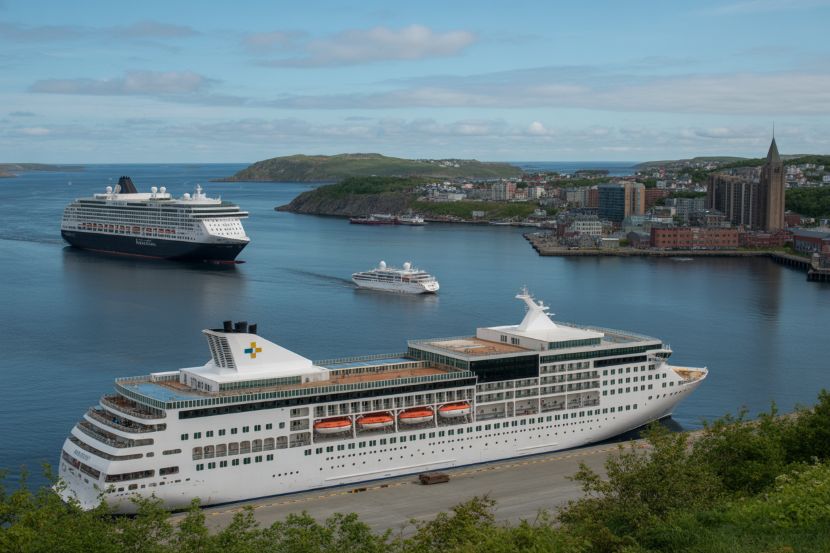
Newfoundland and Labrador has long depended on international cruise traffic, but 2025 has seen a decline in cruise arrivals. The province saw a 15% drop in international visitors, particularly affecting the coastal towns that cater to cruise tourists.
The drop in cruise visits has affected local businesses, from restaurants to souvenir shops. Coastal communities, which rely heavily on tourism-related revenue, are experiencing reduced foot traffic. Hotels in St. John’s are reporting lower occupancy rates, while local tour operators are also struggling.
What Needs to be Done: Newfoundland and Labrador should work on attracting more international flights and promoting the province as a destination for adventure tourism. Developing unique tourism products beyond cruises could help diversify the economy.
Manitoba: Weaker Tourism Economy Hurts Local Businesses
Manitoba’s tourism sector, while not as large as some of the other provinces, still plays a crucial role in supporting the local economy. However, in 2025, the province has seen a 7% decline in tourism, primarily due to a drop in international visitors. The cultural tourism and nature tourism sectors, which rely on both domestic and international tourists, are experiencing challenges.
Hotels, restaurants, and local attractions are facing reduced demand. Winnipeg, known for its cultural offerings, has reported lower occupancy rates, while local tourism businesses are cutting back on services.
What Needs to be Done: Manitoba should focus on increasing domestic tourism, while also enhancing its global appeal through digital marketing strategies. Offering special deals to attract visitors during off-peak seasons could help support the local tourism sector.
Saskatchewan: A Hit to Local Festivals and Cultural Tourism
Saskatchewan’s tourism economy, heavily reliant on cultural tourism and festivals, has faced a decline of 5% in 2025. Events like Saskatoon’s Folk Festival and Regina’s Jazz Festival typically draw large crowds, but international attendance has dropped significantly.
Local businesses such as hotels and restaurants are feeling the effects, with lower attendance at events and festivals directly impacting their revenues. Tour operators offering cultural experiences are also seeing fewer bookings.
What Needs to be Done: Saskatchewan should enhance its cultural offerings and promote its festivals internationally. Collaboration with tourism partners to create all-inclusive packages could help boost the number of international visitors.
Prince Edward Island: Seasonal Tourism Struggles with Reduced International Visitation
Prince Edward Island, a province known for its seasonal tourism, has also experienced a decline in 2025. The primary reason for this downturn is the reduction in international visitors during the summer peak. Hotel occupancy and tourism-related businesses have been hit hardest.
What Needs to be Done: Prince Edward Island must focus on promoting its seasonal offerings to international markets. Encouraging off-season travel, along with incentive programs for international visitors, could help support the tourism industry.
New Brunswick: Weaker Tourism from Cross-Border Travelers
New Brunswick, often overshadowed by its larger neighbours, has seen a decline in tourism in 2025, mainly from U.S. cross-border travel. With fewer international visitors and economic concerns, businesses in cities like Saint John and Fredericton are reporting slower sales.
What Needs to be Done: New Brunswick should focus on improving its cross-border relations and create collaborations with regional airlines to improve connectivity with major U.S. cities.
Ongoing Christmas and New Year Celebrations in Canada
Despite the challenges in the tourism sector, Canada’s Christmas and New Year celebrations continue to shine brightly and attract both locals and visitors alike. From coast to coast, Canadian cities are adorned with spectacular light displays, festive markets, and winter activities that bring joy to all ages. Cities like Toronto, Vancouver, and Montreal transform into winter wonderlands with stunning holiday lights, Christmas markets, and ice skating rinks. New Year’s Eve celebrations in major cities, including Ottawa and Vancouver, feature fireworks displays, concerts, and cultural events that attract tourists despite the challenges. Additionally, Canada’s world-famous Winterlude festival in Ottawa and Quebec’s Carnival continue to draw thousands, offering an unbeatable experience of Canadian winter charm. The holiday season brings renewed optimism for tourism businesses, as the festive spirit of Christmas and New Year encourages travelers to experience the unique Canadian winter magic.
Must-Visit Places in Canada During Christmas
While Canada is known for its challenges in the tourism sector, its winter magic is unmatched. Here are a few must-visit places that should be on your holiday bucket list:
Quebec City Quebec City is like a scene straight out of a Christmas card, with its cobblestone streets lined with festive lights, charming Christmas markets, and historic buildings. The Old Quebec district, a UNESCO World Heritage site, becomes even more enchanting during the holiday season, offering everything from Santa’s Village to holiday performances.
Banff, Alberta The iconic Banff National Park is breathtaking during winter. Snow-covered mountains, frozen lakes, and cozy resorts provide a perfect winter retreat. The Banff Christmas Market offers local gifts, treats, and festive cheer while the town transforms into a magical place filled with lights and snow.
Vancouver, British Columbia Vancouver’s Stanley Park boasts a beautiful Holiday Lights Festival where millions of lights illuminate the park. The city also hosts Christmas-themed events, ice skating rinks, and vibrant winter festivals. Vancouver’s combination of festive spirit and mild winter weather makes it an excellent choice for families.
Toronto, Ontario The capital city is home to the Toronto Christmas Market, one of the most popular in the country. Visitors can experience European-inspired Christmas stalls, delicious food, and handcrafted gifts. The city’s towering Nathan Phillips Square ice rink becomes a must-visit attraction as it’s adorned with festive lights, making it a perfect spot for families and couples.
Whistler, British Columbia Whistler, the ultimate ski resort, offers an incredible mix of adventure and relaxation. While skiing or snowboarding is the major draw, the town’s festive atmosphere makes it even more special. Whistler’s Village Stroll becomes a winter wonderland with holiday lights, outdoor skating, and festive events that attract visitors from all over the world.
Why You Should Visit Canada This Winter
Canada’s winter season is a magical experience that offers something for everyone. Whether you’re looking for adventure, relaxation, or a festive atmosphere, Canada is the perfect winter destination. From the stunning snow-covered landscapes of Banff and Whistler to the charming Christmas markets in cities like Toronto and Quebec, there’s no shortage of holiday spirit and breathtaking beauty. Winter in Canada is also the perfect time to enjoy unique cultural experiences, such as the Winterlude Festival in Ottawa and the Quebec Carnival, all while being surrounded by the warmth of friendly Canadians.
Moreover, the tourism industry in Canada is recovering, and many regions are introducing special winter deals to attract tourists, ensuring that visitors can enjoy Canada’s charm without breaking the bank. It’s a great time to travel in winter to not only enjoy spectacular events but to help rejuvenate local businesses that depend on the tourism industry.
A Positive Outlook for Canadian Tourism
While Canada’s tourism sector has faced significant challenges in recent years, the country’s natural beauty, cultural richness, and festive offerings continue to draw travelers. As the tourism industry recovers, Canada’s winter charm remains a beacon for visitors worldwide. Whether you’re looking to experience world-class ski resorts, cozy Christmas markets, or breathtaking winter landscapes, Canada is waiting to offer you a once-in-a-lifetime experience this season. So pack your bags, and embrace the magic of winter in Canada, where unforgettable memories are made, and the festive spirit reigns supreme!
As part of Air Canada’s strategic expansion to Europe in the summer of 2026, Germany will join France, Portugal, and Belgium, opening up new travel options for Canadians. By adding nonstop flights to Berlin, Nantes, Ponta Delgada, and Brussels, this expansion broadens the airline’s European reach. By adding these new routes, Air Canada is expanding its transatlantic network, improving access to important European locations, and satisfying the increasing demand for seamless travel. As a result, both leisure and business travelers will have exciting new ways to discover Europe.
Air Canada is set to expand its trans-Atlantic network significantly for Summer 2026, introducing four new European destinations that further solidify its role as a leading player in North American aviation. This move highlights the airline’s commitment to enhancing its global connectivity, offering travelers more options and increasing its presence on the highly competitive trans-Atlantic market.
The new routes will operate from three major Canadian hubs, providing a variety of direct connections to key European cities, allowing Canadian travelers to enjoy smoother and more convenient travel options.
New Nonstop Routes from Montréal, Toronto, and Halifax
Starting Summer 2026, Air Canada will launch new nonstop flights from Montréal, Toronto, and Halifax, bringing four exciting European destinations into the airline’s growing portfolio. From Montréal, passengers will now have direct access to Berlin, Germany’s lively capital, and Nantes, a charming city in France’s Loire Valley. Both routes will be serviced three times a week during the summer season, making it easier for travelers to explore these cultural and historical hubs in Europe.
In addition, Toronto will benefit from a new connection to Ponta Delgada in the Azores, Portugal’s stunning archipelago, which has become a popular destination for nature lovers and those seeking to experience pristine landscapes. This new route complements Toronto’s extensive international network, which continues to expand as the airline focuses on offering passengers more options for European travel.
Halifax, which already boasts a popular link to London Heathrow, will gain its second international route, with direct flights to Brussels, the capital of Belgium. The addition of Brussels further enhances Halifax’s growing position as an international gateway and adds yet another route connecting Canada to Europe’s most dynamic cities.
Expanding Air Canada’s Transatlantic Network
This expansion builds upon Air Canada’s recent growth, which includes new routes to Palma de Mallorca and Sicily from Montréal, Shanghai and Budapest from Toronto, as well as year-round service to Bangkok from Vancouver. By the summer of 2026, Air Canada will boast the second-largest trans-Atlantic network in North America, in terms of the number of destinations offered. This places the airline in an ideal position to capitalize on the increasing demand for transatlantic travel, offering Canadian travelers direct access to some of Europe’s most sought-after destinations.
Air Canada’s enhanced European network promises to further strengthen economic and tourism ties between Canada and Europe. By providing nonstop connections to these new cities, the airline will cater to the growing demand for international travel, while supporting tourism and business exchanges across the Atlantic. These new services are expected to attract both leisure travelers seeking cultural experiences and business travelers looking to connect with major commercial hubs.
A Modern Fleet to Enhance the Travel Experience
To support these new routes, Air Canada will deploy its modern fleet of aircraft, designed to enhance the travel experience for all passengers. The Montréal-Berlin route will be serviced by the state-of-the-art Airbus A321XLR, which features lie-flat business-class seats, offering a premium travel experience for those on long-haul flights. Other services will be operated on narrowbody aircraft, equipped with both premium and economy cabins to cater to a variety of traveler preferences.
By choosing advanced aircraft for these new routes, Air Canada aims to ensure a comfortable and efficient journey for passengers, making these flights a top choice for those flying between Canada and Europe. The A321XLR, in particular, is renowned for its fuel efficiency and long-range capabilities, making it an ideal choice for transatlantic flights.
Air Canada’s Growing Global Reach
With these new additions, Air Canada will connect Canada to more than 126 global destinations by Summer 2026. The airline will offer up to 155,000 weekly seats across its Atlantic, Pacific, and South American markets, making it one of the largest carriers in terms of international capacity. This expansion is part of Air Canada’s broader strategy to increase its global presence and meet the growing demand for travel.
Additionally, the airline is set to resume its seasonal Montréal-Tel Aviv route, giving passengers more options to explore key destinations in the Middle East. This reintroduction of service to Tel Aviv further reflects Air Canada’s focus on diversifying its network and offering passengers more international routes to choose from.
Booking and Travel Dates
All flights to these new destinations are now available for booking, with seasonal operations running from June to October 2026. Air Canada’s commitment to providing travelers with the convenience of direct, nonstop flights to these exciting European cities is expected to drive demand and enhance the overall travel experience.
Germany joins France, Portugal, and Belgium in Air Canada’s strategic expansion to Europe for Summer 2026, introducing new nonstop flights to Berlin, Nantes, Ponta Delgada, and Brussels. This expansion enhances connectivity, offering Canadian travelers more direct access to key European destinations and supporting the growing demand for transatlantic travel.
In summary, Air Canada’s expansion into new European destinations for Summer 2026 not only strengthens its position as a leading carrier on the trans-Atlantic market but also opens up exciting opportunities for travelers seeking direct access to some of Europe’s most popular cities. Whether traveling for business or leisure, Air Canada’s new routes promise a more convenient, efficient, and comfortable way to explore Europe from Canada.

 Login
Login