Reading view

Vietnam Joins Thailand, Malaysia, Philippines, and India in Offering Unmatched Luxury Travel in Asia for a Fraction of the Price, Affordability Meets Opulence!
Vietnam Joins Thailand, Malaysia, Philippines, and India in Offering Unmatched Luxury Travel in Asia for a Fraction of the Price, Affordability Meets Opulence!

Asia is the new frontier for travellers who want luxury without a huge bill. In Asia, the idea of expensive travel is being rewritten. Vietnam is now a top name alongside Thailand, Malaysia, Philippines and India. These nations now offer luxury stays that feel rich and grand but cost much less than expected. Asia once meant budget travel or high costs. Now Asia means smart travellers can get both. In Asia, you can find five‑star hotels, private beaches, royal heritage stays and world‑class meals. Yet the price you pay is so low it shocks travellers from the West. Asia is no longer a bargain choice only. It is now a destination for luxury that makes sense for smart travellers.

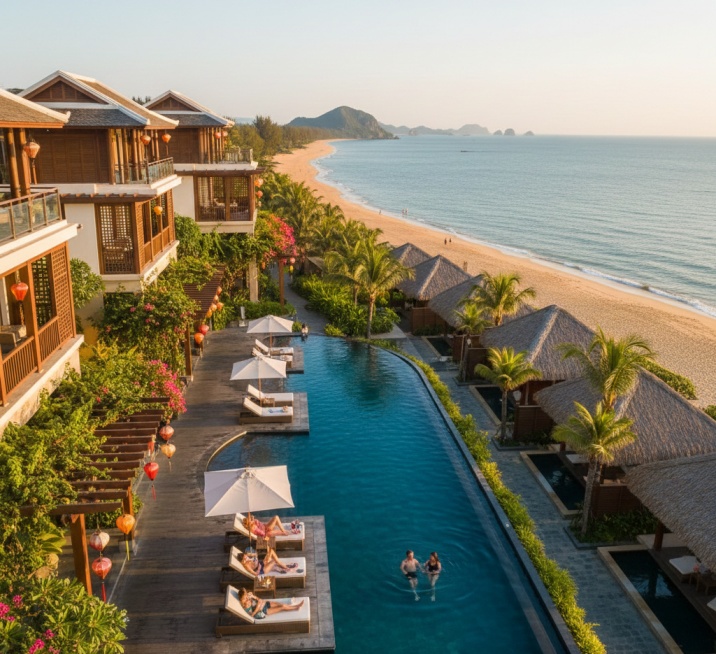
Vietnam shines as a leader in Asia’s affordable luxury wave. Vietnam’s beauty is famed from Ha Long Bay to Hoi An and Dalat. In Vietnam, luxury resorts rise all over the coast and in the cities. Each stay in Vietnam feels exclusive and grand. Yet the bills stay low. Asia travellers often say that Vietnam’s luxury is just as good as in Europe or the United States, but at a fraction of the price. Thailand also leads the way in Asia with vibrant city life and tropical island luxury. Thailand’s tourism push has grown its high‑end resorts that are affordable. Malaysia stands strong in Asia with top hotels and island escapes in Langkawi that feel priceless but stay within reach. The Philippines offers luxury beach stays with white sands and clear waters. In the Philippines, resorts on Boracay and Palawan compete with the best in Asia. India brings culture, heritage and palace stays. In India, luxury has a deep history with royal palaces now turned into high‑end hotels. When travellers think of luxury in Asia, they now think of Vietnam, Thailand, Malaysia, Philippines and India. These places together form a new map of luxury travel in Asia that is changing minds and travel plans.

Why Vietnam Is Asia’s Breakout Luxury Value Star

Vietnam is one of the most talked‑about places in Asia right now. Vietnam offers luxury hotels that rival more expensive spots. Yet the cost in Vietnam is far lower than many world cities. International visitors say that in Vietnam, your money goes further. Vietnam’s beaches, cities and green mountains all feature top‑tier resorts. In Hanoi and Ho Chi Minh City, you can stay in luxury hotels with fine dining, pools, spas and service that feels first‑class. In Vietnam’s coastal towns like Da Nang and Phu Quoc, luxury feels like a treasure you can afford. Asia travellers see Vietnam as a place where luxury meets value in every corner.

Official tourism promotion from Vietnam’s government highlights its wide choice of hotels and travel packages. The Vietnam National Administration of Tourism shows that the country is ready for global visitors. It wants travellers who want comfort, culture and beauty. Vietnam’s prices stay attractive because the cost of living in Vietnam is lower. This lets hoteliers offer premium services at lower prices. When you choose luxury travel in Asia, Vietnam should be on your list. In Vietnam, you can enjoy the perfect balance of comfort, culture and cost. Every luxury hotel stay in Vietnam feels like a smart choice. And Asia travellers who visit Vietnam often plan to return. That says a lot in the world of travel.

Thailand’s Luxury Hospitality at Unbeatable Value in Asia

Thailand is no stranger to luxury tourism in Asia. Thailand has long been a global travel leader. For decades, Asia travellers have flocked to Thailand for beaches, culture, food and comfort. It is no surprise that Thailand now stands with Vietnam, Malaysia, Philippines and India. Thailand’s luxury stays are famous around the world. Yet many visitors are surprised how affordable they are. Whether in Bangkok’s city hotels, Phuket’s resort villas, or Chiang Mai’s boutique lodges, Thailand offers world‑class experiences. In Asia, Thailand is a top name for hospitality that blends tradition with modern comfort.

The Tourism Authority of Thailand actively promotes high‑end hotels and resorts. Thailand’s luxury tourism sector grows every year. New properties open with premium designs and excellent service. Many luxury hotels in Thailand offer packages that include meals, tours and wellness services at competitive prices. In Thailand, luxury does not necessarily mean expensive bills. Many visitors find that their money stretches further here than in Europe, North America, or East Asia. The result is predictable: tourists return again and again to Thailand. For many Asia travellers, Thailand is synonymous with affordable luxury.

Thailand’s beaches are a huge part of its luxury appeal. Islands like Koh Samui and Phuket feature private villas and infinity pools just steps from the ocean. In Thailand, you can wake up to sunrise views and still spend less than you might in other parts of Asia. The food in Thailand adds to the experience. Fine dining and street food coexist. In one day in Thailand, you can enjoy a Michelin‑level meal and then relax with a spa by the sea. It is this range of choices that makes Thailand a leader in luxury travel in Asia.

Malaysia’s Elegant Luxury Without the High Price Tag

Malaysia is steadily gaining recognition in Asia for luxury stays at fair prices. In Malaysia, luxury often means sleek urban hotels or serene island resorts. Kuala Lumpur’s skyline is dotted with premium hotels that offer rich comfort with easy access to shopping and culture. Penang mixes heritage with luxury. Langkawi is a beach paradise where luxury feels like an everyday experience. In Malaysia, luxury travel does not mean you need a big budget. Instead, it means smart spending for premium returns.

The Ministry of Tourism, Arts and Culture Malaysia shows that Malaysia offers choices for all kinds of visitors. It includes luxury travellers who want value. Malaysia’s hotel sector is flexible. It combines international chains and local premium brands. Travellers to Malaysia find that the cost per night in a luxury hotel is often lower than in many other Asia hubs. Many Malaysia hotels compete for guests with seasonal deals and added perks. In Malaysia, you can stay at five‑star resorts while saving money for other experiences. That is luxury done right in Asia.

Malaysia’s nature and culture also add value. You can pair a luxury hotel stay with jungle retreats, tea plantations, or beachside relaxation. In Malaysia, each moment feels grand but the price tag stays balanced. This blend keeps Malaysia competitive with Vietnam, Thailand, Philippines and India in Asia’s luxury travel scene. Travellers who explore Malaysia often say it feels like luxury without stress on the wallet.

Philippines: Asia’s Hidden Gem for Affordable Beach Luxury

The Philippines is one of the fastest‑rising names in Asia for luxury travel at lower costs. This island nation is made up of thousands of beaches and landscapes. In the Philippines, top white‑sand beaches meet private villas and five‑star resorts. Boracay and Palawan often top global lists of beautiful beaches. Yet in the Philippines, luxury stays here are often easier on the budget than similar beach resorts in other parts of the world.

The Department of Tourism of the Philippines highlights that the country welcomes diverse travellers. It promotes premium stays alongside cultural experiences. In the Philippines, hotel prices for luxury resorts remain competitive. For many Asia travellers, the value in the Philippines feels unmatched. You get premium facilities, tropical views and rich hospitality at prices that many luxury travellers find surprising. The Philippines combines natural beauty and comfort in a way that few places in Asia can match.

Luxury in the Philippines is not only about beaches. It is also about adventure and culture. You can enjoy scuba diving, island hopping and wellness stays in scenic resorts. In the Philippines, every day feels like a curated experience. Yet the costs stay in reach for budget‑minded travellers who want luxury. This blend makes the Philippines a must‑visit in Asia for travellers seeking both comfort and value.

India’s Timeless Luxury With Modern Value

India brings a unique flavour to luxury travel in Asia. In India, luxury is deep in culture and history. India’s palaces, forts and heritage hotels create experiences that no brochure can fully describe. Rajasthan’s palace hotels once housed royalty. Now they host global travellers. In India, luxury is not only in cities like Delhi and Mumbai. It is in countryside estates, tea‑garden resorts and ancient forts transformed into modern havens. In Asia, India’s luxury is about depth, culture and story.

The Ministry of Tourism of the Government of India reports strong growth in international visitors. It highlights India’s broad range of hotel options. Luxury stays in India often come with unique experiences. You can attend cultural festivals, dine on regional cuisine, or ride historic trains. Yet the cost in India for luxury stays often remains below similar experiences in Europe or East Asia. India mixes heritage and premium service at prices that surprise many travellers.

Luxury in India also means personalised service. Many palace hotels include guided heritage tours, private dining experiences and curated cultural programs. In India, every stay feels like it is tailored just for you. This makes India an unforgettable part of Asia’s luxury map. Travellers who choose India find richness not just in comfort, but in stories, flavours and history.

What Makes These Asia Destinations So Affordable Yet Luxurious

All five nations — Vietnam, Thailand, Malaysia, Philippines and India — share common strengths that let them offer luxury at lower costs. First, the cost of living in these Asia countries is lower than in Western cities. This means hotels can charge less and still deliver high quality. Second, strong tourism support from official bodies means steady investment in hospitality infrastructure. Vietnam’s tourism agencies work to expand high‑end hotels. Thailand’s tourism authorities actively market premium packages. Malaysia’s tourism ministry promotes diverse stays. The Philippines’ tourism body highlights beach and luxury travel. India’s tourism ministry showcases heritage and luxury stays.

Each country in Asia also benefits from competition. Hotels compete for guests and constantly improve service and facilities. They add perks like free breakfast, spa vouchers and guided tours. This pushes luxury prices down without lowering quality. In Asia, travellers get more value for every dollar spent. Whether it is a spa day in Thailand, a beachfront villa in the Philippines, a heritage palace in India, an urban luxury hotel in Malaysia, or a coastal resort in Vietnam, the experience feels first‑class.

Another reason these Asia destinations remain affordable is seasonal pricing. Many hotels offer deals during off‑peak periods. Travellers who plan smartly can enjoy luxury stays for much less. Airlines also connect these Asia destinations with more flights and better deals. This makes travel to Vietnam, Thailand, Malaysia, Philippines and India easier and often more affordable.

Real Traveller Experiences Show Asia’s Luxury Value

Travellers across the world now talk about how much value they get in Asia for luxury travel. Reviews often compare Bali, the Maldives and Europe with Asia. Time and again, Asia wins in value. Vietnam gets praise for boutique beach resorts. Thailand is known for island villas at fair prices. Malaysia’s city and island stays impress. The Philippines’ beaches feel like private paradise. India’s heritage hotels feel priceless but cost less. These stories are not claims without backing. They reflect the real experiences shared by travellers who return to Asia again.

Many visitors say they expected budget travel in Asia. Then they found luxury stays that felt tailor‑made. They enjoyed five‑star comfort without shock‑level prices. For Asia travellers, this is a major shift. Luxury travel no longer means draining savings. Instead, it means smart choices in Asia.

Conclusion: Asia’s New Luxury Value Era

Asia is redefining what it means to travel in style without overspending. Vietnam now stands proudly beside Thailand, Malaysia, Philippines and India in offering premium hospitality at affordable rates. Each of these Asia countries brings unique strengths. Vietnam offers coastal opulence and city elegance. Thailand blends culture, beach life and luxury. Malaysia delivers urban and island comfort. The Philippines showcases beach paradise stays. India offers heritage and depth in every luxury stay.

This new landscape in Asia is backed by official government support from the Vietnam National Administration of Tourism, the Tourism Authority of Thailand, the Ministry of Tourism, Arts and Culture Malaysia, the Department of Tourism of the Philippines and the Ministry of Tourism of the Government of India. Their efforts have helped raise hospitality standards while keeping costs low. For travellers seeking luxury in Asia without huge bills, these five destinations offer unmatched value. Each visit promises not just comfort and beauty, but a deeper, richer travel story that stays in the heart long after the journey ends.

The post Vietnam Joins Thailand, Malaysia, Philippines, and India in Offering Unmatched Luxury Travel in Asia for a Fraction of the Price, Affordability Meets Opulence! appeared first on Travel And Tour World.


Philippine Airlines Reintroduces New Widebody Operations on Manila–Puerto Princesa Route, Boosting its Travel, Tourism and Cargo Capacity

Philippine Airlines Reintroduces New Widebody Operations on Manila–Puerto Princesa Route, Boosting its Travel, Tourism and Cargo Capacity

Philippine Airlines (PAL) is pleased to announce that it is restarting its widebody services for its very popular Manila to Puerto Princesa route, using its Airbus A330-300 fleet to support the continuing need for both leisure and corporate travel to the dynamic capital of Palawan. From December 17, 2025, the carrier will operate three times weekly between Manila and Puerto Princesa with their upgraded services that include additional capacities.

This is a significant development for PAL as it pushes through with efforts to improve connections between Manila and one of the Philippines’ most famous tourist spots, famous for its beautiful beaches, natural parks, and the UNESCO World Heritage Site, the Subterranean River National Park. This development by PAL takes into account the need for more comfortable travel to this tourist spot that is in high demand.

Tourism Impact: Increased Access to Palawan’s Unique Attractions

The expansion of widebody flights between Manila and Puerto Princesa will have a significant impact on tourism in Palawan. Puerto Princesa, a gateway to some of the Philippines’ most famous natural attractions, including the Subterranean River and Honda Bay, will now be more accessible to international travelers, particularly from Asia and North America, thanks to the increased capacity of PAL’s Airbus A330.

With the added capacity, Palawan’s tourism sector can expect higher visitor numbers, which will drive growth in the local economy. More tourists visiting Puerto Princesa will benefit local businesses, especially those in hospitality, tourism services, and transportation, ensuring economic growth across Palawan. The reduced travel time and convenient flight schedules will encourage more tourists to visit, potentially leading to longer stays and expanded visits to other parts of Palawan, such as El Nido and Coron, which further strengthens the region’s tourism brand.

Boosting Regional Trade and Economic Opportunities

Beyond tourism, the deployment of widebody aircraft on the Manila–Puerto Princesa route will support the growth of regional trade and business opportunities in Palawan. With increased cargo capacity available on each flight, PAL is helping facilitate the movement of goods, agricultural products, and exports, contributing to the local economy and supporting small businesses in Palawan.

For Palawan’s agricultural sector, the new flights will help export fresh produce, seafood, and handicrafts more efficiently, reducing transportation costs and improving supply chains. This will create more opportunities for local entrepreneurs and ensure that Palawan becomes even more integrated into national and international markets.

As the aviation sector in the Philippines continues to grow, the expansion of flights between Manila and Puerto Princesa serves as a critical step in strengthening economic connectivity and boosting business tourism in Palawan. The added capacity provides businesses with better access to key domestic and international markets, making it easier to do business and expand operations.

Future Impact: Sustainable Growth and Development in Palawan

Looking to the future, the expansion of PAL’s flight services to Puerto Princesa will contribute to sustainable tourism in Palawan by providing a more balanced distribution of tourism traffic throughout the year. As tourism demand continues to grow, the ability to accommodate travelers with larger aircraft and more frequent flights will ease the pressure on infrastructure, making tourism more sustainable and accessible.

Additionally, this increased capacity and improved accessibility will foster year-round tourism, which helps smooth out the typically seasonal spikes seen in the region. By reducing reliance on peak season tourism, PAL can support more sustainable visitor flows that benefit local communities without overwhelming resources. With eco-tourism gaining popularity, Palawan’s pristine environment can be preserved for future generations while still allowing for continued economic development.

Tourism Growth and Long-Term Impact on the Philippines

The introduction of widebody aircraft on the Manila-Puerto Princesa route is a major move in PAL’s long-term strategy to bolster tourism growth in the Philippines. As tourism continues to rebound and international visitors increase, PAL will remain a crucial player in expanding the country’s tourism capacity and global connectivity.

In the long run, this move will help Turkey’s tourism industry stay competitive, diversify its offerings, and maximize tourism revenue while keeping a balance between environmental preservation and economic growth. Sustainable tourism practices will be key as the Philippines grows into an even more popular destination, ensuring economic growth, community benefits, and environmental protection.

A Bright Future for Tourism and Business in Palawan

As more flights and wide-body aircraft begin operating on the Manila to Puerto Princesa route, it is no doubt that Philippine Airlines is contributing to the development of tourism as well as economic growth in the province of Palawan. This is by improving accessibility to one of the Philippines’ favorite tourist spots.

The future of tourism and business in the province of Palawan appears brighter than ever before, with the additional air services further ensuring that it remains one of the premier destinations for tourists as well as businessmen around the globe. It is significant to note that the services of Philippine Airlines in improving their services are indicators of their efforts to sustain tourism and ensure economic development for the surrounding communities.

The post Philippine Airlines Reintroduces New Widebody Operations on Manila–Puerto Princesa Route, Boosting its Travel, Tourism and Cargo Capacity appeared first on Travel And Tour World.

Agoda Earns Prestigious Great Place to Work Certification in Indonesia, Philippines and Vietnam

Agoda Earns Prestigious Great Place to Work Certification in Indonesia, Philippines and Vietnam

In December 2025, Agoda, one of the leading digital travel platforms, achieved the prestigious Great Place To Work Certification™ for its offices in Indonesia, Philippines, and Vietnam. This recognition, awarded by Great Place To Work®, is based entirely on employee feedback and reflects Agoda’s commitment to cultivating a positive workplace culture. The certification highlights Agoda’s strong internal culture and dedication to fostering a work environment that values collaboration, innovation, and trust—key components that make it one of the top employers in Southeast Asia.



What Does the Great Place To Work Certification Mean for Agoda?

Achieving the Great Place To Work Certification™ is a significant milestone for Agoda, reinforcing its position as an employer that nurtures employee satisfaction, growth, and well-being. This certification is highly coveted by companies worldwide, as it is the only recognition based on direct employee feedback regarding workplace culture. It is awarded to companies that meet high standards for workplace practices, ensuring a thriving, high-trust environment where employees are motivated and engaged.

The Great Place To Work® certification is not just an acknowledgment of the work environment but also an indicator of Agoda’s success in building a company culture that values employees’ contributions, encourages leadership, and supports continuous development.

Key Highlights of Agoda’s Workplace Culture
Agoda has earned its reputation as a top employer by focusing on several crucial aspects that contribute to its outstanding workplace culture:

  • Employee Empowerment: Agoda empowers its workforce to take ownership of their work and encourages innovation at every level. Employees are given the freedom to experiment and drive changes that contribute to the company’s success.
  • Diversity and Inclusion: With over 7,000 employees from more than 90 nationalities, Agoda celebrates cultural diversity and integrates different perspectives into its daily operations.
  • Continuous Development: The company invests in employee development programs, offering numerous opportunities for skill growth and leadership training to ensure its people stay ahead in an ever-evolving industry.
  • Work-Life Balance: Agoda offers its employees flexibility, ensuring they can maintain a healthy work-life balance while pursuing their professional goals.
  • Commitment to Innovation: With a data-driven, entrepreneurial approach, Agoda promotes a culture of creativity and experimentation, allowing employees to innovate and grow the business on a global scale.

Agoda’s Workplace Achievements and Future Goals

The Great Place To Work Certification™ further bolsters Agoda’s standing as a company that values its people. The recognition is particularly meaningful as Agoda celebrates its 20th anniversary in 2025. In the two decades since its inception, Agoda has transformed from a local startup into one of the world’s most renowned digital travel platforms, helping millions of travelers access great deals on hotels, flights, and holiday properties across the globe.

Looking ahead, Agoda aims to continue building on this success by creating an environment that attracts and retains top talent, while also driving innovation and growth across its global operations. The company’s commitment to employee satisfaction and a positive workplace culture remains central to its long-term strategy as it prepares to navigate the next phase of its development.

What Does This Certification Mean for Job Seekers?

Agoda’s recent certification has profound implications for job seekers, particularly in the Southeast Asia region. Research by Great Place To Work® suggests that employees at Certified workplaces are 93% more likely to enjoy coming to work, and they are twice as likely to earn a fair salary and receive a fair share of the company’s profits. In addition, job seekers are 4.5 times more likely to find a great manager at a certified workplace, further emphasizing the value of choosing an employer recognized for its workplace culture.

For individuals seeking career opportunities, Agoda’s recognition as a top employer means they can expect a nurturing and supportive environment that prioritizes personal growth, work-life balance, and leadership opportunities. Whether applying for roles in Agoda’s technology, customer support, marketing, or operations departments, potential employees can be confident that they will be joining an organization that truly invests in their future.

Why Agoda’s Success Matters for the Travel Industry

Agoda’s focus on employee satisfaction and its entrepreneurial approach has directly impacted its success in the digital travel industry. As a global leader in travel technology, Agoda has created a platform that not only provides travelers with the best deals but also fosters strong internal teams that can drive innovation in the competitive travel sector.

The company’s ability to attract top talent and provide a great employee experience has undoubtedly contributed to its ability to adapt and evolve as one of the leading travel platforms. With its diverse workforce, innovative technology, and commitment to employee development, Agoda has set a high standard for workplace excellence in the travel industry.

Agoda’s Impact on the Global Travel Landscape

Agoda is part of Booking Holdings and has a global reach, providing customers with access to over 6 million hotels and holiday properties worldwide. This vast network of accommodations, flights, and activities is made possible by Agoda’s talented workforce, which works collaboratively across offices in Indonesia, Philippines, Vietnam, and other international markets.

By fostering a work culture that emphasizes collaboration, creativity, and global perspectives, Agoda has become a driving force in the digital travel industry, continually pushing the boundaries of what’s possible in online travel booking. As the company moves forward, its commitment to both its employees and customers will ensure its continued success in the global travel market.

The post Agoda Earns Prestigious Great Place to Work Certification in Indonesia, Philippines and Vietnam appeared first on Travel And Tour World.

Department of Tourism, Cebu Pacific and HRRACI Launch Visit Cebu Campaign, Offering Flight Discounts and Accommodation Deals to Boost Post-Disaster Tourism Growth

Department of Tourism, Cebu Pacific and HRRACI Launch Visit Cebu Campaign, Offering Flight Discounts and Accommodation Deals to Boost Post-Disaster Tourism Growth

In an effort to create more tourist arrivals in Cebu following the recent natural disasters that hit the province, the Department of Tourism (DOT) teamed up with Cebu Pacific and the Hotel, Resort, and Restaurant Association of Cebu Inc. (HRRACI), offering incentives to achieve this goal. The memorandum of understanding was signed last Friday to formalize the partnership during the launching of the “Visit Cebu” campaign.

This initiative will aid in rebuilding tourism here in Cebu through discounted flights, hotel vouchers, and various promotional packages for foreign travelers. The tourism drive will focus on primary international markets, such as Korea, Japan, Thailand, Singapore, Hong Kong, and Vietnam, to bring more international visitors to the region.

Flight and Accommodation Offers to Support Local Businesses and Workers

Tourism Secretary Christina Frasco emphasized that the “Visit Cebu” campaign is a crucial step in supporting local businesses and workers in Cebu, especially as the province recovers from the recent disruptions. The incentives include discounted flights from Cebu Pacific, as well as special accommodation deals from participating hotels and resorts across the region. Some travelers will also receive a complimentary one-night stay, further enhancing the appeal of Cebu as a tourist destination.

This initiative is not only aimed at boosting tourism in the province but also at ensuring economic recovery for the hospitality sector, which has faced challenges in the wake of the recent natural disasters. By promoting affordable travel options and exclusive hotel packages, the campaign hopes to draw more international tourists to Cebu, offering them access to the province’s beautiful beaches, historic landmarks, and thriving cultural experiences.

Targeting Key Markets to Expand Cebu’s Global Appeal

The “Visit Cebu” campaign will focus its efforts on attracting visitors from six key markets: Korea, Japan, Thailand, Singapore, Hong Kong, and Vietnam. These regions have shown a strong interest in traveling to Cebu in recent years, making them ideal targets for the promotional efforts. The campaign will be supported by digital promotions, allowing Cebu Pacific’s existing international routes to the province to connect travelers with easy access to the Philippines’ top destination.

Additionally, HRRACI President Mia Leon mentioned that the association is coordinating with its member establishments to provide affordable accommodation options and manage the distribution of vouchers to maximize the impact of the campaign. The collaboration between the private sector and government agencies reflects a unified approach to driving tourism recovery and ensuring the long-term growth of the tourism economy in Cebu.

Promoting Cebu’s Dive Tourism and Regional Experiences

As part of the “Visit Cebu” campaign, familiarization trips will be organized in Moalboal and Malapascua, highlighting the region’s rich dive tourism offerings. These regions are renowned for their underwater biodiversity, making Cebu an ideal destination for diving enthusiasts. The familiarization trips will be tied to the upcoming Philippine Dive Experience event, organized by the DOT, further enhancing Cebu’s profile as a premier diving tourism destination.

Cebu’s diverse tourism offerings, ranging from beach resorts to adventure tourism and cultural experiences, provide the perfect blend of relaxation and exploration for visitors. By promoting sustainable tourism and nature-based experiences, the campaign will attract both eco-conscious travelers and those seeking more active and cultural vacation options.

Long-Term Tourism Growth and Economic Resilience

The “Visit Cebu” campaign represents a pivotal moment in Cebu’s tourism recovery. While the immediate goal is to increase tourism arrivals and support local businesses, the long-term tourism impact extends to broader goals such as regional development and economic diversification. The province’s commitment to sustainable tourism, cultural preservation, and eco-friendly travel positions Cebu as a top destination for those seeking a more responsible travel experience.

The growth of alternative tourism, including adventure tourism, eco-tourism, and cultural tourism, will provide the foundation for Cebu’s tourism sector to expand and thrive sustainably in the future. The expansion of air connectivity and continued private-public collaboration will foster a resilient tourism ecosystem that balances the need for economic growth with the preservation of the region’s natural and cultural resources.

Cebu’s Bright Future as a Sustainable Tourism Hub

No doubt, this “Visit Cebu” campaign by the Department of Tourism, Cebu Pacific, and HRRACI will further accelerate the recovery process of the region’s tourism sector and ensure long-term economic growth. The campaign will grant reasonable flight and accommodation access to ensure a continuous stream of foreign visitors who will help boost local businesses and augment the income of tourism workers. This initiative will surely contribute to a more sustainable, inclusive, and resilient tourism ecosystem, securing Cebu as one of the most sought-after destinations in Southeast Asia for generations to come, as Cebu’s tourism industry diversifies and expands.

The post Department of Tourism, Cebu Pacific and HRRACI Launch Visit Cebu Campaign, Offering Flight Discounts and Accommodation Deals to Boost Post-Disaster Tourism Growth appeared first on Travel And Tour World.

Manila and Mandaluyong Tourism Put on Alert as Fifth-Alarm Pleasant Hills Fire Displaces Many Families in Metro Manila: All You Need to Know

Manila and Mandaluyong Tourism Put on Alert as Fifth-Alarm Pleasant Hills Fire Displaces Many Families in Metro Manila: All You Need to Know
Image of a hill fire

Manila and Mandaluyong City, core parts of Metro Manila’s tourism and business corridor, are confronting the fallout from a fifth‑alarm fire that ravaged Barangay Pleasant Hills on the evening of 12 December 2025. According to situational updates from the Bureau of Fire Protection – National Capital Region (BFP‑NCR) and local authorities, the blaze broke out in a densely built residential pocket near Block 5, Nueve de Febrero, before rapidly spreading through rows of tightly packed homes.

Although far from Manila’s primary tourism districts such as Intramuros, Makati and Bonifacio Global City, the scale of the incident adds to concerns about urban safety and resilience in the wider metropolitan area that visitors inevitably traverse.

How the Pleasant Hills fire unfolded

BFP‑NCR reports indicate that the fire started at around 6:38 p.m. local time, with the first alarmraised immediately and escalating to second alarm by 6:42 p.m., third alarm at 6:54 p.m., fourth alarm at 7:08 p.m. and fifth alarm at 7:19 p.m. as flames spread through combustible materials in closely spaced structures. More than twenty fire trucks and multiple crews from Mandaluyong and neighbouring cities responded, but their access was hampered by narrow alleyways and informal layouts, typical of many older urban communities.

BFP‑NCR confirmed the fire under control by around 9:10 p.m., with full containment achieved later that night; early updates noted no immediate fatalities, though subsequent reports cited several injuries and extensive property damage. Local media and resident footage showed towering flames and thick smoke columns visible from other parts of Metro Manila, underlining the blaze’s intensity and the challenge for first responders.​

Humanitarian impact: around five hundred families left homeless

Initial damage assessments from city authorities and media estimate that around five hundred families were displaced, turning swathes of Pleasant Hills into a charred landscape of collapsed roofing, twisted beams and ash. The City of Mandaluyong has activated social welfare mechanisms, with temporary shelters set up in schools or covered courts and coordination channels opened through its Urban Poor Affairs and Protective Services offices.

For residents, many of whom belong to low-income and informal communities, the fire represents a total loss of housing, documents and household assets, with knock‑on effects on livelihoods and schooling. Disaster‑risk studies on Metro Manila’s informal settlements emphasise that such fires become “everyday disasters” that reinforce cycles of poverty and exclusion, long after the flames are out.

Fire safety gaps in Metro Manila’s informal settlements

Urban research and local government profiles highlight that overcrowding, informal electrical connections and flammable construction materials significantly raise fire risk in settlements like Pleasant Hills. Mandaluyong’s official fire‑protection documentation notes that many incidents stem from faulty wiring, leaking gas tanks and discarded cigarettes, all of which are preventable but flourish where codes are hard to enforce and households improvise utilities.

Studies on Metro Manila’s fire vulnerability emphasise that narrow access roads, limited hydrant coverage and constrained water supply can slow response times, allowing a small ignition to escalate to a multi‑alarm event. Strengthening community fire‑safety education, evacuation drills and infrastructure upgrades is therefore seen as vital not only for resident safety but also for projecting a more resilient urban image in a capital that increasingly hosts events, conferences and city‑break tourism.

Tourism implications for Manila’s image and visitor confidence

From a tourism perspective, the Pleasant Hills fire does not directly affect the city’s main hotels, convention venues or heritage clusters, and international travel advisories have not flagged specific risks to visitors in relation to this incident. However, widely shared images of towering flames in Metro Manila reinforce global perceptions of uneven urban development and infrastructure stress, which can subtly influence how prospective travellers evaluate city safety and reliability.

Tourism‑safety guidance on the Philippines generally portrays the country as broadly safe for tourists, while recommending normal big‑city precautions and awareness of potential disruptions linked to weather, transport or localised incidents. By proactively communicating emergency response capacity, urban‑renewal projects and community resilience efforts, Manila can mitigate any negative narrative drift and demonstrate a commitment to making the metropolitan area safer for both residents and visitors.

Next steps: recovery, risk reduction and inclusive urban development

In the short term, Mandaluyong’s priority is to support displaced families with shelter, food, health services and documentation assistance, while investigators determine the fire’s cause and map out the full scale of damage. Over the medium term, planners and social‑housing agencies face decisions on rebuilding, possible relocation and upgrading of high‑risk zones, consistent with national commitments under the Philippines’ New Urban Agenda implementationto reduce vulnerability in informal settlements.

For Manila and Mandaluyong tourism, the Pleasant Hills fire underscores that urban resilience, social protection and disaster‑risk reduction are integral to a sustainable visitor economy, not separate from it. Investments in fire‑safe housing, wider access roads, community education and stronger local fire services can simultaneously protect vulnerable residents and strengthen Metro Manila’s standing as a dynamic yet responsible urban gateway to the Philippines’ wider tourism offer.

The post Manila and Mandaluyong Tourism Put on Alert as Fifth-Alarm Pleasant Hills Fire Displaces Many Families in Metro Manila: All You Need to Know appeared first on Travel And Tour World.

‘Filipiñana’ From the Philippines to Debut at Sundance 2026, Offering New Cultural Narratives and Transforming Film-Inspired Travel and Tourism Experiences

‘Filipiñana’ From the Philippines to Debut at Sundance 2026, Offering New Cultural Narratives and Transforming Film-Inspired Travel and Tourism Experiences

When the independent film landscape enters the 2026 season, one of the most significant additions to the global conversation will be Filipiñana, a Philippine-produced feature selected for the World Cinema Dramatic Competition at the Sundance Film Festival. Beyond the celebratory headlines, its presence at the United States’ largest independent festival marks a pivotal moment for Southeast Asian storytelling, cultural diplomacy, and the intersection of cinema with travel and tourism.

What distinguishes this development is not merely the film’s artistic merit but its ability to reveal the evolving cultural currents within the Philippines and the broader Asian region. The work presents a narrative grounded in everyday labor, hidden histories, and psychological tension within the setting of an elite leisure institution. But its influence reaches far beyond screens. As global audiences encounter the film, they also gain exposure to the environments, social settings, and cultural layers that define the Philippines as a travel destination.

This convergence of art and place is no longer peripheral. In recent years, film festivals have become gateways to new travel imaginaries, and Filipiñana is poised to position the Philippines within this expanding cultural tourism economy.

A Film that Travels Across Borders

Co-produced across the Philippines, Southeast Asia, and Europe, Filipiñana emerges from a long, multi-year creative process. Its story revolves around a young worker who becomes increasingly entangled with the dynamics of power and desire inside a pristine country club. What begins as an attraction soon reveals itself to be rooted in a shared violent past, exposing the darker side of institutions often associated with leisure, luxury, and social hierarchy.

This narrative, set against manicured landscapes and curated recreational spaces, inadvertently highlights a key dimension of modern travel culture: the contrast between curated tourist experiences and the invisible labor systems sustaining them. By revealing what lies beneath the polished exterior, the film invites viewers to reconsider how leisure spaces function and how tourism economies shape everyday realities.

Moreover, its transnational production signals that contemporary Filipino cinema is no longer confined to local boundaries. As production alliances strengthen, these partnerships often lead to increased global visibility, enhanced film tourism, and deeper curiosity among international travelers seeking to understand the cultures behind the films they admire.

Sundance as a Global Gateway

Premiering at Sundance places Filipiñana within an influential framework. The festival has long served as a platform where independent films launch into global distribution, mainstream discourse, and cross-cultural dialogue. For national cinemas, especially from the Global South, Sundance can become a catalytic moment that reshapes how countries are viewed on the world stage.

This expanded presence has tangible effects on travel and tourism. Countries with strong cinematic visibility often experience increased visitor interest, as film-driven tourism becomes a significant cultural and economic force. Locations featured in films, themes explored in narratives, and even sociocultural settings become points of attraction for curious travelers. By premiering within such a recognized environment, Filipiñana positions the Philippines as a fresh cinematic and cultural destination for global audiences.

Film tourism in Asia—previously dominated by specific hubs such as Japan, South Korea, and India—may now see a shift as more viewers discover Filipino narratives, landscapes, and cultural motifs through films that travel internationally.

Reframing the Philippines Through Cinema

One of the most compelling outcomes of Filipiñana is its potential to introduce a different image of the Philippines to international audiences. Rather than relying on the usual tourist staples—beaches, festivals, and natural wonders—the film foregrounds complex social dynamics, unseen forms of labor, and the contradictions embedded in recreational spaces.

This nuanced portrayal offers a layered picture of the country, appealing to travelers who seek cultural depth rather than superficial sightseeing. In recent years, global tourism has increasingly moved toward experiences tied to cultural authenticity, community narratives, and lived histories. A film like Filipiñana, which challenges the idyllic image of leisure spaces, encourages visitors to engage with the Philippines in more thoughtful ways.

The film’s setting—an exclusive club—may initially seem disconnected from mainstream tourism. Yet these controlled landscapes often mirror broader themes found in travel environments: gated resorts, exclusive recreational sites, and carefully curated hospitality spaces. By deconstructing these spaces, the film indirectly prompts viewers to question their own experiences of tourism, privilege, and access.

The Hidden Labor Behind Leisure

A significant theme of the film is its focus on workers whose tasks remain invisible to those seeking leisure. This theme resonates powerfully within global tourism industries, including in the Philippines. Resorts, hotels, golf clubs, and private leisure estates form a major part of the country’s tourism infrastructure, yet the labor that sustains these environments often receives little attention.

By centering a character who works within a privileged space, Filipiñana compels viewers to consider the economic and historical forces shaping leisure environments. This perspective may encourage more responsible tourism, where travelers become conscious of labor conditions, local economies, and cultural contexts beneath the glossy surfaces of holiday destinations.

Additionally, as international viewers engage with these narratives, the Philippines may see increased interest in social-impact tourism, cultural immersion programs, and travel routes that move beyond commercialized beachfronts.

Cinema as Cultural Diplomacy

The selection of Filipiñana for an esteemed international festival also constitutes a form of cultural diplomacy. Countries often rely on cinema to project perspectives, histories, and identities that shape how the world understands them. For the Philippines, a nation with layered colonial histories and dynamic regional identities, such representation is particularly important.

The film’s involvement in a competition that includes entries from regions such as Europe, the Middle East, Latin America, and Oceania places Philippine cinema within a globally competitive and culturally diverse arena. Its presence signals that Filipino stories are not peripheral but central to the evolving landscape of world cinema.

As such films circulate, they contribute to cultural curiosity, scholarship, and global tourism, drawing audiences who wish to visit the locations that inform and inspire these narratives.

A New Era for Philippine Film Tourism

Film tourism has reshaped travel patterns worldwide, from New Zealand’s surge after epic fantasy sagas to Korea’s booming visitor figures following global television dramas. For the Philippines, whose cinema has historically been celebrated but less globally marketed, Filipiñana could initiate a similar trajectory.

By situating Filipino culture within an international cinematic framework, the film may stimulate interest in:

  • Touring film production sites
  • Exploring cultural histories reflected in the narrative
  • Visiting leisure landscapes similar to those portrayed
  • Understanding the socio-political themes embedded in Filipino storytelling

Tourism boards increasingly recognize the value of film-inspired travel, and Filipiñana may encourage new campaigns that highlight cultural depth, local stories, and unique leisure environments across the archipelago.

Expanding Southeast Asia’s Cultural Footprint

Southeast Asia’s cinematic influence has grown steadily over the past decade. Filipiñana reinforces this momentum by demonstrating that the region’s stories are sophisticated, globally relevant, and aesthetically compelling. This has implications not only for cinema but also for intra-regional travel.

As audiences become more aware of the interconnected cultural landscapes of the Philippines, Singapore, and other partner nations involved in the film’s production, regional travel circuits may benefit from increased attention. Cultural festivals, independent cinemas, and creative hubs across Asia may become more prominent on travelers’ itineraries.

A Future Shaped by Storytelling

With its premiere scheduled between January 22 and February 1, 2026, Filipiñana enters a landscape marked by evolving cinematic expectations and a global appetite for diverse narratives. The film’s exploration of power, silence, and hidden histories resonates strongly with contemporary audiences who seek more than entertainment. They look for stories that challenge assumptions, complicate identities, and illuminate unfamiliar worlds.

In doing so, Filipiñana extends an invitation—not only to watch but to travel, to explore, and to encounter the Philippines through new cultural pathways.

As cinema and tourism continue to intertwine, this Philippine film’s debut at Sundance may represent more than a milestone for the region. It may signify the start of a broader movement where Filipino stories, landscapes, and cultural spaces occupy a more central role in the global imagination.

The post ‘Filipiñana’ From the Philippines to Debut at Sundance 2026, Offering New Cultural Narratives and Transforming Film-Inspired Travel and Tourism Experiences appeared first on Travel And Tour World.

Agoda Earns 2025 Great Place to Work Certification in Indonesia, Philippines, and Vietnam: A Mark of Excellence in Employee Satisfaction

Agoda Earns 2025 Great Place to Work Certification in Indonesia, Philippines, and Vietnam: A Mark of Excellence in Employee Satisfaction
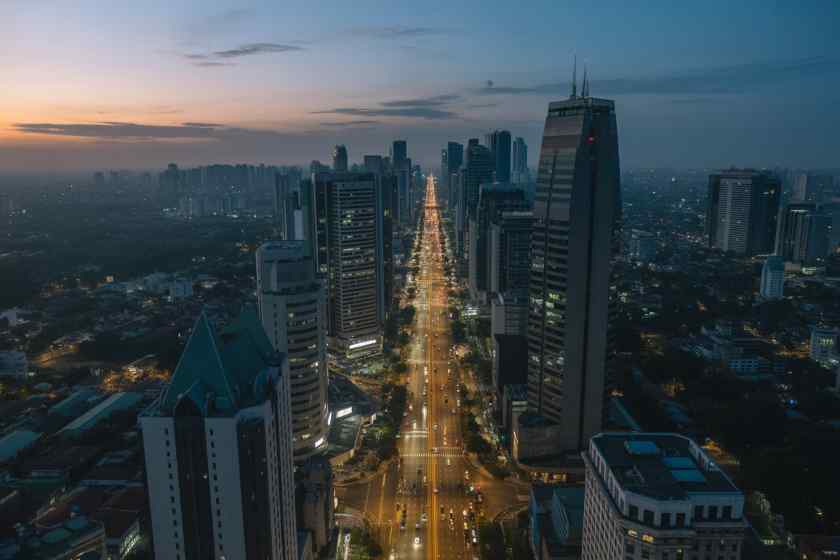
jakarta

Agoda, the renowned digital travel platform, has achieved the prestigious 2025 Great Place to Work Certification™ for its offices in Indonesia, the Philippines, and Vietnam. This award reflects Agoda’s commitment to creating an exceptional workplace culture where employees feel valued, supported, and motivated. The certification is awarded based on direct feedback from employees, highlighting Agoda’s success in fostering a high-trust work environment.

This recognition is significant because Great Place to Work Certification™ is not easily earned. It requires consistent dedication to improving employee satisfaction and creating a positive workplace. For Agoda, this certification represents a deep commitment to its people, aligning with the company’s mission to offer an empowering and innovative environment for its diverse workforce.

Agoda’s focus on employee satisfaction has been a key driver of its success. With offices spanning multiple countries, including Indonesia, the Philippines, and Vietnam, Agoda thrives on its employees’ diverse perspectives. By creating a supportive and entrepreneurial atmosphere, Agoda allows its team to take ownership of their work and drive innovation on a global scale. This culture of growth and inclusion has led to a high level of employee satisfaction, reflected in the company’s outstanding performance.

The 2025 Great Place to Work Certification™ is not just a recognition but a celebration of the efforts made by Agoda to ensure a thriving and positive workplace. It stands as proof that Agoda’s commitment to its employees’ well-being and development is a driving force in the company’s ongoing success.

The Significance of Great Place to Work Certification

Great Place to Work® is the global authority on workplace culture and employee experience. Its certification process is based entirely on the experiences reported by employees, providing a genuine and comprehensive evaluation of a company’s workplace environment. Companies that earn this certification are recognized for their exceptional leadership behaviors, market-leading revenue, employee retention, and innovative practices.

For Agoda, the certification represents a milestone achievement that highlights its commitment to maintaining a positive workplace culture. This certification reflects Agoda’s efforts in creating a supportive and inclusive environment for its diverse workforce, which spans over 7,000 employees from more than 90 nationalities.

Why Agoda’s Great Place to Work Certification is Important

Agoda’s commitment to employee satisfaction has earned it a prominent place among top global employers. With offices spread across various countries, including Indonesia, the Philippines, and Vietnam, Agoda fosters an entrepreneurial, data-driven approach that empowers employees to innovate, take ownership, and experiment on a large scale.

For those seeking job opportunities in a supportive and collaborative environment, Agoda stands out as a top choice. Here’s why:

  • High Employee Retention: Employees at certified workplaces are 93% more likely to look forward to coming to work. Agoda’s efforts to foster a workplace that encourages professional growth and development contribute to its high employee satisfaction and retention.
  • Fair Pay and Career Progression: Employees in certified workplaces are twice as likely to be paid fairly, ensuring that their compensation aligns with the company’s success and their contributions.
  • Global Work Culture: Agoda’s offices in Indonesia, the Philippines, and Vietnam promote a diverse and inclusive atmosphere that celebrates varied perspectives and backgrounds. This helps to create a global network of professionals working toward a shared goal: bridging the world through travel.

Agoda’s Dedication to Innovation and Global Talent

With over 7,000 employees spanning various countries and cultures, Agoda offers a unique opportunity for professionals to thrive in a dynamic, entrepreneurial environment. By integrating diverse perspectives into its daily operations, Agoda is able to provide the best experiences for travelers worldwide.

In its 20th year of operations in 2025, Agoda continues to break barriers and redefine the travel industry, providing exceptional value and innovative services. Agoda’s employees are encouraged to explore new ideas and work together to solve challenges on a global scale. This empowers individuals to innovate, experiment, and make meaningful contributions to the company’s success.

Highlights of Agoda’s Great Place to Work Certification

  • Diverse Workforce: Agoda employs people from over 90 nationalities, making it one of the most globally diverse companies in the travel tech space.
  • Commitment to Innovation: Agoda’s work culture encourages employees to innovate and experiment, making it a hub for creativity and cutting-edge ideas in the travel industry.
  • Inclusive Work Environment: The company’s commitment to an inclusive and entrepreneurial workplace creates an environment where employees feel valued and empowered to make a difference.
  • Employee-Centric Policies: Agoda focuses on creating a high-trust environment, where employees have access to opportunities for growth and career progression.

What Employees Are Saying About Agoda’s Work Culture

Agoda’s workplace culture has been positively reviewed by employees across its offices in Indonesia, Philippines, and Vietnam, who appreciate the collaborative and supportive atmosphere. The Great Place to Work Certification™ is a direct reflection of the company’s dedication to fostering an environment where employees feel respected, supported, and motivated to succeed.

  • Career Development: Agoda provides employees with access to growth opportunities that help them reach their full potential, both professionally and personally.
  • Employee Recognition: The company emphasizes recognizing employees’ hard work and achievements, creating a sense of belonging and value.
  • Work-Life Balance: Agoda understands the importance of work-life balance and supports its employees in maintaining a healthy equilibrium between work and personal life.

The Power of Employee Feedback in Shaping Agoda’s Success

The Great Place to Work Certification process is based on employee feedback, and Agoda’s employees have spoken highly of the company’s work culture. This feedback-driven approach ensures that the company can continuously improve its workplace practices, creating an environment that employees truly enjoy.

What’s Next for Agoda?

With the Great Place to Work Certification™ secured, Agoda will continue to build on its employee-focused culture. The company plans to further enhance its workplace environment by incorporating new ideas and innovative practices to meet the evolving needs of its diverse workforce.

Agoda’s focus on providing exceptional experiences for its employees will help the company remain a global leader in the travel tech industry. By prioritizing the well-being and development of its employees, Agoda is positioning itself for even greater success in the future.

Key Takeaways

  • Agoda’s offices in Indonesia, Philippines, and Vietnam have earned the prestigious Great Place to Work Certification™.
  • The certification reflects Agoda’s commitment to creating a supportive, inclusive, and innovative workplace culture for employees worldwide.
  • Agoda’s workforce, which spans over 7,000 employees across 90 nationalities, is empowered to innovate and experiment in a collaborative environment.
  • Employee feedback is at the heart of Agoda’s success, ensuring continuous improvement and workplace excellence.

The post Agoda Earns 2025 Great Place to Work Certification in Indonesia, Philippines, and Vietnam: A Mark of Excellence in Employee Satisfaction appeared first on Travel And Tour World.

Explore the Agricultural Beauty of Benguet Through Agri-Tourism, Here’s All You Need to Know

Explore the Agricultural Beauty of Benguet Through Agri-Tourism, Here’s All You Need to Know

Benguet, a mountainous province in the Cordillera region of the Philippines, has been long recognized for its beautiful landscapes and agricultural prowess. Today, however, a new trend is transforming this rural haven into a vibrant tourism destination: agri-tourism. This kind of new tourism allows visitors to experience the beauty of the countryside while learning about farming practices, tasting its fresh produce, and immersing themselves in the traditions of rural life. For most farmers, it’s a fresh opportunity to merge agriculture with hospitality and entice tourists to explore the serene landscapes of Benguet where vegetables and flowers abound in undulating fields framed by misty mountains and a cover of pine forests.

The Allure of Benguet’s Serene Agricultural Landscapes

Benguet’s agricultural beauty has always captivated locals and visitors alike, but agri-tourism has elevated its appeal by offering immersive experiences. Imagine walking through rows of vibrant highland vegetables, breathing in the mountain-scented air, and observing the tireless efforts of farmers as they tend to their crops. These pastoral scenes not only provide a visual feast but also connect visitors with the region’s rich agricultural traditions. The quiet, idyllic landscapes, often shrouded in fog, provide an ideal setting for eco-tourism, drawing those seeking both natural beauty and a chance to escape the hustle and bustle of city life.

Many tourists are seeking more than just picturesque views; they want to engage with the land and learn about sustainable farming practices. Agri-tourism offers a rare chance to experience rural life first-hand, providing a deeper understanding of how farming sustains local communities and contributes to the preservation of the environment.

Agri-Tourism: A Modern Blend of Agriculture and Hospitality

Agri-tourism is often described as a form of “regenerative farming” that caters to modern wellness travelers. It’s not just about farming; it’s about a holistic experience that includes reconnecting with nature, understanding agricultural processes, and enjoying local culinary traditions. In Benguet, farmers have embraced this new model, reimagining their farms as welcoming spaces where visitors can not only observe but actively participate in farm activities. Whether it’s picking fresh produce, learning about crop cultivation, or sampling farm-to-table dishes, agri-tourism in Benguet offers an enriching experience that nurtures both the body and the spirit.

The concept of agri-tourism is rooted in the belief that sustainable farming practices can coexist with tourism, promoting eco-conscious behavior while reducing the environmental footprint of traditional tourism. Farmers use the income generated from agri-tourism to maintain their farms and improve the quality of the visitor experience. By keeping the fees for visits reasonable, these sites ensure that the experience remains accessible to a wide audience, making agri-tourism not just an enriching but also an affordable way to explore rural life in Asia.

The Economic and Social Impact of Agri-Tourism on Rural Communities

The growth of agri-tourism in Benguet has had a significant impact on local communities. As more tourists flock to rural areas to experience farm life, there has been a marked improvement in infrastructure, including better roads, sanitation, and communication networks. This increase in tourism has created new economic opportunities, allowing farmers to diversify their income streams and support the local economy.

Furthermore, agri-tourism fosters community development by encouraging farmers to adopt sustainable practices that benefit both the environment and the people. Tourists who visit these farms often engage in conversations with the farmers, asking about farming techniques, plant care, and environmental concerns. This interaction not only promotes learning but also creates a sense of community between visitors and locals. As a result, agri-tourism serves as a platform for promoting cultural exchange, where visitors gain a deeper appreciation for the heritage and traditions of Benguet.

Environmental Sustainability Through Agri-Tourism

One of the most compelling aspects of agri-tourism is its emphasis on environmental sustainability. In an era when climate change threatens fragile ecosystems, agri-tourism provides a way to preserve these natural wonders. By incorporating eco-friendly practices such as organic farming, waste reduction, and water conservation, agri-tourism destinations in Benguet ensure that their agricultural activities have minimal impact on the environment. This sustainability mindset resonates with eco-conscious travelers who are eager to support businesses that prioritize the planet’s well-being.

Agri-tourism also raises awareness about the delicate balance between agriculture and nature. As tourists witness firsthand the impact of farming on the land, they gain a greater understanding of the need to protect these ecosystems from the pressures of modern development. This deepens their connection to the place and encourages more responsible travel choices.

Social Media and the Growth of Agri-Tourism in Benguet

In recent years, social media has played a pivotal role in the growth of agri-tourism in Benguet. Platforms like Facebook, Instagram, and YouTube allow farmers to market their agri-tourism sites to a global audience, showcasing their farms and sharing the beauty of rural life with potential visitors. By using these low-cost marketing tools, farmers can reach a wider audience, raising awareness about the benefits of agri-tourism and attracting more tourists to the region.

According to a study conducted by Jennyline S. Tabangcura and Christine Grace S. Fuchigami, social media has proven to be an effective tool for promoting agri-tourism in La Trinidad, Benguet. The study revealed that 26 local farmers had successfully used social media to advertise their farms as agri-tourism destinations, leading to an increase in tourist visits and positive feedback. As more farmers embrace these digital tools, agri-tourism in Benguet is expected to expand, bringing even more visitors to the region.

The Cultural and Educational Value of Agri-Tourism

Beyond the economic and environmental benefits, agri-tourism offers significant cultural and educational value. Visitors to agri-tourism sites in Benguet can learn about traditional farming techniques, engage with indigenous practices, and experience the rich cultural heritage of the region. From tasting locally grown vegetables to participating in traditional cooking or craft-making, tourists gain a deep appreciation for the history and traditions of rural life.

As more travelers seek out these educational experiences, agri-tourism is becoming a vital tool for preserving cultural heritage. It provides a platform for passing down knowledge from one generation to the next, ensuring that traditional farming practices and local customs are not lost in the face of modernization.

The Future of Agri-Tourism in Benguet

Agri-tourism within Benguet is seen as an amazing chance for people to interact with Mother Nature and at the same time support and promote sustainable agriculture. Given that tourists these days have been expressing an ever-greatening hunger for an experience that will allow them to get away from an urban life that normally stresses the mind and contributes to enormous stress and pressure within an individual, it will be seen that there would be an ever-mounting need for agri-tourism services within Benguet.

The post Explore the Agricultural Beauty of Benguet Through Agri-Tourism, Here’s All You Need to Know appeared first on Travel And Tour World.
❌