
Reading view

Malaysians Advised to Postpone Travel Plans to Hat Yai Due to Ongoing Post-Flood Clean-Up and Health Risks in Songkhla Province
Malaysians Advised to Postpone Travel Plans to Hat Yai Due to Ongoing Post-Flood Clean-Up and Health Risks in Songkhla Province

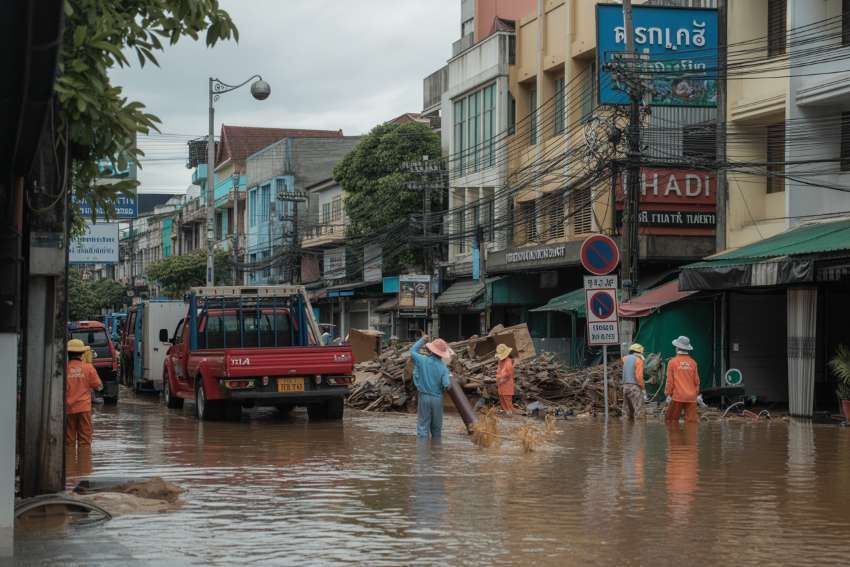
Malaysians planning a trip to Hat Yai, in Thailand’s Songkhla Province, should reconsider their plans until the region has fully recovered from the recent floods. The devastating floods that hit the area at the end of November caused significant disruptions, and efforts to restore normalcy continue. The flood’s aftermath has left a trail of devastation, with several key facilities, including restaurants and tourist attractions, still closed. Furthermore, the area is currently experiencing an increase in post-flood health concerns, particularly as medical facilities are overwhelmed by a surge in patients.

Ongoing Flood Cleanup Efforts in Hat Yai

The post-flood cleanup process is progressing steadily in Hat Yai, with various measures being undertaken to clear the debris and restore essential services. Heavy machinery, including trucks and other large vehicles, is actively involved in the cleanup operations. These efforts are essential to clear the extensive damage caused by the floods, but they also result in traffic disruptions and limited accessibility across the city. Travelers are advised to stay updated on the local situation and avoid unnecessary travel during this critical period.

The floods have left behind considerable damage, with estimates suggesting that public property losses in the region could amount to approximately RM1.3 billion. These figures reflect the severity of the destruction, and authorities have been working tirelessly to repair infrastructure, including roads, bridges, and buildings. However, the magnitude of the damage means that it will take some time before the area returns to its usual state.

Health and Safety Concerns for Visitors

In addition to the physical destruction caused by the floods, there is also a pressing health concern for those considering travel to Hat Yai. The spread of waterborne diseases has become a significant issue in the aftermath of the flood, with medical centres in the area struggling to cope with the surge in patient numbers. Hospitals and clinics have reached near full capacity, and many facilities are unable to accommodate new patients due to limited space and resources.

Health experts have warned that floodwaters may contain harmful bacteria and viruses, increasing the risk of infections for those exposed to contaminated water. For those still intent on visiting, the advice is to stay updated on the local health situation and prioritize safety by taking necessary precautions, such as drinking clean water and avoiding flood-affected areas.

Impact on Tourism and Local Businesses

The flood’s impact on tourism in Hat Yai has been significant. Many of the city’s popular food premises and tourist attractions have been closed temporarily due to the flood damage. While some areas are gradually reopening, a number of sites remain inaccessible or are operating at reduced capacity.

Visitors planning to experience Hat Yai’s vibrant cultural scene and bustling markets will likely be disappointed, as key attractions such as local shopping districts, temples, and cultural landmarks are either still recovering or remain completely shut. Many businesses in the tourism and hospitality sectors are facing financial hardship due to the disruption of operations. Restaurant owners, hoteliers, and tour operators have all expressed concern over the prolonged closure of essential services.

Despite these challenges, the city’s tourism stakeholders are hopeful that the recovery efforts will restore Hat Yai’s charm and draw visitors back once the situation stabilizes. In the meantime, the local government, in collaboration with various agencies, is focused on rebuilding and enhancing the infrastructure, ensuring that tourism can resume in full swing once the cleanup is completed.

The Role of Malaysian Consul General in Hat Yai

The Malaysian Consul General in Songkhla has been closely monitoring the situation and offering guidance to Malaysian citizens. The Consul General has emphasized the importance of delaying any travel to Hat Yai until the cleanup process reaches completion and the risk of health issues has subsided. The Ministry of Foreign Affairs has echoed these sentiments, urging travelers to prioritize their safety and wellbeing.

Malaysians who are in or near the flood-affected areas have been advised to stay in touch with the Consulate and follow local authorities’ instructions. The government has pledged its support for those who are stranded or need assistance with evacuation and repatriation.

Rebuilding After the Flood: What’s Next for Hat Yai?

The recovery journey for Hat Yai will likely take several months, as it involves not only cleaning up the debris but also rebuilding homes, businesses, and the city’s critical infrastructure. As part of the recovery, the local government is expected to focus on enhancing flood resilience to prevent similar future occurrences.

The region’s reputation as a thriving tourist hub means that its recovery is critical not only for the local economy but also for the broader tourism sector in Thailand. Hat Yai is a major gateway for visitors travelling to Thailand from Malaysia, and its bustling markets, cultural sites, and entertainment venues make it a popular destination. Once recovery efforts are complete, the area is expected to regain its status as a key travel destination in Southern Thailand.

For now, travelers are advised to exercise patience and keep a close eye on government updates before planning any trips to Hat Yai. It is expected that the area will reopen in stages, with some attractions and businesses gradually resuming operations as soon as the environment is safe for both visitors and locals.

A Time for Patience and Caution

While the situation in Hat Yai is improving, travellers should continue to follow local authorities’ advice and wait until the post-flood cleanup is complete. Health risks, ongoing restoration efforts, and the temporary closure of key attractions make it difficult for the region to accommodate international visitors right now. For the time being, postponing travel plans will ensure that travellers have a safe and rewarding experience in Hat Yai once the situation has stabilised.

The post Malaysians Advised to Postpone Travel Plans to Hat Yai Due to Ongoing Post-Flood Clean-Up and Health Risks in Songkhla Province appeared first on Travel And Tour World.
Goway Unveils Solo Women Travel Line: Empowering Women to Explore Iconic Destinations with Safety and Purpose

Goway Unveils Solo Women Travel Line: Empowering Women to Explore Iconic Destinations with Safety and Purpose

Goway has launched a one-of-a-kind travel offering designed specifically for women, as solo travel becomes an increasingly popular choice. The new Solo Women Travel line is aimed at women who want the freedom to travel the world on their own terms. This specially curated product line allows women to experience some of the world’s most exciting and diverse destinations, such as Dubai, Egypt, India, Jordan, and Thailand. It promises to provide a travel experience tailored to the needs and interests of women, while also ensuring safety, support, and empowerment.

A Focus on Safety and Empowerment

For many women, the decision to travel alone can be daunting. Safety concerns, especially in unfamiliar places, often act as barriers to embarking on solo adventures. With this in mind, Goway has ensured that every trip in its Solo Women Travel line is designed with safety at the forefront. All of the trips are crafted with a single-rate pricing structure and are designed to eliminate any potential concerns about solo travel. Furthermore, each itinerary includes women-focused activities, which foster connections and create enriching experiences that go beyond typical sightseeing tours.

By focusing on empowering women through travel, Goway has reimagined the traditional solo travel experience. Women are not just given the opportunity to explore the world’s most iconic destinations, but they are also encouraged to engage in activities that highlight their strength, resilience, and unique perspectives. The trips are designed to promote self-discovery, personal growth, and cultural understanding in ways that empower women to connect not only with the destinations they visit but also with themselves.

Curated Travel Experiences for the Modern Woman

Goway’s Solo Women Travel line features a variety of exciting activities and experiences that cater to women’s diverse interests. Whether it’s food, wellness, culture, or simply taking time to unwind, the experiences offered are designed to resonate with women who want more than just a standard sightseeing tour.

Interactive Food Experiences

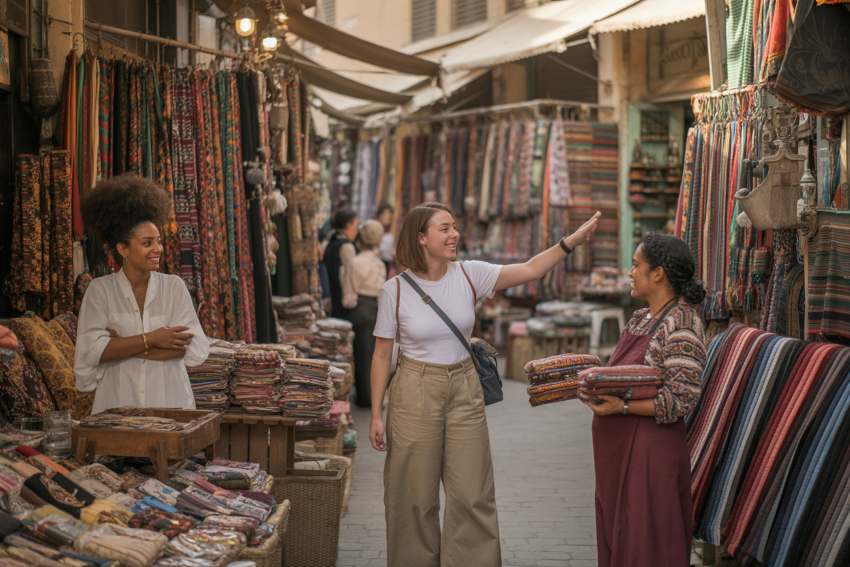
For many women, food is an essential part of travel, not just for nourishment but for exploring local cultures. As part of the new travel line, Goway offers interactive food experiences that allow women to immerse themselves in local food cultures. From market visits and street food tours to cooking classes and dessert workshops, these activities provide a deeper connection to the food culture of the destinations. This hands-on approach not only satisfies the palate but also enriches the traveller’s understanding of local traditions and culinary practices.

Supporting Women-Owned Businesses

Empowering women is central to the ethos of Goway’s Solo Women Travel line. As part of the experience, travelers will have the chance to visit women’s cooperatives and women-owned businesses, helping to foster economic growth in the communities they visit. These encounters provide valuable opportunities for women to support each other while learning about how women in various parts of the world are creating positive change and building thriving businesses.

Wellness Experiences

Travel isn’t just about seeing new places—it’s also an opportunity for self-care and rejuvenation. Goway’s new travel offerings include wellness experiences, such as visits to local spas, wellness treatments, and time spent in nature. Whether it’s a spa retreat in Thailand or a nature walk in Egypt, these experiences are designed to help women relax and recharge while connecting with the destination’s tranquil surroundings.

Authentic Local Encounters

Beyond the typical tourist attractions, Goway emphasizes the importance of authentic local encounters. These experiences allow solo women travelers to connect with local people in meaningful ways, providing an insight into the daily lives and cultures of the places they visit. Activities like home-hosted dinners and cultural storytelling evenings allow women to engage in more intimate, personal exchanges that go beyond the surface level of typical tourist activities.

Slow Travel: Embracing the Moment

One of the most significant aspects of Goway’s new line is the concept of slow travel. In today’s fast-paced world, slow travel encourages travelers to take their time and truly engage with their surroundings. By slowing down the travel experience, women can better connect with the destination, appreciate the culture, and take the time to reflect on their journey. This approach to travel is designed to offer a more meaningful experience and create lasting memories.

Solo Women Travel: Not Just for Solo Travelers

While Goway’s Solo Women Travel line is designed with solo female travelers in mind, it also caters to women travelling with family, friends, or same-sex partners. The experiences are flexible and can be enjoyed by any group of women looking for a deeper, more enriching travel experience. These trips provide a safe, welcoming environment for all women, whether they are travelling alone or with loved ones.

Expanding Horizons: Future of Solo Women Travel

As part of its ongoing commitment to expanding the Solo Women Travel line, Goway is preparing to launch a Brazil package in early 2026. The continued development of the line promises to offer women even more diverse and exciting destinations to explore in the coming months. With a growing number of women seeking travel experiences that are empowering, meaningful, and safe, Goway’s initiative is poised to shape the future of solo travel for women across the globe.

Conclusion

Goway’s Solo Women Travel line marks a significant advancement in the world of women’s travel. By combining safety, empowerment, and enriching experiences, the company has created an unparalleled opportunity for women to explore the world on their own terms. Whether it’s a cultural exploration in Egypt, a culinary adventure in Thailand, or a wellness retreat in India, these travel packages cater to the diverse needs of modern female travellers. As more women choose to embrace their individuality and travel the world alone, Goway’s new product line provides the ideal balance of adventure, self-discovery, and empowerment.

The post Goway Unveils Solo Women Travel Line: Empowering Women to Explore Iconic Destinations with Safety and Purpose appeared first on Travel And Tour World.
Revitalizing Western Greece: ITI Strategy to Boost Sustainable Tourism and Local Development in Aktio-Vonitsa and Amfilochia

Revitalizing Western Greece: ITI Strategy to Boost Sustainable Tourism and Local Development in Aktio-Vonitsa and Amfilochia

The Western Greece Region is forging a new path towards long-term development with the Integrated Territorial Investment (ITI) Strategy for the Municipalities of Aktio-Vonitsa and Amfilochia. This initiative was created with the intention of promoting a balanced and inclusive social, economic, and environmental growth model. It seeks to highlight the region’s abundant natural and cultural assets while encouraging sustainable tourism. The strategy aims not only to increase tourism but also to preserve the area’s local identity, support local businesses, and enhance cultural and natural heritage.

This comprehensive approach aims to create a more resilient and self-sustaining local economy, thereby increasing the region’s attractiveness to both tourists and investors. By leveraging the natural beauty and heritage of Aktio-Vonitsa and Amfilochia, the strategy envisions a future in which tourism development and sustainability are complementary.

Strengthening Tourism Through Natural and Cultural Resources

One of the central aspects of the ITI Strategy is to promote the region’s vast natural resources and enhance the local tourism product. Aktio-Vonitsa and Amfilochia, although not yet widely known as major tourist destinations, offer significant untapped potential due to their natural landscapes, including beaches, forests, and archaeological sites.

Efforts to strengthen tourism in these municipalities will involve the careful development of the region’s natural beauty, ensuring that visitors can experience its wonders without compromising sustainability. This includes projects aimed at improving access to key natural attractions, including trails, viewpoints, and archaeological sites. Vegetation clearing and fire prevention measures will be introduced to safeguard the natural environment, while the installation of informative signs and seating areas will improve the visitor experience. Additionally, lighting improvements will ensure these sites remain accessible even after dark, extending visiting hours and enhancing security.

Promoting Local Products: Connecting Agri-Food and Tourism

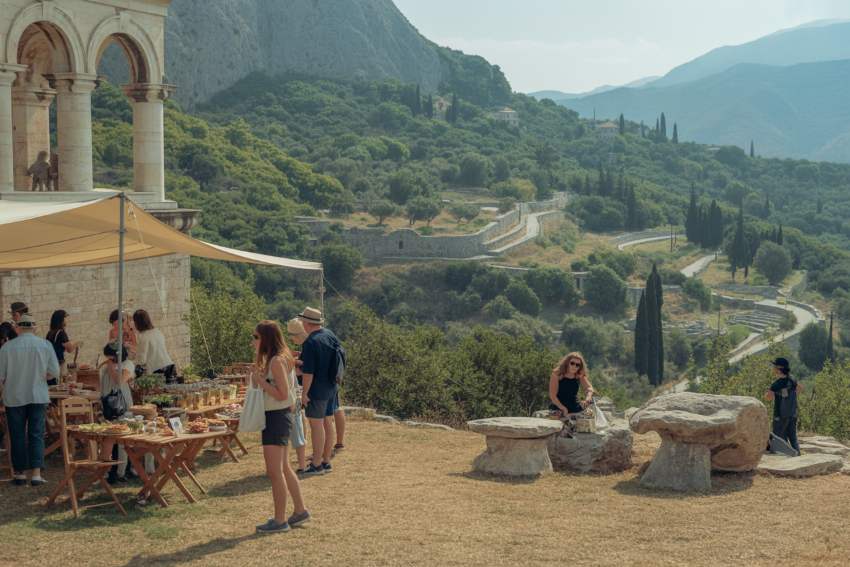
A critical component of the ITI Strategy involves the integration of local agri-food products into the tourism experience. This strategy acknowledges the importance of local food culture as both an economic driver and a tool for deepening the visitor experience. By connecting local food producers with the tourism and hospitality sectors, the region can enhance its culinary appeal and promote its unique agricultural products to a wider audience.

Plans include the creation of a comprehensive registry of agri-food products from the region, helping to preserve and promote these items. Moreover, the initiative aims to establish a unified “Local Products of the ITI Area” label, which will provide a standardized mark of quality for local food items. This label will serve as a guarantee of the authenticity and sustainability of these products, making them more attractive to consumers both within Greece and abroad.

To ensure the success of this initiative, the strategy also includes educational programmes and training for local businesses. These programmes will focus on quality standards and certification processes, enabling local enterprises to obtain the “Local Products” label and meet the needs of the growing sustainable tourism market. Through these efforts, the region hopes to create a strong connection between visitors and the food they consume, providing an immersive, authentic experience that reflects the local culture.

Cultural Heritage: A Pillar of Regional Identity

The ITI Strategy places a strong emphasis on the promotion, protection, and utilization of the cultural heritage in Aktio-Vonitsa and Amfilochia. The region is rich in history, with several archaeological sites and cultural landmarks that have not yet been fully exploited for tourism. This presents an opportunity to showcase these assets and integrate them into the overall tourism offer.

Restoration and modernization of key cultural infrastructure, such as libraries, multipurpose centres, and conference facilities, will form the backbone of these efforts. The strategy includes plans to develop and modernize these facilities to meet the needs of both local residents and tourists, helping to foster a vibrant cultural scene. By upgrading these infrastructures, the region aims to create spaces for cultural exchange and community engagement, while also providing venues for events that will attract both local and international visitors.

Additionally, the strategy focuses on improving access to archaeological sites, ensuring that visitors can explore these important landmarks safely and comfortably. This includes clearing vegetation, improving trail systems, and providing informative signage to enhance the visitor experience. With these measures, the region aims to preserve its cultural heritage while making it more accessible to the public.

Complementary Investments and Sustainable Solutions

The ITI Strategy goes beyond just tourism and cultural heritage; it also encompasses complementary investments to ensure the overall sustainability of the region. These investments include infrastructure improvements such as connections to public utility networks and even property acquisitions where necessary to support development projects.

A noteworthy aspect of the strategy is its alignment with the principles of the New European Bauhaus initiative, which emphasizes sustainability, aesthetics, and participation. The strategy aims to implement projects that are not only environmentally sustainable but also visually appealing and socially inclusive. This reflects the growing recognition of the importance of creating places that are both functional and beautiful, ensuring that development is compatible with the region’s unique identity.

The integration of these sustainable solutions into the region’s development plans will help address climate challenges while providing high-quality infrastructure for future generations. This forward-thinking approach aims to make Aktio-Vonitsa and Amfilochia more attractive to eco-conscious travelers and investors who value sustainability.

A Vision for the Future

Overall, the Integrated Territorial Investment Strategy for the Municipalities of Aktio-Vonitsa and Amfilochia is a bold step towards long-term development in Western Greece. The strategy’s focus on tourism, local products, and cultural heritage aims to create a cohesive development framework that strengthens the region’s identity while also supporting long-term growth.

The region is establishing itself as a future hub for responsible and high-quality tourism by carefully promoting its natural and cultural resources, as well as committing to sustainability. This comprehensive approach promises to improve Aktio-Vonitsa and Amfilochia’s economic prospects while also protecting their natural and cultural heritage for future generations.

The integration of local food products into the tourism experience, the restoration of cultural sites, and the implementation of sustainable infrastructure will all have a significant impact on the region’s future. As these projects progress, the region will likely become a more appealing destination for travellers looking for authentic, sustainable, and immersive experiences in one of Greece’s most beautiful but underexplored regions.

The post Revitalizing Western Greece: ITI Strategy to Boost Sustainable Tourism and Local Development in Aktio-Vonitsa and Amfilochia appeared first on Travel And Tour World.
Serifos Island in Greece Proposes Sustainable Tourism Model to Preserve Cultural and Natural Heritage While Promoting Eco-Friendly Growth

Serifos Island in Greece Proposes Sustainable Tourism Model to Preserve Cultural and Natural Heritage While Promoting Eco-Friendly Growth

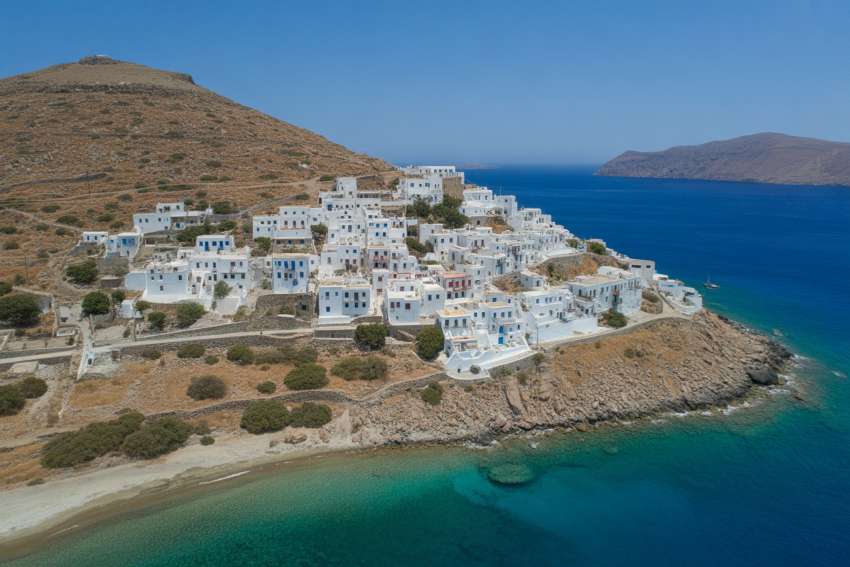
Serifos Island, known for its breathtaking natural beauty and rich cultural heritage, has become the focus of a major sustainability initiative. The National Technical University of Athens (NTUA), the Hellenic Society for the Environment and Culture (ELETE), and the World Monuments Fund have joined forces to promote a tourism model that prioritises controlled growth, cultural preservation, and environmentally friendly development. This initiative aims to protect the island’s natural landscapes while providing long-term economic benefits to the local communities.

Focus on Sustainable Development

The proposal calls for a revision of the island’s Special Urban Planning Plan, recommending the exclusion of certain high-impact investments that could jeopardize the authenticity and integrity of Serifos. Specifically, the three organisations argue against projects that combine tourism with residential development. These kinds of developments, which include large-scale tourist complexes with residential units, are seen as incompatible with the island’s scale, character, and cultural values.

The focus of the proposal is on promoting a sustainable tourism model that is sensitive to Serifos’ unique heritage. This involves advocating for the implementation of the positions outlined in earlier studies by NTUA and ELETE, which aim to introduce controlled development within existing settlements. One of the main objectives is to limit the expansion of urbanization outside the designated areas and to protect the mining and cultural landscapes, especially the southwestern part of the island.

Excluding High-Impact Tourism Investments

The proposal is clear in its stance against the introduction of large-scale tourism infrastructure projects, such as cruise facilities, which are viewed as disproportionately costly and unsuitable for the island. The exclusion of these types of investments is seen as crucial for preserving the small-scale, intimate character of Serifos. Cruise tourism, while beneficial for many destinations, is considered incompatible with the island’s infrastructure, and its introduction would risk overwhelming local resources and diminishing the island’s appeal to travelers seeking authentic experiences.

Moreover, the initiative calls for the abolition of contemporary cave dwellings, which, although inspired by traditional forms of architecture, are seen as increasing the intensity of development. These new constructions, according to the proposal, could alter the natural and cultural landscape and pose a risk to archaeological and mining remains on the island.

Protecting Serifos’ Historic Mining Landscape

One of the key aspects of the proposal is the emphasis on protecting Serifos’ Historic Mining Landscape, which was recognized globally in 2025 when it was included in the World Monuments Watch programme. This recognition highlights the island’s significant cultural value and the urgent need to preserve its unique heritage. The initiative builds on this international recognition, aiming to safeguard not only the landscape but also the traditional agricultural practices and cultural features that define Serifos.

The proposal calls for a detailed framework that includes the establishment of Protection Zones A and B, which will have differentiated levels of restriction based on the importance of the area. These zones would encompass all critical archaeological, mining, and landscape resources—whether coastal, terrestrial, or underground. The aim is to prevent the spread of residential and tourism development that could undermine these irreplaceable assets.

Strategies for Gentle Development

The organisations propose several measures to ensure that development on the island remains gentle and compatible with its cultural and environmental context. One key suggestion is to provide special regulations and incentives for the adaptive reuse of traditional, abandoned buildings in rural settlements. These structures could be repurposed for residential or low-impact tourist uses, but with strict limits on the scale and scope of such projects.

The preservation of agricultural land is also a priority. The proposal calls for measures to protect these areas, ensuring that agricultural activities remain the primary use of much of the island’s land. This, in turn, can foster the development of agrotourism, which focuses on sustainable farming practices and offers tourists the chance to engage with Serifos’ rural traditions.

Economic Sustainability through Cultural Tourism

The key to Serifos’ economic future lies in its ability to develop alternative forms of tourism that emphasize authenticity and cultural value. Rather than focusing on large-scale developments, the proposal advocates for specialized and alternative tourism models that cater to international travelers seeking unique, enriching experiences. This approach ensures that each visitor contributes a higher value to the local economy, creating a sustainable tourism model that benefits the community in the long term.

Eco-friendly tourism, which respects the island’s natural and cultural heritage, is viewed as the most sustainable path forward. By focusing on smaller-scale investments and aligning tourism with the island’s capacities, the proposal ensures that the development of Serifos will not come at the expense of its authenticity or environmental integrity.

Protecting the Local Community and Heritage

The ultimate goal of this initiative is to strike a balance between tourism and preservation. The measures outlined in the proposal are designed to protect the island’s environment, culture, and way of life while offering economic opportunities that benefit local communities. The exclusion of large-scale tourism projects, such as cruise terminals and high-impact residential developments, will ensure that Serifos retains its unique charm for future generations.

Local residents stand to benefit from a tourism model that prioritizes sustainability. By focusing on small- and medium-sized projects that are in harmony with the landscape and culture, the island can avoid the pitfalls of overdevelopment and overcrowding that have plagued other destinations. In this way, Serifos can maintain its reputation as a serene, authentic destination for discerning travelers.

A Step Toward a Greener Future

Serifos’ new tourism proposal represents a watershed moment in the island’s development. The proposal offers a clear vision for a sustainable future by advocating for controlled, culturally sensitive growth while opposing large-scale developments. The emphasis on preserving the island’s distinct landscapes, archaeological sites, and agricultural heritage ensures that Serifos can continue to attract visitors while maintaining its authenticity and cultural richness. Serifos has the opportunity to set a precedent for sustainable tourism in Greece by implementing this initiative, providing a model that other islands and destinations around the world can replicate.

The proposal represents a step towards a future in which tourism not only benefits the economy but also protects and enhances the island’s cultural and natural heritage for future generations. Serifos will continue to grow while respecting its past, preserving its present, and ensuring a sustainable future for all.

The post Serifos Island in Greece Proposes Sustainable Tourism Model to Preserve Cultural and Natural Heritage While Promoting Eco-Friendly Growth appeared first on Travel And Tour World.

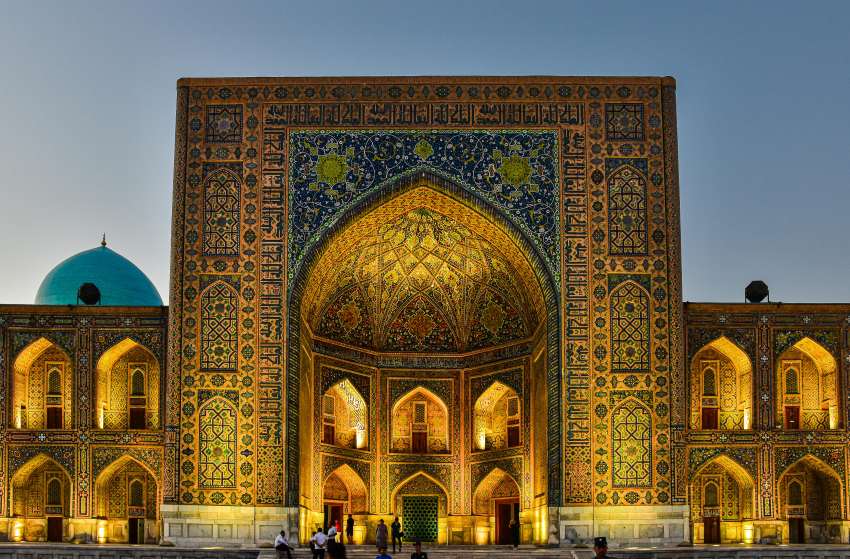
Uzbekistan’s Samarkand Targets Malaysian and Indonesian Pilgrims with ‘Umrah Plus’ Program to Boost Tourism and Sacred Site Visits

Uzbekistan’s Samarkand Targets Malaysian and Indonesian Pilgrims with ‘Umrah Plus’ Program to Boost Tourism and Sacred Site Visits

Uzbekistan’s Samarkand region is aiming to attract Malaysian and Indonesian tourists, particularly religious pilgrims. This initiative, part of the country’s larger efforts to develop pilgrimage tourism, is being driven by the “Umrah Plus” programme. This programme is intended to provide an enhanced experience for Muslim travellers by allowing them to visit sacred sites in Uzbekistan before continuing their journey to Saudi Arabia for the Umrah pilgrimage.

In a recent Zoom videoconference, key members of the Uzbekistan government, including Samarkand’s governor Adiz Boboev and the country’s ambassadors to Malaysia and Indonesia, met to discuss the programme’s details. The meeting, which included tourism consultants and representatives from various airlines and airports, aimed to capitalise on Southeast Asia’s growing demand for religious travel.

Strong Interest from Malaysia and Indonesia

Malaysia and Indonesia are home to a substantial Muslim population, with approximately seven million followers of the Naqshbandi Sufi order in these countries alone. The Naqshbandi order, one of the largest Sufi communities in the Muslim world, has a rich spiritual heritage tied to Uzbekistan. This makes Uzbekistan, particularly Samarkand, an attractive destination for pilgrims seeking to visit sacred sites associated with their faith.

One of the key attractions for these pilgrims is the mausoleum of Imam Bukhari, a revered Islamic scholar whose works significantly influenced Islamic thought. His mausoleum in Samarkand is considered one of the holiest sites for Muslims, and many pilgrims from Malaysia and Indonesia have expressed a strong desire to visit it before heading to Saudi Arabia for Umrah.

Introducing the ‘Umrah Plus’ Program

The “Umrah Plus” programme, which is at the heart of this new initiative, is aimed at offering a seamless travel experience for Muslim pilgrims. Under this programme, pilgrims would fly from Kuala Lumpur and Jakarta to Samarkand, where they would stay for two days to explore the region’s religious and cultural landmarks. After their short visit, travelers would continue their journey to Saudi Arabia for Umrah, with flights operated by Uzbekistan’s national airlines.

This program is designed to cater to the spiritual and cultural interests of Muslim travelers, offering them a deeper connection to their faith by visiting significant Islamic sites before completing the Umrah pilgrimage. By integrating religious tourism with cultural exploration, Uzbekistan is positioning itself as a key destination for Muslim travelers seeking meaningful, enriching experiences.

Building Travel Infrastructure and Expanding Connectivity

The Samarkand government and Uzbekistan’s tourism authorities have made it a priority to expand flight routes connecting Malaysia and Indonesia with Samarkand. This involves setting up direct flights from Kuala Lumpur and Jakarta, making the journey more convenient for prospective pilgrims. Once they arrive in Samarkand, the visitors will have easy access to the city’s sacred sites, local accommodations, and transportation services.

Discussions during the videoconference also covered the need for high-quality services tailored to the needs of Muslim tourists. This includes not only ensuring comfort during the stay but also providing appropriate halal food options, prayer facilities, and culturally sensitive services. As part of the broader effort to improve tourism infrastructure, the authorities also plan to work closely with local travel agencies and service providers to offer attractive and affordable travel packages that align with the needs of the pilgrims.

The Role of Uzbekistan Airlines

A significant aspect of this initiative is the involvement of Uzbekistan’s national airlines, which will operate the flights between Southeast Asia and Samarkand. By tapping into Uzbekistan’s aviation capabilities, the programme aims to streamline the travel process, ensuring that pilgrims can make the most of their time in Uzbekistan before continuing their journey to Saudi Arabia.

Uzbekistan’s airlines are expected to play a critical role in the success of the “Umrah Plus” programme, offering comfortable, reliable, and efficient services for travelers. The airlines’ role is crucial in ensuring that the pilgrims’ experience from the moment they leave Malaysia or Indonesia to their arrival in Samarkand is smooth and stress-free.

Government Support and Future Roadmap

Following the Zoom meeting, Samarkand’s governor, Adiz Boboev, instructed relevant authorities to develop a comprehensive roadmap to increase the number of tourists from Malaysia and Indonesia. This roadmap includes the expansion of flight routes, improvement of tourism services, and ongoing collaboration with the Uzbek embassies in both countries. The government is keen to work closely with the local tourism sector to ensure that the needs of the incoming pilgrims are met.

In addition to boosting the number of visitors to Samarkand, the government also plans to focus on promoting the country’s rich Islamic heritage and cultural history. The emphasis will be placed on creating a robust infrastructure that supports the growing demand for pilgrimage tourism and encourages repeat visits.

A New Chapter for Uzbekistan’s Pilgrimage Tourism

The “Umrah Plus” programme is part of Uzbekistan’s overall strategy to promote pilgrimage tourism and attract a large number of Muslim visitors from Southeast Asia. With its rich Islamic heritage, Uzbekistan is well positioned to become a popular destination for Muslim tourists looking to deepen their spiritual journeys. Uzbekistan is distinguishing itself as a top destination for Malaysian and Indonesian pilgrims by providing convenient travel options, high-quality services, and access to sacred sites.

The success of this initiative will benefit not only Samarkand’s tourism sector but also Uzbekistan’s overall economic development. As the country works to expand its tourism infrastructure, the “Umrah Plus” programme could have a significant impact on the region’s religious and cultural tourism landscape.

The post Uzbekistan’s Samarkand Targets Malaysian and Indonesian Pilgrims with ‘Umrah Plus’ Program to Boost Tourism and Sacred Site Visits appeared first on Travel And Tour World.

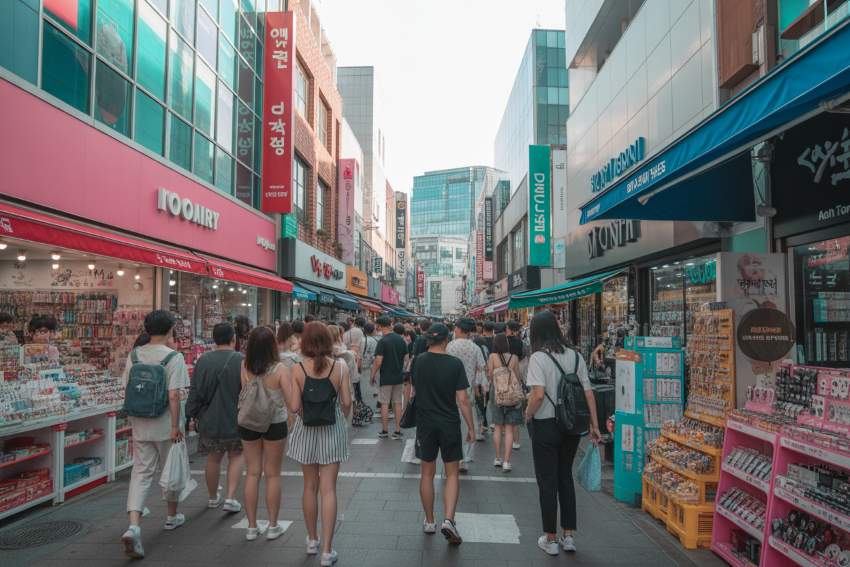
South Korea Tourism Boom Driven by Practical Shopping Trends and K-Beauty Products

South Korea Tourism Boom Driven by Practical Shopping Trends and K-Beauty Products

South Korea, a global hotspot for fashion, beauty, and culture, is experiencing a significant shift in how foreign tourists spend their money. Tourists are no longer interested in luxury boutiques or high-end department stores; instead, they are looking for affordable and practical items that reflect local trends and lifestyles. A report from the Korea Tourism Organisation (KTO) sheds light on this emerging trend, indicating a significant shift away from high-value purchases and towards frequent, smaller purchases.

Decline in Per-Transaction Spending

According to data from the Korea Tourism Organization’s tourism data platform, which tracked credit card transactions from 2018 to September 2025, the average per-transaction spending has seen a significant decline. In 2019, the average amount spent per transaction was 150,000 won. However, by 2025, this figure dropped to 120,000 won, highlighting a shift towards more budget-conscious spending. Despite this drop, total spending per visitor has surged by an impressive 83%, largely driven by an increase in purchase frequency.

The key takeaway from this data is the transformation in the way tourists approach shopping. While the large, one-off splurges on luxury goods have declined, tourists are making more frequent visits to stores, resulting in an overall increase in spending. This indicates a preference for small, practical purchases that align with the growing global demand for more accessible, lifestyle-driven consumption.

The Rise of K-Lifestyle Goods

A significant contributor to this shift in consumption is the popularity of “K-lifestyle goods”. These are affordable, quirky, and trendy items that reflect the unique character of South Korea’s culture. From character merchandise and accessories to quirky stationery, tourists are increasingly drawn to items that capture the essence of the local culture. The sales of these goods have shown remarkable growth, particularly in the first nine months of 2025, where transactions at “gacha” shops — arcades filled with claw machines and capsule toy dispensers — surged by 142% compared to the same period in 2024.

Stationery and bookshops have also benefited from this trend, seeing gains of 48.7% and nearly 40%, respectively. These establishments are becoming hotspots for tourists seeking to bring home a piece of the local culture without splurging on expensive souvenirs. The popularity of these goods underscores the shift from luxury shopping towards more everyday items that offer a more authentic, personalized experience.

A Surge in K-Beauty and Health Products

K-beauty, a global phenomenon, continues to be a major driver of tourism-related spending in South Korea. The demand for Korean cosmetics has grown significantly, with sales seeing a 35% increase. Alongside beauty products, there has been a noticeable surge in health-related items. For instance, purchases of red ginseng products, a staple in Korean health culture, have shot up by 75%.

Pharmacy purchases have also risen, with tourists flocking to South Korean stores to buy health supplements and other wellness products. Major chains such as Olive Young have seen sharp growth not only in traditional tourist hotspots like Myeong-dong but also in more trendy districts and outlet malls, reflecting a broader shift in where tourists are choosing to shop.

Changing Consumer Behavior and the Influence of K-Culture

The shift from high-end consumption to practical, lifestyle-driven spending reflects broader cultural trends. Korean culture and content, including K-pop, K-drama, and K-beauty, are having an increasingly significant impact on the global tourism market. The rise of K-content has made it easier for international visitors to connect with Korean culture on a personal level, leading them to seek out items that reflect their new cultural interests.

Rather than focusing on expensive luxury items, tourists are now prioritizing products that allow them to engage with Korean lifestyle trends. This change in consumer behaviour shows the growing influence of South Korea’s cultural exports, with more visitors choosing to bring home a piece of the culture in the form of everyday items, beauty products, and health supplements.

The Role of the Korea Tourism Organization in Promoting This Shift

The Korea Tourism Organization (KTO) has played a crucial role in fostering these changes by using data-driven insights to understand and promote shifting consumer behaviour. Through its tourism data platform, KTO has been able to track spending patterns and identify emerging trends in real time. By leveraging this information, KTO has worked to ensure that local retailers and businesses are well-positioned to meet the demands of the evolving tourist market.

KTO’s ongoing efforts in promoting local goods and experiences are proving successful, as tourists increasingly seek products that not only reflect local trends but also offer practical, affordable options that align with their everyday lives. This strategic approach to tourism marketing is helping South Korea maintain its status as a must-visit destination while embracing new consumer habits.

The Future of Tourism Spending in South Korea

Looking ahead, the trend of practical, experience-driven consumption is expected to continue to shape South Korea’s tourism landscape. With tourists increasingly drawn to affordable and trendy items that reflect the country’s vibrant culture, retailers and businesses must adapt to these shifting preferences.

As the popularity of K-lifestyle goods, K-beauty, and health products grows, South Korea’s tourism industry is likely to diversify in terms of the products and services available to international visitors. This shift not only opens up new opportunities for local businesses but also emphasises the importance of adapting to the changing demands of the global tourism market.

The ongoing expansion of K-culture, as well as the growing popularity of affordable, lifestyle-orientated goods, is expected to keep South Korea at the forefront of global tourism trends. Luxury shopping sprees are no longer an option for visitors looking to connect with Korean culture. Instead, the new trend focuses on practical, everyday items that provide a true taste of South Korea’s unique lifestyle.

The post South Korea Tourism Boom Driven by Practical Shopping Trends and K-Beauty Products appeared first on Travel And Tour World.
❌