❌

Reading view

Xiaomi MiMo-V2-Flash LLM Just Dropped: These Are the Most Interesting Things About It

Xiaomi

Xiaomi has unveiled its most advanced open-source large language model to date, called MiMo-V2-Flash, as part of its expanding push into foundation AI. The new model focuses on high-speed performance and an efficient architecture, with strong capabilities in reasoning and code generation.

Xiaomi positions MiMo-V2-Flash as a direct competitor to leading models such as DeepSeek V3.2 and Claude 4.5 Sonnet. Let’s take a closer look at how the model works, its key features, and how to access it.
Xiaomi MiMo

Purpose-Built for Speed and Agents

MiMo-V2-Flash is a Mixture-of-Experts (MoE) model with 309 billion total parameters and 15 billion active parameters. The model is purpose-built for AI agent scenarios and multi-turn interactions that require fast inference.
Xiaomi MiMo-V2-Flash

Xiaomi uses a 1:5 hybrid attention architecture, which combines Global Attention and Sliding Window Attention (SWA) with a 128-token window. The native context length is 32,000 tokens, and the model is trained with support for up to 256,000 tokens.

This design helps MiMo-V2-Flash maintain high efficiency while scaling across long-context tasks. Xiaomi claims it delivers output faster than several leading models, including DeepSeek and Claude, while maintaining lower operational costs.

Benchmark Performance and Pricing

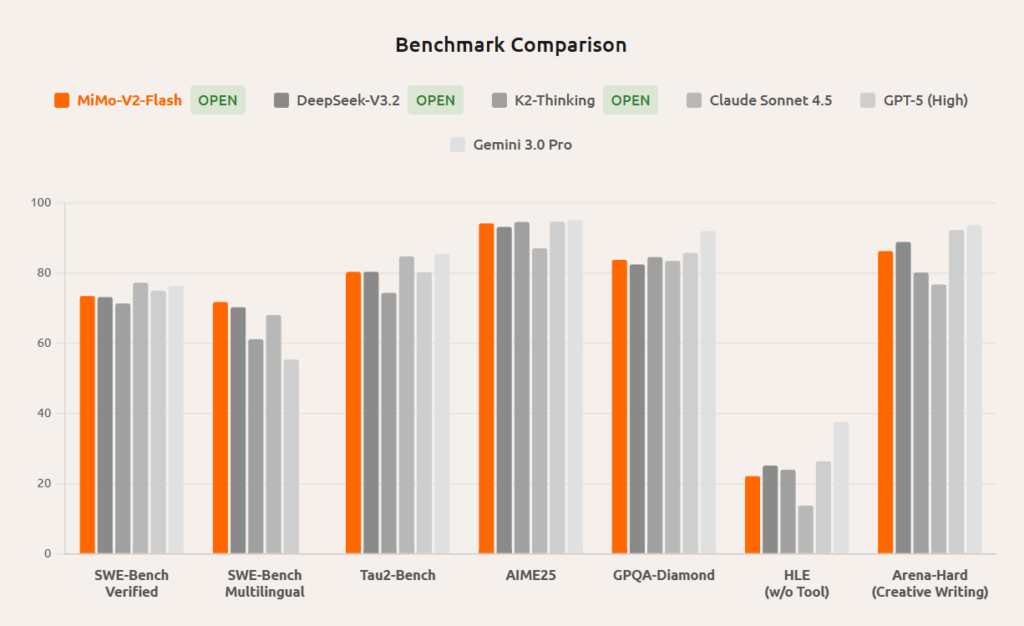
Benchmark results show MiMo-V2-Flash performing at the top tier across various domains. The model ranks in the top two among open-source models in reasoning tasks such as AIME 2025 and GPQA-Diamond.

In software engineering benchmarks like SWE-Bench Verified and SWE-Bench Multilingual, it outperforms other open-source models and reaches levels comparable to GPT-5 and Claude 4.5 Sonnet.

Xiaomi has priced the API at $0.1 per million input tokens and $0.3 per million output tokens. The API is currently available for free for a limited time. According to the company, MiMo-V2-Flash generates responses at 150 tokens per second, while maintaining only 2.5% of Claude’s inference cost.

Technical Innovations Inside

The architecture includes Multi-Token Prediction (MTP), which allows the model to generate multiple tokens in parallel and verify them before output. This method increases decoding throughput without increasing attention or memory overhead. Xiaomi reports that with a three-layer MTP, the model reaches 2.0 to 2.6 times speed improvement compared to standard decoding.

Xiaomi MiMo-V2-Flash

Xiaomi also introduced a new post-training method called Multi-Teacher Online Policy Distillation (MOPD). The technique uses multiple teacher models to guide the student through token-level rewards in an on-policy learning process. It allows the model to achieve high performance with less than 1/50th of the training resources needed in traditional RL pipelines. MOPD also supports plug-and-play teachers, enabling continuous self-improvement cycles.

How to Access It?

Xiaomi has launched a web AI chat interface called MiMo Studio at aistudio.xiaomimimo.com, allowing users to interact directly with the model. The service supports web search, agent workflows, and code generation. It also features a toggle for switching between instant replies and slower β€œthinking” responses for deeper reasoning.

The model can generate functional HTML web pages and integrates well with development tools like Claude Code and Cursor. Xiaomi has also showcased creative and functional web demos.

Fully Open-Source

MiMo-V2-Flash is fully open-source under the MIT license. Model weights are available on Hugging Face, and all inference code is published on GitHub.

The company contributed inference code to SGLang on launch day and aims to grow developer adoption by offering transparent, low-cost access to high-performance AI tools.

MiMo-V2-Flash reflects Xiaomi’s shift toward becoming a serious player in the AI space. It brings competitive reasoning, fast code generation, and efficient agent deployment to the open-source ecosystem.

In related AI news, China has equipped traffic police with AI-powered smart glasses for real-time vehicle inspections, while a separate report highlights how even so-called β€œall-AI companies” still require human oversight due to limits in autonomous decision-making.

For more daily updates, please visit ourΒ News Section.

Stay ahead in tech! Join our Telegram community and sign up for our daily newsletter of top stories! πŸ’‘

The post Xiaomi MiMo-V2-Flash LLM Just Dropped: These Are the Most Interesting Things About It appeared first on Gizmochina.

After Xiaomi, Honor confirms tablet price hike due to soaring memory costs

HONOR MagicPad 13

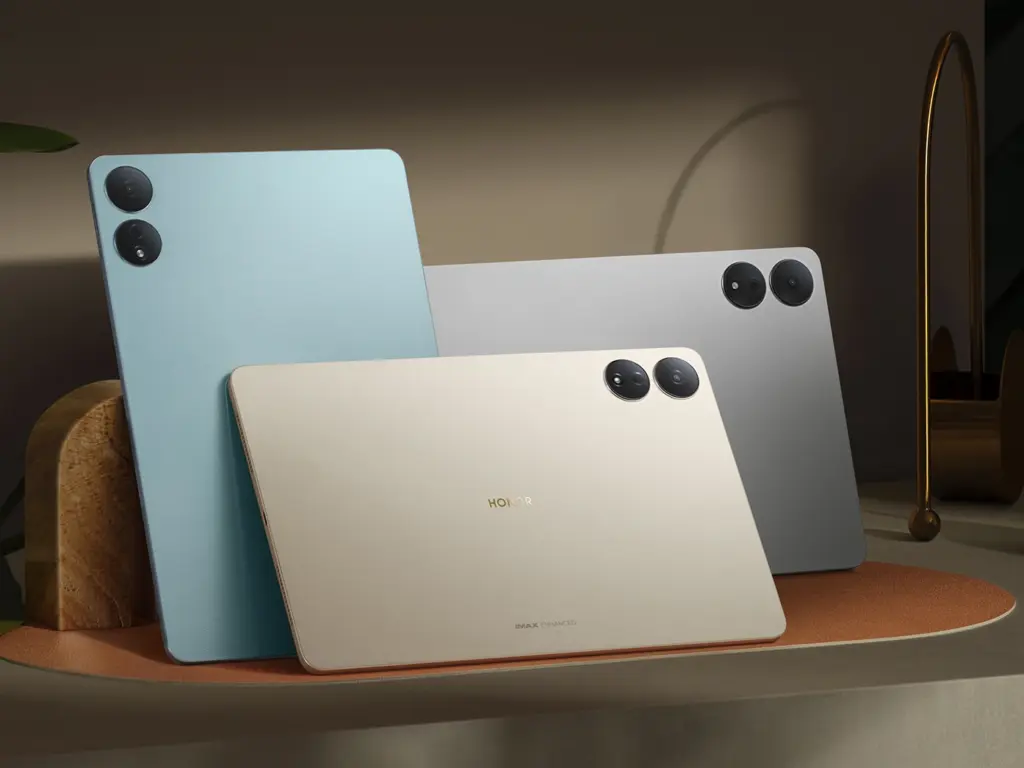
Honor has confirmed that it will raise prices on its tablet lineup due to the continued surge in memory and storage chip costs. The announcement follows similar moves by Xiaomi, which recently increased prices across multiple tablet models in the Chinese market.

HONOR MagicPad 13

The general manager of Honor’s tablet and IoT division said on Weibo that the company can no longer absorb the rising memory prices. He advised consumers to buy tablets soon before the new pricing takes effect.

Honor tablet price hike

The pricing pressure is tied to a broader trend in the tech industry. Since September, spot prices for DRAM and NAND flash have jumped by more than 300%, according to third-party research firms. Analysts attribute this rise to the growing demand from AI data centers, which is diverting chip supply away from traditional consumer electronics.

Xiaomi was among the first to respond. The company raised the starting price of the Xiaomi Pad 8 from 2,199 yuan ($307.86) to 2,299 yuan ($321.86). It also adjusted the Pad 8 Pro’s base price from 2,799 yuan ($391.86) to 2,899 yuan ($405.86). The entire Redmi Pad 2 lineup saw a uniform 200 yuan ($28.00) price increase, with the entry-level model now starting at 1,199 yuan ($167.86).

Honor is now expected to follow with a similar adjustment. Industry experts believe more brands will implement price hikes or adopt other strategies, such as lowering specifications or redistributing costs across the supply chain.

The impact is not limited to tablets and smartphones. PC components tied closely to RAM and storage are also expected to see price increases, with revised pricing likely to appear starting next year. Prices are already elevated, and potential exits by major players such as Samsung from parts of the market could push costs even higher.

Consumers planning to buy a tablet in the coming weeks may want to act quickly.

For more daily updates, please visit ourΒ News Section.

Stay ahead in tech! Join our Telegram community and sign up for our daily newsletter of top stories! πŸ’‘

The post After Xiaomi, Honor confirms tablet price hike due to soaring memory costs appeared first on Gizmochina.
Counterfeit RAM Scam Hits Amazon: Fake DDR5 Kits Sold in Sealed Packaging

Counterfeit RAM Scam

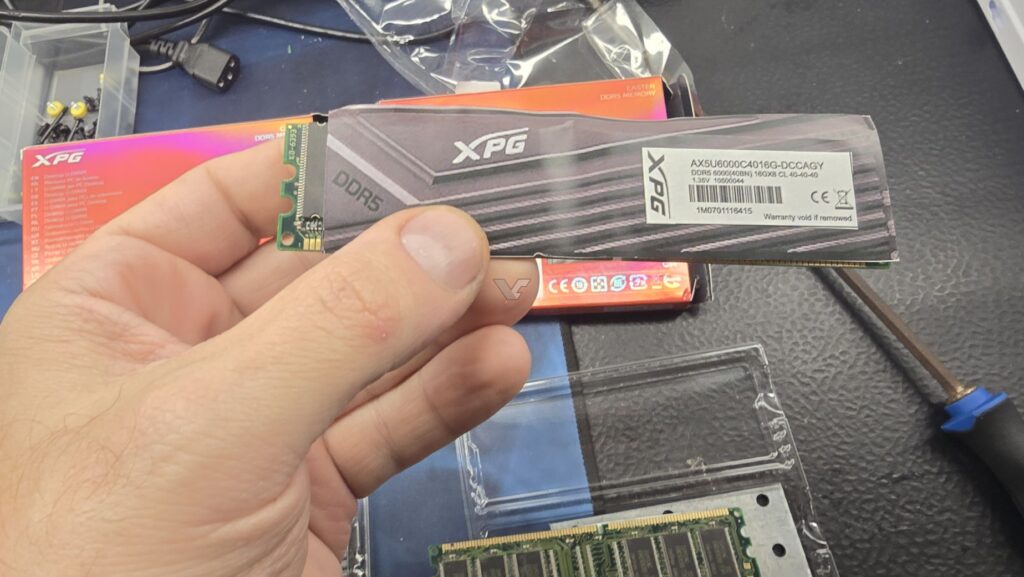
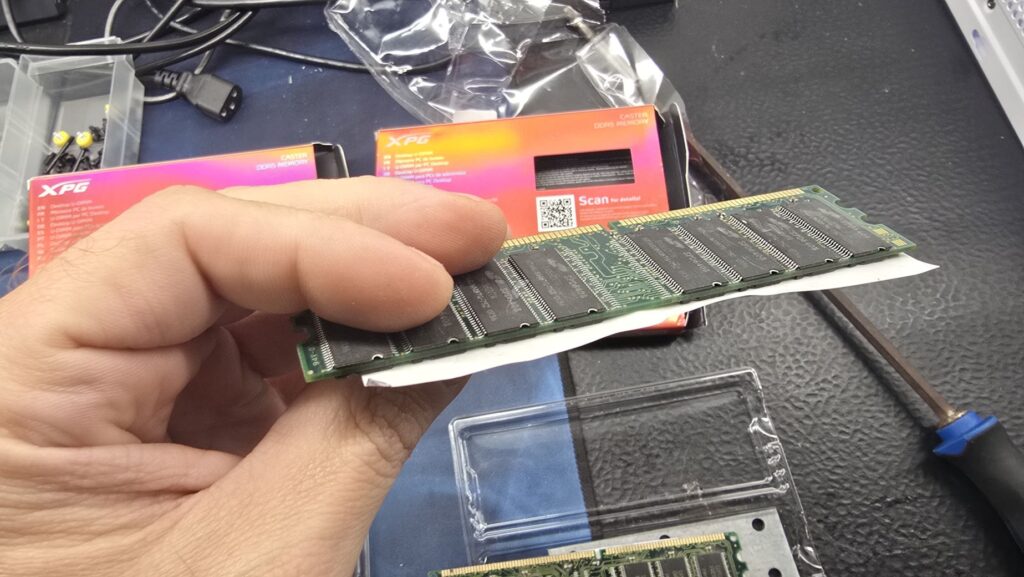
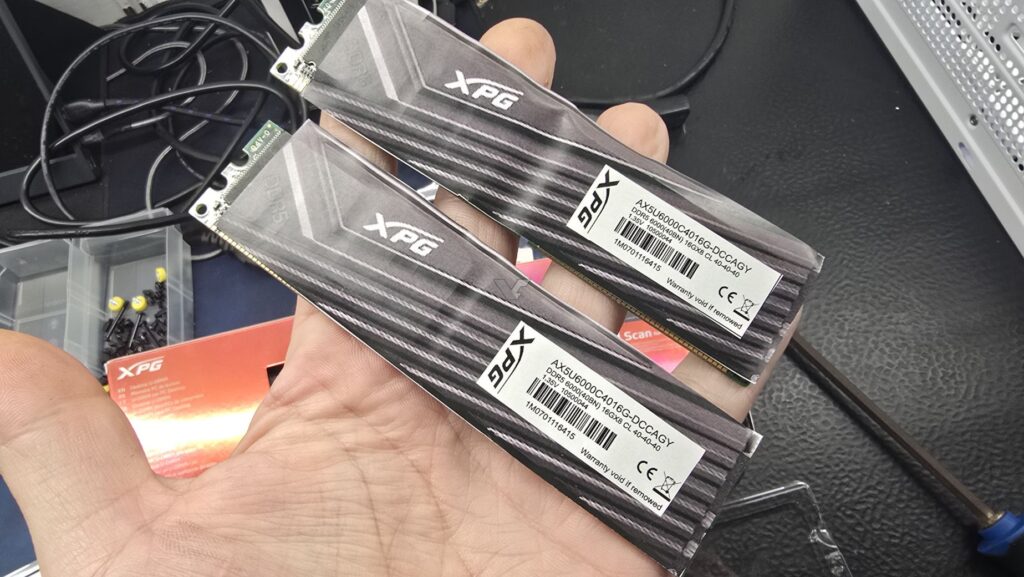
A sophisticated new scam targeting high-end computer hardware has emerged on Amazon, specifically focusing on expensive DDR5 memory kits. According to a report by VideoCardz, fraudsters are deceiving buyers by placing ancient DDR2 modules inside counterfeit packaging designed to look like brand-new, high-performance retail kits.

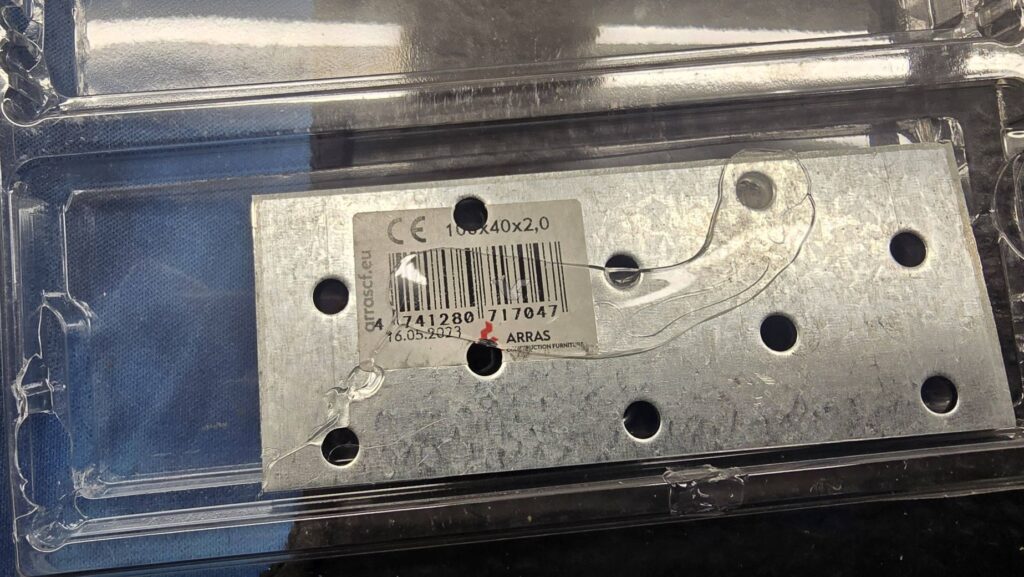
The issue came to light when a consumer identified as BravoNorris purchased four ADATA XPG Caster DDR5-6000 32GB kits from Amazon Spain. While the exterior packaging arrived in factory-sealed plastic wrap and appeared entirely legitimate, the contents inside the third kit were a different story. Upon opening the box, the buyer discovered old DDR or DDR2 memory sticks that had been glued to metal blocks to mimic the weight of modern modules. These fake units were finished with low-quality counterfeit stickers to further the deception.

Counterfeit RAM Scam

This seems to be a classic case of return fraud executed with high precision. In this scenario, a scammer purchases a genuine high-end RAM kit and carefully swaps the expensive DDR5 modules with worthless old hardware and weights. The package is then professionally resealed to look factory-new and returned to Amazon. Because the packaging appears untouched, the automated logistics systems often restock the item as new inventory without a technical inspection of the internal components.

Counterfeit RAM Scam

ADATA has responded to the incident by advising customers to buy memory products only from authorized retail partners instead of unknown third-party marketplace sellers. The company also pointed to its online verification portal and said it will step up consumer education around genuine packaging and security features to help curb counterfeit products.

The rise in hardware fraud is closely linked to the current economic climate in the tech industry. As AI-related demand consumes the global supply of DRAM and NAND flash memory, prices for DDR5 and SSDs have climbed significantly. This scarcity has made high-end memory a lucrative target for organized scammers, and the industry is now bracing for ripple effects that could impact the pricing and security of motherboards, GPUs, and upcoming gaming consoles.

To safeguard against these sophisticated scams, it is recommended to record a continuous, uncut video of the unboxing process. This footage serves as essential evidence if a refund dispute arises. Additionally, buyers should physically inspect the module notch, as DDR5 has a specific alignment that differs from older generations, and use manufacturer websites to verify that the serial numbers on the modules match the retail box.

For more daily updates, please visit ourΒ News Section.

Stay ahead in tech! Join our Telegram community and sign up for our daily newsletter of top stories! πŸ’‘

(Source)

The post Counterfeit RAM Scam Hits Amazon: Fake DDR5 Kits Sold in Sealed Packaging appeared first on Gizmochina.
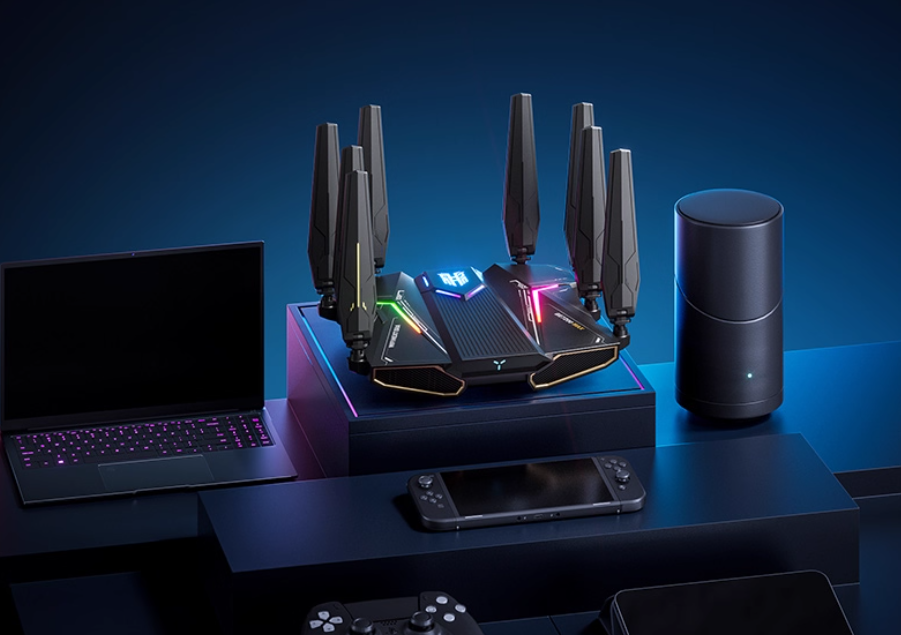
ZTE launches WenTian BE7200 Max octopus router with Wi-Fi 7 & RGB lighting

ZTE WenTian BE7200 Max Wi-Fi 7 router

ZTE has announced a new high-performance router under its WenTian series, the BE7200 Max, priced at 773 yuan during its initial sale period. The device will go on sale on December 25 through ZTE’s official Tmall store. The listed retail price is 879 yuan ($124).

ZTE WenTian BE7200 Max Wi-Fi 7 router

ZTE WenTian BE7200 Max Specs

The WenTian BE7200 Max is designed as a fully loaded Wi-Fi 7 router aimed at home users and gamers. It supports dual-band connectivity with a combined maximum wireless speed of up to 7200 Mbps. ZTE uses its self-developed Wi-Fi 7 main chipset alongside an 8-core, 64-thread acceleration engine to ensure stable performance under high traffic loads.

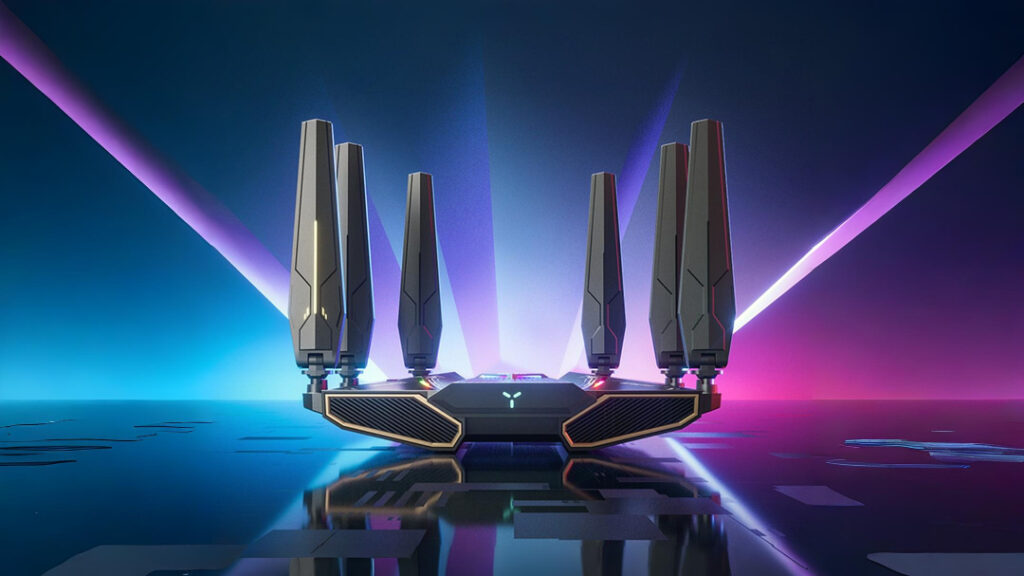
The router features eight external antennas and supports eight spatial streams, each backed by an independent high-power amplifier. ZTE has integrated its high-gain signal enhancement technology to improve signal stability across larger households and through walls.

The device includes four 2.5GbE Ethernet ports for wired connections and one 10GbE SFP+ port. This allows direct access to 10G optical modems or high-speed NAS setups. It supports dual-WAN and dual-dial configurations for improved load balancing and network redundancy.

ZTE WenTian BE7200 Max Wi-Fi 7 router

ZTE equips the router with 1GB of RAM, enabling support for up to 512 connected devices at the same time. The router also includes a USB 3.0 port that supports light NAS functions, allowing users to connect external storage for private file sharing across smartphones, PCs, and smart TVs via SMB or FTP.

The router includes customizable RGB lighting that adjusts based on network activity, acceleration modes, and system events. ZTE supports up to 250 days of free access to partnered game acceleration platforms. The Smart Life app provides users with real-time latency tracking, interference analysis, mesh networking, and advanced parental controls. The app also supports AI-assisted Wi-Fi placement simulation to help optimize router positioning.

The BE7200 Max features a futuristic design with a passive cooling system. ZTE claims the internal heatsink has a heat dissipation area of 86,904 mmΒ².

In related news, Asus has recently launched the RT BE58 Go Wi-Fi 7 travel router with built-in power bank support, while Ubiquiti has introduced the Dream Router 5G Max featuring Wi-Fi 7, a 10G SFP+ port, and full UniFi OS support.

For more daily updates, please visit ourΒ News Section.

Stay ahead in tech! Join our Telegram community and sign up for our daily newsletter of top stories! πŸ’‘

The post ZTE launches WenTian BE7200 Max octopus router with Wi-Fi 7 & RGB lighting appeared first on Gizmochina.

Do We Still Need Dedicated Gaming Phones in 2026?

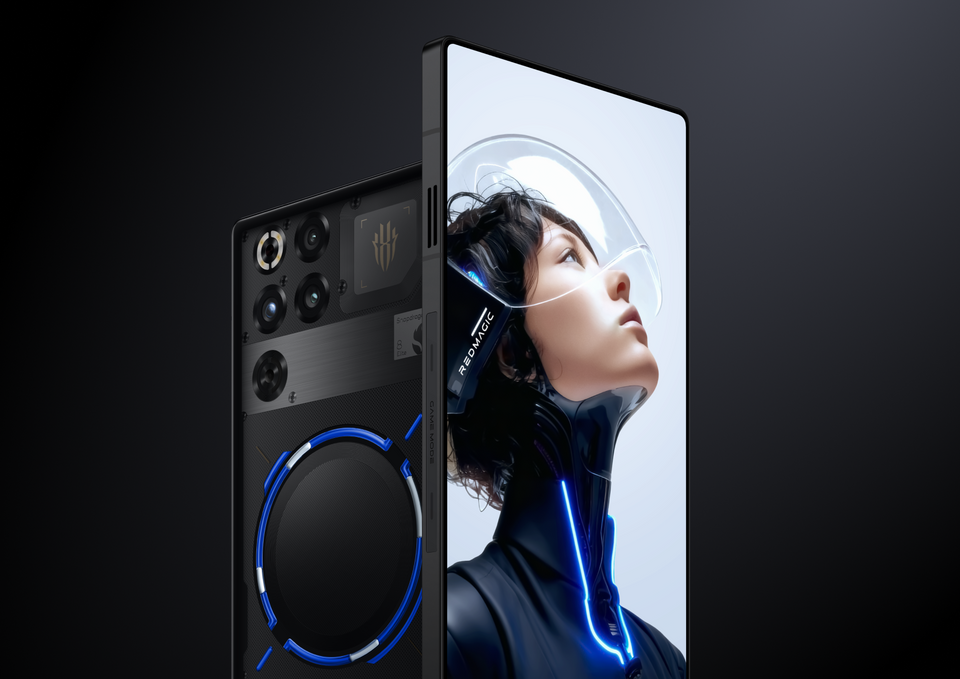
Red Magic 11 Pro

The year 2025 marked a decisive turning point for mobile gaming. Rapid advances in silicon technology, led by Qualcomm’s Snapdragon 8 Elite Gen 5 and Apple’s A19 Pro, fundamentally changed what mainstream smartphones can deliver. Performance gains combined with improved efficiency and AI-assisted upscaling pushed flagship phones into territory once reserved for dedicated gaming hardware. As the industry looks ahead to 2026, the line between a gaming phone and a flagship phone has become increasingly difficult to define.

This convergence raises a pivotal question for 2026: Do niche gaming phones still have a place in the market?

Red Magic 11 Pro

Rise of the All-Rounder Gaming Flagship

Mainstream flagships have closed the performance gap that once separated them from gaming-focused devices. Phones such as the OnePlus 15 and iQOO 15 sustain 120fps gameplay in demanding MOBA and battle royale titles without the frame drops or thermal throttling that plagued earlier generations. These gains are not limited to peak benchmarks but extend to long, uninterrupted gaming sessions.

The iPhone 17 Pro / Pro Max reflects the same shift. Hardware-level cooling upgrades, including a proper vapor chamber system, allow the A19 Pro to maintain high performance for longer periods. These changes address historical limitations such as heat buildup and brightness reduction during extended gameplay.

Flagship phones also offer a level of balance that gaming phones often lack. Camera systems remain a priority, software experiences feel refined for daily use, and long-term update support adds real value. For users who keep their phones for several years, a device that performs well across every scenario makes more sense than one optimized for a single task.

Why Dedicated Gaming Phones Still Exist

Dedicated gaming phones have not vanished, but their relevance has narrowed. Devices like the Red Magic 11 Pro+ target a specific audience that prioritizes sustained peak performance over versatility. Active cooling systems with internal fans and advanced heat dissipation allow these phones to run at maximum output for hours without noticeable performance drops.

Gaming phones also integrate features that mainstream flagships rarely match. Physical shoulder triggers provide precise, low-latency input. Displays push refresh rates beyond 144Hz, paired with extremely high touch sampling rates. Dedicated gaming software enables deep system-level control over performance, thermals, network behavior, and notifications.

These advantages matter most in competitive environments where consistency and responsiveness outweigh everyday convenience.

Gaming Phones in 2026: Niche Over Necessity

For the majority of users, a modern flagship already delivers more gaming performance than required. Phones like the OnePlus 15, iQOO 15, and iPhone 17 Pro Max provide stable frame rates, controlled thermals, and a polished daily experience that extends well beyond gaming.

Dedicated gaming phones now serve a narrow group of esports players and enthusiasts who treat gaming as a primary use case. For everyone else, gaming has become a standard capability of premium smartphones rather than a defining category.

As silicon efficiency continues to improve and brands focus on sustained performance instead of short-lived benchmark peaks, the concept of the gaming phone is shifting. In 2026, gaming is no longer a niche feature. It is an expected part of the flagship experience.

For more daily updates, please visit ourΒ News Section.

Stay ahead in tech! Join our Telegram community and sign up for our daily newsletter of top stories! πŸ’‘

The post Do We Still Need Dedicated Gaming Phones in 2026? appeared first on Gizmochina.
❌