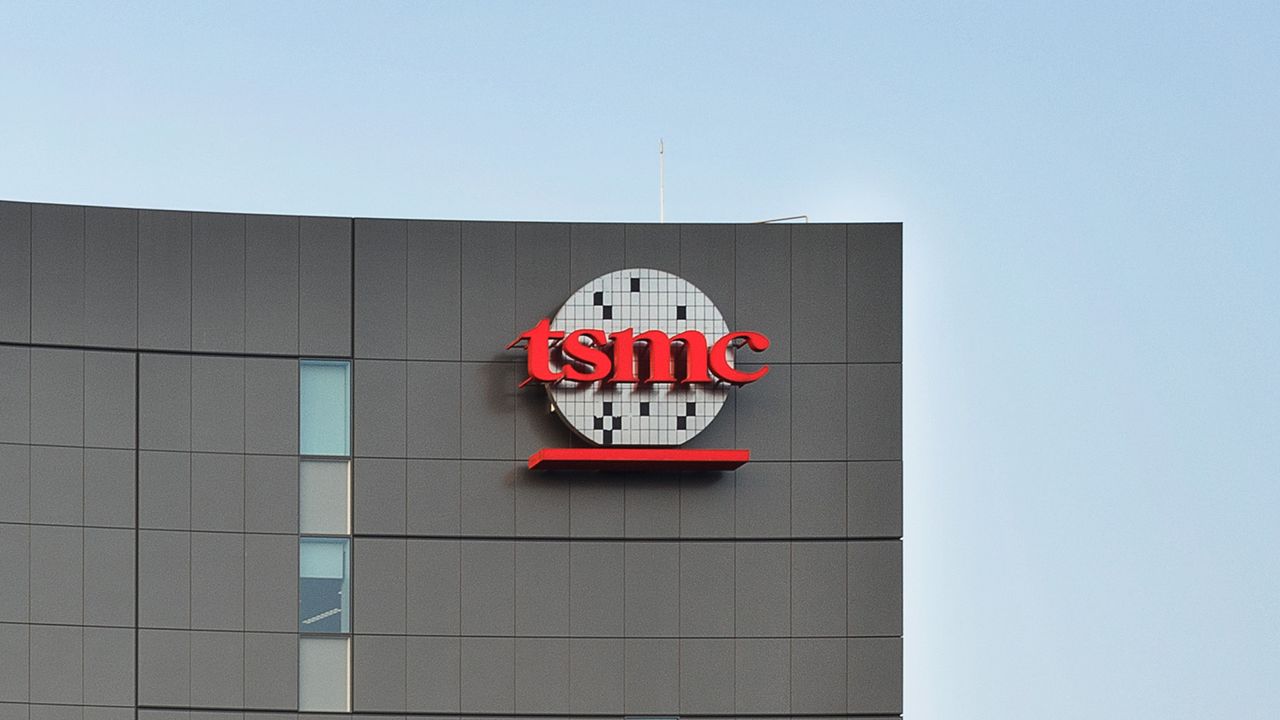
Taiwan's government is considering imposing N+2 export rule on TSMC's advanced process technologies, which would make it significantly harder for the foundry to develop overseas.
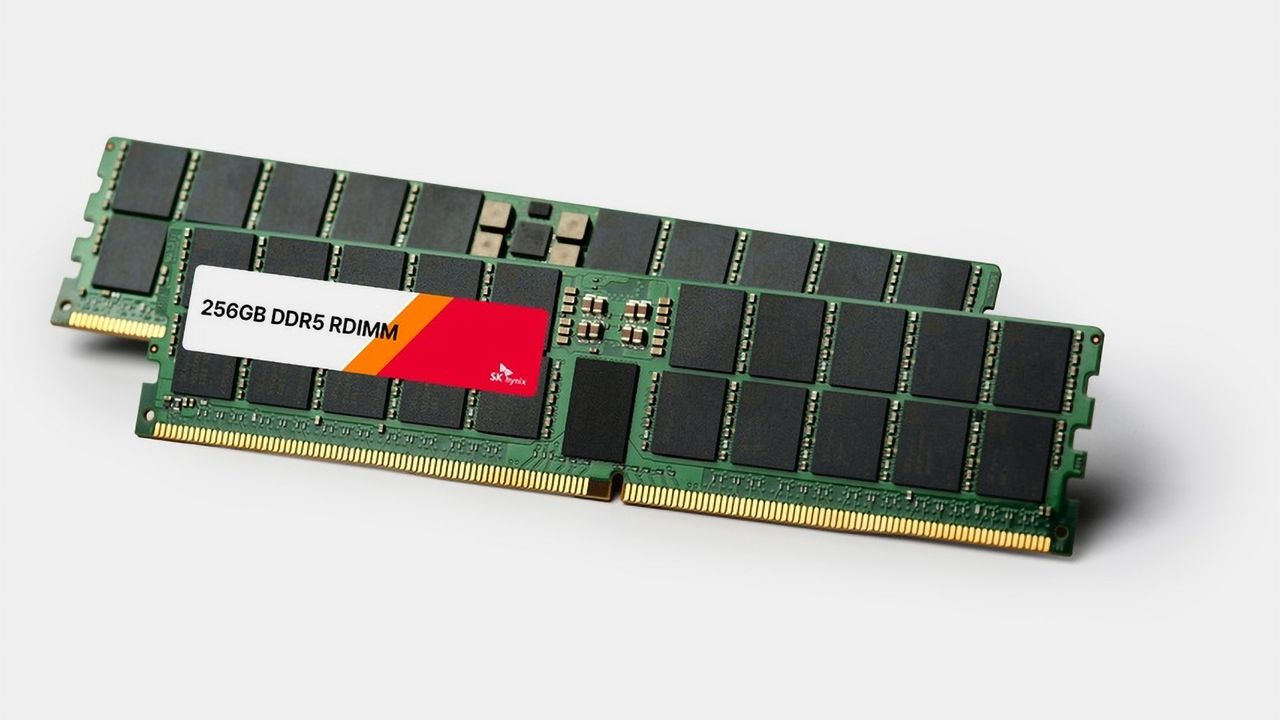
SK hynix first to validate 32Gb-based 256GB DDR5 module with Intel: up to 32.4W power savings per server, or millions of dollars per hyperscale data center.
China has reportedly built and begun testing a secret EUV lithography prototype using ASML-style laser-produced plasma technology. Yet, despite generating 13.5-nm light, the system remains unable to make chips and appears to be years away from achieving a complete, production-ready EUV manufacturing capability.
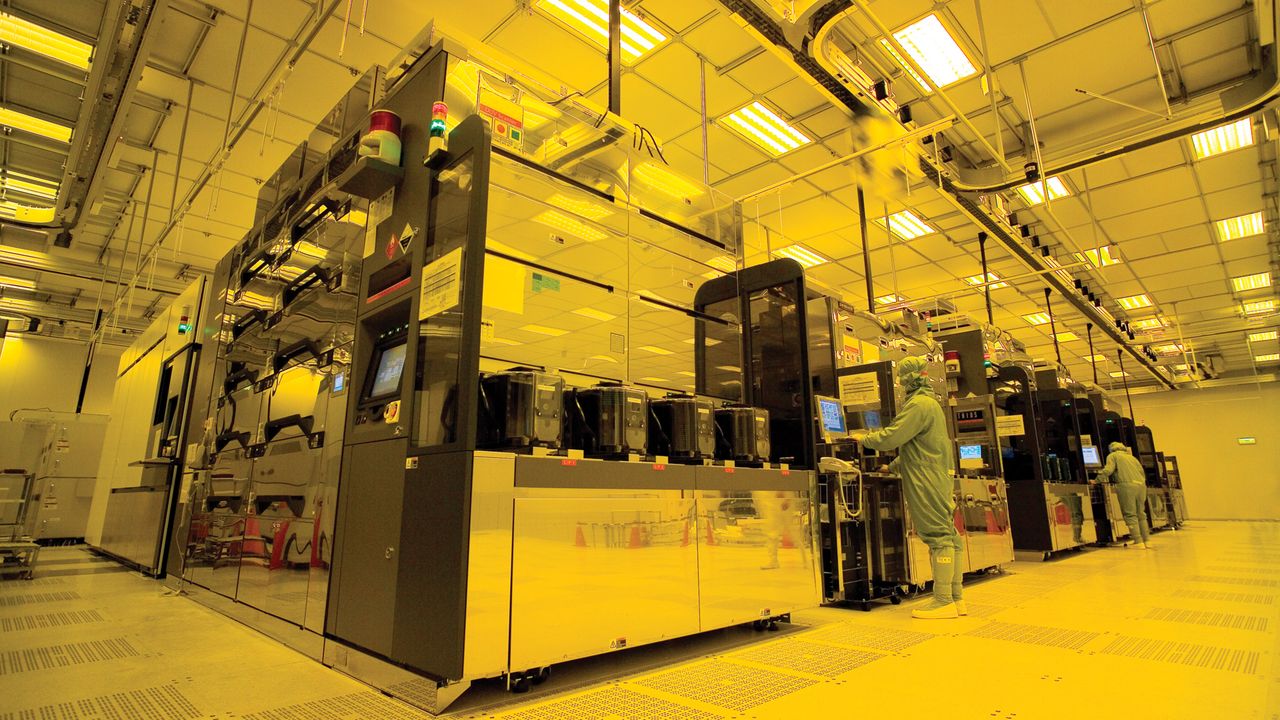
Driven by demand for AI and HPC accelerators, sales of chip production equipment are projected to increase through 2027. Asian countries are expected to lead the pack, according to SEMI.
Rapidus plans to outline its early-stage work on panel-level packaging using 600 × 600 mm glass substrates at SEMICON Japan, highlighting an aggressive plan to leapfrog rivals by combining glass-core substrates and PLP for future AI and HPC chiplet packages.
Intel and imec demonstrate the first 300-mm, fab-compatible integration of contacts and gate stacks for 2D transistors, marking a critical step in turning long-studied 2D materials from lab experiments into a realistic future option for high-volume logic manufacturing.
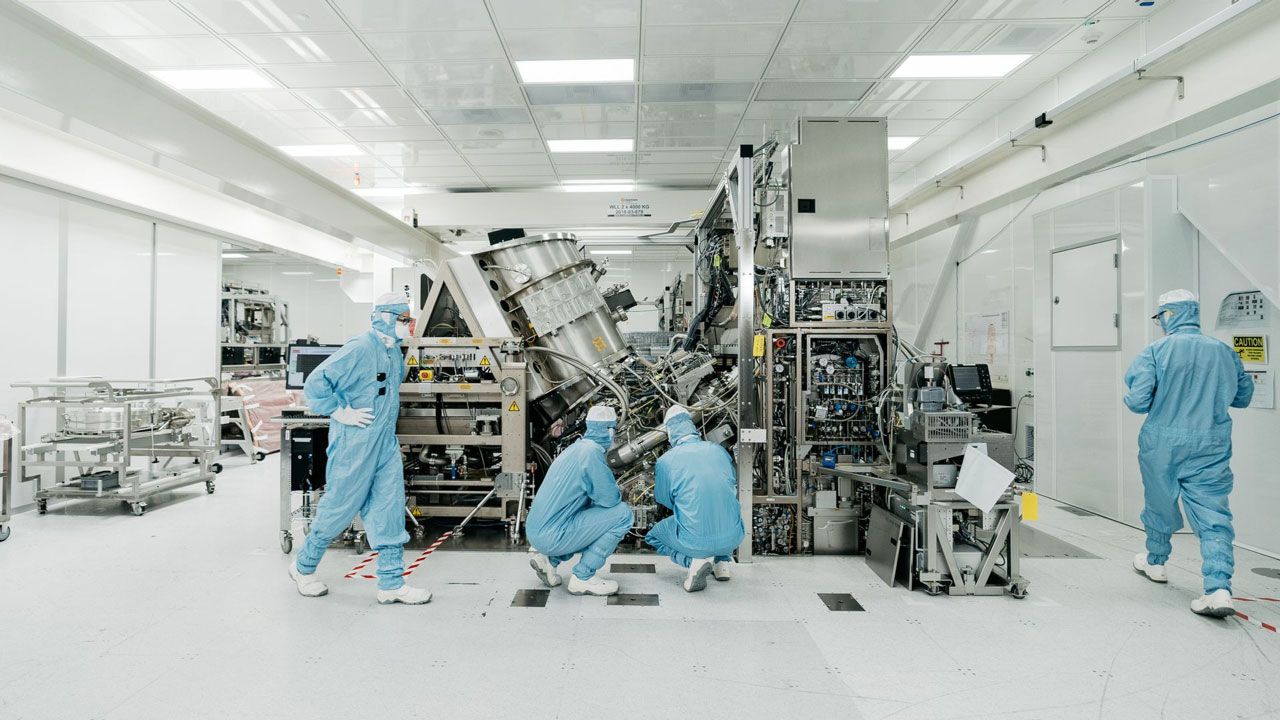
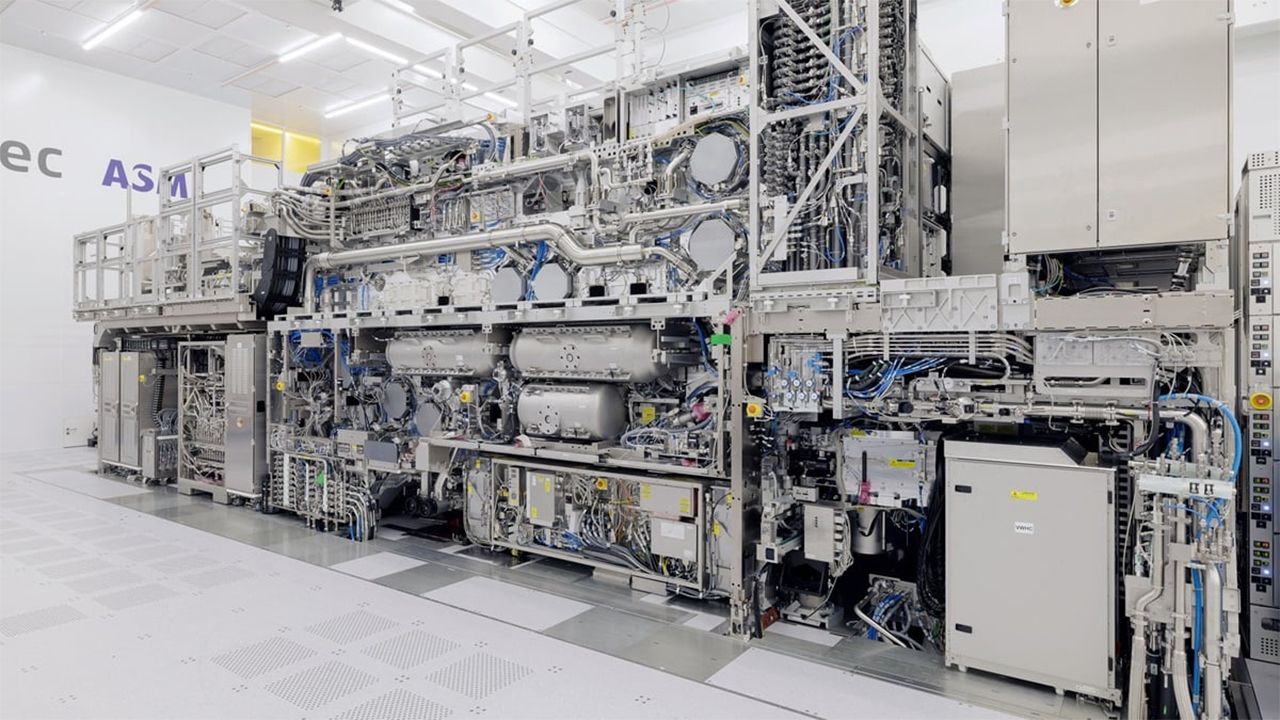
Intel has installed and qualified ASML's TWINSCAN EXE:5200B, the first High-NA EUV lithography tool designed for commercial production, reiterating Intel's plans to use High-NA EUV patterning for 14A process technology and onwards.
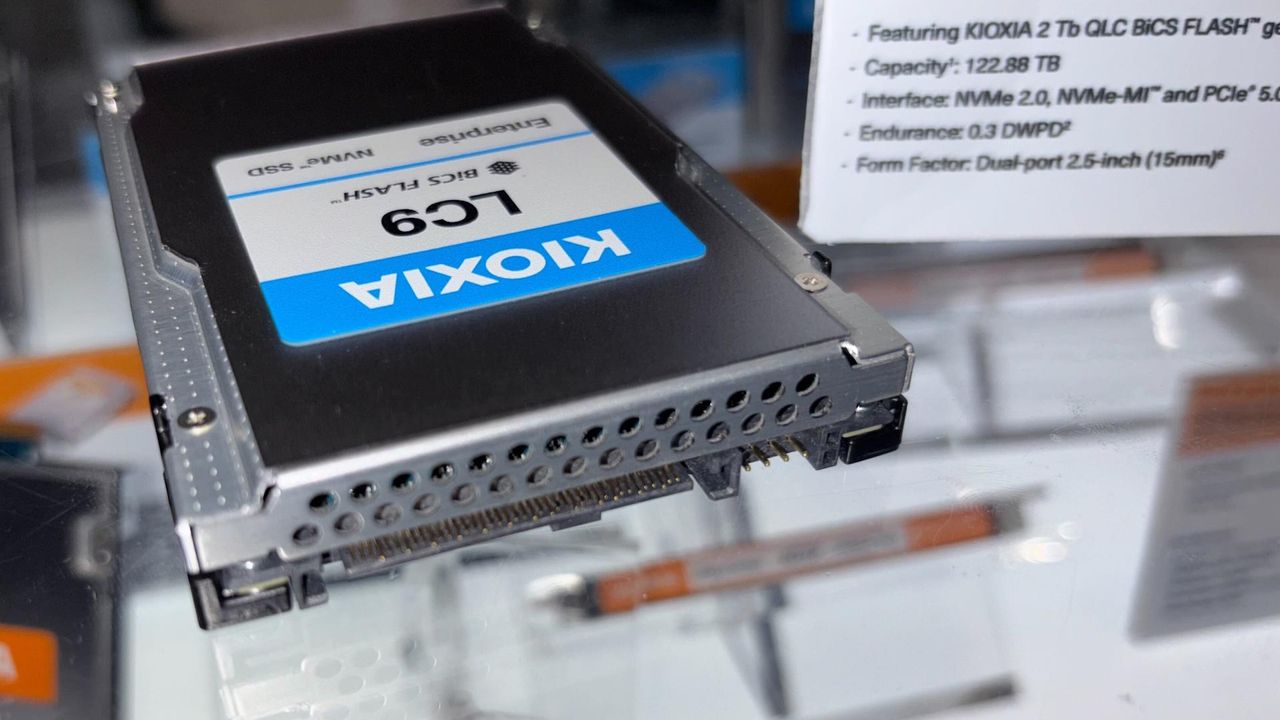
Kioxia is reportedly pulling in mass production of high-capacity BiCS10 3D NAND devices with a 4.8 GT/s interface from 2027 to 2026, possibly to meet demand from AI, cloud, and enterprise storage sectors.
The rise of AI and hyperscale computing is driving a global shift from air-based to liquid and embedded cooling as various companies are developing silicon-integrated systems capable of handling multi-kilowatt system-in-packages that can be commercialized by 2027.
AWS's new 192-core Graviton5 processor with a massive 180 MB L3 cache marks the company's most ambitious in-house CPU yet, which could enable it to replace more AMD and Intel servers in its cloud.

 Login
Login