
Reading view

Stansted Airport In The UK Embarks On A Six Hundred Million Pounds Expansion To Boost Capacity By Over One-Third, Unlocking New Opportunities For Passengers And Airlines With A Vision For Future Growth

Stansted Airport In The UK Embarks On A Six Hundred Million Pounds Expansion To Boost Capacity By Over One-Third, Unlocking New Opportunities For Passengers And Airlines With A Vision For Future Growth
Stansted Airport
UK’s

UK’s Stansted Airport is embarking on a £600 million expansion project set to enhance its global competitiveness by increasing its passenger capacity to 51 million annually. The upgrade will not only extend the airport’s existing terminal by a third but also create over 5,000 jobs, boosting both the local economy and the UK’s position in the international aviation market. This investment aims to unlock new air routes, further strengthening the country’s connectivity and supporting long-term growth in tourism, trade, and business.

In January 2026, a major upgrade project is set to kick off at one of the UK’s busiest airports. Stansted Airport, which already handles over 27 million passengers annually, is preparing for a significant expansion that will unlock even more capacity and potential. The airport, which has long been a critical hub for both business and leisure travel, is now gearing up to enhance its infrastructure through a substantial £600 million investment.

The North Western Main Terminal Expansion at Stansted is the centerpiece of this ambitious development. Once complete, the project will see the existing terminal extended by one-third, which will accommodate more passengers, new air routes, and improved services. The upgrade aims to strengthen Stansted’s role in the UK’s aviation network, helping to boost connections to key business and holiday destinations.

According to reports, the terminal extension is expected to generate a significant number of job opportunities, with more than 5,000 new roles anticipated as a result of the five-year project. The expansion is poised to create not only immediate construction-related jobs but also long-term employment opportunities in aviation, hospitality, and retail sectors within the airport and surrounding areas. This influx of new positions is expected to have a positive impact on the local economy, contributing to the region’s overall growth.

In addition to the terminal expansion, the £600 million investment will also go towards enhancing the existing terminal and broader airport estate. Another £500 million will be dedicated to upgrading infrastructure across the airport, including improvements to the airfield, baggage handling systems, and other key facilities. These upgrades will ensure that Stansted can continue to meet the growing demands of passengers and airlines alike, while maintaining high standards of service and efficiency.

The expansion project is not just about increasing passenger capacity but also about improving the airport’s ability to attract new airlines and routes. By expanding the terminal and improving facilities, Stansted is positioning itself as an even more attractive destination for airlines looking to establish or expand services to the UK. This will open up more opportunities for travelers, providing better connectivity to both domestic and international markets.

The investment is part of a broader strategy to support the UK’s aviation sector and boost economic activity across the country. Aviation plays a crucial role in driving the UK’s economy, supporting high-value industries such as tourism, trade, and business. By expanding its airports and improving infrastructure, the UK is ensuring that its aviation network remains competitive on the global stage, attracting more international visitors, businesses, and investment.

The project has already received approval from Uttlesford District Council, which has given the green light for the airport to increase its annual passenger limit to 51 million. This expansion will allow Stansted to make the most of its existing single runway, unlocking the airport’s full potential over the next two decades. With this approval, Stansted is set to become a key player in the UK’s long-term aviation strategy, supporting growth and innovation in the sector for years to come.

The decision to increase the passenger cap at Stansted aligns with the UK government’s goal of achieving the highest sustained economic growth in the G7. By enhancing infrastructure and increasing capacity, the airport is expected to contribute significantly to the UK’s economic recovery and global competitiveness. The upgrade will also have a positive impact on local communities, creating new opportunities for businesses and residents in the surrounding areas.

Stansted’s expansion is a clear indication of the growing importance of regional airports in the UK’s aviation landscape. As demand for air travel continues to rise, airports like Stansted are increasingly becoming essential to the UK’s connectivity and economic vitality. With this major upgrade, Stansted is preparing to meet the challenges of the future and continue to serve as a vital gateway for travelers from across the globe.

Stansted Airport’s £600 million expansion is a significant step forward in the UK’s aviation strategy. With enhanced infrastructure, new routes, and improved facilities, the project promises to create thousands of jobs, boost economic activity, and strengthen the airport’s role in the global aviation market. As the expansion progresses, Stansted will be better positioned to serve its growing passenger base and play a key role in supporting the UK’s economic and tourism growth over the next 20 years.

The post Stansted Airport In The UK Embarks On A Six Hundred Million Pounds Expansion To Boost Capacity By Over One-Third, Unlocking New Opportunities For Passengers And Airlines With A Vision For Future Growth appeared first on Travel And Tour World.

Spain Emerges as the Ultimate Destination for British Travelers Over Fifty-Five with Record-Breaking Six Million Visits and Unprecedented Economic Growth in 2024

Spain Emerges as the Ultimate Destination for British Travelers Over Fifty-Five with Record-Breaking Six Million Visits and Unprecedented Economic Growth in 2024
Spain

tourism

Spain’s Balearic Islands are making waves in the tourism industry by embracing sustainability and cultural attractions, leading to impressive growth during the off-peak months. This shift in focus is attracting more visitors year-round, moving beyond the traditional summer rush. With a strategic commitment to eco-friendly practices and a rich cultural offering, the Balearics are setting a new standard for sustainable tourism in Europe, ensuring steady tourism flow throughout the year.

Christmas Day is often a time for reflection, especially for those not caught up in the holiday hustle or dealing with too much festive indulgence. For travelers over 55, who continue to embrace life and adventure, Spain has emerged as a top holiday destination. According to recent research, it’s the favored spot for British tourists aged 55 and older, with data revealing that in 2024, this demographic took 6.2 million trips to Spain, spending a total of £5.27 million during their visits.

Spain stands out not only in terms of visitor numbers but also in its economic contribution, making it a prime location for older travelers. The appeal is multi-faceted, with short and affordable flights, a warm climate that persists year-round in certain regions, and a slower pace of life that is perfect for longer stays. Additionally, Spain’s walkable towns and reliable public transportation make it especially accessible and convenient for older couples looking for a relaxing getaway.

As the holiday season approaches, this time of year is particularly popular for those seeking a getaway, especially families taking advantage of the two-week break. Many look for destinations offering winter sun, while others prefer a more traditional snowy Christmas experience. ABTA members are reporting strong demand for destinations like mainland Spain, the Canary Islands, Portugal, and Turkey. Other sought-after winter sun spots include Palma, Dubai, and Sharm El Sheikh.

Recently, the president of the Balearic Islands, Marga Prohens, expressed her enthusiasm over the region’s growth in tourism during the off-peak seasons. She highlighted the “change in trend” that has led to increased tourism during the mid and low-season months, driven by a strategic focus on cultural and sports tourism. This shift in approach has helped spread out the peak tourist season, making tourism more consistent throughout the year.

Prohens emphasized that cultural tourism is key to attracting visitors beyond the summer months. She noted that this strategy is paying off, with the Balearics seeing more growth during quieter times, while summer tourism growth remains relatively stable, with less than a 1% increase. This approach has been successful in spreading out the region’s visitor numbers, ensuring year-round tourism activity.

She also outlined the Balearics’ broader ambitions for tourism, with a focus on sustainability and regenerative tourism. Prohens stated that the region aims to become a model of sustainable tourism in Europe, showcasing how tourism can drive economic growth while preserving the environment. She stressed that the Balearics is not emerging from a crisis or recession, but rather evolving from success, with a model that creates jobs and wealth while prioritizing sustainability.

This forward-thinking approach positions the Balearics as a leader in transforming the tourism industry in Europe. The region’s commitment to balancing growth with environmental responsibility and cultural enrichment sets a benchmark for others to follow. In fact, the Balearics may soon be seen as the prime example of how a destination can thrive through sustainable tourism practices.

Spain, and particularly the Balearic Islands, continues to capture the attention of British travelers over 55, offering a combination of year-round sun, cultural experiences, and a slower pace of life that suits their travel preferences. The country’s success in attracting this demographic is set to continue, with its focus on off-peak tourism growth and sustainable practices leading the way for a new era in European travel.

The post Spain Emerges as the Ultimate Destination for British Travelers Over Fifty-Five with Record-Breaking Six Million Visits and Unprecedented Economic Growth in 2024 appeared first on Travel And Tour World.

Russia Joins South Korea, United Kingdom, China, Malaysia, Singapore, India, The United States, And More As Powerful Allies In Thailand’s 2026 New Year Tourism Boom, Counteracting Decline In Foreign Arrivals

Russia Joins South Korea, United Kingdom, China, Malaysia, Singapore, India, The United States, And More As Powerful Allies In Thailand’s 2026 New Year Tourism Boom, Counteracting Decline In Foreign Arrivals
Russia
Thailand’s

Thailand’s tourism sector is witnessing a pivotal shift in travel patterns as Russia joins South Korea, the United Kingdom, China, Malaysia, Singapore, India, and the United States as key markets for the New Year 2026 season. Despite challenges such as flooding in southern Thailand and geopolitical tensions at the Thai-Cambodian border, the growth in these markets is poised to drive the country’s tourism recovery. The strong performance from these nations reflects a promising outlook for the year-end season, with increased bookings and heightened interest in Thailand’s key destinations.

The Tourism Authority of Thailand (TAT) has forecasted a decline in tourism revenue for the 2026 New Year period, expecting it to reach between 70.1 billion and 76.5 billion baht. This represents a reduction of 2-9% compared to the previous year. The decline is attributed to a slower foreign tourism market, partly offset by a strong domestic tourism recovery.

TAT projects a drop in foreign tourist arrivals, with an expected range of 1.4 to 1.5 million international visitors between December 20, 2025, and January 1, 2026. This marks a decline of 6-12% compared to the same period last year. Foreign tourism revenue is anticipated to fall between 51.6 and 58 billion baht, representing a decrease of 4-15% year-on-year. This slowdown is attributed to several factors, including natural disasters and ongoing geopolitical tensions along Thailand’s borders.

However, the domestic tourism market is expected to experience an uptick. TAT anticipates a 7% increase in domestic travel during the New Year period, with around 4.96 million domestic tourist trips generating an estimated 18.5 billion baht in revenue. This is bolstered by several factors, including cooler weather, which encourages local travel, and strong tourism promotion campaigns, such as the Amazing Thailand Countdown 2026.

In terms of international tourism, TAT’s projections for the top 10 source markets during the New Year period include China, Russia, India, Malaysia, South Korea, the United Kingdom, Singapore, the United States, Eastern Europe, and Germany. While Chinese tourists have historically been one of the largest groups visiting Thailand, TAT reports positive developments in the Chinese market. A recent visit by the Thai monarchy to China sparked renewed interest, as seen in a rise in searches for Thailand on popular Chinese travel platforms, such as Baidu and Ctrip.

Additionally, Thailand’s image is improving, especially in China, where social media platforms like Weibo and Xiaohongshu feature more content highlighting the safety, friendliness, and convenience of travel to Thailand. This shift is expected to contribute to a modest recovery in Chinese arrivals over the coming years.

Aviation also plays a key role in the tourism outlook. TAT has highlighted that at least 10 new routes are set to launch during the New Year period, including services from China, Taiwan, Japan, Singapore, and Vietnam. Additionally, charter flights from Poland, the Czech Republic, Russia, and Uzbekistan will boost travel to major Thai destinations such as Bangkok, Chiang Mai, Phuket, Krabi, and U-Tapao.

Despite these optimistic trends, several headwinds are challenging Thailand’s tourism sector. One major obstacle is the flooding in southern Thailand, particularly in Hat Yai, Songkhla. The heavy damage to tourist sites and infrastructure in the region has disrupted travel plans for Malaysian tourists, a significant demographic for Thailand, especially those who travel by land. With around 70% of Malaysian visitors entering Thailand via land border crossings, the floods are expected to further dampen the inflow of foreign tourists.

Moreover, the ongoing border conflict with Cambodia since December 7 has impacted tourism sentiment. While no blanket travel ban has been issued for Thailand, the international media coverage of the situation, along with travel advisories from various countries, has raised concerns among potential travelers. Countries have warned against non-essential travel to seven border provinces, which could deter tourists from booking trips to Thailand during the peak New Year season. Should the situation escalate, stricter measures could be enforced, further affecting tourism.

Regarding hotel bookings, TAT projects that average occupancy rates for major destinations in Thailand will range between 77% and 87%, with Bangkok expected to see the highest occupancy. The southern, central, and eastern regions are also expected to witness high demand, though the northeastern regions may experience slightly lower occupancy rates at 73%. Overall, domestic travel is expected to remain a vital pillar of Thailand’s tourism industry during this period.

For the hotel industry, occupancy in Bangkok during the New Year period is forecast to be around 80%, slightly lower than last year. The Thai Hotels Association (THA) attributes this decrease to the border dispute, which has affected tourism flows, particularly from ASEAN countries. However, the outlook for major destinations, including Phuket and Chiang Mai, remains strong. Five-star hotels in these locations are expected to be fully booked, which will likely lead to a surge in bookings at four-star establishments as well. Room rates during the holiday period are expected to hold steady, with prices closely mirroring those of the previous year.

While the Thai tourism sector faces challenges in the form of natural disasters, geopolitical tensions, and a slow recovery in foreign arrivals, the strong domestic market and positive developments in key international markets provide optimism for the holiday season. Thailand’s tourism sector remains resilient, and with effective promotion and marketing, it is well-positioned to navigate these headwinds and build momentum for a successful 2026.

The post Russia Joins South Korea, United Kingdom, China, Malaysia, Singapore, India, The United States, And More As Powerful Allies In Thailand’s 2026 New Year Tourism Boom, Counteracting Decline In Foreign Arrivals appeared first on Travel And Tour World.

India’s Passport Colours Exposed The Powerful Meaning Behind Blue Maroon White And Orange And What They Truly Represent

India’s Passport Colours Exposed The Powerful Meaning Behind Blue Maroon White And Orange And What They Truly Represent
India’s
passport

India’s passport system uses distinct colours—blue, maroon, white, and orange—to categorize its citizens and officials based on their travel purpose and status. These colours help immigration authorities quickly identify the holder’s role, whether they are an ordinary citizen, a diplomat, or a government official on duty. Each passport colour not only serves an administrative function but also grants specific travel privileges, such as diplomatic immunity or expedited clearance, making it crucial for both security and efficiency in international travel. Understanding the meaning behind these colours is key to grasping how India manages its citizens’ movements globally.

A passport is more than just a document that allows you to travel; it represents your identity, citizenship, and legal status while abroad. In India, passports are issued in various colours, each designed to serve a specific administrative and diplomatic function. While some may assume that the choice of colour is purely aesthetic, the reality is that each colour holds significant meaning. Passport colours help immigration authorities quickly identify the category of the holder and their purpose for travel.

India has primarily used four different passport colours: blue, maroon, white, and orange. Each colour is associated with a specific group of citizens or officials, and the colour itself plays a vital role in the administrative process.

Blue Passport: For Ordinary Indian Citizens

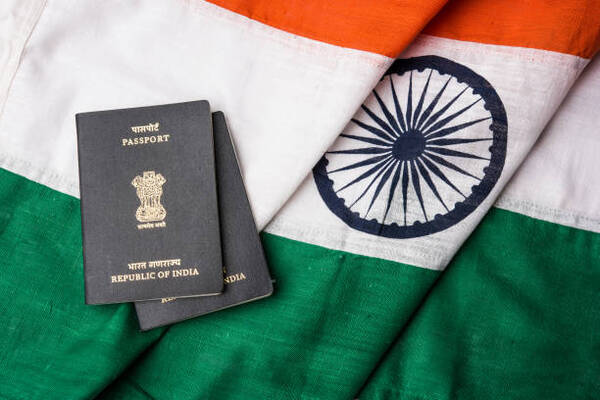
The most common passport colour in India is blue, which is issued to ordinary Indian citizens. Officially known as the Ordinary Passport, the blue passport is granted to citizens who wish to travel abroad for personal reasons such as tourism, business, employment, education, or family visits. The blue passport signals to immigration authorities that the holder is not on official government business.

This passport includes personal details like the holder’s name, date of birth, place of birth, photograph, and passport number. The blue passport is one of the most recognized and valid identification documents internationally. It is important to note that blue passport holders are not granted any special privileges and must abide by the laws and regulations of the destination country, just like any other foreign national.

Typically, blue passports are issued for a validity period of 10 years for adults and 5 years for minors. It is not a document that confers any diplomatic or special status, but it remains one of the most powerful forms of identification for international travel.

Maroon Passport: For Diplomats and High-Ranking Officials

The maroon passport is also known as the Diplomatic Passport, and it is reserved for Indian diplomats and senior government officials who are representing the country abroad. This passport is issued to individuals like ambassadors, high commissioners, consuls, and other senior officials who are on official diplomatic assignments.

Holders of a maroon passport are afforded certain privileges, such as expedited immigration clearance and, in some cases, diplomatic immunity. However, the maroon passport is not meant for personal travel; it is strictly for official diplomatic purposes. Once the assignment ends, the holder must surrender the maroon passport.

This passport is a clear indication to immigration authorities that the holder is travelling in an official capacity on behalf of the Indian government. While diplomatic passports provide significant advantages for those on international missions, they are not for personal use or travel unrelated to government duties.

White Passport: For Government Officials on Official Duty

Similar to the maroon passport, the white passport is issued to Indian government officials who are travelling abroad on official business. However, unlike the maroon passport, the white passport is issued to those who do not hold diplomatic status. This passport is typically granted to bureaucrats and other government employees who are attending international conferences, training programs, or official meetings.

Although the white passport serves a similar purpose to the maroon passport, it does not grant diplomatic immunity. Instead, it serves as a formal identification indicating that the holder is travelling on behalf of the Indian government for a specific assignment. The white passport helps distinguish government officials from regular citizens who are travelling abroad for personal purposes.

Orange Passport: For Emigration Check Required Category

The orange passport was introduced with the goal of identifying Indian citizens who required emigration clearance before leaving for certain foreign countries. This passport was associated with the Emigration Check Required (ECR) category, which applied to individuals with lower educational qualifications who were seeking employment in countries that had specific entry requirements for workers.

The orange passport helped immigration authorities quickly identify individuals who needed to obtain clearance from the Protector of Emigrants before they could travel to these countries. The ECR system was designed to prevent human trafficking, illegal recruitment, and exploitation of workers abroad. However, the introduction of the orange passport led to public concerns about discrimination and social stigma, as it was primarily linked to a specific socioeconomic group.

In 2018, the orange passport was discontinued due to the growing concerns over the negative perception it created. The ECR system was also reformed, with a new system in place that no longer required the use of a distinctive passport colour to identify individuals in the ECR category.

Conclusion

The various passport colours in India serve specific purposes and help authorities quickly identify the type of traveller and their purpose for travel. From the blue passport for ordinary citizens to the maroon passport for diplomats and the white passport for government officials on official duty, each colour plays a significant role in the country’s administrative processes. While the orange passport for the ECR category was phased out due to concerns about social stigma, the colour-coded system remains an essential tool for immigration authorities in managing travel and ensuring that individuals are in compliance with the rules and regulations for international travel.

The post India’s Passport Colours Exposed The Powerful Meaning Behind Blue Maroon White And Orange And What They Truly Represent appeared first on Travel And Tour World.
❌