
Reading view

Cambridge to Host National Active Travel Conference 2026: A Step Toward Sustainable Tourism and Infrastructure

Cambridge to Host National Active Travel Conference 2026: A Step Toward Sustainable Tourism and Infrastructure

In a significant step towards promoting sustainable travel and infrastructure, Cambridge has been chosen to host the highly anticipated National Active Travel Conference in 2026. The conference, scheduled for 13-14 July 2026, promises to bring together experts, policymakers, and activists from across the UK to discuss and strategise the future of active travel, a movement centred on walking, cycling, and other sustainable transportation solutions. This event is poised to shape the future of travel and tourism in the United Kingdom, with a focus on lowering carbon footprints and promoting healthier, more environmentally friendly lifestyles.

A Platform for Sustainable Transport Solutions

The National Active Travel Conference 2026 will provide an important platform for showcasing cutting-edge solutions and strategies that aim to make travel more sustainable. Focused primarily on walking and cycling infrastructure, the event will highlight successful projects that have improved connectivity, accessibility, and the environment. With sustainability at the heart of this conference, discussions will revolve around creating integrated transport systems that cater to local communities, businesses, and tourists alike. The goal is to create accessible networks that encourage people to choose healthier and greener travel alternatives.

The event will attract professionals from various sectors, including transport planners, local authorities, environmental advocates, and the business community. The aim is to find ways to incorporate active travel solutions into everyday life, from reducing reliance on cars to promoting greener forms of mobility for leisure and work purposes.

Showcasing Cambridge’s Commitment to Active Travel

Cambridge itself is no stranger to active travel initiatives. The city has already made significant strides towards promoting cycling and walking through various projects, such as the creation of more bike lanes and pedestrian-friendly areas. In addition, the development of the Greenways Network—a series of cycling and walking routes connecting Cambridge with nearby towns and villages—demonstrates the city’s commitment to making active travel a viable and attractive option for residents and visitors.

This conference will offer a unique opportunity for local authorities to share their experiences with the national community. By hosting the conference, Cambridge will showcase the progress that has been made and position itself as a leader in the field of active travel. Delegates will have the chance to explore the cycle-friendly infrastructure in the city, participate in workshops, and discuss the next steps in creating a more sustainable transport system across the UK.

The Benefits of Active Travel for Tourism

The National Active Travel Conference 2026 is also expected to highlight the growing importance of active travel in tourism. As the global tourism industry seeks to recover from the impacts of the pandemic, there is a greater emphasis on ecotourism and sustainable travel options. Active travel is seen as a key component of this shift, offering opportunities for visitors to explore destinations in an environmentally responsible way.

Cambridge, with its rich history and culture, is an ideal setting to demonstrate the benefits of sustainable travel. The city already attracts a significant number of tourists who prefer to explore the area on foot or by bike. The development of active travel infrastructure will not only enhance the visitor experience but also contribute to the overall sustainability of tourism in the region.

The conference will bring attention to the potential for other UK destinations to develop similar infrastructure. Many tourism hotspots across the country are beginning to recognize the value of promoting sustainable tourism and will look to Cambridge’s success as a model. By focusing on sustainable transport, the tourism industry can help reduce carbon emissions, preserve local ecosystems, and create destinations that are more attractive to environmentally conscious travelers.

What to Expect at the Conference

The conference will feature a range of sessions, including expert panels, interactive workshops, and case study presentations. Participants will explore successful initiatives from both urban and rural areas and learn about the latest trends in active travel policy. Sessions will also address challenges such as funding for infrastructure projects, community engagement, and integrating active travel into broader urban planning strategies.

The event will cover a broad spectrum of issues related to active travel, including public health, environmental sustainability, and economic growth. One of the key themes will be the role of active travel in reducing traffic congestion and improving air quality, which are crucial issues for urban areas in the UK. Discussions will focus on how better infrastructure can encourage more people to walk and cycle, thus easing congestion on roads and lowering carbon emissions.

Additionally, the conference will offer ample networking opportunities, allowing industry professionals to exchange ideas and collaborate on new projects. A large part of the conference’s value will come from the connections made between local authorities, businesses, and advocacy groups.

The Role of Active Travel in the UK’s Post-Pandemic Future

The National Active Travel Conference will be held during a critical time for the UK’s transport and tourism industries. As the country continues to recover from the pandemic, there is an increasing focus on resilient and sustainable systems that will benefit both the environment and the public. Active travel plays a central role in this recovery, providing a cost-effective, environmentally friendly, and health-focused solution to modern transport challenges.

For local governments, the conference will provide insight into how active travel can fit into local and regional economic strategies. From job creation in the green transport sector to reduced healthcare costs due to better public health outcomes, the economic case for active travel is becoming stronger by the day.

Moreover, with the rise of ecotourism, the need for travel experiences that prioritize sustainability has never been more pressing. The National Active Travel Conference will address this growing demand and show how cities like Cambridge are leading the way in sustainable travel innovation.

A Step Toward a Greener Future

The National Active Travel Conference 2026 will be hosted in Cambridge, marking an exciting chapter in the United Kingdom’s journey towards more sustainable travel and tourism. The city is promoting walking and cycling as viable modes of transport, which will help to create a greener, healthier, and more connected future for both residents and visitors. As the conference approaches, anticipation grows for the innovative ideas and partnerships that will emerge, propelling active travel initiatives throughout the UK and beyond.

The event will not only benefit the local economy and tourism but will also play an important role in advancing the global conversation on sustainable travel solutions. With active travel firmly on the agenda, Cambridge will set a new standard for sustainable tourism, inspiring other cities. The future of travel is more than just getting from one place to another; it’s about doing so responsibly, with a focus on preserving the environment for future generations.

The post Cambridge to Host National Active Travel Conference 2026: A Step Toward Sustainable Tourism and Infrastructure appeared first on Travel And Tour World.
Mount Athos, Greece: A Sacred Pilgrimage Destination Where Faith and Tradition Shine Amid Modern Tourism

Mount Athos, Greece: A Sacred Pilgrimage Destination Where Faith and Tradition Shine Amid Modern Tourism

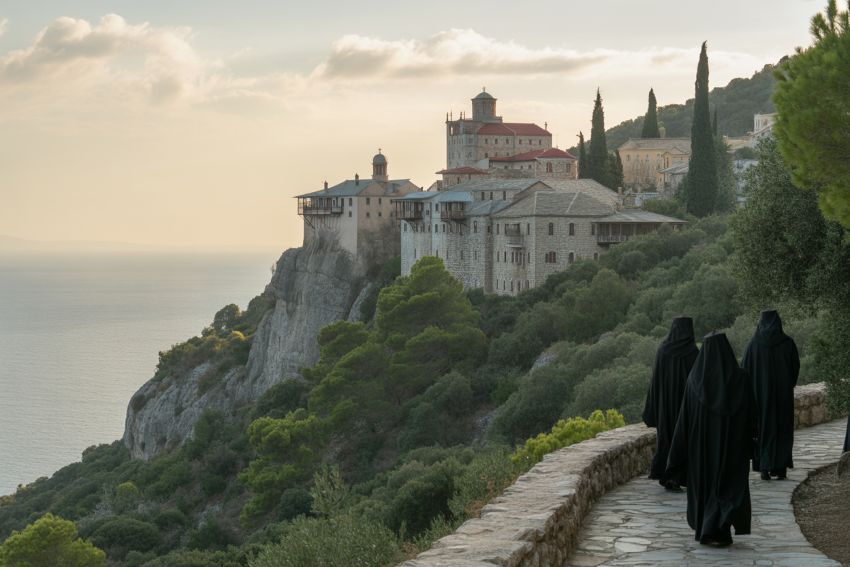
Mount Athos, located on the Athonite Peninsula in northern Greece, is a prime example of religious tourism, attracting visitors who are motivated by faith rather than the usual reasons for leisure travel. This sacred destination is distinguished by its long-standing monastic traditions, which date back to the eighth century, as well as its unique status as a monastic republic governed by strict religious rules. Mount Athos, also known as “The Garden of the Virgin Mary”, continues to hold a special place in the hearts of Orthodox Christians who come not only to explore its natural beauty and ancient monasteries but also to deepen their spiritual connection to God.

A Sanctuary of Spiritual Seeking

Unlike most tourist destinations, Mount Athos is primarily a site for religious pilgrimage, where individuals journey to seek spiritual enlightenment rather than purely cultural or recreational experiences. The peninsula, which houses 20 holy monasteries, several sketes, and cells, is regarded as a hub of spiritual growth and Orthodox culture. It is also home to the largest collection of Greek manuscripts in the world and invaluable religious artefacts. Visitors who make the journey to Mount Athos do so to experience the uninterrupted rhythm of monastic life, to engage in prayer, and to explore a way of life that has remained unchanged for centuries.

Pilgrimage versus Religious Tourism

The distinction between pilgrimage and religious tourism is often blurred, but Mount Athos offers a clear example of the former. Pilgrims on Mount Athos travel with a singular purpose: to fulfil a vow or to search for a deeper connection to God. Religious tourism, on the other hand, may involve secular motivations, such as the desire for cultural exploration, recreation, or educational experiences. In the case of Mount Athos, however, the vast majority of visitors—82.25% of those surveyed—identify as pilgrims rather than religious tourists. This significant distinction reflects the sacred nature of the destination, where the visitor’s primary motivation is spiritual rather than secular.

Spiritual Significance and Pilgrim Experiences

The religious journey to Mount Athos is not simply a sightseeing tour. Rather, it is an immersive experience in monastic life. Visitors typically stay for four days, during which they follow the monastic routine, participate in liturgical services, and engage in the daily tasks of the monastery. The monks’ hospitality is a central aspect of the experience, as pilgrims participate in activities like cooking, cleaning, and serving others. These tasks are viewed not only as acts of service but also as an opportunity for personal spiritual growth. The focus remains on humility, reverence, and a deeper understanding of the Orthodox Christian faith.

A Study of Visitor Motivations

A study conducted in May–June 2023 explored the motivations behind visitors’ journeys to Mount Athos. A significant portion of the respondents, 41.60%, had visited Mount Athos only once, but 28.92% had made the journey more than three times, showing a sustained commitment to the pilgrimage experience. Interestingly, the study also revealed that the majority of visitors to Mount Athos self-identify as pilgrims. The motivations behind their visit centre around the fulfilment of vows, seeking spiritual enlightenment, and engaging with Orthodox culture. For most pilgrims, the focus is not on leisure activities such as hiking or sampling local cuisine, but rather on immersing themselves in the spiritual practices of the monastic community.

Cultural and Natural Attractions

While the primary focus of a visit to Mount Athos is spiritual, the destination also offers other attractions. The region is known for its stunning natural beauty, including dramatic landscapes and ancient monasteries perched on the mountainsides. The Athonite cuisine, traditional winemaking, and cultural heritage further enrich the experience. However, as the research reveals, these offerings serve only as complementary features to the religious experience, rather than as the central motivation for visitors’ travels. In contrast to secular tourist destinations, Mount Athos provides an environment conducive to prayer, meditation, and spiritual renewal.

Strict Entry Requirements: Preserving Sanctity

Access to Mount Athos is governed by strict rules, and entry is restricted to men, in accordance with the tradition of the Avaton, a constitutionally enshrined prohibition on female visitors. In order to visit, men must apply for a special permit called a “diamonitirion”. The permit allows pilgrims to stay for a maximum of four days, ensuring that the experience remains focused on religious observance rather than tourism. Visitors to Mount Athos are expected to adhere to the monastic lifestyle during their stay, engaging in prayer, communal work, and silent reflection. Activities such as swimming, fishing, and other forms of recreation are discouraged, further emphasizing the sacred nature of the pilgrimage.

The Impact of Mount Athos on Local Communities

Despite its strict entry requirements and limited appeal to secular tourists, Mount Athos plays an important role in the local economy. The influx of religious pilgrims helps sustain the monasteries and supports the surrounding communities, particularly through the sale of religious artefacts, traditional foodstuffs, and local wines. However, it is crucial that tourism to Mount Athos is carefully managed to preserve its sanctity and spiritual integrity. The balance between faith-driven travel and the economic benefits of religious tourism remains a critical issue for the future of the destination.

A Pilgrimage of Transformation

Visiting Mount Athos is far more than just an opportunity to see ancient monasteries and beautiful landscapes. It is a transformative spiritual journey that allows visitors to reconnect with their faith and engage in practices that are both humbling and uplifting. For many, the journey to Mount Athos becomes an annual pilgrimage, a return to a place that offers both physical and spiritual nourishment. The experience fosters a deeper connection to the Orthodox faith while also providing pilgrims with a sense of peace and tranquility that is often difficult to find in the hustle and bustle of everyday life.

Mount Athos as a Unique Destination for Spiritual Growth

Mount Athos remains a beacon of spiritual devotion in a world increasingly dominated by secular concerns. Visitors to this sacred site have a clear purpose in mind: to participate in an Orthodox Christian pilgrimage. The overwhelming majority of visitors identify as pilgrims, highlighting the importance of spirituality in the Mount Athos experience. While tourism is undoubtedly a key driver of the local economy, visitors’ attention is firmly focused on the location’s spiritual and religious significance. Mount Athos remains one of the world’s most revered pilgrimage sites, with faith and tradition at the heart of the visitor experience.

The post Mount Athos, Greece: A Sacred Pilgrimage Destination Where Faith and Tradition Shine Amid Modern Tourism appeared first on Travel And Tour World.
Mazandaran Introduces Two-Week Tourist Visa to Boost Iran’s Coastal Tourism and Handicrafts Industry

Mazandaran Introduces Two-Week Tourist Visa to Boost Iran’s Coastal Tourism and Handicrafts Industry

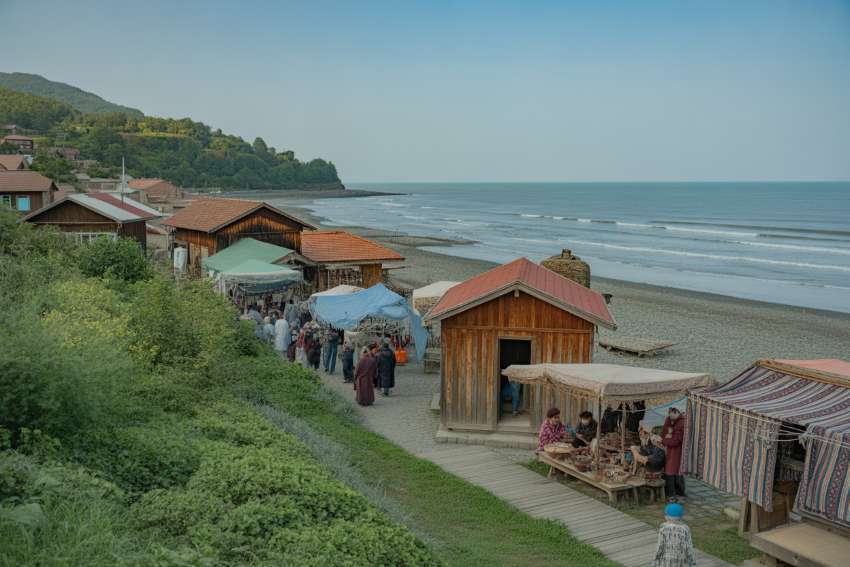
Mazandaran, one of Iran’s most vibrant tourism destinations, will benefit from the recent approval of a new two-week tourist visa, which is expected to significantly boost tourism in the region. Mazandaran, known for its picturesque landscapes, rich cultural heritage, and thriving handicraft industry, has long played an important role in Iran’s tourism industry. This new visa policy is part of a larger effort to promote the province’s tourism potential while also addressing the environmental and cultural challenges associated with increased visitor numbers.

The Growing Importance of Mazandaran as a Tourism Hub

Mazandaran’s tourism sector has been rapidly growing, driven by its strategic location along the Caspian Sea coast, lush green landscapes, and historical landmarks. The province’s allure has attracted both domestic and international tourists, with many seeking to experience its natural beauty, cultural heritage, and unique handicrafts. Despite the increasing influx of tourists, the volume of visitors has often not matched the province’s rich environmental and cultural capacities, leading to concerns about sustainability and infrastructure strain. As a result, the introduction of the two-week tourist visa is seen as a positive step to streamline tourist arrivals and promote long-term development in the region.

The Role of Handicrafts in Mazandaran’s Tourism Growth

Mazandaran’s handicraft sector, particularly renowned for weaving and woodcarving, is another key aspect of its tourism appeal. These crafts are deeply embedded in the province’s cultural fabric, yet they remain relatively under-recognized on a national scale. The two-week tourist visa is expected to attract more visitors to the region, including those interested in exploring Mazandaran’s artisanal products. The provincial government has stressed the importance of introducing these handicrafts at the national level, with plans to offer valid certificates to local artisans to authenticate and promote their work.

By providing recognition and fostering market opportunities, the tourism initiative seeks to boost the handicraft industry’s visibility and economic contribution to Mazandaran’s tourism sector. The promotion of local crafts not only enriches the cultural experience for visitors but also creates new avenues for sustainable economic growth through artisanal tourism.

Balancing Tourism with Environmental Protection

While tourism brings significant economic benefits, it also raises several environmental concerns. Mazandaran, with its lush forests, mountains, and coastal areas, is vulnerable to the environmental degradation that often accompanies mass tourism. The province’s government has recognized these challenges and is focused on developing tourism in a sustainable manner. Officials have highlighted the need for careful planning, organization, and infrastructure development to minimize environmental harm.

The government has also expressed its commitment to ensuring that the growth of tourism does not come at the expense of the province’s natural beauty. Addressing issues such as excessive migration and potential cultural anomalies caused by rapid tourism growth will be crucial in preserving Mazandaran’s unique environmental and cultural heritage. Efforts to protect the environment will be emphasized, with a particular focus on preserving the region’s coastal ecosystems and ensuring that tourism growth remains in harmony with local communities.

Focus on Coastal Tourism and the Sea-Based Economy

Mazandaran’s proximity to the Caspian Sea offers significant opportunities for the development of coastal and marine-based tourism. The province’s rich maritime resources, combined with its natural beauty, make it an ideal destination for activities such as boat tours, coastal resorts, and leisure cruises. The provincial government has placed a strong emphasis on developing sea-based tourism, with particular attention given to organizing tourism around the Caspian Sea’s coastal regions.

In line with these goals, the Iranian government has entered into discussions with Oman to activate cruise lines in the Sea of Oman. This collaboration aims to attract more international tourists to the region by enhancing connectivity and creating more cruise opportunities. The strategic focus on the sea-based economy is expected to diversify Mazandaran’s tourism offerings and appeal to a broader audience, including those seeking marine and adventure tourism experiences.

Support for Marine-Based Tourism Investments

In addition to promoting coastal tourism, the government has made clear its support for investors in the marine tourism sector. Investments in Babolsar and Chabahar, two key cities in Mazandaran and southeastern Iran, are being actively encouraged. These areas are seen as vital hubs for developing sea-based tourism, with the potential to attract both local and international investment.

The government has also extended support to tourist boats by maintaining fuel subsidies, covering 80 per cent of their fuel costs. This policy aims to make it more affordable for tour operators and businesses involved in marine tourism, ensuring that the industry remains competitive and attractive to both investors and tourists.

Addressing Infrastructure Challenges

One of the main challenges facing Mazandaran’s tourism sector is its current infrastructure, which is struggling to keep pace with the growing number of visitors. The province’s infrastructure, particularly in coastal and tourist-heavy areas, has often been insufficient to support large-scale tourism. This mismatch between tourism demand and infrastructure capacity has led to problems such as overcrowding, underdeveloped facilities, and strain on local resources.

Recognizing these challenges, the government has outlined a macro-level policy for developing the Caspian Sea coasts. The development of coastal areas has been designated as a key priority in the Seventh Development Plan, which seeks to address the region’s infrastructure deficiencies. The plan aims to improve transportation, hospitality, and tourism-related services, creating a more sustainable and efficient environment for both residents and tourists.

The Future of Mazandaran Tourism

The introduction of the two-week tourist visa, combined with the ongoing development of Mazandaran’s coastal tourism infrastructure, is expected to have a long-term impact on the province’s tourism industry. As the region develops as a popular tourist destination, careful planning and coordination will be required to balance tourism growth with environmental preservation and cultural protection.

Looking ahead, Mazandaran’s tourism industry is expected to benefit from both domestic and international visitors drawn to the province’s stunning landscapes, rich cultural heritage, and unique handicraft industry. Mazandaran has the potential to become one of Iran’s most important and successful tourism hubs, thanks to the government’s commitment to sustainable tourism practices and infrastructure development.

The post Mazandaran Introduces Two-Week Tourist Visa to Boost Iran’s Coastal Tourism and Handicrafts Industry appeared first on Travel And Tour World.
Taiwan Tightens Cross‑Strait Travel Regulations: A Shift in Policy and Its Impact on Civil Servants’ Visits to China

Taiwan Tightens Cross‑Strait Travel Regulations: A Shift in Policy and Its Impact on Civil Servants’ Visits to China

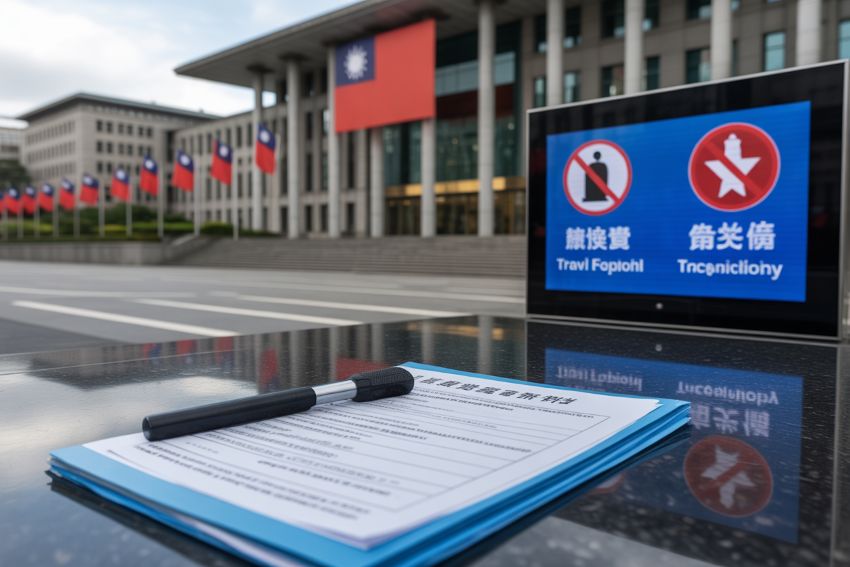
Taiwan has made significant changes to its cross-strait travel policies. The Cabinet is set to approve draft amendments to the Act Governing Relations Between the People of the Taiwan Area and the Mainland Area. The draft amendments are aimed at tightening controls on civil servants and others visiting mainland China. The updated provisions may impact public officials’ movements, cross-strait relations, tourism, and business sectors.

Background of Cross‑Strait Relations and Travel Controls

The Act Governing Relations Between the People of the Taiwan Area and the Mainland Area has served as the primary legal framework for regulating interactions between Taiwan and Mainland China. Enacted to maintain national security, protect the interests of Taiwanese citizens, and ensure that cross‑strait engagement does not undermine Taiwan’s sovereignty, this act has undergone periodic revisions. Its provisions have always balanced the need for diplomacy and people‑to‑people exchanges with the reality of Taiwan’s complex political relationship with China.

Historically, Taiwan has maintained strict regulations governing travel to Mainland China, particularly for public servants, as their travel could be seen as influencing or compromising the island’s national security. The latest draft amendments, however, aim to enhance these regulations further, reflecting an evolving geopolitical landscape and Taiwan’s emphasis on national security in the face of increasing tensions across the Taiwan Strait.

The Key Provisions of the New Amendments

The most notable change under the proposed amendments is the introduction of a formal approval process for civil servants intending to travel to China. Previously, such travel was largely subject to a notification requirement, but under the new provisions, civil servants will now need to obtain explicit approval from their respective agencies. This process will apply to all public officials, regardless of whether their trip is official or personal. The amendments stipulate that travel plans must undergo a thorough evaluation, ensuring that national security and public interests are not compromised by the individual’s visit to Mainland China.

For civil servants with access to sensitive government data, classified intelligence, or national security-related information, the travel restrictions are even stricter. These individuals will be subject to multi‑agency reviews before any travel can be approved. This heightened scrutiny reflects the authorities’ growing concern over security breaches and espionage risks. With the growing influence of China in global geopolitics, Taiwan’s government has expressed its commitment to reducing potential vulnerabilities by strengthening oversight of civil servants’ engagements with the Mainland.

Mandatory Post‑Travel Reporting for Civil Servants

In addition to the approval process before travel, the amendments also introduce mandatory post‑travel reporting requirements. Upon their return, civil servants will be required to submit detailed reports outlining the specifics of their trips, including their itinerary, contacts with Mainland officials or institutions, and the purpose of the visit. These reports will be scrutinised by relevant authorities, and the information could be made public to ensure transparency and maintain public trust.

The reporting mandate will help ensure that public officials’ interactions with Mainland China are fully accounted for, contributing to the broader goal of transparency in governance. This new requirement will undoubtedly increase the administrative burden on officials, but it will also provide a more structured approach to monitoring cross‑strait engagement, which is expected to help safeguard Taiwan’s national interests.

Post‑Service Restrictions and Political Sensitivity

The proposed amendments also address post‑service engagement with China. Former public servants, particularly those who have held high‑ranking positions or had access to classified information, will face restrictions on their activities after leaving office. Under the new regulations, they will be prohibited from participating in Chinese government events or military functions that could be seen as undermining Taiwan’s sovereignty. These restrictions are intended to prevent any influence from former Taiwanese officials that might pose a threat to the country’s security or political standing.

The government’s stance is clear: Taiwan’s sovereignty must remain intact, and any post‑service engagement with Mainland China, especially in political or diplomatic capacities, could be seen as compromising national interests. These restrictions are also likely to prevent Taiwan’s former officials from being seen as sympathetic to Chinese government positions, further maintaining a firm stance on the island’s independence.

Implications for Cross‑Strait Relations and Travel

The amendments will not only affect the movement of civil servants but also have broader implications for cross‑strait relations. Taiwan’s government is already known for being cautious in its dealings with Mainland China, and these new regulations serve as a further indication of the direction Taiwan’s policies are taking in response to China’s increasing political and military assertiveness.

The effect on Taiwan’s tourism and business sectors is also noteworthy. As cross‑strait travel has been a critical component of Taiwan’s tourism industry, particularly in the pre‑pandemic years, the implementation of stricter controls could potentially reduce the volume of travel between Taiwan and China. While private citizens will still be able to visit China with the necessary permits, the new regulations may lead to a decline in the number of Taiwanese public sector workers engaging in cross‑strait tourism and business.

In recent years, there has been a growing interest in travel to Mainland China, with Taiwanese citizens exploring both cultural and business opportunities across the Strait. However, these new restrictions could deter public sector employees from making such trips, as they would face bureaucratic hurdles and increased scrutiny. It remains to be seen whether this will affect the broader tourism industry, including the number of Taiwanese visitors travelling to China for leisure, as these restrictions apply mainly to civil servants.

Public and Political Reactions to the Amendments

As expected, the draft amendments have sparked debate within Taiwan. Proponents of the changes argue that the stricter controls are necessary to protect Taiwan’s sovereignty and ensure the safety of sensitive information. They point to the increasing threats posed by foreign influence and the risks of espionage, which have become significant concerns for Taiwan’s security establishment.

On the other hand, critics of the amendments have expressed concerns that the new rules could stifle people‑to‑people exchanges and hamper opportunities for cultural and economic engagement. Some opposition politicians and members of the public feel that the tightened controls could deepen the divide between Taiwan and China, making it harder to foster any form of reconciliation or cooperation.

A New Chapter in Cross‑Strait Policy

The proposed amendments to the Act Governing Relations Between the People of Taiwan and the Mainland Area open a new chapter in Taiwan’s policy towards China. As tensions across the Taiwan Strait rise, these shifts reflect Taiwan’s commitment to maintaining national security while balancing the need for international engagement. The full impact of these amendments will take time to play out, and the public will most likely continue to monitor how these measures shape Taiwan’s future interactions with Mainland China.

The restrictions on civil servants’ travel to China will significantly impact cross-strait relations. It remains to be seen whether these changes will have a long-term impact on the Taiwanese public or if they will primarily shape interactions between public officials and the political elite. In either case, the new regulations demonstrate Taiwan’s commitment to protecting its sovereignty and ensuring the security of its people in an increasingly complex global landscape.

The post Taiwan Tightens Cross‑Strait Travel Regulations: A Shift in Policy and Its Impact on Civil Servants’ Visits to China appeared first on Travel And Tour World.

Impact of Cambodia-Thailand Border Clashes on Angkor Wat Tourism and Local Economies

Impact of Cambodia-Thailand Border Clashes on Angkor Wat Tourism and Local Economies

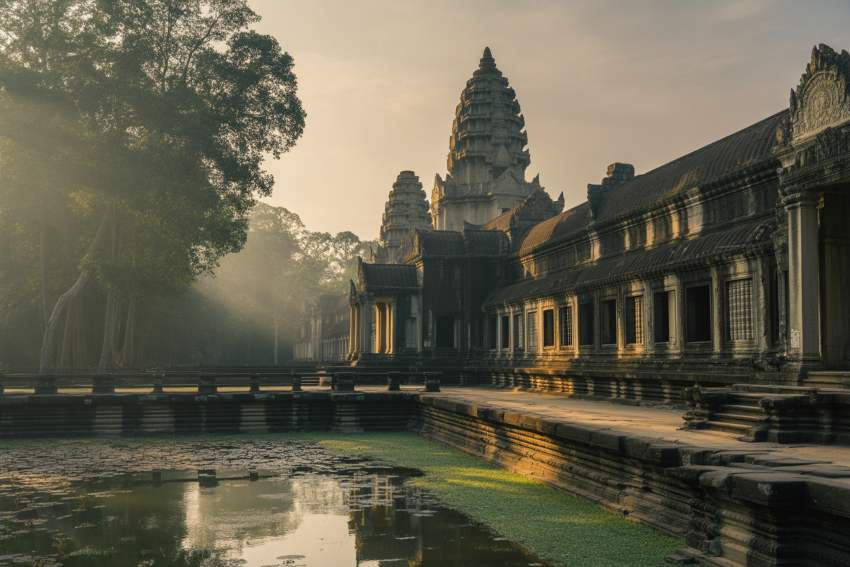
Tourism in Cambodia suffered a significant setback in 2025 as border clashes between Cambodia and Thailand escalated. Angkor Wat, one of the world’s most visited and renowned historical sites, saw a significant drop in visitors as tensions between the two countries escalated into armed conflict. The ongoing territorial dispute, which has flared up intermittently for decades, took a new turn this year, instilling fear in international visitors and causing a ripple effect throughout Cambodia’s tourism sector. As a result, the local economy in Siem Reap, where Angkor Wat is located, has been severely impacted, with businesses that rely on tourist dollars suffering significant losses.

The Root of the Conflict: Historical Disputes and Recent Escalation

The origins of the current conflict between Thailand and Cambodia trace back to long‑standing border disputes, particularly regarding the ownership of certain temples and land along their shared border. The most notable point of contention is the area around the ancient temple of Preah Vihear, a UNESCO World Heritage site, which has been at the centre of bilateral tensions. The territorial disagreement dates back to colonial times, with conflicting interpretations of borders drawn by French colonial administrators in the early 20th century.

In recent years, despite efforts to reach peaceful resolutions, sporadic violence has erupted along the border, often intensifying during politically sensitive periods. The conflict in 2025 was triggered by renewed hostilities in areas near the disputed zones. Artillery fire and military confrontations became widespread, leading to the closure of key border crossings, which has disrupted travel between the two countries. While Siem Reap and the Angkor Wat temple complex lie far from the immediate conflict zones, the global media’s coverage of the clashes has created a perception of widespread insecurity, impacting international tourism.

A Drastic Decline in Visitor Numbers

Before the escalation of the conflict, Angkor Wat was a thriving hub for global tourism, attracting millions of visitors annually. However, with the onset of the border clashes in 2025, travel advisories from various governments, including Australia and Canada, urged caution for any non‑essential travel to Cambodia. The perception of risk, even though Angkor Wat itself was not directly affected by the fighting, caused a sharp decline in international visitors to Siem Reap.

Local businesses that once flourished during the high tourist season are now struggling to survive. Hotels, restaurants, souvenir shops, and tour companies have been hit hardest, with many reporting drops in income by up to 80 per cent compared to previous years. For example, tour guides, a key component of Siem Reap’s tourism industry, have experienced drastic reductions in bookings, while tuk‑tuk drivers and street vendors have faced empty streets, especially around Angkor Wat and other popular temples.

Many businesses in Siem Reap are reliant on tourists, particularly international travellers, whose spending forms the backbone of the local economy. With fewer visitors coming through, the financial strain has caused significant anxiety among business owners who have seen months of anticipated profits vanish. The economic repercussions are not confined to the city; surrounding villages, where families work as farmhands or in local hospitality businesses, are also feeling the loss.

Local Impact: Siem Reap’s Struggles

Siem Reap, once a bustling hub of cultural exchange and commerce, is now grappling with the effects of reduced tourism. Once‑crowded streets filled with the sounds of eager visitors have grown eerily silent, and popular restaurants and cafes remain mostly empty. The most affected are small‑scale businesses that rely on foot traffic, such as local shops selling handicrafts and traditional goods. Many vendors, once thriving during peak seasons, now find themselves struggling to keep their doors open.

The government and local authorities have made efforts to mitigate the effects of this downturn by promoting domestic tourism and providing assistance to businesses. However, the pandemic recovery phase is still fresh, and the added burden of a conflict-related tourism drop is proving difficult to overcome. Many local workers are now asking for additional support, as government subsidies and emergency relief programmes have not been sufficient to cover the losses caused by the sudden drop in tourism.

Government and Industry Responses

In response to the crisis, Cambodian authorities, along with tourism bodies, are working hard to restore confidence in the country’s tourist destinations. Measures include campaigns aimed at reassuring international visitors about the safety of key areas such as Siem Reap, Phnom Penh, and Sihanoukville. These efforts include media outreach to highlight the areas that remain unaffected by the conflict.

However, the most immediate focus has been on domestic tourism. Local tourism bodies have partnered with national travel agencies to create promotional packages that encourage Cambodians to explore their own country. In addition to this, several cultural festivals and events have been introduced to attract visitors, helping to fill the gap left by foreign tourists.

While these efforts have begun to show some positive effects, the recovery will be slow. International flights to Cambodia are still operating, but with fewer passengers, and tourist arrivals remain low. To aid the recovery, the government is also in discussions with international travel agencies to provide more marketing opportunities, particularly in Southeast Asia and other key markets that Cambodia has traditionally relied on.

The Role of Travel Advisories and Media

Travel advisories from international governments have played a major role in shaping perceptions of safety. Many tourists, especially those from the United States, Europe, and Australia, have canceled or postponed their trips to Cambodia due to the warnings. While it is true that Siem Reap and other popular tourist spots have not been directly affected by the fighting, the media’s portrayal of the conflict, coupled with the closure of border routes, has created an environment of uncertainty.

The advisories have led to a change in travel patterns. Tourists who had planned to visit Cambodia have instead opted for alternative destinations in Southeast Asia, such as Vietnam, Laos, and Myanmar, which have not experienced similar disruptions. This shift in travel preferences has further exacerbated Cambodia’s tourism crisis.

Looking Ahead: Tourism Recovery and Regional Stability

The recovery of Cambodia’s tourism industry is closely tied to the resolution of the border conflict with Thailand. As diplomatic talks continue, it is hoped that a long‑term solution can be found, enabling the restoration of peace and stability along the border. This will be crucial not only for the safe movement of people but also for the restoration of confidence in Cambodia as a tourist destination.

While the immediate future remains uncertain, there are signs that Cambodia’s tourism sector can rebound once political stability is restored. The government’s focus on diversifying its tourism offerings, including ecotourism and cultural heritage experiences, could help rebuild Cambodia’s reputation as a top travel destination.

Conclusion

The border conflict between Thailand and Cambodia has had a significant impact on the tourism industry in Angkor Wat and Siem Reap. The sharp drop in visitors, combined with economic hardships faced by local businesses, has created a difficult situation for Cambodia’s tourism industry. However, the government and tourism stakeholders are working to recover by making targeted efforts to reassure both international and domestic travellers. Finally, the resolution of the conflict and the restoration of stability will be critical to Cambodia’s re-emergence as a leading tourism destination in Southeast Asia.

The post Impact of Cambodia-Thailand Border Clashes on Angkor Wat Tourism and Local Economies appeared first on Travel And Tour World.

Swat’s Andarab Lake: A Hidden Winter Gem in Kalam Valley Draws Tourists and Raises Environmental Concerns

Swat’s Andarab Lake: A Hidden Winter Gem in Kalam Valley Draws Tourists and Raises Environmental Concerns

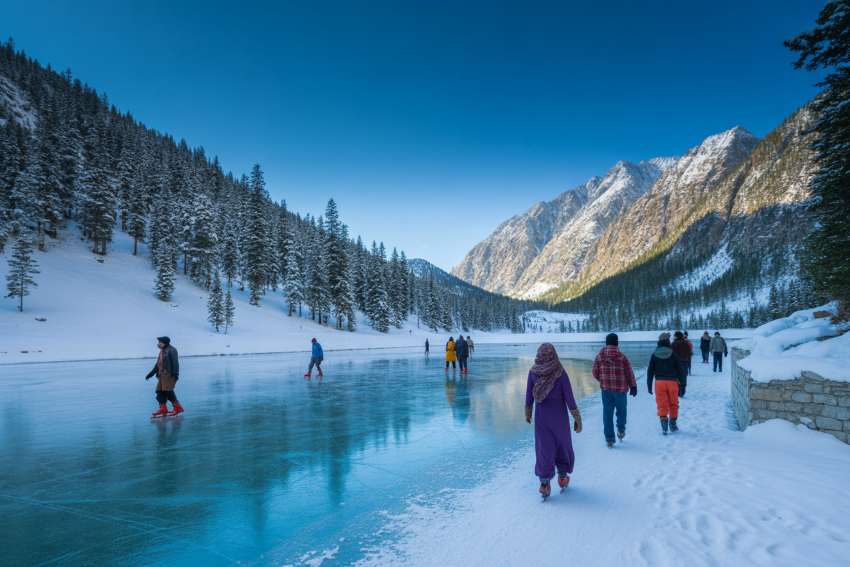
Swat’s Andarab Lake, located in the picturesque Kalam Valley, has become a popular winter destination, attracting hundreds of visitors eager to see the breathtaking frozen landscape and participate in seasonal activities. The lake, previously a challenging destination only accessible by a seven-hour trek, has seen a surge in visitors since the completion of a dirt track last year, allowing 4×4 vehicles to reach the site.

Andarab Lake has transformed into a popular winter destination, with visitors coming from all over Pakistan to see the frozen surface. Tourists are enjoying a variety of activities, including ice skating, walking on snow, and exploring the frozen lake’s beauty. This change has not only made the lake more accessible, but it has also contributed to Swat Valley’s growing popularity as a year-round tourist destination.

A Shift in Accessibility and Tourist Influx

The construction of the dirt track to Andarab Lake marked a major milestone in enhancing accessibility for tourists. Previously, only those willing to embark on a strenuous trek could access the lake, which limited the number of visitors. However, with the introduction of the dirt road, visitors now have the option to reach the lake with greater ease and convenience, reducing the time and effort required for the journey.

This increase in accessibility has had a significant impact on tourism in the region, particularly during the winter months. The frozen lake has become a major attraction for both adventure-seekers and nature enthusiasts, offering an experience that is as rare as it is breathtaking. The lake, which was once a hidden gem, is now at the centre of a winter tourism boom in the Kalam Valley.

Thrilling Winter Activities on the Frozen Surface

Tourists who visit Andarab Lake during the winter months are treated to a once-in-a-lifetime experience. The frozen lake’s crystal-clear ice creates a mesmerizing scene, with its stillness broken only by the footprints of adventurers. Visitors are seen walking across the lake’s icy surface, taking in the unique atmosphere of the frozen landscape, while some brave souls take part in ice skating and other exhilarating activities.

The sense of wonder and thrill that the lake evokes is evident in the increasing number of visitors every year. As word of the lake’s beauty and the activities it offers spreads, the number of tourists heading to Swat’s Kalam Valley continues to rise.

Environmental Concerns and the Risk of Unregulated Tourism

While the influx of tourists has brought economic benefits to the region, it has also raised serious environmental concerns. The region’s pristine environment and delicate ecosystems are at risk of being damaged by the rising number of visitors. Environmental activists have sounded alarms, urging for greater regulation and responsible tourism practices to ensure that the lake and its surrounding areas are preserved for future generations.

There is growing concern that the fragile ecosystem of Andarab Lake could suffer from pollution, waste dumping, and the negative impacts of increased human activity. These concerns have intensified due to the fact that, in the past, limited access helped to protect the lake’s pristine conditions. The growing number of visitors, however, could lead to irreversible damage, especially if safety measures and waste-management practices are not strictly enforced.

The Need for Regulations and Safety Measures

Experts have emphasized the need for the government to implement stricter regulations for tourism in Swat, particularly for sensitive locations like Andarab Lake. Restrictions on access during certain times of the year could help preserve the lake’s delicate environment, ensuring that it remains a viable destination for future travelers. Additionally, proper waste-management systems need to be established to prevent littering and pollution, which could harm the lake’s ecosystem.

Tourists engaging in activities like ice skating on the lake’s surface must also be made aware of the risks associated with fluctuating temperatures and the potential dangers of fragile ice. With safety measures and clear guidelines in place, these risks could be minimized, allowing visitors to enjoy the lake’s beauty without putting themselves or the environment at risk.

The Challenge of Balancing Tourism and Conservation

Swat’s Andarab Lake is an example of the growing challenge that many popular tourist destinations face: the balance between fostering tourism growth and ensuring environmental conservation. The lake’s rise as a major tourist attraction is a testament to the region’s natural beauty and the increasing demand for unique, off-the-beaten-path travel experiences. However, this rapid increase in tourism also presents significant risks to the local environment, making it crucial for local authorities to strike a delicate balance.

As the number of visitors continues to rise, the need for sustainable tourism practices becomes even more pressing. By regulating access, enforcing safety protocols, and promoting responsible tourism, it may be possible to maintain the lake’s beauty while allowing future generations to enjoy it.

Swat’s Growing Popularity and Its Future

One of the best examples of how natural wonders can enthral tourists and transform previously undiscovered treasures into popular travel destinations is Andarab Lake in the Kalam Valley. This winter wonderland still draws tourists from all over the nation, but maintaining its natural beauty in the face of rising tourism demand is a challenge.

Careful planning and sustainable tourism practices are becoming more and more important as Swat’s appeal as a year-round destination grows. Maintaining the lake’s appeal for many years to come will depend on ensuring both visitor safety and environmental preservation. To maintain Andarab Lake’s distinctive charm and make it an iconic and environmentally sustainable winter destination in Pakistan, cooperation between local authorities and tourists is essential.

The post Swat’s Andarab Lake: A Hidden Winter Gem in Kalam Valley Draws Tourists and Raises Environmental Concerns appeared first on Travel And Tour World.
❌