
Reading view

Souq Al Jubail Winter Festival In Sharjah, UAE: A Must-Visit Tourist Haven Offering Unique Winter Experiences For All Ages

Souq Al Jubail Winter Festival In Sharjah, UAE: A Must-Visit Tourist Haven Offering Unique Winter Experiences For All Ages

The Al Jubail Winter Festival 2025 is still a delight to the residents and tourists in three of Sharjah’s main markets: Souq Al Jubail in Sharjah, Souq Al Jubail in Al Dhaid and Souq Al Jubail in Kalba. This winter celebration, which is held throughout the year with some locations until 31 December 2025, aims to be a lot more than a holiday event, a very important emirate’s strategy to enhance local tourism and economic activity.

A Dynamic Festival Across Sharjah

The Souq Al Jubail Winter Festival offers a rich blend of entertainment, shopping, and community engagement. Held daily from 5:00 pm to 11:00 pm, the festival promises a festive atmosphere across all participating Souqs. The festival is not just about leisure; it underscores the markets’ transformation from traditional commercial hubs into dynamic community destinations that cater to all family members.

In Sharjah, the festival features an array of international and traditional food stalls, retail outlets, and dedicated children’s areas. Visitors are welcomed with interactive performances and vibrant entertainment designed to celebrate the spirit of the season. This festival enriches the local economy by attracting both local and international tourists. Sharjah’s Souq Al Jubail aims to provide an integrated experience that combines shopping, family entertainment, and local entrepreneurship.

According to Engineer Abdullah Al Shamsi, Director of Sharjah Markets, Souq Al Jubail’s efforts align with the emirate’s broader goal of enhancing community engagement and supporting small businesses. The festival is designed to bolster the local economy by providing a unique venue for entrepreneurs, particularly small business owners, to showcase their products. It is not just an event, it is a platform that drives tourism and economic growth.

Al Dhaid’s Local Touch

Moving to Souq Al Jubail in Al Dhaid, the festival captures the essence of the region with its local character. Known for its spice, perfume, clothing, and textile stalls, the market also provides a play area for children, making it a family-friendly location. With its focus on traditional experiences, this part of the festival highlights the authentic charm of Al Dhaid while supporting the area’s growing tourism industry.

The festival in Al Dhaid plays an essential role in promoting local traders and the culture of productive families. The Director of the Central Region Markets Department, Talal Mohammed, commented on how the event supports Al Dhaid’s unique identity. By offering a mix of culinary delights and local goods, the market fosters a sustainable model that helps small traders and attracts visitors seeking a blend of traditional shopping and modern entertainment.

For tourists visiting Sharjah this winter, Souq Al Jubail in Al Dhaid presents a cultural immersion that offers more than just a typical shopping experience. It encourages travellers to explore the city’s rich culture, where every corner holds a piece of its heritage.

Kalba: A Sustainable Future

At Souq Al Jubail in Kalba, the festival stands out for its strong community and developmental impact. Beyond the traditional market stalls and food options, the Kalba festival includes a mini zoo, inflatable play areas, and electric bikes, adding a modern twist to the festivities. One of the most notable features is the Khairat Al Dar initiative, which empowers local farmers by enabling them to sell their products directly to the public. This not only supports the local agricultural economy but also helps in promoting food security and sustainability in the region.

According to Hilal Al Naqbi, Director of Eastern Region Markets, the Kalba festival exemplifies a progressive approach to market development. Through this initiative, the market helps nurture sustainable practices and encourages visitors to engage with the local agricultural heritage. By incorporating educational workshops and competitions, the event provides an interactive learning experience for children and families. For tourists, this emphasis on sustainability presents a unique opportunity to explore a part of Sharjah that is deeply connected to both its environment and its community values.

How the Festival Boosts Tourism

Sharjah’s focus on transforming its markets into cultural and tourism hotspots is evident in the Al Jubail Winter Festival’s expansive programme. The festival’s combination of family entertainment, local cuisine, and community-driven activities makes it a highly attractive destination for tourists looking for an immersive cultural experience.

The event’s ability to bring together local businesses and tourists is pivotal in creating a sustainable tourism model that benefits both. Visitors can experience the best of Sharjah’s vibrant market culture while supporting local entrepreneurs, and in turn, contributing to the tourism economy. By focusing on family-oriented activities, the festival also provides a perfect opportunity for holidaymakers looking for safe, fun, and interactive experiences.

As Souq Al Jubail Winter Festival 2025 continues through the end of the year, it serves as a reminder of Sharjah’s commitment to growing its tourism industry. Not only does it showcase the emirate’s rich cultural heritage, but it also emphasizes sustainable tourism practices that benefit both visitors and the local community.

Looking Forward to Future Growth

The Al Jubail Winter Festival is more than just an event, it is a significant part of Sharjah’s vision to boost tourism and strengthen the local economy. The festival fosters community engagement, supports small businesses, and promotes sustainability, all while offering an enriching experience for families and tourists alike.

With Sharjah’s ongoing organization of events, it is already a global tourism hub, a place where visitors could see the wonderful mixture of old customs and new amusements at one spot. The Al Jubail Winter Festival, that shows a great skiing accident offer of an incredible experience of fun, culture, and shopping which is hard for any other event to replace, will still keep attracting tourists from all over the globe in the future.

The post Souq Al Jubail Winter Festival In Sharjah, UAE: A Must-Visit Tourist Haven Offering Unique Winter Experiences For All Ages appeared first on Travel And Tour World.

Katara Forum: How Qatar Is Set To Lead The Sports Tourism Boom Across The Arab World!

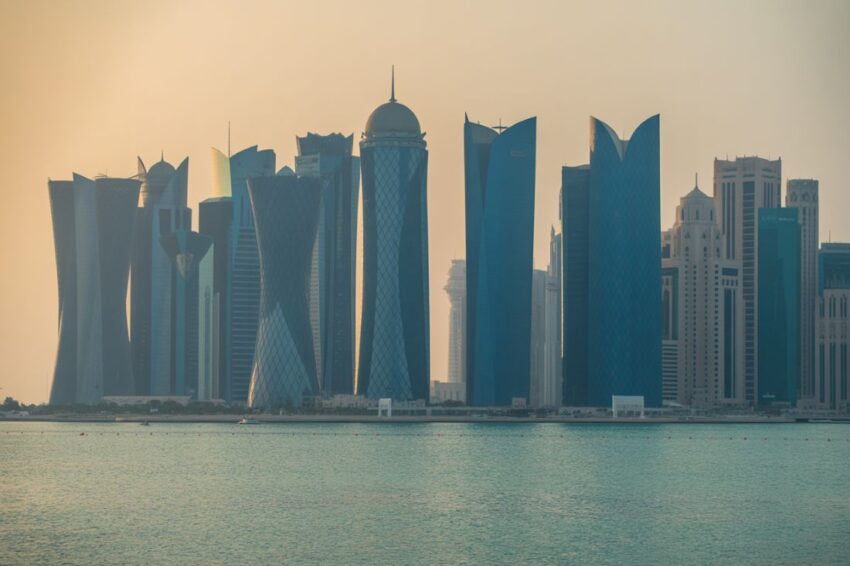
Katara Forum: How Qatar Is Set To Lead The Sports Tourism Boom Across The Arab World!

The Katara Forum has, yet again, placed Qatar on top of the list of world sports tourism by investigating the cultural dimensions of sports, media and tourism. The event, which took place in partnership with the Arab Federation for Sports Tourism and the Gulf Association for Tourism Media, has opened a new chapter in which the Arab world can use sports as a tool of culture, tourism and influence.

A significant gathering of experts, media professionals, and officials from Qatar, Kuwait, Saudi Arabia, the UAE and Oman, the forum discussed sustainable approaches that tie together sports, media, tourism and the economy. The forum aimed to highlight the importance of using sports as a tool for strengthening cultural identity and positioning the Arab region as a dominant player in global tourism and media.

Qatar’s Vision for Cultural Identity and Sports Tourism

The opening speech at the forum was delivered by Dr. Nadia Al Mudhahka, Director of the Research and Studies Department at Katara, who reiterated Katara’s belief in the unifying power of culture. She noted that culture is not a standalone sector but a dynamic force that shapes identities and binds together sectors such as sports, tourism, and media. Dr. Al Mudhahka highlighted Qatar’s pioneering role in using sports as a bridge for civilisational communication, showcasing Arab culture as a source of strength and influence.

This vision is particularly relevant at a time when Qatar has successfully merged sports tourism with its broader cultural strategy, attracting global attention. The country’s hosting of major sporting events has enhanced its reputation as a hub for cultural exchange, enabling it to build diplomatic bridges through sports, while also boosting the local economy by attracting international visitors.

Strengthening Ties Through Sports and Media

Sheikh Nayef bin Eid Al-Thani, Chairman of the Board and Managing Director of Retaj Hotels and Hospitality Group, addressed the forum’s significance at a crucial time. He remarked that the collaboration of sports, media, and tourism has become a strategic tool for shaping nations’ images on the global stage. Sheikh Nayef highlighted how Qatar’s investment in these sectors has contributed to building a stronger national identity, while also promoting the region’s heritage to international audiences.

Sports tourism is no longer just about viewing events; it’s a comprehensive strategy that involves hospitality, cultural heritage, and media collaboration. As the forum discussed, building an integrated system that blends professional organisation with cultural pride is key to attracting international tourists. Qatar’s commitment to this vision is evident in its ongoing development of sports-related tourism infrastructure and the hosting of world-class events that draw global attention.

The Qatari Model: A Blueprint for Sustainable Sports Tourism

Fatma Al Nuaimi, Executive Director of Communications and Media at the Supreme Committee for Delivery and Legacy, shared insights on Qatar’s evolving role in sports tourism. She highlighted the country’s transformative approach to sports as an economic and cultural force. Qatar’s model focuses on using international sporting events as tools for sustainable development, leveraging these occasions to drive tourism and strengthen regional ties.

The forum underscored Qatar’s leadership in this domain, where sports are viewed as a vital element in fostering economic growth, enriching cultural heritage, and creating opportunities for cross-cultural understanding. By drawing people from all over the world to its sporting events, Qatar is positioning itself as a central player in the global sports tourism industry, offering unique experiences that blend sport with culture.

Promoting Arab Unity Through Sports and Tourism

Ahmed bin Mohammed Al Jarwan, Chairman of the Executive Office of the Forum of Specialized Arab Federations at the League of Arab States, praised Qatar’s consistent support for both Arab and international sports. He stressed that Qatar’s investments reflect a deep understanding of how sports can bring people closer, promote regional development, and elevate the Arab identity globally. His comments reinforced the central theme of the forum, which focuses on using sports to foster unity and pride among Arab nations.

In this light, the forum acts as a platform to share best practices and strategies that Arab nations can adopt to maximise the benefits of sports tourism. This collaborative approach aims to ensure that sports tourism is not just a transient phenomenon but a lasting and sustainable contributor to the economic and cultural vitality of the Arab region.

A Bright Future for Sports Tourism in the Gulf

Kamel Abu Ali, President of the Arab Federation for Sports Tourism, closed the forum by highlighting Qatar’s global standing in organising high-quality sporting events. He commended Qatar’s leadership in creating a sustainable sports tourism framework that serves as a model for other Arab nations. His remarks underscored the importance of professional standards in sports tourism, which not only raise the profile of individual nations but also enhance Arab identity and belonging on the global stage.

The forum also recognised several individuals and organisations for their contributions to advancing sports tourism in the region, celebrating the collaborative spirit that will drive future success. The awards underscored Qatar’s role as a driving force behind the growth of sports tourism and media in the Arab world.

A New Era for Sports Tourism in Qatar and Beyond

The Katara Forum has proven that sports tourism is not just about attracting visitors to events but about building a cultural legacy that can strengthen the global presence of Arab nations. As Qatar continues to develop its sports tourism sector, the region’s ability to use sports as a tool for cultural exchange and sustainable development will be key to its future success. By merging sports, tourism, and media, Qatar is not just shaping its own identity, but also playing a significant role in defining the future of sports tourism in the Gulf region.

The Qatar forum has been an event that has put Qatar on the map as a top sports tourism destination, advising mainly on the featuring of cultural identity, media, and tourism together as an eco-friendly development through the power of the global platform.

The post Katara Forum: How Qatar Is Set To Lead The Sports Tourism Boom Across The Arab World! appeared first on Travel And Tour World.

Greece’s Record Year Of Hotel Investments Reshapes Tourism Landscape With Major Openings In Crete, Corfu, Athens And More

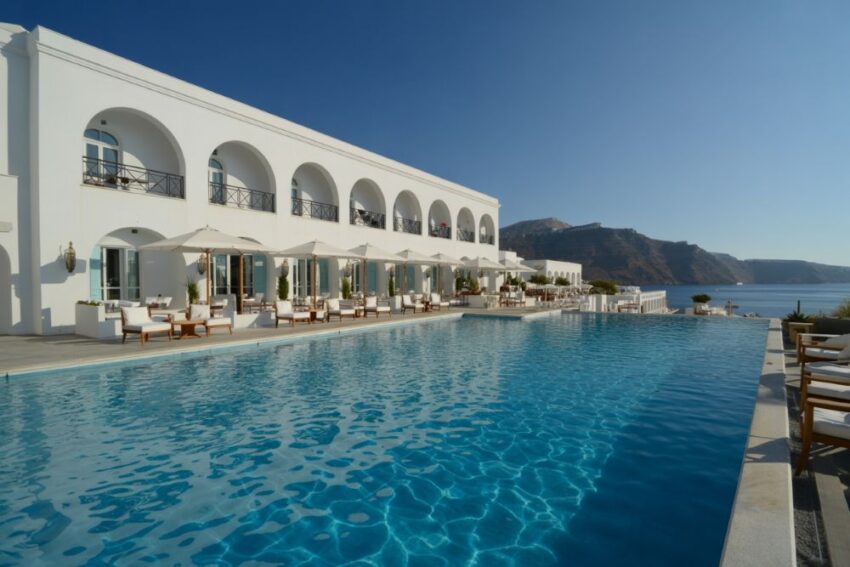
Greece’s Record Year Of Hotel Investments Reshapes Tourism Landscape With Major Openings In Crete, Corfu, Athens And More

At the end of 2025, Greece is coming up to the climax of an incredible boom in hotel investments which is going to go down as the best year ever for tourism and hospitality in the country. The influx of hotel investment projects and openings has vastly altered the country’s tourism landscape and has once more placed Greece at the top of the list of the most sought-after tourist destinations in the world. The see saw movement of people into and out of the country that was the tourism supply side is evident from the new and refurbished luxury hotels across the country from Crete to Thessaloniki and Corfu to Karpathos. The new international interest and demand in Greek tourism were the reasons for this, so to speak.

Major Openings Driving Greece’s Hospitality Growth

Several high-profile hotel openings in 2025 have redefined Greece’s tourism appeal, catering to a diverse range of travellers seeking luxury, sustainability, and unique experiences.

JW Marriott Crete Resort & Spa – Chania

Opened in June 2025, this marks the prestigious JW Marriott brand’s first venture into the Mediterranean region. Located near Chania, the resort features 160 rooms, suites, and villas offering spectacular views of the Aegean Sea. The resort also includes world-class facilities such as fine dining restaurants, a luxurious spa, and bespoke hospitality services. While the investment figures remain undisclosed, industry sources estimate it to be in the tens of millions of euros, showcasing Greece’s growing appeal for international hotel giants.

Rocca a Mare Heraklion – Handwritten Collection

Situated on the shores of Heraklion, this resort opened under the Accor brand in 2025, featuring 36 elegant rooms and a rooftop pool overlooking the Mediterranean. With its Mediterranean restaurant and gym, the resort is a perfect blend of luxury and local history, drawing inspiration from Crete’s rich Minoan heritage.

Tella Thera – Kissamos, Crete

Another significant addition in 2025, Tella Thera, is a boutique 5-star hotel located in Kissamos, Crete. The property, featuring 20 suites and an independent villa, prioritises sustainability, using natural materials and eco-friendly design. With an investment of around €10 million, Tella Thera represents a growing trend of small-to-medium-scale hotels focusing on eco-conscious travel.

Sound of the Sea Karpathos – Tapestry Collection by Hilton

The reopening of this boutique hotel under the Hilton Tapestry Collection signals international interest in Greece’s niche luxury destinations. Though specific investment details are unavailable, the property’s reopening is another testament to Greece’s growing appeal as a regional hub for luxury hospitality.

New Luxury Resorts Cater to Diverse Market Segments

Greece has not only attracted international hotel brands but also cultivated its own premium offerings through local hotel chains and boutique properties, making it a destination for all types of luxury-seeking tourists.

Mövenpick Resort – Syvota
Opened by Accor in 2025, this resort is Greece’s first Mövenpick property, located in Syvota. Featuring 67 spacious rooms with Ionian Sea views, it offers a family-friendly atmosphere with high-end amenities.

Avali Hotel – Corfu

The Avali Hotel, part of the Mar-Bella Collection, opened in 2025 with 76 rooms and suites in Corfu. Combining traditional hospitality with modern luxury, the hotel exemplifies a strategy of offering high-end local experiences.

Cabo & Unda – Corfu

Corfu saw two major openings this year from the Mayor Group. Cabo, a 5-star resort with an investment of over 13 million euro, offers a blend of luxury, wellness, and gastronomy, while Unda, a boutique hotel with a 30 million euro investment, offers boho-chic stays with private pools and swim-up suites. Both properties are set to boost Corfu’s reputation as a high-end destination.

Athens Capital Suites and New Trends in City-Centric Luxury

In the heart of Athens, the opening of Athens Capital Suites – MGallery Collection marks the trend of city-centric luxury hotels in Greece. Situated in a historic building in central Athens, this boutique hotel opened in May 2025 and offers 19 suites, including a two-storey presidential suite. It reflects the rising demand for intimate luxury properties in urban centres, catering to affluent travellers seeking both comfort and history.

Sokio Attiki – Athens

Also opening in Athens is the Sokio Attiki hotel, a new addition to the Sokio brand. Offering 35 apartment-style rooms with modern amenities like a rooftop lounge, pool, and gym, it caters to the growing demand for hotel apartments in urban settings. With plans for further expansion in Athens and Halkidiki, Sokio is well-positioned to become a significant player in Greece’s hotel market.

Looking Ahead: A Bright Future for Greek Hospitality

2025 has proven to be a year of extraordinary growth and transformation in Greece’s hotel industry, setting the stage for continued expansion in 2026 and beyond. With more than ten major hotel openings, international partnerships, and innovative designs, Greece is firmly establishing itself as a key destination for global travellers.

Tourism experts predict that the upcoming years will see further diversification in hotel offerings, with a continued focus on luxury, sustainability, and high-end city breaks. The country’s blend of rich cultural heritage, natural beauty, and exceptional hospitality continues to attract international attention, solidifying its position on the global tourism map.

The hotel industry of Greece may change but it is still committed to offering the best service and applying eco-friendly tourism measures. Many projects are planned for 2026 and later, Greece’s tourism sector is already flourishing with the promise of great and unforgettable experiences for national and international tourists alike.

The post Greece’s Record Year Of Hotel Investments Reshapes Tourism Landscape With Major Openings In Crete, Corfu, Athens And More appeared first on Travel And Tour World.

Mumbai Becomes India’s First True Double-Airport Metropolis With The Launch Of Navi Mumbai International Airport

Mumbai Becomes India’s First True Double-Airport Metropolis With The Launch Of Navi Mumbai International Airport

In India, Mumbai has been recognized as the first metropolis with two airports that truly operate as such, thanks to the commissioning of Navi Mumbai International Airport (NMIA), which is expected to transform the airport industry of the area. The opening of NMIA, which is conveniently situated in the Navi Mumbai district of Maharashtra, is not only a milestone in airport infrastructure development in India, but also a trendsetter for the country’s future air travel.

Boost to Maharashtra’s Aviation Sector

Union Minister of Civil Aviation, Kinjarapu Rammohan Naidu, lauded the opening of NMIA as a monumental milestone, highlighting the airport’s potential to ease the increasing air traffic demand in the Mumbai Metropolitan Region. The new facility, developed by Adani Airports Holdings Limited (AAHL), a subsidiary of Adani Enterprises Limited, has been designed to accommodate 20 million passengers annually and handle 0.5 million tonnes of cargo. This project, one of the largest greenfield airport developments in India, will serve as a vital hub for domestic and international air traffic, positioning Maharashtra as a key player in the national aviation sector.

A Landmark Development for Mumbai and Maharashtra

The Navi Mumbai International Airport stands as a testament to the robust growth of India’s aviation sector, showcasing a cutting-edge, technology-driven design aimed at improving capacity, efficiency, and the overall passenger experience. The opening of this state-of-the-art airport marks the first step towards enhancing connectivity in the region, with NMIA already handling 48 flights on its opening day, connecting nine domestic destinations.

Aiming to complement the existing Chhatrapati Shivaji Maharaj International Airport (CSMIA), NMIA will significantly relieve congestion at Mumbai’s primary airport, which has been struggling to keep up with the increasing demand for both passenger and cargo services. This dual-airport model is set to unlock new opportunities for smoother and faster connections within the city and the wider Western India region, benefiting both the aviation sector and the economy.

Passenger and Cargo Growth on the Horizon

According to statements from the Adani Group, NMIA has begun operations with flights from major carriers such as IndiGo, Akasa Air, and others. The launch of these services brings new destinations within reach for Mumbai’s residents and businesses, with further expansion plans expected in the coming years. Over 4,000 passengers were served on the first day alone, a promising sign of the airport’s potential to support growing travel demand.

The airport’s cargo handling capacity will also play a pivotal role in boosting Maharashtra’s trade and logistics industry. By managing 0.5 million tonnes of cargo annually, NMIA is expected to strengthen Mumbai’s position as a leading business hub and improve supply chains across the country.

Gautam Adani’s Vision for the Airport

Gautam Adani, Chairman of the Adani Group, expressed his deep emotions about the opening of NMIA, noting the collective effort that went into its creation. In his heartfelt remarks, Adani acknowledged the hard work of the workers who helped build the airport, the farmers who contribute to the country’s growth, and the social workers who supported the initiative through various community efforts. He emphasized the symbolic significance of the airport, stating that for many involved, it was their first flight ever, highlighting the transformative power of aviation.

Implications for Tourism in Maharashtra

The opening of NMIA is expected to have far-reaching effects on the tourism sector in Maharashtra, particularly in Mumbai. With improved connectivity to domestic and international destinations, the new airport will provide an added incentive for tourists to visit the region. Mumbai, already known for its rich cultural heritage and economic significance, stands to gain from the increase in tourist arrivals that this new transportation hub will facilitate.

The airport’s role in boosting tourism is particularly crucial as Maharashtra continues to recover from the challenges posed by the COVID-19 pandemic. By facilitating easier access to Mumbai and the surrounding regions, NMIA can help bring back international and domestic tourists, stimulating the hospitality, retail, and entertainment industries.

A Vision for the Future of Aviation

NMIA represents the government’s commitment to expanding and modernising India’s infrastructure to accommodate the growing demand for air travel. The project aligns with India’s larger goal of enhancing its global connectivity and reinforcing its position as a dominant player in the international aviation market.

The airport also stands as a part of the broader vision of improving transport connectivity in Maharashtra and the wider region, with continued efforts to enhance road, rail, and air travel systems in alignment with the needs of a rapidly growing economy.

Looking Ahead: Expanding Connectivity

Looking ahead, NMIA’s role in shaping the future of aviation in Mumbai and Maharashtra is clear. The airport is expected to ease congestion at the city’s main airport, while offering passengers a more seamless and modern travel experience. The expansion of the airport’s routes and services will provide further opportunities for businesses, tourists, and travellers, driving growth in sectors beyond aviation.

For Mumbai, the development of NMIA is not only a victory for the aviation industry but also a key step towards transforming the city into a global hub for business, trade, and tourism. As Mumbai embraces its new status as India’s first double-airport metropolis, the future of the city’s aviation sector has never looked brighter.

To sum up, the opening of Navi Mumbai International Airport is a historic milestone in the growth of India’s aviation infrastructure. It marks the beginning of an exciting new era for Mumbai and Maharashtra, ensuring the region remains at the forefront of India’s aviation and tourism industries for years to come.

The post Mumbai Becomes India’s First True Double-Airport Metropolis With The Launch Of Navi Mumbai International Airport appeared first on Travel And Tour World.

Lagos Hosts Unforgettable GTCO Food Festival, Elevating Nigerian Cuisine And Tourism To New Heights

Lagos Hosts Unforgettable GTCO Food Festival, Elevating Nigerian Cuisine And Tourism To New Heights

The GTCO Food and Drink Festival Holiday Edition, which took place on December 20-21, 2025, at GT Centre, Oniru, Lagos, turned the metropolis into a gastronomic paradise, attracting foodies, vendors, and tourists from every part. This event made it possible for the community to come together, showcased the variety and richness of Nigerian food, and gave local businesses a chance to survive. As Lagos is still in the spotlight as the number one tourist spot, this festival’s triumph is a great advantage for the local economy and Nigerian tourism.

A Feast for the Senses: The Heart of Nigerian Cuisine

The GTCO Food and Drink Festival Holiday Edition was a celebration of the flavours that define Nigeria’s diverse food culture. From savoury jollof rice to crispy plantain chips, the festival offered a delightful array of dishes that had visitors lining up for a taste of Nigeria’s culinary heritage. Attendees were treated to a mixture of traditional Nigerian favourites and innovative fusion dishes, reflecting the country’s evolving gastronomic scene.

The atmosphere was electric, with food enthusiasts and tourists mingling, sampling dishes, and enjoying lively entertainment. Many attendees, especially those from international destinations, expressed how the event was an eye-opener to the depth of Nigerian cuisine. For first-time visitors, the festival provided a gateway to explore the vibrant food culture that Lagos is now becoming known for.

Empowering Local Entrepreneurs and Promoting Nigerian Tourism

The festival not only served as a celebration of food but also as a powerful platform for local businesses. Vendors such as Sacks and Syrup, led by Amira Mohammed Abdulrazak, seized the opportunity to expand their reach, gaining exposure and attracting new clients. Abdulrazak, who runs a gourmet dessert company, shared her excitement, noting how the festival had provided invaluable marketing and networking opportunities. Her business had already participated in over 830 events, and this festival helped increase her visibility in a competitive market.

Other businesses like ChopsCityng, a popular jollof rice vendor, and Munchies After Dark, a fast food enterprise, also expressed their gratitude for the festival’s role in helping them connect with potential customers. For many of these vendors, the festival was more than just a sales opportunity, it was a stepping stone to solidifying their place in the growing Nigerian food scene.

A Boost to the Local Economy and Nigerian Tourism

One of the standout features of the GTCO Food and Drink Festival was its tangible impact on local tourism and the economy. As an event that attracts visitors from across the country and the world, it helped showcase the diverse offerings of Lagos as a tourist destination. With its world-class food scene, bustling markets, and rich cultural heritage, Lagos is steadily becoming a top destination for international travellers seeking authentic Nigerian experiences.

According to festival attendee Bamidele Obende, who attended the event with his children, the festival served as an ideal way to introduce tourists to the variety of Nigerian food while contributing to the local economy.

Beyond the festival itself, Lagos’s hospitality industry also saw an uptick, with hotels and restaurants benefiting from the influx of tourists attending the event. The GTCO Food and Drink Festival’s success has set the stage for future editions, which are expected to attract even more international visitors, further cementing Lagos’s reputation as a must-visit culinary destination in Africa.

Building a Legacy: The Future of Nigerian Culinary Tourism

The GTCO Food and Drink Festival’s impact will be felt long after the event’s conclusion. By shining a spotlight on Nigerian cuisine, the festival has made a lasting contribution to the development of Nigeria’s culinary tourism industry. With each passing year, the festival is expected to draw more international tourists eager to discover Nigerian flavours and experience the warmth of Lagos’s hospitality.

As the festival continues to grow, so too will its ability to empower local businesses, elevate Nigerian food culture, and enhance the tourism landscape of Lagos. Many of the vendors, who reported sold-out booths and significant business growth during the event, are already planning to expand their operations and participate in more international food festivals in the coming years.

The GTCO Food and Drink Festival’s Holiday Edition has laid a strong foundation for the future, proving that food and tourism are powerful allies in boosting local economies and fostering cultural exchange. By investing in events that celebrate local heritage and entrepreneurship, Lagos is paving the way for a new era of culinary tourism in Africa.

A New Tradition in Lagos’s Cultural Calendar

The triumph of the GTCO Food and Drink Festival Holiday Edition has turned out to be a game-changer for Lagos, Nigeria, and its food tourism sector. Not only did the festival highlight the rich flavours of Nigerian cuisine, but it also supported local entrepreneurs, contributed to the local economy, and established Lagos decisively as a top culinary destination.

The post Lagos Hosts Unforgettable GTCO Food Festival, Elevating Nigerian Cuisine And Tourism To New Heights appeared first on Travel And Tour World.

Qatar Leads The Charge In Sports Tourism, Bridging Cultures And Boosting Global Influence

Qatar Leads The Charge In Sports Tourism, Bridging Cultures And Boosting Global Influence

Qatar has signalled its intentions very clearly during the last couple of years. The tiny but wealthy country wants to be the world’s number one in the sports tourism market and perhaps even more so, intends to canonize the sport as the main actor in cultural interaction, economy support and the soft power of the region’s exuding. Hosting the recent prominent forum at the Katara Cultural Village, Qatar once again, cemented its sports-oriented strategic route as a vibrant force for growth on both the national and regional scales. The meeting was attended by the experts, officials, and media personnel from a number of Arab countries, namely Saudi Arabia, UAE, Kuwait and Oman. The exchange of views focused on setting up a viable Arab structure that ties together sports, tourism, and media, which would in turn, open up the paths of economic development and cultural identity.

Sport as a Tool for Cultural Diplomacy

The Arab Federation for Sports Tourism and the Gulf Association for Tourism Media, the event’s co-organisers, highlighted how sports tourism has evolved into a powerful tool for diplomacy. Qatar, with its vast experience in hosting global sporting events, has embraced this new narrative, positioning sports as not just a leisure activity, but a vital part of the nation’s soft power strategy. Dr Nadia al-Mudhahka, Director of the Research and Studies Department at Katara, stated that the forum demonstrates how culture, sport, and tourism come together to shape national identity and project Qatar’s values to the world.

Qatar’s approach to sports tourism is built upon the principle that sport fosters communication between civilisations. Through major sporting events, such as the FIFA World Cup 2022, Qatar has showcased its organisational prowess, hospitality, and commitment to sustainability. These events have created a lasting legacy, positioning Qatar as a key player in the global sports tourism industry.

Qatar’s Vision for a Unified Arab Sports Tourism Framework

As Qatar continues to shape its sports tourism strategy, the country has become a key catalyst for regional collaboration. The discussions at Katara also touched upon the importance of building a unified Arab sports tourism framework that promotes cultural identity, hospitality, and economic growth. Sheikh Nayef bin Eid al-Thani, Chairman of Retaj Hotels and Hospitality Group, noted that Qatar’s investment in sports, culture, and media reflects its commitment to strengthening both local and regional identities. He pointed out that sports tourism is a long-term investment in people, culture, and identity, a perspective that has greatly influenced Qatar’s strategic focus on hospitality and sports infrastructure.

The country’s investments are not only in sports facilities but also in developing the tourism infrastructure necessary to support the growing demand for sports-related travel. This has led to a surge in high-profile international events being hosted in the country, attracting millions of tourists to enjoy both the athletic contests and the rich cultural experiences that Qatar offers.

Promoting Arab Identity Through Sports

Fatma al-Nuaimi, Executive Director of Communications and Media at Qatar’s Supreme Committee for Delivery and Legacy, echoed this sentiment by emphasising the transformative impact of sports on both the economy and cultural ties within the Arab region. She highlighted that the integration of sports within the tourism sector has far-reaching effects, from economic stimulation to fostering deeper cultural connections among Arab nations.

The success of the 2022 FIFA World Cup in Qatar serves as a prime example of how sports events can catalyse growth in tourism, hospitality, and related industries. The World Cup not only boosted Qatar’s tourism numbers but also helped to reshape the global image of the country, transforming it into a sports and cultural hub. With large-scale events becoming key attractions, Qatar has seen a steady increase in sports tourism-related revenues, further establishing its global reputation.

Qatar’s Pioneering Role in Arab Sports Diplomacy

Qatar’s leadership in Arab sports diplomacy was further highlighted by the comments of Ahmed bin Mohammed al-Jarwan, Chairman of the Executive Office of the Forum of Specialised Arab Federations at the League of Arab States. He praised Qatar for its ongoing support of international sports, noting that the country’s initiatives play a pivotal role in bringing people together and promoting the Arab world on the global stage. He also praised Qatar’s smart approach to developing infrastructure, organising events, and fostering cooperation among Arab countries.

By positioning sports as a platform for collaboration and cultural exchange, Qatar has helped to amplify the positive presence of the Arab world in international affairs. The country’s continuous support for sporting initiatives reflects its strategic vision of using sports as a tool for peace, development, and cultural communication.

Qatar’s Strategic Integration of Sports, Tourism and Economy

The event also underscored how Qatar’s strategic use of sports has not only elevated its global image but also contributed to its economic diversification efforts. Qatar has long been known for its ambitious plans to become a centre of innovation and economic stability, and sports tourism has become an integral part of this vision. With its state-of-the-art facilities, world-class hotels, and modern transport networks, Qatar has become a go-to destination for sports tourism, attracting travellers from all over the globe.

The Arab Federation for Sports Tourism and other regional bodies are committed to supporting Qatar’s initiatives and pushing forward a common agenda that blends sports, culture, and tourism. These efforts will ensure that the region remains competitive on the global stage, showcasing the richness of Arab culture while positioning sports as a central pillar of economic development.

The Future of Sports Tourism in Qatar and the Arab World

Looking ahead, Qatar’s vision for sports tourism continues to expand, with plans for more major sporting events that integrate sustainable practices and promote cultural understanding. As the country’s leadership in sports tourism grows, it will continue to serve as a model for other Arab nations looking to enhance their soft power and global standing.

The sports-to-tourism transition made by Qatar has turned out to be a remarkable triumph, and the future development of the country will be through the power of the collaboration of sports, culture, and tourism. Qatar has improved its reputation through the fusion of these elements, and at the same time, has prepared the ground for more Arab sports tourists’ developments in the future.

The post Qatar Leads The Charge In Sports Tourism, Bridging Cultures And Boosting Global Influence appeared first on Travel And Tour World.

Taif International Airport To Propel Saudi Arabia’s Vision 2030 Aviation Goals To New Heights

Taif International Airport To Propel Saudi Arabia’s Vision 2030 Aviation Goals To New Heights

The new Taif International Airport, which is one of the significant developments in Saudi Arabia’s aviation industry, has attracted a great deal of global attention. Matarat Holding of Saudi Arabia has been the leader of the project in conjunction with the National Center for Privatization & PPP (NCP). The future airport, equipped with all modern facilities, will be positioned merely 21 km southeast of the old Taif airport. Upon its completion, it will be capable of receiving 2.5 million travelers a year by 2030, thereby strengthening Saudi Arabia’s standing as a major logistics and tourism attraction.

The Global Competitors: Who’s in the Running?

A highly competitive field of global players is now vying for the contract to build Taif’s new international airport. The prequalification process attracted over 90 companies, including 46 local firms. Among the shortlisted contenders are leading airport construction groups from around the world, including India’s GMR, Bengaluru International Airport Limited, Turkey’s TAV Airports, and Ireland’s daa International. These companies are all vying for the opportunity to design, build, and operate the airport under a Build-Transfer-Operate (BTO) model for a 30-year period.

The project’s scope will include the construction of new runways, taxiways, aircraft stands, a passenger terminal, and all necessary facilities required to ensure smooth airport operations. This ambitious project is part of Saudi Arabia’s broader Vision 2030 plan, which aims to diversify its economy and bolster the aviation sector.

The Role of Vision 2030 in Taif’s New Airport Development

The establishment of Taif International Airport plays a key role in Saudi Arabia’s Vision 2030 strategy. The Kingdom’s National Transport and Logistics Strategy and National Aviation Strategy aim to transform Saudi Arabia into a global logistics and aviation hub connecting Africa, Asia and Europe. This strategic airport project aligns with these goals by improving connectivity and providing modern infrastructure to cater to growing air traffic and tourism demand in the region.

As part of the broader initiative, the Saudi government aims to privatize several state-owned airports and improve the aviation experience for passengers, both domestic and international. The new airport will not only serve as a critical link in Saudi Arabia’s air transport network but also provide ample opportunities for job creation, investment, and economic growth, particularly in the region surrounding Taif.

What’s Next for Taif International Airport?

The next stage in the Taif International Airport development will see the selection of a winning bidder from the qualified consortia and the standalone company, GMR. The selected bidder will be responsible for carrying out the construction, as well as operating the airport for the next three decades. With the potential to significantly boost the Kingdom’s aviation capacity, this airport is expected to cater to both domestic flights and international services, linking Taif with key global destinations.

Flights Expected to Operate from the New Airport

Once operational, Taif International Airport will play a crucial role in enhancing connectivity for the city and surrounding regions. Although specific flight schedules have yet to be confirmed, it is anticipated that the airport will primarily serve domestic routes, connecting Taif to major Saudi cities such as Riyadh, Jeddah, and Dammam. Additionally, international flights to regional destinations in the Middle East, Africa, and Asia are expected to follow, supporting Saudi Arabia’s goal of becoming a key player in global aviation.

The new airport’s strategic location, just 21 km from the city, makes it an attractive option for both passengers and airlines. It is expected to serve as an important gateway for religious tourism, with flights to and from cities such as Cairo, Amman, and Dubai, particularly popular for those travelling to and from the holy cities of Mecca and Medina.

As part of the airport’s modern infrastructure, passengers will also benefit from enhanced services, including streamlined check-in processes, cutting-edge baggage handling, and seamless boarding experiences. The airport will boast a modern passenger terminal with facilities designed to meet international standards, ensuring a comfortable travel experience for all who pass through it.

Why This Project is Important for Saudi Arabia’s Aviation Industry

The Taif International Airport project is a key element in Saudi Arabia’s efforts to bolster its global position as an aviation powerhouse. Not only will it create a vital transport link for millions of passengers, but it will also serve as a testament to the country’s commitment to infrastructure development and privatization in line with Vision 2030.

By opening the bidding process to international and regional construction giants, Saudi Arabia is ensuring that the airport will meet global standards, positioning it as a major hub for air travel in the Middle East and beyond. Moreover, this project will contribute to the Kingdom’s economic diversification plans by attracting international investors and providing substantial employment opportunities in the region.

What Lies Ahead for Taif International Airport

The construction of the new Taif International Airport is a game-changer for the region, providing enhanced aviation infrastructure that will serve both domestic and international flights. With global construction giants such as GMR, TAV, and daa International now in the race for the contract, Saudi Arabia is poised to establish a modern, world-class airport that will support the country’s growing tourism and business sectors.

During the auction process, one of the main doubts will be about which company or consortium gets the contract. With the airport’s completion in 2030, Taif will be able to serve its high-capacity modern terminals and connect the Kingdom to the rest of the world, thus playing an important role in this global interaction.

The post Taif International Airport To Propel Saudi Arabia’s Vision 2030 Aviation Goals To New Heights appeared first on Travel And Tour World.
❌