The Federal Aviation Administration (FAA) has announced a comprehensive restructuring plan aimed at transforming the US aviation landscape. This bold reorganization, the largest in the agency’s history, seeks to modernize airspace systems, integrate new technologies and streamline operations to ensure the US remains a global leader in aviation safety and efficiency. The restructuring comes with a focus on innovation, safety and the successful deployment of advanced airspace management systems.
Revamping the FAA’s Organizational Structure for Airspace Modernization
A key component of the FAA’s newly announced restructuring is the creation of the Airspace Modernization Office, tasked with overseeing the upgrade of the National Airspace System (NAS). This new office will spearhead initiatives for system-wide modernization, ensuring that the US airspace infrastructure can accommodate the future demands of an increasingly complex aviation environment. The office will manage planning, research and development, systems engineering and overall portfolio management, ensuring that air traffic control systems evolve rapidly and efficiently.
This move follows the FAA Reauthorization Act of 2024, which explicitly mandates the development of such an office. By consolidating efforts under a single organization, the FAA aims to tackle airspace modernization in a more focused, cohesive manner. The strategic aim is to reduce operational silos and enhance the coordination between different departments involved in the modernization process. The office will play a pivotal role in delivering a new air traffic control system, a key part of the larger modernization initiative.
Integrating Advanced Technologies into the US Aviation System
Another significant change in the FAA’s restructuring is the formation of the Office of Advanced Aviation Technologies. This office will focus on overseeing the integration of groundbreaking technologies into US airspace, including drones, electric vertical takeoff and landing (eVTOL) aircraft and other advanced air mobility (AAM) vehicles. As these technologies advance, the FAA’s role in ensuring their seamless and safe integration into the airspace becomes increasingly important.
The new office will also play a crucial role in shaping regulations and safety standards for unmanned aircraft systems (UAS) and supersonic flights, ensuring that these innovations are safely incorporated into the National Airspace System. The US aviation industry stands at the threshold of a new era and the FAA’s restructuring will ensure that the agency is positioned to manage and regulate these developments as they emerge.
Focus on Safety and Streamlining Operations
As part of the restructuring, the FAA will establish a new Aviation Safety Management System (SMS) Organization. This office will centralize safety management activities, which were previously spread across five separate divisions. The aim is to create a unified safety oversight system that can better monitor and address risks across the entire aviation ecosystem. This shift will enhance the FAA’s ability to manage safety data and share insights across the agency more effectively, fostering a culture of safety that is essential for the aviation industry’s continued growth.
The restructuring also includes leadership shifts, with a focus on placing permanent leaders in critical positions within the FAA. This will help provide stability and continuity as the agency works to implement these large-scale changes. Additionally, the agency’s finance, IT and human resource functions will be consolidated under the administrator’s office, streamlining operations and improving decision-making processes.
Conclusion
The Federal Aviation Administration’s bold restructuring plan marks a significant step forward for US aviation. By modernizing airspace systems, integrating new technologies and enhancing safety management, the FAA is positioning itself to meet the challenges of the 21st century. With a clear focus on innovation and efficiency, these changes will help ensure that the US remains at the forefront of global aviation. As the FAA works toward implementing its Flight Plan 2026, these structural changes will be key to delivering the new National Airspace System that will power the future of aviation.
The ongoing trade war puts Taiwan and TSMC in a difficult position. As negotiations continue, the country risks giving up its most precious commodity, the might of TSMC.
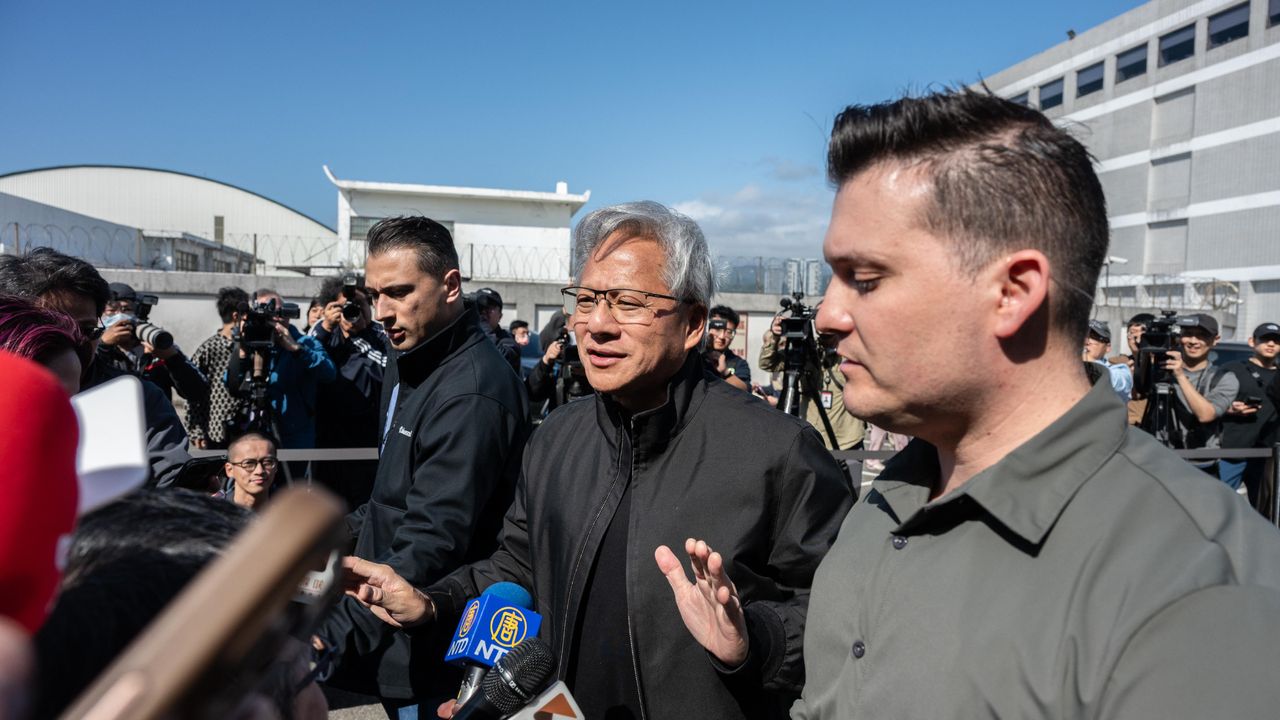
Nvidia's Huang claims that Taiwan will not lose its silicon shield as TSMC expands overseas because demand for leading-edge semiconductor production is so high that a global chipmaking footprint is essential to meet it.

 Login
Login