
Reading view

Zimbabwe in Talks with Emirates for Direct Dubai-Victoria Falls Flights, Aiming to Boost Tourism Growth, Connectivity and Regional Development

Zimbabwe in Talks with Emirates for Direct Dubai-Victoria Falls Flights, Aiming to Boost Tourism Growth, Connectivity and Regional Development

Say hello to new potential partnerships! Zimbabwe’s tourism sector is in the works for new developments, as the country is currently negotiating for a direct flights to be opened from Dubai to Victoria Falls with Emirates Airlines. This ground breaking prospect was discussed at the World Government Summit in the UAE, where president Emmerson Mnanangagwa along with a delegation that included the Minister for tourism, Barbara Rwodzi, met with Emirates officials, including the Deputy president and Chief Commercial Officer of Emirates, Adnan Kazim.

Most of thse meetings revolved around the prospective economic impact of this flight on Zimbabwe’s tourism, as well as the air connectivity of the two nations. A direct flight has the potential to promote Zimbabwe and the country’s tourism offerings and diversity within the scope of the KAZA UniVisa, which is a cross border travel initiative within the Kavango Zambezi Transfrontier Conservation Area (KAZA) tourism region.

Direct Flights: A New Chapter for Victoria Falls International Airport

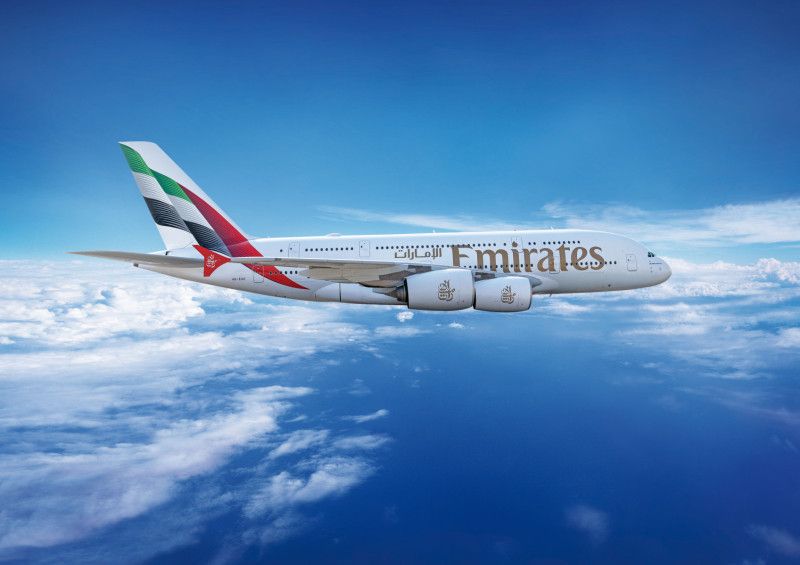
The proposed direct flight service from Dubai to Victoria Falls could serve as a major milestone for the country’s tourism industry, providing an easier, faster route for international tourists, especially those from the Middle East and Europe. Victoria Falls International Airport, already capable of handling large aircraft such as the Airbus A380, would become a central hub in the KAZA region if the route is established.

By offering direct flights, Emirates would significantly reduce travel time for visitors and make the destination more accessible to the global tourism market. This initiative would align with Zimbabwe’s broader strategy to enhance air travel infrastructure and support tourism growth across the nation, especially in regions such as Victoria Falls which rely heavily on international visitors.

Zimbabwe’s Tourism Recovery and Global Visibility

Zimbabwe’s recognition by Forbes in 2025 as one of the top must-visit destinations in the world has been a vital step forward in the country’s tourism recovery. Minister Barbara Rwodzi acknowledged that Emirates’ involvement in this effort has been crucial in raising Zimbabwe’s profile on the global stage and attracting more visitors to the country.

With Zimbabwe working to diversify its tourism offerings and develop infrastructure to meet increasing demand, the partnership with Emirates could serve as a catalyst for future growth. By promoting Victoria Falls as a regional tourism hub, Zimbabwe is positioning itself as a leading destination in southern Africa, appealing to both leisure travelers and those interested in eco-tourism and adventure tourism.

Leveraging the KAZA UniVisa to Enhance Regional Tourism

One of the central points of the discussions between Zimbabwe and Emirates was how Victoria Falls International Airport could serve as a key gateway to the wider KAZA region. The KAZA UniVisa, which allows travelers to visit multiple countries in the region on a single visa, has already been hailed as an effective tool for simplifying cross-border travel.

With direct flights from Dubai, Zimbabwe would not only boost the number of international visitors to Victoria Falls but also encourage greater tourism flows between Zimbabwe, Zambia, and other KAZA countries. This could create more integrated tourism packages, where travelers can experience a variety of natural wonders and cultural sites across the region, thereby increasing the economic impact of tourism for Zimbabwe and its neighbors.

Emirates’ Strategic Support for Zimbabwe’s Tourism Growth

Emirates has long been a partner in promoting global travel and tourism, and its interest in Victoria Falls represents an opportunity for Zimbabwe to further capitalize on its tourism potential. The establishment of a direct route would not only provide easy access to one of the world’s greatest natural wonders but also create new opportunities for business tourism, particularly in the growing sectors of meetings, incentives, conventions, and exhibitions (MICE), which could be significantly enhanced by seamless international flights.

Emirates’ role as a global airline with an extensive international network makes it an ideal partner for helping Zimbabwe attract high-spending tourists, further boosting the country’s tourism infrastructure. The airline’s ability to link Zimbabwe with global markets will make it more competitive in the tourism industry, ensuring that the country remains a top choice for travelers looking for unique and diverse experiences.

The Future of Zimbabwe’s Tourism Industry

Looking ahead, the talks between Zimbabwe and Emirates mark the beginning of an exciting phase in the country’s tourism evolution. Establishing direct connectivity to Victoria Falls would be a monumental achievement for both the airline and the country, creating new opportunities for growth while reinforcing the strategic importance of Victoria Falls as a global tourism hub.

With the backing of Emirates and the growing visibility of Zimbabwe on the world stage, the country is well-positioned to achieve long-term success in the global tourism market. This collaboration could also inspire further partnerships with other international airlines, helping Zimbabwe solidify its position as a premier destination in Southern Africa. As the talks progress and the prospects of a direct Dubai-Victoria Falls route gain momentum, Zimbabwe’s tourism sector is on track for an exciting future, one that will bring economic prosperity and recognition to this incredible country.

A New Era for Zimbabwe’s Tourism Industry

The possible new flights from Dubai to Victoria Falls suggests something more important and promising than a new travel route – the beginning of a new era for Zimbabwe’s tourism. Emirates leading the way, Zimbabwe’s tourism recovery in the coming years is inevitable, placing Victoria Falls at the center of tourism; extending the opportunity to see and experience one of the world’s natural wonders to travelers from all corners of the globe.

With the right Regional, Modern infrastructure and Global partnerships, Zimbabwe is set to be a top tourism destination in Southern Africa. The promise of new direct flights to Dubai, will continue to position Zimbabwe as a leading destination in the growing world of international tourism.

The post Zimbabwe in Talks with Emirates for Direct Dubai-Victoria Falls Flights, Aiming to Boost Tourism Growth, Connectivity and Regional Development appeared first on Travel And Tour World.
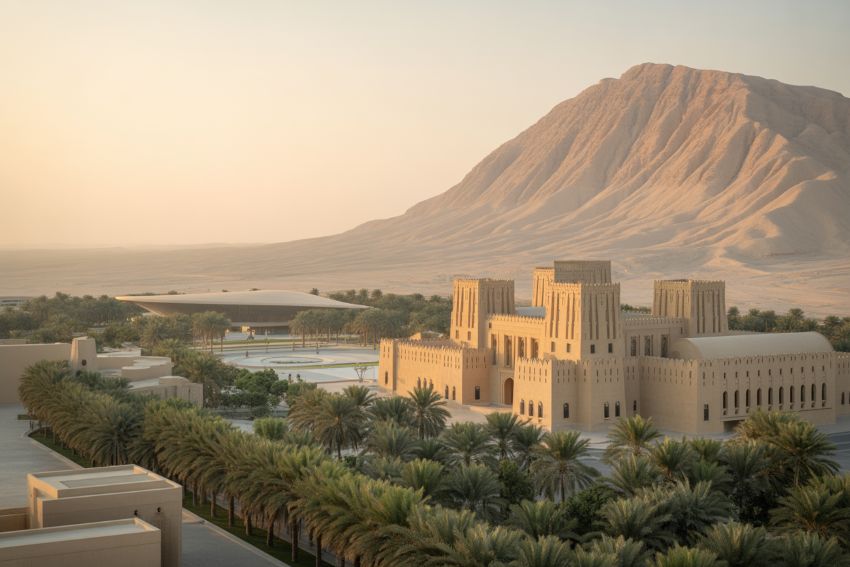

The 2026 Transformation of Al Ain: A New Era for Abu Dhabi’s Cultural Heart

The 2026 Transformation of Al Ain: A New Era for Abu Dhabi’s Cultural Heart

The Al Ain Region’s landscape is set to undergo significant transformation as comprehensive strategic plans for 2026 are implemented. During a recent high-level meeting, His Highness Sheikh Hazza bin Zayed Al Nahyan, the Ruler’s Representative in the Al Ain Region, meticulously reviewed the future of the region’s cultural and tourism industries. This briefing was held by a distinguished delegation led by the Chairman of the Department of Culture and Tourism – Abu Dhabi (DCT Abu Dhabi). The primary goal of these discussions was to position Al Ain as a premier destination that combines its deep-rooted history with modern leisure facilities.

Strategic Framework and Economic Impact

The pivotal role of the tourism and culture sectors in fostering sustainable development was highlighted throughout the session. It was noted that these industries are being positioned as central pillars for strategic investment within the emirate. By prioritizing these sectors, a multifaceted benefit is expected to be delivered to the local community, ranging from economic growth to the enrichment of social and cultural life. The integration of visitor experiences is being designed to ensure that the appeal of the Al Ain Region is strengthened for both domestic travellers and international tourists. Furthermore, the commitment to these sectors is viewed as a catalyst for improving the overall quality of life and the generation of new employment opportunities for the local workforce.

Revitalizing Heritage and UNESCO Sites

A significant portion of the development strategy is dedicated to the preservation and enhancement of historical landmarks. Updates were provided on the rehabilitation of the Al Ain Museum, an institution vital to the preservation of the UAE’s narrative. Additionally, the tourism appeal of the region’s famous oases and UNESCO World Heritage sites is being actively enhanced through sensitive development projects. These sites are regarded not merely as relics of the past but as living landscapes that must be maintained and promoted to safeguard the region’s unique identity. The environmental assets of Al Ain are being integrated into the broader tourism map to ensure that conservation efforts and visitor engagement go hand in hand.

Expanding Leisure and Family Destinations

While heritage remains a cornerstone, the expansion of family-orientated entertainment is also being prioritized to broaden the region’s demographic reach. Plans were reviewed for the modernization and development of iconic locations, including Hili Fun City and the Al Ain Zoo. Retail and lifestyle hubs, specifically Al Jimi Mall, are also included in the scope of these enhancements. Moreover, the natural wonder of Jebel Hafeet is being targeted for further leisure development, ensuring that the mountain remains a primary attraction for those seeking adventure and scenic beauty. These projects are intended to create a comprehensive leisure ecosystem that caters to diverse tastes and age groups.

Aligning with Abu Dhabi Tourism Strategy 2030

The initiatives presented are strictly aligned with the overarching objectives of the Abu Dhabi Tourism Strategy 2030. This long-term roadmap is designed to reinforce the emirate’s presence on the global tourism stage. By investing in the Al Ain Region, a firm commitment is being demonstrated toward achieving an integrated development model. The efforts led by DCT Abu Dhabi are focused on striking a delicate balance between modernizing leisure offerings and preserving the rich heritage that defines the area. This strategic alignment ensures that every project contributes to a unified vision of sustainable and culturally conscious growth.

A Vibrant Calendar of Cultural Festivals

The cultural profile of Al Ain is also being bolstered through an expanded calendar of annual events and festivals. These programmes are designed to attract a steady flow of visitors throughout the year and to provide a platform for traditional arts and literature. Key events such as the Traditional Handicrafts Festival and the Al Ain Book Festival are being utilized to celebrate local artistry and intellectual heritage. Additionally, community-centric celebrations like the Mother of the Nation Festival, the Dar Al Zain Festival, and Ghaitah Al Ain are being integrated into the tourism strategy. These festivals are recognized for their ability to reinforce the region’s status as a prominent cultural hub while providing immersive experiences for all attendees.

Collaborative Governance and Implementation

The scale of this vision is supported by a collaborative effort between government bodies and leading private sector entities. The recent meeting was attended by a high-level group including His Excellency Sheikh Mohammed bin Hamdan bin Zayed Al Nahyan and the Chairman of DCT Abu Dhabi. The presence of the Group CEOs of Aldar and Miral further emphasizes the public-private synergy required to bring these large-scale projects to fruition. Through this unified approach, the infrastructure, hospitality, and entertainment components of the Al Ain Region are being developed in tandem to ensure a seamless and world-class visitor journey.

A Global Destination in the Making

As 2026 approaches, the Al Ain Region is preparing to take its place as a top destination on the global cultural tourism map. The strategic investments and rehabilitation projects reviewed by the leadership demonstrate a commitment to preserving the past while building a prosperous future. Al Ain is being transformed into a site where history and modernity coexist peacefully by emphasising sustainable development, community benefits, and an enhanced visitor experience. The ongoing efforts of DCT Abu Dhabi and its partners ensure that the “Garden City” continues to thrive as a beacon of Emirati culture and a must-see destination for visitors from all over the world.

The post The 2026 Transformation of Al Ain: A New Era for Abu Dhabi’s Cultural Heart appeared first on Travel And Tour World.

Finland Joins Emirates’ Nordic Network as UAE Airline Launches Dubai–Helsinki Route

Finland Joins Emirates’ Nordic Network as UAE Airline Launches Dubai–Helsinki Route
Emirates

The United Arab Emirates and Finland are set to strengthen direct air connectivity as Emirates Airline announces the launch of nonstop flights between Dubai, United Arab Emirates, and Helsinki, Finland, starting October 1, 2026. The new route marks Emirates’ first service to Finland and becomes the airline’s fourth Nordic gateway, reinforcing growing aviation, trade, and tourism ties between the UAE and Northern Europe.

The announcement, confirmed through official releases from Emirates Airline and the Dubai Media Office in January 2026, positions Helsinki as a strategic addition to Emirates’ expanding European network. The service will operate daily, year-round, offering the only nonstop air link between the UAE and Finland.

What Are the Flight Details?

The Dubai–Helsinki route will be operated daily using the Airbus A350-900, one of the most advanced aircraft in Emirates’ fleet. This aircraft will introduce Emirates’ Premium Economy cabin to the Finnish market for the first time, alongside Business and Economy Class seating.

According to published schedules:

  • EK167 departs Dubai (DXB) at 08:45 and arrives in Helsinki (HEL) at 14:55
  • EK168 departs Helsinki at 16:45 and arrives in Dubai at 00:20 the following day

All times are local. The morning departure from Dubai aligns with Emirates’ primary long-haul connection bank, allowing seamless onward travel from Asia, Australia, India, and Africa into Finland.

Why Is Finland Strategically Important for the UAE?

Finland’s addition reflects Emirates’ long-term strategy to expand connectivity between the United Arab Emirates and high-value European markets. Helsinki is recognized as a key Northern European hub for technology, innovation, pharmaceuticals, and advanced manufacturing, making it an important destination for business travelers.

The route also strengthens Finland’s access to fast-growing markets across Asia and the Middle East through Emirates’ Dubai hub, enhancing bilateral trade and tourism flows between the two countries.

How Does This Fit into Emirates’ Nordic Network?

With Helsinki joining the network, Emirates will serve four Nordic capitals:

  • Copenhagen, Denmark – operated daily with the Airbus A380
  • Oslo, Norway – operated daily with the Airbus A350-900
  • Stockholm, Sweden – operated daily with the Boeing 777-300ER
  • Helsinki, Finland – launching daily with the Airbus A350-900

All Nordic flights depart Dubai in the early morning window, enabling efficient connections from long-haul inbound services. The use of the A350-900 on both Oslo and Helsinki routes ensures aircraft consistency and operational efficiency.

What Does the Route Mean for Cargo and Trade?

Beyond passenger travel, the new UAE–Finland air link provides a significant boost to cargo capacity. Emirates SkyCargo will utilize approximately 16 tonnes of belly-hold capacity per flight, supporting exports from Finland such as pharmaceuticals, electronics, precision machinery, and industrial components.

This cargo capability strengthens supply chain resilience between Finland and global markets, particularly in the Middle East, South Asia, and East Asia.

Tourism and Economic Impact

The route supports tourism strategies jointly promoted by Finnish authorities and Emirates, aimed at attracting visitors from the Middle East and Asia to Finland. Direct access is expected to boost inbound tourism to Helsinki and broader Finnish destinations, particularly during winter and shoulder seasons.

For UAE residents, the route opens convenient access to Finland’s nature tourism, design culture, and seasonal experiences, while offering seamless onward connectivity across Scandinavia.

Why the Airbus A350-900 Matters

The Airbus A350-900 is central to Emirates’ sustainability and passenger experience goals. Compared with older aircraft, it delivers improved fuel efficiency, lower emissions, quieter cabins, and enhanced onboard comfort.

The introduction of Premium Economy reflects Emirates’ response to growing demand for mid-tier travel options, offering wider seats, greater pitch, upgraded dining, and enhanced service compared with Economy Class.

What Comes Next for UAE–Nordic Aviation Links?

The Helsinki launch underscores Emirates’ confidence in Nordic markets and its broader European growth strategy. With strong demand across Denmark, Norway, Sweden, and now Finland, the airline continues to deepen its presence across Northern Europe while maintaining Dubai as a global super-connector.

The expanded Canada–UAE and Europe–UAE bilateral agreements continue to enable Emirates to add capacity strategically, balancing passenger growth with cargo and tourism development.

Conclusion

The launch of nonstop flights between Dubai, United Arab Emirates, and Helsinki, Finland, represents a significant milestone in UAE–Nordic aviation relations. By introducing daily, year-round service with the Airbus A350-900, Emirates strengthens economic, tourism, and trade ties while offering passengers a modern, premium travel experience.

As October 2026 approaches, the new route positions both the UAE and Finland to benefit from enhanced global connectivity, reinforcing Dubai’s role as a global aviation hub and Helsinki’s growing international reach.

The post Finland Joins Emirates’ Nordic Network as UAE Airline Launches Dubai–Helsinki Route appeared first on Travel And Tour World.

The Future of Transportation in Dubai: How Car Rentals Are Revolutionizing Travel

The Future of Transportation in Dubai: How Car Rentals Are Revolutionizing Travel

Dubai, a vibrant hub in the UAE, has long been a favourite destination for tourists, business travellers, and international events. As the city continues to grow and draw millions of visitors every year, the demand for convenient and efficient transportation options has risen dramatically. While taxis and public transport remain popular, more and more travellers are opting to rent a car in Dubai. This shift is being driven by the increasing desire for flexibility, comfort, and the ability to take control of their own travel schedules. Renting a car gives visitors the freedom to explore the city at their own pace, without the constraints of public transport or waiting for taxis.

Dubai’s Road Infrastructure: Built for Driving

Dubai’s infrastructure is designed with ease of travel in mind. The city boasts a network of wide highways, modern road systems, and clearly marked routes, making it one of the easiest places to navigate by car. While public transport options are continually expanding, personal vehicles remain the most efficient way to travel, particularly for those staying for extended periods. The city’s roadways are well-maintained, and driving conditions are typically ideal, with less congestion compared to other major cities in the world.

For tourists visiting Dubai, renting a car provides unparalleled freedom. It allows them to explore various neighbourhoods, shopping districts, pristine beaches, and cultural attractions at their own pace. Whether it’s a day of sightseeing or attending business meetings, having access to a rental vehicle ensures that travellers can maximize their time in the city without worrying about fixed routes, delays, or waiting for taxis.

The Role of Digital Platforms in Simplifying Car Rentals

With the advent of digital technology, booking a car rental in Dubai has never been easier. Online platforms have revolutionized the rental process, allowing customers to compare prices, read reviews, and understand rental terms before making a reservation. This digital shift has led to a more transparent and user-friendly experience, reducing uncertainty for visitors.

Travellers can now complete their bookings online, which ensures that everything is in place upon arrival. These platforms provide clear pricing structures, enabling visitors to avoid unexpected charges and better plan their budget. The convenience of booking online also allows travellers to secure the best deals and choose the perfect vehicle that fits their needs, whether they are visiting for leisure or business.

Why Renting a Car in Dubai Is Beneficial

Car rentals in Dubai are not just about convenience; they offer several practical benefits that make them an attractive option for both tourists and business travellers alike. Here are some of the key advantages:

Control Over Travel Plans

Renting a car gives travellers greater control over their daily activities. They can choose where and when to go, without having to adhere to public transportation schedules or wait for a taxi. Whether it’s visiting Dubai’s iconic landmarks or exploring lesser-known gems, having a rental car allows visitors to create a travel itinerary that suits their personal preferences.

Comfort in Extreme Weather

Dubai’s climate is known for its high temperatures, particularly during the summer months. Renting a car offers a comfortable way to travel in the heat, with air-conditioned vehicles ensuring that travellers stay cool as they move between destinations. This is especially important for those who are not accustomed to hot climates and prefer to avoid walking long distances in the heat.

Easy Access to Attractions Outside the City Center

While Dubai’s city centre is home to numerous attractions, there are plenty of exciting places to visit beyond the urban limits. Renting a car opens up access to popular destinations like the desert, Ras Al Khor Wildlife Sanctuary, and nearby emirates such as Sharjah and Abu Dhabi. With a rental car, visitors can explore Dubai’s diverse surroundings at their leisure, without the need for additional transport arrangements.

Cost Predictability for Long Stays

For visitors planning extended stays in Dubai, renting a car can be more cost-effective than relying on taxis or other modes of transport. With long-term rental options, travellers can save money while ensuring they always have access to a vehicle when needed. Fixed daily or weekly rental rates offer predictability in terms of travel costs, making it easier to budget for transportation during the trip.

Changing Travel Habits: Independence and Digital Convenience

The growing trend of renting cars in Dubai is a reflection of changing travel habits. In an increasingly digital world, tourists and business travellers alike are looking for more independent, efficient, and transparent ways to navigate their destinations. The desire for flexibility, comfort, and ease of access to transportation options is now a top priority for many visitors.

As Dubai continues to grow in popularity as a global business and tourism hub, the demand for car rental services is expected to increase further. The ability to rent a car provides tourists and business professionals with a sense of control over their schedules, allowing them to balance work commitments, sightseeing, and leisure activities seamlessly.

Car Rentals Supporting Tourism and Business in Dubai

The car rental industry in Dubai plays a significant role in supporting both tourism and business activities in the city. For tourists, rental cars offer an easy and flexible way to experience all that Dubai has to offer, from world-renowned shopping malls to cultural landmarks like the Burj Khalifa, the Dubai Museum, and the Dubai Opera. The convenience of renting a car ensures that visitors can explore the city at their own pace without relying on crowded buses or taxis.

For business travellers, renting a car is often essential for getting to meetings and events efficiently. Dubai’s business districts, such as Downtown Dubai, Dubai International Financial Centre (DIFC), and Dubai Media City, are spread out across the city, and having access to a rental vehicle allows professionals to attend meetings without wasting time in transit.

Future Outlook for Car Rentals in Dubai

As Dubai’s infrastructure evolves and its global reputation continues to rise, car rental services will remain a cornerstone of the city’s transportation system. The growing demand for personal mobility, combined with the ease of booking through online platforms, ensures that car rentals will continue to thrive. This trend not only meets the needs of the increasing number of tourists but also serves the growing demands of business travellers and residents alike.

Dubai’s dedication to improving and expanding its transport options promises a future where the car rental experience will only get better. We can expect to see even more innovative services, flexible rental choices, and an increased availability of electric vehicles, all aimed at supporting sustainability goals. As the city grows and strives to provide a smooth, hassle-free travel experience, car rentals will remain a vital part of how people navigate Dubai.

The post The Future of Transportation in Dubai: How Car Rentals Are Revolutionizing Travel appeared first on Travel And Tour World.

UAE’s Winter Tourism Campaign Boosts Global Visibility and Local Economy, Everything You Need to Know

UAE’s Winter Tourism Campaign Boosts Global Visibility and Local Economy, Everything You Need to Know

The UAE Ministry of Economy and Tourism has announced the successful completion of the sixth edition of the “World’s Coolest Winter” campaign, which lasted for six weeks from December 16, 2025. The campaign, with the slogan “Our Winter is Entrepreneurial,” was a national initiative aimed at promoting the UAE’s tourism offerings and establishing the UAE as a tourist destination throughout the year. The current campaign has achieved impressive outcomes, including substantial growth in hotel revenue, hotel occupancy, and international attention.

A Nationwide Effort to Boost Domestic Tourism

The World’s Coolest Winter campaign was implemented in collaboration with tourism authorities across all seven emirates, aligning with the UAE’s broader strategy for domestic tourism. With its focus on showcasing the UAE’s rich and diverse tourism assets—from sun-kissed beaches and tranquil islands to nature reserves and cultural landmarks—the campaign offered both local and international visitors a glimpse into the many experiences available in the UAE during the winter season.

A key element of this year’s campaign was to spotlight the role of entrepreneurs and startups in shaping the future of tourism in the UAE. Through the promotion of innovative, entrepreneurial-led tourism experiences, the campaign emphasized the UAE’s commitment to fostering a vibrant and competitive tourism market. By incorporating green, environmental, and agricultural tourism initiatives, the campaign also supported sustainable travel practices, reflecting the UAE’s growing efforts to diversify its tourism offerings.

Achieving Strong Hotel Revenue Growth

One of the most significant achievements of the World’s Coolest Winter 2026 campaign was its contribution to the UAE’s booming hospitality sector. Hotel revenues for the six-week campaign period reached AED 12.5 billion ($3.4 billion), marking a substantial increase compared to previous editions. This growth is indicative of the campaign’s effectiveness in attracting more visitors and encouraging longer stays, as well as the increasing popularity of the UAE as a tourism destination during the winter months.

With more than 5 million hotel guests, this year’s campaign saw a 5% increase in hotel occupancy compared to the previous edition, with overall occupancy reaching 84%. This uptick in hotel bookings and higher occupancy rates suggest that the UAE is becoming an increasingly desirable destination for tourists, particularly during the cooler winter months, when its weather is ideal for outdoor activities and exploration.

Global Reach and Impact

The World’s Coolest Winter campaign achieved impressive international visibility. Over the course of the campaign, it generated more than 300 million views and reached an audience of over 1.5 billion people globally. This was made possible through collaborations with 53 local and international content creators, who shared their experiences of the UAE’s unique offerings across multiple platforms. These efforts generated over 1.8 million engagements, helping to further establish the UAE as a top-tier global travel destination.

In addition to promoting the country’s diverse tourism attractions, the campaign highlighted the growing global confidence in the UAE’s tourism sector. It served as a testament to the effectiveness of the UAE’s strategic investments in tourism infrastructure, which have helped shape the country as a leader in the travel and tourism industry.

Supporting Entrepreneurship and Sustainable Tourism

The World’s Coolest Winter campaign was not just about increasing tourism revenue; it also aimed to highlight the contributions of local entrepreneurs and startups to the UAE’s tourism ecosystem. By showcasing pioneering tourism products and initiatives led by young Emirati entrepreneurs, the campaign promoted innovative travel technologies, from advanced tools for travel planning to immersive tourism experiences that bring local culture and heritage to life.

In addition to supporting entrepreneurship, the campaign also emphasized the UAE’s commitment to sustainability. Green tourism initiatives, such as nature reserves and eco-friendly travel products, were promoted as part of the campaign’s broader focus on environmental consciousness. The support for agricultural tourism projects also highlighted the UAE’s diverse offerings and its efforts to promote sustainable practices within the sector.

A Growing Tourism and Travel Sector

The success of the World’s Coolest Winter campaign is reflective of the broader growth of the UAE’s tourism and travel sector. In 2025, the UAE recorded hotel revenues of approximately AED 44.4 billion, driven by 29.1 million guests and nearly 99.4 million hotel nights. This growth is consistent with the UAE’s Vision 2030 goals, which focus on diversifying the economy and positioning the country as a global leader in tourism and hospitality.

Additionally, the UAE’s aviation sector has seen robust growth, with passenger traffic projected to reach 159 million by the end of 2025. These figures underscore the country’s increasing attractiveness as a travel hub for both leisure and business travelers from around the world.

Recognition and International Accolades

The World’s Coolest Winter campaign not only boosted the UAE’s domestic tourism industry but also contributed to the country’s growing international recognition. In 2025, the UAE ranked among the top seven global destinations for international tourist spending, further reinforcing its status as a high-demand destination for global travelers.

The success of the tourism sector in the UAE was also marked by the election of Shaikha Al Nowais as the Secretary-General of the UN World Tourism Organization and the naming of Al Ain as the Capital of Arab Tourism for 2026. The UAE also saw Masfout Village win the 2025 Best Tourism Village award, adding to its list of achievements in the tourism sector.

UAE’s Position as a Leading Global Tourism Destination

The World’s Coolest Winter 2026 campaign has firmly established the UAE as a year-round tourism destination that offers a rich variety of experiences for both local and international visitors. With its significant contributions to the UAE’s hospitality and tourism revenue, the campaign also highlighted the growing role of entrepreneurship, sustainable practices, and innovative tourism products in the country’s tourism sector.

The post UAE’s Winter Tourism Campaign Boosts Global Visibility and Local Economy, Everything You Need to Know appeared first on Travel And Tour World.

Direct Flights from Singapore to Riyadh Now Set to Boost Saudi Tourism and Business, Get the Details Here

Direct Flights from Singapore to Riyadh Now Set to Boost Saudi Tourism and Business, Get the Details Here

In a major step to improve connectivity and promote economic links, the Air Connectivity Programme (ACP) of Saudi Arabia and Singapore Airlines have entered into a new cooperation agreement. This new cooperation will bring about a direct air service between Riyadh, the capital of Saudi Arabia, and Singapore, which will provide a direct air service that will promote growth in tourism, trade, and logistics. This new service will be a major step in improving air connectivity between the two countries.

New Direct Air Route Between Riyadh and Singapore

Starting in June 2026, Singapore Airlines will begin operating the first direct flights between Singapore Changi International Airport (SIN) and King Khalid International Airport (RUH) in Riyadh. The new service will operate four times a week, utilizing the A350-900 aircraft, which has a seating capacity of 303 passengers per flight. With an annual capacity of 126,048 passengers, this new route will significantly enhance the air connectivity between Saudi Arabia and Southeast Asia.

The establishment of this direct air route is expected to make travel between the two countries more convenient and efficient. By eliminating the need for connecting flights, travelers will benefit from shorter travel times and a more seamless journey, making Riyadh a more accessible destination for tourists and business travelers from Singapore and the surrounding regions.

Supporting Tourism and Trade Growth

This new direct air route is part of Saudi Arabia’s broader strategy to strengthen its position as a regional hub for air transport. The direct connection between Riyadh and Singapore will not only boost tourism but will also enhance trade and investment flows between the two countries. Singapore, with its dynamic economy and position as a key business hub in Asia, is an important partner for Saudi Arabia. This new air service will enable better business travel options, while also encouraging tourism between the two countries.

The introduction of direct flights will provide travelers from Singapore with greater access to the Kingdom’s thriving tourism sector. Saudi Arabia is positioning itself as a premier tourist destination, and this new route will support efforts to bring in more international visitors, especially from Southeast Asia. With significant cultural, historical, and religious sites, Saudi Arabia is a rising destination for travelers seeking new experiences. This direct flight route will provide a more direct connection to explore Saudi Arabia’s diverse offerings, from the vibrant city of Riyadh to the Red Sea coastline and the holy cities of Mecca and Medina.

Enhancing Air Connectivity for Business and Leisure

Beyond tourism, the new air route also serves the growing demand for business travel between Riyadh and Singapore. As Riyadh emerges as one of the most dynamic cities in the Middle East, the city’s business environment is thriving, with increasing numbers of international companies and investors looking to capitalize on opportunities in the Kingdom. The new direct flight route will make it easier for business professionals to travel between the two cities, facilitating collaboration, partnerships, and trade.

Moreover, the link will enhance Saudi Arabia’s standing as a logistics hub, as the Kingdom continues to invest heavily in infrastructure and connectivity. The government’s National Transport and Logistics Strategy aims to position Saudi Arabia as a global logistics hub and connectivity platform. By improving air connectivity with Southeast Asia, this new route is an important step towards realizing these ambitions, enabling smoother movement of goods and services between the Kingdom and key Southeast Asian markets.

The Strategic Role of Singapore Airlines in Expanding Global Networks

Singapore Airlines has long been a leader in international air travel, and this partnership with Saudi Arabia further underscores its role in connecting key global destinations. The airline’s return to Riyadh highlights the growing importance of Saudi Arabia’s economic and business landscape, particularly in Riyadh, which has become one of the most exciting and dynamic cities in the Middle East.

Singapore Airlines‘ commitment to expanding its network into Riyadh is aligned with the airline’s goal of offering more travel options for its customers across the region. This new route to Riyadh will not only serve passengers traveling directly between Singapore and Saudi Arabia but will also provide connections to a wider range of destinations through Singapore Airlines’ extensive network, particularly in Southeast Asia, Europe, and beyond. This move reflects the airline’s confidence in the strong demand for travel to Saudi Arabia and its broader Middle Eastern network.

Enhancing National and Regional Tourism Objectives

The new air route also plays a critical role in achieving the goals of Saudi Arabia’s national tourism strategy. The Kingdom has set ambitious targets to attract millions of international tourists as part of its Vision 2030 plan, which aims to diversify the economy and reduce its reliance on oil exports. Tourism is seen as a key pillar of this strategy, and increasing air connectivity is essential to achieving these goals.

The direct flight service between Riyadh and Singapore is an important step in this direction, as it facilitates easier access for tourists from one of the world’s leading tourism markets. With the global tourism industry showing signs of recovery, enhancing air connectivity with major international hubs like Singapore can help Saudi Arabia tap into new visitor segments and drive growth in its tourism sector.

A Milestone for Saudi Arabia’s Aviation Strategy

This partnership between Saudi Arabia and Singapore Airlines represents a key milestone in the Kingdom’s broader aviation strategy. The introduction of direct flights between Riyadh and Singapore highlights Saudi Arabia’s growing influence in the global aviation sector and its efforts to become a more connected and accessible destination for international travelers. As the Kingdom continues to expand its air travel network, this direct route will contribute to the overall growth of both tourism and business travel, reinforcing Saudi Arabia’s position as a central player in global connectivity.

The post Direct Flights from Singapore to Riyadh Now Set to Boost Saudi Tourism and Business, Get the Details Here appeared first on Travel And Tour World.

UAE Sets A New Standard For International Tourism In 2026 With Dubai, Abu Dhabi, And Sharjah Leading A Shift Toward High-Quality, Longer-Stay Travel

UAE Sets A New Standard For International Tourism In 2026 With Dubai, Abu Dhabi, And Sharjah Leading A Shift Toward High-Quality, Longer-Stay Travel
Dubai
Abu Dhabi

The UAE is dominating the 2026 travel landscape because Dubai, Abu Dhabi, and Sharjah are attracting record international demand driven by experience-led stays, competitive pricing, and seamless global access. Travellers from Europe, Asia, and North America are increasingly choosing the UAE not just for its landmarks, but for the comfort, value, and variety these three destinations offer, supported by strong flight connectivity, easing travel costs, and a growing preference for longer, more immersive holidays that combine beaches, culture, and entertainment in a single trip.

Dubai, Abu Dhabi, and Sharjah are set to dominate international travel demand in 2026 as the United Arab Emirates strengthens its position as a destination where hotel experiences drive travel decisions. New data from Skyscanner’s Travel Trends Report shows that global travellers are no longer choosing destinations only for landmarks or flight deals. Instead, they are increasingly booking trips based on the quality, comfort, and overall experience offered by hotels, a shift that strongly favours the UAE.

Dubai leads this transformation. The city has recorded a sharp rise in advance hotel bookings, with demand up by nearly ninety percent compared to 2024. This surge reflects Dubai’s ability to consistently deliver high-standard accommodation across luxury, mid-range, and family-friendly segments. Travellers now see hotels as part of the holiday experience rather than just a place to sleep, and Dubai’s resort-style properties, serviced apartments, and integrated lifestyle hotels fit this expectation perfectly.

International interest is growing fastest from Germany, Switzerland, Canada, and South Korea. Travellers from these markets are actively searching for destinations that offer comfort alongside culture and variety. Sharjah has emerged as a strong beneficiary of this trend. Searches from German travellers have more than doubled, driven by the emirate’s rich cultural heritage, museums, historic districts, and relaxed coastal environment. Easy access to low-cost flights has further increased Sharjah’s appeal, making it an attractive alternative to more traditional urban destinations. Swiss travellers are showing similar enthusiasm, with searches rising sharply compared to last year.

Price and accessibility continue to play a major role in shaping these travel choices. Dubai benefits from one of the world’s most connected aviation networks, allowing travellers to reach the city easily from Europe, Asia, and North America. Visa-free access for Canadian travellers has removed a key barrier, while a noticeable drop in overall travel costs compared to 2024 has made Dubai even more competitive. These factors combine to make the city a convenient and cost-effective option without sacrificing quality.

Abu Dhabi is also gaining ground, particularly among South Korean travellers. A significant reduction in average travel prices during 2025 has improved the emirate’s value proposition, encouraging more visitors to consider it for leisure travel. Abu Dhabi continues to balance modern attractions with cultural depth, offering museums, beachfront resorts, and entertainment experiences that appeal to travellers seeking a calmer alternative to larger cities while still enjoying premium hospitality.

The report highlights a clear shift in how people plan their holidays. Accommodation now sits at the centre of travel decision-making. More than three-quarters of travellers say hotel quality directly influences where they choose to go, a figure that rises even higher among younger travellers. Gen Z and Millennials, in particular, prioritise design, amenities, location, and overall value when selecting destinations. Hotels with wellness facilities, family-friendly features, and immersive experiences are shaping travel choices more than ever before.

Travel patterns are also changing in terms of trip length. Travellers are planning longer stays, with the average holiday extending to six days in 2026, up from four days in 2025. This shift suggests that visitors are looking to slow down, explore more deeply, and maximise the value of their accommodation. The UAE’s hotel offerings support this trend by combining leisure, dining, entertainment, and relaxation within a single stay.

Beaches remain a powerful draw. Across Dubai, Abu Dhabi, and Sharjah, world-class hotels offer private beach access, expansive pools, and seamless connections to major attractions. Guests can move easily between beach resorts, shopping malls, cultural landmarks, and theme parks, all within short travel times. This convenience enhances the overall experience and encourages longer stays.

The UAE is expected to attract strong visitor numbers from key markets including the United Kingdom, India, Germany, France, Italy, Turkey, Australia, and the Netherlands in the coming year. These travellers are drawn by a mix of reliable infrastructure, competitive pricing, and consistently high service standards. The country’s ability to cater to different budgets while maintaining quality gives it a clear advantage in a crowded global travel market.

The UAE is leading global travel in 2026 as Dubai, Abu Dhabi, and Sharjah draw rising international demand through strong value, easy access, and experience-focused stays. Longer holidays, falling travel costs, and a growing focus on comfort and culture are pushing travellers to choose the UAE over competing destinations.

As hotels take on a more influential role in shaping travel decisions, the UAE stands out as a destination that understands and responds to changing traveller expectations. By combining accessibility, affordability, and a hospitality sector that continues to innovate, Dubai, Abu Dhabi, and Sharjah are well positioned to remain among the world’s most sought-after travel destinations in 2026.

The post UAE Sets A New Standard For International Tourism In 2026 With Dubai, Abu Dhabi, And Sharjah Leading A Shift Toward High-Quality, Longer-Stay Travel appeared first on Travel And Tour World.
❌