
Reading view

HolyLandTravel.ai: A Revolutionary AI Platform for Christian Pilgrims to Israel’s Holy Land

HolyLandTravel.ai: A Revolutionary AI Platform for Christian Pilgrims to Israel’s Holy Land

Christian pilgrims can now use the platform HolyLandTravel.ai to plan stress-free trips to the Holy Land. HolyLandTravel.ai, powered by AI, makes itinerary planning personal and gives the user the ability to customize or remove activities from their itinerary, and generate activities to see the Holy Land.

At the International Mediterranean Tourism Market (IMTM) and Traveling with Technology conferences, HolyLandTravel.ai went live. For travelers to Israel, the app will revolutionize the way in which customers make use of the extensive historical information available to them. The app delivers digital content to customers, including podcasts and videos that it produces and that present the content in a historical and modern context.

AI-Driven Convenience for Pilgrims

The app’s revered content, HolyLandTravel.ai, brings a singular experience. The app gives pilgrims the tools to craft their itinerary and send them religious content, which is augmented with practical pointers, real-time digital content, and religious customizable features.

The app’s design allows users to find places they want to see, like the Western Wall in Jerusalem, Bethlehem, Nazareth, and Mount Sinai. The app helps users understand the history and the importance of the Wailing Wall by providing real-time updates. Users are able to engage in the app’s updates and the Wailing Wall’s history.

Travelers who want to understand the Holy Land better, the app HolyLandTravel.ai uses relevant videos to help users understand the geography and spirit of the places they visit. The app’s AI technologies provide users access to interesting podcasts that provide information on the religion and history of the important sites.

U.S. Ambassador’s Endorsement of the New Platform

Huckabee, former U.S. Governor and Ambassador to Israel, spoke about the app as it is made to ‘change the game’ for ‘pilgrimage tourism’ to Israel. He mentioned it would provide users a ‘first of its kind’ experience combining the latest technologies with the age-old religions and providing a unique way to view the Holy Land.

While speaking at the event, Huckabee mentioned the value of the app in assisting people, especially the 80 million Evangelical Christians in the United States, to make their pilgrimage easier and enrich their experiences. The app helps travelers plan their journeys in seconds, allowing them to sidestep the logistical aspects and concentrate on the spiritual dimension of their journeys.

The Rebirth of Pilgrimage Tourism in Israel

The HolyLandTravel.ai launch is also significant for Israel’s tourism industry, which has been trying to recover from the impacts of global disruption in the last 5 years. The COVID-19 pandemic and geopolitical issues affected the tourism industry and the pilgrimage sector the most. HolyLandTravel.ai is now poised to play a significant role in restoring the pilgrimage tourism industry in Israel as millions of believers across the globe wish to visit the Holy Land.

Industry experts believe the app will play an important role in the recovery of tourism in Israel by establishing an initial contact between pilgrims and the sacred sites of the country. With the removal of barriers to access pilgrimage tourism, the app will facilitate easy travel to Israel from any part of the globe. Target users include those who want to experience the journey biblically and spiritually, and it will help them plan their travels in a worry-free manner.

Using artificial intelligence, the platform also modernizes and adds a greater degree of personalization and interactivity to the experience of a traditional pilgrimage. The app allows users to discover both the physical and symbolic meanings of the holy sites in Israel and pilgrimage.

A New Era of Religious Tourism in Israel

The new platform is in line with Israel’s tourism strategy to improve accessibility for international travelers, especially for those interested in religious and spiritual tourism. The developers of HolyLandTravel.ai believe the app will appeal to Christian pilgrims and to others of different religions interested in biblical tourism to the Holy Land. By the showcasing of partnerships with technology students and organizations, the initiative has showcased Israel’s technology sector once more and its role in shaping the future of travel. Israel is incorporating machine learning and other advanced technology tools into the travel industry. This means that Israel is taking the lead in providing tech-centric travel experiences.

The Director of Tourism for the Jerusalem Development Authority, Stephen Rubin, is undoubtedly optimistic about the destination for this platform in regard to the future of tourism in Israel. He referred to the platform as a “blessing” for the tourism industry of Israel, stating that it has the possibility to spark new interest and grow the religious travel market in the post-Covid world.

Future Developments for HolyLandTravel.ai

The platform has the possibility to grow beyond just Christian pilgrims. Future editions of HolyLandTravel.ai may have more languages and itineraries and even greater partnerships with other tourism providers in Israel. Offering pilgrims a fully integrated and seamless experience with artificial intelligence will set the standard for religious travel worldwide.

To sum up, HolyLandTravel.ai is an important step in the revitalization of tourism in Israel, providing Christian tourists and pilgrims the chance to interact with the innovative travel tech that will assist them in their journeys to the Holy Land. As an innovative AI-based travel solution, the app will transform the planning of religious journeys in an immersive and personalized way.

The post HolyLandTravel.ai: A Revolutionary AI Platform for Christian Pilgrims to Israel’s Holy Land appeared first on Travel And Tour World.
Malaysia Airlines and Singapore Airlines Strengthen Partnership for Enhanced Connectivity and Customer Flexibility: What New Updates You Need to Know

Malaysia Airlines and Singapore Airlines Strengthen Partnership for Enhanced Connectivity and Customer Flexibility: What New Updates You Need to Know

In a notable step to increase customer choice in air travel, Singapore Airlines (SIA) and Malaysia Airlines (MAB) have confirmed the formalization of their joint business partnership, a first for the costume business in aviation. The partnership comes after the joint application for the partnership was approved by the Civil Aviation Authority of Malaysia in January 2026, following a first stamp of approval from the Competition and Consumer Commission of Singapore in July 2025.

With this partnership, the airlines intend to explore several initiatives for the first time, including a partnership for corporate travel across the two markets, coordinated flights, revenue sharing for flights, and joint fare products. The airlines intend to offer customers more flexible and better travel options.

More Choices and Greater Ease of Travel for Customers

As part of the new strategic collaboration with Singapore Airlines, Malaysia Airlines will begin combining flight schedules for the two airlines. Customers will be able to enjoy the new partnership for even more direct and streamlined flights between Kuala Lumpur and Singapore. In addition to direct flights, passengers will be able to enjoy more international flight choices with improved international connectivity.

This partnership is part of Malaysia Airlines’ Long-Term Business Plan 3.0, which seeks to sustain the growth of the business for the years to come. The collaboration seeks to improve Malaysia Airlines’ position in the industry by providing more robust connectivity and a differentiated offering to the industry with improved scale and offerings across the Asia Travel markets.

The two airlines will be able to offer more joint services by closely aligning their schedules. The improved combination of the airlines’ operational strengths will improve the efficiency of their services and result in a more seamless travel experience for customers traveling between Singapore and Malaysia.

A Win-Win for Both Carriers and Customers

Since signing the agreement in October 2019, the two airlines have been expanding their collaboration, and that includes the growing of their co-codeshare agreements. Currently, Singapore Airlines has codeshare agreements for Malaysia Airlines’ flights for services between Kuala Lumpur and Singapore, London, and 15 other domestic cities in Malaysia. Additionally, Singapore Airlines and Malaysia Airlines have codeshare agreements for flights from Singapore to Kuala Lumpur, plus Penang, Barcelona, Brussels, Cape Town, Copenhagen, Istanbul, Johannesburg, London, Rome, and Zurich.

Both airlines’ frequent flyer programs have also benefited Singapore Airlines and Malaysia Airlines mutually, and via the current cross-participation agreements, Enrich and KrisFlyer points can be earned on selected flights by the respective airlines. This program improves the experience for most travelers while also increasing the convenience for frequent travelers.

Building Stronger Regional Ties

Currently, there is stiff competition in the aviation market, which is also why Malaysia Airlines and Singapore Airlines are entering a partnership. The colleagues also strengthen the frequent economic travel of the people of both Malaysia and Singapore and commerce between the two countries.

Economic Growth and Connectivity Between Malaysia and Singapore

Once travel restrictions have been mostly lifted, and more demand for travel services has reached Southeast Asia, Singapore and Malaysia Airlines will together facilitate the continuing expansion of economic and trade relations between the two nations. Given the inflow of business executives and travellers, the partnership will enable sustained economic growth and provide enhanced mobility for business executives and travellers.

The two airlines are addressing and meeting the current demand for more integrated travel services and, as such, will provide a more progressive offering. Revenue-sharing flights and integrated travel products will transform corporate travel and service offerings for businesses operating across both markets.

A Bright Future for Aviation in Southeast Asia

The two airlines will continue to enhance their focus to improve customer service, and as such, this collaboration will be deepening. The partnership will enable both airlines to extend their reach in the global aviation market, enhancing their collaboration and operational efficiencies.

In the coming years, travelers can look forward to a more comprehensive and interconnected network of services, providing an even greater range of travel opportunities to and from Singapore and Malaysia. This collaboration marks the start of a new era in regional aviation with promising prospects.

With the partnership between Malaysia Airlines and Singapore Airlines deepening, from an end-customer perspective, this will positively impact regional travel and commerce. The collaboration demonstrates how partnerships within Southeast Asia can become more effective, especially in enhancing travel between Malaysia and Singapore.

The post Malaysia Airlines and Singapore Airlines Strengthen Partnership for Enhanced Connectivity and Customer Flexibility: What New Updates You Need to Know appeared first on Travel And Tour World.

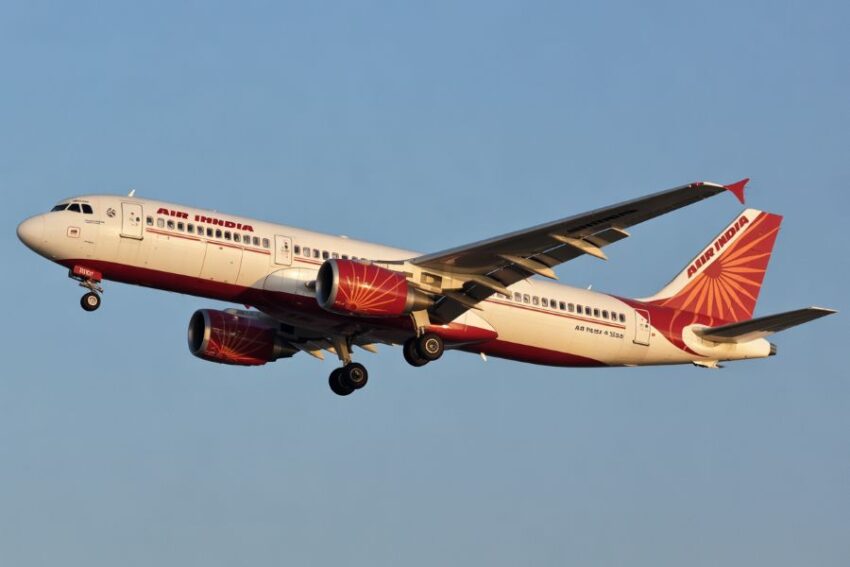
Air India Grounds Boeing 787 Dreamliner Over Fuel Control Switch Concerns After Pilot Flags Possible Defect: What Latest Updates You Need to Know

Air India Grounds Boeing 787 Dreamliner Over Fuel Control Switch Concerns After Pilot Flags Possible Defect: What Latest Updates You Need to Know

After one of the pilots of a Boeing 787-8 Dreamliner reported issues with a fuel control switch, Air India has temporarily removed the aircraft from service. Air India, being one of India’s largest airlines, has also reported the potential defect concerning the fuel control system to the nation’s aviation regulator, the Directorate General of Civil Aviation (DGCA), and a review is currently underway.

Although Air India has not publicly stated the issue with the aircraft, the airline remains in contact with Boeing to find a resolution. The airline stated the removal of the Dreamliner from service is in the best interest of the airline to ensure the highest possible safety of passengers and crew. The airline is looking to avoid any possible incidents, particularly one of the previous investigations of a fatal incident that killed 260 people.

Pilot’s Mentioned Concerns During Regular Operations

A concern developed when a Boeing 787 Dreamliner landed in Bengaluru, India, after flying in from London. While the pilot was disembarking, he reported the fuel control switch to be faulty. This grounded the airplane, and Air India took the required steps to continue the investigation. The airline grounded the aircraft to demonstrate their dedication to the safety of their customers.

The fuel control switch is important for regulating the amount of fuel that flows to the engines. Any problems with the system may cause problems with the operation of the flight. Because of this, Air India took this issue very seriously even though no problems occurred during this flight. Air India has provided its customers and the public with full reassurance that a concern of this magnitude to the system of an aircraft is followed with the required responsibility.

How Air India Stays Safe and Inspected

Boeing is collaborating with Air India to sort things out when the investigation is done. The aircraft manufacturer said Air India is prioritizing fuel control switches for review on the Dreamliner fleet to ensure all systems function properly.

Boeing has not talked about the details of the specific defect. Air India will likely do a thorough inspection of all its Boeing 787s so they don’t have the same problems.

As the event continues to unfold, India’s aviation regulatory body, the DGCA, is closely examining the event. The primary point of the DGCA is to ensure all of India’s Civil Aviation is safe. This involves managing the operational and the technical airworthiness of the aircraft in the sky. The Boeing 787 Dreamliner has made an impressive mark and become a favorite for multiple global airlines. It has become a favorite for its passenger comfort, fuel efficiency, and advanced tech. Yet, like most aviation systems, they depend on a lot of intricate technology, which can lead to the development of possible faults. These faults may include mechanical issues, and if they occur, the airline must attend to them promptly.

Review of Fuel Control Switches Across the Fleet

The Air India pilot brought this to the airline’s attention. Air India has fuel control switches on all of its Boeing Dreamliner airplanes. The airline must ensure that the rest of its fleet does not have similar defects. The airline has devoted itself to ensuring that all safety measures are implemented and that all of the Air India Dreamliners are regularly inspected to ensure the safety of the passengers.

This is all part of the safety examinations being conducted for this aircraft. It is still happening to ensure that the Boeing 787 Dreamliner can provide safe and efficient safety cruises. No incidents have happened, and that is a testament to the diligence of all the airlines involved. Air travel is not a sport and should never be thought of as dangerous. We must stay vigilant in the area of safety.

Operational Effects and Reputation Damage Control

There may be some operational inconveniences as a result of this order, but Air India has stated that it will be able to return to normal operations as soon as possible. The airline will be able to win back passenger trust in operational safety due to the rapid response to the situation.

There is a notable operational delay in Air India as a result of the order. This delay stems from a tragic event that has resulted in the death of several hundred people, which has led to the airline once again stepping operationally in to provide for the safety of passengers and personnel.

In summary, to some employees of Air India, the delay of one of the new Boeing 787’s may appear as if the airline is being over cautious. However, the airline is rigorously assessing the operational implications of the order, as it has been flagged by the airline to ensure no other issues arise in the airline’s operations. This event emphasizes the safety protocols that govern the industry. Procedures to ensure the safety of travelers and those working in the industry.

The post Air India Grounds Boeing 787 Dreamliner Over Fuel Control Switch Concerns After Pilot Flags Possible Defect: What Latest Updates You Need to Know appeared first on Travel And Tour World.

Russia Tightens Travel Restrictions for Scientists to Unfriendly Nations, Experts Weigh In: What New Updates You Need to Know

Russia Tightens Travel Restrictions for Scientists to Unfriendly Nations, Experts Weigh In: What New Updates You Need to Know

Recently, Russia has begun to implement tighter regulations on scientists, including requiring scientists to obtain permission from specific government ministries to travel to ‘unfriendly’ countries. Though the stated purpose of the policy is to further tighten their control over the scientific sector, experts believe it is increasing the isolation of Russian scientists from the world scientific community.

These developments follow reports in Russian news stating that scientists have been denied permission to travel abroad, citing security concerns. These claims are partially related to the arrest of a Russian archaeologist conducting illegal excavations in Crimea, which the Russian government has been tight-lipped about, leading to many theories regarding the real reason for the travel restrictions.

In December, it became known that Russian scientists would have to obtain permission from the Federal Security Service (FSB) to collaborate with foreign scientists. There is no doubt they are further tightening the screws on the scientific community, and the scientists feel it, with a constant tightening of FSB control over foreign collaborations. FSB concerns about foreign influence flows are justified, given the world’s geopolitical tensions.

Experts claim that the intent behind these measures is more substantial than the individual events of security incidents. The pattern of travel and the collaboration with foreign scientists is viewed as an attempt by Russia to further disconnect itself from the West. This is especially true since global collaboration is expanding. This broadened isolation will result in significant drawbacks for Russian researchers as they will face the lost opportunities of international collaboration, funding, and access to the newest research.

The Russian government states that the security of its citizens is the government’s main concern. Critics highlight that the justification shows a trend of an increasing restriction of academic and scientific freedoms. The isolation of Russian scientists from their European and North American counterparts continues to be a significant effect of increasing geopolitical tensions.

It is widely believed that these restrictions will further add to the scientific isolation of Russia and inhibit its ability to conduct research. Especially in the case of Russian researchers of specialized disciplines, the ability to partner with foreign institutions is being lost. These restrictions will ensure that researchers are focused more on their own country, thereby reducing the cross-pollination of ideas necessary for the advancement of science.

There is a possible connection between the measures and the Russian government’s attempts to monitor and mitigate the flow of sensitive information through the fields of archaeology, defense, and technology. The apprehension of the Russian archaeologist in Poland has raised further concerns regarding the possible involvement of state security agencies in the scientific monitoring and control of the archaeologist.

In the past, the control of the state of scientific monitoring and the control of the state of the scientist in Poland has been implemented in the scientific control of state security agencies.

Moreover, Russian scientists are becoming more isolated, which will affect the world’s view of Russian research. The more Russia limits itself to international conferences and international collaborations, the more irrelevant it becomes to the international academic and scientific community. The reputation of Russian research diminishes, and so does its ability to influence the world.

In summary, the limitation of where Russian scientists can travel is part of a bigger strategy to completely isolate the Russian scientific community from the West. With the FSB now being part of the approval process for any collaboration, it is only a matter of time before even more restrictions are placed on Russian scientists working with their international counterparts. Although the Russian government claims that these restrictions are meant to keep the country secure, analysts believe that this type of thinking will ultimately destroy the scientific potential of the country.

The worldwide scientific community is growing, and Russian scientists are being left behind, resulting in a decline in Russia’s scientific influence, both regionally and globally. Foreign travel bans showcase how Russia intends to assert control over the research sector and how it seeks to minimize external influence. The long-term impact is unknown but is likely to continue to distance Russia from the international scientific community.

The post Russia Tightens Travel Restrictions for Scientists to Unfriendly Nations, Experts Weigh In: What New Updates You Need to Know appeared first on Travel And Tour World.

Lithuania Witnesses Over Four Percent Increase in Foreign Tourism, Attracting Millions of Visitors Last Year: What New Updates You Need to Know

Lithuania Witnesses Over Four Percent Increase in Foreign Tourism, Attracting Millions of Visitors Last Year: What New Updates You Need to Know

In 2025, foreign tourism in Lithuania grew, with 1.5 million foreign visitors, marking an increase of 4.4% from 2024. This growth can be attributed to the rise in tourists who traveled to Lithuania specifically for tourism, rather than those passing through for connecting flights. The State Data Agency and Lithuania Travel have consistently reported increases in the number of visitors coming to Lithuania for recreational or cultural activities. Most visitors had positive experiences, and Lithuania is emerging as a preferred travel destination for tourists.

Foreign Tourism Travel Report

An interesting result in the report indicated that 77% of foreign travelers chose Lithuania as their main destination rather than as an intermediate stop on the way to another destination. Lithuania is now becoming known as a favorite destination for travelers wanting to get away to Europe. The report also states that 90% of visitors are satisfied with Lithuania’s services, which confirms that Lithuania is a center of attraction for foreign travelers. The appreciation comes from the national tourism promotion agency Lithuania Travel for the visitors who are motivated by the country’s exceptional cultural and natural resources.

Reasons for Growing Tourism

The factors for increasing travel to Lithuania are numerous; however, food and drink are the biggest motivators for 78% of respondents. Tourists are extremely eager to sample the country’s numerous food offerings, which boast local culinary traditions and one-of-a-kind flavors. Ease of arrival, or lack of travel restrictions, is another motivator for 76% of visitors. Lithuania has invested efforts to streamline its visa process and make travel as hassle-free as possible. This positive, hassle-free travel environment likely has positive influences on travel.

The stimulating food culture and accessible travel are further complemented by Lithuania’s stunning natural landscapes. Lithuania possesses natural resources such as its scenic coastlines and lakes, as well as its many tourist attractions, such as picturesque forests. Tourist respondents to the survey mentioned Lithuania as their 74% selection because of the natural landscapes. This survey has indicated both a country and a culture with a strong preference for outdoor activities, such as hiking, biking, nature tours, and more, as 72% of visitors stated Lithuania possessed a rich and lively culture, further complemented by its wonderful landscapes and numerous outdoor offerings.

Different Visitor Profiles and Specific Tourism Concepts

An extensive study of the data showed that Lithuania is securing a broad spectrum of foreign clientele. Among these, the travelers from Israel have captured Lithuania’s attention the most. Israel travelers have shown a 96% response rate, claiming Lithuania as their one and only travel destination. This data proves that Lithuania is gaining traction as a potential tourist destination for travelers who want to explore places beyond Europe. Lithuania Travel is continuing to pursue key markets to educate potential visitors on the country’s diverse offerings.

In addition, the growth of international travel to Lithuania has been complemented by a variety of advertising and marketing initiatives. The post-COVID era recovery efforts have just given the Lithuanian Government and Lithuania Travel even more reasons to focus on the country’s most important international travel assets. Lithuania has been participating in international travel fairs, conducting joint initiatives with other countries, and running online advertising campaigns promoting the other European countries that are becoming tourist destinations.

The Positive and Negative Effects of Tourism on Lithuania

Tourism increase in Lithuania means more visitors and more foreign revenue. However, with more visitors, more potential infrastructure issues are created. The most noticeable issues will be transportation. Further, the amount of services and accommodation available will be inadequate. Compromise on the quality of experience for the visitors would be the worst-case scenario for Lithuania and all stakeholders in the tourism industry. However, without additional layers of tourism infrastructure, services, and transportation, the experience will be compromised no matter what.

What will be of Lithuania’s tourism success in the future is the competition with neighboring countries. The countries surrounding Lithuania, Estonia, Latvia, and Poland are also offering tourism services. These countries also strive to boost tourism. The offering of services in Lithuania will have to be very different to stand out. These services should be the strong attributes of Lithuania. There should be a focus on the natural and cultural elements and the areas of food to bring in the tourism.

The post Lithuania Witnesses Over Four Percent Increase in Foreign Tourism, Attracting Millions of Visitors Last Year: What New Updates You Need to Know appeared first on Travel And Tour World.

Pittsburgh and Reykjavík Marathons Form Iconic Partnership for Global Running Enthusiasts: Everything You Need to Know

Pittsburgh and Reykjavík Marathons Form Iconic Partnership for Global Running Enthusiasts: Everything You Need to Know

The Dick’s Sporting Goods Pittsburgh Marathon and the Íslandsbanki Reykjavík Marathon have partnered for the first time and joined the growing list of sister race pairings. With the new title of sister marathons and the merging of their assets, the two marathons will offer runners the opportunity to visit and run in both destinations. This collaboration will embody both sister marathon locations immersing each competitor in the unique experience each destination provides, while also delivering world-class marathon racing.

An Exclusive Partnership

The Reykjavík and Pittsburgh Marathons are happy to introduce their first marathon partnership. As their first intercontinental partnership, the two sister races aim to deliver premium marathon racing, along with the opportunity to explore the neighborhoods and natural wonders each destination provides. Pittsburgh, known for the rustic charm of its neighborhoods, and Reykjavík, known for its alluring natural landscapes, will offer two memorable marathons.

The new partnership celebrates the newly formed PDX-KEF marathon partnership as well as the new partnership for the Reykjavík Marathon and Pittsburgh Marathon. As part of the new partnership, the Pittsburgh and Reykjavík marathons will be complemented by a unique travel itinerary that will showcase the rich urban and natural landscapes of the marathon destinations. This new partnership is a once-in-a-lifetime opportunity for those who wish to participate in marathons in different countries, as it will be the first time participants will be able to experience both Iceland’s urban charm and Pittsburgh’s natural beauty together in one package.

Uniting Runners Through Destination Storytelling

The new partnership is both destination-inspired and story-driven, as it will serve to showcase and narrate the distinct, yet interwoven, qualities of both destinations. The Pittsburgh Marathon on the weekend of May 1-3 this year and the Reykjavík Marathon on August 22 will provide a unique opportunity for participants to experience a wide range of landscapes and cityscapes, from the busy streets of Reykjavík to the beautiful views of Iceland’s capital.

Why This Partnership is Important to Runners

Traveling to run races is a passion for many distance runners. With this partnership, distance runners can experience competition and travel in a pivotal way. With this partnership, there is the chance to run two races, each offering something different. During the Pittsburgh marathon weekend, there is the chance to run with a community and experience the city. During the Iceland race (Reykjavík race), there is the chance to experience the country’s (Iceland’s) amazing nature including the volcanoes, and hot springs, and run in among the beautiful landscapes and scenery.

P3R (Pittsburgh Marathon) CEO Troy Schooley stated, “This partnership will help to increase global travel for marathon runners. This partnership will provide runners the opportunity to experience two marathons in two different cities that each provide a unique experience.”

An Established Appreciation for Running and Travel

With Pittsburgh and Reykjavík both having populations hovering around 300,000, they are equally sized in terms of their local communities, making them perfect counterparts for this marathon partnership. Both cities are eager for runners to experience this unique race experience, as they are equally passionate about enhancing physical activity and culture.

When combined, the cities’ distinctive qualities and local assets will help to entice global visitors to both destinations. Runners will be encouraged to participate in the signature events and to experience Pittsburgh’s and Reykjavík’s cultures, histories, natural wonders, and unbeatable skylines.

Exciting Anticipation

In the coming months, the collaboration between the Pittsburgh and Reykjavík marathons will result in both events continuing to develop Destination Marathon themed products and travel packages. While travel and running enthusiasts await additional information, the races will continue to market themselves as premier offerings in the athletic and cultural combination experience.

Save the Dates for the Exciting New Marathons

As Pittsburgh and Reykjavík continue to develop their marathon partnership, it is most likely going to become a pivotal moment for the world’s running community, combining their expertise in a unique and exciting way for marathon runners to travel to and run in two unique, yet fascinating, cities. Whether a runner is participating in a marathon for the first time or the hundredth time, these events will provide opportunities to explore a new and exciting destination, create new experiences, and challenge themselves to new distances as a runner.

Since both events are taking place in 2026, it is time to start making travel arrangements. Keep an eye out for more announcements as the partnership between Pittsburgh and Reykjavík develops and continues to provide more exciting travel and running opportunities.

The post Pittsburgh and Reykjavík Marathons Form Iconic Partnership for Global Running Enthusiasts: Everything You Need to Know appeared first on Travel And Tour World.

UK and Switzerland Negotiate ‘Enhanced’ Free Trade Agreement to Boost Business Travel and Data Flows: What You Need to Know

UK and Switzerland Negotiate ‘Enhanced’ Free Trade Agreement to Boost Business Travel and Data Flows: What You Need to Know

The UK and Switzerland are finalizing their 9th round of discussions for an ‘enhanced’ Free Trade Agreement (FTA), which indicates a more business-friendly relationship between the two countries. These negotiations took place in London early February and span a number of areas beyond the standard trade in services and goods. The discussions will also focus on trade in people and digital mobility, especially in the areas of business travel and cross-border data flow.

Negotiations on Business Travel

The agreements currently being discussed include Visa Negotiations on Business Travel for the citizens of the two countries. This would result in clear and defined Visa pathways for professionals in finance, law, consulting, and information technology. This initiative goes beyond mobility and seeks to establish a system of mutual recognition of professional licenses. Given that over 60% of the current UK-Switzerland trade is in cross-border services, such agreements will be critical to sustaining the growth of the services involved in cross-border economic activities.

A new focus for negotiators is ensuring an agreement is made to expand the Services Mobility Agreement to 2029. This locks in the agreement and keeps the foundational deals between the two countries strong. It also enables the free movement of workers and businesses. The mobility provisions in the FTA will facilitate cross-border assignments and the free movement of workers while upholding the stringent social and environmental frameworks.

Strengthening Economic Relations Between the UK and Switzerland

As the UK’s tenth-largest trading partner, Switzerland significantly impacts the UK’s economy. The two countries’ bilateral trade exchange reached approximately £49 billion in the year leading up to September 2025. Both countries’ negotiators aim to future-proof the cross-border trade to strengthen key trading partnerships. The trade is primarily in services, including high-value UK sectors such as financial services, management consulting, and information technology. The FTA is predicted to further boost the previously established digital trade and strengthen growing partnerships between the two countries.

The FTA will allow for even greater cross-border trade, particularly in the trade of services. For this to happen, the various participating countries will need to have predictable visa pathways. In addition, a borderless recognition process for the qualifications issued to service providers will need to be in place to protect these trade partnerships. Such borderless recognition will not only protect the trade partnerships, but will also create new pathways for partnerships in technology, finance, legal services, and other areas of consultancy services.

Trade and Sustainable Development

The other new and important area of the FTA is Trade and Sustainable Development, especially the new subsections that will be added regarding the mobility of people. These paragraphs will ensure that people who work on the borders of the two countries do so under the same poor conditions, and that the countries have taken the necessary socio-environmental protections. As trade agreements become more focused on ‘sustainable’ concerns, the two countries also have to balance their international climate and labor agreements.

Also, this is further proof that the countries involved in cross-border trade and services are serious about ‘trading’ and doing so in a socially responsible manner.

Potential Gains for the UK-Switzerland FTA

While the FTA negotiations pave the way for both UK and Switzerland to become prospective trading partners, both countries are likely to benefit a lot from the contact. Switzerland and the UK are already having close economic relations, and the focus on business travel, cross-border mobility, and data provision streams are likely to strengthen the current economic ties. The UK and Switzerland will focus on cross-border mobility for professionals, providing an avenue for the flow of innovation, trade, and cultural exchange.

Switzerland and the UK will also celebrate the growing relevance of the FTA in international trade where the scope of services and data mobility are of paramount importance. In focus is the balance between the economically and socially valuable drivers, assuring the UK and Switzerland to continue to expand their footprint in European trade.

To sum up, the Free Trade Agreement between the United Kingdom and Switzerland is a huge leap when it comes to improving business travel and digital trade, as well as solidifying the relationship with two of Europe’s most powerful economies. The UK and Switzerland are still working the details of the deal, and with the focus on sustainable and mobile provisions, the future of trade between the two countries looks promising. Frontier move with mobility and flexibility as trade priorities will definitely improve economic relations as both countries are keen on improving mobility with business.

The post UK and Switzerland Negotiate ‘Enhanced’ Free Trade Agreement to Boost Business Travel and Data Flows: What You Need to Know appeared first on Travel And Tour World.

What’s New in Luxembourg, France, Belgium, and Germany Impacting Travel, Healthcare, and Retail: Everything You Must Know

What’s New in Luxembourg, France, Belgium, and Germany Impacting Travel, Healthcare, and Retail: Everything You Must Know

Luxembourg: New Public Entity and Changes in Retail and Rail Travel

In Luxembourg, February brings important changes, including the establishment of a public entity and international rail travel restrictions, which will affect Luxembourg. The National Centre for Purchasing and Logistics (CNAL) will become operational. CNAL is the first public entity, and law mandates it to centralize the purchasing and logistics for the country’s hospitals, the ambulance and fire service (CGDIS), and other emergency service healthcare facilities. The government’s focus is on operational efficiency, reducing the administrative burden on medical staff, and cutting costs.

Retail: New Ladurée and Delayed Nike Store

In retail, a Ladurée (the French macaron brand) store will open in the Cloche d’Or shopping center in Luxembourg, making it the first store of the brand in the country and adding a Parisian touch to the shopping center. The opening of a Nike store in Cloche d’Or has been delayed from February to Spring, causing some excitement among shoppers.

Changes to Policy on Clothing Recycling

New policy changes within Luxembourg’s clothing recycling initiatives highlight the Kolping non-profit organization. Due to operational cost increases, Kolping will no longer oversee the collection of used clothing at the country’s recycling boxes. The boxes will continue to be used; however, the collection of clothes remains uncertain. Municipalities may potentially be requested to supervise the boxes, but there are no confirmed details on this yet.

Traffic Impacts on Luxembourg’s Railways

From 14 to 23 February, passengers utilizing railways in Luxembourg will face unavoidable impacts. Planned construction will temporarily disrupt key routes in Luxembourg to Metz-Thionville, Esch-sur-Alzette, and Arlon. During the construction period, replacement buses will be utilized, and these temporary disruptions will significantly impact all commuters, particularly cross-border commuters.

New Travel Rules for the United Kingdom

New rules will apply to travelers to the United Kingdom starting on 25 February. When traveling visa-free, travelers will need an Electronic Travel Authorisation (ETA). Since April 2025, airlines will verify ETAs. An ETA costs about €18 and will last for 2 years. Make sure to have an ETA before purchasing a flight to avoid travel disruptions.

Changes in France: New Prices and Less Expensive Energy

From 1 February in France, the prices for certain things are changing. First, the price of tobacco will be more expensive, and there will be new prices for motorway tolls. These will depend on which operator you are using (the prices will be more expensive for some and less expensive for others). If you are monitoring your energy costs, there will be new regulations for the price of electricity, which will be less expensive, as well as a reduction in the price of natural gas per kWh. France also experienced a decrease in the savings rate for the Livret A and LDDS to 1.5%, while the LEP rate decreased to 2.5%. On the other hand, the prices for bank services will be more expensive, with an average increase of 3%, which will impact all customers in the country.

Belgium: Changes to Healthcare and Rising Costs at the Start of February

Beginning 1 February 2026, costs in Belgium are changing. In Belgium, bus tickets in Wallonia are increasing in price by over 2%, and train tickets are increasing by around 2.5% on average across the country. A new policy will also change how people access certain medications. In this case, the medications are anti-diabetic. Patients will now have to obtain an authorization request from a medical advisor, in addition to a prescription, to receive certain reimbursements.

Germany: Changes to Photovoltaics and Pension Cuts

Beginning in 2026, Germany residents will experience added costs for supplementary health insurance, which are now affecting pension payments. As a result, a large number of pensioners will see their net pensions decrease for the month. At the same time, Germany also has changes to photovoltaics: as of 1 February, new photovoltaics will receive a 1% decrease in their feed-in tariff.

Effects on Cross-Border Commuters

Adjustments will be needed by core cross-border metro commuters and travelers in the Luxembourg/France/Belgium/Germany corridor. Rail cross-border metro Luxembourg disruptions will disturb commuter day cycles. Price increases in transit, healthcare, and all services will be disruptive for border-crossing Luxembourg/France/Belgium/Germany. More restrictions in cross-border metro UK travel will be disruptive for Luxembourg/France/Belgium/Germany commuters.

In sum, core cross-border metro commuters and travelers in the Luxembourg/France/Belgium/Germany corridor will be most affected by the changes in February 2026 and beyond. Rail changes, disruptions, increasing cross-border travel restrictions, and border-crossing Luxembourg/France/Belgium/Germany travel will be most affected by increasing price changes. New UK travel ETA requirements will be disruptive in adjusting border-crossing metro travel. Transport will be significantly affected for Luxembourg/France/Belgium/Germany corridor cross-border metro commuters.

The post What’s New in Luxembourg, France, Belgium, and Germany Impacting Travel, Healthcare, and Retail: Everything You Must Know appeared first on Travel And Tour World.

Belgium Extends Schengen Internal Border Checks Until July to Combat Migration and Smuggling Threats: Everything You Need to Know

Belgium Extends Schengen Internal Border Checks Until July to Combat Migration and Smuggling Threats: Everything You Need to Know

The Belgian federal government has decided that Belgium will keep internal Schengen border checks until at least July 31, 2026. This is due to the growing fears of security, irregular migration, and the country’s persistent border smuggling. These checks started in July 2025 and will continue to include highways, train services, long-distance bus services, and planes to and from areas of high migration.

More Schengen Border Measures

The federal and local police will continue to be able to check the internal border controls. This means that they can stop and check long-distance buses and cars, and they can ask questions to people on intra-Schengen flights that are coming from high-migration countries, such as Greece and Italy. Belgium recognizes that they have to take more measures in order to control the borders and keep the flow of refugees and migrants from entering the Schengen Area.

Stats Show the Effects of Ongoing Activities

Data from Belgium’s Interior Ministry shows that the first two quarters of internal checks have seen 25,500 participants inspected. The inspections have found several people lacking residency permits. 170 travelers were recorded as lacking the required travel documents, and 108 were sent to the Immigration Office for processing. From these, 23 were detained in closed return centers, and 12 were returned to their country of origin.

The checks, which Belgium’s Migration Minister Anneleen Van Bossuyt is in charge of, believe these checks are a “necessary signal” to the people and the proposed migrants. The signal is clear: From now on, Belgium won’t be seen as a soft target for irregular secondary movements within the Schengen. The action is part of the set of measures to combat the illegal flow of migrants and ensure Belgium has a balanced approach to its Schengen liberalization and national security.

Concentrating on Criminal Networks and Smuggling

While the checks are mainly aimed at controlling migration, Belgian officials have pointed out the need to address smuggling and other crimes. According to Interior Minister Bernard Quintin, the operations have enabled the police to discover and disrupt several smuggling systems in the country. In particular, the roadside checks have been crucial in the control of drug trafficking, which Belgian authorities consider a serious problem.

Belgian authorities state that the border interception rate is much higher than in the neighboring Netherlands, which shows the efficiency of the border checks that are currently in place. This is a clear sign of border control in Belgium and proves that the measures in place are working to quell illegal border crossings.

Belgium’s Border Management: A Major Step Forward

The extension of internal Schengen border checks is further evidence of Belgium’s determination to provide the country’s citizens with a secure and safe environment. The Schengen Area has been known for open borders and the ability to freely travel across Europe. However, the increasing number of people migrating, the organized crime and smuggling networks, and the use of technology have resulted in a necessary change of perspective on the enforcement of border control.

Belgium has taken action to manage immigration while upholding the ideals of the Schengen Agreement combined with the necessity of safe and secure borders. Extending border checks for another six months allows the Belgian government to evaluate the effectiveness of the initiative and adjust measures to counter other potential threats.

The Future of Europe’s Border Security

Belgium has made a decision to keep the Schengen internal border checks in place until mid-2026. This is part of the ongoing trend of European nations tightening border control. For the duration of these checks, other Schengen nations with the same problems will look to Belgium for border control and regulation, providing insight into the effectiveness of limited control in border regulation.

The more profound implications of the extended border checks for the Schengen Area and the Belgian immigration policy is the shift towards increased border control to maintain the Schengen Area’s integrity. The decision to extend border checks also supports the European policy to control the borders against elements of irregular migration and cross-border crime, and keep Europe a safe and secure place to live.

Belgium balancing these internal checks and the Schengen Area principles is exemplifying freedom of movement and security challenges in today’s geopolitics.

The post Belgium Extends Schengen Internal Border Checks Until July to Combat Migration and Smuggling Threats: Everything You Need to Know appeared first on Travel And Tour World.
❌