
Reading view

Matt Long Appointed to Oversee Delta Airlines Expansion Across Europe and Africa

Matt Long Appointed to Oversee Delta Airlines Expansion Across Europe and Africa
Delta Air Lines Appoints Matt Long as Managing Director for Europe and Africa.

An announcement was made by Delta Air Lines regarding a significant shift in its executive ranks, specifically targeting its international growth sectors. The promotion of Matt Long to the position of Managing Director of Europe and Africa was confirmed, marking a pivotal moment for the carrier’s overseas operations. This strategic move is intended to strengthen the presence of Delta Air Lines in key global markets that require consistent attention and specialized logistical oversight. By elevating a seasoned internal leader, the organization aims to maintain continuity while injecting fresh perspectives into its transatlantic and continental African networks.

The appointment was effective immediately upon the official confirmation provided by the airline. This transition is viewed as a foundational step in ensuring that the airline remains competitive within the highly complex and ever-changing aviation landscape of the Eastern Hemisphere. In the introductory phase of this leadership change, the focus is being placed on how the collective experience of the executive team will be leveraged to meet the burgeoning demands of international travelers and corporate entities alike.

Successive Leadership Transitions and Regional Oversight

The vacancy filled by Matt Long was created following the retirement of Matteo Curcio in the fall of 2025. Matteo Curcio had previously held the extensive title of Senior Vice President for Europe, the Middle East, Africa, and India. With this transition, a restructuring of responsibilities appears to be underway. While the leadership for Europe and Africa has been solidified through this promotion, specific updates regarding the management of the Middle East and India regions have not yet been disclosed by the company.

The decision to divide or specifically assign these territories reflects the immense scale of the airline’s international footprint. It is understood that the complexities of the Middle East and India may require a dedicated focus that aligns with the specific regulatory and economic climates of those areas. In the interim, the focus remains squarely on the stabilization of the European and African corridors under this new managerial direction.

Strategic Priorities for International Growth

The scope of the new role assigned to Matt Long is comprehensive, encompassing several critical pillars of the aviation business. According to a spokesperson for the airline, a primary objective involves the elevation of the brand’s position across the designated regions. This is expected to be achieved through an intense focus on operational performance. The efficiency of flight schedules, ground handling, and overall reliability are considered paramount to maintaining the airline’s reputation in foreign markets.

Furthermore, a significant portion of the mandate involves the enhancement of the customer experience. This includes the refinement of in-flight services and the streamlining of ground-based interactions. The engagement with corporate customers is also highlighted as a top priority. As business travel continues to evolve, the airline seeks to ensure that its offerings are aligned with the needs of large-scale enterprises and frequent individual business travelers who frequent the routes between the United States, Europe, and Africa.

Infrastructure and Collaborative Ventures

Beyond daily operations, long-term planning for infrastructure and product development remains a core responsibility of the new Managing Director. This involves the assessment of airport facilities, lounge upgrades, and the deployment of new aircraft technologies that enhance the travel ribbon. By investing in the physical and digital infrastructure of the travel experience, the airline intends to provide a seamless journey for all passengers.

A critical component of this strategy is the continued collaboration with joint venture partners. In the modern aviation industry, alliances are essential for providing a wide-reaching network and coordinated schedules. Work is expected to continue with these partners to ensure that the integration of services is felt by the traveler as a single, unified experience. These partnerships allow for shared resources and a more robust competitive stance against other global carriers.

Relocation and Career Background

To fulfill the requirements of this new position, a relocation from Atlanta to Amsterdam is being undertaken by Matt Long. Amsterdam serves as a major hub and a strategic focal point for the airline’s European operations, making it an ideal base for overseeing the broad territories of Europe and Africa. This move signifies a commitment to being physically present in the markets where the most significant operational decisions are made.

The professional history of the newly appointed director provides a strong foundation for these responsibilities. Since joining the airline in April 2013, a tenure characterized by steady advancement has been observed. A brief departure from the company occurred between 2018 and 2020, during which a role at Aeromexico was held. In that capacity, the position of Vice President of Customer Experience Design and VIP Lounges was occupied, providing valuable international experience and a deeper understanding of passenger-centric service design.

Historical Contributions and Future Outlook

Upon returning to the airline in 2020, Matt Long transitioned through various leadership roles, most recently serving as the Director of International Customer Experience Strategy and Integration since November 2022. This previous role was instrumental in aligning the carrier’s global service standards and ensuring that the brand promise was consistently delivered across different cultures and regulatory environments.

The transition into the role of Managing Director of Europe and Africa is seen as a natural progression of a career dedicated to improving the way people fly. The aviation industry anticipates that this appointment will lead to continued innovation and a more robust presence for the airline in the years to come. As the global travel market continues to recover and expand, the leadership provided by experienced professionals is deemed vital for navigating the challenges of fuel costs, environmental regulations, and shifting passenger preferences.

Conclusion of the Leadership Shift

The immediate implementation of this leadership change reflects the airline’s desire for a swift and decisive transition. By placing an executive with a deep background in customer experience and international strategy at the helm of Europe and Africa, the organization is signaling its intent to prioritize the passenger at every level of the operation. The industry will likely monitor the developments in these regions closely as the new management strategies begin to take effect and the regional goals are pursued.

The post Matt Long Appointed to Oversee Delta Airlines Expansion Across Europe and Africa appeared first on Travel And Tour World.

Green Lung Initiative Affects National Tourism and Travel in South Africa to Promote Climate Resilience and ESG Excellence: Here’s How

Green Lung Initiative Affects National Tourism and Travel in South Africa to Promote Climate Resilience and ESG Excellence: Here’s How

On 3 February 2026, a magnificent advancement for the South African tourism industry was achieved through the formal introduction of the Tourism & Travel Green Lung. This national initiative was specifically designed to assist a wide array of travel businesses and SMMEs in bolstering their climate resilience while seamlessly embedding Environmental, Social, and Governance (ESG) principles into their core daily operations. By prioritizing sustainable travel and inclusive economic participation, the program aims to transform how the sector addresses environmental stewardship and carbon reduction legacy goals. The Sigma International led project serves as a bridge between corporate responsibility and practical, ground-level impact within the South African economy.

A Landmark Event at Vergelegen Wine Estate

The inaugural phase of this ambitious program was commemorated at the historic Vergelegen Wine Estate in Somerset West. During this event, a 10-hectare site was utilized for the planting of 250 trees by various industry stakeholders. This specific number of trees was chosen to symbolize a 10% carbon reduction legacy associated with the tourism SMMEs that collaborated with Sigma International throughout the 2025 calendar year. The selection of Vergelegen Wine Estate, a location with a 326-year heritage, was intentional, as it reflects the deep-rooted connection between heritage conservation, tourism, and environmental protection.

The ceremony was attended by prominent figures including Wayne Coetzer, CEO of Vergelegen; Peter-John Mitrovich, CEO of Grosvenor Tours; David Frost, CEO of SATSA; and Larisha Naidoo, Vice-President of Anglo American Zimele. Their presence underscored the collaborative nature of the initiative. Beyond the environmental benefits, the site is intended to serve a dual purpose as an outdoor auditorium. It is envisioned that industry gatherings and community events will be hosted there, providing a unique platform where tourism SMMEs can gain market access through experiential trade opportunities, pop-up activations, and various brand engagements.

The Architecture of Strategic Partnerships

The Green Lung is steered by Sigma International, a specialist advisory and implementation firm with over two decades of experience in enterprise and supplier development. However, the success of the model relies on a broad coalition of industry and funding partners. Significant support is provided by Anglo American Zimele, alongside major representative bodies such as the Southern Africa Tourism Services Association (SATSA), the Association of Southern African Travel Agents (ASATA), and the Tourism Business Council of South Africa (TBCSA).

Through these partnerships, a structured framework is provided to move sustainability from the realm of theoretical reporting into the territory of measurable action. It is recognized that tourism remains one of the sectors most vulnerable to climate-related risks. Recent environmental disruptions, such as significant flooding in high-traffic tourism regions, have highlighted the necessity for immediate mitigation and adaptation strategies. The Green Lung is positioned as a credible home for these efforts, allowing businesses to actively diminish their carbon footprints while fostering inclusive growth.

Bridging the Gap Between ESD and ESG

The initiative is frequently described as the intersection where Enterprise and Supplier Development (ESD) meets Environmental, Social, and Governance (ESG) standards. In the past, sustainability was often viewed as a compliance-heavy exercise involving complex reporting and abstract data. Through the Green Lung model, a tangible, place-based example is offered. It allows the community and the business sector to engage with projects that are visible and growth-oriented.

By integrating SMMEs into the value chain of carbon reduction, the program ensures that smaller players in the tourism economy are not left behind by the green transition. Instead, they are empowered to lead. The site at Vergelegen serves as a pilot for this integration, demonstrating how land can be managed to support both biodiversity and economic activity. The restoration of the 10-hectare site is just the beginning of a broader movement to rethink how tourism infrastructure and environmental health can coexist.

Scaling a National Vision for Sustainability

The long-term vision for the Green Lung involves a nationwide rollout. It is intended that the model will be expanded to include higher levels of participation from tourism SMMEs across various value chains. Cooperation between corporate entities and individual tourists is also being sought to co-fund impact programs. By establishing similar Green Lung sites in other provinces, a network of protected, carbon-sequestering zones can be created across South Africa.

At Vergelegen Wine Estate, the commitment to this path is already evident. Under the leadership of Wayne Coetzer, more than 6,000 trees have already been planted as part of a separate 54-hectare arboretum project that was started five years ago. An additional 1,000 trees are scheduled for planting within the current year. This alignment between the estate’s private conservation efforts and the national Green Lung initiative provides a blueprint for how private land can contribute to public environmental goals.

The Role of Sigma International in Economic Growth

The driving force behind the implementation, Sigma International, brings more than 22 years of expertise to the project. The company has a long history of delivering inclusive growth programs across multiple sectors, including manufacturing, energy, agriculture, and services. Their role in the Green Lung initiative is to act as an impact advisory, ensuring that the environmental goals are matched by robust economic outcomes.

The focus remains on creating a sustainable future where the tourism industry acts as a guardian of the natural landscapes that draw visitors to the region. As the project grows, it is expected that more businesses will move away from static reporting and toward active participation in the Green Lung network. This shift is viewed as essential for the long-term viability of the South African travel sector in an increasingly climate-conscious global market.

The post Green Lung Initiative Affects National Tourism and Travel in South Africa to Promote Climate Resilience and ESG Excellence: Here’s How appeared first on Travel And Tour World.

Want to Know How Ramadan This Year Will Affect Your Trip? Here’s What You Need to Know

Want to Know How Ramadan This Year Will Affect Your Trip? Here’s What You Need to Know

As Ramadan 2026 approaches, Muslims around the world are preparing for the holy month of fasting, prayer, and reflection. The precise start date of Ramadan varies each year, dependent on the sighting of the crescent moon, which marks the beginning of the month. For 2026, Ramadan is expected to start on Thursday, February 19, following the crescent moon sighting on Wednesday, February 18.

The Emirates Astronomical Society has predicted the start of Ramadan 1447 AH, with fasting hours expected to begin at approximately 12 hours and 45 minutes and gradually increase towards the spring months. While the exact date may vary slightly by region, here is what you need to know about the Ramadan 2026 timetable for Saudi Arabia, India, the UK, and the US.

When Does Ramadan Begin in 2026?

The start of Ramadan for 2026 will vary slightly depending on the crescent moon sighting in each region. It is expected that Ramadan will begin on Thursday, February 19, 2026, although Saudi Arabia, India, and other countries may observe slight variations depending on local moon sightings. The beginning of Ramadan is one of the most important aspects of the month, marking the start of the fasting period and a time of reflection, prayer, and increased worship for Muslims.

The end of Ramadan and the celebration of Eid ul-Fitr will also depend on the moon sighting and the geographic location of different Muslim communities. In many parts of the world, Eid ul-Fitr will be celebrated around March 2026. The precise date will be determined following the last day of Ramadan.

Ramadan 2026 Prayer Timings for Saudi Arabia, India, UK, and US

One of the key aspects of Ramadan is the daily prayer schedule, including Fajr (pre-dawn) and Maghrib (sunset) prayers, around which the fasting schedule revolves. These times are important not only for prayer but also for starting and ending the fasting period each day.

Saudi Arabia

In Saudi Arabia, the start of Ramadan will be marked by a significant increase in visitors to religious sites such as Mecca and Medina. The daily fasting schedule will begin at Fajr and end at Maghrib with prayers. With the country’s proximity to the equator, the fasting hours are expected to start at around 12 hours and 45 minutes and increase as the month progresses. Saudi authorities typically provide official schedules for prayer times across the kingdom, with adjustments for different regions.

India

In India, Ramadan will also start on Thursday, February 19, although regional variations may occur due to moon sighting differences across states. For cities like New Delhi, Mumbai, and Hyderabad, the Fajr prayer will begin early in the morning, and Maghrib prayer will mark the end of fasting around sunset. As the fasting hours increase, many local mosques and community organizations will offer guidance and schedules based on their region.

United Kingdom

In the UK, Ramadan will start around the same time as in other parts of the world. The fasting hours will start at Fajr, which will be earlier in the day due to the summer months. With a longer daylight period, Maghrib prayers will be later in the evening. The fasting hours in the UK could extend to 16-18 hours in some areas, particularly during the height of summer, when the days are longest. The local mosques and Islamic centers will typically release prayer schedules based on each city.

United States

For the United States, Ramadan in 2026 will begin around the same time as in other countries, with New York, Los Angeles, and Chicago marking the beginning of the month. The length of the fasting period will vary depending on the location, with the fasting hours in northern regions being slightly longer than in southern states due to the latitude differences. Maghrib prayer will generally be at sunset, with the exact times depending on the time zone and specific city location.

Travel Considerations During Ramadan

For travelers during Ramadan, it’s important to be aware of the cultural significance of the month, particularly in Muslim-majority regions. In countries like Saudi Arabia and India, fasting during Ramadan is a sacred observance, and restaurants and public eateries may have adjusted hours. Visitors to places like Mecca and Medina will also experience a special atmosphere, with many Muslims traveling to perform religious duties such as Umrah.

For non-Muslim travelers, understanding the local customs of Ramadan can enhance their travel experience. For example, travelers in Saudi Arabia and other Middle Eastern countries should be mindful of fasting hours and the local traditions of Iftar (breaking the fast). This is a time when many family gatherings and communal meals take place.

Ramadan 2026 and the Tourism Industry

The growing number of tourists visiting Saudi Arabia, Turkey, Egypt, and other Middle Eastern and North African destinations during Ramadan highlights the significance of the month not only for religious observance but also as a period of increased travel activity. With the global rise in Halal tourism and Ramadan-focused travel packages, the tourism industry has seen substantial growth in recent years.

Countries such as Turkey, Malaysia, and the UAE provide special Ramadan events such as night markets, cultural festivals, and Iftar dining experiences, attracting travelers from across the globe. In countries like the UK and the US, Ramadan is often celebrated with community gatherings, iftar meals, and special events, enriching the cultural fabric of the city.

Conclusion: Embracing Ramadan Travel

As Ramadan 2026 begins, the importance of this holy month transcends its religious significance to become an integral part of the global tourism landscape. Whether you’re visiting Saudi Arabia, India, the UK, or the US, understanding local prayer timings, observing local customs, and respecting fasting hours can offer a richer and more fulfilling travel experience during Ramadan. The growth of Halal tourism and the rise of special Ramadan travel offerings show that this sacred month continues to shape the way the world connects and celebrates.

The post Want to Know How Ramadan This Year Will Affect Your Trip? Here’s What You Need to Know appeared first on Travel And Tour World.
Egypt and Turkey Strengthen Tourism Ties, Reshaping the Eastern Mediterranean Travel Landscape with an Increased Visitor Growth and Cultural Heritage

Egypt and Turkey Strengthen Tourism Ties, Reshaping the Eastern Mediterranean Travel Landscape with an Increased Visitor Growth and Cultural Heritage

New data released from the Egyptian-Turkish forum in New Alamein City describes an emerging tourism bridge between Egypt and Turkey. Both nations have seen an increase in visitors, as a result of upgraded diplomatic relations, ethnically Turkish citizens being able to visit Turkey hassle-free, and more intermarriages between Turkish and Egyptian citizens. The increasing travel demand of the two nations is a sign of an increase in Mediterranean tourism, as it relates to the increasing travel accessibility between the nations of the Mediterranean.

Turkish Visitors to Egypt Near 400,000 in 2025

According to recent figures, Turkey is now one of the leading sources of tourists to Egypt, with nearly 400,000 Turkish visitors expected to travel to the country in 2025. This marks a substantial increase, and Ambassador Salih Mutlu Şen expressed optimism, forecasting that the number of Turkish tourists in Egypt will easily rise to 500,000 annually in the near future. This growing trend highlights the role of tourism growth in both countries, fueled by simplified travel processes, direct flights, and mutual interest in exploring each other’s rich cultural offerings.

This positive outlook is driven by the ease of travel between the two countries, bolstered by the growing diplomatic ties and increased flight frequencies, which make it easier than ever for Turkish nationals to explore Egypt’s historic sites and Mediterranean beaches. Tourism growth is further reinforced by the shared interest in each other’s heritage, with food culture, historical landmarks, and natural landscapes becoming the primary attractions for travellers.

Egyptian Tourism in Turkey Shows Similar Growth

Similarly, Egyptian tourists have embraced Turkey as a top destination. In 2022, over 350,000 Egyptians visited cities like Istanbul and Antalya, with the number expected to grow in the coming years. As Turkish cities become more accessible and both countries promote cross-border tourism, Egypt and Turkey are quickly establishing themselves as top-tier travel destinations for each other’s citizens. For Egyptians, cities like Istanbul offer a blend of rich history and vibrant culture, while coastal cities like Antalya appeal to those seeking luxury and relaxation.

This trend highlights the growing importance of mutual tourism growth between Egypt and Turkey, with both nations benefiting from increased visitation. Egyptian travellers are now more inclined to explore Turkey’s diverse attractions, while Turkish tourists are discovering the rich cultural experiences Egypt has to offer, from Luxor’s temples to the Red Sea resorts.

Cultural and Diplomatic Cooperation Drives the Surge

The boost in visitor numbers is not coincidental. Officials at the forum highlighted that improved diplomatic relations between Egypt and Turkey have simplified travel logistics, making it easier for citizens to visit each other’s countries. This enhanced cooperation has resulted in streamlined visa processes, direct flights, and strong government support for tourism initiatives. Moreover, the shared cultural and historical ties between Egypt and Turkey, especially their connections in food culture, architecture, and history, continue to drive the influx of tourists. Many Turkish visitors are drawn to Egypt’s historical sites, while Egyptians visiting Turkey enjoy the culinary similarities and historical landmarks that echo their own.

This cultural affinity combined with political alignment has also laid the foundation for tourism growth in both nations, encouraging cross-border tourism, which further strengthens their economic ties and promotes cultural exchange.

New Alamein as a Luxury Hub for Turkish Tourists

A major focus of the forum was the promotion of New Alamein City as a luxury tourism hub for Turkish visitors. Located along the Mediterranean coast, New Alamein has been marketed as an emerging destination for high-end travel experiences, with world-class resorts, beaches, and exclusive leisure offerings. This city, along with Sharm El Sheikh and Cairo, is being heavily promoted to attract wealthy Turkish travellers looking for luxury vacations in an idyllic setting. The rise of New Alamein is symbolic of the broader growth of luxury tourism in Egypt, as it caters to the high demand from international tourists, particularly from Turkey.

This influx of luxury tourists from Turkey is a key indicator of the growing diversity in Egypt’s tourism market, which is increasingly catering to upscale travellers, adding an important dimension to the overall tourism growth trajectory.

Surge in Flights and Hotel Bookings Expected

As Egypt and Turkey continue to strengthen their ties, tourism experts predict a further surge in flight frequencies and hotel bookings. The increased political cooperation between the two nations, along with the strengthening of economic ties, is expected to result in more direct flights and expanded travel routes, providing more options for Turkish and Egyptian tourists. With the continued rise in tourism, local economies are benefiting, with hotel chains and tour operators capitalizing on the increased demand from both inbound and outbound travellers.

This surge in demand for travel is expected to support tourism infrastructure growth, with hotels, restaurants, and transportation services expanding to accommodate the growing number of visitors. This is a direct reflection of the tourism boom between Egypt and Turkey, benefiting both countries’ economies and creating new opportunities for tourism professionals and local communities.

Future of Egypt-Turkey Tourism: A Promising Outlook

With both countries enjoying rising numbers of visitors and strengthening ties, the future of Egypt-Turkey tourism looks promising. Experts predict that both nations will continue to grow as dominant players in the Mediterranean tourism market, with significant benefits for the local economies, tourism sectors, and the broader region. As high-level state visits and political cooperation increase, the tourism industry will likely see further advancements, making it easier for citizens of both countries to explore the rich cultural offerings that each has to offer.

A New Era of Cooperation in Mediterranean Tourism

The Egyptian-Turkish forum told us how Tourism is flourishing between the two countries. Considering the increase in customer bookings for both Turkey and Egypt, the Commercial Tourism bridge between the two countries is likely to grow and thrive while providing Economic and Cultural benefits to both countries.

With increased bookings for both Turkey and Egypt, we are likely to see more customer flow in the Eastern Mediterranean. This tells us that a new systematic approach to Tourism is likely being introduced: Collaboration. This will immensely benefit both Turkey and Egypt in the Tourism Sector and is likely to put them among the top destinations in the Mediterranean.

The post Egypt and Turkey Strengthen Tourism Ties, Reshaping the Eastern Mediterranean Travel Landscape with an Increased Visitor Growth and Cultural Heritage appeared first on Travel And Tour World.

Zimbabwe in Talks with Emirates for Direct Dubai-Victoria Falls Flights, Aiming to Boost Tourism Growth, Connectivity and Regional Development

Zimbabwe in Talks with Emirates for Direct Dubai-Victoria Falls Flights, Aiming to Boost Tourism Growth, Connectivity and Regional Development

Say hello to new potential partnerships! Zimbabwe’s tourism sector is in the works for new developments, as the country is currently negotiating for a direct flights to be opened from Dubai to Victoria Falls with Emirates Airlines. This ground breaking prospect was discussed at the World Government Summit in the UAE, where president Emmerson Mnanangagwa along with a delegation that included the Minister for tourism, Barbara Rwodzi, met with Emirates officials, including the Deputy president and Chief Commercial Officer of Emirates, Adnan Kazim.

Most of thse meetings revolved around the prospective economic impact of this flight on Zimbabwe’s tourism, as well as the air connectivity of the two nations. A direct flight has the potential to promote Zimbabwe and the country’s tourism offerings and diversity within the scope of the KAZA UniVisa, which is a cross border travel initiative within the Kavango Zambezi Transfrontier Conservation Area (KAZA) tourism region.

Direct Flights: A New Chapter for Victoria Falls International Airport

The proposed direct flight service from Dubai to Victoria Falls could serve as a major milestone for the country’s tourism industry, providing an easier, faster route for international tourists, especially those from the Middle East and Europe. Victoria Falls International Airport, already capable of handling large aircraft such as the Airbus A380, would become a central hub in the KAZA region if the route is established.

By offering direct flights, Emirates would significantly reduce travel time for visitors and make the destination more accessible to the global tourism market. This initiative would align with Zimbabwe’s broader strategy to enhance air travel infrastructure and support tourism growth across the nation, especially in regions such as Victoria Falls which rely heavily on international visitors.

Zimbabwe’s Tourism Recovery and Global Visibility

Zimbabwe’s recognition by Forbes in 2025 as one of the top must-visit destinations in the world has been a vital step forward in the country’s tourism recovery. Minister Barbara Rwodzi acknowledged that Emirates’ involvement in this effort has been crucial in raising Zimbabwe’s profile on the global stage and attracting more visitors to the country.

With Zimbabwe working to diversify its tourism offerings and develop infrastructure to meet increasing demand, the partnership with Emirates could serve as a catalyst for future growth. By promoting Victoria Falls as a regional tourism hub, Zimbabwe is positioning itself as a leading destination in southern Africa, appealing to both leisure travelers and those interested in eco-tourism and adventure tourism.

Leveraging the KAZA UniVisa to Enhance Regional Tourism

One of the central points of the discussions between Zimbabwe and Emirates was how Victoria Falls International Airport could serve as a key gateway to the wider KAZA region. The KAZA UniVisa, which allows travelers to visit multiple countries in the region on a single visa, has already been hailed as an effective tool for simplifying cross-border travel.

With direct flights from Dubai, Zimbabwe would not only boost the number of international visitors to Victoria Falls but also encourage greater tourism flows between Zimbabwe, Zambia, and other KAZA countries. This could create more integrated tourism packages, where travelers can experience a variety of natural wonders and cultural sites across the region, thereby increasing the economic impact of tourism for Zimbabwe and its neighbors.

Emirates’ Strategic Support for Zimbabwe’s Tourism Growth

Emirates has long been a partner in promoting global travel and tourism, and its interest in Victoria Falls represents an opportunity for Zimbabwe to further capitalize on its tourism potential. The establishment of a direct route would not only provide easy access to one of the world’s greatest natural wonders but also create new opportunities for business tourism, particularly in the growing sectors of meetings, incentives, conventions, and exhibitions (MICE), which could be significantly enhanced by seamless international flights.

Emirates’ role as a global airline with an extensive international network makes it an ideal partner for helping Zimbabwe attract high-spending tourists, further boosting the country’s tourism infrastructure. The airline’s ability to link Zimbabwe with global markets will make it more competitive in the tourism industry, ensuring that the country remains a top choice for travelers looking for unique and diverse experiences.

The Future of Zimbabwe’s Tourism Industry

Looking ahead, the talks between Zimbabwe and Emirates mark the beginning of an exciting phase in the country’s tourism evolution. Establishing direct connectivity to Victoria Falls would be a monumental achievement for both the airline and the country, creating new opportunities for growth while reinforcing the strategic importance of Victoria Falls as a global tourism hub.

With the backing of Emirates and the growing visibility of Zimbabwe on the world stage, the country is well-positioned to achieve long-term success in the global tourism market. This collaboration could also inspire further partnerships with other international airlines, helping Zimbabwe solidify its position as a premier destination in Southern Africa. As the talks progress and the prospects of a direct Dubai-Victoria Falls route gain momentum, Zimbabwe’s tourism sector is on track for an exciting future, one that will bring economic prosperity and recognition to this incredible country.

A New Era for Zimbabwe’s Tourism Industry

The possible new flights from Dubai to Victoria Falls suggests something more important and promising than a new travel route – the beginning of a new era for Zimbabwe’s tourism. Emirates leading the way, Zimbabwe’s tourism recovery in the coming years is inevitable, placing Victoria Falls at the center of tourism; extending the opportunity to see and experience one of the world’s natural wonders to travelers from all corners of the globe.

With the right Regional, Modern infrastructure and Global partnerships, Zimbabwe is set to be a top tourism destination in Southern Africa. The promise of new direct flights to Dubai, will continue to position Zimbabwe as a leading destination in the growing world of international tourism.

The post Zimbabwe in Talks with Emirates for Direct Dubai-Victoria Falls Flights, Aiming to Boost Tourism Growth, Connectivity and Regional Development appeared first on Travel And Tour World.

Tanzania Calls for Stronger Private Sector Investment in Ngorongoro to Expand Accommodation, Transport and Attractions as Tourism Growth Accelerates

Tanzania Calls for Stronger Private Sector Investment in Ngorongoro to Expand Accommodation, Transport and Attractions as Tourism Growth Accelerates

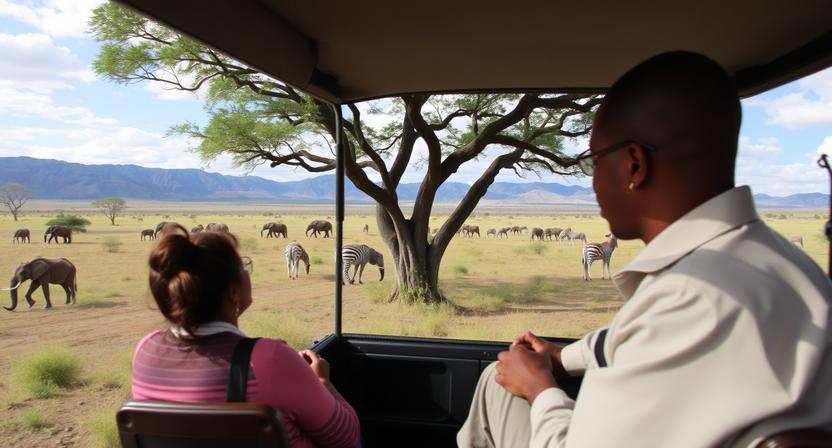
In the Ngorongoro Conservation Area, Tanzania has been establishing stronger partnerships for the growth of tourism, particularly in the Ngorongoro Conservation Area Authority (NCAA). This collaboration with the private sector is aimed at providing services for more tourism-related accommodation, transport, and products. Such initiatives position the government to further develop one of Tanzania’s most prominent attractions, consistent with increasing visitor numbers and the country’s tourism goals.

This strategy was communicated in Arusha at the sworn-in ceremony for the new Commissioner for Conservation and the inaugural NCAA Board, where the government strongly emphasized the congruence of leadership, investment, and tourism growth.

Visitor Growth Confirms Rising Global Demand

Ngorongoro continues to demonstrate strong tourism growth momentum, reinforcing its status as a cornerstone of Tanzania’s safari tourism offering. In the 2024/25 financial year, the conservation area recorded 1,061,620 visitors, up from 908,627 the previous year.

This year-on-year increase highlights growing international and domestic interest in Ngorongoro’s unique wildlife, landscapes, and cultural heritage. The sustained rise in arrivals also underscores the urgency of expanding infrastructure and services to ensure the destination can grow without compromising visitor experience or conservation standards.

Private Sector Investment Seen as Key to Scaling Growth

To support continued tourism growth, Tanzania is looking to the private sector as a critical partner in expanding Ngorongoro’s tourism ecosystem. Planned investments aim to increase bed capacity from 1,555 to more than 2,590, creating room for higher visitor volumes, longer stays, and more diverse accommodation options.

Expanded capacity is expected to support premium lodges, mid-range facilities, and complementary services, enabling Ngorongoro to capture greater tourism value per visitor. Improved transport services and supporting infrastructure will further enhance accessibility, helping convert rising interest into actual arrivals.

Preparing Ngorongoro for Major Tourism-Boosting Events

The push for accelerated investment is closely tied to upcoming major international events, including Inter-Parliamentary Union meetings and the Africa Cup of Nations (AFCON) 2027, which Tanzania will co-host. These events are expected to generate significant inbound travel, global media exposure, and extended leisure stays.

Strengthening Ngorongoro’s accommodation and service capacity ahead of these milestones positions the destination to benefit directly from event-driven tourism growth, while also leaving a lasting infrastructure legacy.

Product Innovation to Sustain Long-Term Tourism Growth

Beyond physical expansion, authorities have emphasised tourism product innovation as a pillar of sustainable growth. The NCAA has been directed to introduce at least one new attraction each year, ensuring Ngorongoro remains competitive and compelling in the global safari market.

New products may include enhanced conservation experiences, cultural and community-based tourism offerings, educational attractions, and improved visitor interpretation. Product diversification supports repeat visitation, extends length of stay, and helps distribute tourism flows more evenly across the conservation area.

Balancing Rapid Tourism Growth With Conservation

While growth is a clear priority, Tanzania has reiterated that Ngorongoro’s expansion must remain aligned with conservation and sustainability principles. As a UNESCO-listed conservation area, Ngorongoro requires careful management to ensure that increased visitor numbers do not undermine wildlife protection, ecosystems, or community livelihoods.

The government has stressed that private sector investments must integrate environmental safeguards, sustainable design, and strong community partnerships, ensuring that tourism growth reinforces conservation outcomes rather than conflicting with them.

Revenue Growth Reflects Expanding Tourism Impact

Ngorongoro’s financial performance further illustrates the scale of its tourism growth. The NCAA collected Sh269.9 billion in revenue during the 2024/25 financial year and has now set a higher target of Sh350 billion, reflecting expectations of continued growth in arrivals and visitor spending. These revenues are reinvested into conservation, community development, infrastructure upgrades, and national tourism promotion, amplifying tourism’s contribution to the wider economy.

Aligning Ngorongoro With National Tourism Growth Targets

The expansion strategy for Ngorongoro is closely aligned with Tanzania’s national goal of attracting 8 million tourists annually by 2030. As one of the country’s most recognisable and marketable destinations, Ngorongoro is expected to play a central role in achieving this target.

By expanding capacity, enhancing access, and diversifying experiences, Ngorongoro can absorb higher visitor numbers while maintaining its premium positioning. This supports a quality-led tourism growth model, where increased volumes are matched by higher value and stronger visitor satisfaction.

Community Partnerships Support Inclusive Tourism Growth

Community engagement has been highlighted as essential to ensuring that tourism growth delivers shared benefits. Partnerships with local communities create employment, support small enterprises, and strengthen local support for conservation and tourism development. Community-based tourism initiatives also enrich the visitor experience, offering authentic cultural encounters while reinforcing social sustainability.

Ngorongoro Emerges as a Flagship for Tourism Growth in Tanzania

Tanzania focuses Ngorongoro as a flagship tourism destination with potential to drive visitor growth, revenue, and global positioning. The Ngorongoro Opportunity for Inclusive Tourism Development calls for stronger private sector engagement and implies a departure to more investment, creativity, and sustainable resilience for tourism growth.

Through integrating infrastructure development, product diversification, innovative conservation with community partnerships, Tanzania aims to make Ngorongoro’s tourism growth sustainable, competitive, and economically transformative well into the future, with the growth period expected to last up to and beyond 2030.

The post Tanzania Calls for Stronger Private Sector Investment in Ngorongoro to Expand Accommodation, Transport and Attractions as Tourism Growth Accelerates appeared first on Travel And Tour World.
❌