Reading view

Kazakhstan and South Korea Strengthen Customs Cooperation to Boost Trade between Central Asia and East Asia: What New Updates You Need to Know

Kazakhstan and South Korea Strengthen Customs Cooperation to Boost Trade between Central Asia and East Asia: What New Updates You Need to Know

Kazakhstan and South Korea are deepening their trade relations after cementing further customs cooperation at the KCS New Year’s Luncheon in Seoul, South Korea. During the luncheon, titled “Trade Facilitation between Central Asia and the Republic of Korea,” South Korean and Central Asian ambassadors, along with Korea Customs Service officials, focused on customs and trade cooperation from a procedural standpoint.

Nurgali Arystanov, the Kazakh Ambassador to South Korea, stated that the increasing bilateral relations between the two countries are largely dependent on the customs trade and trade relations. Moreover, he indicated that the South Korean government’s customs trade relations are very supportive in developing bilateral trade. Arystanov stated that President Kassym-Jomart Tokayev’s vision is to enhance Kazakhstan’s ability as a trade and transit route between Asia and Europe.

Key Areas of Cooperation in Trade and Digitalization

During the luncheon, the two sides outlined several initiatives aimed at enhancing the cooperation in customs processes. One specific area of interest was the use of technology to ease and speed up customs processes. The use of Artificial Intelligence (AI) and big data analytics to customize processes in order to improve operational efficiency of trade and customs processes was suggested.

During the discussion, the need to facilitate and implement the systems to achieve purely paperless trade, especially via the Digital Silk Road, was noted. Integrating systems along trade routes to achieve seamless logistics is critical to enhancing customs in the Asia–Europe corridor.

Strengthening Logistics and Transport as Trade Enablers

The potential of Central Asia’s transport and logistics sector is evident and appreciated by both sides. Central Asia’s pivotal position as a trade conduit between Asia and Europe places it at the center of trade. Enhancing logistics and transport systems to support trade and business is aimed at streamlining the processes and reducing time and cost associated with cross-border trade for Kazakhstan and South Korea.

Due to its position, Central Asia has the ability to connect the two continents, and efforts to streamline customs procedures are certain to improve trade flows. The South Korean officials stayed committed to reigniting any initiatives that would strengthen trade relations between the two regions.

Strengthening Trade Relations and Promoting Bilateral Trade Expansion

Kazakhstan and South Korea have experienced positive growth in their trade relations. Kazakhstan and South Korea expect to reach USD 3.2 billion in bilateral trade by 2025. This is a 1.4% increase from previous years and reflects the enhanced relations between the two countries. They are keen to strengthen their economic ties.

A new paradigm for customs cooperation is anticipated to bring even greater trade in the years to come. The new procedures and enhanced digital systems are likely to assist businesses in overcoming the challenges of cross-border trade.

Conclusion: A Deepening Commitment to Strengthening Trade Relations

Kazakhstan and South Korea have demonstrated their commitment to solidifying bilateral relations by enhancing customs cooperation. The Joint Customs Cooperation Committee was established between the two countries to focus on specific customs administration issues. Currently, both countries are focused on digital customs and logistics optimization.

Considering the increasing volume of trade between the two countries, particularly in transport and logistics, the partnership will be of great economic value to businesses in Kazakhstan, South Korea, and the Central and East Asia regions.

As Kazakhstan focuses on developing its transport and transit capabilities, initiatives of this nature will help strengthen connections between Asia and Europe and support a more integrated global economy.

The post Kazakhstan and South Korea Strengthen Customs Cooperation to Boost Trade between Central Asia and East Asia: What New Updates You Need to Know appeared first on Travel And Tour World.

Can You Really Travel To Vietnam, Laos, And Indonesia On A Budget? Here’s What You Need To Know

Can You Really Travel To Vietnam, Laos, And Indonesia On A Budget? Here’s What You Need To Know

In February 2026, concerns over the weakening Indian rupee against the US dollar emerged, with many wondering if international travel would become too costly for Indian tourists. However, experts highlighted that despite the rupee’s volatility, it is still very possible for Indian travelers to enjoy international destinations without exceeding their budgets. By focusing on countries with lower living costs, travelers can avoid overspending even when the currency is unstable. Many destinations around the world offer affordable travel options, from budget-friendly accommodations and inexpensive food to cheap transport options.

Budget-Friendly Destinations for Indian Travelers

Among the countries that stand out as affordable options is Vietnam, which is well-known for its low daily expenses. Cities like Hanoi, Ho Chi Minh City, and Da Nang offer affordable lodging, cheap public transport, and a wealth of street food, ensuring that budget-conscious travelers can easily manage their expenses. These cities are ideal for Indian tourists looking to get the most value out of their travel experience without sacrificing quality.

Vietnam: A Traveler’s Dream Destination for Budget-Conscious Tourists

For those seeking an affordable destination, Vietnam proves to be a perfect choice. The country is known for its affordable accommodations, a variety of local food at low prices, and the chance to explore historical sites at a fraction of the price found in other tourist destinations. Whether it is visiting ancient temples, discovering traditional markets, or simply absorbing the vibrant local culture, Vietnam offers travelers a rich experience at an affordable price. Staying in budget-friendly hotels and eating at local food stalls allows tourists to stretch their travel budgets while enjoying the country’s diverse landscapes and cultural richness.

Laos: An Overlooked Gem for Budget Travel

Another excellent option for Indian travelers in 2026 is Laos, a Southeast Asian country often overlooked by many tourists. However, Laos is emerging as a top budget-friendly destination. Known for its affordable living costs, it is one of the best countries for those looking to get more out of their travel funds. With cheap guesthouses, affordable transportation, and modest entry fees for historical landmarks, Laos ensures that visitors can enjoy their travels without spending too much. The country also offers a unique cultural experience, with peaceful landscapes and historic sites, making it the perfect escape for those who wish to enjoy a tranquil and serene environment while traveling on a budget.

Indonesia: Affordable Beach Retreats in Bali and Lombok

For those dreaming of a beach vacation without breaking the bank, Indonesia is a fantastic choice. Bali and Lombok, two of the country’s most popular islands, offer stunning beach landscapes and a variety of budget accommodation options. Bali, known for its vibrant tourism scene, has an abundance of affordable hotels and local eateries, allowing travelers to enjoy the island’s charm without overspending. On the other hand, Lombok provides a quieter and more relaxed atmosphere, with even cheaper lodging options and beaches that are less crowded compared to Bali. Both islands offer the perfect combination of beautiful beaches, low prices, and unforgettable travel experiences, making them ideal for budget-conscious beach lovers.

Uzbekistan: Affordable Culture and History in Central Asia

For travelers interested in exploring Central Asia, Uzbekistan should be at the top of their list. The historic cities of Samarkand and Bukhara are known for their cultural significance and stunning architecture, but remain relatively affordable compared to other major tourist destinations. Uzbekistan offers low-cost accommodations, cheap food, and affordable train travel, making it an excellent option for travelers interested in cultural immersion without spending excessively. The country’s rich architectural heritage and deep cultural history provide an enriching experience that allows travelers to explore Central Asia’s unique culture at a fraction of the cost typically seen in other destinations.

Paraguay: South America’s Hidden Budget-Friendly Destination

For long-haul travelers seeking to explore South America, Paraguay presents a surprisingly affordable option. Often overshadowed by its neighboring countries like Brazil and Argentina, Paraguay remains one of the most affordable destinations in the region. Known for cheap accommodations, affordable local food, and inexpensive public transport, Paraguay provides travelers with excellent value. Visitors can enjoy lush landscapes, rich cultural experiences, and a laid-back atmosphere without the high costs typically associated with South American travel. Despite its smaller size, Paraguay offers a unique travel experience at a fraction of the price of other larger countries in the region.

The Growing Trend of Affordable Travel in 2026

As the Indian rupee continues to fluctuate throughout 2026, more Indian travelers are likely to turn to budget-friendly destinations. This emerging trend is expected to reshape travel preferences, with Indian tourists increasingly seeking countries that offer better value for money. As a result, destinations like Vietnam, Laos, Indonesia, Uzbekistan, and Paraguay are becoming more popular, providing travelers with great value without compromising on the quality of their experience. These affordable travel options are making it easier for Indian tourists to explore new cultures, visit historical landmarks, and enjoy breathtaking landscapes, all while keeping their expenses in check.

Budget Travel Remains Accessible Despite Currency Challenges

While the weakening Indian rupee poses challenges for many international travelers, it remains entirely possible for Indian tourists to enjoy international vacations without exceeding their budgets. By opting for affordable destinations that offer lower living costs, cheap accommodations, and inexpensive transportation, travelers can continue exploring the world without worrying about the volatility of the currency. Countries like Vietnam, Laos, Indonesia, Uzbekistan, and Paraguay are emerging as top destinations for budget-conscious travelers, offering travelers a combination of value, culture, and beautiful scenery. These countries not only provide great value for money but also deliver rich cultural experiences and memorable adventures that will leave travelers with lasting memories—all while ensuring that their travel costs remain manageable. Indian tourists looking for affordable options should consider these destinations for their upcoming trips in 2026.

The post Can You Really Travel To Vietnam, Laos, And Indonesia On A Budget? Here’s What You Need To Know appeared first on Travel And Tour World.

Fairmont Hanoi Opens in 2026, Boosting their Luxury Hospitality Growth in Vietnam and Positioning Hanoi as a Key Southeast Asia Premium Tourism Hub

Fairmont Hanoi Opens in 2026, Boosting their Luxury Hospitality Growth in Vietnam and Positioning Hanoi as a Key Southeast Asia Premium Tourism Hub

As one of the most reputable companies in the world of luxury hospitality, Fairmont Hotels & Resorts will open Fairmont Hanoi on February 3, 2026. This hotel will represent a milestone for both the company as this will be their first entry into the Vietnamese market, and for the country itself, as this hotel will be a five star establishment offering premium hospitality services in the city. This hotel will allow the company to lay the groundwork for additional properties in the ever expanding luxury hotel market in Vietnam.

The Fairmont Hotels & Resorts hotel in Hanoi is a testament to the country being an emerging destination for global tourism, specifically for the luxury and culturally immersive hospitality verticals. Vietnam has a growing economy and the Fairmont hotel will be Vietnam’s luxury hospitality market’s first culturally immersive five star establishment offering services that merge hospitality and cultural engagement.

Driving Luxury Hospitality Demand in Hanoi

As Vietnam’s capital city, Hanoi has long been an important cultural and historical hub, attracting international travelers interested in its UNESCO World Heritage sites, vibrant markets, and rich heritage. With the opening of Fairmont Hanoi, the city now has a high-end hotel offering that caters to the growing demand for luxury, service excellence, and modern amenities.

Fairmont Hanoi’s strategic location near iconic landmarks such as Hoàn Kiếm Lake and the Imperial Citadel of Thăng Long places the property at the heart of Hanoi’s tourism growth, making it an essential part of the city’s hospitality offerings.

Raising the Bar for Luxury Hospitality Experiences

The opening of Fairmont Hanoi marks a significant step forward for luxury hospitality in Vietnam, contributing to the premium tourism market that increasingly caters to affluent travelers. The hotel’s design concept, which incorporates local cultural elements alongside modern luxury, reflects a growing demand for experiential tourism—a segment where guests are looking for more than just accommodations, but a deep connection with the destination.

With 241 rooms, including Fairmont Gold rooms, luxurious suites, and the Presidential Suite, Fairmont Hanoi raises the bar for the city’s hospitality infrastructure. The hotel’s opulent interiors, blending traditional Vietnamese craftsmanship with contemporary design, create a sophisticated atmosphere that appeals to travelers seeking refined luxury experiences.

Boosting Culinary and Social Tourism with Exclusive Dining Options

The addition of eight restaurants, bars, and lounges makes Fairmont Hanoi an essential part of the city’s culinary tourism growth. With venues like Tran Dynasty, which offers Vietnamese and international fusion cuisine, and Hiryu, serving Japanese-inspired dishes, the hotel becomes a gastronomy hotspot for both local residents and international guests.

Dining tourism is a crucial aspect of Vietnam’s growing luxury tourism segment, and Fairmont Hanoi’s diverse culinary offerings align with trends where visitors increasingly seek destinations that offer both luxury dining and local food experiences. These experiences help extend the duration of stays and drive repeat visitation, contributing to sustained tourism growth in Hanoi.

Wellness and Leisure Facilities Foster Health and Wellness Tourism Growth

Vietnam’s wellness tourism sector has experienced significant growth in recent years, driven by both domestic and international demand for relaxation, rejuvenation, and holistic experiences. Fairmont Hanoi’s expansive wellness offerings, including the Cirua Spa and Fitness & Wellness Club, support this growing sector by offering a 38,000 sq.ft urban wellness retreat featuring hydrotherapy, thermal facilities, plunge pools, and private treatment rooms.

As Vietnam continues to attract wellness travelers seeking both luxury relaxation and mindful rejuvenation, Fairmont Hanoi is well-positioned to lead the charge in the wellness tourism market, offering an exclusive and tranquil haven in the city.

MICE Tourism: Expanding Hanoi’s Meetings and Events Market

In addition to leisure tourism, Fairmont Hanoi is set to become a key player in Hanoi’s Meetings, Incentives, Conferences, and Exhibitions (MICE) tourism market. The hotel features Hanoi’s largest pillarless ballroom and over 4,000 sq.m of MICE space, making it an ideal venue for high-profile events and international conferences.

As Vietnam strengthens its position as a business tourism destination, the growth of MICE facilities such as those at Fairmont Hanoi will attract corporate groups, incentive travelers, and event organizers looking for modern, world-class venues with convenient access to the city’s rich history and business districts.

Sustainable Tourism: Contributing to Vietnam’s Tourism Future

Fairmont Hanoi is not only a testament to luxury but also to sustainable tourism growth. The hotel integrates eco-friendly initiatives into its operations, supporting Vietnam’s commitment to sustainable tourism practices. By incorporating sustainable design elements and green building certifications, the property appeals to environmentally conscious travelers who increasingly seek destinations that balance luxury with sustainability.

This approach to sustainability will not only contribute to the hotel’s long-term success but also align with Vietnam’s broader tourism strategy of protecting its natural resources while providing world-class hospitality.

Long-Term Impact on Vietnam’s Tourism and Hospitality Growth

The Fairmont Hanoi’s grand opening indicates steady growth for luxury travel within Vietnam and positions Hanoi as competitive within the global hospitality industry. This hotel will be one of many guiding the region’s developing tourism industry due to the global traveler market focusing on bespoke experiences and the hotel’s unique combination of contemporary luxury and local culture.

The continued attraction of luxury, business, and wellness tourism to Vietnam will be supported through Fairmont Hanoi. This will further enhance the local economy and sustain tourism through job creation and establishing a global presence as a luxury tourism hotspot for Hanoi. With Fairmont Hanoi’s grand opening, Vietnam’s hospitality industry will continue to grow and redefine the luxury tourism experience within one of the most distinct and dynamic cities in all of Southeast Asia.

Image Source: Fairmont

The post Fairmont Hanoi Opens in 2026, Boosting their Luxury Hospitality Growth in Vietnam and Positioning Hanoi as a Key Southeast Asia Premium Tourism Hub appeared first on Travel And Tour World.
Royal Caribbean Reimagines Travel in Asia with New Cruise Pathways

Royal Caribbean Reimagines Travel in Asia with New Cruise Pathways

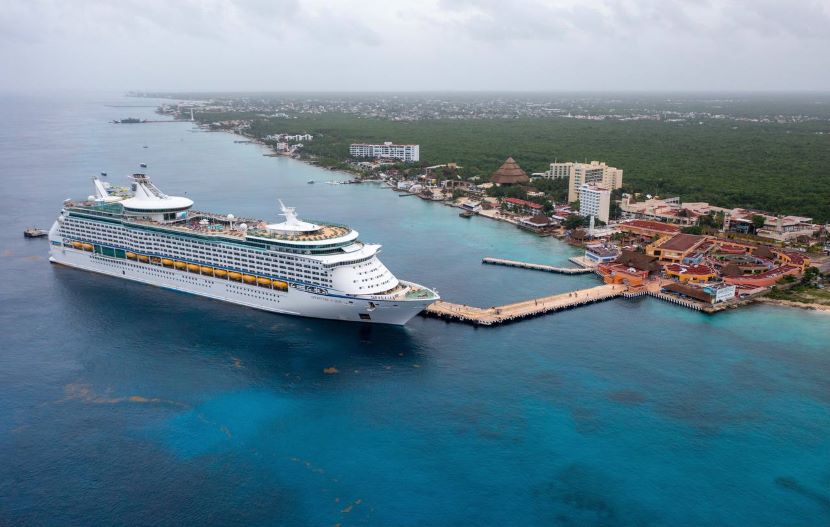
Royal Caribbean International has announced significant changes to its itineraries for cruises departing from China, impacting thousands of travelers. The cruise line, known for its luxurious ships and exceptional onboard experiences, is adjusting its routes to accommodate shifting travel demands, changing regulatory requirements, and evolving market conditions in the region. The decision, announced in early 2026, has left many passengers rethinking their plans but has also opened up new opportunities for travelers seeking diverse itineraries.

China’s Changing Travel Landscape

The changes come as part of a broader trend in the Chinese travel market, which has seen fluctuations in cruise demand in recent years. Royal Caribbean’s move to alter itineraries reflects the cruise industry’s adaptability and its ability to navigate through challenging and shifting global landscapes. While the exact routes and port stops have not been fully disclosed, the cruise giant has promised to maintain its commitment to offering world-class experiences to its guests.

Impact on Passengers and Travel Plans

Royal Caribbean had previously established a strong presence in the region, with cruises departing from China catering to both local tourists and international travelers. The shift in itineraries has caused some disruption, as passengers with bookings for upcoming cruises have been informed about the modifications. The cruise line has emphasized its commitment to customer satisfaction and aims to ensure that travelers are not left without options. Furthermore, guests are encouraged to explore Royal Caribbean’s expanded offerings in other parts of Asia, where the brand continues to thrive and attract new guests.

Cruise Line’s Focus on Asian Markets

Despite the changes to its China itineraries, Royal Caribbean remains committed to its long-term growth in Asia. By focusing on these regions, Royal Caribbean aims to tap into the growing demand for cruises across the Asia-Pacific region while diversifying its offerings in response to the changing market conditions in China.

The shift in itineraries is also a reflection of broader trends within the cruise industry, where companies are adjusting their regional operations to focus on markets that offer more growth potential. Southeast Asia, in particular, is seen as an emerging cruise hub, with an increasing number of travelers seeking new, exotic destinations. Royal Caribbean’s decision to redirect resources to these regions comes at a time when cruise demand is on the rise, particularly in markets outside of China.

The Future of China Cruises and the Global Cruise Industry

The announcement has raised questions about the future of cruise travel from China. While the company has not offered a definitive timeline for its return to China, industry experts suggest that the cruise line may reconsider its position in the region depending on the evolving travel dynamics and regulatory landscape. Other cruise lines, such as Carnival and Norwegian Cruise Line, are also keeping a close eye on the changes in China and exploring ways to navigate these challenges while expanding their footprints in Asia.

Repositioning for Growth in the Asian-Pacific Region

Royal Caribbean’s shift in focus also comes with strategic benefits. By redistributing its fleet to ports in Japan, South Korea, and other Southeast Asian countries, the cruise line can capitalize on the growing interest in these regions. With the rise of Japan’s popularity as a tourist hotspot, the country presents an ideal location for cruise itineraries that feature a mix of iconic landmarks, such as Kyoto’s ancient temples and the bustling metropolis of Tokyo. Additionally, Royal Caribbean is eyeing ports in South Korea and Southeast Asia as major growth markets for the future.

Conclusion: The Evolving Cruise Landscape in Asia

Royal Caribbean’s decision to alter its itineraries from China reflects the evolving nature of the cruise industry in Asia. While the company has had to adapt to the changing dynamics in China, it remains focused on expanding its footprint across the rest of the Asia-Pacific region. Whether it’s repositioning ships in Asia or enhancing its presence in emerging markets, Royal Caribbean continues to lead the charge in offering unforgettable travel experiences to its guests across the world. For passengers looking for new adventures, the road ahead promises exciting possibilities in some of the most breathtaking destinations in Asia and beyond.

Image Credit:- Royal Caribbean

The post Royal Caribbean Reimagines Travel in Asia with New Cruise Pathways appeared first on Travel And Tour World.

❌