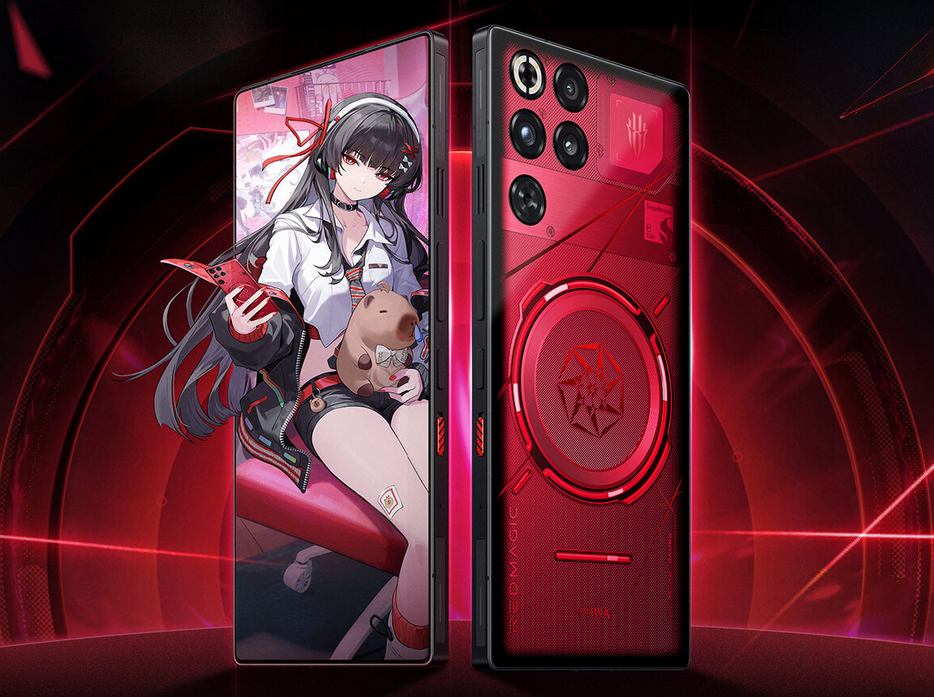
Red Magic has just unveiled a limited edition model of its latest flagship, the Red Magic 11 Pro+. Collaborating with Kuro Games, the brand has launched the Red Magic 11 Pro+ Wuthering Waves Edition, which brings a new eye-catching Energy Red theme inspired design.
Red Magic 11 Pro+ Wuthering Waves Edition Launch
The Chinese brand’s latest device offers the same high end specs and features as the regular Red Magic 11 Pro+. However, the big difference is that the limited edition variant dresses the flagship features an Energy Red theme, which brings a dark red finish on the rear. So this model stands out with unique looks and bundled extras for fans and collectors alike.
The Wuthering Waves Edition swaps in a bold Energy Red visual theme across several elements of the Red Magic 11 Pro+, giving the device a striking new personality. This includes various aspects like:
A crimson-accented liquid-cooling engine motif on the hardware
Red-accented gaming trigger buttons for that extra pop during play
Custom RGB lighting effects that match the theme’s mood
A matte metal frame that pairs well with the vibrant colours
Red Magic 11 Pro+ Wuthering Waves Edition
This edition also comes with a fully customised ‘Wuthering Waves’ UI theme, complete with icons, wallpapers, charging animations, and fingerprint unlocking animations inspired by the popular mobile gacha game. So you get a completely tailored experience. Apart from the phone, buyers of the limited edition bundle get several themed extras not present in the standard model:
Mingchao-themed Kevlar magnetic protective case
Custom-designed SIM ejector pin
Themed badges and collectable touches
120W Magic Flash fast charger in a matching design
The Red Magic 11 Pro+ Mingchao (Wuthering Waves) Limited Edition is priced at 6999 Yuan (~$970) in China and is scheduled to go on sale on 10th February 2026.
For more daily updates, please visit our News Section.
The 41-year-old skiing great is at the 2026 Winter Olympics seeking her first gold medal since Vancouver 2010. Her appearance at the Milan Cortina Games was in question just a week ago following a fall during a World Cup downhill race in Switzerland.
Despite tearing her ACL, Vonn is going ahead and will participate in Sunday's women's downhill, an event she won in 2010.
No matter the result, Vonn's perseverance to finish her comeback with one last Olympic appearance is remarkable. She was already a legend of the sport. This elevates her even higher than that.
Vonn's stick-to-it-iveness puts her among athletes in history who have shown their toughness while battling through injury and/or adversity. Here are a few sports greats who displayed their guts through difficult times.
Willis Reed, Game 7 of 1970 NBA Finals
After tearing a muscle in his right thigh as the New York Knicks took a 3-2 series lead in Game 5, Willis Reed sat out the Los Angeles Lakers win in Game 6. Heading into the decisive game of the series, there were questions about his availability for Game 7. The 1970 MVP, All-Star Game MVP, All-NBA First Teamer, and NBA All-Defensive First Teamer would hobble out of the locker room during warmups to a rousing ovation at Madison Square Garden.
Despite only scoring four points and grabbing three rebounds, Reed's presence helped inspire the Knicks to win the franchise's first championship. “I didn’t want to have to look at myself in the mirror 20 years later and say I wished I had tried to play,” Reed said.
Jack Youngblood, Super Bowl XIV
The 1979 Los Angeles Rams met the Dallas Cowboys in the NFC divisional round one year after the Cowboys shut them out in the NFC championship game. During a first half that saw LA take a 14-5 lead, defensive end Jack Youngblood suffered an injury that he did not realize the seriousness of until the team doctor informed him. It was a broken leg. After a quick tape job, he was back out there for the remainder of the game, which saw Youngblood sack a retiring Roger Staubach late and the Rams advance with a 21-19 win. Youngblood would play with the bad leg for the rest of the postseason, which saw LA reach Super Bowl XIV — a loss to the Pittsburgh Steelers. The end of the season didn't mean rest for Youngblood.
He would also travel to Hawaii to play in the Pro Bowl. "Everybody asked me when we got to Hawaii, 'What the heck are you doing here? You've got a broken tibia," Youngblood later told CBS Sports. "I said, 'Shut up, I'm not going to miss this party.'"
Jack Buck's radio call of Kirk Gibson's iconic game-winning home run for the Dodgers in Game 1 of the 1988 World Series
Of course the great Vin Scully's television call was legendary, but I think Jack's was right on par with it.
No believed what they had just witnessed, including Hall of Fame broadcaster Jack Buck. Kirk Gibson had only one at-bat for the Los Angeles Dodgers in the 1988 World Series against the Oakland Athletics and he made it count. With LA down 4-3 in the bottom of the ninth inning with two outs in Game 1 at Dodger Stadium, manager Tommy Lasorda called up Gibson as a pinch hitter for Dave Anderson. Gibson, suffering from a right knee ligament sprain and a strained left hamstring suffered in the NLCS, worked a full count. The eighth pitch of the at-bat saw a backdoor slider from Dennis Eckersley get deposited over the right-field wall to give the Dodgers a Game 1 victory.
The Dodgers would win three out of the next four games to win the World Series. Gibson would not play again that postseason.
Kerri Strug, one of the American "Magnificent Seven" at the 1996 Olympics in Atlanta. (AP Foto/Susan Ragan, archivo)
ASSOCIATED PRESS
Kerri Strug, 1996 Olympics
One of the "Magnificent Seven," Kerri Strug was the final U.S. gymnast to take part in the vault as the Russian team was eyeing a comeback and gold medal. He first attempt ended with an injured ankle and she limped to the runway for her second attempt, knowing that a score of 9.762 would earn gold. Her landing wasn't perfect, but good enough for a score that gave the U.S. the victory. As the team gathered for the medal ceremony, Coach Béla Károlyi carried Strug to the podium so she could be with her teammates.
Strug ultimately suffered a lateral sprain and damage to her tendon and was unable to take part in the individual all-around competition.
Emmitt Smith, 1994 Week 18
A first-round bye and home-field advantage was on the line in Week 17 of the 1993 NFL season. Nothing was going to take Dallas Cowboys running back Emmitt Smith out of their game against the New York Giants, not even a separated shoulder. The future Hall of Famer suffered the injury late in the first half, but returned in the third quarter during the 16-13 overtime win.
Smith had 17 touches after hurting his shoulder and had a hand in nine of Dallas' 11 plays on the game-winning drive, picking up 41 yards. The running back finished with 168 yards on 32 carries, as well as 10 catches for 61 yards and a touchdown.
Weeks later, the Cowboys would win their second straight Super Bowl over the Buffalo Bills.
Michael Jordan, 1997 NBA Finals
Call it "The Flu Game" or the "Bad Pizza Game," but whatever was sapping the energy of Michael Jordan during Game 5 of the 1997 NBA Finals wasn't enough to slow down "His Airness." Jordan scored 38 points, grabbed seven rebounds, dished out five assists, and recorded three steals as the Bulls would win their fifth title in seven seasons.
"That was probably the most difficult thing I've ever done," Jordan said afterward.
Byron Leftwich, Nov. 2002
The Marshall Thundering Herd fell to the Akron Zips 34-20 in late season MAC action, but the lasting memory of that game is Byron Leftwich playing through a broken leg and getting an assist downfield from his teammates.
After an Akron linebacker fell on his left leg, Leftwich injured the same shin he had surgery on months earlier. After being evaluated on the sideline, he limped back to action minutes later against the protests of the coaching staff and his mother. Leftwich would eventually leave the field and the stadium to get X-rays at a local hospital via a rental van. He returned in the third quarter and went 14-for-24 for 208 yards and one interception following his comeback. Several times in the fourth quarter, the quarterback was carried downfield by linemen Steve Sciullo and Steve Perretta.
Byron Leftwich getting carried downfield in college while playing with a broken leg is an all time football guy moment pic.twitter.com/elKz6Tfmcj
Seven weeks before Terrell Owens and the Philadelphia Eagles met the New England Patriots in the Super Bowl, the wide receiver suffered a broken leg and torn ligament in his right ankle. His surgeon wouldn't clear him to return to play. The recovery didn't matter as TO played all but 10 of Philadelphia's 72 snaps in the Super Bowl and made nine receptions for 122 yards in a losing effort.
"Nobody in this room knew I was going to play this game," Owens said. "Nobody knew but me. Dr. [Mark] Myerson, I give him all the respect in the world. You guys believed what he said that I couldn't play. A lot of people in the world didn't believe I could play. It goes to show you. The power of prayer and the power of faith will take you all the way. Nothing is impossible if you got God on your side."
Philip Rivers, 2007 AFC championship game
Philip Rivers wasn't supposed to play, but a torn ACL and meniscus in his right knee wasn't going to keep him from leading the San Diego Chargers against Tom Brady and the New England Patriots in the 2008 AFC championship game.
Rivers wasn't his best, going 19-for-37 for 211, no touchdowns and two interceptions in the Chargers loss, but it showed he was one of the league's toughest players. It's no surprise that he is fourth on the NFL's Ironman streak after playing 255 consecutive games and returned this past season at age 44 to help the Indianapolis Colts down the stretch after retiring in 2020.
Tiger Woods during the 108th US Open Championship playoff round at Torrey Pines South Golf Course in San Diego, CA. (Photo by Chris WIlliams/Icon Sportswire via Getty Images)
Icon Sportswire via Getty Images
Tiger Woods, 2008 U.S. Open
Tiger Woods played with stress fractures in his tibia and a torn ACL during the 2008 U.S. Open at Torrey Pines. Even with the pain showing on his face with each shot, he took the 54-hole lead ahead of Lee Westwood and Rocco Mediate heading into Sunday.
In each of Woods' 13 major titles at the time, he had entered the final round with the lead. The 2008 U.S. Open would be no different, but it would be a battle. He shot a 73, opening the door for Mediate to force a Monday, 18-hole playoff. It was a back-and-forth Monday, with Woods going up three strokes after 10 holes and Mediate taking a one-stroke lead through 17 holes. Woods would birdie 18 to force sudden-death, which he would win on the par-4 7th hole.
"It was just constant," Woods said later about the pain. "The treatment was constant throughout the night. I slept on the massage table, I had my knee drained, iced, elevated, worked on, just trying to get as much inflammation out as I could. Then, I would somehow start activating it in the morning and that was the hardest part because it was so wobbly. Once I finally got going, it was OK."
Patrice Bergeron, 2011 Stanley Cup Final
The quest to win a Stanley Cup is a four-round grind which follows a difficult 82-game regular season. It took a lot for the Boston Bruins to win the title in 2011. They needed three seven-game series victories, including one over the Vancouver Canucks in the final round. And what follows after team's see their seasons end in the playoffs is the laundry list of injuries players played through.
Bruins captain Patrice Bergeron played all seven games of the that year's Stanley Cup Finals, even as he picked up injuries in three of the final four games. Torn rib cartilage in Game 4; a broken rib in Game 5; and finally, a separated shoulder and punctured left lung in Game 6, which caused a collapse and a three-day hospital stay.
"In my mind, for sure, I wanted to play," Bergeron said. "I was hoping for the pain to go down but that wasn't the case. After Game 5, I was in a lot of pain. The next day I was just trying to find a way [to] manage the pain, I guess, but it was definitely there. On the day of Game 6, we met with the doctors and they were telling me the only way I could play was to have a nerve block, otherwise the pain would be too high, so I did that in order to play."
The mysterious businessman pitched Jeffrey Epstein on numerous mobility startups in an era when the sector was white hot, according to TechCrunch's review of hundreds of documents released by the Department of Justice.
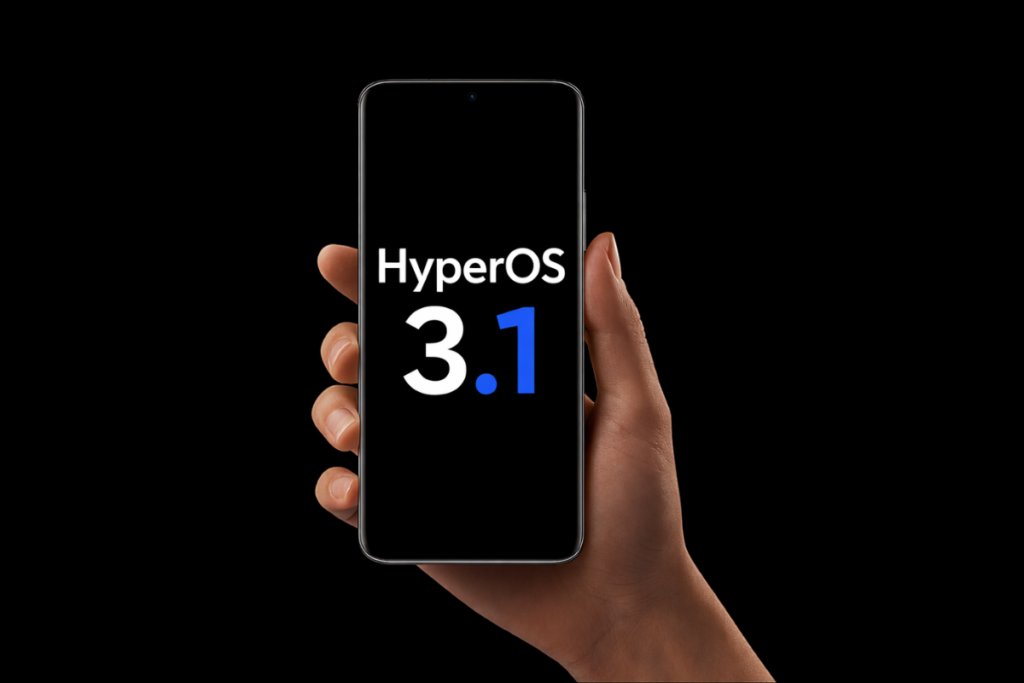
Xiaomi’s latest HyperOS 3.1 update isn’t just about new UI tweaks and ecosystem features. One of the biggest changes is the way system updates are downloaded and installed on devices. With this release, Xiaomi is introducing a new update architecture called SOTA (Super-OTA), designed to make the update process much smoother, faster and less disruptive for users.
What is SOTA and Why it Matters?
Traditionally, installing a system update on a smartphone or tablet involves downloading a patch, which then needs to be installed by rebooting your device so that the software can be applied. This can interrupt whatever you’re doing, whether you’re gaming, working, or using an application. Depending on how large an update is, this can lead to long waiting times while the device restarts and configures the new software build.
HyperOS 3.1
With HyperOS 3.1’s SOTA update structure, Xiaomi changes this behavior significantly. Instead of delivering large, fragmented patches that need separate restarts, the OS bundles system software and core app updates into a single unified package that can download and install in the background without forcing an immediate reboot. The only time your Xiaomi device needs to reboot is when there is a core component change. Even the, the process is much less disruptive.
Every Way SOTA Improves the User Experience
Install quietly in the background, so you can keep using your device uninterrupted.
Reduce the frequency of reboots, especially for minor fixes and app-module patches.
Deliver faster bug fixes, since smaller packages can be rolled out and applied more efficiently without waiting for a big OS update cycle.
Update builds that use SOTA will typically include labels like C05 or C06 in their build number, indicating that both system and app modules have been included in a combined patch that avoids rebooting unless absolutely necessary.
For more daily updates, please visit our News Section.
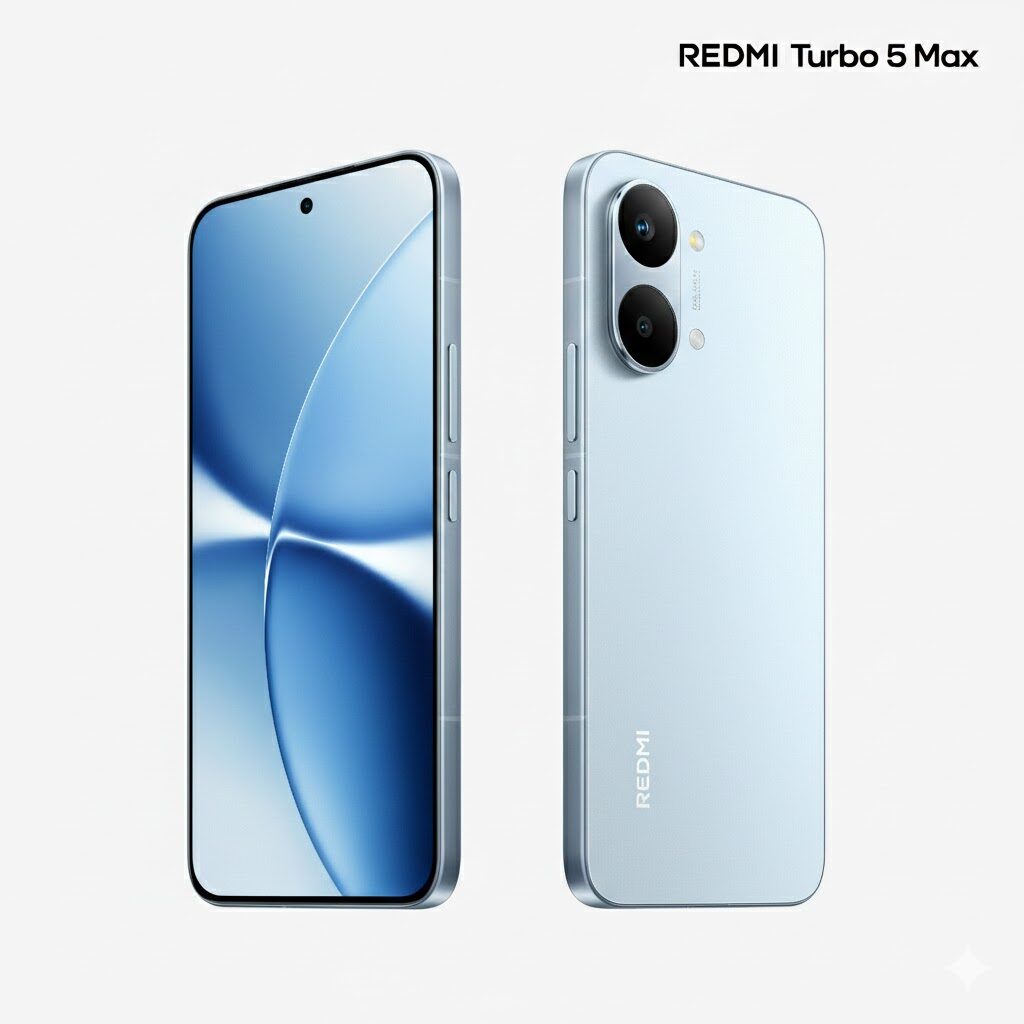
Only days after its initial launch, Xiaomi has updated the Redmi Turbo 5 Max with a new model. The variant brings a higher RAM and storage configuration, giving buyers even more room for apps, photos, and games. This will be the new top end version that joins the existing Turbo 5 Max models.
Redmi Turbo 5 Max launches in 16GB + 1TB option
The Chinese tech giant just announced the release of the Redmi Turbo 5 Max in a 16GB + 1TB storage configuration. But aside from this bump in storage, it is practically the same as the other available variants. So it still sports a tall 6.83-inch AMOLED display with a 1.5K resolution, a 120Hz refresh rate, Dolby Vision, and up to 3,500 nits of peak brightness. Under the hood, the device is equipped with the MediaTek Dimensity 9500s chipset.
Redmi Turbo 5 Max
A massive 9,000mAh battery pack powers this model, which supports 100W wired fast charging and 27W reverse wired fast charging. For optics, the rear has a 50MP Light Fusion 500 main camera along with an 8MP ultra wide angle lens. Other notable features include NFC, Bluetooth 5.4, WiFi 6, and IP69K water and dust resistance. Previously, the Redmi Turbo 5 Max topped out at 16GB + 512GB, but you’re now getting 1TB of UFS 4.1 storage as the best variant.
Keep in mind that this new model is only available in China, and it is being sold in limited quantities due to the high production cost. Meaning, it is only being made in a small initial batch at the moment. The brand has priced the 16GB + 1TB Turbo 5 Max at around 3,399 Yuan, which is roughly about 490 US Dollars.
For more daily updates, please visit our News Section.
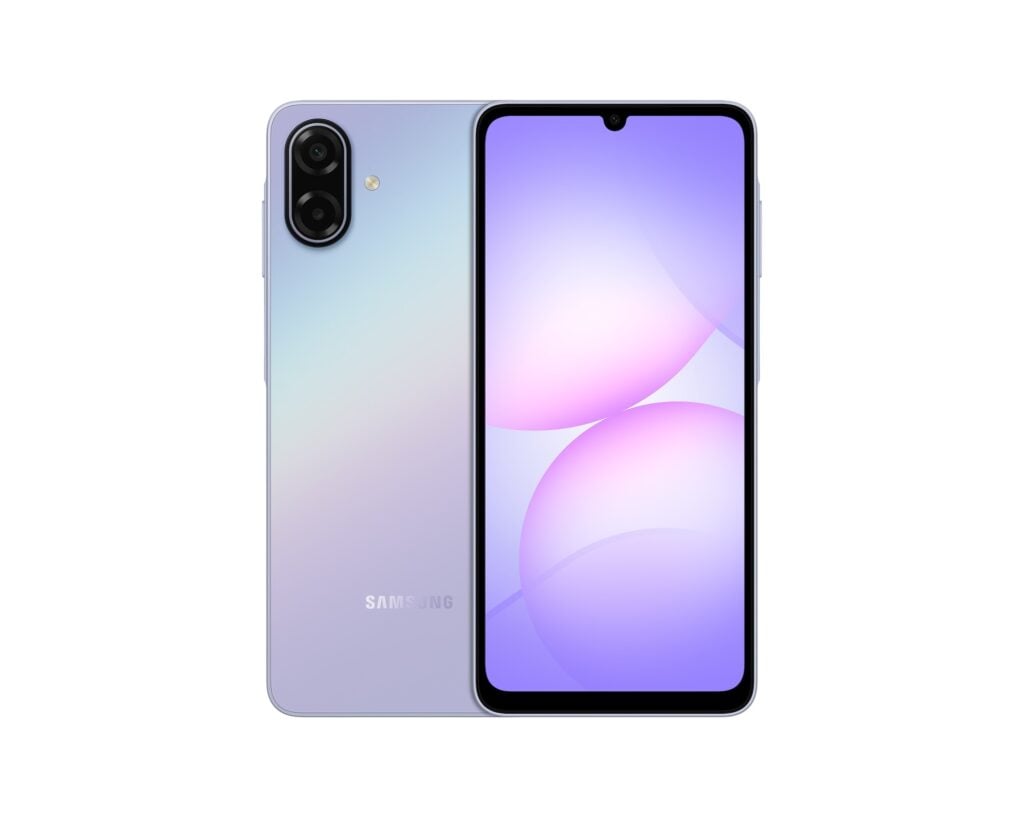
Samsung has officially launched the Galaxy A07 5G in India, expanding its popular A-series with a feature-packed yet affordable 5G phone. It is positioned in the budget segment, offering a smooth display, a sizeable battery, and long term software support, all for an affordable price tag.
Samsung Galaxy A07 5G Specs
The South Korean tech giant’s new Galaxy A07 sports a tall 6.7-inch LCD panel with an HD+ resolution, a 120Hz refresh rate, and 800 nits of peak brightness. Under the hood, the new entry-level phone is equipped with the MediaTek Dimensity 6300 SoC, which is coupled with up to 6GB of RAM and 128GB of internal storage. This configuration should offer balanced performance for everyday use and some casual gaming. Out of the box, the Galaxy A07 runs on the Android 16 OS based One UI 8 custom skin.
Samsung Galaxy A07 5G
Samsung is promising 6 major OS updates for this phone and another 6 years of security updates, which is uncommon in the budget segment. For photography, the rear has a 50MP primary shooter along with a 2MP depth sensor, while the front houses an 8MP camera for selfies and video calls. A large 6,000mAh battery pack powers this phone, with support for 25W wired fast charging. Other notable features include Samsung Knox Vault for data privacy, an IP54 rating for water and dust resistance, and a microSD card slot for storage expansion up to 2TB.
Pricing and Availability
Samsung’s Galaxy A07 5G model was just announced in India in three color options, namely Black, Light Green, and Light Violet. The base 4GB + 128GB variant costs Rs 15,999, while the 6GB + 128GB model carries a Rs 17,999 price tag. It is available for purchase on Amazon India and the brand’s official website with a Rs 1,000 instant bank discount as a part of the launch offer.
For more daily updates, please visit our News Section.
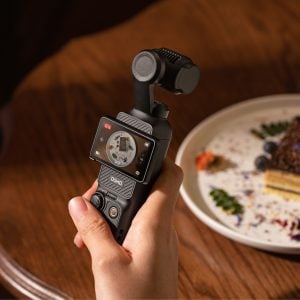
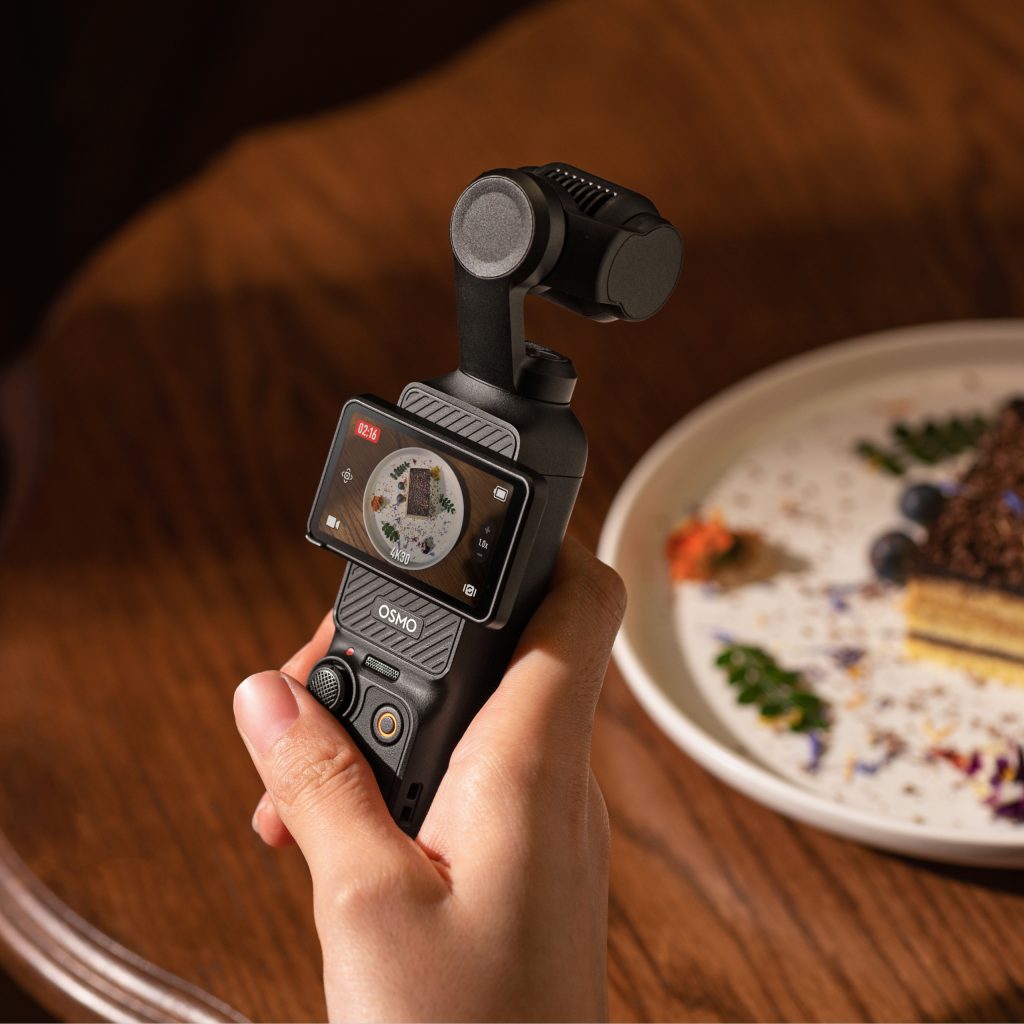
Vivo, a brand known for its smartphones and high end mobile photography, is reportedly planning to enter the vlogging camera market with a new compact gadget that might be targeting creators and content makers. So here’s everything we know so far.
Vivo Vlogging Camera: New DJI Osmo Pocket Series Rival?
According to a fresh report, the Chinese tech giant is working on a dedicated vlogging camera device that is expected to launch by the end of this year. The new compact vlogging camera that could compete with DJI’s popular Osmo Pocket series of portable gimbal cameras. This would mark a notable expansion for Vivo beyond smartphones and accessories. It also signals its ambition to branch into dedicated imaging hardware that appeals to vloggers who want lightweight, handheld tools that deliver stabilised, high-quality footage without lugging around larger rigs.
DJI Osmo Pocket 3
Details about Vivo’s vlogging camera remain scarce, and the company has not officially revealed the product name, specs or price. However, insiders say the device is positioned to compete with DJI’s Osmo Pocket lineup, like the upcoming Osmo Pocket 4 and Pocket 3. Both of these are pocket friendly cameras that feature mechanical gimbal stabilization, touchscreen controls and high-resolution video capture.
If Vivo’s compact camera sees the light of day in 2026 as tipped, it could give creators a new vlogging camera option outside of popular brands like DJI, GoPro, and Insta360. Vivo has been collaborating with Zeiss for its lens and tuning on its flagship X series of smartphones, so we might also see an expansion of this partnership. Although, this is just a speculation at this point, so take this news with a pinch of salt.
For more daily updates, please visit our News Section.
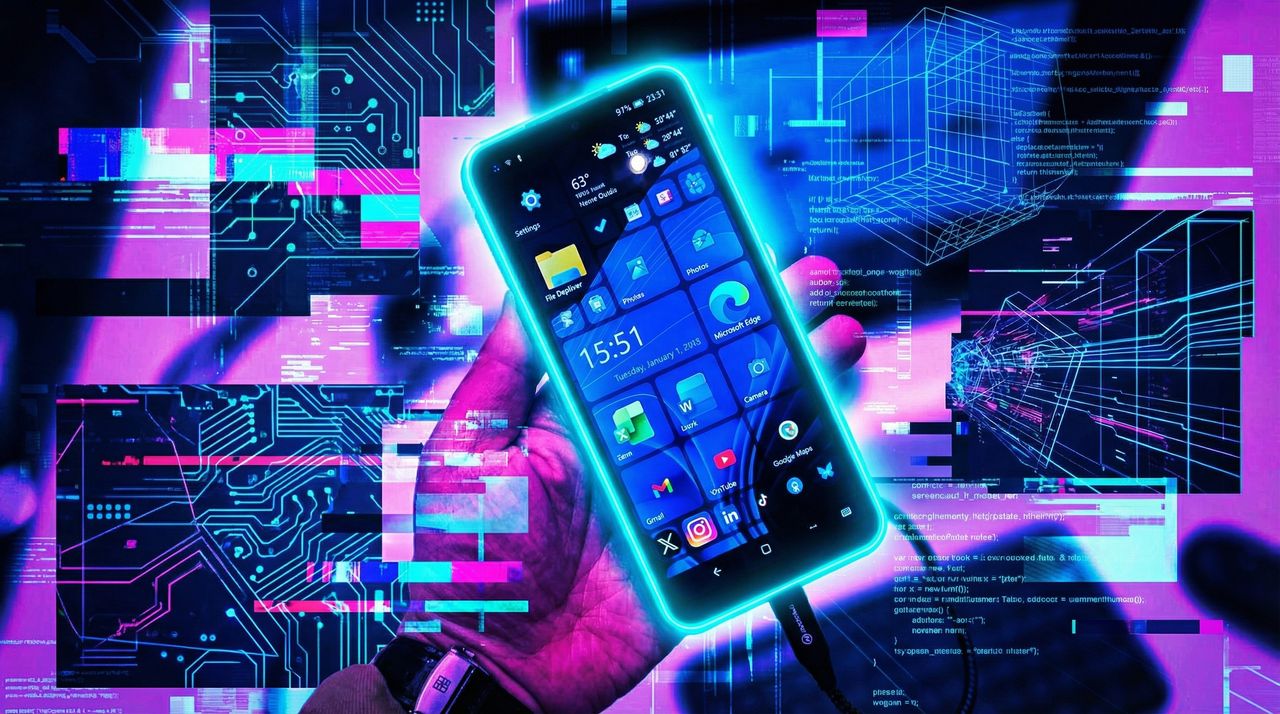
The NexPhone runs Windows 11, Android, and Linux. With a Q3 2026 launch and a $549 price tag, it's a bold attempt to revive the "PC in your pocket" dream.
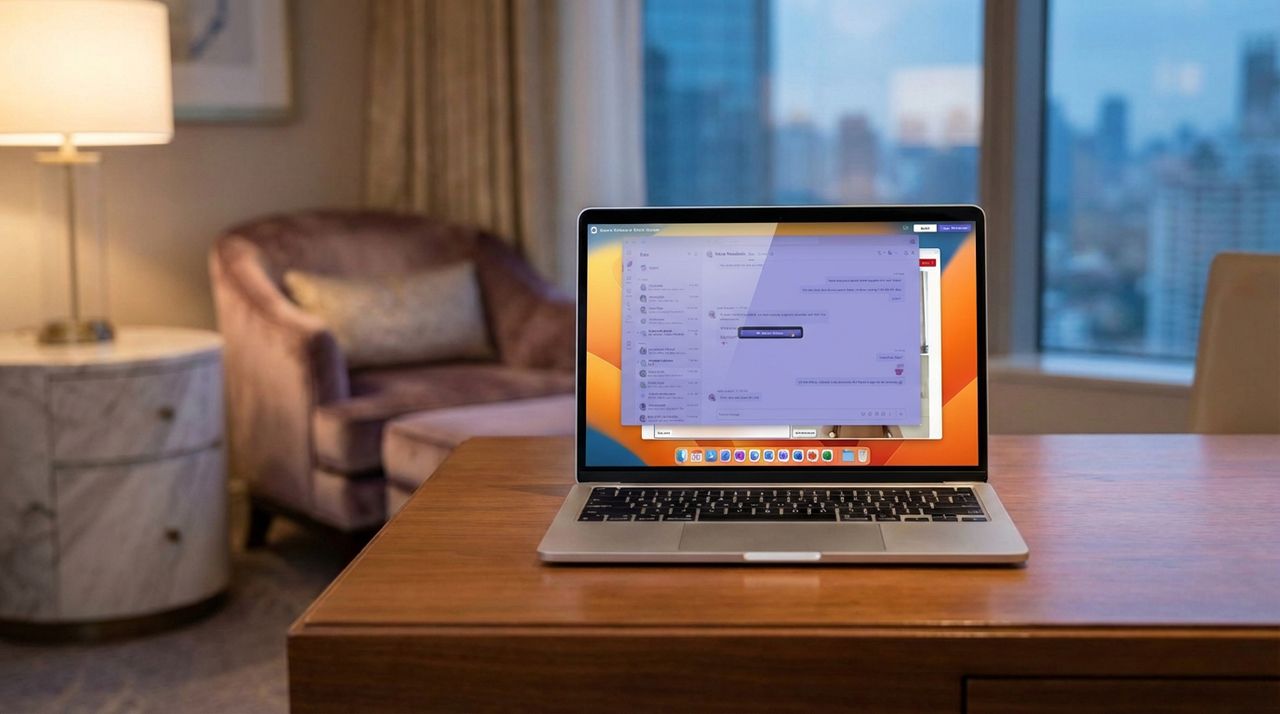
Windows 11 adoption hit 62.41% this month, but after a year of flatlining growth, it's unclear if this spike represents a real trend or a statistical outlier.

 Login
Login