Getting a breath of fresh air is nearly impossible in Indian cities. With air pollution being a major health risk right now, air purifiers have slowly gone from “nice to have” to a necessity for every household. The market is flooded with plenty of options across different budgets that offer comparable performance for a cleaner air in your home. Among the wide variety of models, the Qubo Smart Air Purifier Q400 sits firmly in the budget segment, priced under Rs 10,000, and promises smart features without asking you to overspend. After using it as an everyday purifier, the Q400 feels like a product that knows exactly what it wants to be: practical, simple, and effective.
First Impressions and Setup
The Qubo Q400 makes a good first impression by not wasting your time. Unboxing is straightforward, and from opening the box to having it up and running, it takes about five minutes. There’s no complicated assembly, no confusing manuals, and no unnecessary steps.
Qubo Smart Air Purifier Q400 Review
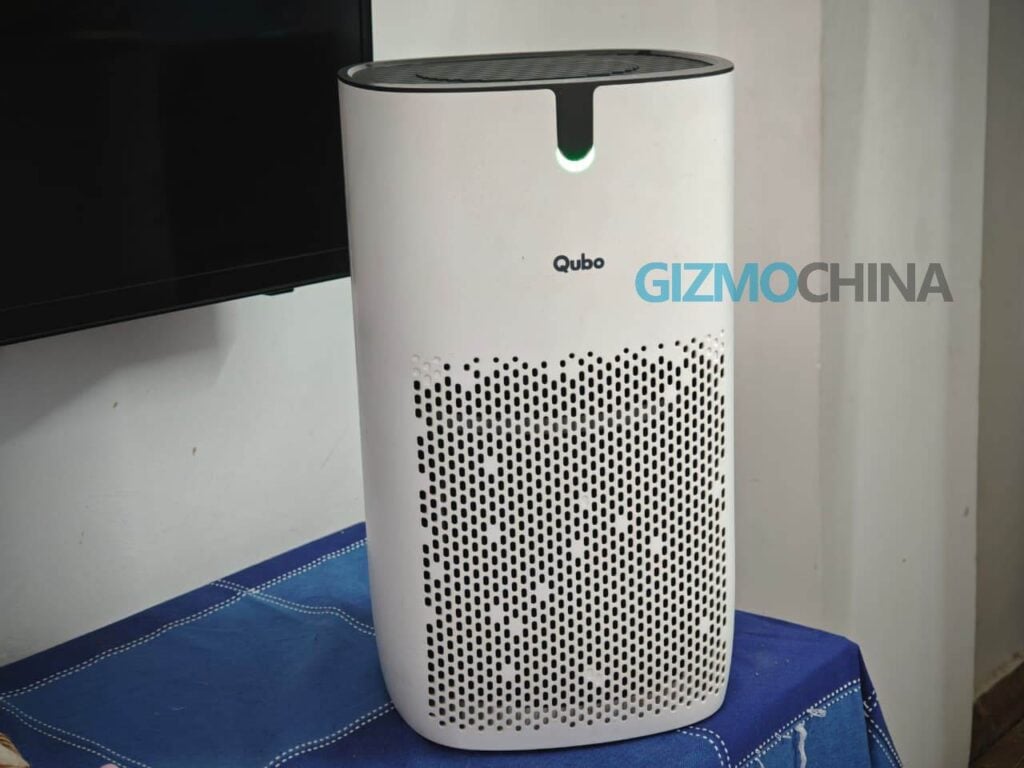
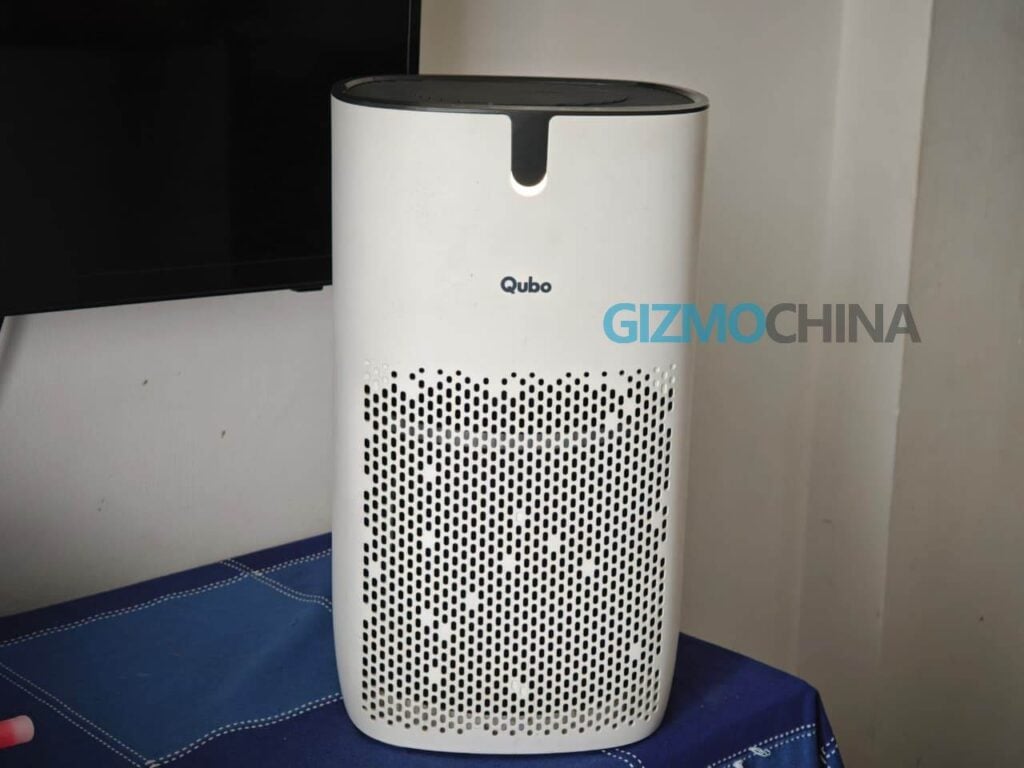
The purifier itself is lightweight and easy to carry around, which matters more than you’d think. If you want to move it between the bedroom during the night and the living room during the day. This portability makes it especially appealing for smaller homes or apartments where one purifier often has to cover multiple rooms. It features a rather minimalistic design that is clearly not aiming to be a luxury appliance. But it doesn’t look out of place in a modern home.
Does It Actually Clean the Air?
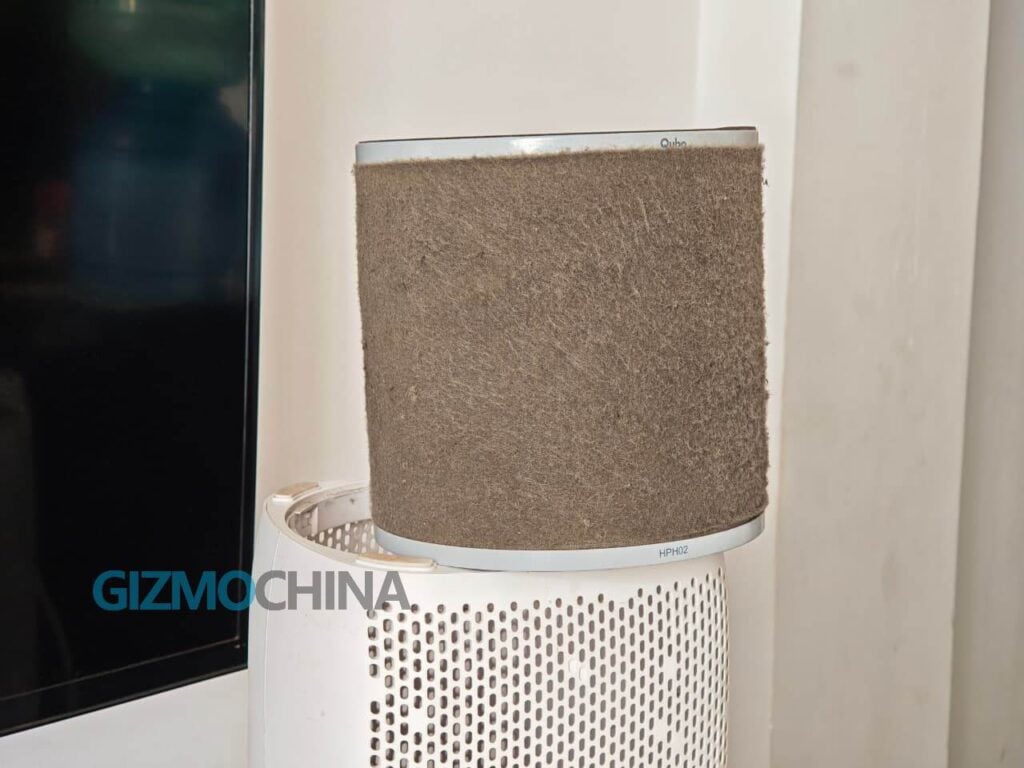
Pre-Filter after 2 weeks
In daily use, Qubo Q400 gets the job done. It detects pollution spikes quickly and reacts almost immediately. Cooking smoke is a great real-world test, and the Q400 reliably picks it up within seconds, ramping up fan speed in Auto mode without manual intervention. In a small to medium-sized room, dust and airborne particulates get reduced in just about 10 to 15 minutes. You can “breathe” the difference, especially if you’re coming from outdoors. Auto mode works intelligently, adjusting fan speed based on air quality and even switching off when pollution levels drop.
Smart Features and App Experience
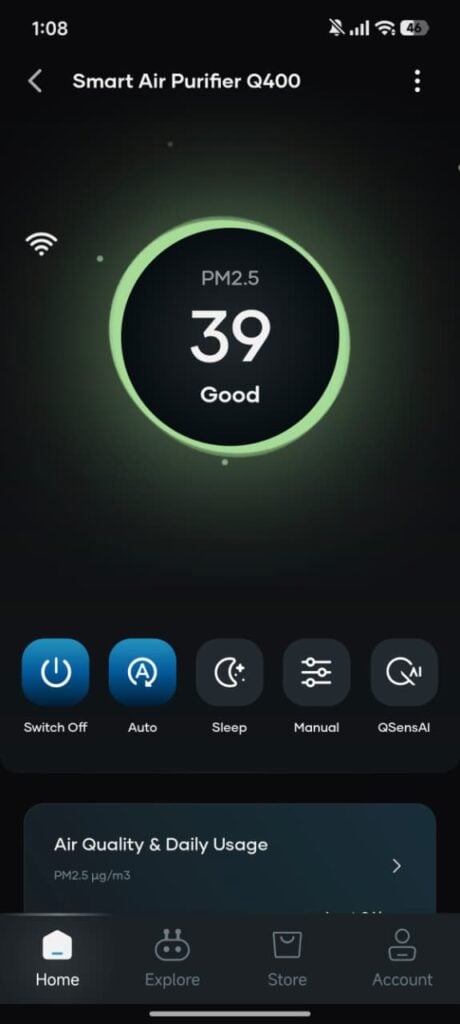
The mobile app is one of the Q400’s stronger points. Qubo brings intuitive, responsive, and easy-to-understand, even if you’re not particularly tech savvy. You can monitor air quality, switch modes, adjust fan speeds, and schedule operations directly from this software on your phone.
The Qubo Air App
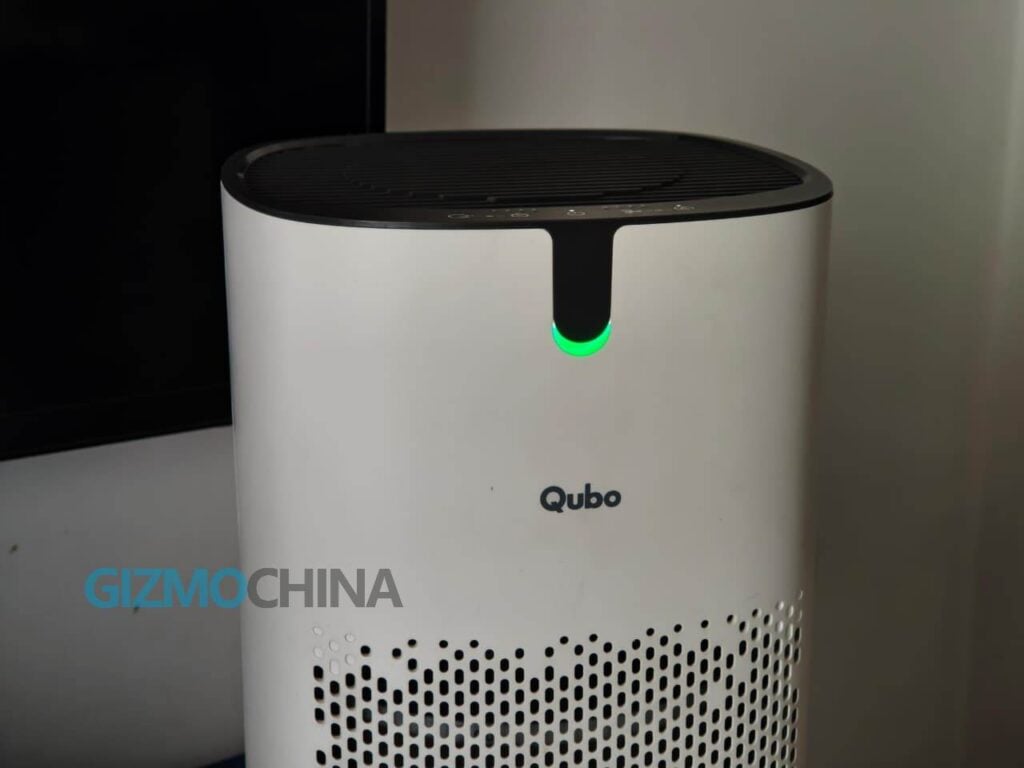
Unfortunately, you’re not getting a dedicated screen that displays air quality. Instead, the Q400 uses color codes, namely Green, Yellow, and Red, to indicate air quality levels. For a deeper insight, the Qubo app gives you the finer details like AQI.
Sleep Mode and Noise Levels
Sleep mode deserves special mention because it’s genuinely quiet. Once enabled, the purifier fades into the background, making it suitable for overnight use even if you’re a light sleeper. There’s no distracting hum or sudden fan bursts.
Green indicates good air levels
What It Gets Wrong
The biggest omission is the lack of a numeric AQI display on the device itself. If you like glancing at exact air quality numbers, you’ll need to open the app every time. The color-coded system works, but it’s less informative than a proper display. Furthermore, there is no set standard with different brands having different colors to indicate air quality.
Yellow indicates moderate air quality
Room size is another limitation. The Q400 is best suited for small to medium rooms. If you’re expecting it to purify a large open living area or an open kitchen-living room combo, it may struggle to keep up. Lastly, while maintenance is simple, it does require some attention. Regularly cleaning the pre-filter is essential to keep performance consistent. It’s not difficult, but it’s something you can’t completely ignore.
Alternatives You Should Consider
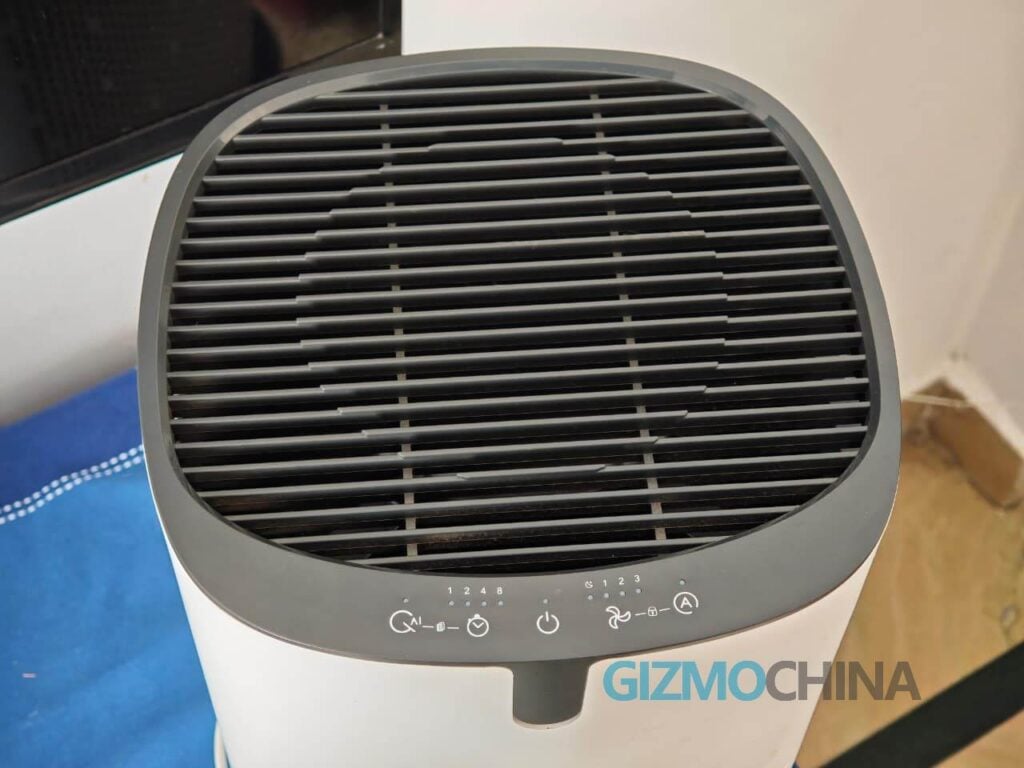
Top view
If you want a purifier with a built-in numeric AQI display or support for larger rooms, there are other options to choose from. The Xiaomi Smart Air Purifier 4 Lite is slightly more expensive, but it offers such a display panel. There is also the Sharp FP-F40E-W that uses ions to neutralize airborne pollutants. You can even check out the Eureka Forbes 270 Air Purifier that brings 360° air intake technology and activated carbon.
Verdict: Should You Buy the Qubo Smart Air Purifier Q400?
The Qubo Smart Air Purifier Q400 is easy to recommend for what it is. At under Rs 10,000, it delivers reliable air purification, responsive Auto mode, quiet night-time operation, and a solid app experience. It doesn’t overpromise, and more importantly, it doesn’t underdeliver. If you live in a small to medium-sized home and want an affordable, smart purifier that works quietly in the background, the Q400 is worth your money. Just don’t expect premium design touches or advanced features like on-device displays.
For more daily updates, please visit our News Section.
Computing in 2026 looks different from what it did just a few years ago. While laptops remain a cornerstone of portable productivity, mini PCs have established a space of their own in portable computing. These tiny, powerful desktop rigs have become a popular alternative to laptops, and data shows that mini PCs could be growing even further. But this isn’t about simply replacing laptops, and more about redefining how we think about personal and professional computing.
The Mini PC Boom: What’s Driving the Growth
Mini PCs are thriving for several reasons, with rising market demand and changing user behavior. Businesses and individuals alike want machines that offer solid performance without the size, cost, and energy footprint of traditional desktops. According to industry analysts, the compact computing segment is growing rapidly, with remote work being a key factor. Distributed teams need reliable desktop-like performance without locking users into bulky hardware, and Mini PCs fill that role perfectly.
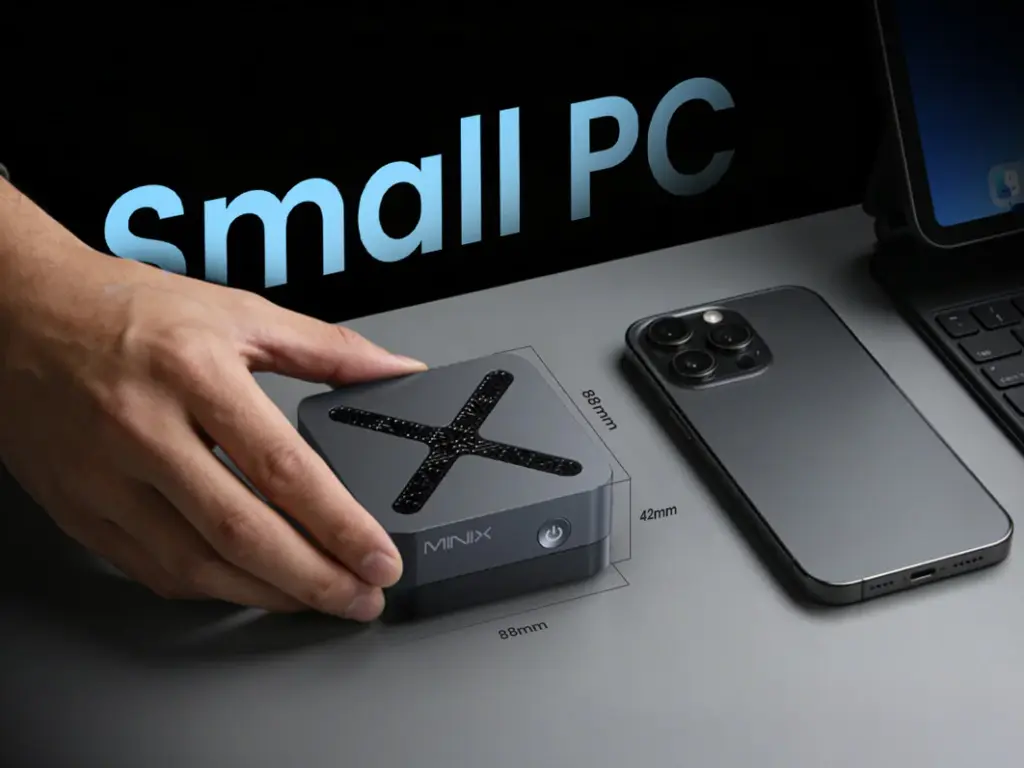
Minix Neo Z95 Mini PC
Another reason for the rise in mini PC adoption is the increasing emphasis on low energy devices. Mini PCs as a system are built with efficient processors and low powered designs. So you can even find mobile versions of CPUs and GPUs, or a combination of them with desktop grade hardware to balance power and performance. This draws significantly lower power compared to traditional desktops, helping businesses push for greener operations and reduced electricity costs.
Mini PCs vs Laptops: Differing Strengths, Not Replacement
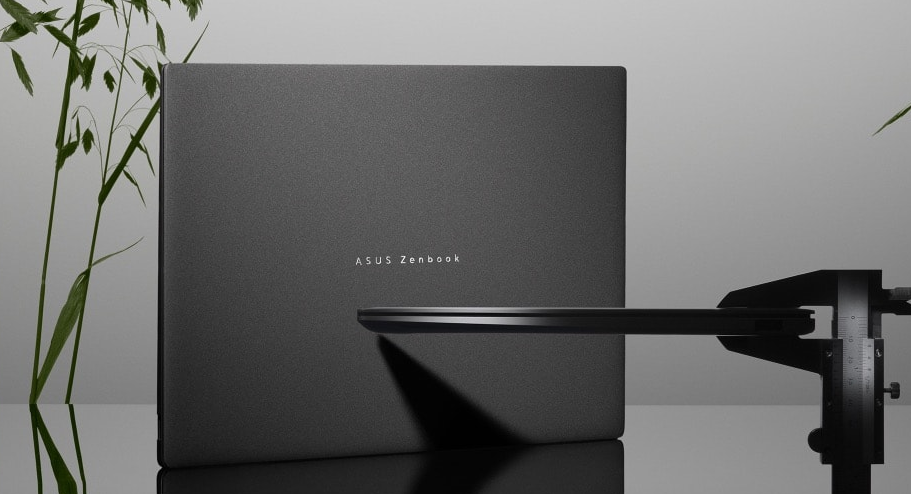
ASUS Zenbook S16
While we’ve talked about some of their strong points, it is important to clarify that mini PCs are not replacing laptops. Rather, they are redefining desktop experiences for users who don’t require portability but need a small computing machine. Laptops excel in mobility, making them ideal for students, remote workers, and others who need productivity on the move. On the other hand, mini PCs are still built to be put in a fixed position. But these still deliver desktop class performance with flexibility and energy efficiency. The tiny computers sacrifice an included display and portability for higher performance, to bridge the gap between full-fledged PCs and laptops.
Why Mini PCs Are Popping Off in 2026
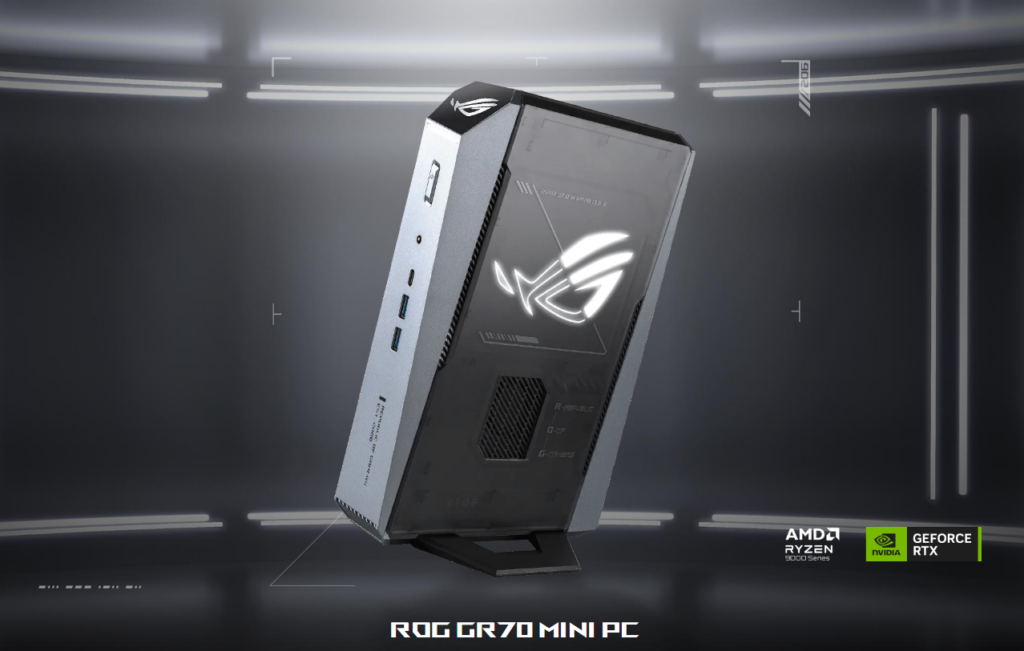
ASUS ROG GR70 Mini PC
Compact Form Factor: Mini PCs pack a serious punch into tiny enclosures. Unlike laptops, which must balance performance with battery life and compact internals, mini PCs can house more robust cooling solutions and higher-end components. All of this is on offer without taking up desktop space.
Energy Efficiency and Sustainability: With a growing emphasis on reduced energy consumption, mini PCs shine. Many models use low-power chips that achieve high performance per watt, contributing to sustainability goals in offices and homes. The reported 31% rise in low-energy device adoption showcases this shift.
Remote Work and Flexibility: Remote and hybrid work environments have amplified demand for flexible desktop setups. Mini PCs allow employees to have a powerful workstation at home without the bulk of a traditional tower.
Cost-Effective: A mini PC delivers better price-to-performance than comparably powered laptops. These also offer more raw performance per dollar when considering CPU and GPU intensive workloads.
The Takeaway
Mini PCs are winning in 2026 not because they’re better than laptops in every way, but because they fit a growing set of needs like performance, space efficiency, energy savings, and remote-friendly computing. Laptops will likely retain their much larger market share in portable computing and convenience, but mini PCs are cementing their place as a versatile desktop alternative. The result is a healthier, more diverse computing ecosystem that gives users more choice than ever before.
You can also click here to check out why the ASUS ROG GR70 Mini is the ultimate tiny PC for gamers.
For more daily updates, please visit our News Section.
Xiaomi’s HyperOS 3 was one of the company’s biggest software updates to date, introducing a refreshed UI, deeper AI integration, and revamped system features across phones, tablets, and beyond. Now, with HyperOS 3.1 rolling out in phases, Xiaomi is refining that experience with enhanced usability, performance improvements, and smarter integration both within its own ecosystem and with third-party devices. But what exactly has changed, and which devices will get the new version? Here’s a clear comparison between the HyperOS 3.1 and HyperOS 3 and the full list of eligible Xiaomi devices.
What HyperOS 3 Originally Brought
The Chinese tech giant’s HyperOS 3 custom skin was based on the Android 16 OS. It introduced the Apple Dynamic Island inspired HyperIsland, which is an interactive notification, live activity interface that makes it easier to glance at music, calls, charging status, and more without leaving your current screen. The update also focused heavily on AI-powered tools, from writing tools to transcription.
All of this was wrapped in a cleaner user experience, smoother animations, and improved multitasking support. Devices with HyperOS 3 saw smoother performance, deeper cross-device connectivity, and an overall more refined Android experience compared to prior versions of MIUI and earlier HyperOS builds. The rollout has been staggered across models, with 95% of eligible devices having received this update already.
What’s New in HyperOS 3.1
HyperOS 3.1 isn’t a total overhaul, but it brings several meaningful refinements and quality-of-life improvements. This includes features like:
Super OTA – One of the biggest highlights is Super OTA, which is a next-gen update mechanism that applies system updates faster and more smoothly with minimal reboot time and fewer errors. This addresses one of Android’s longstanding update pain points, which is the long, intrusive update installs.
Smarter UI and Refinements – HyperOS 3.1 improves on core UI elements with smoother animations, refreshed system apps (like Gallery and Weather), expanded lock screen customisation, and more interactive elements in HyperIsland for a more polished experience.
Better Ecosystem & Third-Party Support – HyperOS 3.1 improves cross platform features too by adding native Apple AirPods support, enabling quick pop-up pairing and access to spatial audio on compatible earbuds. It also improves interoperability with other devices, making Xiaomi’s ecosystem more flexible.
Accessibility & Quick Gestures – New accessibility options have been reorganised for easier access, and select models gain quick gesture controls that make navigation and shortcuts more accessible.
Performance & Stability Updates – Under the hood, memory management improvements, smoother app launches, reduced frame stutters, and UI polish make day-to-day use feel more responsive compared to HyperOS 3.
All Devices Eligible for HyperOS 3.1
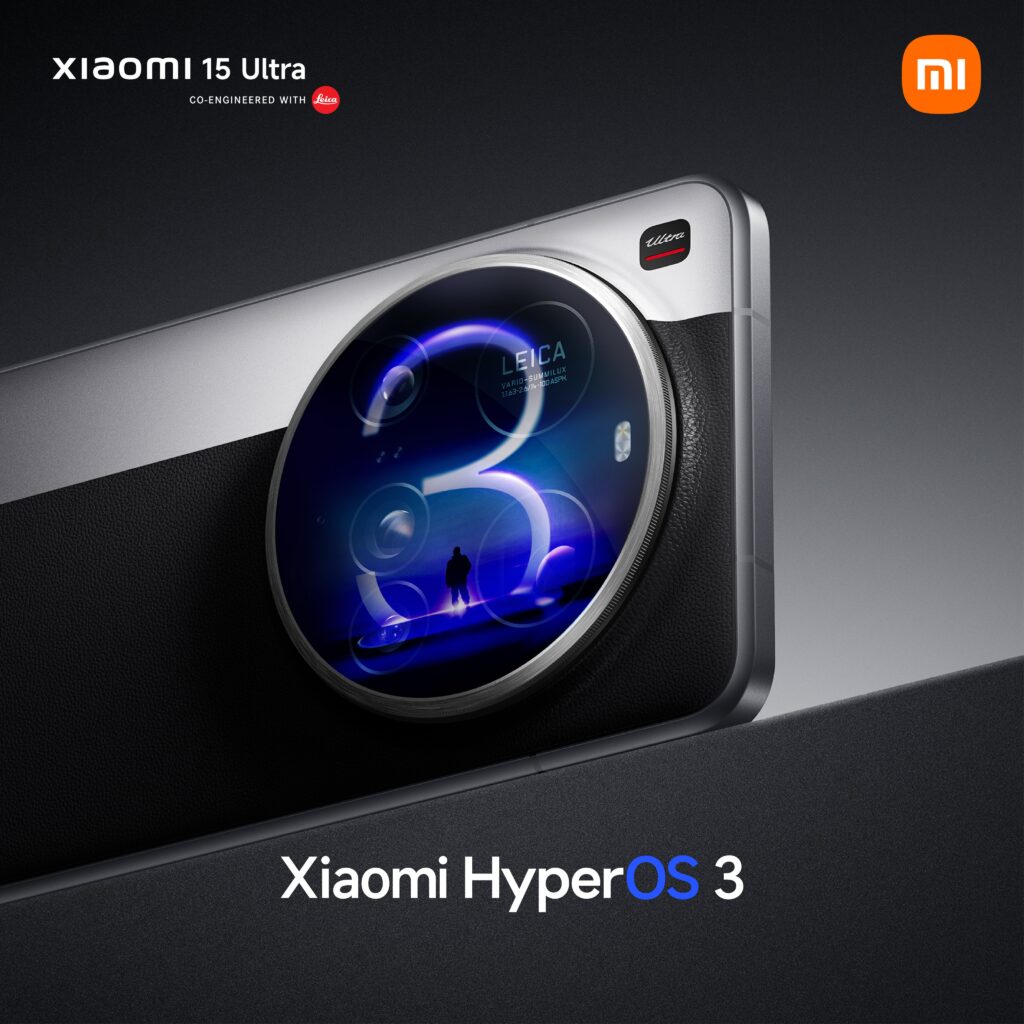
Xiaomi 15 Ultra
Here’s a list of all Xiaomi, Redmi, and POCO branded smartphones tand tablest that are set to receive the HyperOS 3.1 update.
Xiaomi
Xiaomi 13 / 13 Pro / 13 Ultra
Xiaomi 14 / 14 Pro / 14 Ultra
Xiaomi 15 / 15 Pro / 15S Pro / 15T / 15T Pro / 15 Ultra
Xiaomi 17 / 17 Pro / 17 Pro Max / 17 Ultra / 17 Ultra Leica & Leitzphone
Xiaomi Mix Fold 3 / Fold 4
Xiaomi Mix Flip / Mix Flip 2
Xiaomi Civi 4 Pro / Civi 5 Pro
Xiaomi Pad 7 / Pad 7 Pro / Pad 7 Ultra
Xiaomi Pad 7S Pro 12.5
Xiaomi Pad 6S Pro 12.4
Xiaomi Pad 8 / Pad 8 Pro / Pad Mini
Redmi
Redmi Note 14 Pro+ / Pro
Redmi Note 14
Redmi Note 14S
Redmi Note 15
Redmi Note 15 Pro / Pro+
Redmi Note 13R / Pro / Pro 4G
Redmi K90 / K90 Pro Max / K80 / K80 Ultra / K80 Pro
Redmi Turbo 4 / 4 Pro / 5 / 5 Max
Redmi K70 / K70E / K70 Pro
Redmi A3 / A3 Pro
Redmi Pad 2 / Pad 2 Pro / Pad 2 4G / Pad SE 4G
Redmi 13X / Redmi 15 4G
POCO
POCO F6 Pro
POCO F7
POCO X7 Pro
POCO Pad M1
Note: This list continues to evolve as the beta and stable rollout progresses. Furthermore, rollout happens in batches and may take weeks or months to reach all regions and variants.
For more daily updates, please visit our News Section.
Xiaomi’s next big launches might not just be about raw power and sharp displays; they could also bring a serious audio upgrade. A fresh leak has revealed that the brand’s next flagship phone and powerful compact tablet will feature a powerful audio system powered by Bose.
Bose-Tuned Speakers On the Redmi K90 Ultra & Redmi K Pad 2
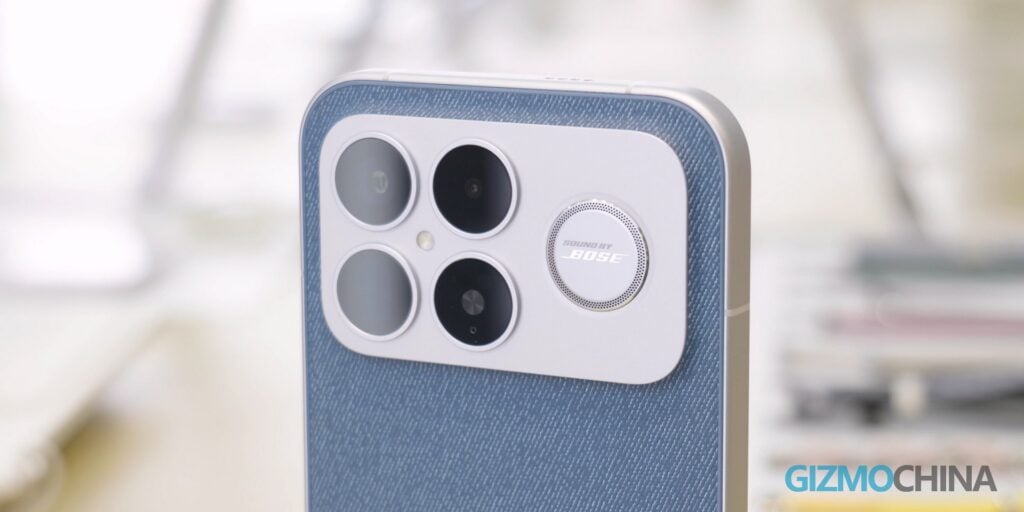
According to known tipster Smart Pikachu, both the Redmi K90 Ultra flagship phone and the Redmi K Pad 2 tablet are tipped to ship with speakers co-tuned with Bose, promising louder, richer sound compared with typical mobile audio systems. This would continue Xiaomi’s emerging partnership with audio giant Bose, following earlier devices like the Redmi K90 Pro Max that introduced Bose-tuned speakers and even a rear-mounted speaker module for more immersive sound.
Redmi K90 Pro Max
So it’s not a surprise that the Redmi K90 Ultra is expected to be the next flagship to feature a similar three speaker system. This would offer a more immersive audio experience for gaming, movies, and music. The Chinese tech giant might debut in the global market as the Xiaomi 17T Pro, with a similar speaker configuration. Based on what we know so far, the K90 Ultra will reportedly pack a massive 8,500mAh battery pack along with a built-in cooling fan.
These specs power and cool a powerful Dimensity 9500 chip. Other notable features may include a tall 1.5K 165Hz OLED display, an ultrasonic in-display fingerprint sensor, 100W wired fast charging, and more. On the other hand, the Redmi K Pad 2 may debut globally as the Xiaomi Pad Mini 2, offering an 8.8-inch 3K display, a flagship level processor, and a larger 9,000mAh cell.
For more daily updates, please visit our News Section.
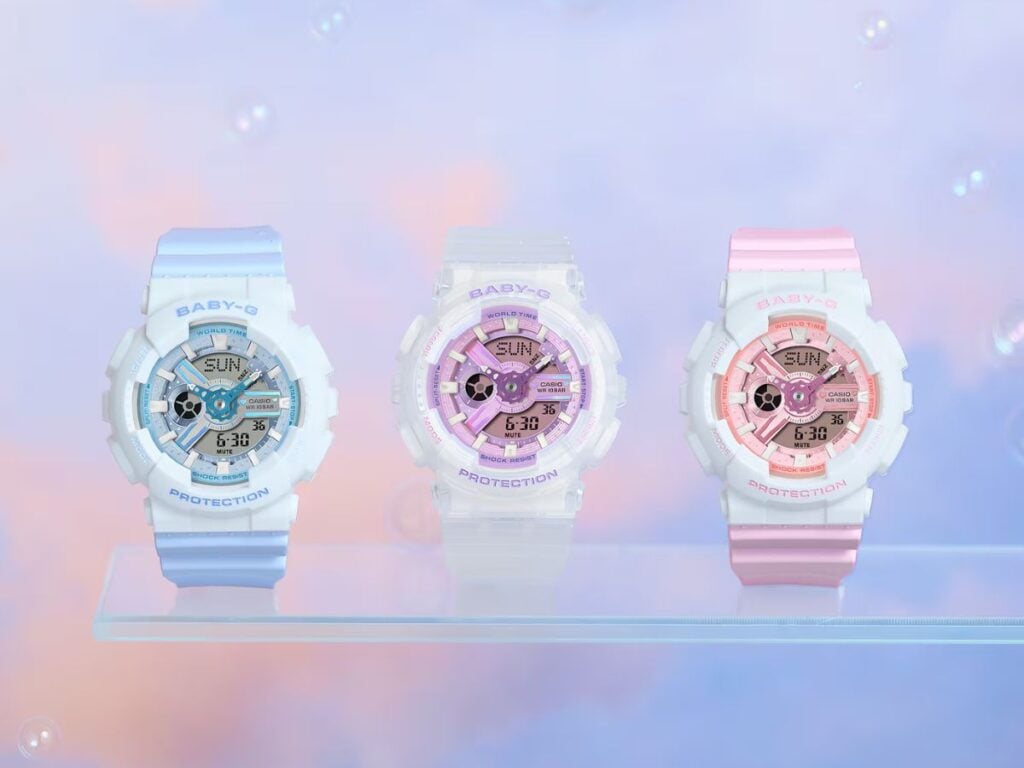
Casio is back with another colorful twist on its popular rugged watches. This time, it’s mixing pastel-hued designs and a transparent strap model into its G-Shock/Baby-G lineup. The new BA-110PD-2A, BA-110PD-4A and BA-110PS-7A watches deliver lively looks while still packing the durability and everyday tech the brand is known for.
Casio G-Shock Baby-Gs go pastel & transparent
All three models in the new series sport polarized resin bezels, dials and straps that give them a glossy finish. The BA-110PD-2A comes in a cool blue tone, the BA-110PD-4A offers playful pink, and the BA-110PS-7A stands out with its pink/purple dial and a transparent band that feels modern and fresh. You also get heart shaped accents on the hour hand and at 3 o’clock for a quirky, fun touch to each watch.
Casio G-Shock Baby-G Watch with Pastel Colors and Transparent Strap
Apart from this, you also get two analog hands along with two digital displays for info at a quick glance. The duo supports world time (covering 48 cities and multiple time zones), stopwatch, timer, five daily alarms, LED backlight, and 100W water resistance for everyday ruggedness and weekend adventures. These are hybrid analog-digital watches, so you’re getting both a traditional watch look with more useful tools, and now with Baby-G’s pastel makeover.
Price & Availability
Casio has rolled out the new watches in Japan for about 16,500 Yen (around 105 US Dollars) for each model. These are also set to release later this month and are set to release globally soon. The popular watch maker recently announced two new Sheen series watches in the region, which bring a more sober yet elegant look with premium leather straps and solar power.
For more daily updates, please visit our News Section.
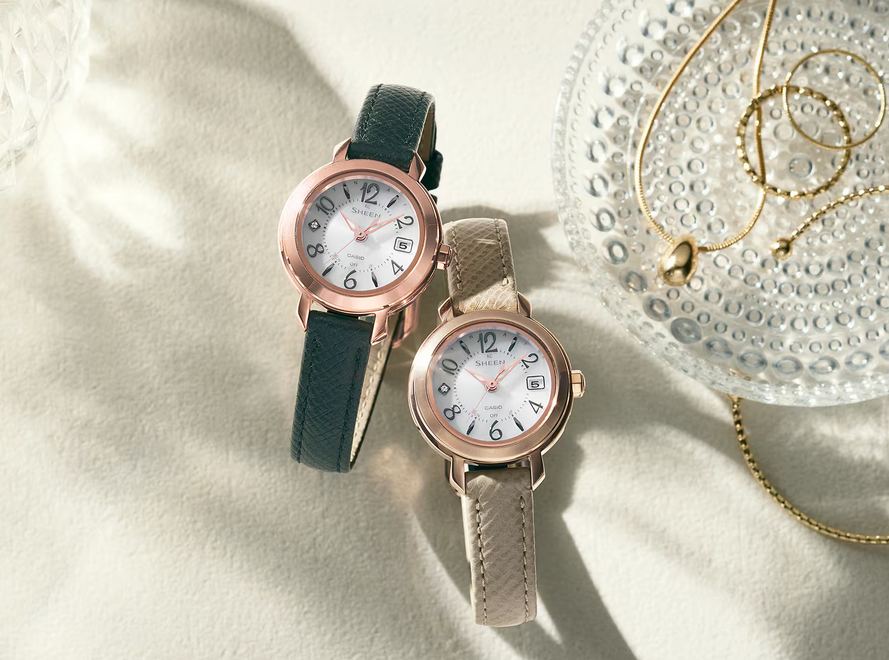
Casio just expanded its Sheen lineup in Japan with two new elegant analog watches that wrap classic style around modern technology. The new SHW-5300CGL-7A and SHW-5300PGL-7A combine Tough Solar charging, radio-controlled timekeeping and genuine leather straps for a refined everyday watch that’s both smart and elegant.
Classic Look Meets Practical Tech
These new Sheen models are built around radio-controlled accuracy in Japan and China, meaning they can sync with local time signals to stay correct without manual adjustment. If the signal isn’t available, Casio says the watches will still keep time within about ±15 seconds per month. The hands and dial layout include a three-hand design with a date window. One of its standout aspects is the Tough Solar technology, which uses ambient light to keep the internal battery powered up.
Casio Sheen Solar Watches with Leather Straps
So one doesn’t have to worry about replacing batteries often. This is paired with 100m (10 ATM) water resistance, meaning these watches can shrug off splashes, rain or a quick swim. Both versions feature an ion-plated stainless steel case with a rose-gold finish, lending a dressy but understated look. The dials are protected by anti-reflective coated sapphire crystal for improved scratch resistance. You also get Genuine leather straps with embossed patterns give each model a refined feel.
The Casio Sheen SHW-5300CGL-7A comes with a beige-tone strap, while the SHW-5300PGL-7A sports a black leather band. Casio has already opened pre-orders in Japan for both Sheen models, with each retailing at 35,200 Yen, which is roughly around 224 US Dollars. They are set to hit the shelves later this month, but global availability is still unclear.
For more daily updates, please visit our News Section.
Samsung has officially introduced the Galaxy F70e 5G in India, adding a new entry in its budget-friendly lineup with some genuinely solid specs for its price bracket. This device also brings a stylish design and a long battery life, so here are all the details.
Samsung Galaxy F70e Specifications
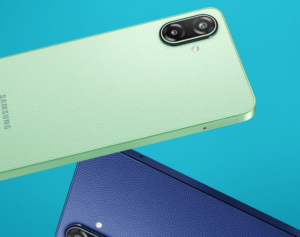
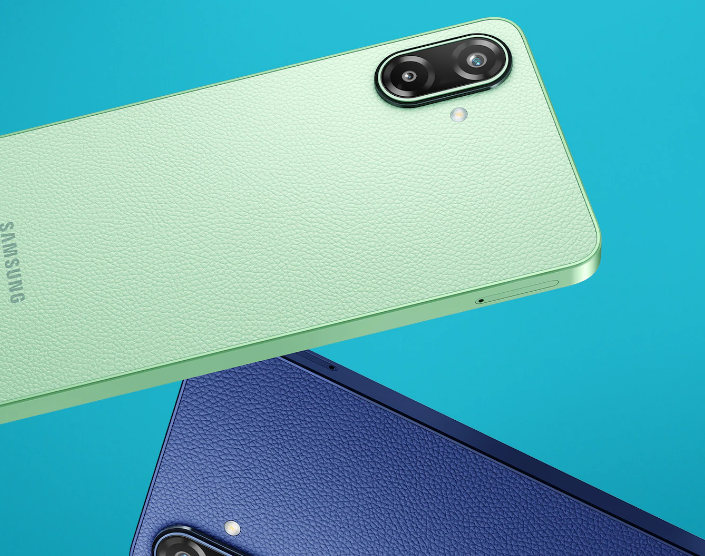
On the front, the Galaxy F70e sports a tall 6.7-inch LCD panel with an HD+ resolution, a 120Hz refresh rate, and 800 nits of peak brightness. Meanwhile, the rear gets a vegan leather finish for a more premium feel. Under the hood, the new budget phone is equipped with MediaTek’s Dimensity 6300 chipset, which is coupled with up to 6GB of RAM and 128GB of internal storage. Out of the box, this device runs on the Android 16 OS based One UI 8 custom skin and a promise of six major OS upgrades.
Samsung Galaxy F70e
A large 6,000mAh battery pack powers the Galaxy F70e, which supports 25W wired fast charging. For optics, the rear hasa 50MP main camera along with a 2MP depth sensor, while the front houses an 8MP selfie shooter. Other notable features include dual band WiFi, Bluetooth 5.4, dual SIM support, a fingerprint scanner, Knox Vault, a 3.5mm audio jack, and an IP54 rating for water and dust resistance.
The South Korean tech giant has announced the Galaxy F70e 5G in the Indian market for a starting price tag of Rs 12,499 for the 4GB + 128GB model, while the 6GB + 128GB variant costs Rs 13,999. The new affordable phone is listed for purchase in two color options, namely Spotlight Blue and Limelight Green, from Flipkart and the brand’s official website starting on 17th February 2026. This release also arrives just days after Samsung announced another budget phone, the Galaxy A07.
For more daily updates, please visit our News Section.
Smart door locks are not exactly new, but Xiaomi’s latest takes a refreshingly practical approach. The Xiaomi Self-Install Smart Lock is rolling out in more regions across the globe, bringing easy installation and modern smart features to more homes. So here are all the details.
Xiaomi Self-Install Smart Lock Specifications
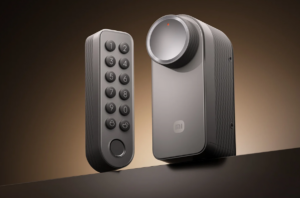
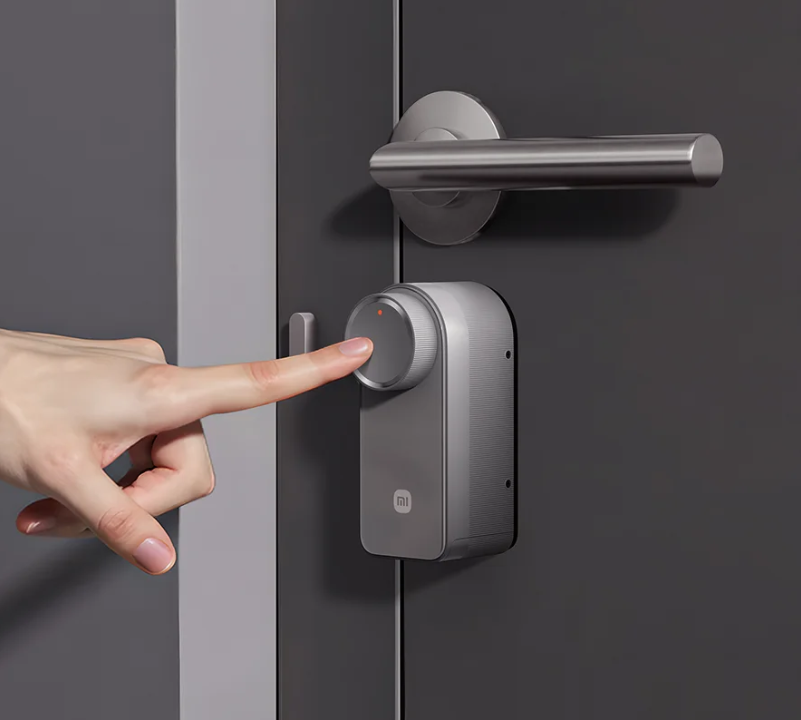
The Chinese tech giant previously announced this smart home security product in select markets like Japan and the UAE. And now, it is finally being released in the European market. As the name suggests, the Xiaomi Self-Install Smart Lock offers a DIY installation process without the fuss of drilling or professional help. Unlike traditional smart locks that often mean changing your door hardware, Xiaomi’s new version simply fits over your existing key or knob setup. SO there are no permanent modifications.
The Self-Install Smart Lock supports a range of convenient unlocking methods, which include:
Fingerprint scanning for quick access
Permanent and temporary passwords
Bluetooth or Wi-Fi connected app control
Voice commands through smart assistants
The lock also leaves room for a physical key backup
The smart lock works with the Matter smart home standard, meaning it should integrate with a variety of ecosystems rather than locking you into one brand. That’s a big plus for anyone building out a multi-device smart home. In Europe, the device is already listed on retailers like Galaxus in regions such as France and Germany, for around 145 to 153 Euros. Meanwhile, a secondary kit with an external keypad sells for 179-189 Euros.
For more daily updates, please visit our News Section.
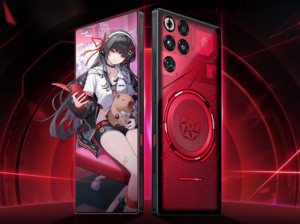
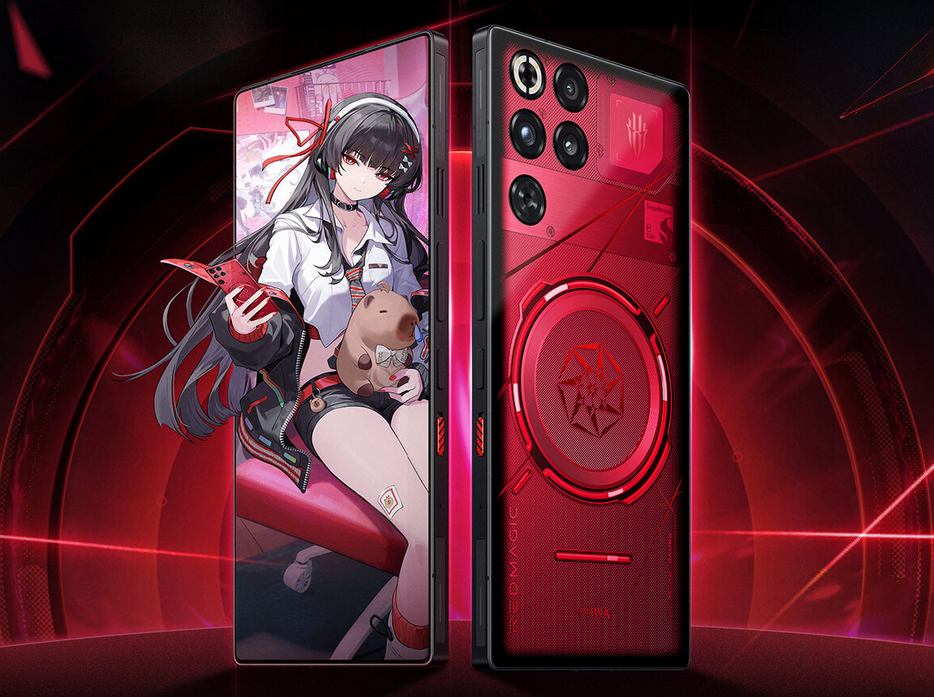
Red Magic has just unveiled a limited edition model of its latest flagship, the Red Magic 11 Pro+. Collaborating with Kuro Games, the brand has launched the Red Magic 11 Pro+ Wuthering Waves Edition, which brings a new eye-catching Energy Red theme inspired design.
Red Magic 11 Pro+ Wuthering Waves Edition Launch
The Chinese brand’s latest device offers the same high end specs and features as the regular Red Magic 11 Pro+. However, the big difference is that the limited edition variant dresses the flagship features an Energy Red theme, which brings a dark red finish on the rear. So this model stands out with unique looks and bundled extras for fans and collectors alike.
The Wuthering Waves Edition swaps in a bold Energy Red visual theme across several elements of the Red Magic 11 Pro+, giving the device a striking new personality. This includes various aspects like:
A crimson-accented liquid-cooling engine motif on the hardware
Red-accented gaming trigger buttons for that extra pop during play
Custom RGB lighting effects that match the theme’s mood
A matte metal frame that pairs well with the vibrant colours
Red Magic 11 Pro+ Wuthering Waves Edition
This edition also comes with a fully customised ‘Wuthering Waves’ UI theme, complete with icons, wallpapers, charging animations, and fingerprint unlocking animations inspired by the popular mobile gacha game. So you get a completely tailored experience. Apart from the phone, buyers of the limited edition bundle get several themed extras not present in the standard model:
Mingchao-themed Kevlar magnetic protective case
Custom-designed SIM ejector pin
Themed badges and collectable touches
120W Magic Flash fast charger in a matching design
The Red Magic 11 Pro+ Mingchao (Wuthering Waves) Limited Edition is priced at 6999 Yuan (~$970) in China and is scheduled to go on sale on 10th February 2026.
For more daily updates, please visit our News Section.
The 41-year-old skiing great is at the 2026 Winter Olympics seeking her first gold medal since Vancouver 2010. Her appearance at the Milan Cortina Games was in question just a week ago following a fall during a World Cup downhill race in Switzerland.
Despite tearing her ACL, Vonn is going ahead and will participate in Sunday's women's downhill, an event she won in 2010.
No matter the result, Vonn's perseverance to finish her comeback with one last Olympic appearance is remarkable. She was already a legend of the sport. This elevates her even higher than that.
Vonn's stick-to-it-iveness puts her among athletes in history who have shown their toughness while battling through injury and/or adversity. Here are a few sports greats who displayed their guts through difficult times.
Willis Reed, Game 7 of 1970 NBA Finals
After tearing a muscle in his right thigh as the New York Knicks took a 3-2 series lead in Game 5, Willis Reed sat out the Los Angeles Lakers win in Game 6. Heading into the decisive game of the series, there were questions about his availability for Game 7. The 1970 MVP, All-Star Game MVP, All-NBA First Teamer, and NBA All-Defensive First Teamer would hobble out of the locker room during warmups to a rousing ovation at Madison Square Garden.
Despite only scoring four points and grabbing three rebounds, Reed's presence helped inspire the Knicks to win the franchise's first championship. “I didn’t want to have to look at myself in the mirror 20 years later and say I wished I had tried to play,” Reed said.
Jack Youngblood, Super Bowl XIV
The 1979 Los Angeles Rams met the Dallas Cowboys in the NFC divisional round one year after the Cowboys shut them out in the NFC championship game. During a first half that saw LA take a 14-5 lead, defensive end Jack Youngblood suffered an injury that he did not realize the seriousness of until the team doctor informed him. It was a broken leg. After a quick tape job, he was back out there for the remainder of the game, which saw Youngblood sack a retiring Roger Staubach late and the Rams advance with a 21-19 win. Youngblood would play with the bad leg for the rest of the postseason, which saw LA reach Super Bowl XIV — a loss to the Pittsburgh Steelers. The end of the season didn't mean rest for Youngblood.
He would also travel to Hawaii to play in the Pro Bowl. "Everybody asked me when we got to Hawaii, 'What the heck are you doing here? You've got a broken tibia," Youngblood later told CBS Sports. "I said, 'Shut up, I'm not going to miss this party.'"
Jack Buck's radio call of Kirk Gibson's iconic game-winning home run for the Dodgers in Game 1 of the 1988 World Series
Of course the great Vin Scully's television call was legendary, but I think Jack's was right on par with it.
No believed what they had just witnessed, including Hall of Fame broadcaster Jack Buck. Kirk Gibson had only one at-bat for the Los Angeles Dodgers in the 1988 World Series against the Oakland Athletics and he made it count. With LA down 4-3 in the bottom of the ninth inning with two outs in Game 1 at Dodger Stadium, manager Tommy Lasorda called up Gibson as a pinch hitter for Dave Anderson. Gibson, suffering from a right knee ligament sprain and a strained left hamstring suffered in the NLCS, worked a full count. The eighth pitch of the at-bat saw a backdoor slider from Dennis Eckersley get deposited over the right-field wall to give the Dodgers a Game 1 victory.
The Dodgers would win three out of the next four games to win the World Series. Gibson would not play again that postseason.
Kerri Strug, one of the American "Magnificent Seven" at the 1996 Olympics in Atlanta. (AP Foto/Susan Ragan, archivo)
ASSOCIATED PRESS
Kerri Strug, 1996 Olympics
One of the "Magnificent Seven," Kerri Strug was the final U.S. gymnast to take part in the vault as the Russian team was eyeing a comeback and gold medal. He first attempt ended with an injured ankle and she limped to the runway for her second attempt, knowing that a score of 9.762 would earn gold. Her landing wasn't perfect, but good enough for a score that gave the U.S. the victory. As the team gathered for the medal ceremony, Coach Béla Károlyi carried Strug to the podium so she could be with her teammates.
Strug ultimately suffered a lateral sprain and damage to her tendon and was unable to take part in the individual all-around competition.
Emmitt Smith, 1994 Week 18
A first-round bye and home-field advantage was on the line in Week 17 of the 1993 NFL season. Nothing was going to take Dallas Cowboys running back Emmitt Smith out of their game against the New York Giants, not even a separated shoulder. The future Hall of Famer suffered the injury late in the first half, but returned in the third quarter during the 16-13 overtime win.
Smith had 17 touches after hurting his shoulder and had a hand in nine of Dallas' 11 plays on the game-winning drive, picking up 41 yards. The running back finished with 168 yards on 32 carries, as well as 10 catches for 61 yards and a touchdown.
Weeks later, the Cowboys would win their second straight Super Bowl over the Buffalo Bills.
Michael Jordan, 1997 NBA Finals
Call it "The Flu Game" or the "Bad Pizza Game," but whatever was sapping the energy of Michael Jordan during Game 5 of the 1997 NBA Finals wasn't enough to slow down "His Airness." Jordan scored 38 points, grabbed seven rebounds, dished out five assists, and recorded three steals as the Bulls would win their fifth title in seven seasons.
"That was probably the most difficult thing I've ever done," Jordan said afterward.
Byron Leftwich, Nov. 2002
The Marshall Thundering Herd fell to the Akron Zips 34-20 in late season MAC action, but the lasting memory of that game is Byron Leftwich playing through a broken leg and getting an assist downfield from his teammates.
After an Akron linebacker fell on his left leg, Leftwich injured the same shin he had surgery on months earlier. After being evaluated on the sideline, he limped back to action minutes later against the protests of the coaching staff and his mother. Leftwich would eventually leave the field and the stadium to get X-rays at a local hospital via a rental van. He returned in the third quarter and went 14-for-24 for 208 yards and one interception following his comeback. Several times in the fourth quarter, the quarterback was carried downfield by linemen Steve Sciullo and Steve Perretta.
Byron Leftwich getting carried downfield in college while playing with a broken leg is an all time football guy moment pic.twitter.com/elKz6Tfmcj
Seven weeks before Terrell Owens and the Philadelphia Eagles met the New England Patriots in the Super Bowl, the wide receiver suffered a broken leg and torn ligament in his right ankle. His surgeon wouldn't clear him to return to play. The recovery didn't matter as TO played all but 10 of Philadelphia's 72 snaps in the Super Bowl and made nine receptions for 122 yards in a losing effort.
"Nobody in this room knew I was going to play this game," Owens said. "Nobody knew but me. Dr. [Mark] Myerson, I give him all the respect in the world. You guys believed what he said that I couldn't play. A lot of people in the world didn't believe I could play. It goes to show you. The power of prayer and the power of faith will take you all the way. Nothing is impossible if you got God on your side."
Philip Rivers, 2007 AFC championship game
Philip Rivers wasn't supposed to play, but a torn ACL and meniscus in his right knee wasn't going to keep him from leading the San Diego Chargers against Tom Brady and the New England Patriots in the 2008 AFC championship game.
Rivers wasn't his best, going 19-for-37 for 211, no touchdowns and two interceptions in the Chargers loss, but it showed he was one of the league's toughest players. It's no surprise that he is fourth on the NFL's Ironman streak after playing 255 consecutive games and returned this past season at age 44 to help the Indianapolis Colts down the stretch after retiring in 2020.
Tiger Woods during the 108th US Open Championship playoff round at Torrey Pines South Golf Course in San Diego, CA. (Photo by Chris WIlliams/Icon Sportswire via Getty Images)
Icon Sportswire via Getty Images
Tiger Woods, 2008 U.S. Open
Tiger Woods played with stress fractures in his tibia and a torn ACL during the 2008 U.S. Open at Torrey Pines. Even with the pain showing on his face with each shot, he took the 54-hole lead ahead of Lee Westwood and Rocco Mediate heading into Sunday.
In each of Woods' 13 major titles at the time, he had entered the final round with the lead. The 2008 U.S. Open would be no different, but it would be a battle. He shot a 73, opening the door for Mediate to force a Monday, 18-hole playoff. It was a back-and-forth Monday, with Woods going up three strokes after 10 holes and Mediate taking a one-stroke lead through 17 holes. Woods would birdie 18 to force sudden-death, which he would win on the par-4 7th hole.
"It was just constant," Woods said later about the pain. "The treatment was constant throughout the night. I slept on the massage table, I had my knee drained, iced, elevated, worked on, just trying to get as much inflammation out as I could. Then, I would somehow start activating it in the morning and that was the hardest part because it was so wobbly. Once I finally got going, it was OK."
Patrice Bergeron, 2011 Stanley Cup Final
The quest to win a Stanley Cup is a four-round grind which follows a difficult 82-game regular season. It took a lot for the Boston Bruins to win the title in 2011. They needed three seven-game series victories, including one over the Vancouver Canucks in the final round. And what follows after team's see their seasons end in the playoffs is the laundry list of injuries players played through.
Bruins captain Patrice Bergeron played all seven games of the that year's Stanley Cup Finals, even as he picked up injuries in three of the final four games. Torn rib cartilage in Game 4; a broken rib in Game 5; and finally, a separated shoulder and punctured left lung in Game 6, which caused a collapse and a three-day hospital stay.
"In my mind, for sure, I wanted to play," Bergeron said. "I was hoping for the pain to go down but that wasn't the case. After Game 5, I was in a lot of pain. The next day I was just trying to find a way [to] manage the pain, I guess, but it was definitely there. On the day of Game 6, we met with the doctors and they were telling me the only way I could play was to have a nerve block, otherwise the pain would be too high, so I did that in order to play."
The mysterious businessman pitched Jeffrey Epstein on numerous mobility startups in an era when the sector was white hot, according to TechCrunch's review of hundreds of documents released by the Department of Justice.
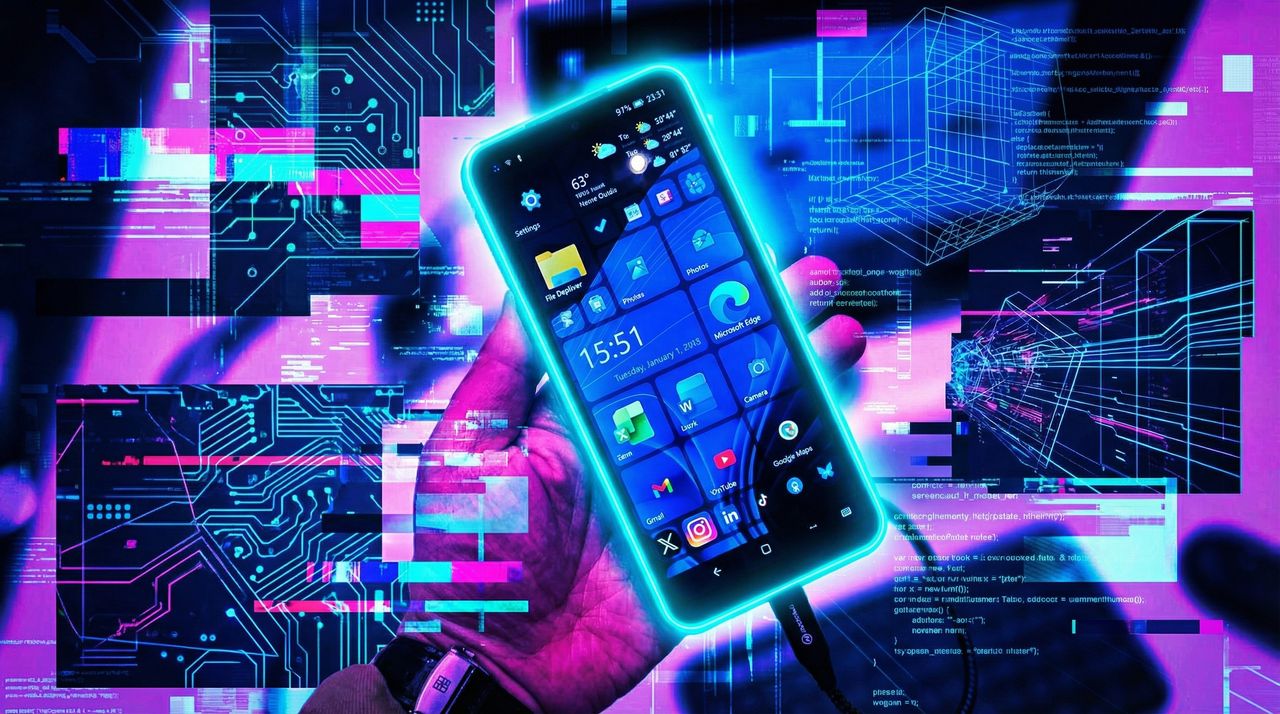
The NexPhone runs Windows 11, Android, and Linux. With a Q3 2026 launch and a $549 price tag, it's a bold attempt to revive the "PC in your pocket" dream.
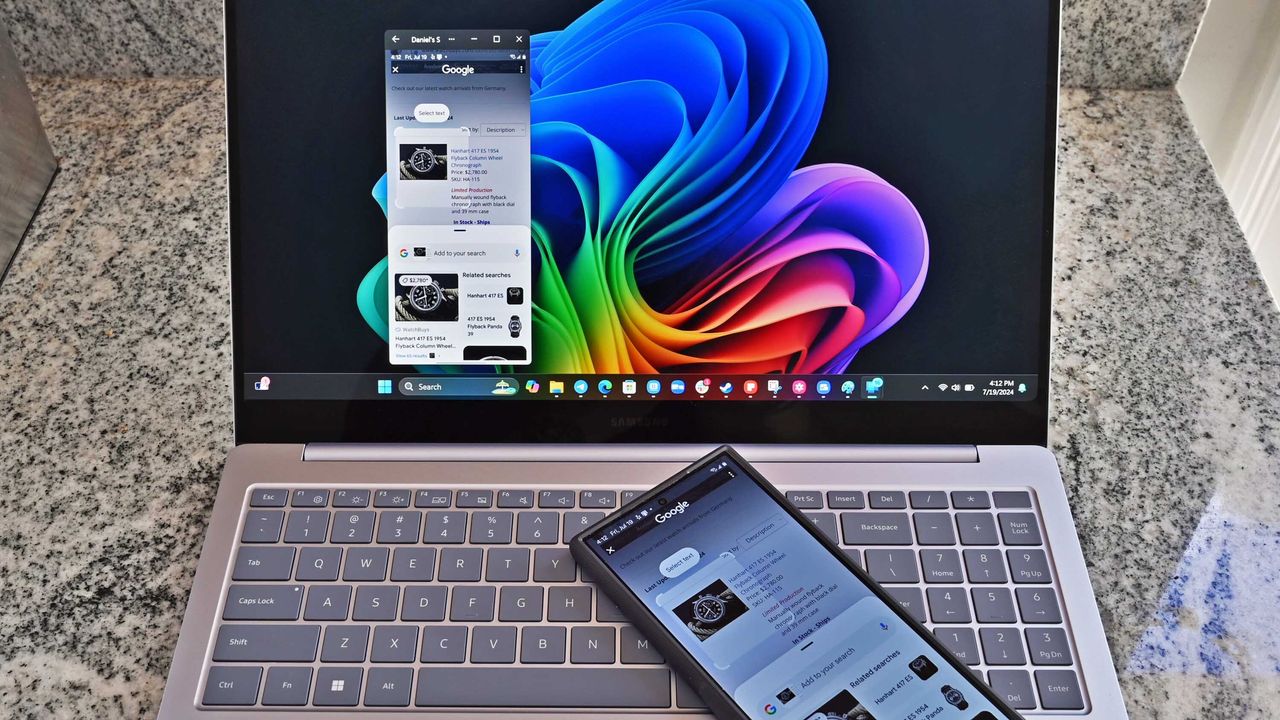
Windows 11 adoption hit 62.41% this month, but after a year of flatlining growth, it's unclear if this spike represents a real trend or a statistical outlier.

 Login
Login