A new update has added the Xbox Series console navigational sounds to Xbox Ally handhelds, making the third-party gaming system feel more like its first-party console counterpart.
Computing in 2026 looks different from what it did just a few years ago. While laptops remain a cornerstone of portable productivity, mini PCs have established a space of their own in portable computing. These tiny, powerful desktop rigs have become a popular alternative to laptops, and data shows that mini PCs could be growing even further. But this isn’t about simply replacing laptops, and more about redefining how we think about personal and professional computing.
The Mini PC Boom: What’s Driving the Growth
Mini PCs are thriving for several reasons, with rising market demand and changing user behavior. Businesses and individuals alike want machines that offer solid performance without the size, cost, and energy footprint of traditional desktops. According to industry analysts, the compact computing segment is growing rapidly, with remote work being a key factor. Distributed teams need reliable desktop-like performance without locking users into bulky hardware, and Mini PCs fill that role perfectly.
Minix Neo Z95 Mini PC
Another reason for the rise in mini PC adoption is the increasing emphasis on low energy devices. Mini PCs as a system are built with efficient processors and low powered designs. So you can even find mobile versions of CPUs and GPUs, or a combination of them with desktop grade hardware to balance power and performance. This draws significantly lower power compared to traditional desktops, helping businesses push for greener operations and reduced electricity costs.
Mini PCs vs Laptops: Differing Strengths, Not Replacement
ASUS Zenbook S16
While we’ve talked about some of their strong points, it is important to clarify that mini PCs are not replacing laptops. Rather, they are redefining desktop experiences for users who don’t require portability but need a small computing machine. Laptops excel in mobility, making them ideal for students, remote workers, and others who need productivity on the move. On the other hand, mini PCs are still built to be put in a fixed position. But these still deliver desktop class performance with flexibility and energy efficiency. The tiny computers sacrifice an included display and portability for higher performance, to bridge the gap between full-fledged PCs and laptops.
Why Mini PCs Are Popping Off in 2026
ASUS ROG GR70 Mini PC
Compact Form Factor: Mini PCs pack a serious punch into tiny enclosures. Unlike laptops, which must balance performance with battery life and compact internals, mini PCs can house more robust cooling solutions and higher-end components. All of this is on offer without taking up desktop space.
Energy Efficiency and Sustainability: With a growing emphasis on reduced energy consumption, mini PCs shine. Many models use low-power chips that achieve high performance per watt, contributing to sustainability goals in offices and homes. The reported 31% rise in low-energy device adoption showcases this shift.
Remote Work and Flexibility: Remote and hybrid work environments have amplified demand for flexible desktop setups. Mini PCs allow employees to have a powerful workstation at home without the bulk of a traditional tower.
Cost-Effective: A mini PC delivers better price-to-performance than comparably powered laptops. These also offer more raw performance per dollar when considering CPU and GPU intensive workloads.
The Takeaway
Mini PCs are winning in 2026 not because they’re better than laptops in every way, but because they fit a growing set of needs like performance, space efficiency, energy savings, and remote-friendly computing. Laptops will likely retain their much larger market share in portable computing and convenience, but mini PCs are cementing their place as a versatile desktop alternative. The result is a healthier, more diverse computing ecosystem that gives users more choice than ever before.
You can also click here to check out why the ASUS ROG GR70 Mini is the ultimate tiny PC for gamers.
For more daily updates, please visit our News Section.
Thunderobot has launched its latest Mix Pro II mini PC in China. The compact desktop system features Intel’s latest Core Ultra 200H “Arrow Lake H” processors and targets users looking for AI-accelerated performance in a small, visually striking package.
Thunderobot Mix Pro II Specifications
The Mix Pro II comes in three configurations. The base model pairs the Core Ultra 5 225H with 32GB DDR5-5600 RAM and a 1TB PCIe 4.0 SSD. The mid variant upgrades to the Core Ultra 7 255H, while the top model features the Core Ultra 9 285H with 64GB RAM and 1TB storage.
The top-tier Core Ultra 9 285H processor is a 16-core, 16-thread chip with a boost frequency of 5.4GHz and 24MB L3 cache. It offers up to 99 TOPS of AI computing power. Thunderobot supports up to 65W sustained performance in Performance Mode.
All these systems come equipped with 64GB of DDR5-5600 memory (dual-channel) and support up to 128GB via two SO-DIMM slots. For storage, these include a 1TB PCIe 4.0 NVMe SSD and support up to 4TB through dual M.2 slots.
For cooling, the system features a Wind Blade cooling solution that includes a vapor chamber, a large fan, and heatsink fins, totaling 111,453 mm² in surface area.
Design-wise, the mini PC uses a compact 0.9-liter chassis with a glass top and metal base. It includes an L-shaped ARGB light strip between the glass and metal body. Thunderobot provides a dedicated lighting control app with support for multiple modes, including breathing, static, meteor, and flowing colors.
In terms of connectivity, the Mix Pro II supports Wi-Fi 6E and Bluetooth 5.3 and includes dual 2.5GbE Ethernet ports. It also features a Thunderbolt 4 port, three USB 3.2 Gen 2 Type-A ports, one USB-C with DisplayPort, HDMI 2.1, and DisplayPort 1.4. The system supports output to up to four displays simultaneously.
The PC runs Windows 11 and includes a 140W GaN power adapter with PD 3.1 fast charging support. Dimensions are 140 x 138.8 x 51.4 mm, including the base feet.
Pricing and Availability
The Mix Pro II starts at 4,999 yuan ($700) for the Core Ultra 5 version, goes up to 6,999 yuan ($980) for the Core Ultra 7 model, and tops out at 10,499 yuan ($1,470) for the Core Ultra 9 configuration.
OpenAI confirmed today that it’s rolling out its first live test of ads in ChatGPT, showing sponsored messages directly inside the app for select users.
The details. The ads will appear in a clearly labeled section beneath the chat interface, not inside responses, keeping them visually separate from ChatGPT’s answers.
OpenAI will show ads to logged-in users on the free tier and its lower-cost Go subscription.
Advertisers won’t see user conversations or influence ChatGPT’s responses, even though ads will be tailored based on what OpenAI believes will be helpful to each user, the company said.
How ads are selected. During the test, OpenAI matches ads to conversation topics, past chats, and prior ad interactions.
For example: A user researching recipes might see ads for meal kits or grocery delivery. If multiple advertisers qualify, OpenAI shows the most relevant option first.
User controls. Users get granular controls over the experience. They can dismiss ads, view and delete separate ad history and interest data, and toggle personalization on or off.
Turning personalization off limits ads to the current chat.
Free users can also opt out of ads in exchange for fewer daily messages or upgrade to a paid plan.
Why we care. ChatGPT is one of the world’s largest consumer AI platforms. Even a limited ad rollout could mark a major shift in how conversational AI gets monetized — and how brands reach users.
Bottom line. OpenAI is officially moving into ads inside ChatGPT, testing how sponsored content can coexist with conversational AI at massive scale.
A newly discovered settings panel offers a first detailed look at how ads could work inside ChatGPT, including how personalization and privacy controls are designed.
Driving the news. Entrepreneur Juozas Kaziukėnas found a way to trigger ChatGPT’s upcoming ad settings interface. The panel repeatedly stresses that advertisers won’t see user chats, history, memories, personal details, or IP addresses.
What the settings reveal. The interface lays out a structured ad system with dedicated controls:
A history tab logs ads users have seen in ChatGPT.
An interests tab stores inferred preferences based on ad interactions and feedback.
Each ad includes options to hide or report it.
Users can delete ad history and interests separately from their general ChatGPT data.
Personalization options. Users can turn ad personalization on or off. When it’s on, ChatGPT uses saved ad history and interest signals to tailor ads. When it’s off, ads still appear but rely only on the current conversation for context.
There’s also an option to personalize ads using past conversations and memory features, though the interface stresses that chat content isn’t shared with advertisers. Accounts with memory disabled won’t see this option active.
Why we care. This settings panel offers the clearest view yet of how ad personalization and privacy controls could work with ChatGPT ads. It points to a system built on strict privacy boundaries. The controls suggest ads will rely on contextual signals and opt-in personalization, not deep user tracking. That shift makes creative relevance and in-conversation intent more important than traditional audience profiling for brands preparing for conversational ad environments.
The bigger picture. The discovery suggests OpenAI is building an ad system that mirrors familiar controls from major ad platforms while prioritizing clear privacy boundaries and user choice.
Bottom line. ChatGPT ads aren’t live yet, but the framework is coming into focus — pointing to a future where conversational ads come with granular privacy and personalization controls.
First seen. Kaziukėnas shared the preview of the platform on LinkedIn.
Streamlining Kiryu's retirement down to a thirty-hour adventure cuts away so much of the original Yakuza 3 charm and replaces it with poor casting choices.
We’ve all been there. A client wants to scale their Google Ads account from €10,000 per month to €100,000. So, you do what any good PPC manager would do:
Refine your bidding strategy.
Test new ad copy variations.
Expand your keyword portfolio.
Optimize landing pages.
Improve Quality Scores.
Launch Performance Max campaigns.
Three months later, you’ve increased ad spend by 15%. The client is… fine with it. But you know you should be doing better.
Here’s the uncomfortable truth: Most pay-per-click (PPC) optimization work is sophisticated procrastination.
What the theory of constraints teaches us about PPC
The theory of constraints, developed by Eliyahu Goldratt for manufacturing systems, reveals something counterintuitive. Every system is limited by exactly one bottleneck at any given time.
Making your marketing team twice as efficient won’t help if production capacity is the constraint. Similarly, improving your ad copy click-through rate (CTR) by 20% won’t move the needle if your real constraint is budget approval or landing page conversion rate.
The theory demands radical focus. Identify the single weakest link and treat everything else as less important.
Applied to PPC, this means: Stop optimizing everything. Find your number one constraint. Fix only that and then move on.
In my years of managing PPC accounts, I’ve found that almost every scaling challenge falls into one of seven categories:
1. Budget
Signal: You could profitably spend more, but you’re capped by client approval.
Example: Your campaigns are profitable at €10,000 per month with room to spend €50,000, but your client won’t approve the additional budget. Sometimes it’s risk aversion, but other times it’s a cash flow issue.
The fix: Build a business case demonstrating profitability with a higher spend. Show historical return on ad spend (ROAS), competitive benchmarks, and projected returns.
What to ignore: Avoid ad copy testing, keyword expansion, bidding optimization, and new campaigns. None of this matters if you can’t spend more money anyway.
Signal: You’re already capturing 90%+ impression share and can’t buy more traffic.
Example: You’re targeting a niche B2B market with only 1,000 relevant searches per month.
The fix: Expand to related keywords or use broader match types. Alternatively, enter new geographic markets or add complementary platforms like Microsoft Ads or LinkedIn Ads.
What to ignore: Don’t worry about bidding optimization, since you’re already buying almost all available impressions.
3. Creative
Signal: You have high impression share but low CTRs, resulting in a premium cost per click (CPC).
Example: You’re showing ads on 80% of searches, but CTR is 2% when the industry average is 5%.
The fix: Aggressively test ad copy, better message-market fit, and more compelling.
What to ignore: Avoid keyword expansion. Your ads are already visible, they just aren’t getting clicks.
4. Conversion rate
Signal: You’re generating strong traffic volume and acceptable CPC, but terrible conversion rates.
Example: You’re getting 10,000 clicks per month. But you have a 1% conversion rate when you should be getting 5%+.
The fix: Optimize landing pages, improve offers, and refine sales funnels.
What to ignore: Don’t launch more traffic campaigns. You’re already wasting the traffic you have.
5. Fulfillment
Signal: Your campaigns could generate more leads. But the client’s sales or operations team can’t handle more.
Example: You’re generating 500 leads per month, but sales can only process 100.
The fix: This is a client operations issue, not a PPC issue. Help them identify it, but know that the solution lies outside your control. Do more business consulting for your client while maintaining the current PPC level.
What to ignore: Pause all PPC optimization, as the system can’t absorb more volume.
6. Profitability
Signal: You can scale volume, but cost per acquisition (CPA) is too high to be profitable.
Example: You need €50 CPA to break even, but you’re currently at €80 CPA.
The fix: Improve unit economics through better targeting or creative optimization. Alternatively, help the client rethink their pricing or improve customer lifetime value (LTV).
What to ignore: Set aside volume tactics until the economics work at the current scale.
7. Tracking or attribution
Signal: Attribution is broken, so you can’t confidently scale the campaign.
Example: You’re seeing complex multi-touch customer journeys where you can’t definitively prove PPC’s contribution.
The fix: Implement better tracking and test different tracking stacks (e.g., server-side, fingerprinting, or cookie-based). You can also update your attribution modeling or develop first-party data capabilities.
What to ignore: Avoid scaling any channel until you know what actually drives results.
Identifying your constraint requires methodical analysis rather than gut feeling. Here’s how to uncover what’s holding your account back.
Run an audit
Start by benchmarking critical metrics:
Impression share: If you’re capturing less than 50% of available impressions, your constraint is likely budget or bids preventing you from competing effectively.
CTR: Performance below industry benchmarks signals a creative constraint where your messaging isn’t resonating with searchers.
CPC: Unusually high CPCs often indicate a Quality Score constraint, which reflects poor ad relevance or landing page experience.
Conversion rate: If this metric lags compared to historical performance or industry standards, your constraint is the landing page.
Search volume: If you’ve already captured the majority of relevant searches, your constraint is inventory exhaustion.
Don’t overlook operational metrics either. Check fulfillment capacity by determining how many leads your client’s team can handle per month.
Finally, document your approved budget against what you could profitably spend. If there’s a sizable difference, budget approval is your primary constraint.
Ask the critical question
With your audit complete, resist the temptation to create a prioritized list. Instead, force yourself to answer one question: “If I could only fix one of these metrics, which would unlock 10x growth?”
That single metric is your constraint. Everything else, regardless of how suboptimal it appears, is secondary until you’ve broken through this bottleneck.
Apply radical focus
Once you’ve identified your primary constraint, it’s time to change your entire approach. This is where marketers tend to fail. They acknowledge the constraint but continue hedging their efforts across multiple fronts.
Why constraints are dynamic (and why that’s good)
Understanding constraint theory means recognizing that bottlenecks shift as you scale.
Consider a typical scaling journey. In month one, you’re stuck at a €10,000 monthly budget despite profitable performance metrics.
Your constraint is budget, so leadership won’t approve more ad spend. You build the business case, secure approval, and immediately scale to €30,000 monthly spend.
Success, right? Not quite. You’ve just revealed the next constraint.
By month two, you’re capturing 95% of core keyword inventory. Your new constraint is impression share, as you’ve exhausted available traffic in your primary audience.
The fix is to expand to related terms and broader match types to bring new searchers into your funnel. This expansion takes you to €50,000 per month.
Month three presents a new challenge. Your expanded traffic converts at 2% while your original core traffic maintains 5% conversion rates. Your constraint has shifted to conversion rate.
The broader audience needs different messaging or a modified landing page experience. So, you focus exclusively on improving the post-click experience until conversion rate recovers to 4%. This lets you scale to €80,000 per month.
By month four, your sales team is drowning in 500 leads per month, which more than they can effectively manage. Your constraint shifts from the PPC account to fulfillment capacity. The client hires additional sales staff to handle volume, and you scale to €120,000 per month.
Each new constraint is proof you’ve graduated to the next level. Many accounts never experience the problem of fulfillment constraints because they never break through the earlier barriers of budget and inventory.
Common traps to avoid when scaling PPC
The ‘optimize everything’ approach
When you try to optimize everything, you might spend:
10 hours optimizing ad copy (+0.2% CTR)
10 hours improving landing page (+0.5% CVR)
10 hours refining bid strategy (+3% efficiency)
After investing 30 hours, you only achieve 5% account growth.
Instead, identify the primary constraint (e.g., conversion rate).Then, invest all 30 hours in landing page optimization. Continue to monitor your conversion rate.
Shiny object syndrome
Say your budget is capped by the client at €10,000 by client. But you spend 20 hours testing Performance Max because it’s new and interesting.
After running those tests, you achieve zero scale. And your budget is still capped at €10,000.
Instead, recognize that your primary constraint is budget approval. Build a business case, secure approval, and start scaling immediately.
Analysis paralysis
If you wait for perfect Google Analytics 4 tracking before scaling, competitors may move forward with good enough attribution.
This can mean losing six months with no scale.
Aim for 80% accurate tracking. Perfect attribution is rarely the actual constraint.
How to implement the theory of constraints in your agency or in-house team
For your next client strategy call
Don’t say: “We’ll optimize your campaigns across multiple dimensions, bidding, creative, targeting, and see what drives the best results.”
Instead, say this: “Before we optimize anything, I need to diagnose your constraint. Once I identify it, I’ll focus exclusively on fixing that bottleneck while maintaining everything else. When it’s resolved, we’ll tackle the next constraint. This is how we’ll reach your goals.”
For your team
Implement a Constraint Monday ritual. Every Monday, each account manager identifies the primary constraint for their top three accounts. The team focuses the week’s efforts on moving those specific constraints.
On Friday, review the results. Did the constraint move?
If yes, what’s the new constraint?
If not, you had the wrong diagnosis. Try again.
From tactical to strategic PPC scaling
The difference between a good PPC manager and a great one isn’t technical skill. Instead, it’s the ability to identify constraints.
Good PPC managers optimize everything and achieve incremental gains. Great PPC managers identify the one thing preventing scale and fix only that, achieving exponential gains.
When you master the theory of constraints, you stop being seen as a tactical campaign manager and start being recognized as a strategic growth partner.
You’re no longer reporting on CTR improvements and Quality Score gains. You’re diagnosing business constraints and unlocking growth that seemed impossible.
That’s the shift that transforms PPC careers and accounts.
Samsung fans waiting for Apple’s MagSafe-grade native magnetic charging on the Galaxy S26 just got their answer, and it is not the one many hoped for.
A new listing has surfaced in the Wireless Power Consortium database. The Galaxy S26, S26 Plus, and S26 Ultra all appear with updated Qi 2.2.1 certification.
Qi 2.2.1 pushes wireless charging speeds higher, with the Ultra expected to hit 25W and the standard models landing around 20W. It brings Samsung closer to the upper tier of wireless charging performance.
The WPC data confirms support only for the Base Power Profile. No Magnetic Power Profile, no integrated magnet ring, nor snap-on alignment with Qi2 magnetic accessories, unless you add a case that does the job for the phone.
Apple moved to magnets years ago, and Google followed with the Pixel 10 series. Samsung has been sitting on the sidelines, and the Galaxy S26 leak suggests it plans to stay there.
Samsung appears to be prioritizing a thinner chassis and guaranteed S Pen compatibility over the convenience of native magnets. Power users will understand the logic, but they do not have to like it.
Because the Galaxy S26 lineup sticks with standard BPP coils rather than a reworked magnetic MPP setup, Wireless PowerShare should remain intact. That means you can still charge the battery of your Galaxy watch or earbuds using the Galaxy S26 phone.
Beelink has launched the SER10 Max mini PC in China, featuring the Ryzen AI 9 HX 470 processor. The company is selling the device in three configurations.
The barebone version without RAM or storage is priced at 4,499 yuan (about $630). The 32GB RAM with 1TB SSD version costs 8,188 yuan (around $1,146), while the top-end 64GB RAM with 2TB SSD variant is listed at 10,999 yuan (roughly $1,540).
Beelink SER10 Max Specifications
The SER10 Max uses the AMD Ryzen AI 9 HX 470 processor, which is built on a 4nm process and includes a 12-core hybrid architecture. It combines 4 high-performance Zen 5 cores with 8 efficiency-focused Zen 5c cores. The processor has a maximum boost clock of 5.2GHz. It comes with integrated Radeon 890M graphics based on the RDNA 3.5 architecture.
Beelink has positioned this mini PC as an AI-focused device. The system delivers 86 TOPS of total AI performance. The XDNA 2-based NPU contributes 55 TOPS, while the remaining AI compute comes from the CPU and GPU. The SER10 Max supports on-device AI tasks such as large language model inference and multimodal processing. It also supports local model deployment, including frameworks like DeepSeek.
The system supports up to 256GB of DDR5 memory running at 5600MT/s via two SO-DIMM slots. It also includes two M.2 2280 PCIe 4.0 x4 SSD slots, with support for up to 8TB total storage. For connectivity, the SER10 Max provides one 10-gigabit Ethernet port, Wi-Fi 6 via an Intel AX200 module, and Bluetooth 5.2.
The display output options include HDMI 2.1, DisplayPort 2.1, and a full-feature USB4 port. All outputs support up to 4K resolution at 240Hz. The front panel has a USB-C 10Gbps port, a USB-A 10Gbps port, and a 3.5mm audio jack.
The rear panel includes a USB-C 40Gbps port, DisplayPort, HDMI, two USB-A 480Mbps ports, one USB-A 10Gbps port, another 3.5mm jack, and a 10GbE LAN port.
The SER10 Max uses Beelink’s MSC 2.0 thermal system. The cooling setup includes a vapor chamber, quiet fans, and a metal dust filter. The chassis measures 135 x 135 x 44.7 mm and comes in Frost Silver and Space Gray colors.
The mini PC is also set to launch in global markets, with the company confirming in its latest blog post that pre-orders will open soon.
In related news, an RTX 5070-powered mini PC has debuted recently with support for up to 96GB of RAM, while Acemagic has launched the Matrix Mini M5 mini PC featuring Intel 14th-gen HX processors in a compact form factor.
For more daily updates, please visit our News Section.
On episode 340 of PPC Live The Podcast, I speak to Amanda Farley, CMO of Aimclear and a multi-award-winning marketing leader, brings a mix of honesty and expertise to the PPC Live conversation. A self-described T-shaped marketer, she combines deep PPC knowledge with broad experience across social, programmatic, PR, and integrated strategy. Her journey — from owning an gallery and tattoo studio to leading award-winning global campaigns — reflects a career built on curiosity, resilience, and continuous learning.
Overcoming limiting beliefs and embracing creativity
Amanda once ran an gallery and tattoo parlor while believing she wasn’t an artist herself. Surrounded by creatives, she eventually realized her only barrier was a limiting belief. After embracing painting, she created hundreds of artworks and discovered a powerful outlet for expression.
This mindset shift mirrors marketing growth. Success isn’t just technical — it’s mental. By challenging internal doubts, marketers can unlock new skills and opportunities.
When campaign infrastructure breaks: A high-stakes lesson
Amanda recalls a global campaign where tracking infrastructure failed across every channel mid-flight. Pixels broke, data vanished, and campaigns were running blind. Multiple siloed teams and a third-party vendor slowed resolution while budgets continued to spend.
Instead of assigning blame, Amanda focused on collaboration. Her team helped rebuild tracking and uncovered deeper data architecture issues. The crisis led to stronger onboarding processes, earlier validation checks, and clearer expectations around data hygiene. In modern PPC, clean infrastructure is essential for machine learning success.
The hidden importance of PPC hygiene
Many account audits reveal the same problem: neglected fundamentals. Basic settings errors and poorly maintained audience data often hurt performance before strategy even begins.
Outdated lists and disconnected data systems weaken automation. In an machine-learning environment, strong data hygiene ensures campaigns have the quality signals they need to perform.
Why integrated marketing is no longer optional
Amanda’s background in psychology and SEO shaped her integrated approach. PPC touches landing pages, user experience, and sales processes. When conversions drop, the issue may lie outside the ad account.
Understanding the full customer journey allows marketers to diagnose problems holistically. For Amanda, integration is a practical necessity, not a buzzword.
AI, automation, and the human factor
While AI dominates industry conversations, Amanda stresses balance. Some tools are promising, but not all are ready for full deployment. Testing is essential, but human oversight remains critical.
Machines optimize patterns, but humans judge emotion, messaging, and brand fit. Marketers who study changing customer journeys can also find new opportunities to intercept audiences across channels.
Building a culture that welcomes mistakes
Amanda believes leaders act as emotional barometers. Calm investigation beats reactive blame when issues arise. Many PPC problems stem from external changes, not individual failure.
By acknowledging stress and focusing on solutions, leaders create psychological safety. This environment encourages experimentation and turns mistakes into learning opportunities.
Testing without fear in an changing landscape
Marketing is entering another experimental era with no clear rulebook. Amanda encourages teams to dedicate budget to testing and lean on professional communities for insight.
Not every experiment will succeed, but each provides data that informs smarter future decisions.
The tasmanian devil who practices yoga
Amanda describes her career as If the Tasmanian Devil Could Do Yoga — a blend of fast-paced chaos and intentional calm. It reflects modern marketing: demanding, unpredictable, and balanced by thoughtful leadership.
Looking to take the next step in your search marketing career?
Below, you will find the latest SEO, PPC, and digital marketing jobs at brands and agencies. We also include positions from previous weeks that are still open.
About Us At Ideal Living, we believe everyone has a right to pure water, clean air, and a solid foundation for wellness. As the parent company of leading wellness brands AirDoctor and AquaTru, we help bring this mission to life daily through our award-winning, innovative, science-backed products. For over 25 years, Los Angeles-based Ideal Living […]
About US: Abacus Business Computer (abcPOS) is a New York City-based technology company specializing in comprehensive point-of-sale (POS) systems and integrated payment solutions. With over 30 years of industry expertise, abcPOS offers an all-in-one platform that combines POS systems, merchant services, and growth-focused marketing tools. Serving more than 6,000 businesses and supporting over 40,000 devices, […]
Responsibilities: Execute full on-page SEO optimization (titles, meta, internal linking, structure) Deliver Local SEO improvements (Google Business Profile optimization, citations) Perform technical SEO audits and implement clear action plans Conduct keyword research for competitive local markets Build and manage SEO content plans focused on ranking and leads Provide monthly reporting with measurable ranking + traffic […]
Job/Role Overview: We’re hiring a modern digital marketer who understands that today’s marketing is AI-assisted, data-driven, and constantly evolving. This role is ideal for a recent college graduate or early-career professional trained in today’s digital and AI-focused programs – not outdated marketing playbooks. If you actively use AI tools, enjoy testing ideas, and think in […]
Job Description Job Title: Graphic Design & Digital Marketing Specialist Location: Hybrid / Remote (Huntersville, NC preferred) Employment Type: Full Time About Everblue Everblue is a mission-driven company dedicated to transforming careers and improving organizational efficiency. We provide training, certifications, and technology-driven solutions for contractors, government agencies, and nonprofits. Our work modernizes outdated processes, enhances […]
Job Title: On-Page SEO Specialist Experience: 5+ Years Schedule: 8 AM – 5 PM CST Compensation: $10-$15/hour (based on experience) Fully Remote | Full-time Contract Position Job Overview We’re looking for a seasoned On-Page SEO Specialist to optimize and enhance our website’s on-page SEO performance while driving multi-location performance […]
Job Description MID AMERICA GOLF AND MID AMERICA SPORTS CONSTRUCTION is a leading provider of Golf and Sports construction services and synthetic turf installations, specializing in high-quality residential and commercial projects. We pride ourselves on transforming spaces with durable, eco-friendly solutions that enhance aesthetics and functionality. We’re seeking a dynamic marketing professional to elevate our […]
About Us Would you like to be part of a fast-growing team that believes no one should have to succumb to viral-mediated cancers? Naveris, a commercial stage, precision oncology diagnostics company with facilities in Boston, MA and Durham, NC, is looking for a Senior Digital Marketing Associate team member to help us advance our mission […]
About the Role We’re looking for a data-driven Marketing Strategist to support leadership and assist with optimizing our paid and organic growth efforts. This role sits at the intersection of PPC strategy, SEO execution, and performance analysis—ideal for someone who loves turning insights into measurable results. You’ll be responsible for documenting, executing, and optimizing campaigns […]
Job Description Salary: $75,000-$90,000 Hanson is seeking a data-driven strategist to join our team as a Digital Marketing Strategist. This role bridges the gap between marketing strategy, analytics and technology to help ensure our clients websites and digital tools perform at their highest potential. Youll work closely with cross-functional teams to optimize digital experiences, drive […]
Job Summary If you are a person that has work ethic, wants to really grow a company along with personal and financial may be your company. We are seeking a dynamic and creative Social Media and Marketing Specialist to lead our digital marketing efforts. This role involves developing and executing innovative social media strategies, managing […]
About Rock Salt Marketing Rock Salt Marketing was founded in 2023 by digital marketing experts that wanted to break from the industry norms by treating people right and providing the quality services that clients expect for honest fees. At Rock Salt Marketing, we prioritize our relationships with both clients and team members, and are committed […]
Type: Remote (Full-Time) Salary: Up to $1,500/month (MAX) Start: Immediate Responsibilities Launch and manage Meta Ads campaigns (Facebook/Instagram) Launch and manage Google Ads Search campaigns Build retargeting + conversion tracking systems Daily optimization focused on ROI and lead quality Manage multiple client accounts under performance expectations Weekly reporting with clear actions and next steps Requirements […]
Job Description At Reltio®, we believe data should fuel business success. Reltio’s AI-powered data unification and management capabilities—encompassing entity resolution, multi-domain Data Unification, and data products—transform siloed data from disparate sources into unified, trusted, and interoperable data. Reltio Data Cloud delivers interoperable data where and when it’s needed, empowering data and analytics leaders with unparalleled […]
Job Description Paid Media Manager Location: Dallas, TX (In-Office) Compensation: $60,000–$65,000 base salary (commensurate with experience) About the Opportunity Symbiotic Services is partnering with a growing digital marketing agency to identify a Paid Media Manager for an in-office role in Dallas. This position is hands-on and execution-focused, supporting multiple client accounts while collaborating closely with […]
Strategic Leadership: Define and lead the strategy for SEO, AEO, and LLMs, ensuring alignment with overall business and product goals.
Roadmap Execution: Develop and implement the SEO/AEO/LLM roadmap, prioritizing performance-based initiatives and driving authoritative content at scale.
Google is rolling out a beta feature that lets advertisers run structured A/B tests on creative assets within a single Performance Max asset group. Advertisers can split traffic between two asset sets and measure performance in a controlled experiment.
Why we care.Creative testing inside Performance Max has mostly relied on guesswork. Google’s new native A/B asset experiments bring controlled testing directly into PMax — without spinning up separate campaigns.
How it works. Advertisers choose one Performance Max campaign and asset group, then define a control asset set (existing creatives) and a treatment set (new alternatives). Shared assets can run across both versions. After setting a traffic split — such as 50/50 — the experiment runs for several weeks before advertisers apply the winning assets.
Why this helps. Running tests inside the same asset group isolates creative impact and reduces noise from structural campaign changes. The controlled split gives clearer reporting and helps teams make rollout decisions based on performance data rather than assumptions.
Early lessons. Initial testing suggests short experiments — especially under three weeks — often produce unstable results, particularly in lower-volume accounts. Longer runs and avoiding simultaneous campaign changes improve reliability.
Bottom line. Performance Max is becoming more testable. Advertisers can now validate creative decisions with built-in experiments instead of relying on trial and error.
First seen. Google Ads expert spotted the update and shared his view on LinkedIn.
Google Ads rolled out a new data source diagnostics feature in Data Manager that lets advertisers track the health of their data connections. The tool flags problems with offline conversions, CRM imports, and tagging mismatches.
How it works. A centralized dashboard assigns clear connection status labels — Excellent, Good, Needs attention, or Urgent — and surfaces actionable alerts. Advertisers can spot issues like refused credentials, formatting errors, and failed imports, alongside a run history that shows recent sync attempts and error counts.
Why we care. When conversion data breaks, campaign optimization breaks with it. Even small connection failures can quietly skew conversion tracking and weaken automated bidding. This diagnostic tool helps teams catch and fix issues early, protecting performance and reporting accuracy. If you rely on CRM imports or offline conversions, this provides a much-needed safety net.
Who benefits most. The feature is especially useful for advertisers running complex conversion pipelines, including Salesforce integrations and offline attribution setups, where small disruptions can quickly cascade into bidding and reporting issues.
The bigger picture. As automated bidding leans more heavily on accurate first-party data, visibility into data pipelines is becoming just as critical as campaign settings themselves.
Bottom line. Google Ads is giving advertisers an early warning system for data failures, helping teams fix broken connections before performance takes a hit.
First seen. The update was first spotted by digital marketer Georgi Zayakov, who shared the new option on LinkedIn.
Performance Max has come a long way since its rocky launch. Many advertisers once dismissed it as a half-baked product, but Google has spent the past 18 months fixing real issues around transparency and control. If you wrote Performance Max off before, it’s time to take another look.
Mike Ryan, head of ecommerce insights at Smarter Ecommerce, explained why at the latest SMX Next.
Taking a fresh look at Performance Max
Performance Max traces its roots to Smart Shopping campaigns, which Google rolled out with red carpet fanfare at Google Marketing Live in 2019.
Even then, industry experts warned that transparency and control would become serious issues. They were right — and only now has Google begun to address those concerns openly.
Smart Shopping marked the low point of black-box advertising in Google Ads, at least for ecommerce. It stripped away nearly every control advertisers relied on in Standard Shopping:
Promotional controls.
Modifiers.
Negative keywords.
Search terms reporting.
Placement reporting.
Channel visibility.
Over the past 18 months, Performance Max has brought most of that functionality back, either partially or in full.
Understanding Performance Max search terms
Search terms are a core signal for understanding the traffic you’re actually buying. In Performance Max, most spend typically flows to the search network, which makes search term reporting essential for meaningful optimization.
Google even introduced a Performance Max match type — something few of us ever expected to see. That’s a big deal. It delivers properly reportable data that works with the API, should be scriptable, and finally includes cost and time dimensions that were completely missing before.
Search term insights vs. campaign search term view
Google’s first move to crack open the black box was search term insights. These insights group queries into search categories — essentially prebuilt n-grams — that roll up data at a mid-level and automatically account for typos, misspellings, and variants.
The problem? The metrics are thin. There’s no cost data, which means no CPC, no ROAS, and no real way to evaluate performance.
The real breakthrough is the new campaign-level search term view, now available in both the API and the UI.
Historically, search term reporting lived at the ad group level. Since Performance Max doesn’t use ad groups, that data had nowhere to go.
Google fixed this by anchoring search terms at the campaign level instead. The result is access to far more segments and metrics — and, finally, proper reporting we can actually use.
The main limitation: this data is available only at the search network level, without separating search from shopping. That means a single search term may reflect blended performance from both formats, rather than a clean view of how each one performed.
Search theme reporting
Search themes act as a form of positive targeting in Performance Max. You can evaluate how they’re performing through the search term insights report, which includes a Source column showing whether traffic came from your URLs, your assets, or the search themes you provided.
By totaling conversion value and conversions, you can see whether your search themes are actually driving results — or just sitting idle.
There’s more good news ahead. Google appears to be working on bringing Dynamic Search Ads and AI Max reports into Performance Max. That would unlock visibility into headlines, landing pages, and the search terms triggering ads.
Search term controls and optimization
Negative keywords
Negative keywords are now fully supported in Performance Max. At launch, Google capped campaigns at 100 negatives, offered no API access, and blocked negative keyword lists—clearly positioning the feature for brand safety, not performance.
These negatives apply across the entire search network, including both search and shopping. Brand exclusions are the exception — you can choose to apply those only to search campaigns if needed.
Brand exclusions
Performance Max doesn’t separate brand from generic traffic, and it often favors brand queries because they’re high intent and tend to perform well. Brand exclusions exist, but they can be leaky, with some brand traffic still slipping through. If you need strict control, negative keywords are the more reliable option.
Also, Performance Max — and AI Max — may aggressively bid on competitor terms. That makes brand and competitor exclusions important tools for protecting spend and shaping intent.
Optimization strategy
Here’s a simple heuristic for spotting search terms that need attention:
Calculate the average number of clicks it takes to generate a conversion.
Identify search terms with more clicks than that average but zero conversions.
Those terms have had a fair chance to perform and didn’t. They’re strong candidates for negative keywords.
That said, don’t overcorrect.
Long-tail dynamics mean a search term that doesn’t convert this month may matter next month. You’re also working with a finite set of negative keywords, so use them deliberately and prioritize the highest-impact exclusions.
Modern optimization approaches
It’s not 2018 anymore — you shouldn’t spend hours manually reviewing search terms. Automate the work instead.
Use the API for high-volume accounts, scripts for medium volume, and automated reports from the Report Editor for smaller accounts (though it still doesn’t support Performance Max).
Layer in AI for semantic review to flag irrelevant terms based on meaning and intent, then step in only for final approval. Search term reporting can be tedious, but with Google’s prebuilt n-grams and modern AI tools, there’s a smarter way to handle it.
Channels and placements reporting
Channel performance report
The channel performance report — not just for Performance Max — breaks performance out by network, including Discover, Display, Gmail, and more. It’s useful for channel visibility and understanding view-through versus click-through conversions, as well as how feed-based delivery compares to asset-driven performance.
The report includes a Sankey diagram, but it isn’t especially intuitive. The labeling is confusing and takes some decoding:
Google also announced that Search Partner Network data is coming, which should add another layer of useful performance visibility.
Channel and placement controls
Unlike Demand Gen, where you can choose exactly which channels to run on, Performance Max doesn’t give you that control. You can try to influence the channel mix through your ROAS target and budget, but it’s a blunt instrument — and a slippery one at best.
Placement exclusions
The strongest control you have is excluding specific placements. Placement data is now available through the API — limited to impressions and date segments — and can also be reviewed in the Report Editor. Use this data alongside the content suitability view to spot questionable domains and spammy placements.
For YouTube, pay close attention to political and children’s content. If a placement feels irrelevant or unsafe for your brand, there’s a good chance it isn’t driving meaningful performance either.
Tools for placement review
If you run into YouTube videos in languages you don’t speak, use Google Sheets’ built-in GOOGLETRANSLATE function. It’s faster and more reliable than AI for quick translation.
You can also use AI-powered formulas in Sheets to do semantic triage on placements, not just search terms. These tools are just formulas, which means this kind of analysis is accessible to anyone.
Search Partner Network
Unfortunately, there’s no way to opt out of the Search Partner Network in Performance Max. You can exclude individual search partners, but there are limits.
Prioritize exclusions based on how questionable the placement looks and how much volume it’s receiving. Also note that Google-owned properties like YouTube and Gmail can’t be excluded.
Based on Standard Shopping data, the Search Partner Network consistently performs meaningfully worse than the Google Search Network. Excluding poor performers is recommended.
Device reporting and targeting
Creating a device report is easy — just add device as a segment in the “when and where ads showed” view. The tricky part is making decisions.
Device analysis
For deeper insight, dig into item-level performance in the Report Editor. Add device as a segment alongside item ID and product titles to see how individual products behave across devices. Also, compare competitor performance by device — you may spot meaningful differences that inform your strategy.
For example, you may perform far better on desktop than on mobile compared to competitors like Amazon, signaling either an opportunity or a risk.
Device targeting considerations
Device targeting is available in Performance Max and is easy to use, much like channel targeting in Demand Gen. But when you split campaigns by device, you also split your conversion data and volume—and that can hurt results.
Before you separate campaigns by device, consider:
How competition differs by device
Performance at the item and retail category level
The impact on overall data volume
Performance Max performs best with more data. Campaigns with low monthly conversion volume often miss their targets and rarely stay on pace. As more data flows through a campaign, Performance Max gets better at hitting goals and less likely to fall short.
Any gains from splitting by device can disappear if the algorithm doesn’t have enough data to learn. Only split when both resulting campaigns have enough volume to support effective machine learning.
Conclusion
Performance Max has changed dramatically since launch. With search term reporting, negative keywords, channel visibility, placement controls, and device targeting now available, advertisers have far more transparency and control than ever before.
It’s still not perfect — channel targeting limits and data fragmentation remain — but Performance Max is fundamentally different and far more manageable.
Success comes down to knowing what data you have, how to access it efficiently using modern tools like AI and automation, and when to apply controls based on performance insights and data volume needs.
Watch: PMax reporting for ecommerce: What Google is (and isn’t) showing you
Most PPC teams still build campaigns the same way: pull a keyword list, set match types, and organize ad groups around search terms. It’s muscle memory.
Search now behaves more like a conversation than a lookup. In AI Mode, users ask follow-up questions and refine what they’re trying to solve. AI Overviews reason through an answer first, then determine which ads support that answer.
In Google Ads, the auction isn’t triggered by a keyword anymore – it’s triggered by inferred intent.
If you’re still structuring campaigns around exact and phrase match, you’re planning for a system that no longer exists. The new foundation is intent: not the words people type, but the goals behind them.
An intent-first approach gives you a more durable way to design campaigns, creative, and measurement as Google introduces new AI-driven formats.
Keywords aren’t dead, but they’re no longer the blueprint.
The mechanics under the hood have changed
Here’s what’s actually happening when someone searches now.
Google’s AI uses a technique called “query fan out,” splitting a complex question into subtopics and running multiple concurrent searches to build a comprehensive response.
The auction happens before the user even finishes typing.
And crucially, the AI infers commercial intent from purely informational queries.
For instance, someone asks, “Why is my pool green?” They’re not shopping. They’re troubleshooting.
But Google’s reasoning layer detects a problem that products can solve and serves ads for pool-cleaning supplies alongside the explanation. While the user didn’t search for a product, the AI knew they would need one.
This auction logic is fundamentally different from what we’re accustomed to. It’s not matching your keyword to the query. It’s matching your offering to the user’s inferred need state, based on conversational context.
If your campaign structure still assumes people search in isolated, transactional moments, you’re missing the journey entirely.
An intent-first strategy doesn’t mean you stop doing keyword research. It means you stop treating keywords as the organizing principle.
Instead, you map campaigns to the why behind the search.
What problem is the user trying to solve?
What stage of decision-making are they in?
What job are they hiring your product to do?
The same intent can surface through dozens of different queries, and the same query can reflect multiple intents depending on context.
“Best CRM” could mean either “I need feature comparisons” or “I’m ready to buy and want validation.” Google’s AI now reads that difference, and your campaign structure should, too.
This is more of a mental model shift than a tactical one.
You’re still building keyword lists, but you’re grouping them by intent state rather than match type.
You’re still writing ad copy, but you’re speaking to user goals instead of echoing search terms back at them.
Once campaigns are organized around intent instead of keywords, the downstream implications show up quickly – in eligibility, landing pages, and how the system learns.
Campaign eligibility
If you want to show up inside AI Overviews or AI Mode, you need broad match keywords, Performance Max, or the newer AI Max for Search campaigns.
Exact and phrase match still work for brand defense and high-visibility placements above the AI summaries, but they won’t get you into the conversational layer where exploration happens.
Landing page evolution
It’s not enough to list product features anymore. If your page explains why and how someone should use your product (not just what it is), you’re more likely to win the auction.
Google’s reasoning layer rewards contextual alignment. If the AI built an answer about solving a problem, and your page directly addresses that problem, you’re in.
Asset volume and training data
The algorithm prioritizes rich metadata, multiple high-quality images, and optimized shopping feeds with every relevant attribute filled in.
Using Customer Match lists to feed the system first-party data teaches the AI which user segments represent the highest value.
That training affects how aggressively it bids for similar users.
Even as intent-first campaigns unlock new reach, there are still blind spots in reporting, budget constraints, and performance expectations you need to plan around.
No reporting segmentation
Google doesn’t provide visibility into how ads perform specifically in AI Mode versus traditional search.
You’re monitoring overall cost-per-conversion and hoping high-funnel clicks convert downstream, but you can’t isolate which placements are actually driving results.
The budget barrier
AI-powered campaigns like Performance Max and AI Max need meaningful conversion volume to scale effectively, often 30 conversions in 30 days at a minimum.
Smaller advertisers with limited budgets or longer sales cycles face what some call a “scissors gap,” in which they lack the data needed to train algorithms and compete in automated auctions.
Funnel position matters
AI Mode attracts exploratory, high-funnel behavior. Conversion rates won’t match bottom-of-the-funnel branded searches. That’s expected if you’re planning for it.
It becomes a problem when you’re chasing immediate ROAS without adjusting how you define success for these placements.
As AI-driven bidding and automation transform paid media, first-party data has become the most powerful lever advertisers control.
In this conversation with Search Engine Land, Julie Warneke, founder and CEO of Found Search Marketing, explained why first-party data now underpins profitable advertising — no matter how Google’s position on third-party cookies evolves.
What first-party data really is — and isn’t
First-party data is customer information that an advertiser owns directly, usually housed in a CRM. It includes:
Lead details.
Purchase history.
Revenue.
Customer value collected through websites, forms, or physical locations.
It doesn’t include platform-owned or browser-based data that advertisers can’t fully control.
Why first-party data matters more than ever
Digital advertising has moved from paying for impressions, to clicks, to actions — and now to outcomes. The real goal is no longer conversions alone, but profitable conversions, according to Warneke.
As AI systems process far more signals than humans can handle, advertisers who supply high-quality customer data gain a clear advantage.
CPCs may rise — but profitability can too
Rising cost-per-clicks are a fact of paid media. First-party data doesn’t always reduce CPCs, but it improves what matters more: conversion quality, revenue, and return on ad spend.
By optimizing for downstream business outcomes instead of surface-level metrics, advertisers can justify higher costs with stronger results.
How first-party data improves ROAS
When advertisers feed Google data tied to revenue and customer value, AI bidding systems can prioritize users who resemble high-value customers — often using signals far beyond demographics or geography.
The result is traffic that converts better, even if advertisers never see or control the underlying signals.
Performance Max leads the way
Among campaign types, Performance Max (PMax) currently benefits the most from first-party data activation.
PMax performs best when advertisers move away from manual optimizations and instead focus on supplying accurate, consistent data, then let the system learn, Warneke noted.
SMBs aren’t locked out — but they need the right setup
Small and mid-sized businesses aren’t disadvantaged by limited first-party data volume. Warneke shared examples of success with customer lists as small as 100 records.
The real hurdle for SMBs is infrastructure — specifically proper tracking, consent management, and reliable data pipelines.
The biggest mistakes advertisers are making
Two issues stand out:
Weak data capture: Many brands still depend on browser-side tracking, which increasingly fails — especially on iOS.
Broken feedback loops: Others upload CRM data sporadically instead of building continuous data flows that let AI systems learn and improve over time.
What marketers should do next
Warneke’s advice: Step back and audit how data is captured, stored, and sent back to platforms, then improve it incrementally.
There’s no need to overhaul everything at once or risk the entire budget. Even testing with 5–7% of spend can create a learning roadmap that delivers long-term gains.
Bottom line
AI optimizes toward the signals it receives — good or bad. Advertisers who own and refine their first-party data can shape outcomes in their favor, while those who don’t risk being optimized into inefficiency.
Google Ads introduced multi-party approval, a security feature that requires a second administrator to approve high-risk account actions. These actions include adding or removing users and changing user roles.
Why we care. As ad accounts grow in size and value, access control becomes a serious risk. One unauthorized, malicious, or accidental change can disrupt campaigns, permissions, or billing in minutes. Multi-party approval reduces that risk by requiring a second admin to approve high-impact actions. It adds strong protection without slowing daily work. For agencies and large teams, it prevents costly mistakes and significantly improves account security.
How it works. When an admin initiates a sensitive change, Google Ads automatically creates an approval request. Other eligible admins receive an in-product notification. One of them must approve or deny the request within 20 days. If no one responds, the request expires, and the change is blocked.
Status tracking. Each request is clearly labeled as Complete, Denied, or Expired. This makes it easy to see what was approved and what didn’t go through.
Where to find it. You can view and manage approval requests from Access and security within the Admin menu.
The bigger picture. The update reflects growing concern around account security, especially for agencies and large advertisers managing multiple users, partners, and permissions. With advertisers recently reporting costly hacks, this is a welcome update.
In 2015, PPC was a game of direct control. You told Google exactly which keywords to target, set manual bids at the keyword level, and capped spend with a daily budget. If you were good with spreadsheets and understood match types, you could build and manage 30,000-keyword accounts all day long.
Those days are gone.
In 2026, platform automation is no longer a helpful assistant. It’s the primary driver of performance. Fighting that reality is a losing battle.
Automation has leveled the playing field and, in many cases, given PPC marketers back their time. But staying effective now requires a different skill set: understanding how automated systems learn and how your data shapes their decisions.
This article breaks down how signals actually work inside Google Ads, how to identify and protect high-quality signals, and how to prevent automation from drifting into the wrong pockets of performance.
Automation runs on signals, not settings
Google’s automation isn’t a black box where you drop in a budget and hope for the best. It’s a learning system that gets smarter based on the signals you provide.
Feed it strong, accurate signals, and it will outperform any manual approach.
Feed it poor or misleading data, and it will efficiently automate failure.
That’s the real dividing line in modern PPC. AI and automation run on signals. If a system can observe, measure, or infer something, it can use it to guide bidding and targeting.
Google’s official documentation still frames “audience signals” primarily as the segments advertisers manually add to products like Performance Max or Demand Gen.
That definition isn’t wrong, but it’s incomplete. It reflects a legacy, surface-level view of inputs and not how automation actually learns at scale.
In practice, every element inside a Google Ads account functions as a signal.
Structure, assets, budgets, pacing, conversion quality, landing page behavior, feed health, and real-time query patterns all shape how the AI interprets intent and decides where your money goes.
Nothing is neutral. Everything contributes to the model’s understanding of who you want, who you don’t, and what outcomes you value.
So when we talk about “signals,” we’re not just talking about first-party data or demographic targeting.
We’re talking about the full ecosystem of behavioral, structural, and quality indicators that guide the algorithm’s decision-making.
Here’s what actually matters:
Conversion actions and values: These are 100% necessary. They tell Google Ads what defines success for your specific business and which outcomes carry the most weight for your bottom line.
Keyword signals: These indicate search intent. Based on research shared by Brad Geddes at a recent Paid Search Association webinar, even “low-volume” keywords serve as vital signals. They help the system understand the semantic neighborhood of your target audience.
Ad creative signals: This goes beyond RSA word choice. I believe the platform now analyzes the environment within your images. If you show a luxury kitchen, the algorithm identifies those visual cues to find high-end customers. I base this hypothesis on my experience running a YouTube channel. I’ve watched how the algorithm serves content based on visual environments, not just metadata.
Landing page signals: Beyond copy, elements like color palettes, imagery, and engagement metrics signal how well your destination aligns with the user’s initial intent. This creates a feedback loop that tells Google whether the promise of the ad was kept.
Bid strategies and budgets: Your bidding strategy is another core signal for the AI. It tells the system whether you’re prioritizing efficiency, volume, or raw profit. Your budget signals your level of market commitment. It tells the system how much permission it has to explore and test.
In 2026, we’ve moved beyond the daily cap mindset. With the expansion of campaign total budgets to Search and Shopping, we are now signaling a total commitment window to Google.
In the announcement, UK retailer Escentual.com used this approach to signal a fixed promotional budget, resulting in a 16% traffic lift because the AI was given permission to pace spend based on real-time demand rather than arbitrary 24-hour cycles.
All of these elements function as signals because they actively shape the ad account’s learning environment.
Anything the ad platform can observe, measure, or infer becomes part of how it predicts intent, evaluates quality, and allocates budget.
If a component influences who sees your ads, how they behave, or what outcomes the algorithm optimizes toward, it functions as a signal.
The auction-time reality: Finding the pockets
To understand why signal quality has become critical, you need to understand what’s actually happening every time someone searches.
Google’s auction-time bidding doesn’t set one bid for “mobile users in New York.”
It calculates a unique bid for every single auction based on billions of signal combinations at that precise millisecond. This considers the user, not simply the keyword.
We are no longer looking for “black-and-white” performance.
We are finding pockets of performance and users who are predicted to take the outcomes we define as our goals in the platform.
The AI evaluates the specific intersection of a user on iOS 17, using Chrome, in London, at 8 p.m., who previously visited your pricing page.
Because the bidding algorithm cross-references these attributes, it generates a precise bid. This level of granularity is impossible for humans to replicate.
But this is also the “garbage in, garbage out” reality. Without quality signals, the system is forced to guess.
The signal hierarchy: What Google actually listens to
If every element in a Google Ads account functions as a signal, we also have to acknowledge that not all signals carry equal weight.
Some signals shape the core of the model’s learning. Others simply refine it.
Based on my experience managing accounts spending six and seven figures monthly, this is the hierarchy that actually matters.
Conversion signals reign supreme
Your tracking is the most important data point. The algorithm needs a baseline of 30 to 50 conversions per month to recognize patterns. For B2B advertisers, this often requires shifting from high-funnel form fills to down-funnel CRM data.
As Andrea Cruz noted in her deep dive on Performance Max for B2B, optimizing for a “qualified lead” or “appointment booked” is the only way to ensure the AI doesn’t just chase cheap, irrelevant clicks.
Enhanced conversions and first-party data
We are witnessing a “death by a thousand cuts,” where browser restrictions from Safari and Firefox, coupled with aggressive global regulations, have dismantled the third-party cookie.
Without enhanced conversions or server-side tracking, you are essentially flying blind, because the invisible trackers of the past are being replaced by a model where data must be earned through transparent value exchanges.
First-party audience signals
Your customer lists tell Google, “Here is who converted. Now go find more people like this.”
Quality trumps quantity here. A stale or tiny list won’t be as effective as a list that is updated in real time.
Custom segments provide context
Using keywords and URLs to build segments creates a digital footprint of your ideal customer.
This is especially critical in niche industries where Google’s prebuilt audiences are too broad or too generic.
These segments help the system understand the neighborhood your best prospects live in online.
To simplify this hierarchy, I’ve mapped out the most common signals used in 2026 by their actual weight in the bidding engine:
Signal category
Specific input (The “what”)
Weight/impact
Why it matters in 2026
Primary (Truth)
Offline conversion imports (CRM)
Critical
Trains the AI on profit, not just “leads.”
Primary (Truth)
Value-based bidding (tROAS)
Critical
Signals which products actually drive margin.
Secondary (Context)
First-party customer match lists
High
Provides a “Seed Audience” for the AI to model.
Secondary (Context)
Visual environment (images/video)
High
AI scans images to infer user “lifestyle” and price tier.
Tertiary (Intent)
Low-volume/long-tail keywords
Medium
Defines the “semantic neighborhood” of the search.
Tertiary (Intent)
Landing page color and speed
Medium
Signals trust and relevance feedback loops.
Pollutant (Noise)
“Soft” conversions (scrolls/clicks)
Negative
Dilutes intent. Trains AI to find “cheap clickers.”
Signal pollution occurs when low-quality, conflicting, or misleading signals contaminate the data Google’s AI uses to learn.
It’s what happens when the system receives signals that don’t accurately represent your ideal client, your real conversion quality, or the true intent you want to attract in your ad campaigns.
Signal pollution doesn’t just “confuse” the bidding algorithm. It actively trains it in the wrong direction.
It dilutes your high-value signals, expands your reach into low-intent audiences, and forces the model to optimize toward outcomes you don’t actually want.
Common sources include:
Bad conversion data, including junk leads, unqualified form fills, and misfires.
Overly broad structures that blend high- and low-intent traffic.
Creative that attracts the wrong people.
Landing page behavior that signals low relevance or low trust.
Budget or pacing patterns that imply you’re willing to pay for volume over quality.
Feed issues that distort product relevance.
Audience segments that don’t match your real buyer.
These sources create the initial pollution. But when marketers try to compensate for underperformance by feeding the machine more data, the root cause never gets addressed.
That’s when soft conversions like scrolls or downloads get added as primary signals, and none of them correlate to revenue.
Like humans, algorithms focus on the metrics they are fed.
If you mix soft signals with high-intent revenue data, you dilute the profile of your ideal customer.
You end up winning thousands of cheap, low-value auctions that look great in a report but fail to move the needle on the P&L.
Your job is to be the gatekeeper, ensuring only the most profitable signals reach the bidding engine.
When signal pollution takes hold, the algorithm doesn’t just underperform. The ads start drifting toward the wrong users, and performance begins to decline.
Before you can build a strong signal strategy, you have to understand how to spot that drift early and correct it before it compounds.
How to detect and correct algorithm drift
Algorithm drift happens when Google’s automation starts optimizing toward the wrong outcomes because the signals it’s receiving no longer match your real advertising goals.
Drift doesn’t show up as a dramatic crash. It shows up as a slow shift in who you reach, what queries you win, and which conversions the system prioritizes. It looks like a gradual deterioration of lead quality.
To stay in control, you need a simple way to spot drift early and correct it before the machine locks in the wrong pattern.
Early warning signs of drift include:
A sudden rise in cheap conversions that don’t correlate with revenue.
A shift in search terms toward lower-intent or irrelevant queries.
A drop in average order value or lead quality.
A spike in new-user volume with no matching lift in sales.
A campaign that looks healthy in-platform but feels wrong in the CRM or P&L.
These are all indicators that the system is optimizing toward the wrong signals.
To correct drift without resetting learning:
Tighten your conversion signals: Remove soft conversions, misfires, or anything that doesn’t map to revenue. The machine can’t unlearn bad data, but you can stop feeding it.
Reinforce the right audience patterns: Upload fresh customer lists, refresh custom segments, and remove stale data. Drift often comes from outdated or diluted audience signals.
Adjust structure to isolate intent: If a campaign blends high- and low-intent traffic, split it. Give the ad platform a cleaner environment to relearn the right patterns.
Refresh creative to repel the wrong users: Creative is a signal. If the wrong people are clicking, your ads are attracting them. Update imagery, language, and value props to realign intent.
Let the system stabilize before making another change: After a correction, give the campaign 5-10 days to settle. Overcorrecting creates more drift.
Your job isn’t to fight automation in Google Ads, it’s to guide it.
Drift happens when the machine is left unsupervised with weak or conflicting signals. Strong signal hygiene keeps the system aligned with your real business outcomes.
Once you can detect drift and correct it quickly, you’re finally in a position to build a signal strategy that compounds over time instead of constantly resetting.
The next step is structuring your ad account so every signal reinforces the outcomes you actually want.
Building a strategy that actually works in 2026 with signals
If you want to build a signal strategy that becomes a competitive advantage, you have to start with the foundations.
For lead gen
Implement offline conversion imports. The difference between optimizing for a “form fill” and a “$50K closed deal” is the difference between wasting budget and growing a business.
When “journey-aware bidding” eventually rolls out, it will be a game-changer because we can feed more data about the individual steps of a sale.
For ecommerce
Use value-based bidding. Don’t just count conversions. Differentiate between a customer buying a $20 accessory and one buying a $500 hero product.
Segment your data
Don’t just dump everyone into one list. A list of 5,000 recent purchasers is worth far more than 50,000 people who visited your homepage two years ago.
Stale data hurts performance by teaching the algorithm to find people who matched your business 18 months ago, not today.
Separate brand and nonbrand campaigns
Brand traffic carries radically different intent and conversion rates than nonbrand.
Mixing these campaigns forces the algorithm to average two incompatible behaviors, which muddies your signals and inflates your ROAS expectations.
Brand should be isolated so it doesn’t subsidize poor nonbrand performance or distort bidding decisions in the ad platform.
Don’t mix high-ticket and low-ticket products under one ROAS target
A $600 product and a $20 product do not behave the same in auction-time bidding.
When you put them in the same campaign with a single 4x ROAS target, the algorithm will get confused.
This trains the system away from your hero products and toward low-value volume.
Centralize campaigns for data density, but only when the data belongs together
Google’s automation performs best when it has enough data to be consistent and high-quality data to recognize patterns. That means fewer, stronger campaigns are better as long as the signals inside them are aligned.
Centralize campaigns when products share similar price points, margins, audiences, and intent. Decentralize campaigns when mixing them would pollute the signal pool.
The competitive advantage of 2026
When everyone has access to the same automation, the only real advantage left is the quality of the signals you feed it.
Your job is to protect those signals, diagnose pollution early, and correct drift before the system locks onto the wrong patterns.
Once you build a deliberate signal strategy, Google’s automation stops being a constraint and becomes leverage. You stay in the loop, and the machine does the heavy lifting.
Anthropic is drawing the line against advertising in AI chatbots. Claude will remain ad-free, the company said, even as rival AI platforms experiment with sponsored messages and branded placements inside conversations.
Ads inside AI chats would erode trust, warp incentives, and clash with how people actually use assistants like Claude (for work, problem-solving, and sensitive topics), Anthropic said in a new blog post.
Why we care. Anthropic’s position removes Claude, and its user base of 30 million, from the AI advertising equation. Brands shouldn’t expect sponsored links, conversations, or responses inside Claude. Meanwhile, ChatGPT is about to give brands the opportunity to reach an estimated 800 million weekly users.
What’s happening. AI conversations are fundamentally different from search results or social feeds, where users expect a mix of organic and paid content, Anthropic said:
Many Claude interactions involve personal issues, complex technical work, or high-stakes thinking. Dropping ads into those moments would feel intrusive and could quietly influence responses in ways users can’t easily detect.
Ad incentives tend to expand over time, gradually optimizing for engagement rather than genuine usefulness.
Incentives matter. This is a business-model decision, not just a product preference, Anthropic said:
An ad-free assistant can focus entirely on what helps the user — even if that means a short exchange or no follow-up at all.
An ad-supported model, by contrast, creates pressure to surface monetizable moments or keep users engaged longer than necessary.
Once ads enter the system, users may start questioning whether recommendations are driven by help or by commerce.
Anthropic isn’t rejecting commerce. Claude will still help users research, compare, and buy products when they ask. The company is also exploring “agentic commerce,” where the AI completes tasks like bookings or purchases on a user’s behalf.
Commerce should be triggered by the user, not by advertisers, Anthropic said.
The same rule applies to third-party integrations like Figma or Asana. These tools will remain user-directed, not sponsored.
Super Bowl ad. Anthropic is making the argument publicly and aggressively. In a Super Bowl debut, the company mocked intrusive AI advertising by inserting fake product pitches into personal conversations. The ad closed with a clear message: “Ads are coming to AI. But not to Claude.”
The campaign appears to be a direct shot at OpenAI, which has announced plans to introduce ads into ChatGPT.
“…I wonder why Anthropic would go for something so clearly dishonest. Our most important principle for ads says that we won’t do exactly this; we would obviously never run ads in the way Anthropic depicts them. We are not stupid and we know our users would reject that.
“I guess it’s on brand for Anthropic doublespeak to use a deceptive ad to critique theoretical deceptive ads that aren’t real, but a Super Bowl ad is not where I would expect it.
“Anthropic serves an expensive product to rich people. We are glad they do that and we are doing that too, but we also feel strongly that we need to bring AI to billions of people who can’t pay for subscriptions.
“We will continue to work hard to make even more intelligence available for lower and lower prices to our users.”
Google's Eleanor Stribling reveals GA4's roadmap: full-funnel measurement platform within a year, then evolving into an AI-powered business decision platform.

 Login
Login

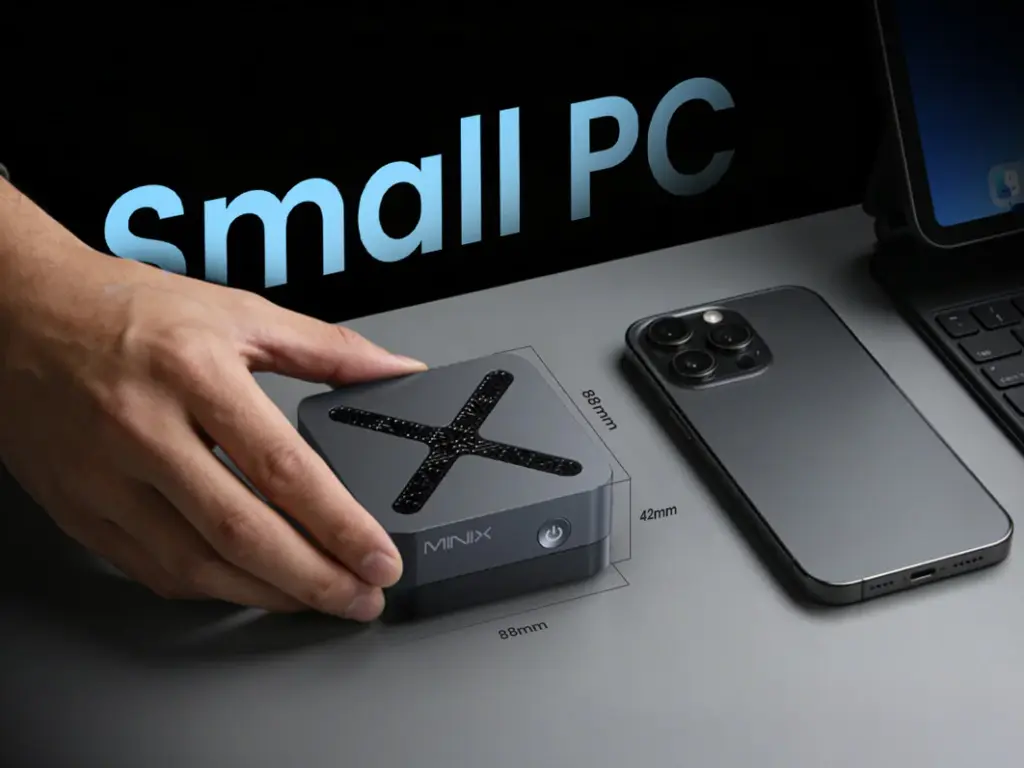






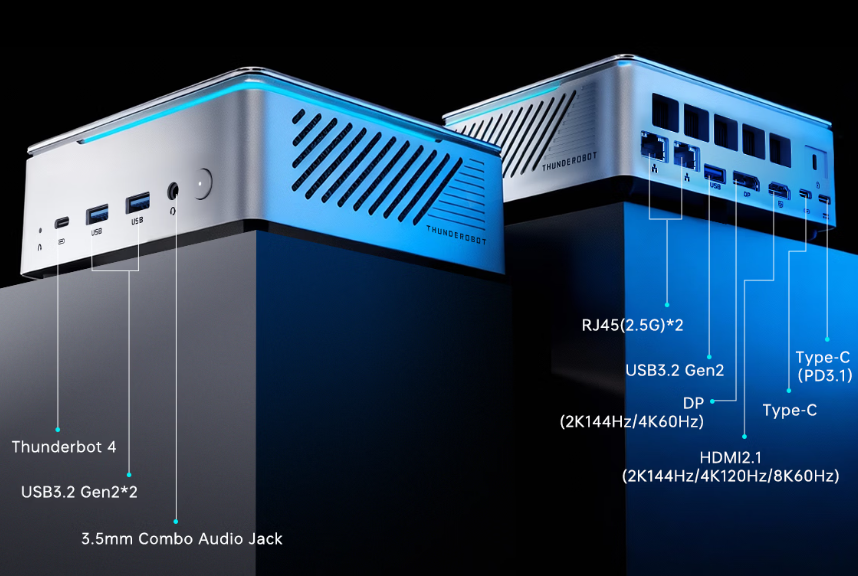




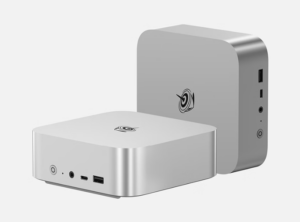
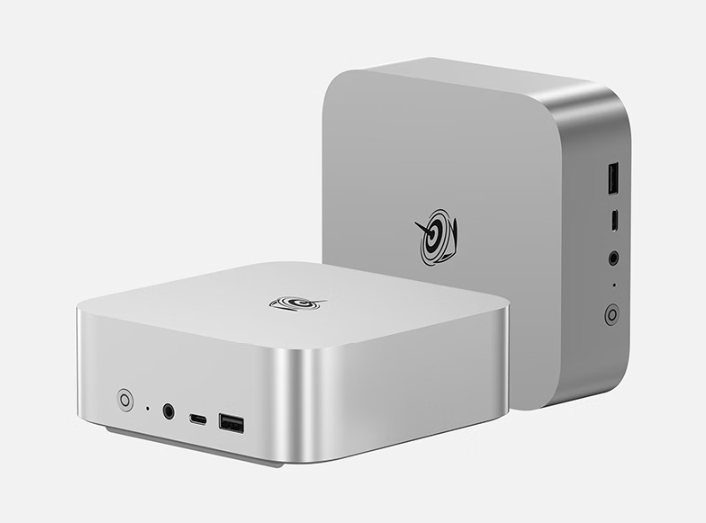




 Job Title: On-Page SEO Specialist
  Experience: 5+ Years
  Schedule: 8 AM – 5 PM CST
  Compensation: $10-$15/hour (based on experience)
  Fully Remote | Full-time Contract Position
  Job Overview We’re looking for a seasoned On-Page SEO Specialist to optimize and enhance our website’s on-page SEO performance while driving multi-location performance […]
 delivers interoperable data where and when it’s needed, empowering data and analytics leaders with unparalleled […]