Reading view

Pocono Mountains in Pennsylvania, USA welcomes NASCAR’s Great American Getaway 400 back, fueling a massive tourism boom and offering the ultimate travel experience and unmatched adventure!
Pocono Mountains in Pennsylvania, USA welcomes NASCAR’s Great American Getaway 400 back, fueling a massive tourism boom and offering the ultimate travel experience and unmatched adventure!
Pocono Raceway reignites motorsport passion as NASCAR returns, driving tourism, hotel stays, and travel experiences in Pennsylvania’s scenic Poconos.

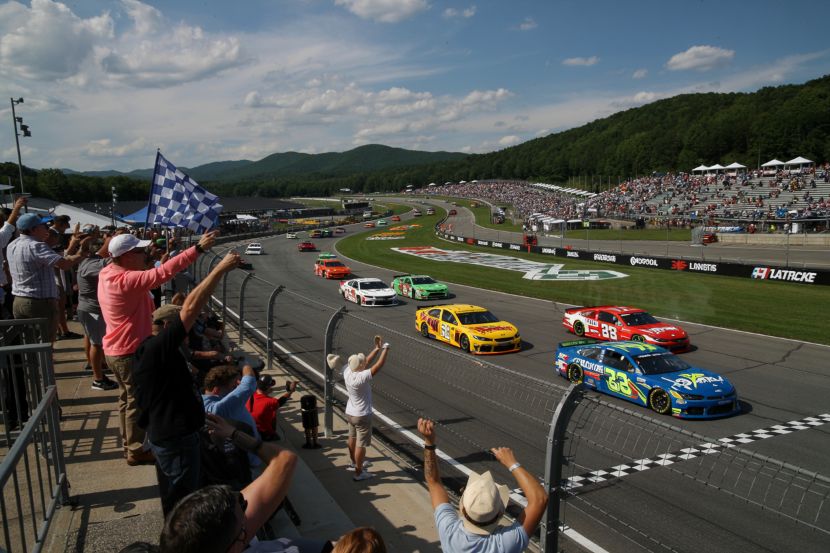
The rolling hills and lakes of the Pocono Mountains, Pennsylvania, are pulsing with renewed energy as The Great American Getaway 400 — NASCAR’s premier Cup Series race — is scheduled to roar back to Pocono Raceway on Sunday, June 14. This event not only marks another thrilling chapter in Pennsylvania’s motorsport tradition but also plays a major role in energising travel and tourism throughout the Commonwealth. For families planning a summer vacation, race fans plotting a getaway, and road-trip adventurers seeking new experiences, the Poconos are calling.

Local travel businesses and destination planners have started reporting rising inquiries for hotel stays, campground bookings, and flight reservations as visitors from across the United States prepare to turn the historic race weekend into a multi-day experience.

Historic Return of a Motorsport Classic

Pocono Raceway has been a fixture on the NASCAR calendar for more than five decades, originally hosting races as early as 1974. Today, the Great American Getaway 400 is the headline event of a tripleheader weekend that includes support races, fan activities, and community celebrations.

This year’s race is part of Governor Josh Shapiro’s tourism strategy, which places Pennsylvania’s breadth of natural beauty and outdoor adventure alongside world-class sporting occasions on the travel map. The event is broadcast internationally — reaching millions of viewers — and is expected to attract hundreds of thousands of visitors to the region.

Tourism Economics: Big Numbers, Bigger Impact

State tourism officials estimate that the NASCAR weekend at Pocono Raceway injects $75 million to $100 million annually into the Pennsylvania economy, benefiting hotels, restaurants, gas stations, retail outlets, and local attractions.

More than 60% of race fans travel from out of state or abroad to attend the event, turning a single-day race into a multi-day vacation for many families and motorsport enthusiasts. Travel planners have noted an uptick in bookings at resorts, rentals, and campsites across Monroe, Carbon, Pike, and Wayne counties.

Road-trip visitors are also increasingly combining their NASCAR weekend with explorations of nearby state parks, scenic trails, and local history museums — making the Pocono region a holistic destination rather than just a racing stop.

From Ferris Wheels to Fan Zones: Planning Your Trip

For visitors flying into the region, Harrisburg International Airport and other nearby hubs are reporting spikes in travel interest for mid-June arrivals. Leisure travellers are encouraged to secure accommodations early as hotels fill up quickly during the race weekend, and rates tend to rise sharply closer to the event.

The area also offers a rich calendar of activities beyond the racetrack — from relaxing hikes around scenic lakes to exploring vibrant downtown districts filled with local crafts, boutique eateries, and heritage sites. Families with children can balance the high-octane excitement with nature trails, paddleboarding, and regional festivals that often coincide with the NASCAR weekend.

Travel advisors recommend visitors build flexible itineraries that allow time before and after race day to fully experience the diversity of the Poconos. With its forests, waterfalls, golf courses, and lakefront beaches, the region is ideal for travellers seeking both thrills and tranquillity.

Governor’s Vision: Tourism at the Forefront

In recent years, Pennsylvania’s government has placed tourism at the heart of its economic development strategy, realising that travel expenditures support thousands of jobs and contribute billions in revenue. The NASCAR partnership — particularly under the “Pennsylvania: The Great American Getaway” brand — showcases how major events can spotlight the state’s attractions while driving sustainable economic growth.

“NASCAR Cup Series races are some of the biggest and best sporting events in the world — and nobody does it better than Pennsylvania,” Governor Shapiro said, highlighting the race’s twin role in sporting excellence and travel appeal.

Beyond the Track: Explore Pennsylvania’s Hidden Gems

Race weekend visitors are increasingly turning their Pocono itinerary into a broader Pennsylvania exploration. Scenic drives through rolling countryside, historic town centres, craft breweries, and artisan markets are all part of the visitor experience. Nature lovers often pair the race with excursions to state parks, waterfalls, and scenic overlooks that define the region’s summer charm.

Road-trippers from nearby states like New York, New Jersey, and Maryland are especially drawn to the convenience of combining a high-energy sporting event with relaxed outdoor exploration — a perfect recipe for family and friend getaways.

Looking Ahead: Travel and Tourism Momentum

As the Poconos prepare to welcome another wave of motorsport fans, local businesses are optimistic that the spill-over benefits will last far beyond race day. Many restaurants and attractions reported that visitors extend their stay by several days, boosting shoulder-season tourism and reinforcing the region as a year-round destination.

With its blend of adrenaline, scenic beauty, and hospitality, the Pocono Mountains continue to demonstrate that major sporting events — when combined with rich travel experiences — can transform a traditional race weekend into a full-fledged tourism phenomenon.

This year’s NASCAR Cup Series race at Pocono Raceway isn’t just about fast cars and roaring engines — it’s about the Poconos’ economic revival, tourism influx, and summer adventure. Whether you’re a racing fan or a nature lover, the Poconos promises an unforgettable getaway experience. Make sure you book your trip early, as the magic of the race weekend is just the beginning of the great things Pennsylvania has to offer.

The post Pocono Mountains in Pennsylvania, USA welcomes NASCAR’s Great American Getaway 400 back, fueling a massive tourism boom and offering the ultimate travel experience and unmatched adventure! appeared first on Travel And Tour World.

How Saudi Arabia’s Vision 2030 is Paving the Way for Unprecedented Growth in Global Tourism by Positioning Sports as the Key Driver of Economic Development and International Exposure

How Saudi Arabia’s Vision 2030 is Paving the Way for Unprecedented Growth in Global Tourism by Positioning Sports as the Key Driver of Economic Development and International Exposure
Saudi Arabia’s
tourism

Saudi Arabia is rapidly transforming its tourism sector by leveraging sports as a key driver of growth under Vision 2030. Hosting high-profile events like the Formula 1 Saudi Arabian Grand Prix and the 2034 FIFA World Cup, the Kingdom is boosting its global visibility and attracting international visitors. With investments in state-of-the-art facilities and expanding female participation in sports, Saudi Arabia is positioning itself as a year-round destination for sports fans and tourists, ensuring long-term economic benefits and enhanced global appeal.

Saudi Arabia is swiftly reshaping its role in the global travel sector, with sports emerging as a key driver of tourism. The Kingdom is strategically leveraging sports to increase international visitation, bolster its global visibility, and diversify its economy, all in alignment with the ambitious Vision 2030. Through significant investments, hosting high-profile international events, and long-term infrastructure planning, Saudi Arabia is positioning itself as a major global sports hub, attracting visitors from around the world.

The Middle East sports market, valued at approximately US$600 billion, is experiencing rapid growth, with an expected annual increase of 8.7% through 2026. This growth outpaces many other established markets, making the region a central player in the global sports economy. Saudi Arabia, in particular, is at the forefront of this transformation, capitalizing on the booming sports industry to attract both fans and leisure travelers. The global sports market is predicted to exceed US$600 billion by 2030, further solidifying the region’s importance in shaping future demand.

An important aspect of this shift is the increasing participation of women in sports. The Kingdom has launched several initiatives to foster greater inclusion, particularly through new professional women’s football leagues, which are gaining traction in Saudi Arabia, Qatar, and the UAE. Additionally, grassroots programs and school initiatives are contributing to a growing culture of inclusion. Since the inception of Vision 2030, female participation in sports in Saudi Arabia has surged by 150%, reflecting the broader societal integration of sports into daily life.

Sports as a Catalyst for Tourism

Sports events are no longer seen merely as isolated attractions; they are increasingly recognized as powerful tourism catalysts. Major sporting events like the Formula 1 Saudi Arabian Grand Prix, international boxing matches, golf tournaments, and football events have helped transform Saudi Arabia into a premier destination for global sports fans. The Kingdom has hosted over 100 global sporting events in recent years, attracting millions of spectators and generating significant international media exposure.

One of the standout moments that has elevated Saudi Arabia’s sports tourism profile was Cristiano Ronaldo’s high-profile transfer to Al-Nassr FC. This event further enhanced global recognition of Saudi Arabia’s sports scene and aligned with the Kingdom’s larger vision to become a must-visit destination for fans and event-driven visitors. High-profile sporting events not only boost tourism but also contribute to the country’s image as a growing hub for entertainment and leisure.

Globally, sports tourism accounts for roughly 10% of total tourism spending. Analysts predict that by 2030, the sector will be worth over US$2 trillion. Saudi Arabia’s expanding sports calendar positions it to capture a growing share of this rapidly evolving market, offering visitors the opportunity to engage with world-class events throughout the year.

Vision 2030: Transforming the Sports Economy

At the heart of Saudi Arabia’s sports-driven tourism strategy is Vision 2030, which outlines the role of sport in economic development and social progress. Under this initiative, the sports economy is expected to grow significantly, with projections estimating an increase from US$8 billion to US$22.4 billion by 2030. This growth will be fueled by investments in elite sports competitions, grassroots participation, and the promotion of women’s sports. This comprehensive approach is already generating year-round demand for travel, diversifying tourism beyond traditional leisure periods and helping to extend visitor stays.

Saudi Arabia’s commitment to sports as a key driver of tourism is evident in its ongoing investments across multiple sectors, including sports infrastructure, hotel accommodations, and transportation networks. These investments are laying the groundwork for sustainable tourism growth, fostering a robust ecosystem that supports not just events but also the broader travel and hospitality industries.

The 2034 FIFA World Cup: A Defining Moment

One of the most significant milestones in Saudi Arabia’s sports tourism strategy is its successful bid to host the 2034 FIFA World Cup. This global event will be held across 15 stadiums in various cities, including Riyadh and Jeddah, with plans for stadiums and related infrastructure projects to be integrated into broader urban regeneration and sustainability efforts. The World Cup is expected to draw millions of international visitors, providing a major boost to the country’s tourism industry.

In addition to the immediate benefits of increased hotel demand, air connectivity, and international exposure, the World Cup is expected to leave a lasting legacy. The event will drive long-term improvements in transport infrastructure, hospitality facilities, and venue development, all of which will enhance Saudi Arabia’s appeal as a tourism destination well beyond 2034. Furthermore, projects linked to cutting-edge developments like NEOM demonstrate how Saudi Arabia is blending sport, technology, and tourism infrastructure to create future-ready destinations that will attract modern travelers.

The legacy of the World Cup will not only be felt in the tourism sector but across various industries, including aviation, hospitality, and premium travel experiences. With its forward-thinking approach to stadium design and urban planning, Saudi Arabia is positioning itself to meet the needs of a diverse and demanding global audience, ensuring the country remains an attractive destination for both leisure and business travelers alike.

Sports and the Future of Saudi Arabia’s Tourism

Saudi Arabia’s sports boom is more than just a passing trend; it represents a structural shift in how the Kingdom is positioning itself in the global tourism landscape. By integrating sports into its broader tourism strategy, Saudi Arabia is tapping into a high-growth sector that is driving destination development and creating new opportunities for travelers. The Kingdom’s expanding sports calendar is becoming a cornerstone of its tourism sector, attracting visitors from across the globe and providing a platform for sustainable economic growth.

The strategic focus on sports, paired with innovative infrastructure projects and world-class events, is shaping Saudi Arabia’s tourism future. With its bold Vision 2030 agenda, the Kingdom is not just aiming to increase visitor numbers—it is setting the stage for long-term, sustainable growth in its tourism sector, transforming sports into one of the most influential drivers of travel. As Saudi Arabia continues to expand its global sports presence, it is well on its way to becoming a leading destination for sports tourism, with a growing appeal for fans, adventurers, and cultural travelers alike.

The post How Saudi Arabia’s Vision 2030 is Paving the Way for Unprecedented Growth in Global Tourism by Positioning Sports as the Key Driver of Economic Development and International Exposure appeared first on Travel And Tour World.

How Saudi Arabia is Orchestrating a Global Tourism Revolution Through the Strategic Integration of International Sports and Vision 2030 Infrastructure

How Saudi Arabia is Orchestrating a Global Tourism Revolution Through the Strategic Integration of International Sports and Vision 2030 Infrastructure

The global travel landscape is being fundamentally reshaped by the Kingdom of Saudi Arabia, where sport is being utilized as a primary engine for tourism growth and economic diversification. Within the framework of Vision 2030, a strategic roadmap has been established to enhance global visibility and stimulate visitationthrough unprecedented strategic investment and the hosting of high-profile international events. This transition is not merely a localized shift but a significant contributor to a Middle Eastern sports sector currently valued at US$600 billion.

It is observed that this regional market is projected to expand by 8.7% annually through 2026, a rate that exceeds the growth found in many established Western markets. By the year 2030, the international sports market is anticipated to surpass the US$600 billion mark, with Saudi Arabia identified as a central protagonist in the orchestration of future demand. The narrative of the Kingdom is being rewritten through the lens of athletic excellence and infrastructure development, ensuring that the nation is no longer viewed solely through its traditional economic pillars but as a modern hub for international engagement.

Social Transformation and Inclusive Growth

A profound shift in the social fabric of the region is being driven by the expansion of women’s participation in professional athletics. New professional women’s football leagues have been inaugurated across the UAE, Qatar, and Saudi Arabia, thereby increasing both access and visibility for female athletes. Within Saudi Arabia specifically, a remarkable increase of 150% in female participation in sport has been recorded since the inception of Vision 2030. This surge is viewed as a clear indicator of how deeply athletic engagement is being integrated into the daily lives of the population.

Educational institutions and local communities are being utilized as platforms for these inclusion initiatives, ensuring that the next generation is raised with a robust sporting culture. This cultural evolution serves a dual purpose: it fosters a healthier, more active society while simultaneously projecting an image of a progressive and welcoming destination to the international community. The empowerment of female athletes is recognized as a cornerstone of the broader developmental goals, reflecting a commitment to modernization that resonates with global travel trends and social expectations.

Sport as a Catalyst for International Travel

Major sporting fixtures are no longer regarded as isolated occurrences; instead, they are being recognized as significant drivers of travel and long-term tourism interest. The Saudi Arabian Grand Prix in Formula 1, along with elite-level boxing, golf, and football tournaments, are cited as prime examples of this phenomenon. Over 100 global sporting events have been hosted by the Kingdom in recent years, resulting in the attraction of millions of spectators and the generation of extensive international media coverage.

Global awareness of the Saudi sports landscape was significantly amplified by the high-profile acquisition of Cristiano Ronaldo by Al-Nassr FC. Such milestones are seen as pivotal in positioning the Kingdom as a mandatory destination for sports enthusiasts, leisure travelers, and those drawn by major events. On a global scale, sports tourism is estimated to represent approximately 10% of total tourism expenditure. With forecasts suggesting this segment will reach a value of US$2 trillion by 2030, the expanding Saudi sports calendar is strategically positioned to capture a substantial portion of this burgeoning market.

Economic Projections and Strategic Objectives

The core of this national transformation is found within the mandates of Vision 2030, where sport is positioned as a vital contributor to both social development and financial expansion. It is projected that the sports economy within Saudi Arabia will grow from an estimated US$8 billion to US$22.4 billion by the end of the decade. This growth is being supported by a multi-layered investment strategy that encompasses elite professional competitions, grassroots developmental programs, and specialized initiatives for women’s sports.

The 2034 FIFA World Cup: A Milestone for Infrastructure

A landmark moment in the journey toward sports-led tourism was reached with the successful bid to host the 2034 FIFA World Cup. It has been announced that the tournament will be facilitated across 15 stadiums situated in various cities, including Riyadh and Jeddah. These stadium projects are being meticulously embedded into comprehensive urban regeneration and sustainability initiatives, as reported by Arab News and other regional business outlets.

The arrival of the World Cup is expected to draw millions of international visitors, which will significantly bolster hotel demand, enhance air connectivity, and elevate destination awareness to unprecedented levels. The legacy of this event is anticipated to endure far beyond the final match, as improved transport networks and upgraded hospitality infrastructure will remain as permanent assets. Furthermore, innovative projects are being developed where stadiums are linked to futuristic urban centers such as NEOM, demonstrating a unique blend of sport, cutting-edge technology, and destination development that is designed to appeal to the modern, tech-savvy traveler.

Long-term Structural Shifts in the Travel Industry

For the global travel industry, the boom in Saudi Arabian sports is recognized as a structural transformation rather than a fleeting trend. Sporting events are being utilized as anchors for regional growth, creating vast opportunities for the aviation sector, hospitality providers, tour operators, and the premium travel market. The relationship between sport and tourism is being solidified as a permanent feature of the Kingdom’s identity.

As the global footprint of Saudi Arabian athletics continues to expand, it is observed that sport is no longer functioning as a secondary attraction. Instead, it has emerged as one of the most influential engines of travel growth and a primary motivator for international visitation. The synergy between high-stakes competition and luxury travel experiences is setting a new standard for how nations can utilize passion for play to build a sustainable and vibrant tourism economy for the future.

The post How Saudi Arabia is Orchestrating a Global Tourism Revolution Through the Strategic Integration of International Sports and Vision 2030 Infrastructure appeared first on Travel And Tour World.

Strategic Revisions to International Travel Advisories for the United States in Anticipation of the 2026 FIFA World Cup

Strategic Revisions to International Travel Advisories for the United States in Anticipation of the 2026 FIFA World Cup
Navigating United States Safety Protocols for Upcoming International Sporting Events.

In the lead-up to one of the most significant sporting events in history, international travel advisories for the United States are being meticulously updated by various foreign governments. As the 2026 FIFA World Cup preparations intensify across North America, a heightened focus is being placed on United States safety standards to ensure that fans from every corner of the globe are well-informed. The complexity of global tourism security is being addressed through these revised documents, which serve as essential guides for millions of prospective visitors. Visitor safety protocols are being highlighted to mitigate risks associated with urban crime, healthcare costs, and environmental factors that might differ significantly from the home countries of international travelers.

The Evolving Landscape of International Perceptions

The perception of safety within American borders is being re-evaluated by diplomatic agencies in Europe, Oceania, and Asia. While the United States remains a premier destination for global tourism, the specific nuances of its legal and social environment are being detailed with greater frequency. These updates are not merely routine; they are seen as a necessary response to the changing dynamics of public safety and the anticipated influx of millions of football enthusiasts. The narrative provided by foreign ministries is often centered on the paradox of a highly developed nation that simultaneously grapples with unique challenges regarding public security and social stability.

Detailed Safety Briefings from Key Allies

Specific attention is being directed toward the warnings issued by long-standing allies. Countries such as the United Kingdom, Australia, and Canada have refined their guidance to include more granular details about metropolitan areas. It is observed that tourists are frequently cautioned about the prevalence of petty crime, such as pickpocketing and vehicle break-ins, which are common in high-traffic tourist zones. Furthermore, the presence of more serious incidents is being noted, with foreign governments advising their citizens to maintain a high level of situational awareness. These advisories are structured to provide a realistic view of the environment without discouraging travel entirely, striking a balance between caution and the promotion of international exchange.

Healthcare Logistics and Financial Implications

A significant portion of the revised documentation is dedicated to the intricacies of the American healthcare system. It is pointedly mentioned by several nations that medical services in the United States are exceptionally expensive and are not provided free of charge to visitors. Travelers are being urged to secure comprehensive insurance policies that cover everything from minor illnesses to emergency medical evacuations. The risk of financial ruin due to unexpected medical emergencies is presented as a major concern, leading to a strong emphasis on administrative preparedness before departure. This focus on health security is a cornerstone of the updated guidelines, ensuring that the 2026 festivities are not overshadowed by personal financial crises.

Concerns Regarding Urban Crime and Public Safety

The issue of crime remains a central theme in the communications from foreign offices. Passive observations are made regarding the disparity in safety between different neighborhoods within the same city. Visitors are often encouraged to research their specific destinations and to avoid areas that are known for higher rates of violence. The unique nature of firearm regulations in the United States is also a recurring topic, with many advisories informing travelers that the presence of weapons is more common than in their home jurisdictions. These insights are intended to prepare the traveler for a cultural and legal landscape that may feel unfamiliar or unpredictable.

Transport and Infrastructure Considerations

As fans prepare to navigate between host cities, the logistics of American transportation are being scrutinized. The reliance on personal vehicles and the vast distances between venues are noted as potential challenges. Advisories are being expanded to include tips on road safety, the nuances of local traffic laws, and the reliability of public transit systems in various regions. Because the 2026 tournament is spread across such a vast geographical area, the coordination of travel is viewed as a vital component of the visitor experience. Information regarding the security of airports and the efficiency of border crossings is also being updated to reflect current technological and administrative standards.

Natural Disasters and Environmental Risks

Beyond human-related concerns, the natural environment of the United States is factored into the latest travel warnings. Depending on the season and the region, risks such as hurricanes, wildfires, and extreme heat are being highlighted. It is suggested that visitors monitor local weather reports and adhere to the instructions of emergency management officials. The diversity of the American climate means that a traveler might encounter vastly different environmental threats when moving from the East Coast to the West Coast, necessitated a comprehensive approach to environmental awareness in the official travel literature.

Cultural Sensitivity and Legal Compliance

The importance of adhering to local laws and respecting cultural norms is being reinforced. This includes information on the legal age for alcohol consumption, drug regulations which vary significantly by state, and the expected behavior when interacting with law enforcement. It is noted that misunderstandings regarding local statutes can lead to severe legal consequences for foreign nationals. By providing this information, foreign governments aim to shield their citizens from preventable legal entanglements while they enjoy the competitive spirit of the World Cup.

Preparing for the Influx of Global Fans

As the countdown to the 2026 FIFA World Cup continues, the collaboration between international security agencies and American authorities is expected to grow. The updates to travel advisories are part of a broader effort to ensure a seamless and safe experience for all participants. The collective goal remains the successful hosting of a global event where the focus can remain on the sport rather than on security failures or health emergencies. The proactive nature of these advisories reflects a global commitment to the safety of the international traveling public.

The post Strategic Revisions to International Travel Advisories for the United States in Anticipation of the 2026 FIFA World Cup appeared first on Travel And Tour World.

Solo Golf Holidays Set to Soar by 2026 as Shorter, Value-Driven Trips Take Center Stage

Solo Golf Holidays Set to Soar by 2026 as Shorter, Value-Driven Trips Take Center Stage

By 2026, solo golf holidays are expected to rise sharply, changing the landscape of golf tourism. Shorter, value-driven trips, combined with AI-powered travel planning, are becoming the norm. This shift is revolutionising how golf holidays are designed, offering a new way for golf lovers to travel independently and enjoy world-class courses on their terms.

Golf Tourism Trends: Flexibility and Personalisation on the Rise

Golf enthusiasts around the world are increasingly choosing flexibility and personal challenges, with solo golf trips now a top trend. According to a survey conducted by UK-based Glencor Golf Holidays, the growing desire for self-paced, independent travel is shaping the future of golf tourism. Solo travel, once a niche, has become a mainstream option for golfers prioritising freedom.

Glencor Golf Holidays co-director Corrie Renton observed that golfers now want to experience iconic golf courses without the constraints of group schedules. They crave time to enjoy the sport at their own pace, with flexibility to combine rounds with recovery time. Renton pointed out that this shift in preferences is expected to reshape the design of golf holidays in the years ahead.

Micro-Trips and Experiential Destinations: Shorter Getaways With More Value

The growing trend of micro-trips is also gaining traction. Golfers no longer want long-haul flights or lengthy holidays. Instead, they are seeking value in shorter getaways that are closer to home, with a focus on meaningful experiences rather than time spent traveling.

Experts suggest that golf destinations such as Morocco will become increasingly popular, blending golfing with rich cultural experiences, such as exploring local cuisine and enjoying wellness offerings. This combination of golf and immersive travel experiences is expected to draw more tourists, contributing to the growth of destinations that offer both relaxation and adventure.

Certified Pro Travel Advisor Christina Gales noted that golfers are looking for experiences that offer more than just the game. According to Gales, destinations that combine golf with culture, wellness, and local cuisine are what today’s golfer is seeking.

AI-Powered Travel Planning: The Future of Golf Holiday Inspiration

AI is set to play a key role in golf holiday planning by 2026. AI-powered tools will help younger golfers find inspiration for their trips, offering quick and efficient recommendations. However, experts believe that more experienced travelers will continue to seek advice from specialists who understand their specific preferences and can craft tailored experiences.

Glencor Golf Holidays noted that many UK golfers are already using AI to refine their holiday itineraries, helping tour operators better understand their preferences. Yet, Renton pointed out, combining AI’s efficiency with human expertise remains the best approach. Experienced operators can provide firsthand knowledge, ensuring golfers get the most out of their holidays, beyond just planning.

The Evolution of Group Travel: From Mates’ Trips to Multi-Generational Adventures

Another trend shaping the future of golf tourism is the evolution of group travel. Traditional mates’ trips are giving way to multi-generational and mixed-ability group travel. Families are increasingly choosing to travel together, seeking destinations where everyone, from grandparents to children, can enjoy both golf and other leisure activities.

Cam Storey, Owner of Brisbane 360, stated that the future of golf holidays lies in destinations that cater to families and diverse groups. Storey explained that people are looking for regional golf destinations that can accommodate all members of the family, allowing everyone to enjoy golf, relaxation, and exploration.

This shift is expected to have a significant impact on tourism, as multi-generational families look for destinations that offer a mix of activities for all ages. Regional golf destinations within 2-3 hours of major cities are expected to see a boom, as families seek quick getaways without the hassle of long airport transfers.

Experiential Destinations: Blending Golf with Culture and Wellness

As golf tourism becomes more experiential, travelers are increasingly seeking destinations that offer more than just golf. For example, destinations like Morocco and other regions known for their cultural heritage, wellness offerings, and culinary experiences are poised to benefit from the rise in golf tourism.

Gales remarked that golfers today want to combine their love for the game with personal recovery and immersion in local culture. She highlighted that the emphasis is no longer just on the sport, but on what the destination has to offer in terms of food, wellness, and exploration.

This focus on experiential travel will likely increase tourism in destinations offering both excellent golf courses and enriching cultural experiences, helping local economies thrive and bringing a new wave of golf-focused travelers.

How This Shift Will Boost Golf Tourism and Local Economies

These changes in golf tourism will have significant economic benefits, particularly for destinations that embrace the evolving trends. Solo travel, shorter trips, and experiential destinations offer tremendous opportunities for local economies, as tourists spend more on activities beyond golf itself. Whether it’s exploring local food, wellness retreats, or cultural landmarks, these new travel behaviours will drive increased visitation and spending.

Moreover, the rise of multi-generational travel and AI-driven planning will enable a broader demographic of travelers to engage in golf tourism. Families, younger golfers, and even older generations will be encouraged to book golf holidays, further boosting demand for a variety of destination offerings.

The post Solo Golf Holidays Set to Soar by 2026 as Shorter, Value-Driven Trips Take Center Stage appeared first on Travel And Tour World.
❌